
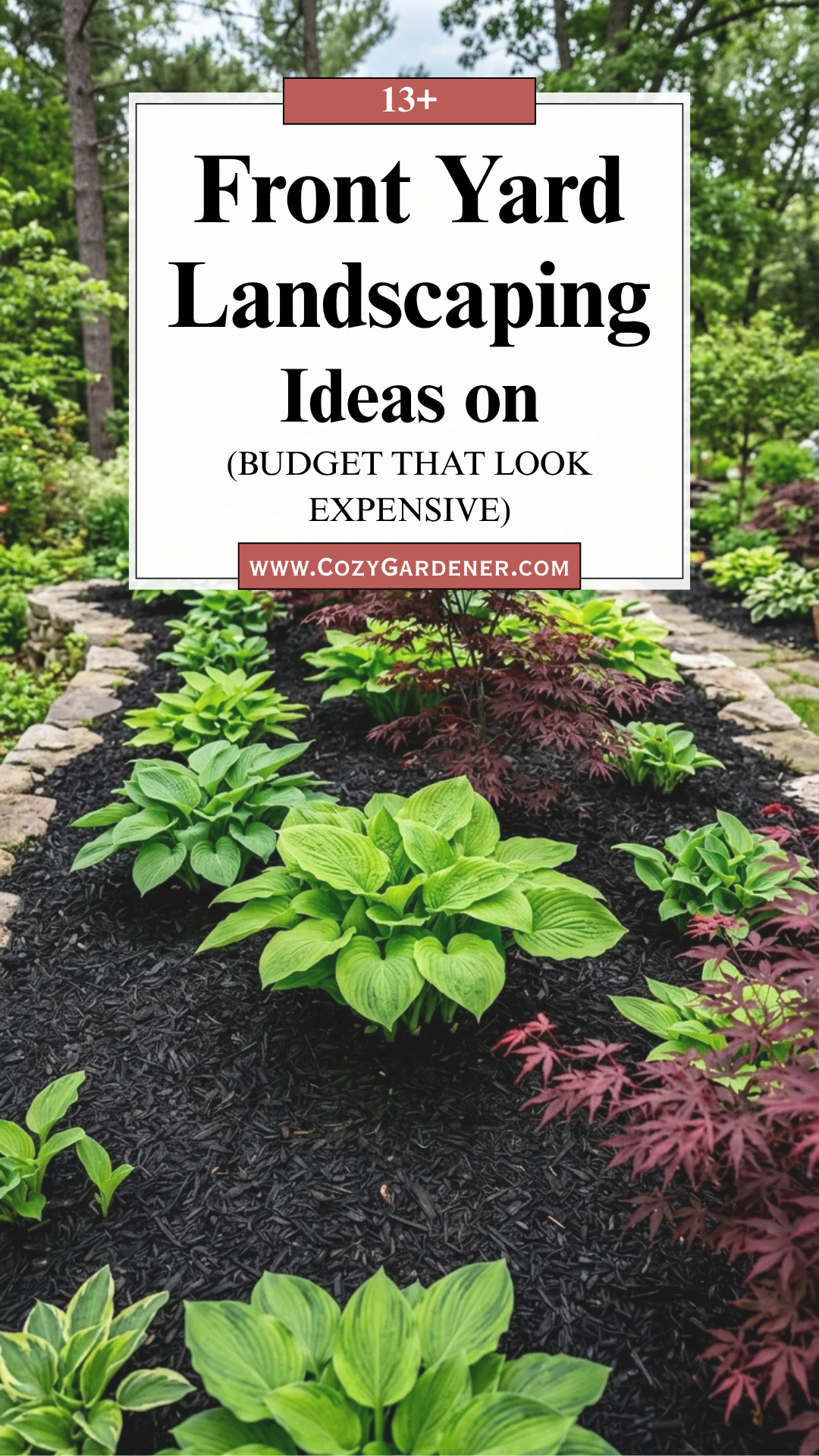
Curb appeal is often the difference between a house that looks “lived in” and a home that looks like a luxury estate. Many homeowners assume that achieving a high-end, designer look requires a massive investment and a team of professional landscapers. However, the secret to an expensive-looking front yard isn’t necessarily the price tag—it’s the strategy. By focusing on clean lines, intentional layers, and high-impact focal points, you can transform your home’s exterior for a fraction of the cost.
1. Clean Edges
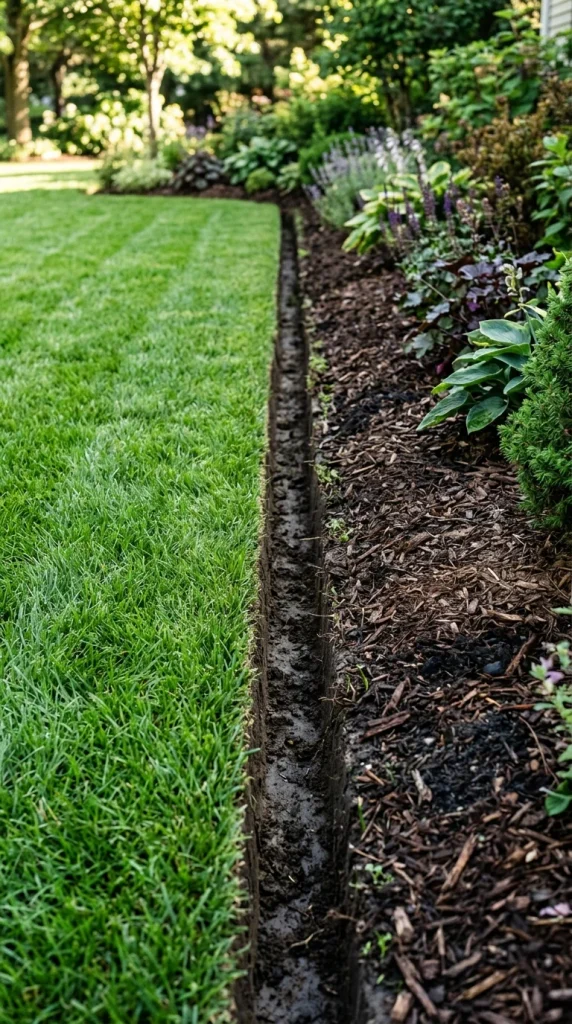
One of the easiest and most cost-effective ways to make your yard look professionally maintained is to create crisp, clean edges. Overgrown grass creeping into your flower beds creates a messy, neglected appearance. By using a simple manual edger or even a sharp spade, you can cut a “Victorian edge”—a deep, vertical trench about 3 to 4 inches deep between your lawn and your garden beds.
This technique creates a shadow line that makes the landscape pop. If you want something more permanent, inexpensive plastic or composite edging hidden just below the soil line can help maintain that boundary. For a slightly higher-end look, recycled bricks or cobblestones laid end-to-end provide a classic, structured border that defines the space and prevents mulch from washing onto the grass.
2. Outdoor Lighting
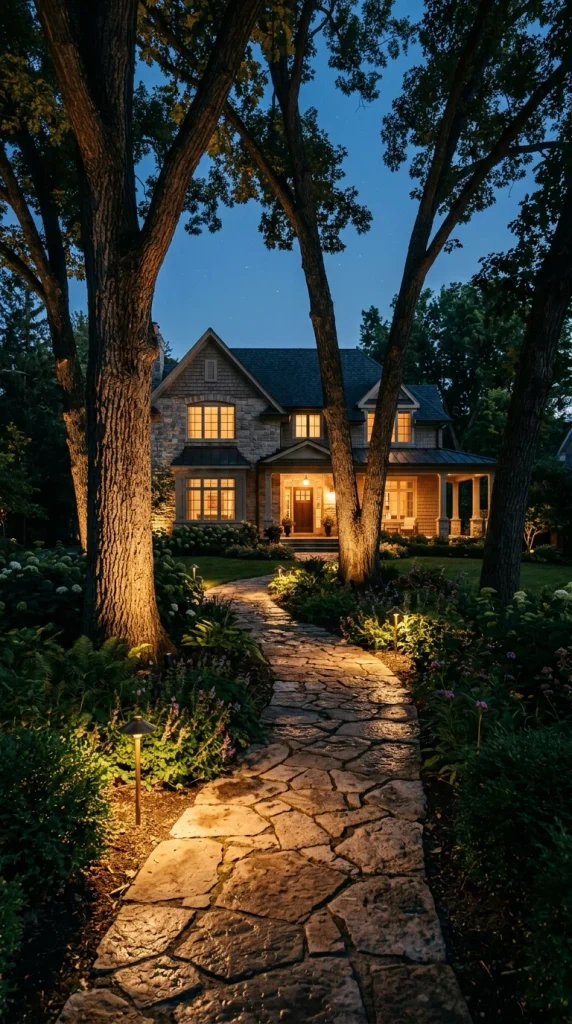
Nothing says “luxury” quite like a well-lit home at night. Professional lighting designers focus on “uplighting” and “moonlighting” to create drama. You don’t need an expensive hardwired system to achieve this. High-quality solar-powered LED spotlights have come a long way; placing them at the base of your most attractive trees or architectural features can create stunning silhouettes.
To make your lighting look expensive, avoid the “runway” look where path lights are placed in a perfectly straight line like a landing strip. Instead, stagger them or hide them slightly behind foliage to create a soft, ambient glow. Focus on three areas: the walkway for safety, the architecture for depth, and your best trees for height.
3. Fresh Mulch
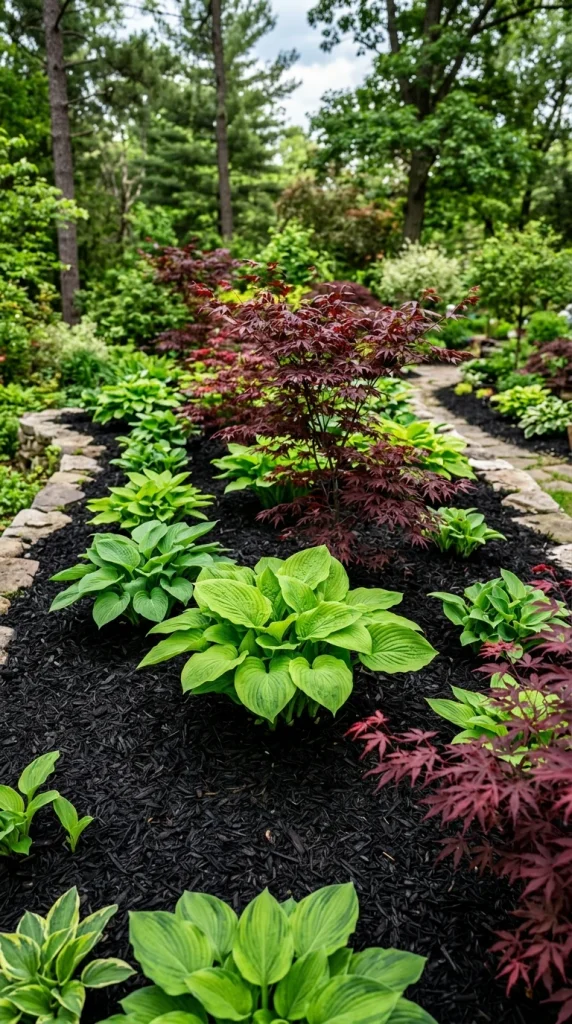
Mulch is the “secret sauce” of landscaping. It covers up uneven soil, suppresses weeds, and retains moisture, but more importantly, it provides a uniform color palette that makes everything else look better. To get the most “expensive” look, opt for dark brown or black dyed hardwood mulch. These colors provide a high-contrast backdrop that makes the green of your plants and the colors of your flowers stand out.
Avoid red mulch, which often looks artificial and can distract from the natural beauty of your plants. A fresh layer of mulch twice a year—once in the spring and once in late fall—keeps the yard looking polished and intentional. If you are on a tight budget, many municipalities offer free wood chips, which you can use as a base layer and then top with a thinner layer of the high-quality dyed mulch to save money.
4. Perennial Borders
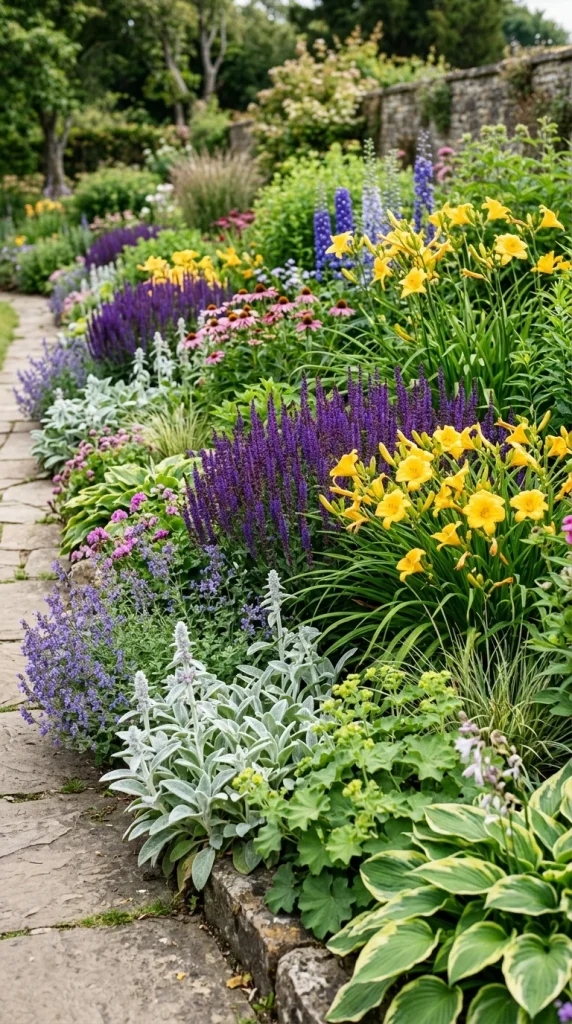
Annuals are beautiful, but they are a recurring expense that can drain your budget year after year. Perennials, on the other hand, are an investment. Once planted, they return every year, often growing larger and more robust. To create an expensive-looking border, follow the rule of three: plant in groups of three (or five or seven) to create mass and impact rather than a scattered, “polka-dot” look.
Choose a mix of textures and blooming times. Hostas and ferns are excellent for shaded areas, while lavender, coneflowers, and ornamental grasses thrive in the sun. As these plants grow, you can often “divide” them in the spring or fall, essentially getting free plants to expand your garden beds elsewhere.
5. Symmetrical Planters
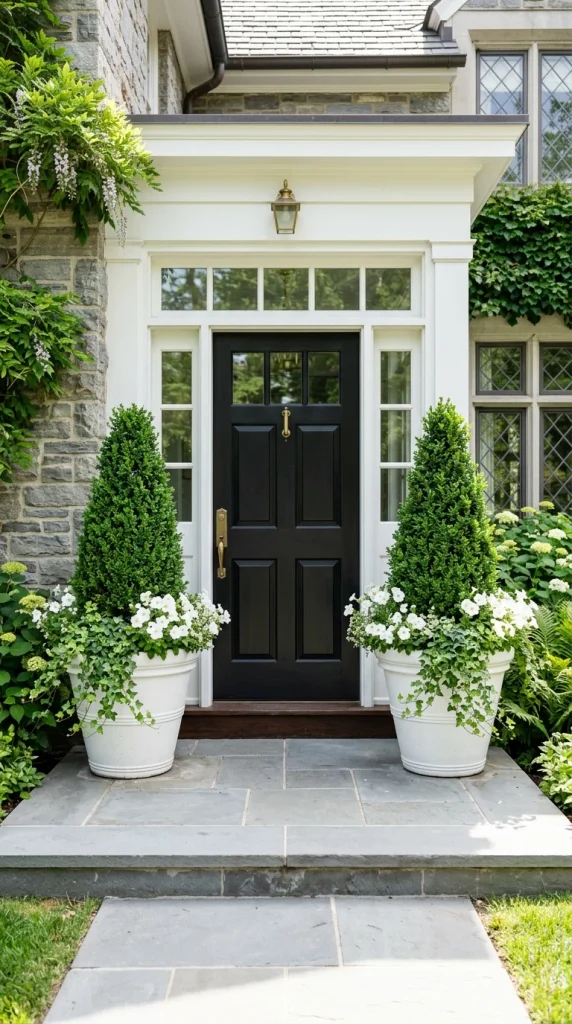
Symmetry is a hallmark of formal, high-end design. If your front porch feels a bit bare, adding a pair of large, matching planters on either side of the front door can instantly elevate the space. The key to making this look expensive is scale. Small pots look cluttered; large, substantial pots look like architectural features.
When planting, use the “Thriller, Filler, Spiller” method. Use a “thriller” (a tall, upright plant like a dracaena or a topiary) in the center, “fillers” (mounded plants like geraniums or begonias) around the middle, and “spillers” (trailing plants like sweet potato vine or creeping jenny) to hang over the edges. This layered approach creates a lush, professional arrangement that greets guests with elegance.
6. Gravel Paths
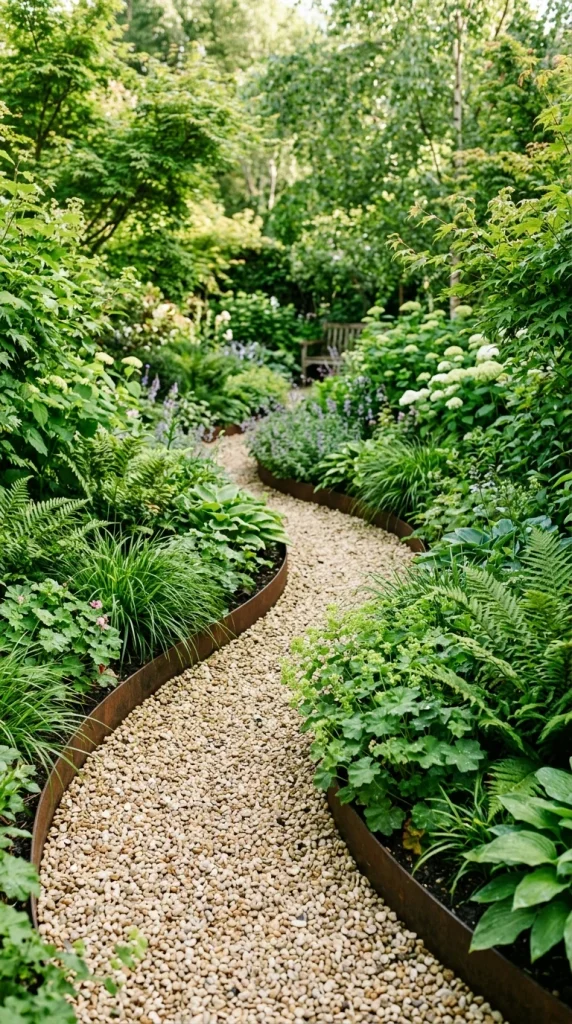
A stone or brick walkway can be incredibly expensive and labor-intensive. A gravel path, however, offers a similar aesthetic for a fraction of the cost. Using pea gravel or crushed limestone creates a crunch underfoot that feels very “English cottage” or “French provincial.”
To keep the gravel path looking high-end, use a sturdy edging material like metal or heavy timber to keep the stones contained. Lay down a landscape fabric underneath to prevent weeds from poking through. Gravel paths are not only budget-friendly but also permeable, making them an eco-friendly choice for managing rainwater runoff.
7. Native Species
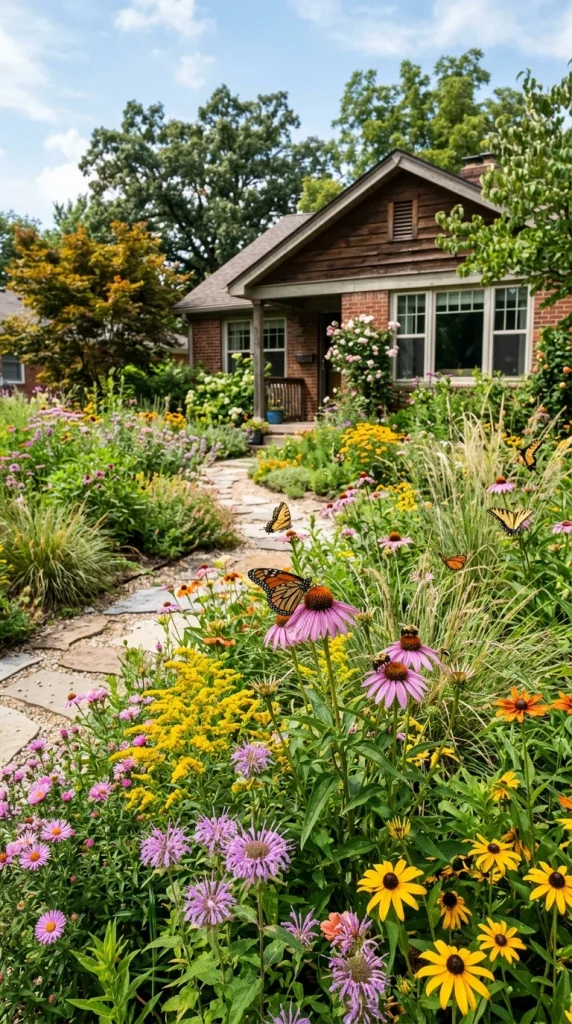
Designing with native plants is one of the smartest ways to save money. Native plants are specifically adapted to your local climate, soil, and rainfall patterns. This means they require less water, less fertilizer, and less pest control than exotic species.
Because they thrive so easily, native plants fill in gaps quickly, giving you a lush, established look in a shorter amount of time. Furthermore, native gardens have a “sense of place” that feels authentic and integrated with the surrounding environment. Check with local university extensions or native plant societies to find species that will look sophisticated while being incredibly low-maintenance.
8. Rock Accents
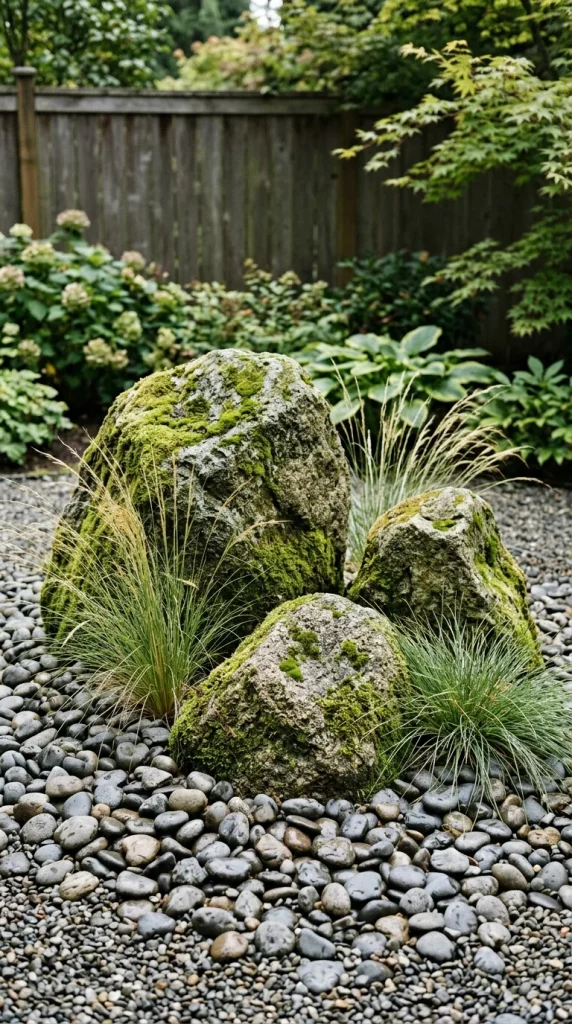
Adding “hardscape” elements usually involves a big budget, but individual rocks and boulders can be found relatively cheaply (or even for free if you look at local construction sites or online marketplaces). Boulders add weight and permanent structure to a garden, making it look like it has been there for decades.
When placing rocks, don’t just sit them on top of the soil. Bury them slightly (about 1/3 of the way down) so they look like natural outcroppings. Grouping them in odd numbers and surrounding them with different textures, like fine-textured mulch or creeping groundcovers, creates a professional “rock garden” aesthetic that adds year-round interest even when plants are dormant.
9. Window Boxes
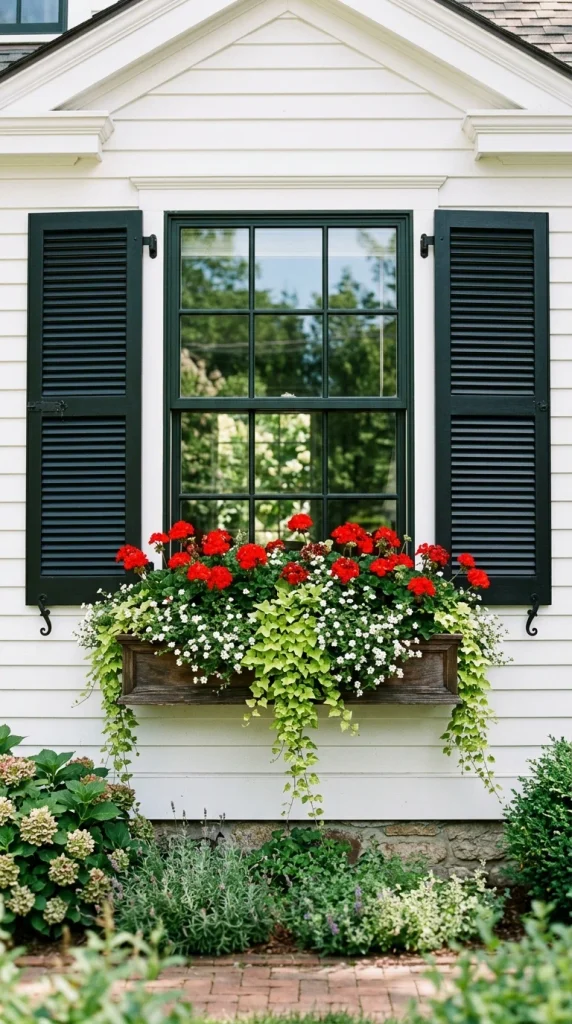
Window boxes are a classic curb appeal trick that adds vertical interest and a pop of color to the facade of your home. They are relatively inexpensive to build or buy and can be painted to match your shutters or front door for a cohesive look.
The beauty of window boxes is that they bring the garden up to the eye level of people passing by. They can make a small house look more charming and a large house look more detailed. For a high-end look, ensure the boxes are the full width of the window and use a self-watering insert to keep the plants looking lush and hydrated throughout the heat of summer.
10. Color Refresh
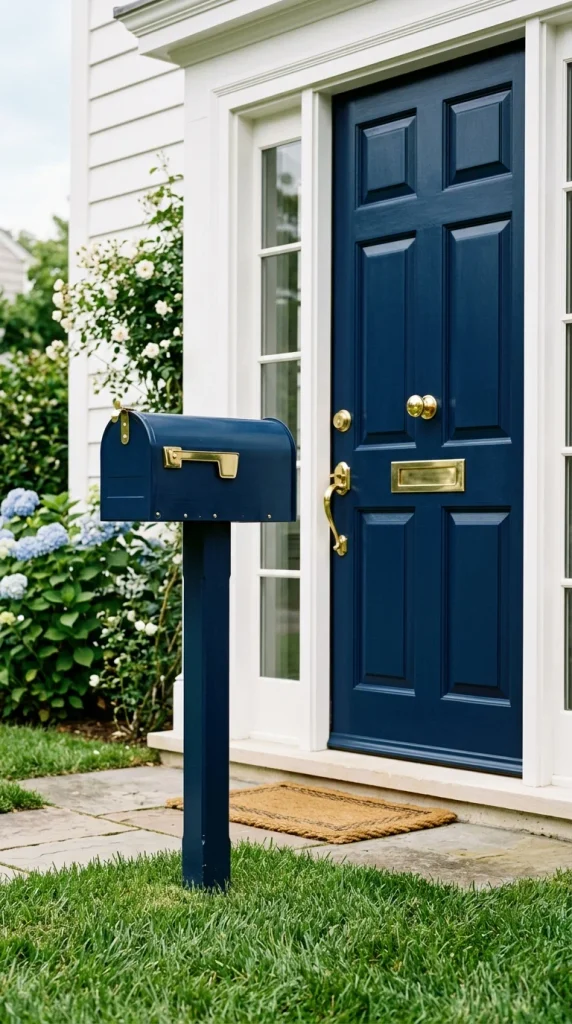
Sometimes the best landscaping idea isn’t a plant at all. Painting your front door, your mailbox, and your shutters in a coordinated, sophisticated color palette can make the surrounding greenery look more vibrant. Deep charcoal, navy blue, or a classic forest green can make a home look significantly more expensive.
Pair the new paint with updated hardware. A new, modern house number or a substantial brass door knocker provides those small “finishing touches” that signal quality. When the “frame” of the landscape (the house itself) looks polished, the entire yard feels more upscale.
11. Garden Berms
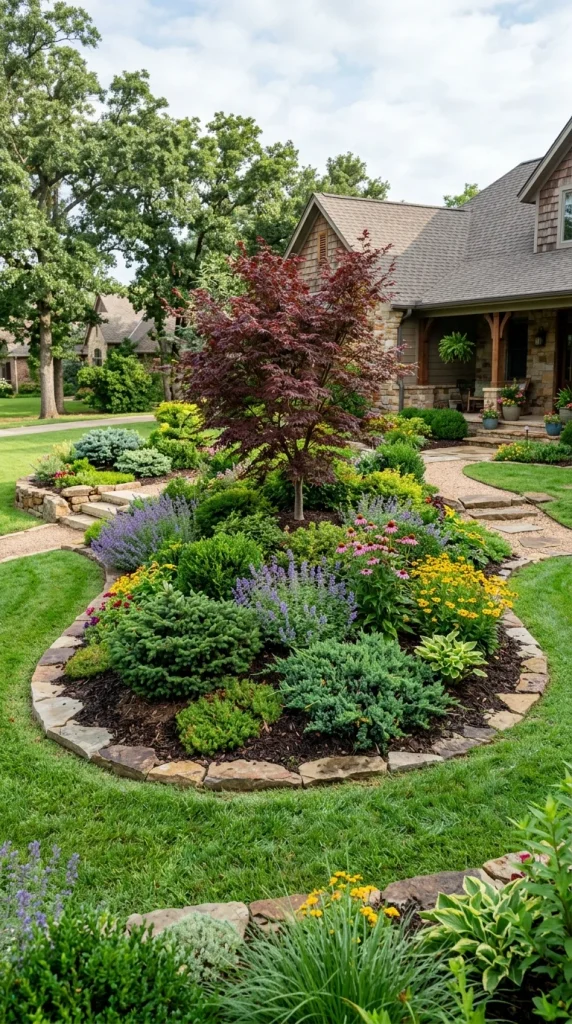
Flat yards can sometimes feel two-dimensional and boring. A “berm” is a small, man-made hill or mound that adds elevation and visual interest to your landscape. You can create a berm by piling up soil and shaping it into a natural-looking curve.
By planting on a berm, you create different heights, which allows you to showcase smaller plants in the front and larger ones in the back more effectively. This technique is often used by golf courses and luxury estates to create privacy and a sense of movement. Using a berm as a focal point in the center of a lawn can break up the monotony of a large green space and make the yard feel professionally designed.
12. Vertical Greens
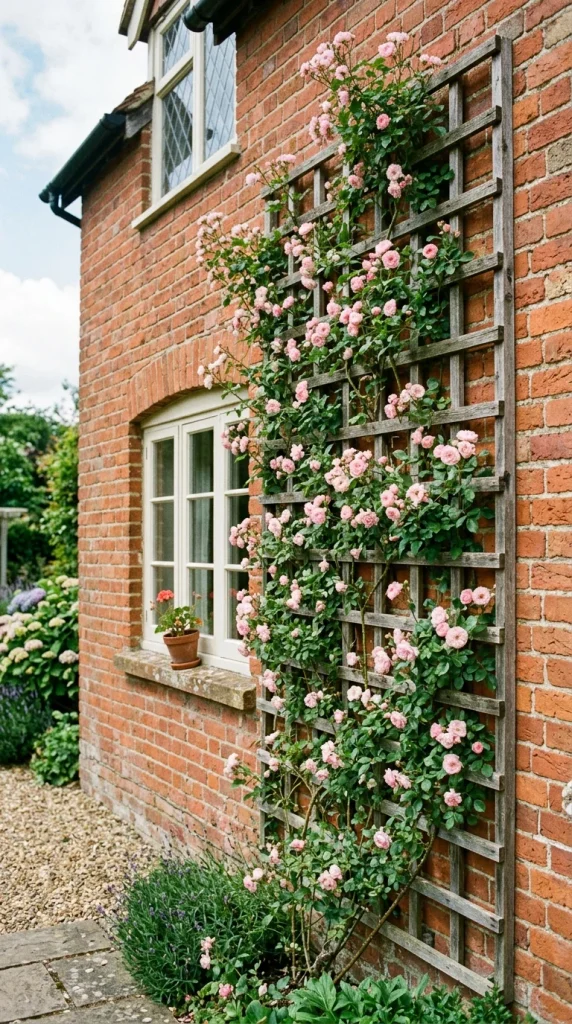
If you have a small front yard, go vertical. Climbing plants like clematis, wisteria, or climbing roses can cover unsightly walls or fences with lush foliage and flowers. Using a simple trellis or a series of guide wires is a very inexpensive way to add “architectural” greenery.
Vertical gardening adds a layer of sophistication by softening the hard lines of the house. It also creates a sense of enclosure and privacy. To make it look truly expensive, keep the vines well-pruned and trained. A “wild” vine can look messy, but a trained vine looks like a deliberate design choice that has been cared for over many years.
13. Water Features
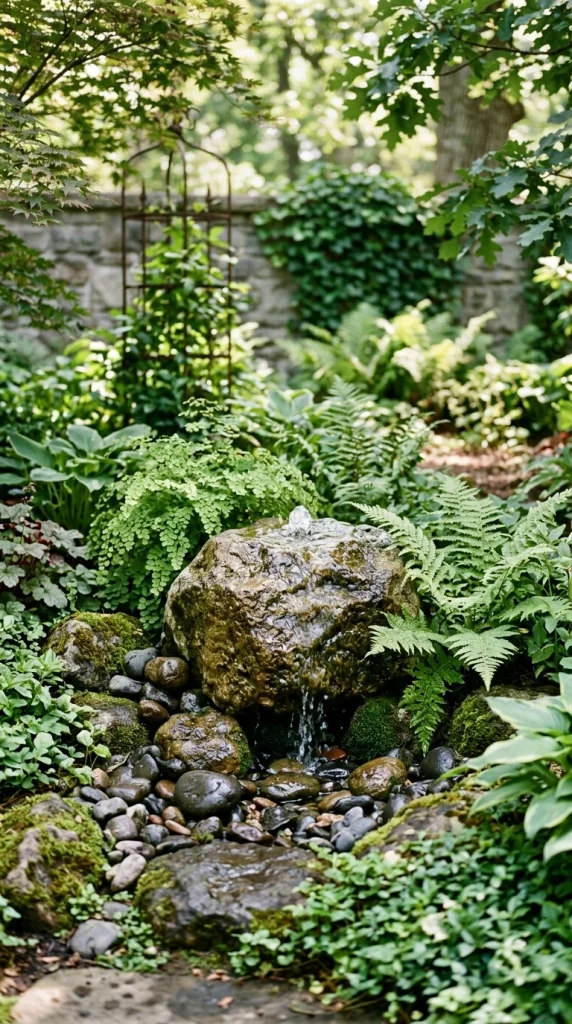
The sound of trickling water is a hallmark of luxury gardens. While a massive waterfall or a custom pond can cost thousands, a small “disappearing” fountain is quite affordable. You can create one using a large ceramic pot, a small submersible pump, and some decorative stones.
Because the water recirculates, these features are relatively low-maintenance. Placing a small water feature near your front entrance or a seating area creates a sensory experience that masks street noise and provides a calming atmosphere. The presence of water adds a level of tranquility and “resort-style” living that immediately boosts the perceived value of your home.