
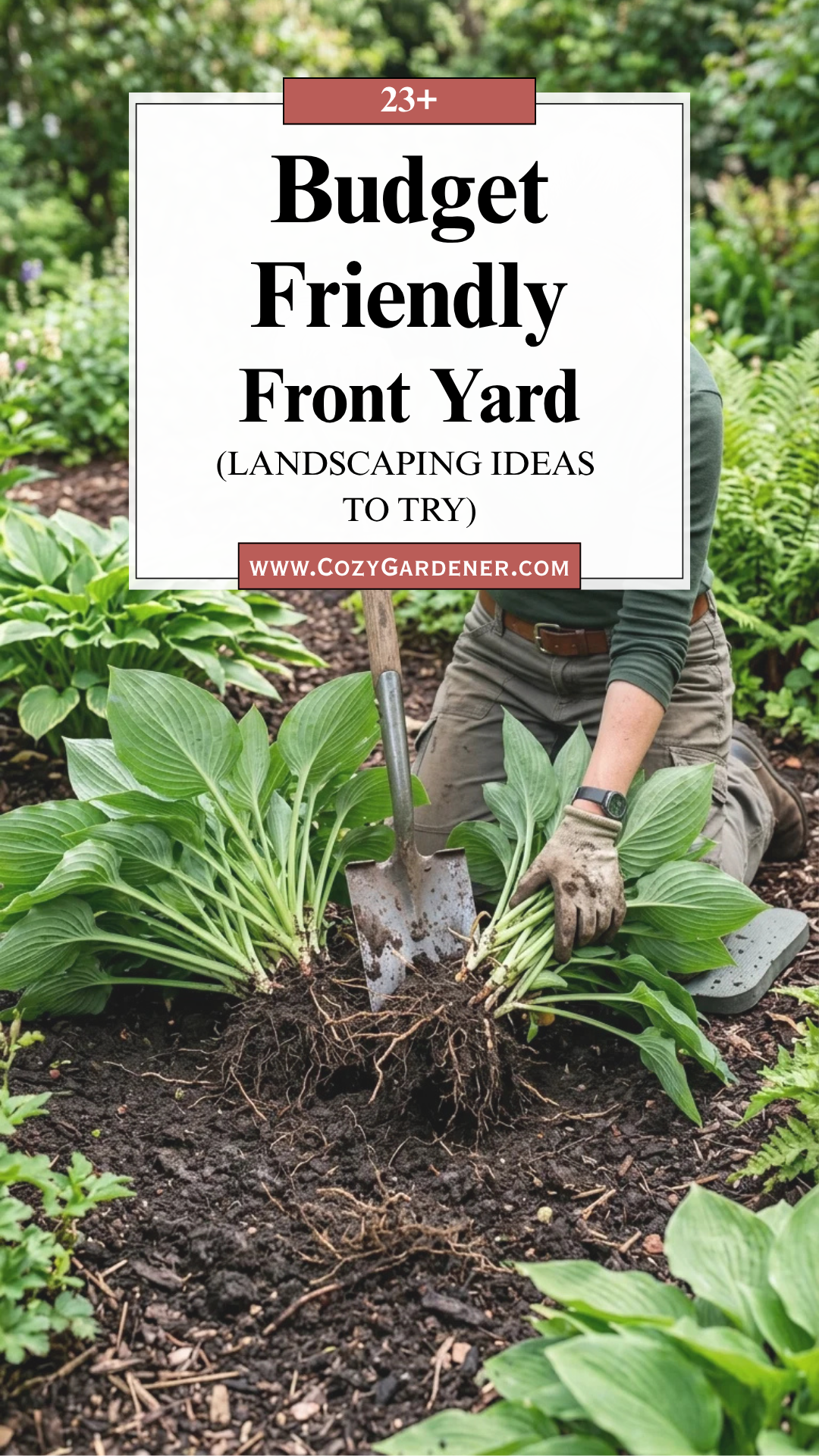
Transforming your front yard doesn’t require a professional landscape architect or a massive bank account. With a little creativity, some elbow grease, and strategic planning, you can significantly boost your home’s curb appeal on a shoestring budget. Whether you want to create a welcoming entrance for guests or simply want to enjoy a more beautiful view from your porch, these budget-friendly ideas will help you achieve a high-end look without the high-end price tag.
1. Mulch Beds
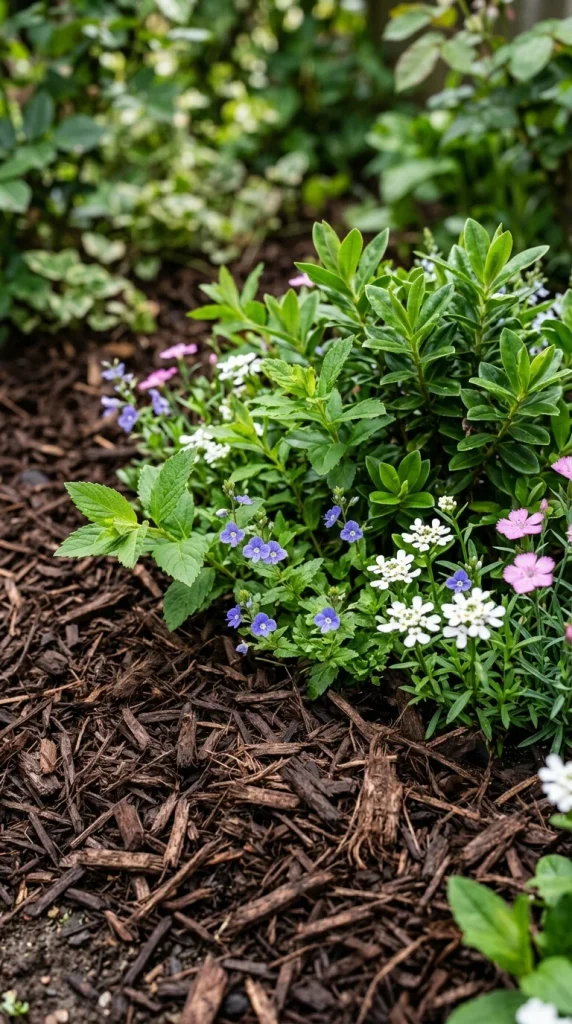
Mulching is perhaps the most cost-effective way to make a garden look instantly polished. Beyond the aesthetic appeal of a clean, uniform surface, mulch serves several practical purposes. It helps retain moisture in the soil, suppresses weed growth, and regulates soil temperature. For a budget-friendly option, check with your local municipality; many cities offer free mulch made from recycled yard waste. Alternatively, buying in bulk rather than individual bags can save you a significant amount of money.
2. Native Plants
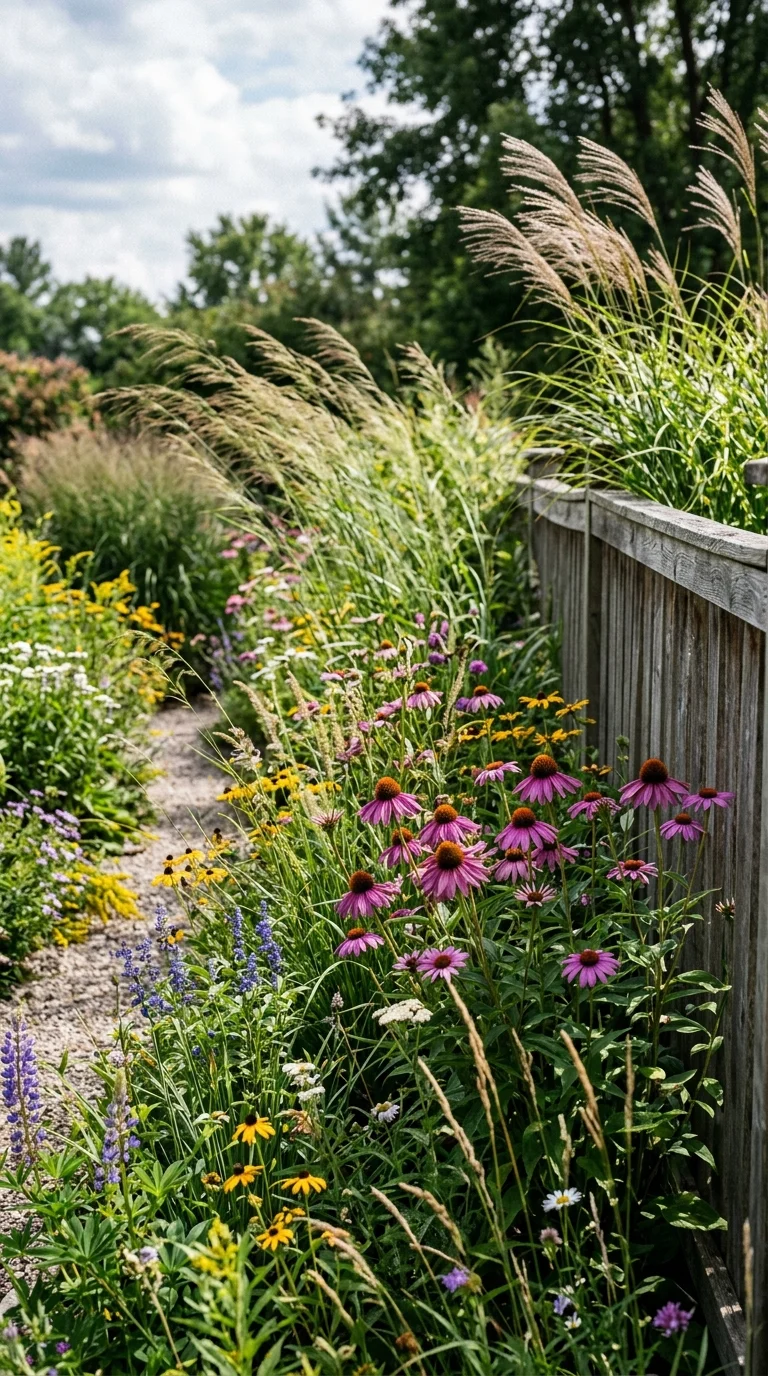
One of the smartest ways to save money in the long run is by choosing native plants. These species are naturally adapted to your local climate, soil conditions, and rainfall patterns. This means they require less water, fewer fertilizers, and minimal pesticides compared to exotic varieties. Native plants also provide essential habitats for local pollinators like bees and butterflies, turning your front yard into a mini-ecosystem that thrives with very little intervention.
3. Perennial Borders
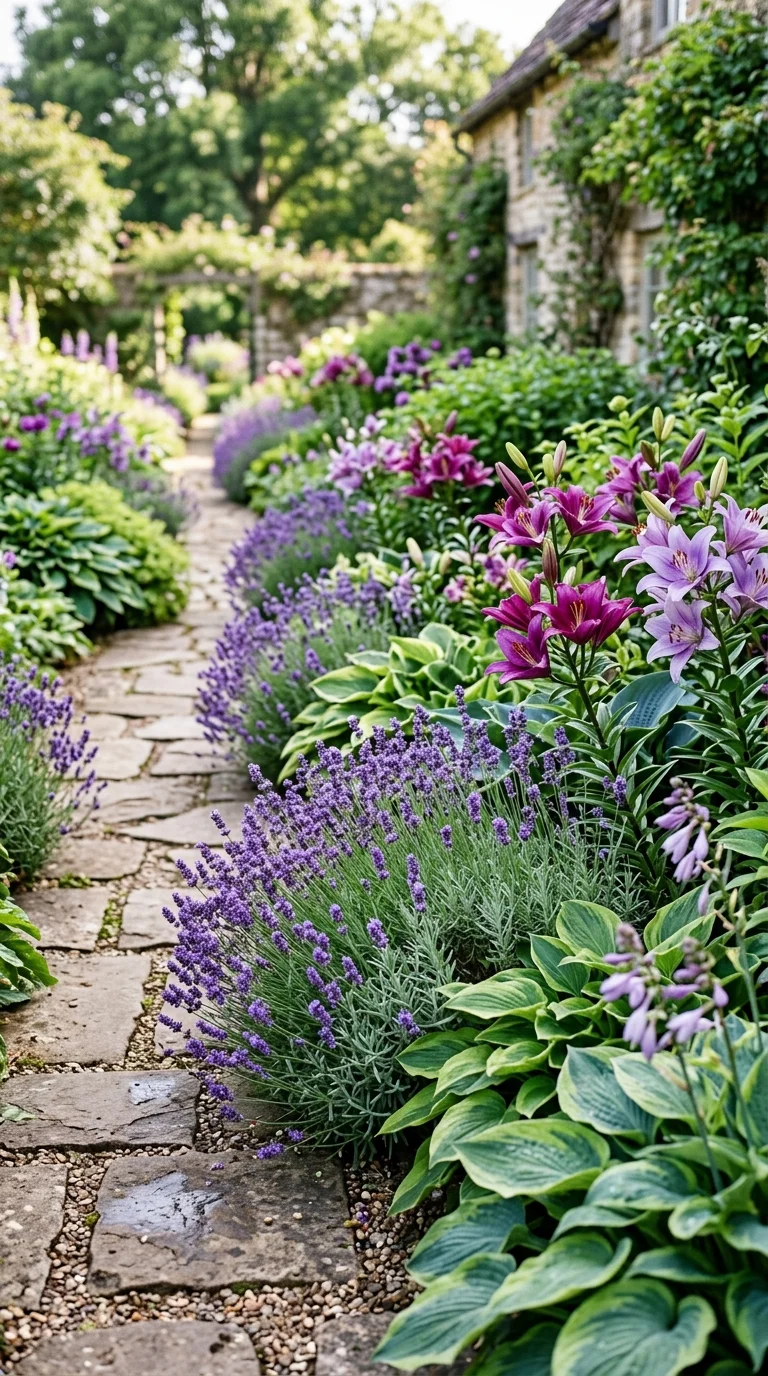
While annuals provide a quick burst of color, they die off at the end of the season, requiring you to spend money again next year. Perennials, on the other hand, are an investment. They return year after year, often growing larger and more robust with each season. By choosing a mix of perennials with different blooming times, you can ensure your front yard looks vibrant from spring through autumn without ever having to replant.
4. Solar Lighting
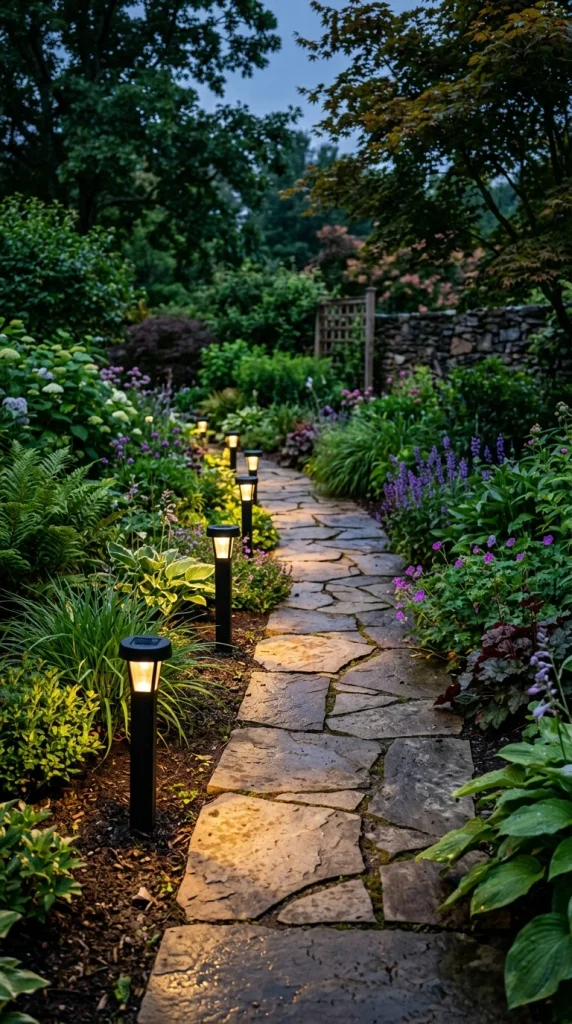
Lighting can dramatically change the vibe of your home at night, but hiring an electrician to wire outdoor lights is expensive. Solar-powered lights are a fantastic, DIY-friendly alternative. They are incredibly easy to install—just stake them into the ground in a sunny spot—and they cost nothing to operate. Use them to line your walkway, highlight a favorite tree, or illuminate your flower beds for a sophisticated evening look.
5. Rock Edging
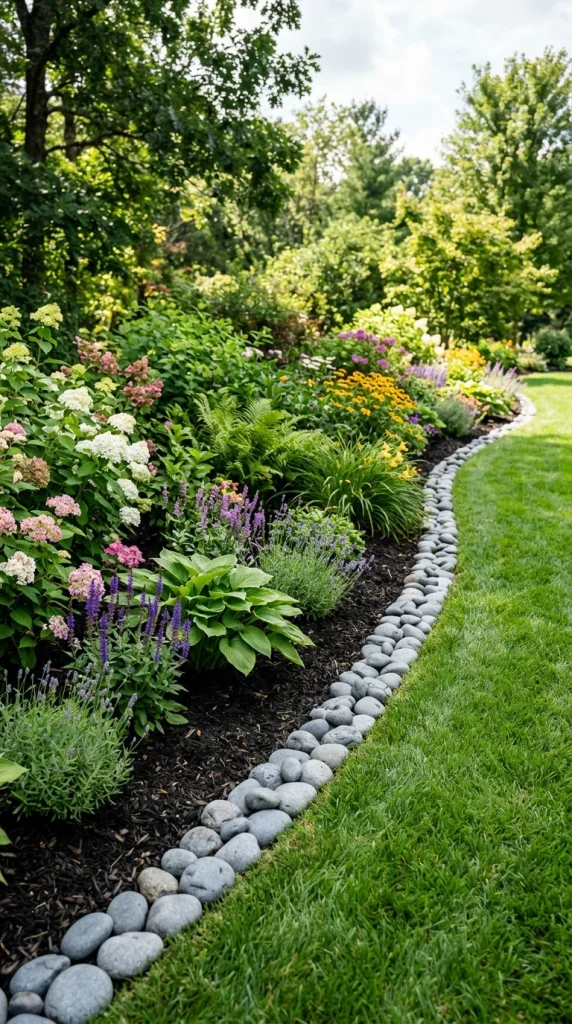
Creating clear boundaries between your lawn and your garden beds makes the entire yard look more organized. Instead of buying expensive plastic or metal edging, use natural stones or rocks. You might even find these for free on your own property or by scouring online marketplaces where people are looking to get rid of excess fill. Arranging rocks in a neat line creates a rustic, organic border that adds texture and visual interest to your landscape.
6. Window Boxes
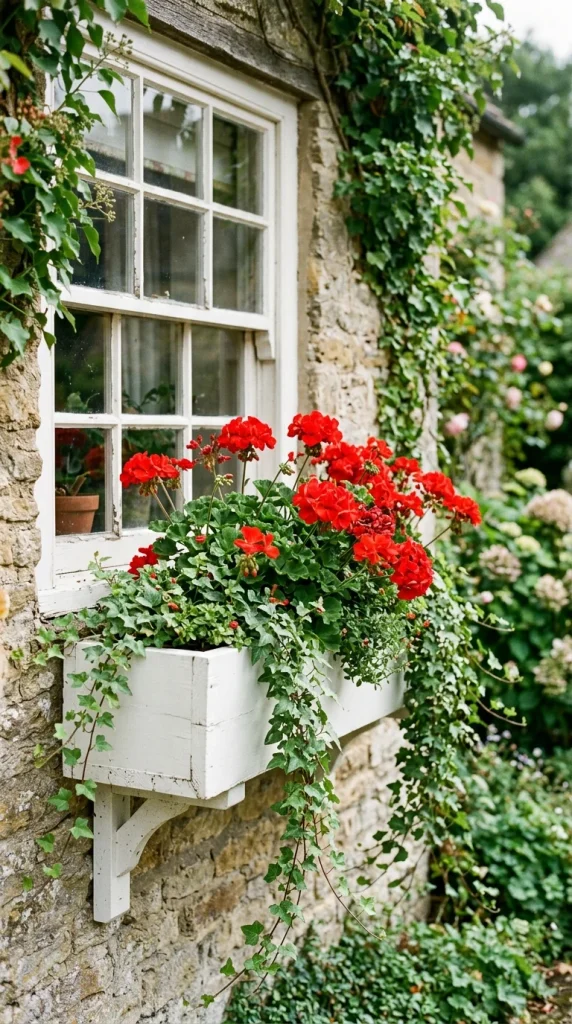
If you have limited ground space, think vertically. Window boxes are a classic way to add a splash of color to your home’s exterior. They are relatively inexpensive to build yourself using scrap wood or to buy pre-made. When planting, follow the “thriller, filler, spiller” rule: use a tall plant for height (thriller), mounding plants to fill the space (filler), and cascading plants to hang over the edges (spiller).
7. Potted Containers
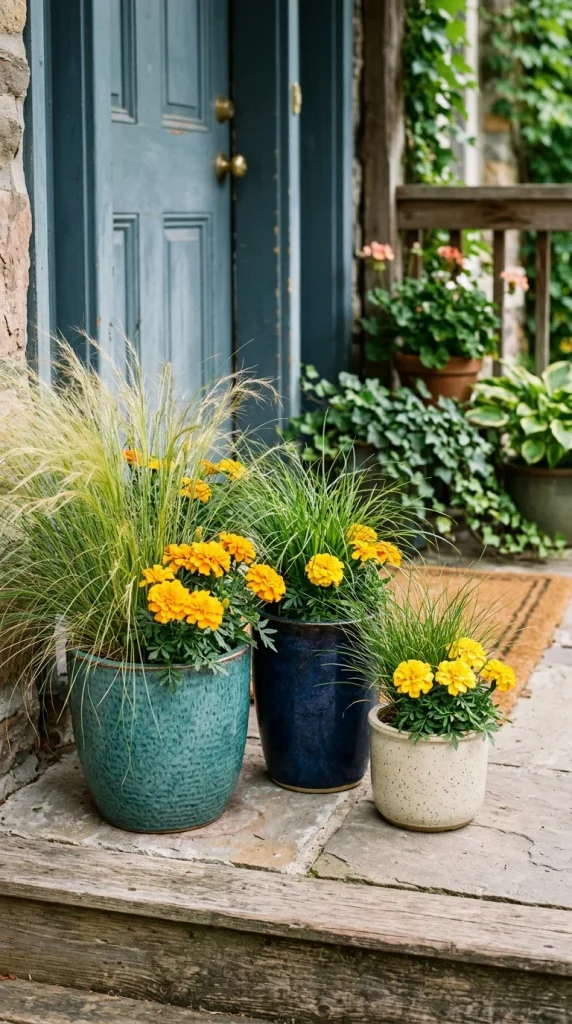
Container gardening offers incredible flexibility. You can move pots around to change the look of your yard or to follow the sun. Using pots is also a great way to add height and dimension to a flat yard. To save money, look for large containers at thrift stores or garage sales and give them a fresh coat of spray paint. Grouping pots in odd numbers (like threes or fives) usually creates the most pleasing visual arrangement.
8. Divided Perennials
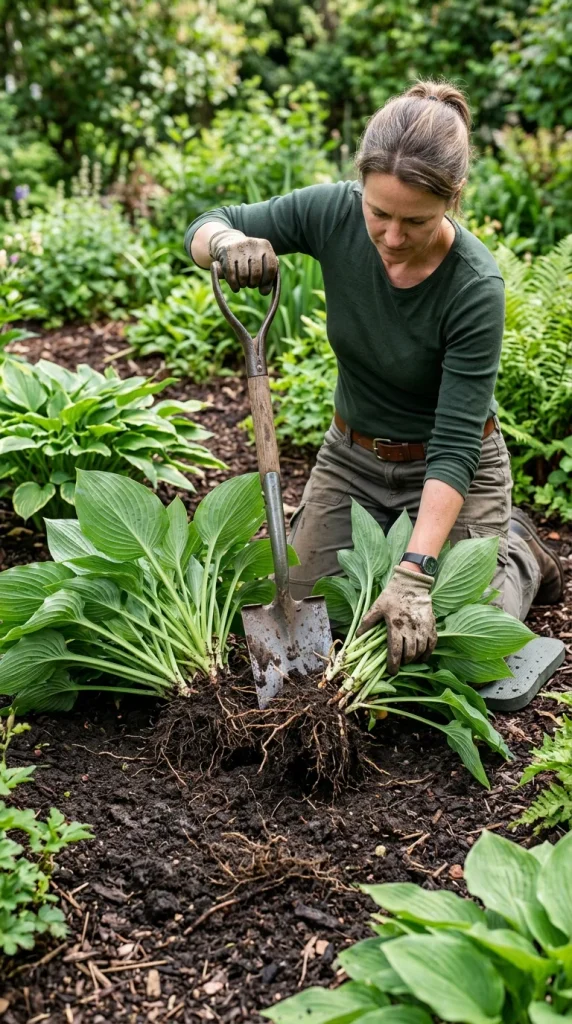
Once your perennials have matured (usually after 2 or 3 years), many of them can be divided. This is essentially getting free plants! Varieties like hostas, daylilies, and ornamental grasses are very easy to split. Simply dig up the root ball, cut it in half with a sharp spade, and replant the sections. This not only gives you more greenery for your yard but also helps the original plant stay healthy by preventing it from becoming overcrowded.
9. Gravel Paths
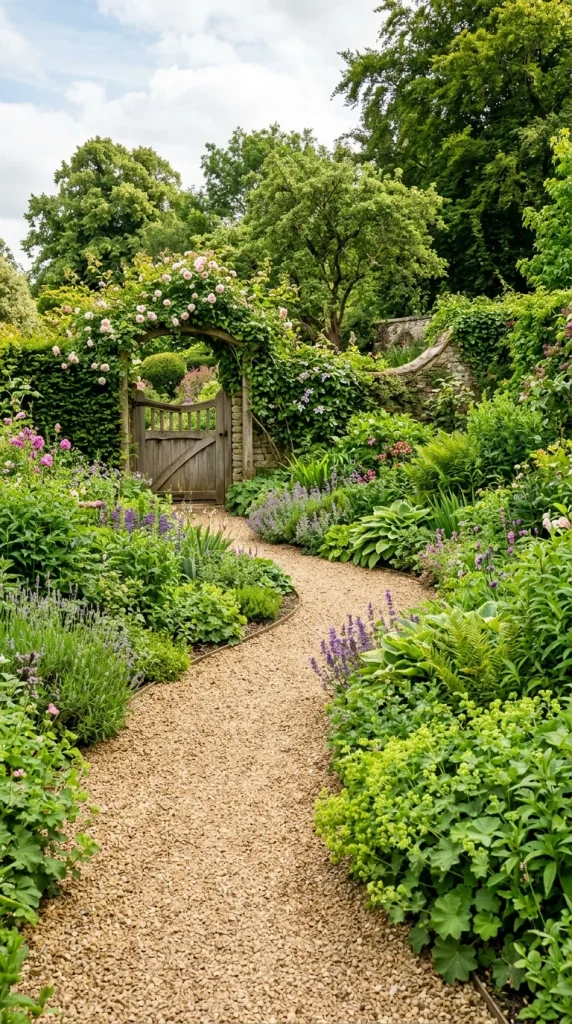
A defined walkway makes a front yard feel intentional and welcoming. Traditional pavers or bricks can be pricey and difficult to level. Pea gravel or crushed stone is a much more affordable and forgiving material. It provides a satisfying crunch underfoot and allows for excellent drainage. To keep it looking neat, install a simple landscape fabric underneath to prevent weeds from poking through.
10. Flower Bed Berms
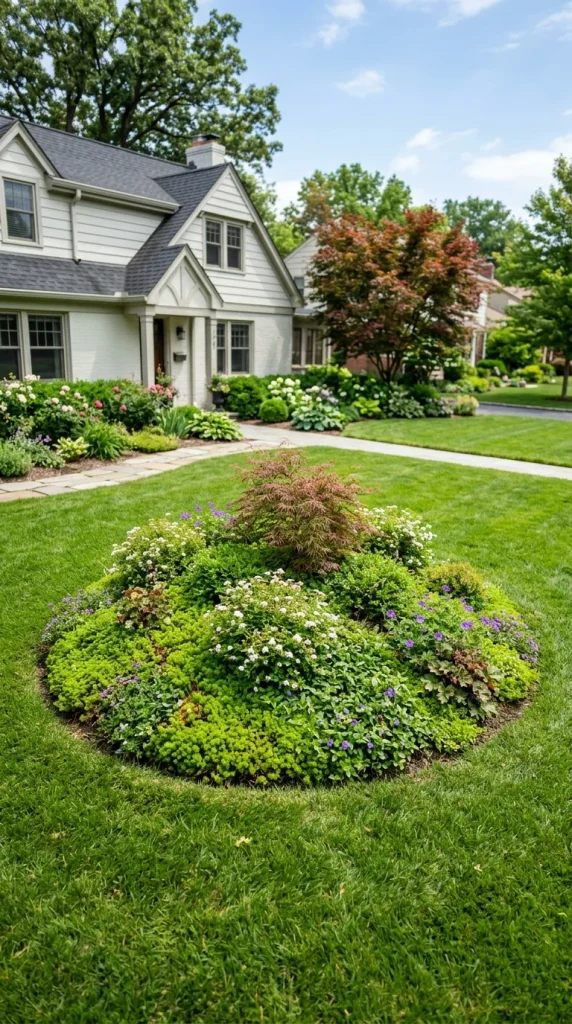
If your yard is perfectly flat, it can look a bit one-dimensional. Creating a berm—a small, man-made hill—adds instant architectural interest. You can use excess soil from other projects to build the mound, then top it with mulch and plants. This elevation draws the eye upward and allows you to showcase specific plants that might otherwise get lost in a flat bed.
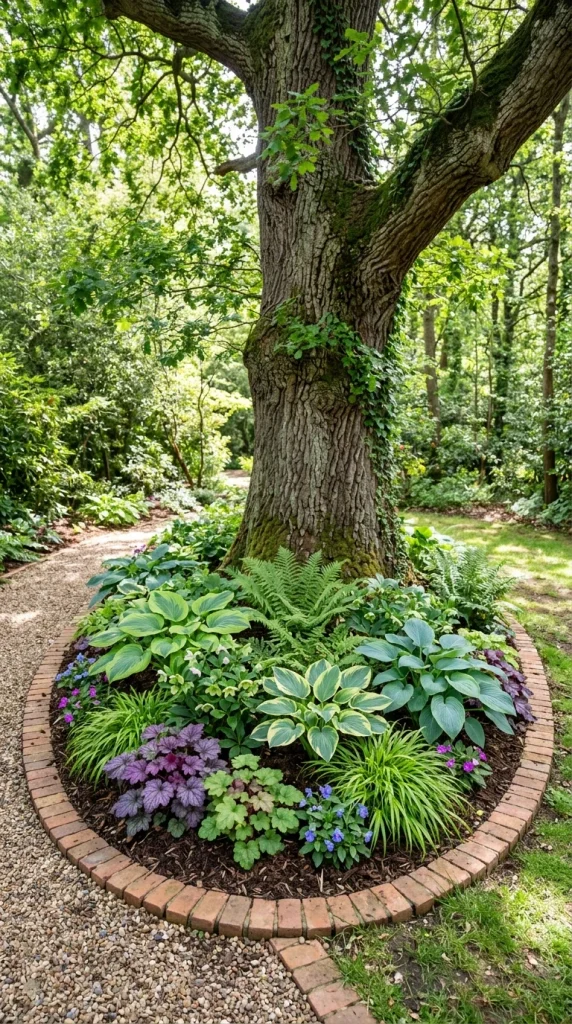
11. Tree Ring Beds
The area under a large tree is often a “dead zone” where grass struggles to grow due to shade and root competition. Instead of fighting nature, embrace it by creating a tree ring bed. Add a layer of mulch and some shade-tolerant plants like ferns or bleeding hearts. This protects the tree trunk from mower damage and turns an eyesore into a beautiful focal point.
12. Seed Sowing
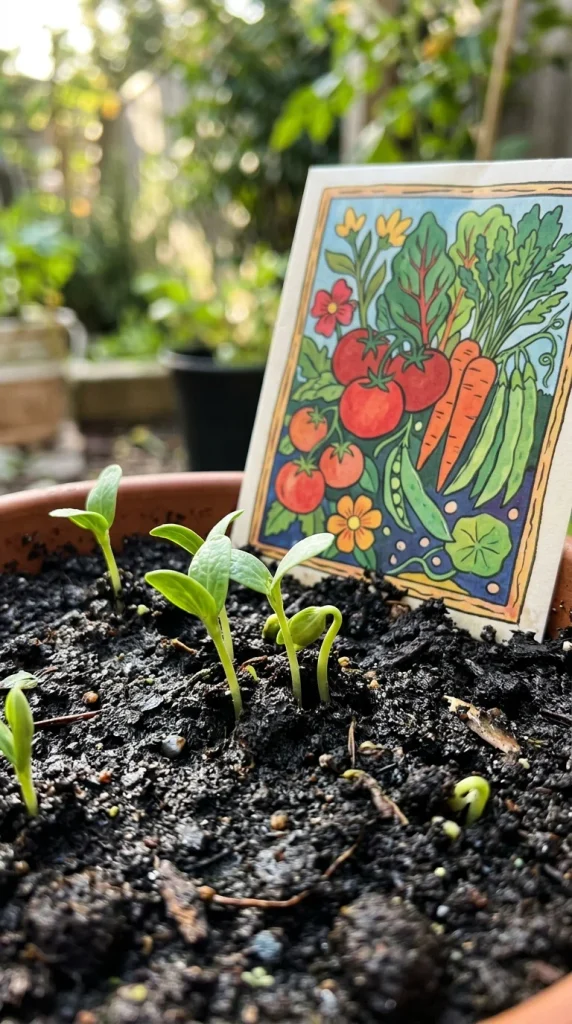
Buying mature plants from a nursery is convenient but expensive. If you have a little patience, starting from seeds is a fraction of the cost. You can grow carpets of wildflowers, tall sunflowers, or dense groundcovers for just a few dollars per packet. Many seeds can be sown directly into the ground after the last frost, making it an easy way to fill large areas of your front yard with color.
13. Upcycled Planters
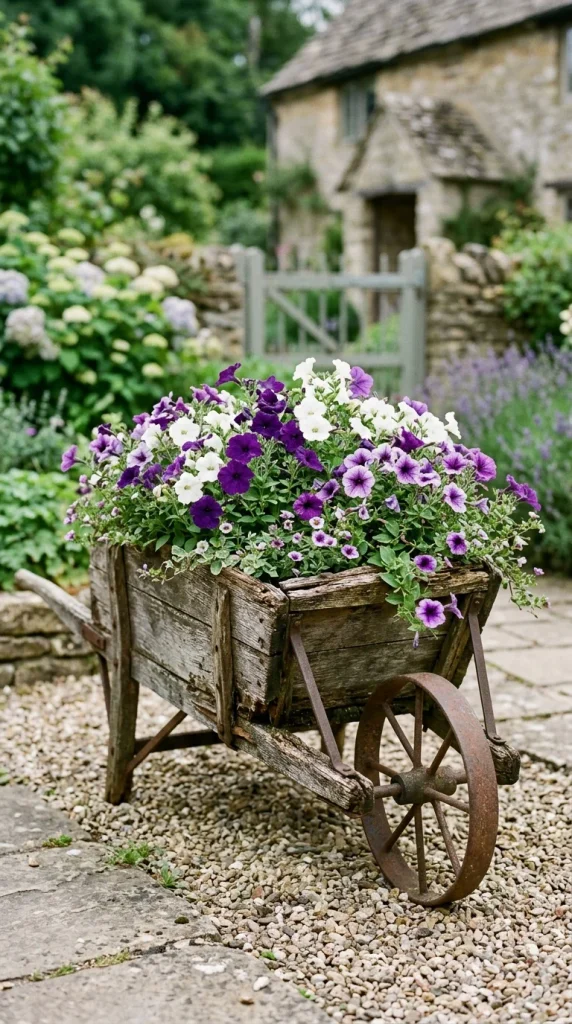
Inject some personality into your landscaping by upcycling old items into unique planters. Old wooden crates, galvanized buckets, or even an antique bicycle with a basket can become a charming home for flowers. This approach is not only eco-friendly and budget-conscious but also ensures your yard has a one-of-a-kind character that stands out from the neighbors.
14. Climbing Vines
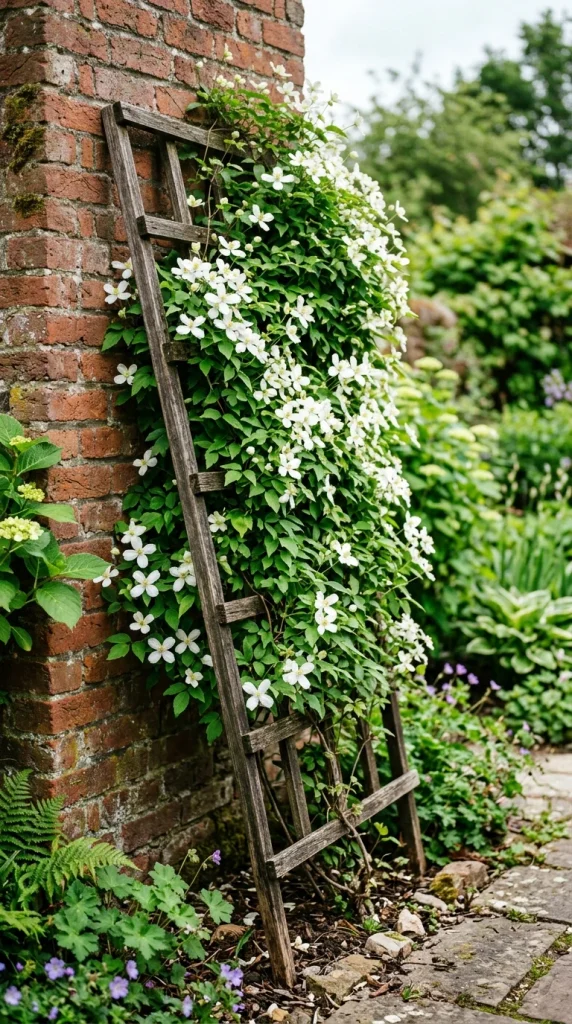
Vines are the ultimate “bang for your buck” plants. They grow rapidly and can cover large vertical surfaces, such as fences, trellises, or walls, with very little investment. Clematis, jasmine, or wisteria can add a sense of romance and established beauty to a front yard. Just be sure to provide a sturdy support system for them to climb.
15. Ornamental Grasses
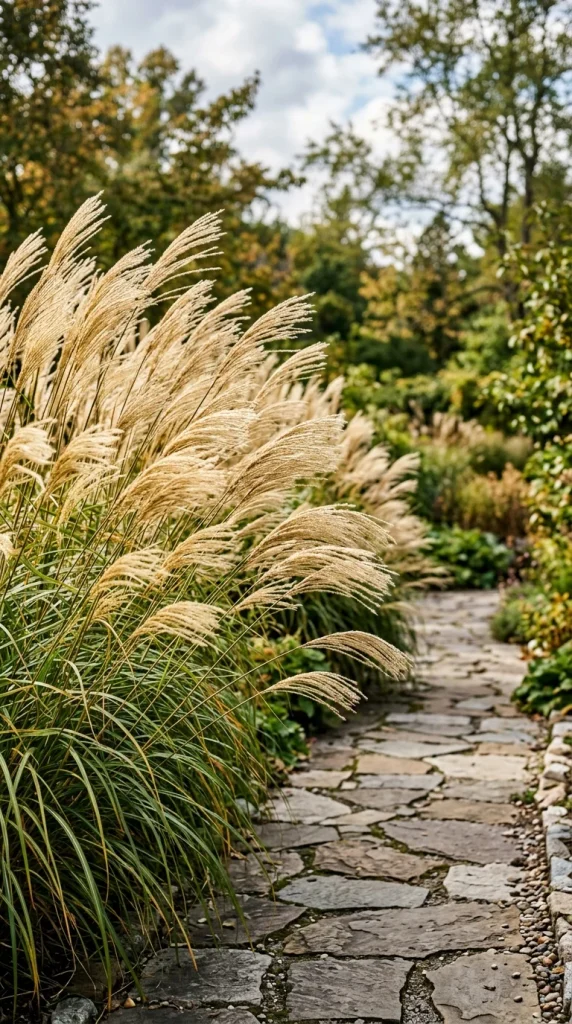
Ornamental grasses are the unsung heroes of low-budget landscaping. They grow quickly, require almost no maintenance, and provide visual interest throughout the winter when other plants have died back. Their movement in the wind adds a dynamic element to the yard, and their varying heights make them perfect for creating privacy screens or soft backdrops for colorful flowers.
16. Mailbox Makeover
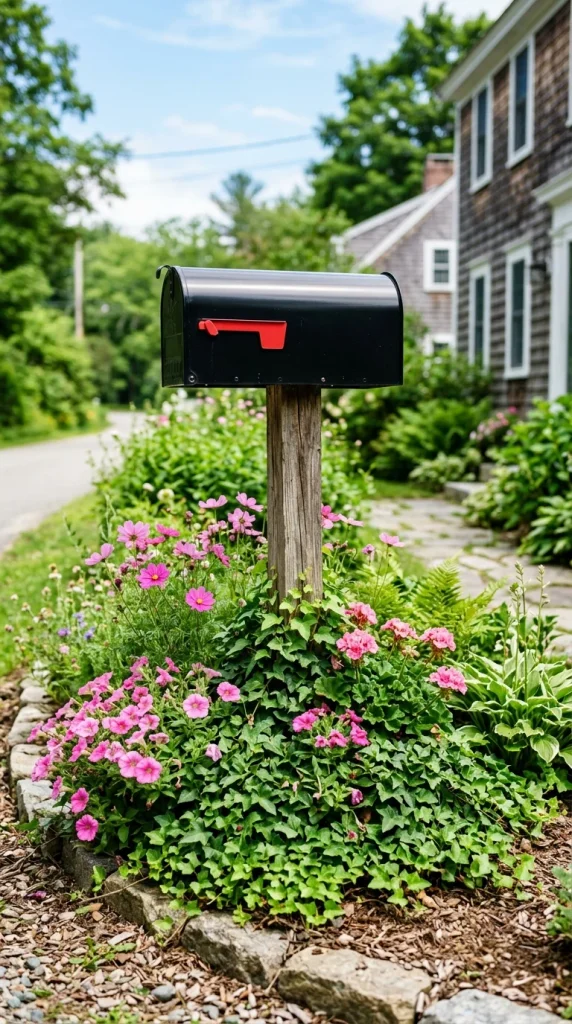
Your mailbox is often the first thing people see. Giving it a little TLC can make a huge difference in your home’s overall appearance. Paint the post, replace the house numbers with a modern font, and create a small garden bed around the base. It’s a small, manageable project that can be completed in a single afternoon for very little money.
17. Ground Covers
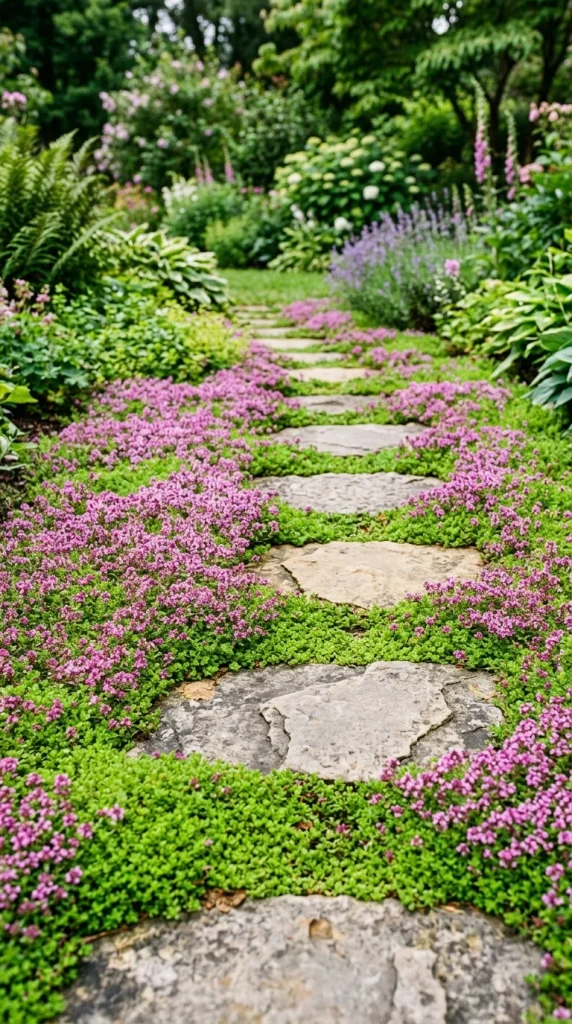
If you’re tired of the constant maintenance and cost of a traditional grass lawn, consider ground covers. Plants like creeping thyme, clover, or sedum spread horizontally to create a lush, green carpet. They often require less water than grass, don’t need mowing, and can even handle light foot traffic. They are an excellent way to fill in gaps between stones or to cover large slopes.
18. DIY Stepping Stones
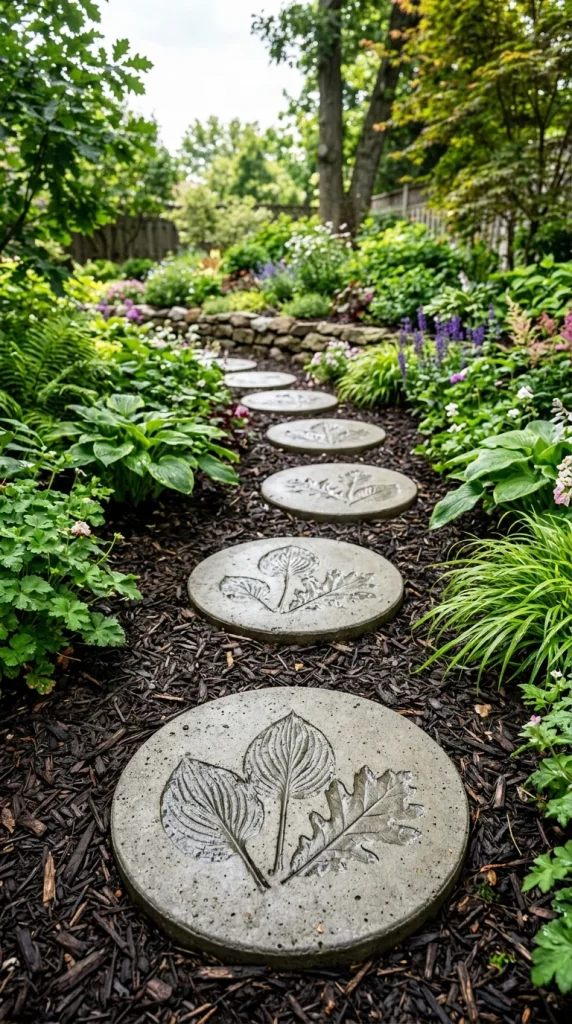
Creating your own stepping stones is a fun and inexpensive DIY project. You can use bags of ready-mix concrete and simple molds (like old plastic containers) to create custom paths. For a personal touch, press large leaves, sea glass, or smooth pebbles into the wet concrete. These stones add a handcrafted, artistic feel to your garden paths.
19. Bird Baths
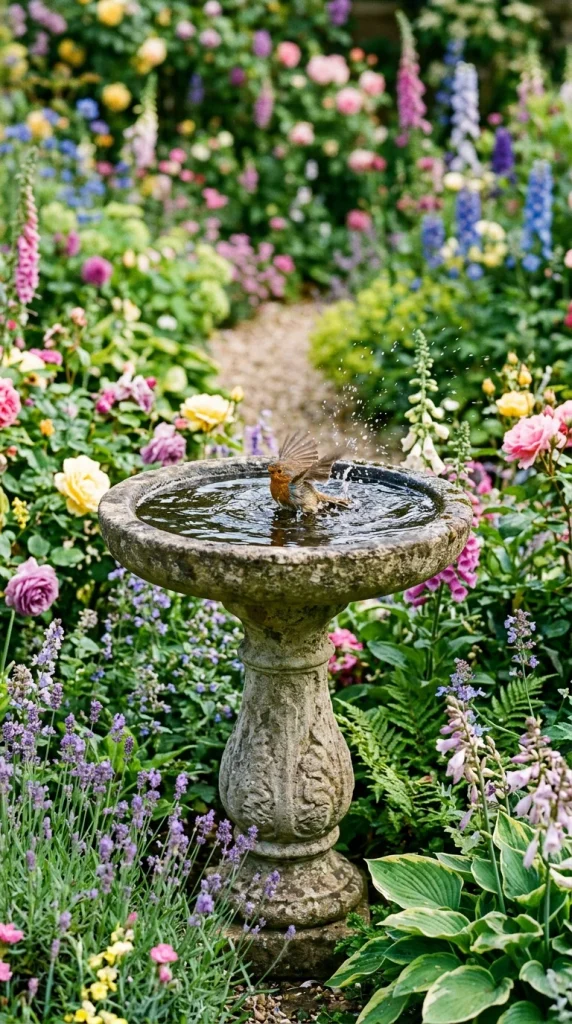
A bird bath serves as a wonderful focal point and encourages local wildlife to visit your yard. You don’t need a high-end marble fountain; a simple ceramic bowl placed on a sturdy stump or a stack of flat rocks works perfectly. The sound and sight of birds visiting your yard add a peaceful, living element to your landscaping that money can’t buy.
20. Simple Trellises
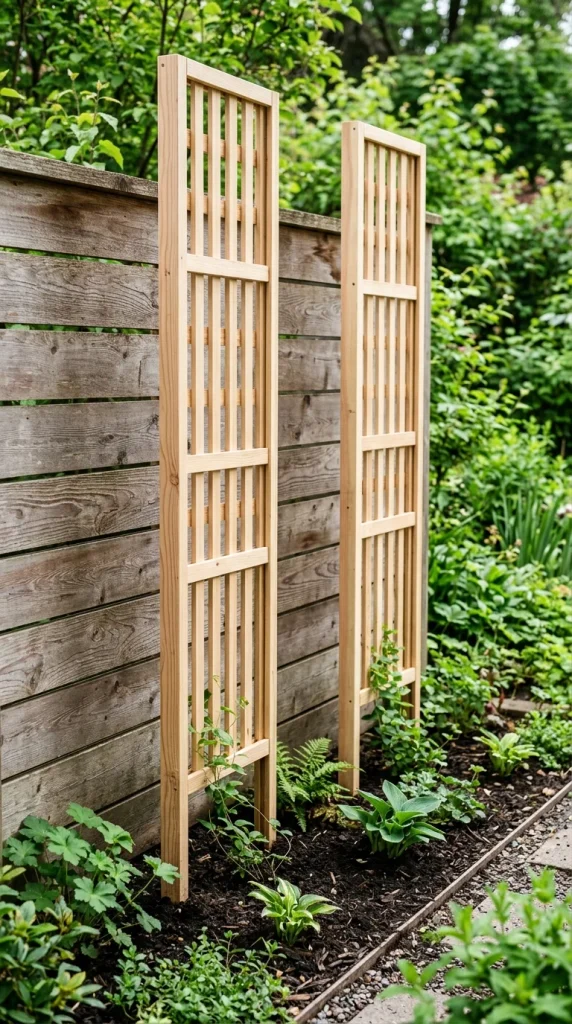
If you need to hide an ugly fence or add height to a flat wall, a trellis is your best friend. You can build a simple one using cedar lath or even sturdy branches from your yard. Once covered in climbing roses or ivy, the trellis disappears, leaving behind a wall of greenery and flowers that adds depth and privacy to your front entrance.
21. Succulent Garden
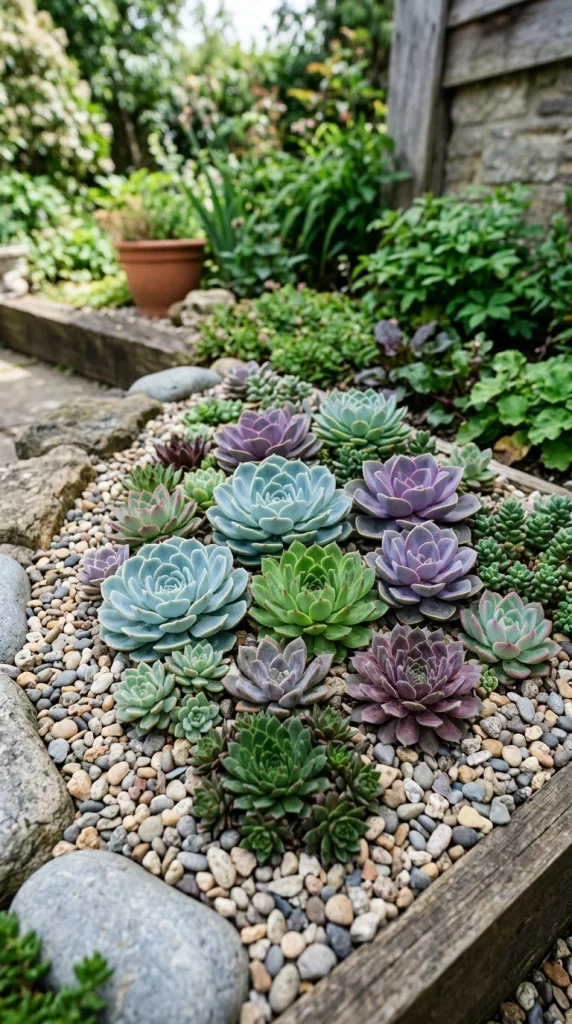
For those in drier climates, a succulent garden is a budget-friendly dream. These plants are incredibly hardy and store water in their leaves, meaning your water bill will stay low. Many succulents also produce “pups” or offsets—tiny baby plants that you can break off and replant elsewhere. A collection of different textures and colors can create a sophisticated, modern look with very little effort.
22. Wildflower Meadow
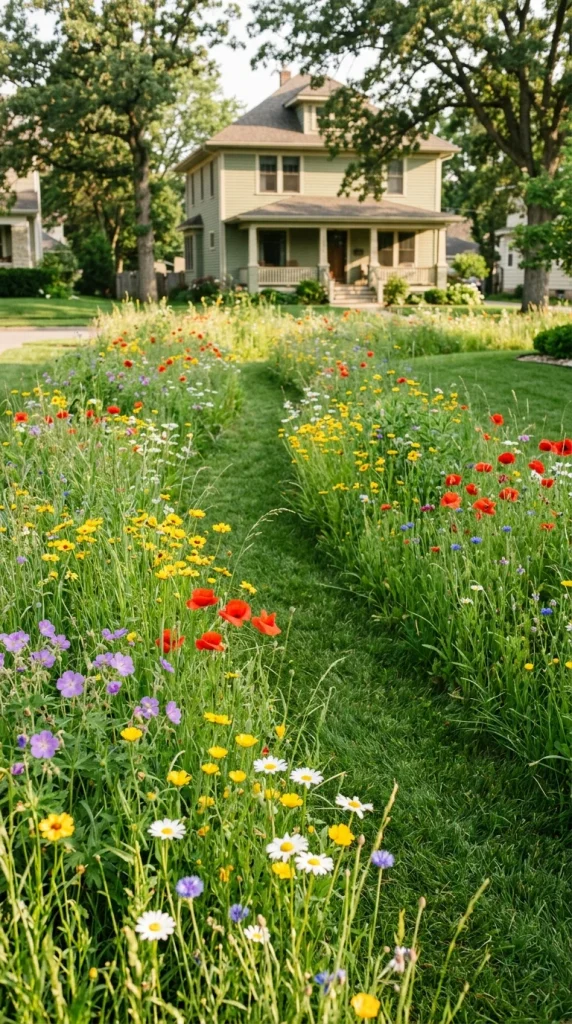
If you have a large front yard and hate mowing, consider converting a portion of it into a wildflower meadow. You can buy bulk “meadow mixes” that contain a variety of seeds. This approach is much cheaper than maintaining a pristine lawn and provides a stunning, ever-changing display of color. It’s also a paradise for bees, birds, and butterflies.
23. Porch Refresh
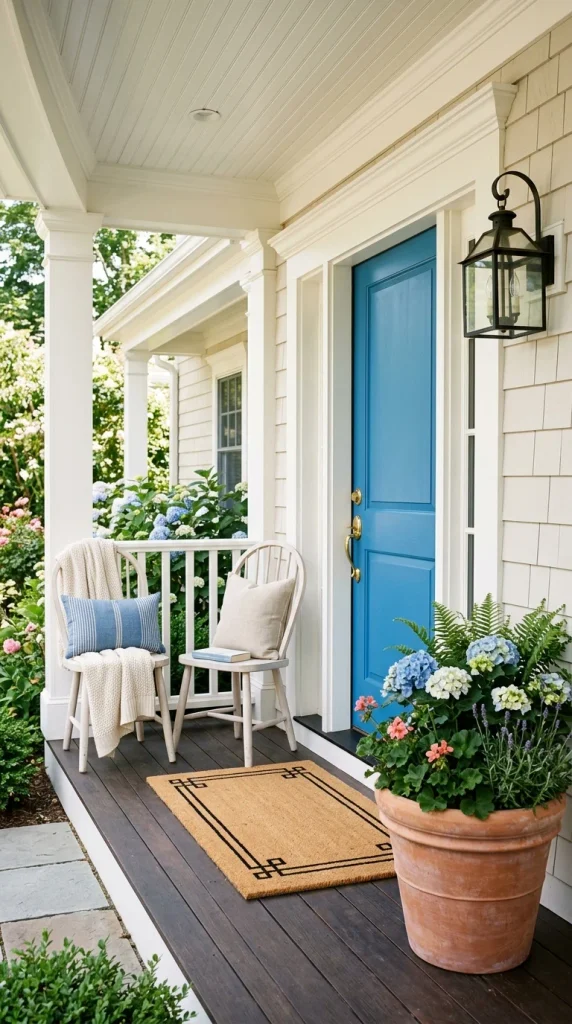
Landscaping isn’t just about plants; it’s about the entire front-of-house experience. A “hardscape” refresh can be very affordable. Paint your front door a bold, welcoming color, update your house numbers, and add a fresh welcome mat. These small changes complement your plants and tie the whole look together, making your budget-friendly landscaping efforts truly shine.