
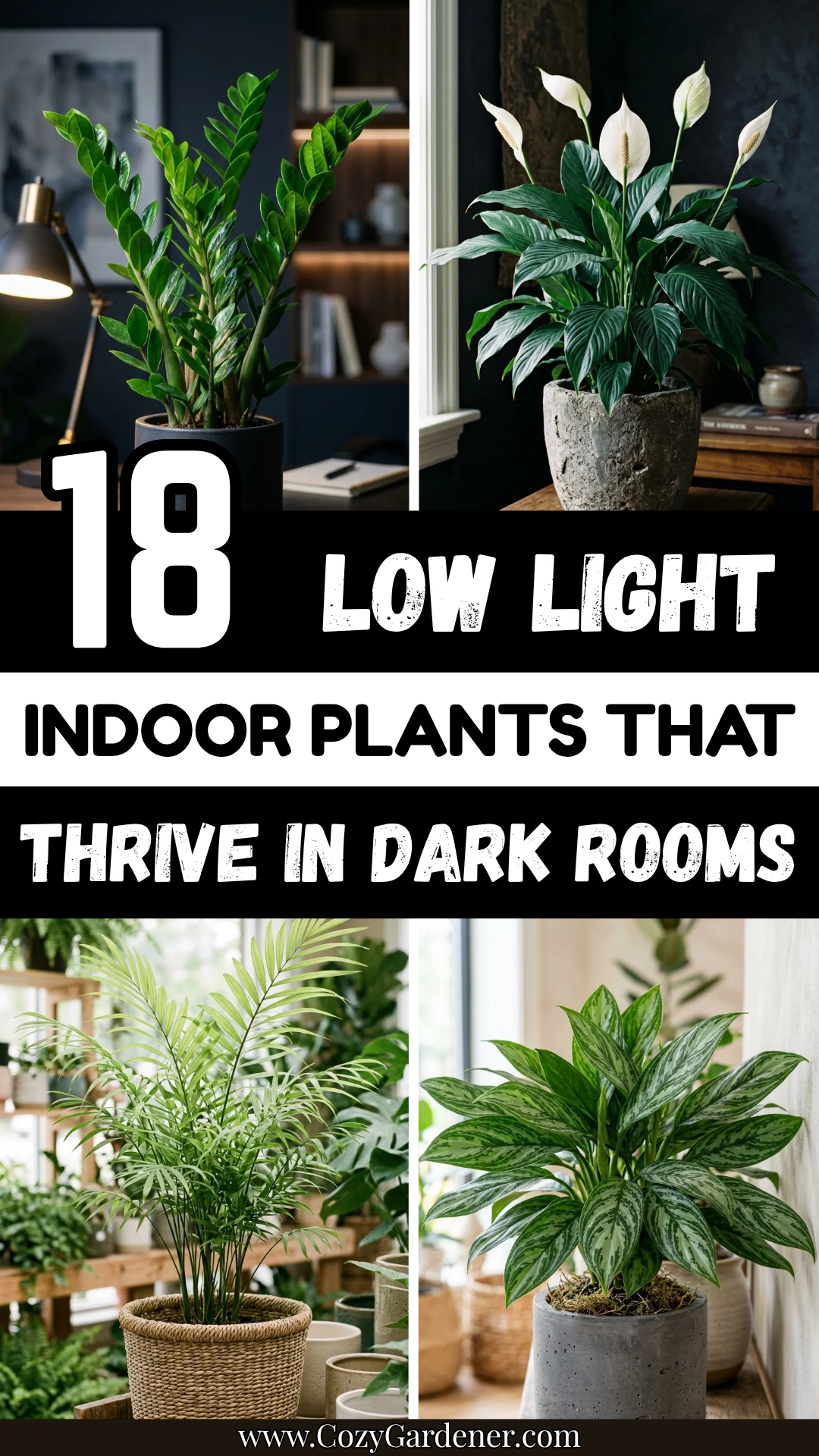
Many aspiring indoor gardeners feel discouraged when they realize their apartment or home doesn’t receive floods of bright, indirect sunlight. However, the botanical world is incredibly diverse, and many species have evolved to thrive under the dense canopies of tropical rainforests where sunlight rarely reaches the ground. These “low-light” champions are perfect for north-facing rooms, hallways, or offices with small windows.
In this guide, we explore 18 resilient indoor plants that not only survive but thrive in low-light conditions, adding life, color, and air-purifying qualities to the darkest corners of your home.
1. Snake Plant
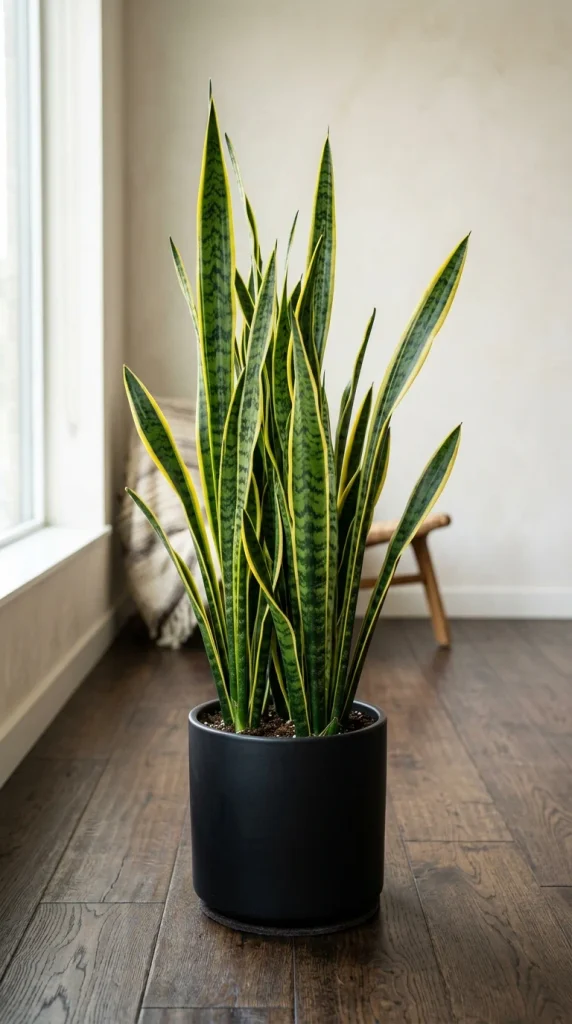
The Snake Plant, or Sansevieria, is the undisputed king of low-light resilience. Known for its structural, upright leaves, this plant is nearly indestructible. It can go weeks without water and is perfectly happy in a windowless hallway or a dim bedroom. Beyond its toughness, it is one of the few plants that converts CO2 into oxygen at night, making it an ideal bedside companion.
2. ZZ Plant
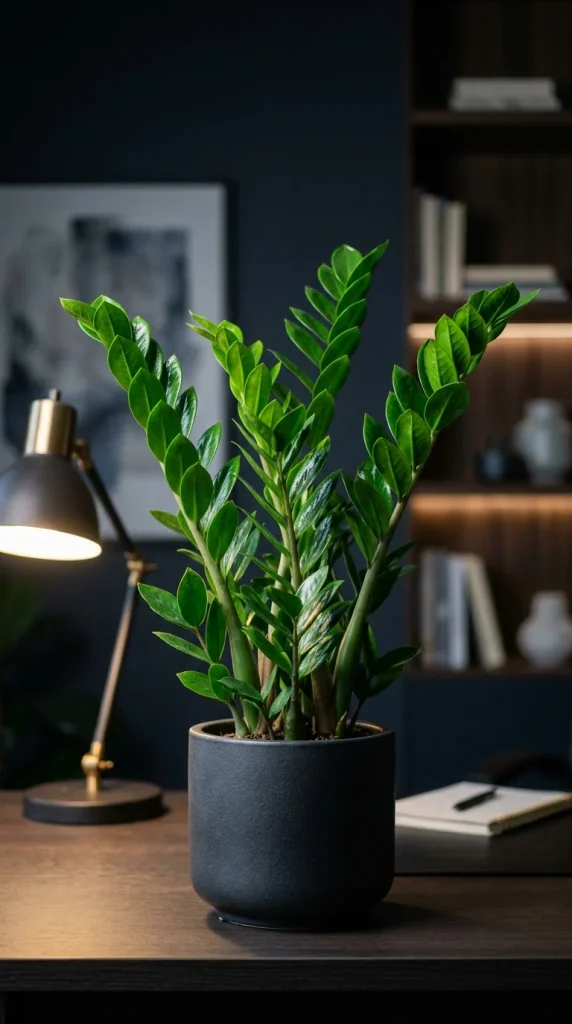
The Zamioculcas zamiifolia, or ZZ Plant, is often mistaken for a plastic plant because of its incredibly shiny, waxy leaves. This plant is a “set it and forget it” favorite. It stores water in its potato-like rhizomes underground, allowing it to withstand long periods of drought. It thrives in low to medium light and can even survive under fluorescent office lights.
3. Pothos
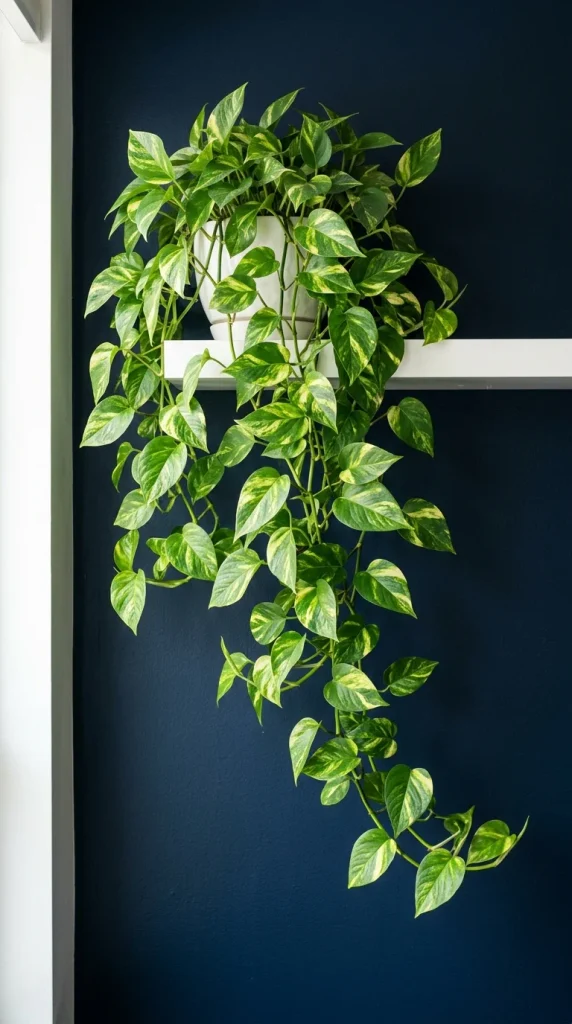
Often called “Devil’s Ivy” because it’s so hard to kill, the Pothos is a versatile trailing vine. While variegated varieties may lose some of their color in very dark rooms, the plant will continue to grow vigorously. It is incredibly easy to propagate in water, allowing you to turn one plant into a whole collection for your darker rooms.
4. Peace Lily
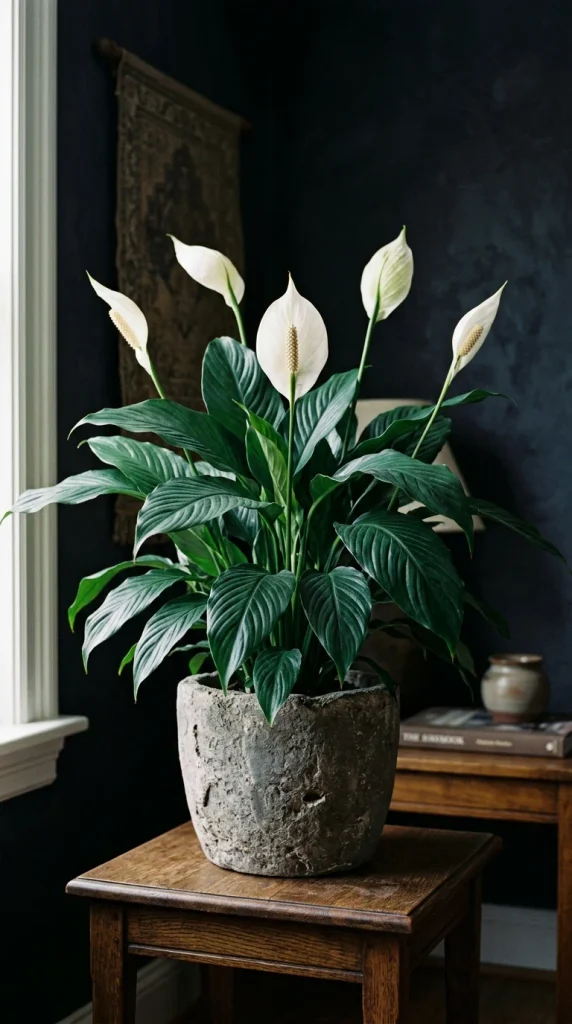
The Peace Lily is a classic choice for adding elegance to low-light spaces. It is famous for its “dramatic” nature—when it needs water, its leaves will wilt significantly, only to perk back up within hours of a deep soak. It produces beautiful white spathes even in relatively low light, though more frequent blooming occurs with slightly more brightness.
5. Cast Iron Plant
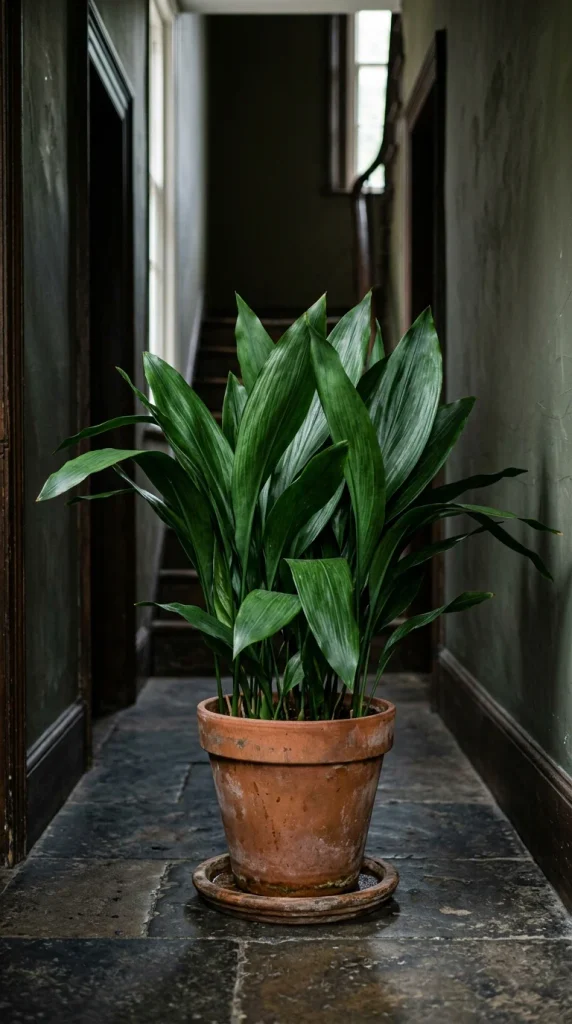
True to its name, the Cast Iron Plant (Aspidistra elatior) is as tough as nails. It was a favorite in Victorian-era homes because it could survive the dim, smoky conditions of coal-heated rooms. It grows slowly but can handle extreme neglect, low light, and temperature fluctuations that would kill most other houseplants.
6. Spider Plant
Spider Plants are wonderful for beginners. They are highly adaptable and produce “babies” or spiderettes that dangle from the mother plant, creating a beautiful tiered effect. While they prefer bright light to produce the most babies, they are perfectly content in lower light areas where they continue to act as powerful air purifiers.
7. Lucky Bamboo
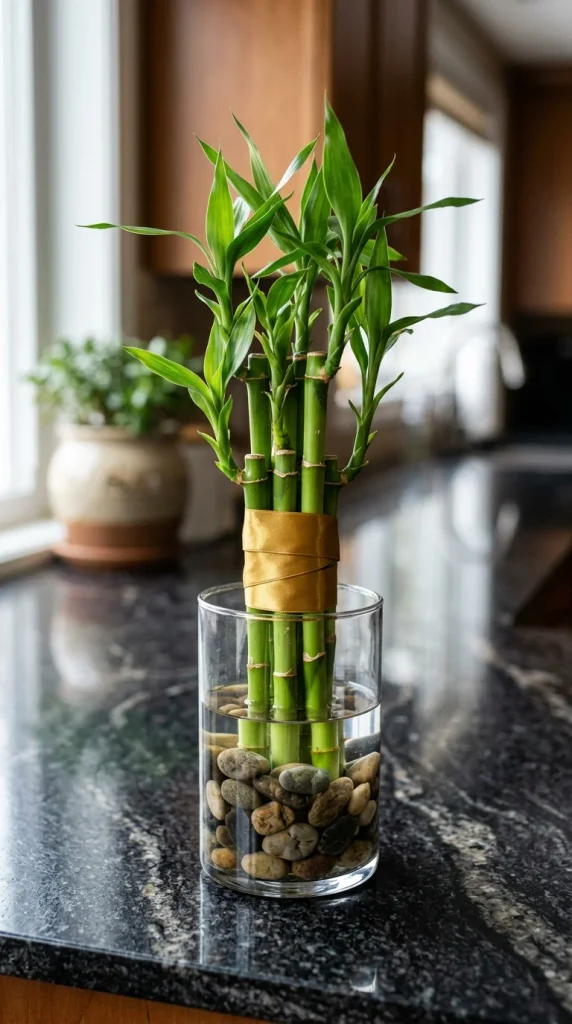
Not actually bamboo (it’s a member of the Dracaena family), Lucky Bamboo is a staple in Feng Shui. It can grow in just water and pebbles, making it a very clean plant to keep in a bathroom or office. It is very sensitive to direct sunlight, which can scorch its leaves, so a dim corner is actually its preferred habitat.
8. Parlor Palm
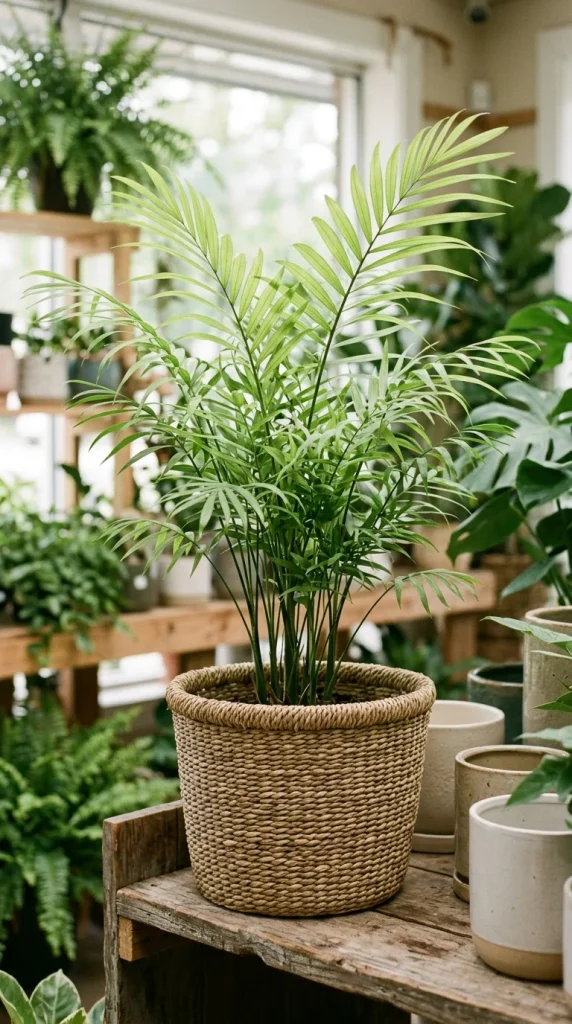
The Parlor Palm has been a popular indoor plant since the 19th century. It brings a touch of the tropics to even the darkest rooms. It stays relatively small compared to other palms and grows very slowly, making it perfect for tabletops or shelves where space is limited.
9. Chinese Evergreen
The Aglaonema, or Chinese Evergreen, is one of the most decorative low-light plants. While the varieties with pink or red variegation need a bit more light, the darker green and silver varieties are incredibly tolerant of shade. They are drought-tolerant and add a lush, full look to any corner.
10. Philodendron
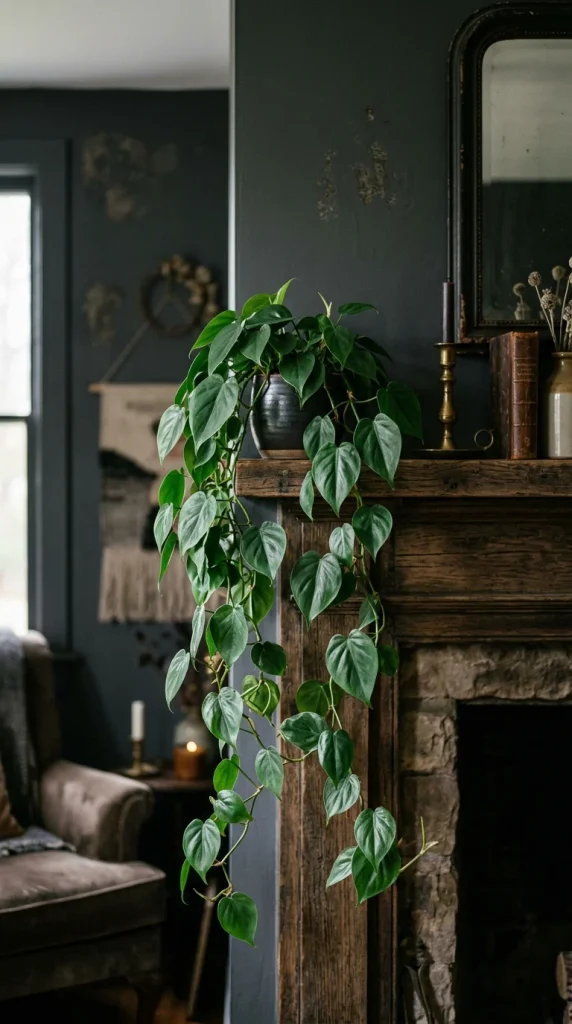
The Heartleaf Philodendron is often confused with Pothos, but its leaves are thinner and more distinctly heart-shaped. It is a rapid grower that can be trained to climb a moss pole or left to trail down from a hanging basket. It is remarkably resilient to low-light conditions and irregular watering.
11. Nerve Plant
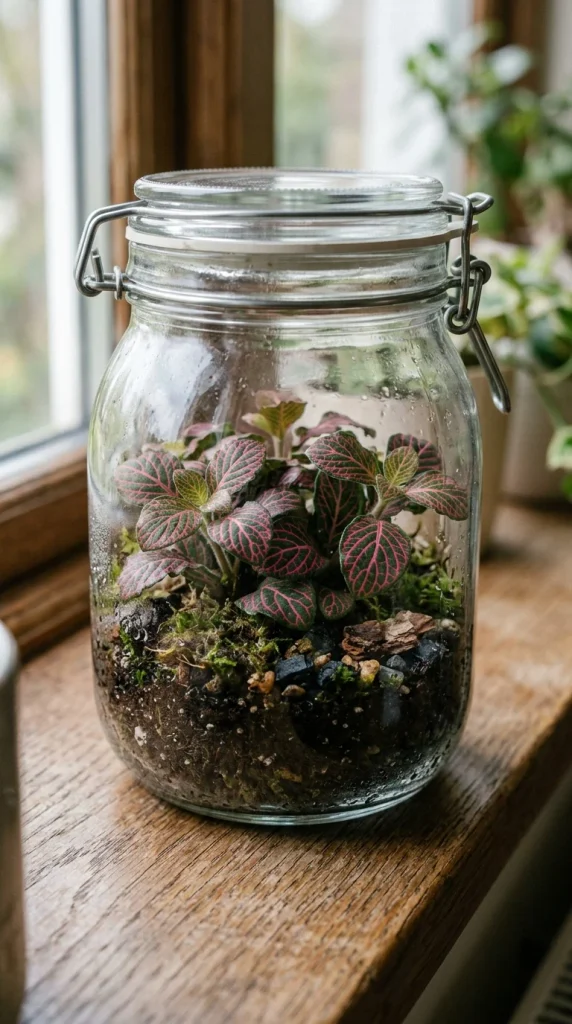
Fittonia, or the Nerve Plant, is a moisture-loving gem. Because it thrives in high humidity and low light, it is the perfect candidate for a terrarium or a bathroom. Its striking vein patterns—available in white, pink, or red—provide a pop of color in areas where flowering plants might struggle.
12. English Ivy
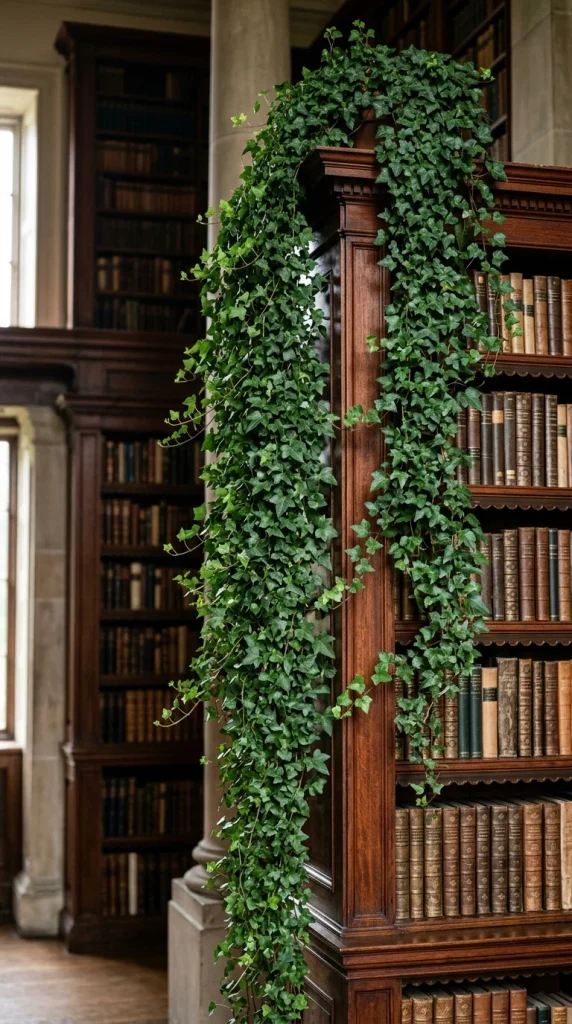
English Ivy is a classic climber that brings an old-world charm to indoor spaces. It prefers cooler temperatures and indirect light. It’s an excellent choice for hanging baskets or for training around a wire frame to create “living sculptures” in your home’s darker areas.
13. Prayer Plant
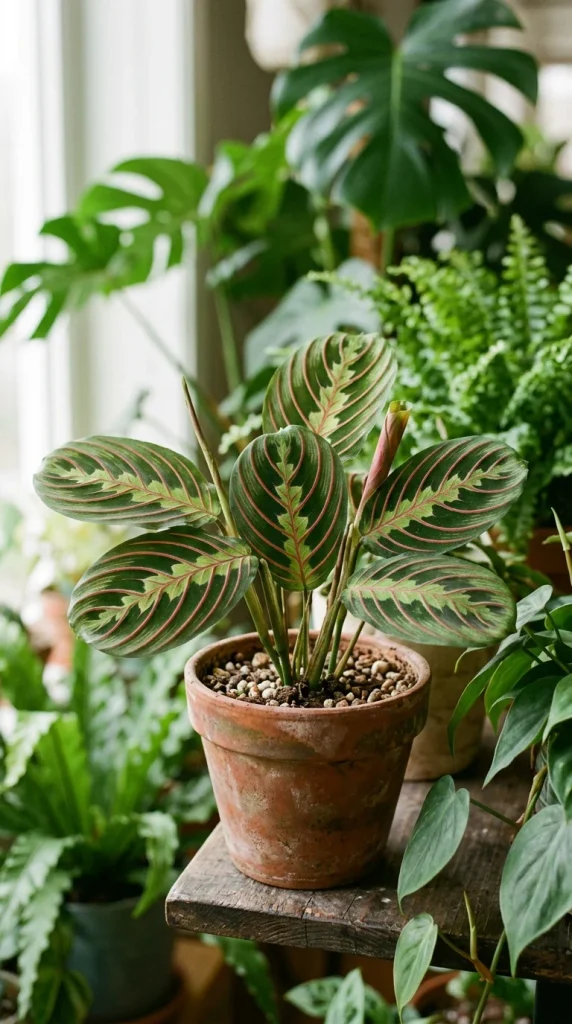
The Maranta leuconeura is famous for its “nyctinasty”—the leaves fold up at night like hands in prayer and unfold again in the morning. This movement is a response to light levels. In a low-light room, the colors of the leaves often appear more vibrant, as direct sun can bleach the intricate patterns.
14. Calathea
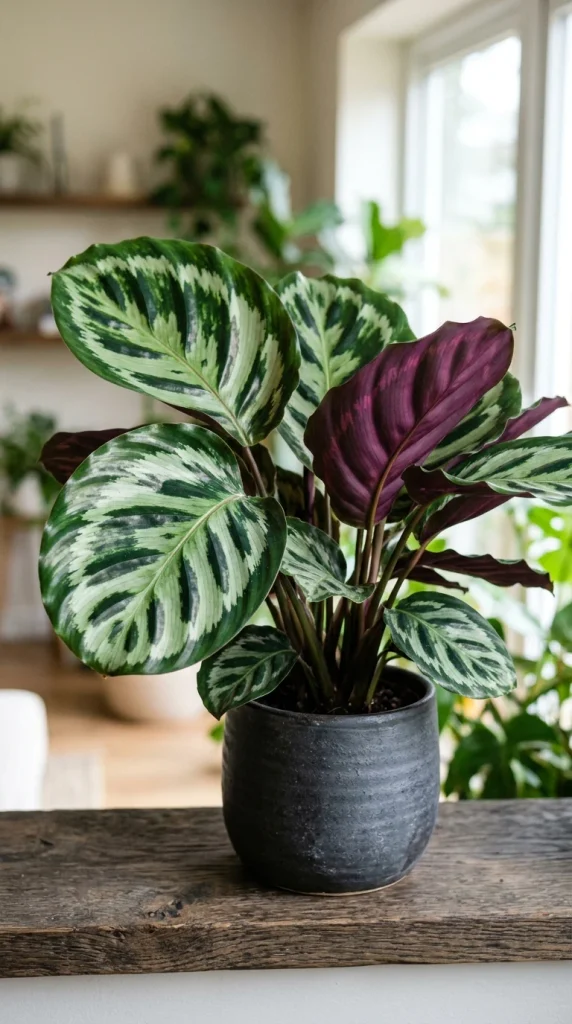
Calatheas are the divas of the plant world, but they absolutely loathe direct sun. They thrive in the “dappled shade” of a dark room, provided you keep their humidity high. Their stunning foliage patterns look almost hand-painted, making them a focal point for interior design.
15. Bromeliads
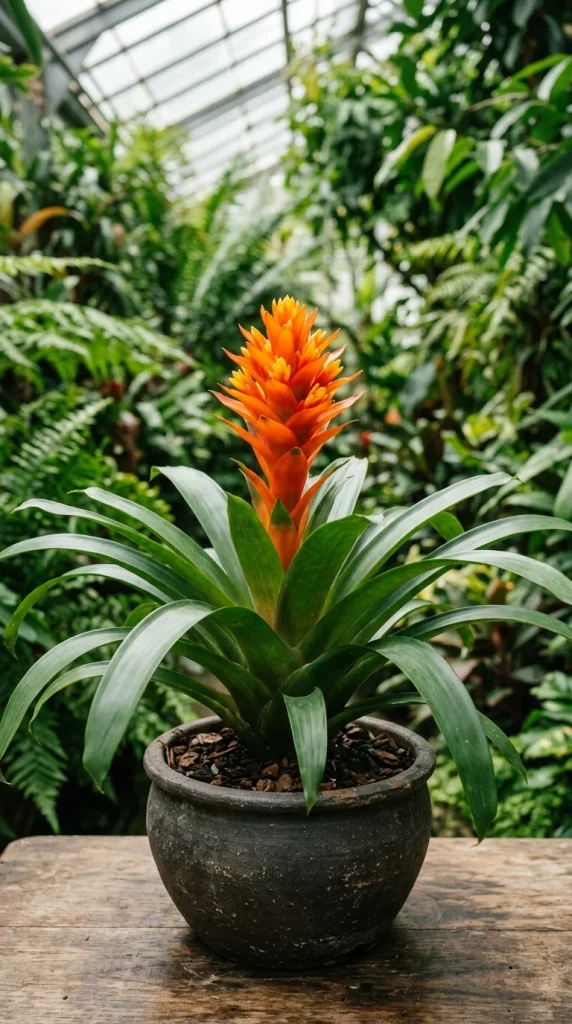
While many people think of Bromeliads as sun-loving tropicals, many varieties actually prefer shade. They are unique because they take in water through a central “cup” formed by their leaves. Their bright, long-lasting floral bracts provide a splash of neon color to a dim room for months at a time.
16. Dracaena
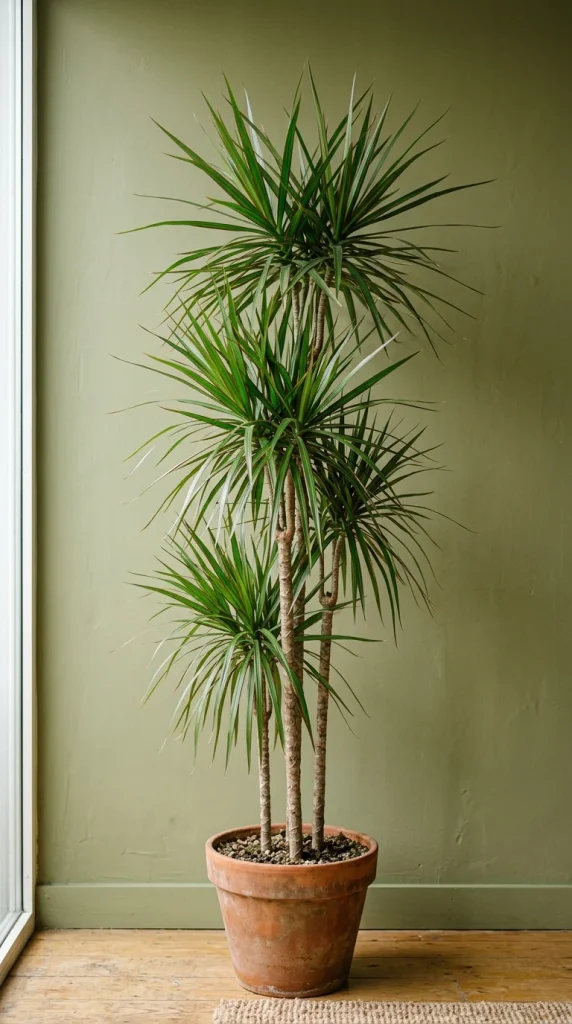
Often called the “Dragon Tree,” the Dracaena comes in many shapes and sizes. The Dracaena marginata and Dracaena fragrans (Corn Plant) are particularly well-suited for low light. They add height and architectural interest to a room without requiring the intense light that a fiddle leaf fig or bird of paradise would need.
17. Maidenhair Fern
The Maidenhair Fern is the epitome of ethereal beauty. It requires consistent moisture and high humidity, making it a perfect inhabitant for a low-light bathroom. Its soft, feathery texture provides a beautiful contrast to the more structural leaves of plants like the Snake Plant or ZZ Plant.
18. Rex Begonia
Rex Begonias are grown for their foliage rather than their flowers. They come in a psychedelic array of colors—pinks, purples, silvers, and deep greens. They are native to the forest floor and are naturally adapted to low-light environments. Their metallic-looking leaves can actually help reflect what little light is available into the plant’s cells.
Tips for Maintaining Low-Light Plants
- Don’t Overwater: Plants in low light photosynthesize more slowly, meaning they use less water. Always check the soil moisture before watering to prevent root rot.
- Clean the Leaves: Dust acts as a barrier to light. In a dark room, every photon counts. Wipe your plant leaves with a damp cloth every few weeks to keep them efficient.
- Rotate Regularly: Plants will naturally lean toward the light source. Give your pots a quarter-turn every week to ensure even growth.
- Use Reflective Surfaces: Placing a mirror opposite a window or using light-colored pots can help bounce available light onto your plants.