
Transforming a mobile home into a stunning residence often starts from the outside in. While the interior design provides comfort, the exterior creates that all-important first impression. Landscaping for a mobile home presents a unique set of opportunities; because these homes often sit on smaller lots or within community parks, every square inch of the yard counts. With the right strategy, you can turn a basic lot into a lush, inviting sanctuary that reflects your personality and increases your property value.
From clever skirting solutions to vibrant vertical gardens, here are 16 transformative landscaping ideas to elevate your mobile home’s curb appeal.
1. Skirting
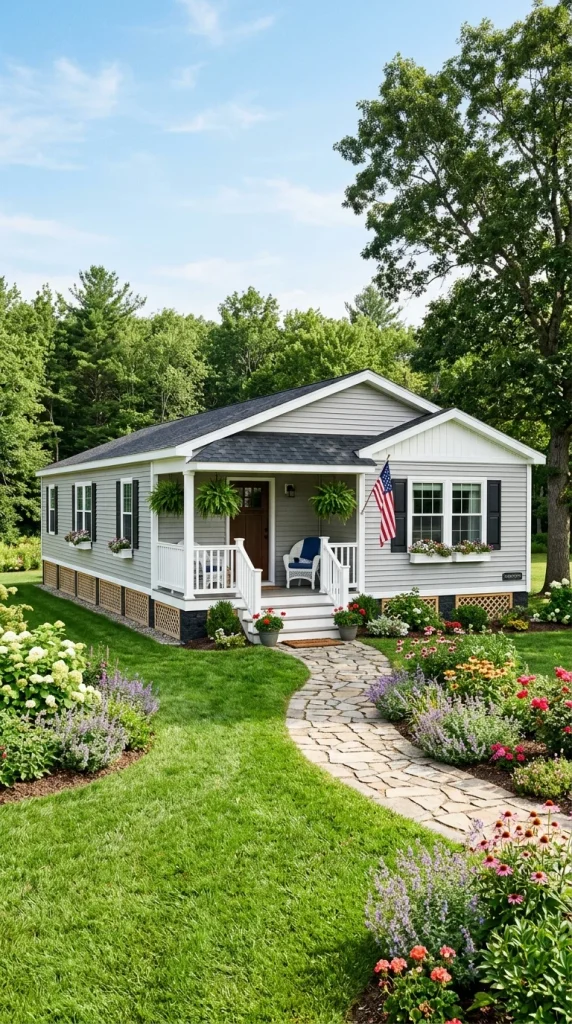
Skirting is perhaps the most critical element of mobile home aesthetics. It bridges the gap between the bottom of the home and the ground, hiding the chassis and plumbing while providing a finished, permanent look. Moving beyond basic vinyl slats can dramatically change the vibe of your home. Faux stone or brick panels offer a high-end, masonry appearance without the weight or cost of real stone. For a modern, rustic feel, consider horizontal cedar planks or corrugated metal. High-quality skirting not only prevents pests from nesting under your home but also provides an essential backdrop for the rest of your landscape design.
2. Flower Beds
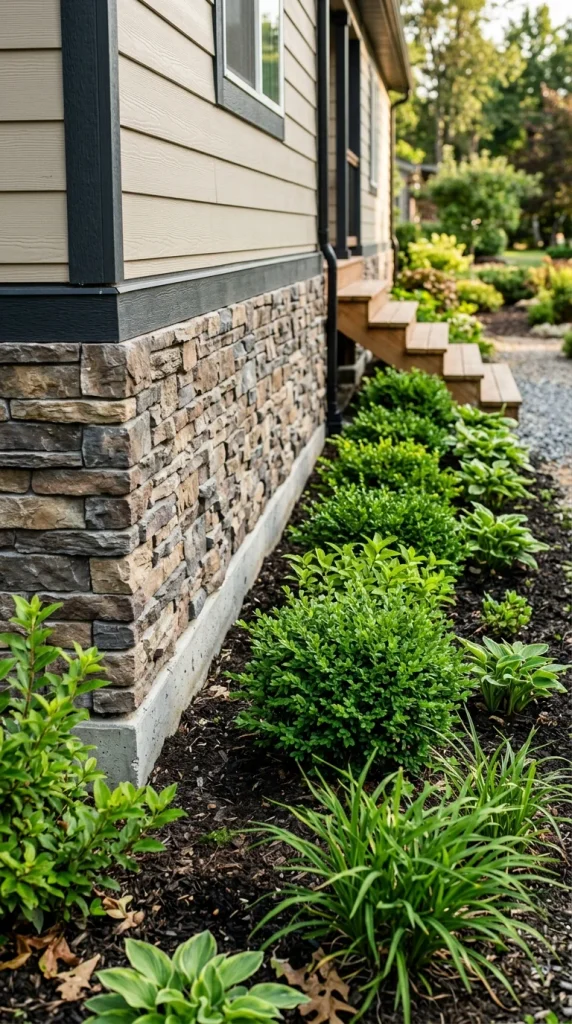
Creating defined flower beds adds structure and pops of color to your yard. Layering is the secret to a professional-looking bed: place taller plants like ornamental grasses or hydrangeas in the back, medium-height perennials in the middle, and low-growing groundcover or annuals at the front. By mixing textures and bloom times, you ensure your home looks vibrant from spring through autumn. Flower beds also serve as a natural transition between your home’s skirting and the lawn, softening the hard lines of the structure.
3. Pathways
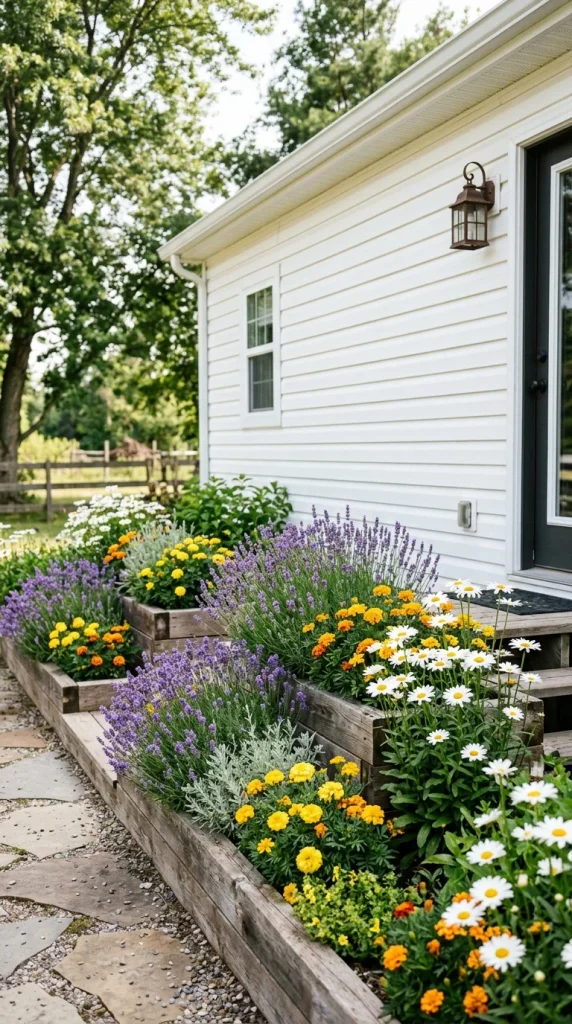
A clear, attractive path provides a sense of direction and welcome. Instead of a simple dirt track or basic concrete slab, experiment with materials that add texture. Flagstone, brick pavers, or even reclaimed wood sleepers can create a journey from the driveway to the front door. Curving paths are often more visually appealing than straight ones, as they mimic the flow of nature and make a small yard feel more expansive. To prevent weeds, lay down landscaping fabric beneath your path materials.
4. Window Boxes
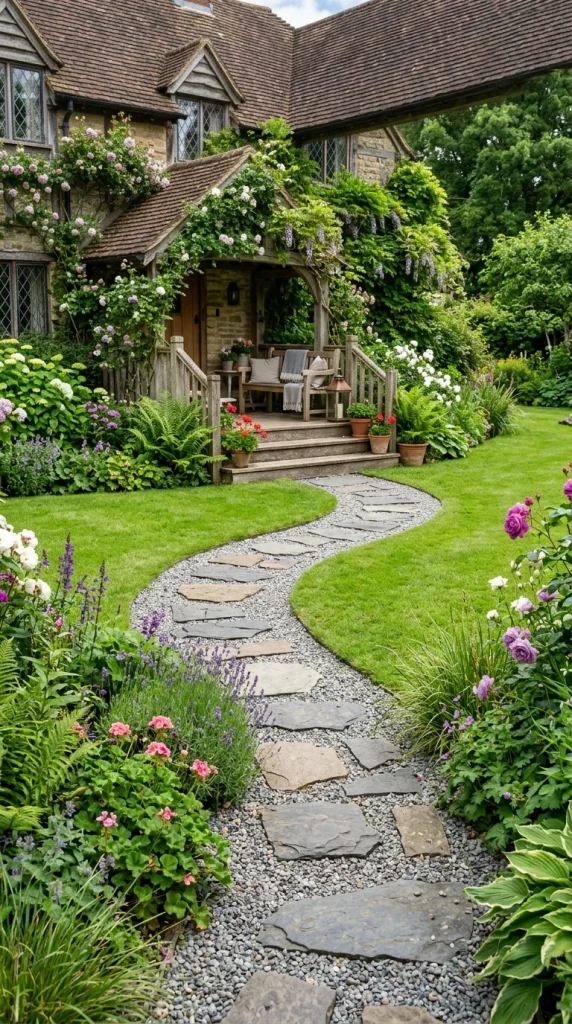
Window boxes are a fantastic way to add charm to a mobile home, especially if ground space is limited. They draw the eye upward and add a splash of color directly to the facade. Choose flowers that complement your home’s paint color—yellow blooms against a blue house, or white flowers against a red one. Ensure the boxes are securely mounted to the studs of the home and include proper drainage to protect your siding from moisture. In the winter, you can swap out flowers for evergreen boughs and pinecones to maintain year-round appeal.
5. Vertical Gardens
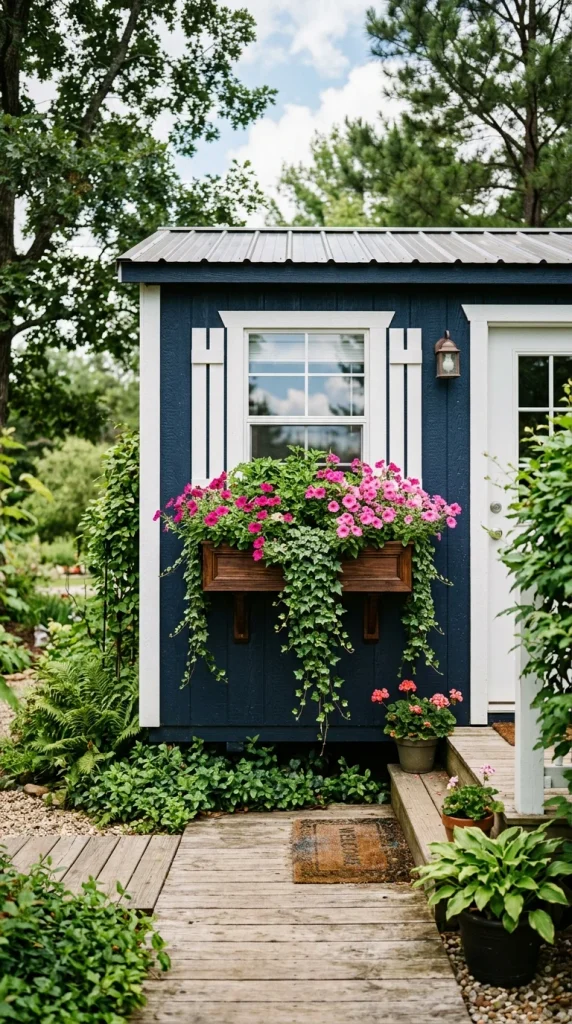
When horizontal space is at a premium, go vertical. Vertical gardens are perfect for mobile home porches or side walls. You can use hanging pocket planters, wooden pallets, or wall-mounted pots to grow herbs, succulents, or climbing vines. This not only adds a lush, living element to your exterior but can also provide a “living screen” for privacy if placed on a porch railing. It’s an efficient way to garden that keeps your plants at eye level for easy maintenance.
6. Native Plants
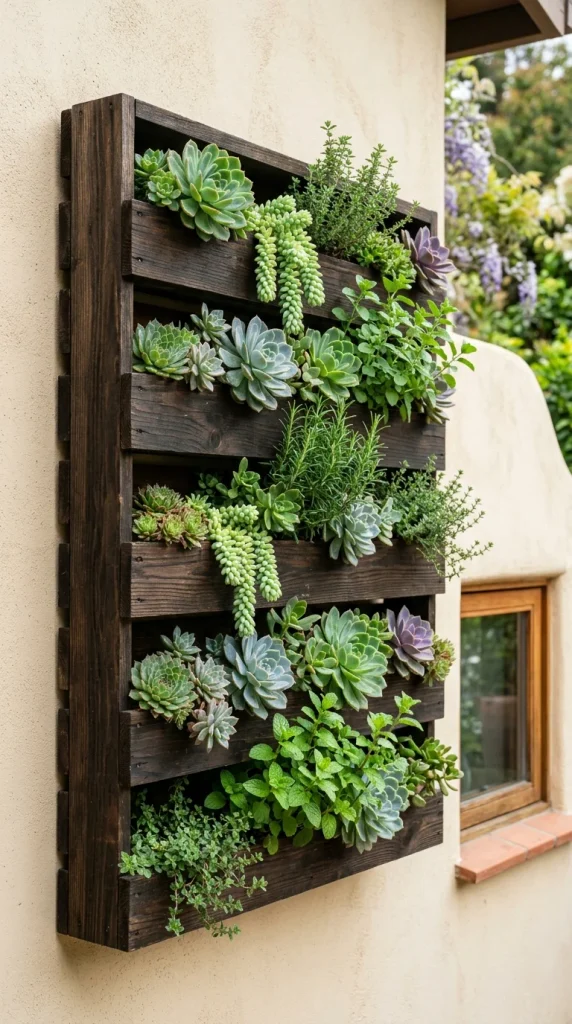
Using plants that are native to your specific region is one of the smartest landscaping moves you can make. Native plants are adapted to the local climate, soil, and rainfall levels, meaning they require significantly less water, fertilizer, and pest control than exotic species. They also support local pollinators like bees, butterflies, and birds. Whether you live in the arid Southwest and opt for agave and sage, or in the lush Southeast and choose ferns and azaleas, native landscaping looks more cohesive with the surrounding environment.
7. Mulching
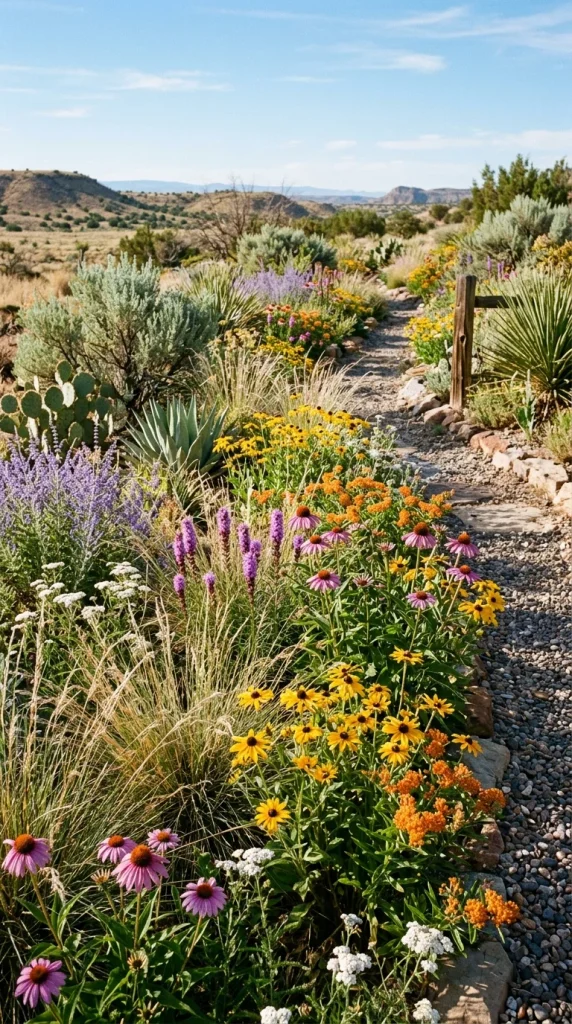
Never underestimate the power of a fresh layer of mulch. It is the “finishing touch” that makes a garden look professionally maintained. Beyond aesthetics, mulch serves vital functional purposes: it retains soil moisture, regulates ground temperature, and suppresses weeds. Organic mulches like cedar chips or pine bark add nutrients back into the soil as they decompose, while inorganic options like river rock or lava rock offer a permanent, low-maintenance solution that won’t wash away in heavy rain.
8. Porch Decor
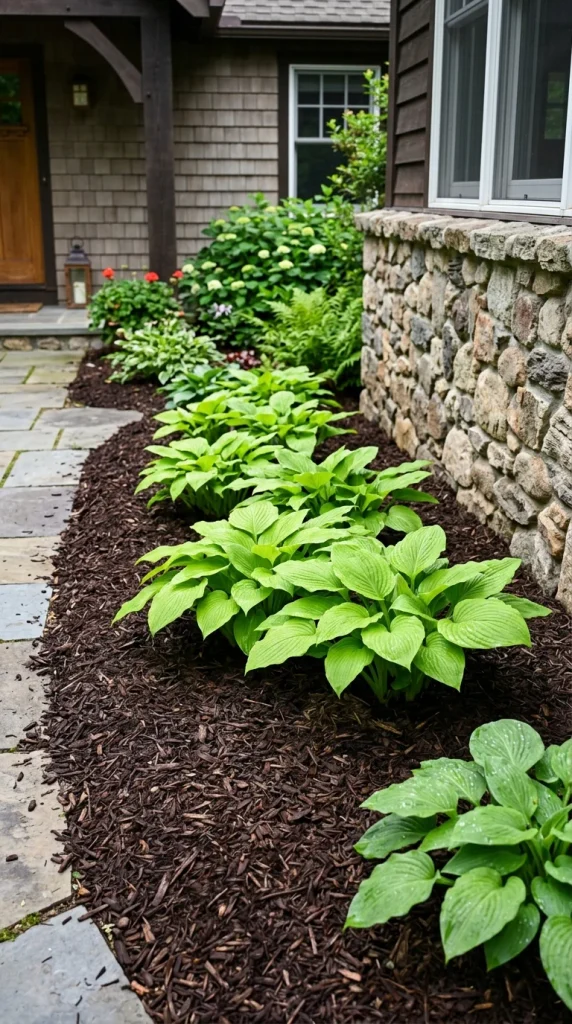
For many mobile home owners, the porch is the heart of the home. Treating this area as an outdoor living room can significantly boost curb appeal. Incorporate comfortable seating, an outdoor-rated rug to define the space, and decorative accents like lanterns or seasonal wreaths. A well-decorated porch makes the home feel lived-in and welcoming, signaling to neighbors and passersby that the property is cared for and loved.
9. Outdoor Lighting
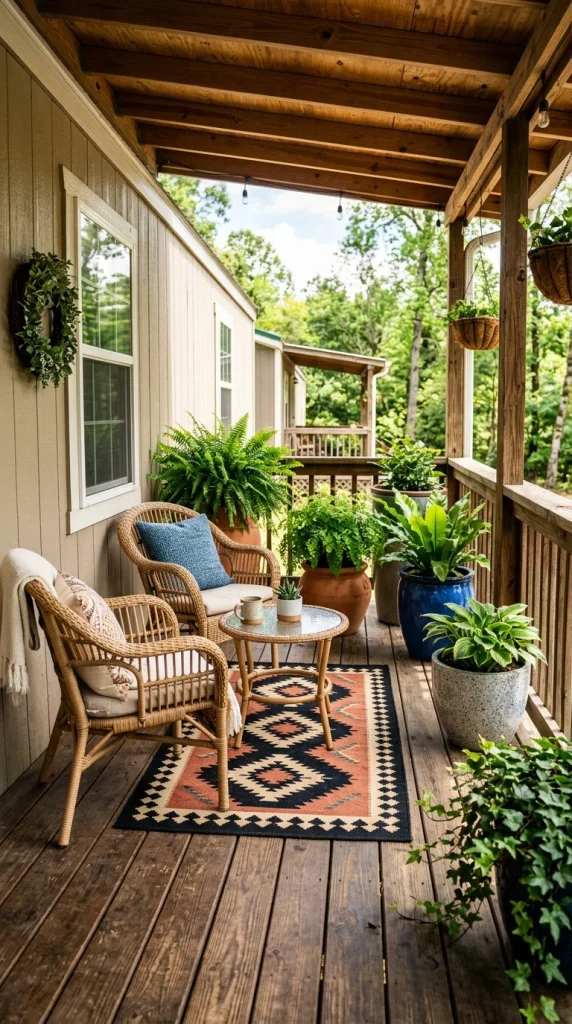
Landscaping shouldn’t disappear when the sun goes down. Proper lighting adds safety, security, and a magical ambiance. Solar-powered path lights are an easy, wire-free way to illuminate walkways. Use “uplighting” at the base of trees or large shrubs to create dramatic shadows and depth. Stringing Edison bulbs across a porch or patio adds a festive, cozy vibe that encourages evening relaxation. Good lighting highlights the best features of your home while masking any areas still under renovation.
10. Trellises
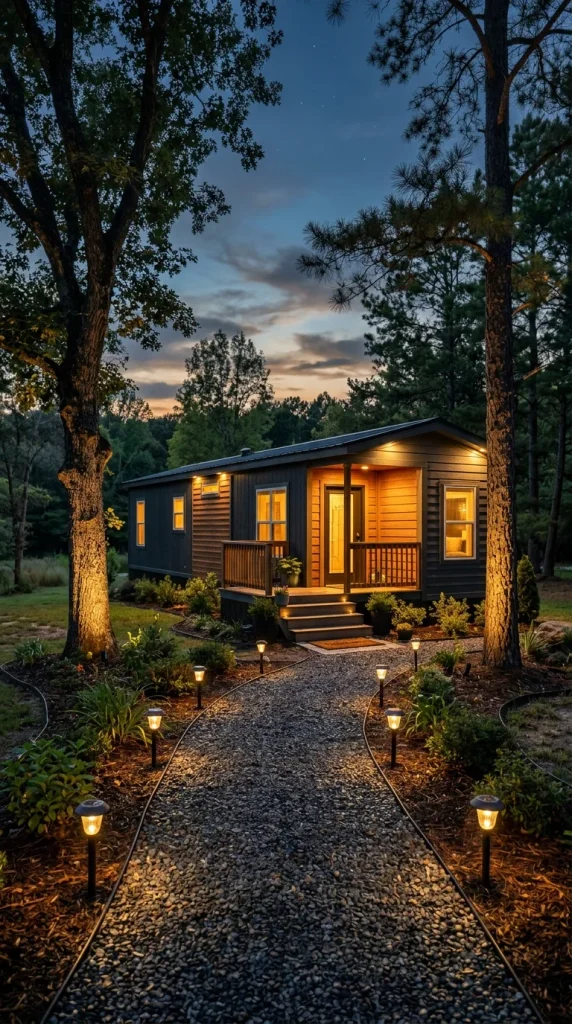
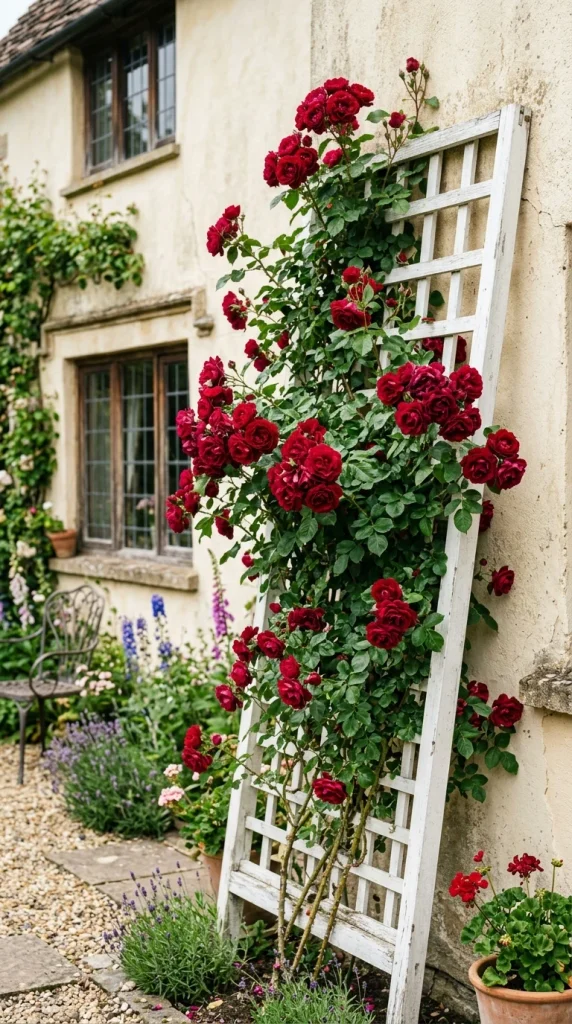
A trellis provides a vertical structure for climbing plants like clematis, wisteria, or honeysuckle. This is an excellent way to add height to your landscape without planting large trees that might interfere with utility lines or the home’s foundation. A trellis can also be used as a freestanding privacy screen to block the view of a neighbor’s yard or a nearby road. The combination of architectural wood or metal with organic, flowing vines creates a beautiful contrast that softens the rectangular shape of the home.
11. Rock Gardens
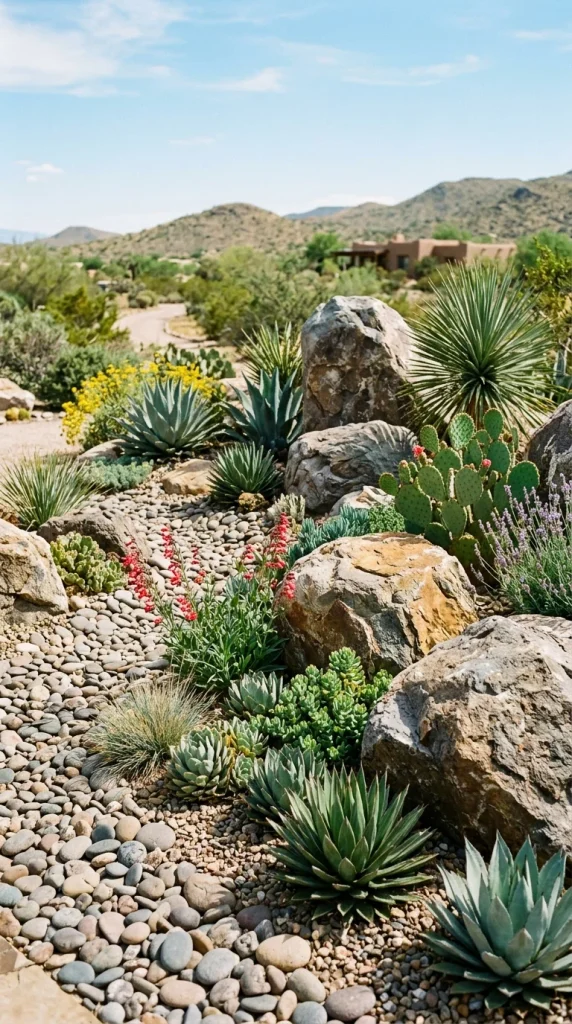
If you’re looking for a low-maintenance alternative to a traditional lawn, a rock garden is an excellent choice. By using various sizes and colors of stones—from pea gravel to large decorative boulders—you can create a desert-inspired or Zen-like landscape. Rock gardens are particularly effective in areas where grass struggles to grow or in spots with poor drainage. Intersperse the rocks with hardy plants like succulents, ornamental grasses, or creeping thyme for a rugged yet refined look.
12. Small Trees
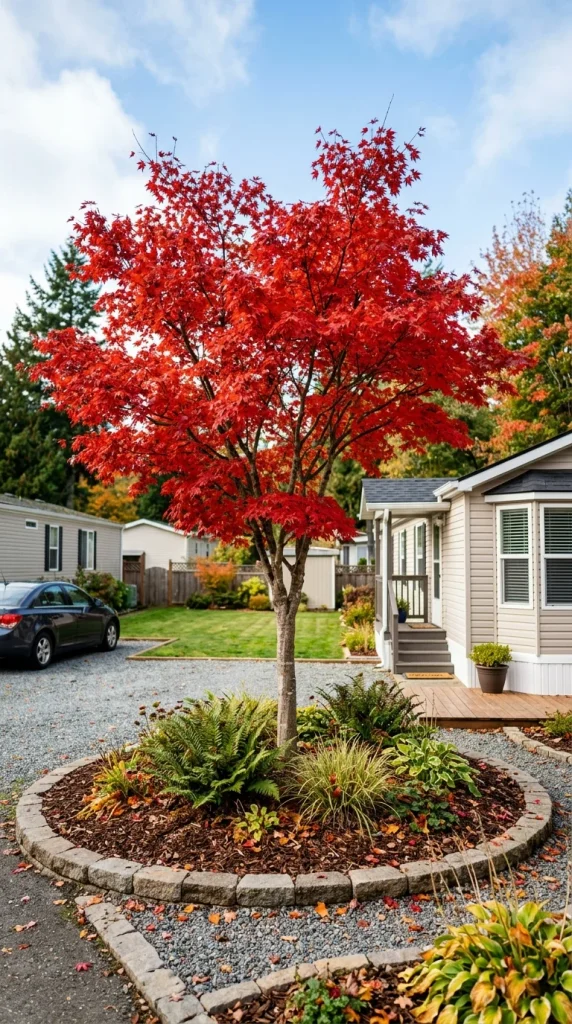
While you should avoid planting massive oaks or maples too close to a mobile home, dwarf or ornamental trees are perfect. Varieties like Japanese Maples, Dogwoods, or Crepe Myrtles provide shade and visual interest without the risk of invasive root systems damaging your pipes or foundation. A well-placed tree can act as a focal point for your yard, providing seasonal color changes and a sense of permanence to the property.
13. Privacy Hedges
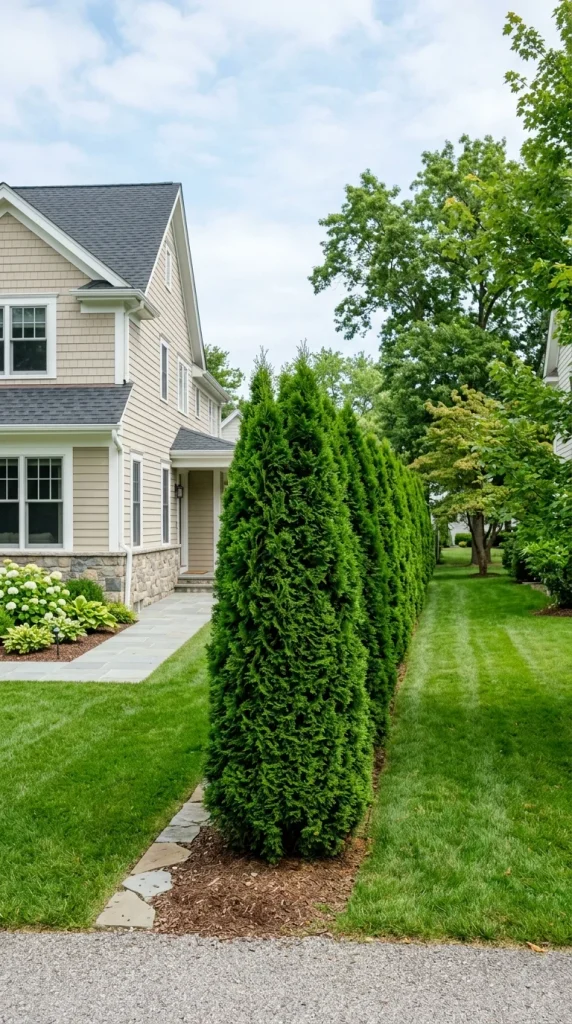
Privacy is a common concern in mobile home communities. Instead of a stark wooden fence, consider a “living fence” made of shrubs. Boxwoods, Privet, or Arborvitae can be pruned into neat, formal hedges, or left to grow naturally for a more relaxed look. Hedges also act as a sound barrier, muffling the noise of nearby traffic or neighbors. They provide a lush, green backdrop that makes all your other plants stand out.
14. Lawns
A healthy, green lawn is the canvas upon which the rest of your landscaping is painted. Whether you choose traditional turfgrass, a clover lawn, or a “no-mow” fescue mix, keeping it well-edged and free of weeds is key. For those in drought-prone areas, high-quality artificial turf has become a popular option, providing a perennial green look without the need for irrigation or mowing. A lush lawn provides a soft place for kids or pets to play and ties the entire yard together.
15. Edging
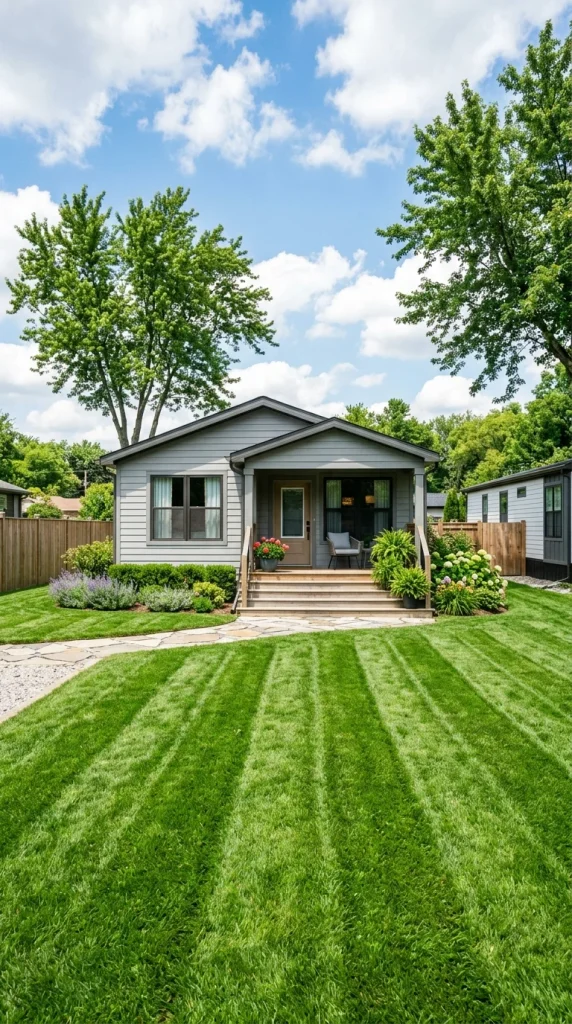
Landscaping edging is the secret to a “clean” looking yard. It creates a physical barrier between your lawn and your garden beds or walkways, preventing grass from creeping where it doesn’t belong. You can use various materials for edging, including plastic or metal strips for a hidden look, or decorative bricks, stones, or even short picket fencing for a more pronounced style. Edging makes it much easier to trim your lawn and gives the entire property a manicured, intentional appearance.