For many homeowners, the dream of a beautiful yard often clashes with the reality of back-breaking weekend chores. Mowing, weeding, pruning, and watering can consume hours of precious free time and a significant portion of your budget. Fortunately, a stunning landscape doesn’t have to be high-maintenance. By making strategic choices in design and plant selection, you can create an outdoor sanctuary that thrives with minimal intervention.
Here are 12 low-maintenance landscape ideas that will help you reclaim your weekends and save money on water and yard care supplies.
1. Xeriscaping
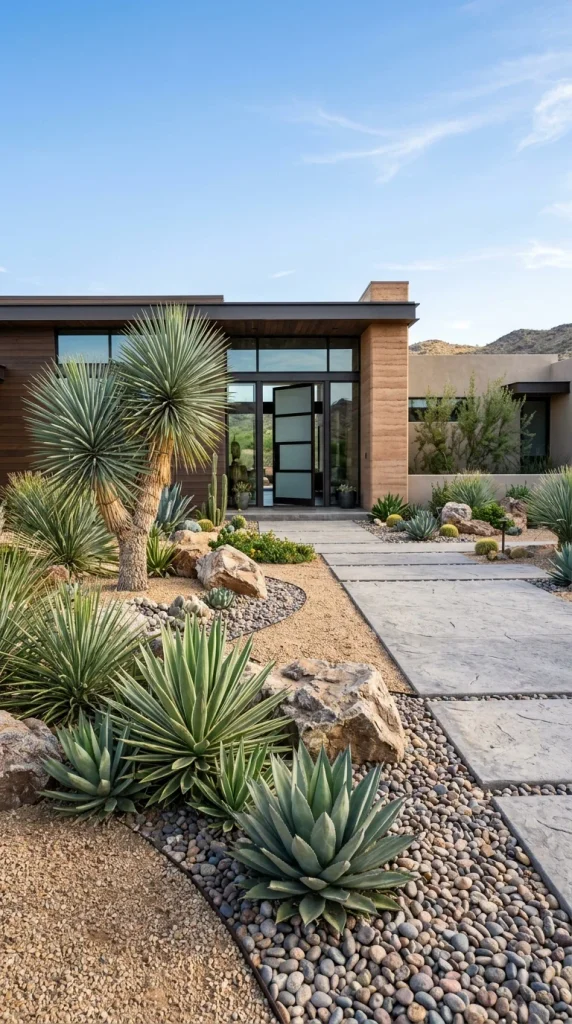
Xeriscaping is a landscaping philosophy designed specifically for areas that are susceptible to drought or for homeowners looking to drastically reduce water consumption. The primary goal is to eliminate the need for supplemental irrigation. This is achieved by using drought-tolerant plants, thick layers of mulch, and efficient design.
- Cost Savings: You will see a significant drop in your monthly water bill.
- Time Savings: Once established, these plants require almost no attention beyond occasional pruning.
- Aesthetic: It offers a clean, modern, and architectural look that stands out from traditional turf-heavy yards.
2. Perennials
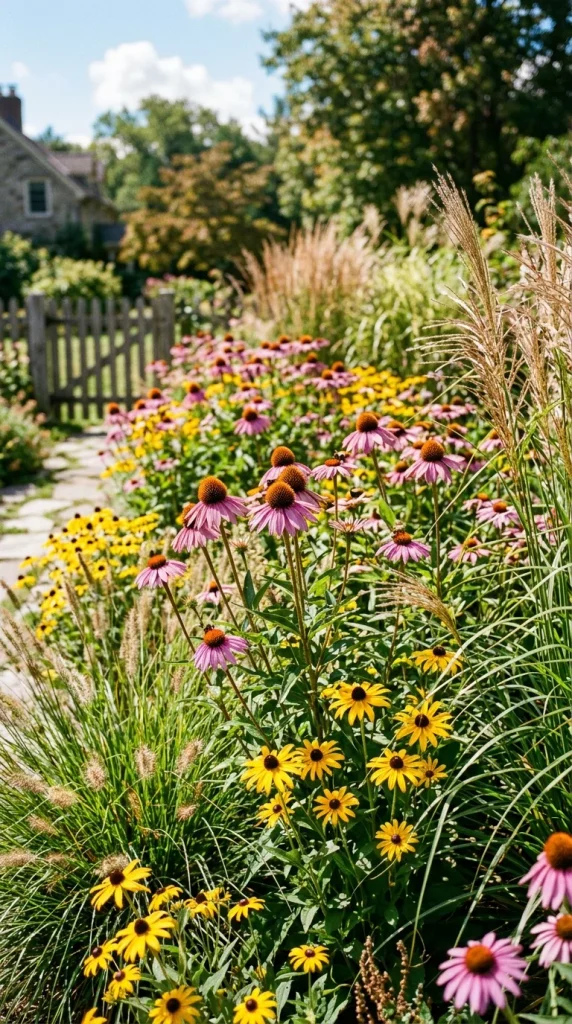
Unlike annuals, which must be replanted every single spring, perennials are the “set it and forget it” stars of the garden. They die back in the winter and return stronger and larger the following year. By choosing a variety of perennials with staggered bloom times, you can ensure your garden has color from spring through autumn.
- Smart Selection: Choose varieties like Hostas, Coneflowers (Echinacea), and Daylilies, which are notoriously hardy.
- Longevity: Many perennials can live for decades, meaning your initial investment pays off every single year.
- Division: Every few years, you can “divide” these plants to create new ones for free, filling up more of your yard without spending a dime.
3. Mulching
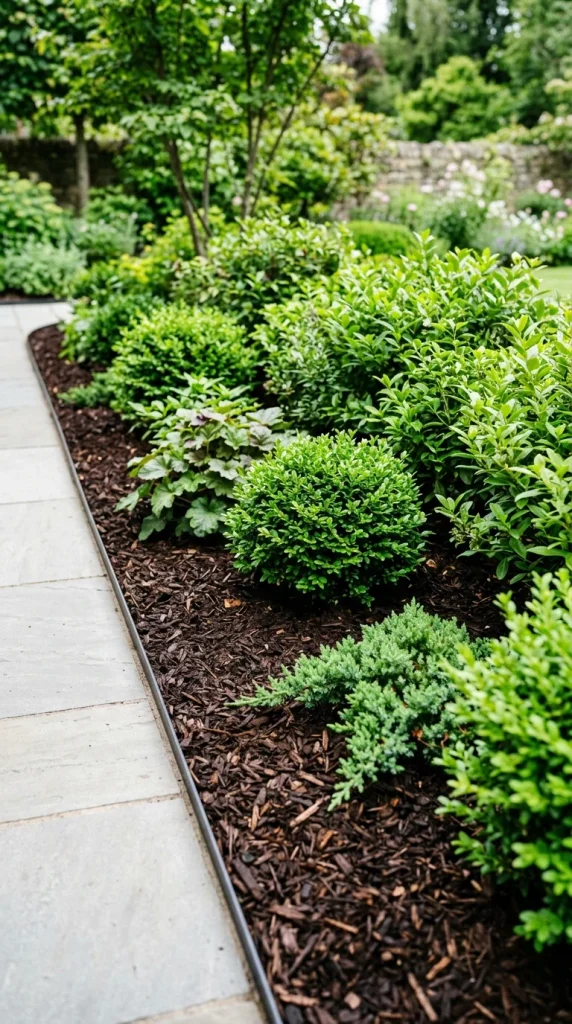
Mulch is perhaps the single most effective tool in a low-maintenance gardener’s arsenal. Whether you use wood chips, bark, or pine needles, a thick layer of mulch (about 2 to 3 inches) serves multiple purposes that save you both time and money.
- Weed Suppression: It blocks sunlight from reaching weed seeds, preventing them from germinating and saving you hours of weeding.
- Moisture Retention: It slows down evaporation, meaning you don’t have to water your plants as frequently.
- Soil Health: As organic mulch breaks down, it enriches the soil with nutrients, reducing the need for expensive fertilizers.
4. Artificial Turf
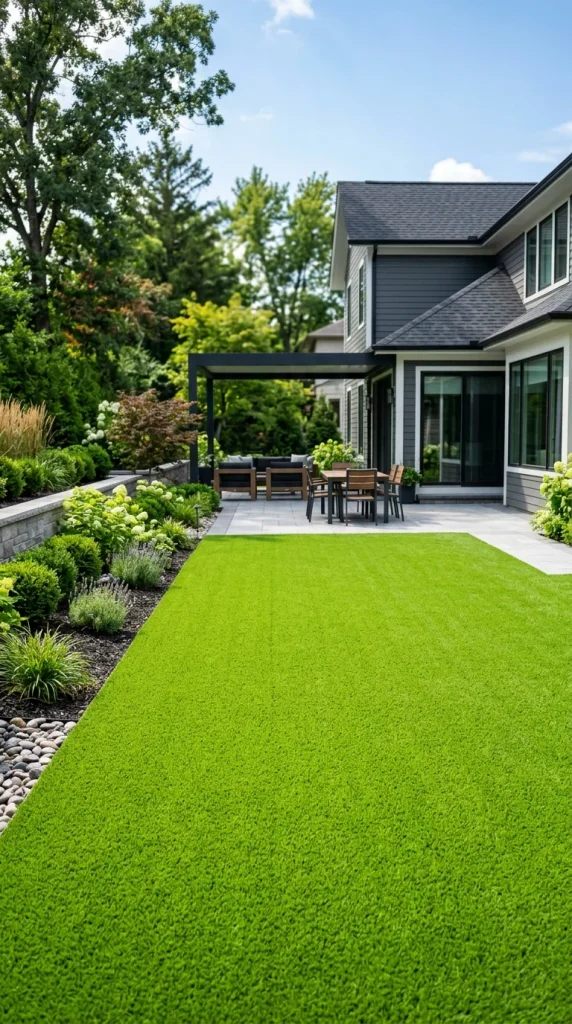
If you love the look of a green lawn but hate the maintenance, artificial turf is a game-changer. Modern synthetic grass looks incredibly realistic and feels soft underfoot. While the upfront cost is higher than seeding a natural lawn, the long-term savings are massive.
- Zero Mowing: You can sell your lawnmower and never worry about gas or maintenance again.
- No Water: Aside from an occasional rinse to remove dust, artificial grass requires zero irrigation.
- No Chemicals: You won’t need pesticides, herbicides, or fertilizers to keep it looking perfect year-round.
5. Native Plants
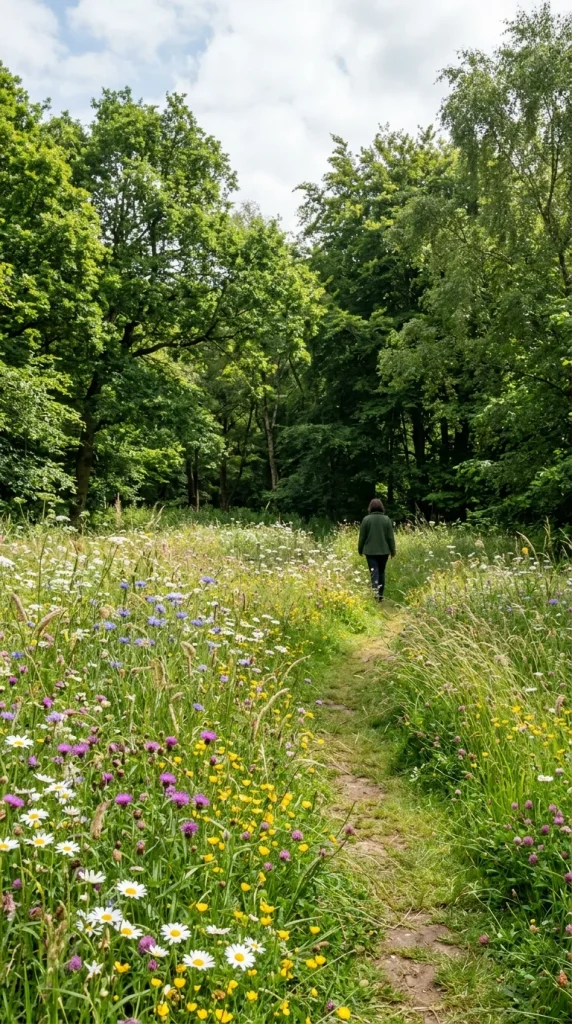
Plants that are native to your specific region have evolved to thrive in your local climate and soil conditions. This makes them inherently more resilient than “exotic” species that often struggle to survive.
- Self-Sufficient: Native plants are naturally resistant to local pests and diseases, meaning you won’t need to spend money on chemical treatments.
- Wildlife Friendly: They provide essential food and habitat for local pollinators like bees and butterflies.
- Less Effort: Because they are adapted to your rainfall patterns, they rarely require supplemental watering once they are established.
6. Rock Gardens
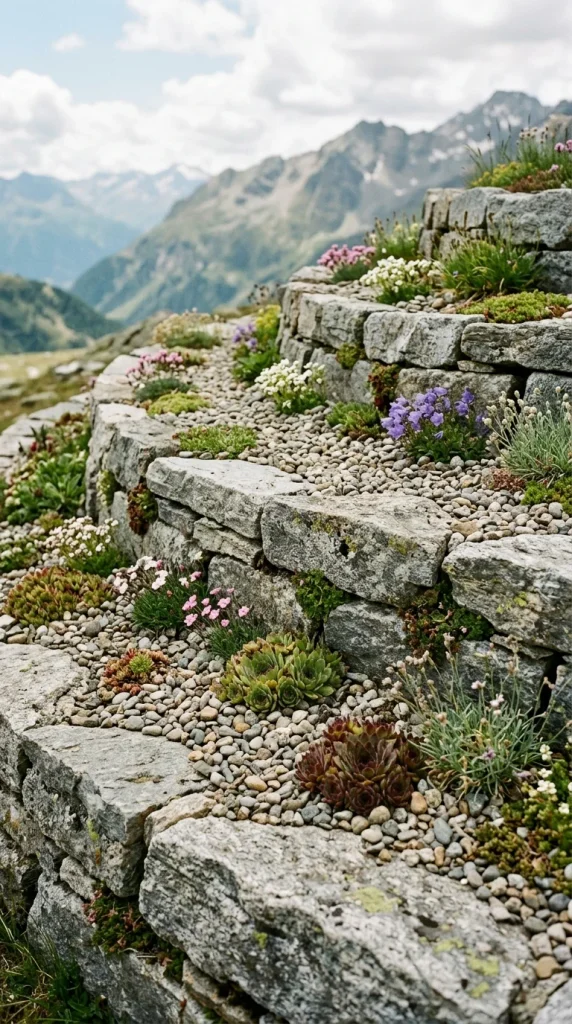
Rock gardens use various sizes of stones, boulders, and gravel to create a textured, visual landscape that requires almost no upkeep. By replacing large patches of grass with stone features, you significantly reduce the “workable” area of your yard.
- Erosion Control: Rocks are excellent for stabilizing slopes or areas where grass refuses to grow.
- Texture and Depth: Stones add a permanent structural element to the yard that looks good in every season, even in the middle of winter.
- Zero Water: Unlike plants, rocks never get thirsty.
7. Drip Irrigation
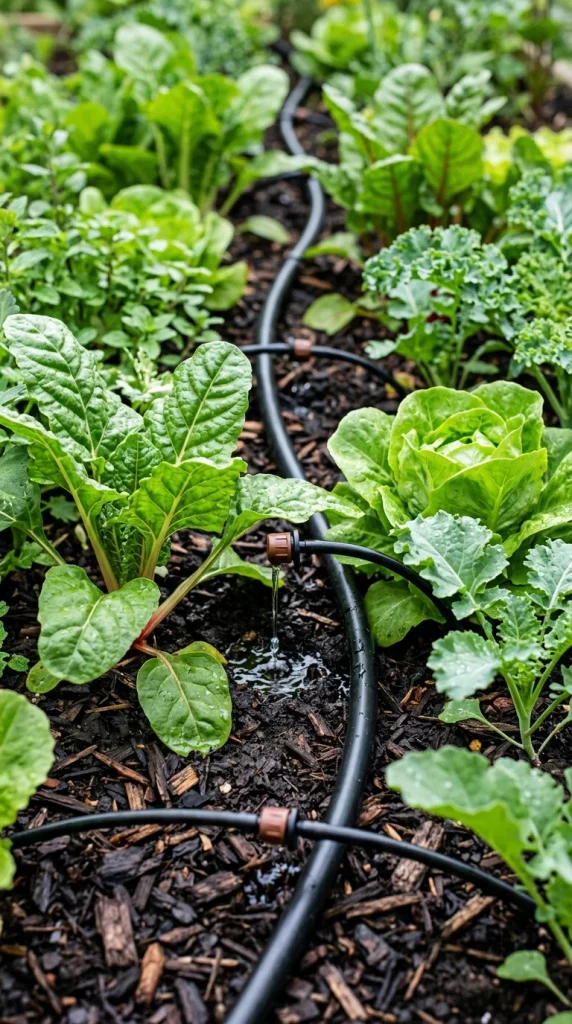
Standard sprinklers are notoriously inefficient, losing a high percentage of water to evaporation and wind. A drip irrigation system, however, delivers water directly to the roots of your plants through a network of tubes and emitters.
- Automation: Set it on a timer, and you never have to think about watering again.
- Healthier Plants: By keeping foliage dry, drip irrigation helps prevent fungal diseases.
- Efficiency: It uses up to 50% less water than traditional sprinklers, which reflects directly on your utility bill.
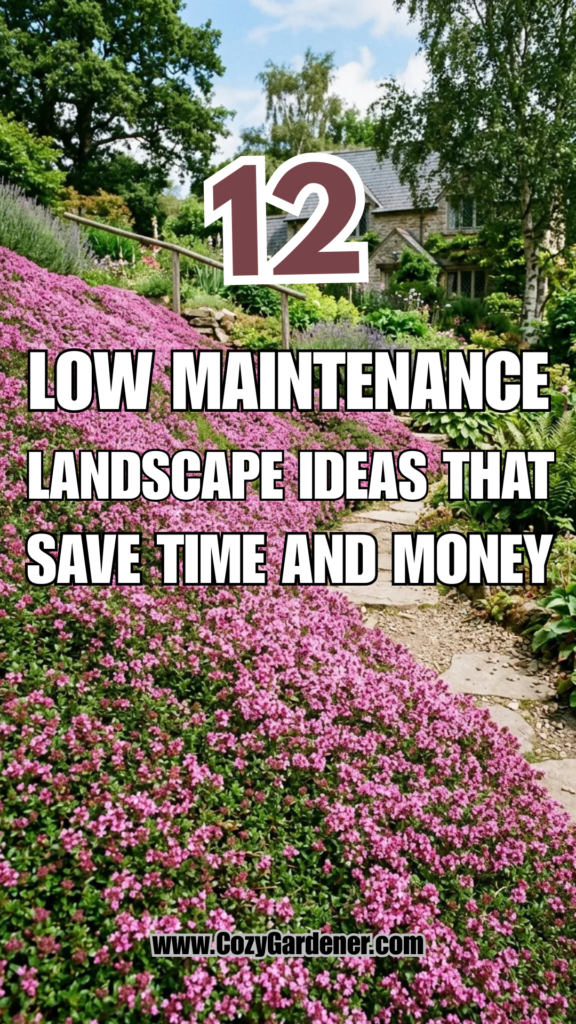
8. Ground Covers
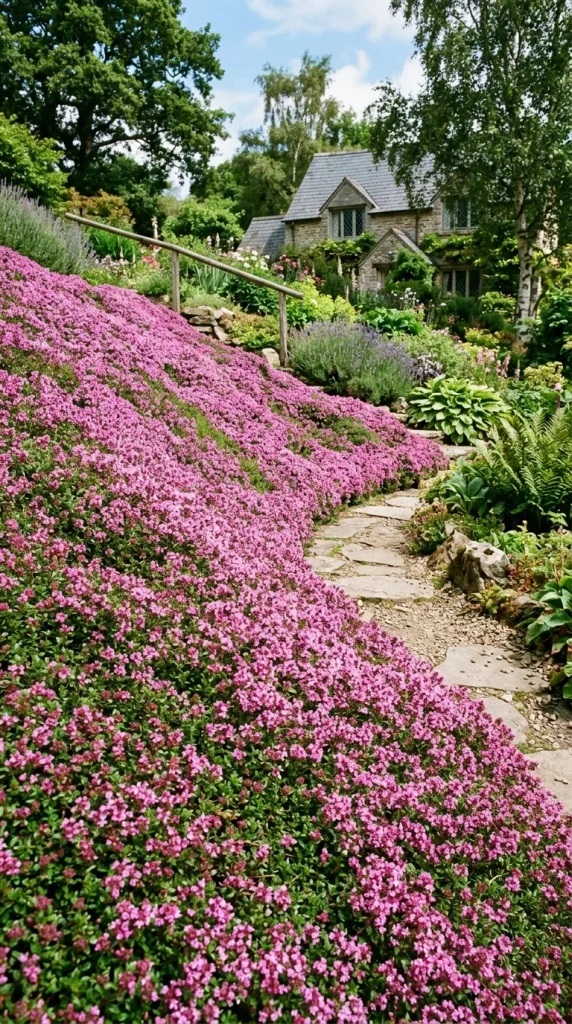
Ground covers are low-growing plants that spread across the soil, creating a living carpet. They are an excellent alternative to grass in shady areas or on steep banks where mowing is difficult or dangerous.
- Crowd Out Weeds: Once a ground cover like Creeping Thyme or Pachysandra fills in, there is no room for weeds to grow.
- No Mowing: These plants stay low to the ground naturally, so they never need a trim.
- Eco-Friendly: Many ground covers produce flowers that support local biodiversity while requiring very little water.
9. Hardscaping
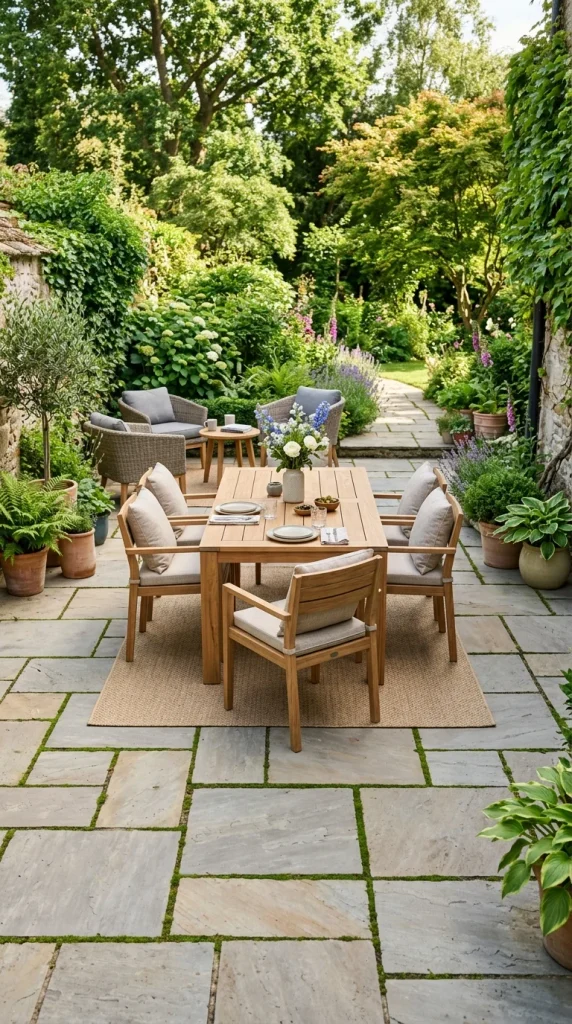
Hardscaping refers to the non-living elements of your landscape, such as patios, walkways, and decks. By increasing the ratio of hardscape to “softscape” (plants), you create a functional living space that requires virtually no gardening.
- Entertainment Value: A stone patio provides a perfect spot for grilling and outdoor dining.
- Reduced Labor: Sweeping a patio takes a fraction of the time required to mow the same amount of square footage.
- Permanent Beauty: High-quality stone or brick work lasts for decades and increases your property value.
10. Evergreens
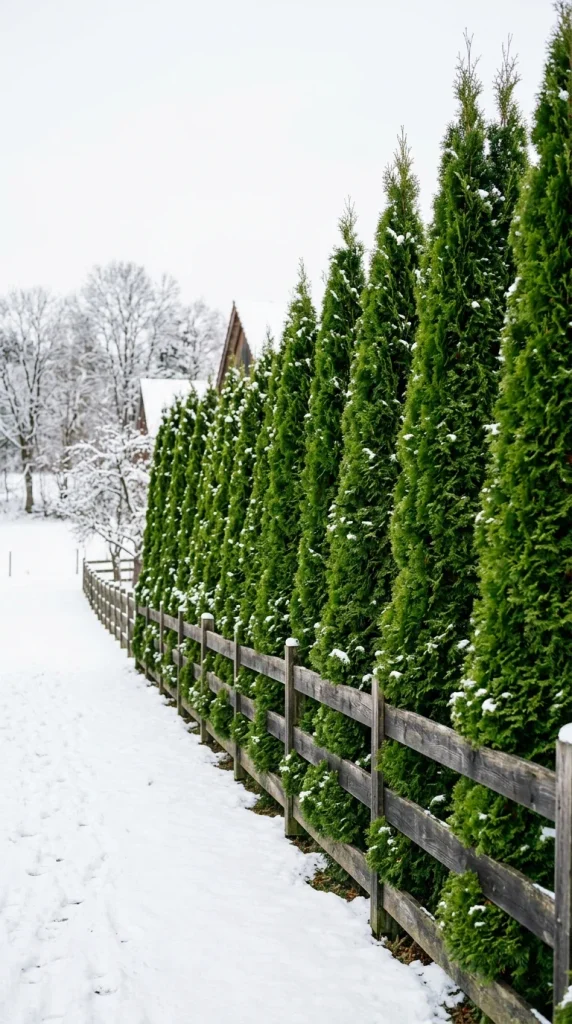
Deciduous trees are beautiful, but they come with a hidden cost: hours of raking leaves every autumn. Evergreens, on the other hand, keep their foliage all year round, providing consistent color and privacy without the seasonal cleanup.
- Privacy: Evergreens like Boxwood, Arborvitae, and Cedar make excellent natural fences.
- Winter Interest: While the rest of the garden is brown and dormant, evergreens keep your yard looking alive.
- Low Pruning: Many dwarf evergreen varieties grow very slowly and maintain their shape without the need for frequent trimming.
11. Rain Gardens
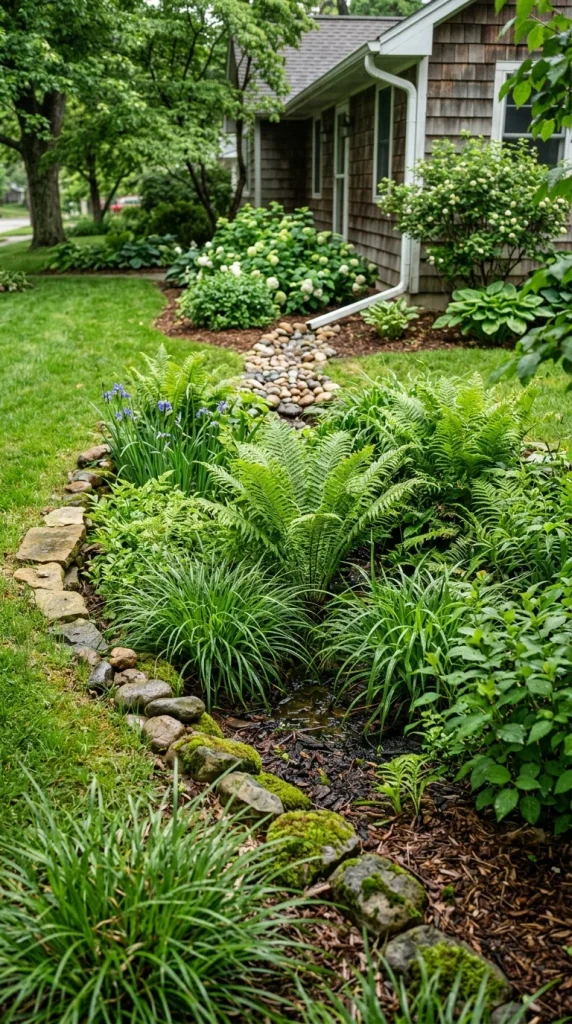
If you have a low spot in your yard where water tends to pool, don’t fight it—embrace it with a rain garden. This is a shallow, planted depression that allows rainwater runoff from roofs and driveways to soak into the ground.
- Problem Solver: It prevents “swampy” spots in your lawn and reduces soil erosion.
- Cost-Effective: You use free rainwater to nourish your plants instead of paying for tap water.
- Environmental Impact: It filters pollutants out of the water before it reaches the local groundwater system.
12. Potted Plants
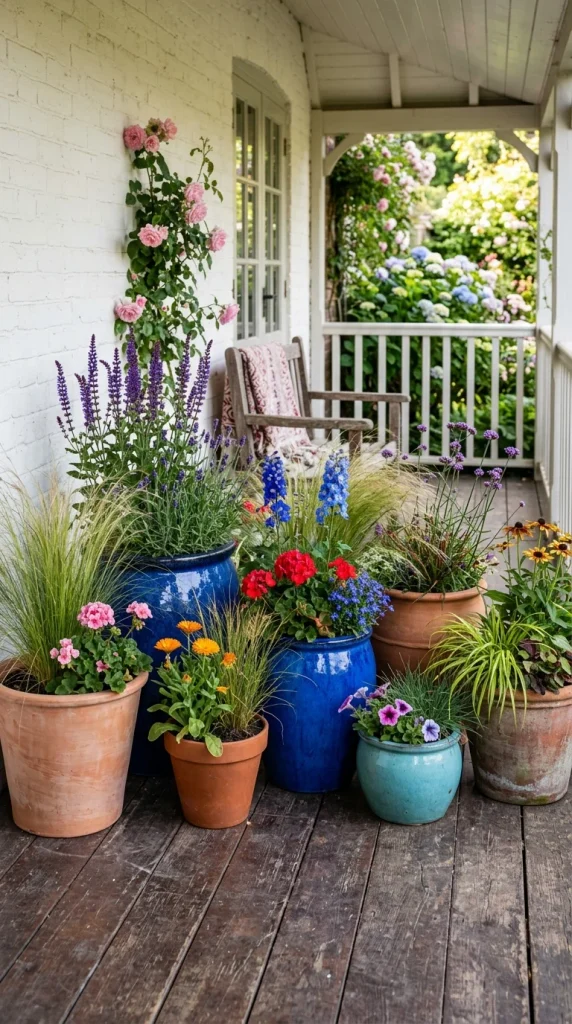
Container gardening allows you to control the environment perfectly. By keeping plants in pots on your porch, deck, or scattered throughout your garden beds, you eliminate many of the variables that make gardening difficult.
- No Weeding: Because you use sterile potting soil, weeds are rarely an issue in containers.
- Soil Control: You can provide the exact nutrient mix each plant needs, ensuring they thrive with less effort.
- Portability: If a plant isn’t doing well in the sun, you can simply pick it up and move it to the shade, saving you the money you would have spent replacing a dead plant.