
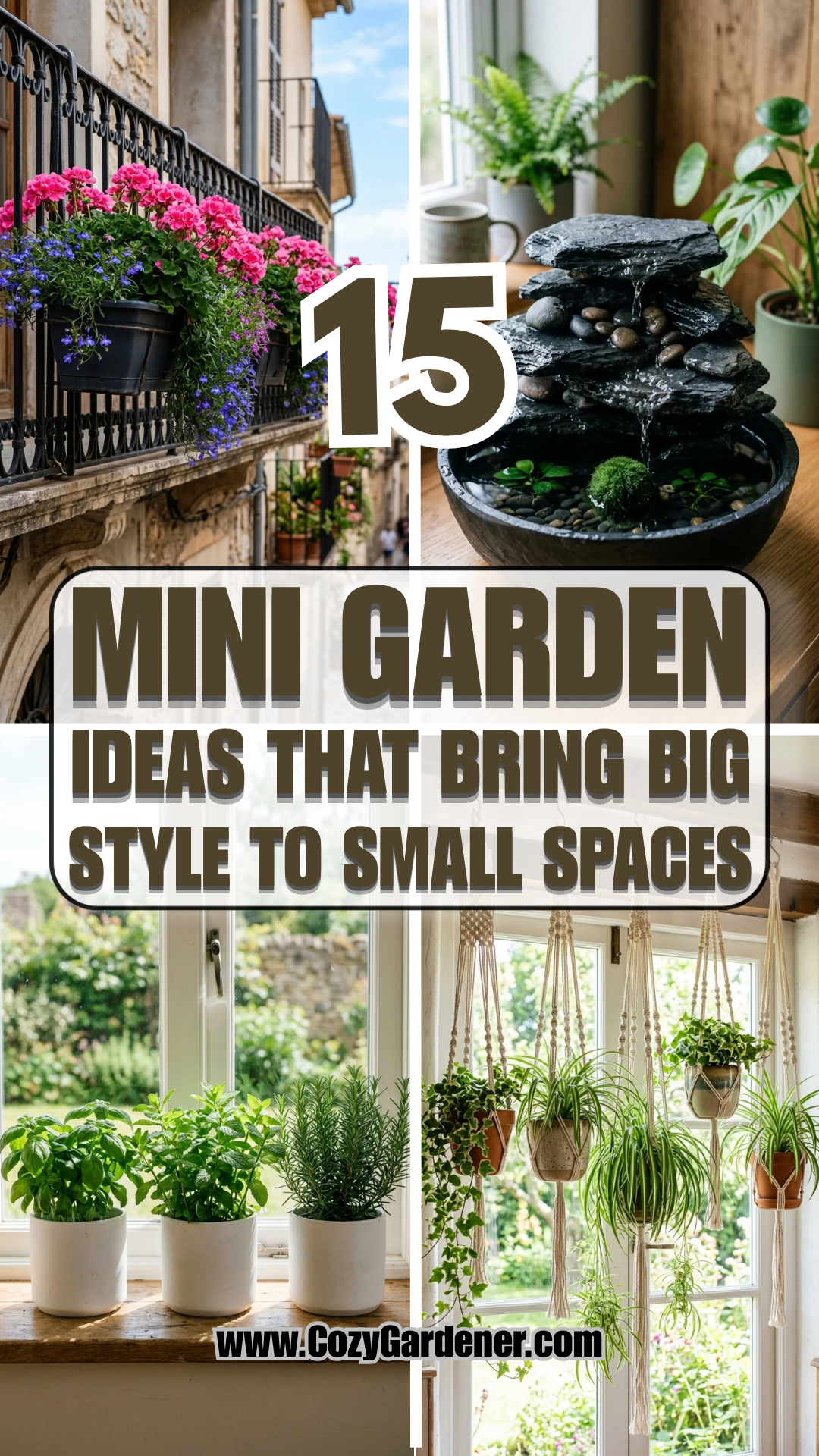
The dream of a sprawling backyard with rolling lawns and massive flower beds isn’t always a reality in our modern, urban-centric world. However, a lack of square footage should never be an obstacle to your green thumb. Mini gardening is more than just a trend; it is a creative movement that proves you can cultivate a botanical paradise regardless of whether you live in a studio apartment or a house with a tiny patio.
By thinking vertically, repurposing household items, and choosing the right plant varieties, you can transform the smallest nooks of your home into vibrant, oxygen-rich sanctuaries. Here are 15 mini garden ideas designed to bring maximum style to your small spaces.
1. Terrariums
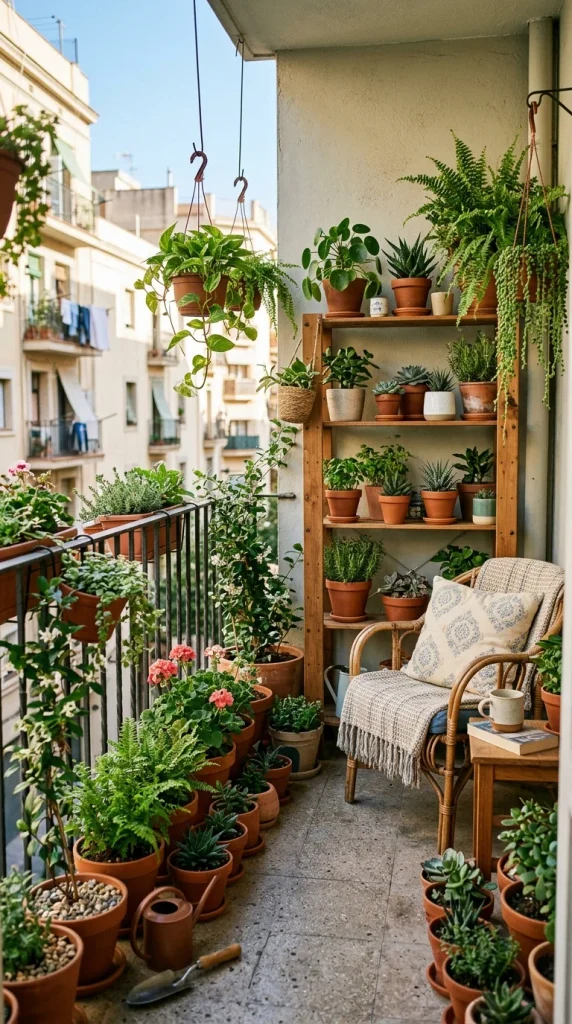
Terrariums are essentially self-sustaining ecosystems housed within glass containers. They are the perfect solution for those who want a garden but have zero outdoor space. You can choose between “closed” terrariums, which create their own humid atmosphere for moisture-loving plants like ferns and mosses, or “open” terrariums, which are better suited for cacti and succulents. Their architectural beauty makes them a stunning centerpiece for coffee tables or bookshelves.
2. Vertical Walls
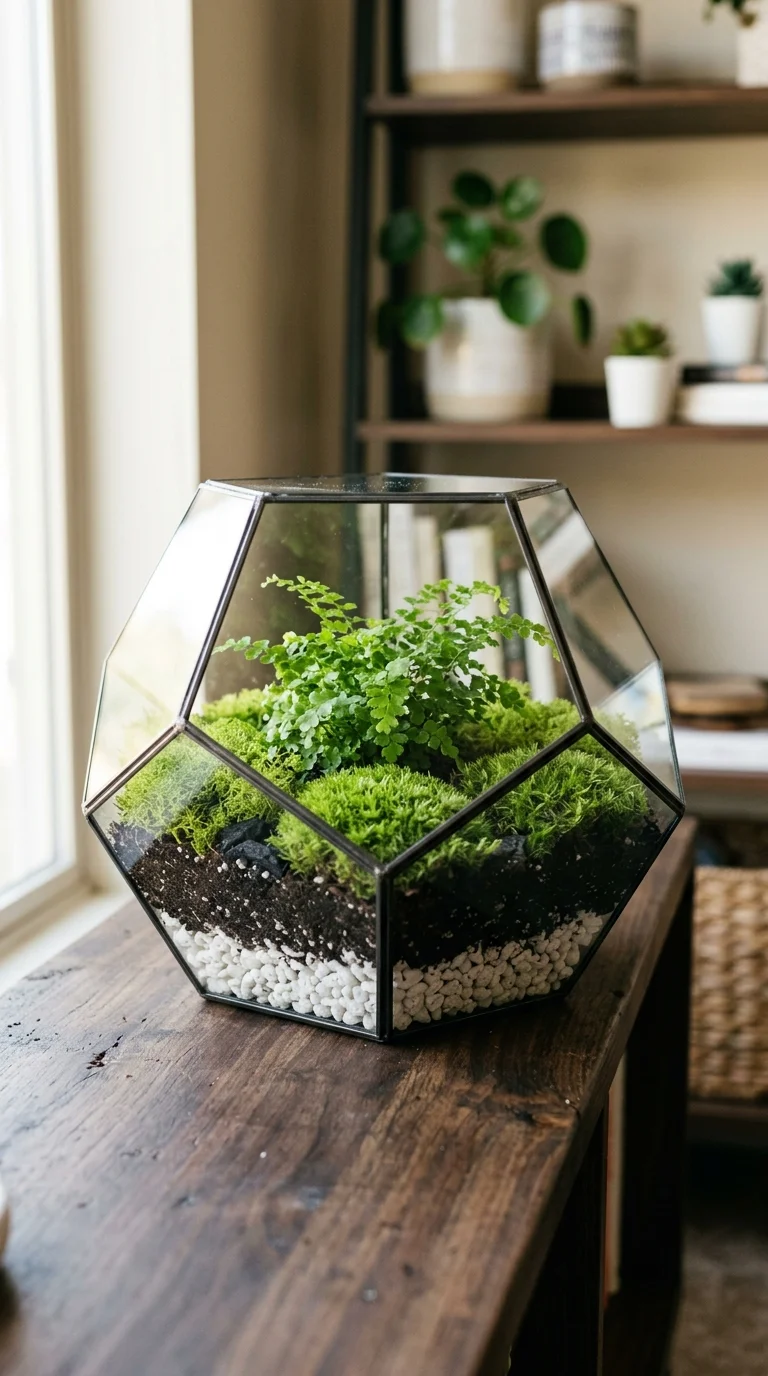
When you run out of floor space, the only way to go is up. Vertical gardens, or “living walls,” allow you to stack your greenery. You can use modular pocket systems, wooden trellises, or even repurposed shoe organizers. This method is particularly effective for creating a “green screen” that adds privacy to a balcony or a focal point in a living room.
3. Fairy Gardens
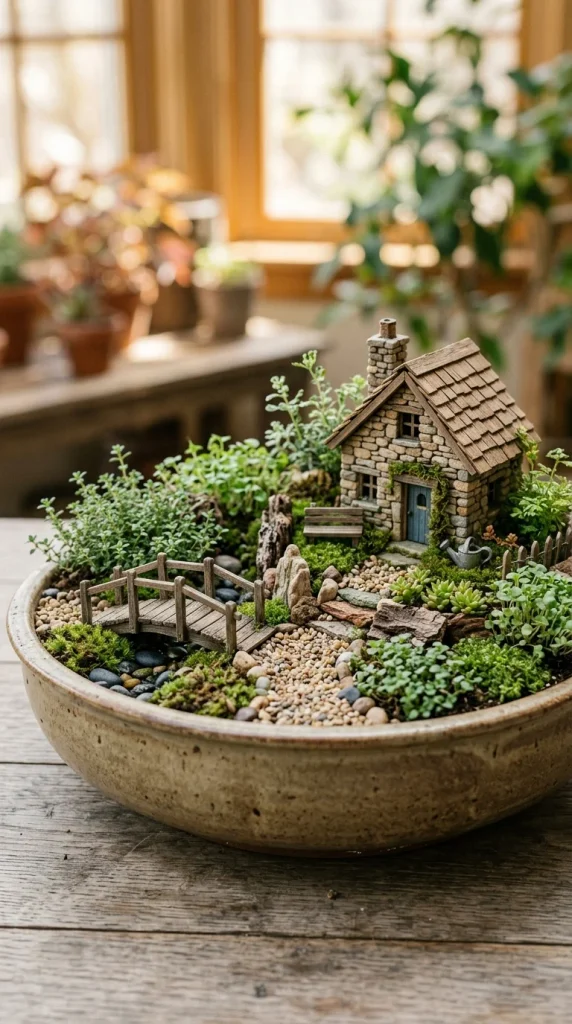
Fairy gardening is the art of creating miniature landscapes on a tiny scale. These whimsical displays use “dwarf” plant varieties that look like full-sized trees and shrubs when placed next to miniature accessories. It is a fantastic way to express personality and storytelling through gardening. Use slow-growing groundcovers like Irish Moss or Baby Tears to simulate rolling hills.
4. Herb Windowsills
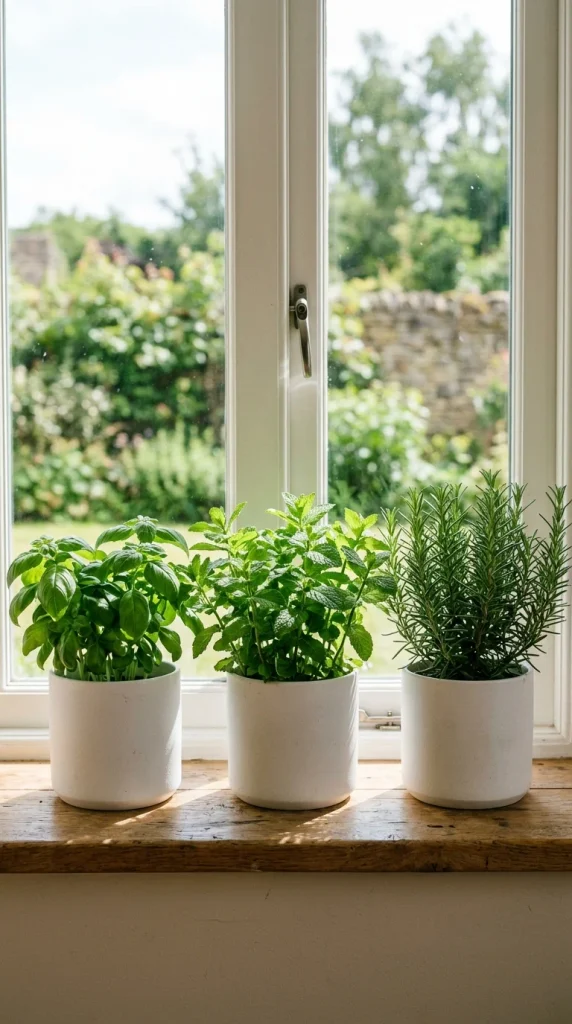
Functional and beautiful, a windowsill herb garden is a must-have for any home cook. Most culinary herbs thrive in bright, indirect light, making the kitchen window an ideal location. Not only do these plants provide fresh flavors for your meals, but they also fill your kitchen with incredible natural scents. Compact varieties of basil, chives, and parsley are perfect for this setup.
5. Succulent Troughs
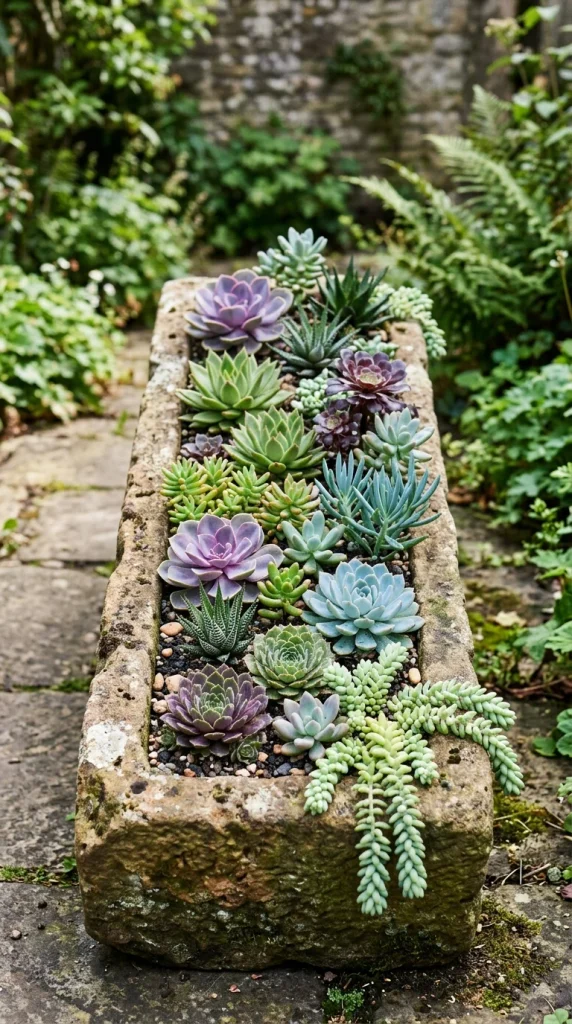
Succulents are the champions of small-space gardening because they grow slowly and require very little root space. A long, narrow trough—whether made of stone, wood, or metal—can hold a diverse collection of Echeveria, Sedum, and Crassula. These arrangements look like living jewelry boxes and require very little maintenance, needing water only when the soil is completely bone-dry.
6. Hanging Planters
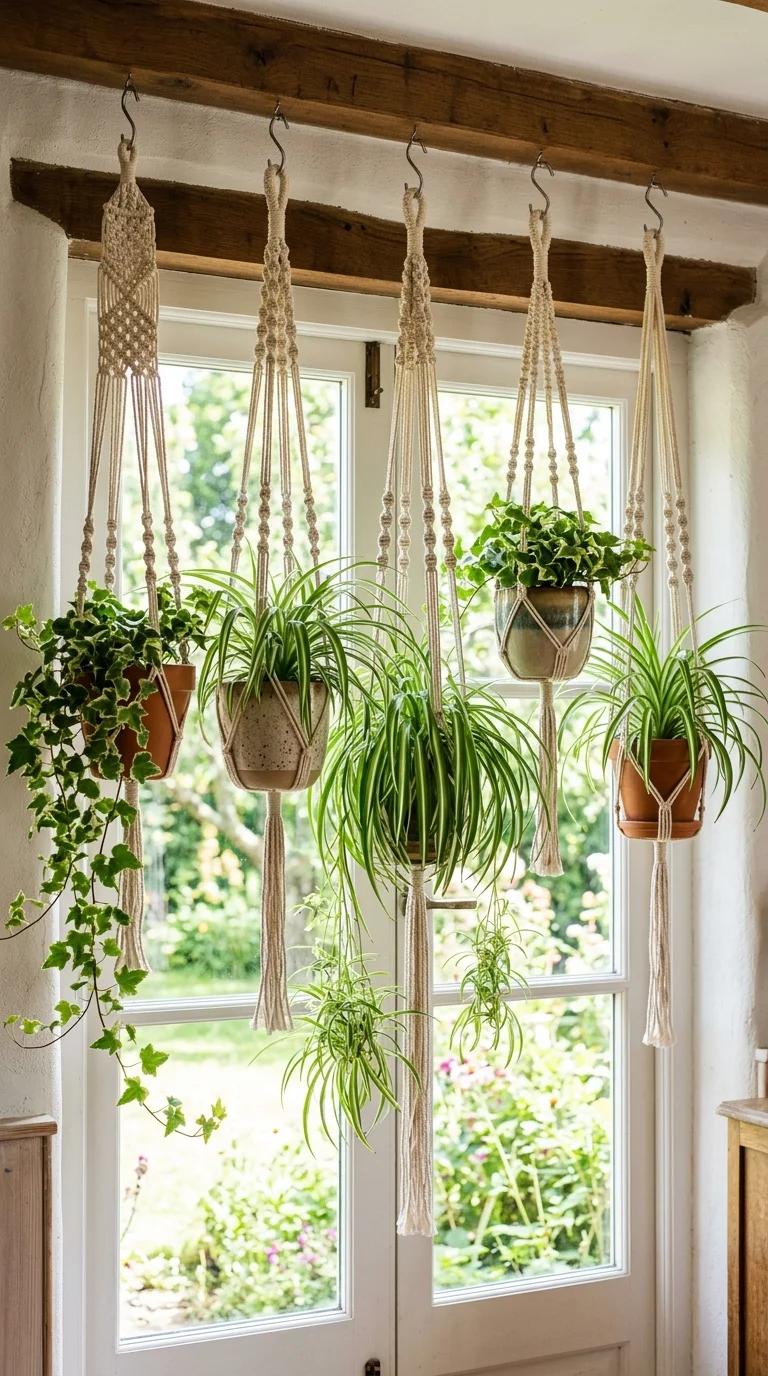
Hanging plants utilize the “dead space” near your ceiling and windows. Using macrame hangers, modern ceramic globes, or even glass bulbs can add a bohemian or contemporary flair to your room. Trailing plants like String of Pearls, Pothos, or Heartleaf Philodendron are ideal because they create a “waterfall” effect as they grow downward, adding soft textures to sharp room corners.
7. Teacup Gardens
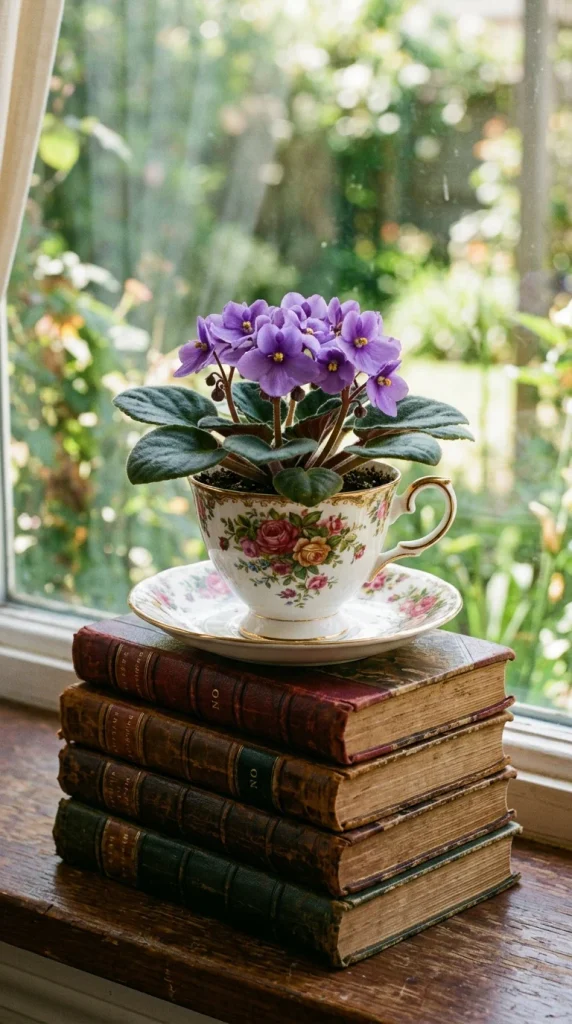
Upcycling is a core tenet of mini gardening. Old teacups, mugs, or even vintage tin cans can be transformed into charming homes for small plants. Because these containers usually don’t have drainage holes, it is important to add a layer of charcoal or small pebbles at the bottom to prevent root rot. These make excellent gifts or delicate additions to a nightstand.
8. Pallet Planters
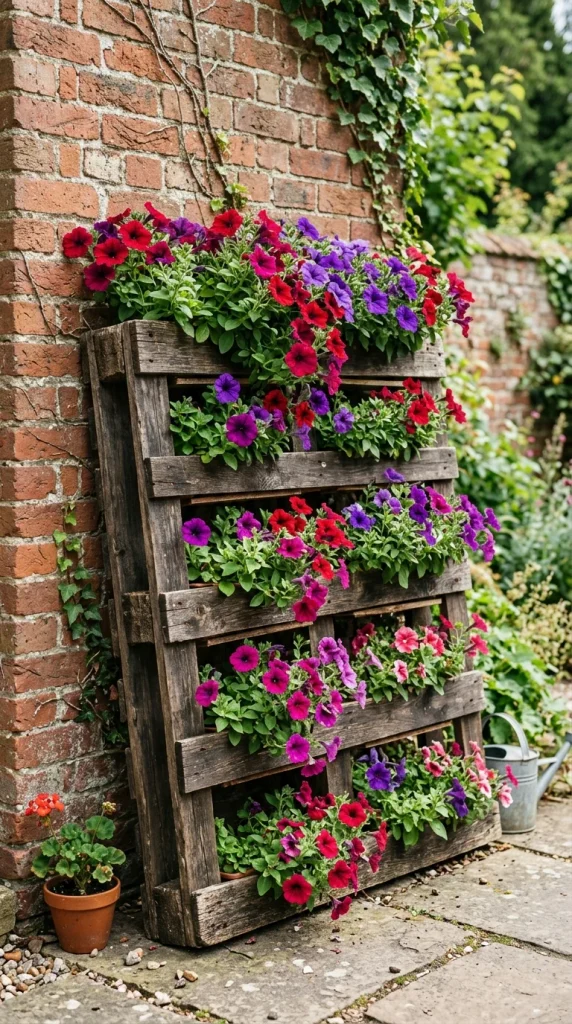
For those with a small balcony or a tiny backyard patch, a wooden pallet is a versatile DIY tool. By sealing the bottom of the slats with landscape fabric, you create several horizontal rows of planting space. This “staircase” of flowers or vegetables allows you to grow a surprising amount of produce in a footprint only a few inches deep.
9. Cactus Bowls
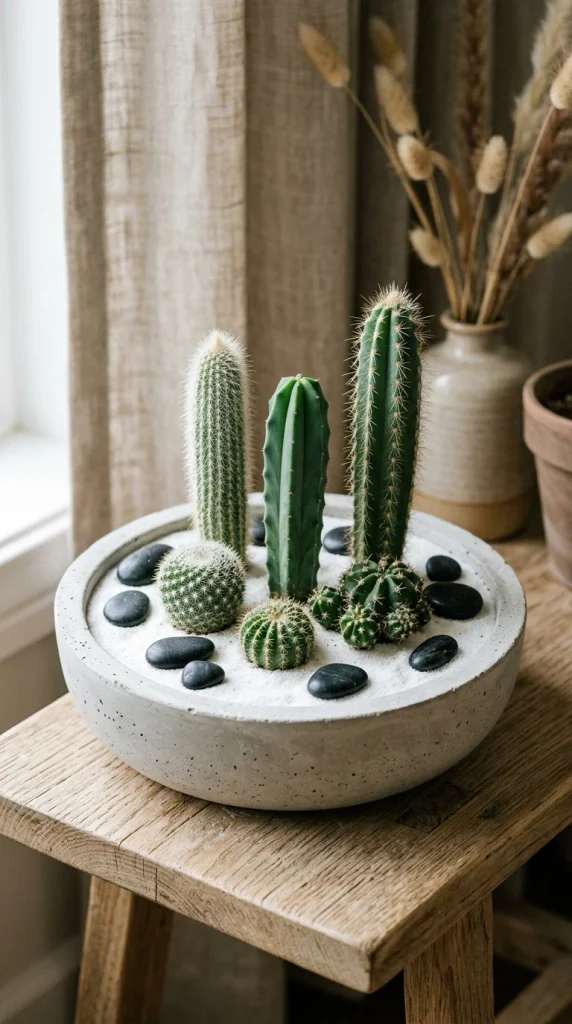
If you prefer a desert aesthetic, a cactus bowl is a low-effort, high-impact choice. Cacti come in incredible geometric shapes and provide a structural, modern look. Because they are adapted to harsh environments, they are incredibly hardy. A well-composed cactus bowl acts as a piece of living sculpture that can survive even if you forget to water it for a month.
10. Balcony Railings
Don’t let your balcony railing go to waste. Specially designed railing planters “saddle” the fence, providing a place to grow flowers or strawberries without taking up any of the precious floor space where your chair or table sits. This is the best way to add a “curb appeal” pop of color to the exterior of an apartment building.
11. Ladder Shelves
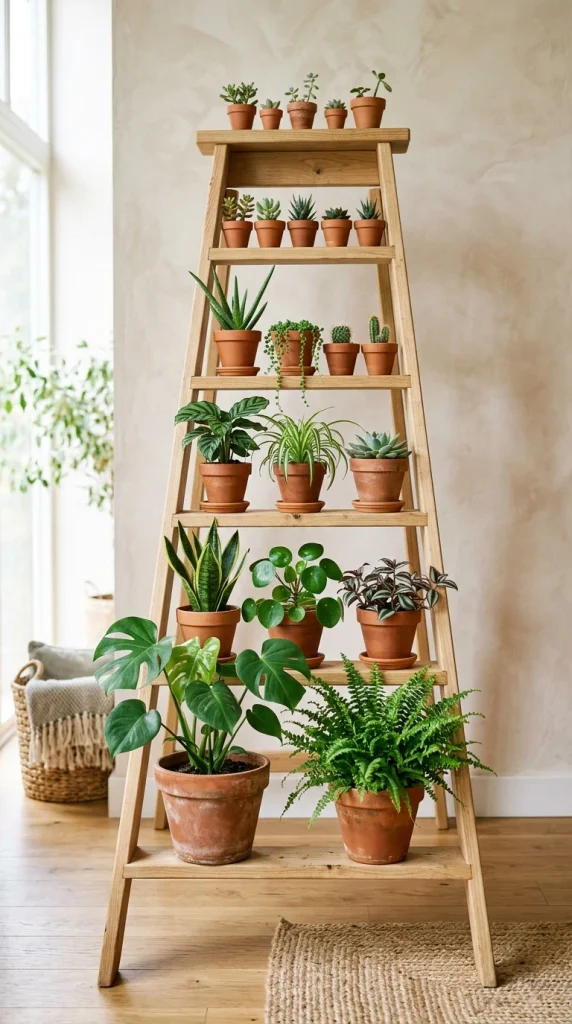
A ladder shelf is an ingenious way to organize a plant collection. By staggering the plants at different heights, you ensure that every leaf gets adequate sunlight. It also creates a “jungle” effect that feels much larger than it actually is. You can mix and match decorative items like candles or books among the plants for a curated, lived-in look.
12. Water Features
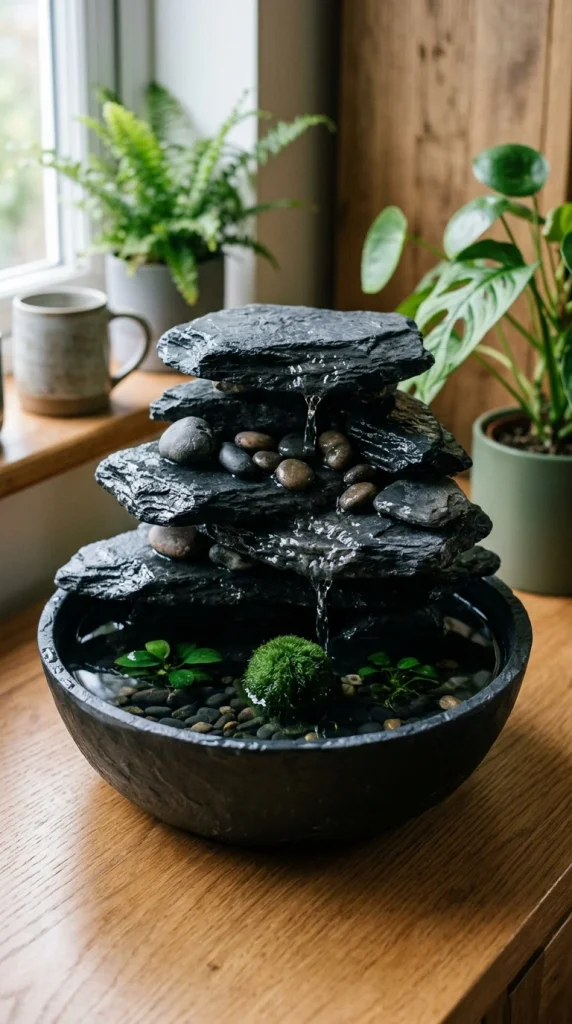
Miniature water gardens bring a sense of serenity to small spaces. You don’t need a pond to enjoy the sound of trickling water. A large, glazed ceramic pot can be turned into a “patio pond” with dwarf water lilies and floating plants like water lettuce. Indoors, a simple glass bowl with Marimo moss balls provides a low-maintenance aquatic garden that looks stunning under a desk lamp.
13. Air Plants
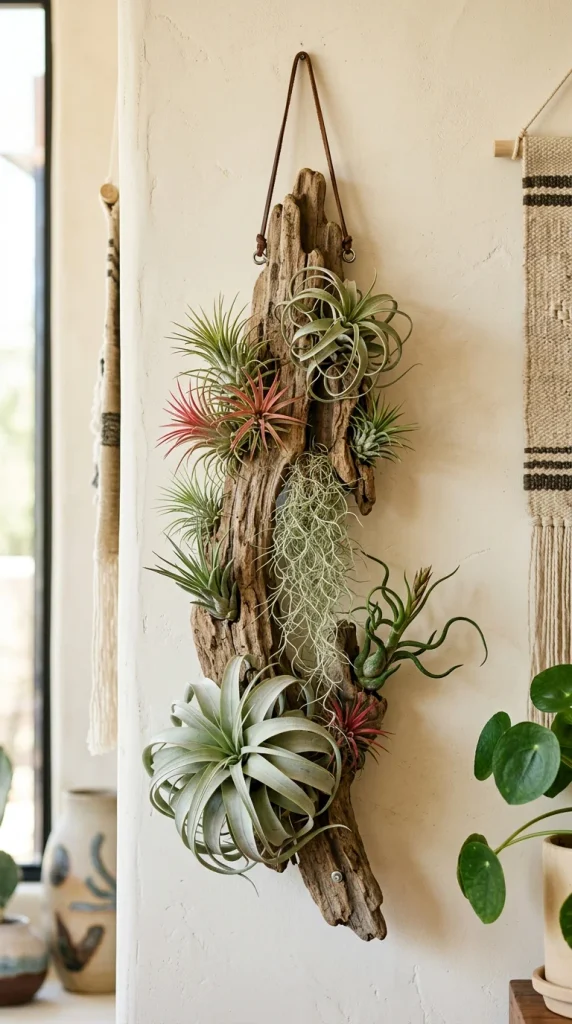
Tillandsia, commonly known as air plants, are unique because they don’t require soil to grow. They absorb moisture and nutrients through their leaves. This means you can place them almost anywhere: inside glass globes, glued to driftwood, or even perched inside decorative seashells. They are the ultimate “space-saving” plant because their placement is limited only by your imagination.
14. Kokedama
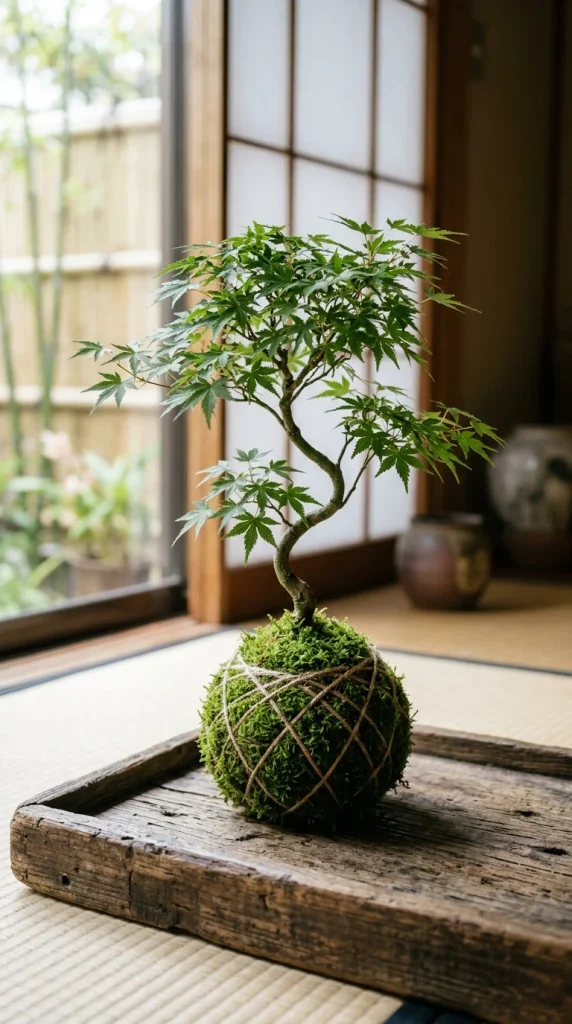
Kokedama is a traditional Japanese gardening craft where a plant’s root ball is wrapped in moss and bound with string. These “string gardens” can be displayed on a decorative tray or suspended from the ceiling. They eliminate the need for a traditional pot, offering a soft, organic look that fits perfectly into minimalist or Zen-inspired interiors.
15. Desktop Zen
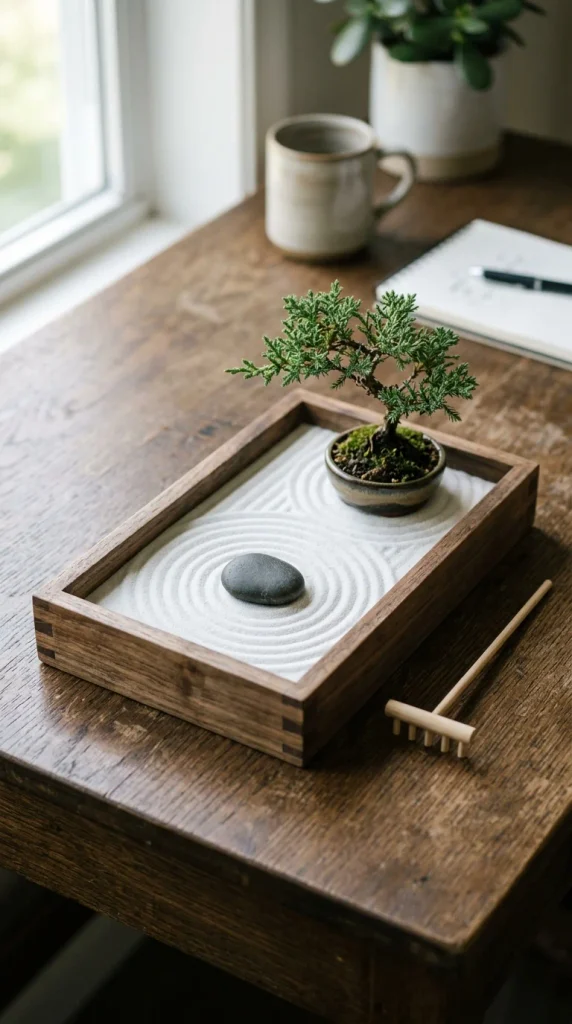
For those who spend long hours at a desk, a “Zen” mini garden can be a powerful stress-reliever. This usually involves a miniature Bonsai tree—the pinnacle of small-scale gardening. Bonsai is the art of pruning and shaping trees to remain small while mimicking the appearance of ancient, full-sized trees. Pairing a Bonsai with a small sand tray allows for a meditative “raking” practice during work breaks.
Final Tips for Small-Space Success
- Light is Key: Before choosing your plants, track the sun in your space. Most “mini” plants have specific needs; succulents need bright light, while ferns prefer shade.
- Drainage Matters: In small containers, water can easily pool at the bottom, causing roots to rot. Always use pots with holes or add a “drainage layer” of pebbles.
- Scale Your Tools: Invest in a small watering can with a narrow spout and miniature pruning shears. Large tools will only frustrate you when working in tight quarters.
- Rotate Regularly: Plants in small spaces often lean toward the nearest window. Rotate your pots a quarter-turn every week to ensure even, upright growth.
By embracing the beauty of the miniature, you can turn any corner of your home into a thriving green escape. Whether it’s a single teacup on a shelf or a wall of ivy, these mini gardens prove that style isn’t measured in acres, but in the creativity you bring to your space.