Creating a garden doesn’t require acres of rolling hills or a sprawling backyard. In fact, some of the most enchanting outdoor spaces are those that fit into the palm of your hand or a forgotten corner of a balcony. Mini gardens offer a unique opportunity to play with scale, texture, and detail in a way that traditional landscaping simply cannot. Whether you are dealing with a tiny urban patio or just want to add a whimsical touch to your porch, these twenty-two ideas will help you transform even the smallest footprint into a botanical masterpiece.
1. Fairy Gardens
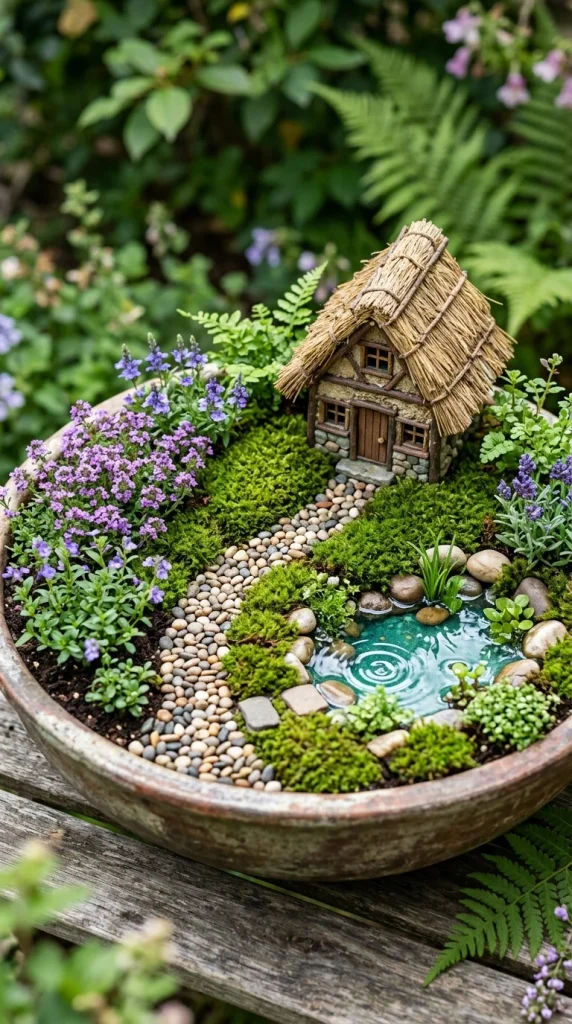
The quintessential mini garden, fairy gardens are all about storytelling. By combining dwarf plants with whimsical accessories like tiny ladders, miniature houses, and micro-furniture, you create a living diorama. Use creeping thyme for “grass” and miniature ivy to simulate climbing vines. These gardens are perfect for children and adults alike, allowing for endless creativity in a contained environment.
2. Succulent Teacups

Repurposing vintage kitchenware is an excellent way to introduce charm to a small space. Teacups, with their varied patterns and delicate handles, serve as the perfect vessels for slow-growing succulents. Because succulents require minimal water, the lack of drainage in some cups can be managed with a layer of charcoal and gravel at the bottom. These look stunning grouped together on a café table or a sunny windowsill.
3. Vertical Pallets
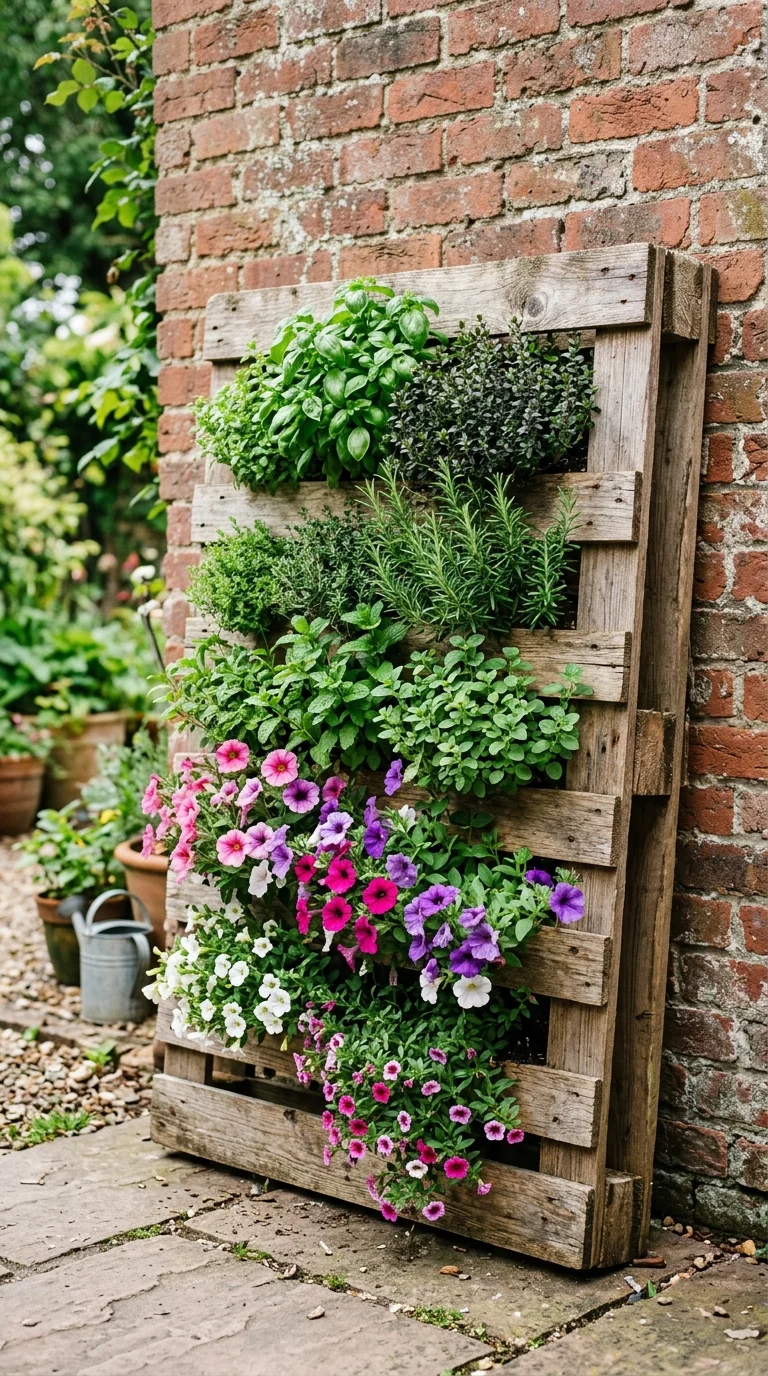
When floor space is at a premium, look up. A reclaimed wooden pallet can be transformed into a lush vertical wall. By securing landscape fabric to the back and bottom of the slats, you create pockets for soil. This is an ideal solution for growing a kitchen herb garden or a tapestry of succulents that covers the wood in a living blanket of green.
4. Tiered Planters
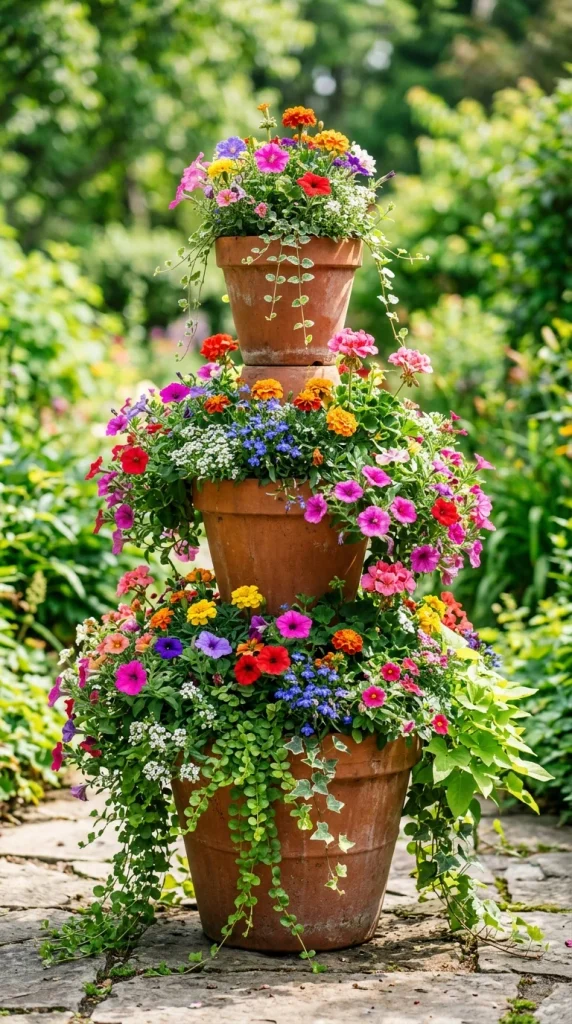
Stacking pots is a clever way to maximize vertical growing space while creating a focal point. Use a large base pot, place a smaller one inside, and repeat. This “tower” effect allows you to plant a variety of species in a single footprint. You can mix upright flowers like geraniums in the top tier with trailing lobelia or sweet alyssum in the lower tiers to create a waterfall of color.
5. Zen Gardens
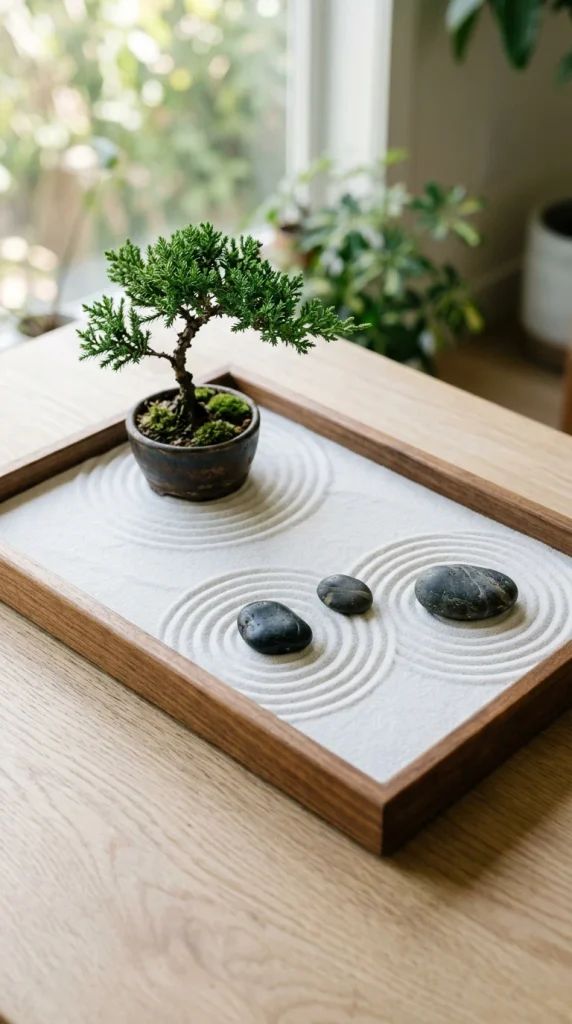
Sometimes, a garden is more about peace than production. A miniature Zen garden focuses on the meditative quality of raking sand and the placement of stones. Incorporate a single moss ball or a tiny succulent to add a touch of life. This low-maintenance option is perfect for small balconies where you want to create a space for reflection and quiet.
6. Herb Windowsills
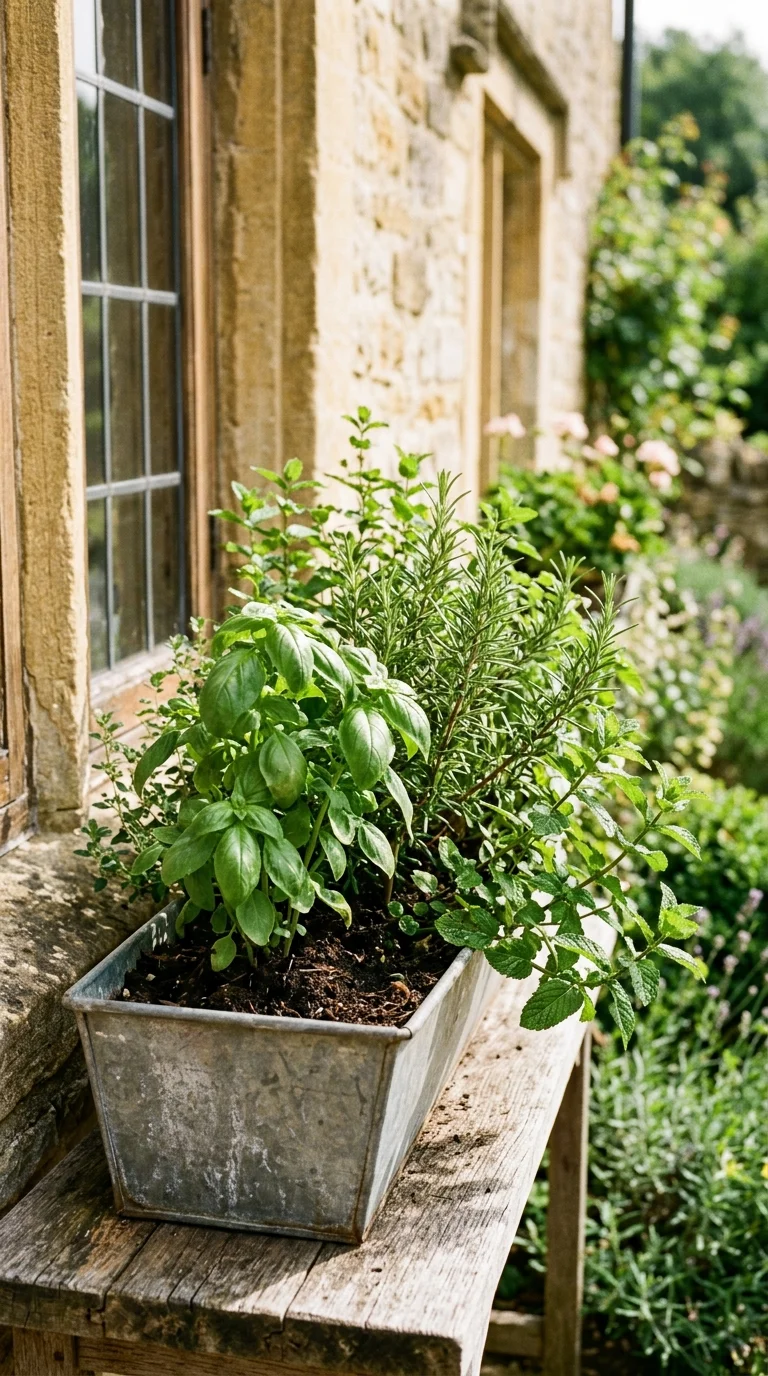
For the culinary enthusiast with limited space, the windowsill garden is a classic. Utilizing narrow troughs or individual small pots, you can grow a bounty of fresh herbs right outside your kitchen window. Not only does this provide easy access for cooking, but the fragrance of bruised mint or basil adds a sensory layer to your outdoor seating area.
7. Broken Pots
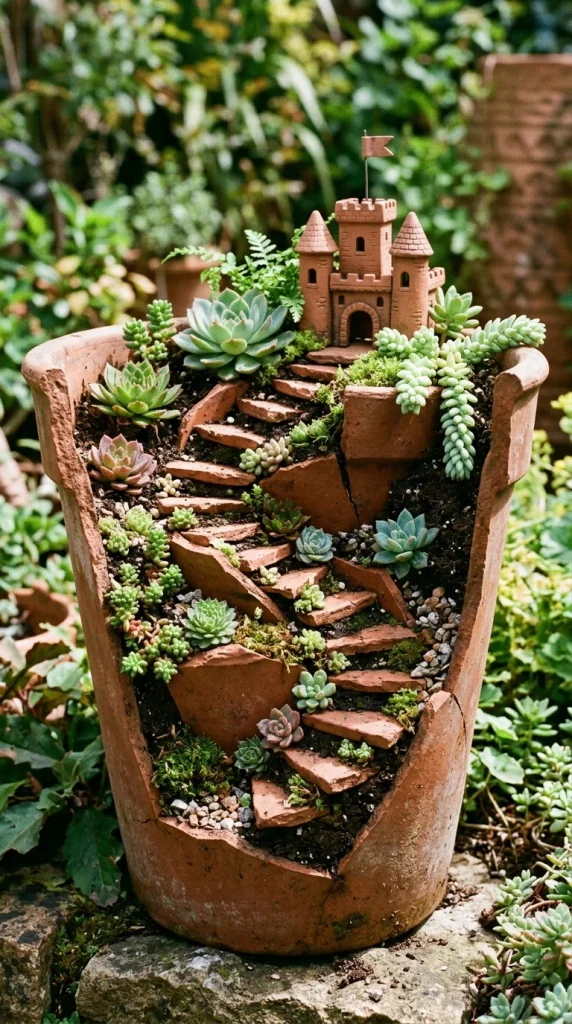
Don’t throw away that cracked planter! Broken pot gardens use the shards to create multi-leveled landscapes. You can arrange the pieces to look like a cliffside or a winding staircase. This technique allows for deep soil pockets for roots while maintaining a dramatic, architectural look that turns a “mistake” into a piece of art.
8. Glass Globes
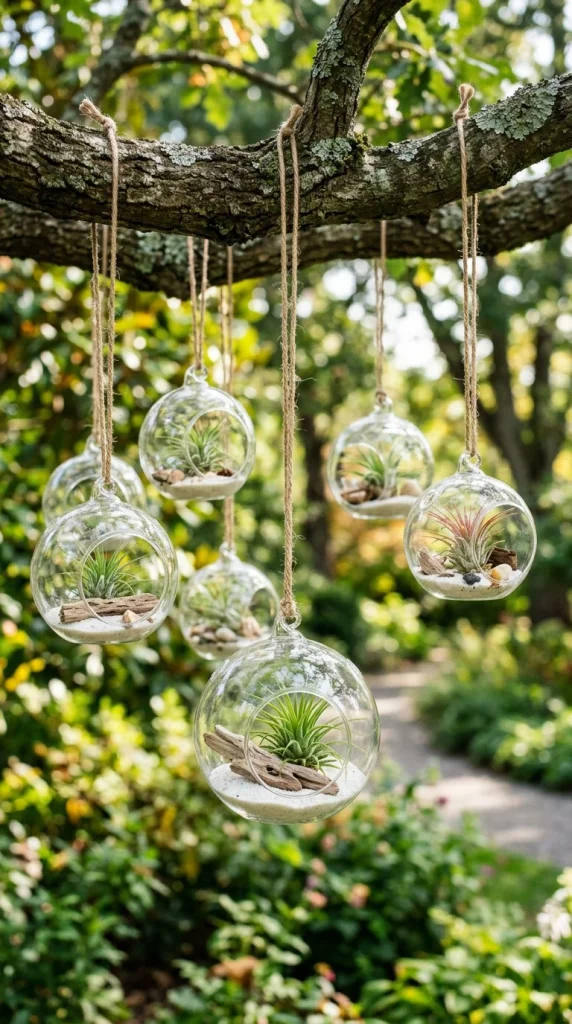
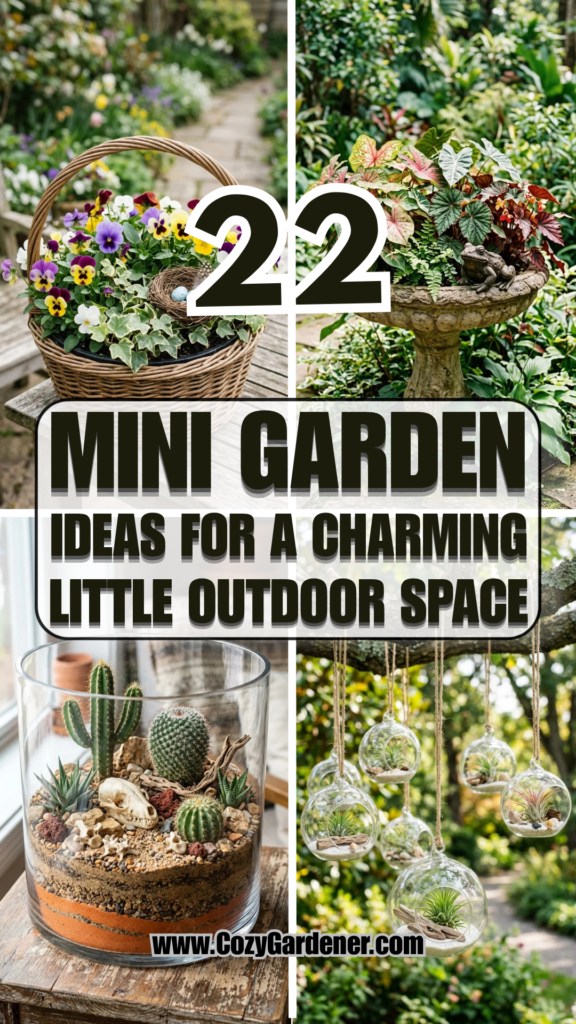
Hanging gardens free up all your floor and table space. Glass globes, often used for air plants (Tillandsia), create a modern and ethereal look. Since air plants don’t need soil, these globes remain clean and lightweight. They catch the light beautifully and can be hung at varying heights to create a floating forest effect.
9. Barrel Water Features
Even a tiny space can benefit from the soothing sound of water. A half-barrel or a large glazed ceramic pot can be turned into a miniature pond. Add a small solar-powered pump and some aquatic plants like dwarf water lilies or water lettuce. This mini ecosystem can even support a few small goldfish, adding movement and life to your patio.
10. Birdhouse Gardens
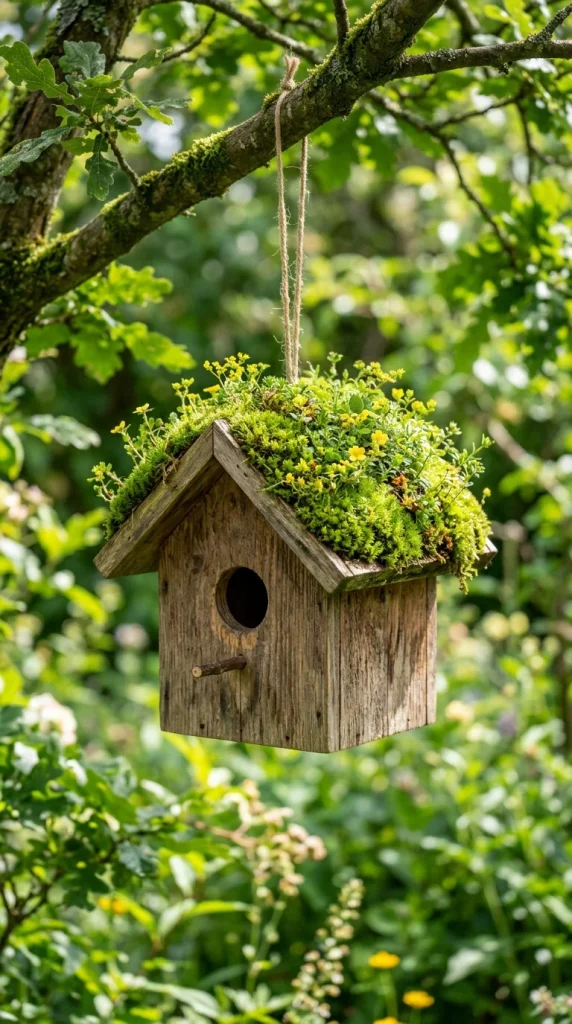
Transform the roof of a birdhouse into a mini garden. By adding a shallow frame to the top of a birdhouse, you can plant mosses and drought-tolerant sedums. This provides insulation for the birds and a delightful unexpected burst of greenery at eye level. It’s a great way to blend garden decor with functional wildlife support.
11. Ladder Displays
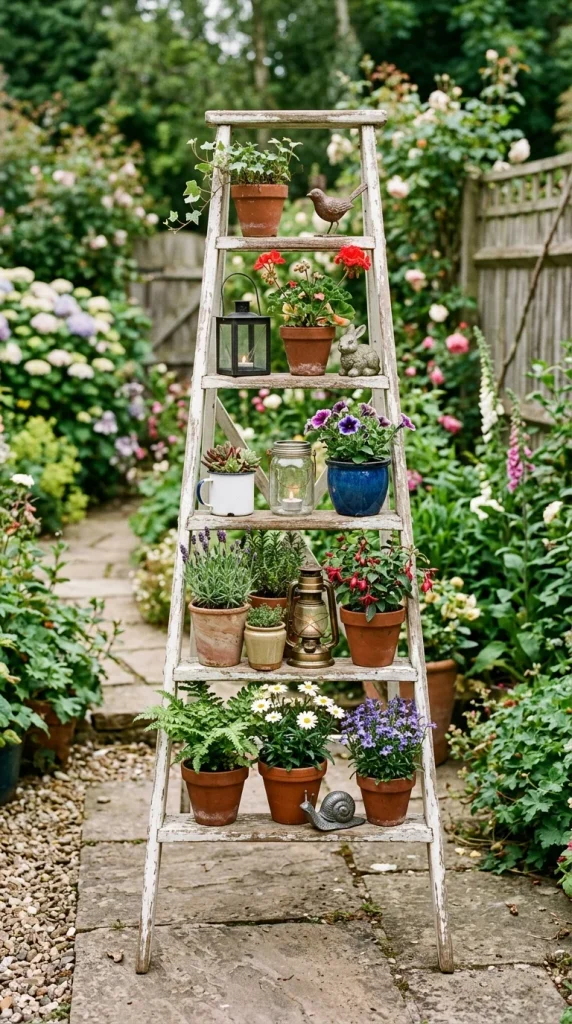
A vintage ladder serves as a multi-story apartment complex for your plants. It allows you to display a large collection of mini gardens in a very small horizontal footprint. Use the top rungs for sun-loving plants and the lower, shaded rungs for ferns and mosses. This vertical arrangement adds height and character to a corner of a porch.
12. Wheelbarrow Blooms
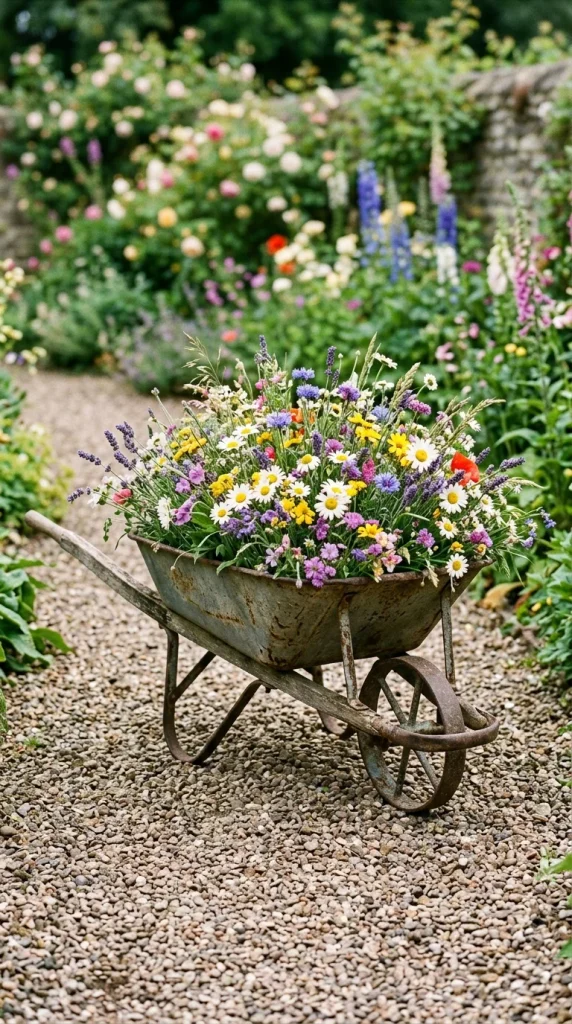
An old wheelbarrow can be turned into a mobile garden bed. Because it has depth, you can grow plants with larger root systems than a standard small pot. The mobility allows you to chase the sun throughout the day or move the garden out of the way when you need more space for entertaining.
13. Rock Rivers
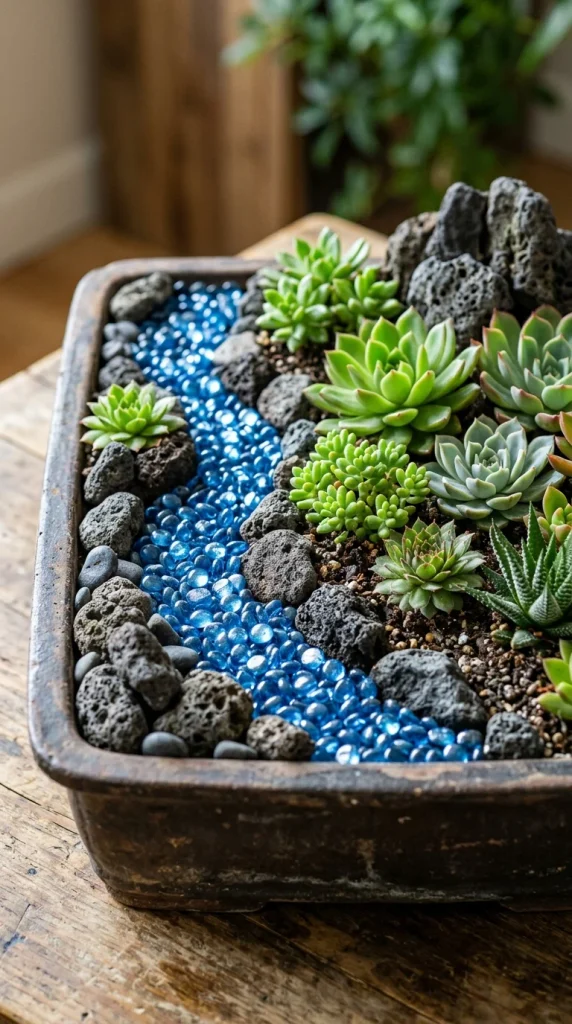
Use color and texture to simulate water. By creating a dry riverbed out of polished stones or blue glass beads within a container, you add a sense of movement to the arrangement. Surround the “river” with “boulders” (large stones) and “trees” (upright succulents or dwarf conifers) to create a vast landscape in a miniature format.
14. Shoe Organizers
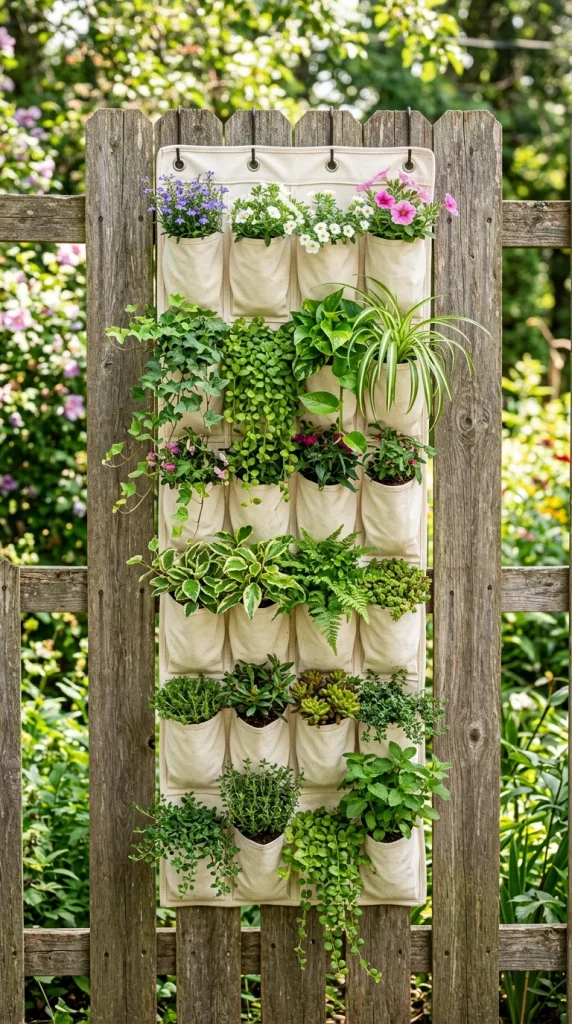
This is the ultimate space-saving hack. A pocketed shoe organizer hung on a fence or wall creates dozens of individual planting cells. It is particularly effective for “living walls” of leafy greens or trailing vines. The fabric allows for excellent drainage and aeration, making it a functional and quirky vertical garden solution.
15. Basket Arrangements
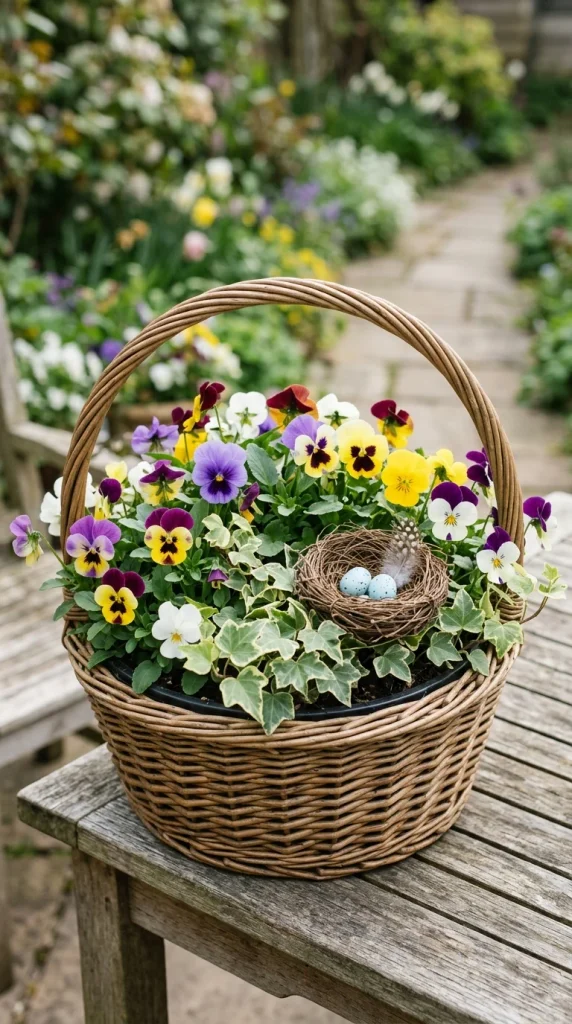
Baskets add a soft, rustic texture that ceramic pots often lack. Lining a basket with moss or plastic makes it a viable home for a seasonal mini garden. These are particularly charming when filled with woodland-style plants like violets, ferns, and primroses. The handle also allows the garden to be hung from a hook or a low tree branch.
16. Log Hollows
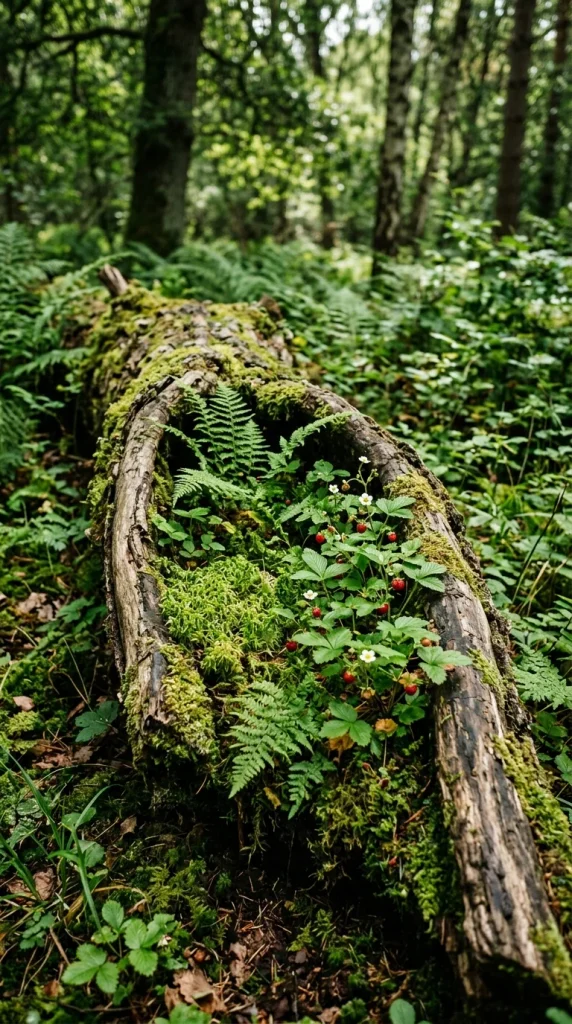
Embrace natural decay by using a hollowed-out log as a planter. This organic vessel blends perfectly into a naturalistic outdoor space. The wood eventually breaks down, providing nutrients to the plants inside. It’s a beautiful way to grow moisture-loving plants like miniature hostas and native ferns.
17. Concrete Blocks

For a modern, industrial look, use concrete cinder blocks. The “holes” in the blocks are the perfect size for individual plants. You can stack them in various configurations to create a modular wall or a corner sculpture. This is an incredibly affordable way to build a structured mini garden that feels architectural and intentional.
18. Desert Terrariums
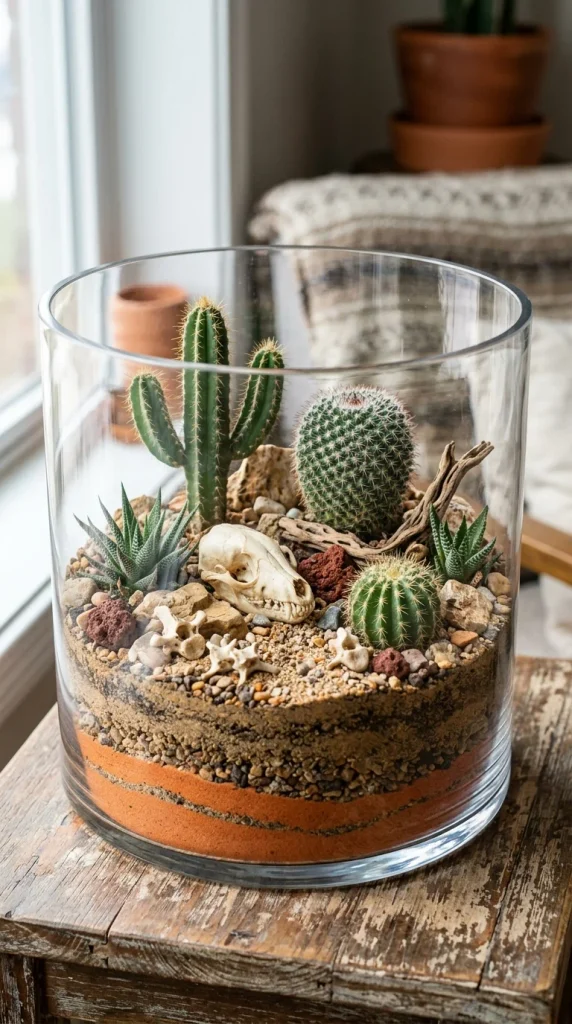
While often kept indoors, an open-top glass terrarium can thrive in a protected outdoor spot like a porch. Creating a desert scene with different varieties of cacti and specialized sandy soil allows you to play with geological layers. Use colored sands to create a “strata” effect visible through the glass, adding a scientific and artistic touch to your space.
19. Tropical Birdbaths
If you have a birdbath that no longer holds water, turn it into a tropical oasis. The height of a birdbath makes it a great pedestal for showy, shade-loving plants. Use caladiums with their heart-shaped, colorful leaves to create a miniature jungle that sits at waist height, making it easy to appreciate the fine details of the foliage.
20. Shell Succulents
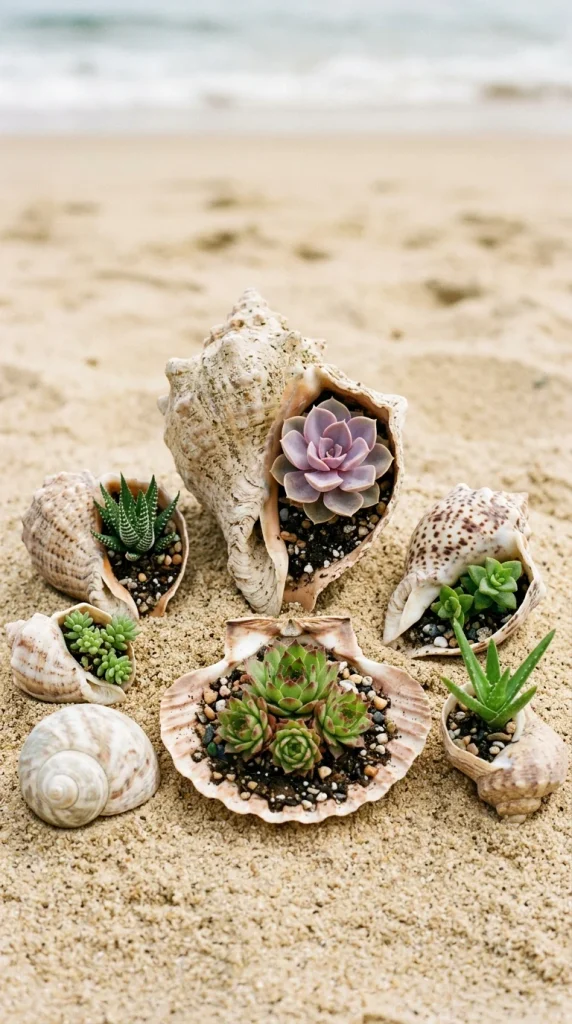
Bring a coastal vibe to your outdoor space by using large seashells as planters. The natural spirals and textures of shells like conchs or abalone complement the organic shapes of succulents perfectly. These are small enough to be placed on a side table or tucked into the crevices of a rock wall, adding a touch of the ocean to your greenery.
21. Window Box Meadows
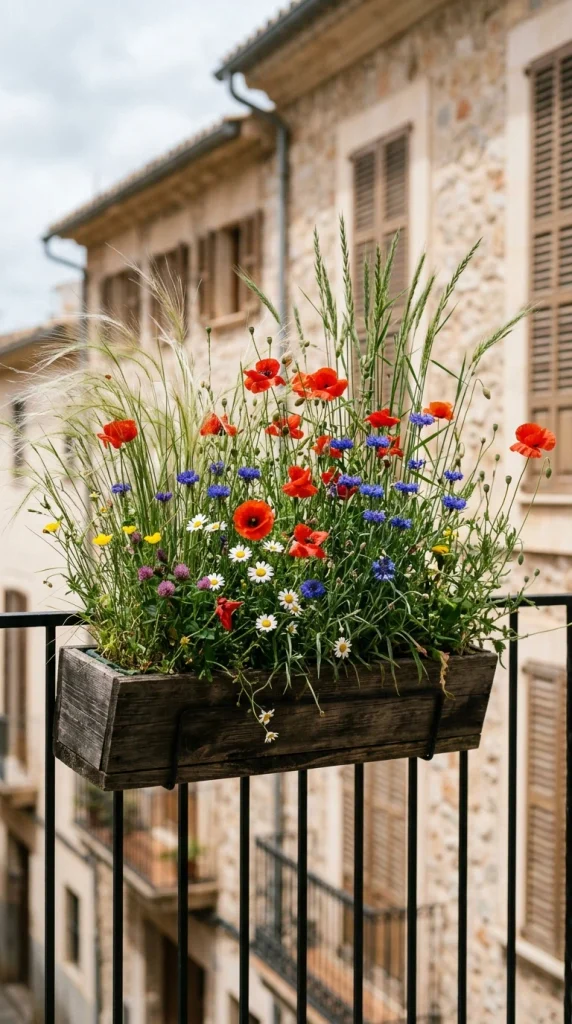
Instead of the usual symmetrical arrangement of geraniums, try creating a “mini meadow” in your window box. Use a mix of native wildflower seeds and ornamental grasses. This provides a wild, untamed look that attracts pollinators like bees and butterflies, turning your window into a buzzing hub of biodiversity.
22. Mossy Pathways
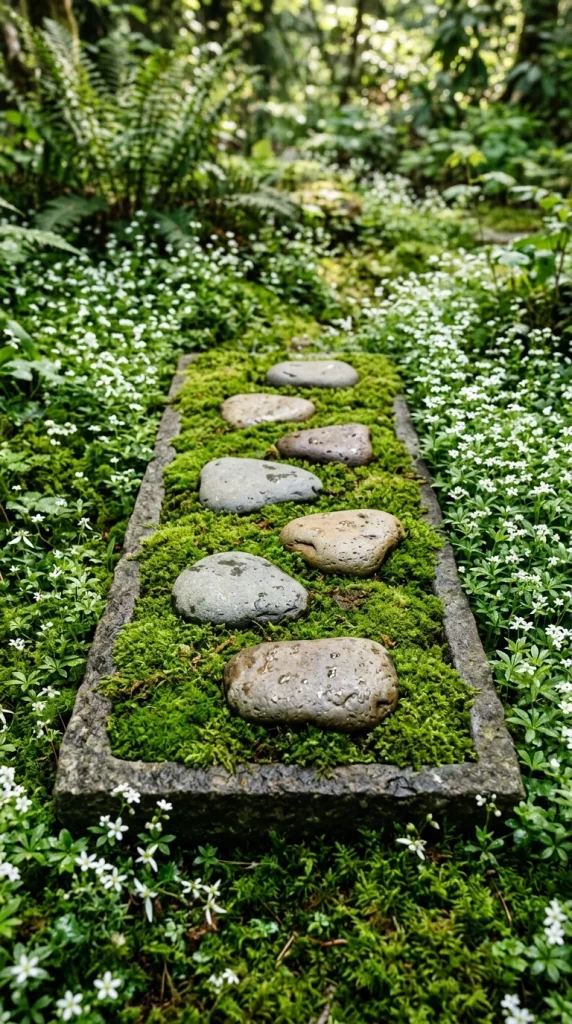
Focusing entirely on the ground cover can be incredibly rewarding. A mini moss garden celebrates the different shades and textures of various moss species. By adding tiny stepping stones, you create a sense of scale that makes the viewer feel as though they are looking down on a vast, ancient forest floor. It’s a low-light solution that stays vibrant and green year-round.