
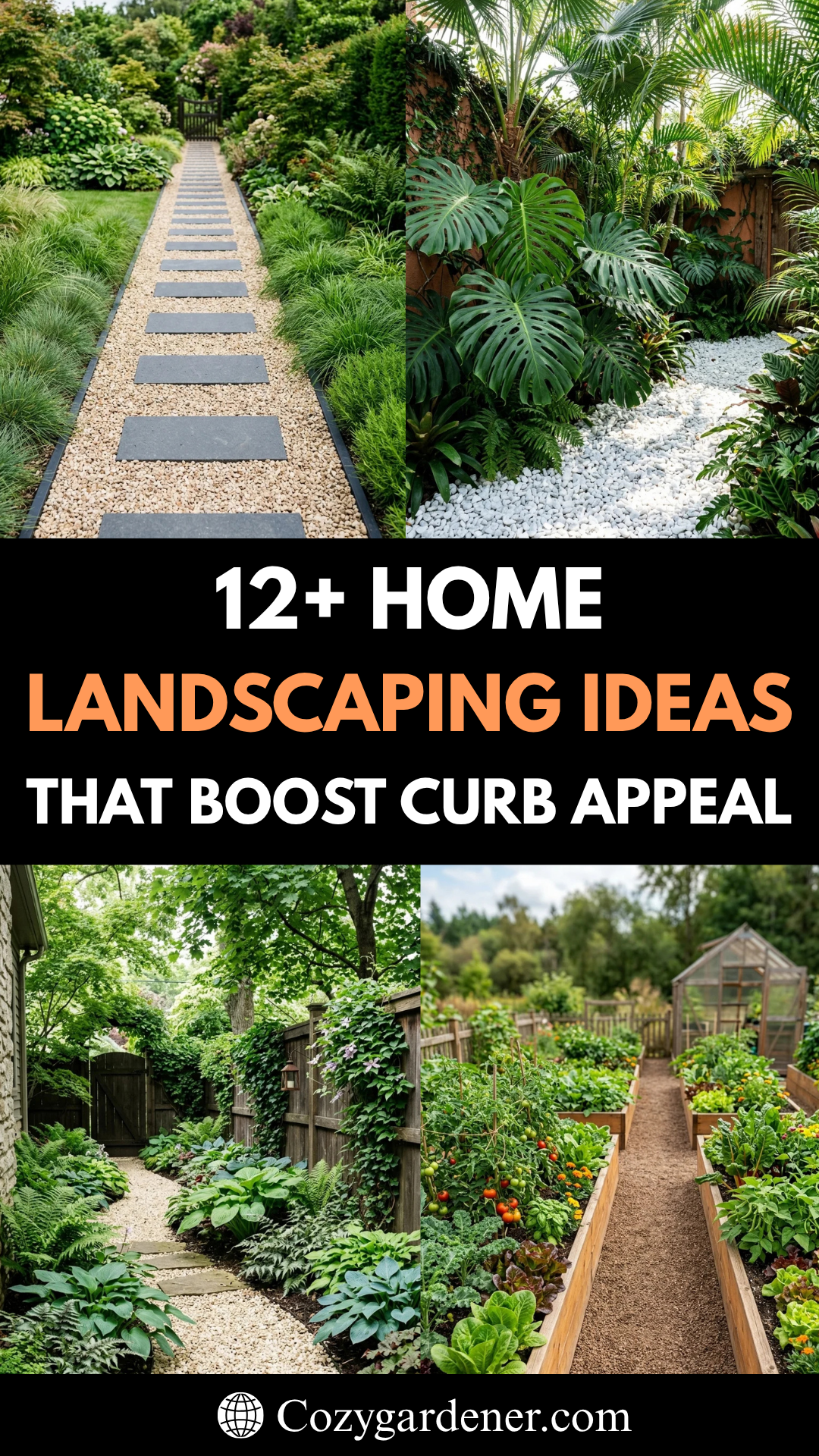
Your home’s exterior is the very first thing guests, neighbors, and potential buyers see. It serves as a visual handshake, offering a glimpse into the care and style found within. While interior renovations can be costly and time-consuming, landscaping offers a unique opportunity to drastically transform your property’s aesthetic with projects ranging from weekend DIYs to professional overhauls.
A well-designed landscape doesn’t just look pretty; it can increase your property value by up to 20%. By focusing on “curb appeal,” you are essentially framing your home in its best light. Whether you have a sprawling estate or a compact urban lot, these twelve landscaping ideas will help you create an inviting, polished, and high-end look for your home.
1. Native Plants
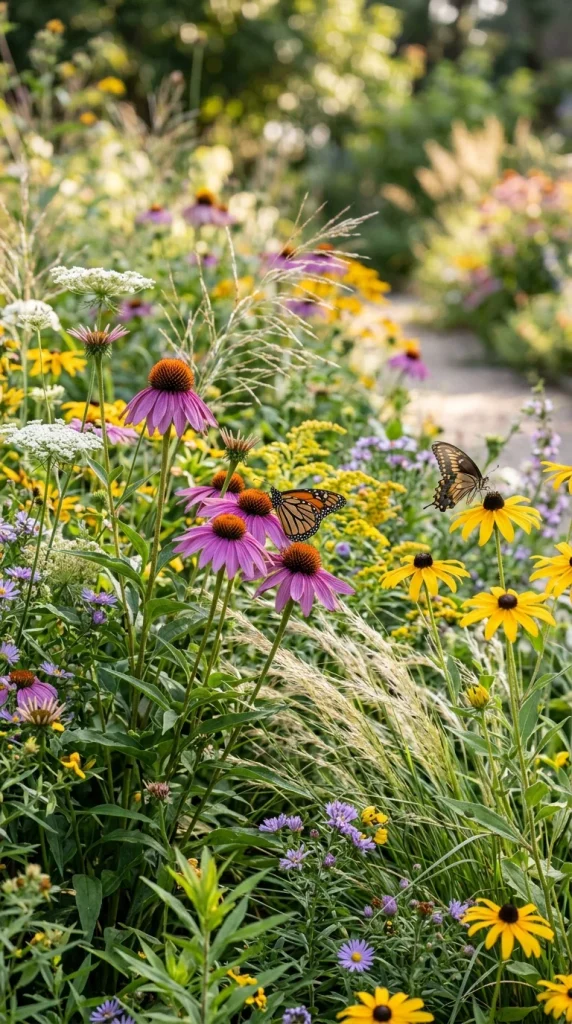
One of the smartest moves a homeowner can make is leaning into the local ecology. Native plants are species that have naturally occurred in your region for thousands of years. Because they are adapted to the local climate, soil, and rainfall patterns, they are incredibly hardy.
- Low Maintenance: Once established, native plants require significantly less water and fewer fertilizers than exotic species.
- Biodiversity: They provide essential habitats for local pollinators like bees, butterflies, and birds.
- Resilience: They are naturally more resistant to local pests and diseases, meaning you spend less time spraying chemicals and more time enjoying the view.
2. Layered Beds
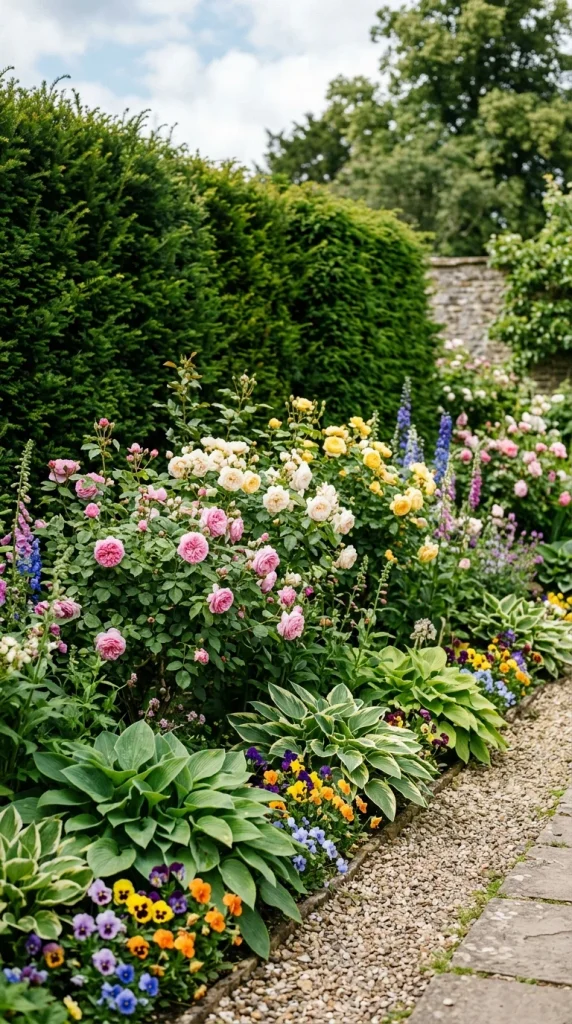
Flat, one-dimensional gardens often look unfinished. To achieve a professional, “designer” look, you must think in layers. This technique involves arranging plants by height to create a sense of depth and abundance.
- The Back Row: Use “anchors” like tall evergreens, decorative trellises, or high-reaching shrubs. These provide a year-round green backdrop.
- The Middle Row: This is where you place your “fillers.” Think of perennial flowers or mid-sized ornamental grasses that provide color and texture.
- The Front Row: Use “spillers” or low-growing ground covers. These soften the transition between the garden bed and the lawn or walkway.
3. Pathway Lighting
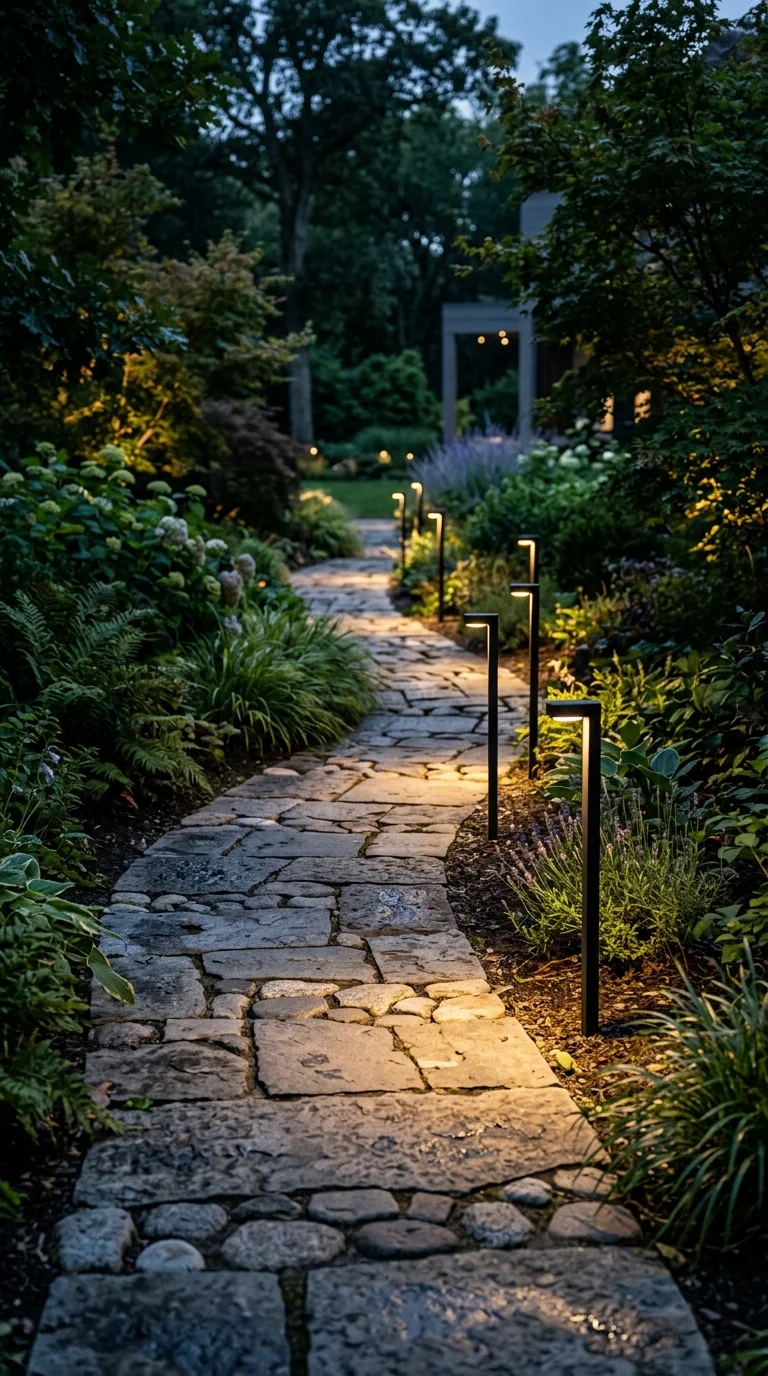
Curb appeal shouldn’t vanish when the sun goes down. Lighting is one of the most transformative elements of landscaping, offering both safety and a high-end “resort” feel.
- Solar vs. Wired: Solar lights are easy to install and move, while low-voltage wired systems offer more consistent brightness and can be integrated into smart home systems.
- Techniques: Use “path lighting” to guide guests to the door, and consider “up-lighting” to highlight a beautiful tree or the architectural texture of your home’s siding.
- Safety First: Well-lit walkways discourage intruders and prevent trips or falls, making your home feel safer and more welcoming.
4. Window Boxes
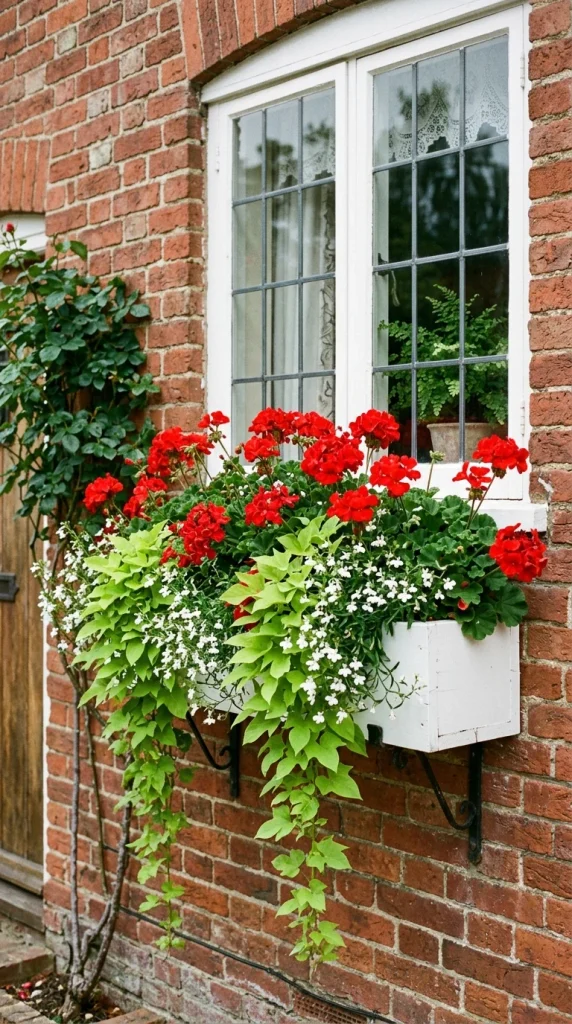
If you have limited ground space or want to add a splash of color directly to your home’s facade, window boxes are the perfect solution. They bridge the gap between the garden and the architecture.
- Seasonal Versatility: You can swap out the contents of your window boxes every season—tulips in spring, petunias in summer, kale and mums in autumn, and evergreen boughs with berries in winter.
- Color Coordination: Choose flowers that either complement or contrast with your shutters and siding to create a striking visual pop.
- Trailing Elements: Always include at least one “trailing” plant that hangs over the edge to soften the hard lines of the box.
5. Stone Borders
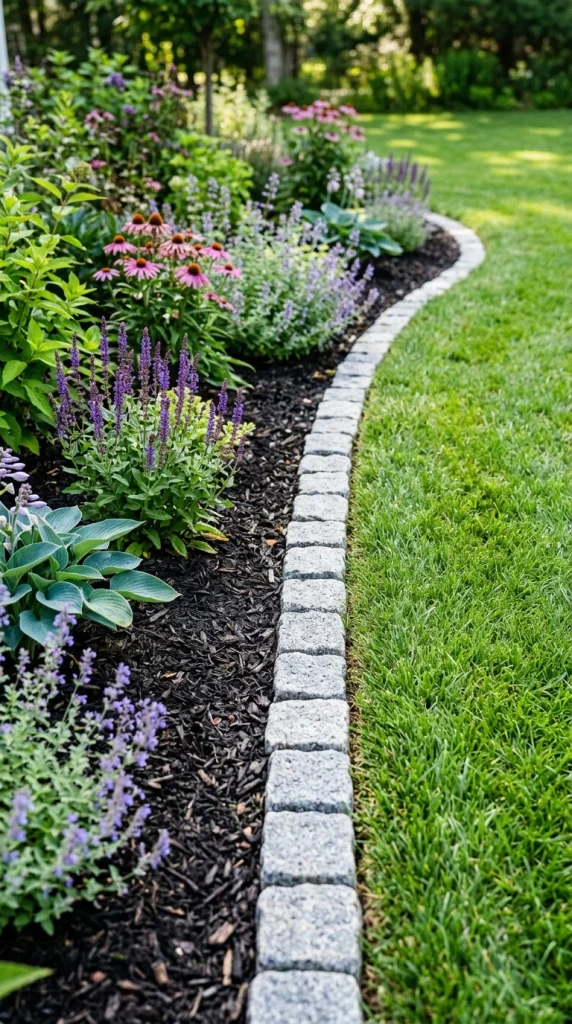
A clear, defined edge is what separates a wild-looking garden from a curated landscape. While plastic or metal edging is functional, stone borders offer a timeless, premium aesthetic.
- Material Choices: You can use cobblestones, flagstones, bricks, or even river rocks. Choose a material that matches the stone used in your home’s foundation or chimney.
- Functionality: Beyond looks, stone borders keep mulch from washing away during heavy rain and prevent grass roots from creeping into your flower beds.
- Mowing Strips: If you lay the stones flat and flush with the ground, you can run your mower wheel right over them, eliminating the need for string trimming.
6. Vertical Gardens
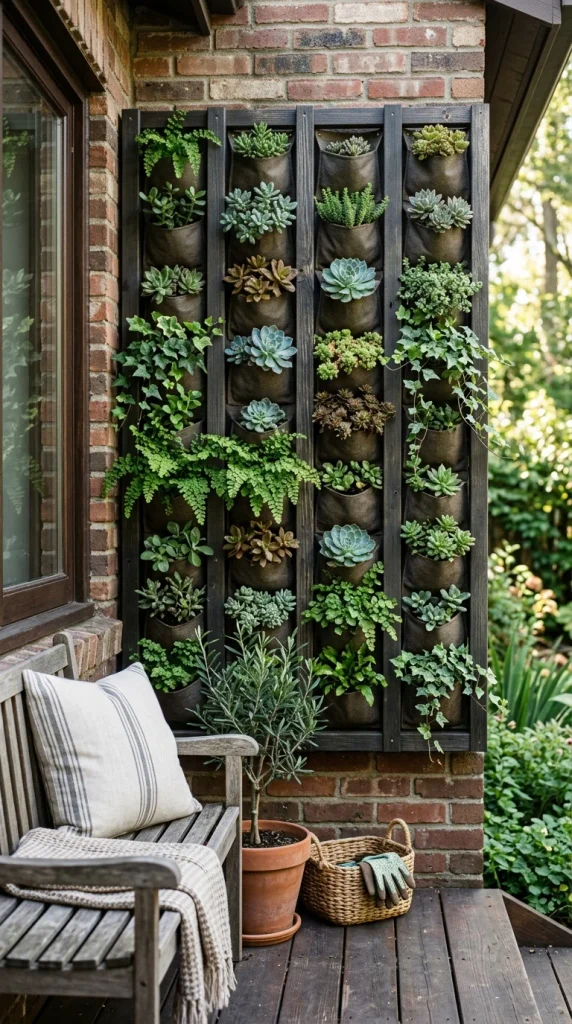
When you run out of horizontal space, look up. Vertical gardening is a massive trend that adds texture to otherwise blank walls or fences.
- Trellises and Arbors: These structures can support climbing roses, clematis, or wisteria, adding height and romance to your entryway.
- Living Walls: For a more modern look, modular wall planters can be filled with succulents or herbs, creating a “tapestry” effect.
- Privacy: A tall trellis covered in dense vines can act as a living screen, shielding your front porch from neighbors or street traffic.
7. Mulch Refresh
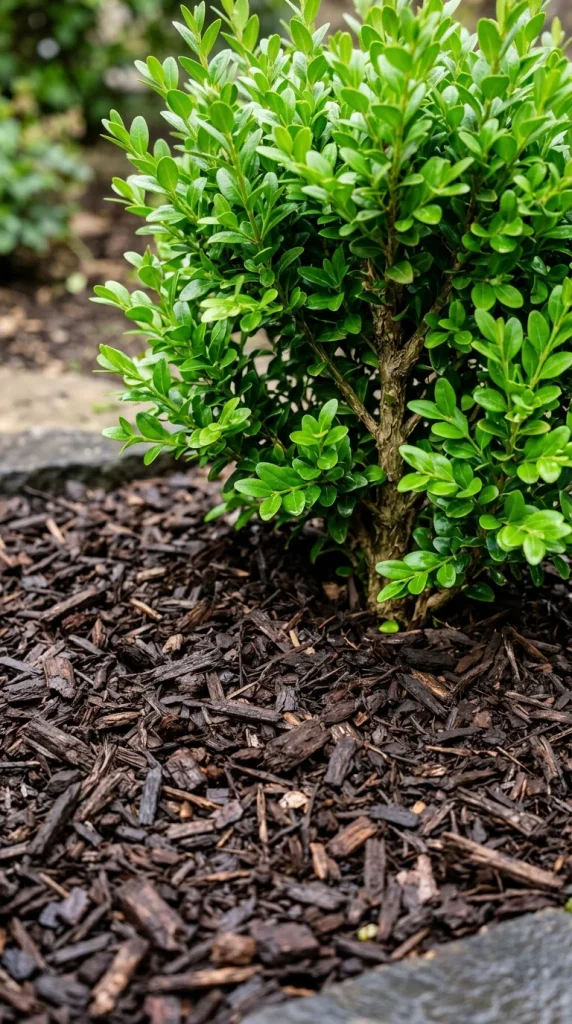
Sometimes the biggest boost in curb appeal comes from the simplest maintenance. A fresh application of mulch is the landscaping equivalent of a new coat of paint.
- Instant Contrast: Dark mulch (black or deep brown) makes the greens and bright colors of your plants stand out vividly.
- Weed Suppression: A thick layer of mulch (2-3 inches) blocks sunlight from reaching weed seeds, significantly reducing your gardening chores.
- Moisture Retention: Mulch helps the soil retain water, which is crucial during hot summer months to keep your plants looking lush rather than wilted.
8. Statement Trees
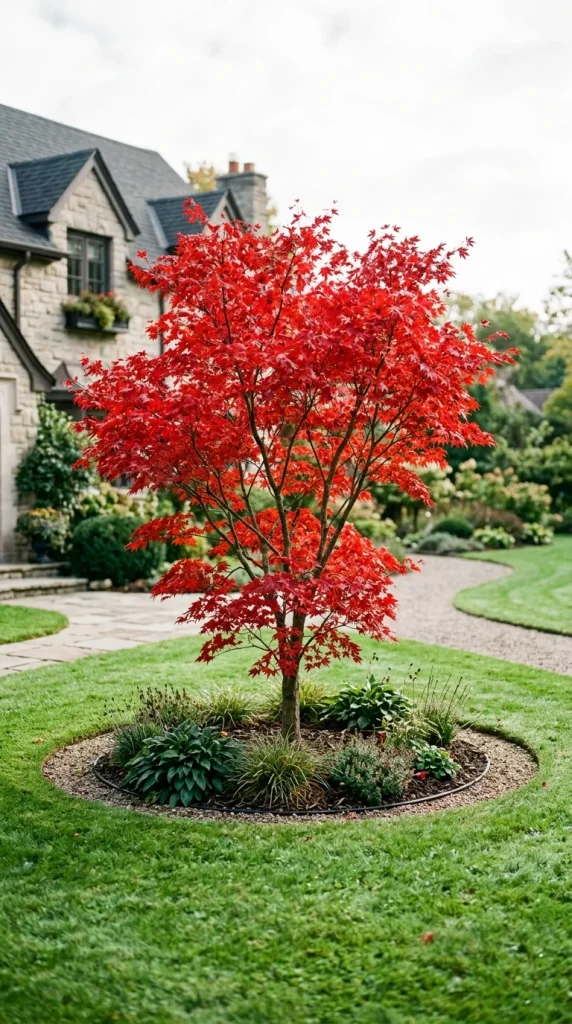
Every great landscape needs a focal point—a “star of the show.” A statement tree provides structure and character that evolves with the seasons.
- Specimen Trees: Consider varieties like the Japanese Maple, Dogwood, or Magnolia. These trees often have unique bark, interesting branch structures, or spectacular blossoms.
- Placement: Place your statement tree where it can be seen from the street but doesn’t block the view of the front door. It should frame the house, not hide it.
- Longevity: A well-chosen tree is a legacy. As it grows, it provides shade, increases oxygen, and becomes a permanent part of the home’s identity.
9. Ground Covers
Grass is great, but it’s not the only option for covering the earth. Ground covers are low-growing plants that spread across the soil, creating a living carpet.
- Grass Alternatives: In shady areas where grass struggles, try plants like Pachysandra or Vinca Minor.
- Path Fillers: Planting “steppable” ground covers like Irish Moss or Creeping Thyme between pavers softens the look of hardscaping and releases a pleasant aroma when walked upon.
- Erosion Control: On sloped areas of your yard, ground covers help hold the soil in place better than grass, preventing unsightly runoff.
10. Water Features
The appeal of a landscape isn’t just visual; it’s also auditory. The sound of trickling water can mask street noise and create a sense of immediate tranquility.
- Low Maintenance Options: You don’t need a massive pond. A “disappearing” fountain or a simple birdbath with a solar-powered bubbler can provide the same effect without the upkeep of a fish pond.
- Wildlife Attraction: Water features are magnets for local birds and dragonflies, adding movement and life to your front yard.
- Modern Aesthetics: For contemporary homes, sleek, geometric water walls or steel bowls can serve as stunning pieces of outdoor art.
11. Perennial Borders
While annuals provide instant color, perennials are the backbone of a high-value landscape. These plants come back year after year, growing larger and more beautiful with time.
- Staggered Blooms: The key to a great perennial border is choosing plants that bloom at different times. Ensure you have something flowering in early spring, mid-summer, and late fall.
- Texture and Foliage: Don’t just look at flowers. Plants like Hostas or Heucheras offer stunning foliage in shades of blue, chartreuse, and deep purple that look good even when they aren’t blooming.
- Cost-Effective: While the initial investment might be higher than annuals, perennials save you money over time because you don’t have to replace them every spring.
12. Outdoor Seating
Curb appeal is often about the “feeling” a home project. Adding a seating area suggests that the home is a place of relaxation and community.
- The “Welcome” Factor: A bench on the porch or a small bistro set in a garden nook makes the house look lived-in and friendly.
- Defined Spaces: Use a small patch of pea gravel or flagstone to create a dedicated space for chairs. This breaks up a large expanse of lawn and adds visual interest.
- Accessory Styling: Enhance the seating area with weather-resistant pillows or a high-quality outdoor rug to bring interior comfort to the exterior.
Conclusion: Maintaining the Dream
Landscaping is a journey, not a destination. While these twelve ideas can drastically boost your curb appeal, the secret to a stunning home exterior is consistent maintenance. Regular pruning, edge-trimming, and seasonal updates will ensure that your investment continues to grow in beauty and value. Start small—perhaps with a fresh layer of mulch or a pair of window boxes—and watch as your home becomes the crown jewel of the neighborhood.