Maintaining a beautiful yard shouldn’t feel like a full-time job. The secret weapon of every savvy gardener and homeowner is mulch. Beyond just looking tidy, mulch serves as a protective blanket for your soil, suppressed weeds, retains essential moisture, and regulates ground temperature. Whether you are looking to refresh your curb appeal or create a serene backyard retreat, these 25 mulch-centric landscaping ideas will help you achieve a stunning, low-maintenance outdoor space.
1. Cedar Shreds
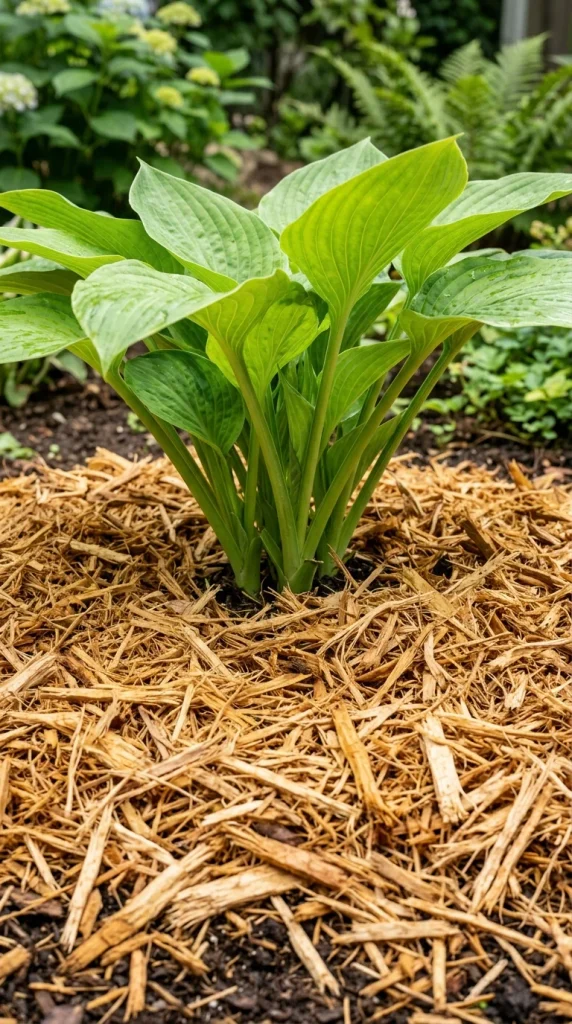
Cedar mulch is a favorite for many homeowners because of its longevity and natural pest-repellent properties. The fibrous texture allows it to knit together, making it excellent for slopes where other mulches might wash away. Its pleasant aroma and warm reddish-tan hue provide a classic “forest floor” aesthetic that complements traditional garden beds perfectly.
2. Black Dye
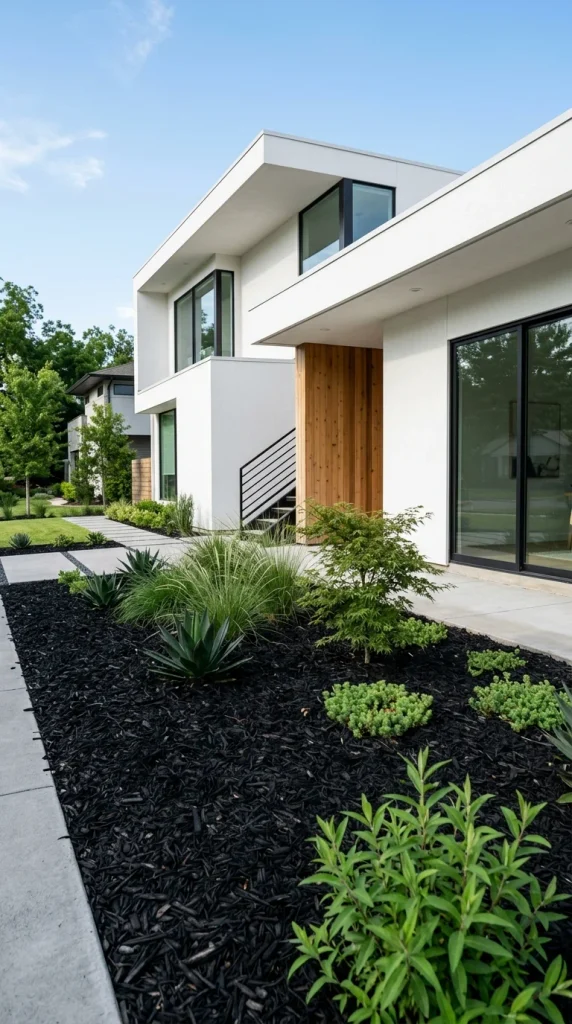
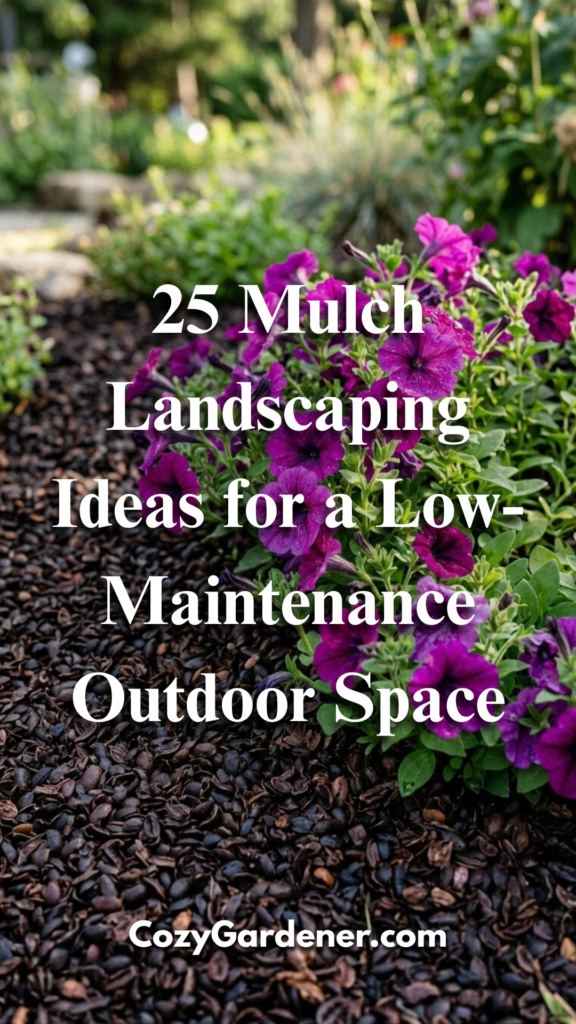
For those seeking a high-contrast, modern look, black dyed mulch is the gold standard. It makes the green of your foliage and the colors of your flowers pop with dramatic intensity. Dyed mulches are treated with vegetable-based dyes that are safe for plants and pets, and they tend to hold their color much longer than natural wood, reducing the frequency of top-dressing.
3. River Rocks
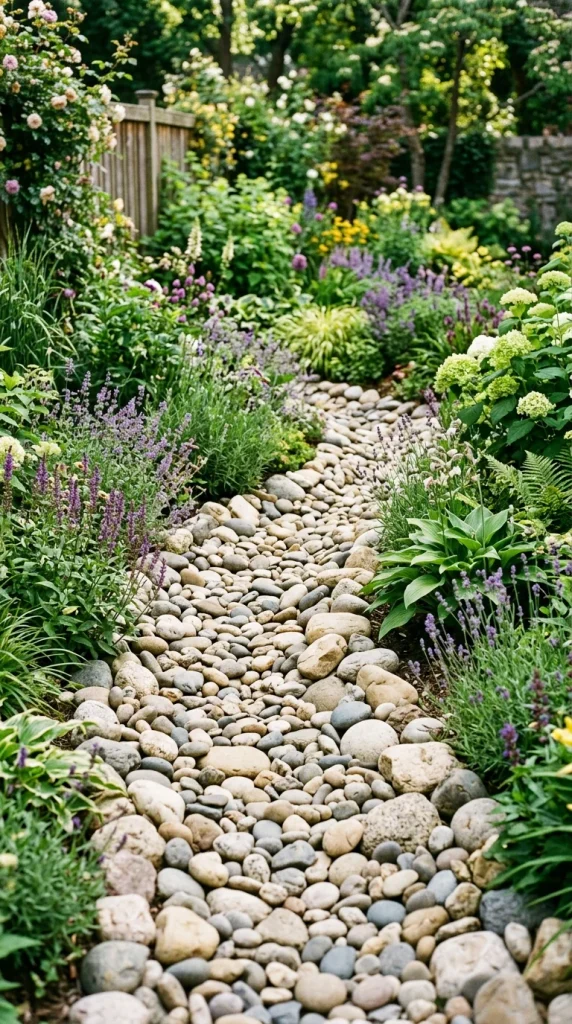
While not “mulch” in the organic sense, river rocks act as a permanent mulch that never decomposes. This is the ultimate low-maintenance choice for areas with drainage issues or high wind. Stones provide a rugged, natural texture and are perfect for creating “dry creek beds” that direct rainwater away from your home’s foundation while adding visual interest.
4. Pine Straw
Common in the Southern United States, pine straw (dried pine needles) is lightweight and easy to spread. It’s naturally acidic, making it the perfect mulch for acid-loving plants like azaleas, rhododendrons, and blueberries. As it settles, it interlocks, meaning it won’t blow away easily, and it provides a soft, organic look that blends seamlessly into wooded lots.
5. Wood Chips
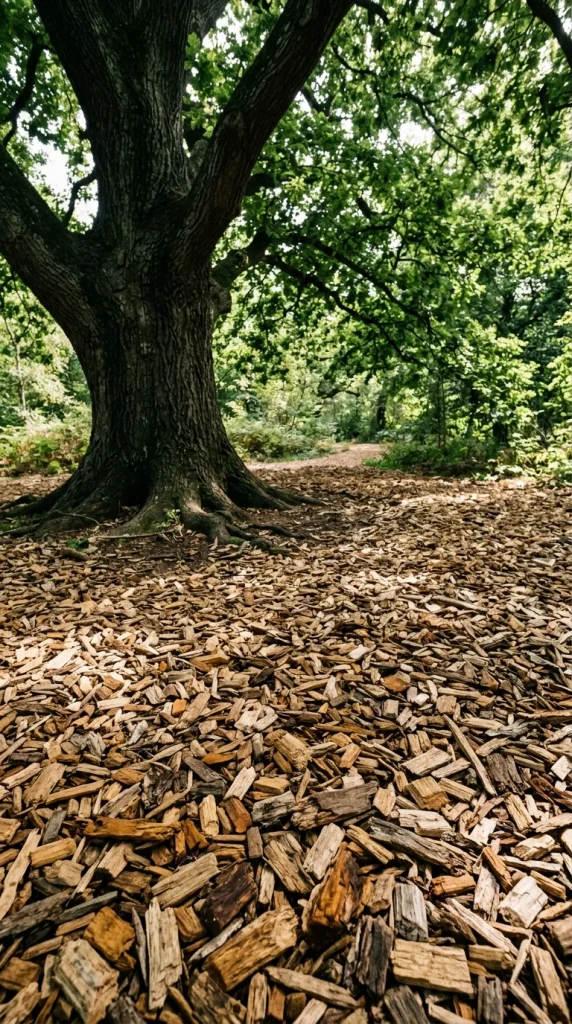
Wood chips are often more rugged and chunky than shredded mulch. They decompose slowly, which means you won’t have to replace them as often. They are ideal for pathways or large, informal garden beds where you want a sturdy, natural walking surface. Because they are often a byproduct of tree trimming, they are also one of the most eco-friendly and cost-effective options available.
6. Rubber Pellets
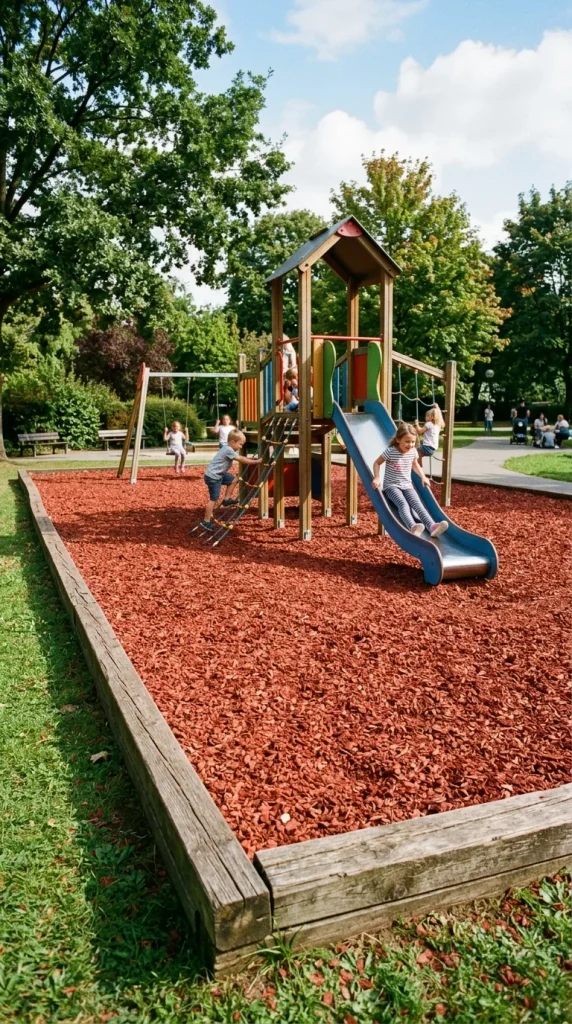
If you have a play area or a high-traffic zone, rubber mulch is a game-changer. Made from recycled tires, it provides excellent cushion and doesn’t rot, attract insects, or blow away. It stays in place for years, making it the king of low-maintenance materials for non-planting zones.
7. Pea Gravel
Pea gravel offers a sophisticated, European-garden vibe. These small, rounded stones are comfortable to walk on and provide excellent drainage. They are particularly effective in “xeriscaping” (water-wise landscaping) and work beautifully around fire pits or as a transition between paved areas and garden beds.
8. Cypress Mulch
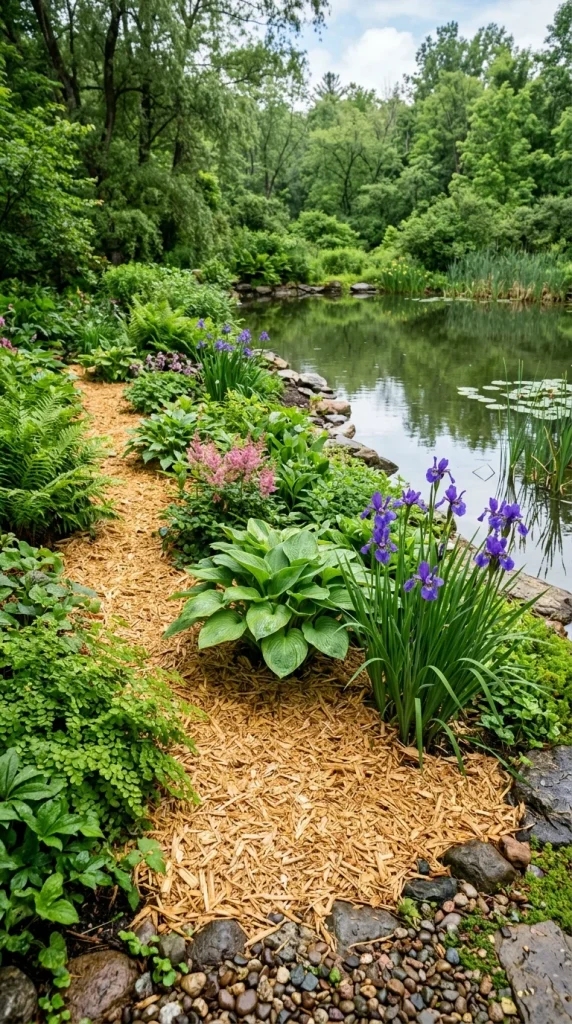
Cypress mulch is prized for its ability to withstand decay, even in very wet conditions. It’s often used in areas prone to heavy rain or near water features. Its light color helps reflect sunlight, which can keep the soil cooler during blistering summer months.
9. Cocoa Hulls
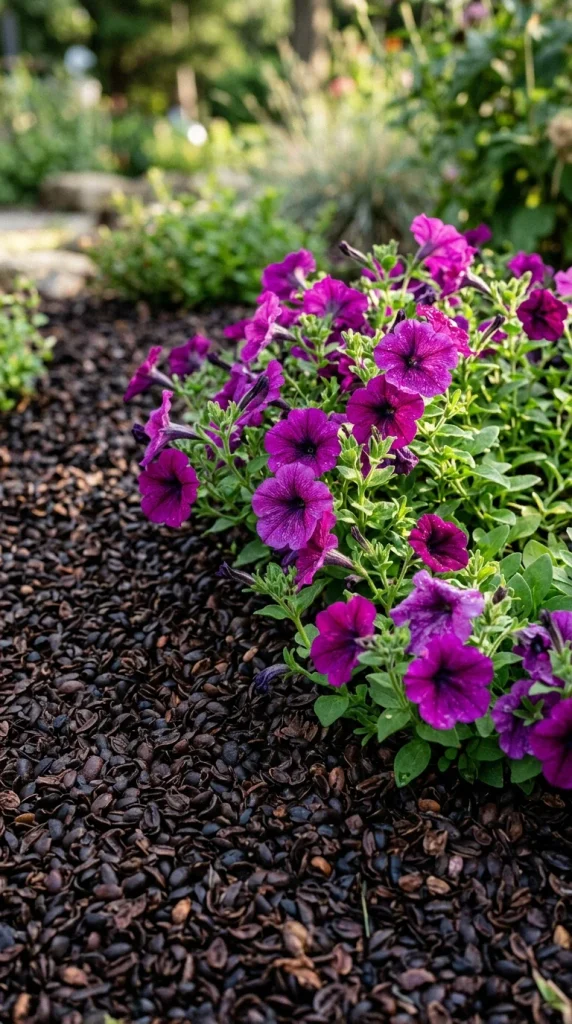
Cocoa hull mulch is a premium choice that offers a unique look and a delightful chocolate scent. These lightweight shells are a byproduct of the chocolate industry. They provide excellent nitrogen for the soil as they break down, though they should be used with caution in households with dogs, as the hulls contain theobromine (toxic to canines).
10. Lava Rocks
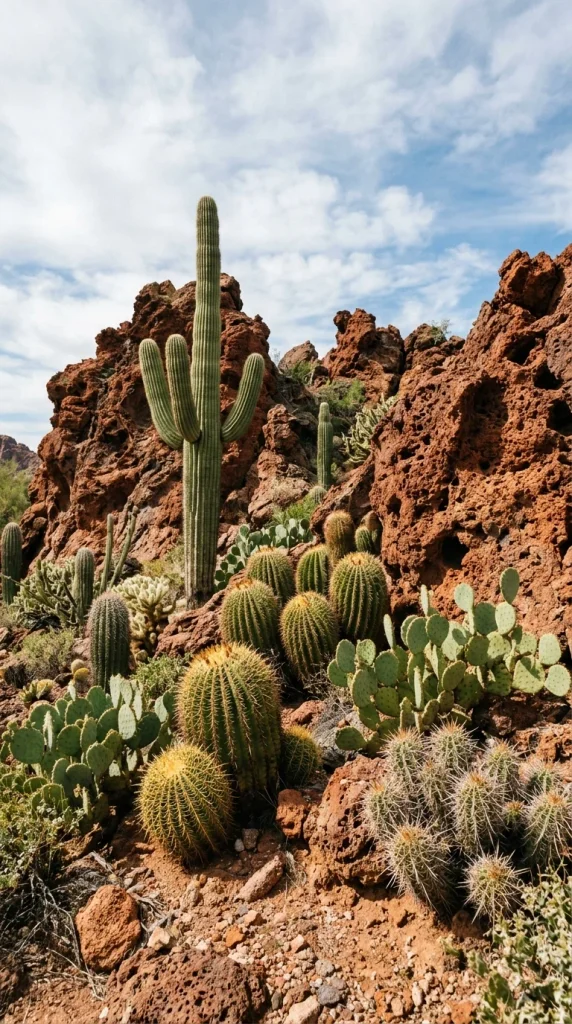
Lava rocks are lightweight, volcanic stones that provide a bold, textural look. Because they are porous, they help retain some moisture while allowing the soil to breathe. They don’t decompose, and their weight ensures they stay exactly where you put them, making them a “set it and forget it” solution for drought-tolerant gardens.
11. Straw Mats
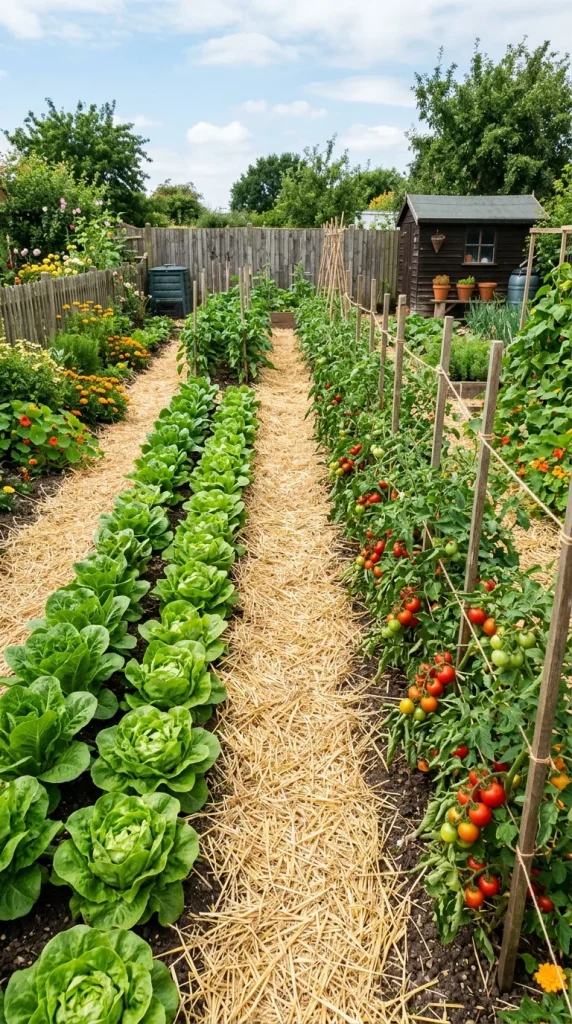
Straw is the traditional choice for vegetable gardens and newly seeded lawns. It protects the soil without being too heavy for delicate sprouts to push through. Using straw mats or loose straw keeps your homegrown produce clean by preventing mud from splashing onto the leaves and fruit during rainstorms.
12. Walkway Borders
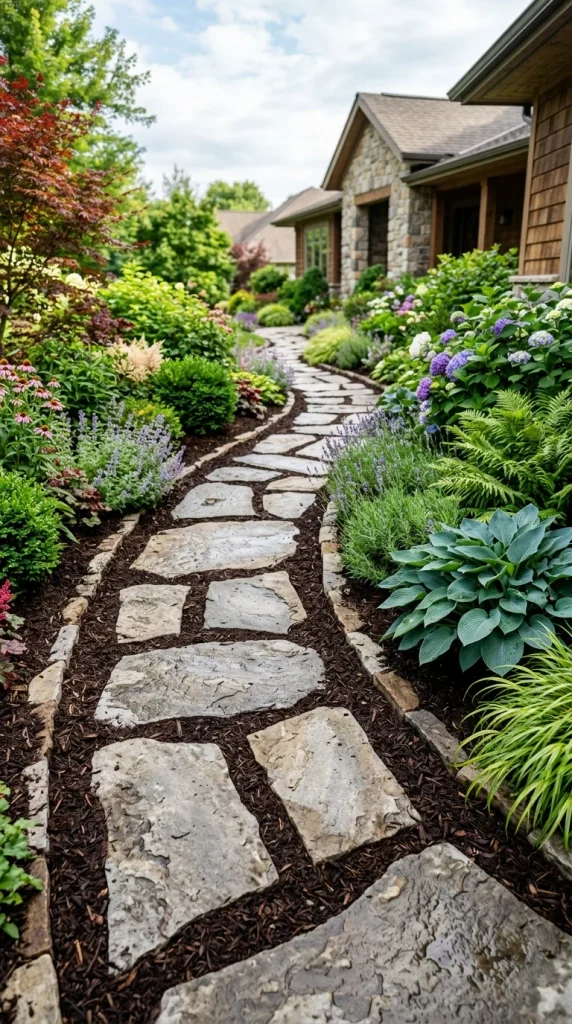
Using mulch to border your walkways is a brilliant way to define transitions in your yard. It creates a clean “frame” for your paths and prevents grass from creeping into the walkway. This simple addition makes any DIY path look professionally installed and significantly reduces the need for edge-trimming.
13. Tree Rings
Tree rings serve two purposes: they look tidy and they protect the tree. By creating a mulch ring, you prevent lawnmowers and weed-whackers from damaging the bark. It also eliminates competition from grass, allowing the tree’s roots to soak up all the nutrients and water they need.
14. Flower Bed Contrast
The right mulch acts like a frame for a painting. Using a dark mulch (like dark brown or black) against brightly colored flowers creates a visual pop that draws the eye. This contrast makes even a simple flower bed look expensive and well-curated.
15. Terraced Slopes
Mulch is essential for managing slopes. By terracing a hill and filling the “steps” with mulch, you prevent erosion and turn a difficult-to-mow area into a beautiful feature. Using a heavy, interlocking mulch like shredded bark ensures the material stays put even during heavy downpours.
16. Playground Base
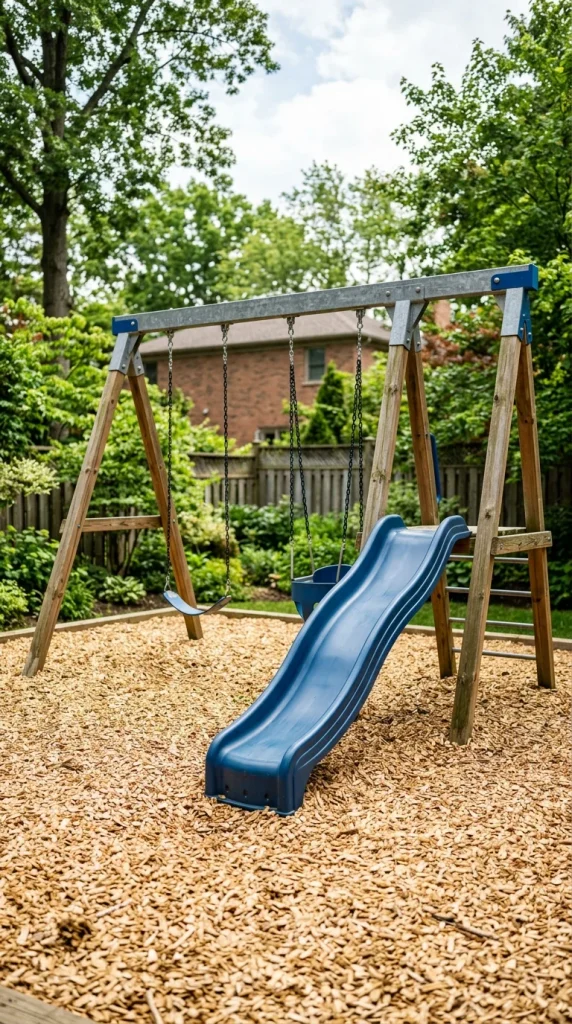
Creating a dedicated zone for play with a thick mulch base is a safety-first landscaping move. It provides a soft landing for kids and keeps the area from turning into a mud pit after rain. Playground-grade mulch is specifically processed to be splinter-free, ensuring a safe environment for little ones.
17. Foundation Planting
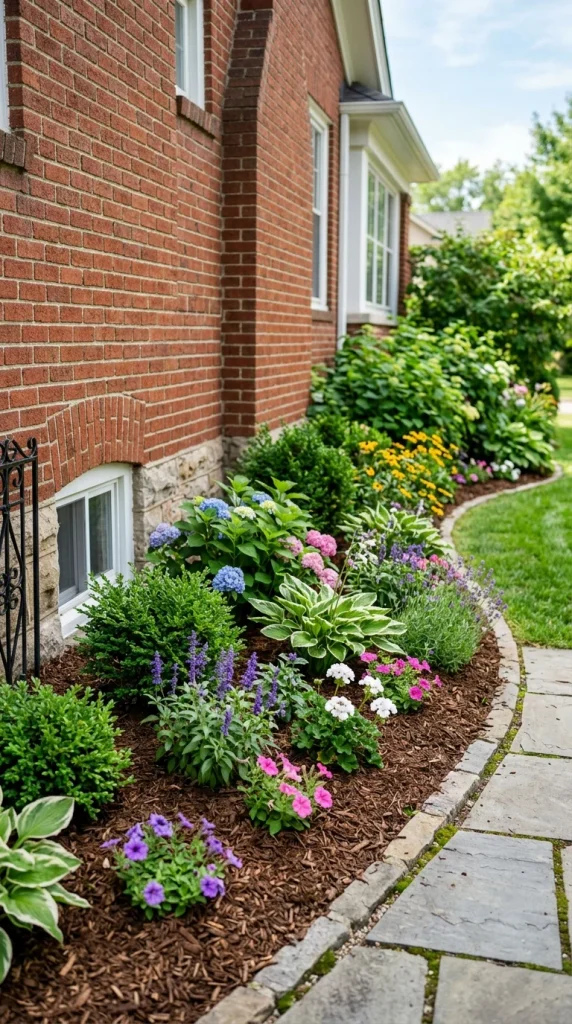
Mulching around your home’s foundation is a smart way to regulate the moisture levels near your basement or crawlspace. It prevents soil from drying out and shrinking away from the foundation in the summer, and it stops mud from splashing onto your siding during rain, keeping your home’s exterior cleaner for longer.
18. Succulent Gardens
Succulents require excellent drainage, and using a stone-based mulch is the best way to support them. Decorative pebbles or crushed granite around the base of succulents prevents the leaves from touching damp soil, which can lead to rot, while providing a clean, minimalist aesthetic.
19. Vegetable Patches
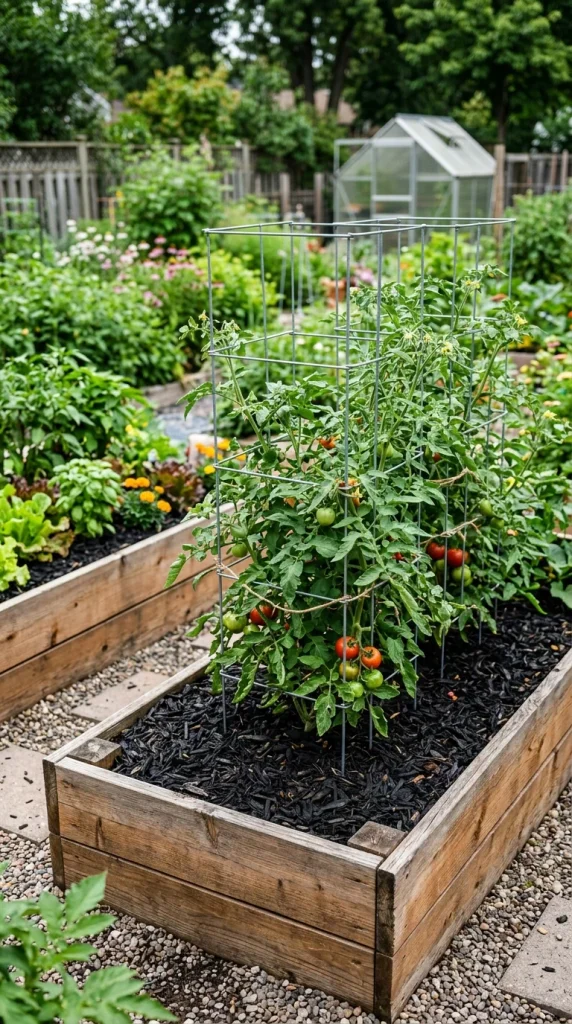
In a vegetable garden, organic mulch is your best friend. It breaks down over the season, adding nutrients back into the soil. Using a straw or a fine bark mulch helps keep the soil temperature consistent, which is vital for heat-sensitive plants like lettuce or peppers.
20. Fire Pit Surround
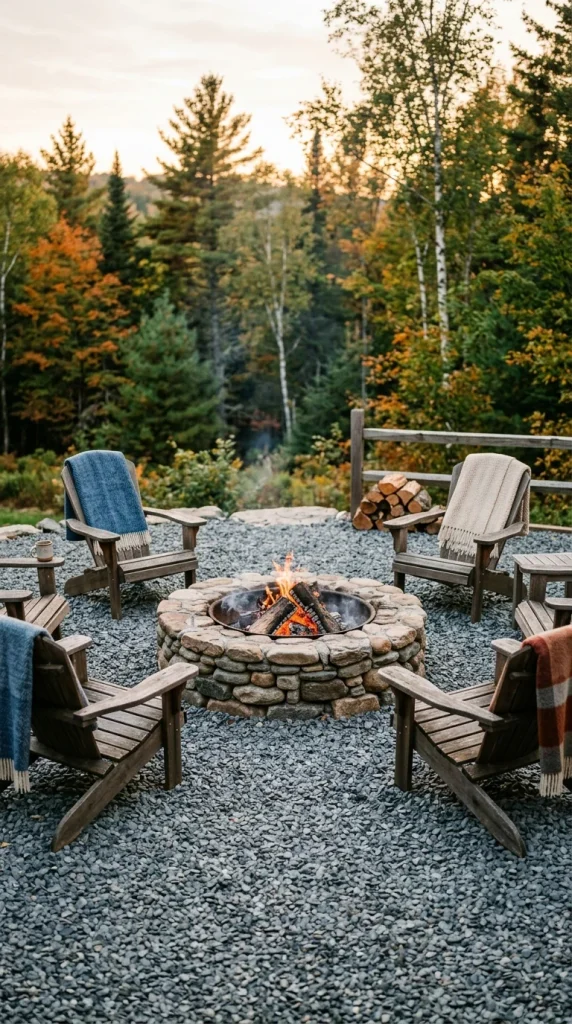
Safety is key around fire pits. Using a non-flammable mulch like crushed stone, slate, or gravel creates a fire-safe zone that also looks incredibly stylish. It defines the gathering area and eliminates the worry of stray embers landing on dry grass.
21. Natural Forest Floor
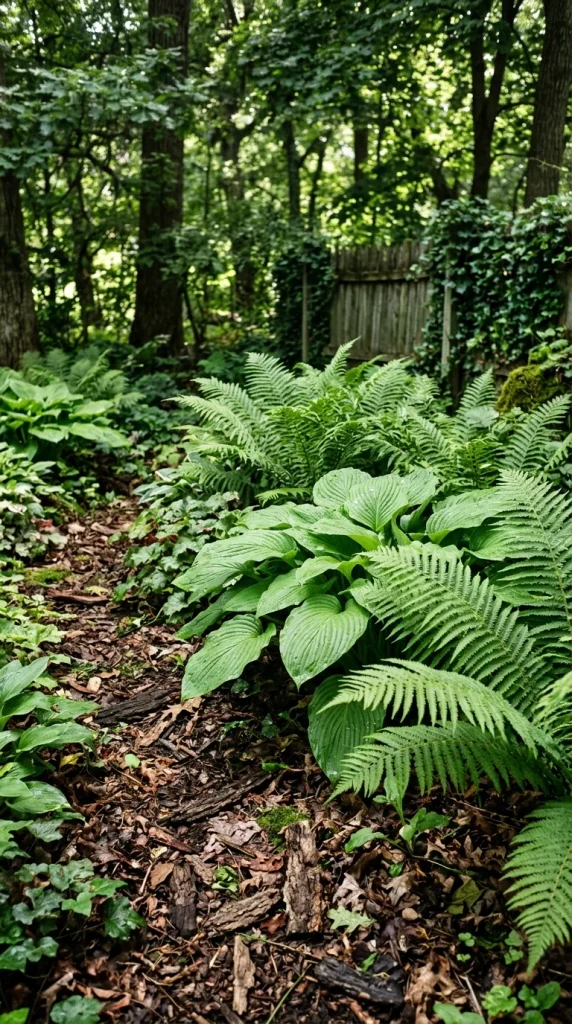
For a “no-work” approach, lean into the natural forest look. Instead of hauling away every fallen leaf, shred them with your mower and use them as mulch. This “leaf mold” is incredibly rich in nutrients and provides a soft, organic look that is perfect for shade gardens and woodland areas.
22. Crushed Shells
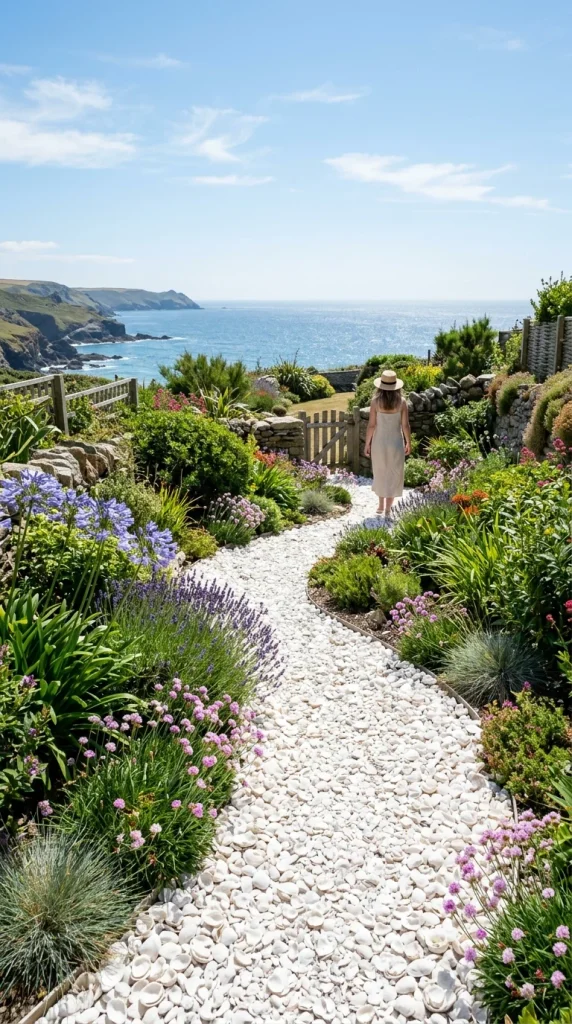
If you live near the coast (or just want to feel like you do), crushed shells are a beautiful and sustainable mulch option. They add calcium to the soil as they slowly break down and provide a bright, reflective surface that illuminates shaded areas of the yard.
23. Decorative Slate
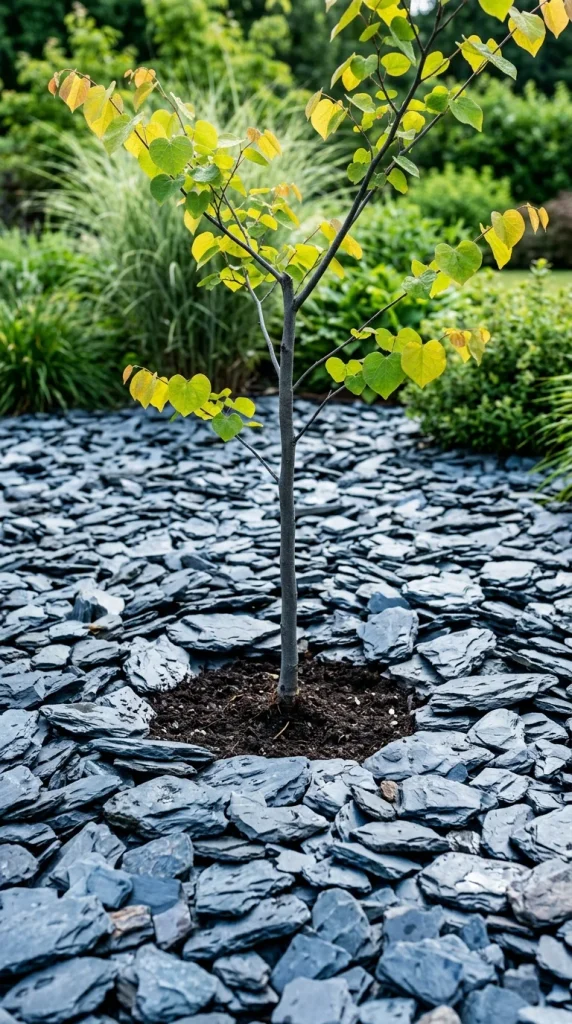
Slate chips offer a premium, high-end look. The flat, angular stones catch the light and provide a beautiful blue-grey or purple-grey color palette that you can’t get with wood. Slate is extremely durable and won’t fade or blow away, making it a permanent solution for modern landscapes.
24. Minimalist Xeriscaping
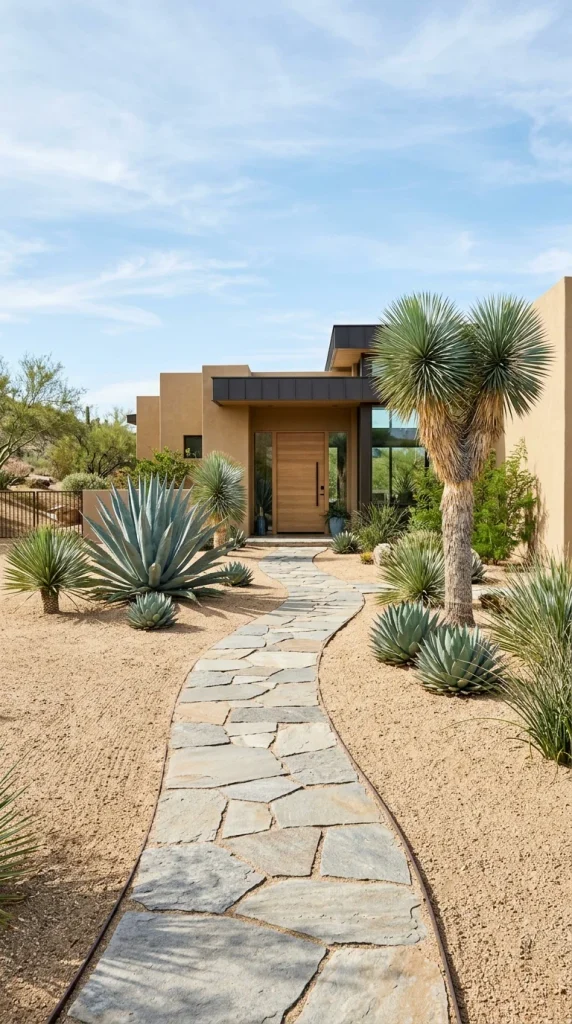
Xeriscaping is the ultimate low-maintenance strategy. By replacing grass with a combination of drought-tolerant plants and a thick layer of inorganic mulch (like decomposed granite or gravel), you can reduce your water usage by up to 70% while maintaining a clean, architectural look.
25. Edge Trenching
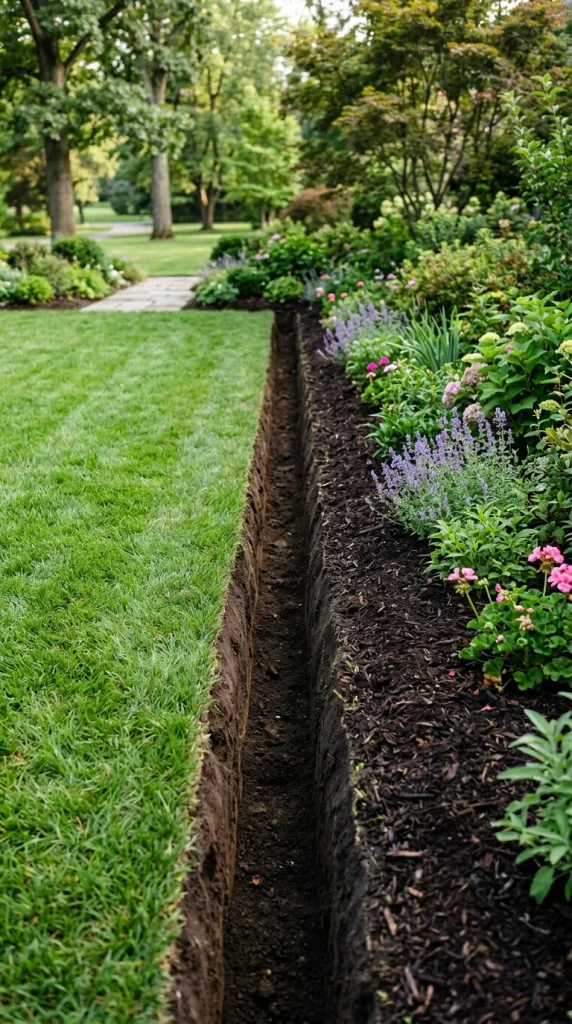
The “pro secret” to a low-maintenance yard is a clean edge. Instead of using plastic or metal edging that eventually heaves out of the ground, try “Victorian edging” or trenching. Cutting a sharp 3-4 inch deep trench between your grass and your mulch creates a physical barrier that stops grass roots and keeps your mulch looking neat and tidy without any extra hardware.