
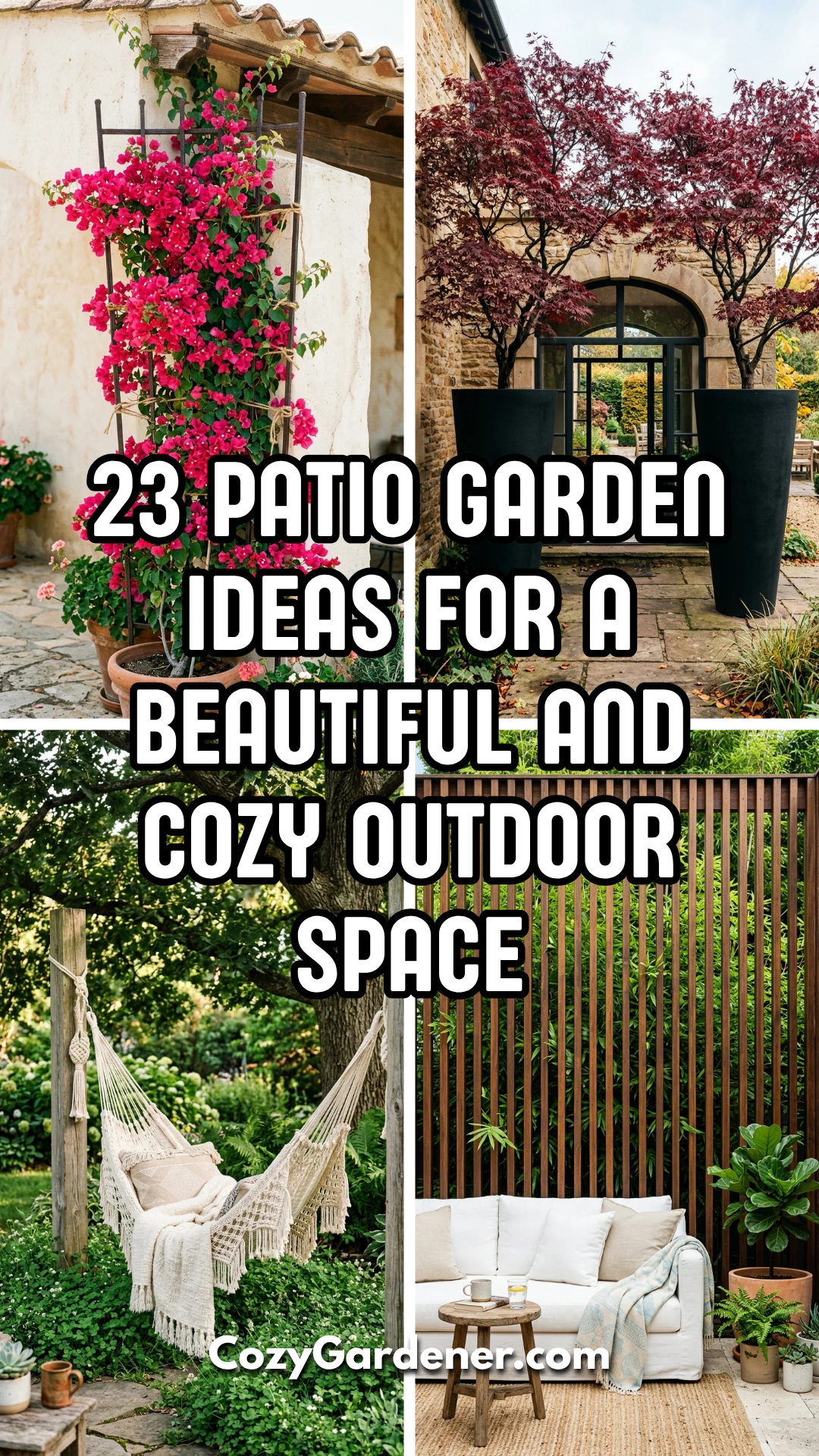
Transforming a simple patio into a sanctuary requires a blend of creativity, botanical knowledge, and a touch of design flair. Whether you have a sprawling suburban deck or a compact urban balcony, the right garden elements can turn an underutilized outdoor area into your favorite “room” in the house. A patio garden isn’t just about placing a few pots; it’s about creating an ecosystem that promotes relaxation, privacy, and aesthetic joy. By layering textures, playing with heights, and incorporating sensory elements like sound and scent, you can craft a space that feels like a true extension of your home.
1. Vertical Walls
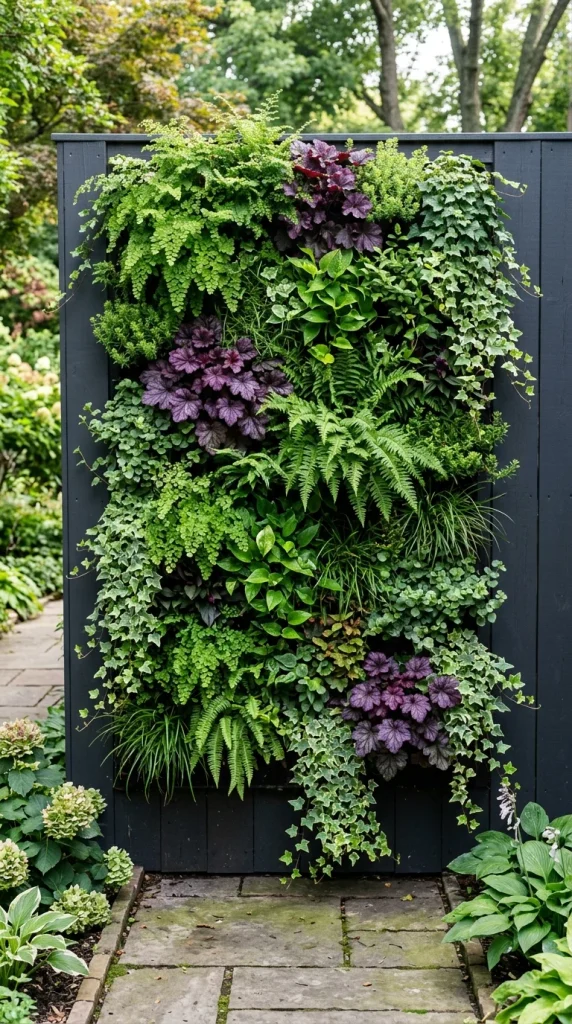
Vertical gardening is the ultimate solution for small spaces or for hiding unsightly fences. By utilizing the vertical plane, you draw the eye upward, making a small patio feel more expansive. You can use modular living wall kits, repurposed wooden pallets, or wall-mounted felt pockets. Choose a mix of textures—ferns for soft volume, ivy for draping, and succulents for structural interest—to create a living tapestry that provides an instant backdrop of serenity.
2. String Lights
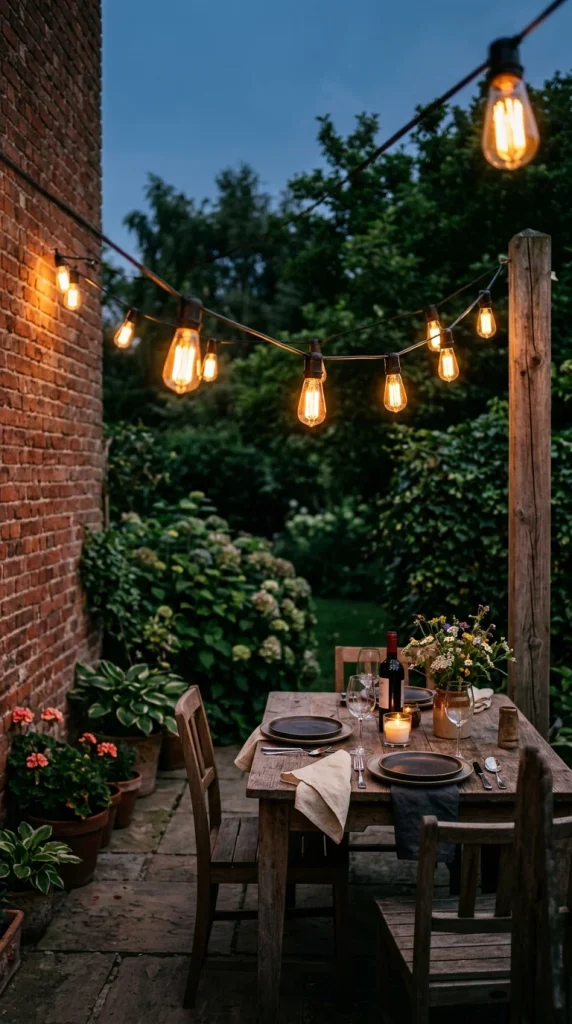
Atmosphere is everything, and nothing sets the mood quite like overhead lighting. String lights, often called “bistro lights,” provide a soft, warm glow that mimics the ambiance of a high-end European cafe. Drape them in a “criss-cross” or “fan” pattern across your seating area. For a more integrated look, weave them through a pergola or along the underside of an umbrella to ensure your patio garden remains magical long after the sun goes down.
3. Container Clusters
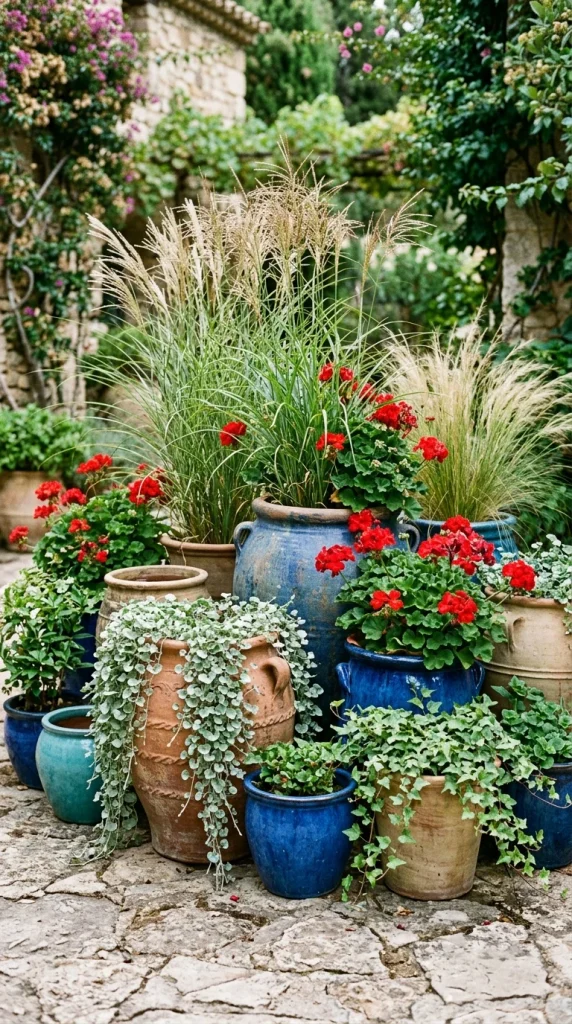
Instead of scattering single pots across the patio, group them in odd-numbered clusters (threes or fives). This creates a “mini-garden” effect that looks intentional rather than cluttered. Play with varying heights by using pot stands or upturned crates. Mix different materials like terracotta, glazed ceramic, and galvanized metal to add a curated, eclectic feel to your outdoor decor.
4. Fire Pits
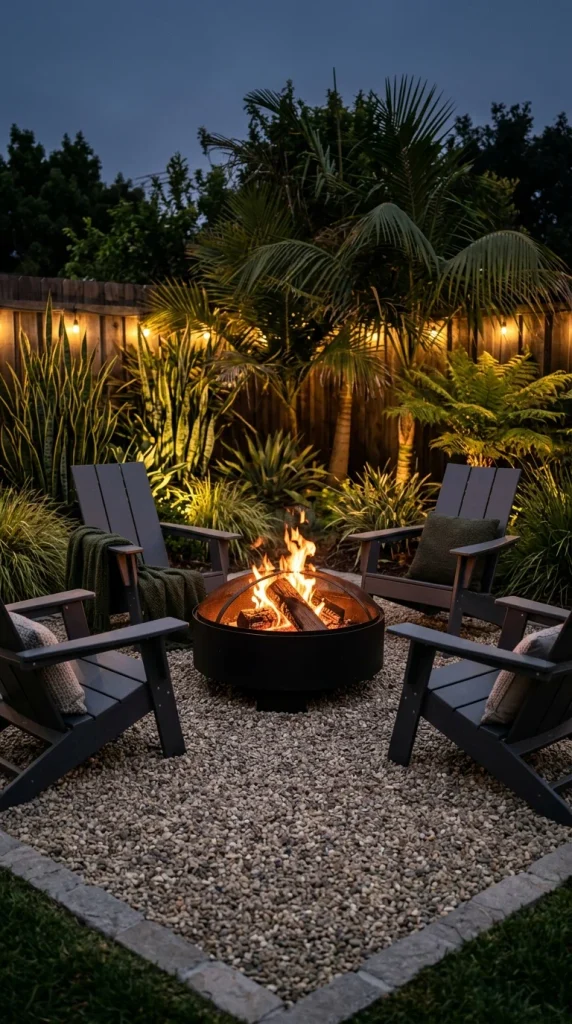
A fire pit acts as a natural focal point and a gathering spot. Beyond the warmth it provides during chilly evenings, it adds a primitive, cozy element to the garden. Surround your fire pit with fragrant plants like lavender or rosemary; the heat from the fire will help release their essential oils, creating a multi-sensory experience. Choose a style that matches your patio—sleek gas tables for modern looks or rustic cast iron bowls for a farmhouse vibe.
5. Hanging Baskets
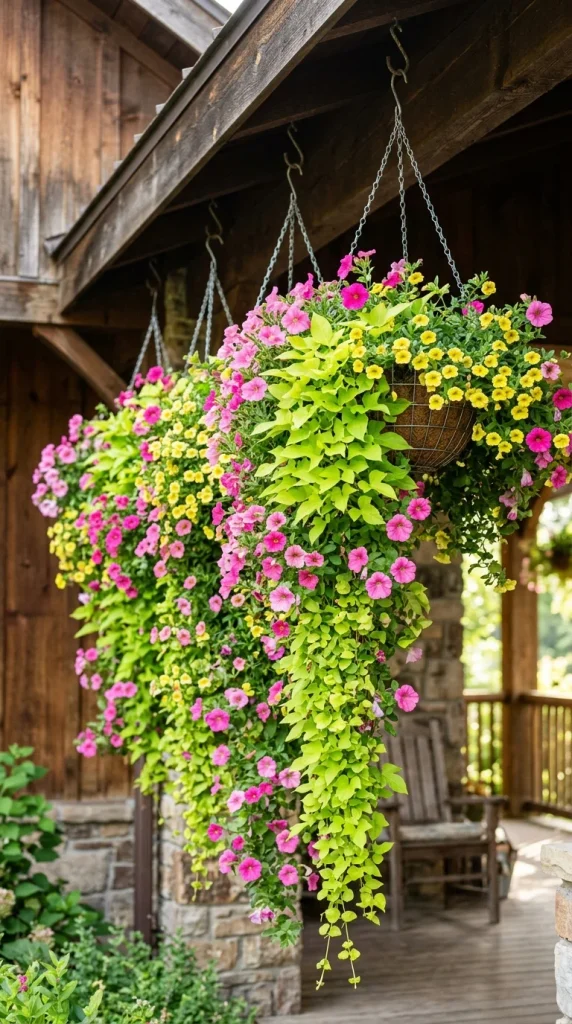
Hanging baskets bring the garden to eye level and utilize the “dead space” above your seating area. For a professional look, follow the “filler, spiller, thriller” rule: a “thriller” (a tall, central plant), “fillers” (mounding plants to cover the soil), and “spillers” (trailing plants that hang over the edges). Water them daily, as baskets tend to dry out faster than ground-level containers.
6. Herb Spirals
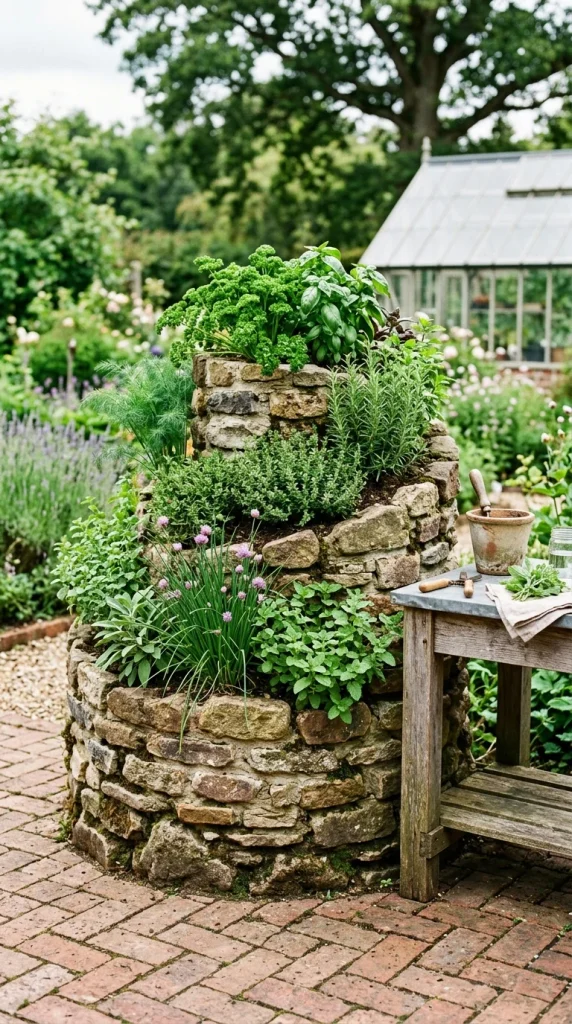
An herb spiral is both a design feature and a functional kitchen garden. By building upward in a spiral shape, you create different microclimates: the top is sunnier and drier (perfect for rosemary and oregano), while the bottom stays cooler and moister (ideal for mint and parsley). It’s a space-saving way to have fresh seasonings just steps away from your grill or outdoor kitchen.
7. Privacy Screens
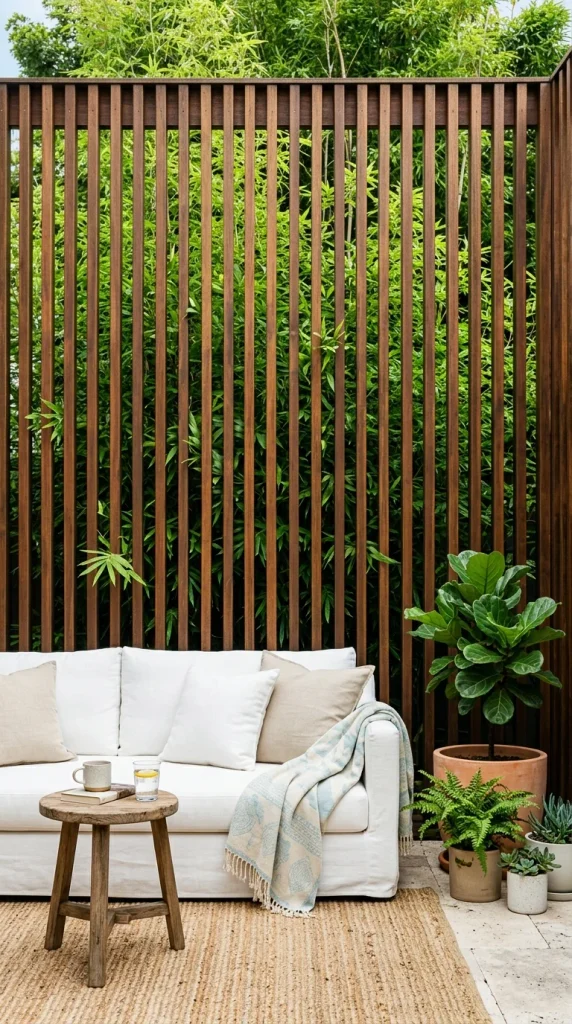
Privacy is a key component of coziness. If your patio is overlooked by neighbors, use a combination of hardscape and softscape to create a screen. A wooden trellis topped with climbing jasmine or clematis provides a fragrant, living wall. Alternatively, use tall, narrow planters filled with bamboo or ornamental grasses like ‘Karl Foerster’ to create a “green fence” that sways gently in the breeze.
8. Outdoor Rugs
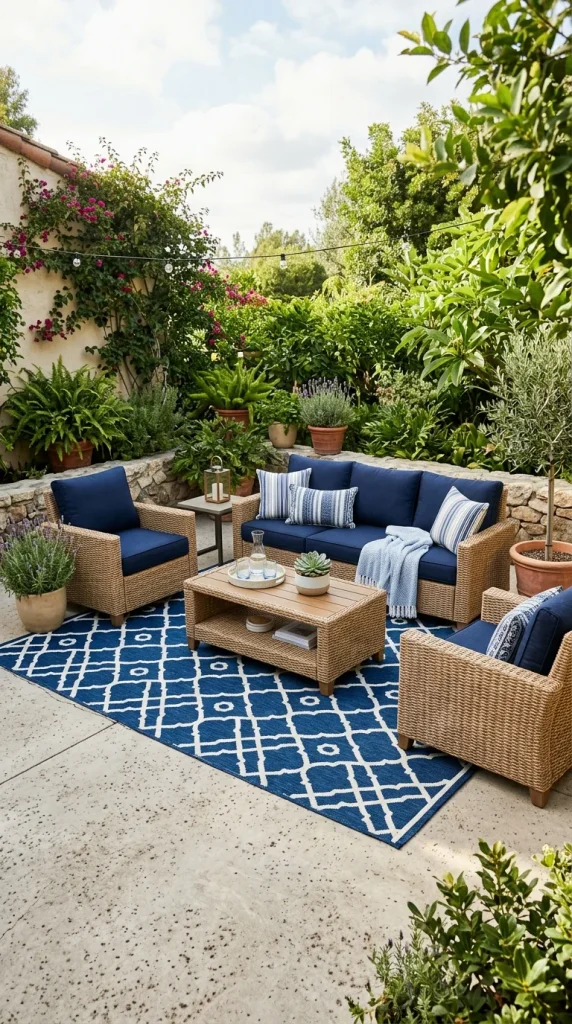
An outdoor rug is the secret weapon for defining a space. It anchors your furniture and adds a layer of softness underfoot that makes the patio feel more like an interior room. Look for materials like polypropylene, which are durable, easy to clean, and resistant to UV fading. Choose a bold pattern to add energy or a neutral jute-style weave for a calm, organic atmosphere.
9. Water Features
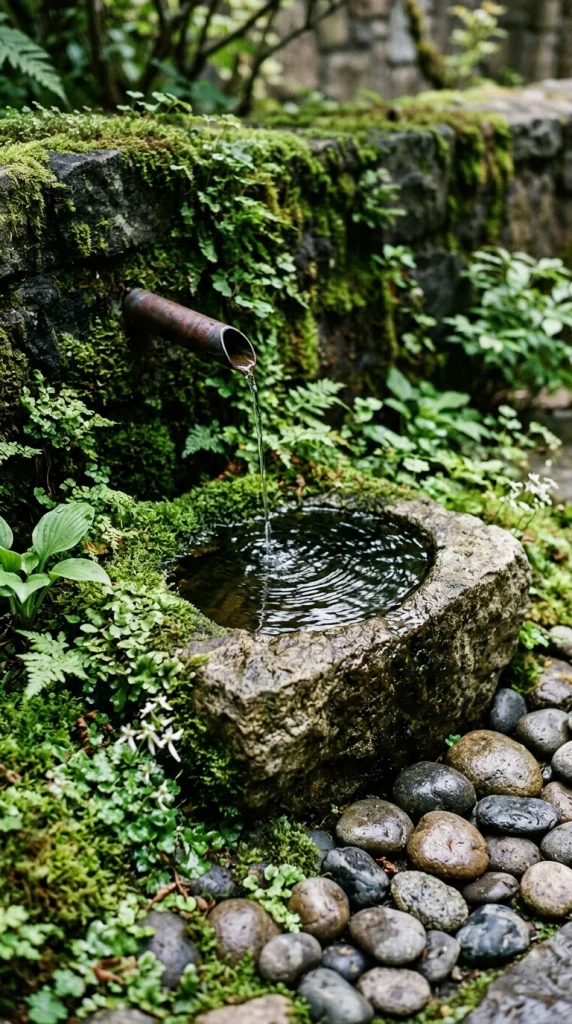
The sound of trickling water is incredibly soothing and can help mask unwanted neighborhood noise. You don’t need a massive pond; a simple plug-and-play fountain, a solar-powered birdbath, or a tabletop water bowl can do the trick. The movement of water also attracts birds and butterflies, bringing your patio garden to life with local wildlife.
10. Pergola Potted-Plants
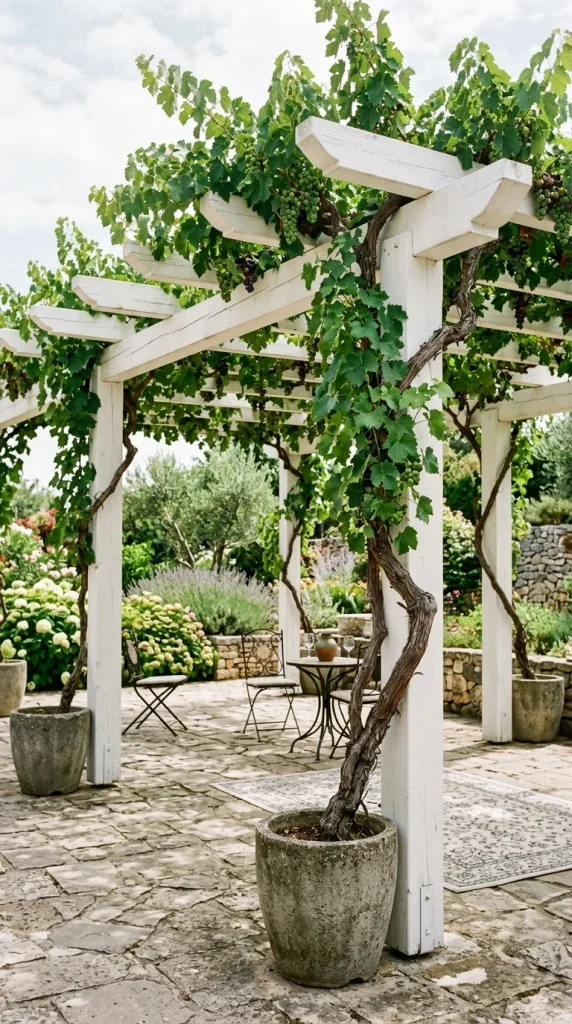
Pergolas provide structure and shade, but they truly shine when integrated with greenery. Instead of just planting at the base, place large pots at the foot of each post. This allows you to control the soil quality and drainage. Wisteria, grapes, or climbing roses can be trained to grow up the structure, creating a romantic, shaded canopy that feels tucked away from the rest of the world.
11. Garden Mirrors
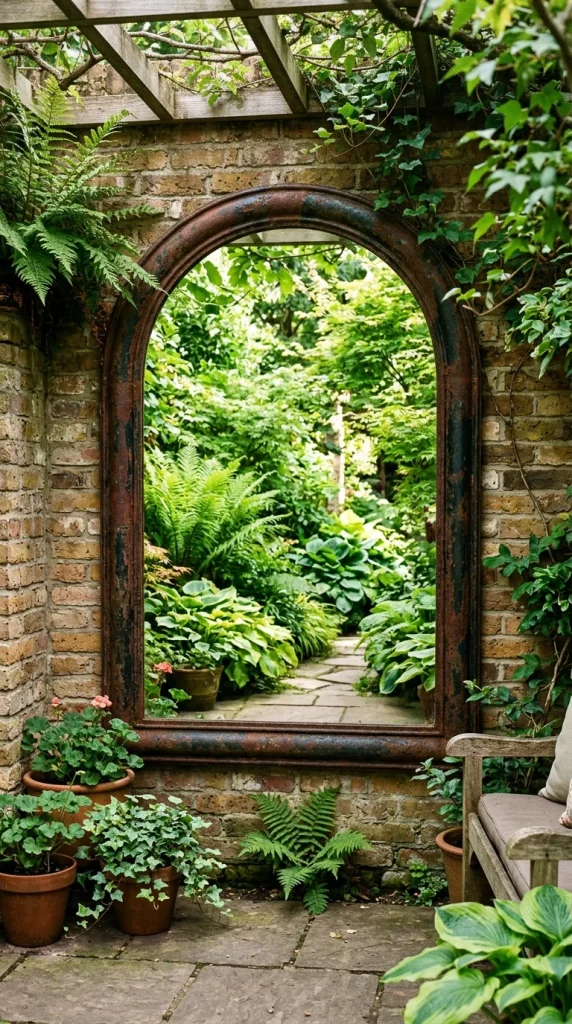
Mirrors are a classic trick used by landscape designers to make small gardens feel larger. Mounted on a fence or tucked behind a cluster of plants, a weather-resistant mirror reflects light into shady corners and creates a “window” into another part of the garden. Opt for a frame that mimics the style of your home, and ensure it’s positioned to reflect plants rather than the back of your house.
12. Bistro Sets
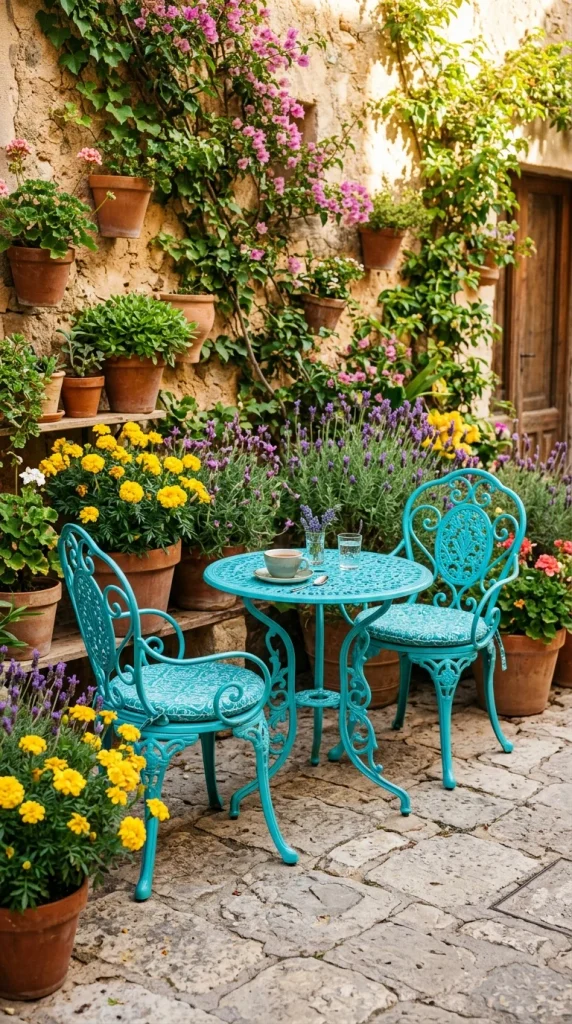
Even the smallest patio can accommodate a bistro set. These compact furniture pieces are perfect for morning coffee or an intimate dinner for two. Choose a set in a bright, “pop” color like yellow or teal to create a cheerful focal point. Because they are lightweight, they can be easily moved to follow the sun or tucked away when you need more floor space.
13. Succulent Trays
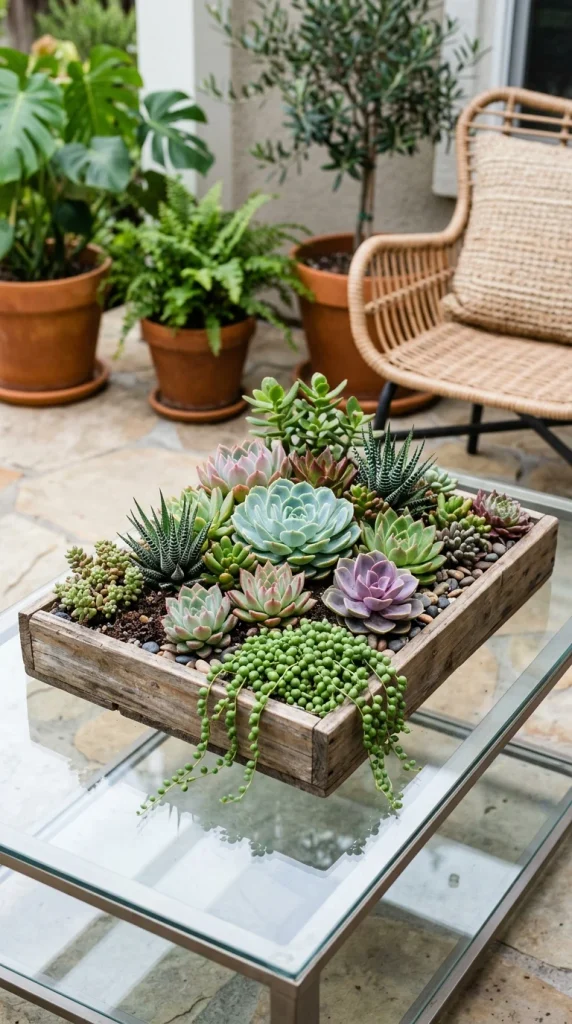
For low-maintenance beauty, succulent trays are unbeatable. These “miniature landscapes” require very little water and thrive in the heat of a sunny patio. Use a shallow container with good drainage and mix plants with different textures and colors—burgundy, lime green, and frosty blue. Succulent arrangements look like living jewelry for your outdoor tables.
14. Trellis Climbers
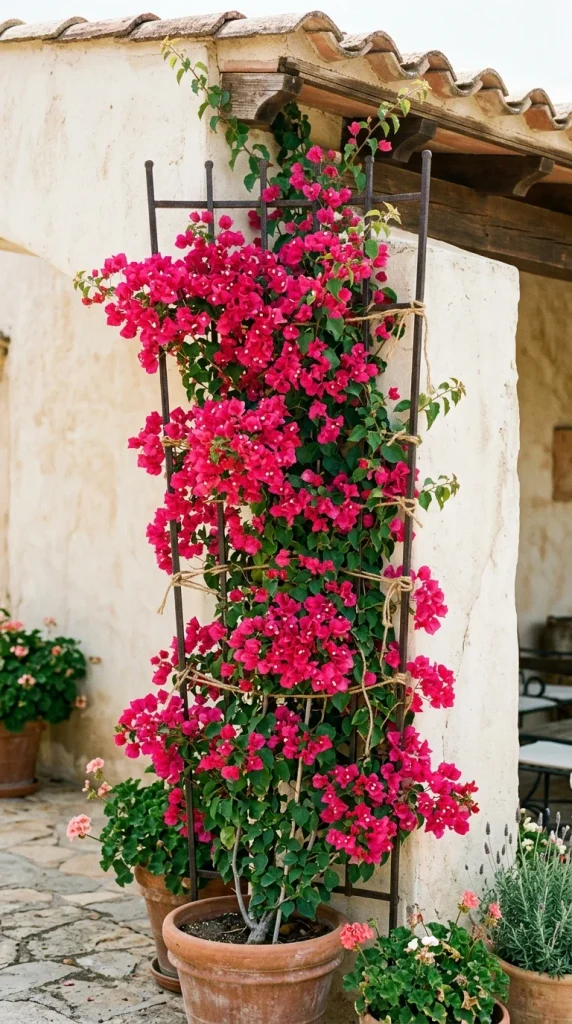
Vertical interest can also be achieved with a simple trellis and a vigorous climber. If you have a bare wall, a trellis provides the necessary support for plants to “climb” without damaging the structure of your home. Mandevilla, Honeysuckle, or Star Jasmine are excellent choices that provide both height and a wonderful fragrance that fills the patio area on warm evenings.
15. Layered Lighting
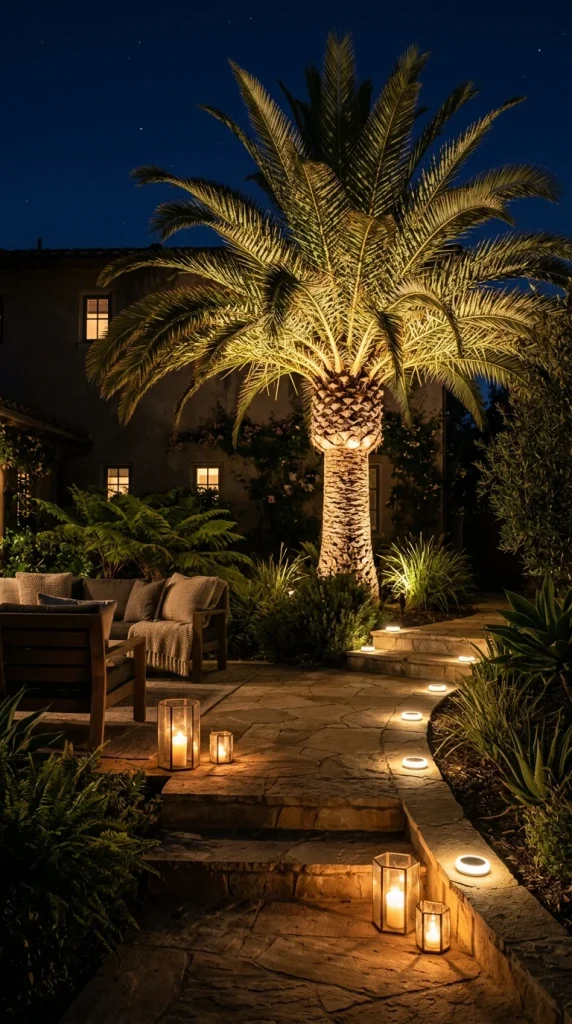
To create depth at night, use “layered” lighting. Instead of one bright floodlight, combine different types of light. Use path lights for safety, uplights to highlight a beautiful tree or architectural plant, and candles or lanterns on tables for a soft, intimate glow. This variety of light levels creates shadows and highlights that make the garden feel three-dimensional and cozy.
16. Built-in Benches
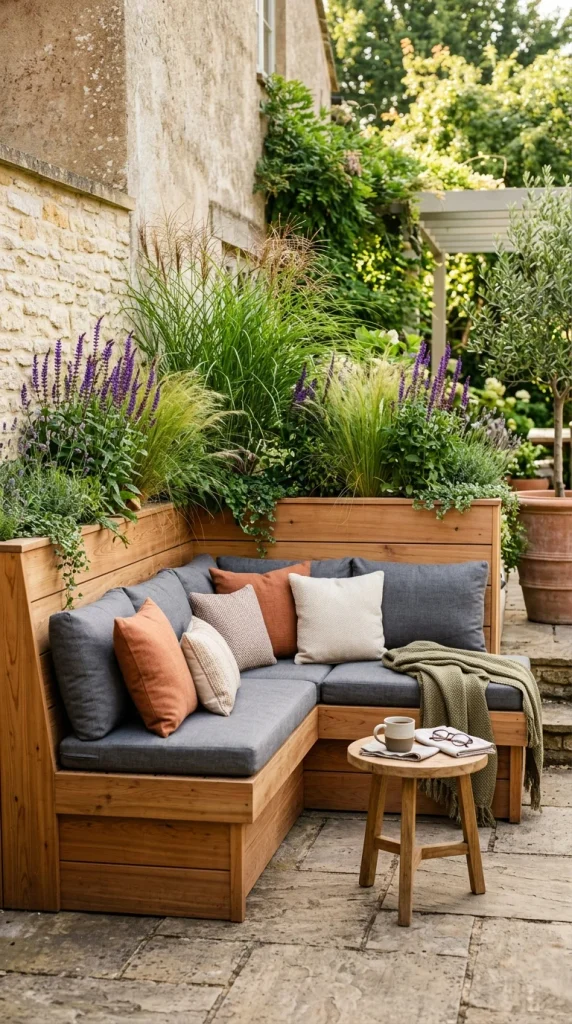
Built-in seating is a fantastic space-saver that doubles as a structural element. By integrating planters into the back or sides of the bench, you surround your guests with greenery. This “sunken garden” feel makes the seating area feel protected and cozy. Use weather-resistant wood like teak or cedar, and add plenty of outdoor pillows to encourage lounging.
17. Rock Edging
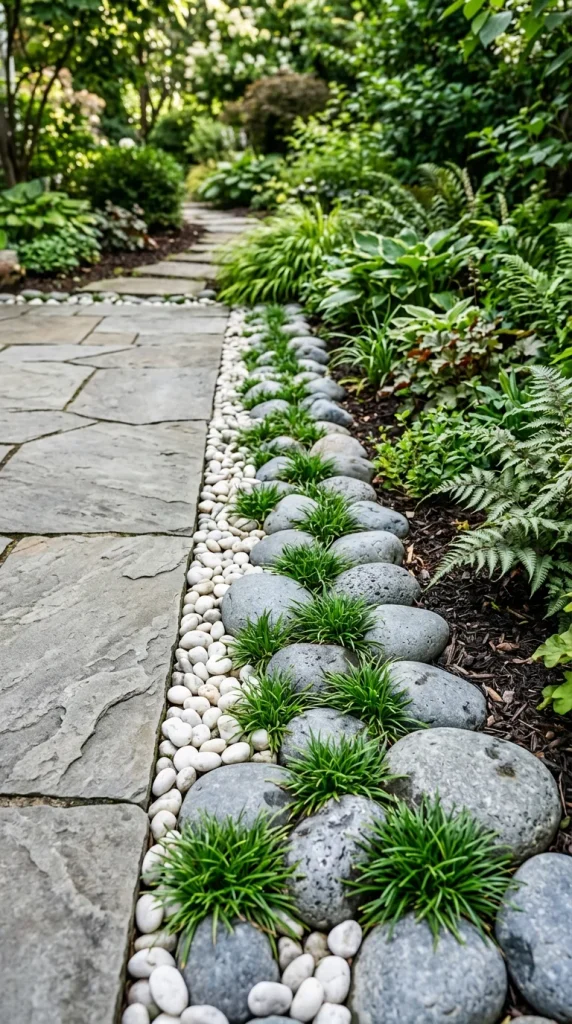
A clean edge makes any garden look more polished. Using river rocks, cobblestones, or slate chips to border your patio creates a clear definition between the “living” space and the “planting” space. It also helps with drainage and prevents soil from washing onto your patio during heavy rains. The contrast between the hard stone and soft plants adds visual interest and a sense of order.
18. Hammock Nooks
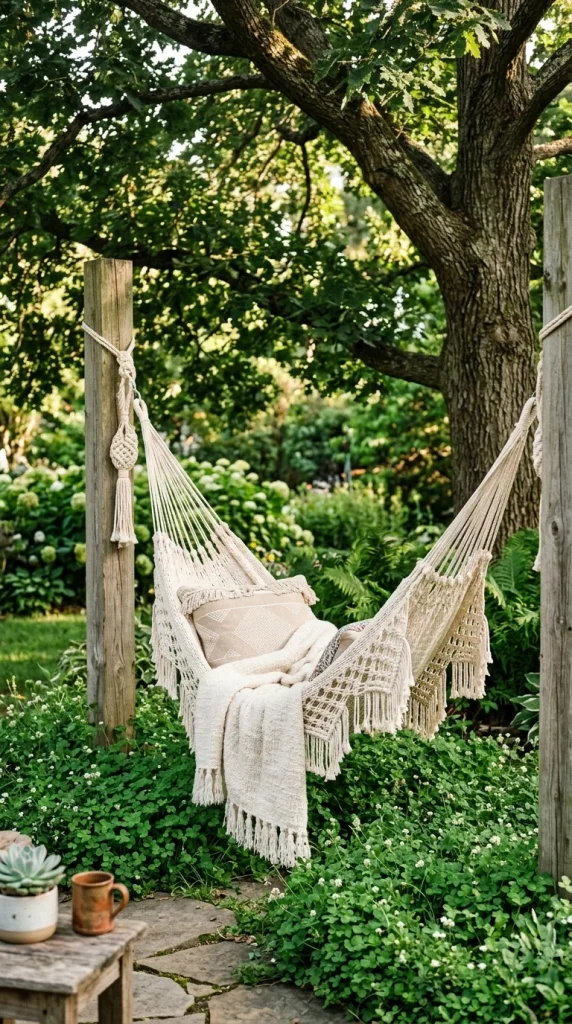
If relaxation is your primary goal, a hammock is a must-have. Create a dedicated “quiet corner” on your patio by installing a hammock or a hanging “egg” chair. Surround this area with tall, airy plants like cosmos or fennel that sway in the wind, enhancing the feeling of being in a secluded retreat. It’s the perfect spot for reading or taking a nap in the fresh air.
19. Scented Blooms
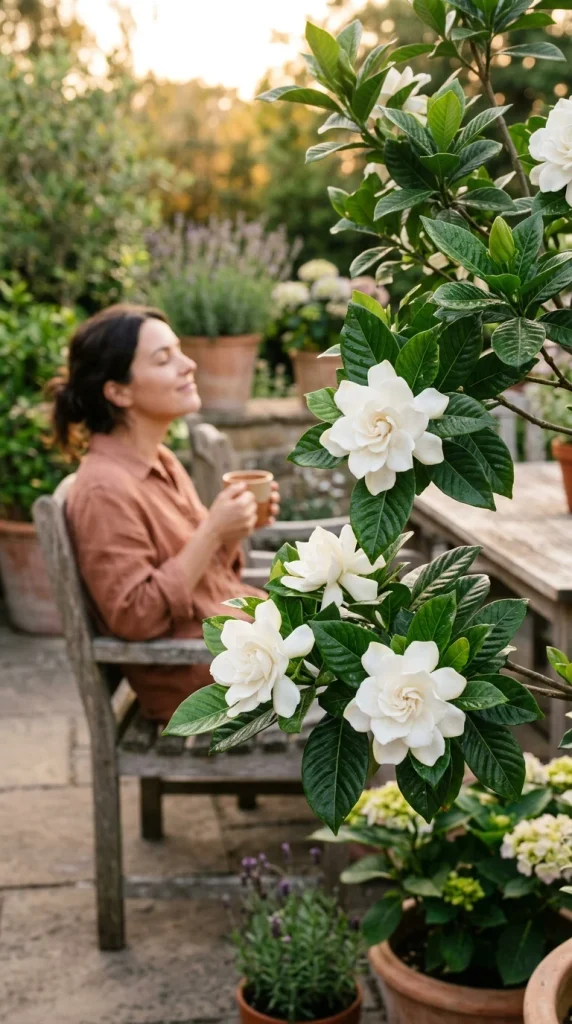
A truly cozy patio appeals to all the senses, including smell. Plant highly fragrant flowers near your seating area so their scent can be enjoyed while you relax. Gardenias, Jasmine, Lilacs, and Mock Orange are famous for their sweet perfumes. For evening enjoyment, plant “Moonflowers” or “Nicotiana,” which release their strongest scent after the sun goes down.
20. Color Blocking
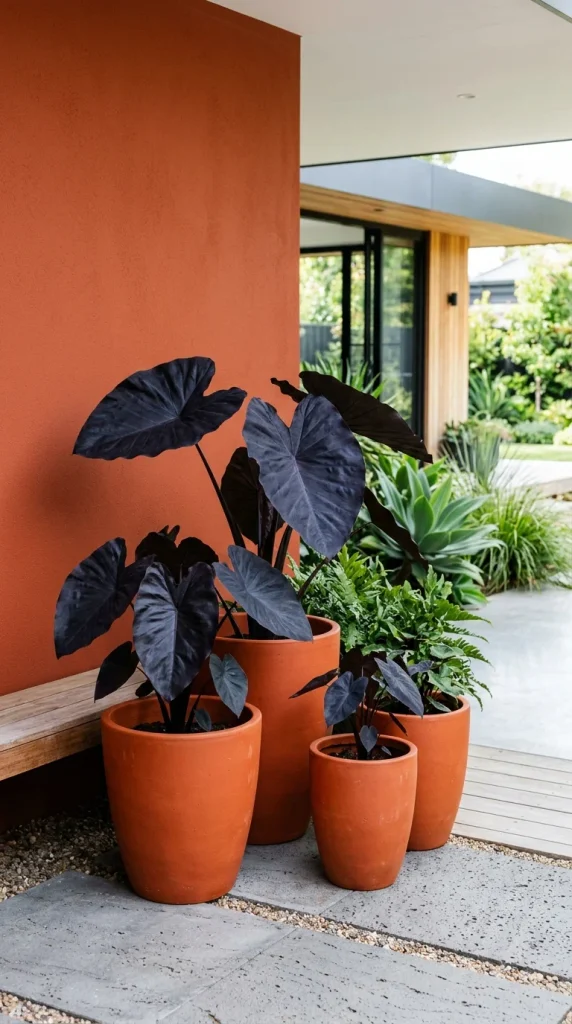
Color blocking is a high-impact design technique where you use large “blocks” of a single color to create a modern look. You can achieve this by painting a feature wall, using a set of identical colored pots, or planting a large drift of a single flower species. This technique simplifies the visual landscape and makes the patio feel more organized and professionally designed.
21. Window Boxes
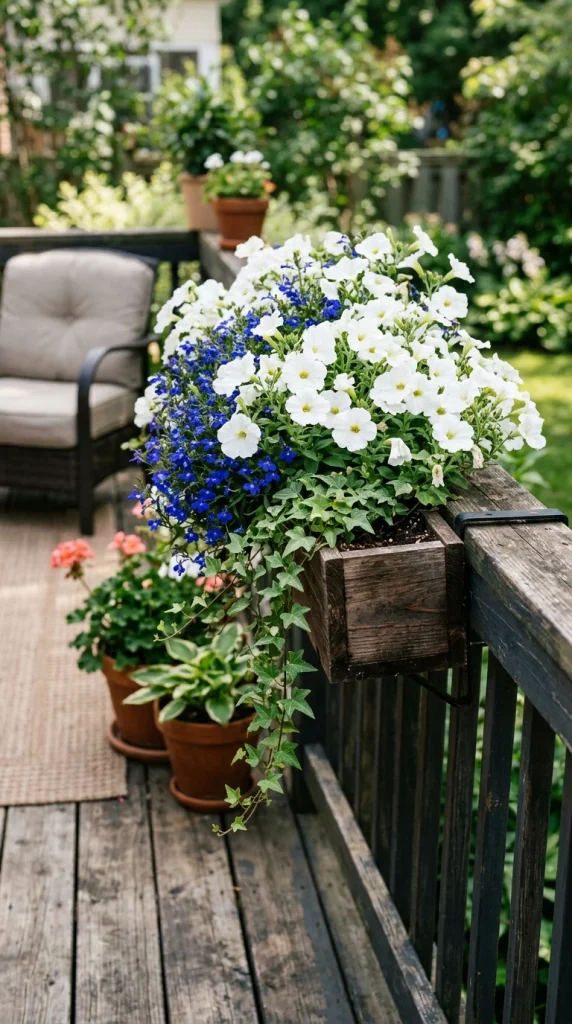
If your patio is a deck with railings, window boxes are a great way to add color without taking up floor space. Mount them on the outside of the railing to maximize your square footage. They act as a beautiful border that defines the edge of your patio and can be changed seasonally—pansies in the spring, geraniums in the summer, and kale or mums in the fall.
22. Raised Beds
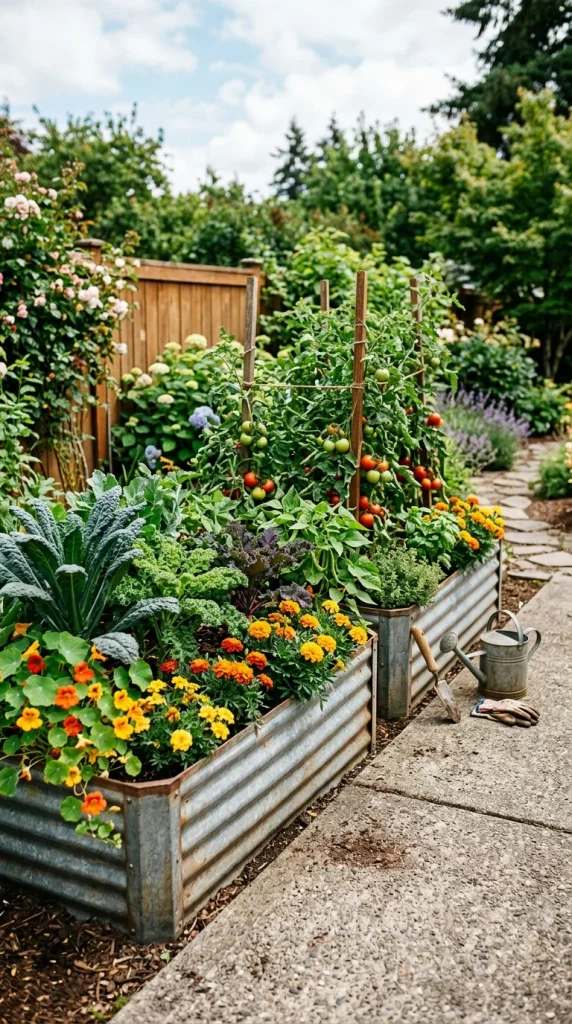
Raised beds bring the garden up to a comfortable working height and allow you to control the soil quality perfectly. They are excellent for growing a mix of “edimentals”—plants that are both edible and ornamental. Think purple kale mixed with orange marigolds, or rainbow chard alongside silver-leafed Dusty Miller. The structure of the beds adds a clean, architectural element to the patio’s perimeter.
23. Oversized Planters
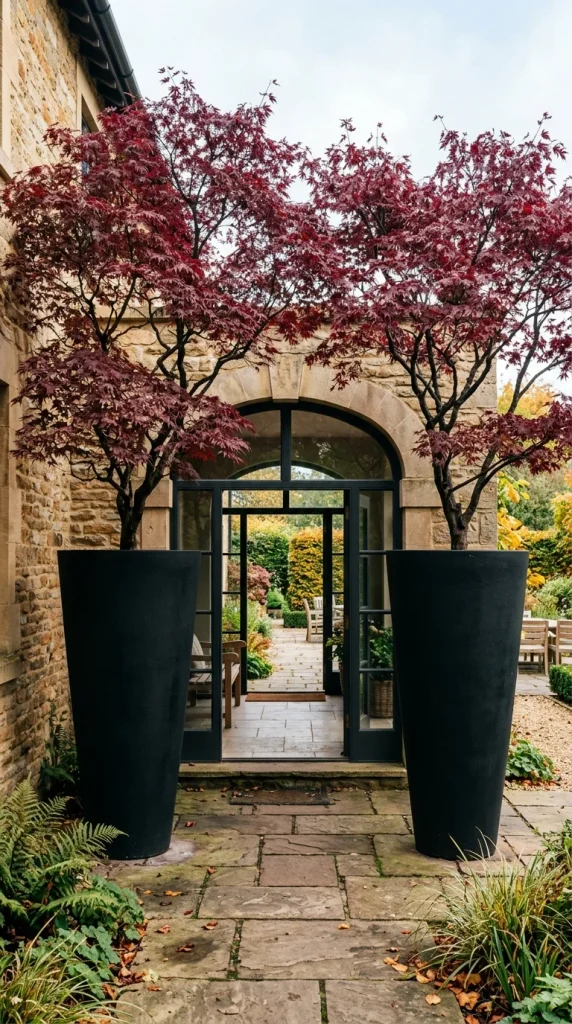
Don’t be afraid to go big. A few oversized planters can have more impact than a dozen small ones. Using large-scale containers allows you to plant small trees or large shrubs, such as Japanese Maples, Boxwood spheres, or even citrus trees. These “statement” plants provide structure, shade, and a sense of permanence that makes your patio garden feel like a mature, well-established landscape.