
The Zebra Plant, known scientifically as Aphelandra squarrosa, is the ultimate “diva” of the houseplant world. With its deep emerald leaves and shocking white geometric veins, it commands attention in any room. However, its stunning looks come with a reputation for being somewhat demanding. To help you navigate the needs of this tropical beauty, we have compiled the definitive guide to keeping your Zebra Plant thriving, blooming, and beautiful.
1. Tropical Origins

The Zebra Plant hails from the Atlantic Forest of Brazil. Understanding its heritage is the first step to successful care. In its natural habitat, it lives under the canopy of giant trees, meaning it enjoys warmth, high humidity, and filtered light. When you bring one into your home, you are essentially trying to replicate a Brazilian jungle on your shelf.
2. Bright Light
Light is the fuel for those magnificent leaves. The Zebra Plant thrives in bright, indirect light. Think of the “Goldilocks” zone—not too dark that the plant becomes leggy, but not so bright that it burns. An east- or west-facing window is usually ideal.
3. Avoid Sunburn
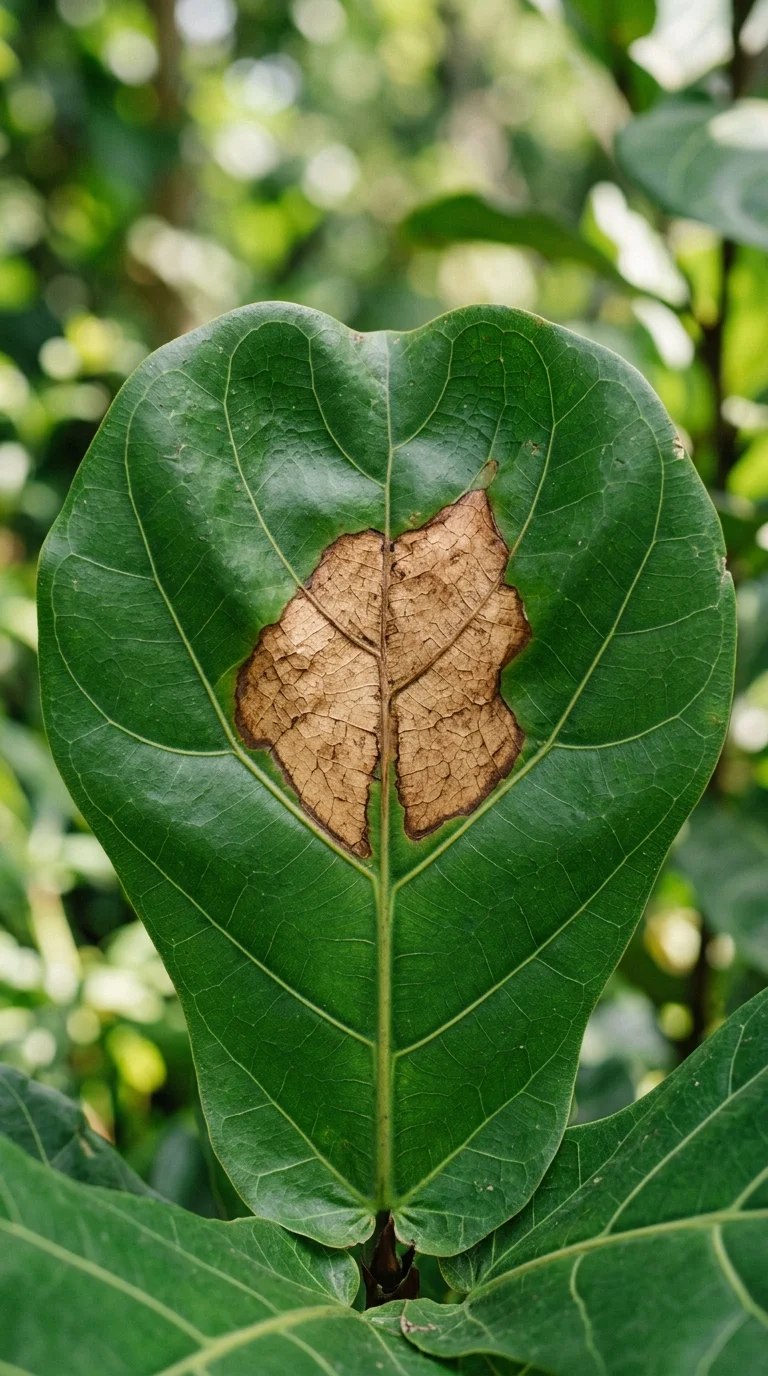
Never place your Zebra Plant in direct afternoon sunlight. The intense rays can scorch the foliage, leading to unsightly brown patches or bleached spots that never recover. If your window gets direct sun, use a sheer curtain to diffuse the intensity.
4. Consistent Moisture
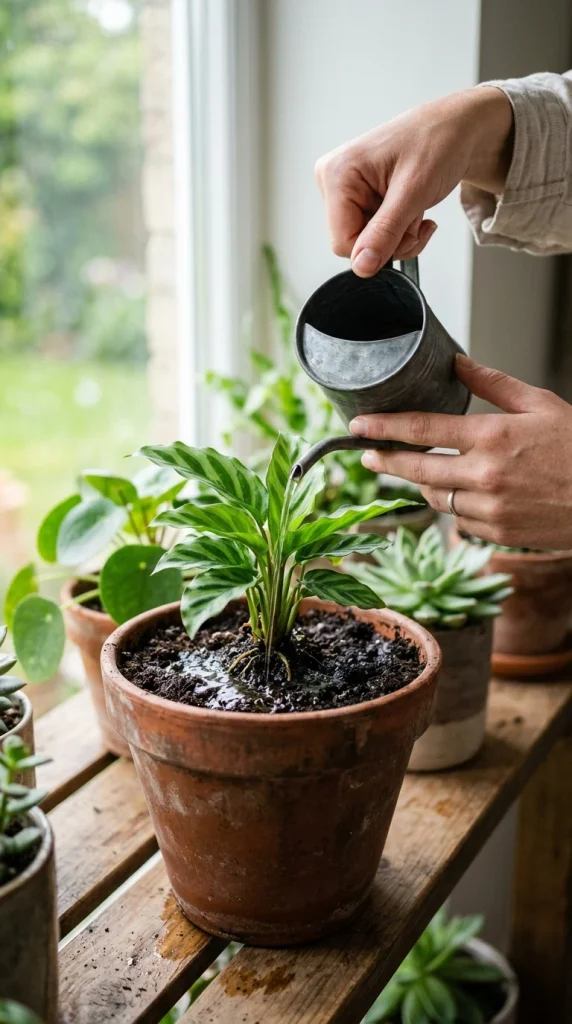
Unlike succulents, the Zebra Plant does not like to dry out. The goal is to keep the soil consistently moist but never waterlogged. A good rule of thumb is to water when the top half-inch of soil feels dry to the touch.
5. High Humidity
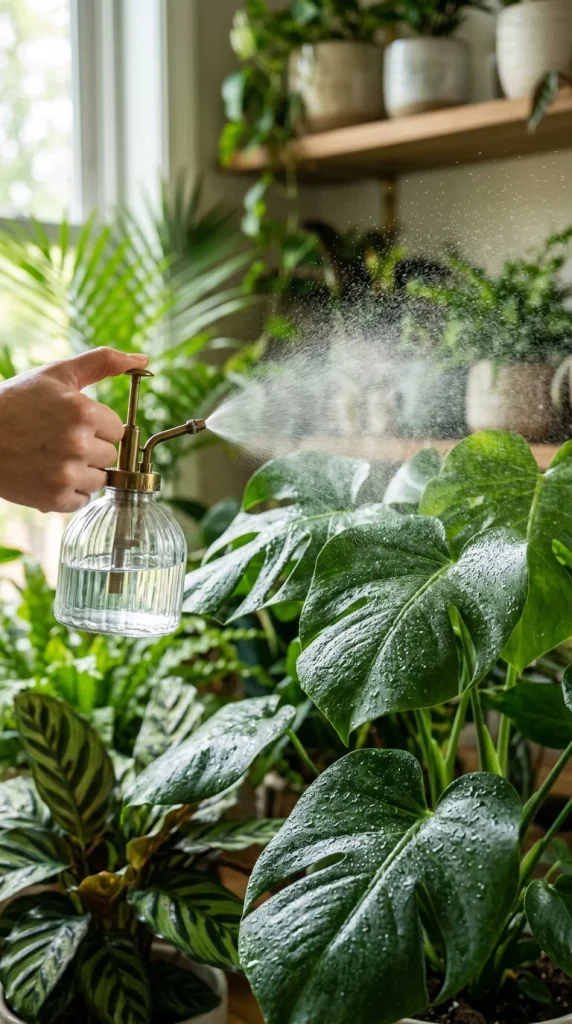
If there is one thing this plant craves more than anything else, it’s humidity. Aim for a humidity level of 60% or higher. If your home is dry, especially in winter, the plant will show its displeasure through crispy leaf edges.
6. Pebble Trays
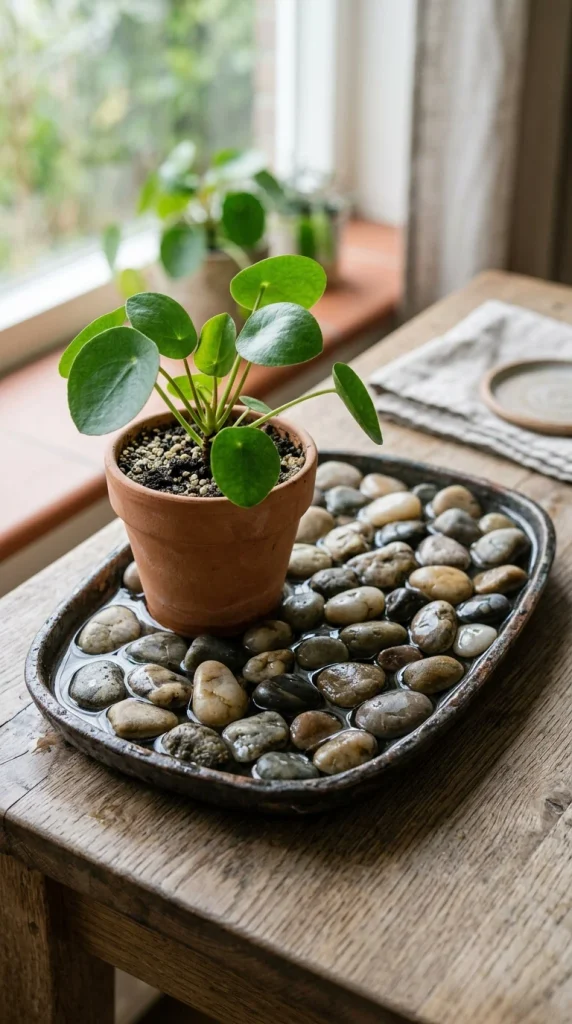
A simple trick to boost humidity is using a pebble tray. Fill a tray with small stones and water, then place the pot on top. As the water evaporates, it creates a humid microclimate directly around the foliage without keeping the roots submerged in water.
7. Well-Draining Soil
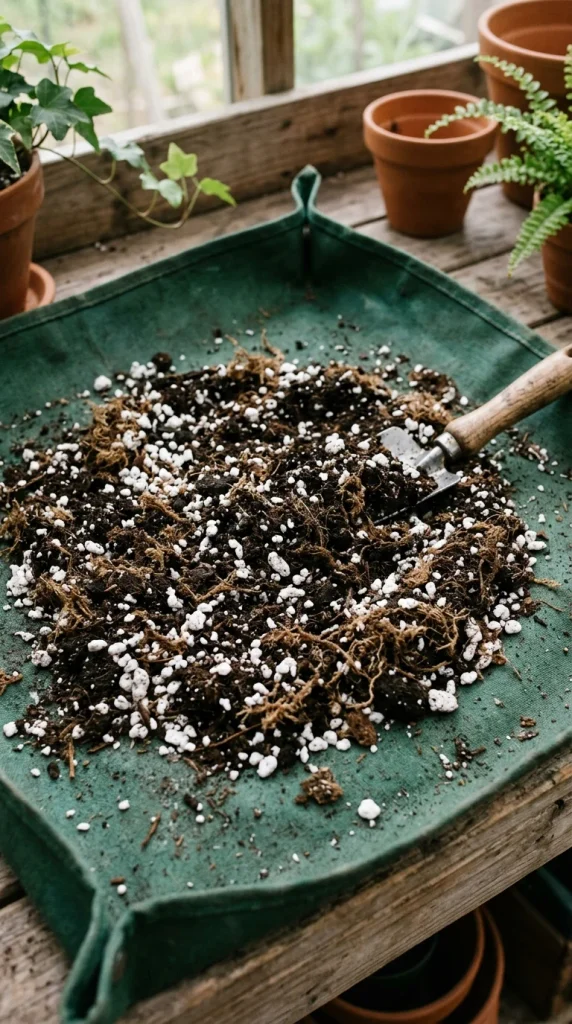
The Zebra Plant needs a soil mix that retains some moisture but allows excess water to escape quickly. A blend of peat moss, perlite, and a bit of potting soil works wonders. This prevents the “wet feet” syndrome that leads to root rot.
8. Drainage Holes
Never plant a Zebra Plant in a pot without drainage holes. Because they require frequent watering, any excess water must have an exit strategy. If water sits at the bottom of the pot, the roots will suffocate and die.
9. Warm Temperatures
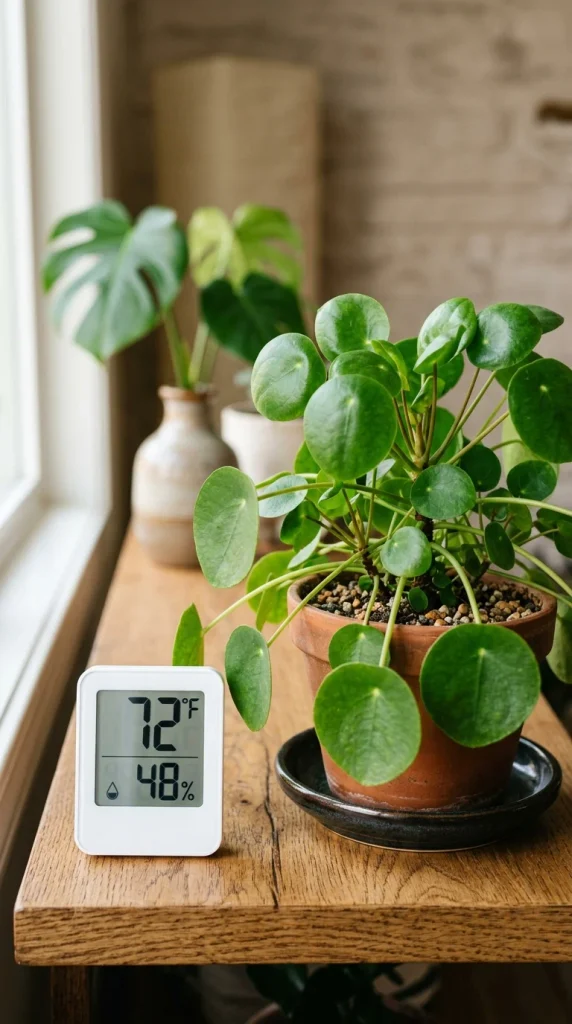
Keep your plant in a warm environment. It prefers temperatures between 65°F and 80°F (18°C–27°C). If the temperature drops below 55°F, the plant may suffer from cold shock, leading to leaf drop.
10. Avoid Drafts
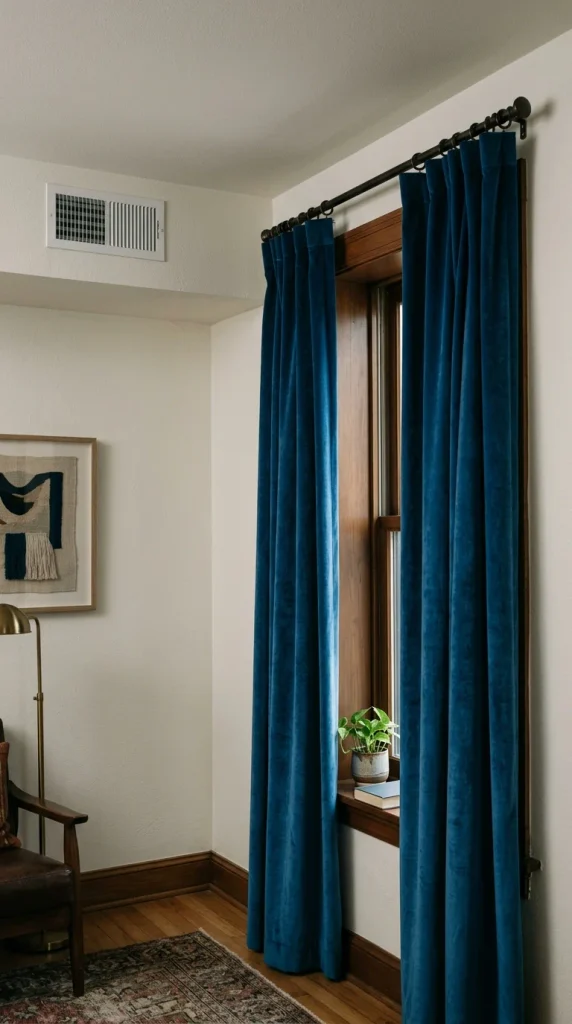
Zebra Plants are sensitive to sudden temperature fluctuations. Keep them away from drafty windows, air conditioning vents, and heaters. A sudden blast of cold or hot air can cause the plant to stress and shed its lower leaves.
11. Regular Fertilization
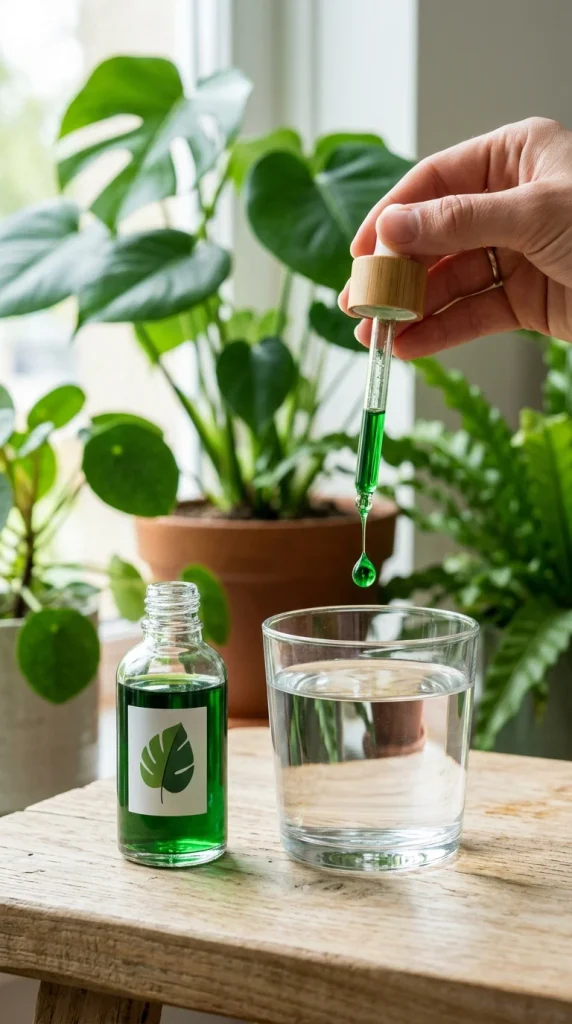
During the growing season (spring and summer), feed your Zebra Plant every two weeks with a balanced, water-soluble fertilizer diluted to half strength. This provides the nutrients necessary for that signature bold foliage and potential flowering.
12. Yellow Leaves
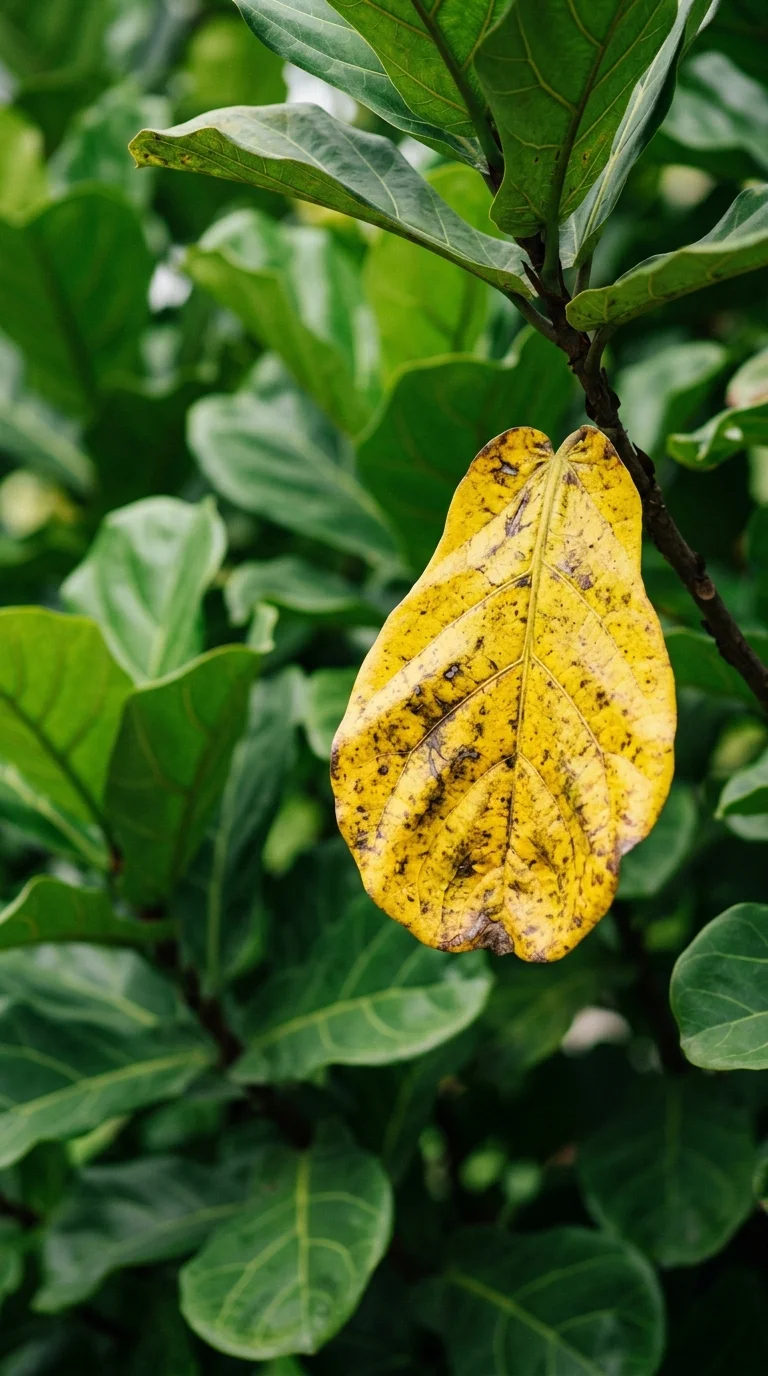
Yellowing leaves are usually a sign of overwatering. If you notice the leaves turning soft and yellow, check the soil moisture. If it’s soggy, hold off on watering and ensure your pot is draining properly.
13. Brown Tips
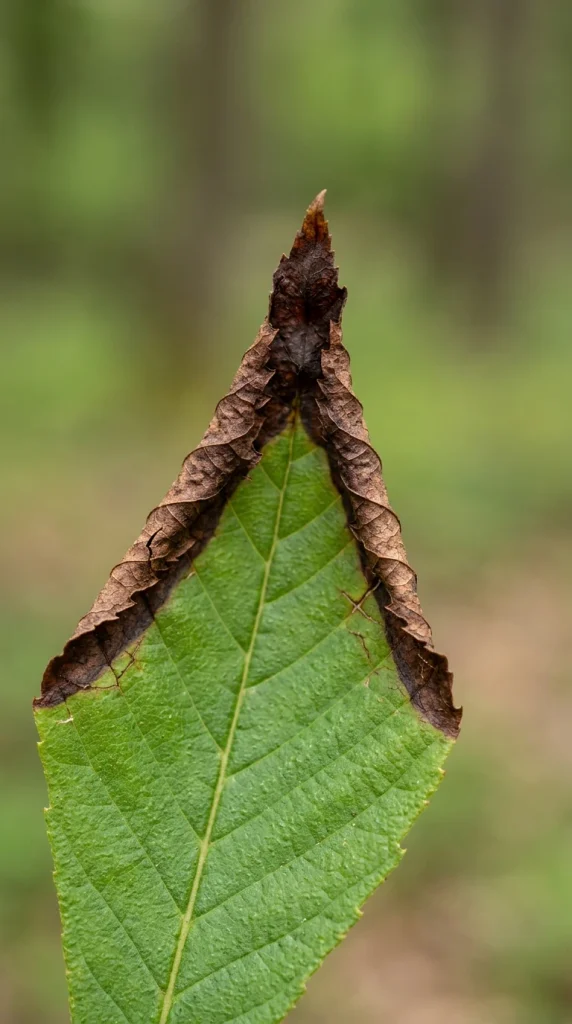
Brown, crispy tips are almost always a cry for more humidity. If your plant looks like it’s “burning” at the edges, it’s time to move it closer to a humidifier or increase your misting routine.
14. Dramatic Wilting
The Zebra Plant is a “drama queen.” If you forget to water it for even a day too long, it will wilt spectacularly. Don’t panic—usually, a thorough watering will see the plant perk back up within a few hours. However, try not to make this a habit, as frequent wilting weakens the plant.
15. Yellow Bracts
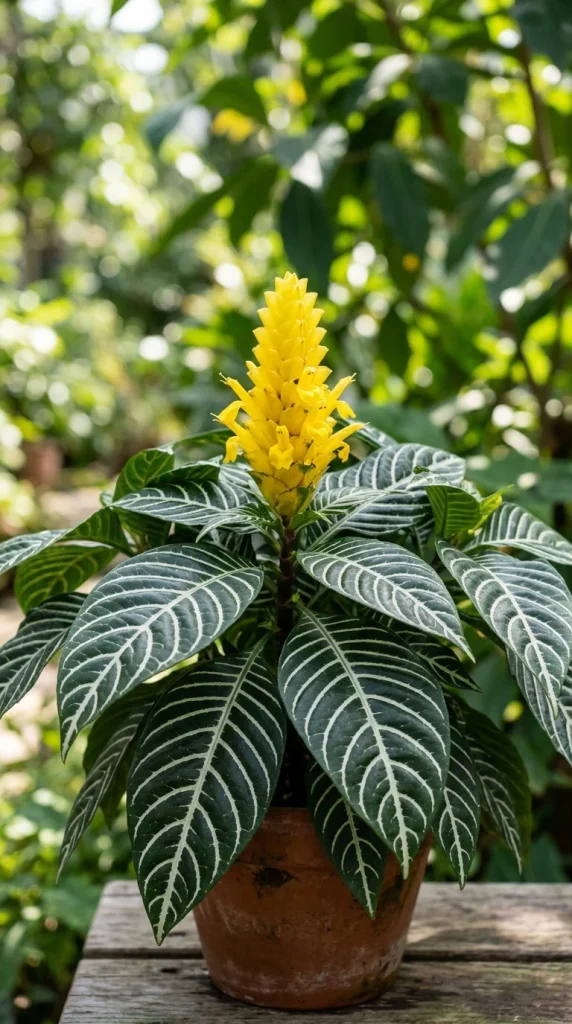
When happy, the Zebra Plant produces a magnificent yellow flower spike called a bract. These can last for several weeks and add a tropical pop of color that contrasts beautifully with the striped leaves.
16. Post-Bloom Pruning
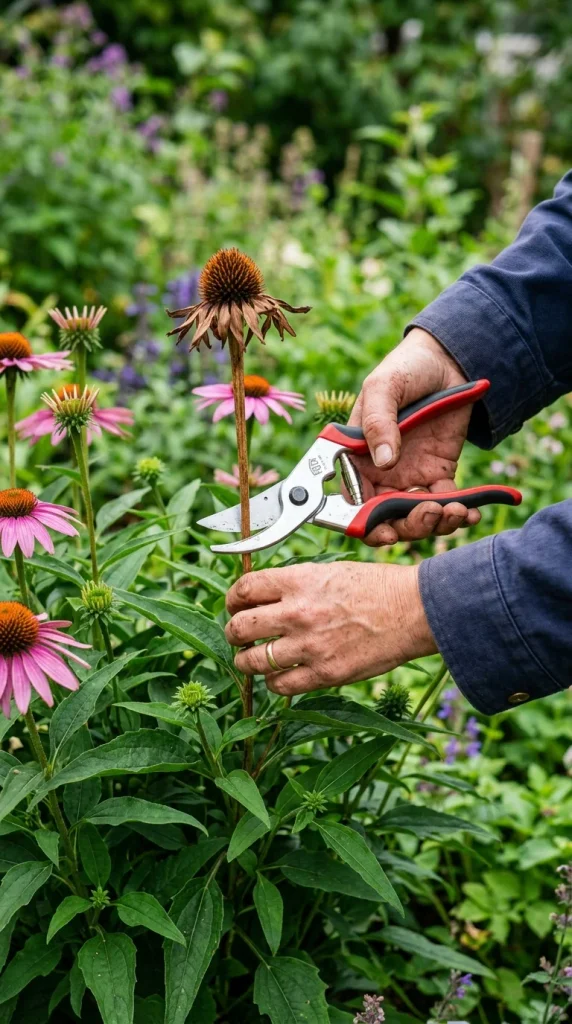
Once the yellow bract begins to turn brown and die back, it’s best to prune it off. Use sterilized shears to cut the flower stalk back to the nearest set of leaves. This encourages the plant to put its energy back into foliage growth rather than seed production.
17. Leaf Cleaning
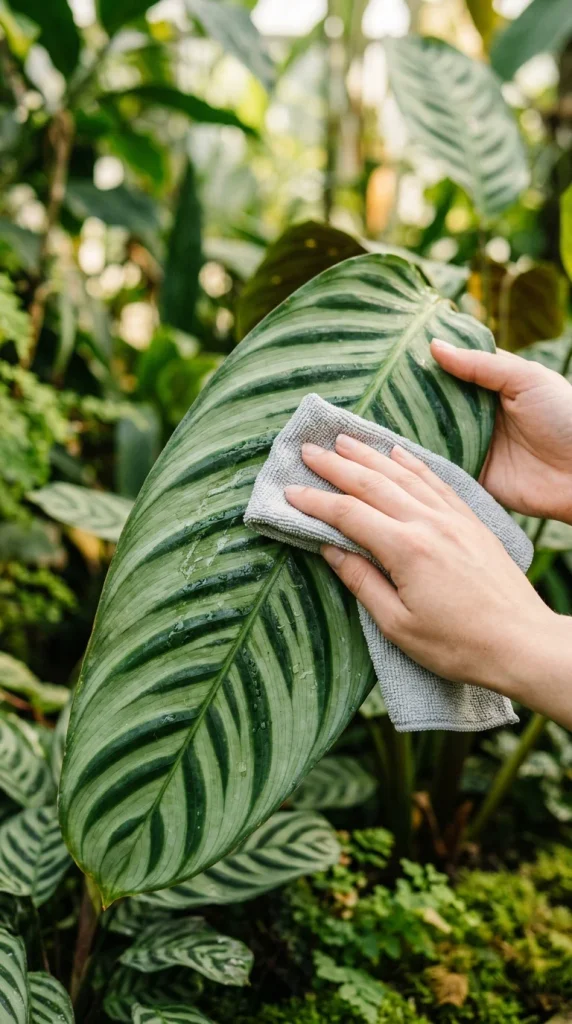
Dust can accumulate on the large leaves of the Zebra Plant, blocking sunlight and hindering photosynthesis. Wipe the leaves gently with a damp cloth once a month to keep them shiny and healthy. Avoid using commercial leaf shine products, as they can clog the plant’s pores.
18. Pests and Mites
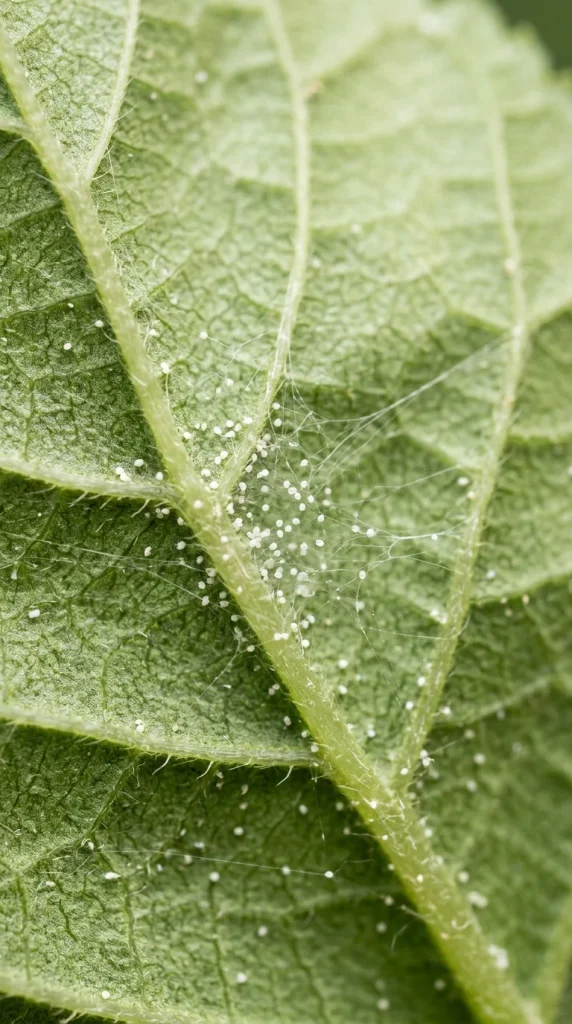
Spider mites and mealybugs love the Zebra Plant’s lush leaves. Check the undersides of the leaves regularly. If you see tiny webs or white cottony spots, treat the plant immediately with neem oil or insecticidal soap.
19. Propagation Methods
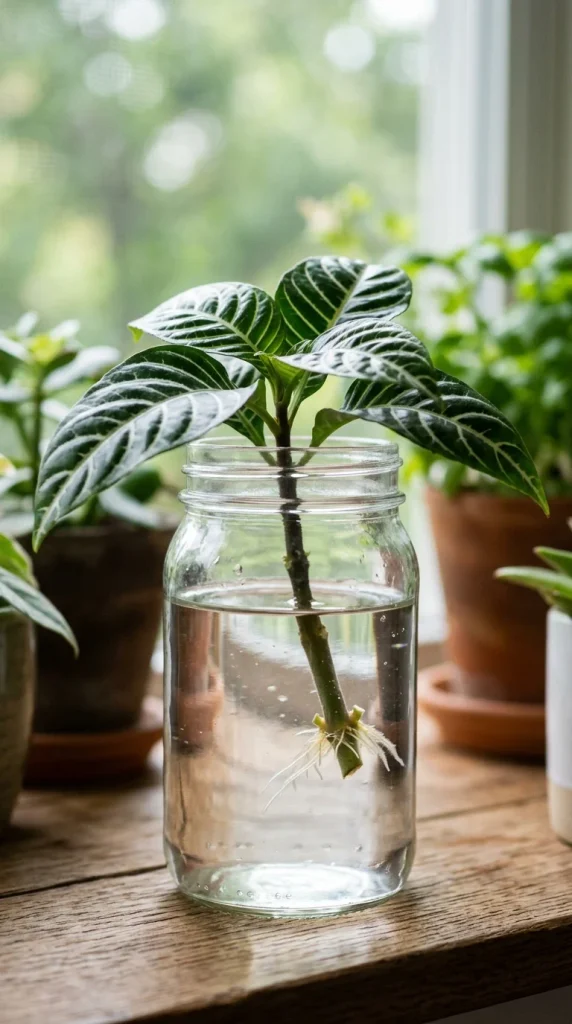
You can propagate your Zebra Plant using stem cuttings. Take a 4-inch cutting in the spring, dip the end in rooting hormone, and place it in moist soil or water. Keep the cutting in a warm, humid spot until roots develop.
20. Repotting Timing
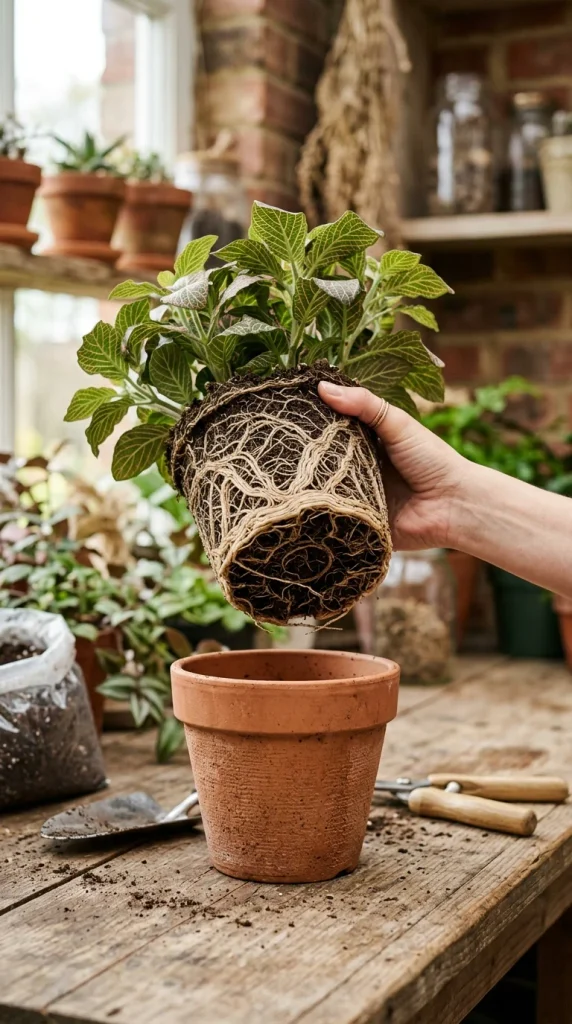
Zebra Plants don’t mind being slightly root-bound, but they should generally be repotted every 1-2 years in the spring. Choose a pot that is only one size larger than the current one to avoid excess soil holding onto too much moisture.
21. Toxicity Warning

While the Zebra Plant is generally considered non-toxic to cats and dogs, it can cause mild skin irritation or stomach upset if ingested. It’s always best to keep it out of reach of curious nibblers.
22. Air Circulation
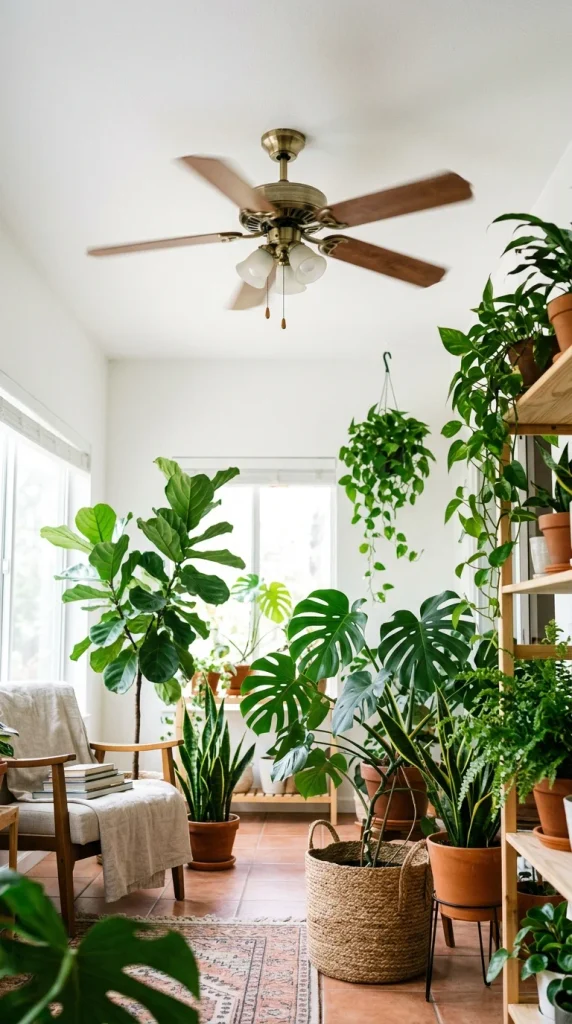
While they love humidity, Zebra Plants also need good air circulation to prevent fungal growth and powdery mildew. Ensure the plant isn’t packed too tightly against a wall or other plants, allowing air to move freely around the leaves.
23. Winter Rest
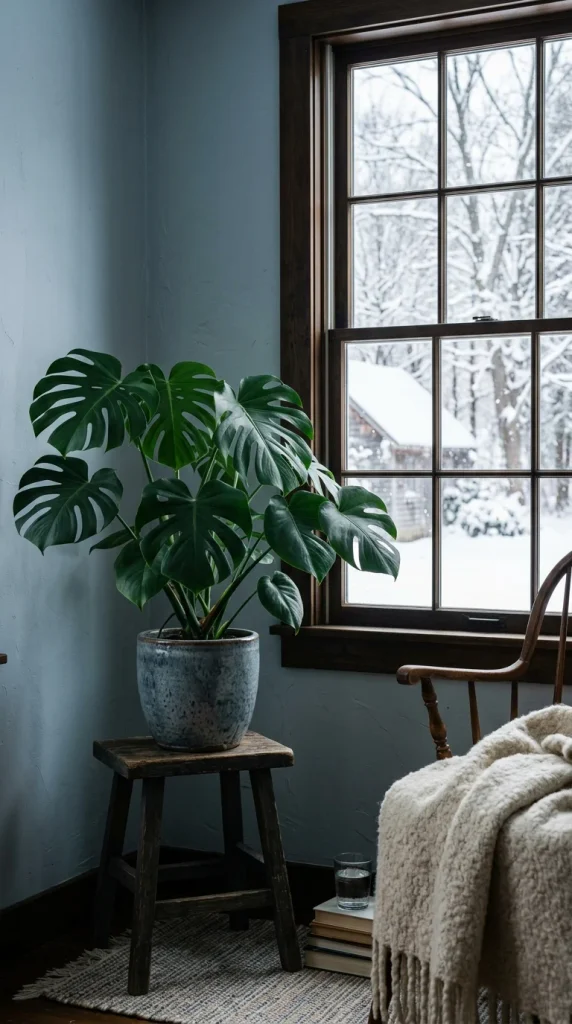
In the winter, the Zebra Plant’s growth will slow down. During this period, reduce watering slightly and stop fertilizing. The plant is essentially “resting” until the longer, warmer days of spring return.
24. Grouping Plants
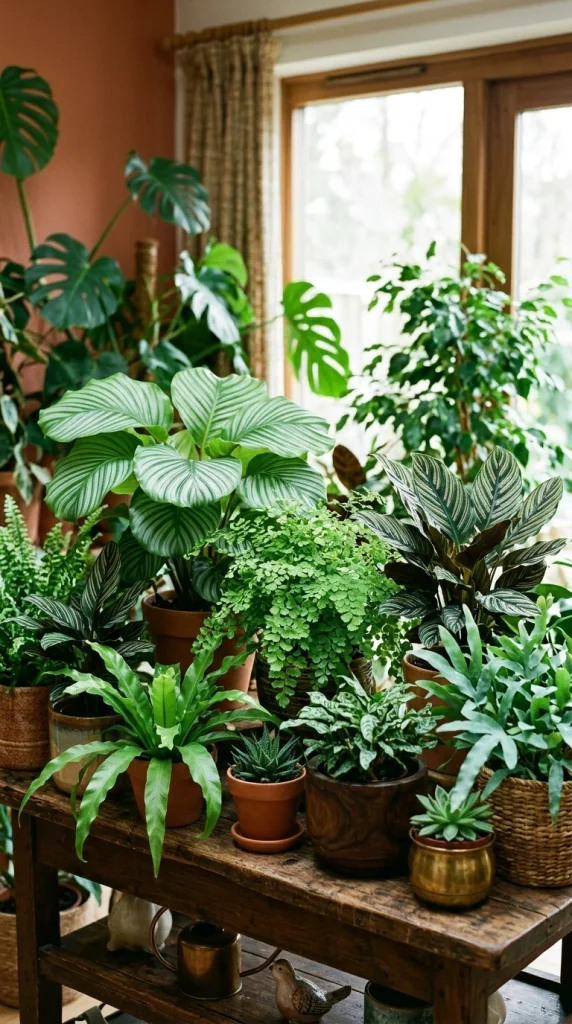
One of the best ways to keep a Zebra Plant happy is to group it with other moisture-loving plants like Ferns or Calatheas. The plants will naturally release moisture through transpiration, creating a shared pocket of high humidity.
25. Patience and Persistence
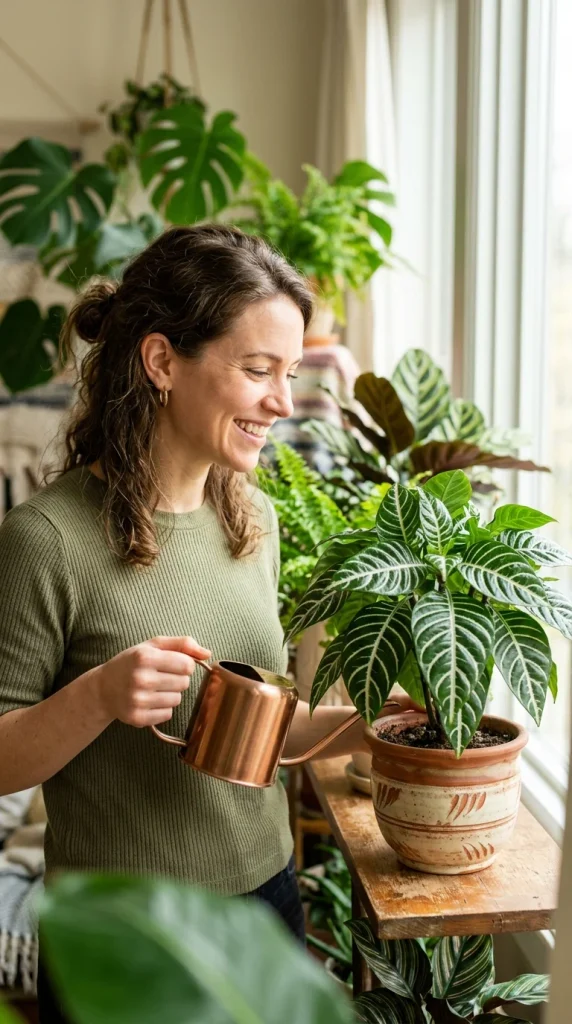
Don’t be discouraged if your Zebra Plant loses a few leaves when you first bring it home. It is acclimating to your environment. With consistency, the right light, and plenty of humidity, you will be rewarded with one of the most visually stunning plants in the botanical world.