
African Violets (Saintpaulia) are the crown jewels of the indoor gardening world. With their velvet-textured leaves and clusters of jewel-toned flowers, they have captivated plant enthusiasts for over a century. While they have a reputation for being finicky, the secret to their success lies in consistency. By mimicking their native East African cloud forest environment, you can enjoy a perpetual display of color. Here are 15 essential tips to keep your African Violets thriving and blooming all year round.
1. Bright Light
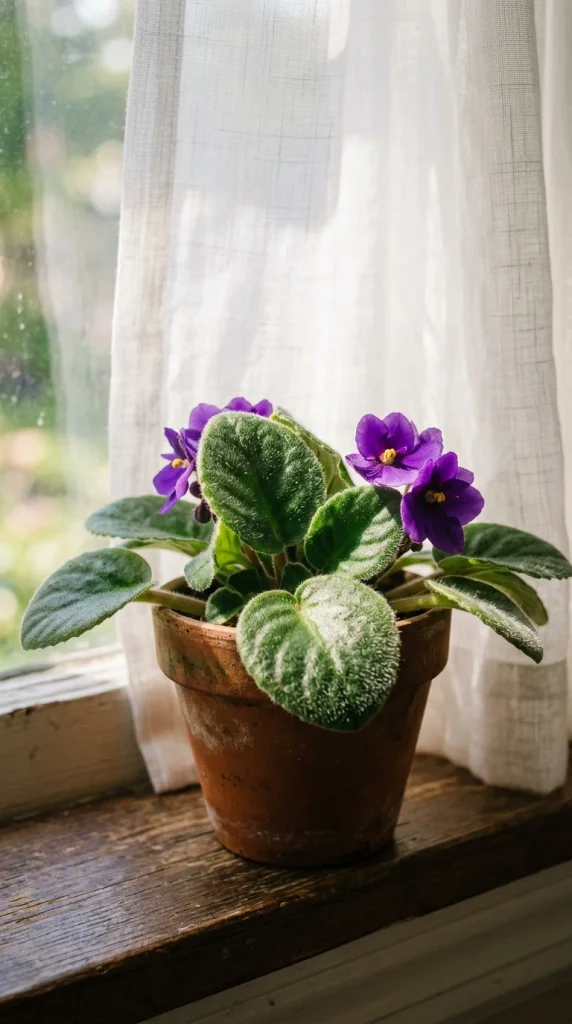
Light is the most critical factor for blooming. African Violets need bright, indirect light for at least 10 to 14 hours a day. An east-facing window is often the “Goldilocks” spot—providing gentle morning sun without the scorching heat of the afternoon. If you notice your plant growing leggy with long stems reaching for the glass, it needs more light. Conversely, if the leaves are turning pale or developing brown spots, it might be getting too much direct sun.
2. Bottom Watering
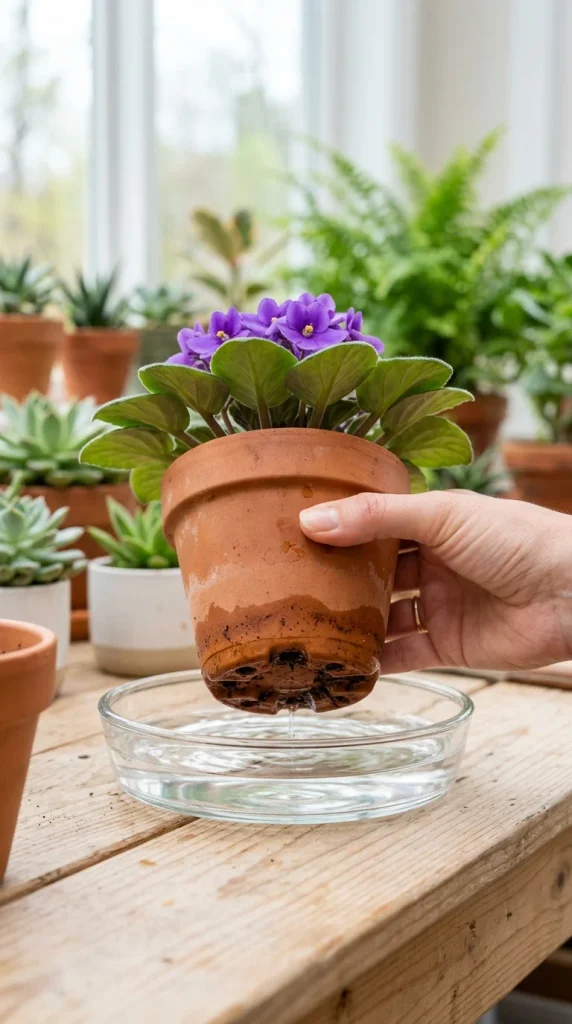
These plants are notorious for hating wet “feet” and wet “shoulders.” To avoid crown rot and leaf spotting, water from the bottom. Place the pot in a saucer of room-temperature water and let it sit for about 20 minutes until the top of the soil feels slightly damp. Always discard any excess water afterward; never let the plant sit in a puddle for hours, as this leads to root suffocation.
3. Room Temperature
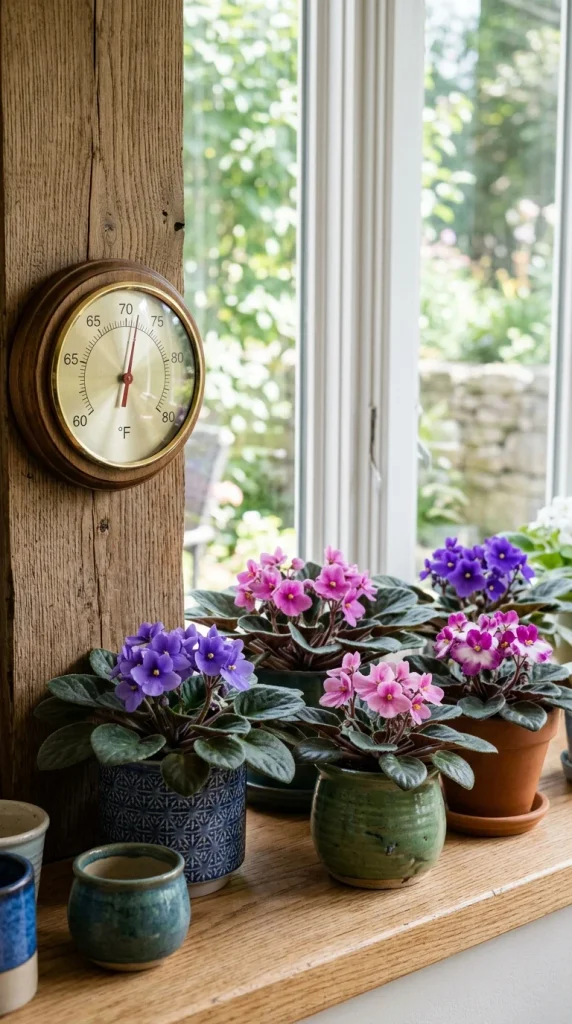
African Violets prefer the same temperatures that humans do. They thrive in environments between 65°F and 75°F (18°C–24°C). If you feel a draft from a window or the heat from a radiator, your violet feels it too. Extreme temperature fluctuations can cause the plant to drop its buds or stop blooming entirely. Keep them away from air conditioning vents in the summer and frosty windowpanes in the winter.
4. Porous Soil
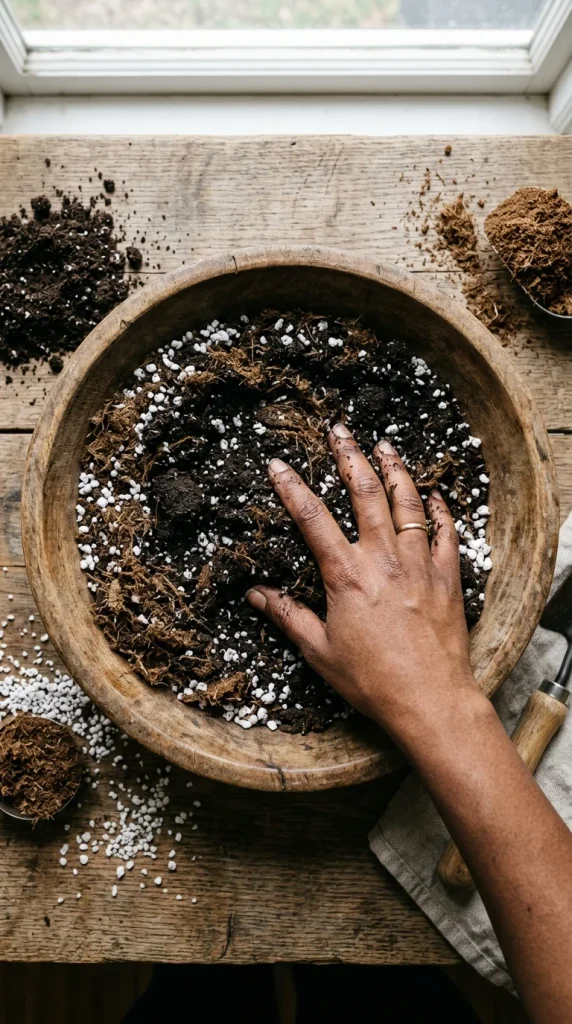
Standard garden soil is far too heavy for the delicate root systems of African Violets. They require a very airy, porous medium that allows for quick drainage while retaining just enough moisture. A classic mix consists of equal parts peat moss, perlite, and vermiculite. This “soilless” mix ensures the roots can breathe, which is essential for the energy required to produce flowers.
5. Small Pots
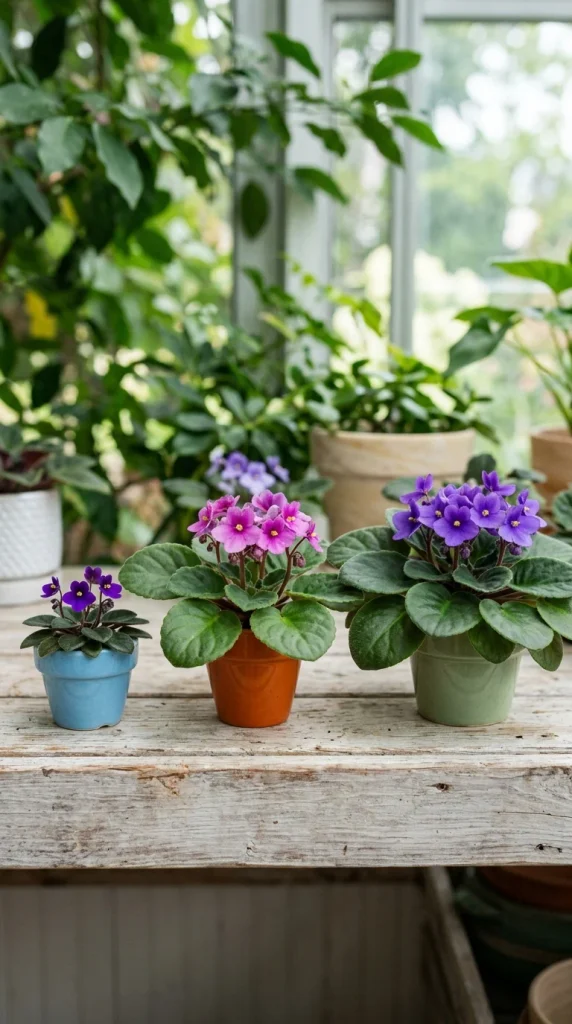
One of the biggest mistakes growers make is moving their violet into a pot that is too large. African Violets actually bloom better when they are slightly root-bound. A general rule of thumb is the “one-third rule”: the diameter of the pot should be exactly one-third the diameter of the plant’s leaf span. If your plant is nine inches across, it belongs in a three-inch pot.
6. Consistent Fertilizer
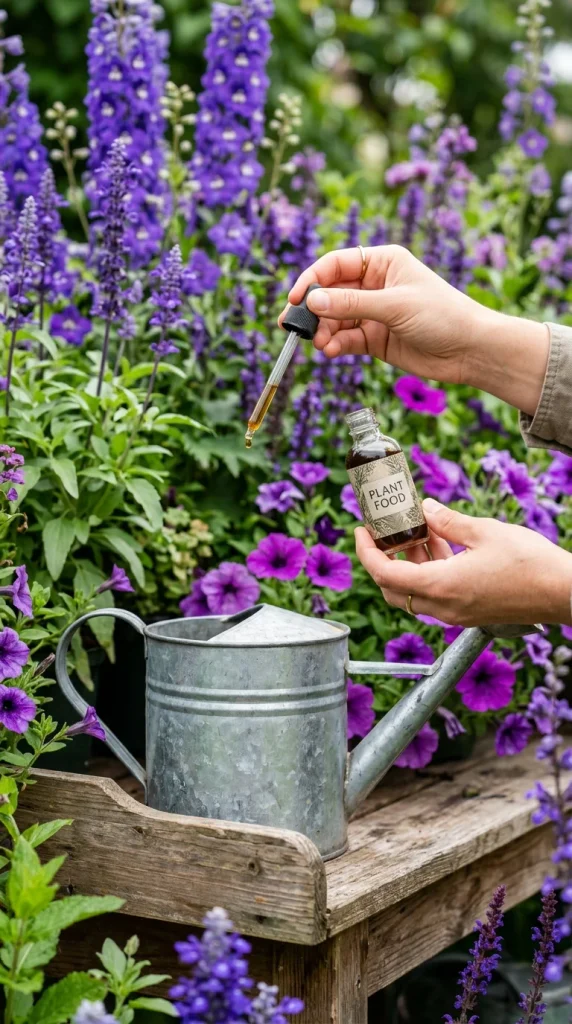
Because they bloom so frequently, African Violets are heavy feeders. However, they prefer “snacking” over “feasting.” Use a balanced fertilizer specifically formulated for African Violets (often with a higher phosphorus count, the middle number on the N-P-K scale). Dilute the fertilizer to one-quarter strength and apply it every time you water. This provides a steady stream of nutrients to fuel constant flower production.
7. High Humidity
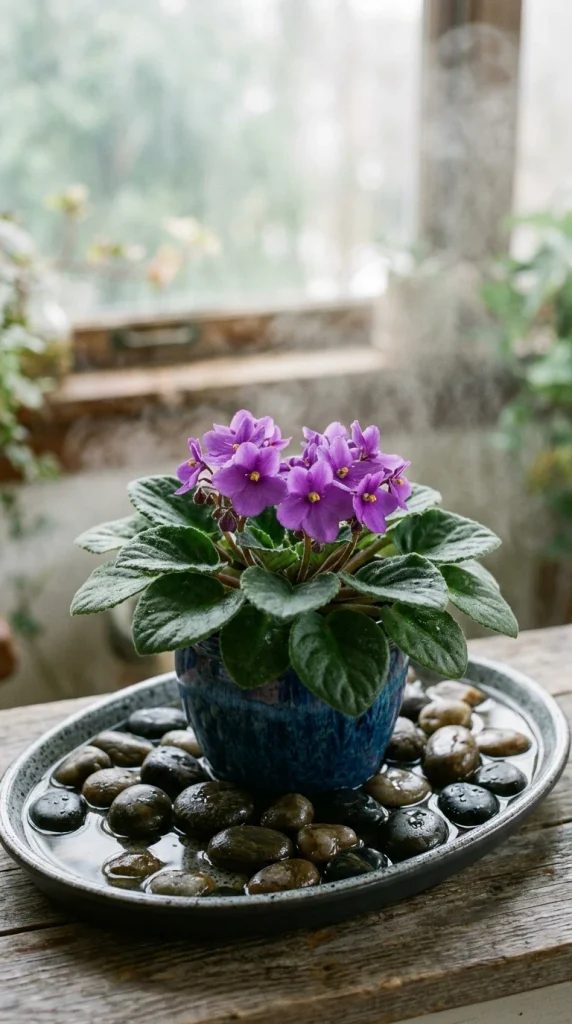
Hailing from tropical regions, these plants love humidity levels around 50% to 60%. Most modern homes are much drier, especially in winter. You can boost humidity by placing your pots on a tray filled with pebbles and water (ensuring the pot sits on the pebbles, not in the water). Grouping plants together also creates a microclimate of moisture that keeps the foliage lush.
8. Tepid Water
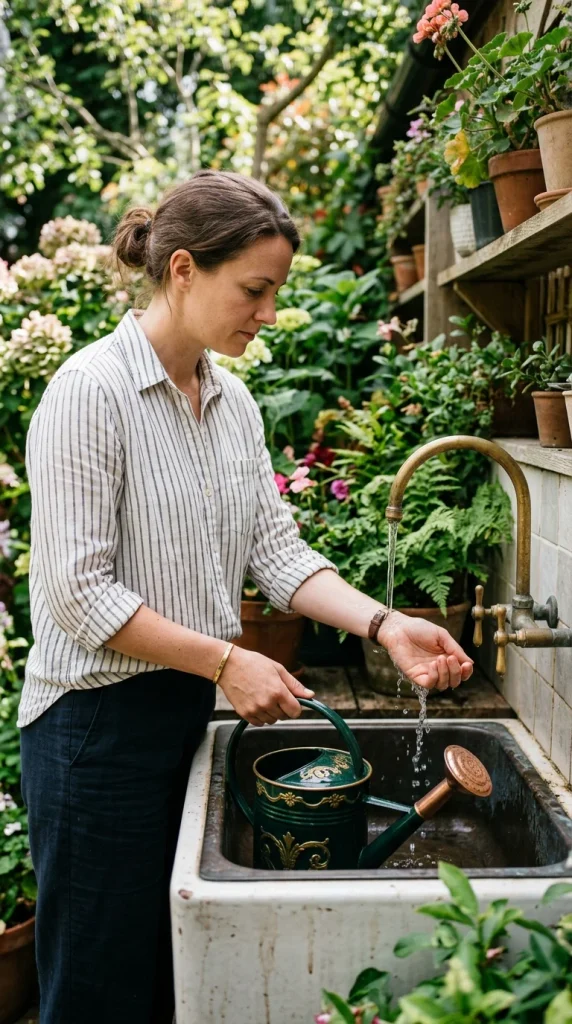
Never use cold water directly from the tap. Cold water shocks the roots and, if it splashes on the leaves, causes permanent white spots known as “ring spot.” Always use water that is room temperature or slightly lukewarm. If your tap water is heavily chlorinated, let it sit out overnight before using it to allow the chemicals to dissipate.
9. Regular Grooming
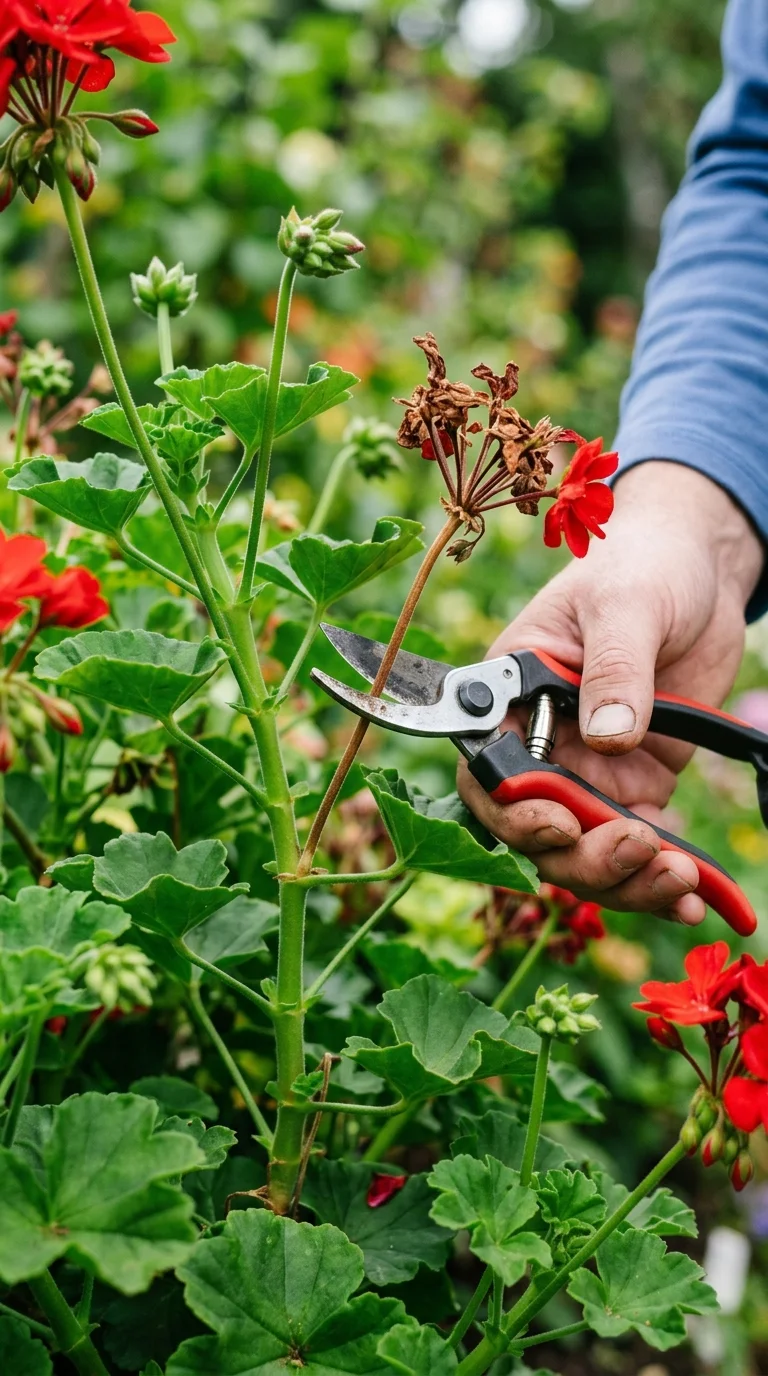
To keep the plant’s energy focused on new growth and flowers, you must remove “spent” parts. Pinch off faded blooms and their stems as soon as they begin to wither. Similarly, remove older, yellowing leaves at the base of the plant. This not only keeps the plant looking tidy but also improves airflow and prevents the development of mold or fungus.
10. Leaf Dusting
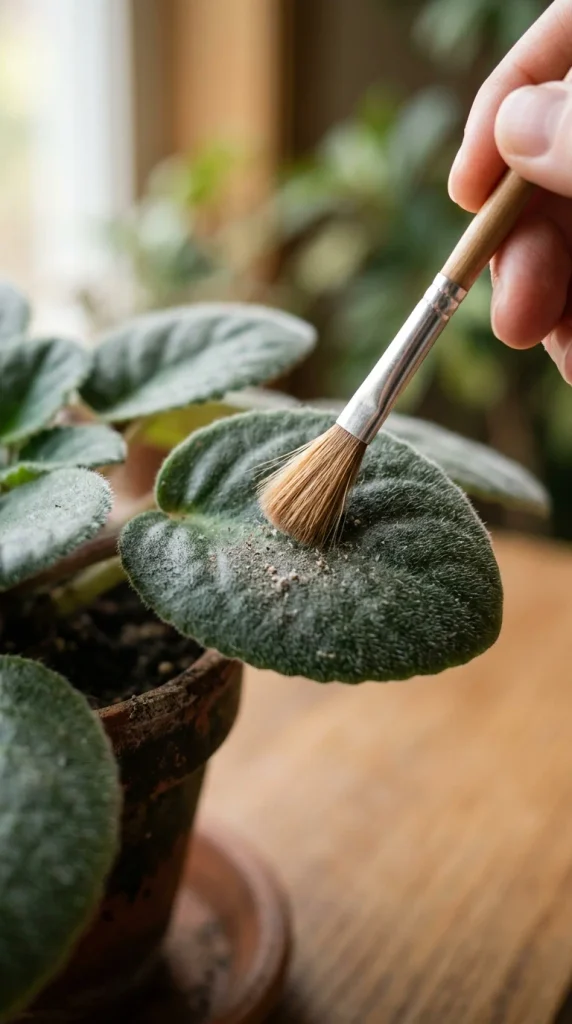
The tiny hairs on African Violet leaves are excellent at trapping dust, which can block sunlight and hinder photosynthesis. Since you can’t rinse these plants under a tap (water on leaves leads to rot), use a soft-bristled paintbrush or a makeup brush to gently whisk away dust. Work from the center of the plant outward to keep the foliage clean and shiny.
11. Routine Rotation

Plants naturally grow toward their light source. If left in one position, an African Violet will become lopsided and “lean” toward the window. To maintain a perfect, symmetrical rosette shape, give your pot a quarter-turn every time you water. This ensures all leaves receive equal light exposure and the plant grows evenly in all directions.
12. Air Circulation
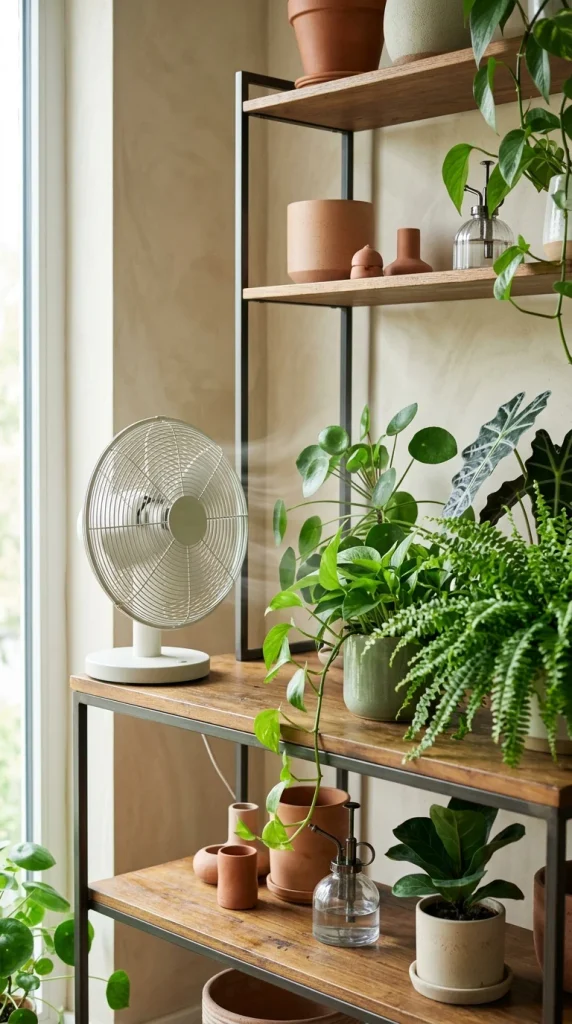
While they dislike cold drafts, African Violets need gentle air movement to prevent fungal diseases like powdery mildew. Stagnant air allows moisture to sit on the leaves and crown, which can be fatal. Ensure your plants aren’t packed too tightly together. A small fan in the room, pointed away from the plants but keeping the air moving, is often enough to keep them healthy.
13. Pest Monitoring
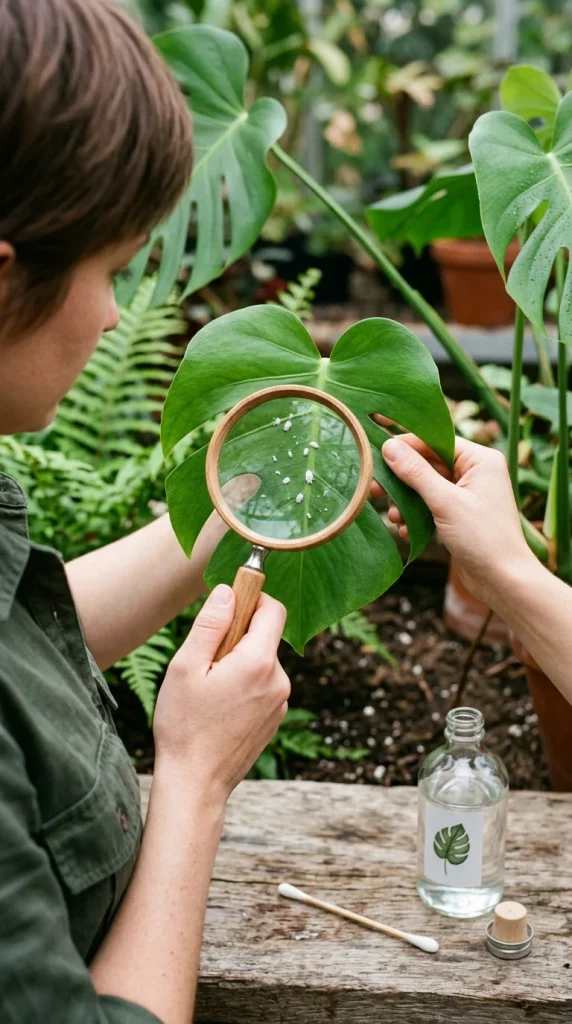
Keep a sharp eye out for common pests like mealybugs and cyclamen mites. Mealybugs look like tiny bits of white cotton hiding in the leaf axils. If you spot them early, you can dab them with a cotton swab dipped in rubbing alcohol. Consistent inspection is the best defense; check the undersides of leaves and the center of the crown once a week to catch problems before they spiral.
14. Fresh Repotting
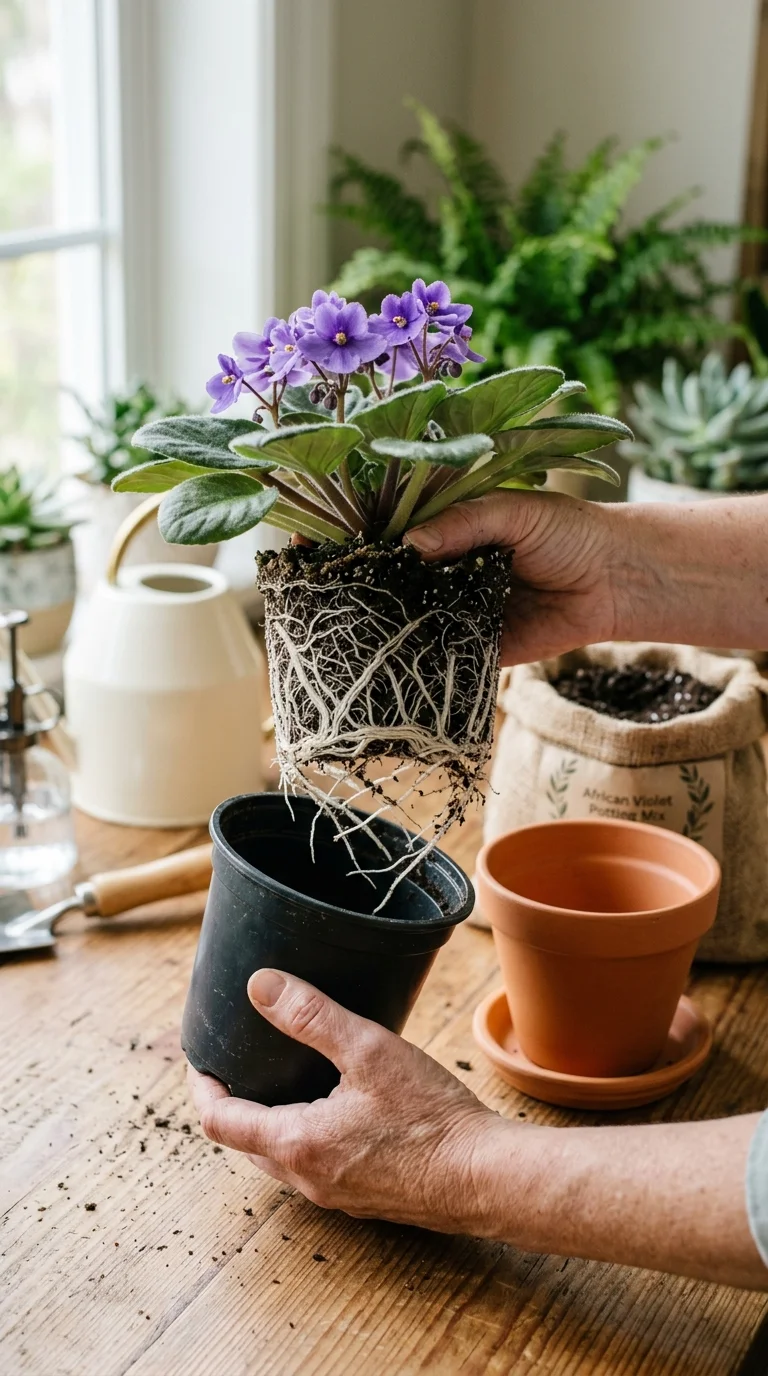
Over time, the soil in a small pot becomes compacted and the pH level shifts, making it harder for the plant to absorb nutrients. Even if your violet hasn’t outgrown its pot, it’s a good idea to repot it with fresh soil once a year. This is also the perfect time to trim the “neck”—the bare trunk that forms as lower leaves are removed—by burying it deeper in the new soil to encourage new root growth.
15. Propagation Patience
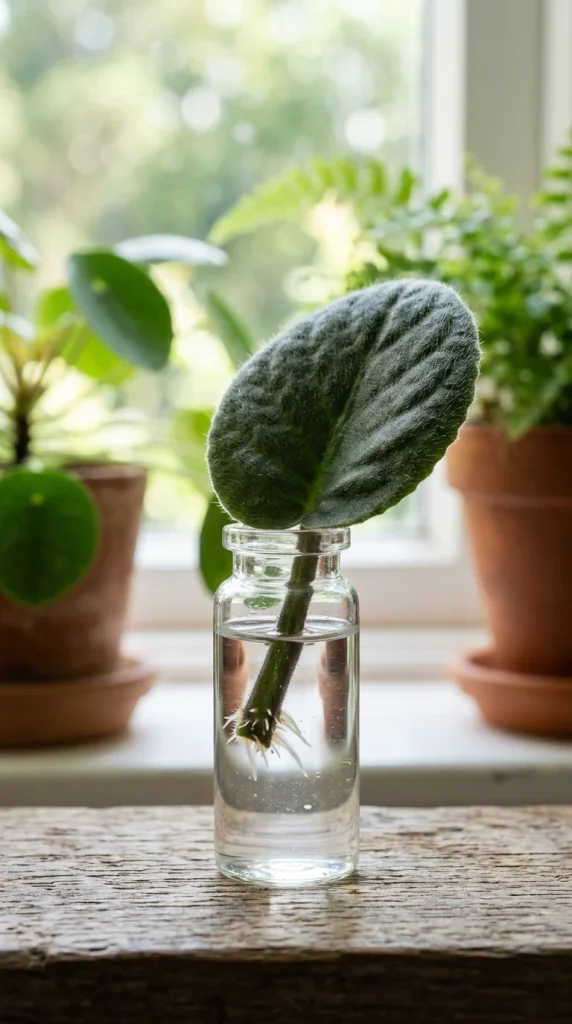
The best way to ensure you always have beautiful blooms is to start new plants! African Violets are incredibly easy to propagate from a single leaf. Simply snip a healthy leaf, trim the stem to about an inch, and tuck it into moist soil or a small jar of water. In a few months, tiny “plantlets” will emerge from the base. This allows you to rejuvenate your collection and share your favorite varieties with friends.