

African Violets (Saintpaulia) are the darlings of the indoor gardening world. With their velvety leaves and jewel-toned blossoms, they bring a touch of Victorian elegance to any windowsill. However, these petite powerhouses are known for being a bit particular. To help your plants thrive and bloom year-round, we’ve compiled the ultimate 24-step care guide to mastering the art of the African Violet.
1. Light
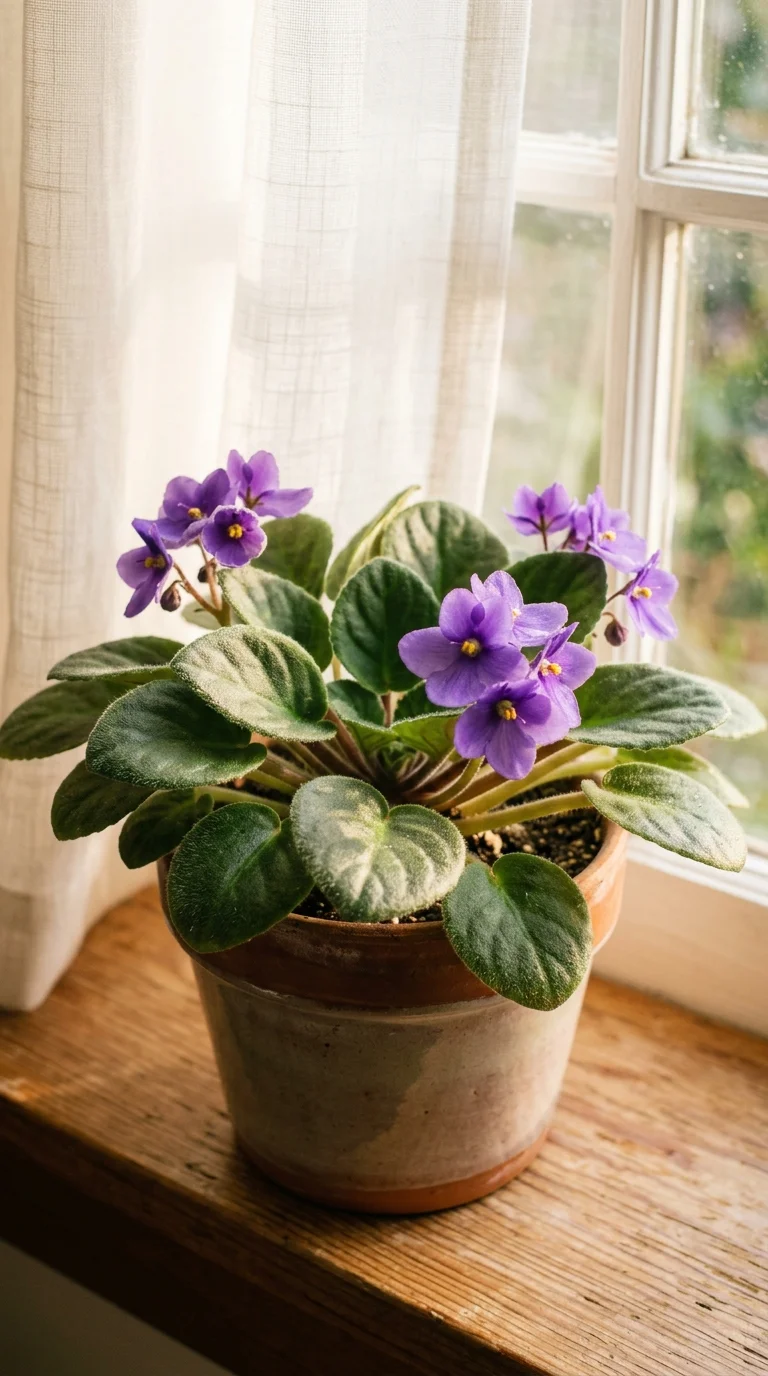
African Violets crave bright, indirect light. Direct sunlight can scorch their sensitive, fuzzy leaves, leading to brown spots and stunted growth. A north or east-facing window is usually the “Goldilocks” zone—just right. If the leaves start looking pale or yellow, they might be getting too much light; if they are thin and deep green without flowers, they need more.
2. Watering
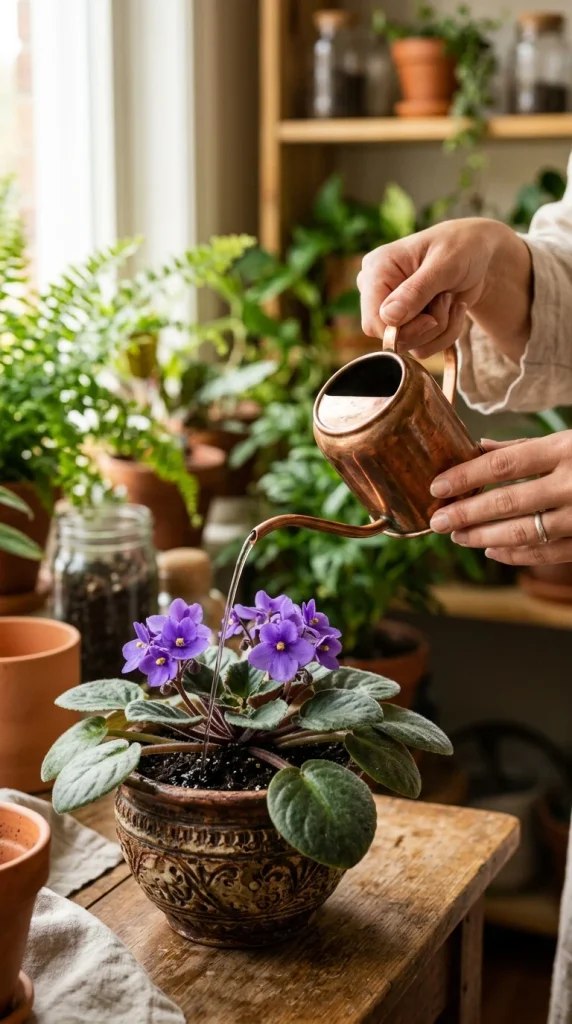
The golden rule: never get water on the leaves! Cold water causes permanent spotted damage known as ring spot. Instead, water from the bottom by placing the pot in a saucer of water for 20 minutes, or use a long-necked watering can to reach the soil directly. Ensure the soil is moist but never soggy.
3. Humidity
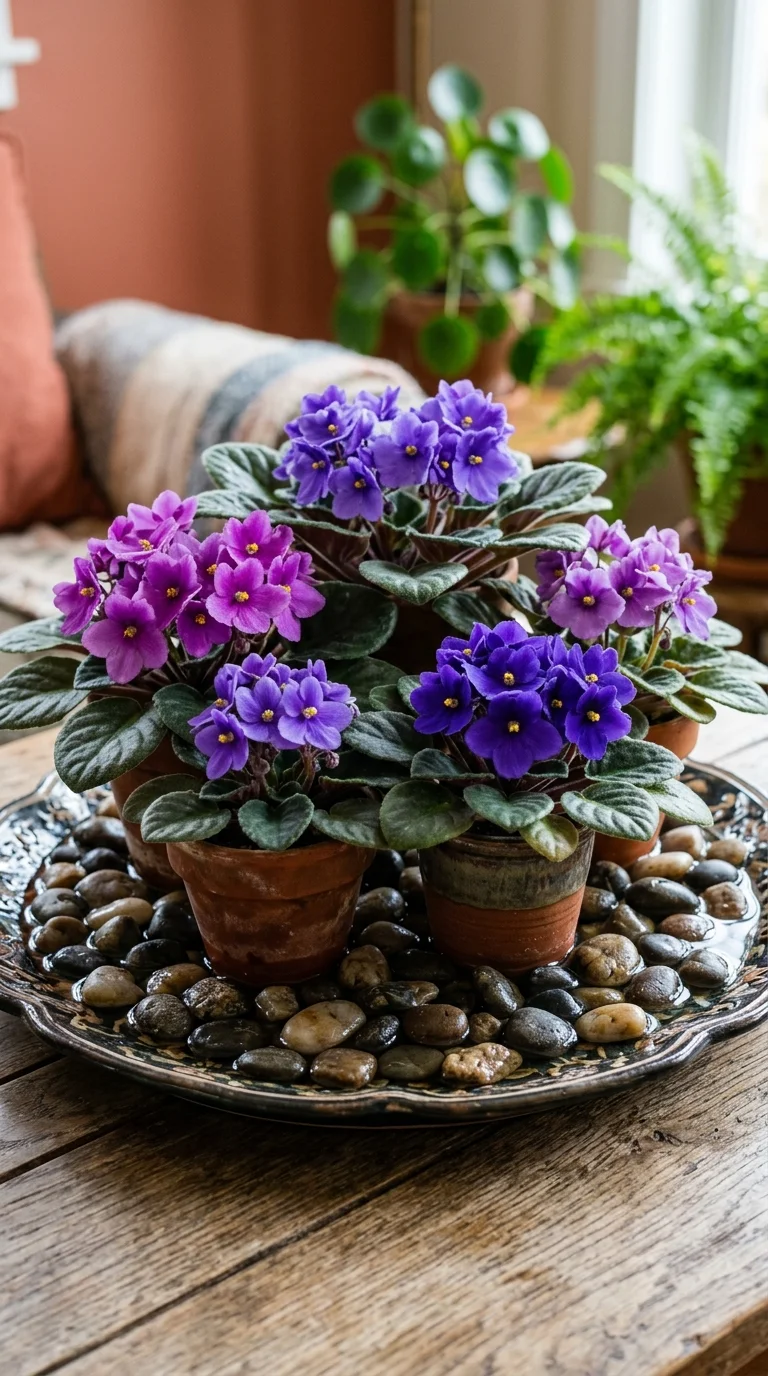
Hailing from the cloud forests of Tanzania, these plants love humidity (around 50-60%). Since modern homes are often dry, you can boost humidity by grouping plants together or using a pebble tray. Avoid misting the leaves, as trapped moisture can lead to fungal diseases like powdery mildew.
4. Temperature
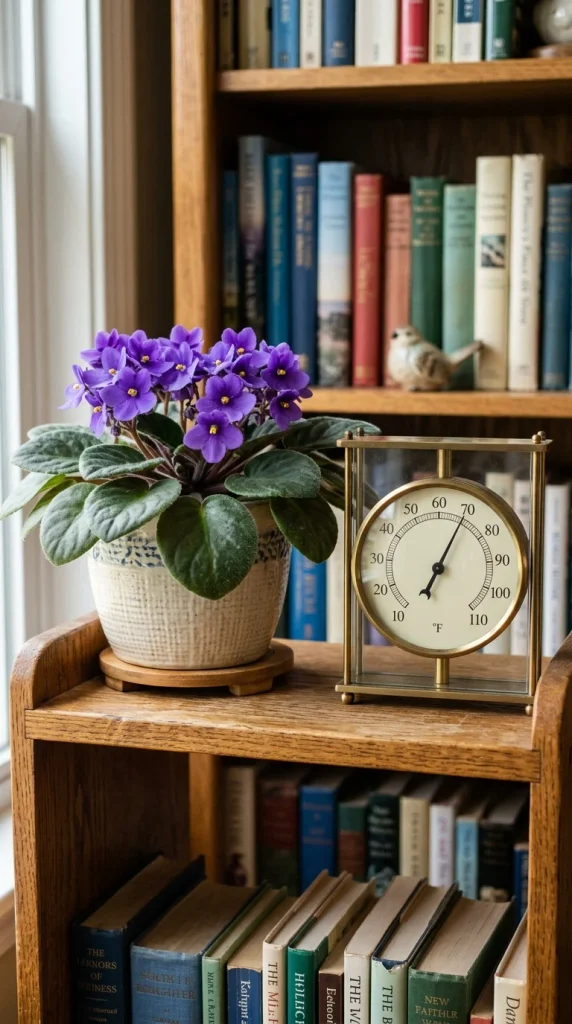
If you are comfortable, your African Violet is likely comfortable. They prefer temperatures between 65°F and 75°F (18°C–24°C). Temperatures that drop below 60°F will slow growth significantly, while temperatures above 80°F can cause the plant to wilt and the flowers to drop prematurely.
5. Soil
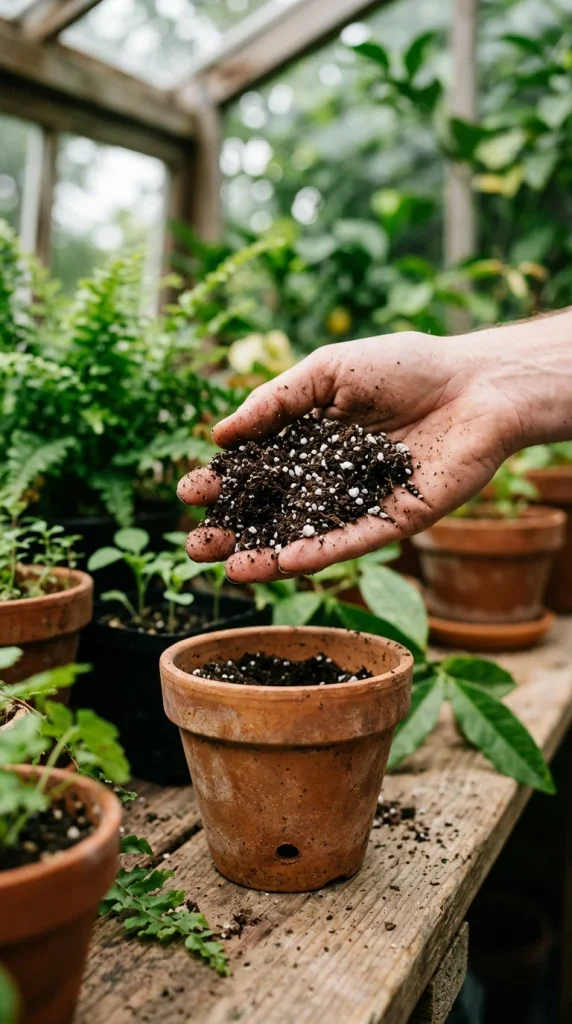
Standard potting soil is far too heavy for African Violets. They need a light, porous medium that allows their delicate roots to breathe. Look for a specific “African Violet Mix” which typically consists of equal parts peat moss, perlite, and vermiculite. This ensures excellent drainage while retaining just enough moisture.
6. Potting
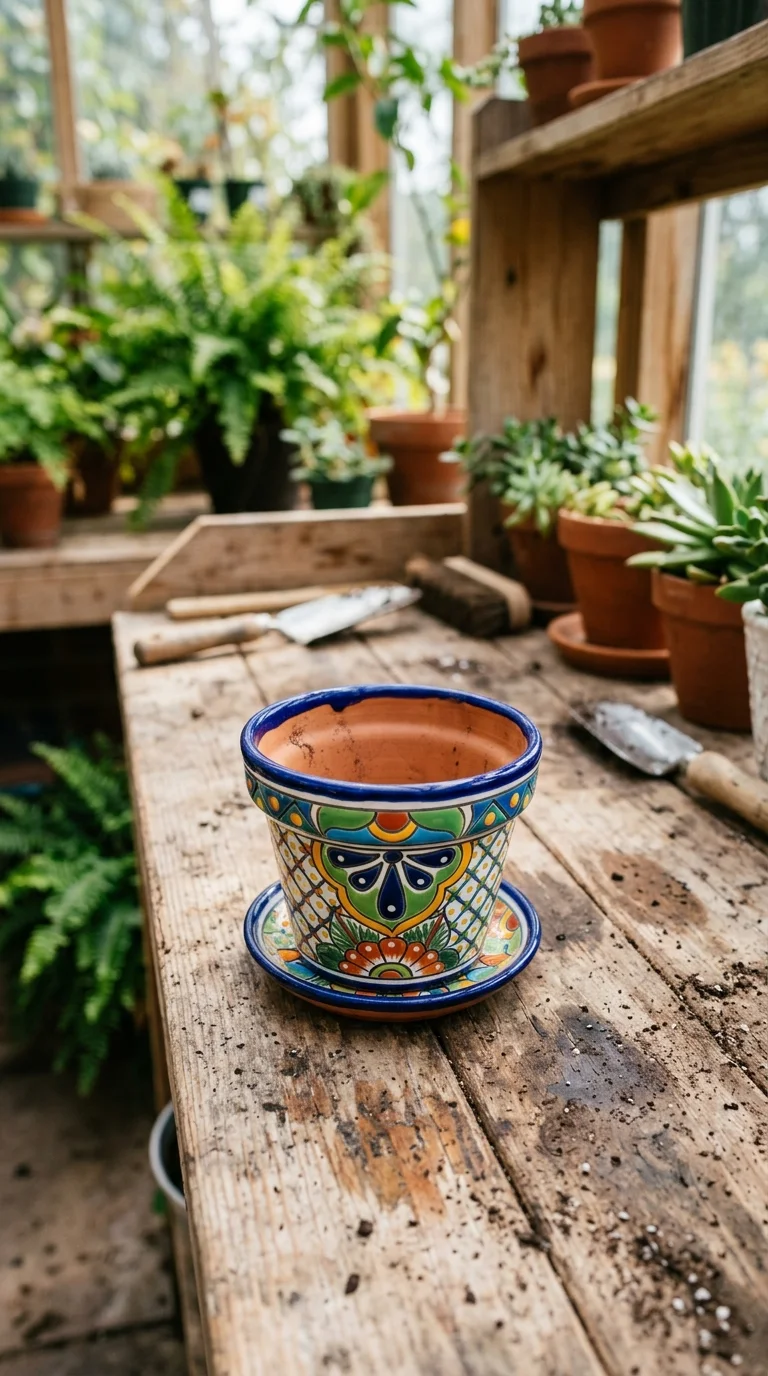
Never underestimate the importance of drainage. African Violets are highly susceptible to root rot. Whether you choose plastic, ceramic, or terracotta, ensure there are adequate holes at the bottom. Many enthusiasts prefer plastic pots as they don’t wick moisture away from the soil as quickly as unglazed clay.
7. Fertilizer
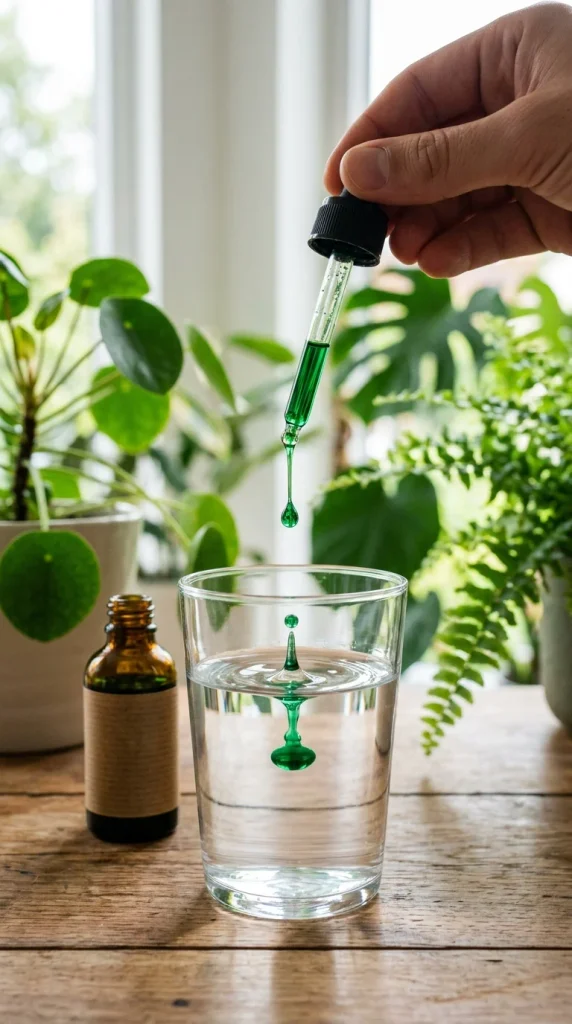
To keep those blooms coming, use a balanced fertilizer or one slightly higher in phosphorus (the middle number in the N-P-K ratio). A 12-36-14 formula is ideal. Fertilize “weakly, weekly”—meaning use a quarter-strength solution every time you water rather than a full dose once a month.
8. Airflow
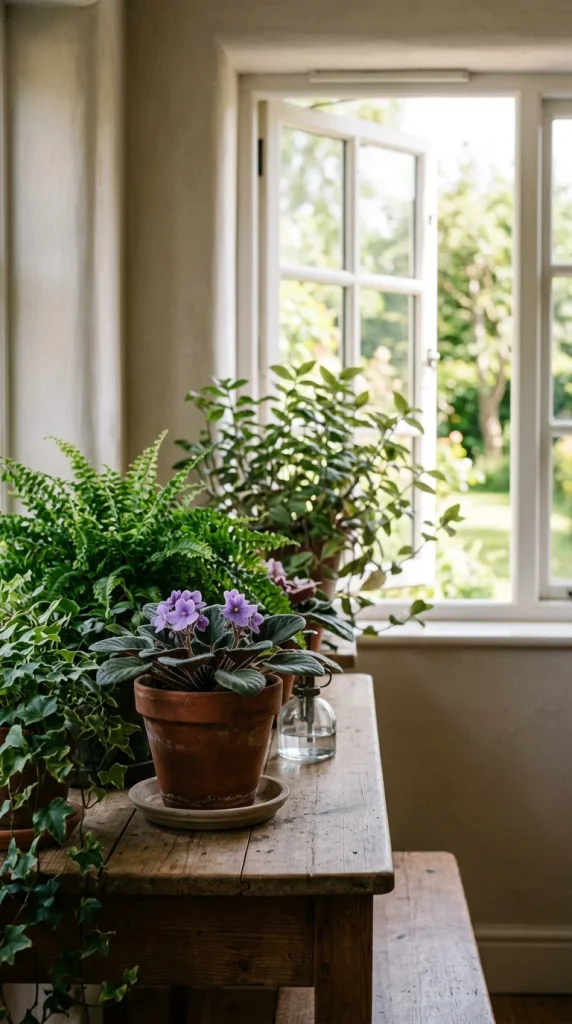
While they dislike cold drafts from air conditioners or winter windows, African Violets do need gentle air circulation to prevent stagnant air. Good airflow helps prevent the buildup of fungal spores. Just make sure the plant isn’t sitting directly in the path of a powerful fan or vent.
9. Deadheading
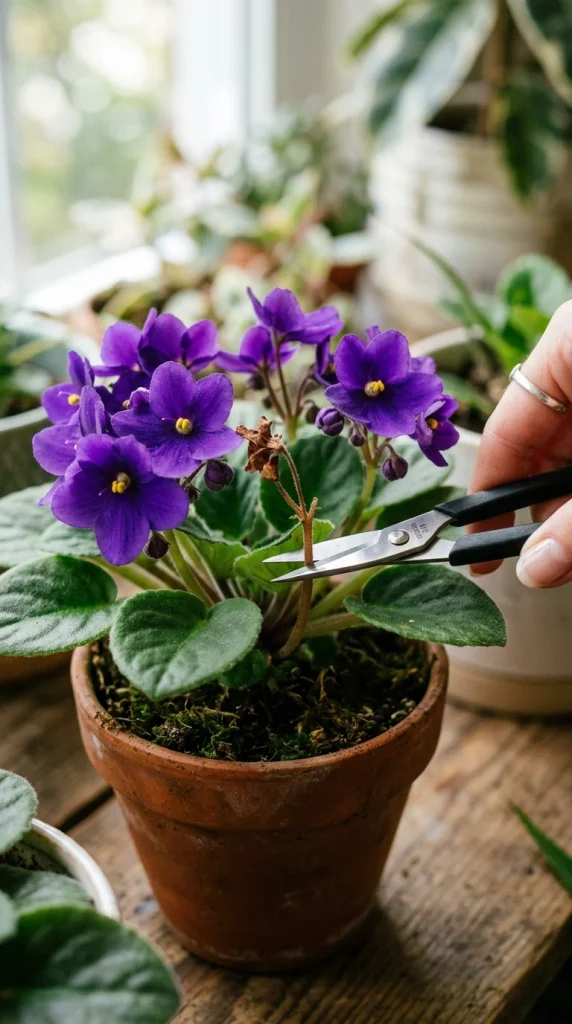
Once a flower begins to wither and turn brown, pinch it off at the base of the stem. This process, called deadheading, prevents the plant from wasting energy on seed production and encourages it to put that energy back into creating new buds. It also keeps your plant looking tidy and vibrant.
10. Grooming
Regularly remove any leaves that are damaged, yellowed, or dying. This not only improves the aesthetic of the plant but also increases light penetration to the center of the crown. Keeping the plant “clean” reduces the risk of pests and diseases taking hold in decaying organic matter.
11. Rotation
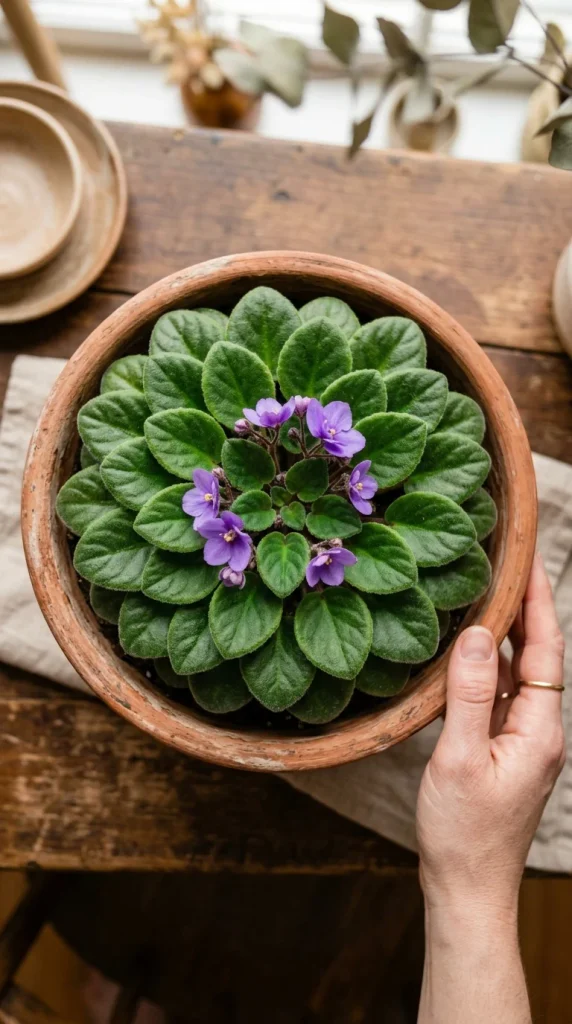
African Violets are notorious for leaning toward their light source. To maintain a beautiful, symmetrical rosette shape, give your pot a quarter-turn every time you water. This ensures all sides of the plant receive equal light and prevents it from becoming “leggy” or lopsided.
12. Wick Watering
If you struggle with consistent watering, try the wick method. Insert a synthetic wick through the bottom of the pot into the soil. The other end sits in a reservoir of water. The plant will “drink” exactly what it needs through capillary action, keeping the soil perfectly moist at all times.
13. Humidity Trays
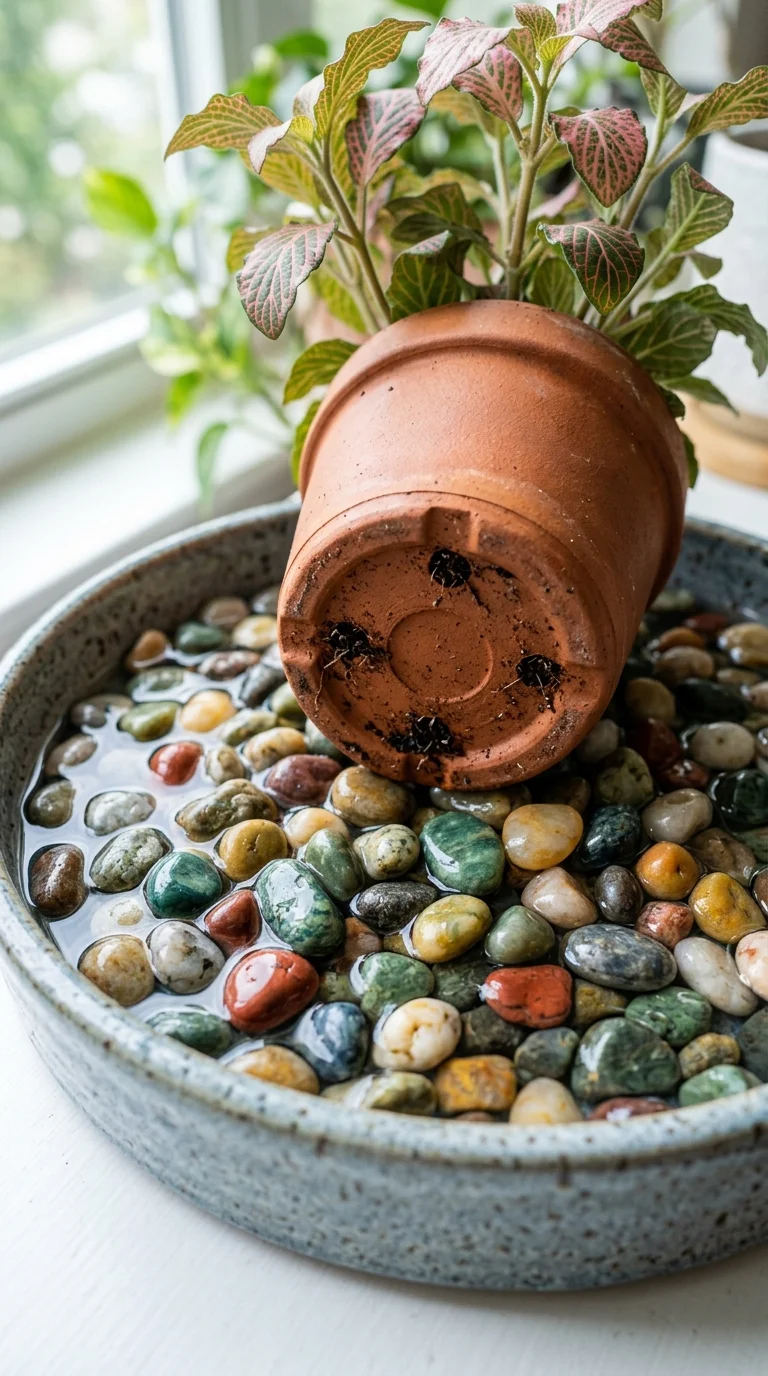
As mentioned earlier, humidity is key. A pebble tray is the easiest way to provide this. Simply fill a tray with stones and water, then set your pot on top. The water evaporates around the plant, creating a micro-climate of moisture without keeping the roots in standing water.
14. Pests
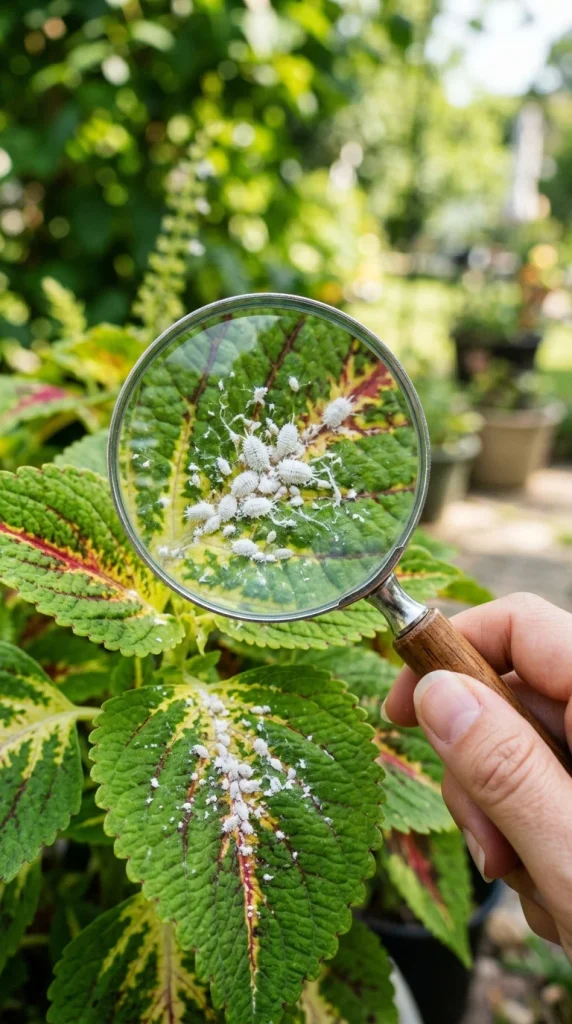
Keep a sharp eye out for mealybugs, which look like tiny bits of white cotton, and cyclamen mites, which cause the center of the plant to become stunted and hairy. If you spot pests, isolate the plant immediately and treat it with neem oil or insecticidal soap specifically formulated for sensitive foliage.
15. Propagation
One of the joys of African Violets is how easily they multiply. You can grow a whole new plant from a single leaf! Simply cut a healthy leaf at a 45-degree angle, leaving about an inch of stem, and tuck it into moist soil or water. In a few weeks, tiny “plantlets” will emerge from the base.
16. Repotting
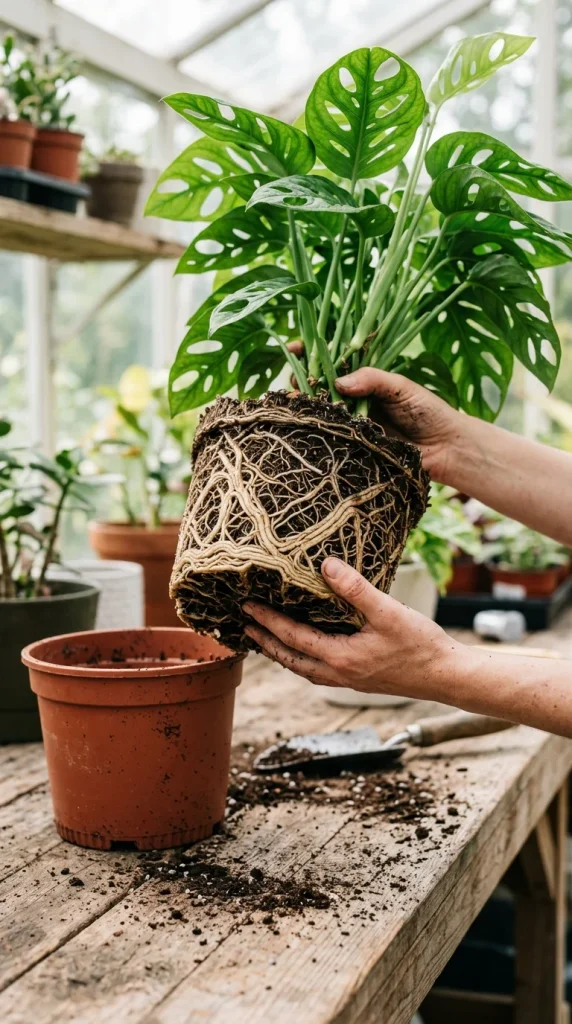
African Violets actually like to be slightly root-bound, but they should still be repotted every 6 to 12 months. Fresh soil replenishes nutrients and prevents the buildup of fertilizer salts, which can burn the roots and cause the leaves to turn brittle at the edges.
17. Dusting

The tiny hairs on the leaves are magnets for household dust. A layer of dust can actually block sunlight and hinder photosynthesis. Use a soft-bristled paintbrush or a dedicated makeup brush to gently “sweep” the leaves from the center outward to keep them clean and shiny.
18. Water Temperature
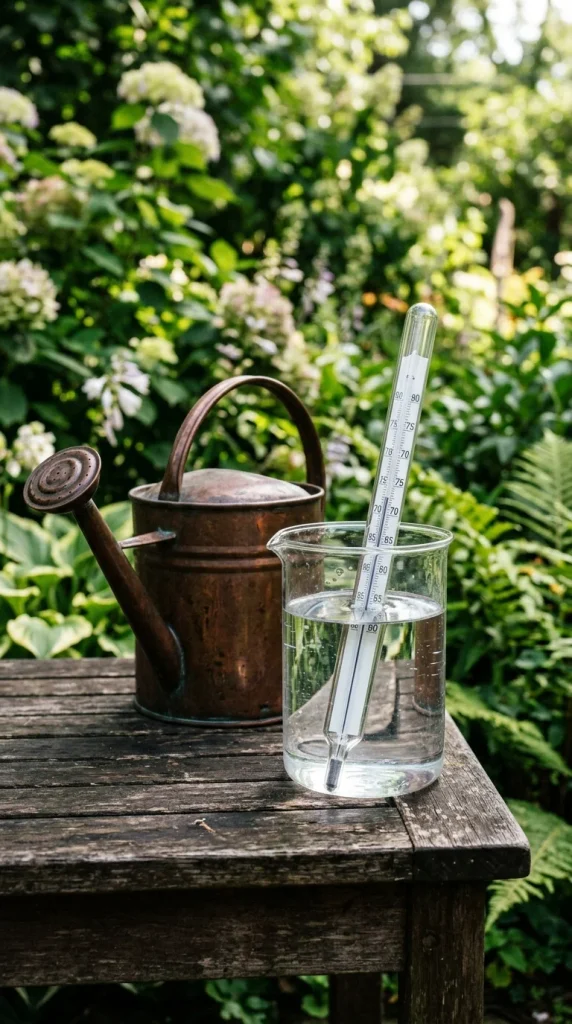
Consistency is vital. Always use room-temperature water. Using water that is too cold can shock the root system, causing the plant to go into a state of stress that stops blooming and may even lead to the death of the plant if the temperature differential is extreme.
19. Crown Care
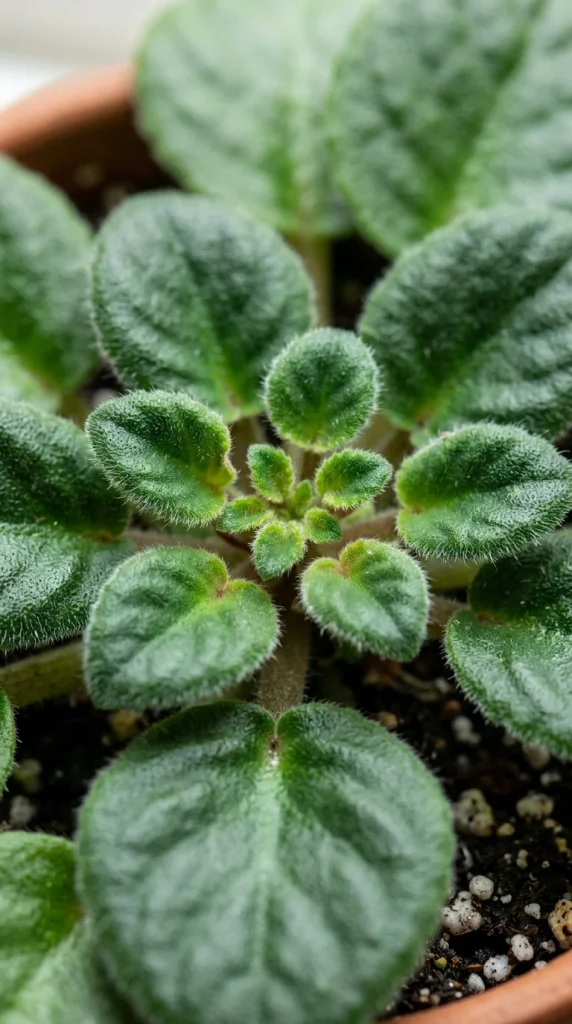
The “crown” is the center point where all new leaves emerge. It is the heart of your plant. Never allow water to sit in the crown, as this almost always leads to crown rot, which is fatal. If you accidentally spill water there, use the corner of a paper towel to blot it up immediately.
20. Suckers

Suckers are small “baby” plants that grow from the main trunk of the mother plant. While they might seem like a bonus, they steal energy and ruin the plant’s symmetrical shape. Remove suckers as soon as you see them to keep the main plant focused on blooming.
21. Variety Selection
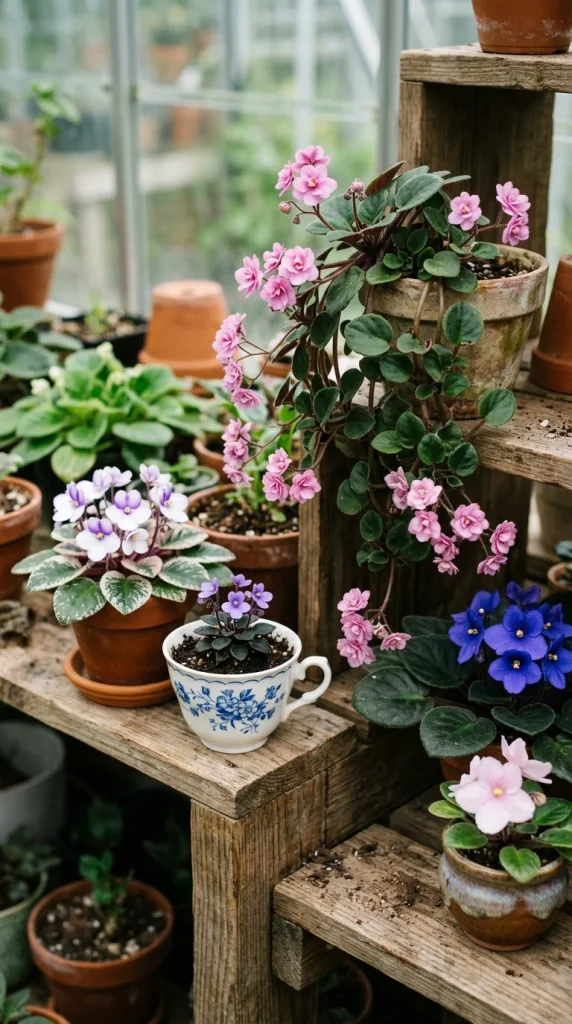
Not all African Violets are the same! There are “Standard” types (8-12 inches across), “Miniatures” (under 6 inches), and “Trailers” which grow multiple crowns and spill over the sides of the pot. Choose the variety that fits your space and your level of commitment.
22. Artificial Lighting
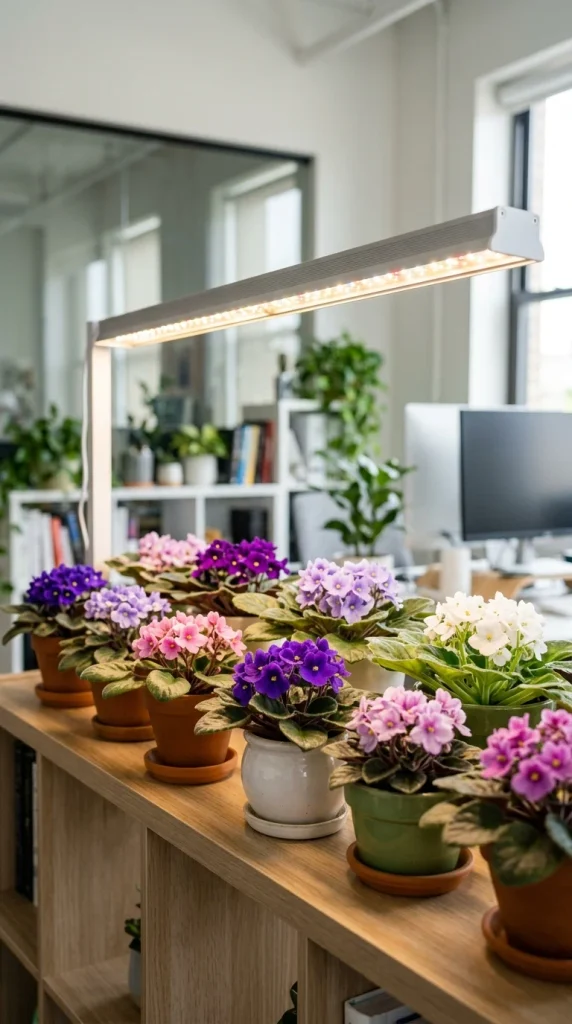
If you don’t have a bright window, don’t despair. African Violets thrive under artificial lights. Use a full-spectrum LED or fluorescent bulb positioned about 8 to 12 inches above the plants. Keep the lights on for 12 to 14 hours a day to simulate a perfect tropical day.
23. Pot Size
A common mistake is putting a small violet in a large pot. The general rule of thumb for African Violets is that the pot diameter should be exactly one-third the diameter of the plant’s leaf span. An oversized pot holds too much moisture, which leads to the dreaded root rot.
24. Rest Period
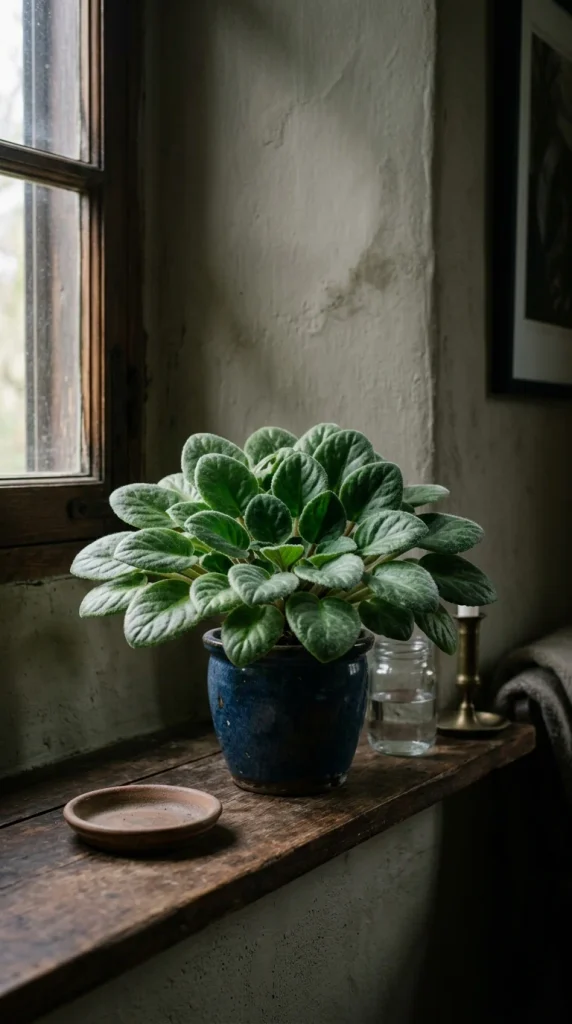
After a heavy blooming cycle, it is natural for an African Violet to take a “break” for a few weeks. During this time, it may not produce any new buds. Continue your regular care, perhaps slightly reducing fertilizer, and wait patiently. Soon enough, the plant will reward your care with a fresh explosion of color.