
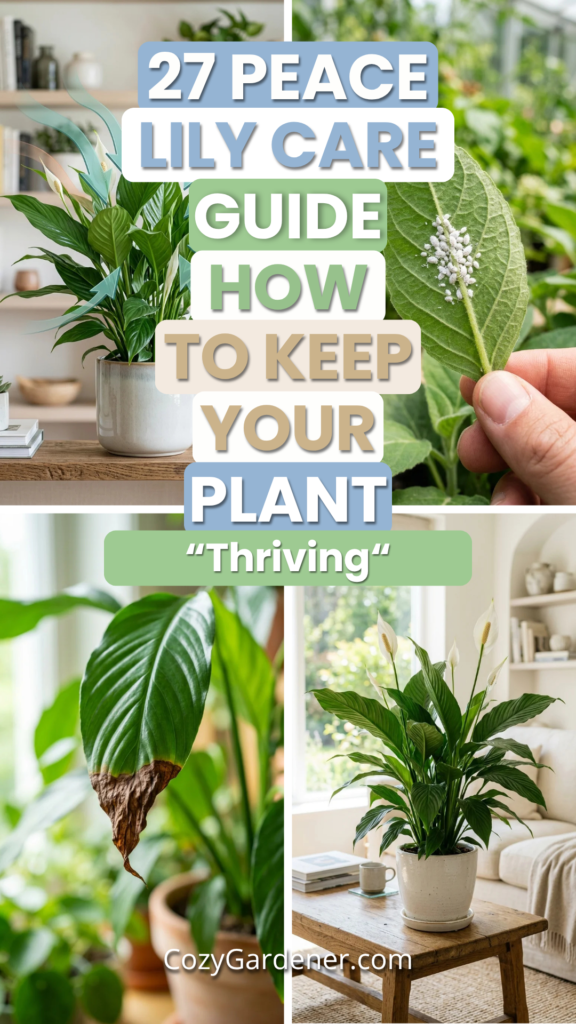
The Peace Lily (Spathiphyllum) is one of the most beloved houseplants in the world. Known for its elegant white blooms and glossy, deep-green foliage, it’s a staple for both novice and experienced plant parents. However, keeping this “drama queen” happy requires more than just luck. Here are 27 expert tips to ensure your Peace Lily thrives for years to come.
1. Indirect Light
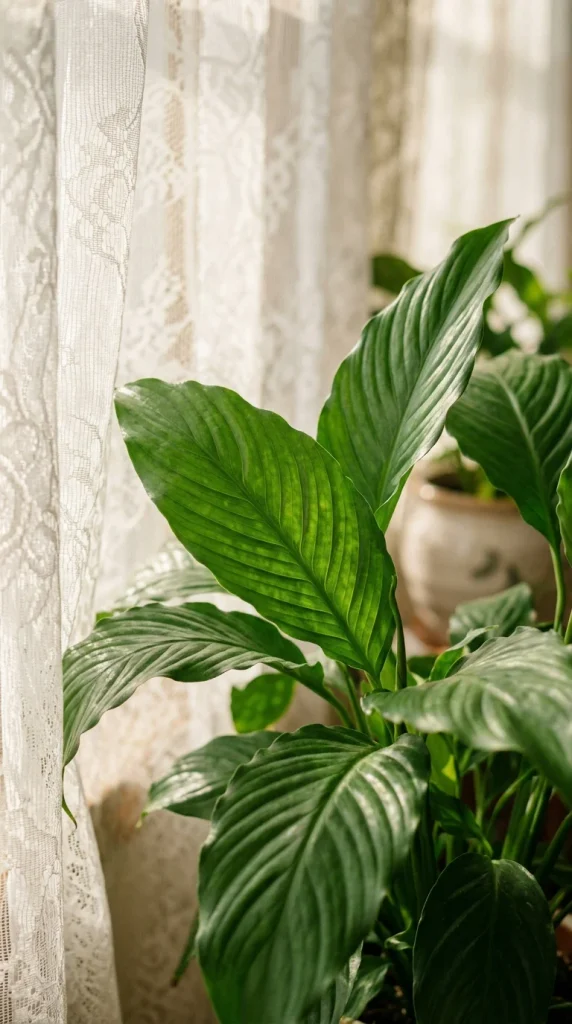
Peace Lilies are forest floor plants, meaning they thrive in bright, indirect light. Direct sunlight will scorch their delicate leaves, leaving brown, crispy patches. A spot a few feet away from an east or west-facing window is usually ideal.
2. Consistent Watering
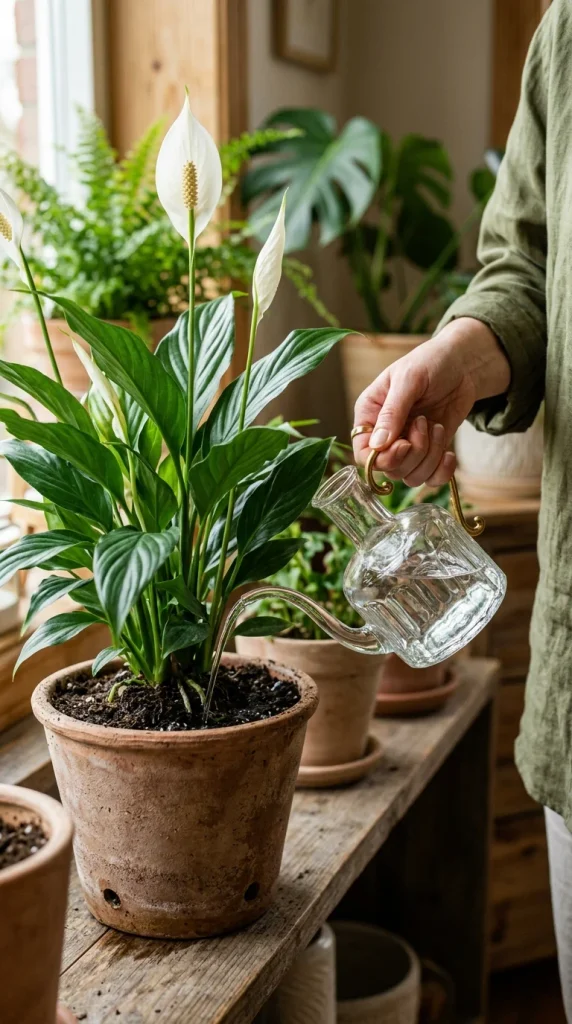
These plants are famous for “fainting” when they are thirsty. While they are resilient, try to water them just before they start to sag. Typically, watering once a week is sufficient, but always check the soil moisture first.
3. Proper Drainage
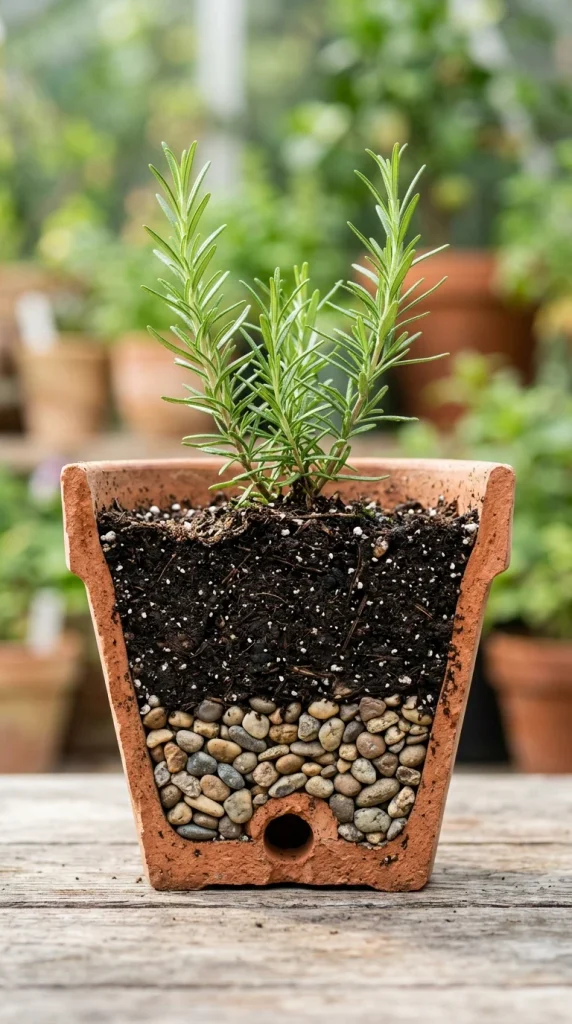
Never let your Peace Lily sit in standing water. Root rot is the number one killer of these plants. Ensure your pot has plenty of drainage holes and empty the saucer after watering to prevent the roots from becoming waterlogged.
4. Soil Mix
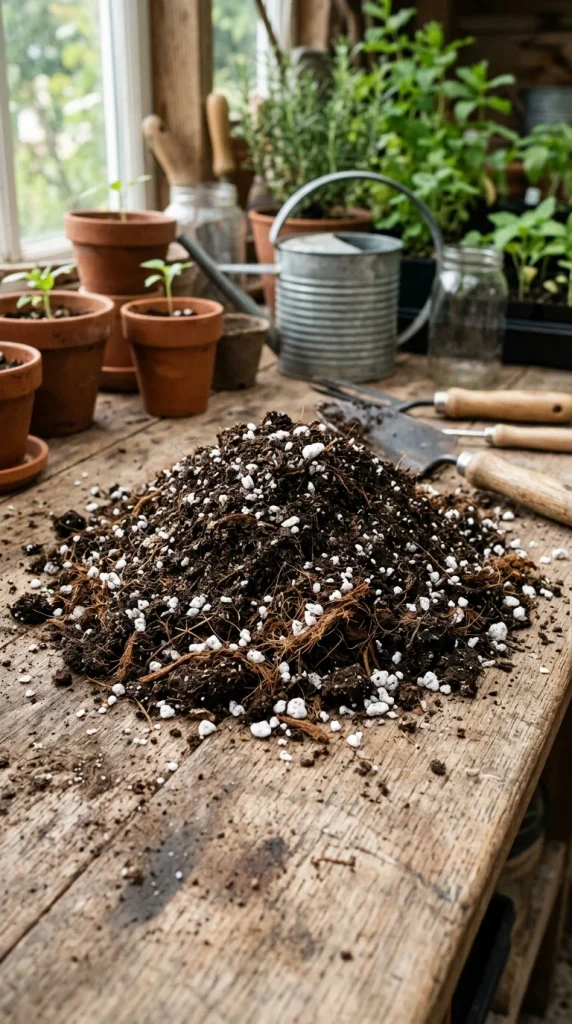
A well-draining, peat-based potting mix is best. You can create your own by mixing standard potting soil with a bit of perlite or orchid bark to increase aeration and drainage.
5. Ideal Temperature
Peace Lilies love warmth. They thrive in temperatures between 65°F and 85°F (18°C–30°C). Keep them away from cold drafts, air conditioning vents, and heaters, which can fluctuate temperatures too drastically.
6. High Humidity
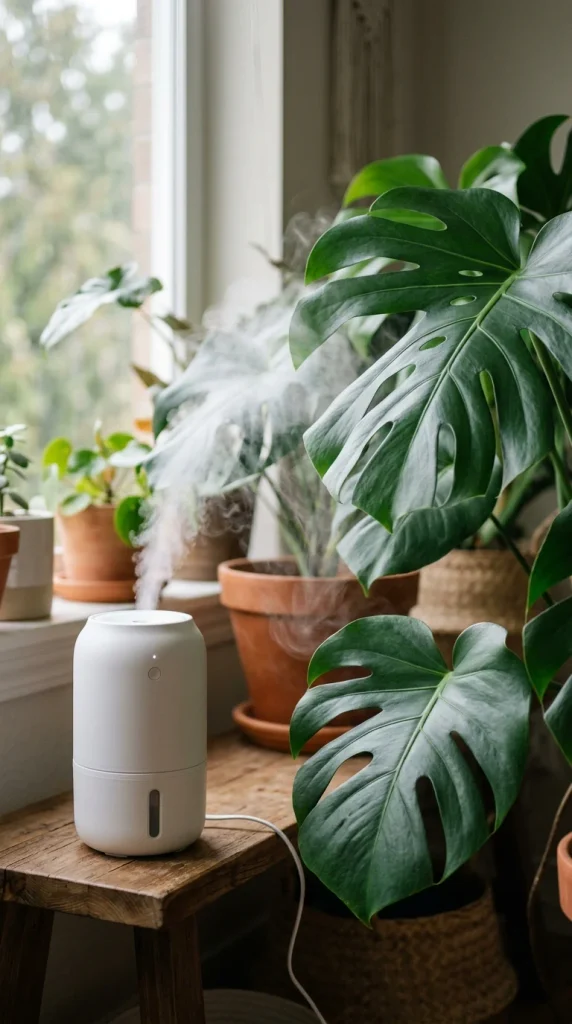
Hailing from tropical rainforests, Peace Lilies adore humidity. If your home is dry, especially in winter, use a humidifier or place the pot on a tray filled with pebbles and a little water to increase the local moisture levels.
7. Strategic Fertilizing
During the growing season (spring and summer), feed your plant with a balanced, water-soluble fertilizer every 6–8 weeks. In autumn and winter, stop fertilizing to give the plant a rest.
8. Timely Repotting
Peace Lilies like being slightly root-bound, but if you notice roots growing out of the drainage holes or if the plant needs water every two days, it’s time to move up one pot size (about 2 inches larger in diameter).
9. Cleaning Leaves
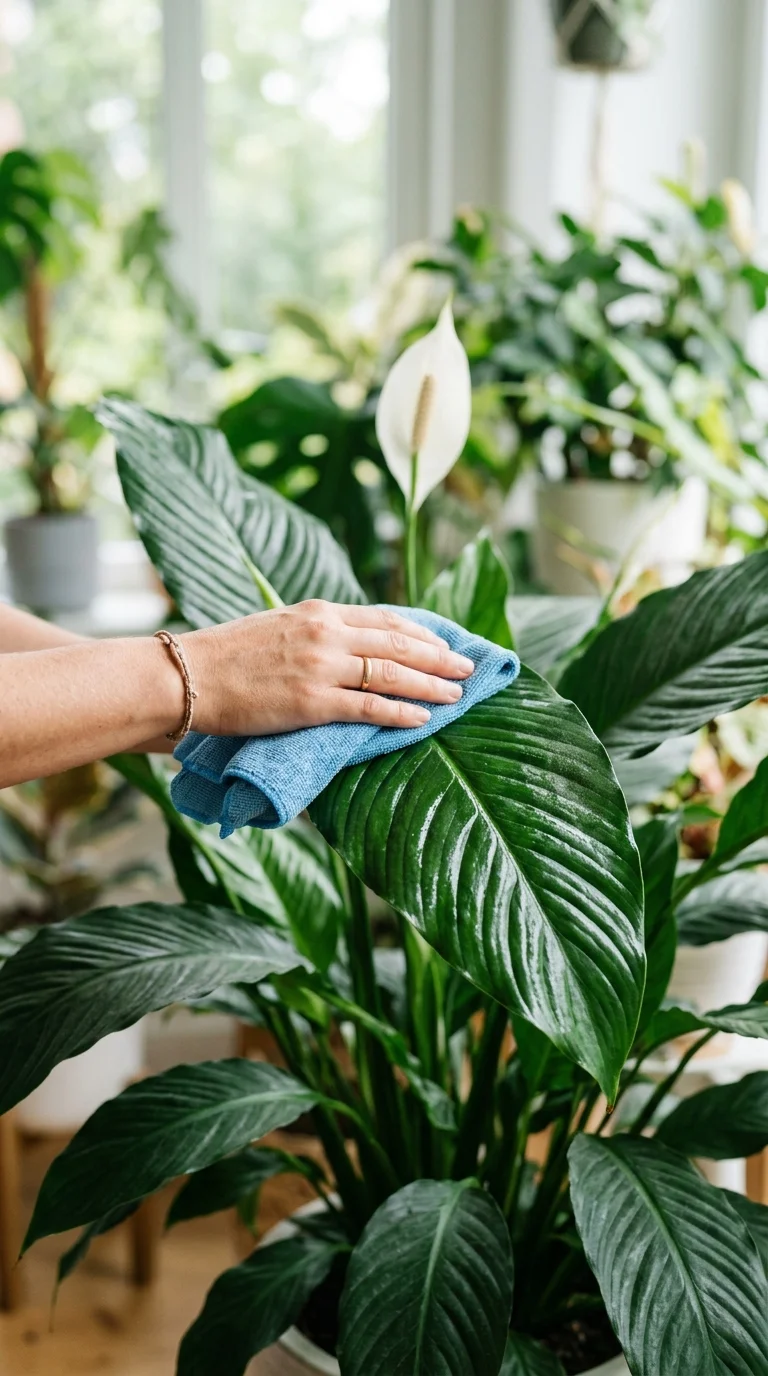
Dust blocks sunlight and prevents the plant from photosynthesizing efficiently. Wipe the leaves down once a month with a damp cloth to keep them shiny and functional.
10. Pruning Foliage
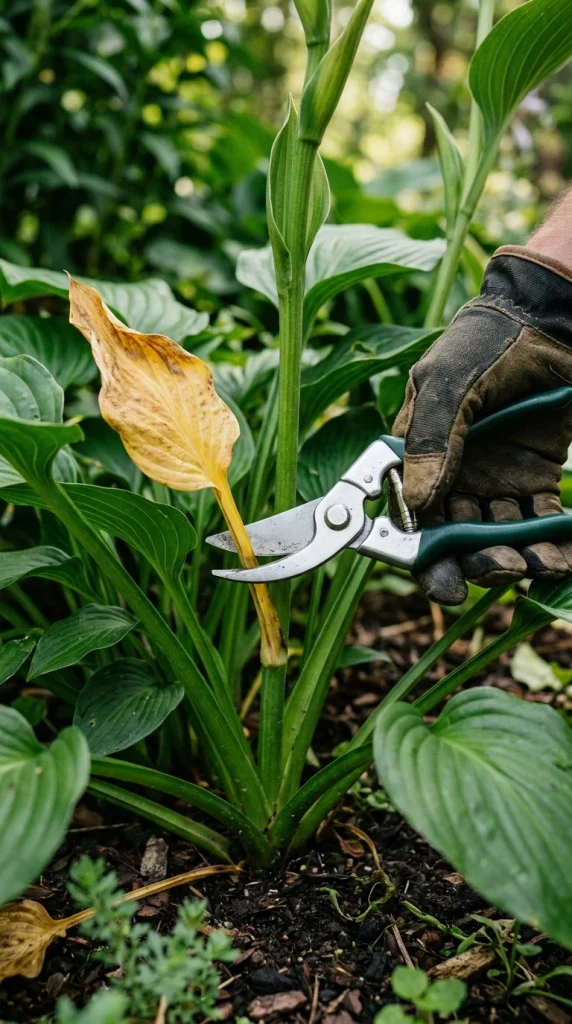
If a leaf turns yellow or brown, it’s best to prune it off at the base. This allows the plant to redirect its energy toward new, healthy growth rather than trying to save a dying leaf.
11. Encouraging Blooms
If your plant isn’t flowering, it may need more light. Move it to a slightly brighter spot (still indirect) and ensure you are using a fertilizer with a bit more phosphorus to encourage bloom production.
12. Toxicity Awareness
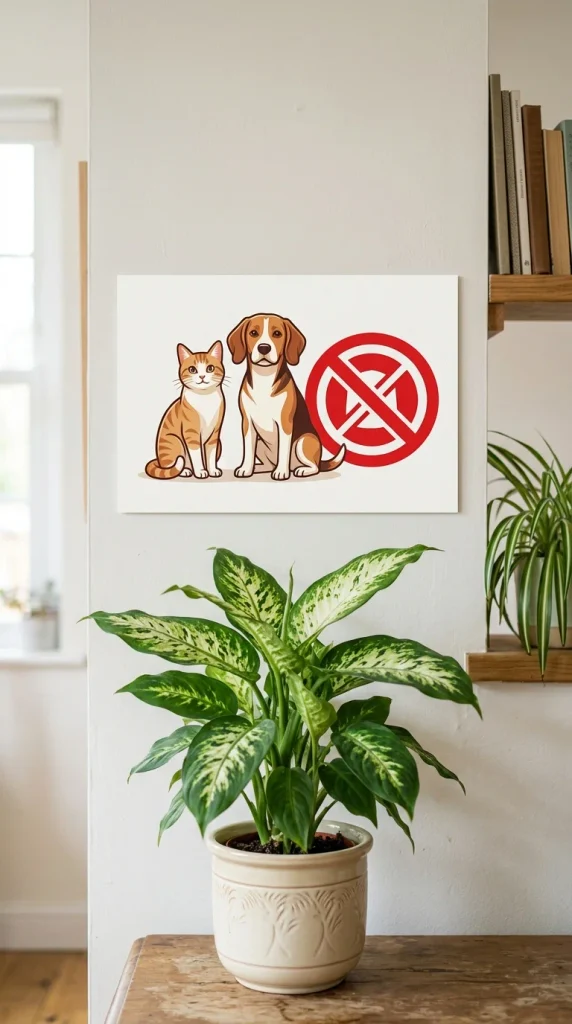
Peace Lilies contain calcium oxalate crystals, which are toxic to cats, dogs, and humans if ingested. Keep the plant on high shelves or in areas inaccessible to curious pets and small children.
13. Yellow Leaves
Yellowing leaves can be a sign of overwatering, underwatering, or too much direct sun. Check the soil moisture—if it’s soggy, let it dry out; if it’s bone-dry, give it a long soak.
14. Brown Tips
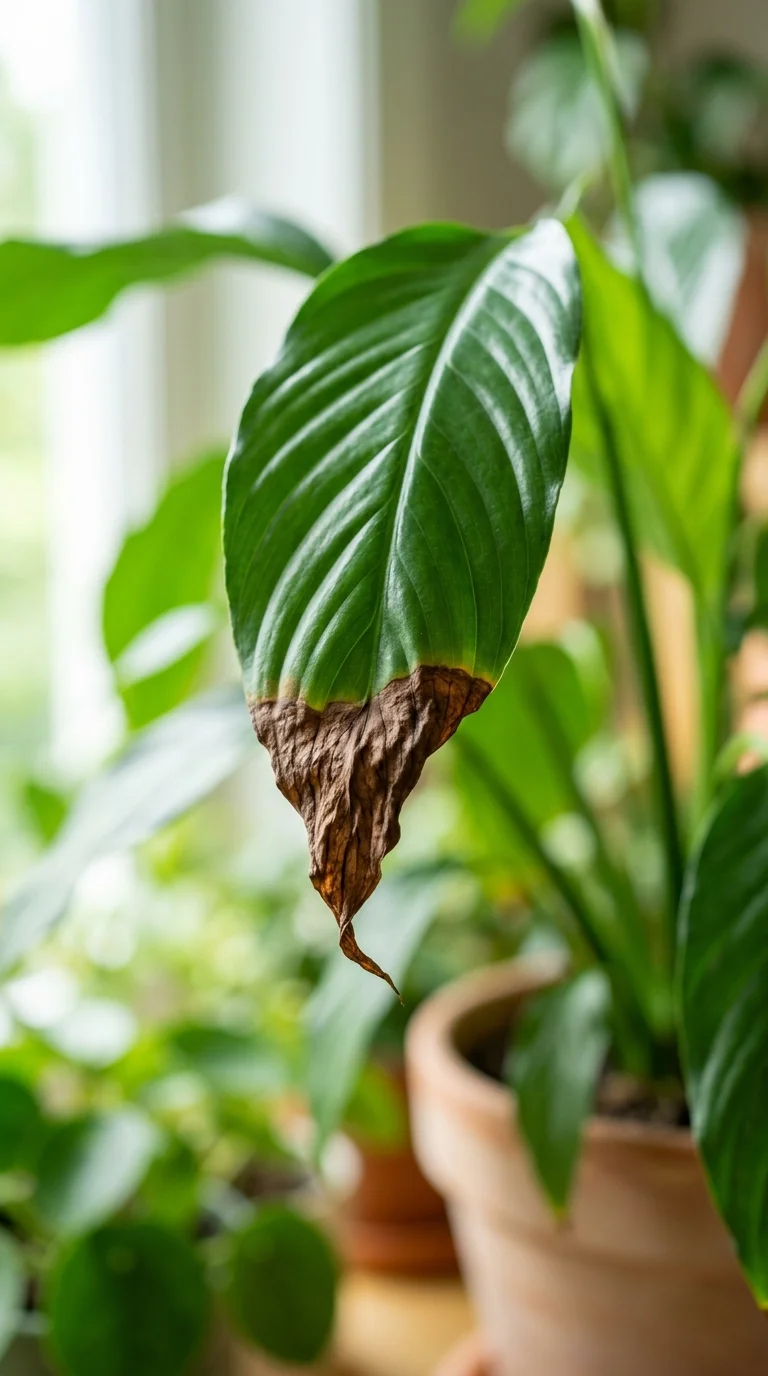
Brown tips are usually caused by low humidity or tap water sensitivity. If the air is humid enough, the culprit might be fluoride or chlorine in your tap water.
15. Pest Management
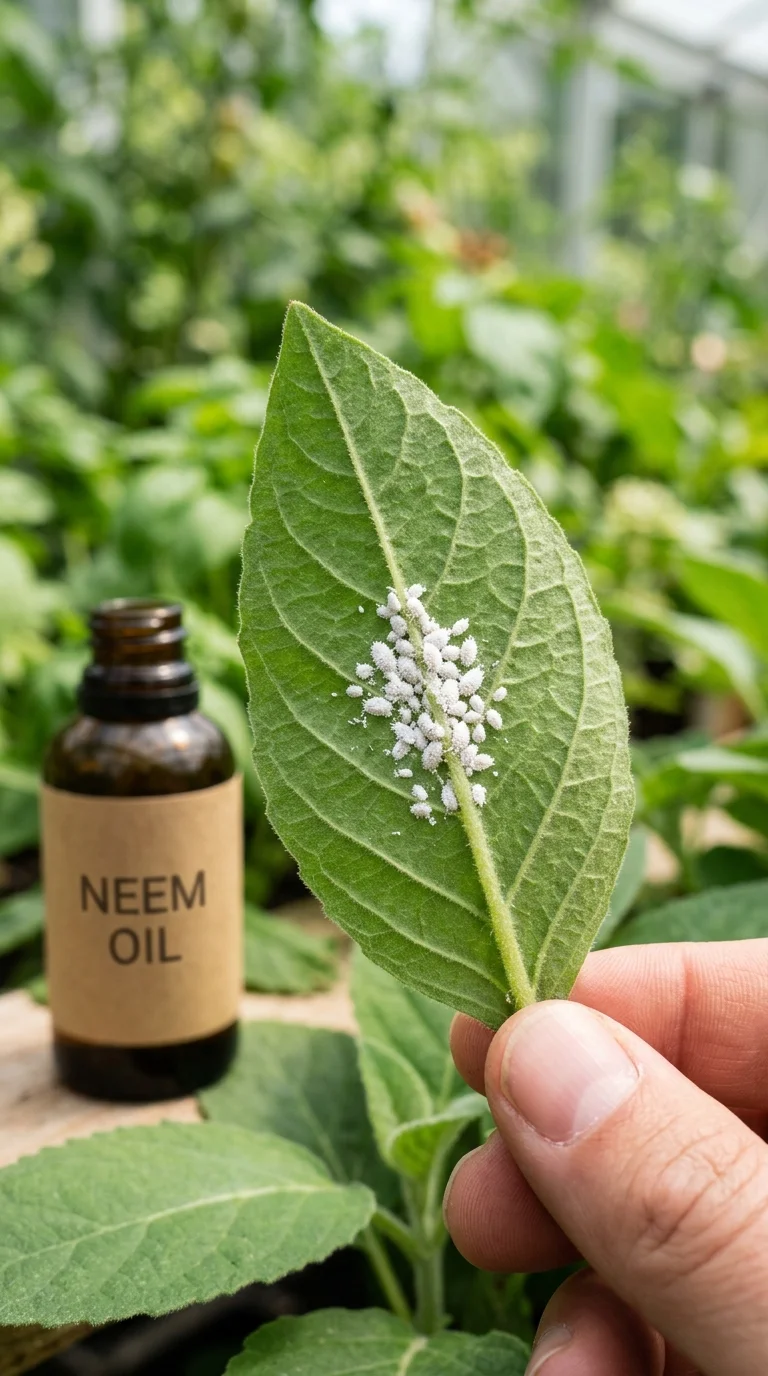
Watch out for spider mites, aphids, and mealybugs. If you spot pests, treat the plant immediately with insecticidal soap or neem oil, and isolate it from your other plants.
16. Propagation Methods
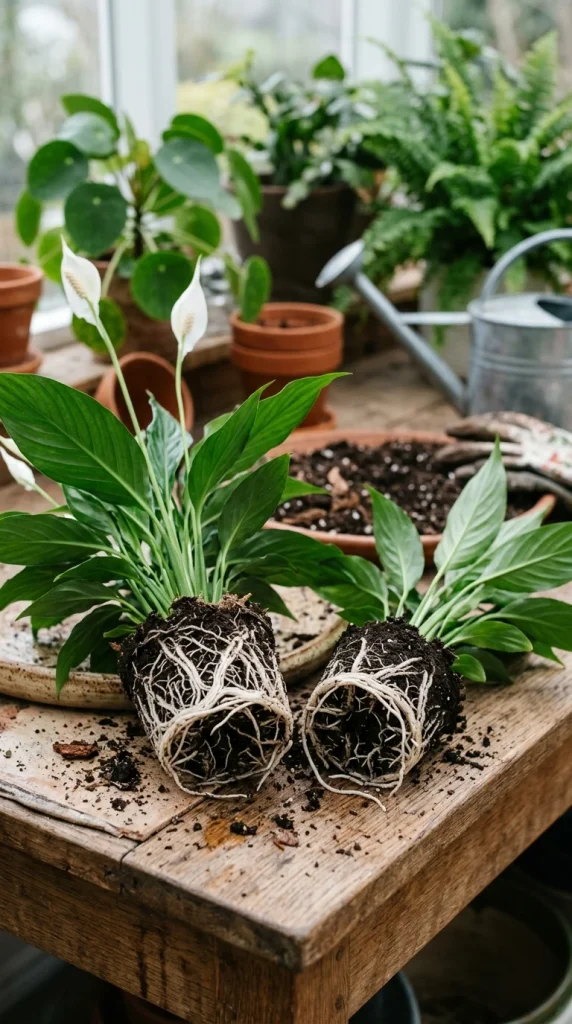
Peace Lilies cannot be grown from leaf cuttings. The best way to propagate is by division. During repotting, gently pull the “pups” or clumps apart and pot them into their own containers.
17. Pot Selection
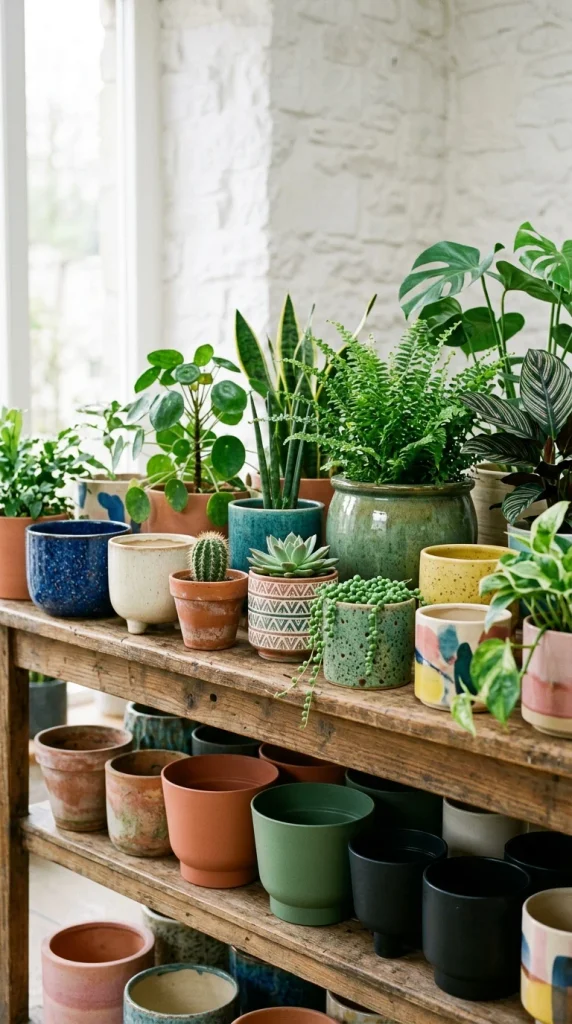
While terracotta is breathable, it dries out soil quickly. Peace Lilies prefer staying moist, so plastic or glazed ceramic pots are often better at retaining the moisture these plants crave.
18. Draft Prevention
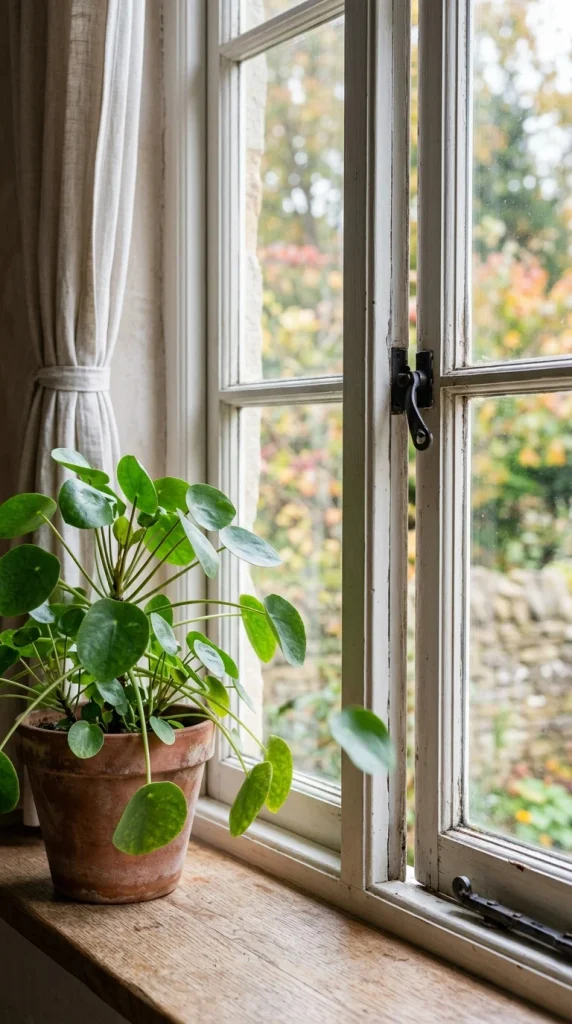
Keep your Peace Lily away from exterior doors or drafty windows during winter. Sudden blasts of cold air can cause leaf drop and stunt the plant’s growth.
19. Acclimatization

When you first bring a Peace Lily home, it may go through a period of shock. It might droop or lose a few leaves. Give it two weeks to adjust to its new light and humidity levels before making major care changes.
20. Grouping Plants
Grouping plants together creates a micro-environment with higher humidity. As the plants transpire, they release moisture into the air, which benefits the Peace Lily immensely.
21. Seasonal Care

In winter, Peace Lilies grow much slower. Reduce your watering frequency and stop fertilizing entirely until you see new growth appear in the spring.
22. Root Rot Prevention
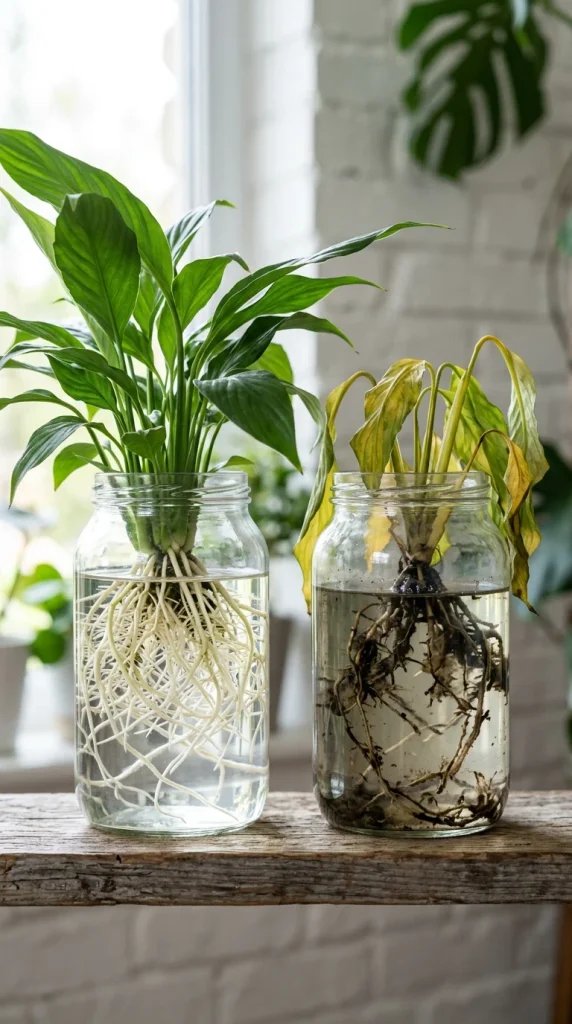
To prevent root rot, always feel the top inch of soil. Only water if it feels dry to the touch. If the soil smells sour or the plant is wilting despite being wet, check the roots for rot.
23. Water Quality
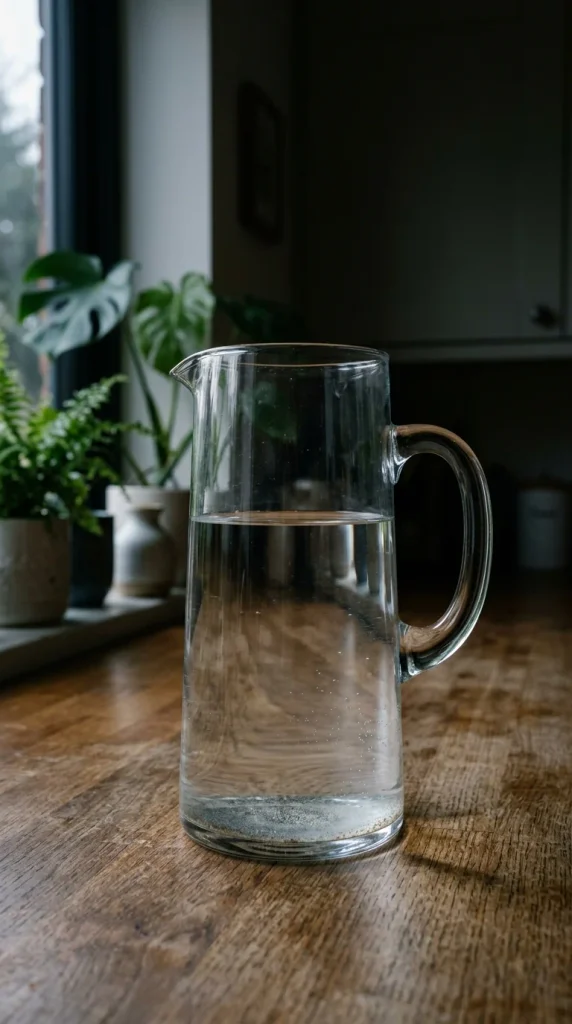
Peace Lilies can be sensitive to chemicals in tap water. Use filtered water, rainwater, or let tap water sit out for 24 hours to allow chlorine to evaporate before using it on your plant.
24. Air Purification
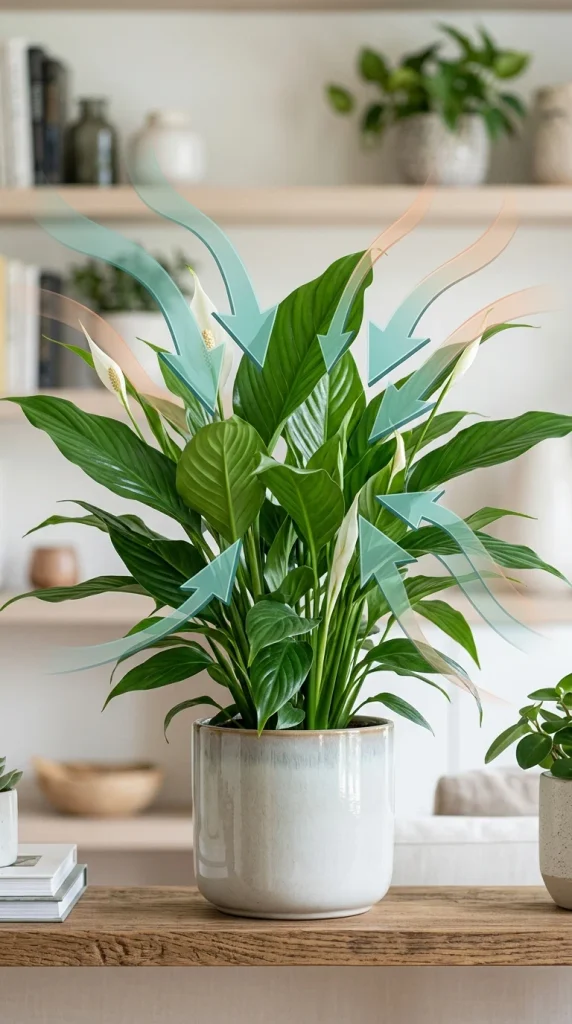
NASA’s Clean Air Study found that Peace Lilies are excellent at removing indoor toxins like benzene and formaldehyde. Having one in your bedroom or office can actually improve the air quality.
25. Dormancy Period

Don’t panic if your plant stops blooming in the winter. It is simply entering a period of rest. It will bounce back with lush growth and white spathes once the days get longer and warmer.
26. Support Staking
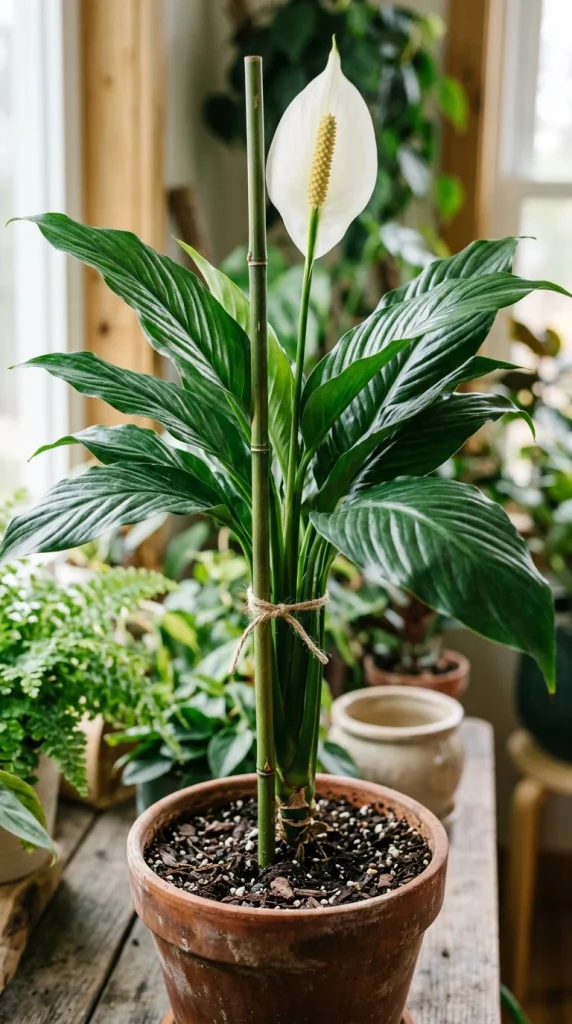
Large Peace Lilies can sometimes become top-heavy, especially when in full bloom. Use a bamboo stake or a small trellis to provide support and keep the plant looking upright and tidy.
27. Stress Indicators
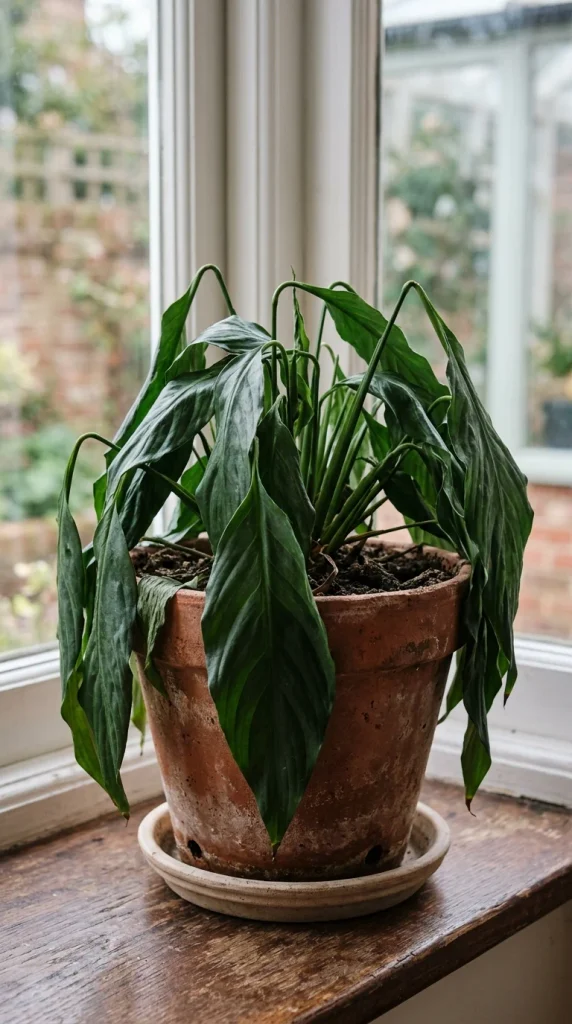
Learn to read your plant. Drastic drooping usually means it’s thirsty. Yellowing often means too much water. Brown edges mean dry air. Once you learn the “language” of your Peace Lily, keeping it happy becomes second nature.