
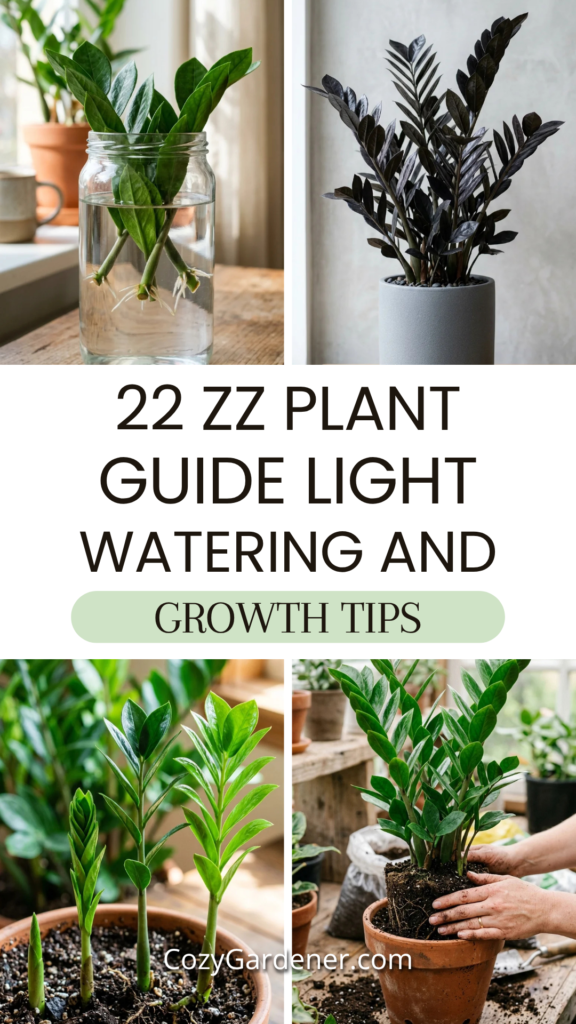
The Zamioculcas zamiifolia, affectionately known as the ZZ plant, has earned its reputation as the “king of indestructible houseplants.” Whether you are a seasoned horticulturist or a self-proclaimed “black thumb,” the ZZ plant is your best friend. Native to East Africa, this plant has evolved to survive periods of extreme drought and low light, making it the perfect companion for modern indoor living. In this comprehensive guide, we explore 22 critical tips to ensure your ZZ plant doesn’t just survive, but thrives.
1. Light Needs
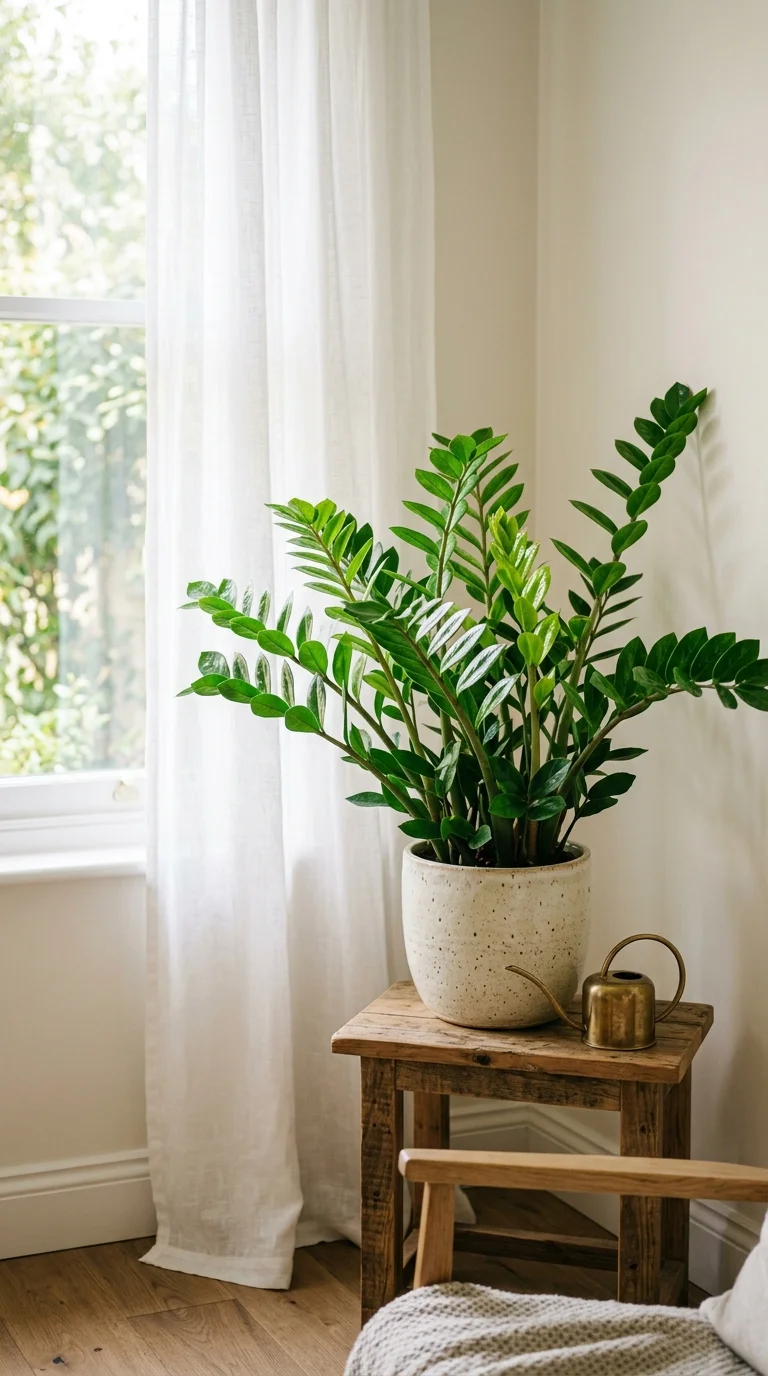
The ZZ plant is famously tolerant of low-light conditions. While it prefers bright, indirect light, it can easily adapt to the darker corners of your home or office. Avoid placing it in direct, harsh afternoon sunlight, as the intense UV rays can actually scorch the waxy coating on the leaves, leading to permanent brown marks.
2. Watering Frequency
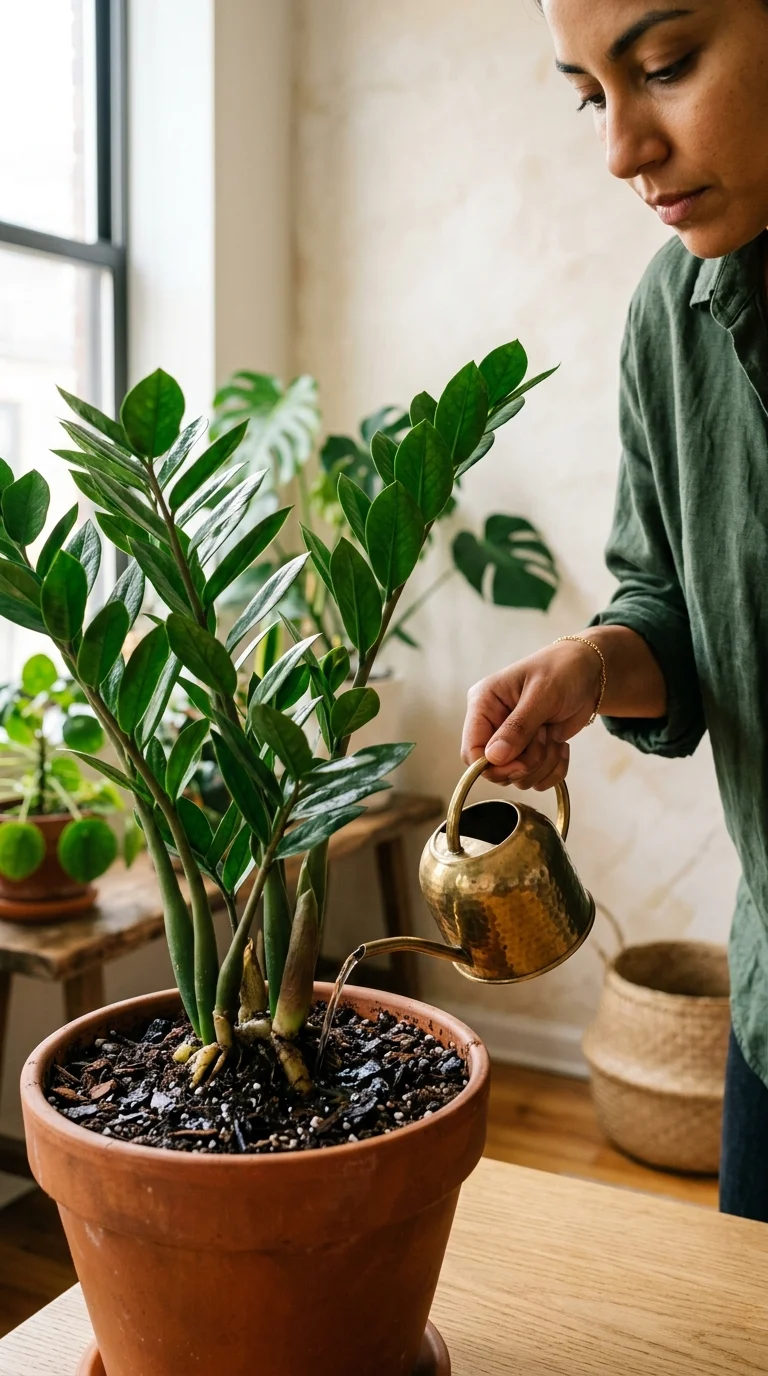
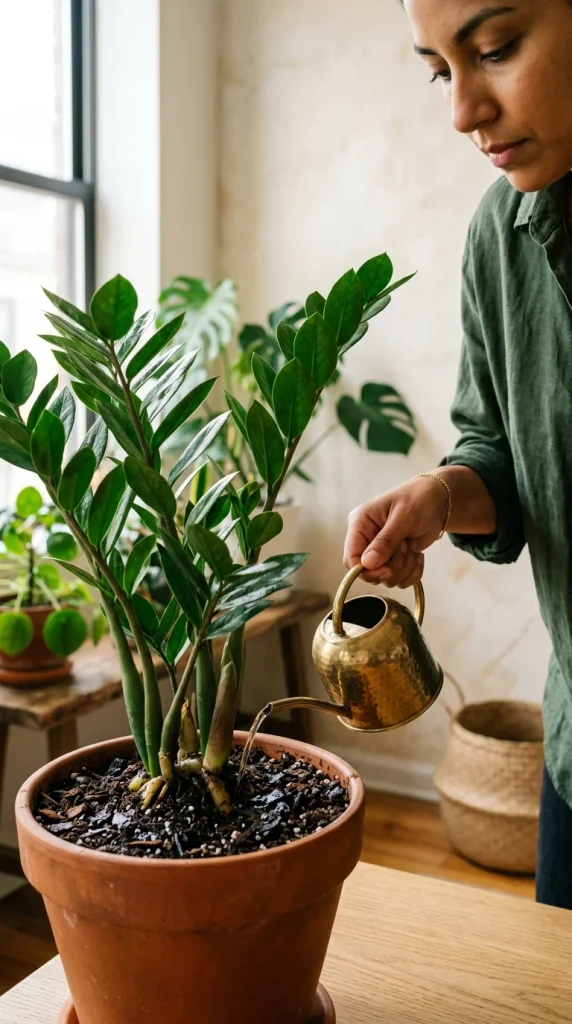
If there is one way to kill a ZZ plant, it is overwatering. These plants are succulent-like in their water storage. You should only water your ZZ plant when the soil is completely dry from top to bottom. In most household environments, this means watering once every 2 to 4 weeks. In the winter, you can often go even longer without a drop.
3. Soil Choice
ZZ plants need oxygen at their roots. Using a standard potting soil can often lead to compaction, which traps moisture and causes rot. The best soil for a ZZ plant is a well-draining mix. You can achieve this by mixing two parts regular potting soil with one part perlite or pumice to ensure the water flows through quickly.
4. Drainage Importance
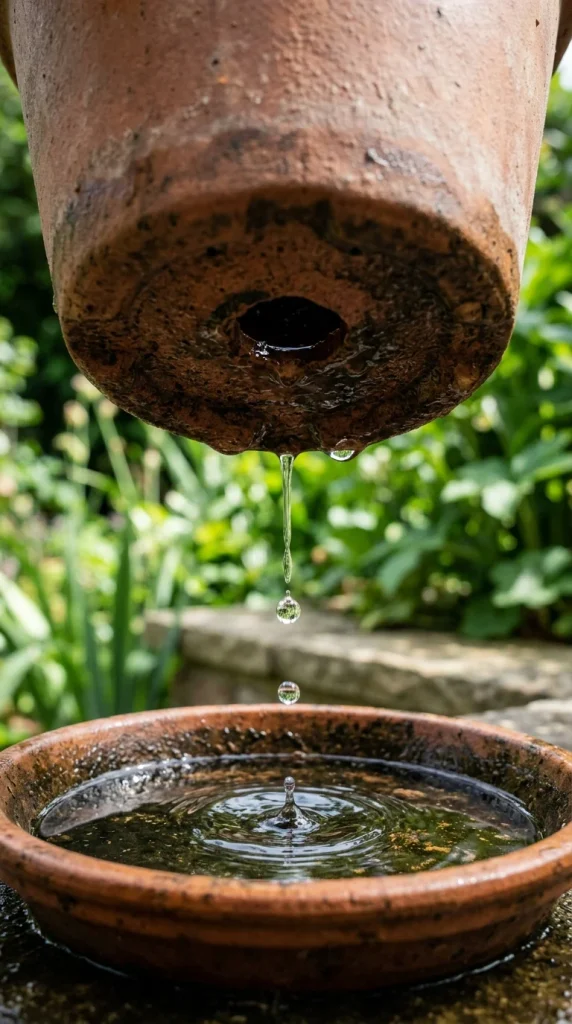
Never plant a ZZ plant in a pot without drainage holes. Because the plant stores water in its underground rhizomes, any standing water at the bottom of the pot will lead to “wet feet.” This almost always results in root rot, which can be fatal before you even notice the symptoms above the soil line.
5. Temperature Control

ZZ plants are tropical and prefer temperatures that humans find comfortable. They thrive between 65°F and 75°F (18°C–24°C). While they can handle temperatures up to 90°F, they are not frost-tolerant. Keep them away from cold drafts, air conditioning vents, and uninsulated windows during the winter months.
6. Humidity Balance
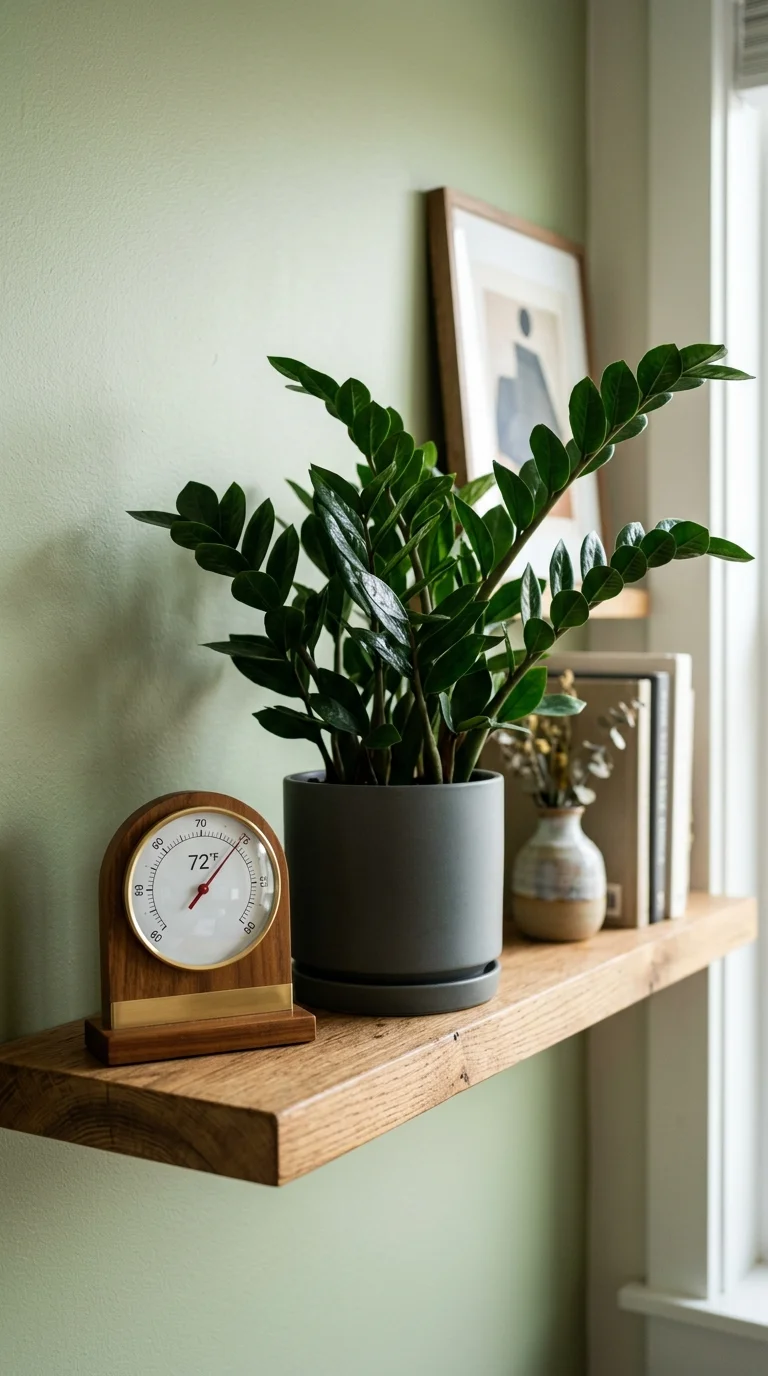
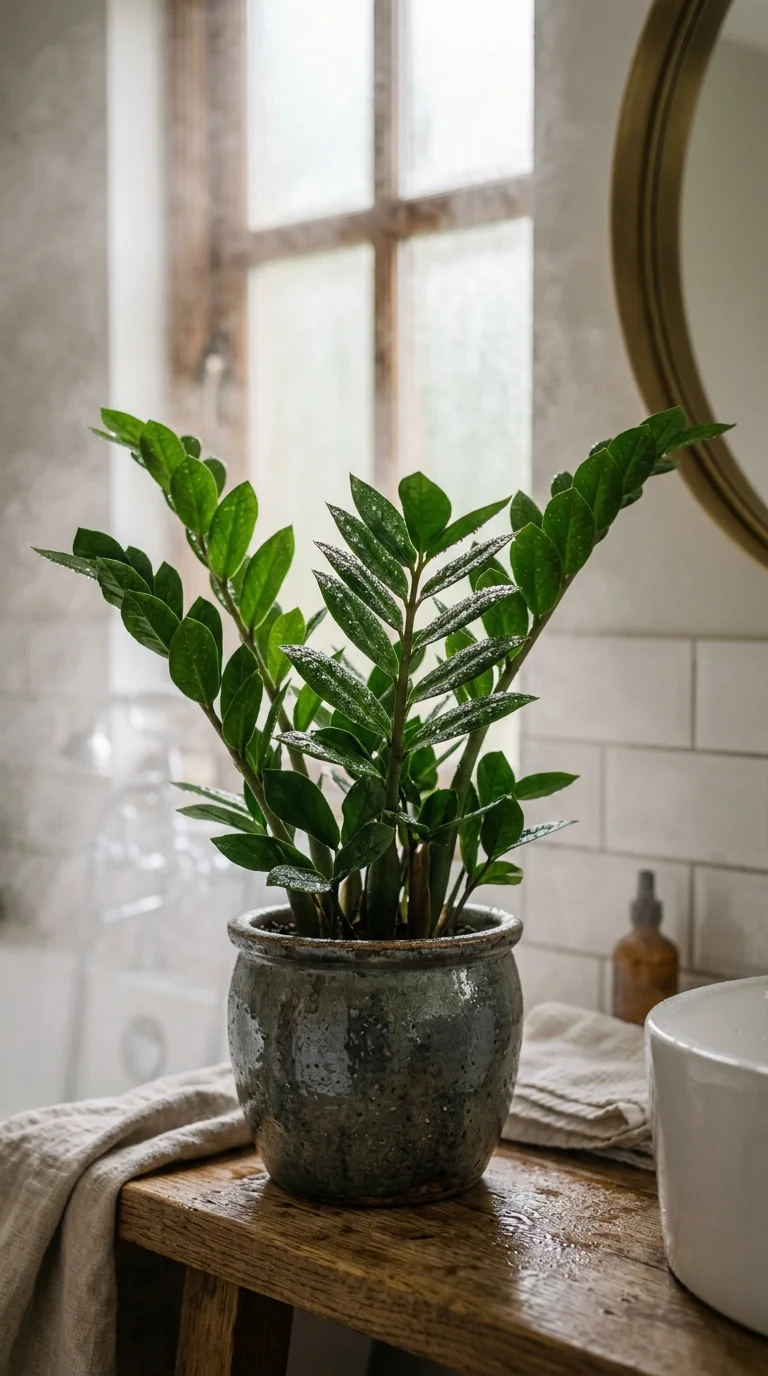
Unlike many tropical plants that crave high humidity, the ZZ plant is incredibly adaptable. It performs perfectly fine in the dry air typical of heated homes in the winter. You do not need to mist your ZZ plant or use a humidifier, though it won’t complain if you do. It is truly the “set it and forget it” plant of the humidity world.
7. Fertilizing Habits
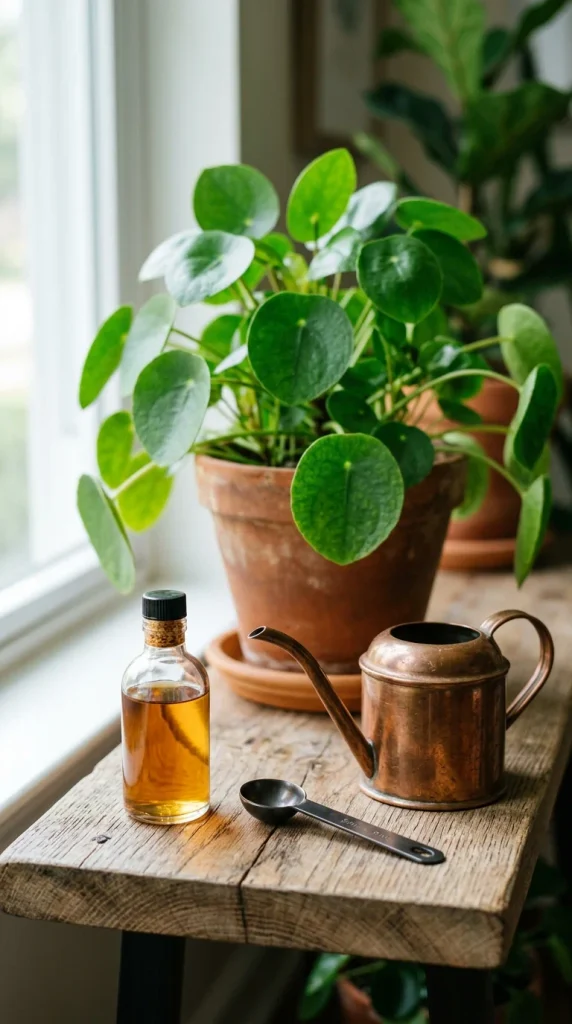
The ZZ plant is a slow grower and doesn’t require a heavy feeding schedule. During the active growing season (spring and summer), you can apply a balanced, water-soluble liquid fertilizer at half-strength once a month. During the fall and winter, stop fertilizing entirely as the plant enters its natural resting phase.
8. Propagation Techniques
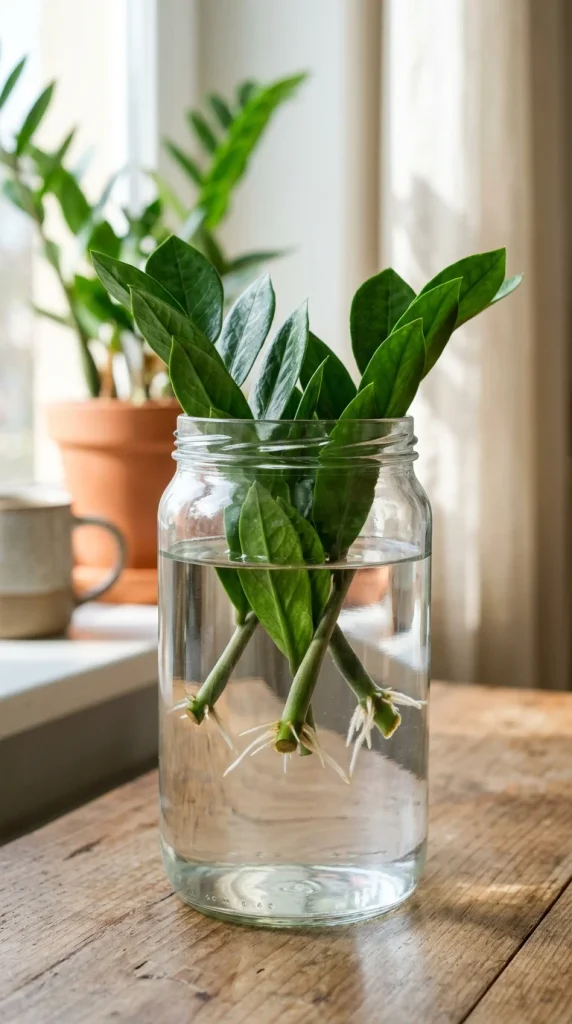
Propagating a ZZ plant is a test of patience but very rewarding. You can propagate via stem cuttings or even individual leaf cuttings. Simply place a leaf or stem in water or moist soil. It may take several months for a new rhizome to form, so don’t give up if you don’t see progress immediately.
9. Potting Containers
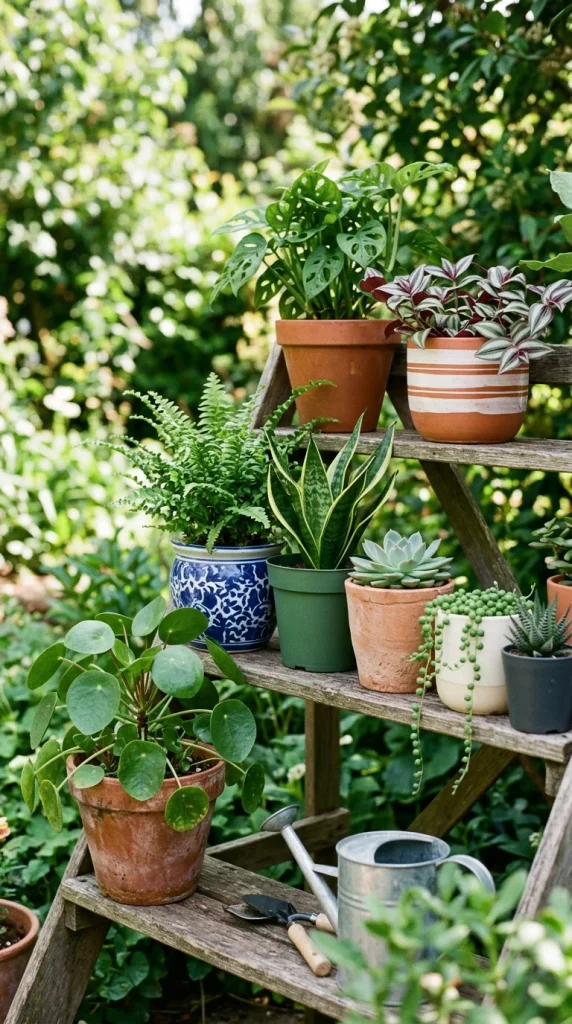
The type of pot you choose matters. Porous materials like terracotta are excellent for ZZ plants because they allow moisture to evaporate through the walls, preventing the soil from staying wet for too long. If you use plastic or glazed ceramic, be even more careful not to overwater.
10. Rhizome Anatomy
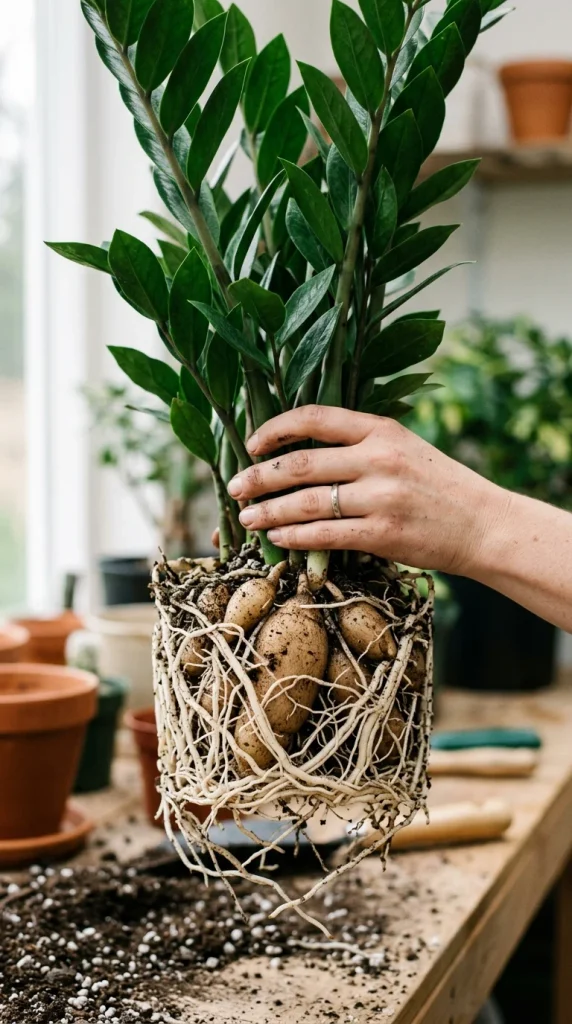
Understanding the rhizome is the key to ZZ plant care. These thick, bulbous structures under the soil act as water reservoirs. They store moisture for times of drought. If the rhizomes look plump and firm, your plant is healthy. If they feel mushy, you are watering too frequently.
11. Growth Rate
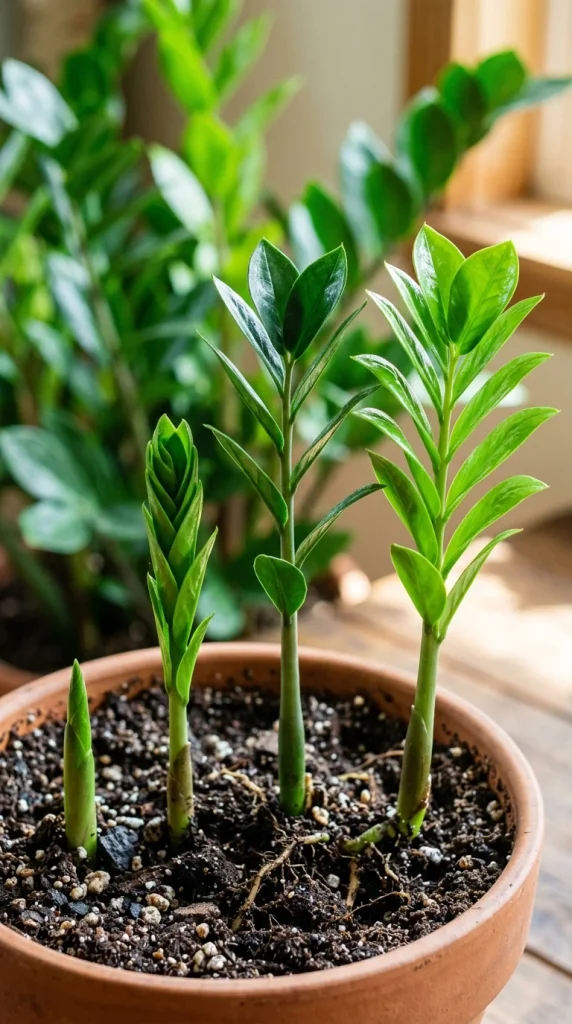
Do not be alarmed if your ZZ plant doesn’t seem to grow for months. They are notoriously slow growers. You might see a sudden burst of activity in the spring where several new stalks emerge at once. These new stalks will be a bright, lime green color before darkening to match the rest of the plant as they mature.
12. Leaf Maintenance
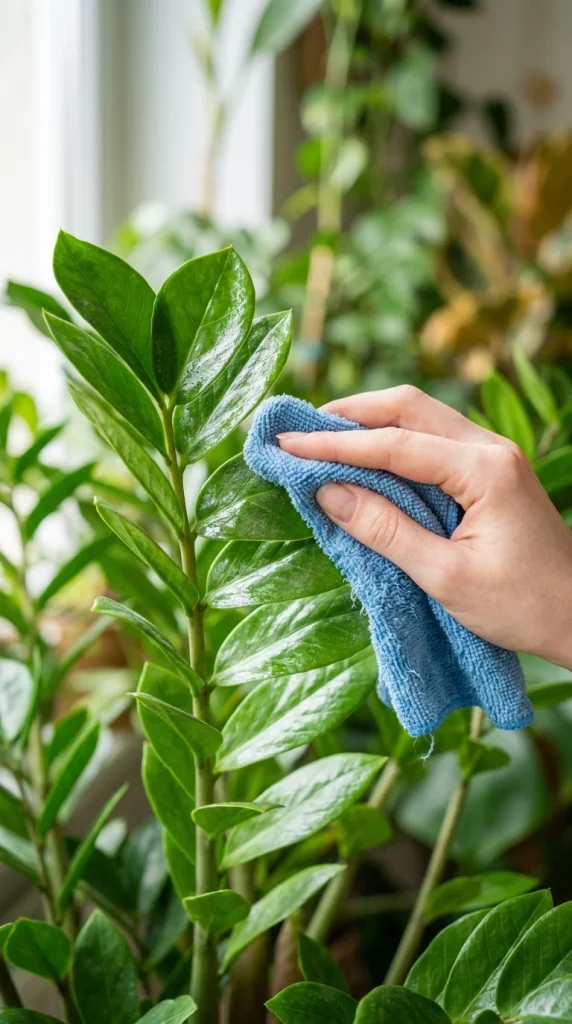
Because the leaves of the ZZ plant are so waxy and smooth, they tend to collect dust. Dust can block the plant’s ability to photosynthesize effectively. Every few weeks, take a damp cloth and gently wipe the leaves. This keeps the plant healthy and maintains that famous high-gloss shine without the need for commercial leaf-shine products.
13. Pest Management

ZZ plants are remarkably pest-resistant. However, they aren’t completely immune. Occasionally, they can attract scale or mealybugs. If you notice sticky residue or small white cotton-like spots, treat the plant with neem oil or insecticidal soap. Fortunately, their tough leaves make them less appealing to most common household pests.
14. Pruning Skills
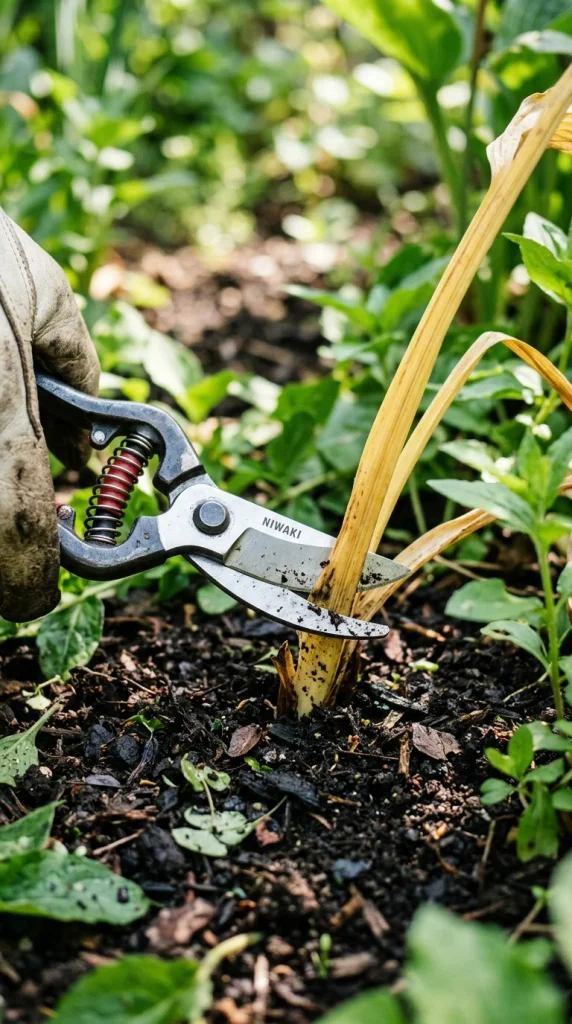
You don’t need to prune a ZZ plant for shape, but you should prune for health. If a leaf turns yellow or a stem becomes damaged, use sterilized shears to cut it off at the base. This prevents the plant from wasting energy on a dying limb and keeps the aesthetic looking sharp and clean.
15. Toxicity Awareness
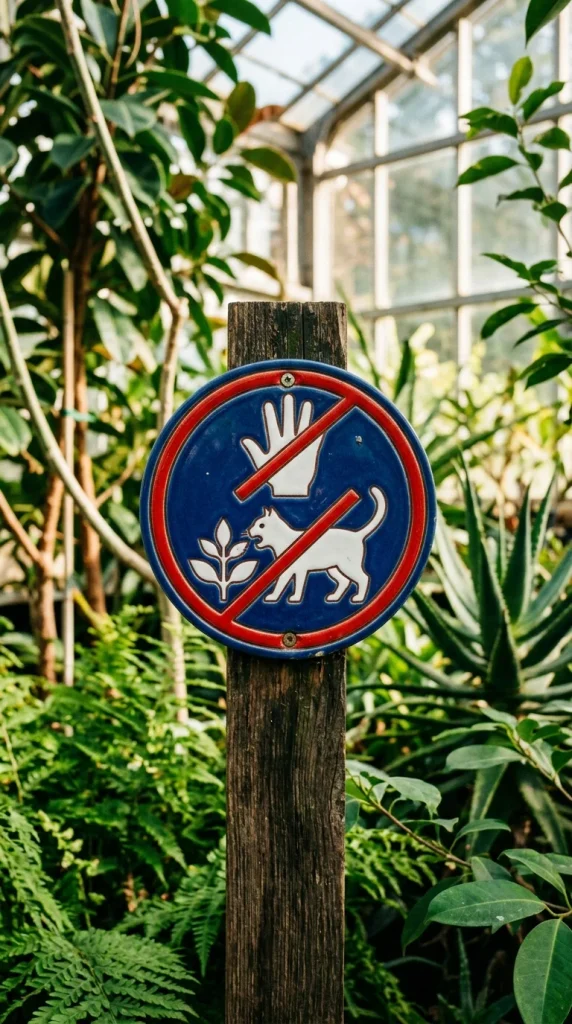
It is important to note that all parts of the ZZ plant are toxic if ingested. They contain calcium oxalate crystals, which can cause irritation to the mouth and digestive tract. Keep the plant out of reach of curious pets and toddlers. It is also a good idea to wash your hands after handling the plant or its sap.
16. Repotting Steps
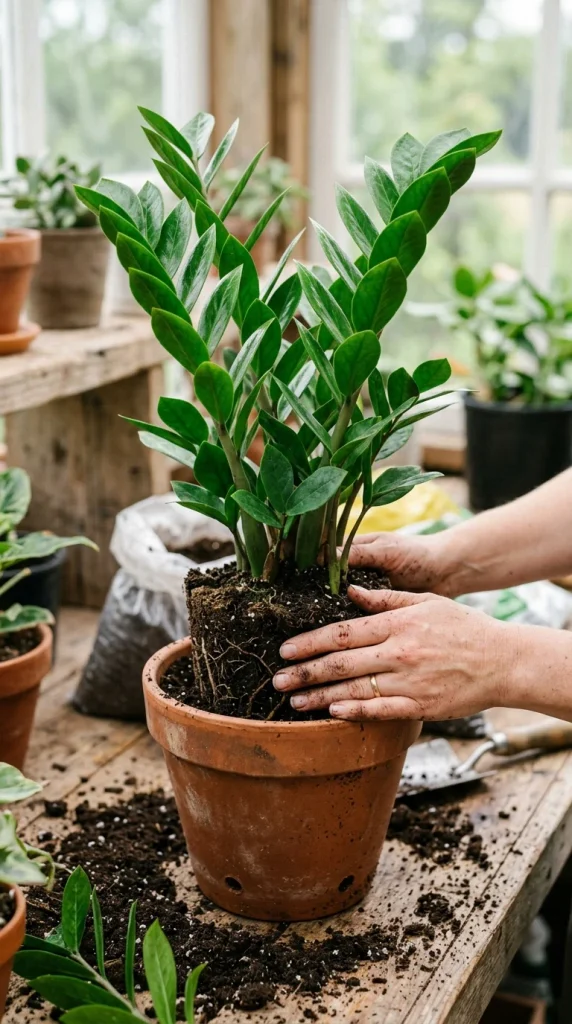
ZZ plants actually enjoy being slightly root-bound, so you only need to repot every 2 to 3 years. Look for signs like the pot bulging (the rhizomes are strong enough to crack plastic!) or roots growing out of the drainage holes. Always choose a new pot that is only 1 to 2 inches wider than the current one.
17. Yellowing Issues
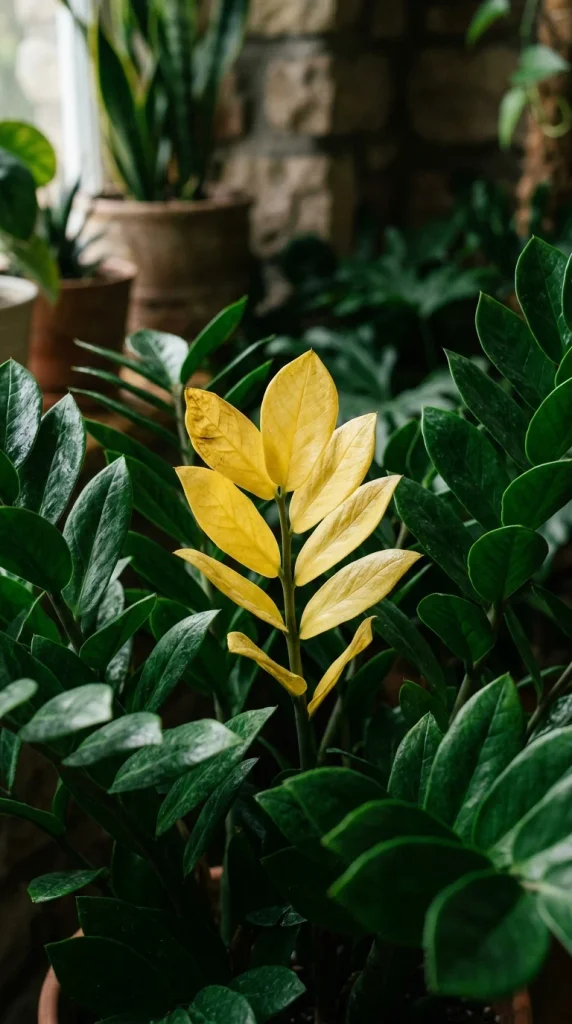
Yellow leaves are almost always a sign of overwatering. If you see yellowing, stop watering immediately and check the soil. If the soil is soggy, you may need to repot the plant into fresh, dry soil and inspect the rhizomes for rot. Occasionally, an old leaf will turn yellow and fall off naturally, which is no cause for alarm.
18. Brown Tips
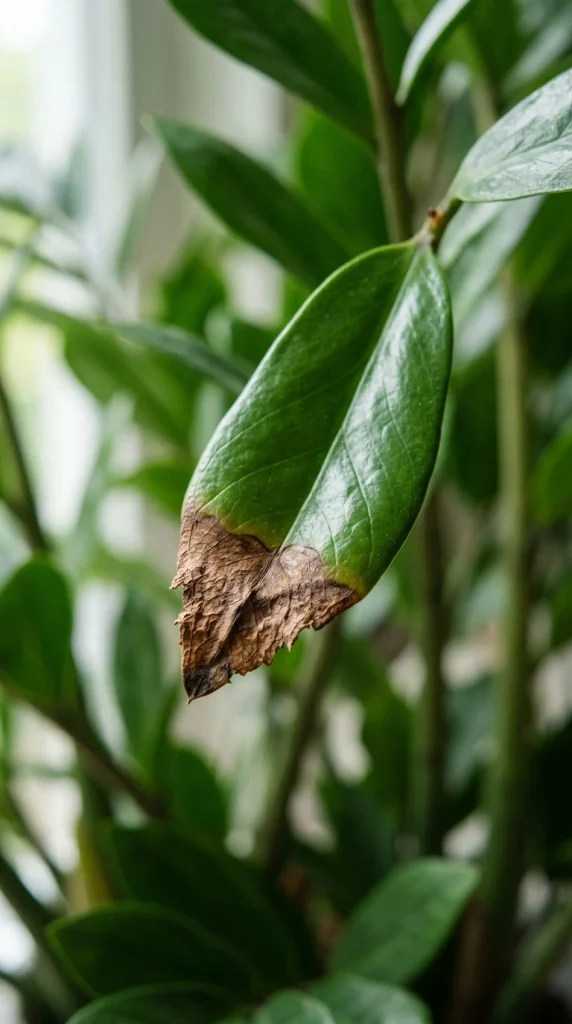
If the tips of your ZZ plant leaves are turning brown and crispy, the air might be excessively dry, or you might be underwatering significantly. While they are drought-tolerant, they still need some water. Check the soil; if it is pulling away from the sides of the pot and feels like bone, it’s time for a deep soak.
19. Root Rot
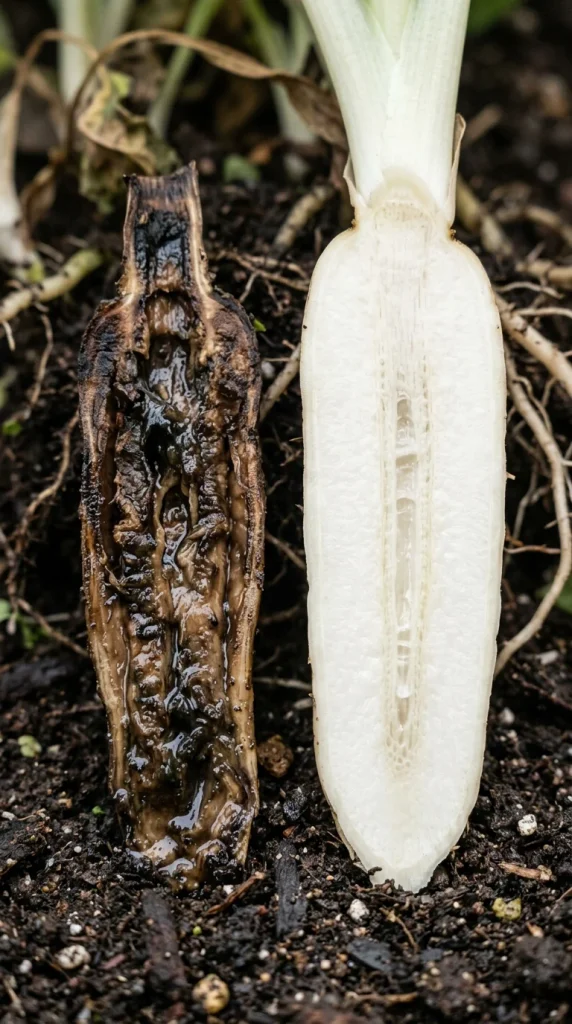
Root rot is the silent killer. If your plant smells slightly “sour” or the stems are falling over at the base, you likely have rot. To save the plant, remove it from the pot, cut away any black, mushy roots or rhizomes, treat the remaining healthy parts with a fungicide or cinnamon, and replant in fresh soil.
20. Raven Variety

The ‘Raven’ ZZ is a popular cultivar characterized by its stunning dark purple, almost black foliage. It requires the same care as the standard green variety, though its dark leaves can handle slightly higher light levels. The new growth on a Raven ZZ emerges bright green before slowly darkening over several weeks.
21. Zenzi Variety
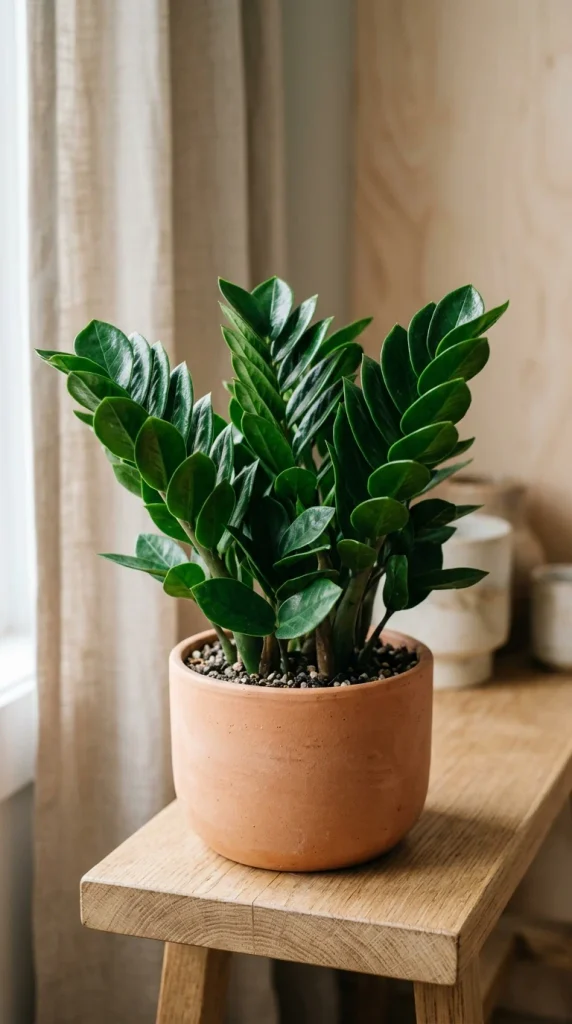
If you have limited space, the ‘Zenzi’ is a dwarf variety of the ZZ plant. It features thicker stems and leaves that grow much closer together, creating a dense, architectural look. It is perfect for bookshelves or small desks and grows even more slowly than the standard variety.
22. Styling Ideas

The ZZ plant is a designer’s dream. Its upright, architectural growth makes it a perfect “floor plant” for corners, while smaller specimens look great on mantels. Because they don’t need much light, they are the ideal choice for decorating hallways, bathrooms, or offices where other plants would struggle to survive