

The Snake Plant, also known as Sansevieria or recently reclassified as Dracaena trifasciata, is the quintessential “indestructible” houseplant. Whether you have a green thumb or a history of “plant homicide,” the Snake Plant is your best friend. These architectural beauties are famous for their air-purifying qualities and their ability to thrive on neglect. However, “hard to kill” doesn’t mean “unkillable.” To help your plant go from surviving to thriving, here are 24 essential tips for every beginner.
1. Bright Indirect Light
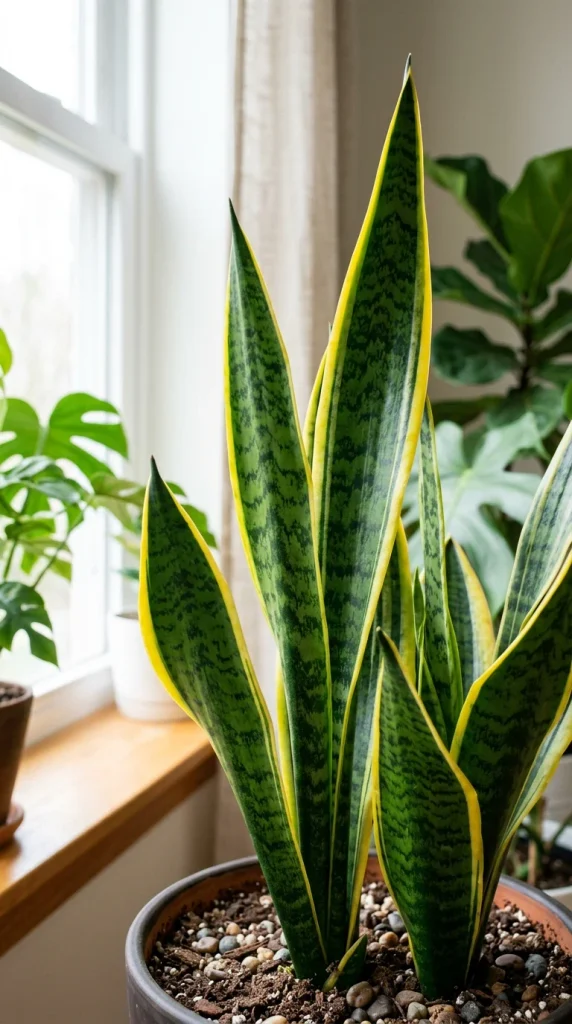
Snake plants are incredibly versatile. While they can survive in low-light corners, they truly flourish in bright, indirect light. Placing them near an east-facing window provides the perfect amount of morning sun without scorching the leaves.
2. Low Light Tolerance
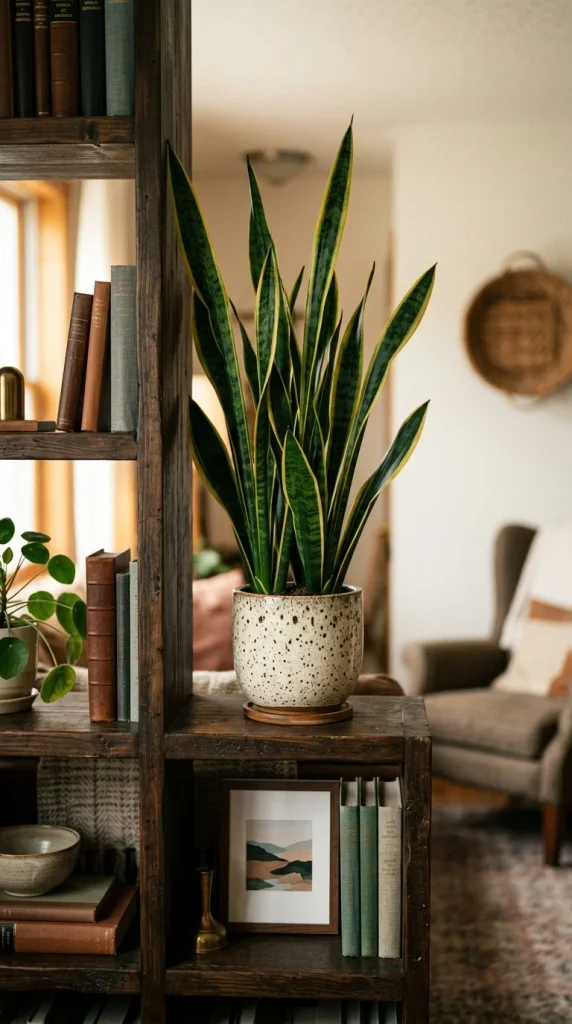
One of the reasons beginners love this plant is its tolerance for dim spaces. If you have an office with no windows or a hallway with minimal light, the Snake Plant will hold its own. Just remember that its growth will be significantly slower in these conditions.
3. Avoid Direct Sun
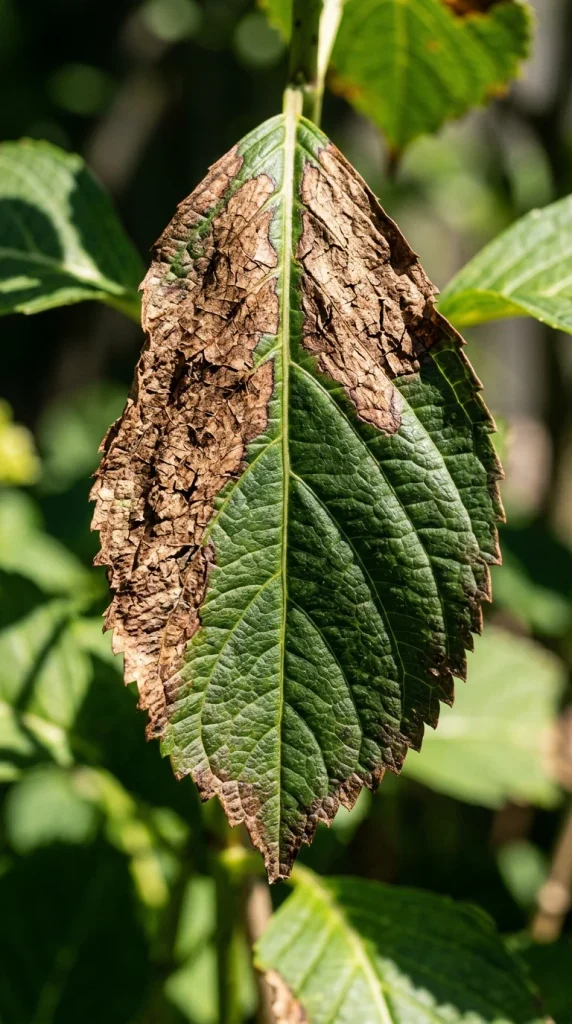
While they love light, harsh, direct afternoon sun can actually burn the leaves. If you see brown, crispy patches appearing on the foliage, it’s a sign that the sun is too intense. Move it back a few feet from the window.
4. Well-Draining Soil
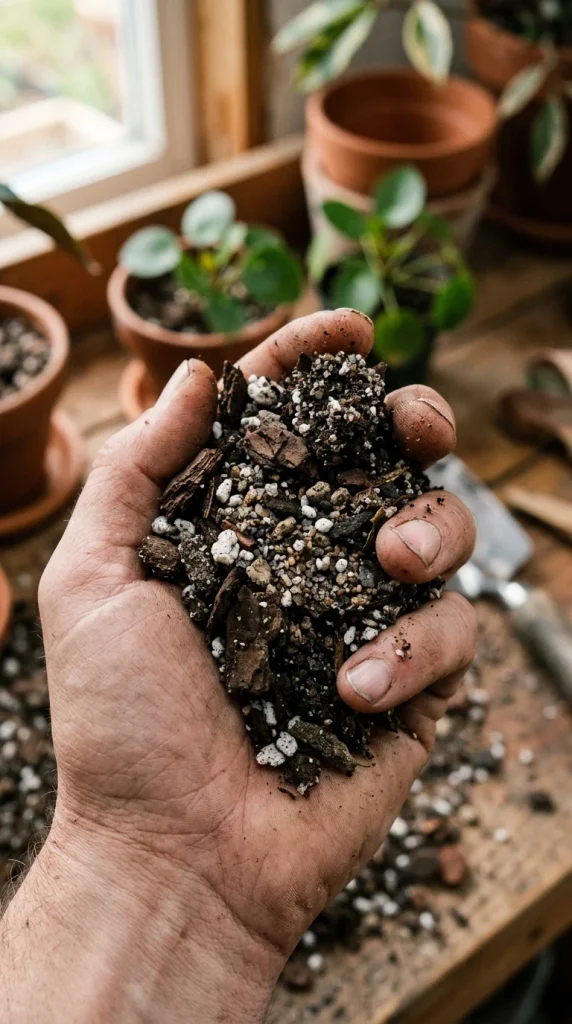
The fastest way to kill a Snake Plant is by using heavy, moisture-retaining soil. Always use a succulent or cactus mix. These plants need “breathable” soil that allows water to pass through quickly so the roots aren’t sitting in a swamp.
5. Terracotta Pots
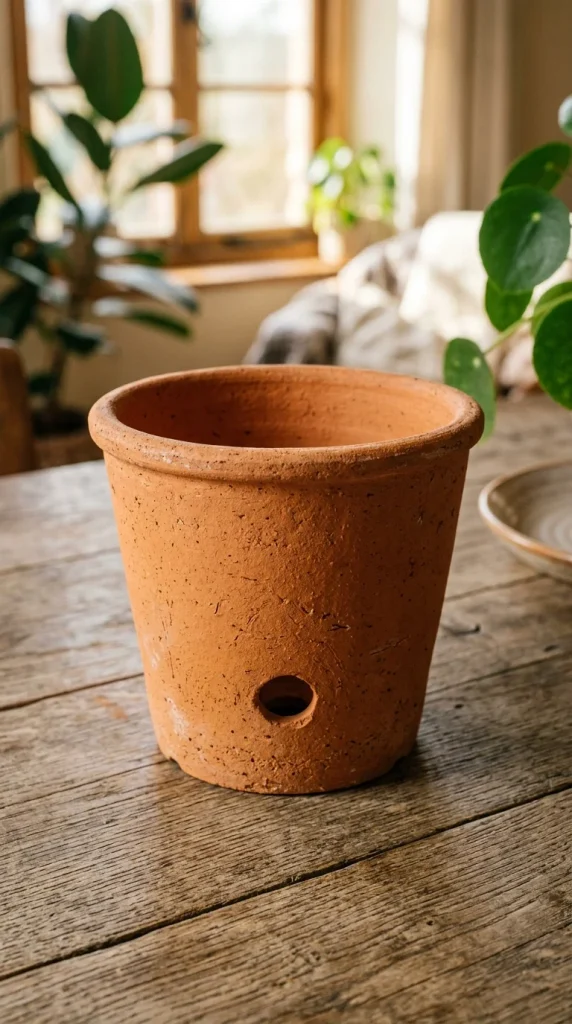
For beginners, terracotta is the gold standard. Because the material is porous, it allows excess moisture to evaporate through the walls of the pot. This provides an extra layer of protection against overwatering.
6. Drainage Holes
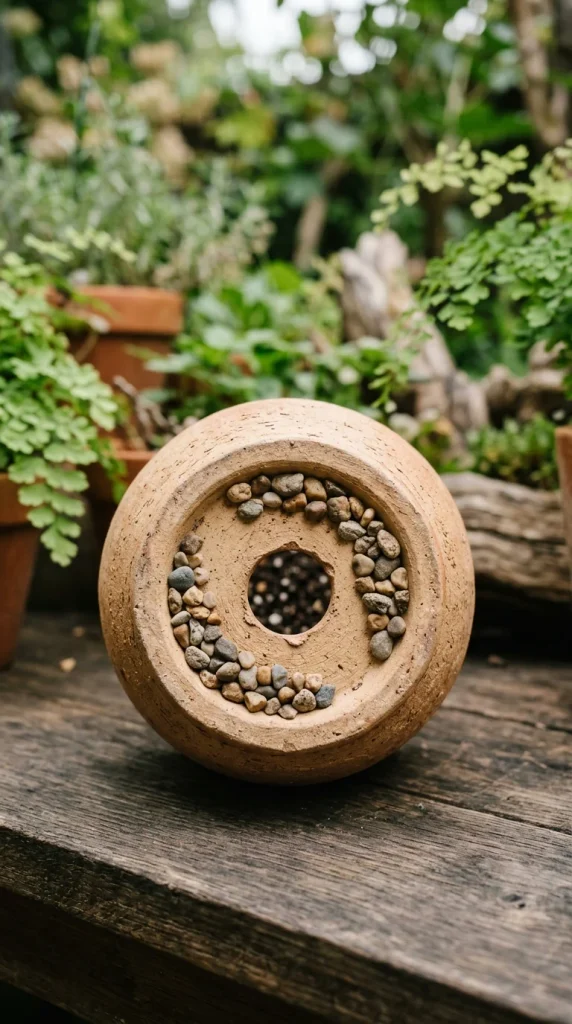
Never plant a Snake Plant in a container without a drainage hole. If you find a beautiful decorative pot that lacks one, use it as a “cachepot”—keep the plant in a plastic nursery pot with holes and simply set that inside the decorative one.
7. The “Dry Out” Rule
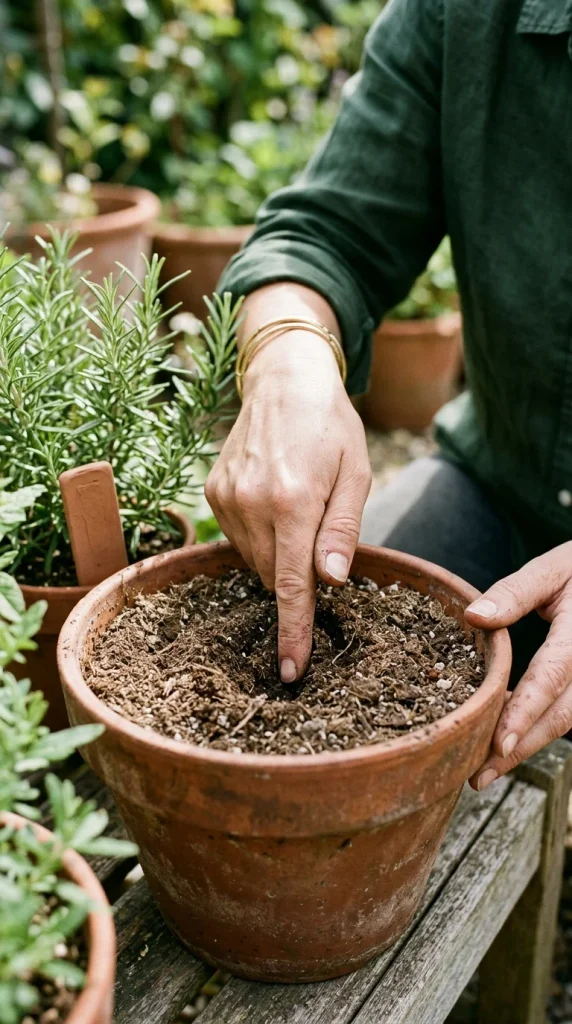
Before you even think about grabbing the watering can, check the soil. You should allow the soil to dry out completely from top to bottom. If you feel any moisture at all when sticking your finger in, wait a few more days.
8. Water the Soil, Not Leaves
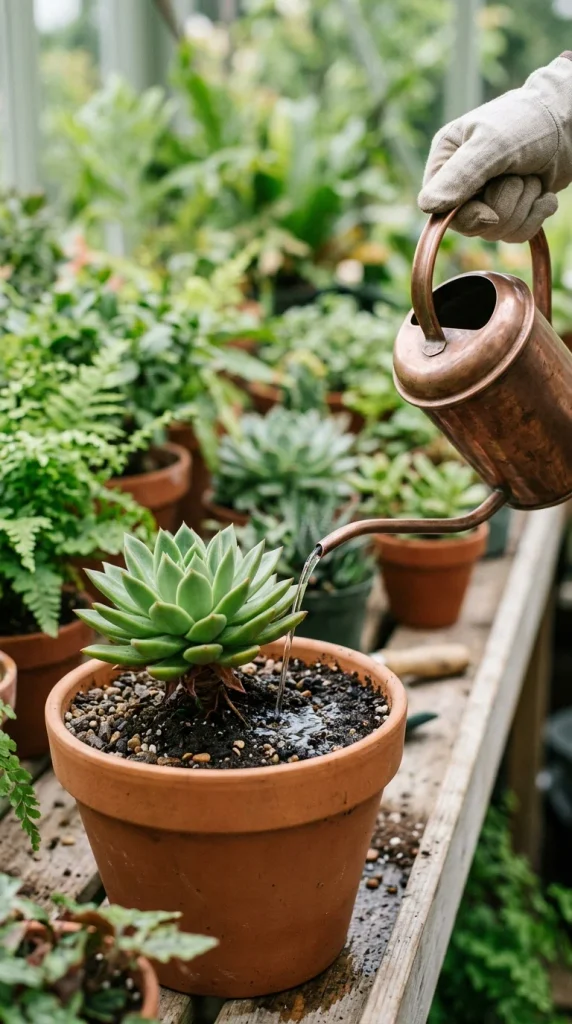
When you do water, aim for the soil around the edges of the pot. Avoid pouring water directly into the center of the leaf cluster (the “cup”). Water trapped in the center can cause the plant to rot from the inside out.
9. Winter Watering

Snake plants go dormant in the winter. During these colder months, they need significantly less water—sometimes only once every 6 to 8 weeks. Overwatering in winter is the number one cause of plant death.
10. Temperature Range
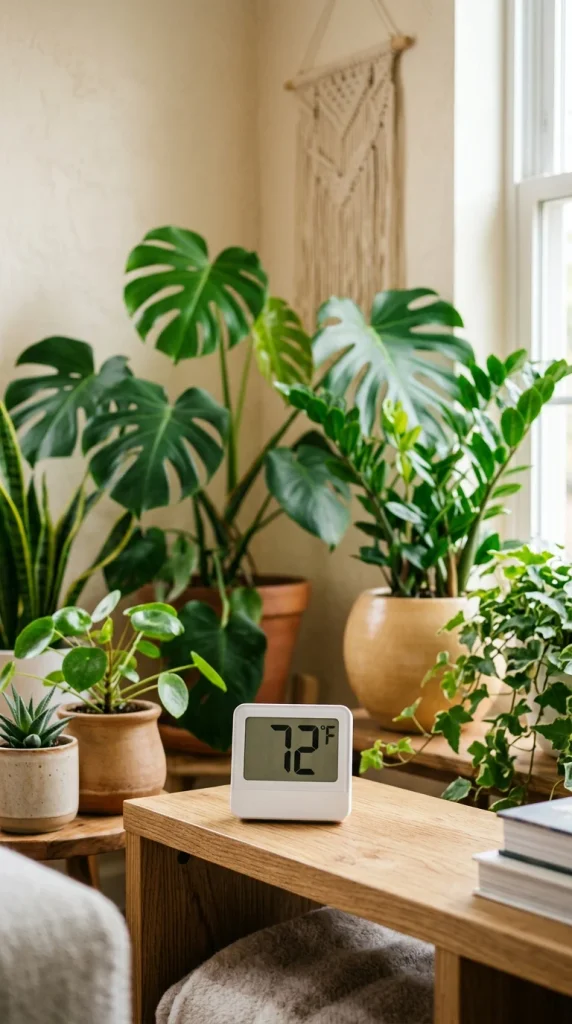
Snake plants prefer temperatures between 65°F and 85°F. They are tropical plants, so if you are comfortable, they are likely comfortable. Keep them away from drafty windows or air conditioning vents.
11. Frost Sensitivity
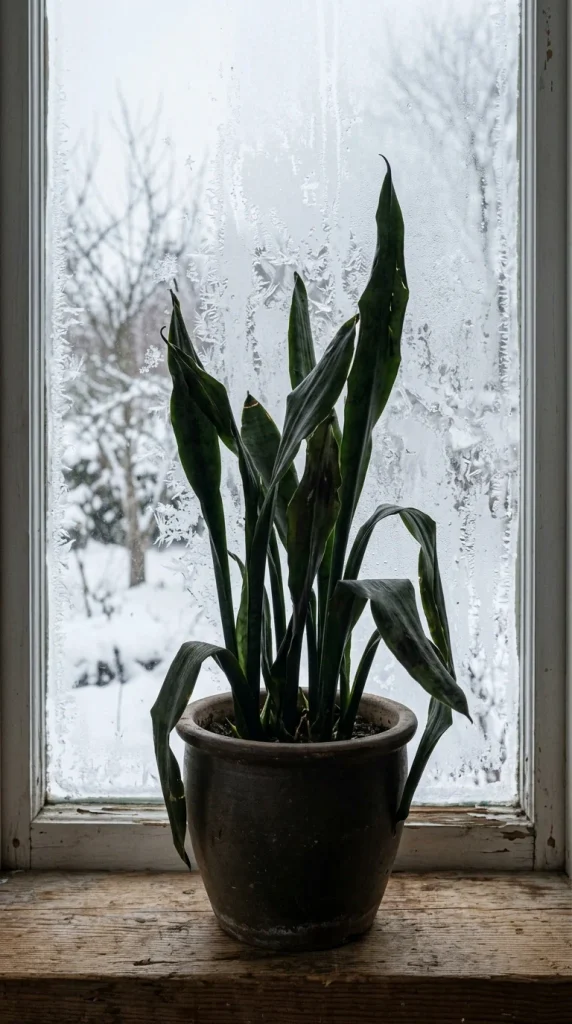
These plants cannot handle freezing temperatures. If you keep your plant on a patio during the summer, make sure to bring it inside before the first frost hits. Temperatures below 50°F can cause permanent damage to the leaf cells.
12. Humidity Needs
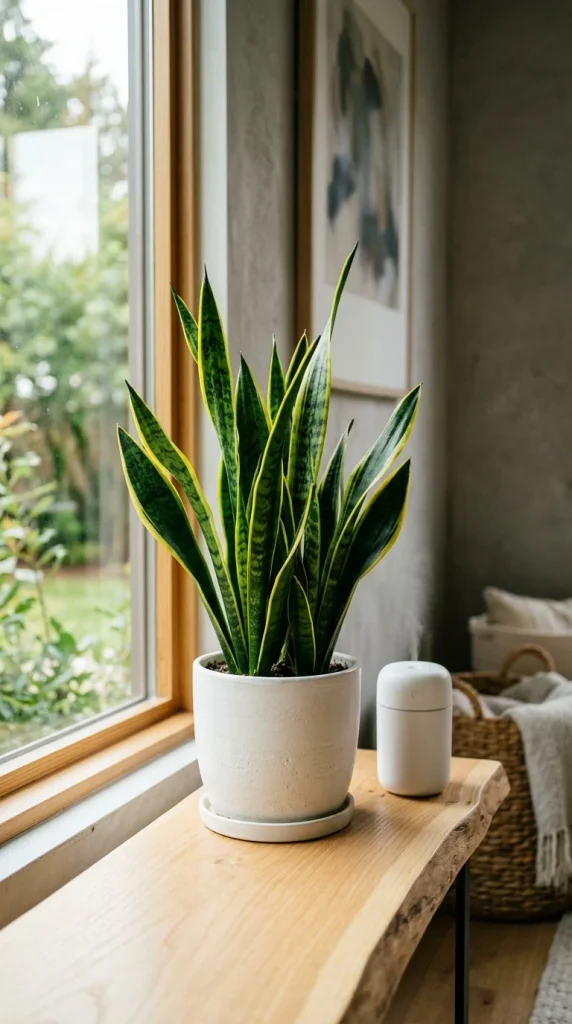
Unlike many tropical plants, Snake plants don’t require high humidity. They thrive in the dry air of modern homes. You don’t need to mist them—in fact, misting can lead to fungal issues on the leaves.
13. Minimal Fertilization
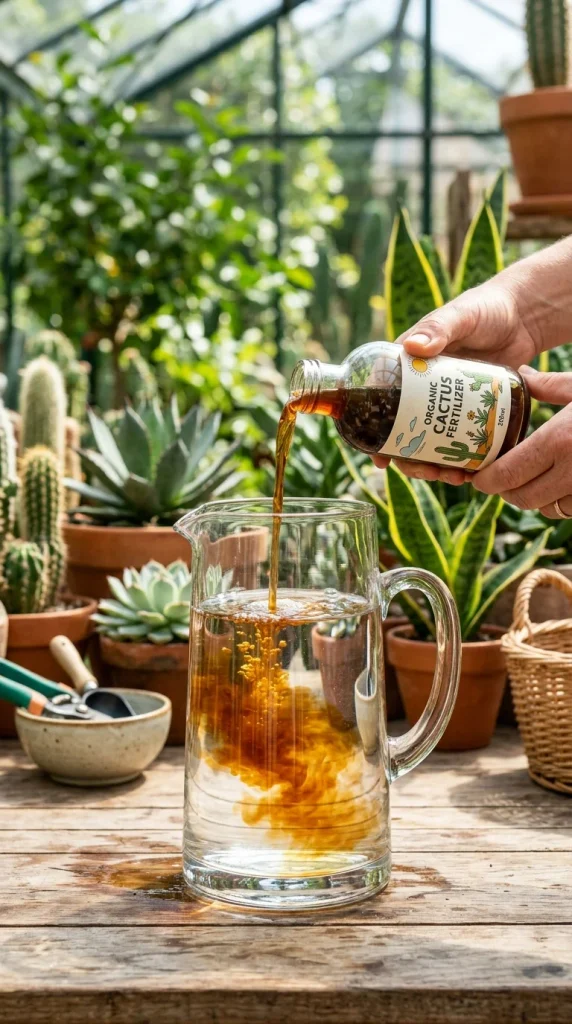
.Snake plants are not heavy feeders. You only need to fertilize them once or twice during the growing season (spring and summer). Use a balanced houseplant fertilizer diluted to half-strength. Avoid fertilizing in the winter.
14. Cleaning the Leaves
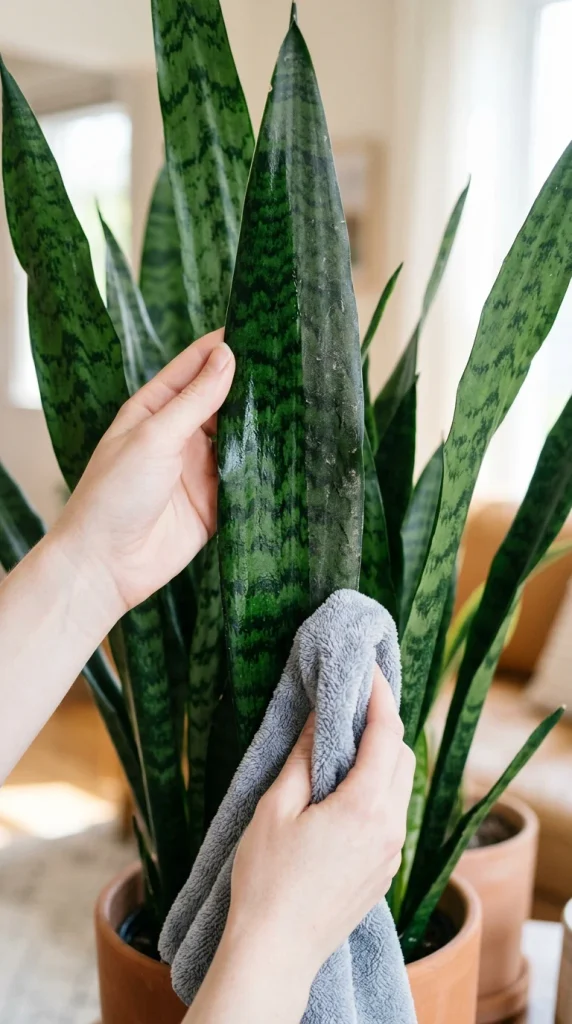
Because the leaves are wide and upright, they tend to collect dust. Dust blocks the plant’s ability to photosynthesize efficiently. Every few weeks, wipe the leaves down with a damp cloth to keep them breathing and looking vibrant.
15. Root Rot Signs
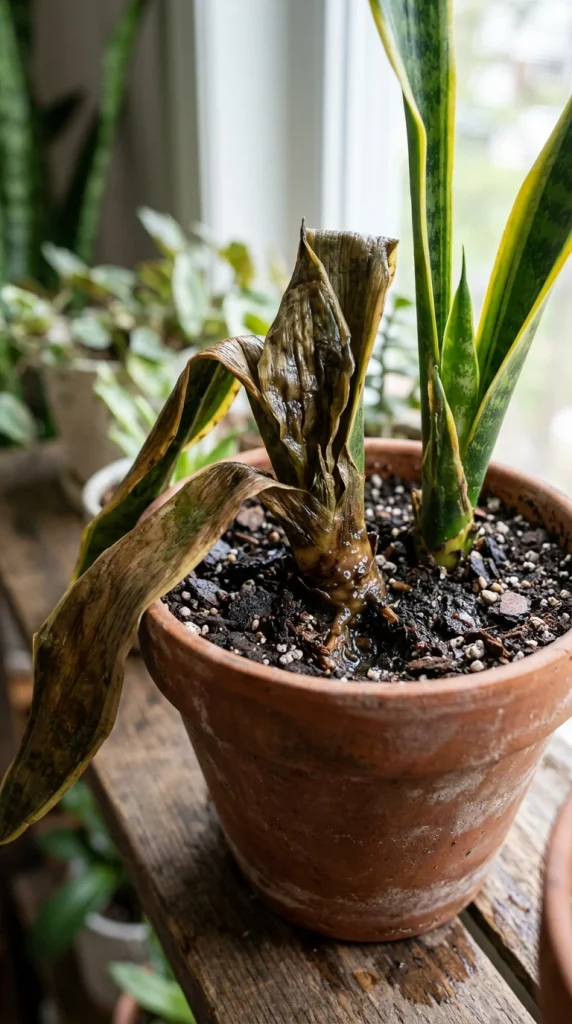
Generating If the leaves start feeling soft, mushy, or smell slightly foul at the base, you are likely dealing with root rot. This is caused by excess water. If you catch it early, you can sometimes save the plant by repotting it in dry soil and cutting away the mushy roots.
16. Repotting Frequency
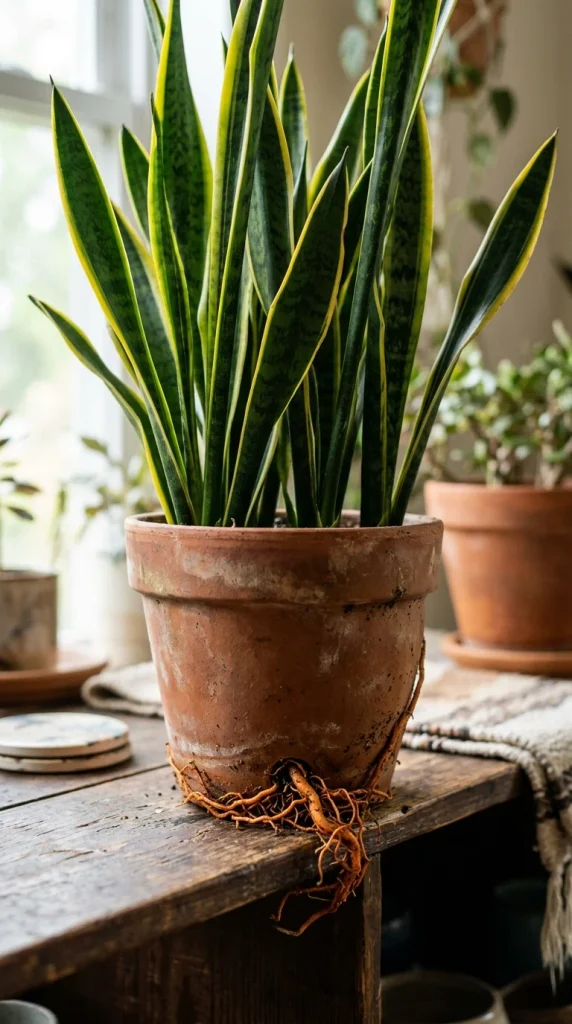
Generating Snake plants actually enjoy being “root-bound.” You don’t need to repot them often—usually every 2 to 3 years is plenty. If the pot starts to crack or the plant is literally pushing itself out of the soil, it’s time for a larger home.
17. Propagation by Cuttings
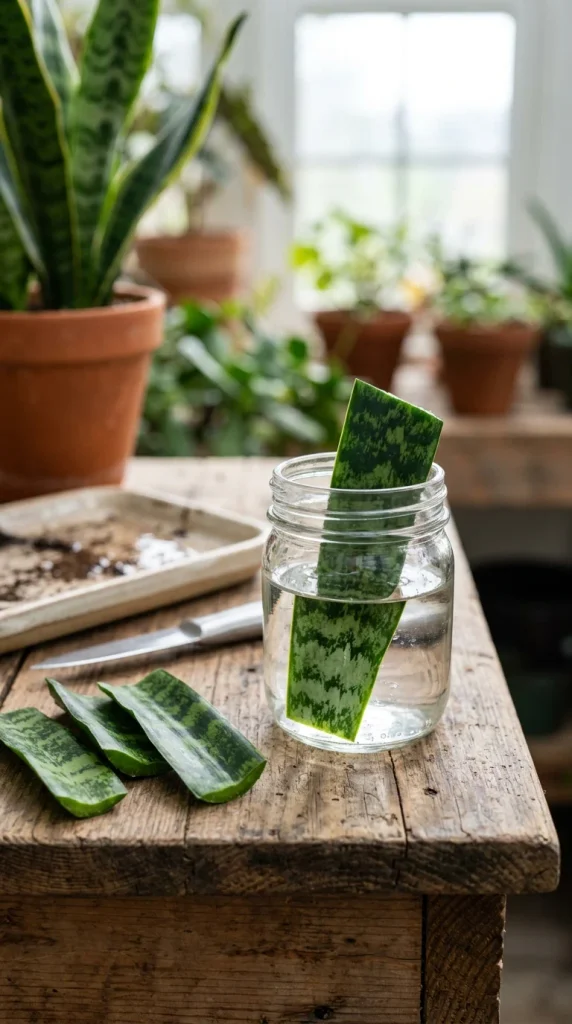
You can easily grow new plants from a single leaf! Cut a leaf into sections and place them in water or soil. Just remember which end was “down”—the cuttings must be planted in the same direction they were growing to develop roots.
18. Division Method
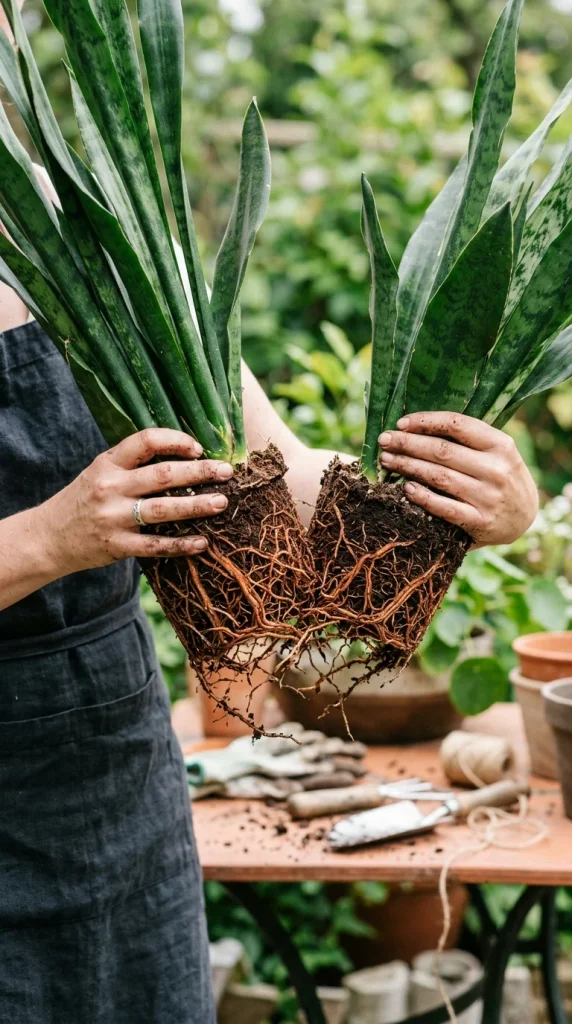
The easiest way to propagate is by division. When you repot, you can simply pull the “pups” (baby plants) apart from the main mother plant and pot them separately. This gives you a full-sized plant much faster than leaf cuttings.
19. Pest Awareness
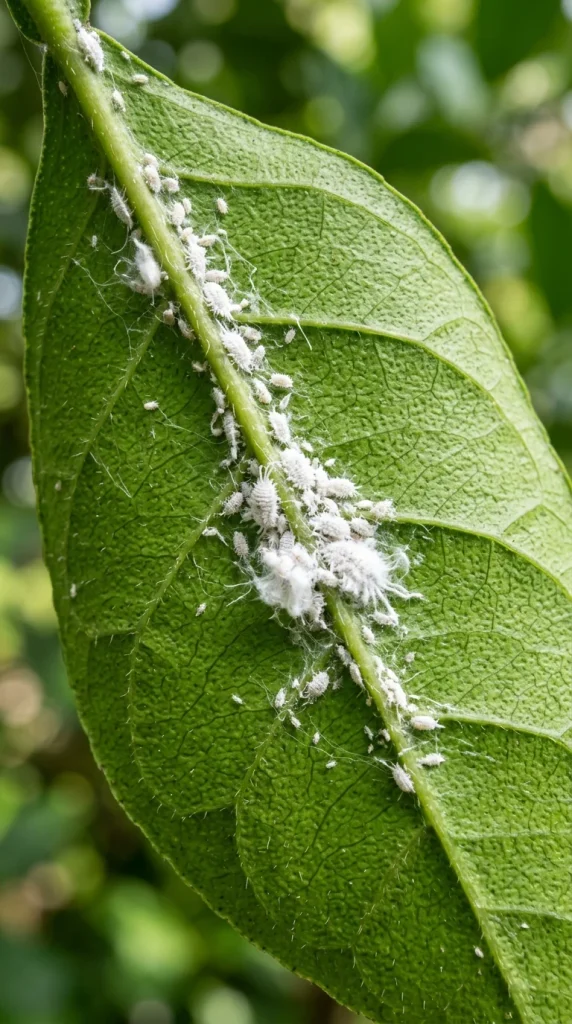
While rare, Snake plants can occasionally attract mealybugs or spider mites. If you see white cottony spots or tiny webs, treat the plant with neem oil or insecticidal soap immediately.
20. Toxicity to Pets
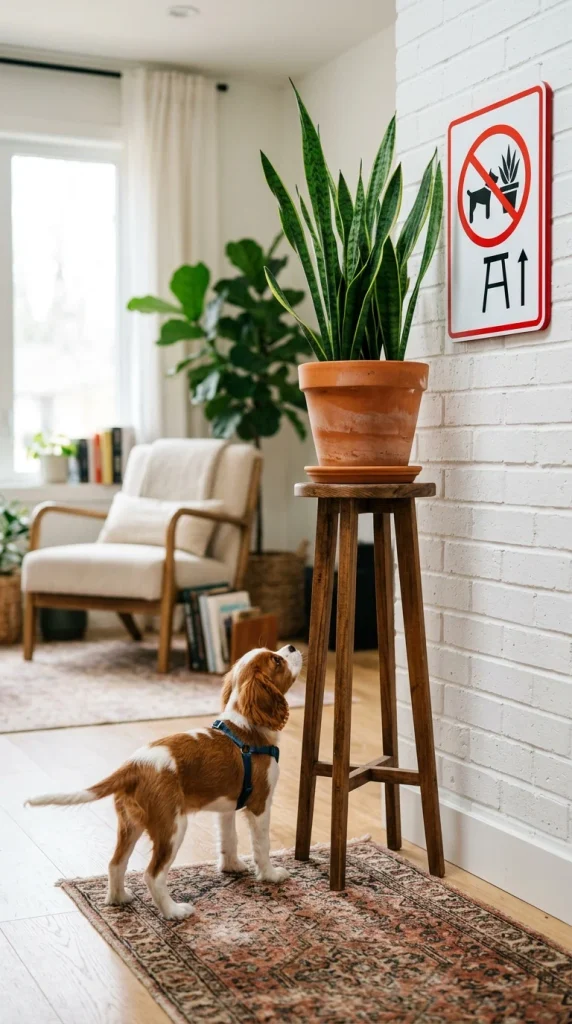
…It is important for beginners to know that Snake plants are mildly toxic if ingested by cats or dogs. They contain saponins, which can cause nausea and vomiting. It’s best to keep them on high shelves if you have curious pets.
21. Choosing the Right Variety
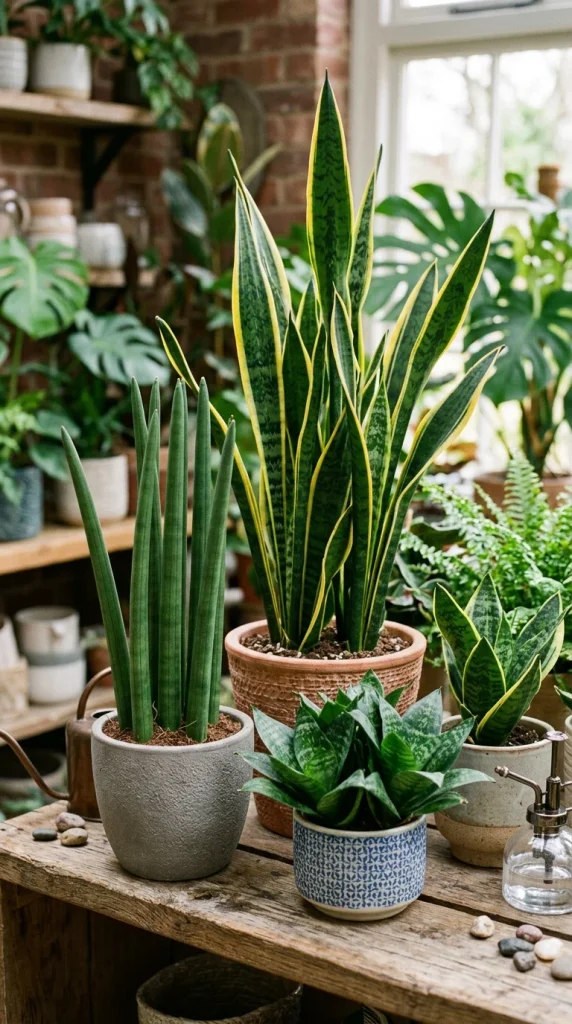
..There isn’t just one type of Snake Plant! If you have limited space, look for the “Bird’s Nest” (Hahnii) variety. If you want a statement piece, look for the “Whale Fin.” Each variety has the same basic care requirements.
22. Leaf Pruning
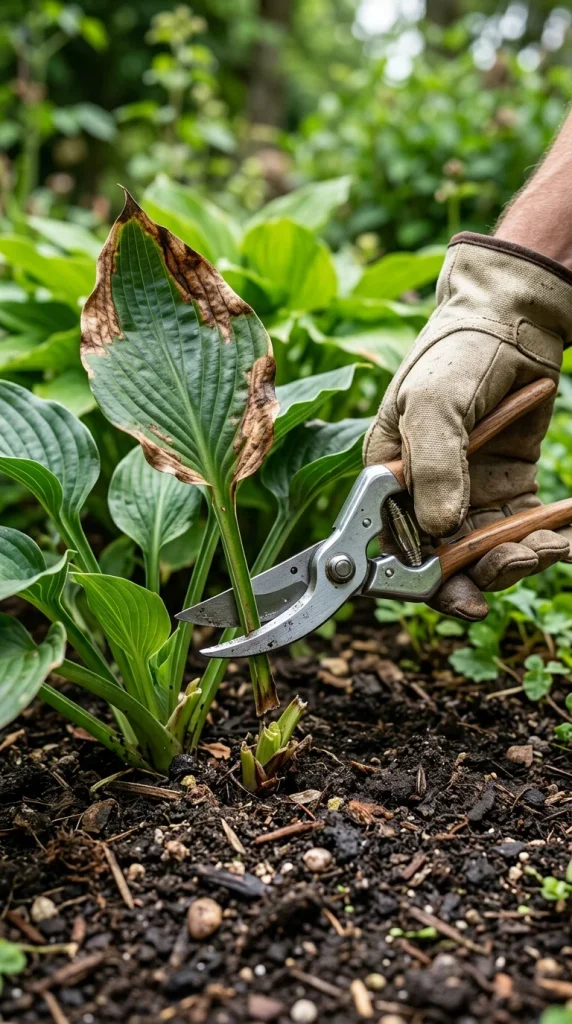
.If a leaf becomes damaged or unsightly, don’t be afraid to prune it. Use sterilized shears and cut the leaf off at the soil line. This won’t hurt the plant and allows it to direct energy toward healthy new growth.
23. Nighttime Oxygen

…Unlike most plants that take in oxygen at night, the Snake Plant continues to produce oxygen and remove toxins like formaldehyde and benzene. This makes it one of the absolute best plants to keep in your bedroom.
24. Be Patient
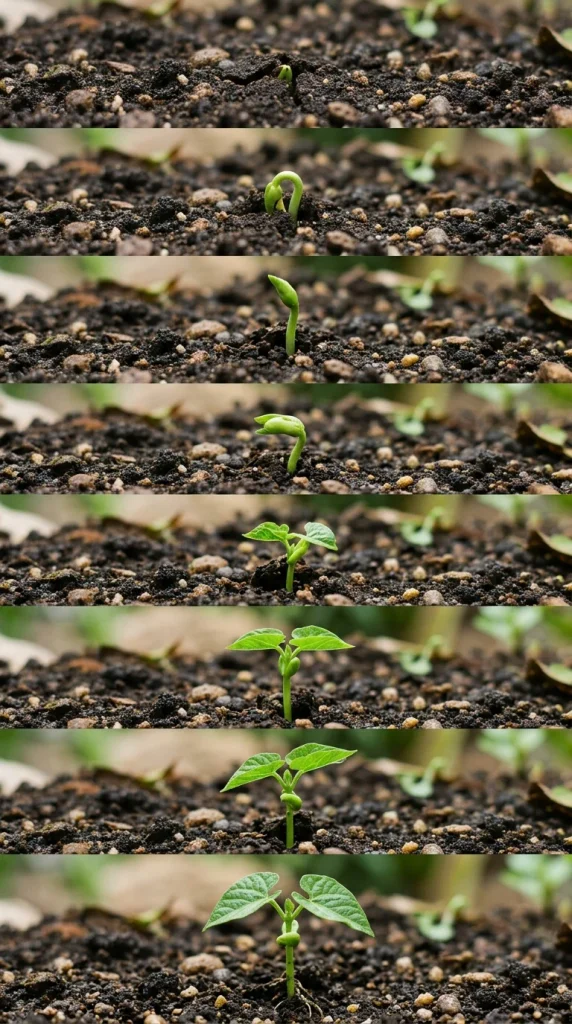
Snake plants are slow growers. Don’t be discouraged if you don’t see a new leaf for months. As long as the leaves are firm and upright, your plant is healthy. Just keep following the routine, and eventually, it will reward you with new growth!