Creating a high-end outdoor sanctuary doesn’t require a landscape architect’s budget or a five-figure bank account. Most of what we perceive as “expensive” in garden design boils down to three things: intentionality, symmetry, and texture. By focusing on smart DIY projects and strategic styling, you can transform a lackluster yard into a sophisticated retreat that rivals professional designs.
The secret lies in the details. Often, the difference between a cluttered backyard and a luxury garden is simply a clean edge, a unified color palette, or the strategic placement of light. Here are 14 budget-friendly ideas to give your garden a high-end makeover.
1. Gravel Paths
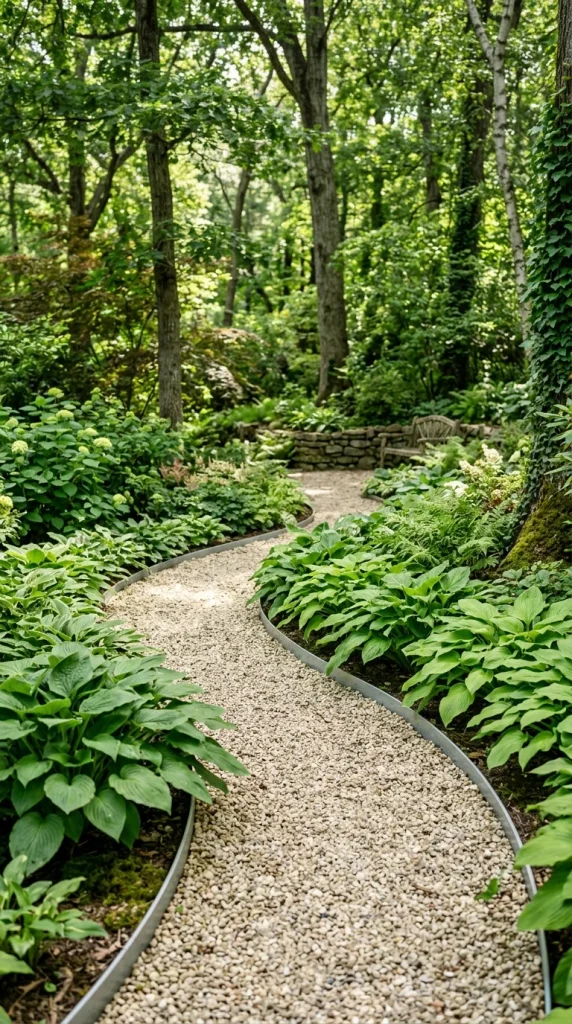
Gravel is the ultimate budget-friendly hardscape material. Unlike expensive flagstone or custom-poured concrete, gravel is affordable, easy to install yourself, and provides an instantly classic, European feel. It adds a satisfying crunch underfoot and creates a clear sense of movement through the garden.
To make it look expensive, avoid “chunky” construction gravel. Instead, opt for pea gravel or decomposed granite in neutral tones like soft gray, tan, or white. Use a professional-grade landscape fabric underneath to prevent weeds, and ensure you have a firm border—such as pressure-treated timber or metal edging—to keep the stones contained.
2. Strategic Uplighting
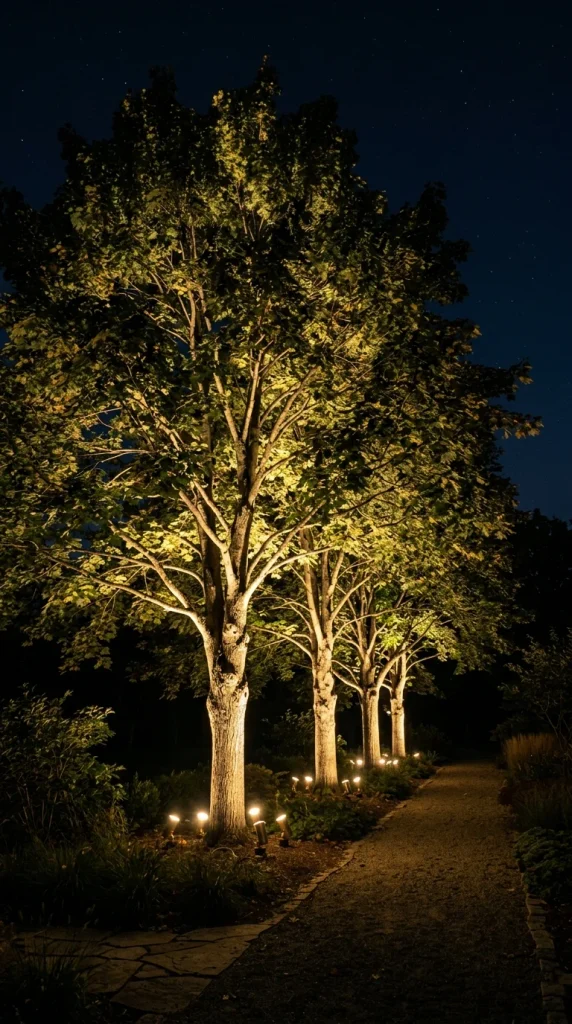
Nothing screams “luxury hotel” like a well-lit garden. Most homeowners stop at a single bright floodlight, which can feel harsh and utilitarian. To achieve an expensive look, focus on “uplighting” and “moonlighting.”
Solar-powered spotlights have come a long way and are now available in sophisticated warm-white tones. Place them at the base of your most architectural plants, such as Japanese Maples or structural grasses. By illuminating the foliage from below, you create a dramatic, three-dimensional effect that makes the garden look stunning long after the sun goes down.
3. Monochromatic Furniture
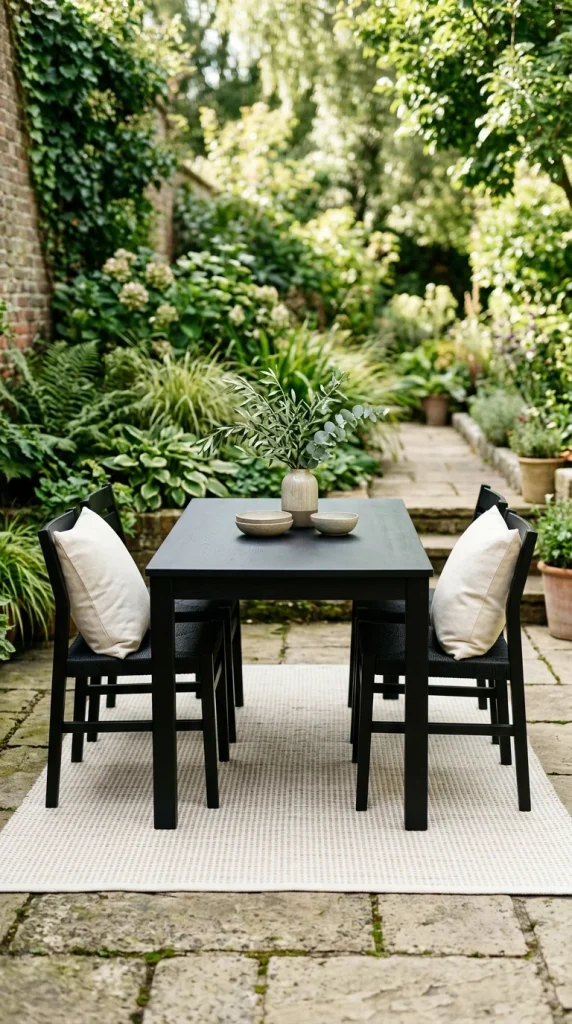
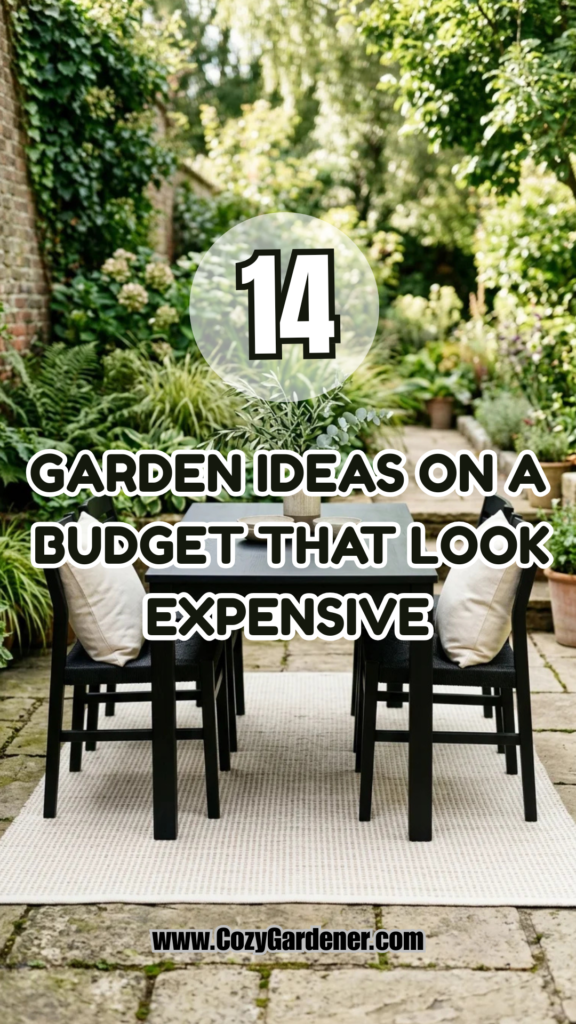
Old, mismatched garden furniture can make an outdoor space look cluttered and cheap. You don’t need to buy a new set; you just need a unified color story. A few cans of high-quality outdoor spray paint can work miracles.
Choose a sophisticated, monochromatic palette. Matte black, deep charcoal, or a soft sage green are excellent choices that mimic high-end designer brands. By painting your table, chairs, and even your plant stands the same color, you create a cohesive look that feels curated rather than accidental.
4. Vertical Greenery
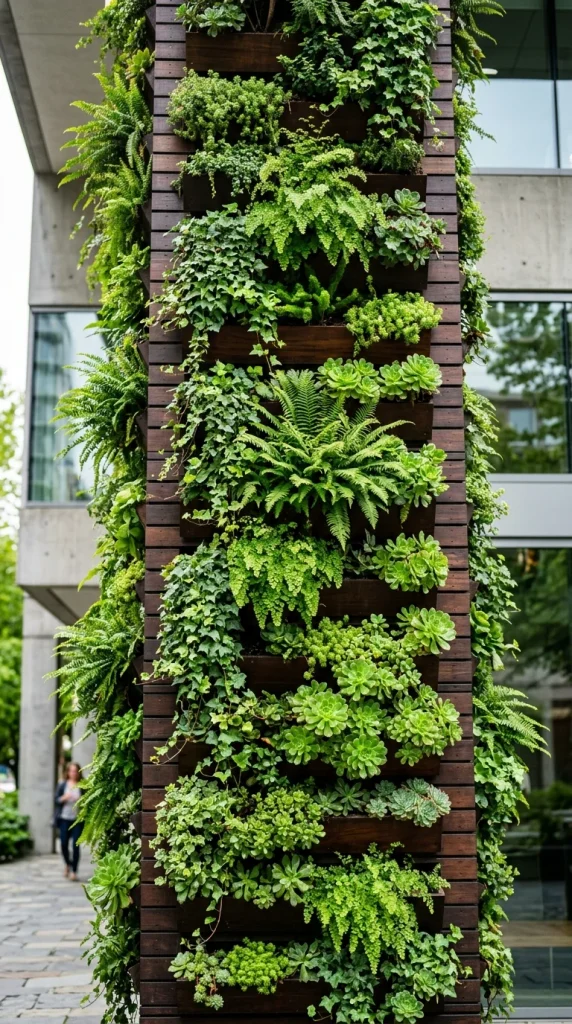
In a luxury garden, every plane is considered—including the vertical ones. If you have an ugly fence or a blank brick wall, covering it with greenery adds depth and a sense of “established” luxury.
Instead of expensive custom living walls, use wooden pallets (sanded and stained) or simple wire trellises. Fast-growing climbers like Clematis or Star Jasmine are relatively inexpensive and will cover a large area within a couple of seasons. The fragrance of jasmine, in particular, adds a sensory layer that feels incredibly high-end.
5. Symmetrical Planting
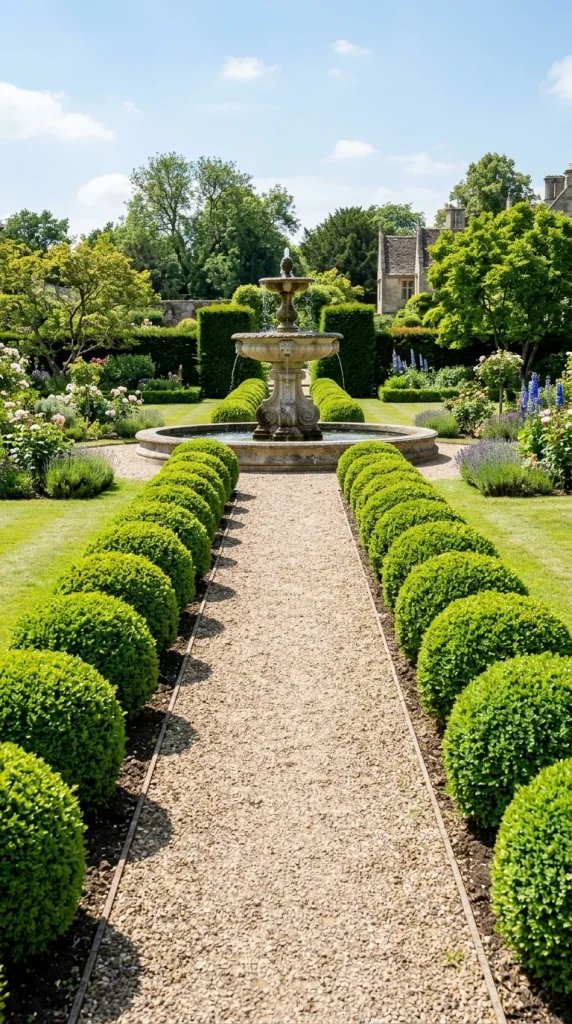
Symmetry is a hallmark of formal, expensive gardens. The human eye perceives balance as organized and high-quality. You can replicate this by using the “mirror image” technique.
If you have a doorway or a path, place identical pots on either side with identical plants. Boxwood balls are a classic choice because they stay green year-round and provide a structured shape. By repeating the same plant species at regular intervals, you create a rhythm in the landscape that looks professional and intentional.
6. Mirror Illusions
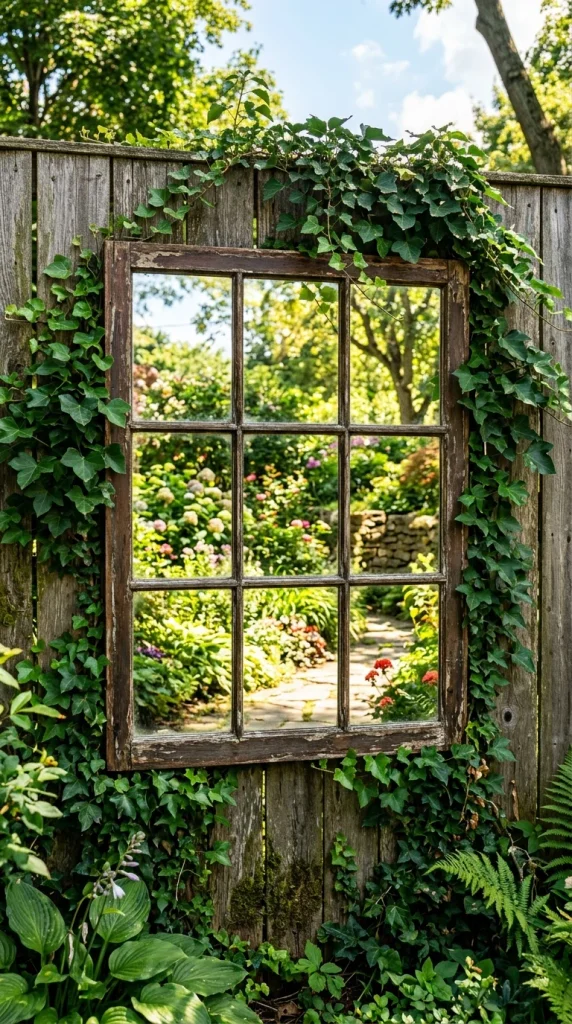
Interior designers use mirrors to make small rooms look larger, and the same trick works outdoors. A large mirror placed at the end of a path or on a fence can create the illusion of a “secret garden” beyond the wall.
Look for vintage mirrors at thrift stores and give them a coat of weather-resistant sealant. When positioned correctly, the mirror reflects light into darker corners of the garden and doubles the visual volume of your plants. Just be sure to place it in a shaded area to avoid creating a fire hazard from reflected sunlight or confusing birds.
7. Deep Mulching
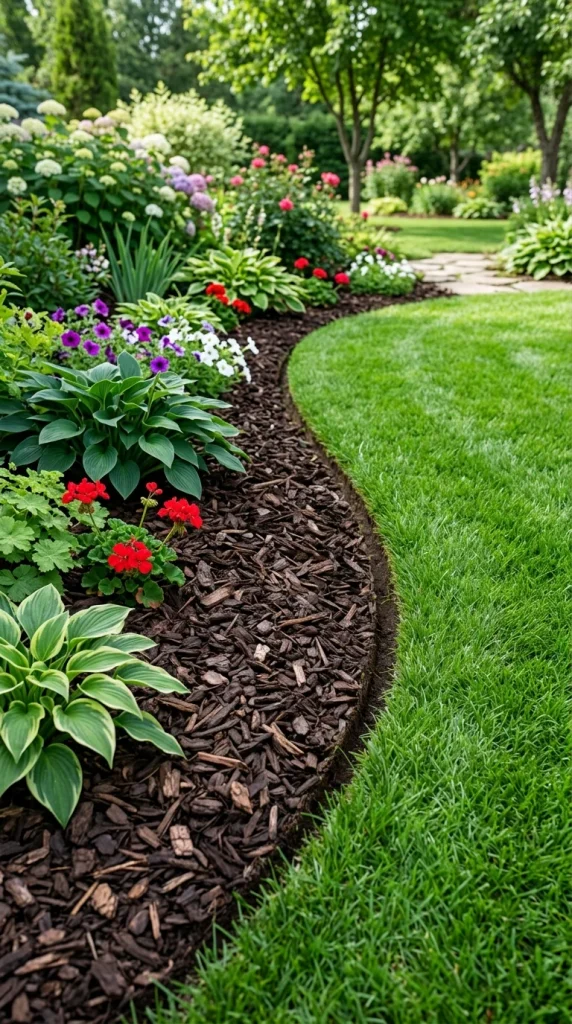
Professional landscapers know that mulch is the “makeup” of the garden. It hides imperfections, retains moisture, and provides a clean backdrop for your plants to pop.
To get the expensive look, avoid “dyed” red mulch, which can look artificial. Instead, go for a natural dark brown or black bark mulch. Apply it thickly (about 3 inches) and, most importantly, create a “Victorian edge”—a sharp, 4-inch deep trench between your lawn and your flower bed. That crisp line is the hallmark of a high-maintenance, high-budget garden.
8. Uniform Containers
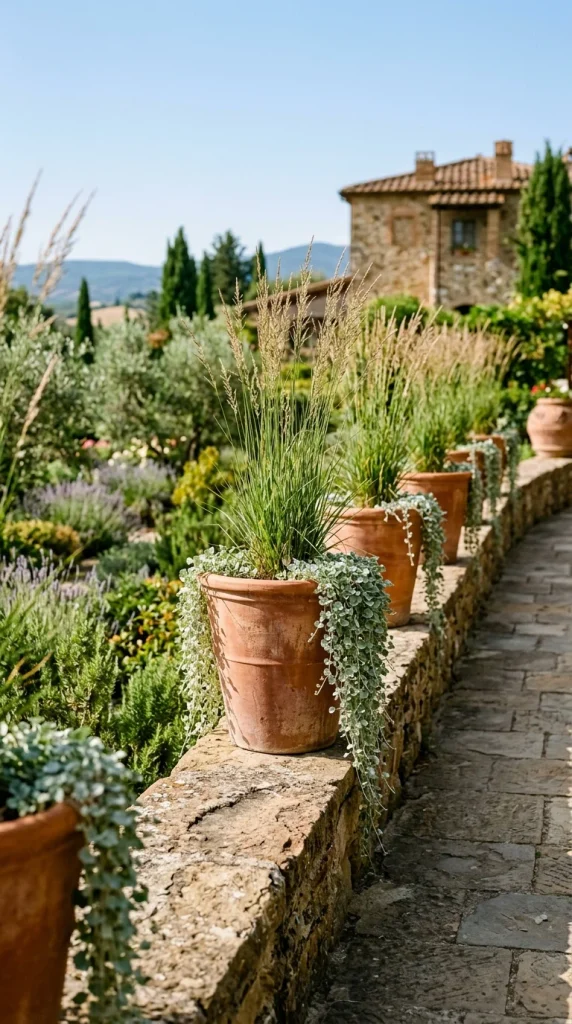
A collection of random plastic pots in different colors and sizes can look messy. High-end gardens typically use a “theme” for their containers.
You can find inexpensive terracotta pots at most hardware stores. While they are cheap individually, when you buy ten of the same size and line them up, they look like a custom installation. If you prefer a more modern look, paint your existing mismatched pots the same color (like a deep bronze or stone gray) to give them a unified, expensive appearance.
9. Festoon Lights
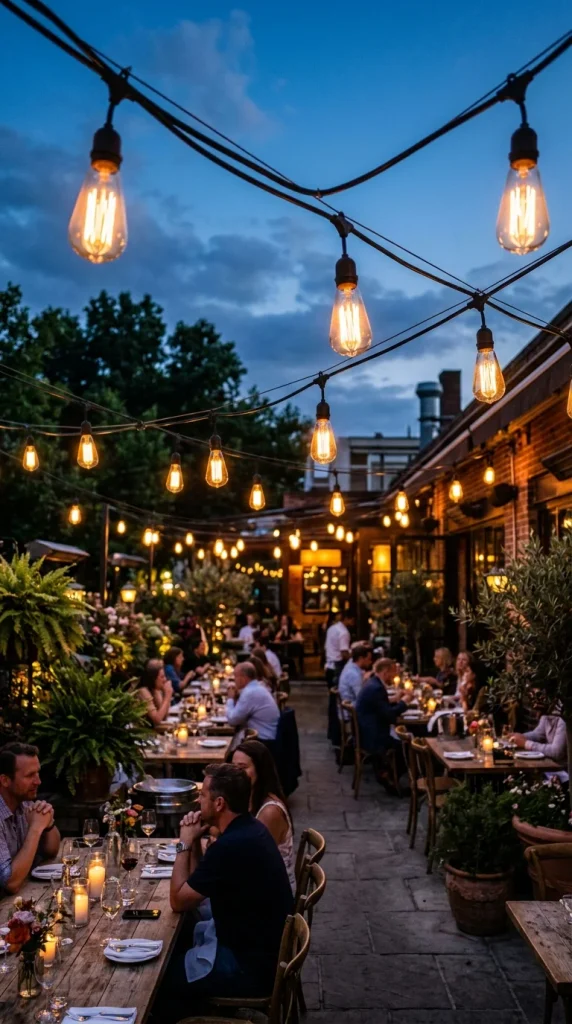
Lighting defines the atmosphere of an outdoor room. While tiny fairy lights can look whimsical, “festoon” or “bistro” lights have a more architectural, permanent feel.
The key to making string lights look expensive is the installation. Don’t just drape them haphazardly. Use sturdy poles or attach them to the house and fence in a neat “zigzag” or “X” pattern. Ensure the wires are taut. These lights create a warm, inviting glow that makes any patio feel like a high-end restaurant terrace.
10. Plant Propagation
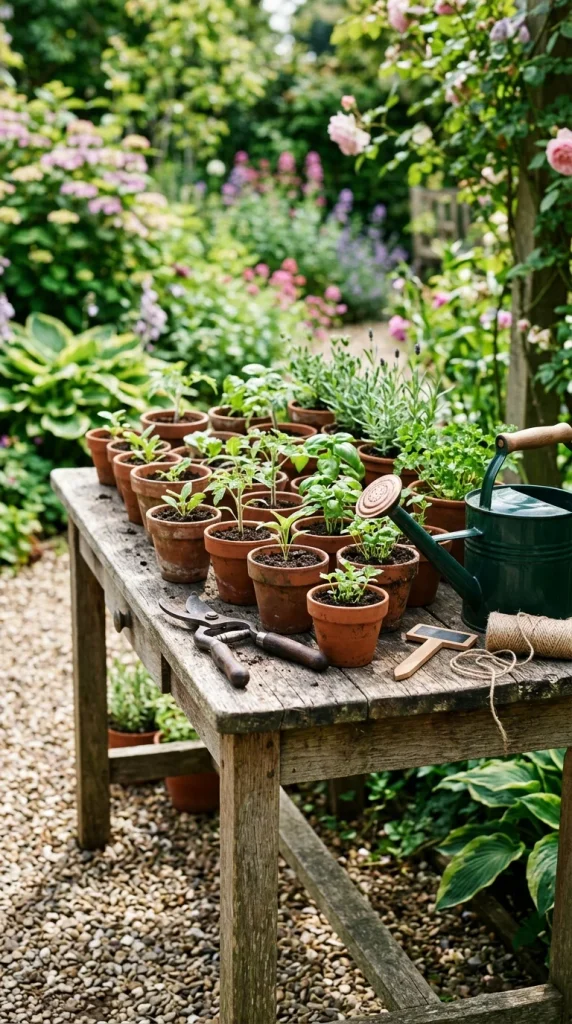
A lush, full garden looks expensive because plants are pricey. However, you can achieve a “more is more” look for free through propagation.
Many high-end plants, like Hydrangeas, Lavender, and succulents, are incredibly easy to grow from cuttings. Instead of buying thirty lavender plants to line a path, buy three and take cuttings. Within two years, you’ll have a full, fragrant hedge that looks like it cost hundreds of dollars, while only costing you the price of a few initial plants and some patience.
11. Stone Fire Pit
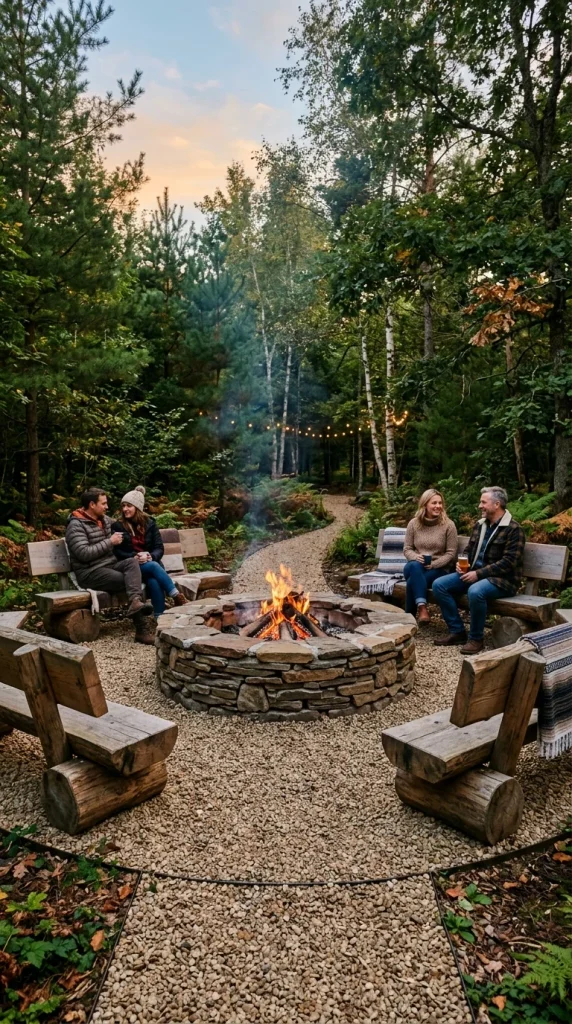
A fire feature is a major focal point that anchors an outdoor living space. While professional gas fire pits are thousands of dollars, a wood-burning stone pit is an easy weekend DIY project.
Using natural fieldstones or simple concrete pavers from a home improvement store, you can build a sturdy, attractive fire pit for under $100. The trick is to create a dedicated “zone” for it. Surround the pit with a circle of gravel or mulch to define the space, making it look like a planned architectural feature rather than an afterthought.
12. Climbing Roses
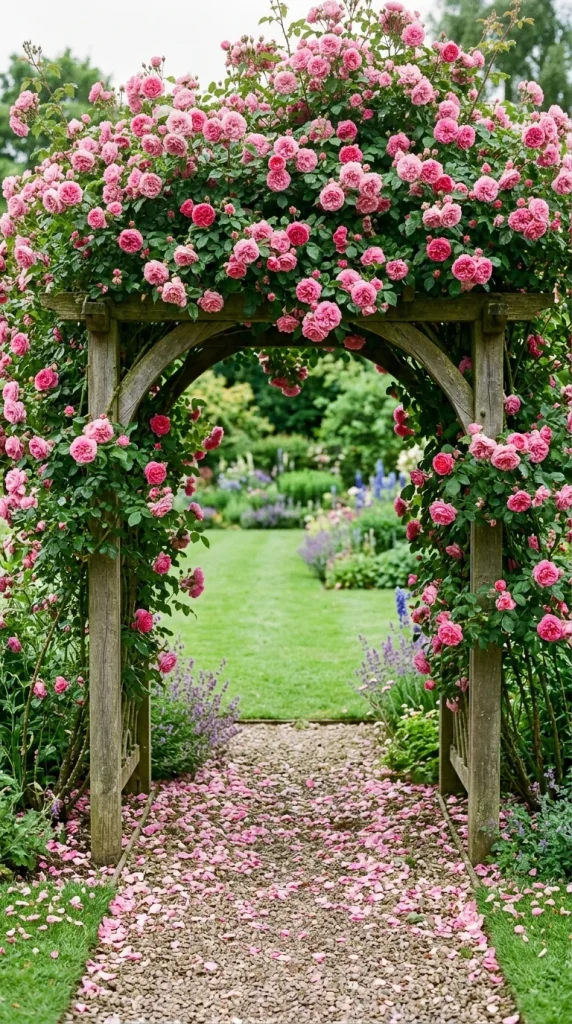
There is something inherently luxurious about climbing plants that have “claimed” a structure. It suggests the garden has been lovingly tended for decades.
Adding an inexpensive wooden or metal arbor and planting a climbing rose or Clematis at the base is a low-cost way to add height and romance. As the plant grows over the structure, it creates a “gateway” effect that makes even a small suburban yard feel like a grand estate.
13. Stenciled Patio
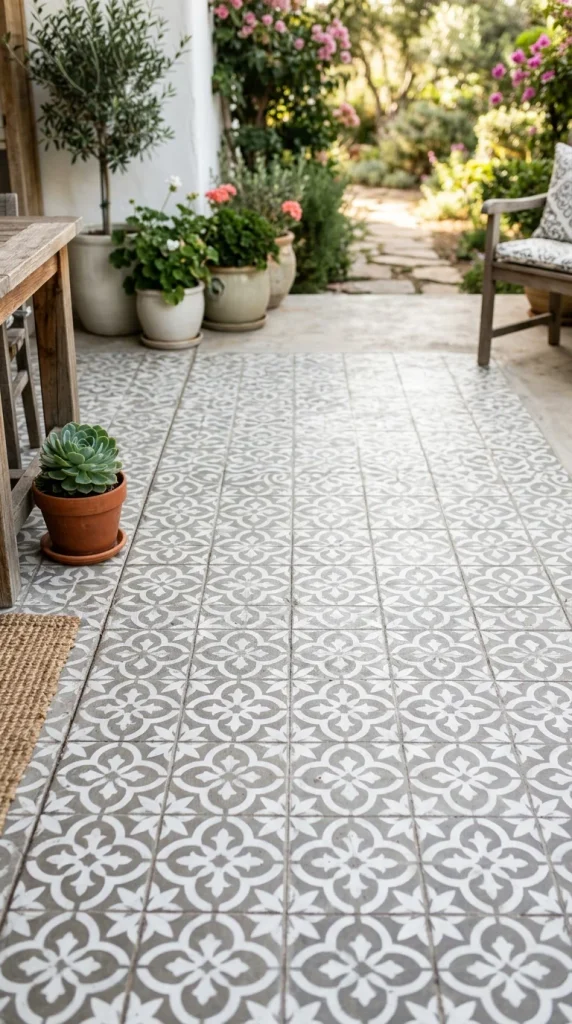
If you have a plain, stained, or cracked concrete patio, you don’t need to rip it up and lay expensive stone. Concrete paint and a large-scale stencil can transform the surface into something that looks like high-end tiling.
Choose a geometric or Mediterranean pattern and use a two-tone color palette (like light gray and charcoal). This project takes some time and patience, but the visual impact is massive, turning a “utility” space into a stylish outdoor rug made of paint.
14. Water Features
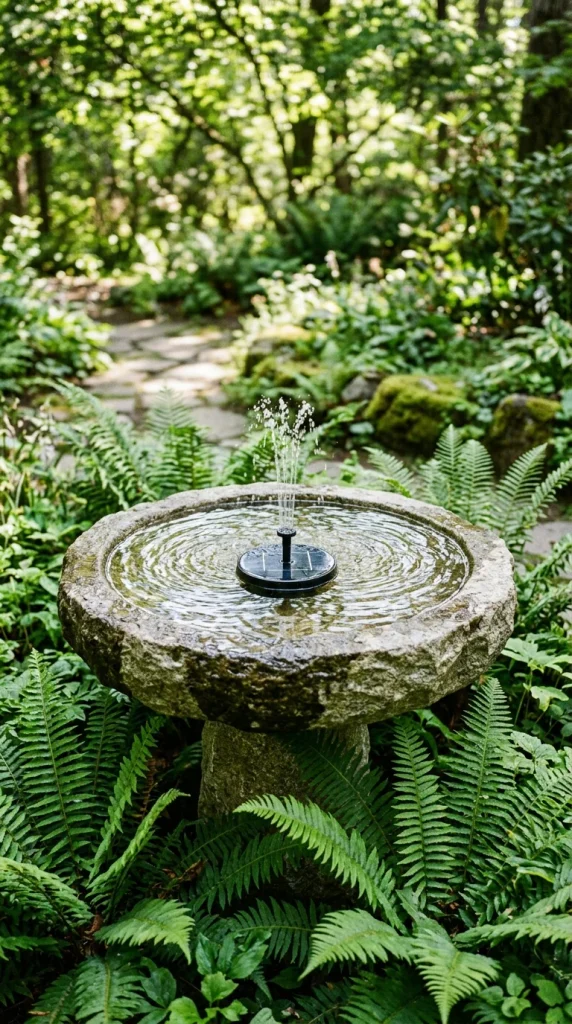
The sound of running water is the ultimate luxury. It masks neighborhood noise and creates a sense of tranquility. You don’t need a custom-built pond to get this effect.
A simple stone birdbath or a large glazed pot can be turned into a fountain with a cheap, solar-powered pump. Hide the pump with some smooth river stones at the bottom. The movement of the water and the presence of birds will elevate the atmosphere of your garden, making it feel like a high-end sanctuary without the high-end utility bill.