
The Christmas cactus (Schlumbergera bridgesii) is a holiday icon, cherished for its stunning, tubular flowers that emerge just as the world outside turns grey and cold. Unlike its desert cousins, this Brazilian native is an epiphyte, naturally growing on trees in tropical rainforests. This unique heritage means it requires a specific set of care rules to transition from a leafy green plant to a floral masterpiece. To help you achieve the most spectacular display possible, we have compiled 24 expert tips for healthy growth and prolific flowering.
1. Indirect Light
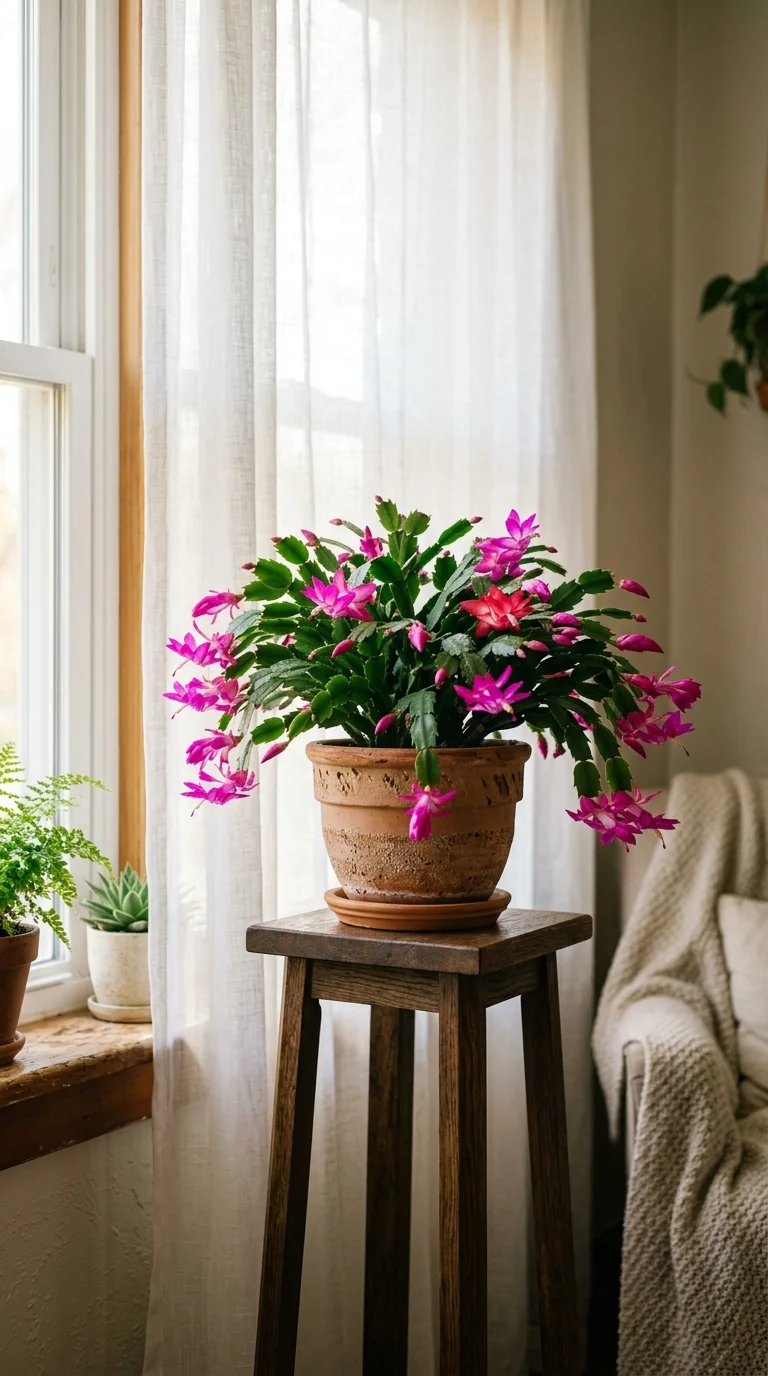
While many cacti crave intense, direct sun, the Christmas cactus prefers bright, indirect light. Placing it in a south or east-facing window with a sheer curtain is ideal. Direct midday sun can scorch the delicate segments, turning them a stressed reddish-purple or even causing permanent burn marks.
2. Well-Draining Soil
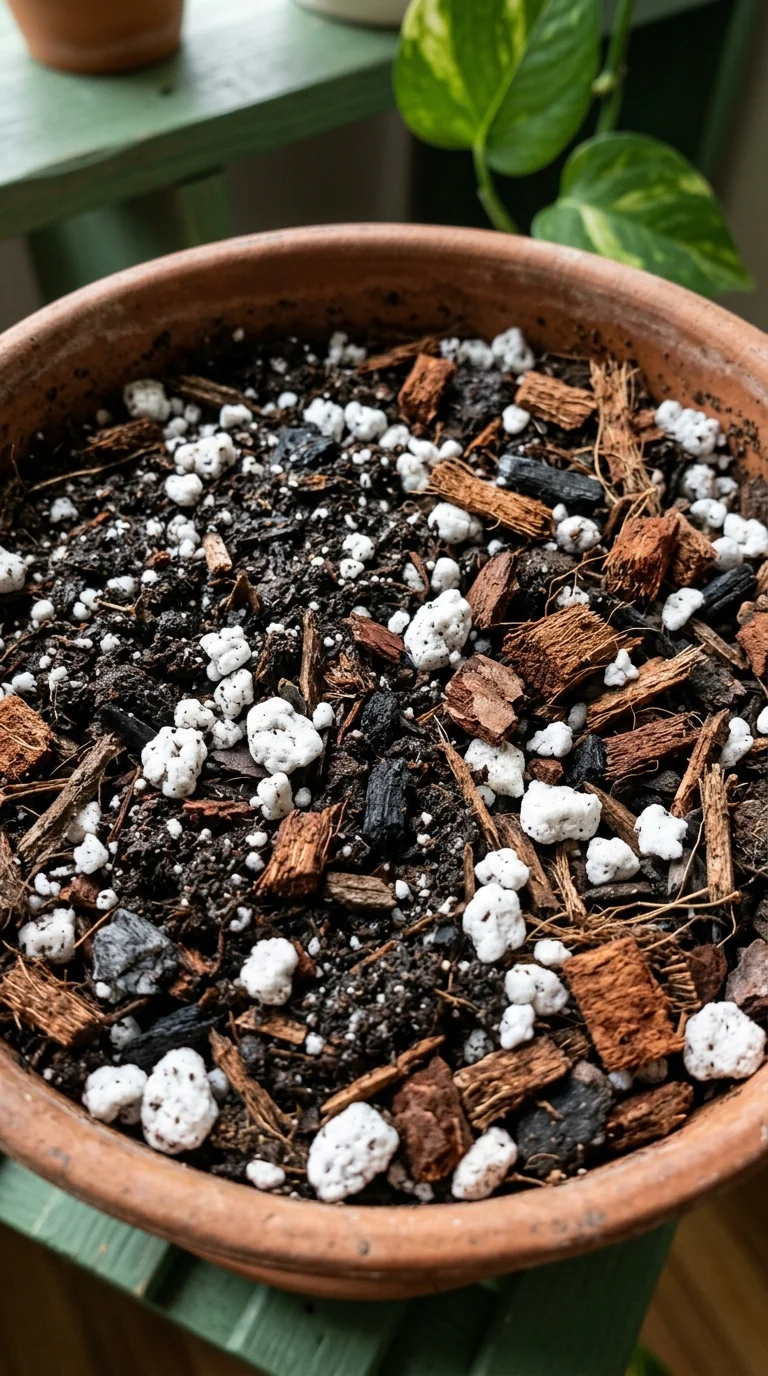
Standard potting soil is often too heavy and retains too much moisture for a Christmas cactus. Use a mix specifically designed for succulents, or create your own by mixing two parts high-quality potting soil with one part perlite and one part orchid bark. This ensures that oxygen reaches the roots and prevents rot.
3. Terracotta Pots
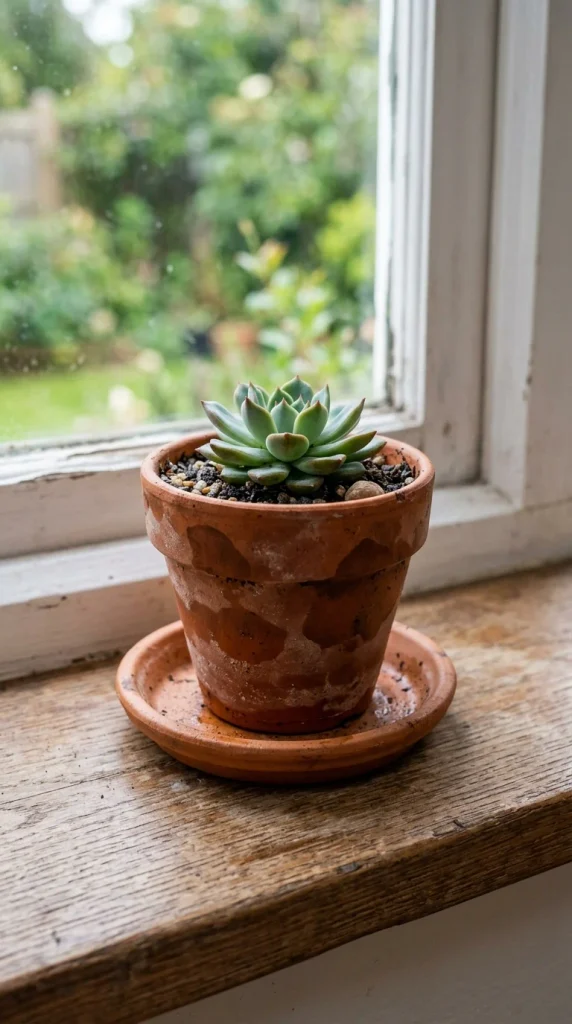
Choosing the right container is vital. Terracotta is porous and allows the soil to “breathe” and dry out more evenly than plastic or glazed ceramic. This is particularly helpful for indoor gardeners who might have a heavy hand with the watering can, as it provides a natural buffer against soggy soil.
4. Proper Drainage
Never let your Christmas cactus sit in standing water. Ensure your pot has at least one large drainage hole. If you use a decorative “cachepot” (a pretty pot without a hole), keep the plant in a plastic nursery liner and remove it to water, allowing it to drain completely before placing it back inside the decorative container.
5. Controlled Watering
Forget a strict calendar schedule. Instead, water your cactus when the top inch of soil feels dry to the touch. In the summer, you may water more frequently; in the winter, the plant enters a semi-dormant state and requires significantly less. Always aim for moist, not saturated, soil.
6. High Humidity
Hailing from the rainforest, these plants love humidity. If your home is dry—especially during the winter when the heater is on—place the pot on a tray filled with pebbles and water. As the water evaporates, it creates a humid microclimate around the foliage.
7. Temperature Stability

Christmas cacti thrive in temperatures between 60°F and 70°F (15°C to 21°C). They are sensitive to sudden fluctuations. Keep them away from drafty doors, windows, and heating vents, which can cause the plant to drop its buds prematurely.
8. Summer Outdoors
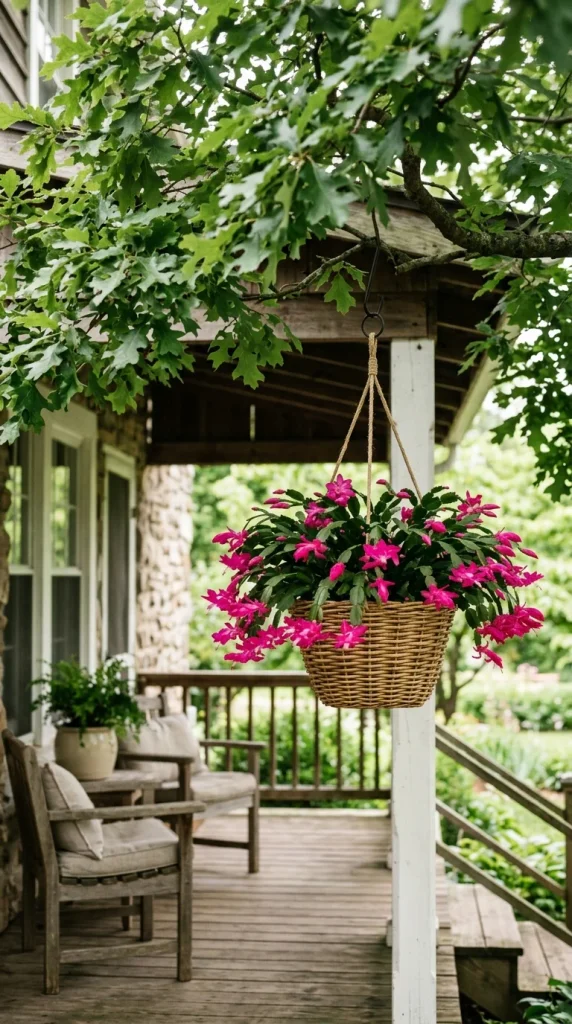
Once the danger of frost has passed in the spring, your cactus will enjoy a “vacation” outdoors. Place it in a fully shaded spot, such as under a porch or a dense tree. The natural airflow and nighttime temperature drops can invigorate growth and prepare the plant for a heavy bloom cycle.
9. Cool Dormancy
To trigger flower production, the plant needs a “cooling off” period starting in September or October. Keep the plant in a room where temperatures stay between 50°F and 55°F (10°C to 13°C). This chill signals to the plant that it is time to stop growing leaves and start producing buds.
10. Dark Treatment
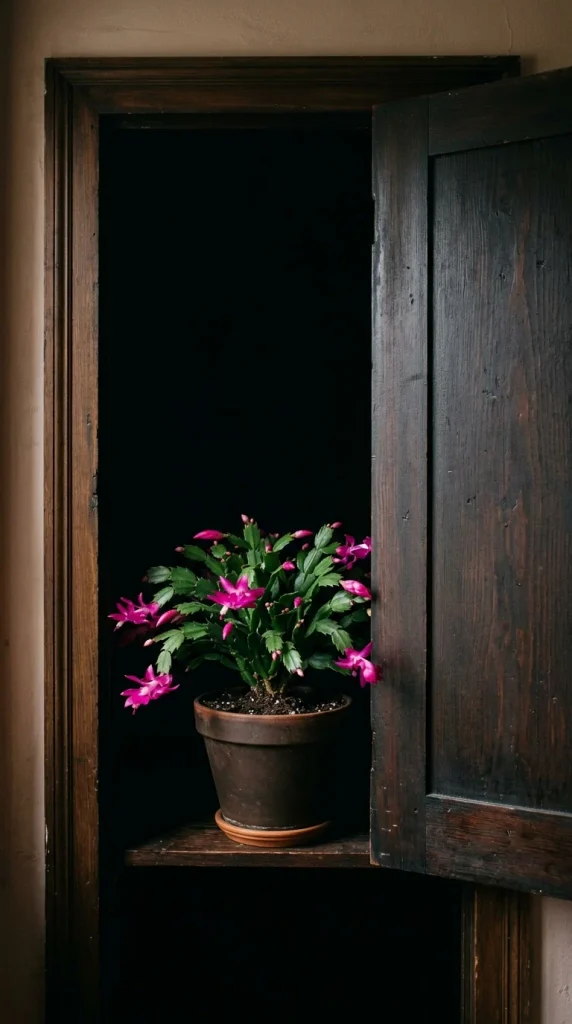
Perhaps the most critical tip for blooms is the “dark treatment.” For 6 to 8 weeks before you want it to bloom, the plant needs 12 to 14 hours of total, uninterrupted darkness every night. Even a streetlamp or a hallway light can disrupt this cycle. Cover it with a box or place it in a dark room from 6 PM to 8 AM.
11. Balanced Fertilizer
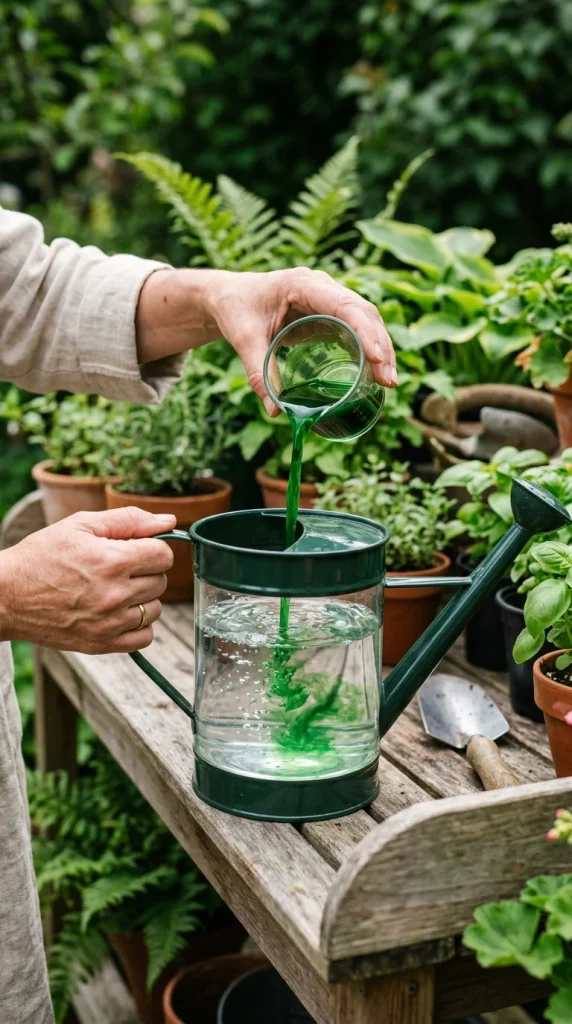
During the active growth period (spring through early fall), use a balanced, water-soluble fertilizer every two to four weeks. A 20-20-20 or 10-10-10 formula works well. Stop fertilizing once the buds begin to form in late fall to avoid “burning” the developing flowers.
12. Magnesium Boost
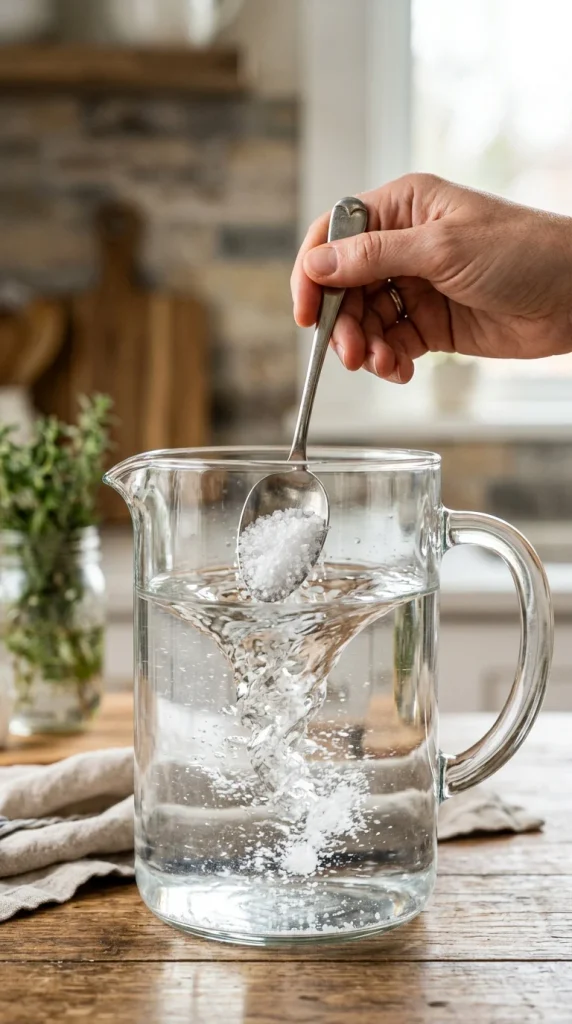
Christmas cacti have a high requirement for magnesium. Once a month during the growing season, provide a supplemental feeding of one teaspoon of Epsom salts dissolved in a gallon of water. This helps keep the segments deep green and prevents yellowing.
13. Strategic Pruning
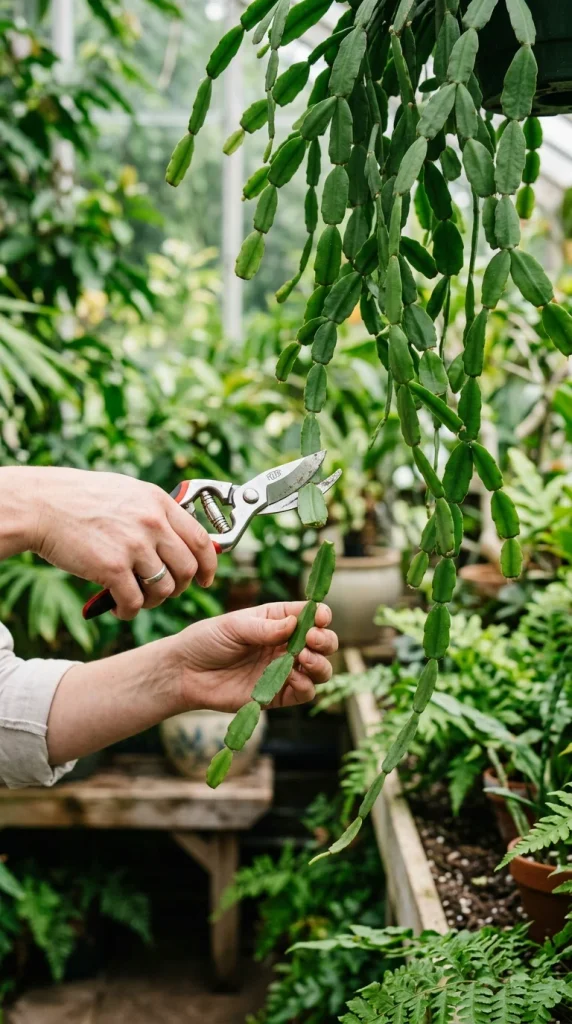
Pruning encourages the plant to branch out, resulting in a fuller, bushier appearance and more flower sites. The best time to prune is about a month after the blooming season ends. Simply twist off one or two segments from the ends of the stems.
14. Propagation Ease
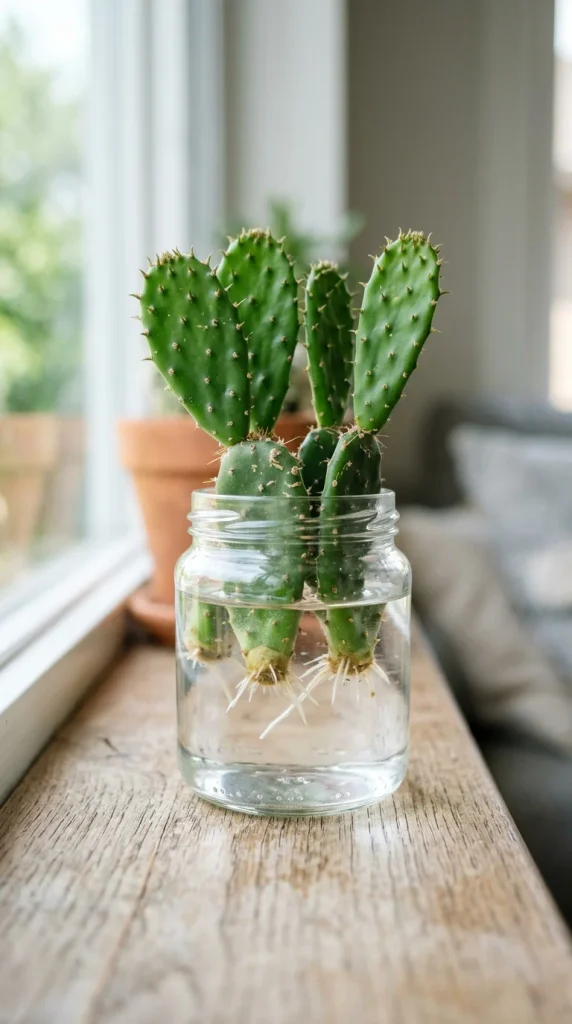
Don’t throw away those pruned segments! Christmas cacti are incredibly easy to propagate. Let the segments dry for a day to “callus” over, then stick them into moist soil or a jar of water. Within a few weeks, they will develop roots and become entirely new plants.
15. Root Bound
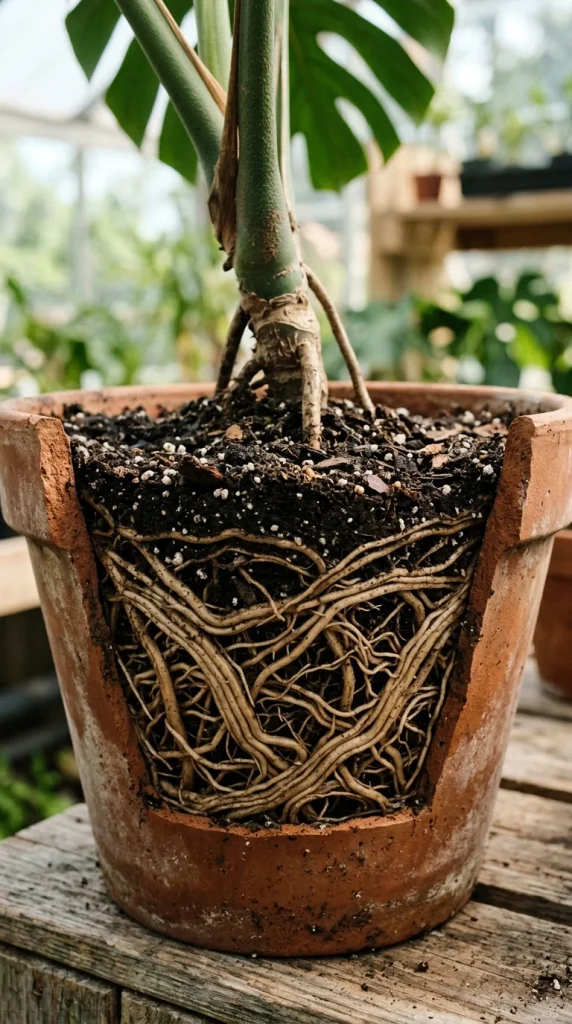
Unlike many other houseplants, the Christmas cactus actually prefers to be slightly root-bound. Being “tight” in its pot encourages better flowering. You should only consider repotting every 3 to 4 years, and only if the plant seems to be struggling or the soil has completely broken down.
16. Repotting Timing
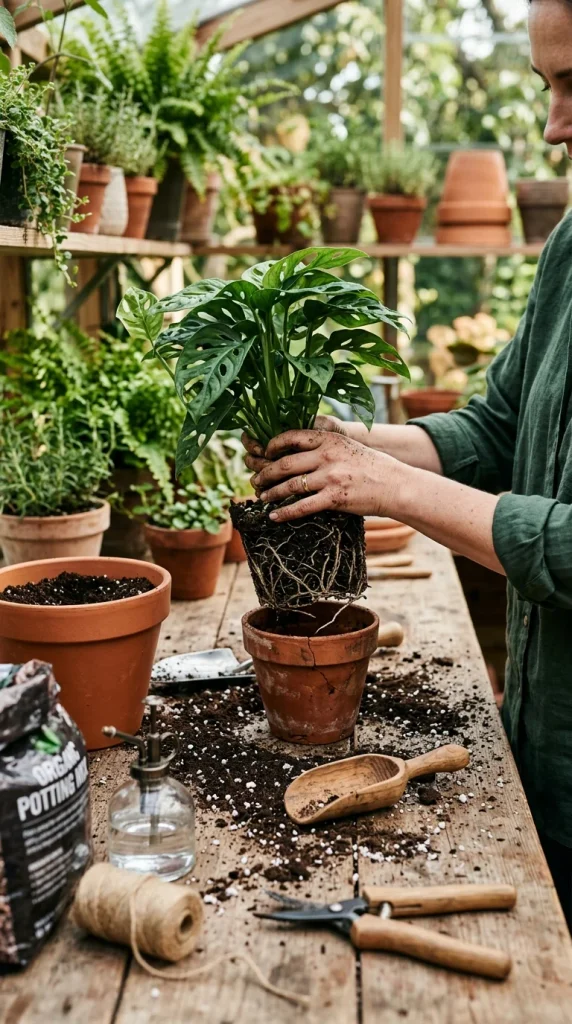
If you must repot, timing is everything. Never repot while the plant is blooming or even while it is setting buds, as the stress will cause the buds to fall off. The best time is in late spring, after the plant has recovered from its winter blooming cycle and has started its new growth phase.
17. Avoid Moving
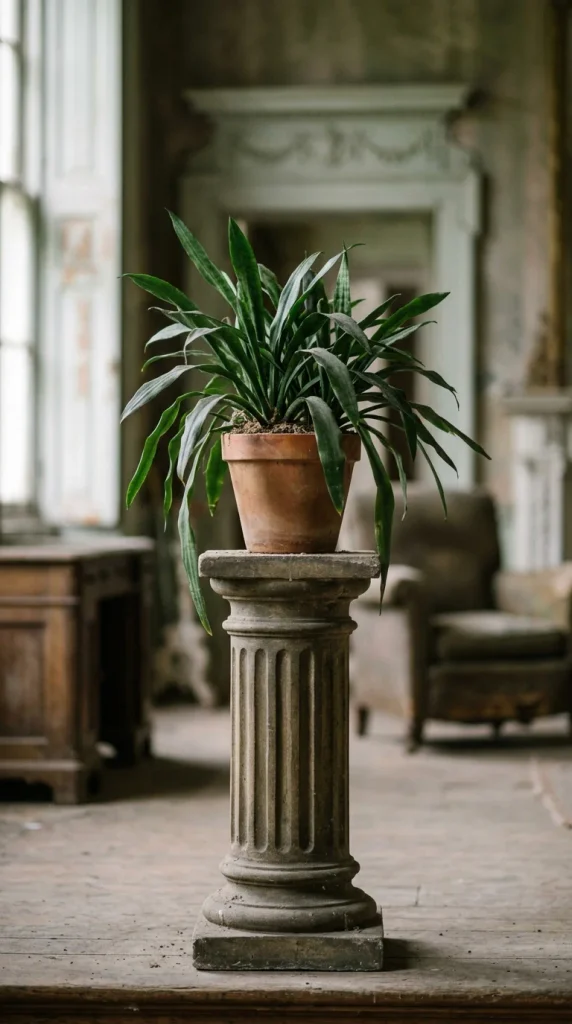
Once you see buds starting to form, stop moving the plant. Christmas cacti are notorious for “bud drop” if their environment changes even slightly. Even rotating the pot can change the light angle enough to cause the plant to jettison its flowers. Find a perfect spot and leave it there.
18. Pest Vigilance
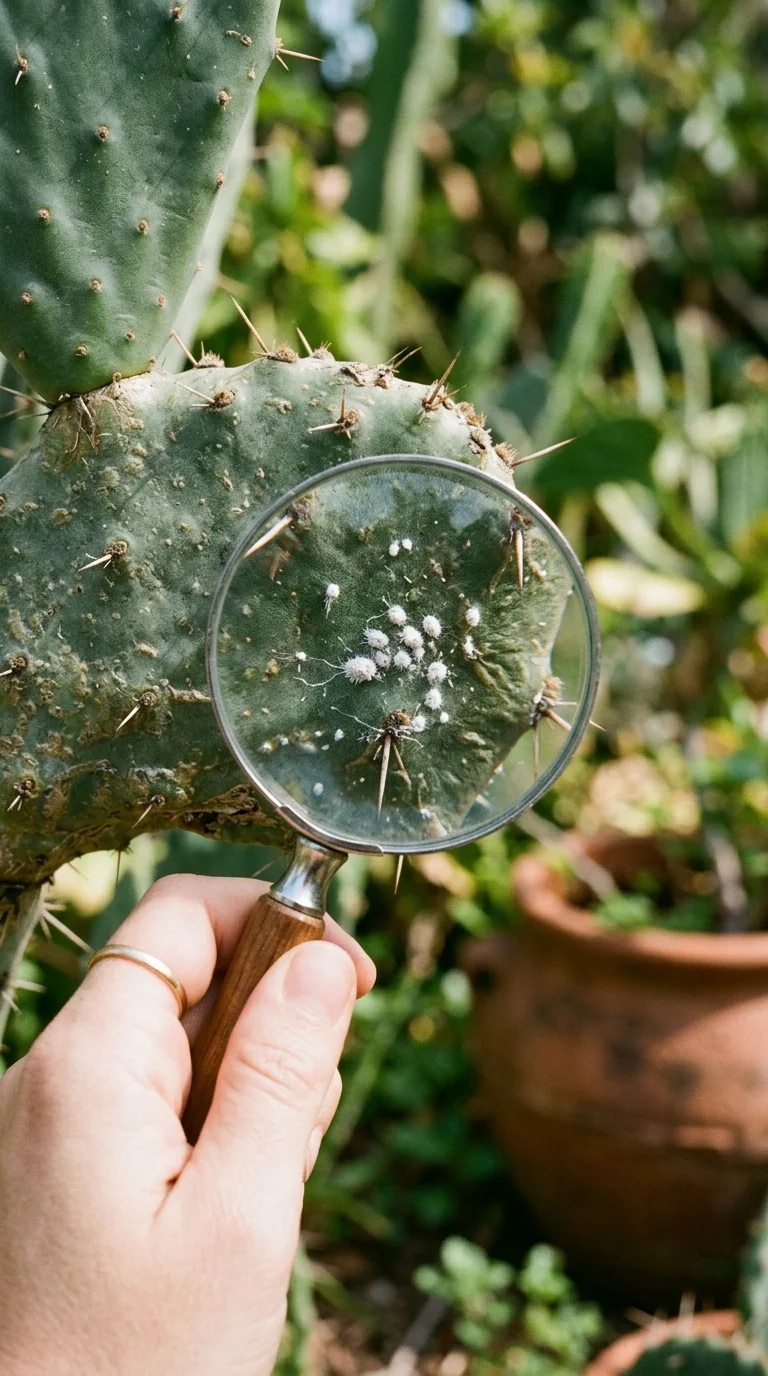
Keep an eye out for mealybugs and fungus gnats. Mealybugs look like small tufts of white cotton and can be dabbed away with a cotton swab dipped in rubbing alcohol. Fungus gnats usually indicate that the soil is being kept too wet; allowing the soil to dry out more will usually solve the problem.
19. Segment Health
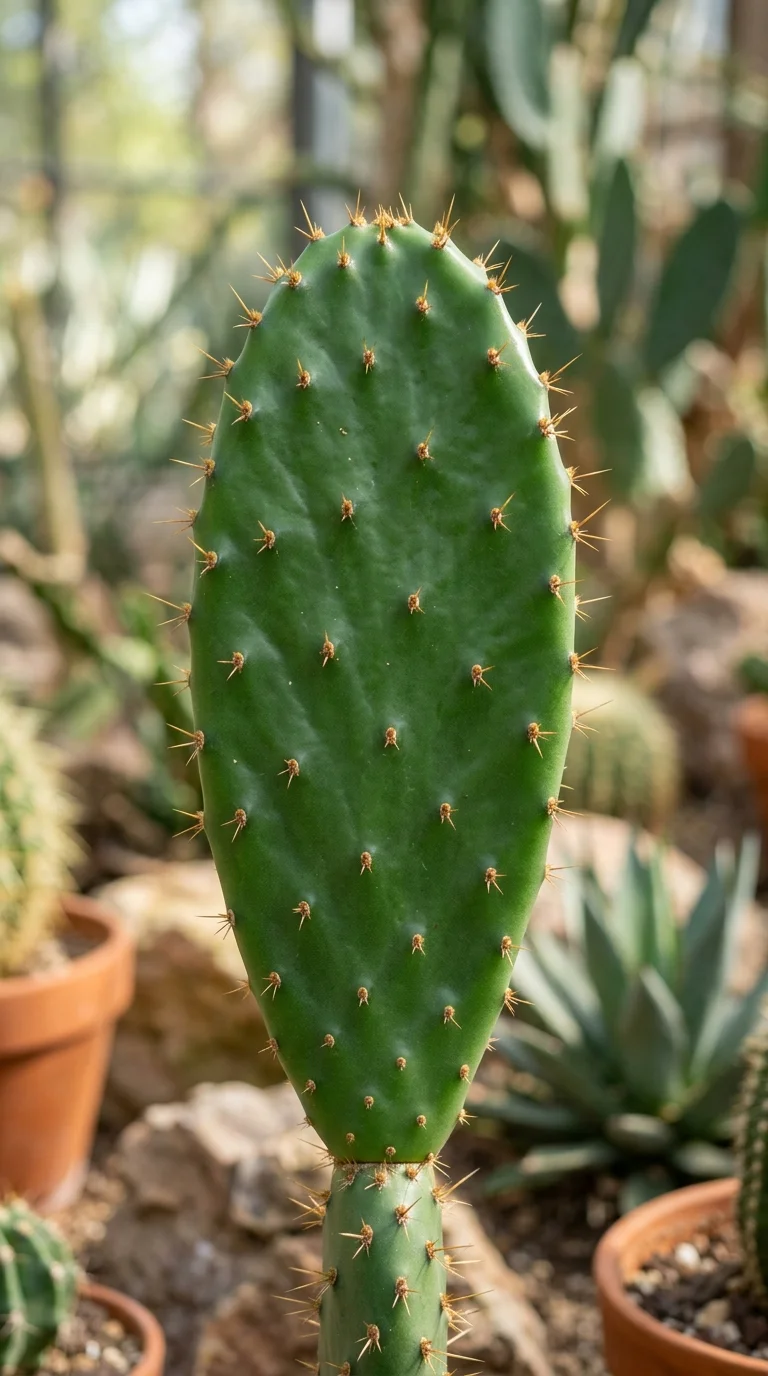
The segments (the “leaves”) act as water storage. If they appear limp, wrinkled, or shriveled, the plant is either severely underwatered or the roots have rotted from overwatering. Check the soil moisture immediately to determine which issue you are facing.
20. Gentle Cleaning
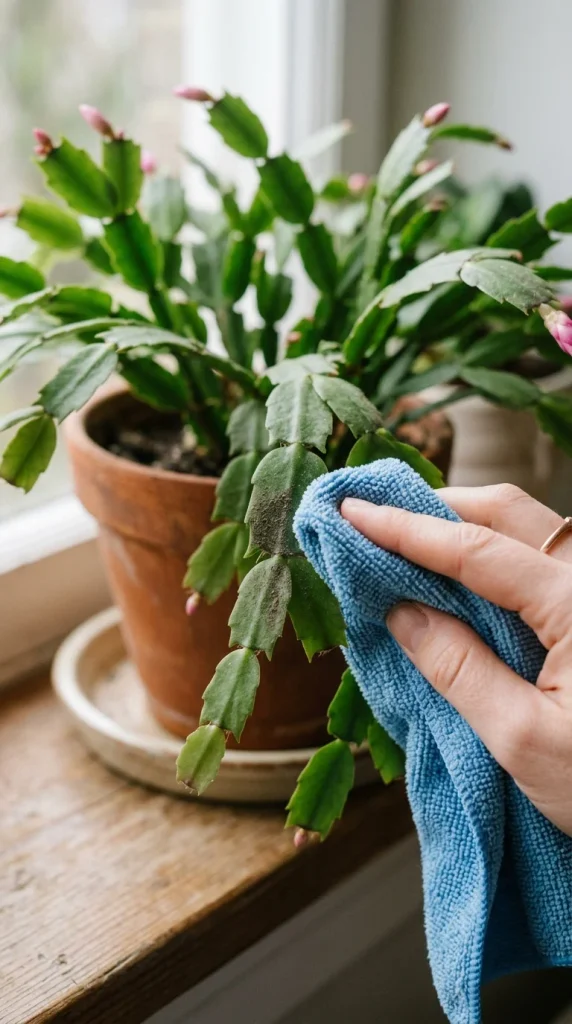
Dust can accumulate on the flat segments, blocking sunlight and hindering photosynthesis. Every few months, gently wipe the segments with a damp cloth or give the plant a very gentle “shower” in the sink with lukewarm water to keep the pores clear.
21. Bloom Food
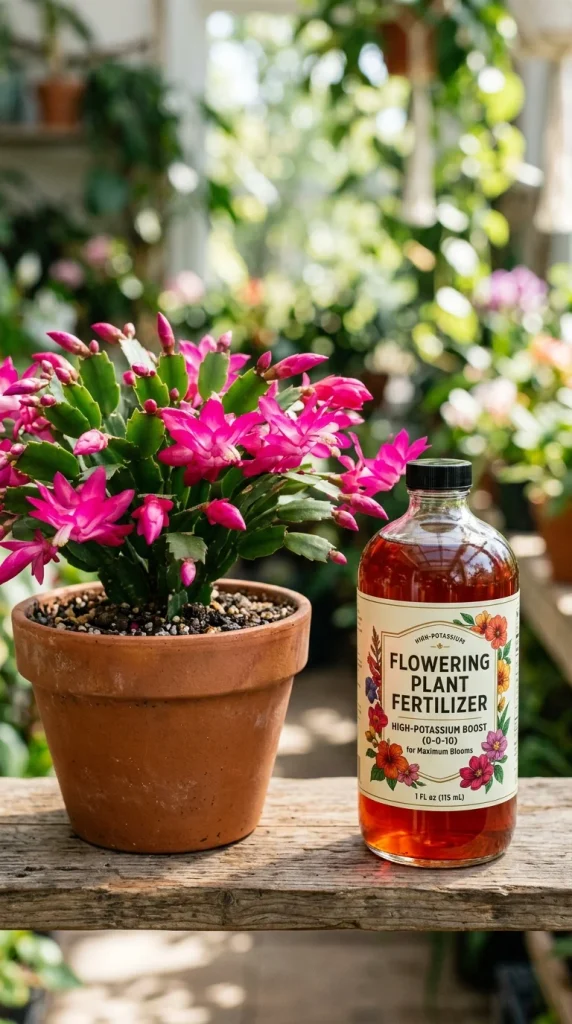
If your plant is healthy but refuses to bloom, try switching to a fertilizer higher in potassium and phosphorus (the middle and last numbers on the label) in late summer. These nutrients specifically support flower development rather than just green growth.
22. Pot Size
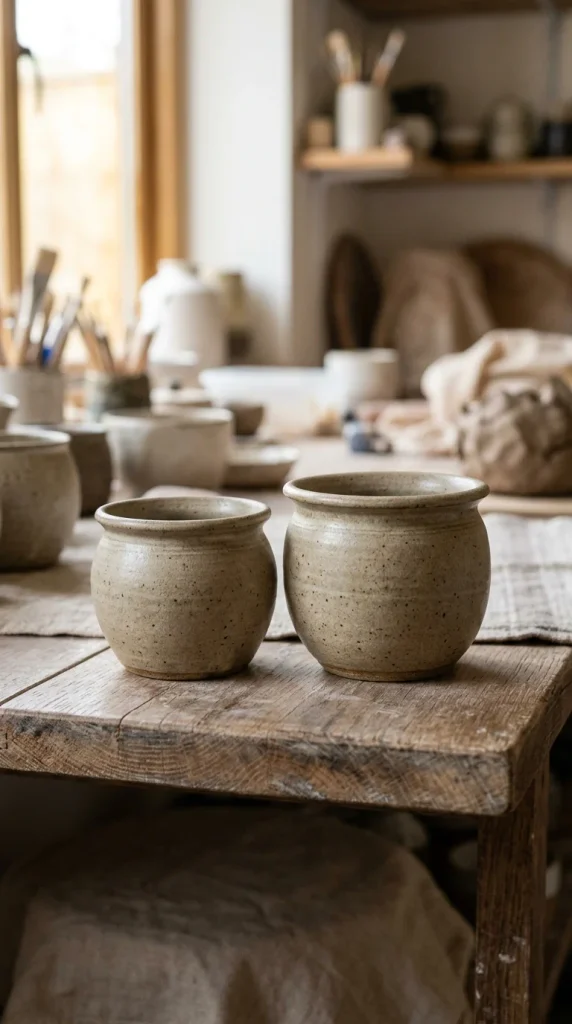
When you finally do repot, only go up one size. Moving a Christmas cactus from a 6-inch pot to a 10-inch pot provides too much soil volume, which holds too much water and can lead to root rot. A 1-inch increase in diameter is usually sufficient.
23. Air Circulation
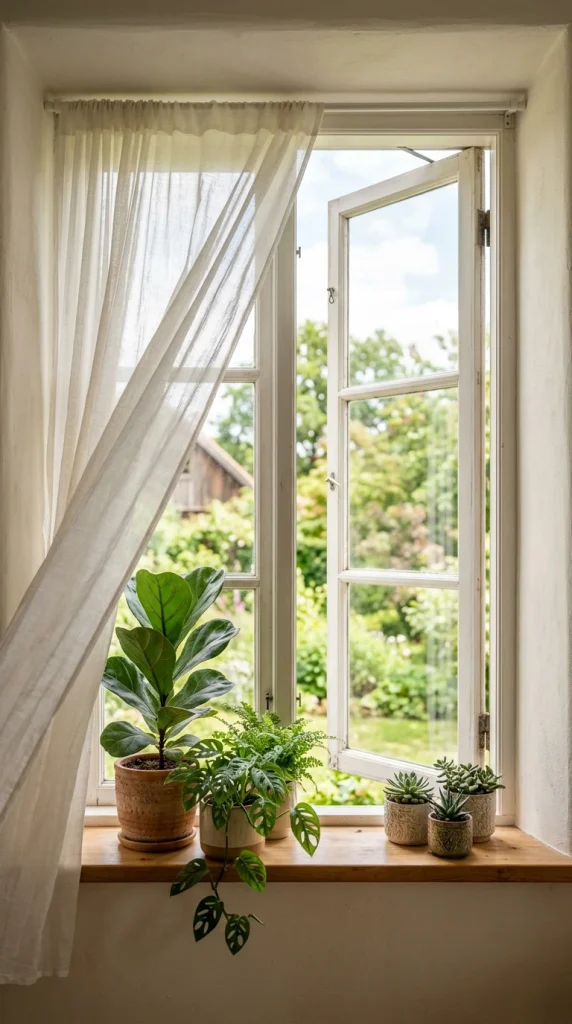
Good air circulation is essential for preventing fungal diseases like botrytis blight. Ensure the plant isn’t crowded against a wall or other plants. A gentle ceiling fan or an open window on a mild day can help keep the air moving and the plant healthy.
24. Patience
Success with a Christmas cactus doesn’t happen overnight. It takes months of preparation—light cycles, temperature drops, and consistent watering—to achieve that spectacular holiday display. Be patient with your plant, and it will reward you with decades of beautiful, festive blooms.