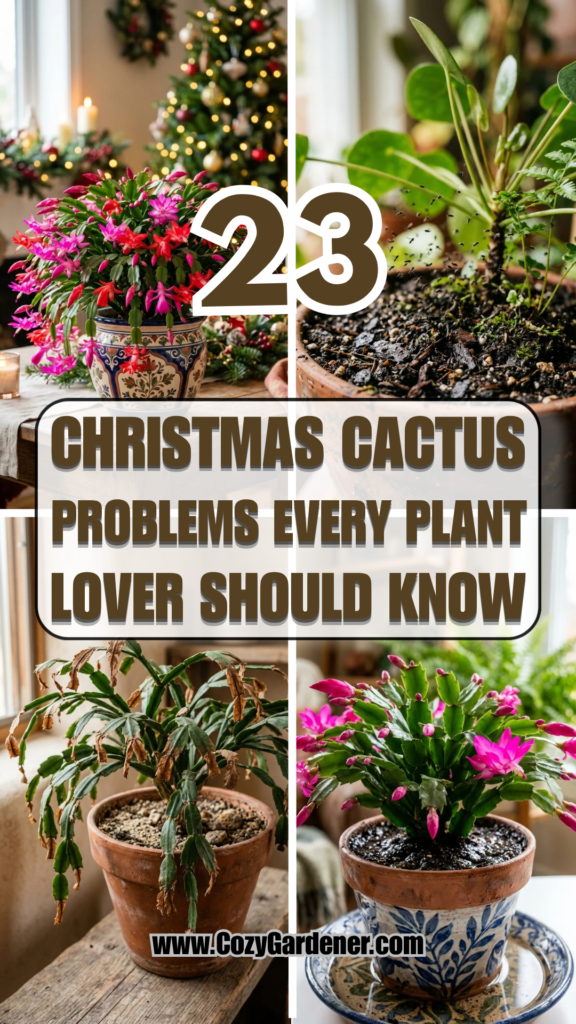
The Christmas cactus (Schlumbergera) is a holiday staple, beloved for its stunning, tiered blooms that arrive just when the winter landscape looks its bleakest. Unlike its desert cousins, this tropical epiphyte hails from the rainforests of Brazil, which means it has a very specific set of demands. When those demands aren’t met, your festive friend can go from “blooming marvel” to “drooping mess” overnight.
To keep your holiday tradition alive and thriving, you need to be part detective and part gardener. From mysterious bud drops to the dreaded root rot, here are 23 common Christmas cactus problems and how to solve them.
1. Overwatering
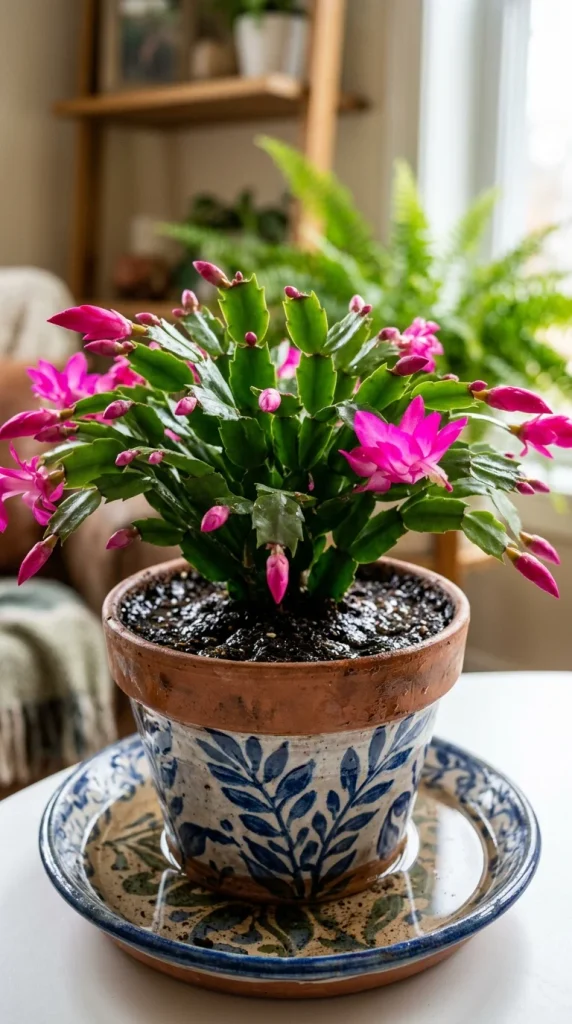
Overwatering is the number one killer of Christmas cacti. Because they are tropical plants, many owners assume they need constant moisture. However, sitting in “wet feet” leads to oxygen deprivation in the roots. The first signs are often yellowing segments and a general limpness. If the base of the plant feels mushy, you’ve likely triggered the onset of decay. Always allow the top inch of soil to dry out before reaching for the watering can.
2. Underwatering
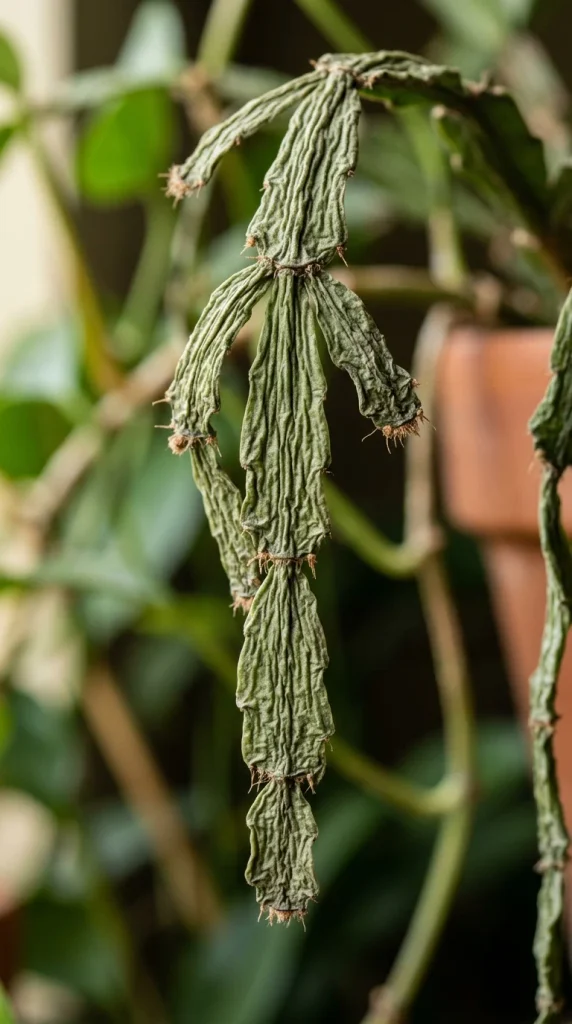
On the flip side, the Christmas cactus is not a desert cactus that can go months without water. If the soil becomes bone-dry, the plant will draw moisture from its own segments to survive. This results in “puckering” or wrinkling. While the plant is resilient and can usually bounce back from a dry spell, chronic underwatering will lead to stunted growth and a failure to produce those iconic flowers.
3. Bud Drop
There is nothing more heartbreaking than seeing dozens of potential flowers littering the floor. Bud drop is usually a reaction to a sudden change in environment. This could be a dramatic shift in temperature, a change in light direction, or even moving the plant from the nursery to your home. To prevent this, once you see buds forming, keep the plant in a stable location and avoid any “shock” to its system.
4. Non-Blooming
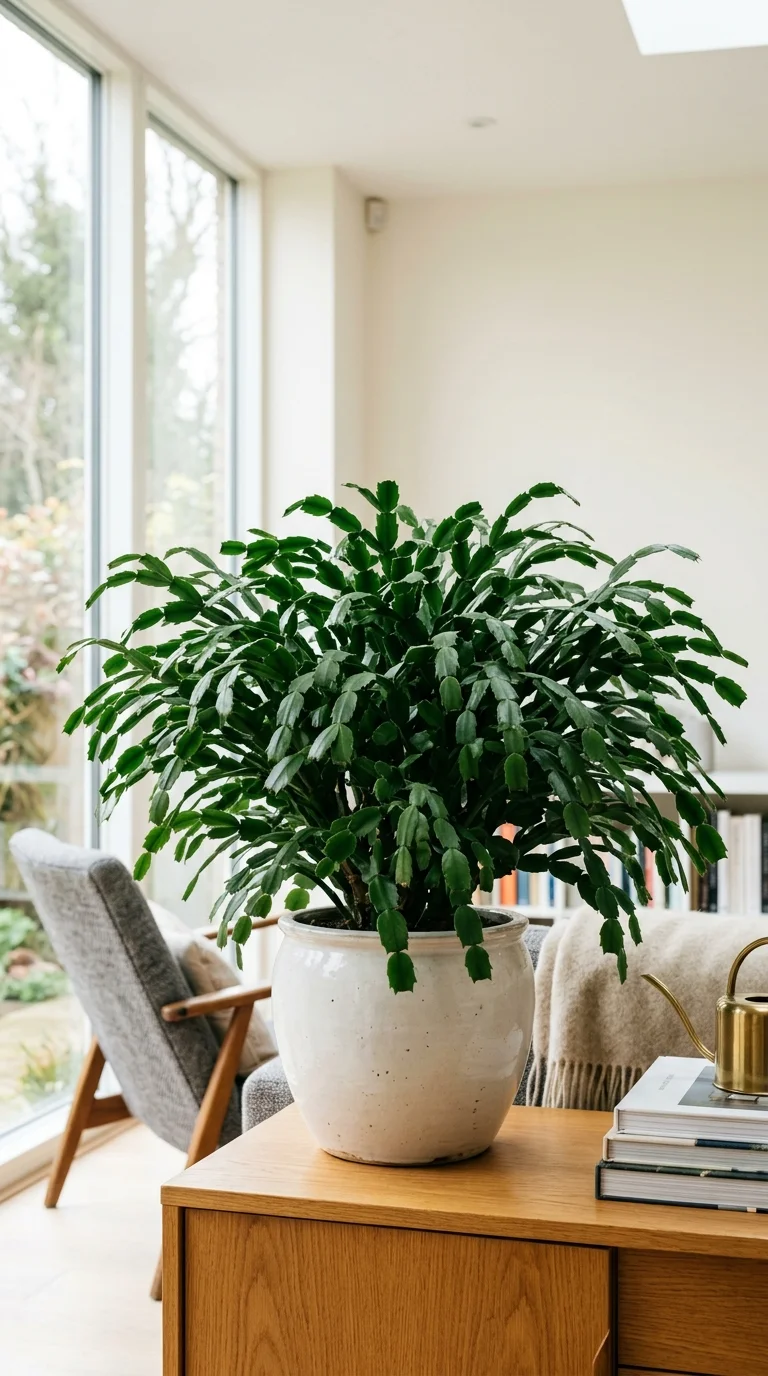
If your cactus looks healthy but refuses to bloom, it’s likely a “photoperiod” issue. These plants are “short-day” beauties, meaning they require long periods of uninterrupted darkness (12–14 hours) and cooler temperatures to trigger flower production. If you keep your plant in a room where the lights are on until midnight, it will never realize it’s time to start the show.
5. Mealybugs
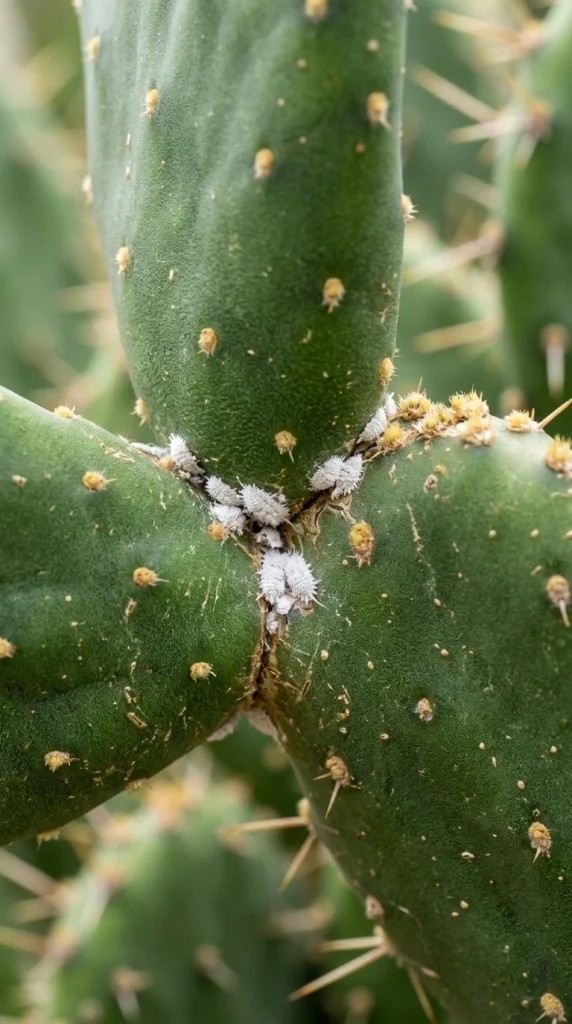
Mealybugs are the bane of the indoor gardener. These tiny, white, sap-sucking insects look like bits of fluff or cotton wool. They hide in the joints of the segments and drain the plant’s energy. If left unchecked, they can cause the plant to turn yellow and eventually die. Treat an infestation by dabbing the bugs with a cotton swab dipped in rubbing alcohol or using neem oil.
6. Sunburn
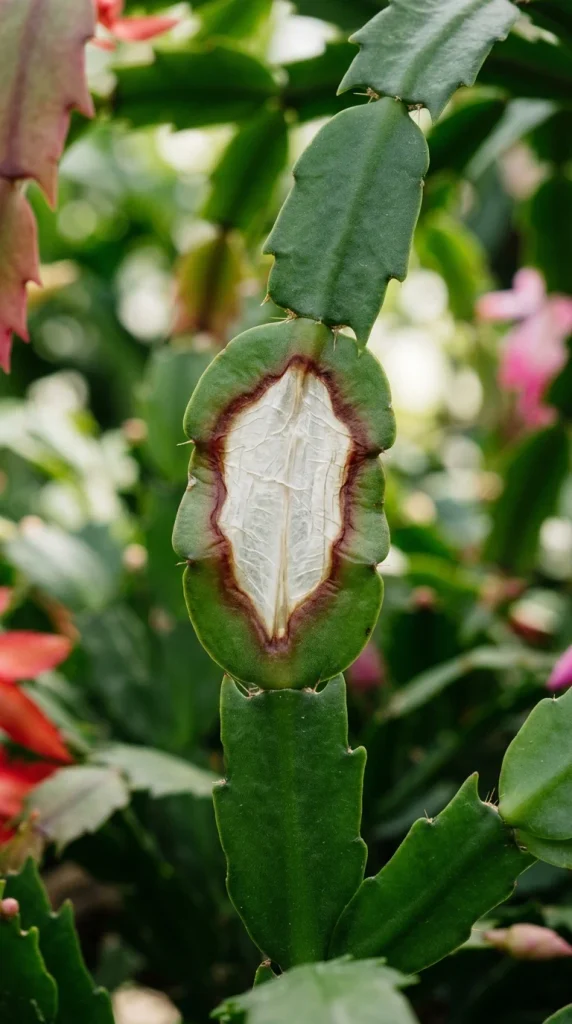
While these plants love light, they cannot handle direct, scorching midday sun. In their natural habitat, they grow under the canopy of trees. If placed in a south-facing window with no sheer curtain, the segments will “scorch,” turning a bleached white or a burnt brown color. This damage is permanent, and the scorched segments may eventually fall off.
7. Temperature Extremes
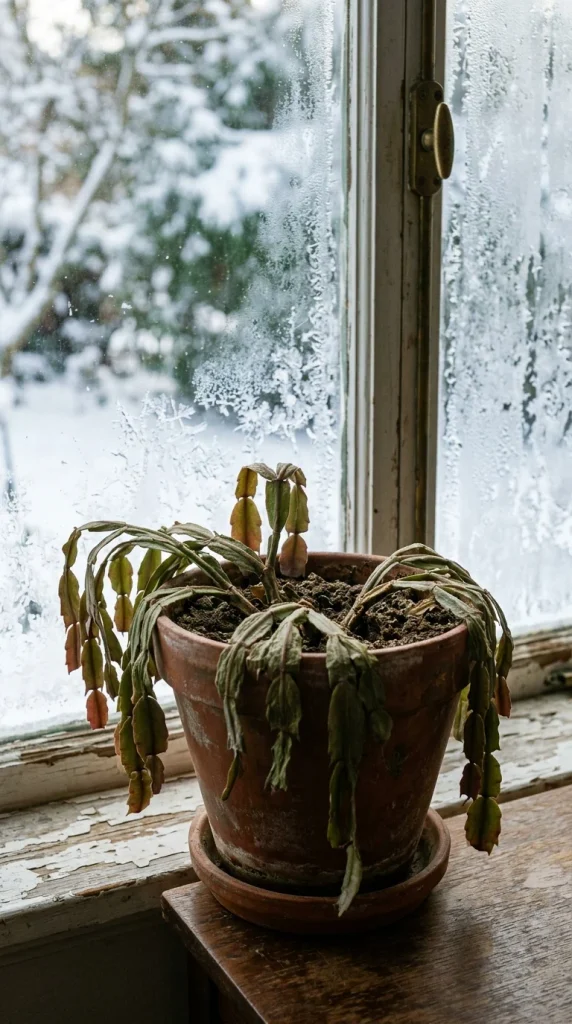
Christmas cacti prefer temperatures between 60°F and 70°F. If the temperature drops below 50°F, the plant may experience cold shock. Conversely, if it’s placed too close to a roaring fireplace or a blast from a heater, the heat will sap the moisture from the air and the plant, causing it to wilt and drop its buds rapidly.
8. Low Humidity
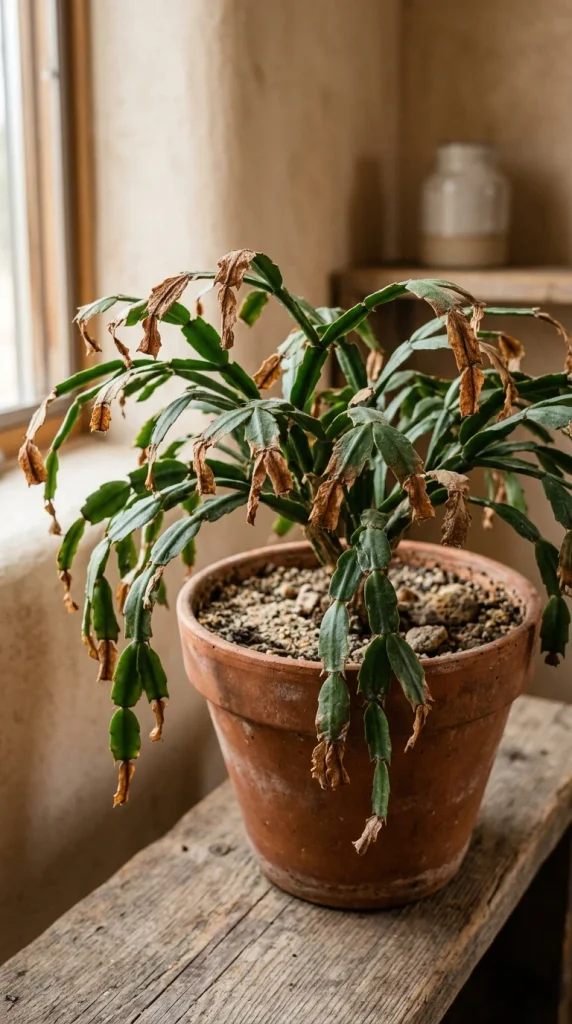
Indoor air in the winter is notoriously dry. For a plant that evolved in a humid rainforest, this is a major problem. If the humidity is too low, the plant struggles to breathe and maintain its turgidity. You can combat this by placing the pot on a tray of pebbles filled with water (ensuring the pot sits above the water line) or by using a room humidifier.
9. Poor Drainage
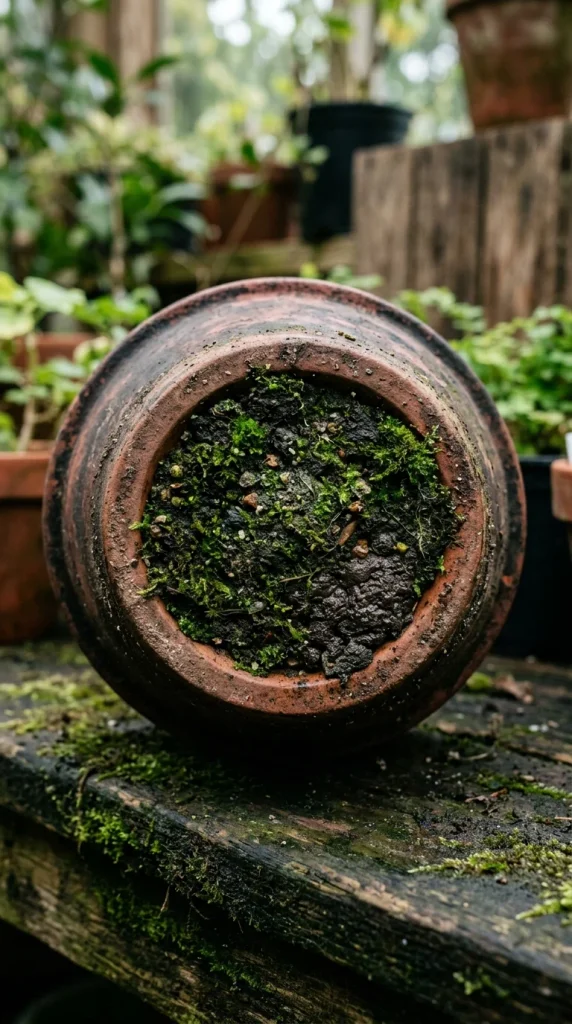
You can follow a perfect watering schedule, but if the pot doesn’t have drainage holes, the water has nowhere to go. This creates a stagnant pool at the bottom of the pot that rots the roots from the bottom up. Always ensure your Christmas cactus is in a well-draining potting mix (like a blend of potting soil and perlite or orchid bark) and a pot with plenty of holes.
10. Root Bound
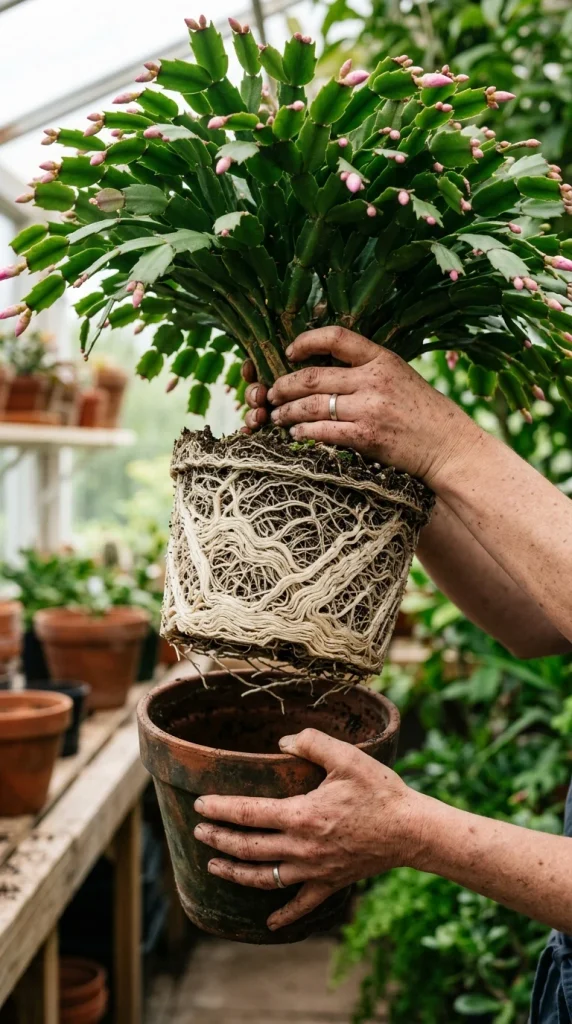
While Christmas cacti actually prefer to be a little snug in their pots, they can eventually become “root bound.” When there are more roots than soil, the plant cannot absorb enough water or nutrients. If you see roots peeking out of the drainage holes or the water runs straight through the pot instantly, it’s time to move up to a pot just one size larger.
11. Fertilizer Burn
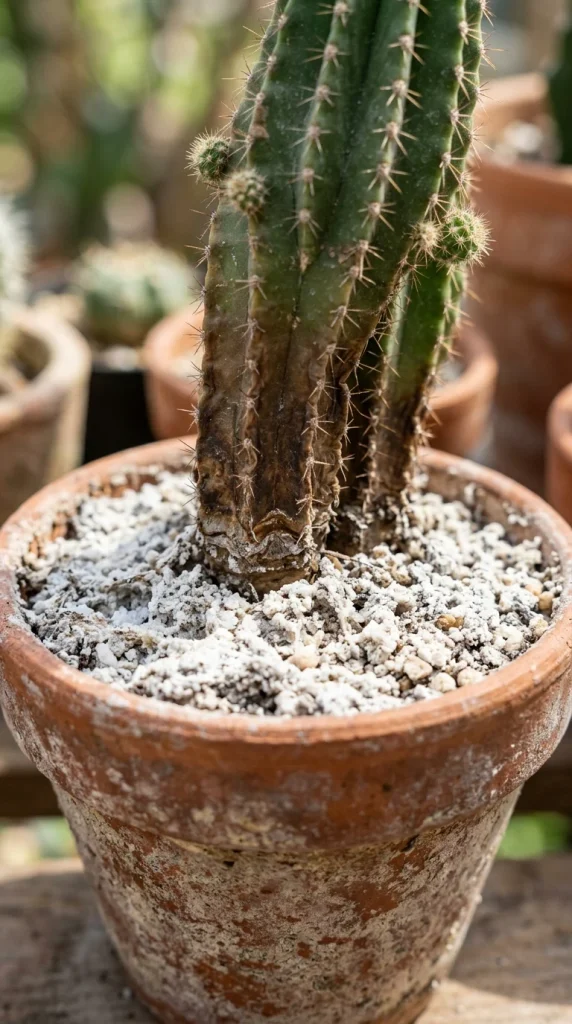
It’s tempting to over-feed your plant to encourage more flowers, but too much fertilizer is toxic. Salt buildup from fertilizers can burn the sensitive roots and cause the edges of the segments to turn brown. Only fertilize during the growing season (spring through early fall) and always dilute your fertilizer to half-strength.
12. Stem Rot
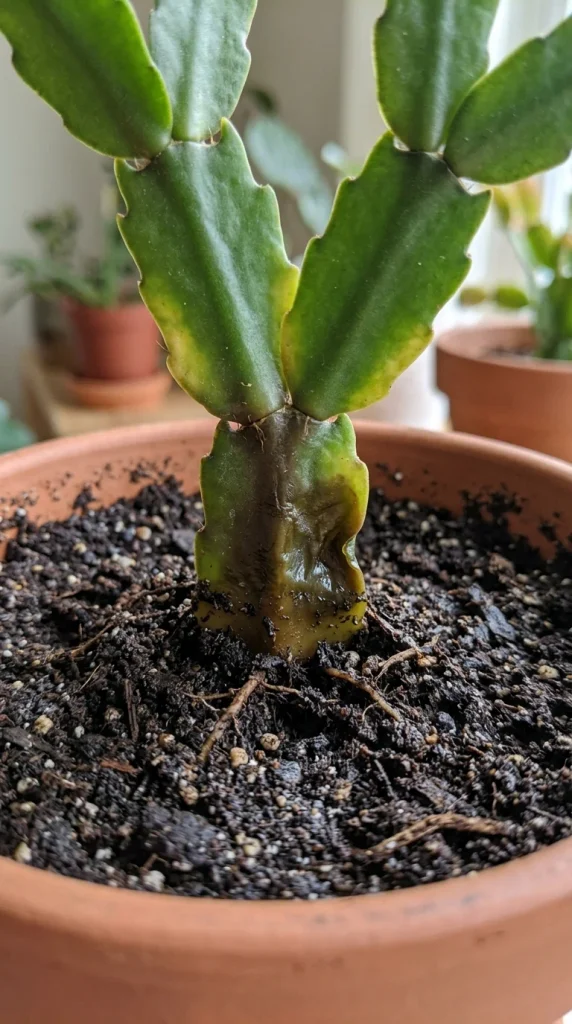
Stem rot is the progressed version of overwatering. A fungal or bacterial infection takes hold in the damp environment, causing the base of the plant to turn black and mushy. Often, the top of the plant remains green for a while, but it will eventually tip over because the base has lost its structural integrity. At this stage, your best bet is to take healthy cuttings from the top and start a new plant.
13. Limp Stems
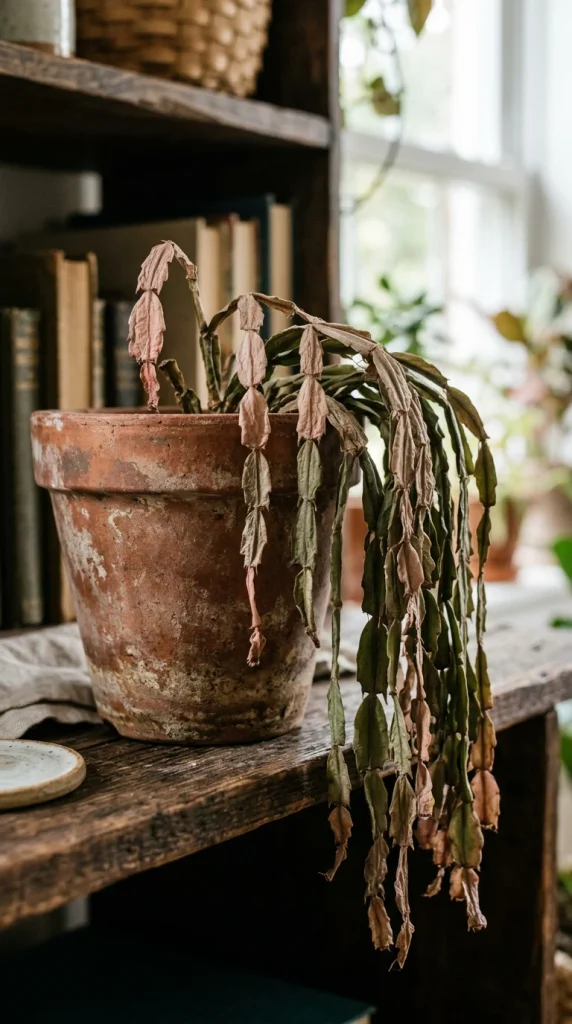
Limpness is a general sign of stress, usually related to water. If the soil is wet, it’s rot; if the soil is dry, it’s dehydration. However, it can also be a sign of “exhaustion” after a long blooming period. If your plant goes limp right after the flowers fade, it likely just needs a rest period with reduced water and no fertilizer for a few weeks.
14. Stress Coloring
If your cactus segments are turning red or purple, your plant is stressed. While some people find this color attractive, it’s the plant’s way of saying “help!” This is usually caused by too much direct sun or a lack of nutrients (specifically phosphorus). Move it to a slightly shadier spot and check your fertilizing routine.
15. Spider Mites
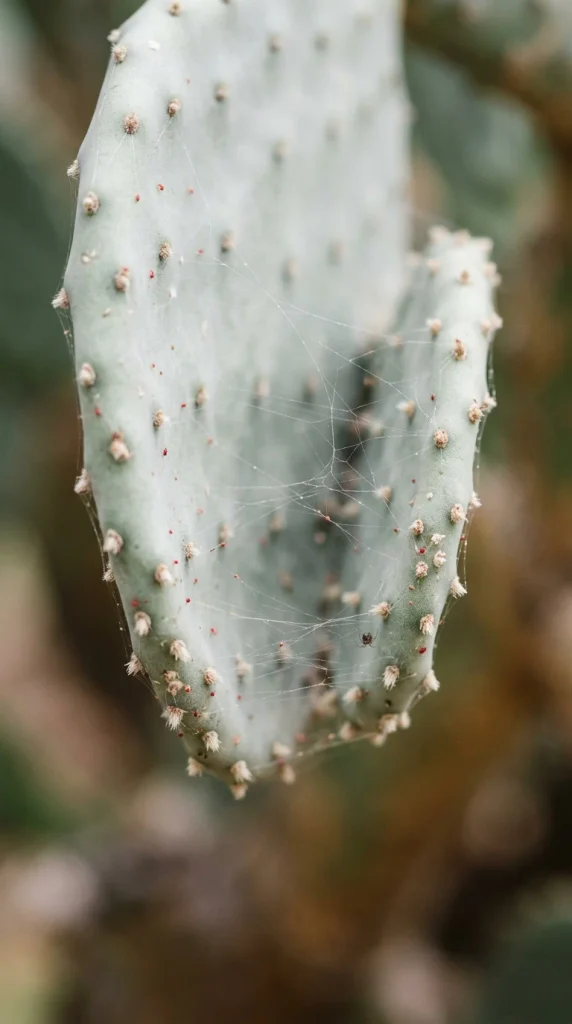
Spider mites love the dry air of heated homes. These microscopic pests weave fine webs across the plant and suck the chlorophyll out of the cells, leaving behind a dull, “stippled” or dusty appearance on the segments. Increasing humidity and washing the plant with a gentle stream of water can help keep these pests at bay.
16. Scale Insects
Scale looks like small, stationary bumps rather than moving insects. They have a hard outer shell that protects them from many sprays. They slowly drain the plant’s sap, leading to yellowing and leaf drop. You can scrape them off manually or use a systemic insecticide if the infestation is heavy.
17. Fungus Gnats
Fungus gnats are more of a nuisance to humans than a direct threat to the plant, but their larvae can nibble on the fine root hairs of your cactus. They thrive in consistently damp soil. If you see tiny black flies buzzing around, it’s a sign that your soil is staying too wet. Let the soil dry out more between waterings to break their life cycle.
18. Leggy Growth
“Leggy” growth happens when the plant is “reaching” for light. This results in weak, spindly segments that aren’t strong enough to support the weight of flowers. To fix this, move the plant to a brighter location (indirect light) and prune the long stems back in the spring to encourage a bushier, fuller shape.
19. Drafts
Christmas cacti are sensitive to sudden changes in air current. Placing a plant near a drafty door or a window that is frequently opened in winter can cause the plant to drop its buds and even lose whole segments. They prefer “still” air that remains at a consistent temperature.
20. Improper Pruning
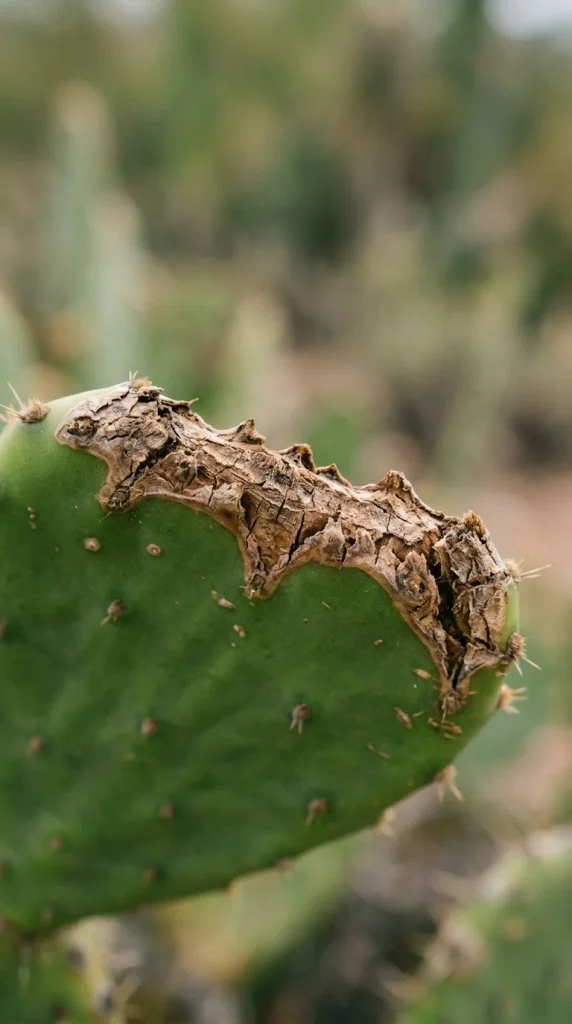
Pruning is essential for a full plant, but doing it wrong can lead to infection. Never use dull scissors or tear the segments. The correct way to prune is to “twist” a segment off at the joint. If you cut into the middle of a segment, the wound may not heal properly, leaving it vulnerable to fungal spores.
21. Soft Rot
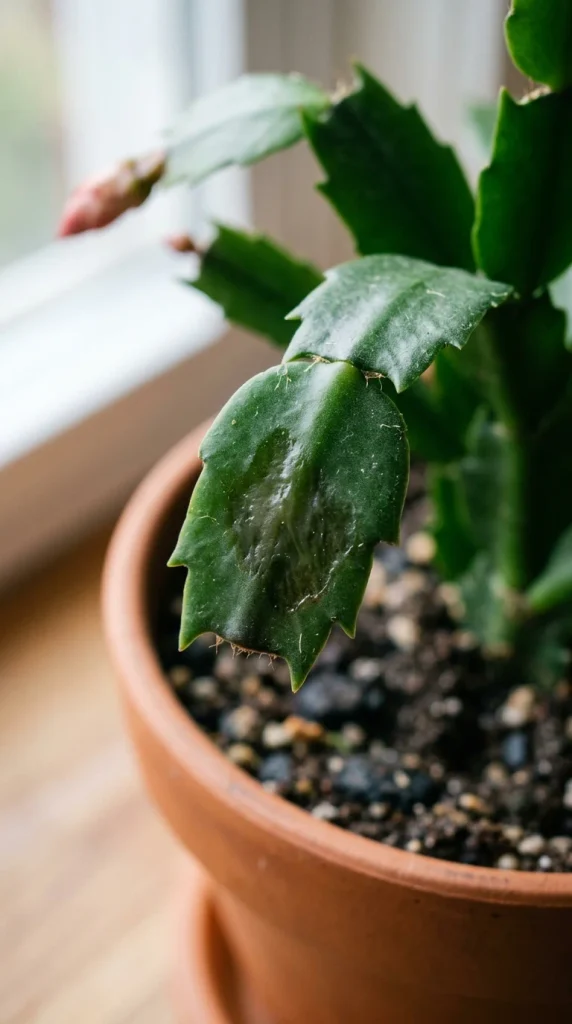
Soft rot is a bacterial disease that often enters through a wound. It looks like a “wet spot” on the segment that quickly turns into a mushy, foul-smelling mess. This spreads rapidly. If you see a segment with soft rot, remove it immediately with sterilized tools and dispose of it to save the rest of the plant.
22. Botrytis Blight
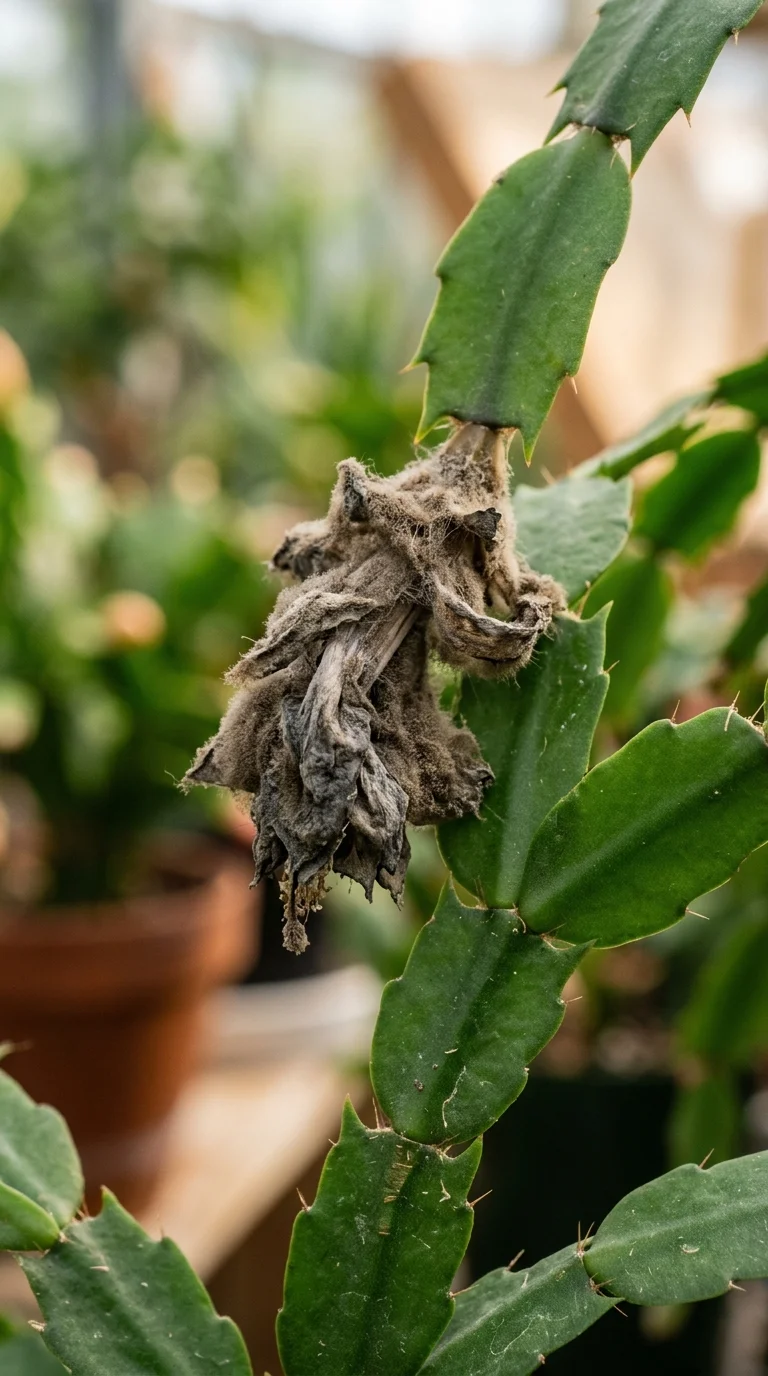
Also known as grey mold, this typically affects the flowers and the tips of the segments. It thrives in cool, damp, and stagnant air. If your flowers start looking fuzzy and moldy before they even fall off, you need to increase the air circulation around your plant and reduce the humidity slightly.
23. Repotting Shock
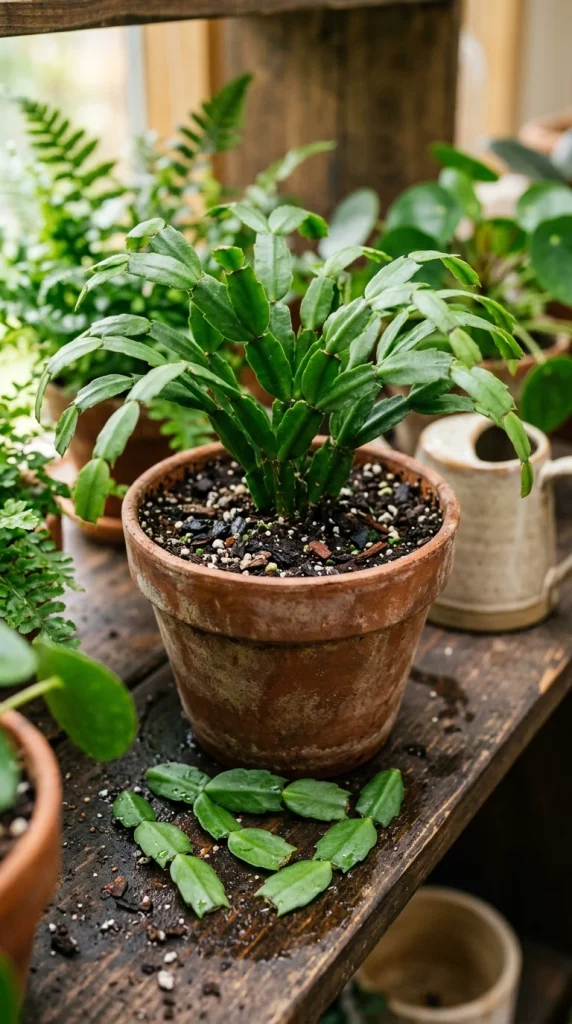
Christmas cacti hate having their roots disturbed. If you repot while the plant is in bud or during its dormant phase, it may respond by dropping segments or wilting significantly. Always wait until the spring—after the flowering has finished and new growth has begun—to move your plant to a new home. Even then, expect a few weeks of “sulking” as it adjusts to its new environment.