
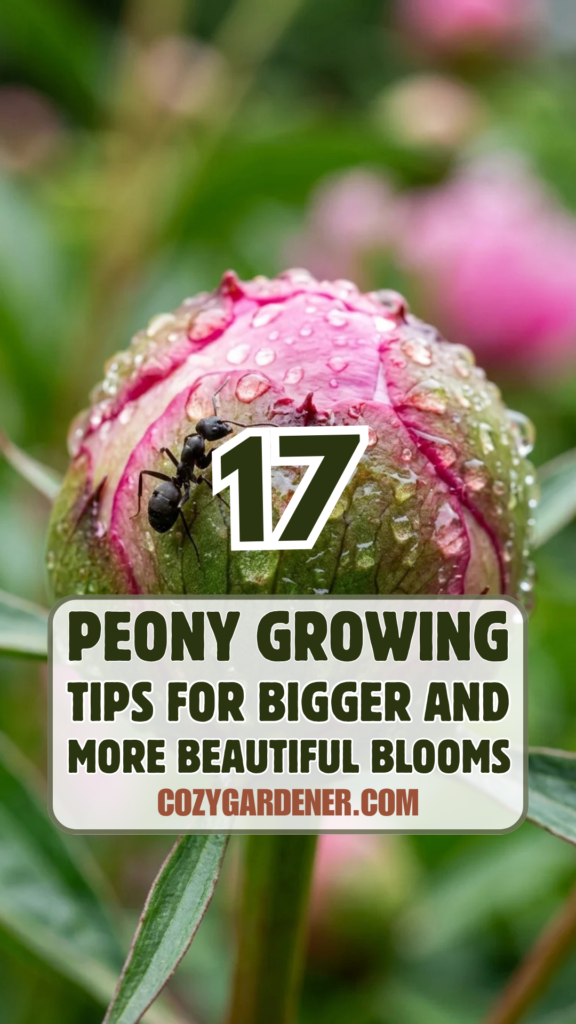
Peonies are the undisputed royalty of the spring garden. With their intoxicating fragrance and petals that look like ruffled silk, they have captured the hearts of gardeners for centuries. While peonies are known for being long-lived—often surviving for 50 years or more—getting those massive, dinner-plate-sized blooms requires a bit of insider knowledge. If you want to transform your garden into a floral masterpiece, follow these seventeen essential tips.
1. Timing
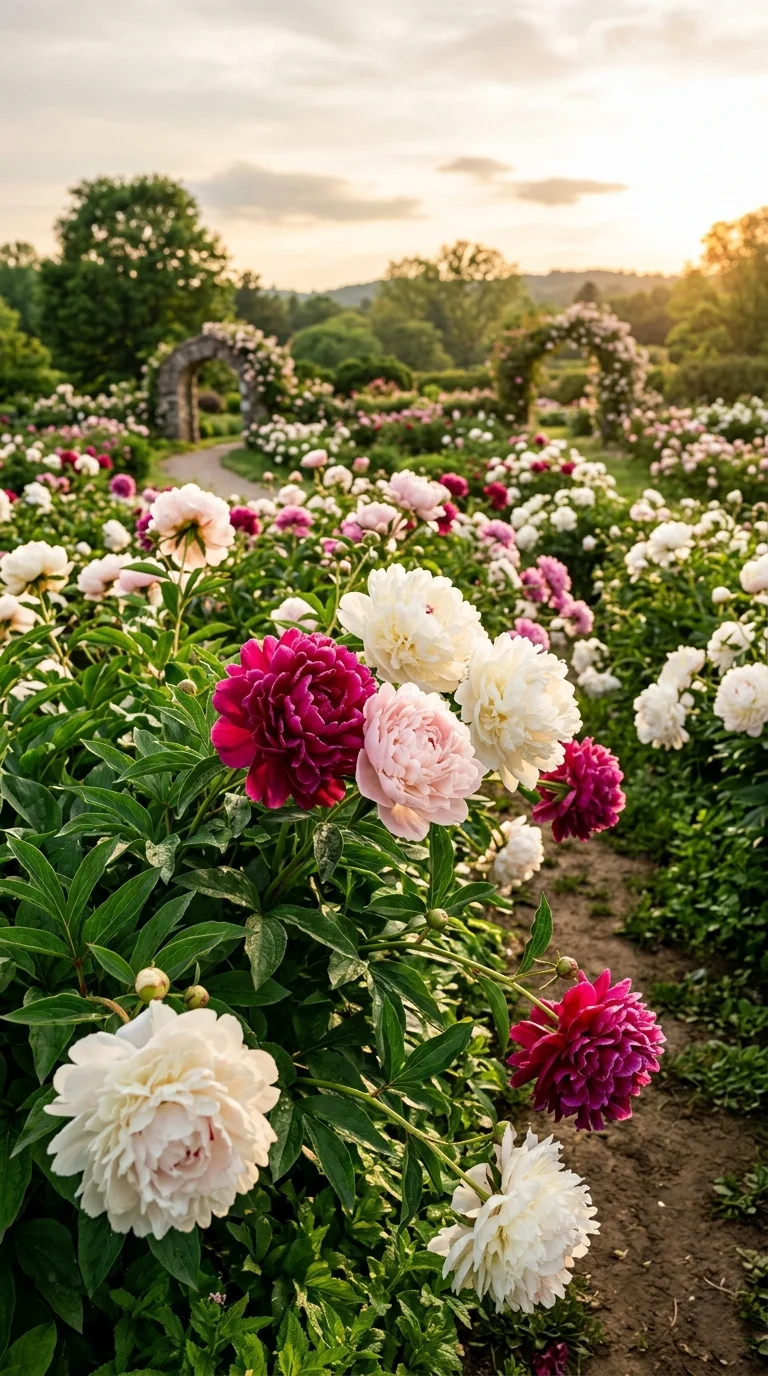
The secret to a successful peony begins with when you put it in the ground. While garden centers sell potted peonies in the spring, the absolute best time to plant is in the fall. Planting between late September and November (depending on your zone) allows the root system to establish itself in the cool soil before the winter freeze. This head start ensures the plant has the energy needed to produce those spectacular blooms come spring.
2. Sunlight
Peonies are sun worshippers. To produce those massive flowers, they require at least six to eight hours of full sunlight every day. If they are planted in too much shade, you will get plenty of green leaves but very few, if any, flowers. Furthermore, the stems of shade-grown peonies tend to be “leggy” and weak, causing the heavy flowers to flop over into the mud.
3. Depth
This is perhaps the most critical rule of peony gardening: do not plant them too deep. Peony roots have “eyes” (growth buds). These eyes should be no more than 1.5 to 2 inches below the soil surface. If you bury them deeper, the plant will grow healthy foliage but will fail to bloom. In warmer climates, planting them even shallower—about half an inch deep—is often necessary to ensure they get enough winter chill.
4. Drainage

Peonies hate “wet feet.” Their thick, tuberous roots are highly susceptible to rot if they sit in standing water. Ensure your planting site has excellent drainage. If you have heavy clay soil, consider planting your peonies in raised beds or amending the soil with organic matter to improve the structure. A peony in soggy soil is a peony that won’t survive the season.
5. Spacing
While it is tempting to crowd plants for an instant “full” look, peonies need their personal space. Provide at least three to four feet between each plant. Proper spacing ensures adequate air circulation, which is the best defense against fungal diseases like Botrytis blight. It also prevents the plants from competing for nutrients and water as they mature into large bushes.
6. Soil
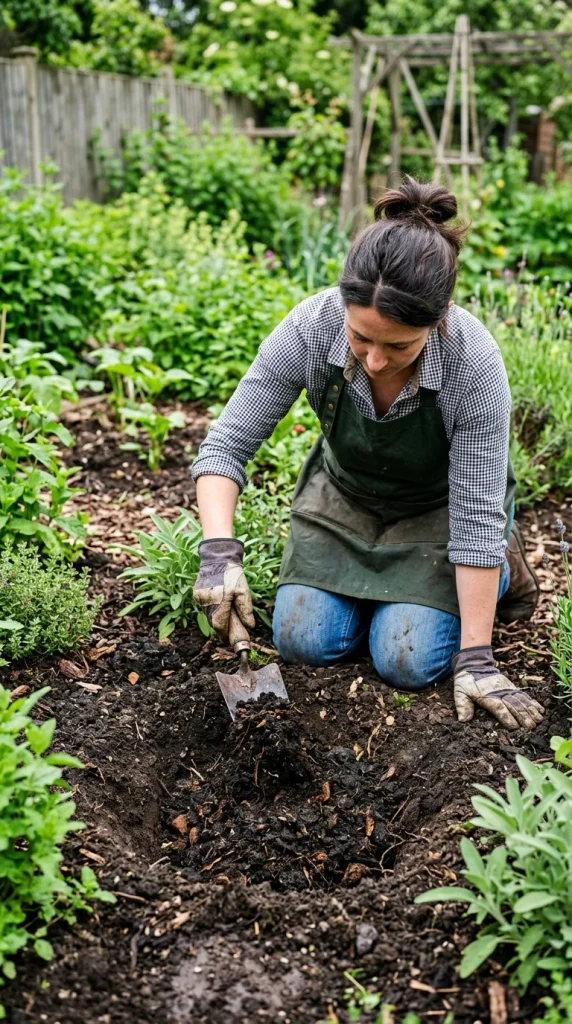
Peonies are heavy feeders and prefer soil that is rich in organic matter. Before planting, work in plenty of compost or well-rotted manure. They prefer a soil pH that is neutral to slightly acidic (around 6.5 to 7.0). If your soil is too acidic, a light dusting of lime can help balance it out, providing the perfect chemical environment for nutrient uptake.
7. Support
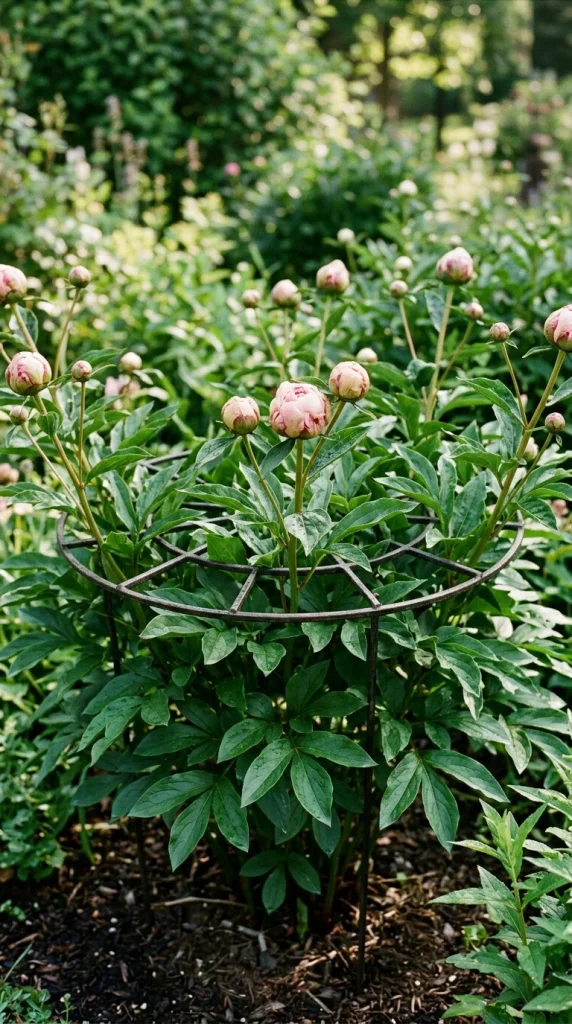
The massive weight of a peony bloom—especially after a spring rain—is often too much for the stems to bear. To prevent your flowers from face-planting in the dirt, install supports early in the spring. Peony rings, tomato cages, or even a system of stakes and twine should be put in place when the plant is only a few inches tall. This allows the plant to grow through the support, hiding it naturally within the leaves.
8. Varieties
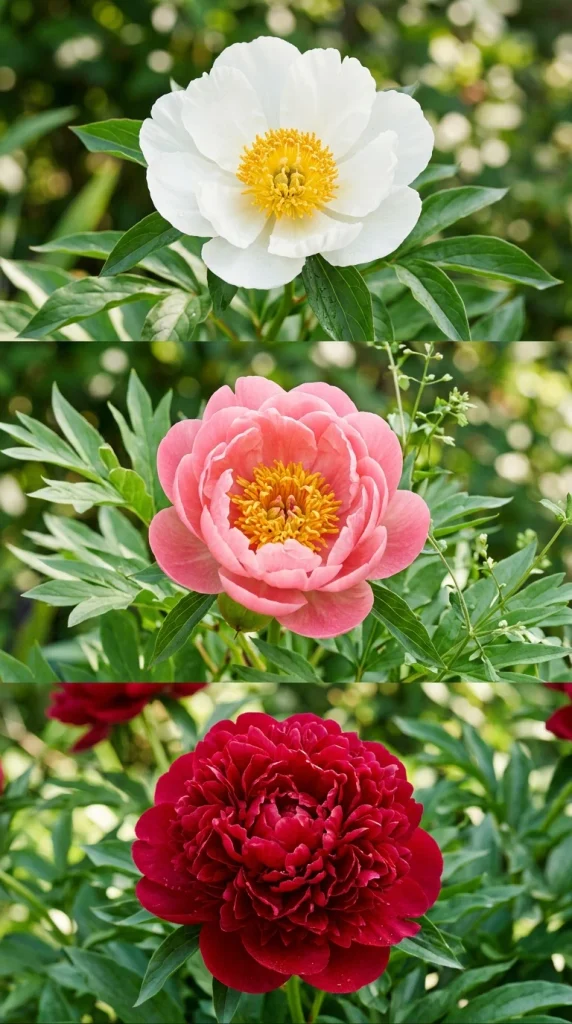
Maximize your bloom season by choosing a variety of cultivars. Peonies are categorized as early, mid-season, or late-season bloomers. By selecting one from each category, you can extend your peony season from a measly two weeks to nearly six weeks of continuous color and fragrance. Don’t forget to explore “Ital” peonies (crosses between tree and herbaceous peonies) for unique colors and sturdy stems.
9. Watering
Consistency is key when it comes to hydration. During their first year, peonies need regular watering to establish their roots. Once established, they are somewhat drought-tolerant, but they still need deep watering during dry spells, especially while the buds are forming. Always water at the base of the plant to keep the foliage dry, which minimizes the risk of leaf spot and mold.
10. Fertilizing

Peonies don’t need a lot of nitrogen; too much will result in lush leaves but no flowers. Use a low-nitrogen fertilizer (like a 5-10-10) in early spring when the new shoots are about 2 or 3 inches high. Fertilize again lightly after the blooms have faded to help the plant store energy for next year. Avoid getting fertilizer directly on the crown of the plant.
11. Deadheading
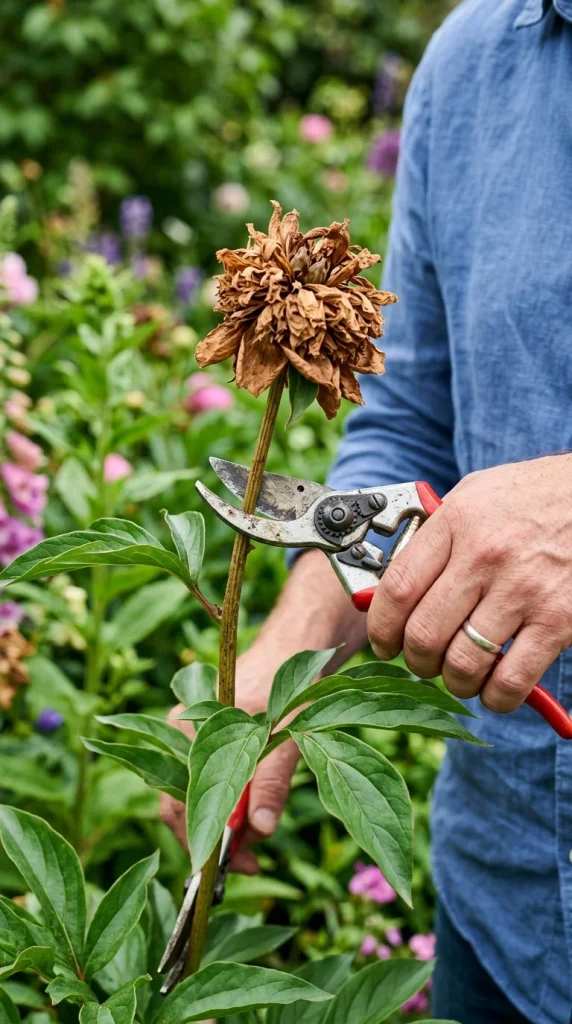
Once a flower begins to fade and drop its petals, it’s time to deadhead. Removing the spent blooms prevents the plant from wasting energy on seed production. Instead, the plant can redirect that energy back into the roots for a stronger performance next year. Cut the stem back to the first strong leaf so the remaining bush still looks tidy and attractive.
12. Ants
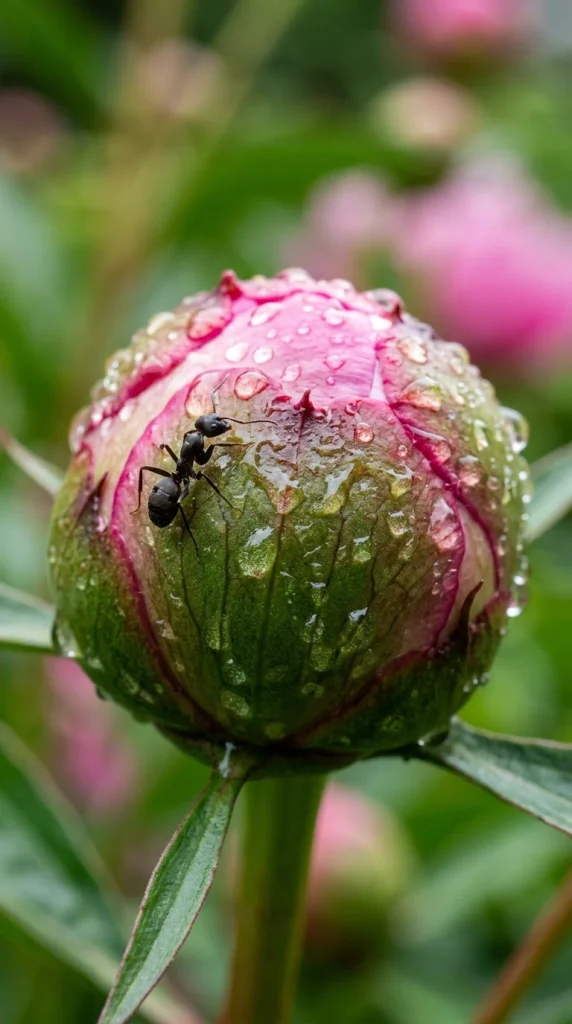
Many gardeners panic when they see ants crawling on their peony buds, but there is no need for alarm. This is a symbiotic relationship. The ants eat the sugary nectar produced by the buds, and in return, they protect the plant from other harmful insects. Contrary to popular myth, ants are not required to help the flowers open, but they certainly don’t hurt the process.
13. Foliage
After the blooming is over, do not cut the plant back to the ground. The green leaves are busy performing photosynthesis, creating the food that the roots need to survive the winter and produce flowers next spring. Leave the foliage alone until it turns yellow or brown after the first hard frost in autumn. At that point, you can cut the stems down to about 2 inches above the soil.
14. Mulching

Mulch is great for retaining moisture and suppressing weeds, but it can be a peony’s enemy if applied incorrectly. Never mound mulch over the crown of the peony, as this effectively increases the planting depth and can stop the plant from blooming. Keep mulch a few inches away from the stems to allow the crown to breathe and stay at the correct temperature.
15. Disease
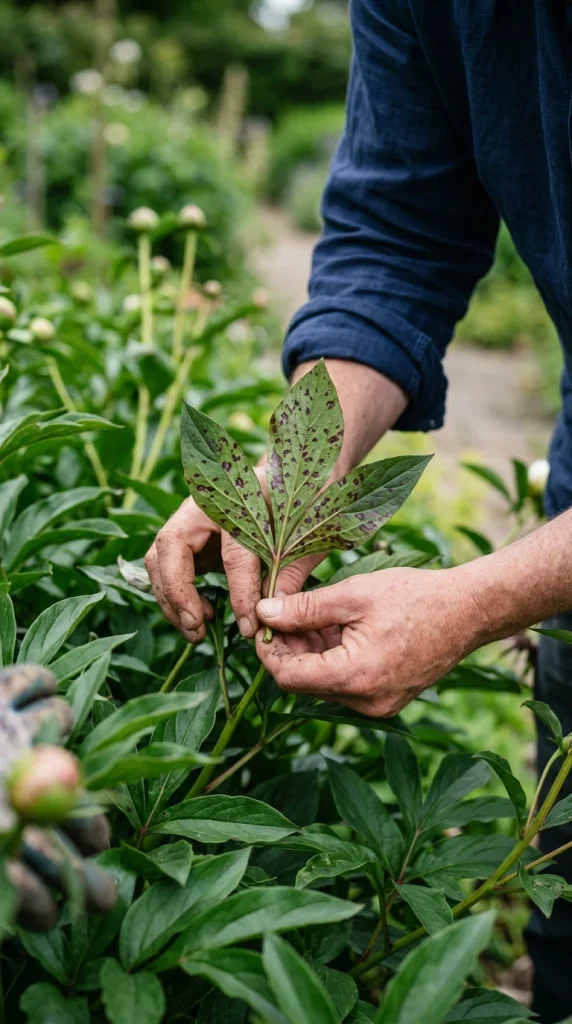
The most common enemy of the peony is Botrytis blight, a fungus that causes buds to turn black and die before opening. To prevent this, ensure good airflow and clear away any dead foliage in the fall. If you notice diseased leaves or buds during the growing season, remove them immediately and dispose of them in the trash—never in your compost pile—to prevent the spores from overwintering.
16. Cutting
If you want to bring peonies inside, timing is everything. For the longest vase life, cut the stems when the buds are in the “marshmallow stage.” This is when the bud is showing color and feels soft and squishy like a marshmallow, but hasn’t fully opened yet. If you cut them at this stage, they will open perfectly in the vase and last for over a week. Shake them gently to remove any ants before bringing them indoors!
17. Patience
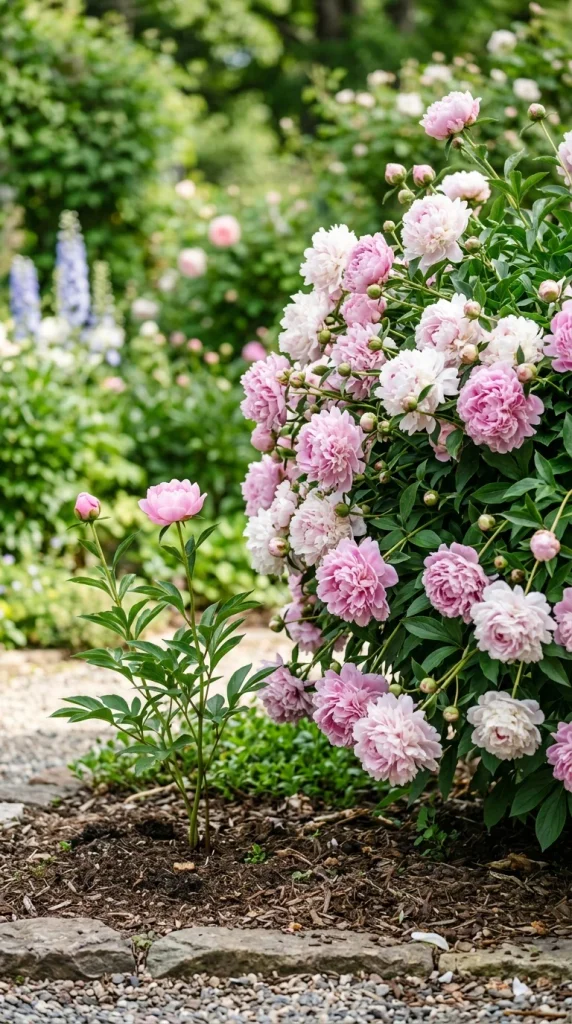
Peonies follow the classic perennial rule: “The first year they sleep, the second year they creep, and the third year they leap.” A newly planted peony may not bloom at all in its first year, and might only produce one or two small flowers in its second. Be patient. By the third or fourth year, your peony will reach its full glory, rewarding your steady care with a spectacular explosion of color.