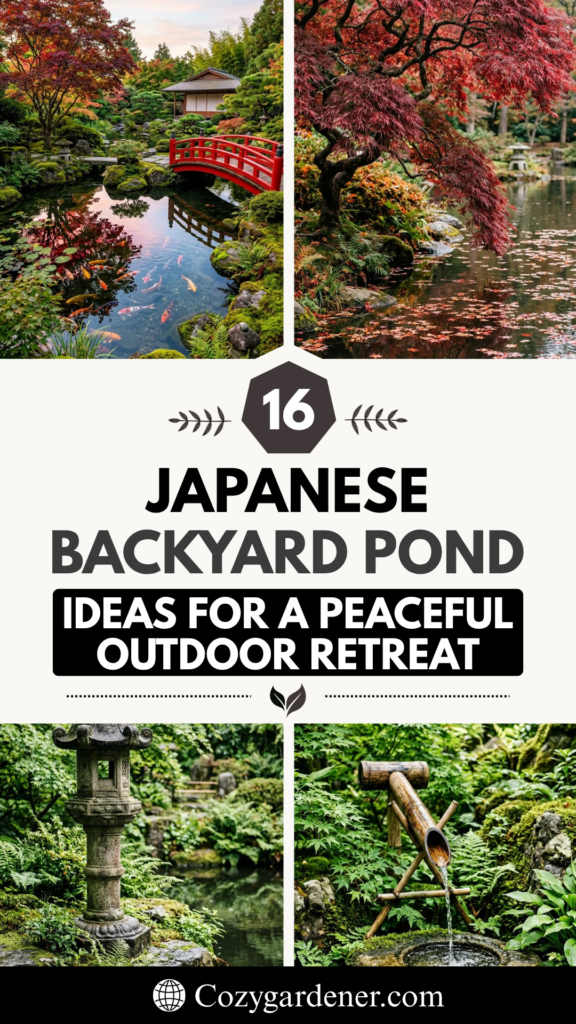
The art of the Japanese garden is a centuries-old tradition that seeks to capture the essence of nature in a controlled, symbolic, and deeply spiritual way. Central to this aesthetic is the element of water. A Japanese pond is not merely a landscape feature; it is a sanctuary designed for meditation, reflection, and a profound connection with the natural world. Whether you have a sprawling estate or a compact urban courtyard, integrating Japanese design principles can transform your outdoor space into a peaceful retreat.
From the rhythmic “clack” of a bamboo fountain to the graceful movement of koi, these elements work in harmony to create a sense of “wa” (harmony). Here are 16 Japanese backyard pond ideas to inspire your own private oasis.
1. Koi Pond
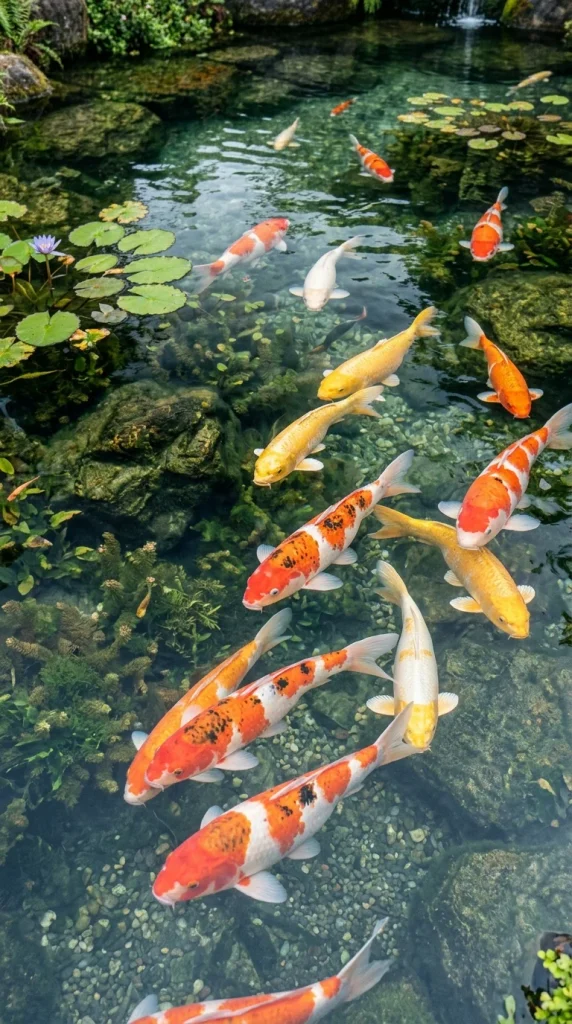
No Japanese garden is truly complete without the “living jewels” of the pond: the Koi. These fish are symbols of luck, prosperity, and perseverance. A dedicated Koi pond requires depth—usually at least three feet—to allow the fish to hibernate in winter and stay cool in summer. The interaction between the vibrant scales of the fish and the dark, reflective surface of the water creates a mesmerizing visual dance that encourages long periods of peaceful observation.
2. Stone Lanterns
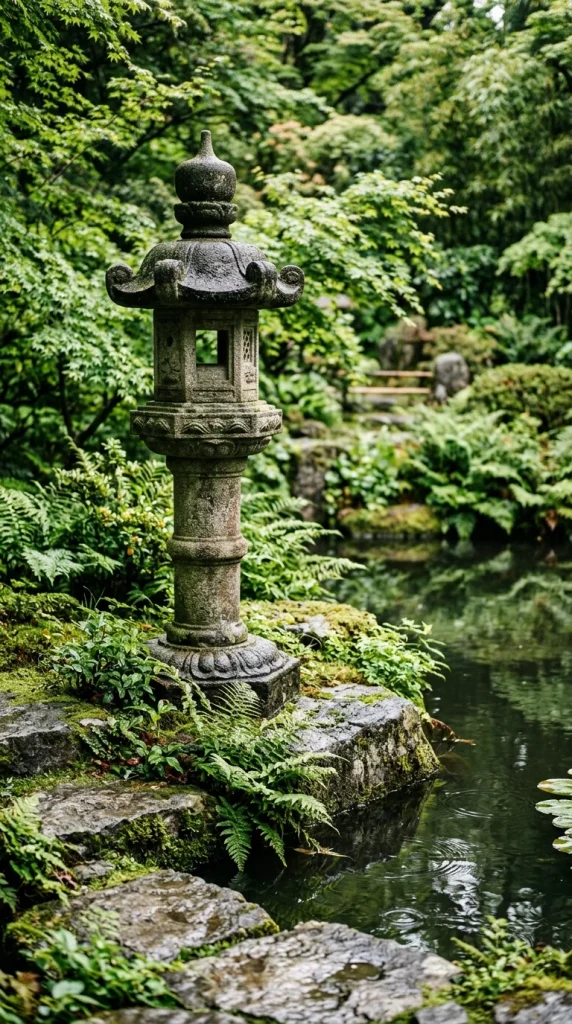
Stone lanterns, or tōrō, were originally used to light the paths of Buddhist temples. In a backyard pond setting, they provide a focal point and a sense of ancient history. Placing a lantern near the water’s edge allows its silhouette to reflect on the surface, doubling its visual impact. These structures represent the five elements of Buddhist cosmology: earth, water, fire, wind, and spirit.
3. Zen Rock Garden
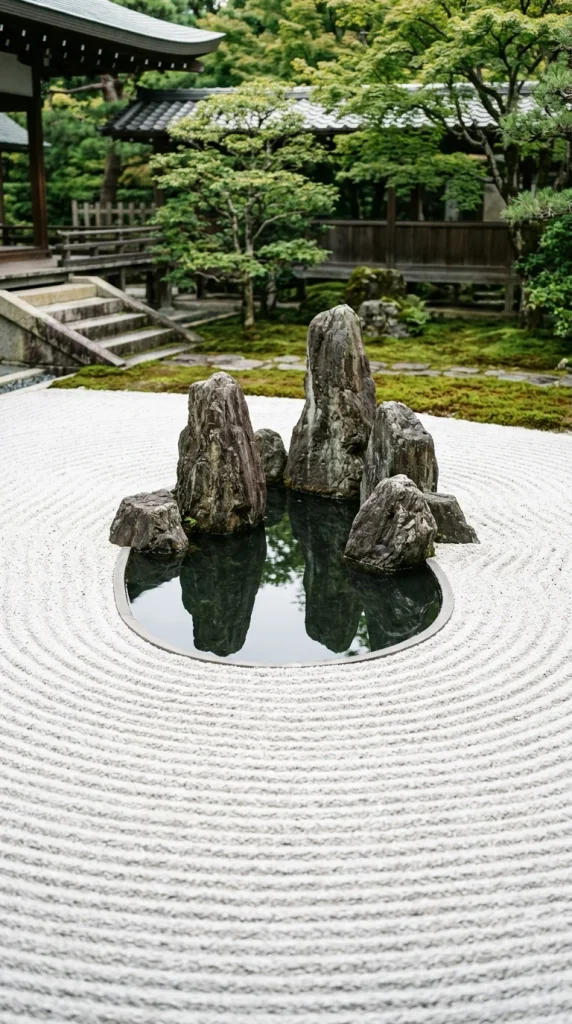
A Karesansui (dry landscape) can be integrated with a physical pond to create a “wet and dry” contrast. Use raked sand or gravel to represent the movement of waves, leading the eye toward the actual water feature. This juxtaposition highlights the difference between the permanent (stone) and the fluid (water), a core concept in Zen philosophy.
4. Bamboo Fountain
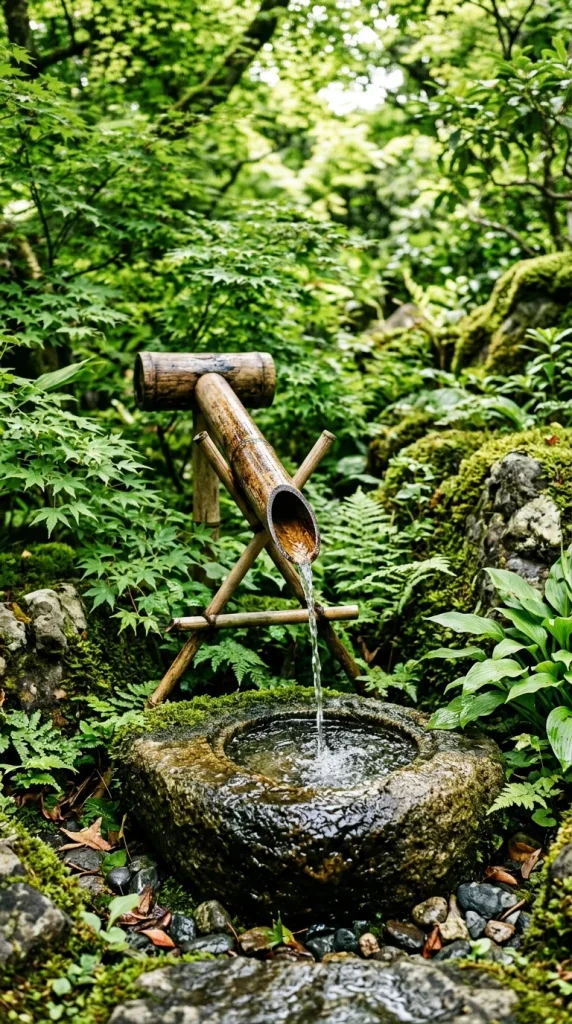
The shishi-odoshi, or “deer scarer,” is a functional piece of kinetic art. Water flows into a bamboo tube until it becomes heavy enough to tip, spilling the water and striking a stone on its way back up. The rhythmic “clack” serves as a meditative timer, breaking the silence of the garden and adding an auditory layer to your outdoor retreat.
5. Arched Bridge
The bridge, or hashi, symbolizes the transition from the mundane world to the spiritual realm. An arched bridge provides a vantage point from which to view the fish and the surrounding landscape. Whether made of brilliant red wood or natural unpainted timber, it adds architectural height and a classic silhouette to the water feature.
6. Cascading Waterfall
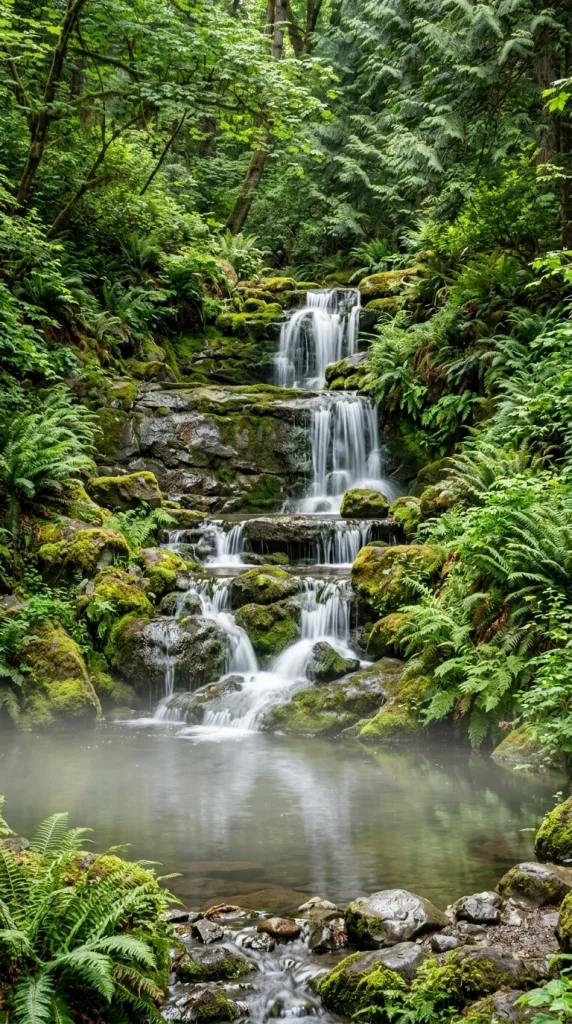
Waterfalls (taki) are essential for oxygenating the pond and providing the soothing sound of moving water. In Japanese design, waterfalls are often constructed to look as natural as possible, using “mountain stones” arranged to mimic a wild stream. The sound can be tuned by adjusting the height and the shape of the rocks, allowing for everything from a thunderous roar to a gentle trickle.
7. Stepping Stones
Iso-watari are stepping stones that allow you to “walk on water.” This feature encourages a slow, mindful pace as you navigate across the pond. By placing stones just above the water level, you create an intimate connection with the aquatic environment, bringing you closer to the fish and the dragonflies that frequent the surface.
8. Lush Moss
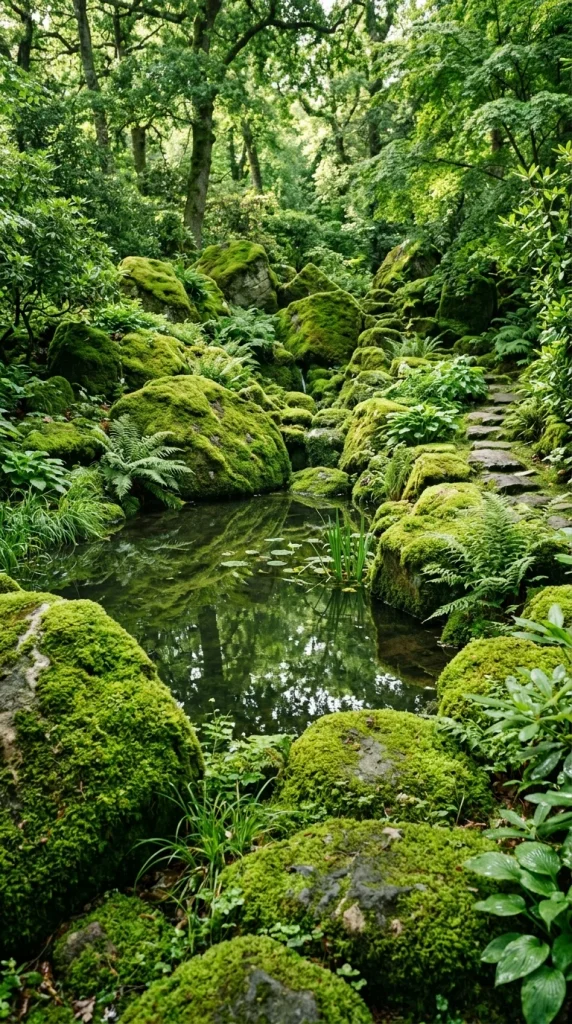
Moss is a symbol of age and tranquility in Japanese culture. It thrives in the humid microclimate created by a pond. Encouraging moss to grow on your border rocks softens the edges of the pond and makes the feature look like it has existed for centuries. It creates a lush, green carpet that feels cool to the eye and the touch.
9. Maple Trees
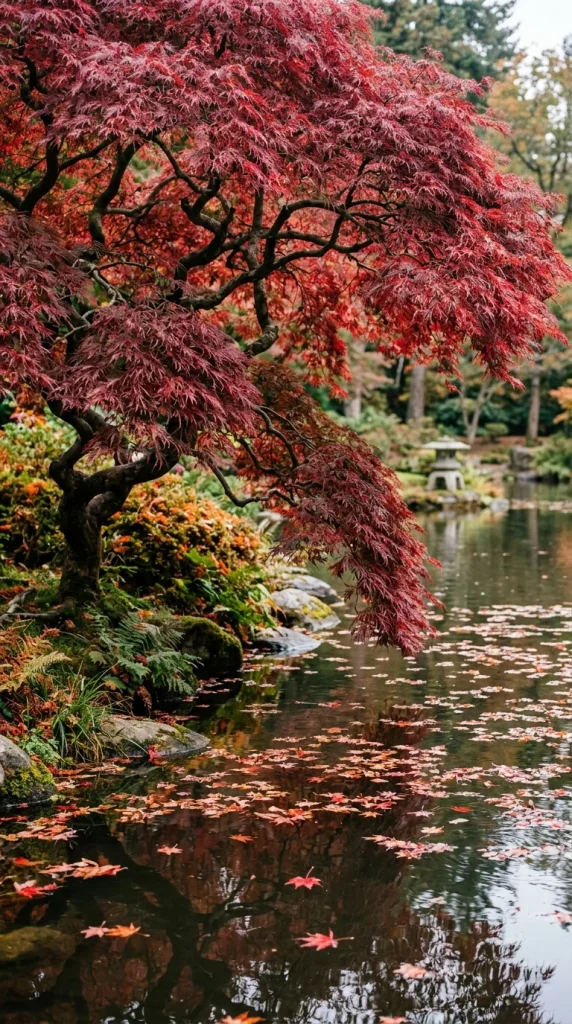
The Acer palmatum, or Japanese Maple, is the quintessential tree for a pond-side setting. Their delicate leaf structures and spectacular seasonal color changes—from bright spring greens to fiery autumn reds—provide a changing backdrop throughout the year. Planting them so they lean over the water creates beautiful reflections and provides necessary shade for the pond life.
10. Lily Pads
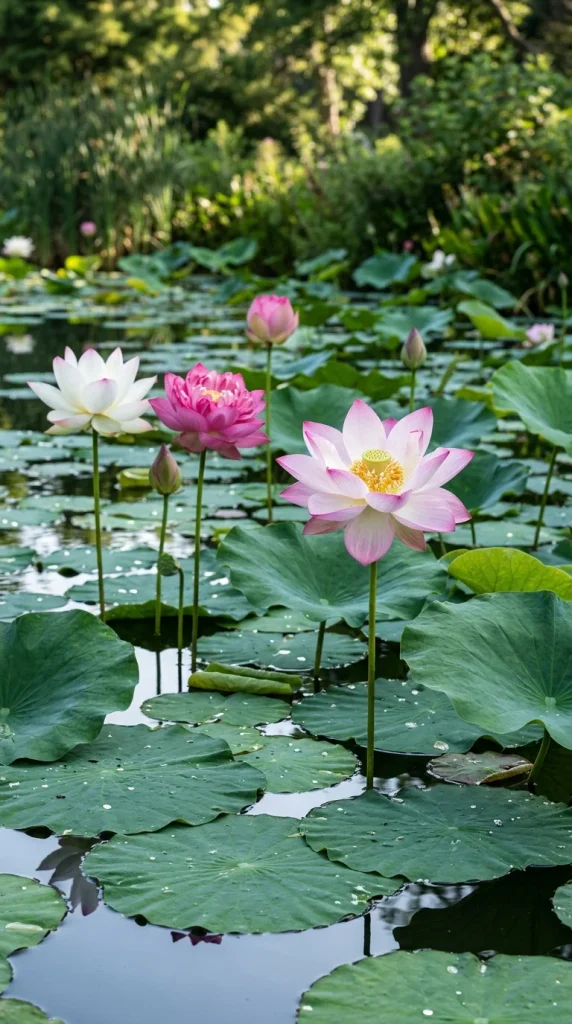
Water lilies and lotuses add a layer of horizontal beauty to the pond’s surface. They are not just aesthetic; their large leaves provide shade that prevents algae growth and offers hiding spots for fish from overhead predators. The sight of a lotus flower emerging from the mud to bloom in the sun is a powerful symbol of purity and enlightenment.
11. Tea House
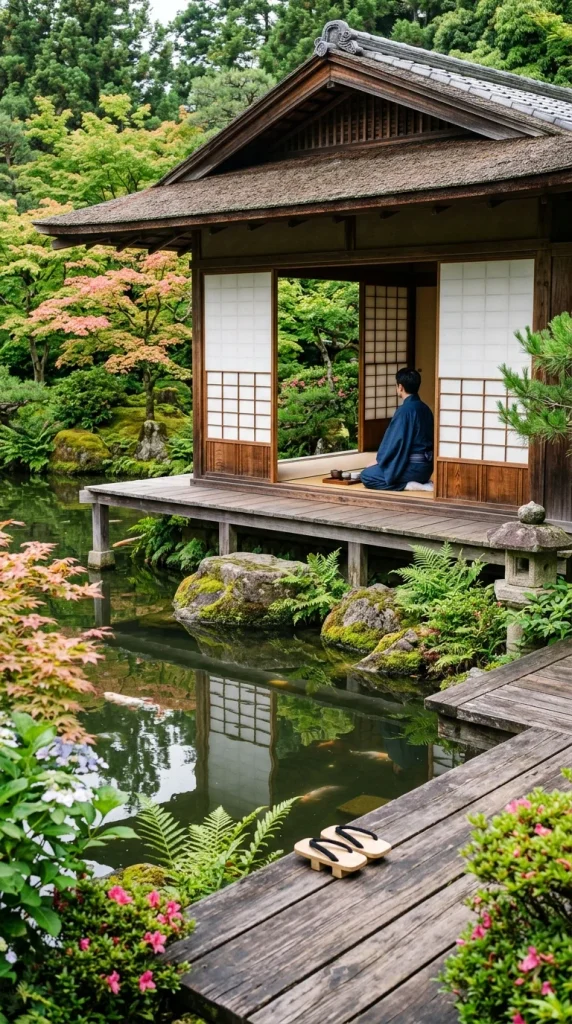
If space permits, a small wooden pavilion or tea house (chashitsu) provides a sheltered place to enjoy the garden regardless of the weather. Designing the structure so it sits right at the water’s edge allows you to slide back the screens and feel as though you are floating on the pond, creating the ultimate space for meditation or hosting friends.
12. Hidden Paths
Japanese gardens are often designed to be “hide and reveal” landscapes. By creating winding paths that disappear behind rocks or foliage, you make the space feel larger and more mysterious. A path that follows the perimeter of the pond offers different perspectives and “frames” of the water, rewarding the visitor for their exploration.
13. Moon Viewing Platform
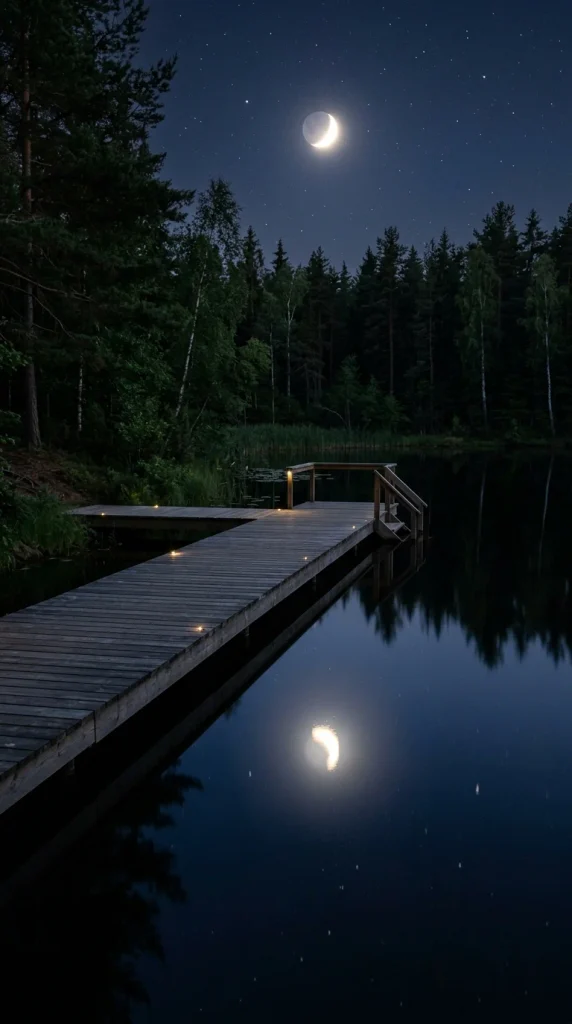
The Tsukimi-dai is a platform specifically designed for watching the moon. In a pond setting, the platform should be positioned so that the full moon reflects perfectly in the center of the water. This minimalist deck serves as a transition between the home and the pond, offering a flat, open space for yoga, tea, or stargazing.
14. Pebble Beach

Not every edge of a Japanese pond needs to be defined by large rocks. A suhama, or pebble beach, mimics the shoreline of a lake or the sea. This provides a soft, transitional zone that is visually calming. It also serves as a practical area for birds to land and bathe, adding more wildlife activity to your retreat.
15. Stone Basins
The tsukubai is a ritual washbasin found at the entrance of tea gardens. Even if you don’t use it for traditional purification, a stone basin near your pond adds a sense of ceremony. The sound of water dripping into the basin is distinct from the sound of the main pond, adding a secondary, delicate acoustic layer to the environment.
16. Night Lighting
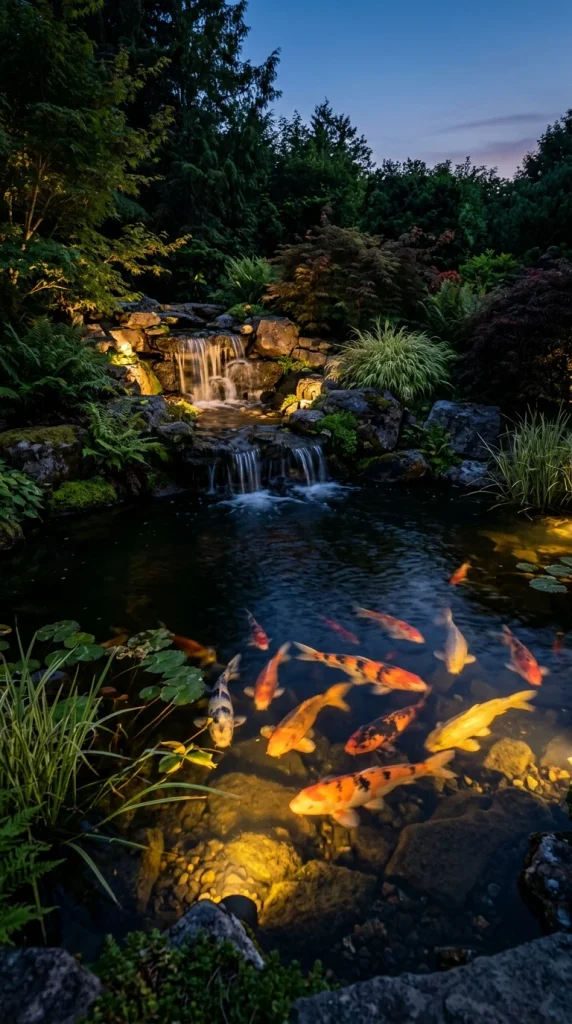
A Japanese pond should be just as enchanting at night as it is during the day. Avoid harsh floodlights; instead, use low-voltage, warm-toned LED lights hidden among the rocks and plants. Lighting the waterfall from behind or placing small lights underwater to track the movement of the koi creates a magical, ethereal atmosphere that extends the usability of your retreat into the evening hours.