
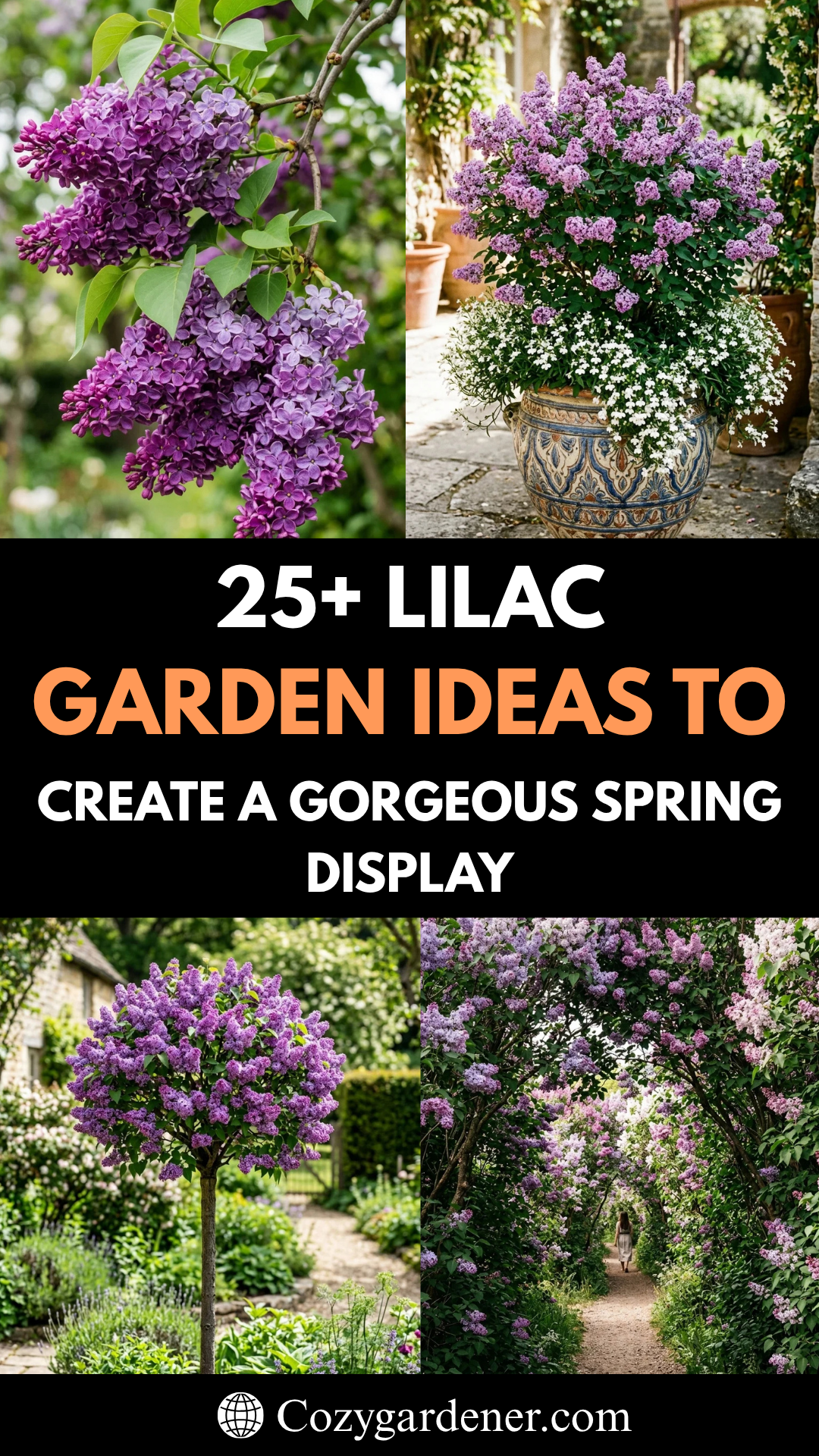
The arrival of spring is heralded by many sights, but few are as evocative or sensory-rich as the blooming of the lilac. Known for their intoxicating fragrance and panicles of delicate flowers, lilacs are the crown jewels of the temperate garden. Whether you are looking to create a romantic cottage atmosphere or a structured modern landscape, these 25 lilac garden ideas will help you transform your outdoor space into a fragrant sanctuary.
1. Common Lilac
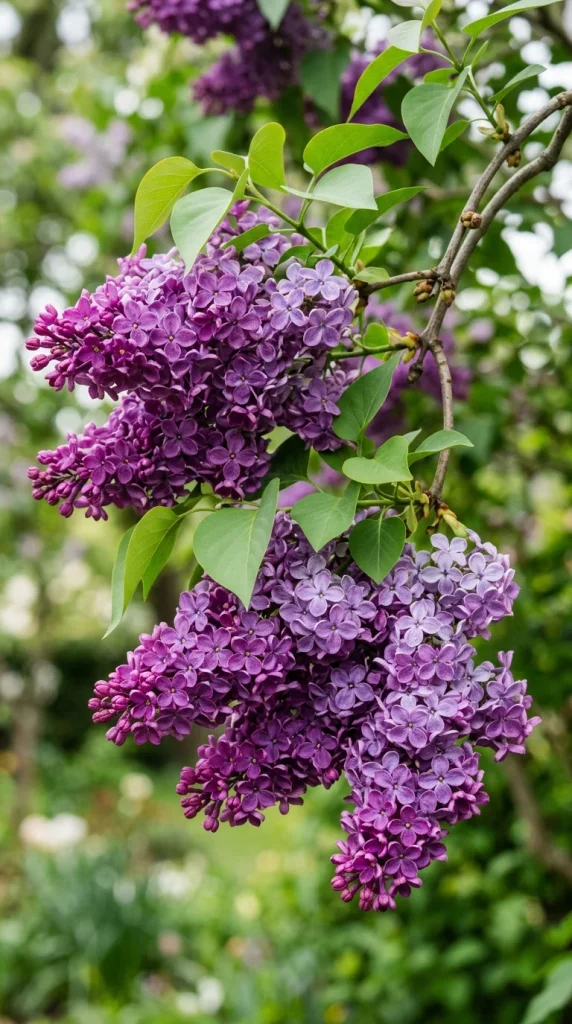
The Common Lilac (Syringa vulgaris) is the quintessential garden staple. Reaching heights of up to 15 feet, these hardy shrubs provide the classic “lilac scent” that most gardeners crave. Planting them in a row creates a traditional look that evokes nostalgia and provides a massive burst of color in mid-to-late spring.
2. Dwarf Varieties
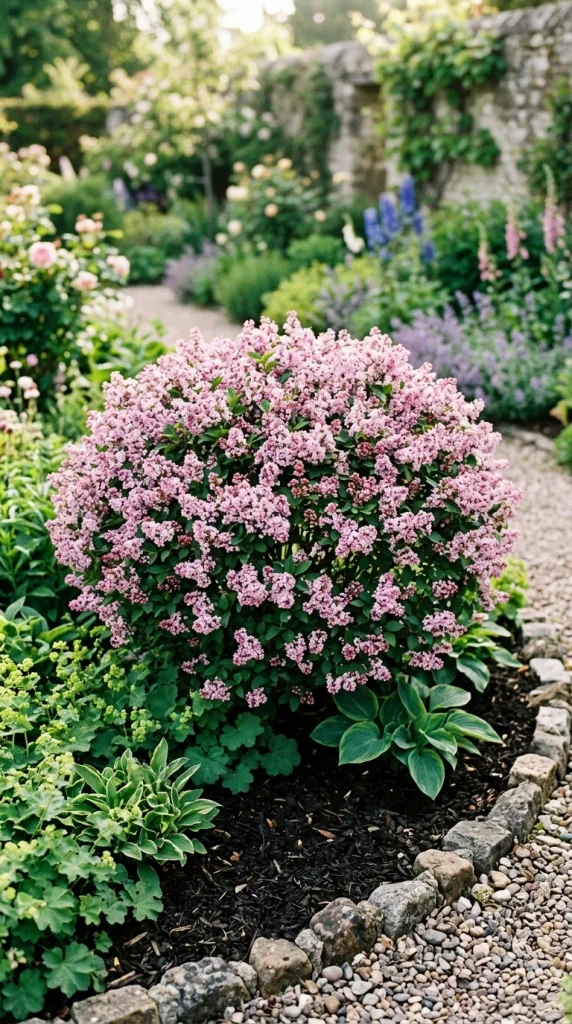
For those with limited space or smaller urban gardens, dwarf varieties like ‘Penda’ or ‘Palibin’ are a game-changer. These slow-growing shrubs rarely exceed 4 or 5 feet, making them perfect for foundation plantings or small decorative borders without the worry of them overtaking your home’s windows.
3. Fragrant Pathways
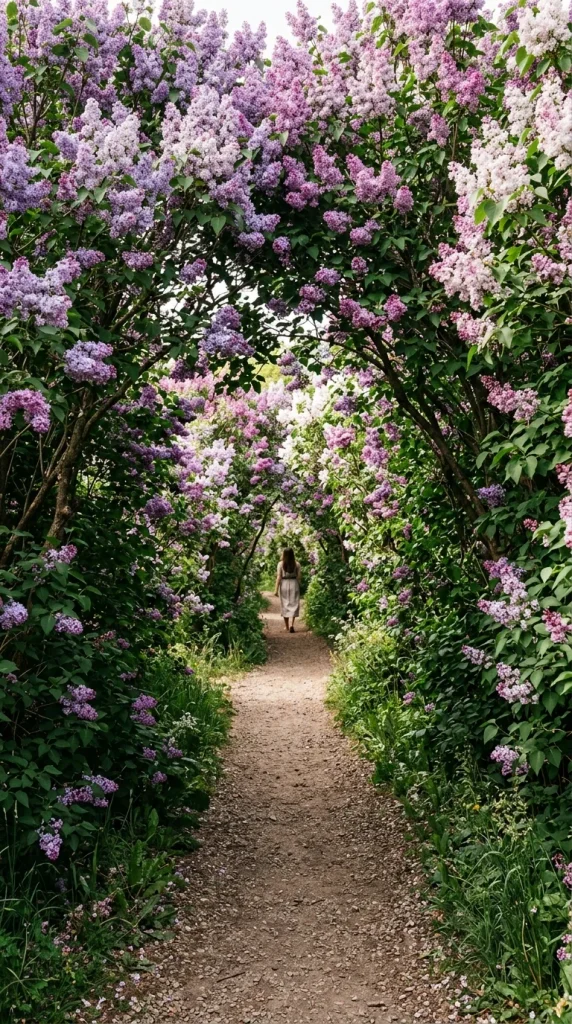
Incorporate lilacs along your primary garden paths to maximize their olfactory impact. As you walk through the garden, the movement of the air helps circulate the scent. Ensure the path is wide enough that the branches don’t snag clothing, but close enough that the fragrance envelopes anyone passing through.
4. Mixed Hedges
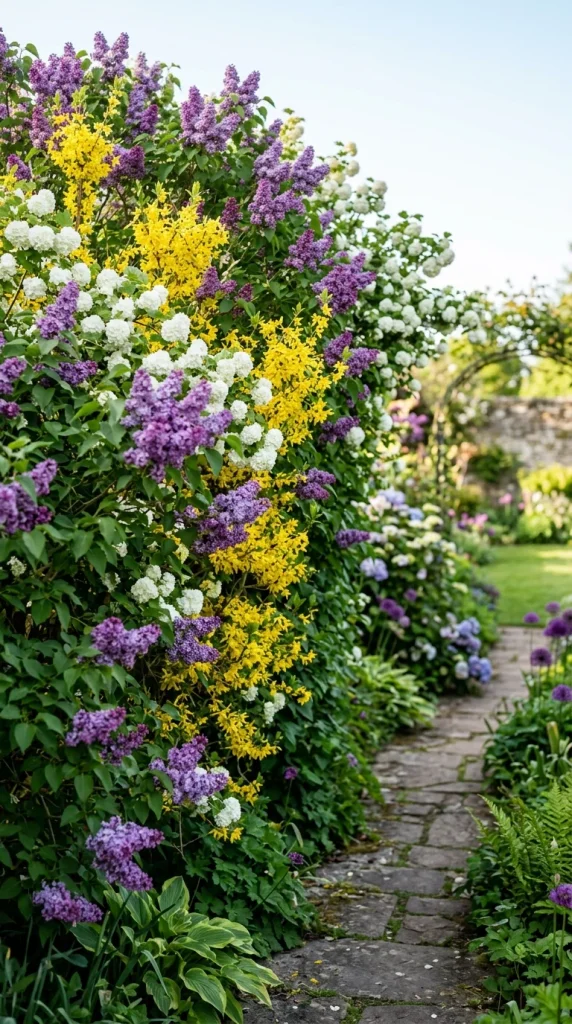
Instead of a monolithic hedge, mix your lilacs with other spring-blooming shrubs. Pairing the purple of lilacs with the vibrant yellow of Forsythia or the snowy white of Mock Orange creates a dynamic, multi-colored screen that provides privacy and a feast for the eyes.
5. White Lilacs
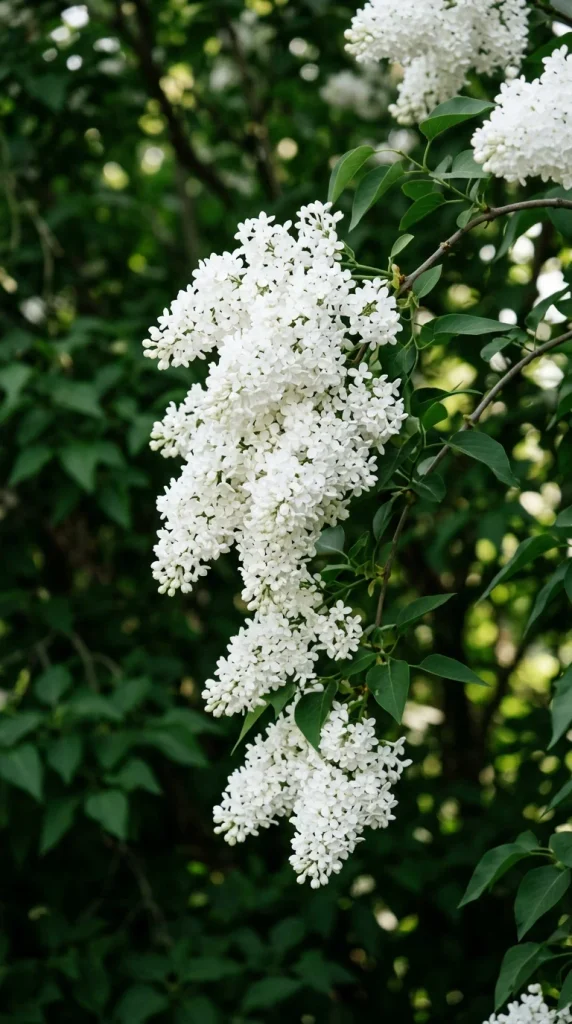
White lilacs, such as ‘Madame Lemoine’, offer a sophisticated and clean aesthetic. They are particularly effective in “Moonlight Gardens” because their bright white blossoms catch the light of the moon, making the garden glow after dusk while releasing a sweet, heavy perfume.
6. Persian Lilacs
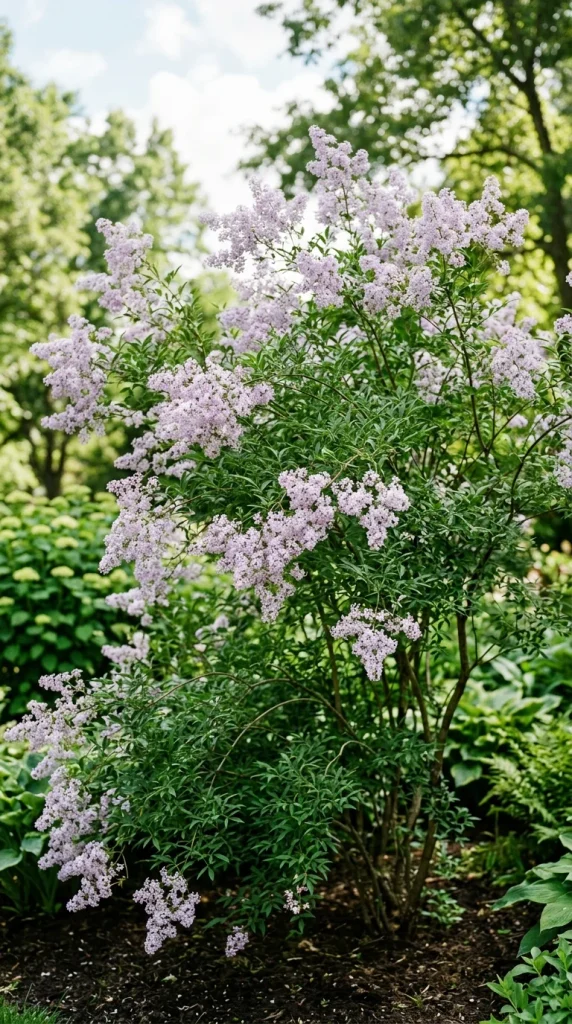
The Persian lilac (Syringa x persica) offers a different texture with its narrower leaves and more graceful, arching branches. It tends to be more heat-tolerant than the common lilac, making it an excellent choice for gardens in slightly warmer zones where traditional lilacs might struggle.
7. Standard Trees
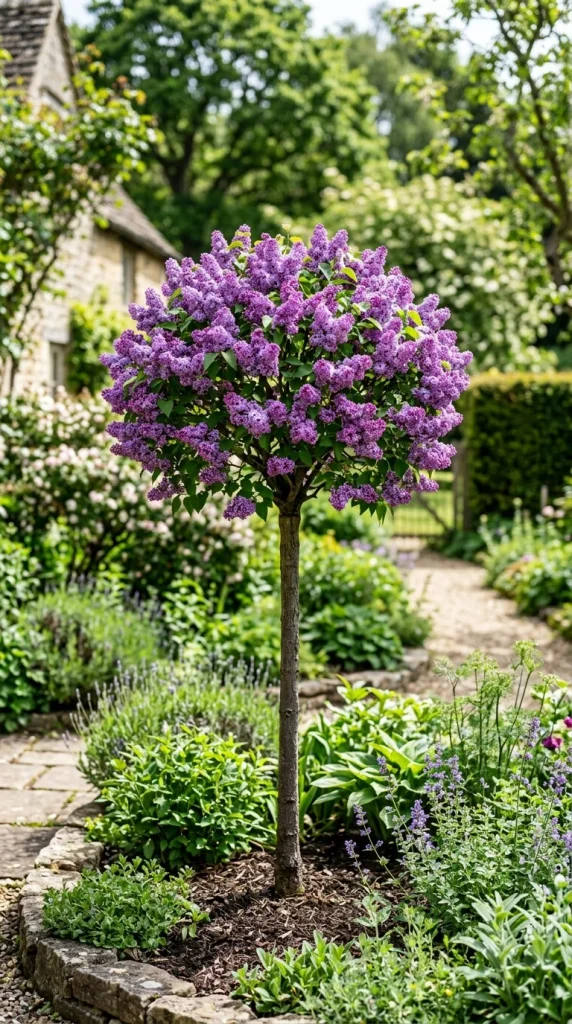
You can train certain lilac varieties into a “standard” or tree form. By pruning away lower branches and focusing growth on a single leader, you create a sophisticated focal point. These look exceptional when placed in the center of a circular flower bed or used as formal anchors at a garden entrance.
8. Container Planting
Don’t let a lack of yard space stop you. Dwarf lilacs thrive in large containers. Use a high-quality potting mix and ensure the pot has excellent drainage. This allows you to move the fragrance exactly where you want it—right next to your favorite patio chair or by the front door.
9. Espaliered Lilacs
Espalier is the ancient practice of training a woody plant to grow flat against a structure. While more common with fruit trees, lilacs can be trained against a fence or wall to save space. This creates a living piece of art that covers a bare wall with blossoms in the spring.
10. Butterfly Gardens
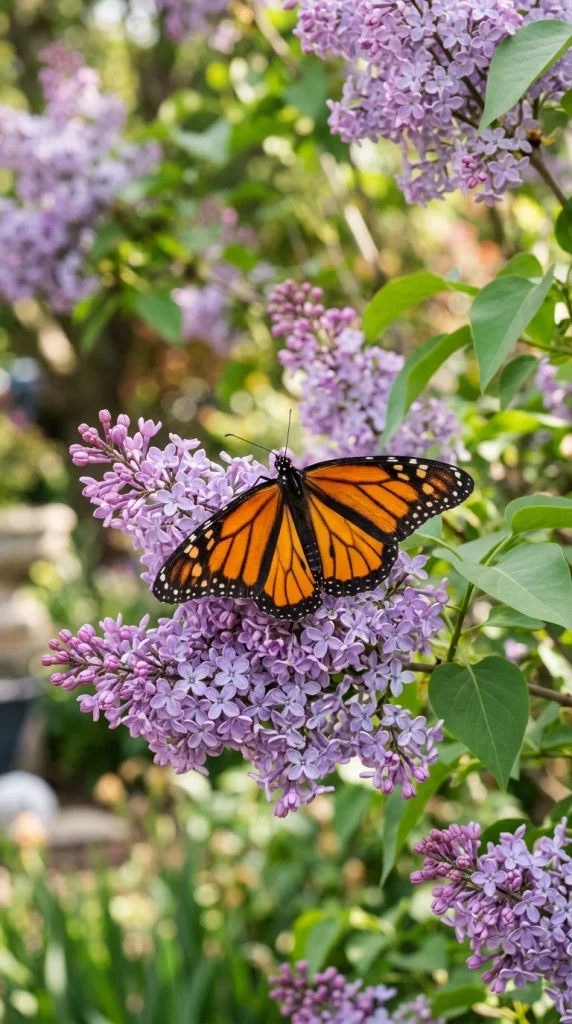
Lilacs are a magnet for pollinators. By planting them alongside nectar-rich perennials like lavender, salvia, and coneflowers, you create a haven for butterflies and bees. The high nectar content of lilac florets provides a crucial early-season food source for many beneficial insects.
11. Rock Gardens
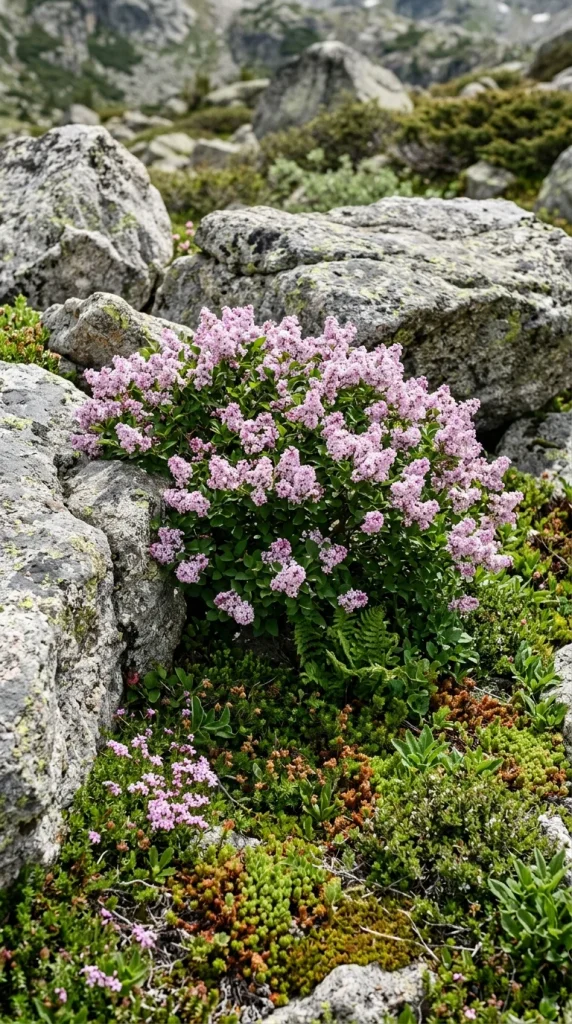
Small, slow-growing lilac species like the Meyer Lilac are perfect for rock gardens. Their rugged nature allows them to thrive in well-drained, sunny spots between large stones, providing a soft, floral contrast to the hard textures of the rockery.
12. Moonlight Gardens
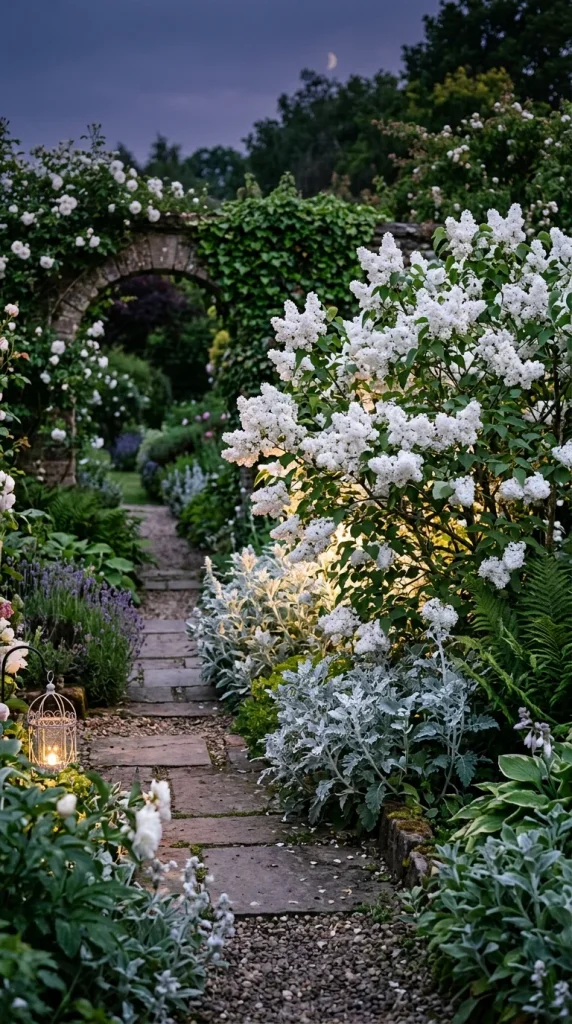
To create a garden meant for evening enjoyment, focus on white and pale lavender lilac varieties. These colors reflect the limited light available at night. Pair them with silver-foliaged plants like Dusty Miller or Lamb’s Ear to create a shimmering, ghostly landscape that smells divine in the cool night air.
13. Cut Flower Borders
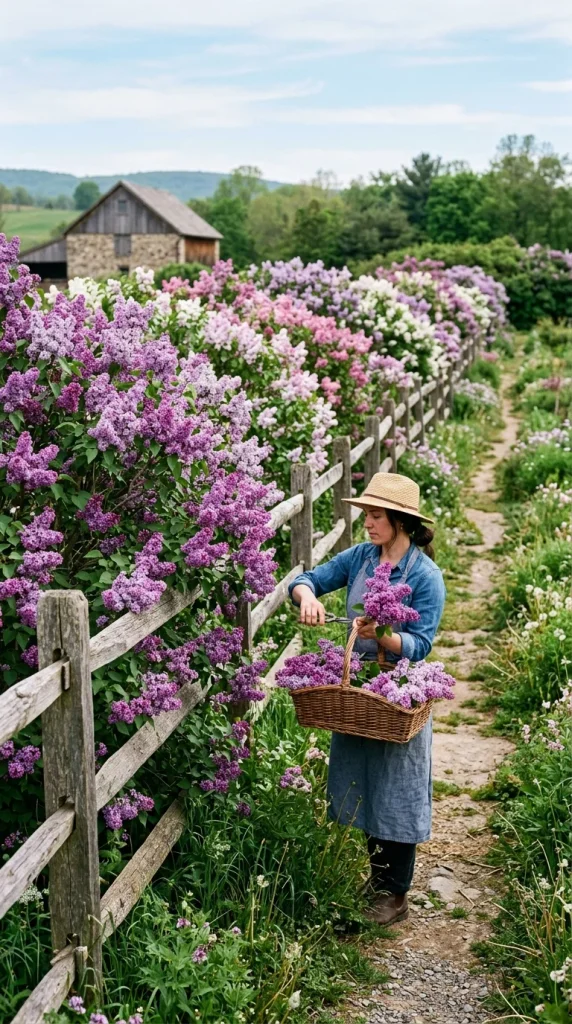
If you love bringing the outdoors in, dedicate a portion of your garden to “cutting” lilacs. Plant a variety of species that bloom at slightly different times (early, mid, and late season) to ensure you have a steady supply of fresh bouquets for your dining table for over a month.
14. Arches and Tunnels
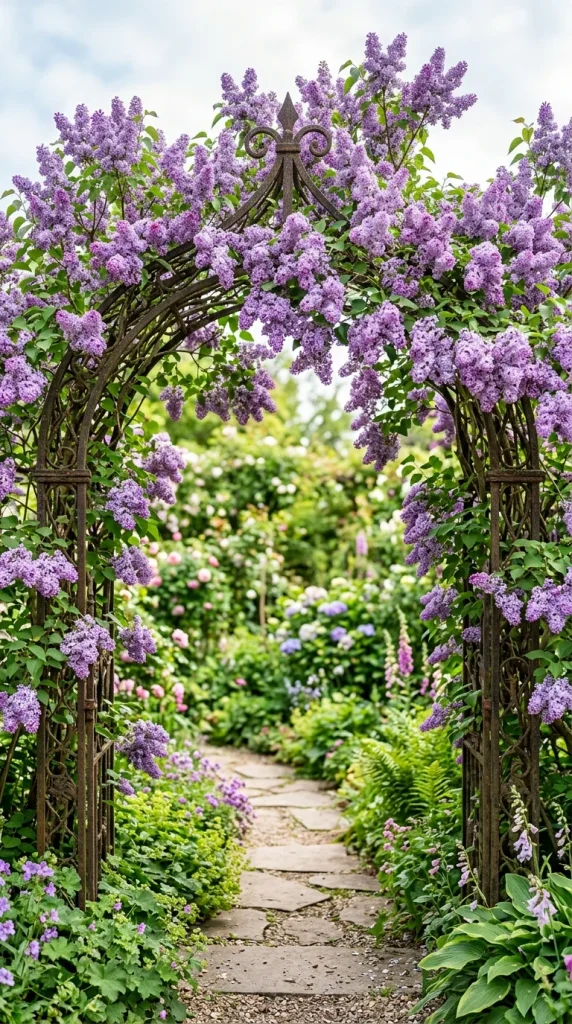
With a bit of patience and structural support, you can train tall lilac varieties to arch over a gate or walkway. This creates a dramatic “living portal” that visitors must pass through, offering an immersive experience of sight and scent.
15. Reblooming Varieties
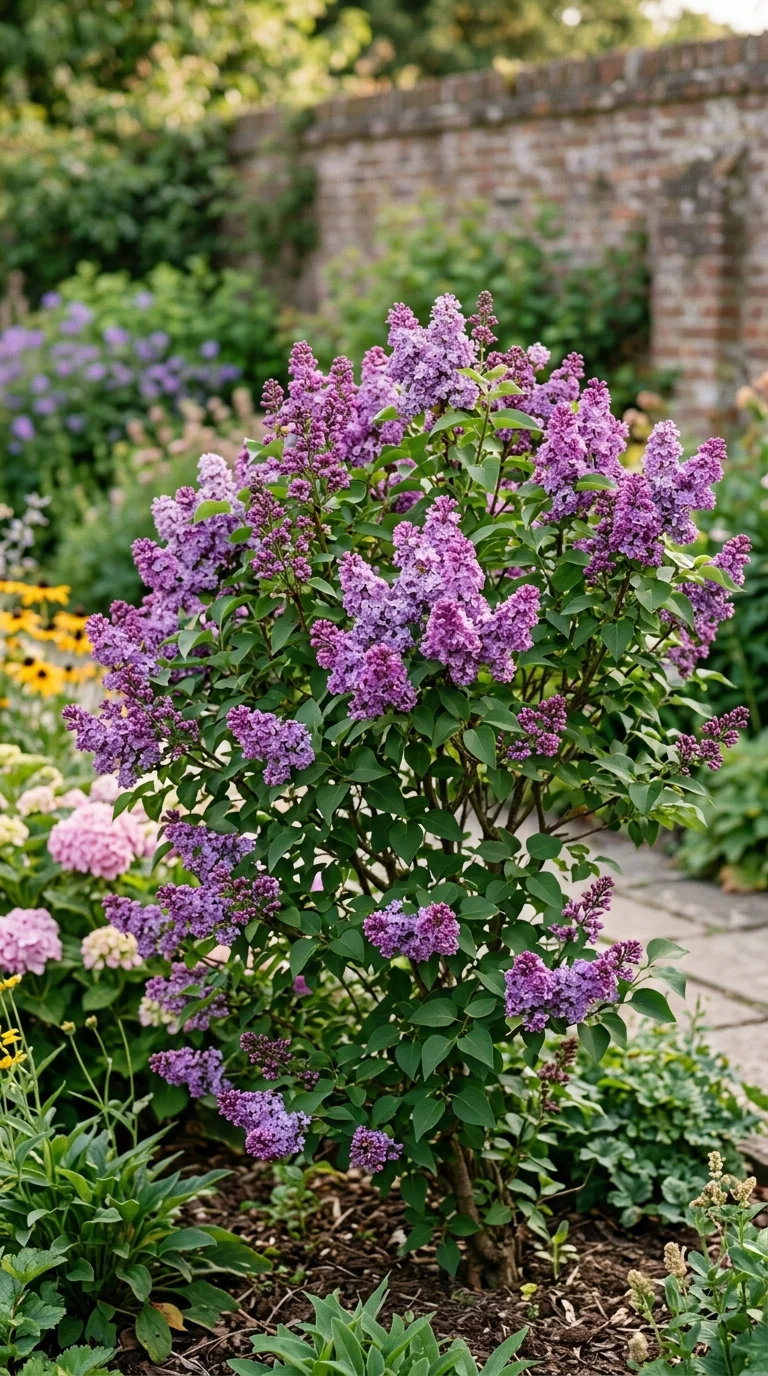
Modern breeding has given us “reblooming” lilacs like the ‘Bloomerang’ series. These incredible plants bloom heavily in spring, take a short rest, and then continue to produce smaller clusters of flowers throughout the summer and into the fall, extending the lilac season significantly.
16. Underplanting Peonies
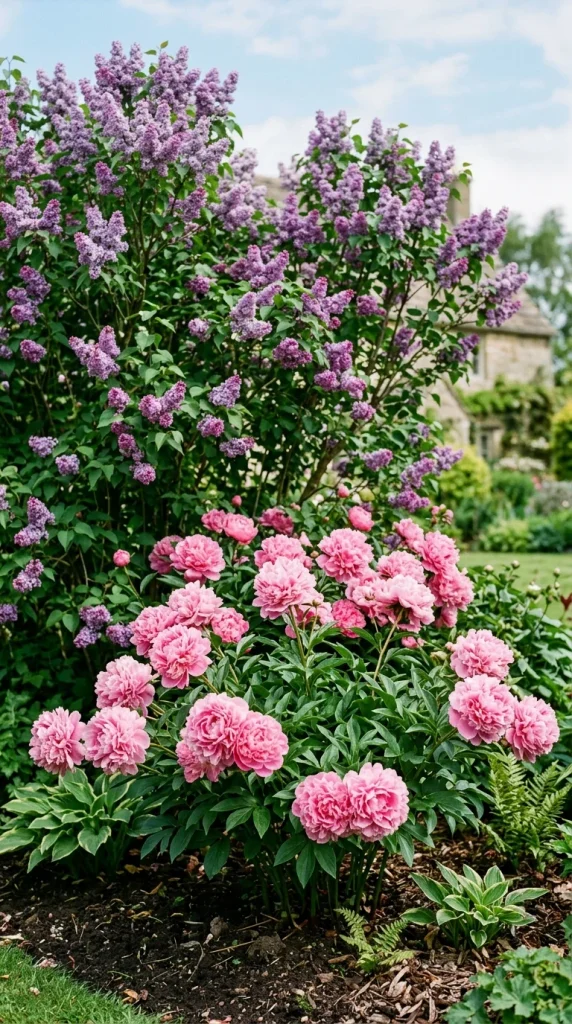
Lilacs and peonies are a classic horticultural pairing. They often bloom around the same time and share a romantic, ruffled aesthetic. Planting peonies at the base of your lilacs hides the “leggy” bottom of the lilac shrub and creates a layered wall of incredible color and scent.
17. French Lilacs
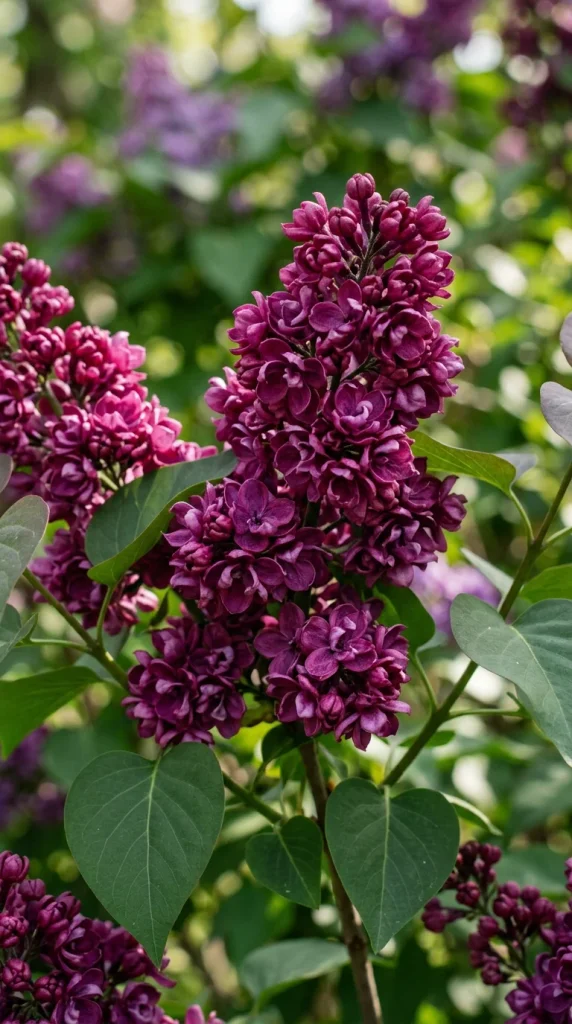
The “French Hybrids” are known for their massive, often double-petaled blooms and intense colors. These varieties, developed largely in the late 19th century, offer some of the most dramatic visual displays in the lilac world, with individual florets that look like miniature roses.
18. Privacy Screens
Because many lilac varieties grow thick and tall, they make excellent natural privacy screens. Plant them about 4 to 6 feet apart in a line. Within a few years, they will knit together to form a solid wall of green that blocks out neighbors and noise while providing a floral spectacular every spring.
19. Focal Points

Sometimes, less is more. A single, well-maintained lilac specimen can serve as the centerpiece of a landscape. When given plenty of space to grow, it develops a beautiful natural shape that draws the eye and anchors the entire garden design.
20. Korean Lilacs
The Korean lilac is prized for its mildew resistance and neat, rounded habit. It is often the last to bloom among the spring lilacs, helping to bridge the gap between spring and summer. Its fragrance is slightly spicier than the common lilac, adding a different note to the garden’s perfume.
21. Cottage Style
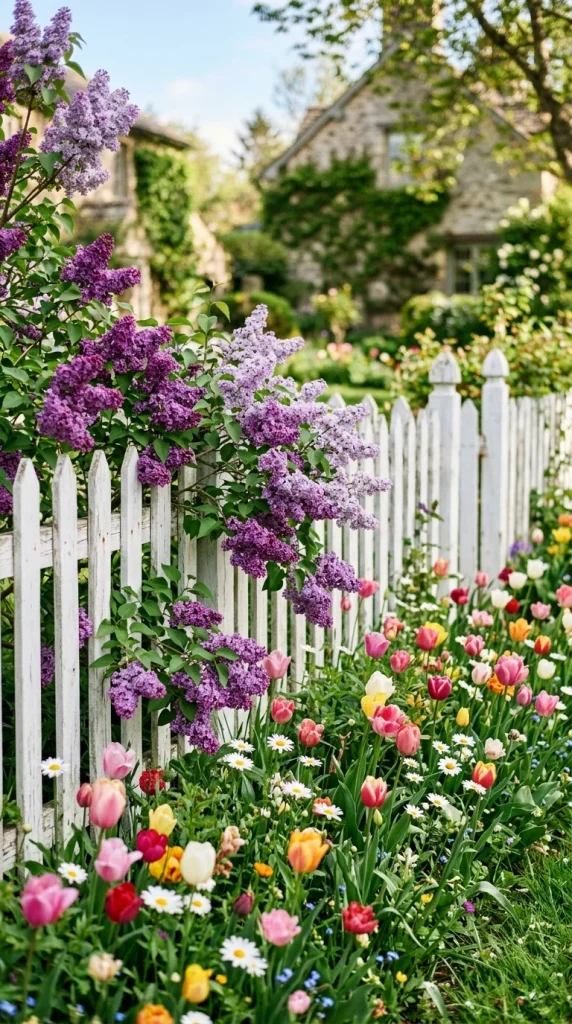
To achieve the “English Cottage” look, let your lilacs grow a bit more wildly. Allow them to spill over fences and mingle with climbing roses and foxgloves. This relaxed, slightly overgrown aesthetic is where the lilac truly feels at home, evoking a sense of timeless, rustic beauty.
22. Layering Heights
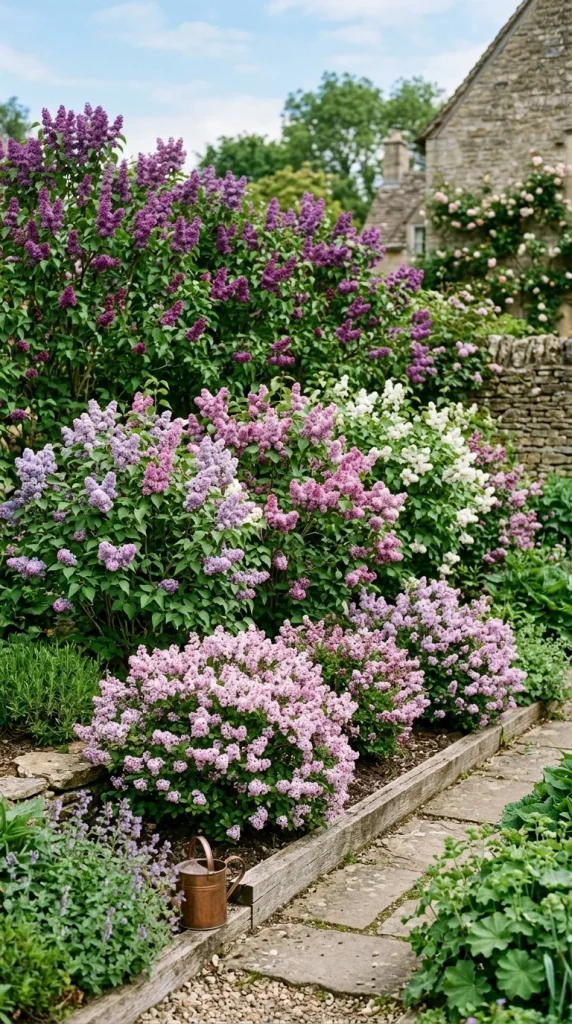
Create depth in your garden by layering different lilac species based on their mature height. This “staircase” effect ensures that every plant is visible and creates a massive wall of color from the ground all the way up to ten or twelve feet in the air.
23. Vertical Trellising
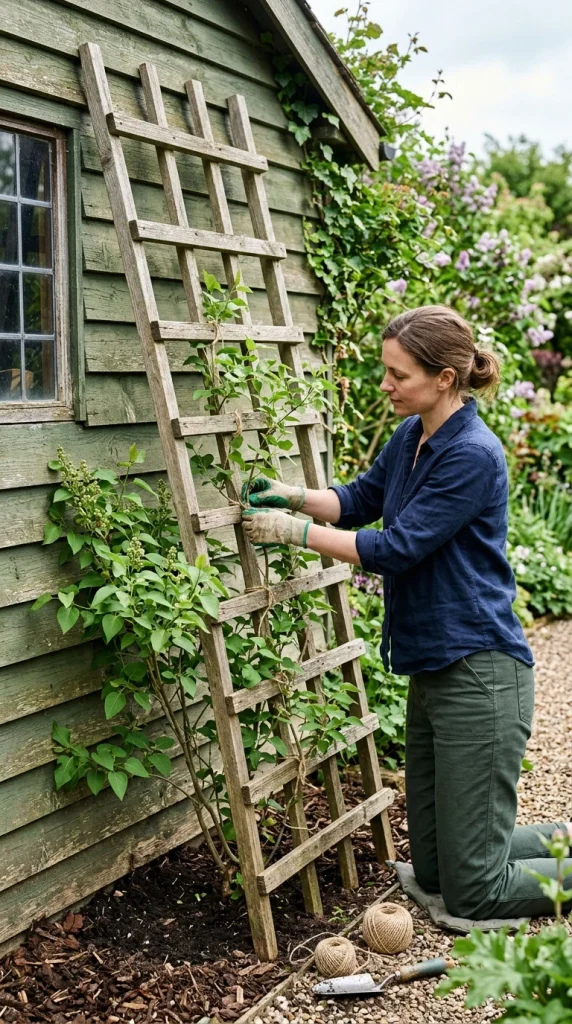
If you have a very narrow space, you can use trellising to keep lilac branches upright. While they aren’t true climbers, their flexible young branches can be encouraged to grow vertically with support, allowing you to enjoy their blooms in side-yards or narrow alleyways.
24. Wildlife Habitats
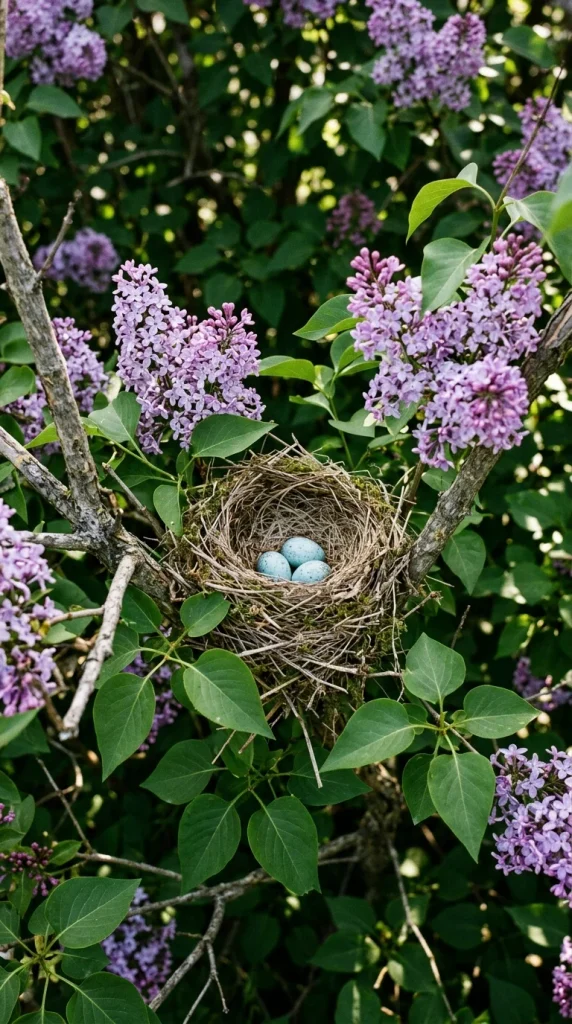
Beyond butterflies, lilacs provide excellent nesting sites for songbirds. Their dense branching structure offers protection from predators and the elements. By planting lilacs, you are contributing to a healthy local ecosystem and ensuring your garden is filled with birdlife.
25. Seating Nooks
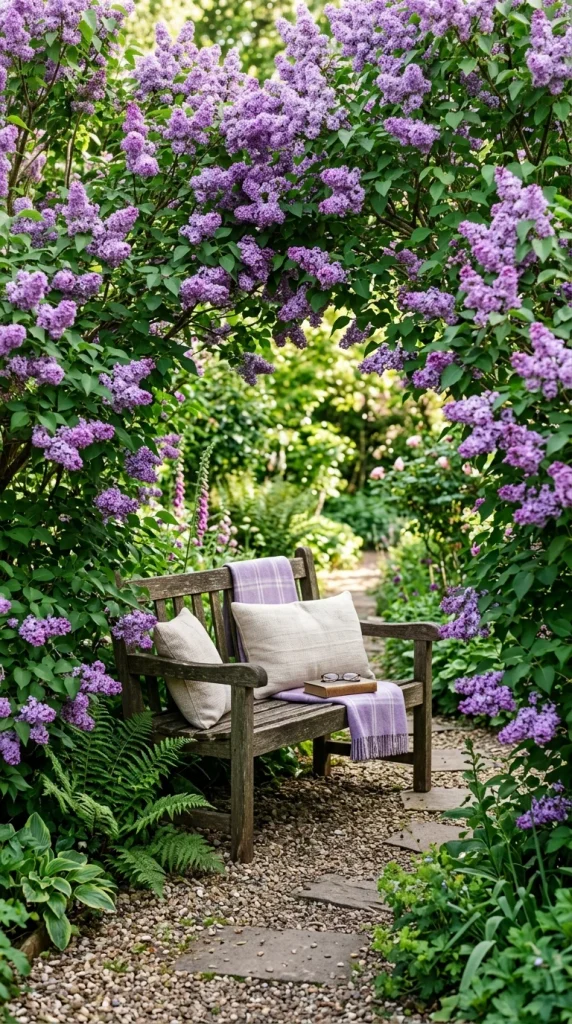
Place a bench or a small bistro set within a “U” shape of lilac bushes. This creates a private outdoor room where you can sit, read, or enjoy a cup of tea while completely surrounded by the beauty and scent of the flowers. It is the ultimate way to experience a lilac garden in full bloom.