

Transforming a utilitarian backyard into a high-end sanctuary often comes down to the choice of materials. Cinder blocks, once relegated to industrial sites and basement foundations, have undergone a massive design Renaissance. When paired with the organic warmth of wood, they create a striking architectural contrast that is both durable and visually captivating. This combination offers the structural integrity of masonry with the inviting aesthetic of timber. Whether you are looking for total privacy, a modern industrial vibe, or a rustic garden backdrop, these 23 ideas will inspire your next outdoor renovation.
1. Vertical Slats
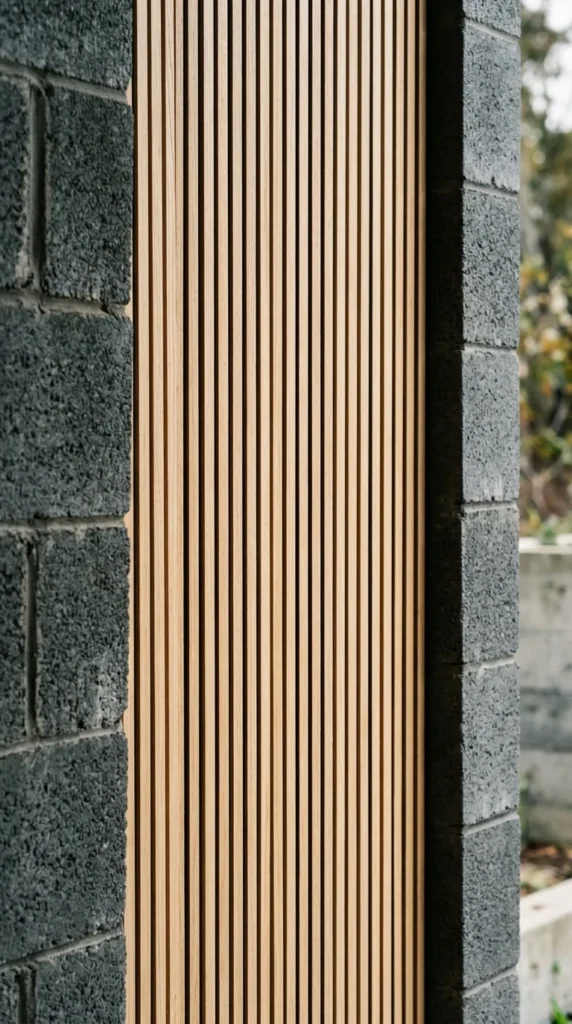
Vertical slats offer a sense of height and a modern, rhythmic aesthetic. By mounting thin wooden strips vertically between cinder block pillars, you create a fence that feels light and airy while maintaining a solid structural frame. This design is particularly effective for small yards as the vertical lines draw the eye upward, making the space feel larger.
2. Horizontal Planks
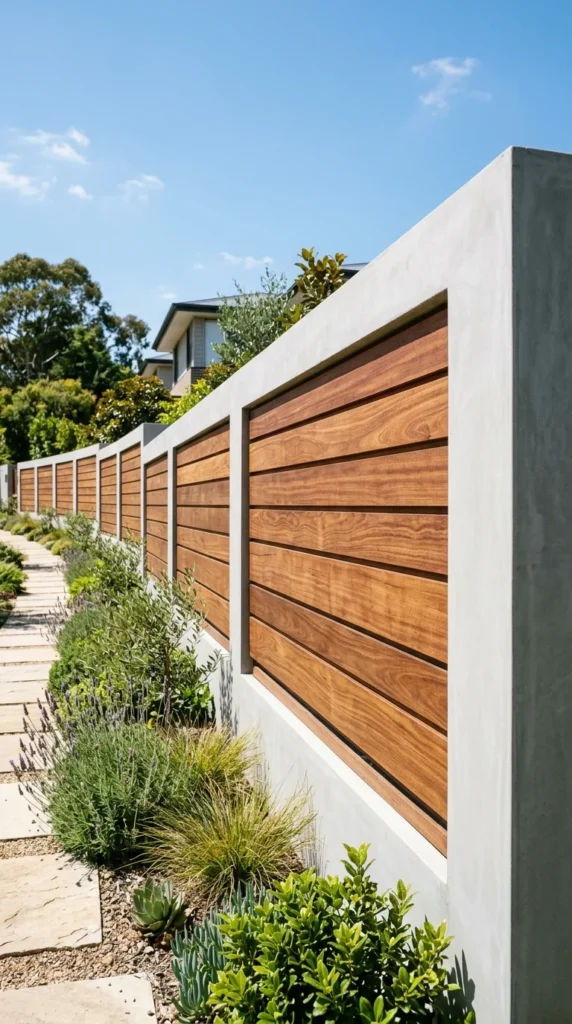
Horizontal planks are the gold standard for modern landscaping. This orientation provides a clean, linear look that complements mid-century modern and contemporary homes. By slotting the wood into grooves within the cinder blocks, you achieve a seamless transition between the “heavy” masonry and the “light” wood elements.
3. Stucco Finish
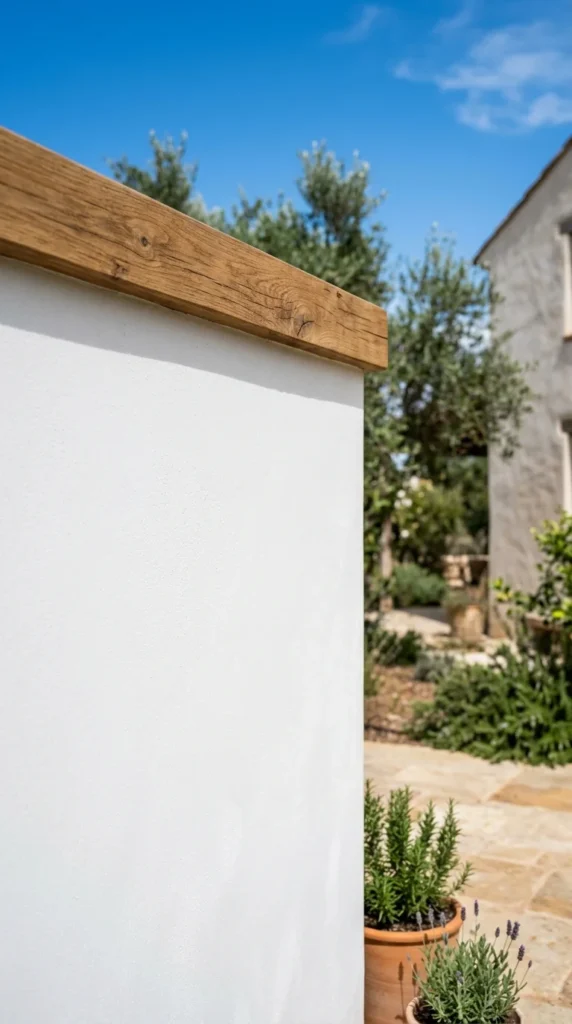
For those who want to hide the “blocky” look of cinder blocks, a stucco finish is the perfect solution. Applying a smooth plaster over the blocks creates a Mediterranean or minimalist vibe. Adding a wood cap or inset panels provides a necessary pop of texture and color against the pristine white or beige surface.
4. Built-in Planters
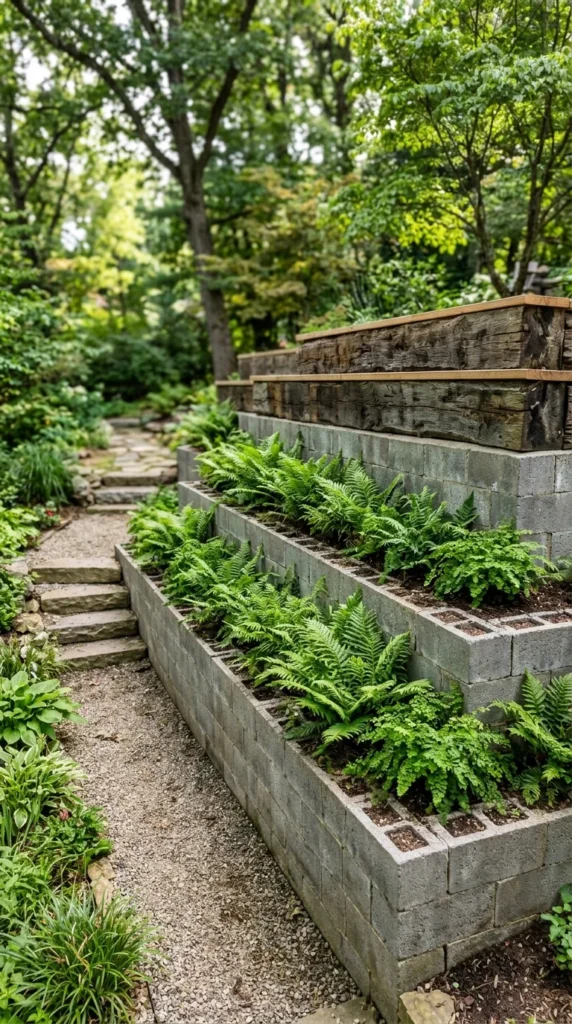
Cinder blocks are naturally hollow, making them the perfect vessel for greenery. By designing your fence with staggered blocks, you can create built-in planter boxes. Interspersing these “living” sections with solid wood panels creates a dynamic, breathing wall that serves as both a boundary and a vertical garden.
5. Painted Blocks
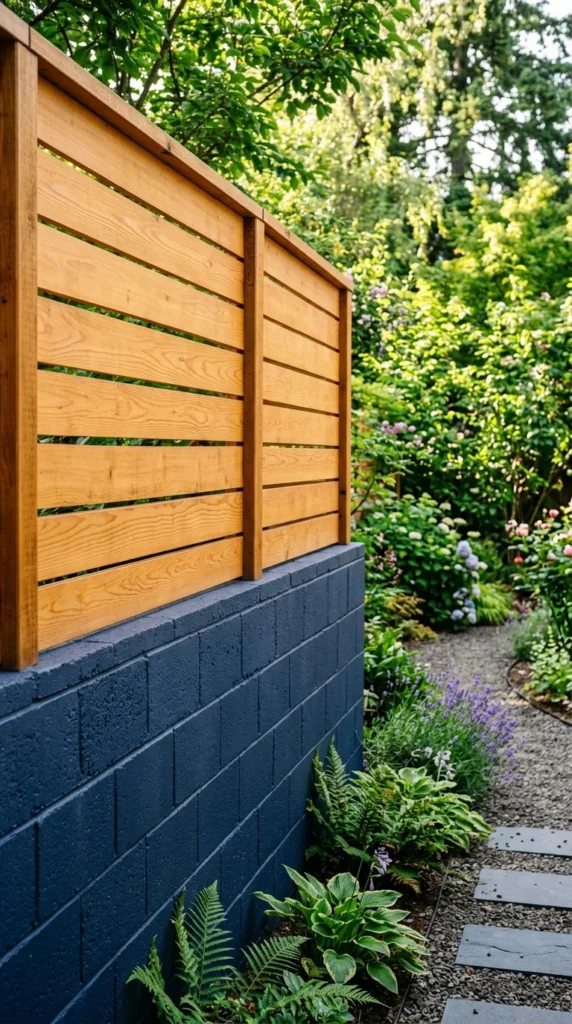
Never underestimate the power of paint. A matte black or deep navy coat on cinder blocks can instantly make them look like expensive architectural concrete. When paired with a light-colored wood like pine or cedar, the contrast is sophisticated and high-end, perfect for a designer-tier outdoor lounge area.
6. Cedar Panels
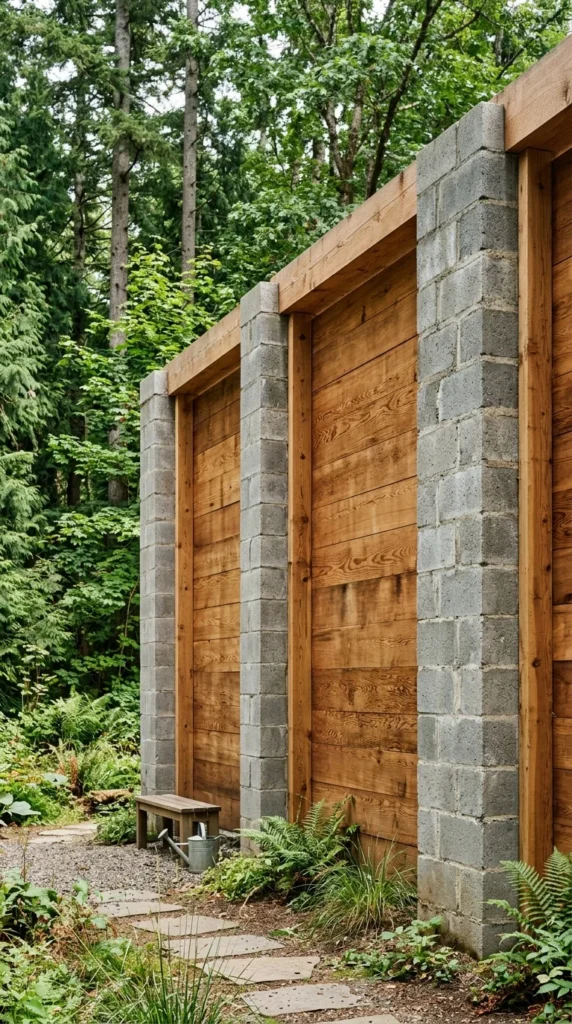
Cedar is the preferred choice for outdoor wood because of its natural resistance to rot and insects. Large, solid cedar panels framed by cinder block columns offer maximum privacy and a rich, aromatic presence. The silvery aging process of cedar also looks stunning against the industrial grey of the blocks.
7. Floating Benches
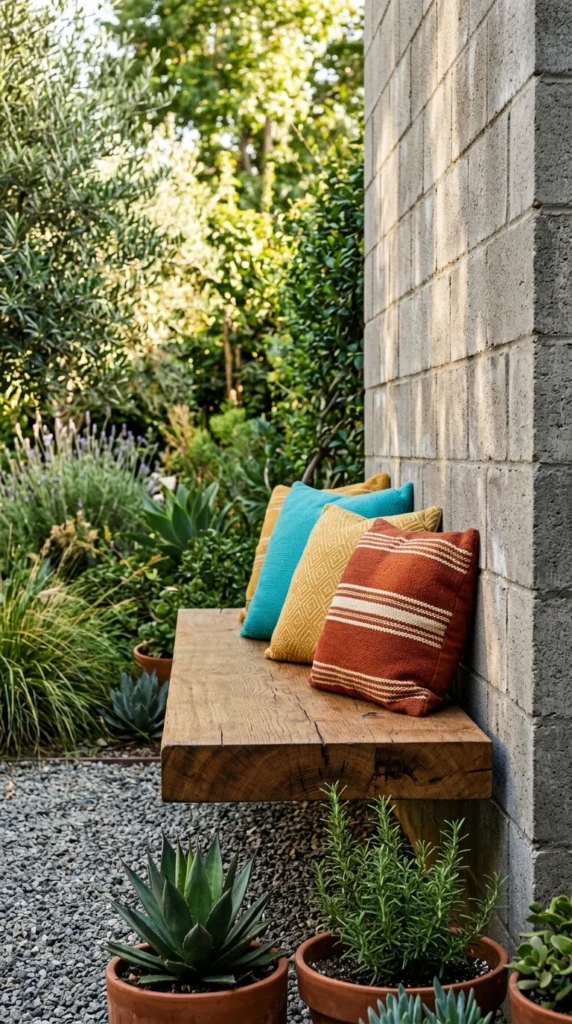
Why stop at a fence when you can add functionality? By anchoring heavy wooden beams into the cinder block structure, you can create “floating” benches. This saves space in the yard and creates a permanent, stylish seating area that feels like part of the landscape’s architecture.
8. Lattice Tops
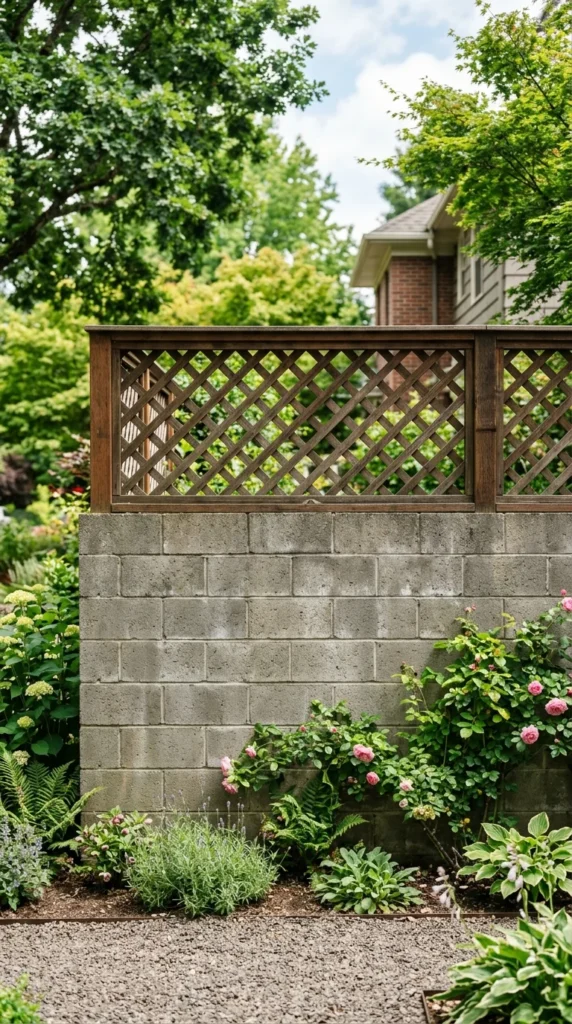
If you want the security of a solid wall but don’t want to feel completely boxed in, a lattice top is the answer. The cinder blocks provide a sturdy base, while the wooden lattice allows light and air to filter through. It’s an ideal setup for climbing vines like jasmine or clematis.
9. Industrial Vibe
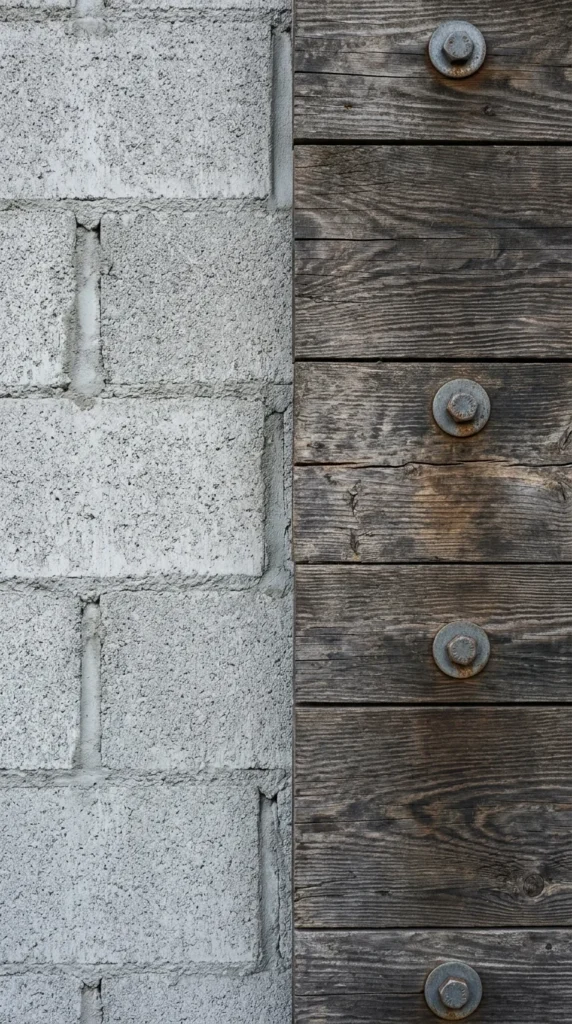
Embrace the raw materials for an industrial look. Use unpainted cinder blocks with slightly messy mortar lines and pair them with reclaimed wood that shows its grain and knots. Using visible steel bolts to attach the wood elements further enhances this “warehouse-chic” aesthetic.
10. Modern Minimalist
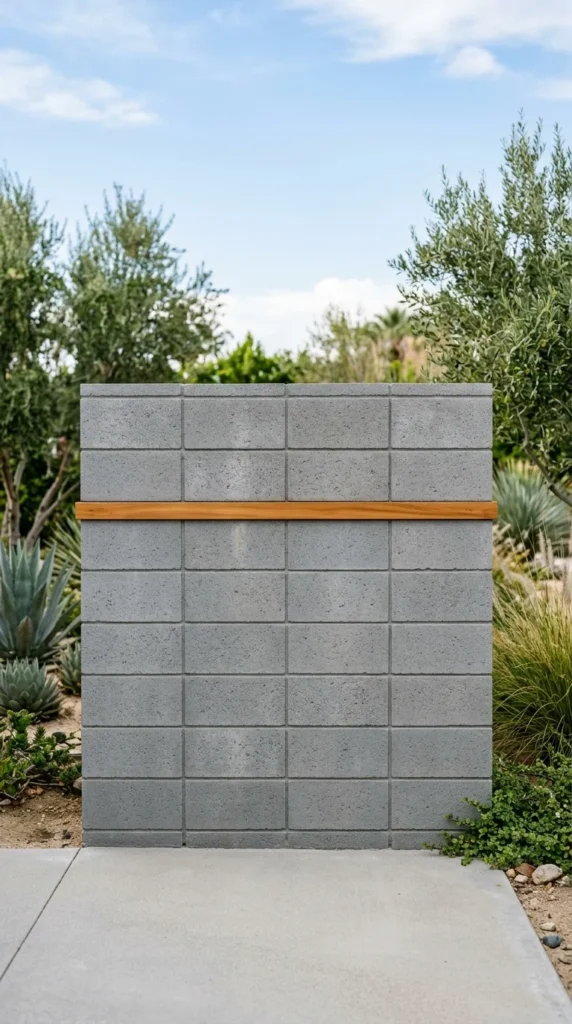
Minimalism is all about “less is more.” A low cinder block wall with a single, perfectly finished wooden accent strip can define a space without cluttering it. This style works exceptionally well for front yard boundaries where you want to maintain an open, welcoming feel.
11. Rustic Barnwood
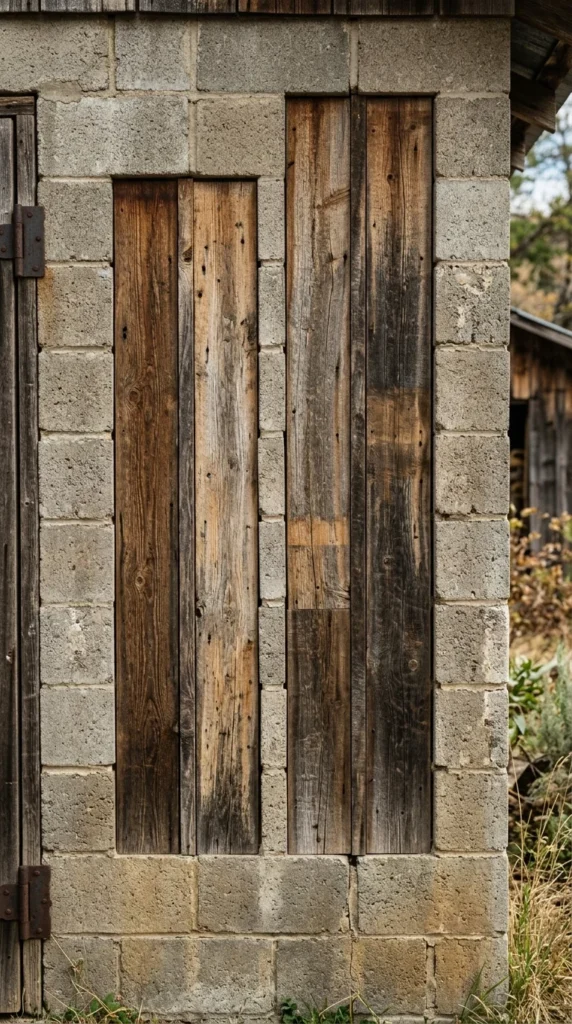
For a farmhouse or rustic look, use reclaimed barnwood. The history and texture of the wood contrast beautifully with the cold, hard surface of the blocks. This pairing feels grounded and “lived-in,” making it perfect for cozy fire pit areas or vegetable gardens.
12. Lighting Integration
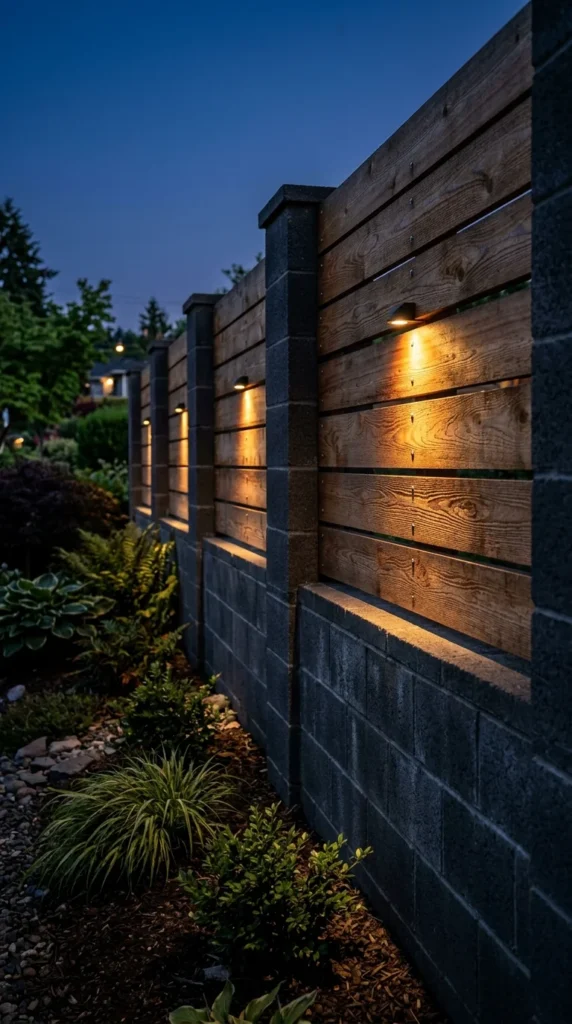
Cinder blocks provide excellent housing for electrical conduit. You can easily hide wiring within the blocks to install integrated LED lighting. Whether it’s strip lighting under a wooden cap or recessed spotlights in the wood panels, the evening ambiance will be unparalleled.
13. Mixed Textures
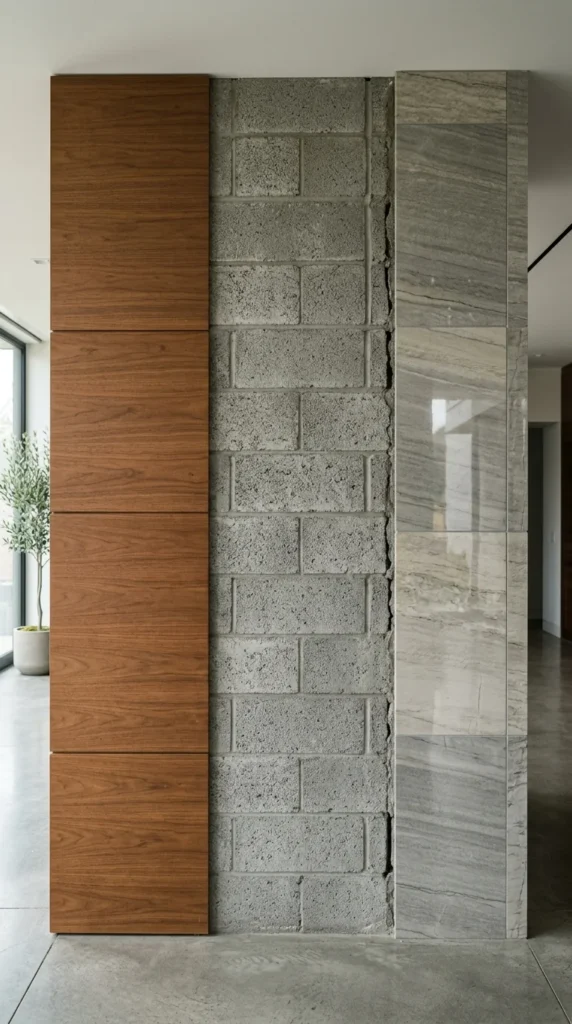
Mixing textures adds depth to a large yard. You can alternate sections of smooth-finished wood, raw cinder blocks, and even sections of stone veneer. This breaking up of the visual plane prevents a long fence from looking monotonous or oppressive.
14. Terraced Levels
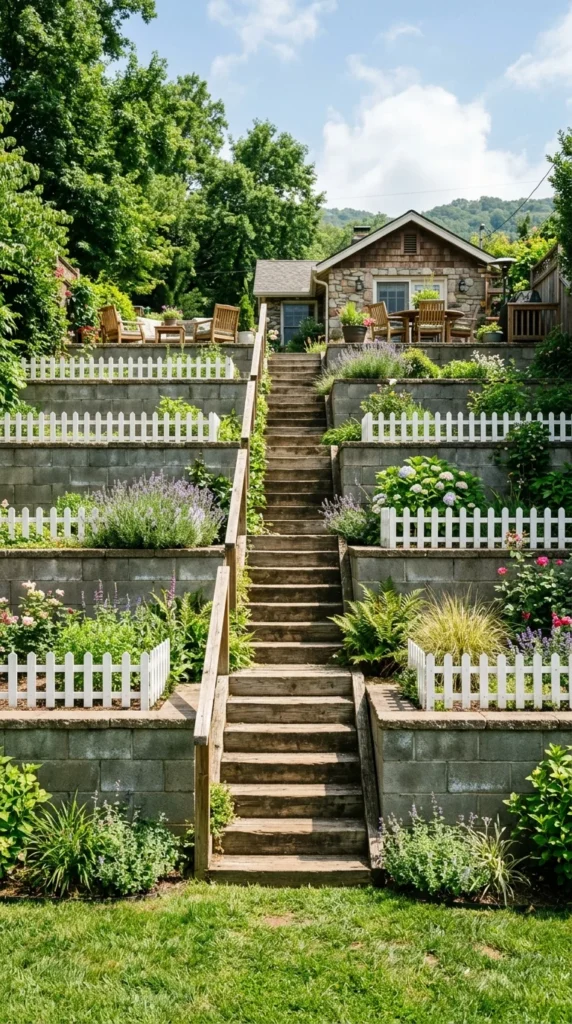
If your yard has a slope, cinder blocks are the best material for terracing. Use the blocks to hold back the earth and top them with decorative wood fencing to create a multi-layered garden. This adds a sense of “estate” grandeur to even small suburban lots.
15. Privacy Screens
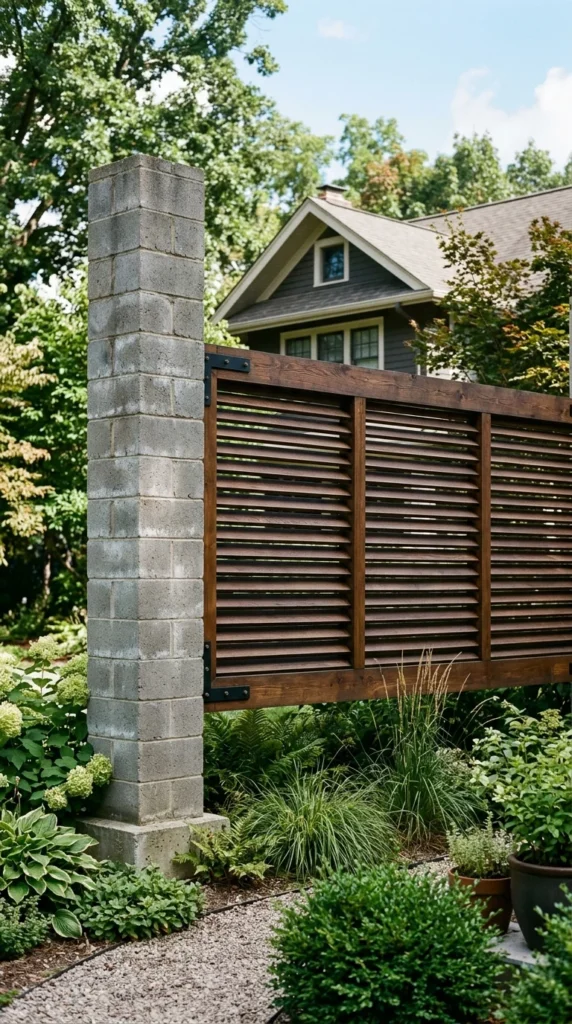
Sometimes you only need privacy in one specific spot, like next to a hot tub. A tall cinder block pillar can serve as the anchor for a large, louvered wooden screen. The louvers can be angled to allow breeze through while completely blocking the line of sight from neighbors.
16. Corner Features
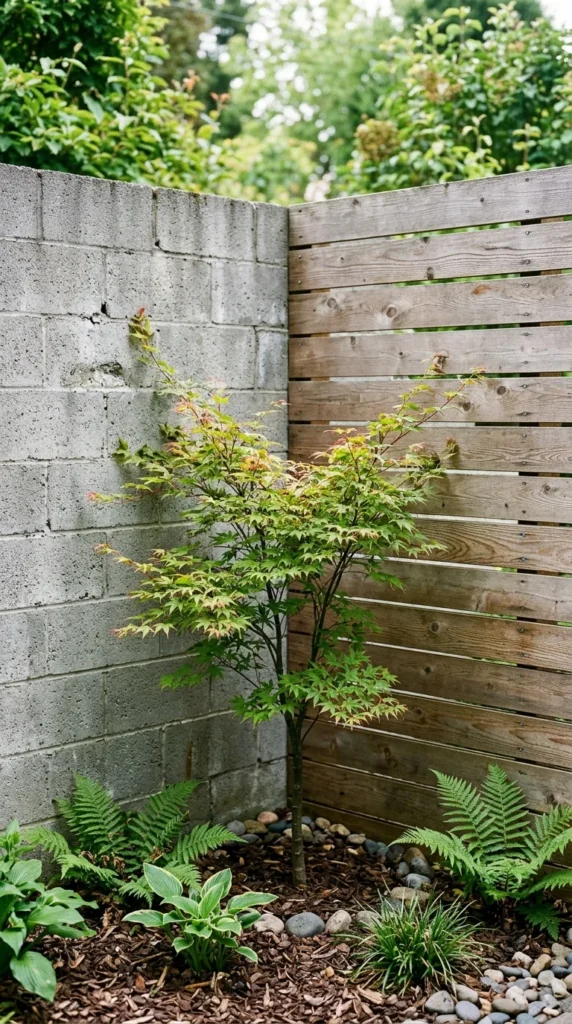
Corners are often wasted space. Use a combination of cinder blocks and wood to create a “feature corner.” This could be a built-in planter, a waterfall feature, or simply an architectural focal point where two different materials meet at a sharp, clean angle.
17. Bamboo Accents
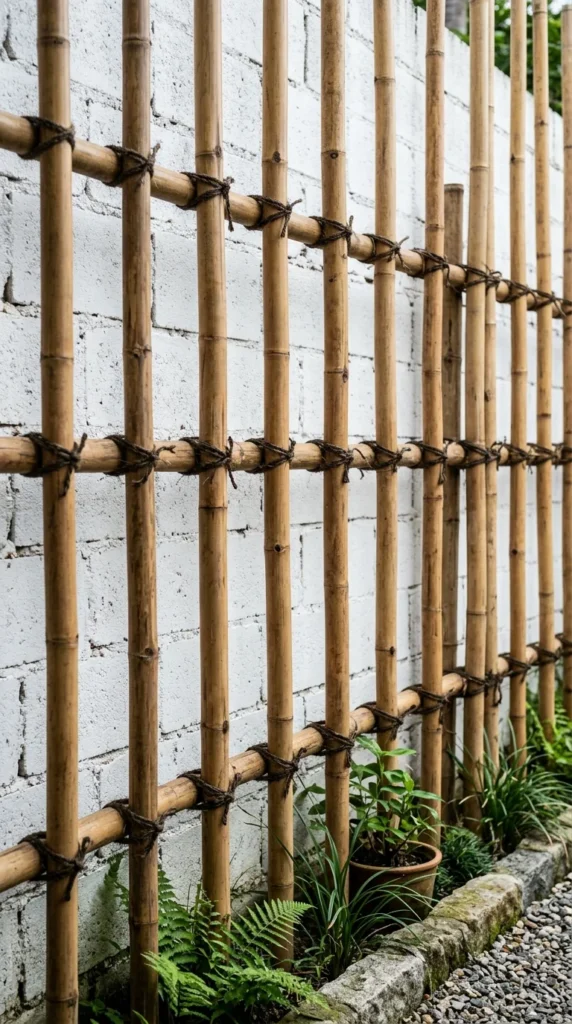
For a Zen or tropical garden, swap traditional lumber for bamboo. Bamboo poles mounted against a cinder block wall add an organic, repetitive texture that feels calm and serene. This is an affordable way to add a “resort” feel to your backyard.
18. Chevron Patterns
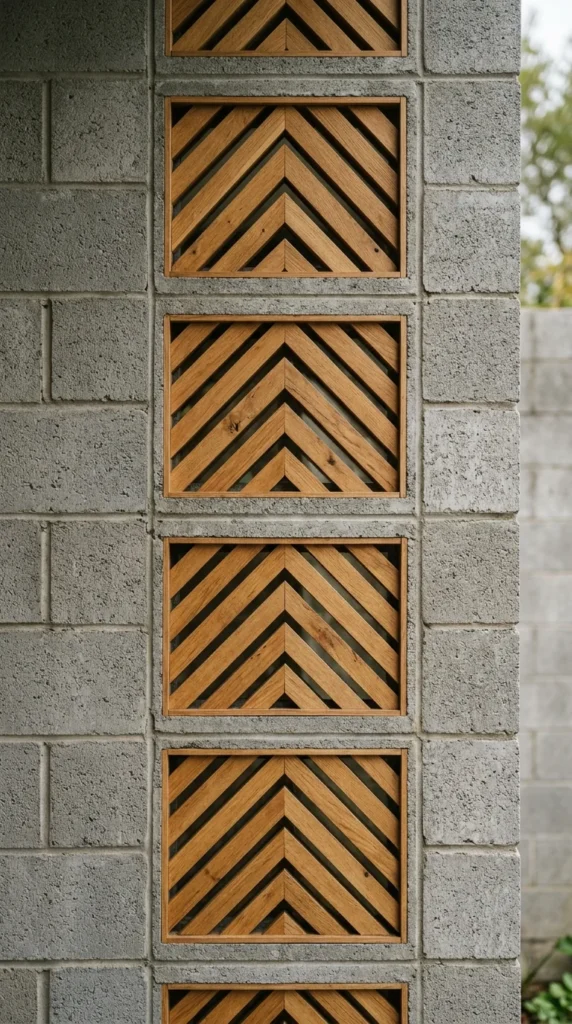
If you have basic woodworking skills, arranging your wood slats in a chevron or herringbone pattern adds a designer touch. This geometric detail stands out sharply against the rectangular grid of the cinder blocks, making the fence look like a piece of custom art.
19. Dark Wood/Grey Block
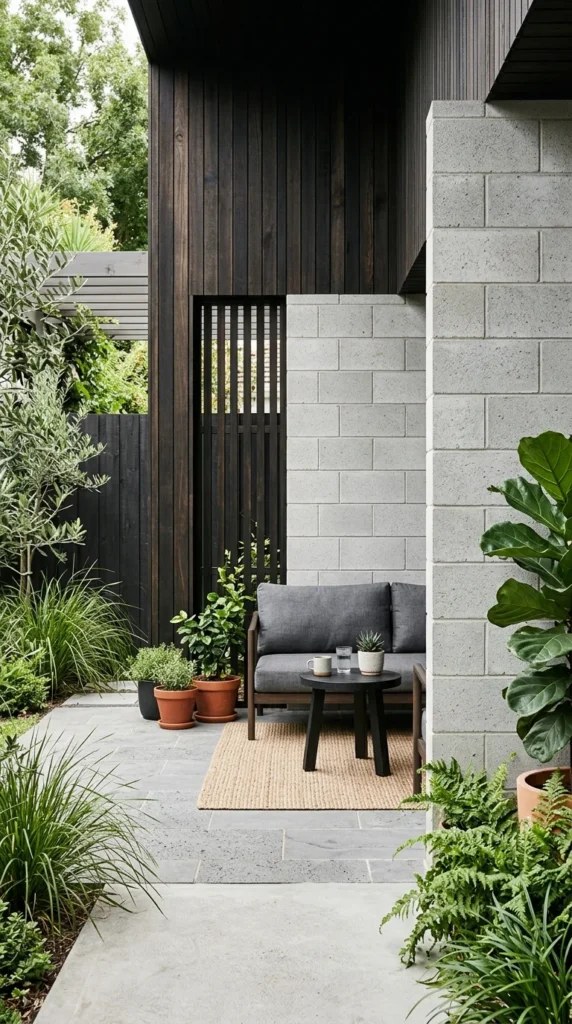
The “high-contrast” look is a favorite among architects. Using a very dark stain (like ebony or espresso) on the wood against a very light grey cinder block creates a monochromatic palette that looks incredibly expensive and sophisticated.
20. Natural Stone Veneer
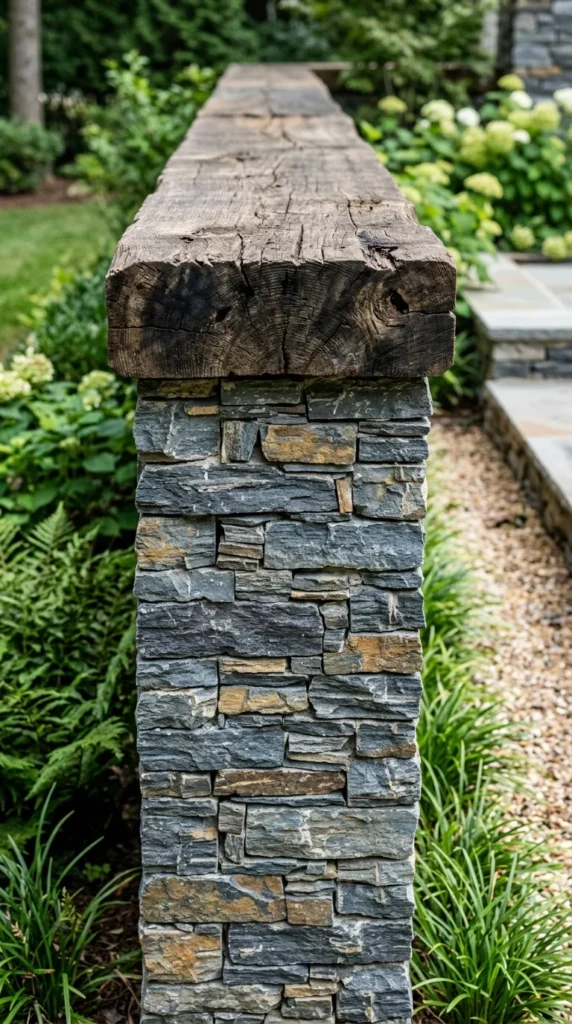
You can use cinder blocks as the “skeleton” and cover them with a natural stone veneer. When you top this stone-covered wall with thick, heavy timber, you get a look that resembles an old European estate or a high-end mountain lodge.
21. Geometric Cutouts
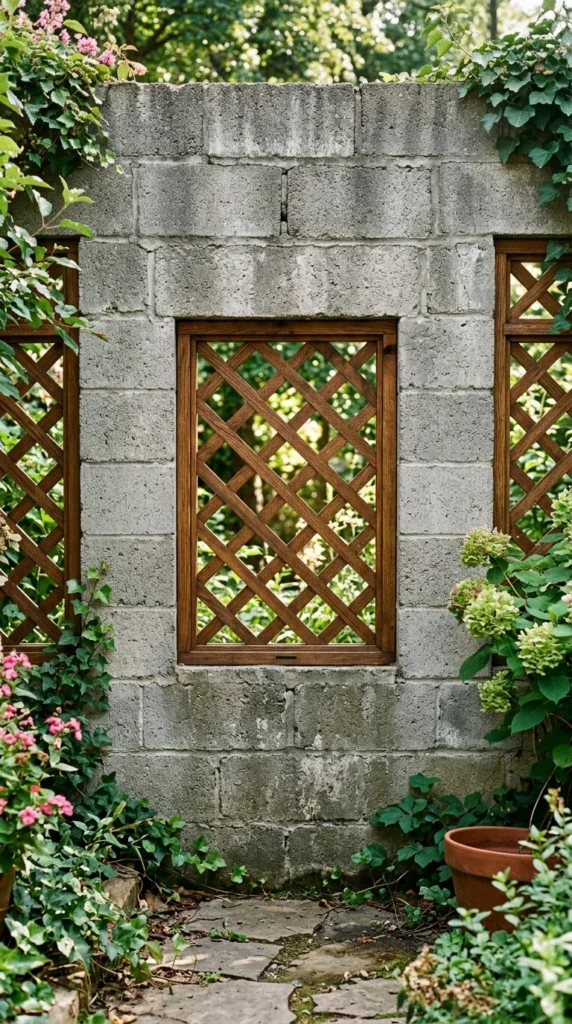
By leaving certain blocks out of the wall design, you create “windows” or voids. Filling these voids with decorative wood inserts—like small lattices or geometric carvings—adds visual interest and breaks up the solidity of the wall.
22. Decorative Caps
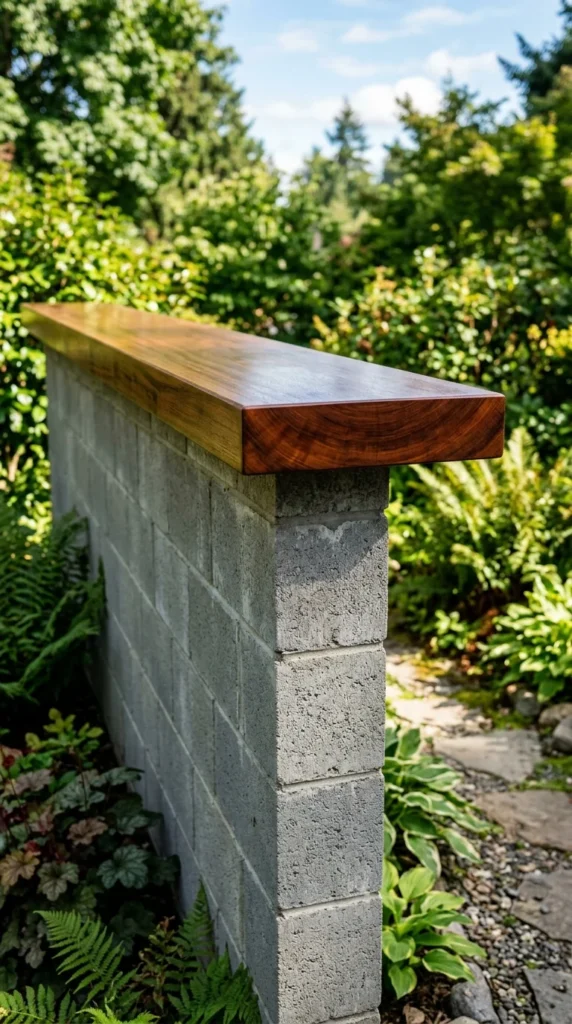
Even a basic cinder block wall can be elevated with the right “hat.” A wide wooden cap that overhangs the blocks by an inch or two provides a finished, polished look. It also protects the interior of the blocks from rainwater, increasing the lifespan of the wall.
23. Mixed Heights
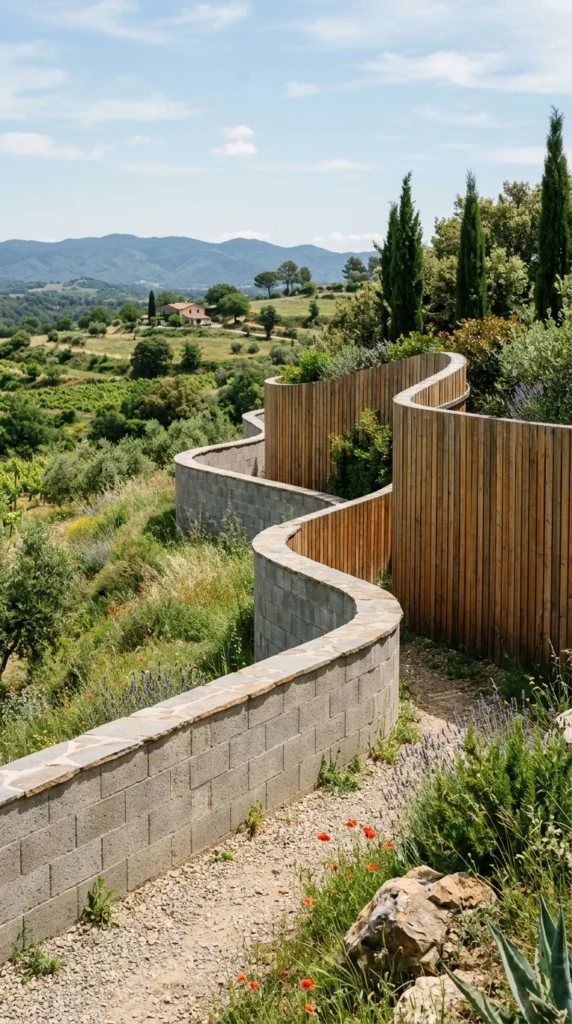
Not every part of your fence needs to be six feet tall. By varying the heights—using tall wood sections for privacy near the house and lower cinder block sections near the garden—you create a dynamic skyline for your backyard that feels custom-built and thoughtfully designed.