
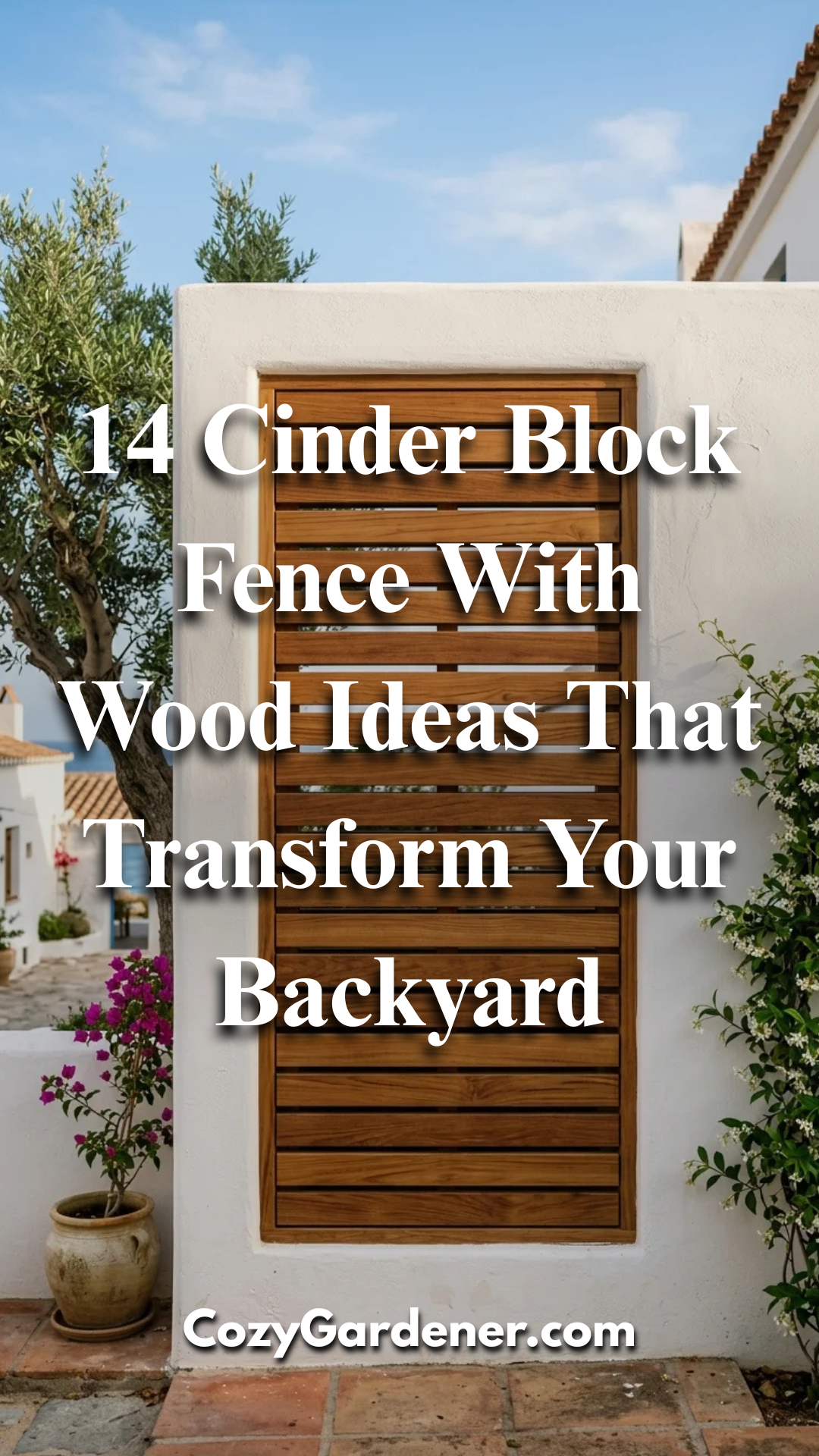
Transforming a backyard from a basic outdoor space into a private sanctuary often begins with the perimeter. While traditional wooden fences are classic and solid cinder block walls are durable, the “hybrid” approach—combining cinder blocks with wood—offers the best of both worlds. This combination provides the structural integrity of masonry with the organic warmth and aesthetic versatility of timber.
Whether you are looking for a modern industrial vibe, a rustic retreat, or a high-end architectural statement, these 14 ideas will show you how to leverage these two materials to create a stunning, long-lasting boundary for your home.
1. Horizontal Slats
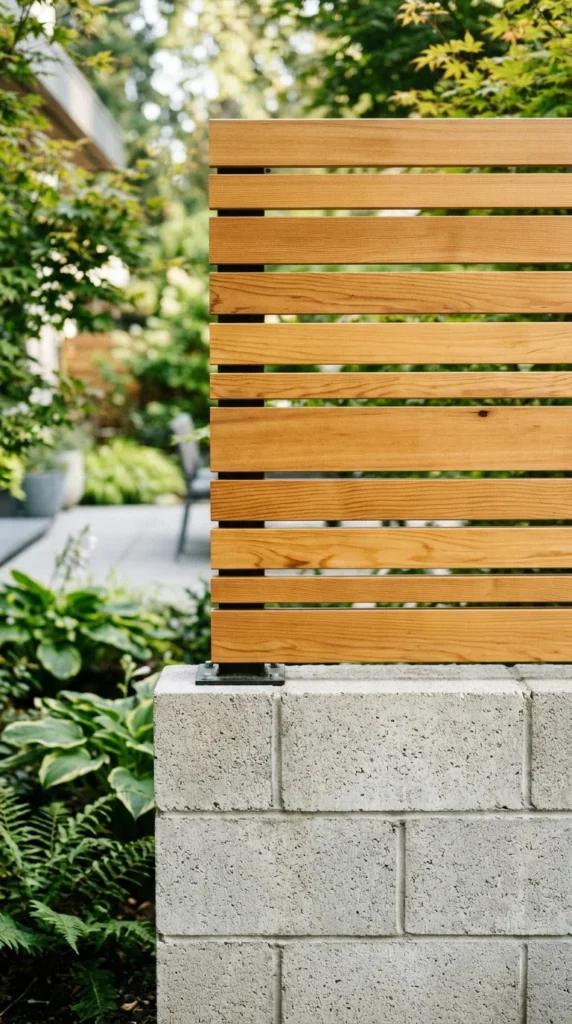
Horizontal slats are the hallmark of modern landscape design. By using cinder blocks as a sturdy base or as intermittent pillars, you can install horizontal wooden boards in between. This layout makes a backyard feel wider and more expansive. The gaps between the slats can be adjusted depending on how much privacy you desire versus how much airflow and light you want to let through.
- Best Wood Choice: Cedar or Redwood for natural rot resistance.
- Pro Tip: Use black powder-coated steel brackets to attach the wood to the blocks for a clean, industrial look.
2. Vertical Planks
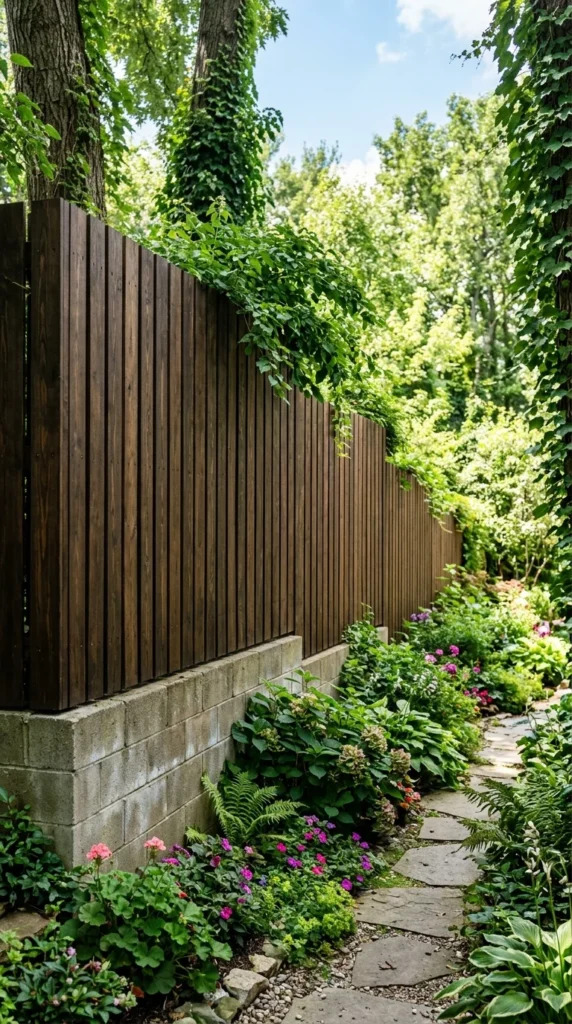
For those who prefer a traditional silhouette with a modern twist, vertical planks are the way to go. Mounting vertical wood boards onto a cinder block “curb” protects the wood from ground moisture, significantly extending its lifespan. This design works exceptionally well on sloped properties, as the cinder blocks can be stepped to follow the grade of the land while the wood remains uniform at the top.
3. Chevron Pattern
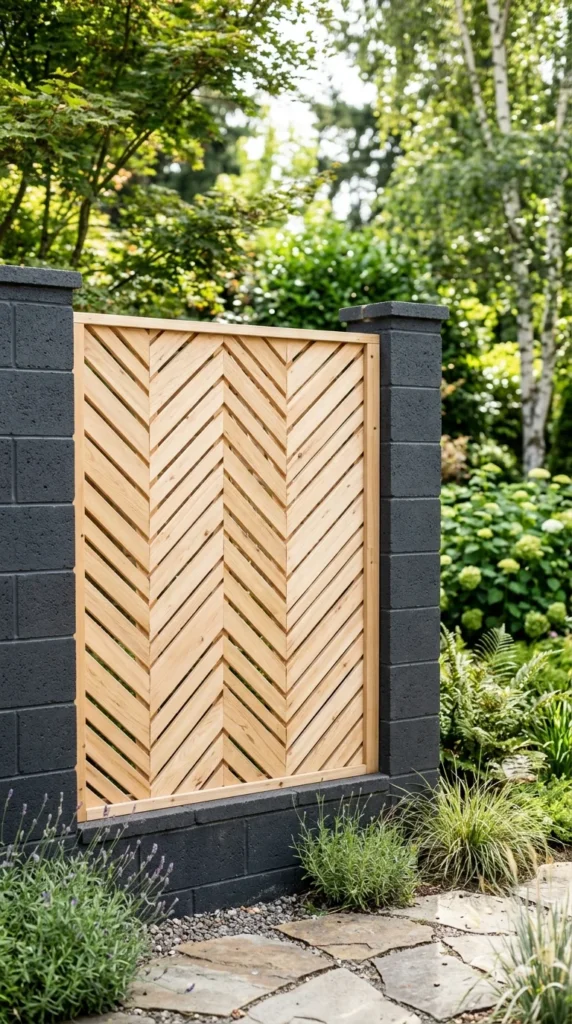
If you want your fence to be a focal point rather than just a boundary, the chevron pattern is a showstopper. By cutting wooden slats at 45-degree angles and mounting them within a cinder block frame, you create a sense of movement and artistry. This style is often seen in high-end “boutique” backyards and pairs beautifully with minimalist landscaping.
4. Integrated Planters
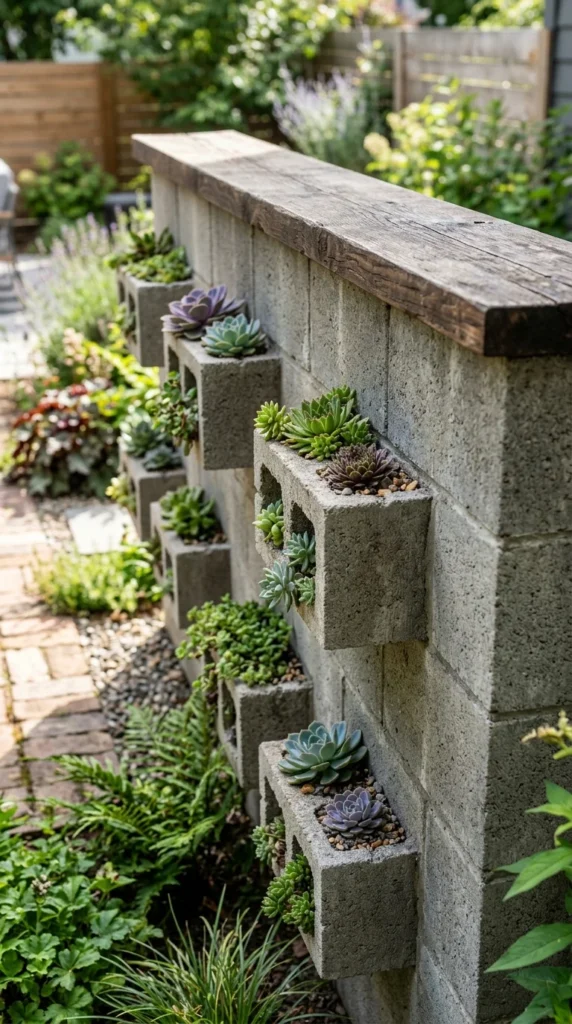
Cinder blocks are naturally hollow, which makes them perfect for “living walls.” You can build a low-to-mid-height block wall and leave certain blocks open to hold soil and plants. Adding a wooden cap or wooden panels above these planters softens the hard edges of the concrete. This approach is ideal for herb gardens or displaying a collection of drought-resistant succulents.
5. Stained Cedar
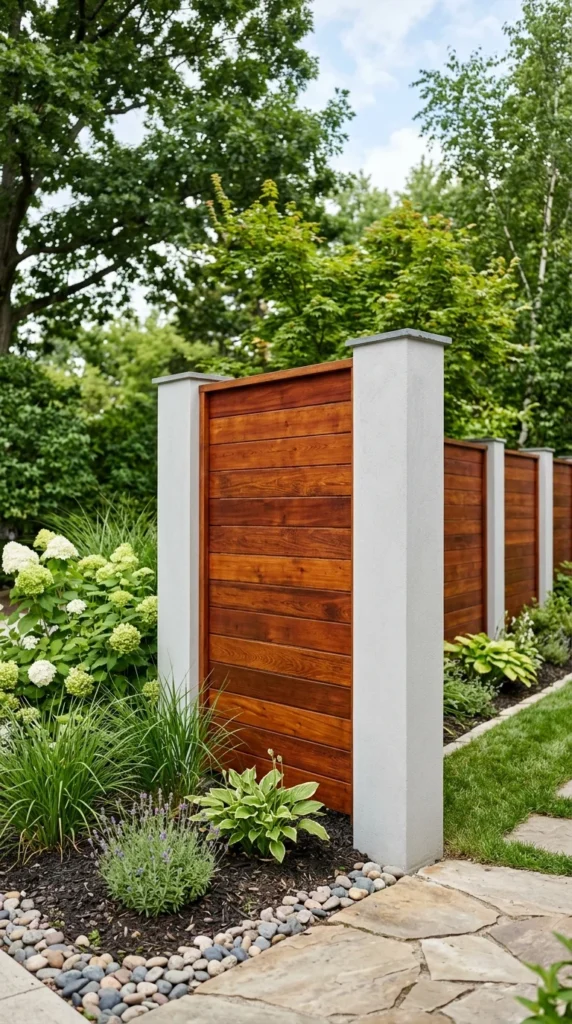
Cedar is a premium choice for fencing because of its natural oils and beautiful grain. When paired with the neutral tones of cinder blocks, the wood truly “pops.” Applying a high-quality semi-transparent stain protects the wood from UV rays while highlighting the contrast between the organic timber and the industrial concrete.
6. Trellis Toppers
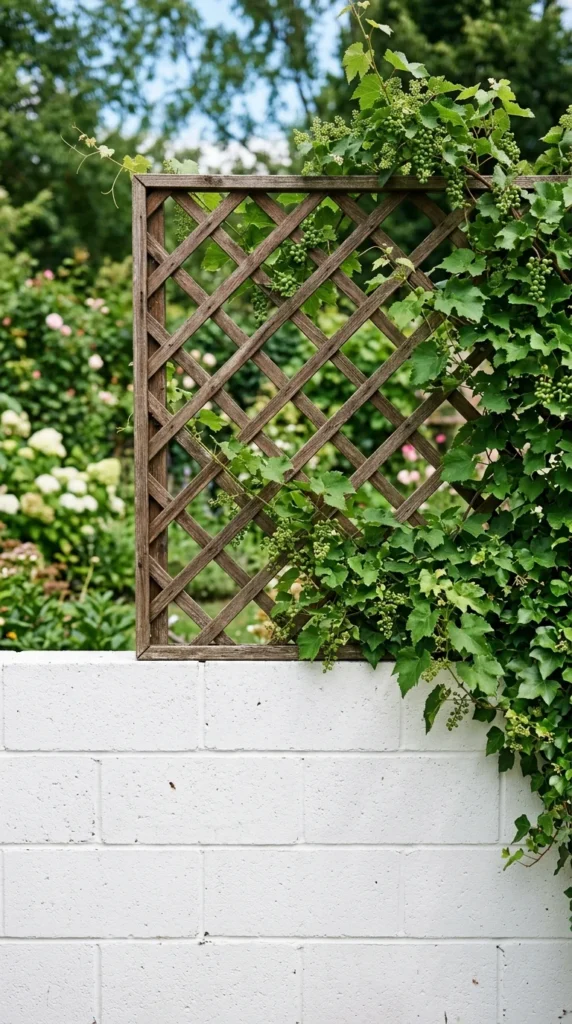
If you already have a cinder block wall and want to add height without the “closed-in” feeling of a solid wall, a wooden trellis topper is the perfect solution. This allows for increased privacy and provides a structure for climbing plants like jasmine, clematis, or ivy. It transforms a functional masonry wall into a lush, green vertical garden.
7. Reclaimed Timber
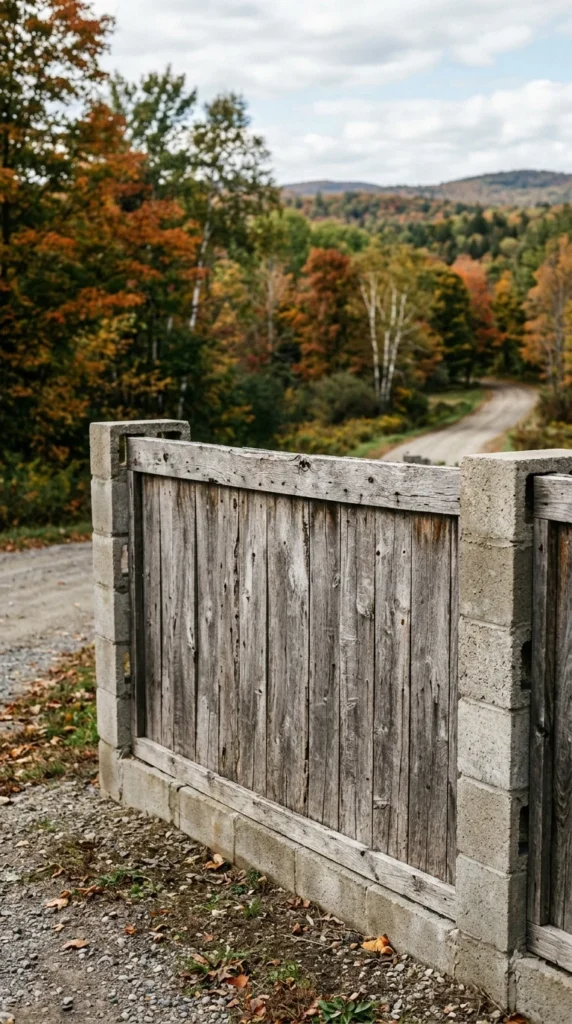
For a farmhouse or industrial aesthetic, reclaimed timber is unbeatable. The history and texture of old barn wood or pallet wood create a beautiful juxtaposition against the smooth, uniform surface of cinder blocks. This is an eco-friendly option that adds character and a sense of history to your backyard.
8. Floating Benches
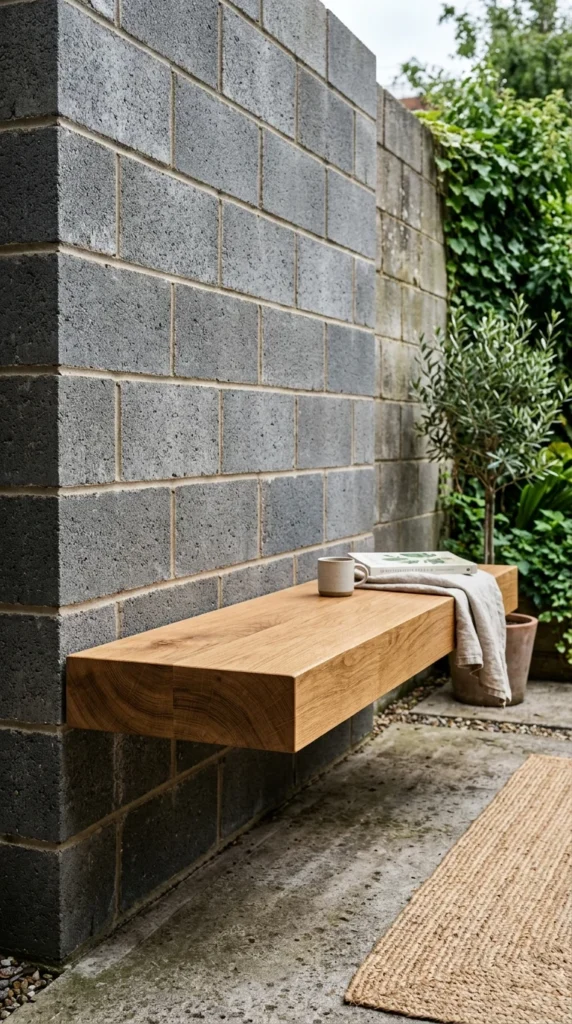
Why stop at a fence when you can create furniture? By extending the wooden components of your fence outward, you can create “floating” benches. These benches use the cinder block wall as back support, saving space in smaller yards and providing a seamless, built-in seating area for fire pits or outdoor dining.
9. Geometric Cutouts
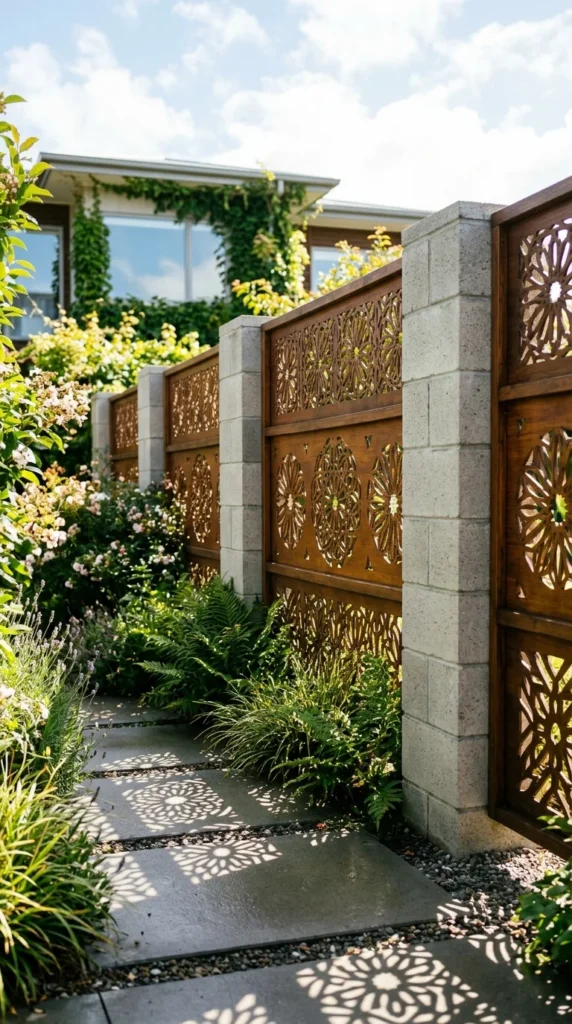
Modern CNC technology allows for wooden panels with intricate geometric designs. Placing these artistic panels between cinder block pillars creates a play of light and shadow that changes throughout the day. This is a sophisticated way to add “texture” to your yard without using actual plants.
10. Stucco Finish
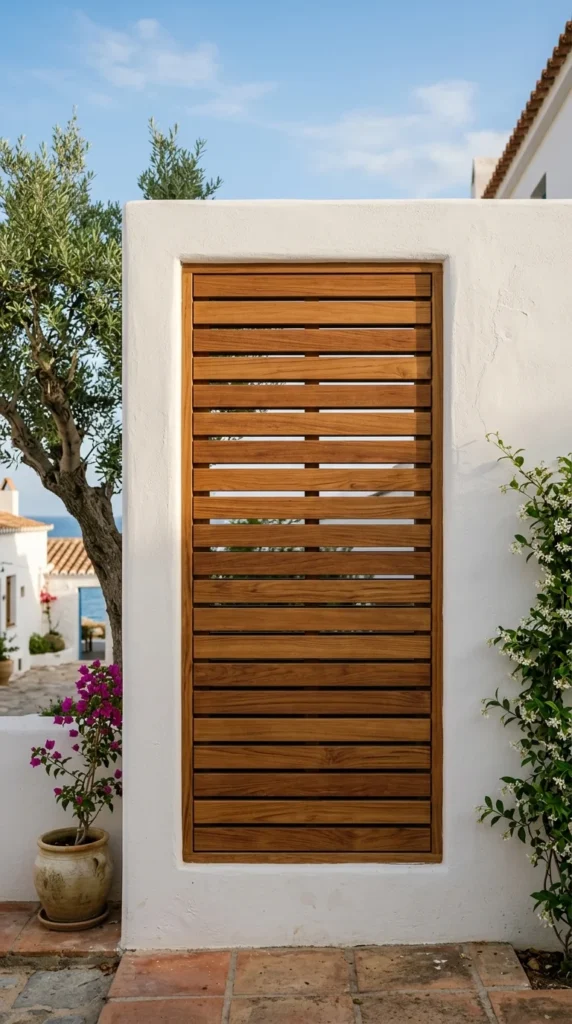
If you don’t like the look of raw cinder blocks, you can coat them in stucco. A white or sand-colored stucco finish paired with warm wood slats creates a Mediterranean or “Desert Modern” vibe. This look is incredibly clean and hides the mortar joints of the blocks, making the entire structure look like a solid architectural element.
11. Dark Contrast
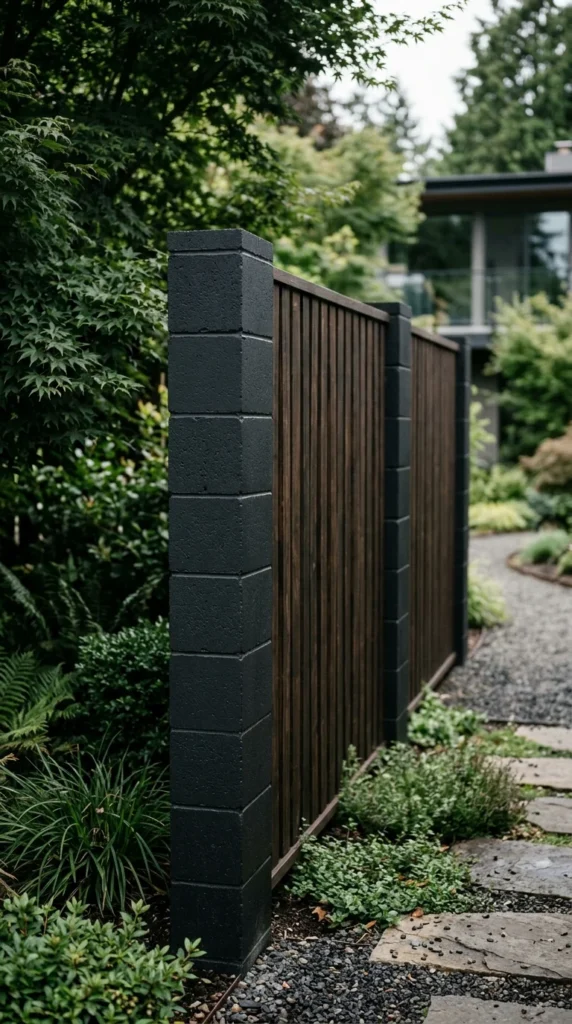
One of the hottest trends in exterior design is the “all-black” or “dark charcoal” look. Painting your cinder blocks a deep matte black and using a dark wood stain creates a high-end, dramatic backdrop for green foliage. Plants with bright green or lime-colored leaves will look much more vibrant against this dark background.
12. Bamboo Accents
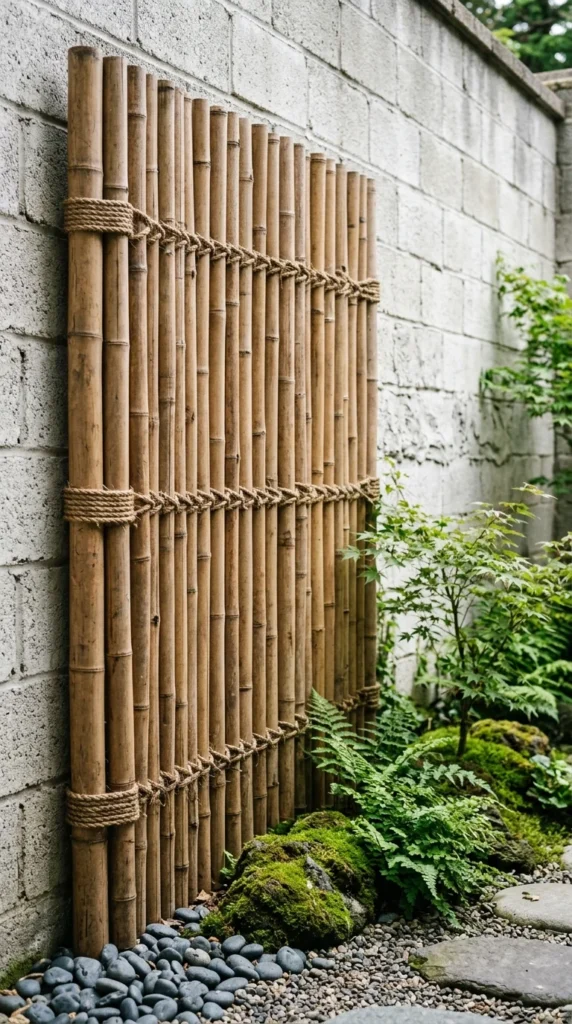
For a Zen or tropical garden feel, bamboo is an excellent companion for cinder blocks. You can use bamboo poles as “infill” between block pillars. Bamboo is incredibly fast-growing and sustainable, and its round, vertical texture provides a nice contrast to the flat, rectangular shape of the blocks.
13. Integrated Lighting
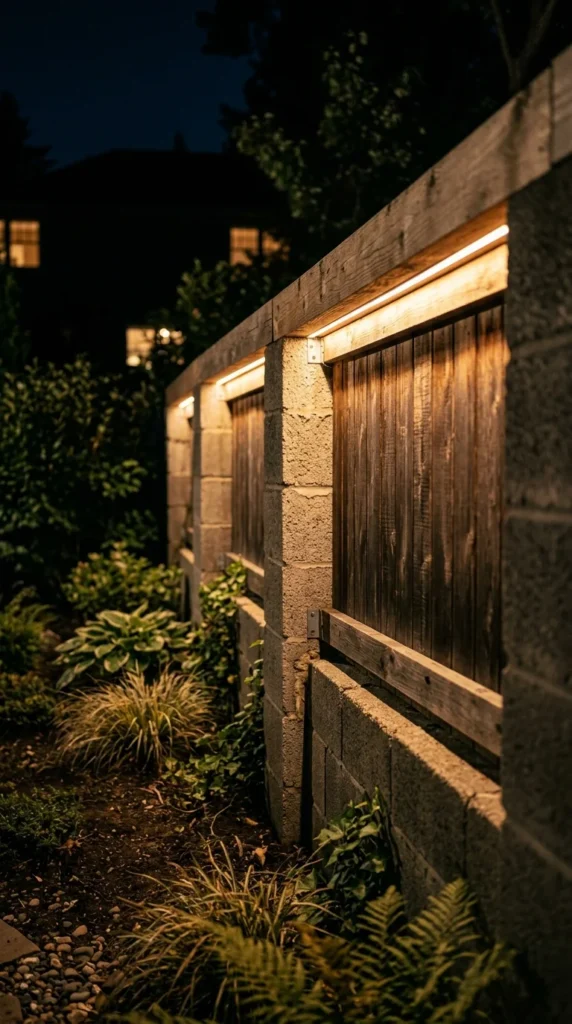
A fence shouldn’t disappear when the sun goes down. By integrating LED strip lights or “wash” lights into the wooden sections or under the coping of the cinder blocks, you can create a beautiful evening ambiance. Lighting also adds a layer of security to your property while highlighting the textures of both materials.
14. Mixed Heights
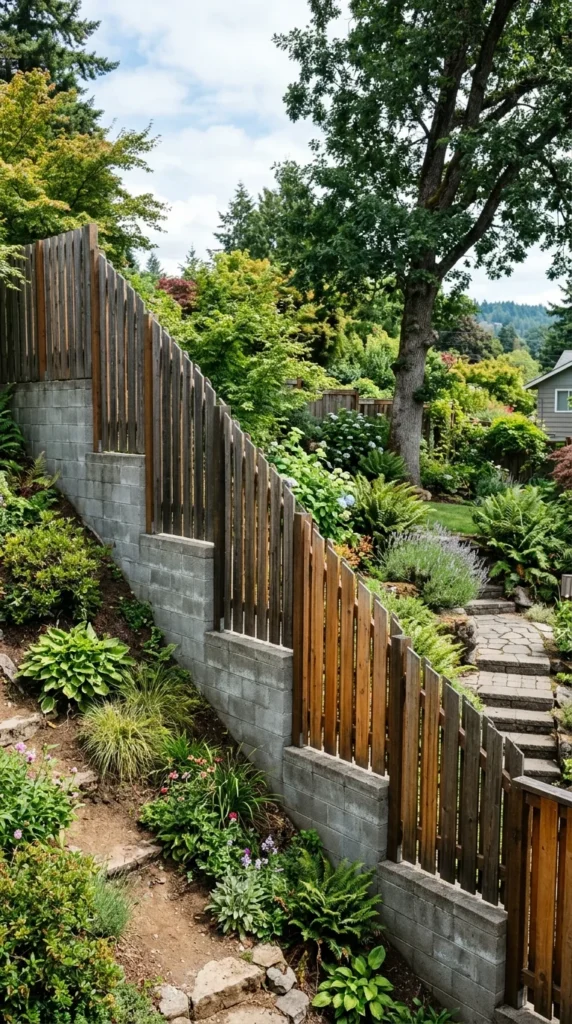
Not every fence needs to be a straight line. By varying the height of the cinder block base and the wooden panels, you can create a dynamic, stepped look. This is particularly useful for properties with uneven terrain, as it turns a landscaping challenge into a design feature. It allows you to have high privacy in certain areas (like near a hot tub) and lower heights where you might want to preserve a view.
Why Choose a Cinder Block and Wood Hybrid?
Combining these materials is more than just a style choice; it’s a practical decision. Here are the primary benefits:
- Longevity: Cinder blocks provide a moisture-proof barrier at the ground level, preventing the wood from sitting in wet soil and rotting.
- Cost-Effectiveness: Building a full masonry wall is expensive. Building a full wood fence requires frequent maintenance. A hybrid fence balances the costs and the labor.
- Sound Dampening: The mass of the cinder blocks helps block street noise, while the wood panels soften the “echo” effect that can occur with purely concrete walls.
- Versatility: You can paint the blocks, stain the wood, or change the wood panels years later without ever having to touch the structural masonry foundation.
By selecting one of these 14 ideas, you can ensure your backyard fence is not just a boundary, but a beautiful architectural feature that enhances the value and enjoyment of your home.