
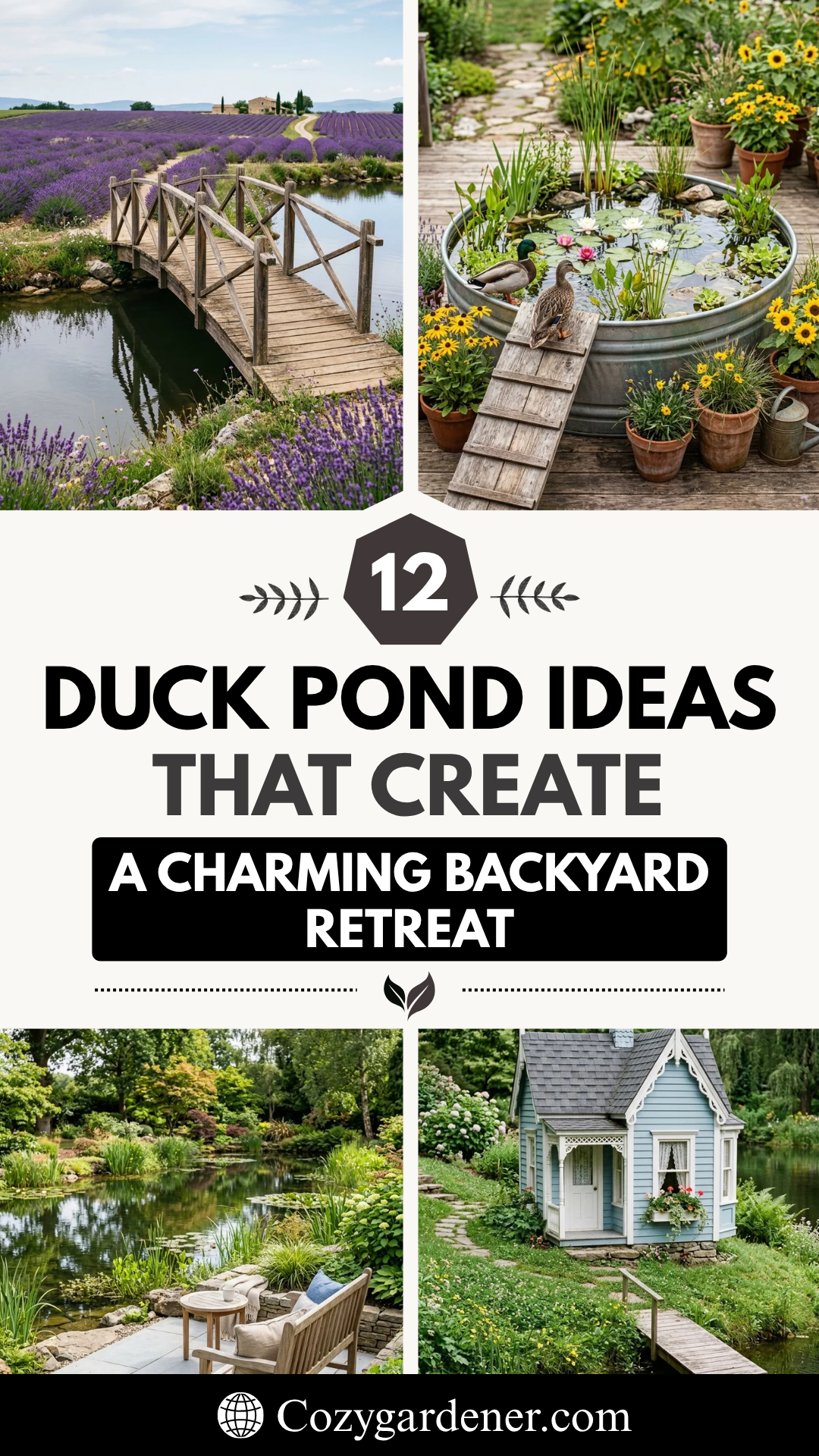
Transforming your backyard into a sanctuary involves more than just planting a few flowers; it requires a focal point that breathes life into the landscape. For many homeowners, a duck pond is the ultimate addition. Not only does it provide a playful habitat for feathered friends, but the sound of splashing water and the sight of rhythmic paddling can significantly reduce stress and improve the aesthetic value of your property.
Whether you have a sprawling estate or a modest suburban lot, there is a way to integrate a water feature that looks intentional and sophisticated. Here are 12 duck pond ideas to help you create a charming retreat that both you and your ducks will adore.
1. Natural Stone
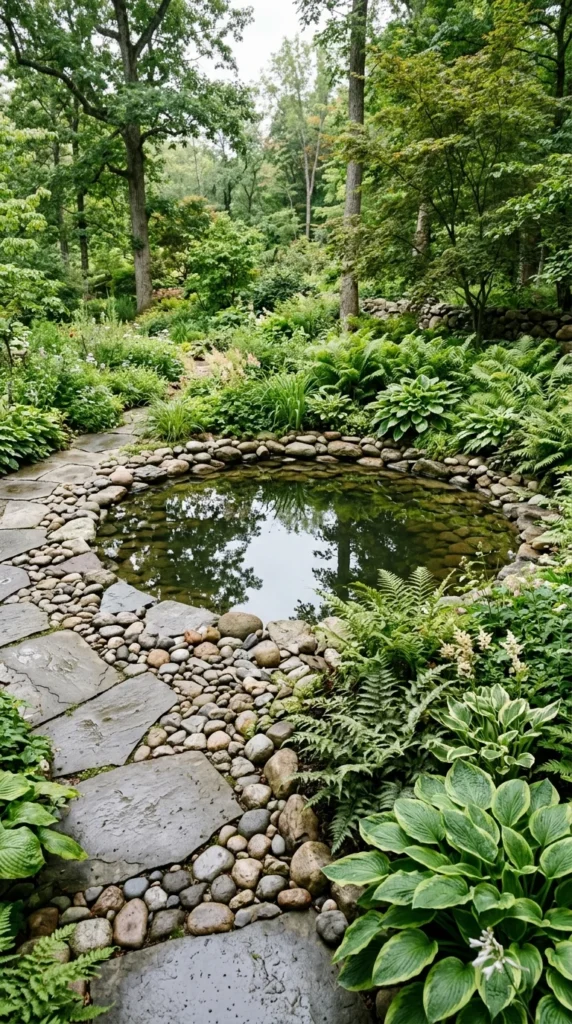
The most effective way to make a man-made pond look like it has been there for centuries is through the strategic use of natural stone. Instead of using uniform bricks, opt for a mix of river rocks, fieldstones, and large boulders. This creates a textured, organic edge that mimics a wild shoreline.
Using flat flagstones near the water’s edge provides a stable “landing pad” for ducks to climb in and out without eroding the soil. Furthermore, stones help regulate water temperature by providing shaded nooks beneath the surface for aquatic life and keeping the surrounding earth cool.
2. Waterfall Feature
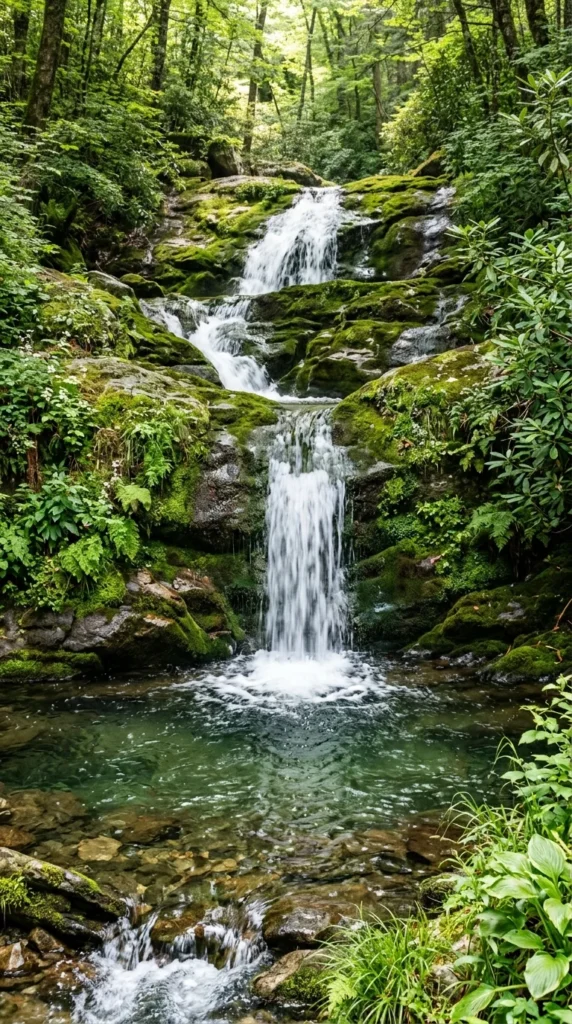
Stagnant water is the enemy of a healthy duck pond. Incorporating a waterfall is a functional and beautiful solution. The movement of the water introduces oxygen, which is vital for keeping the ecosystem healthy and preventing the buildup of algae and unpleasant odors.
From a design perspective, a waterfall adds a vertical element to your backyard, drawing the eye upward and creating a soothing soundscape. For ducks, a gentle cascade serves as a natural shower, and they often enjoy sitting beneath the falling water to clean their feathers.
3. Floating Island
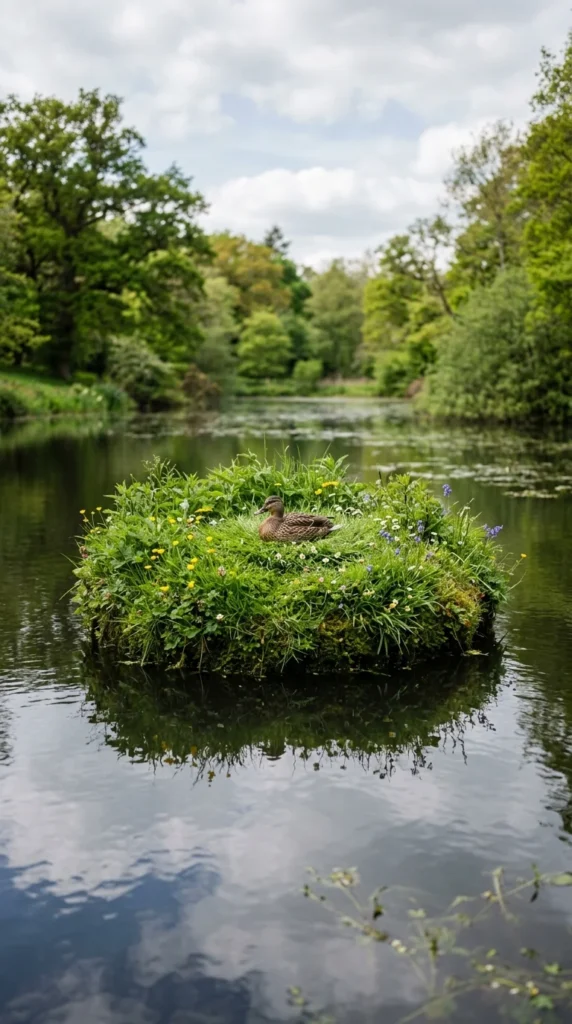
A floating island, or “bio-haven,” serves two purposes: it provides a safe nesting site for ducks away from land-based predators and acts as a natural filtration system. You can build these using recycled materials or purchase pre-made kits that allow you to plant aquatic grasses and flowers directly onto the buoyant structure.
As the plants grow, their roots hang down into the water, absorbing excess nutrients like nitrates and phosphates produced by duck waste. This keeps the pond clearer while providing the ducks with a private, scenic spot to sunbathe.
4. Aquatic Plants
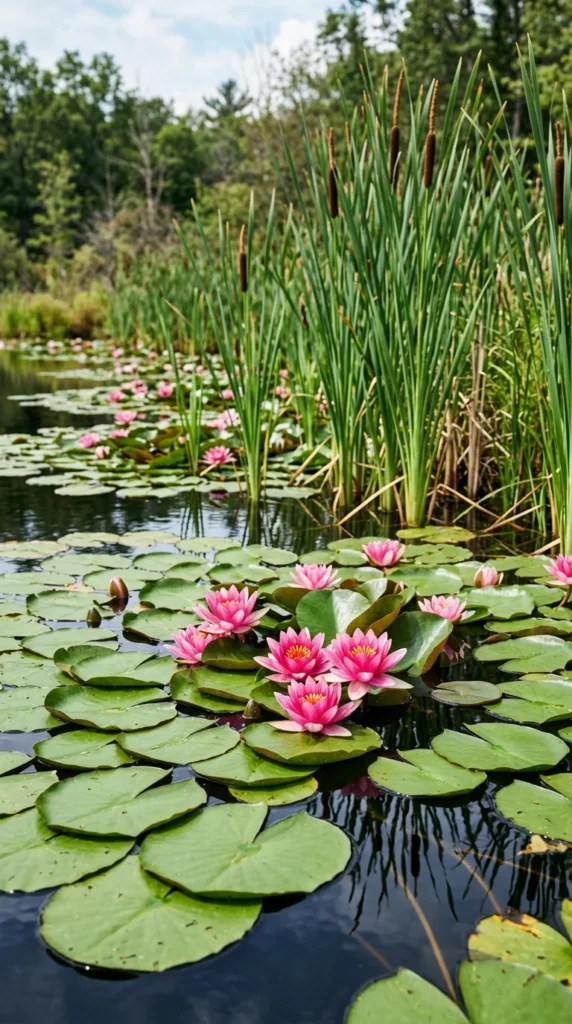
No pond is complete without greenery. Aquatic plants add pops of color and essential structure to the environment. Water lilies provide surface cover, which helps prevent algae growth by blocking sunlight and gives ducks a place to hide from overhead hawks.
Around the perimeter, planting reeds, sedges, or cattails creates a soft, blurred boundary between the land and water. Be sure to choose “duck-friendly” varieties, as your birds will likely snack on some of the vegetation. Hardy submerged plants like hornwort are also excellent for oxygenating the water from below.
5. Wooden Bridge
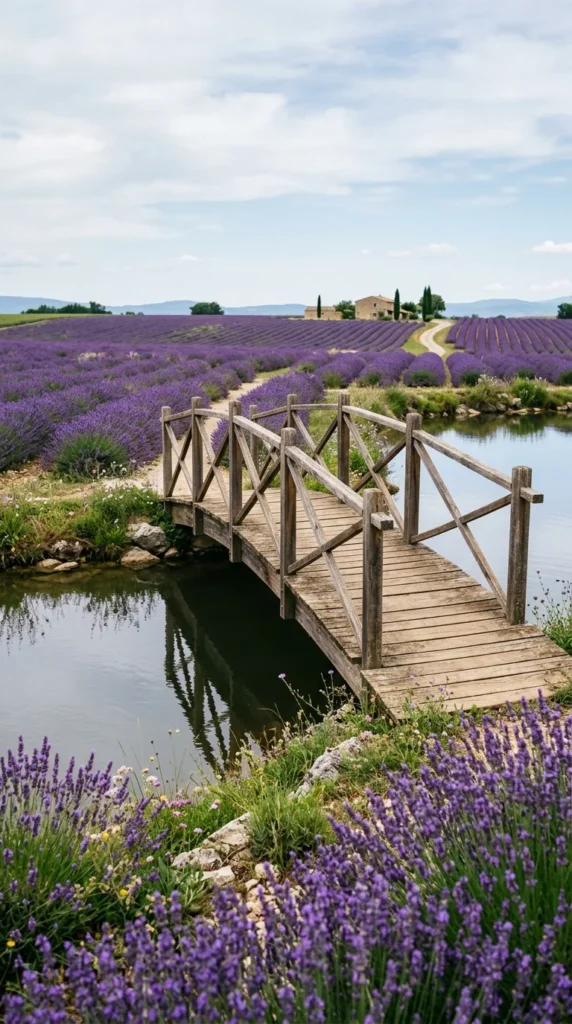
Adding a bridge creates a sense of journey and exploration in your backyard. A simple arched wooden bridge allows you to cross over the water and observe your ducks from a unique vantage point. It also divides the pond into different “zones,” which can make a small pond feel much larger.
Cedar and redwood are excellent choices for pond bridges because they are naturally resistant to rot and insects. The space beneath the bridge also provides a shaded retreat for ducks during the heat of the midday sun.
6. Pebbled Beach
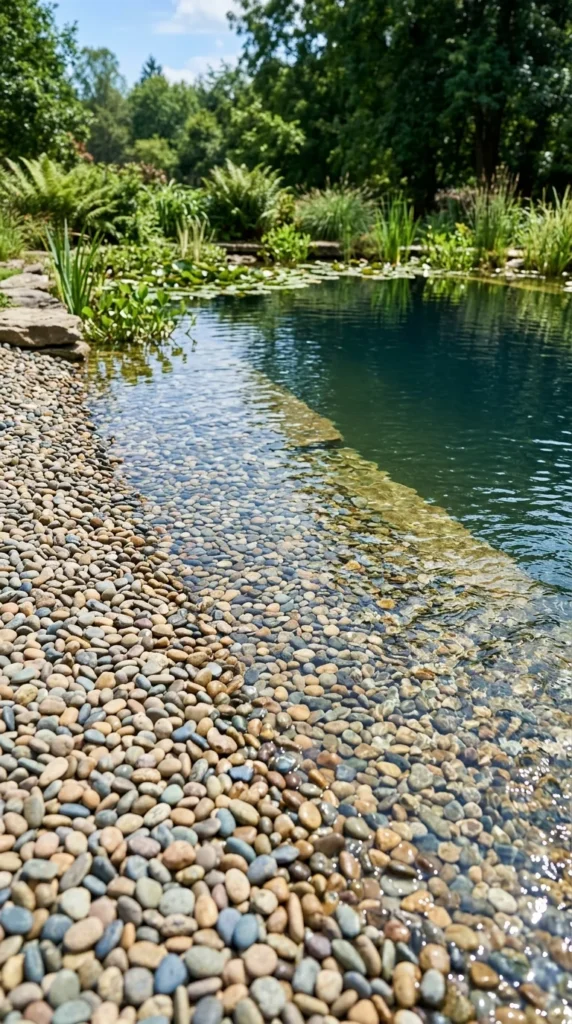
Ducks are not always the most graceful creatures when exiting the water. Steep, slippery banks can lead to injuries or soil erosion. A pebbled beach provides a “zero-entry” point that makes it easy for ducks of all ages—including ducklings—to walk in and out.
The pebbles also act as a natural scrub for the ducks’ feet and help trap sediment before it enters the main body of water. To keep the beach looking tidy, use a heavy-duty pond liner underneath the stones to prevent them from sinking into the mud over time.
7. Solar Lighting
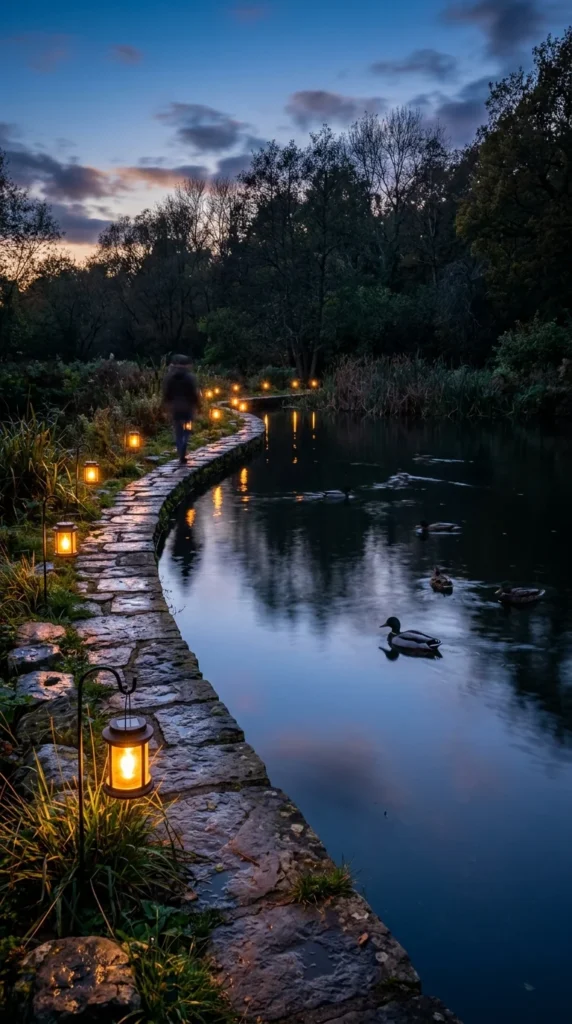
To enjoy your backyard retreat after the sun goes down, integrate solar-powered lighting. Placing small LED spotlights at the base of trees or tucking fairy lights among the rocks creates a magical, ethereal atmosphere.
Solar lighting is an eco-friendly and cost-effective option that doesn’t require complex electrical wiring near the water. Underwater LED lights can also be used to illuminate the pond from within, highlighting the movement of the ducks’ orange feet as they swim across the surface at dusk.
8. Stock Tank
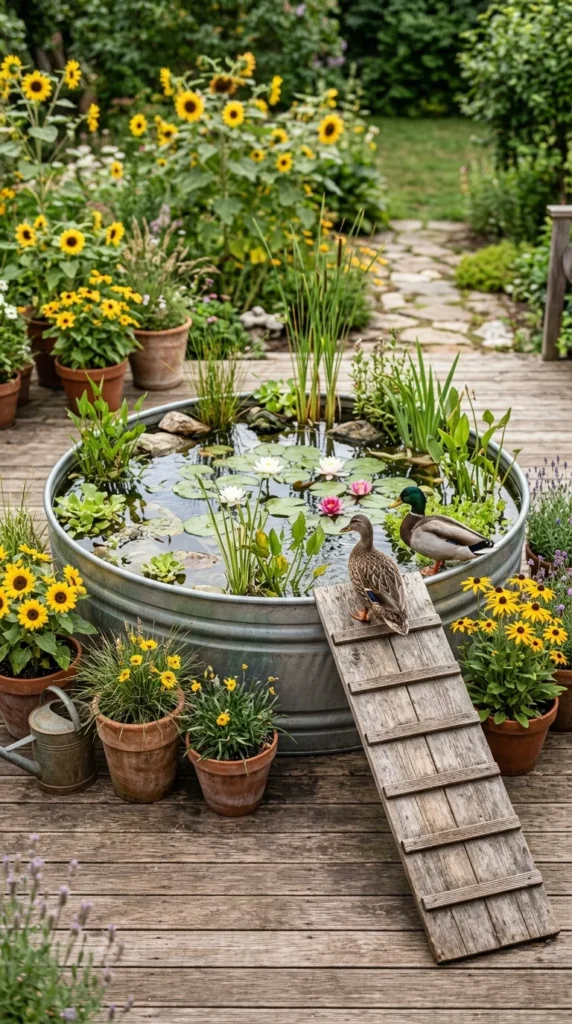
If you are looking for a DIY-friendly or budget-conscious option, a galvanized stock tank is a fantastic choice. These tanks offer a “farmhouse chic” aesthetic that fits perfectly in rustic or industrial-style gardens.
Because they are pre-formed and durable, they are much easier to install than dug-out ponds. You can set them into the ground for a flush look or leave them above ground and build a wooden wrap or stone facade around them. Just ensure you provide a sturdy ramp or steps so the ducks can access the water easily.
9. Perimeter Fencing
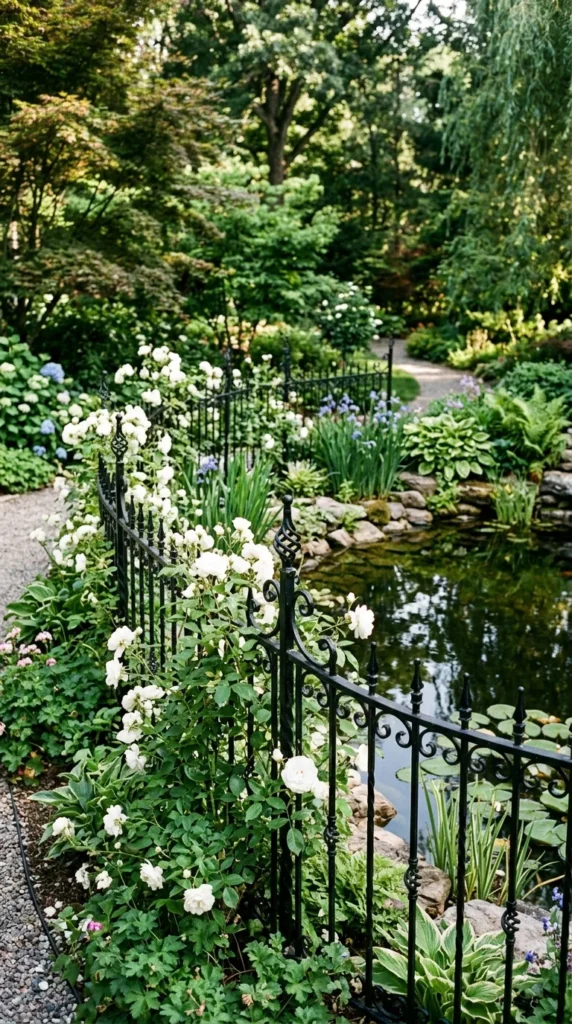
While you want your duck pond to feel open, a decorative perimeter fence can be a practical necessity. It keeps unwanted pets or predators away from the ducks and prevents young children from wandering too close to the water’s edge.
Instead of chain link, opt for aesthetic choices like white picket fencing, rustic split-rail wood, or ornamental iron. A well-designed fence defines the pond area as a “room” within your garden, enhancing the overall landscape design rather than detracting from it.
10. Mud-Free Zone
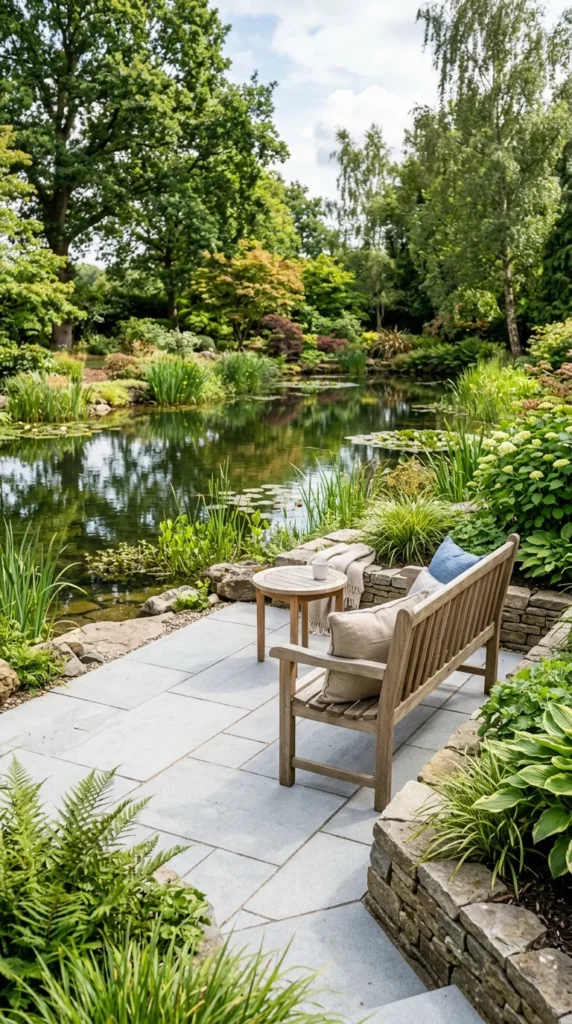
One of the challenges of keeping ducks is their tendency to turn the area around the water into a mud pit. To maintain a “charming retreat” feel, you must design a mud-free zone. This can be achieved by installing a wide border of gravel, pavers, or a wooden deck around the pond’s immediate perimeter.
By eliminating the dirt-to-water transition, you keep the pond water cleaner and ensure that you can walk out to feed the ducks without ruining your shoes. Using permeable pavers allows rainwater to soak into the ground while providing a solid, clean surface for human and avian traffic.
11. Duck House
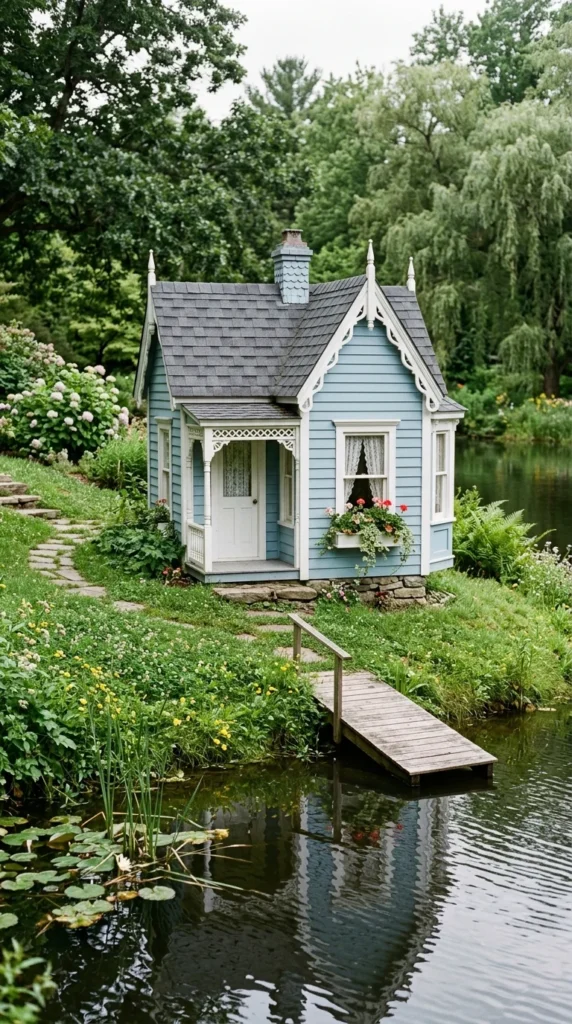
A duck house is the ultimate accessory for a charming backyard. Rather than a basic box, consider a structure that matches the architecture of your own home or a whimsical “fairytale” cottage. A well-built house provides shelter from the elements and a safe place for ducks to sleep at night.
For maximum charm, add details like a shingled roof, tiny window shutters, and a nameplate. Placing the house near the water’s edge—or even on a pier over the pond—completes the picturesque scene and ensures your ducks feel right at home.
12. Multi-Level Design
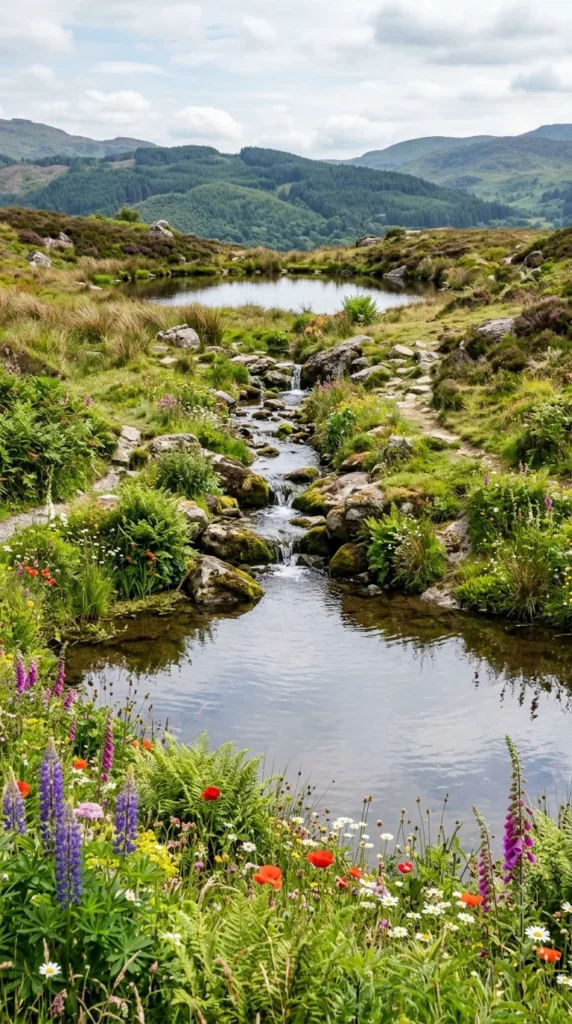
If your backyard has a natural slope, take advantage of it with a multi-level pond design. You can have an upper “biological” pond filled with plants that filter the water, which then flows down a stream or waterfall into a larger “swimming” pond for the ducks.
This design keeps the water in constant motion and creates different environments for the ducks to explore. The sound of water traveling between levels adds an extra layer of tranquility to your retreat, making your backyard feel like a high-end botanical garden.