
Water is the lifeblood of a garden, but in the wrong quantities or the wrong places, it becomes a homeowner’s worst nightmare. When heavy storms hit, your roof acts like a massive funnel, collecting thousands of gallons of water. Without a strategic drainage plan, that water cascades off your eaves or pours out of downspouts, eroding your soil, drowning your expensive landscaping, and putting your home’s foundation at risk of hydrostatic pressure and basement flooding.
Finding the right drainage solution is about more than just moving water; it’s about managing it gracefully. Whether you want an invisible underground system or a decorative feature that adds curb appeal, these 17 rain gutter drainage ideas will keep your yard dry and your foundation secure.
1. French Drains
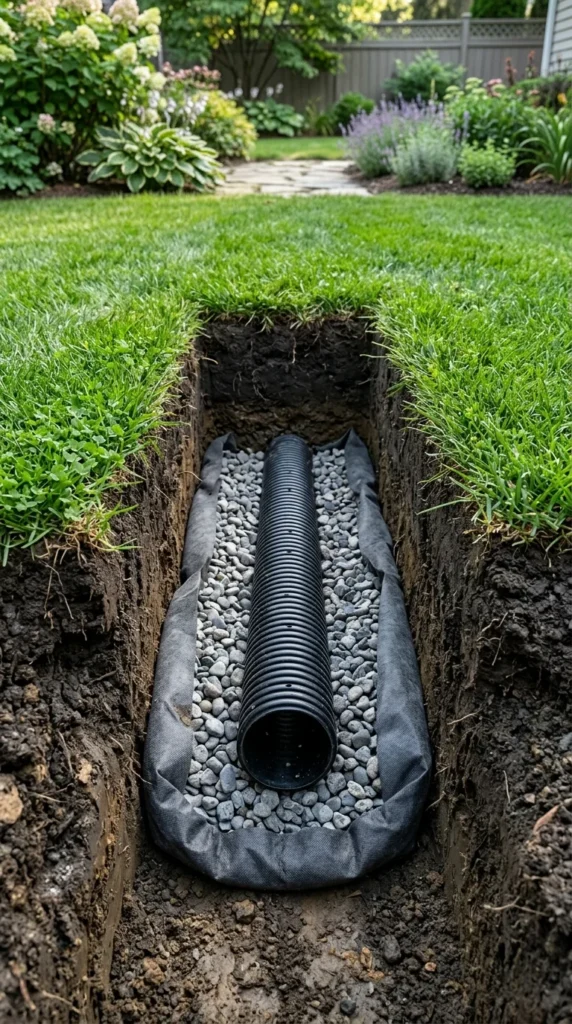
The French drain is the gold standard for yard drainage. It consists of a trench filled with gravel and a perforated pipe that redirects surface water and groundwater away from an area. When connected to your gutter downspouts, it allows water to seep into the pipe through the gravel and flow safely to a lower point on your property or a municipal storm drain. It’s an “invisible” solution once the grass grows back over the top, making it perfect for those who want a clean, unobstructed lawn.
2. Dry Wells
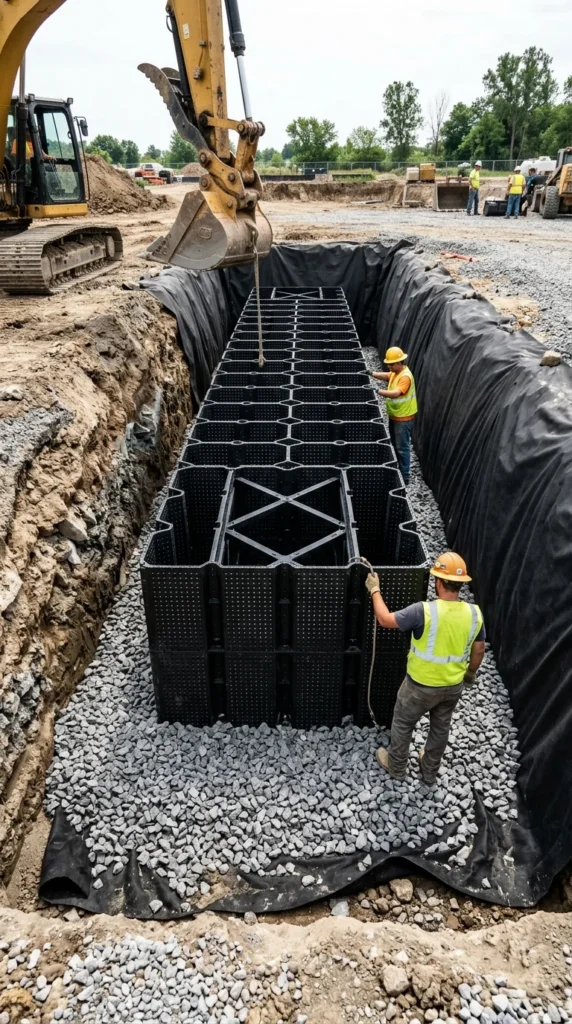
If you have nowhere to send the water—perhaps your yard is flat or you lack access to a storm sewer—a dry well is an excellent choice. This is an underground plastic or concrete well that collects runoff and holds it temporarily. Over time, the water slowly dissipates into the surrounding soil through the perforated sides of the well. It’s an eco-friendly way to recharge the local groundwater while preventing your yard from turning into a swamp during a downpour.
3. Rain Barrels
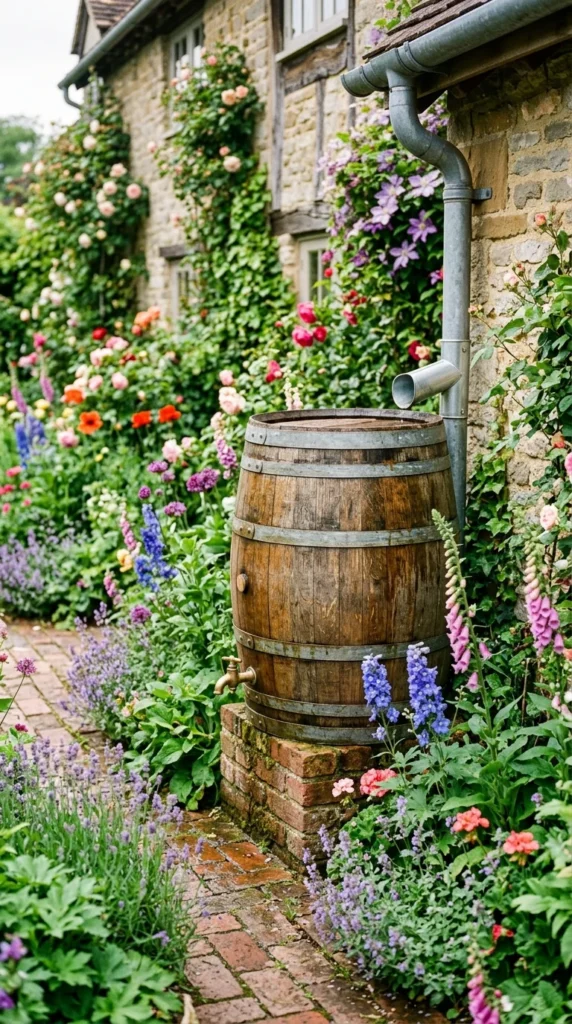
Rain barrels are the ultimate solution for the eco-conscious gardener. Instead of letting that pristine rainwater run off into the street, you can capture it for later use. Modern rain barrels come in various styles, from classic oak casks to sleek, modern containers. They typically feature a screen to keep out debris and mosquitoes and a spigot at the bottom. During dry spells, you can use the stored water to hydrate your flower beds, saving money on your water bill.
4. Rain Gardens
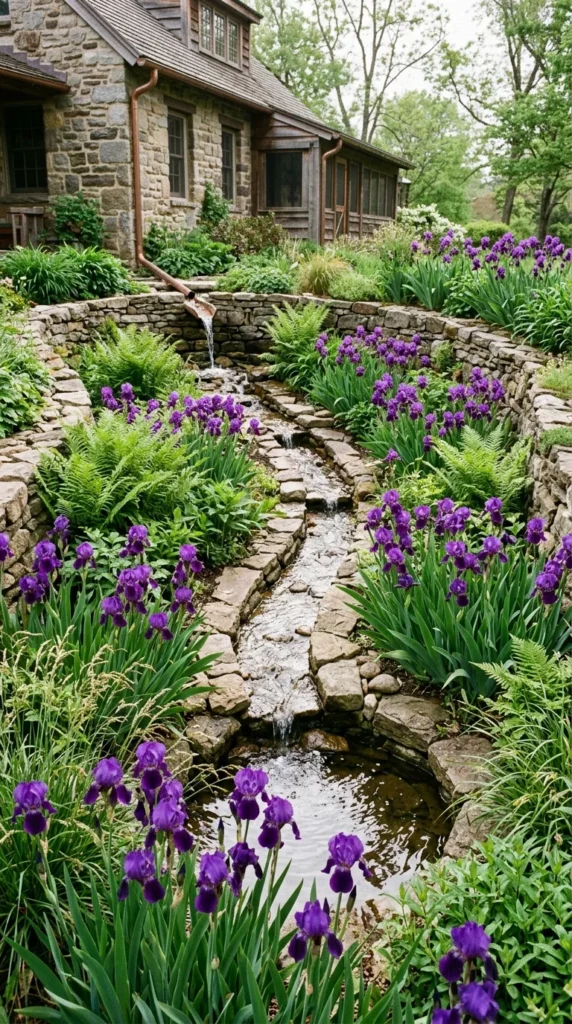
A rain garden is a beautiful, functional landscape feature designed to soak up rainwater. It is essentially a shallow depression planted with deep-rooted native plants and grasses. When your gutters drain into a rain garden, the plants and soil act as a natural filter, removing pollutants from the runoff before it enters the groundwater. It’s a wonderful way to turn a drainage problem into a focal point for birds and butterflies.
5. Catch Basins
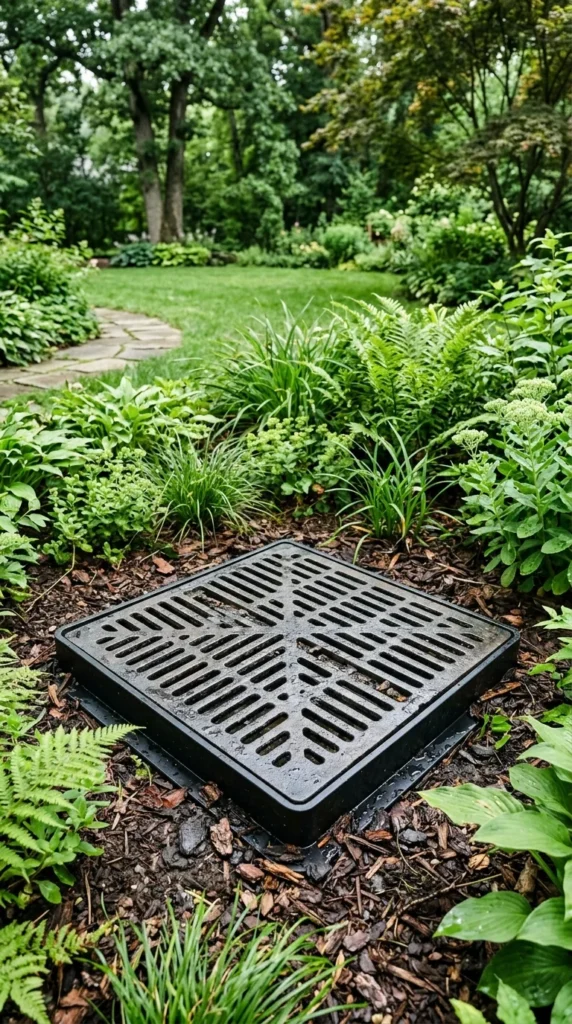
Catch basins (or drain boxes) are used at the base of downspouts or in low spots where water tends to pool. They feature a grate on top to catch debris and a reservoir underneath where sediment can settle. The water is then piped out to another location. These are particularly effective if you have a lot of leaves or pine needles that might clog a standard pipe system, as the basin acts as a primary trap that is easy to clean out.
6. Underground Piping
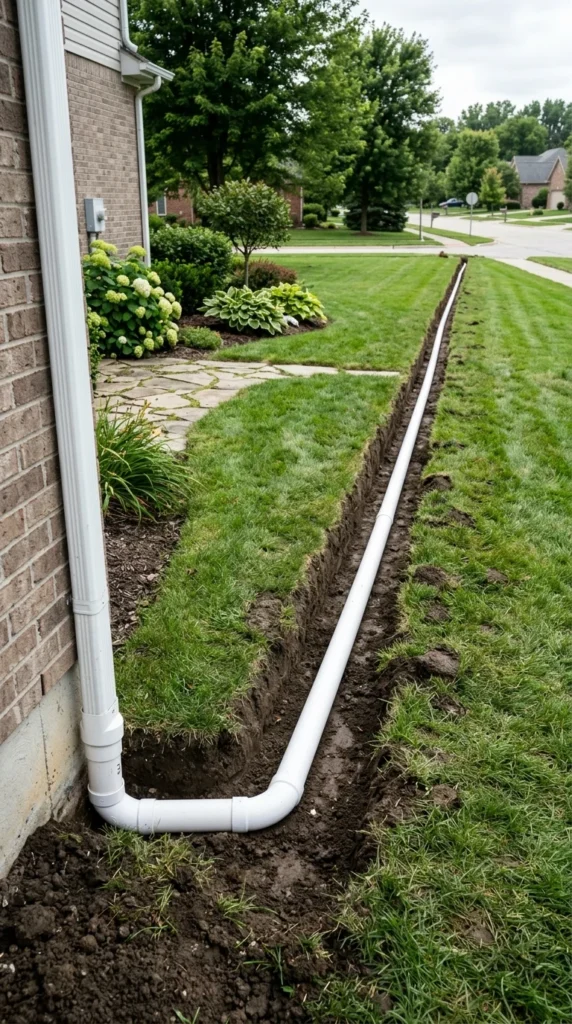
For a permanent and low-maintenance solution, many homeowners opt to bury their downspouts. By connecting the downspout to solid PVC or corrugated piping underground, you can move water hundreds of feet away from your house. This ensures that the water is deposited in a safe area—like the street, a woods, or a pond—where it won’t impact your home’s structure.
7. Dry Creek Beds
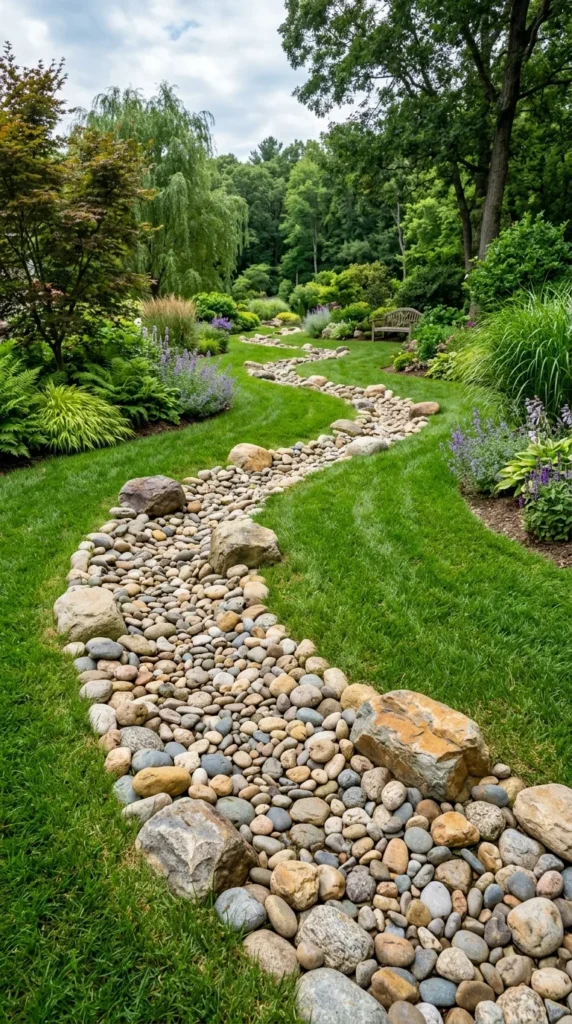
If you want your drainage solution to look like part of the natural landscape, a dry creek bed is the way to go. Using a variety of river rocks, boulders, and gravel, you create a “stream” that remains dry most of the time but becomes a flowing water feature during rainstorms. It’s an aesthetically pleasing way to direct water across your yard while preventing soil erosion.
8. Pop-up Emitters
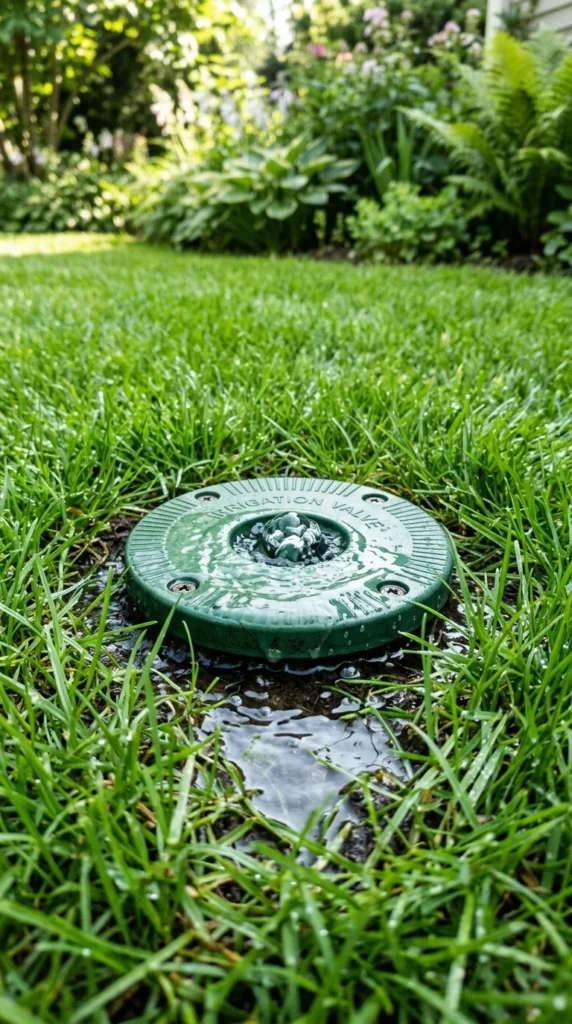
Pop-up emitters are the “finishing touch” for many underground piping systems. The emitter stays closed and flush with the ground when it’s dry, allowing you to mow right over it. However, once the pipe fills with water from your gutters, the pressure causes the green lid to pop up, allowing the water to spill out onto the lawn safely. Once the rain stops, it retracts, keeping out debris and pests.
9. Rain Chains
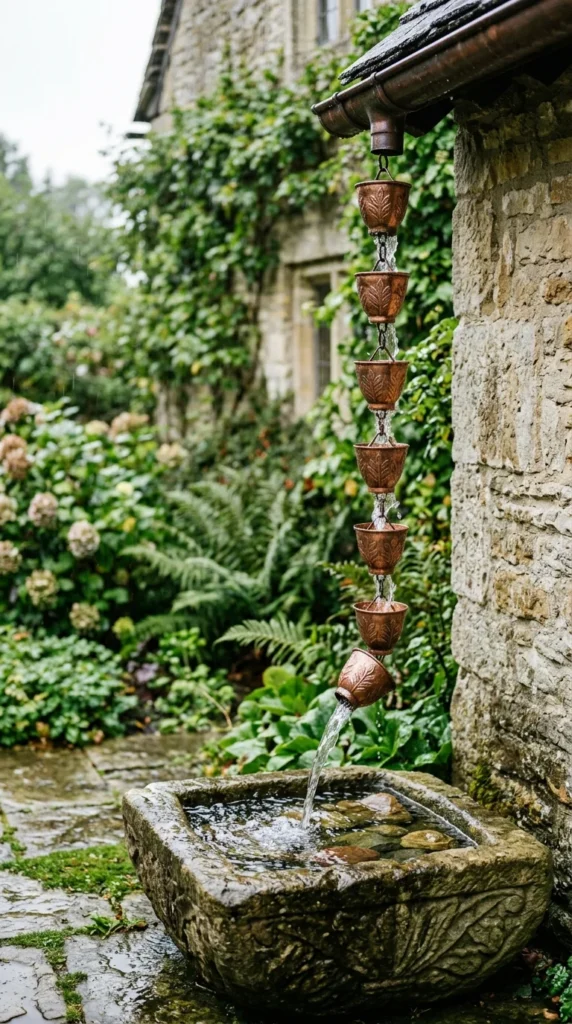
Originating in Japan, rain chains are a stunning alternative to traditional closed downspouts. They guide water from the gutter down to the ground through a series of decorative cups or links. While they don’t move water away from the foundation on their own, they are often paired with a stone basin or a small French drain. The sound of water cascading down the chain provides a soothing, meditative ambiance during a rainstorm.
10. Permeable Pavers
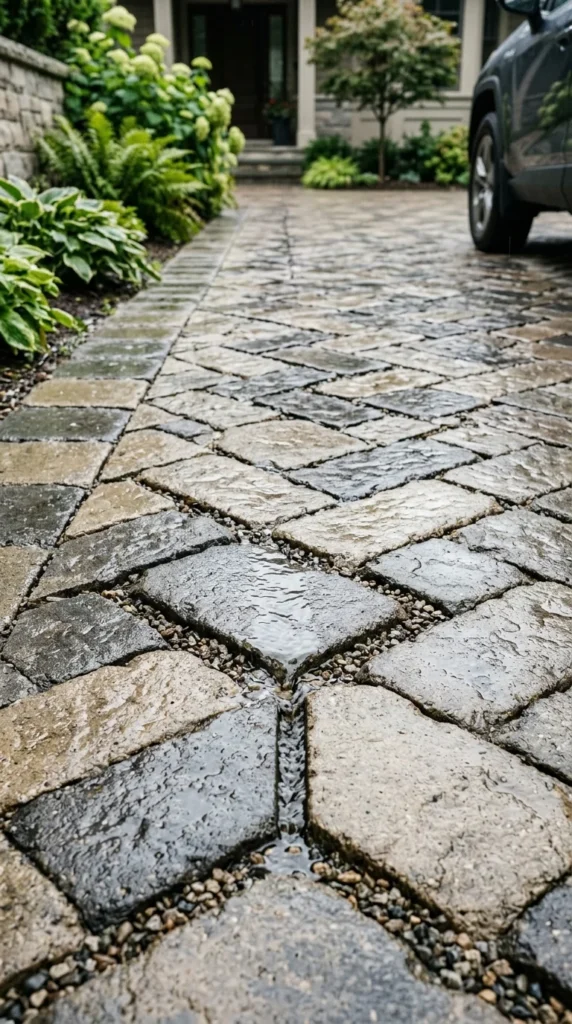
Standard concrete or asphalt driveways and paths contribute to runoff by forcing water to slide off the sides. Permeable pavers allow water to soak directly through the surface. They are installed over layers of crushed stone that act as a reservoir. If your gutters discharge near a patio or walkway, using permeable materials ensures the water is absorbed immediately rather than pooling on the surface.
11. Grass Swales

A swale is a shallow, wide ditch designed to manage water runoff. Unlike a trench, a swale is gently sloped and covered in grass or other vegetation, making it look like a natural contour in the land. It slows down the flow of water, allowing it to be absorbed by the soil as it moves along. Swales are often used to direct water around the perimeter of a property to keep the central yard dry.
12. Soakaway Crates
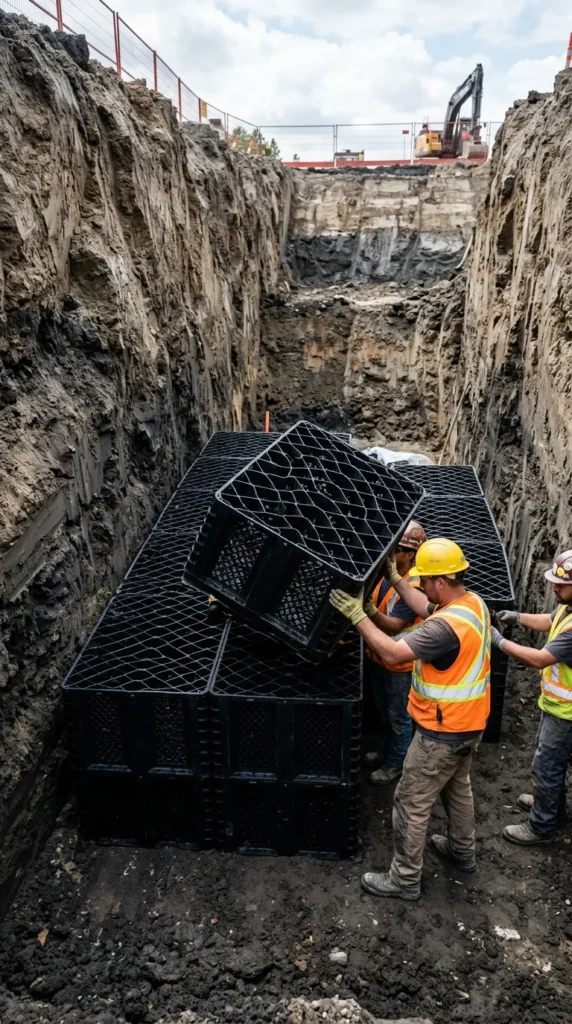
Soakaway crates are a modern, high-capacity alternative to the traditional dry well. These modular “milk crate” style structures have a very high void ratio, meaning they can hold a massive volume of water in a small footprint. They are wrapped in geotextile fabric to prevent soil from entering and are buried deep underground. They are ideal for areas with heavy rainfall where traditional soil absorption is too slow to keep up with gutter output.
13. Downspout Planters
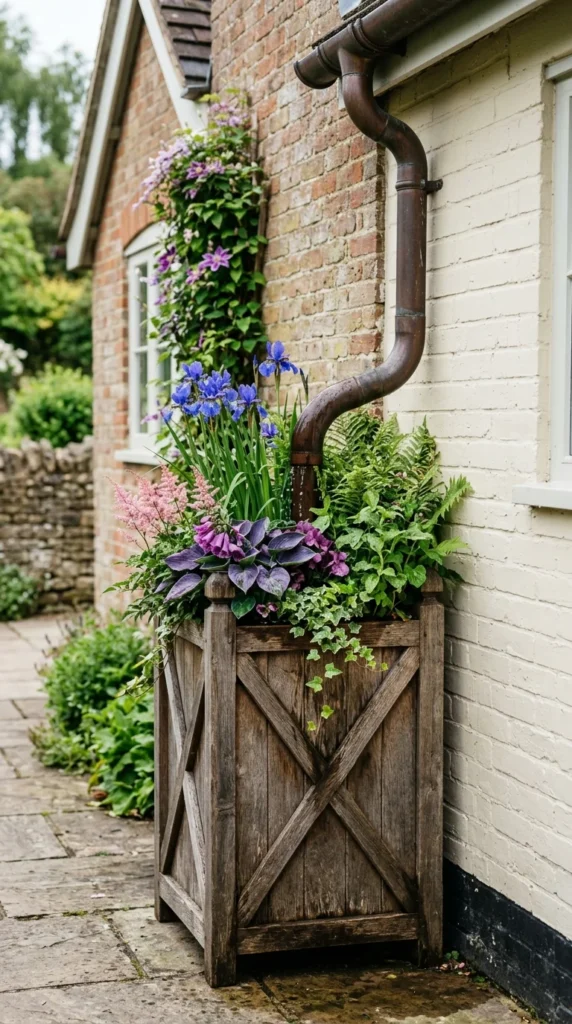
If you have limited space, a downspout planter is a clever “vertical” drainage solution. The gutter empties into a planter box filled with rocks, soil, and moisture-tolerant plants. The plants help absorb and filter the water. Any excess water that the plants can’t use is drained out through a pipe at the bottom of the planter, which can then be directed away from the foundation.
14. Splash Blocks
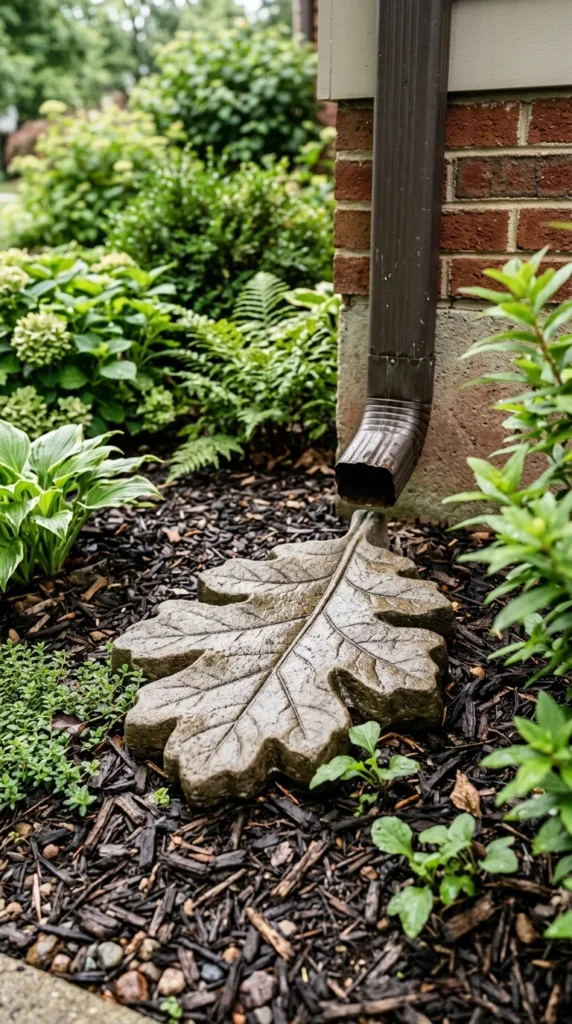
Sometimes the simplest solution is the best. Splash blocks are angled pieces of plastic, concrete, or stone placed directly under the downspout. They prevent the force of the falling water from digging a hole in your lawn or mulch. While they don’t move water very far, decorative versions can add a touch of style to your home’s exterior while protecting the immediate area from erosion.
15. Sump Pump Integration
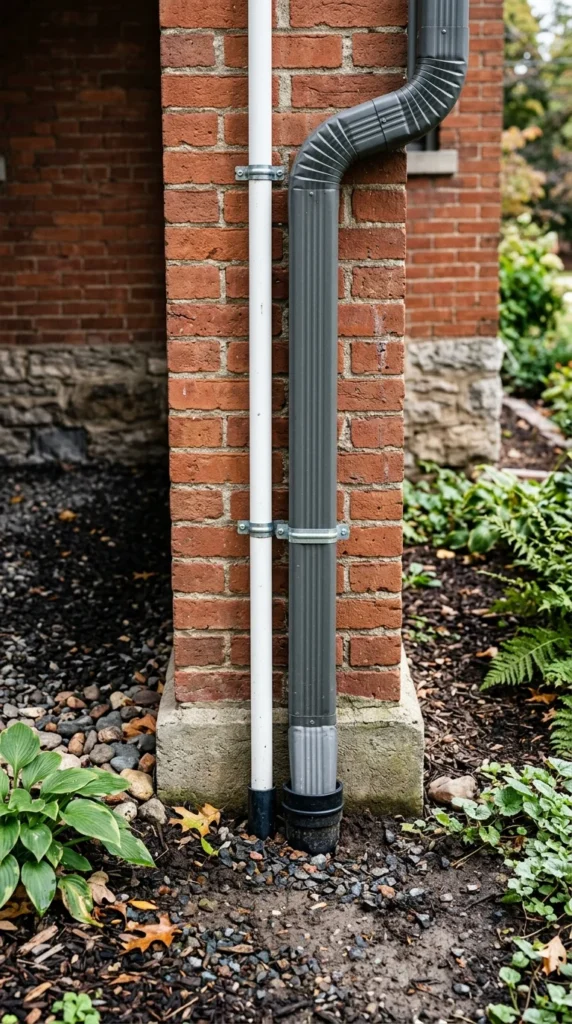
If your home has a sump pump to keep the basement dry, it’s often wise to integrate its discharge with your gutter drainage system. By connecting both to the same underground line, you ensure that all the water being removed from your home’s foundation is sent to the same distant exit point. This prevents the “recycling” of water where the sump pump dumps water right next to the house, only for it to soak back down and need pumping out again.
16. Landscape Grading
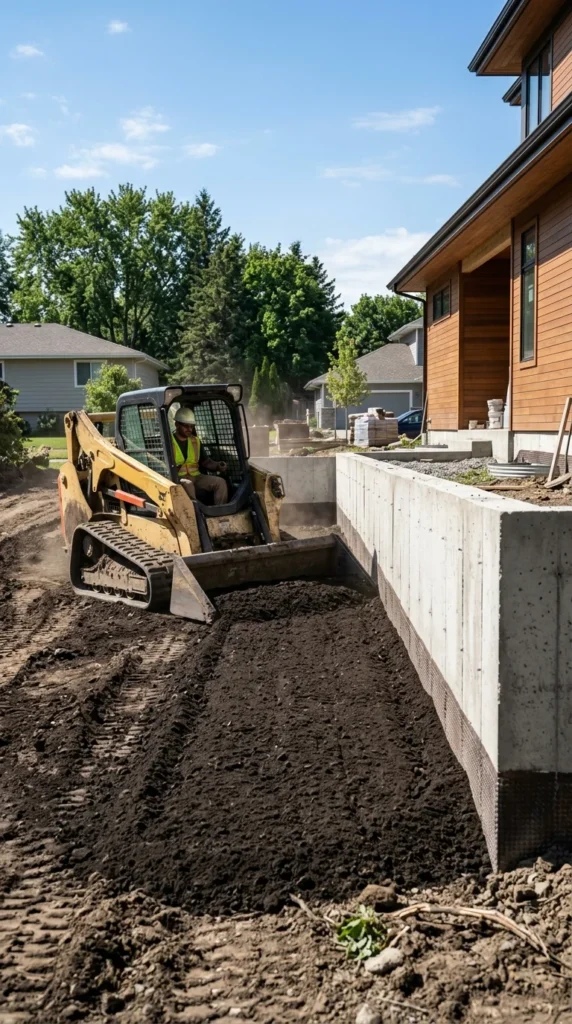
No drainage system can overcome poor grading. The ground around your home should always slope away from the foundation—ideally dropping 6 inches within the first 10 feet. Before installing pipes or drains, ensure your yard isn’t naturally funneling water toward your walls. Correcting the grade with clean fill dirt can often solve 50% of your drainage problems before you even touch a downspout extension.
17. Flexible Extensions
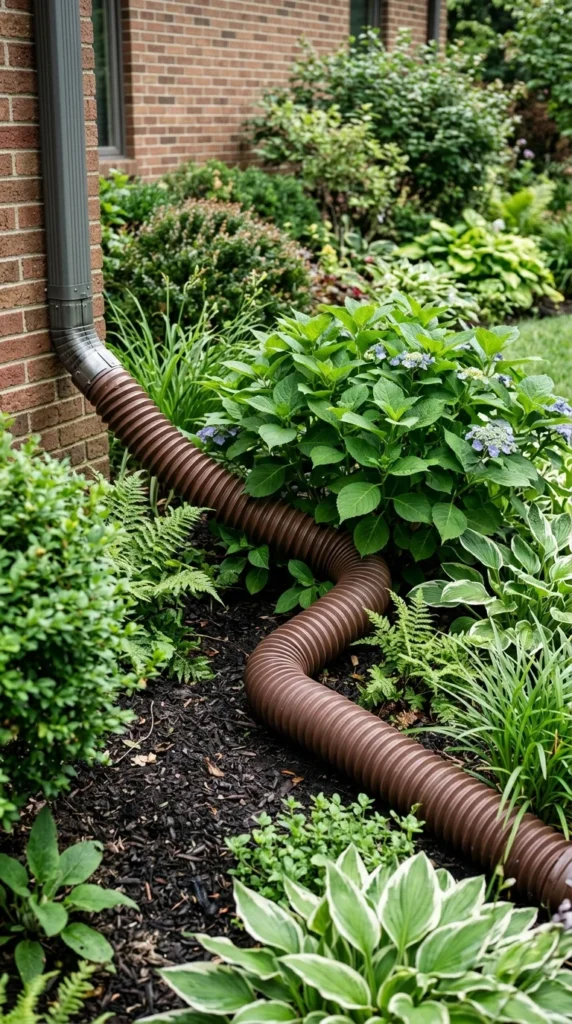
Flexible downspout extensions are the “quick fix” of the drainage world. These corrugated tubes can be bent around corners, tucked behind bushes, or stretched out during heavy storms. While not as aesthetically pleasing or permanent as buried PVC, they are incredibly affordable and easy to install. They are perfect for temporary fixes or for homeowners on a budget who need to move water away from the house immediately.