In an era where water conservation is more critical than ever, the traditional emerald-green lawn is increasingly becoming a relic of the past. Homeowners are turning toward “xeriscaping”—a style of landscaping that requires little to no irrigation. But choosing a water-wise yard doesn’t mean sacrificing beauty. From the architectural silhouettes of desert cacti to the soft, swaying textures of Mediterranean grasses, drought-tolerant landscaping offers a sophisticated, low-maintenance aesthetic that can significantly boost your home’s curb appeal while slashing your utility bills.
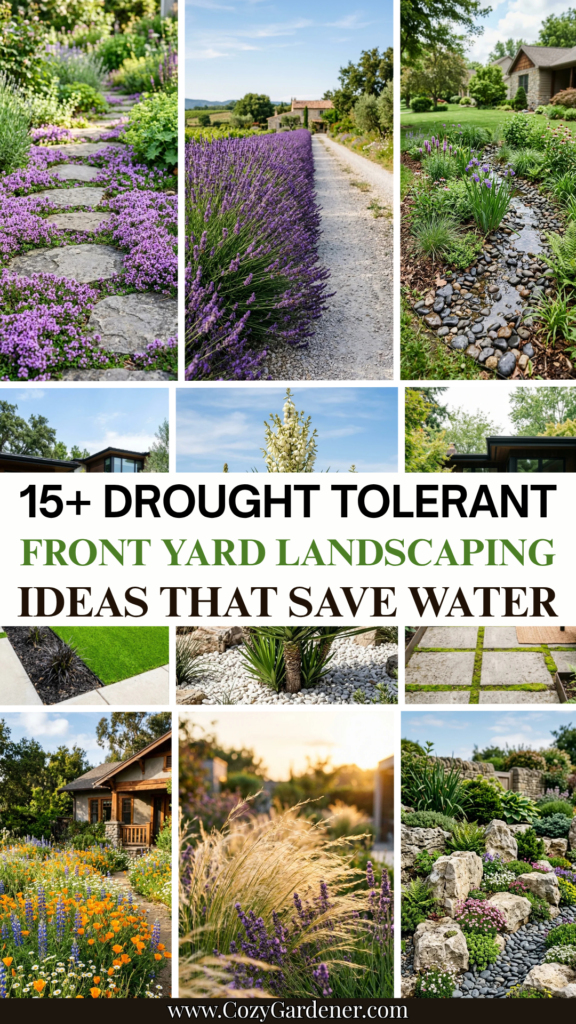
Transforming your front yard into a sustainable sanctuary involves more than just removing grass; it’s about creating a living ecosystem that thrives in your local climate. Here are 15 inspired ideas to help you transition to a water-saving landscape that looks as good as it feels.
1. Succulent Tapestries
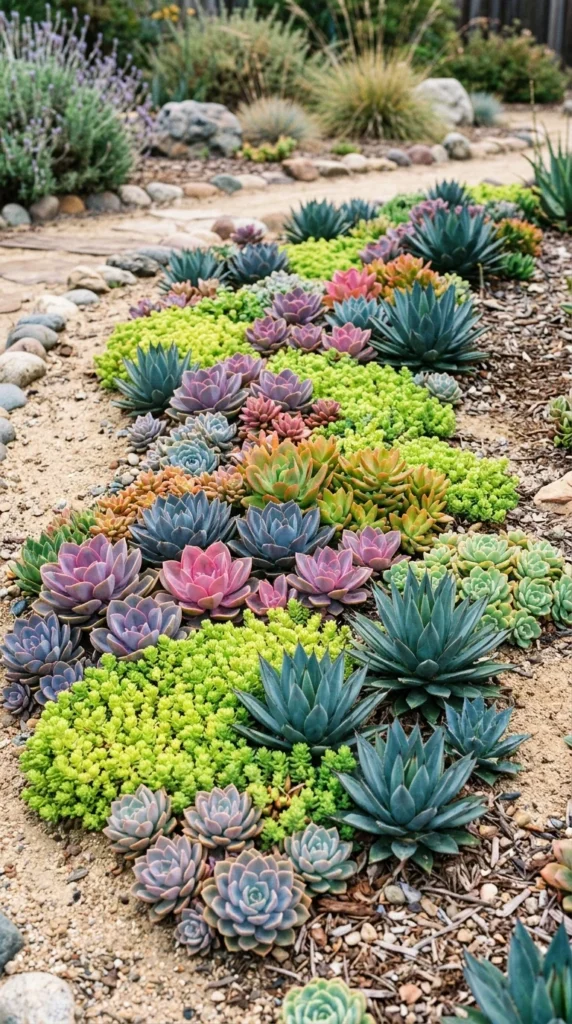
Succulents are the crown jewels of drought-tolerant design. Because they store water in their fleshy leaves, they can survive long periods of heat without drooping. To create a “tapestry” effect, mix different heights, colors, and textures. Use low-growing sedums as a living carpet, punctuated by the sculptural rosettes of Echeveria and the striking blue hues of Agave attenuata. These plants require minimal soil and can even thrive in rocky crevices, making them perfect for sloped front yards.
2. Ornamental Grasses
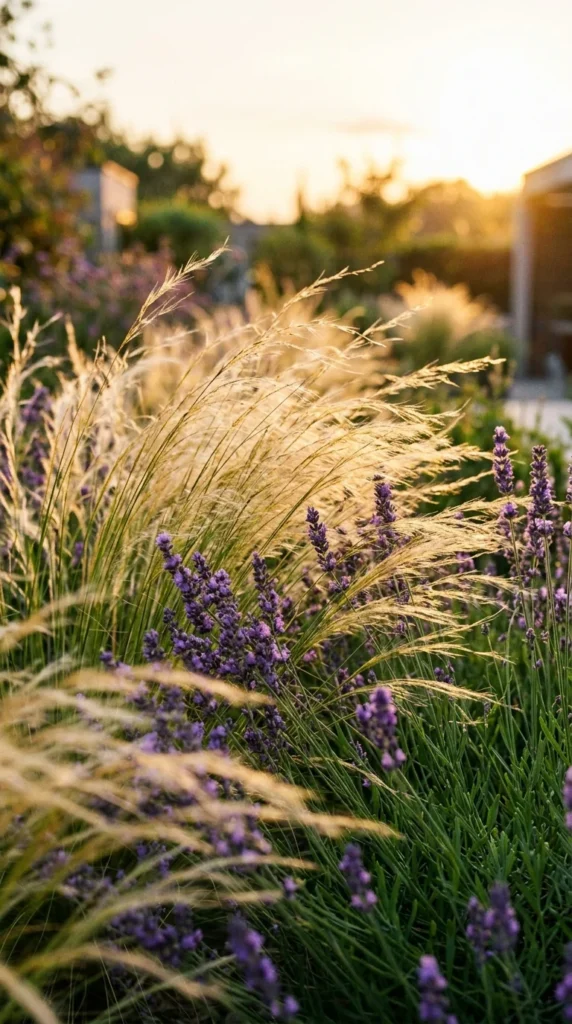
Ornamental grasses provide movement and sound that a traditional lawn simply cannot match. Species like Mexican Feather Grass (Nassella tenuissima) or Pink Muhly Grass (Muhlenbergia capillaris) are incredibly hardy once established. They create a soft, ethereal look that contrasts beautifully with hardscaping elements like concrete or stone. In autumn, many of these grasses change color, providing year-round visual interest with almost zero watering required.
3. Gravel Paths
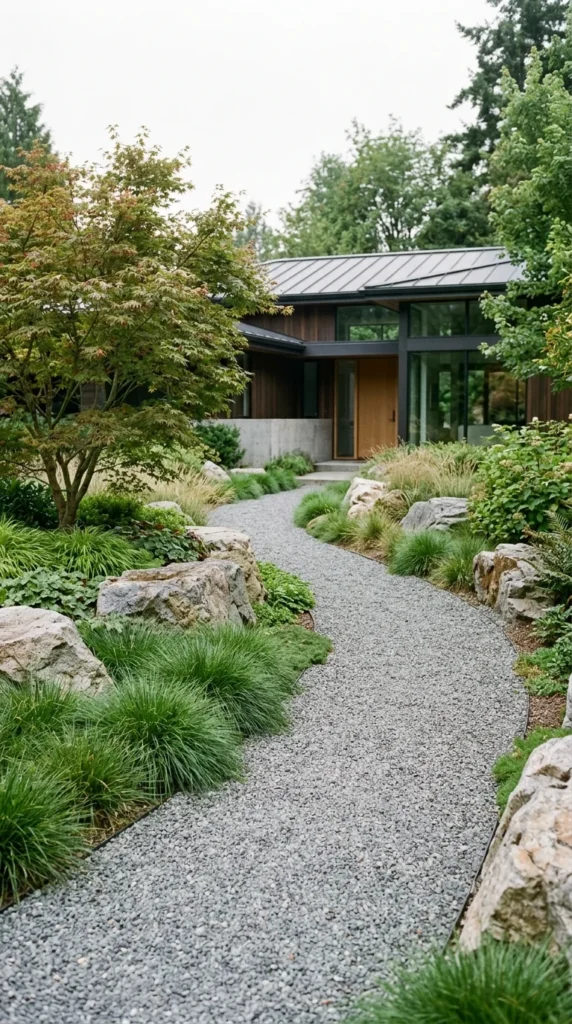
Replacing thirsty grass with permeable hardscaping is one of the most effective ways to save water. Decomposed granite or pea gravel creates a clean, modern look while allowing rainwater to soak directly into the ground rather than running off into the street. Use gravel to define walkways or as a “negative space” between planting islands. It’s an affordable solution that prevents weeds and keeps the soil cool.
4. Native Wildflowers
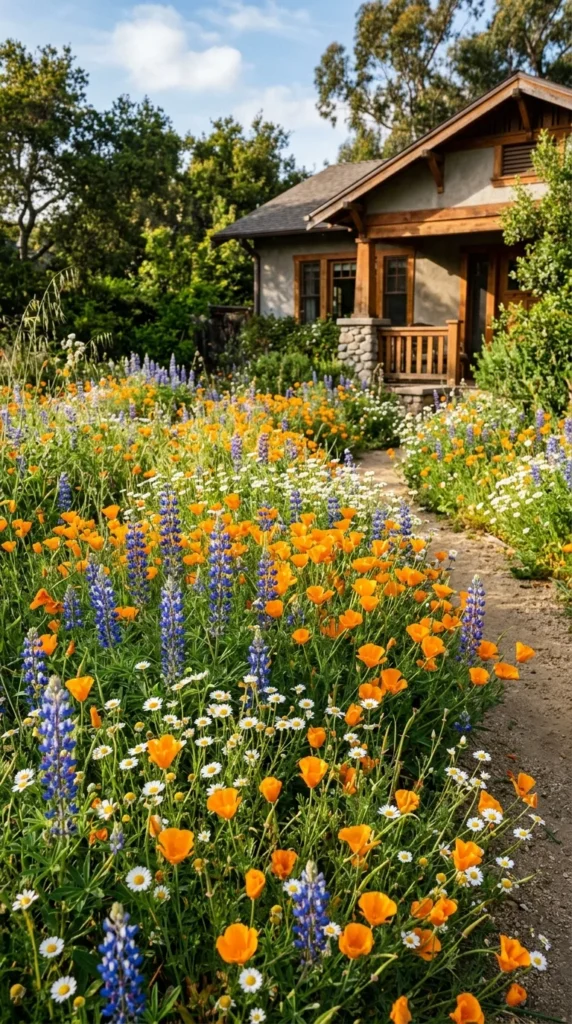
There is no plant better suited for your yard than one that evolved to grow there. Native wildflowers are adapted to your local rainfall patterns, soil types, and pests. By planting a wildflower meadow, you create a self-sustaining habitat for local pollinators like bees and butterflies. In the spring, your front yard will be a riot of color, and in the off-season, many native plants provide seeds for local birds.
5. Rock Gardens
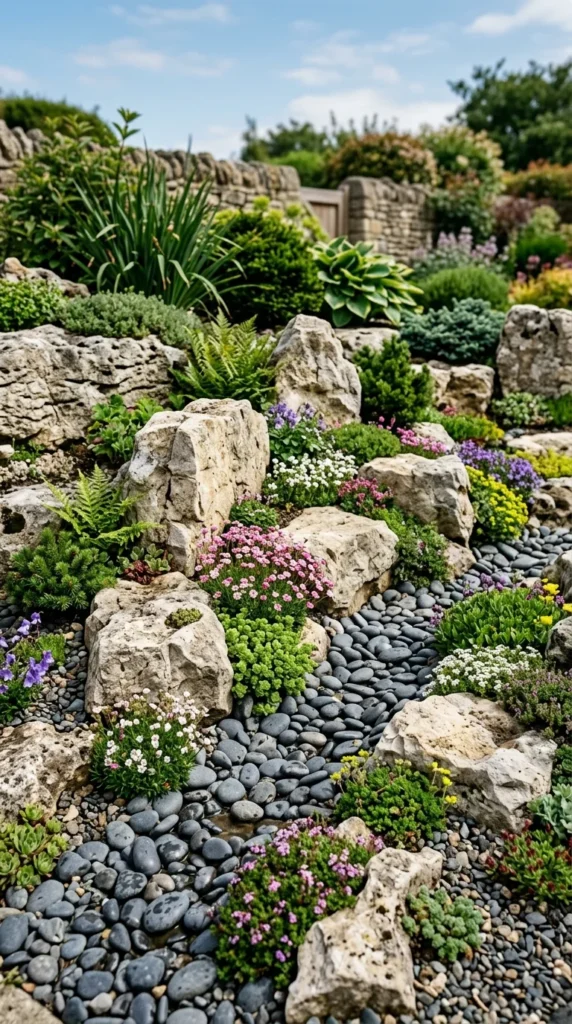
Rock gardens use geology as the primary design element. By incorporating large boulders, flat flagstones, and varied sizes of river rock, you create a sense of permanence and structure. Nestling drought-tolerant plants like Creeping Thyme or Hens and Chicks between the stones adds a touch of life to the rugged landscape. This approach is particularly effective for yards with poor soil quality where traditional gardening is a struggle.
6. Artificial Turf

If you love the look of a green lawn but hate the water bill, high-quality artificial turf is a game-changer. Modern synthetic grass is designed to look and feel remarkably realistic. It provides a flat, functional space for kids or pets to play without the need for mowing, fertilizing, or watering. When paired with a border of drought-tolerant shrubs, it creates a crisp, clean appearance that stays green all year round.
7. Mediterranean Flora
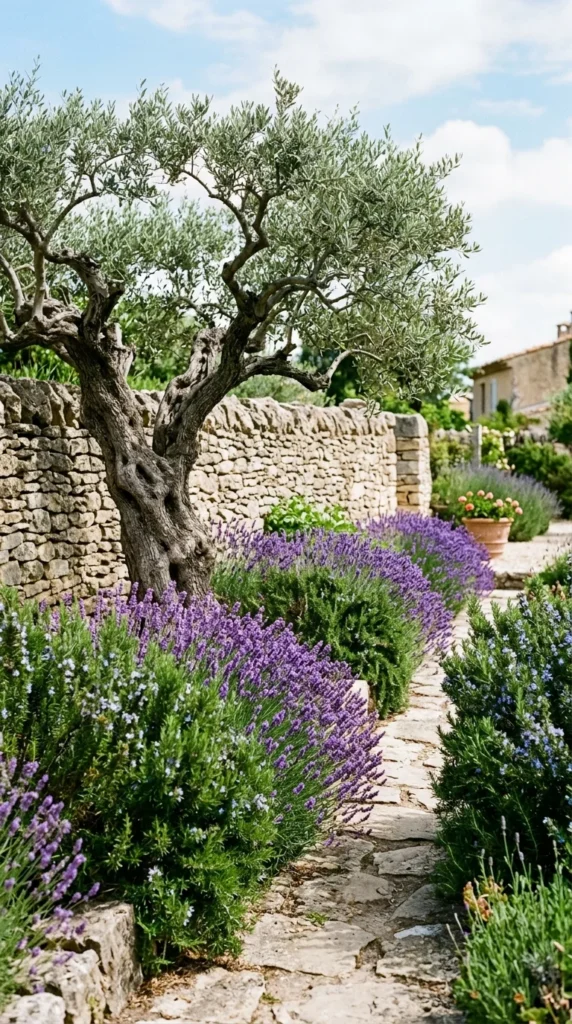
Mediterranean landscapes are the gold standard for elegance and water efficiency. Plants like Lavender, Rosemary, and Olive trees are designed by nature to withstand hot, dry summers. These plants offer a multi-sensory experience: the silvery foliage reflects the sun, the blooms provide pops of purple and blue, and the fragrance is divine. A Mediterranean yard feels like a permanent vacation and requires very little intervention once the roots are deep.
8. Mulched Beds
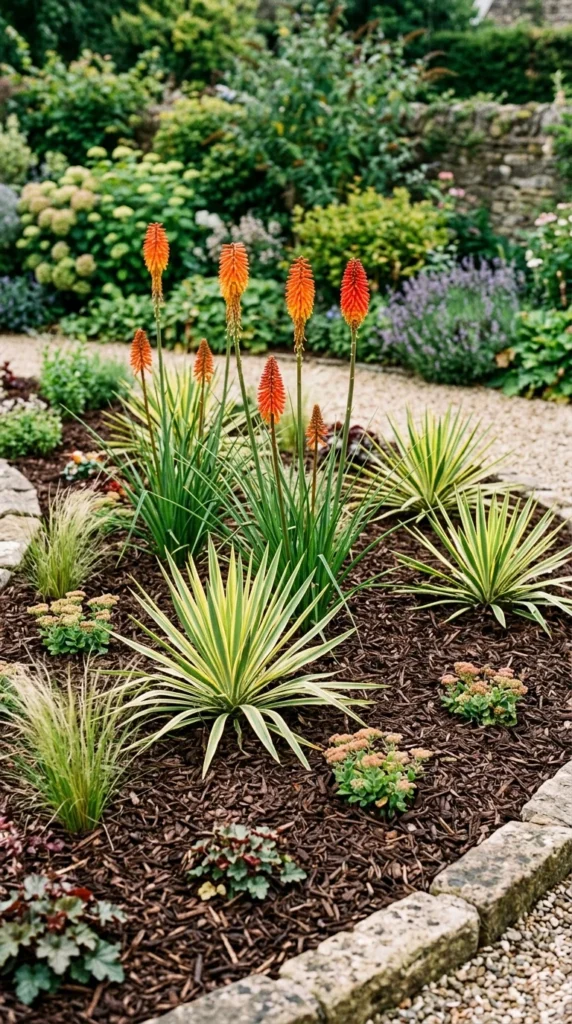
Mulch is the secret weapon of the water-wise gardener. A thick layer (3–4 inches) of organic wood chips or bark mulch acts as an insulator, keeping the soil cool and drastically reducing evaporation. It also breaks down over time, adding nutrients back into the dirt. By grouping plants into “islands” surrounded by mulch, you can create a structured, intentional look that minimizes the area that needs any irrigation at all.
9. Rain Gardens
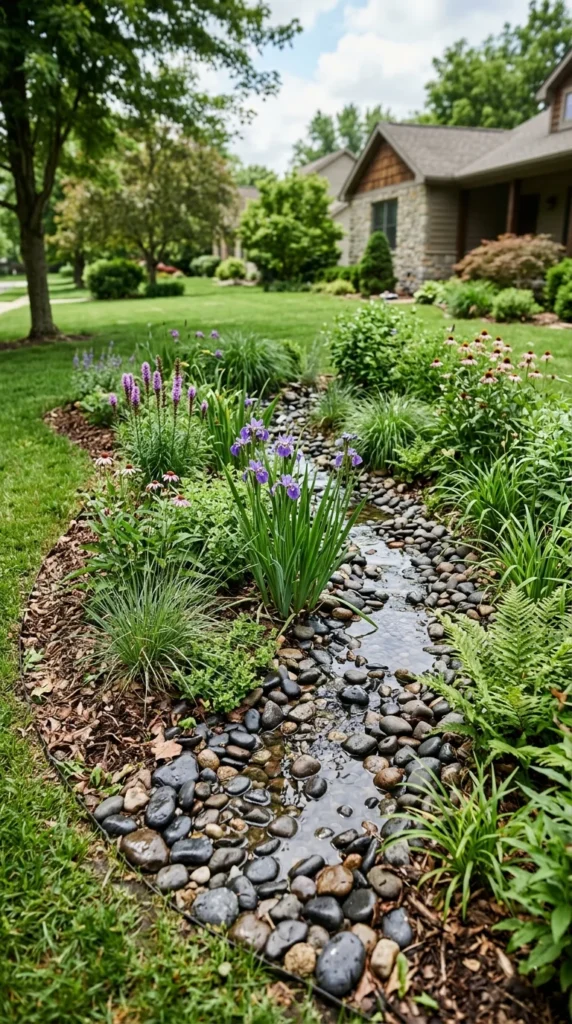
A rain garden is a functional landscape feature designed to capture and soak up rainwater runoff from roofs, driveways, or sidewalks. While it might seem counterintuitive for a drought-tolerant yard, rain gardens are planted with hardy species that can handle “wet feet” during a storm but are equally happy during dry spells. Using a dry creek bed aesthetic with river rocks helps direct the water into the basin, preventing erosion and recharging the local groundwater.
10. Desert Cacti
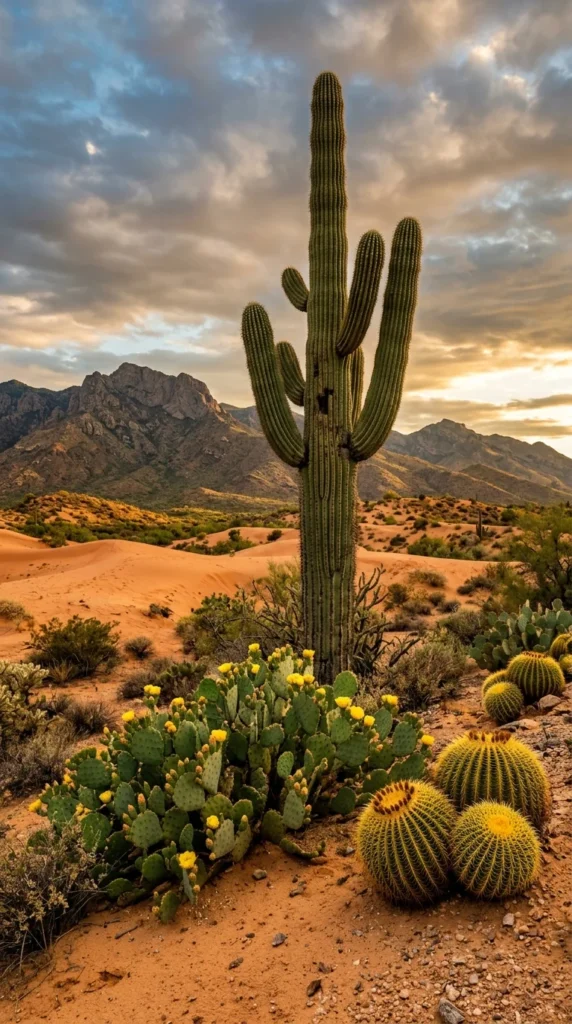
For those in arid climates, leaning into the desert aesthetic is both practical and stunning. Cacti come in incredible geometric shapes that act as living sculptures. The Barrel Cactus, Prickly Pear, and Saguaro offer a bold, architectural look that defines the property. When staged with different colors of sand and gravel, a cactus garden becomes a low-maintenance masterpiece that thrives on neglect.
11. Paved Patios

Extending your living space to the front yard by installing a patio is a brilliant way to reduce lawn area. Use permeable pavers or flagstones set in sand to ensure that any rain that does fall can reach the roots of nearby trees. A front yard patio encourages community interaction and provides a functional space for morning coffee, all while requiring zero gallons of water to maintain.
12. Groundcover Carpets
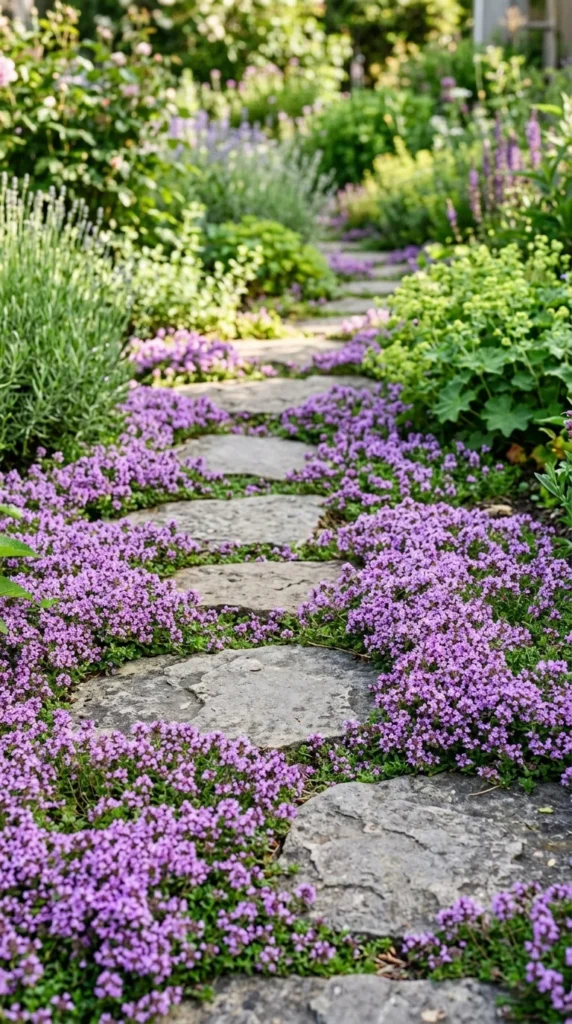
If you want the “carpet” look without the grass, look to groundcovers. Plants like Creeping Thyme, Dymondia, or Kurapia grow low to the ground and spread horizontally. Many of these varieties are “walkable,” meaning they can handle light foot traffic. They often produce tiny, beautiful flowers and require a fraction of the water that a traditional Kentucky Bluegrass lawn would demand.
13. Lavender Borders
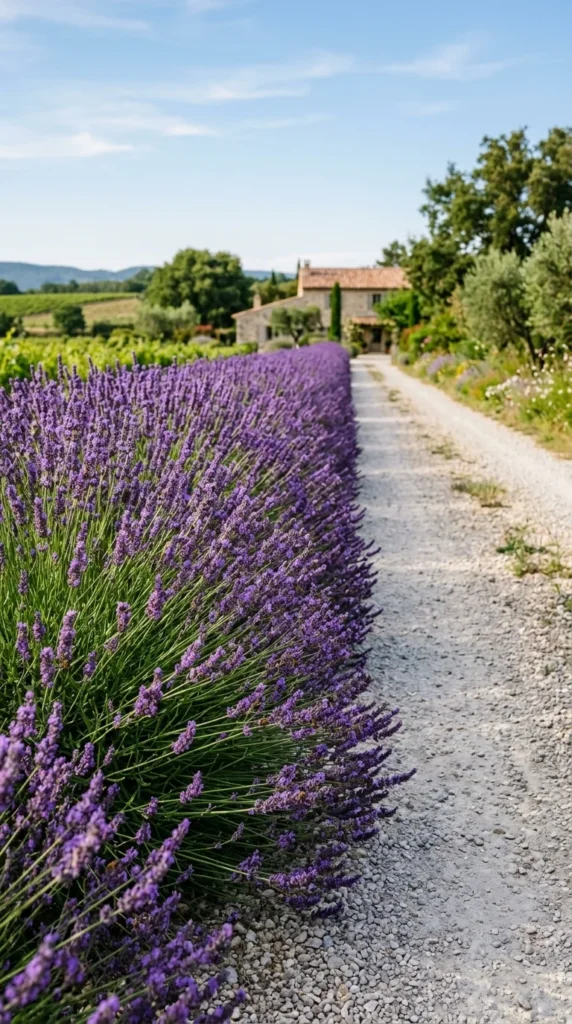
Lavender is a workhorse in the drought-tolerant world. It is exceptionally hardy, deer-resistant, and incredibly fragrant. Using lavender to line a walkway or a driveway creates a sensory experience every time you walk to your front door. The silvery-green foliage remains attractive even when the plant isn’t in bloom, and the flowers can be harvested for indoor arrangements or sachets.
14. Yucca Clusters
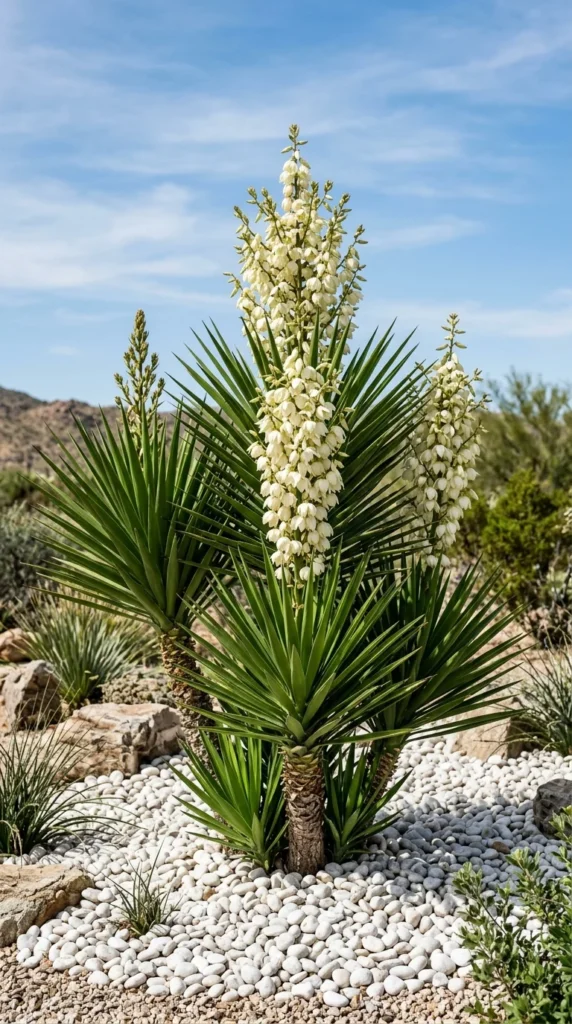
Yuccas offer a “spiky” architectural interest that fits perfectly in both modern and rustic landscapes. They are incredibly tough and can survive the harshest sun and poorest soils. Varieties like ‘Color Guard’ offer variegated yellow and green leaves that provide a bright pop of color throughout the year. Because they grow vertically, they are excellent for adding height to a garden without taking up too much horizontal space.
15. Dry Creek Beds
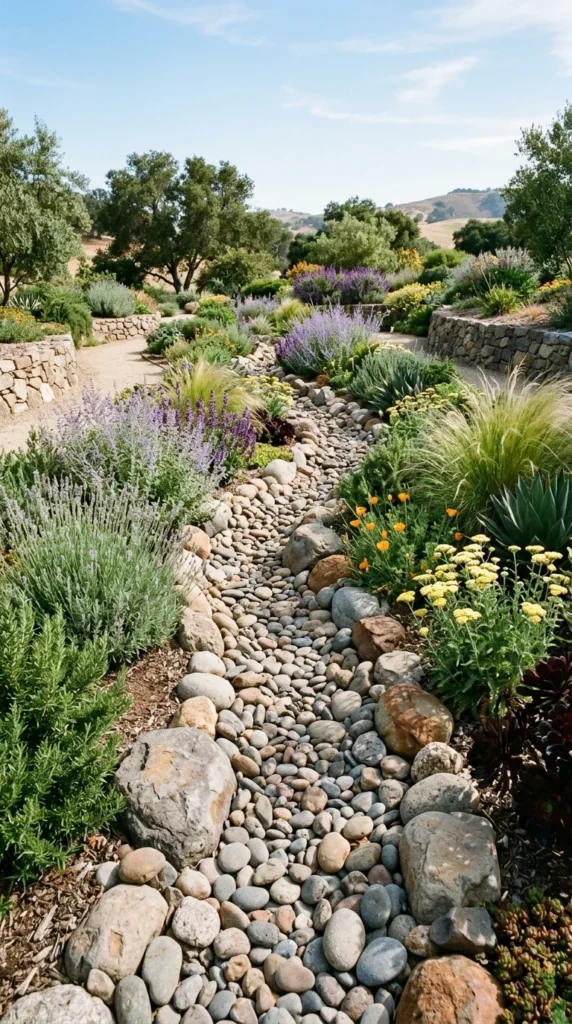
A dry creek bed is a classic xeriscaping element that mimics the look of a natural waterway. By using a mix of large boulders, medium stones, and fine gravel, you can create a visual path that draws the eye through the yard. It serves a dual purpose: it looks beautiful during the dry season and acts as a functional drainage system during heavy rains. Surround the “banks” of your creek with ornamental grasses and flowering perennials for a lush, naturalistic look.