
Water is the lifeblood of any ecosystem. Even in the smallest urban garden or a modest balcony, adding a water feature can transform a sterile space into a thriving sanctuary for biodiversity. You don’t need a sprawling estate or a heavy-duty excavator to make a difference. A wildlife pond, regardless of its size, provides a drinking station for birds, a breeding ground for dragonflies, and a cool refuge for frogs and toads.
The magic of a small pond lies in its accessibility. By focusing on clever design and strategic planting, you can create a micro-habitat that invites the wild side of nature right to your doorstep. Here are 13 creative and practical small garden wildlife pond ideas to inspire your next outdoor project.
1. Barrel Ponds
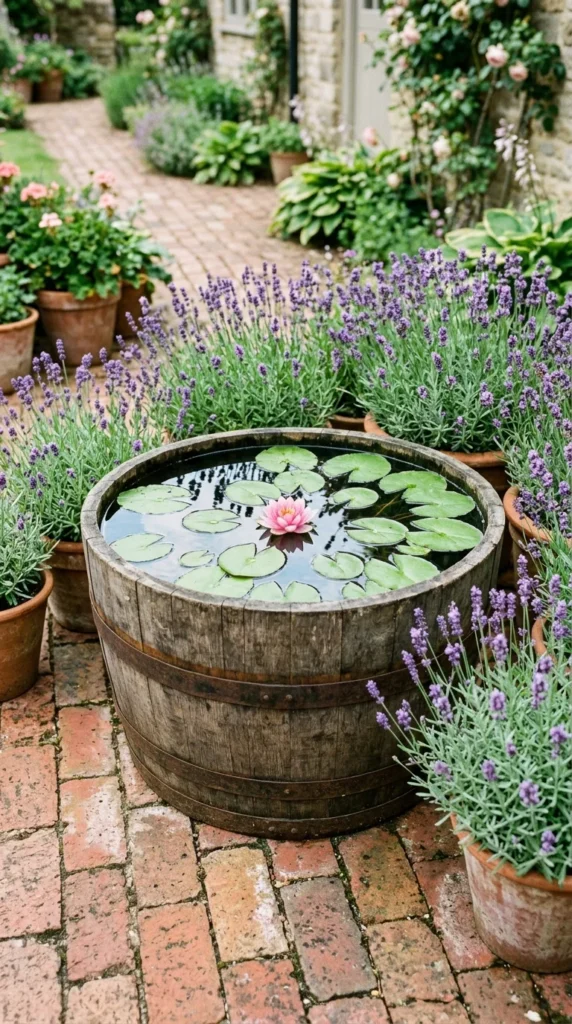
Reclaimed wooden barrels, such as old wine or whiskey casks, make for excellent self-contained ponds. They offer a rustic, cottage-garden aesthetic while providing enough depth for various aquatic plants. To ensure it is wildlife-friendly, it is crucial to provide a “way out.” Since barrels have steep sides, stacking a few submerged bricks or stones inside to create a staircase allows creatures like frogs or hedgehogs that might fall in to climb out safely. Use a heavy-duty pond liner inside the barrel to prevent the wood treatments from leaching into the water and to keep it watertight.
2. Tiered Basins
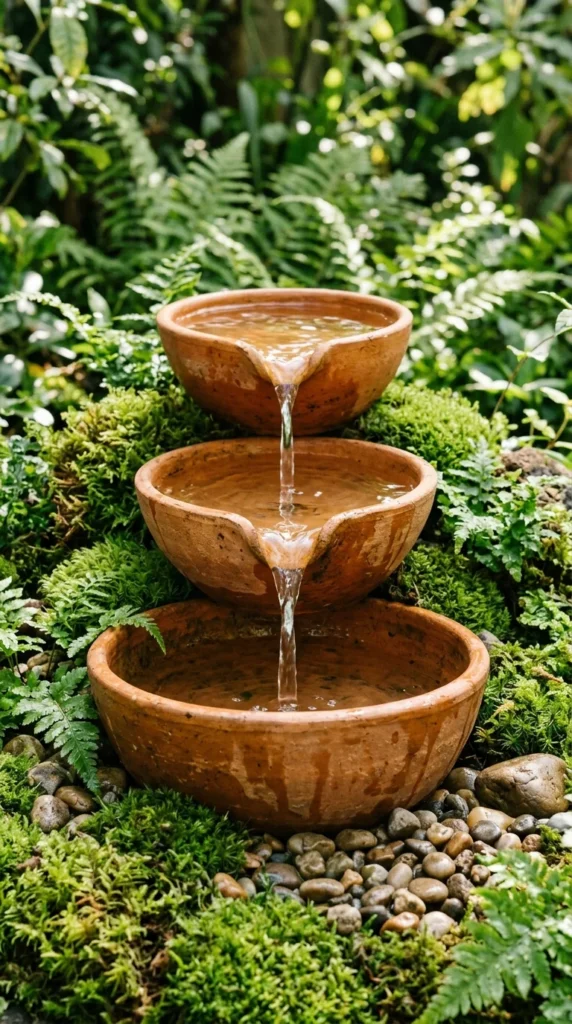
If you have limited horizontal space, go vertical. Tiered basins create a sense of movement and sound that attracts birds looking for a bath. The different levels offer varying depths, which is essential for different types of wildlife. Shallow upper tiers are perfect for small songbirds to splash in, while the deeper bottom basin can house oxygenating plants. The sound of trickling water also acts as a beacon for local wildlife, signaling a reliable water source from a distance.
3. Sunken Troughs
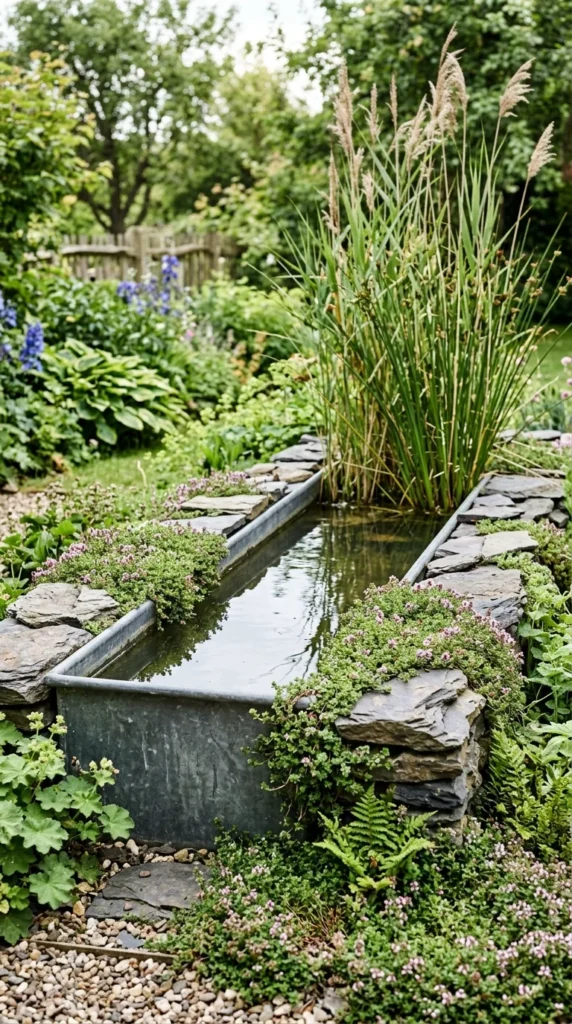
A sunken trough provides the benefits of a traditional pond without the need for complex shaping. By burying a galvanized steel or plastic trough so the rim is level with the soil, you create an easy entry and exit point for ground-dwelling creatures. This “infinity edge” look integrates seamlessly into the garden landscape. Surround the perimeter with “creeping” plants like moneywort or clover to soften the edges and provide hiding spots for amphibians.
4. Container Oases
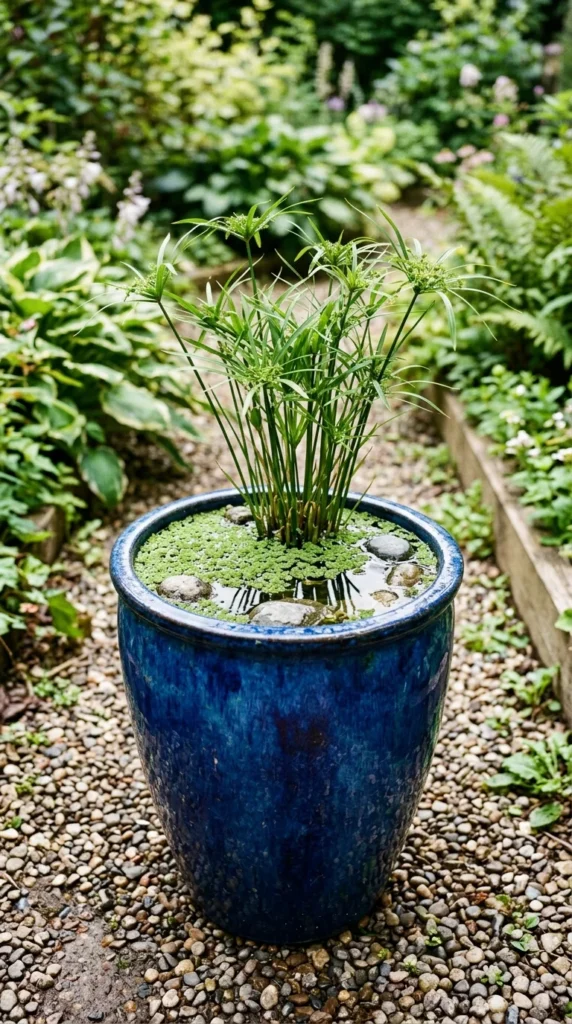
You don’t even need a garden bed to host wildlife. A large ceramic or resin container placed on a balcony or patio can become a thriving oasis. The key to a successful container pond is balance. Include one “tall” plant for dragonflies to perch on, one “floating” plant to provide shade and reduce algae, and a handful of oxygenators to keep the water clear. Place a large, flat stone that breaks the surface of the water to serve as a landing pad for thirsty bees and butterflies.
5. Bog Gardens
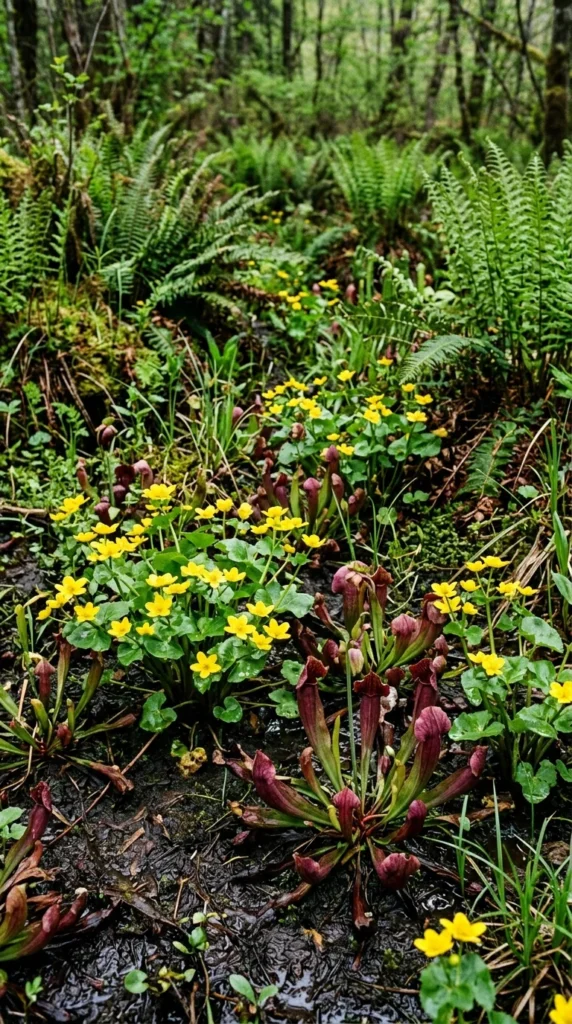
Technically a “pond without the deep water,” a bog garden is a fantastic alternative for those worried about safety or mosquitoes. By lining a shallow hole with a pierced pond liner and filling it with peat-free compost and sand, you create a permanently damp environment. This is the ultimate habitat for damp-loving plants and creatures like frogs who prefer moist mud over deep pools. Bog gardens are incredibly low-maintenance and provide a unique texture to the garden.
6. Wildlife Puddles
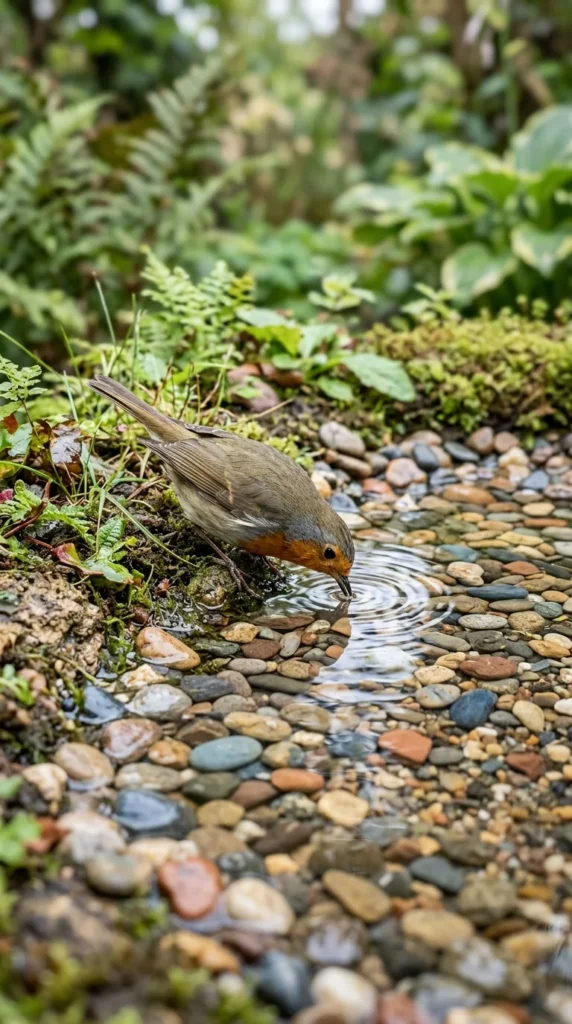
Sometimes, simplicity is best. A wildlife puddle is a shallow depression—only a few inches deep—lined with a small scrap of pond liner and covered in gravel and pebbles. It mimics the natural puddles found in woodland clearings. These are specifically designed for insects and birds. Butterflies often engage in “puddling,” where they sip mineral-rich water from the damp edges. It’s an easy addition to a flower border that requires almost zero effort to maintain.
7. Belfast Sinks
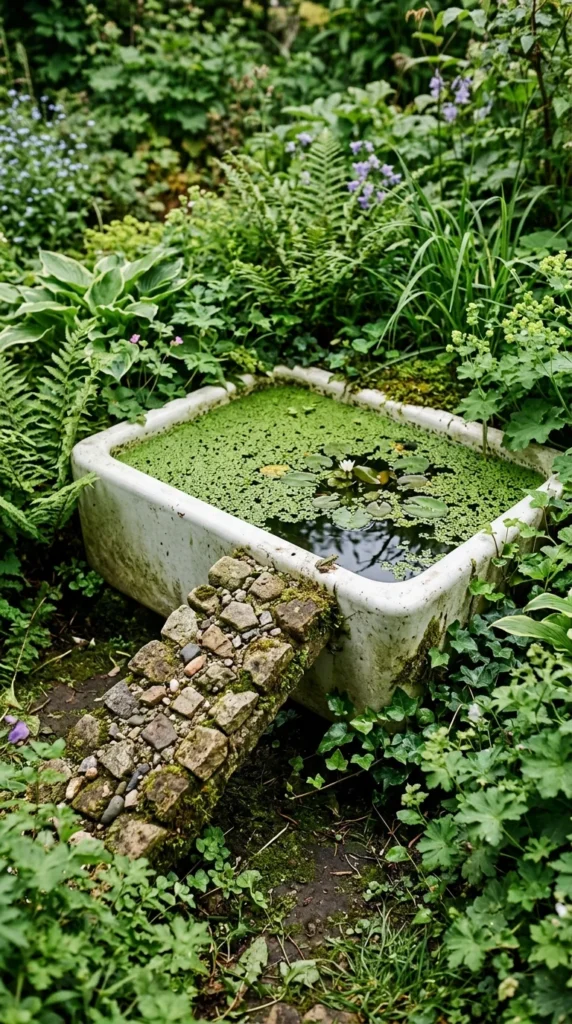
Repurposing a vintage Belfast or farmhouse sink adds a touch of historical charm to your garden. These sinks are deep, durable, and already have a drainage hole that can be easily plugged. Their white ceramic finish reflects light, making the water and plants pop. Because the sides are smooth and steep, it is vital to create a ramp using logs or stones both inside and outside the sink so that wildlife can access the water safely.
8. Raised Stones
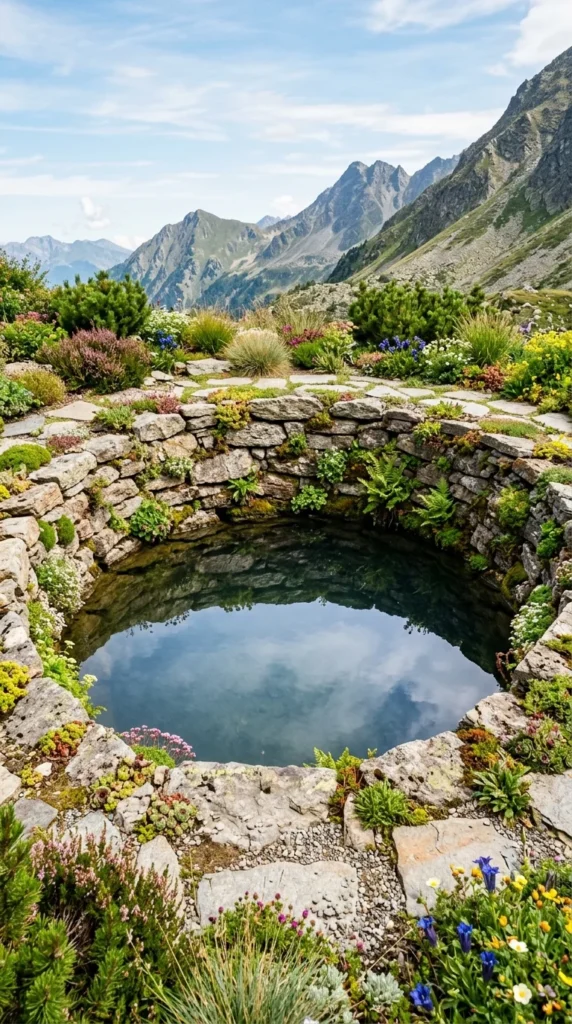
A raised stone pond is an ideal solution for gardens with heavy clay soil or lots of tree roots where digging is difficult. By building a low circular wall out of stone and lining the interior, you create a focal point that also serves as a “bug hotel.” The gaps between the dry-stacked stones provide perfect overwintering spots for toads, newts, and beneficial insects. The elevation also makes it easier to observe the aquatic life without having to crouch down.
9. Micro Wetlands
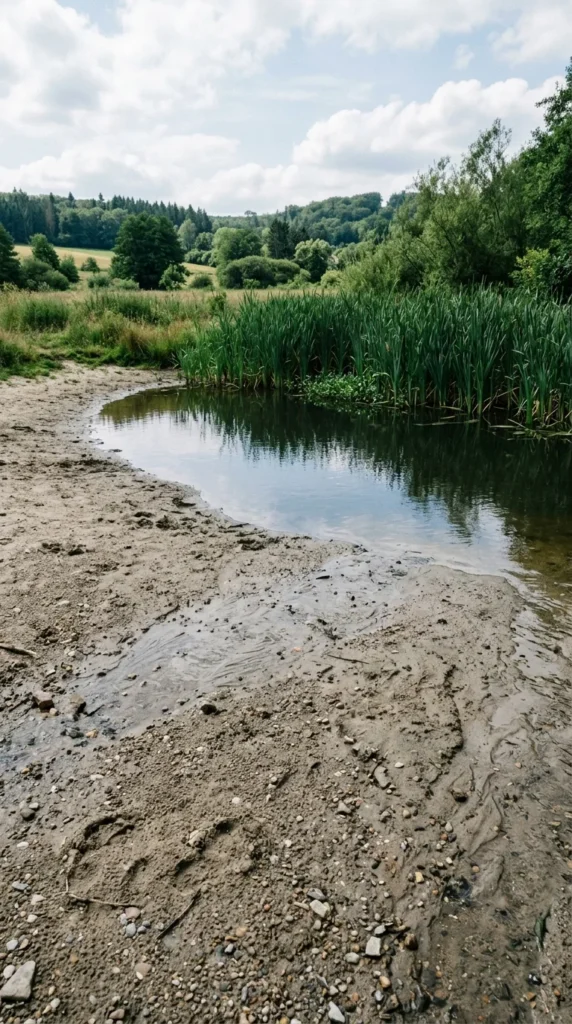
The most productive part of any pond is the “marginal zone”—the shallow area at the edge. A micro wetland focuses entirely on this zone. Instead of a deep center, this pond idea features a very gradual slope, creating a large surface area of shallow water. This is where most biological activity happens. It’s where tadpoles congregate to stay warm and where birds feel safest bathing because they can see the bottom.
10. Wildlife Islands
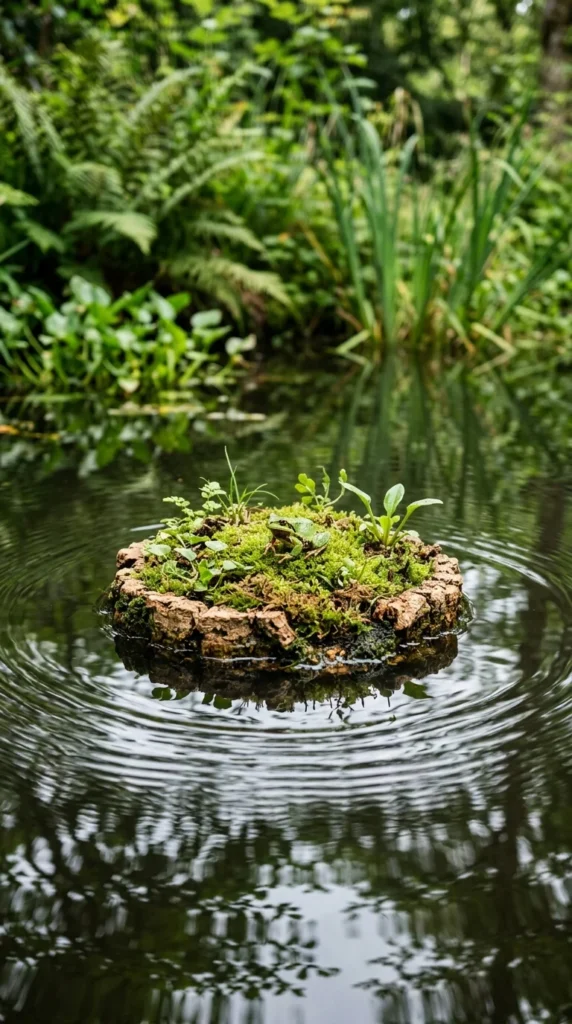
Even in a small pond, you can include a “wildlife island.” This can be a large, flat-topped rock protruding from the center or a small floating raft made of sustainable cork. Islands provide a safe haven from predators like domestic cats. They also provide a different microclimate for mosses and lichens to grow. If your pond is deep enough, a floating island can be planted with small sedges to help filter the water.
11. Pebble Pools
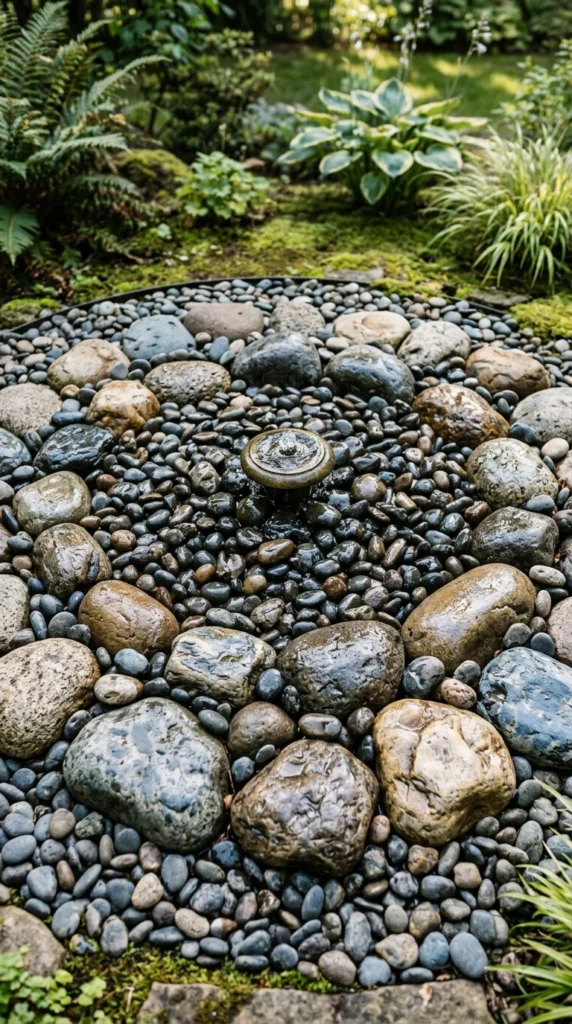
If you have young children or pets and are concerned about open water, a pebble pool is the perfect compromise. A reservoir is buried underground and covered with a sturdy mesh and a layer of decorative pebbles. A small pump circulates water from the reservoir up through the stones. Wildlife can still drink from the wet stones and the thin film of water, but there is no risk of drowning. It’s a sensory delight that adds the sound of water to the garden.
12. Water Meadows
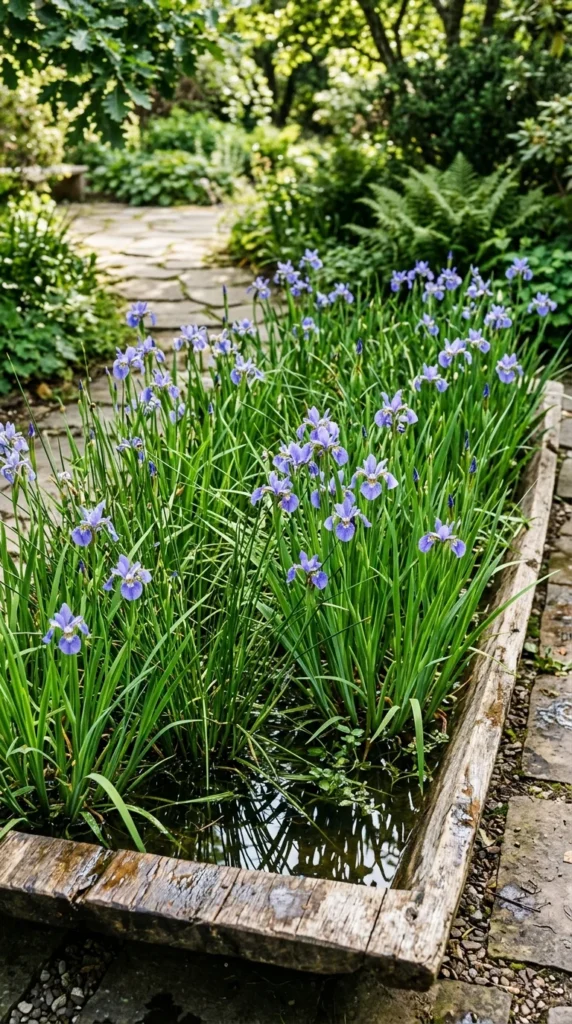
A water meadow pond is designed to be packed with vegetation. Unlike a traditional pond where you want to see the water, a water meadow is about the plants. Use a wide, shallow container and pack it with native rushes, sedges, and flowering marsh plants. This creates a dense “forest” for insects to hide in. It’s particularly attractive to damselflies, which lay their eggs on the stems of these plants.
13. Solar Spouts
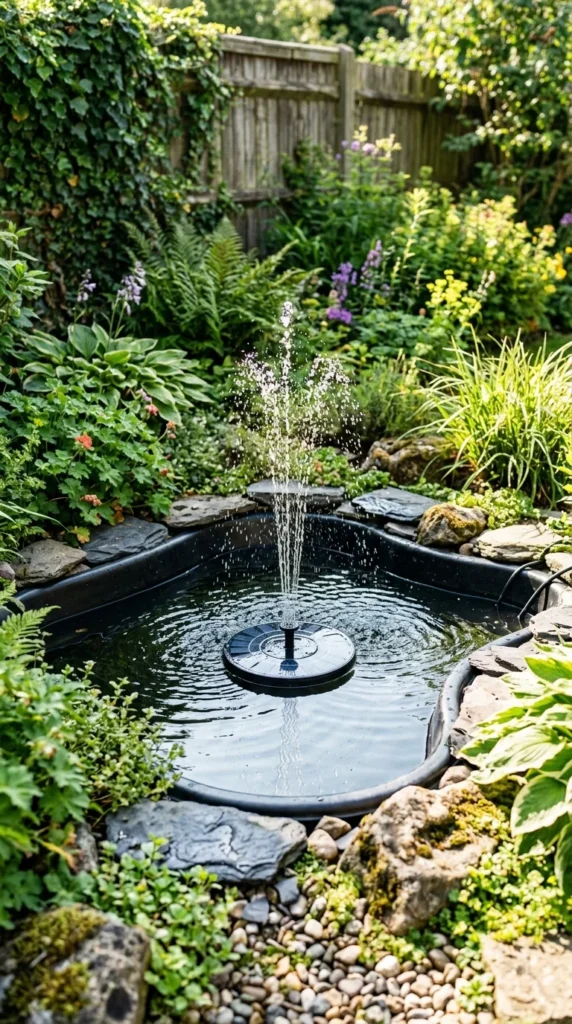
Adding a solar-powered spout to any small pond setup increases oxygen levels and prevents the water from becoming stagnant. Because they are powered by the sun, there’s no need for complicated outdoor wiring. The movement of the water helps to deter mosquitoes from laying eggs and keeps the water healthier for fish and amphibians. The gentle splashing sound also masks urban noise, creating a more peaceful environment for both you and the wildlife.
Key Tips for a Successful Wildlife Pond
- Location: Place your pond in a spot that gets a good amount of sunlight (about 4-6 hours) to encourage plant growth, but ensure it has some afternoon shade to prevent the water from overheating.
- Water Quality: Always use rainwater if possible. Tap water contains chlorine and high levels of nutrients that can lead to excessive algae growth.
- Safe Entry/Exit: This is the most important rule. Always ensure there is a ramp or a shallow “beach” area so that any animal that falls in can get back out.
- Native Plants: Use native aquatic plants whenever possible. They have evolved alongside your local wildlife and provide the specific food and shelter they need.
- Avoid Fish: While fish are lovely, they often eat the larvae of dragonflies and the eggs of frogs. For a true “wildlife” pond, it’s often better to leave the fish out.
Building a small pond is one of the most rewarding gardening projects you can undertake. Within days, you will likely see the first visitors arriving, proving that no matter how small the space, nature is always looking for a place to call home.