
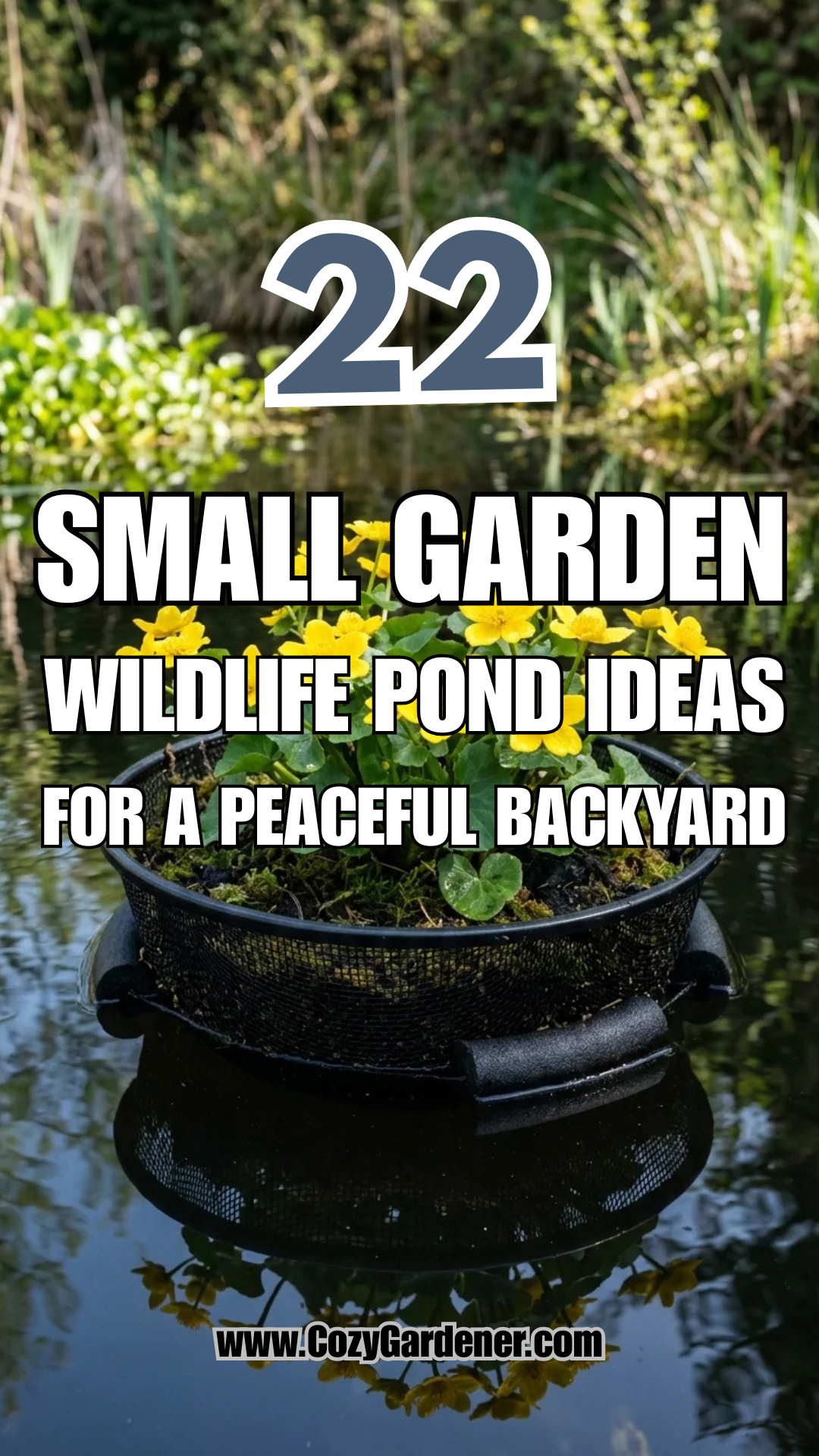
Creating a wildlife pond is perhaps the single most impactful thing you can do for your local ecosystem. Even in the smallest of backyards, a patch of water serves as a vital sanctuary for frogs, newts, dragonflies, and thirsty birds. Beyond the ecological benefits, the presence of water introduces a sense of profound tranquility to your outdoor space. Whether you have a sprawling lawn or a tiny concrete patio, there is a way to incorporate water into your landscape. Here are 22 creative and practical ideas to help you build a peaceful, biodiverse haven.
1. Repurposed Tubs
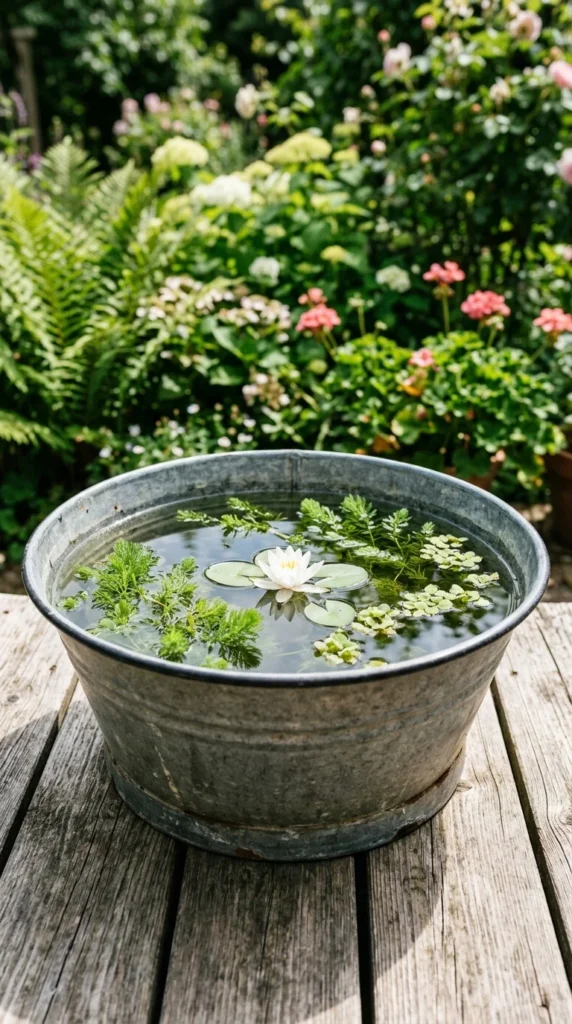
You don’t need to dig a massive hole to start a pond. An old galvanized tub, a ceramic pot, or even a sturdy plastic crate can be transformed into a thriving “patio pond.” The key to success with repurposed tubs is ensuring the container is watertight and placed in a spot that receives a balance of sun and shade. To make it wildlife-friendly, add a few large stones that break the surface, providing a landing pad for insects and an exit ramp for any critters that might accidentally fall in.
2. Tiered Rocks
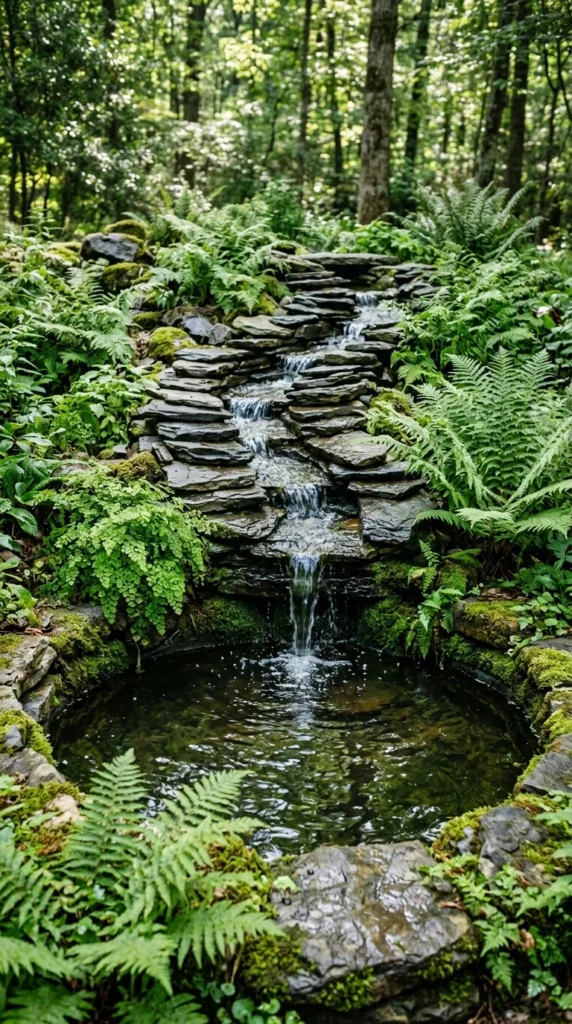
Wildlife loves moving water, and birds are particularly attracted to the sound of a gentle trickle. By stacking flat rocks like slate or sandstone, you can create a low-profile waterfall. This doesn’t just look beautiful; it also helps aerate the water, keeping it clear and healthy for inhabitants. The crevices between the rocks provide excellent hiding spots for small amphibians and beneficial insects looking for a damp retreat from the afternoon sun.
3. Sunken Basins
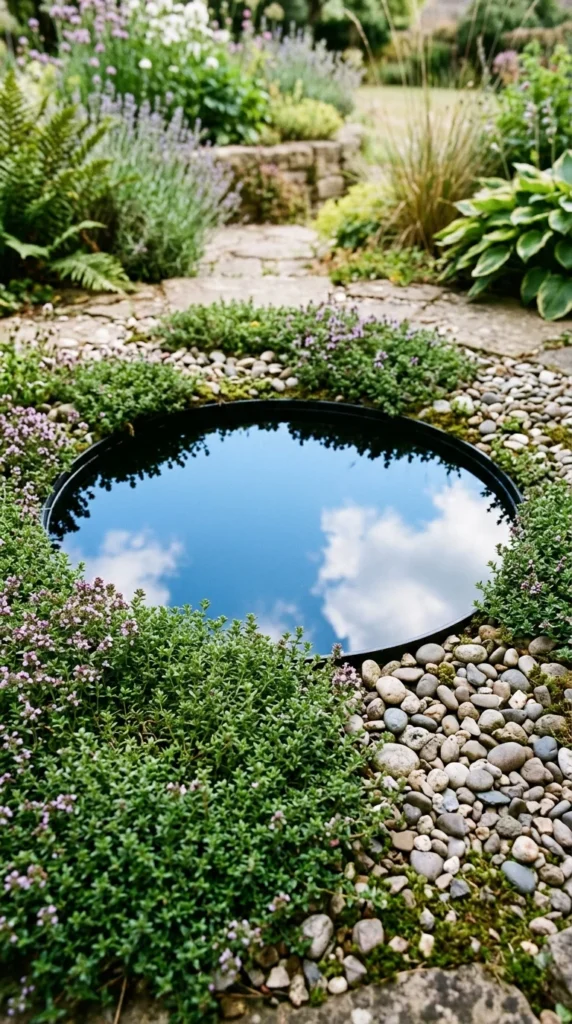
For a sleek, minimalist look that blends seamlessly with your garden floor, consider a sunken basin. By burying a pre-formed tub or a heavy-duty bucket so that the rim is level with the soil, you make the water easily accessible to ground-dwelling wildlife like hedgehogs and toads. Surround the edges with “creeping” plants like mind-your-own-business or clover to soften the transition between land and water.
4. Bog Gardens
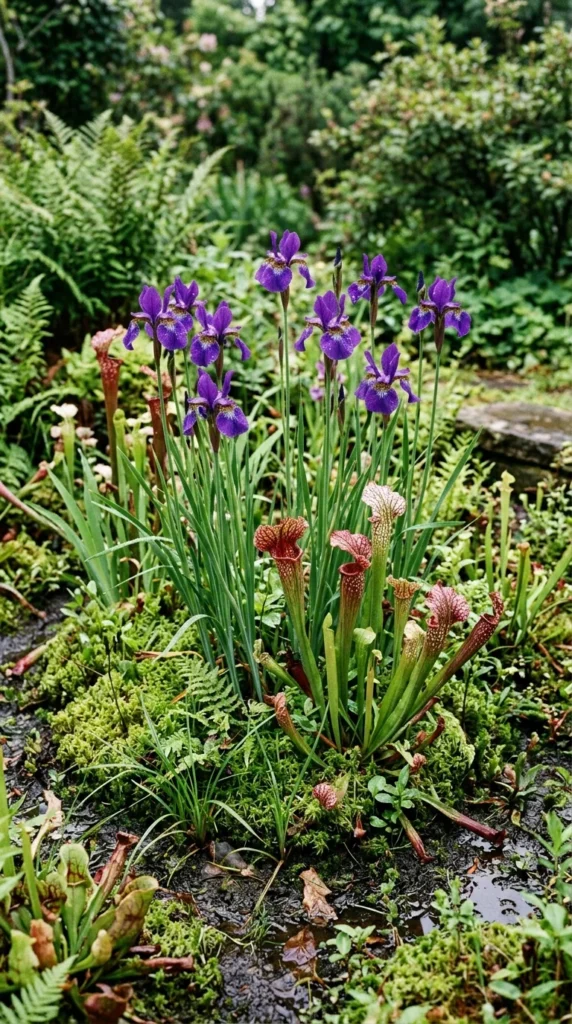
If you have a naturally damp spot in your yard where nothing seems to grow, turn it into a bog garden. Unlike a traditional pond, a bog garden is essentially a saturated patch of soil. It’s a paradise for moisture-loving plants like Marsh Marigolds and Candelabra Primulas. Bog gardens provide a critical transition zone for amphibians and offer a unique texture that contrasts beautifully with drier garden beds.
5. Miniature Lilies
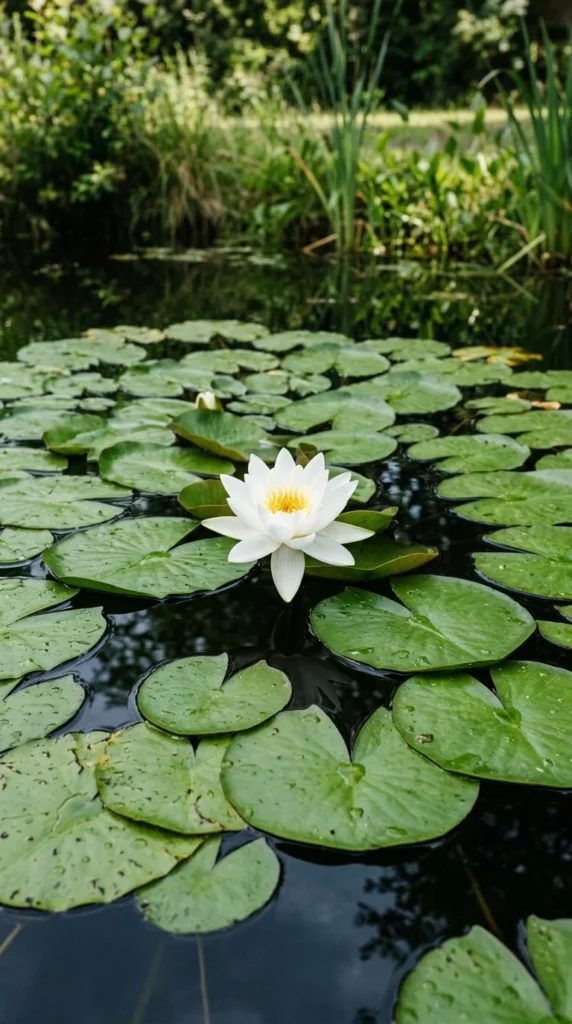
Even the smallest pond can host the elegance of a water lily. Look for “pygmy” or “miniature” varieties specifically bred for small containers. These plants are essential for wildlife as their broad leaves provide shade, which reduces algae growth and offers a hiding place for fish or tadpoles from predators like herons.
6. Log Piles
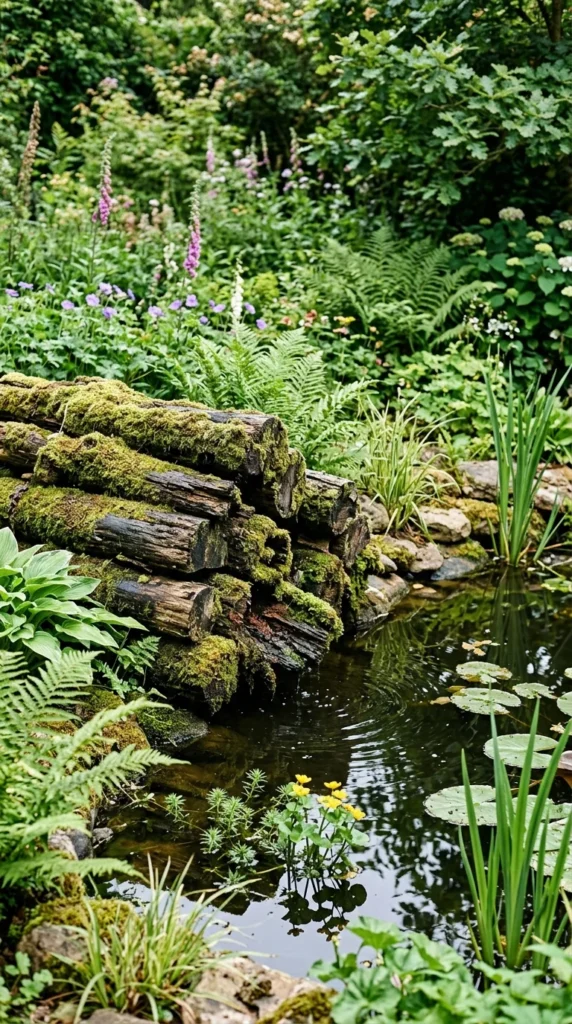
A wildlife pond isn’t just about the water; it’s about the surrounding habitat. Placing a small pile of rotting logs next to your pond creates a “wildlife corridor.” Toads and newts will use the logs as a damp, cool home during the day before emerging at night to hunt. Over time, the wood will decay, attracting beetles and other insects that serve as a food source for your pond’s inhabitants.
7. Solar Fountains
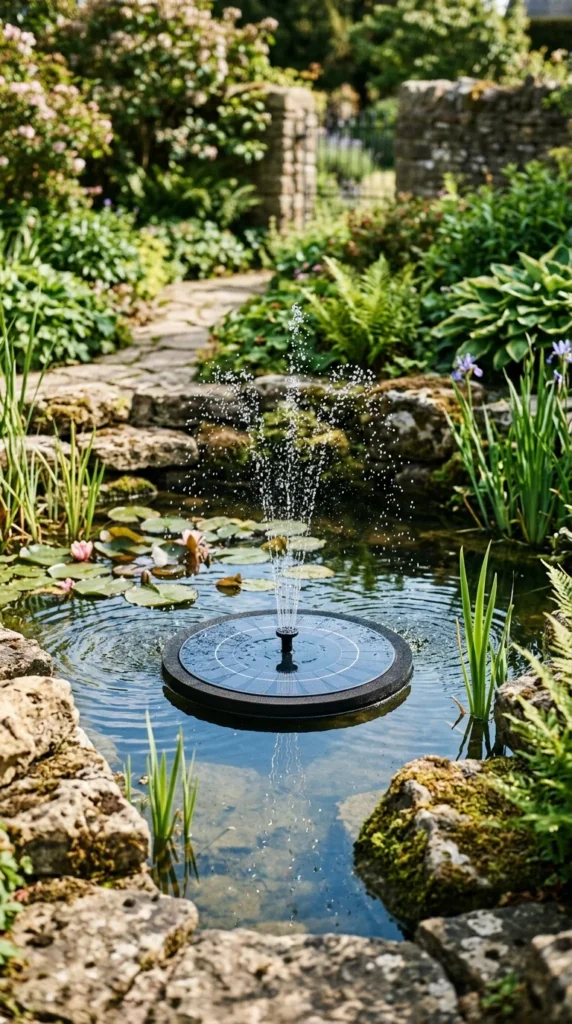
If you want the sound of splashing water without the hassle of outdoor wiring, a solar-powered fountain is the perfect solution. These floating devices harvest energy from the sun to create a gentle plume of water. This movement prevents the water from becoming stagnant and mosquito-ridden, while the fine mist provides a refreshing “shower” for birds on hot days.
8. Pebble Beaches
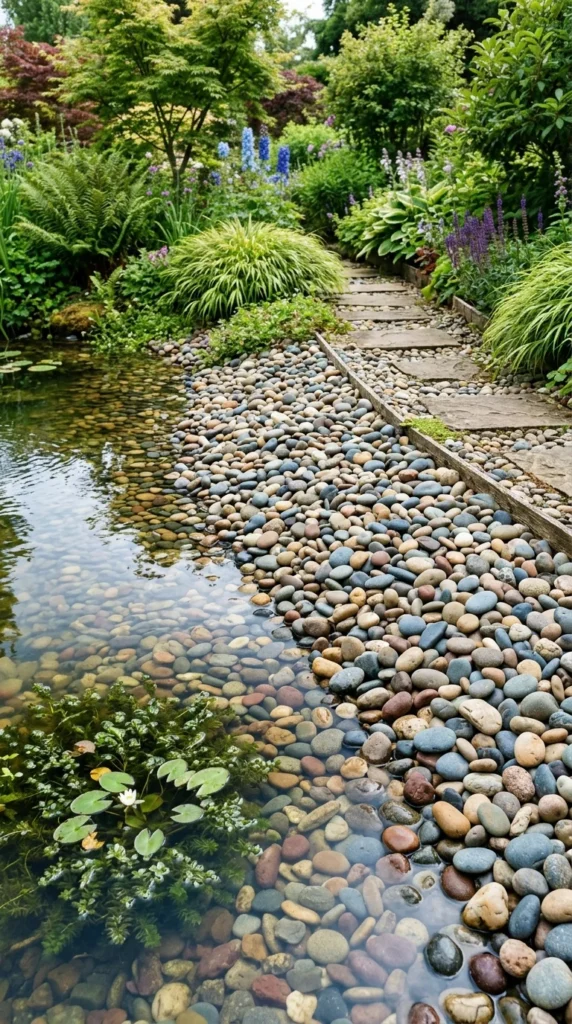
One of the most common mistakes in pond design is having steep, vertical sides. A pebble beach creates a gentle slope that allows animals of all sizes to enter and exit the water safely. Small birds can use the shallow edges to bathe, while bees and butterflies can land on the damp stones to drink without the risk of drowning.
9. Wildlife Ramps
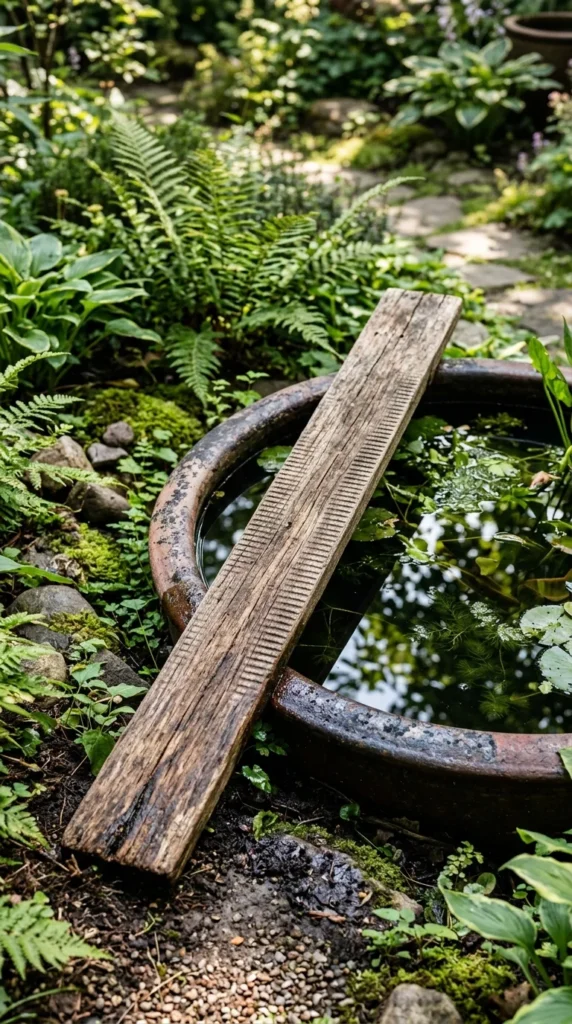
If you are using a steep-sided container like a barrel or a deep trough, a wildlife ramp is a non-negotiable safety feature. A simple piece of rough-sawn wood or a long, flat stone can serve as a ladder. This ensures that if a thirsty creature falls in, they have a clear path to climb back out, making your garden a safe haven rather than a trap.
10. Native Reeds
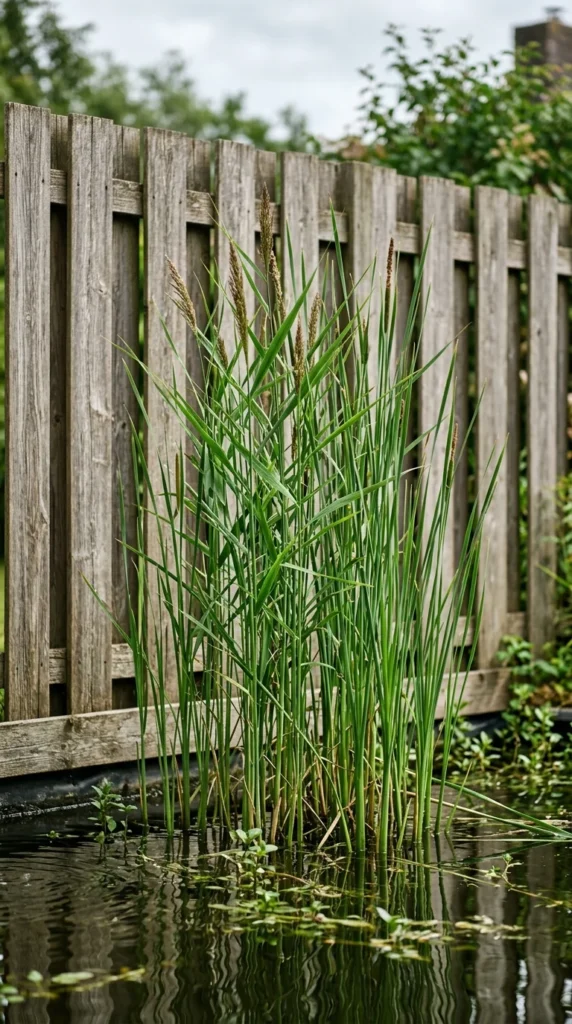
Plants like Lesser Bulrush or Flowering Rush add essential vertical interest to a small pond. They act as “ladders” for dragonfly larvae, which need to climb out of the water to shed their skins and take flight. Native reeds also help filter the water, absorbing excess nutrients and keeping the pond clear naturally.
11. Bird Baths
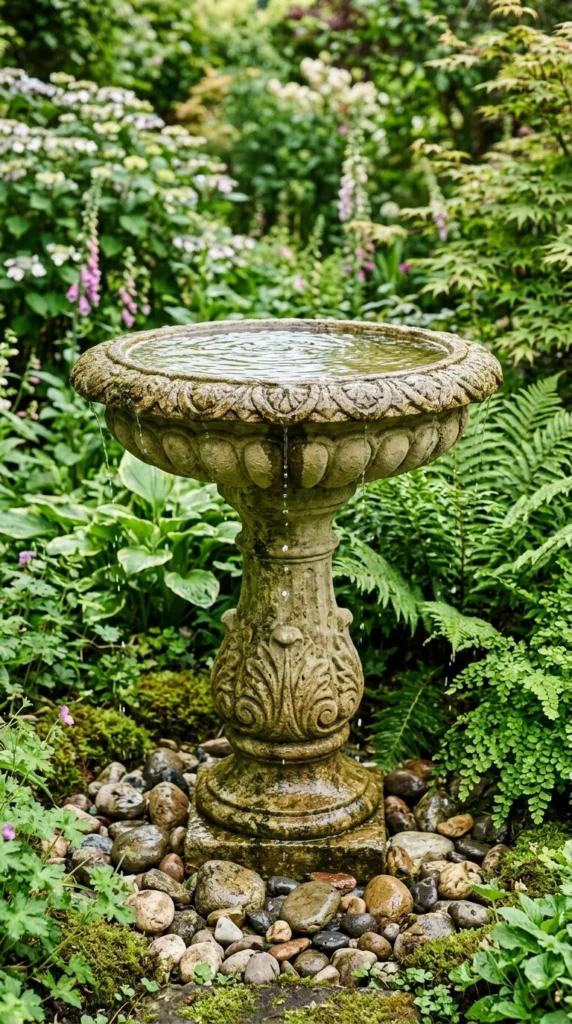
A bird bath can be the centerpiece of a small wildlife garden. To make it more effective, place it near some shrubs or a tree so birds have a quick escape route if a predator appears. Keeping the water clean and topped up daily will ensure you have a constant stream of feathered visitors.
12. Barrel Ponds
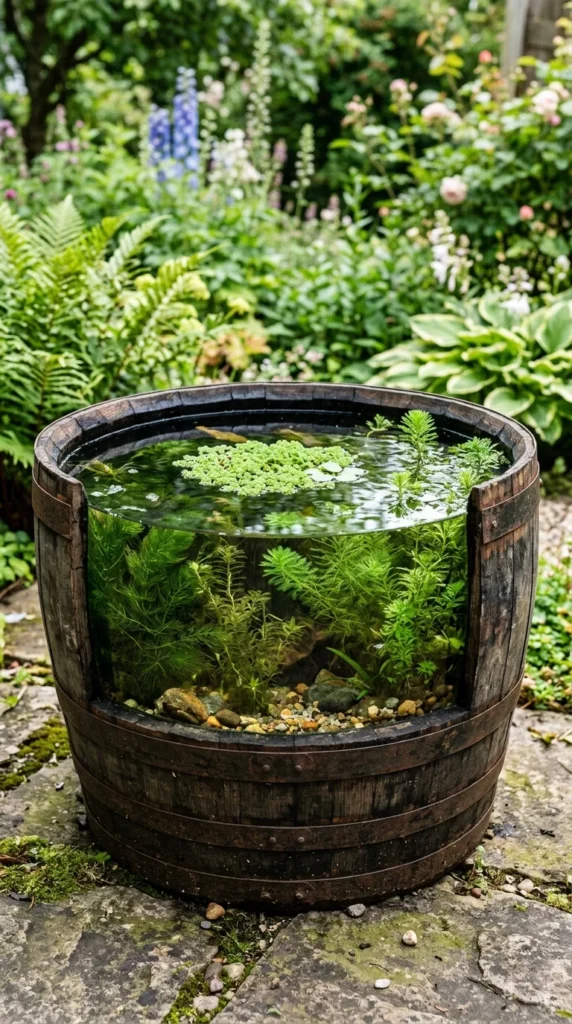
Half-barrels made of oak provide a rustic, farmhouse aesthetic. They are deep enough to host a variety of aquatic life and hold enough water volume to stay relatively stable in temperature. To prevent the wood from rotting or leaking, many gardeners line the inside with a flexible pond liner before filling it with water and plants.
13. Wildlife Islands
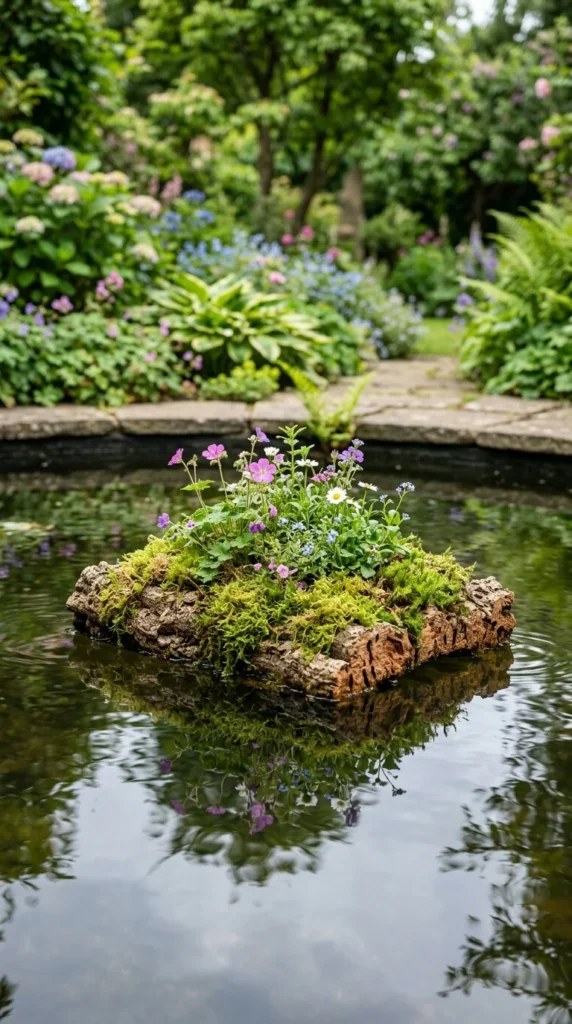
A floating island provides a safe spot for insects to land and birds to rest away from ground predators like cats. You can create one using a piece of untreated cork or a specialized floating planter. Covering the island with moss or low-growing succulents makes it look like a natural part of the pond landscape.
14. Marginal Shelves
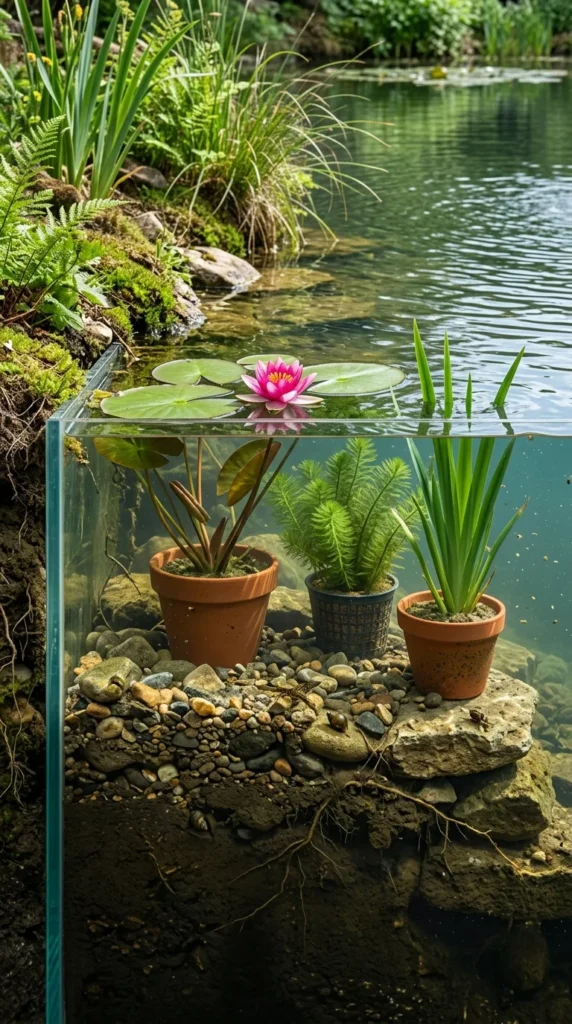
When digging a pond, try to incorporate “shelves” at different depths. A marginal shelf, usually about 6-10 inches deep, allows you to grow a wide variety of plants that like their “feet” wet but their “heads” in the sun. This variety in depth creates different micro-habitats, supporting a wider range of species.
15. Hidden Filtration
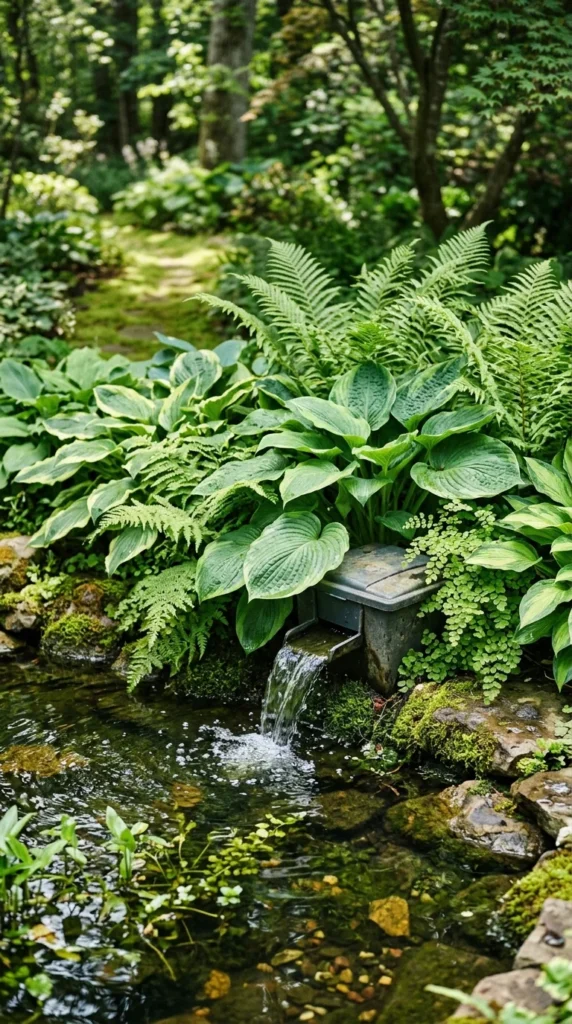
While a well-balanced wildlife pond often stays clear on its own, small ponds can sometimes struggle with algae. Using a small, concealed filter disguised by large-leaved plants like hostas can help keep the water crystal clear. This ensures you can always see the fascinating life moving beneath the surface.
16. Night Lighting
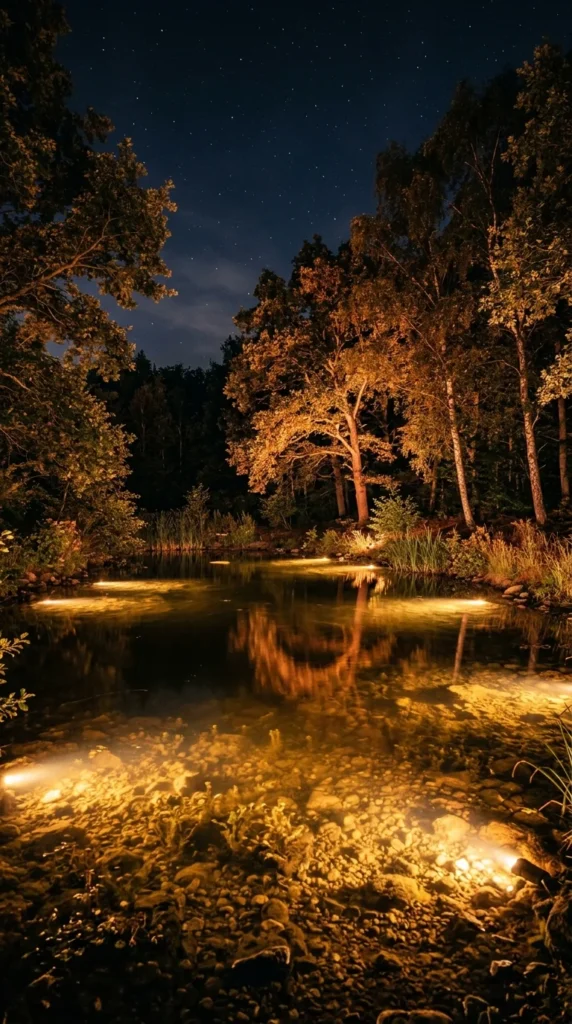
To enjoy your pond after the sun goes down, install subtle, low-voltage lighting. Submerged lights can highlight the movement of fish or the texture of underwater plants, while soft spotlights on the surrounding foliage create a magical, ethereal atmosphere. This also helps you spot nocturnal visitors like frogs and hedgehogs.
17. Stepping Stones
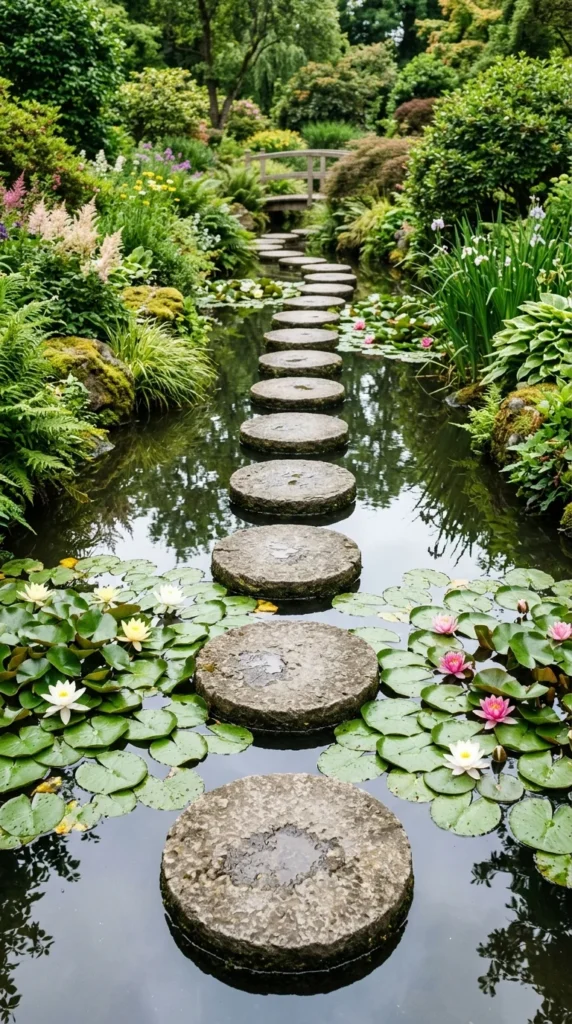
Stepping stones allow you to get “into” the pond environment without getting wet. They provide a unique perspective for observing the wildlife and make maintenance tasks, like trimming back overgrown plants, much easier. Choose stones with a natural, rough texture to prevent slipping.
18. Preformed Liners
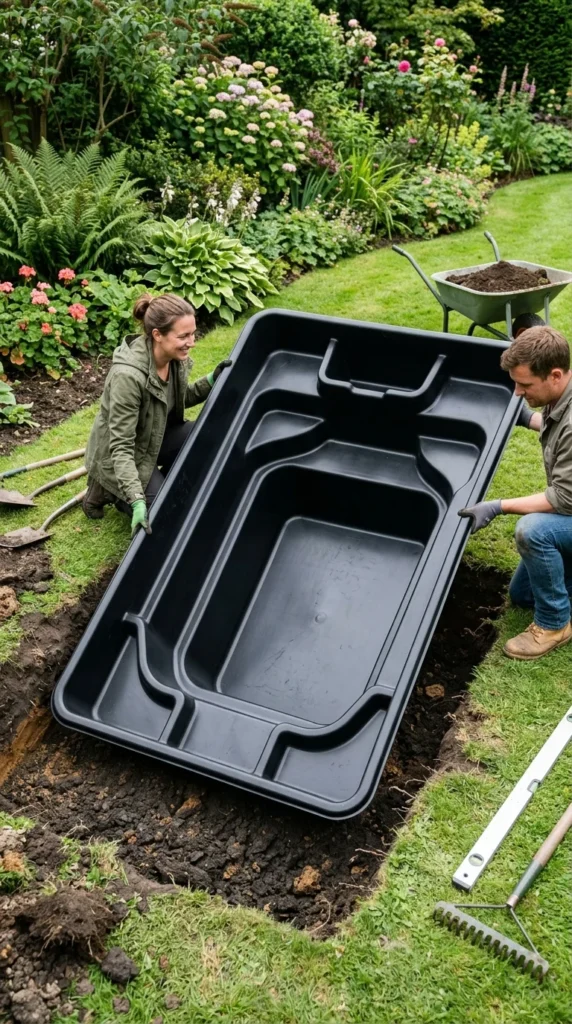
If you’re nervous about shaping a pond yourself, preformed liners are a fantastic option. They come in various shapes and sizes and have built-in shelves for plants. Because they are made of heavy-duty plastic or fiberglass, they are incredibly durable and take the guesswork out of pond depth and levels.
19. Floating Planters
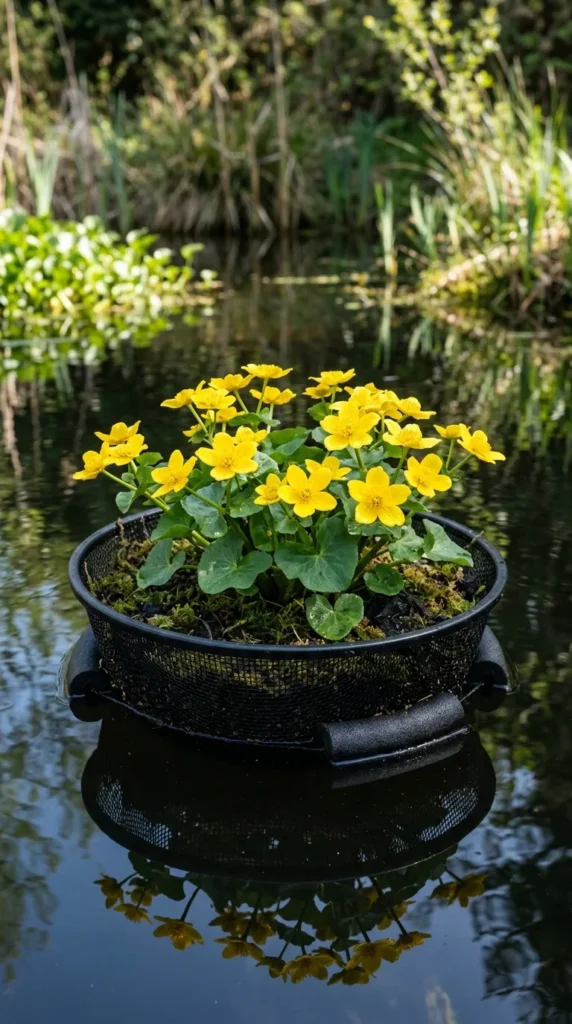
Floating planters are ideal for ponds that are too deep for marginal plants or for adding greenery to the center of a large container. They move with the breeze, adding a dynamic element to the water. They also provide excellent shade for the water below, helping to keep temperatures cool during summer.
20. Mossy Edges
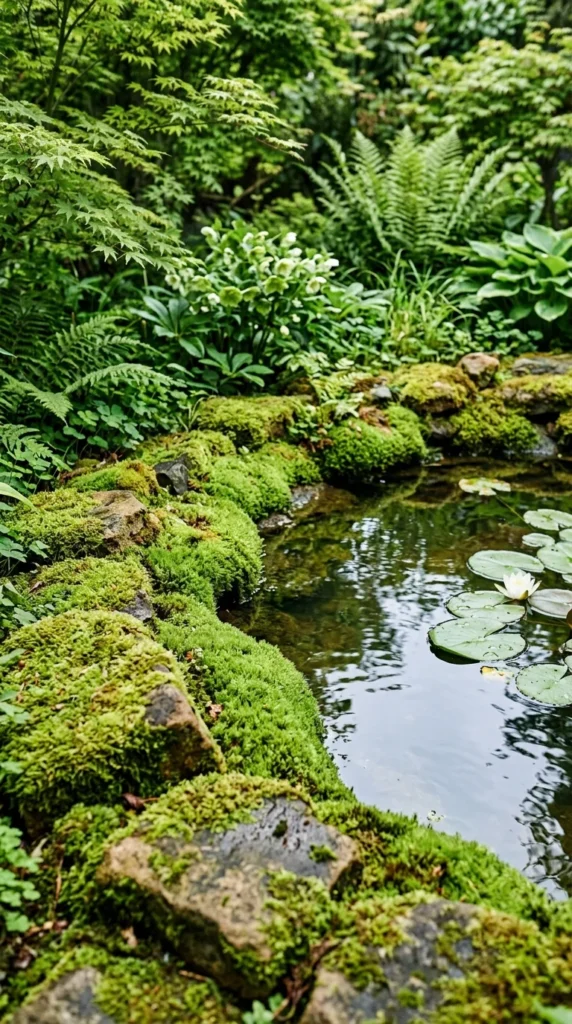
Nothing makes a pond look more established and “wild” than a thick coating of moss. Moss loves the humidity near water and will naturally begin to colonize damp rocks. You can speed up the process by “painting” a mixture of yogurt and crumbled moss onto the stones. This creates a soft, spongy border that frogs love to sit on.
21. Insect Hotels
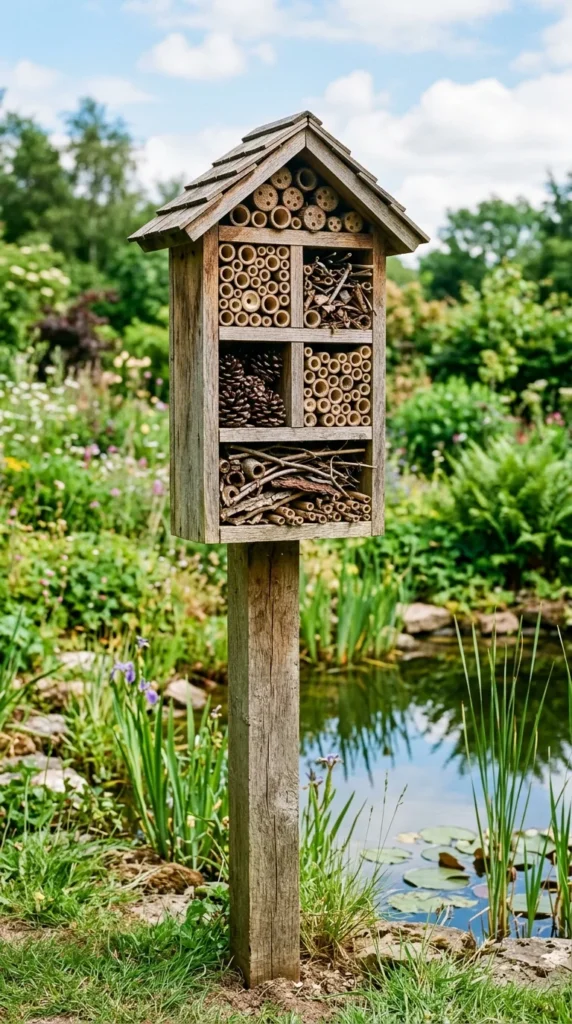
To maximize the biodiversity of your pond area, place an insect hotel nearby. Solitary bees and other pollinators will appreciate having a home close to a water source. This creates a complete ecosystem in a very small footprint, where every element supports another.
22. Wildflower Borders
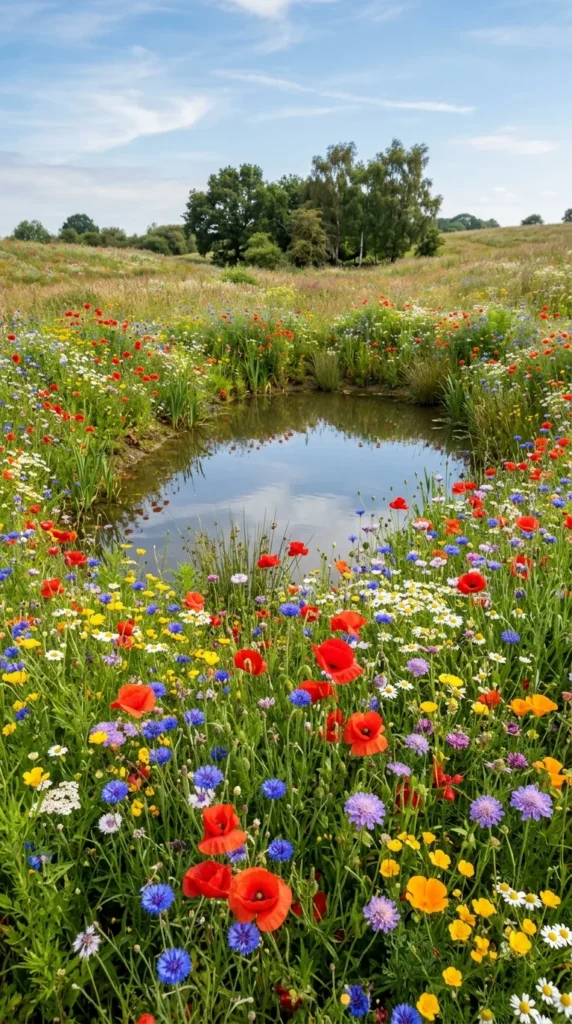
Finally, surround your pond with a border of native wildflowers. This not only looks stunning but also attracts the insects that pond dwellers like frogs and dragonflies eat. A wildflower border provides cover for animals as they move toward the water, making them feel safe and protected in your peaceful backyard sanctuary.