
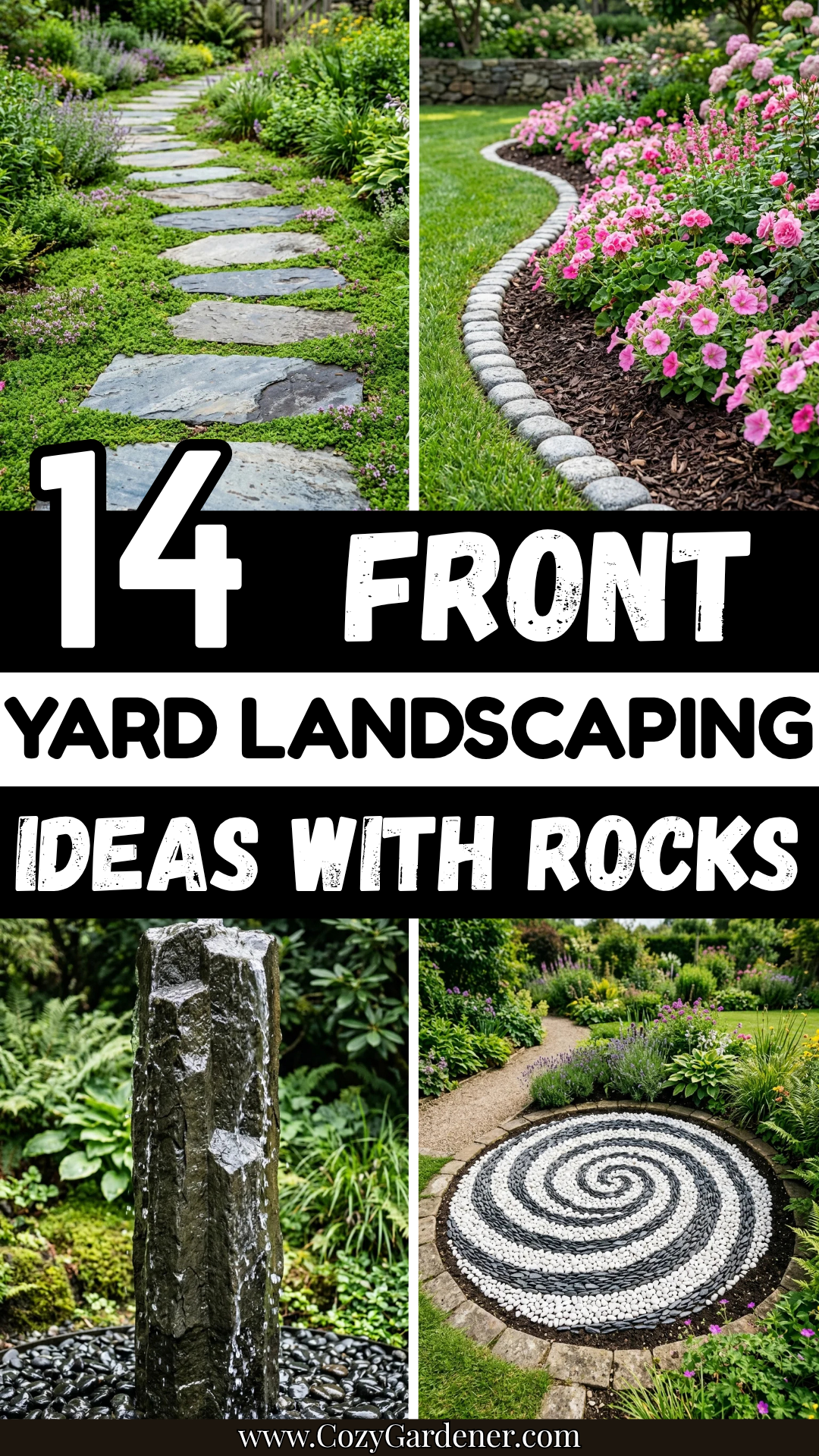
Transforming your front yard from a standard patch of grass into a breathtaking landscape doesn’t always require a green thumb. In fact, some of the most stunning and low-maintenance outdoor spaces rely on “hardscaping”—specifically, the strategic use of rocks. Whether you are dealing with a slope, a shaded corner where grass refuses to grow, or you simply want to boost your home’s curb appeal, stones offer a permanent, textured, and sophisticated solution.
From the rugged charm of oversized boulders to the zen-like serenity of raked gravel, rocks provide structure that plants alone cannot. They stay beautiful through every season, require zero watering, and never need a trim. If you’re ready to trade your lawnmower for a more artistic approach, here are 14 front yard landscaping ideas with rocks that will make your home the envy of the neighborhood.
1. Dry Creeks
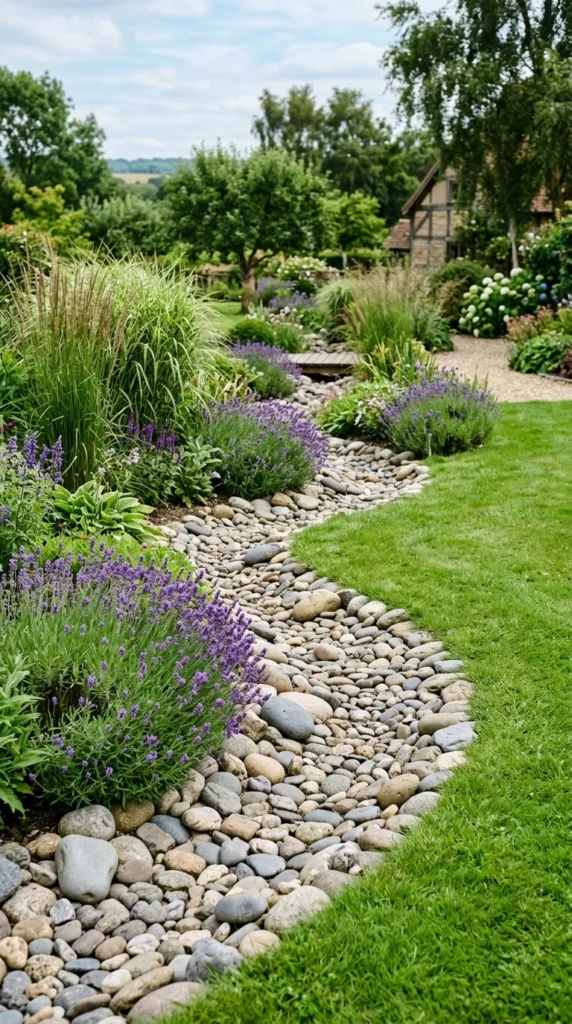
A dry creek bed is one of the most popular ways to incorporate rocks because it serves both a functional and aesthetic purpose. Visually, it mimics the path of a natural stream, adding a sense of movement to a static yard. Functionally, it is an excellent drainage solution. If your yard has a natural slope or a “low spot” where water tends to pool during heavy rain, a dry creek bed can channel that runoff away from your foundation. To make it look authentic, use a variety of stone sizes—large “anchor” rocks on the edges and smaller pebbles in the center—to replicate the way water naturally sorts sediment.
2. Zen Gardens
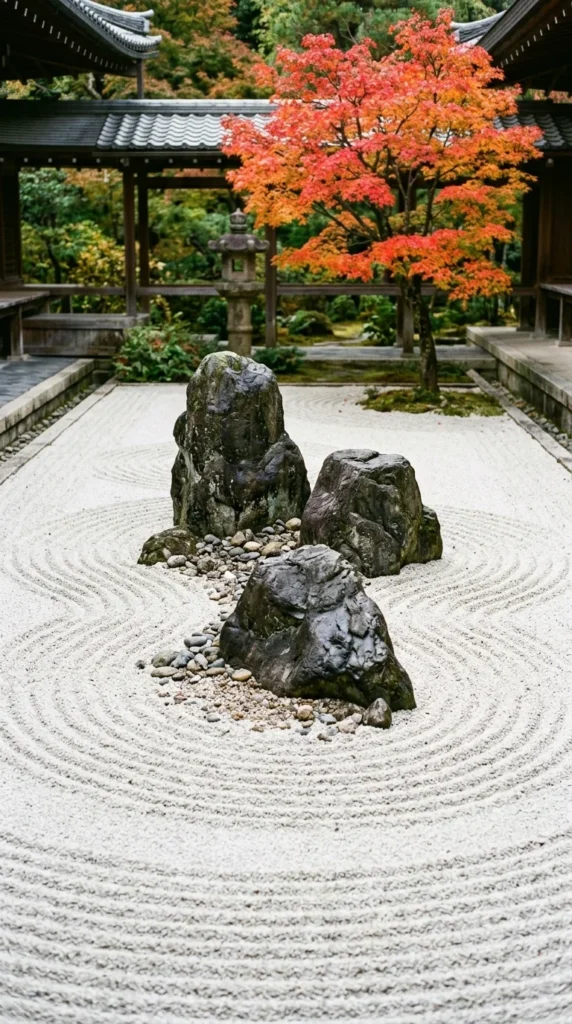
If you prefer a clean, modern, and peaceful aesthetic, a Zen-style rock garden is the perfect choice. This design typically uses fine gravel or crushed granite as a “canvas,” which is then raked into patterns representing water ripples. The focus is on minimalism and balance. By placing a few carefully selected boulders or a single specimen tree (like a Japanese Maple) within the gravel, you create a high-impact focal point that requires almost no maintenance beyond the occasional raking.
3. Flagstone Paths
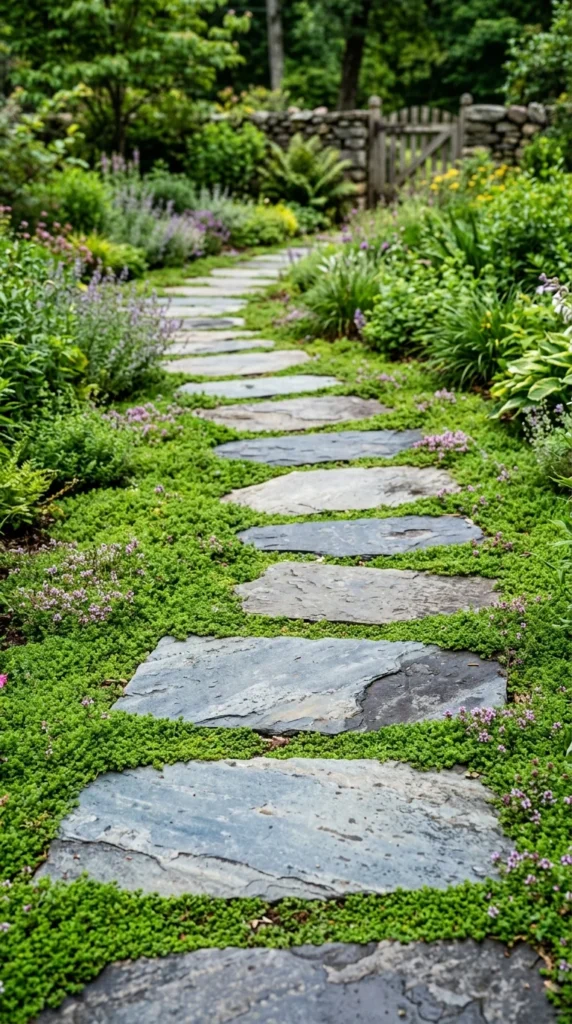
Ditch the traditional concrete sidewalk for a flagstone path. Flagstones are large, flat slabs of natural stone that provide a sturdy walking surface while blending seamlessly into the environment. You can set them close together for a formal look or leave wide gaps between them. For a “living” look, fill those gaps with low-growing groundcovers like Irish Moss or Creeping Thyme. The contrast between the hard, cool stone and the soft, vibrant greenery creates a romantic, cottage-style entrance.
4. Gabion Walls
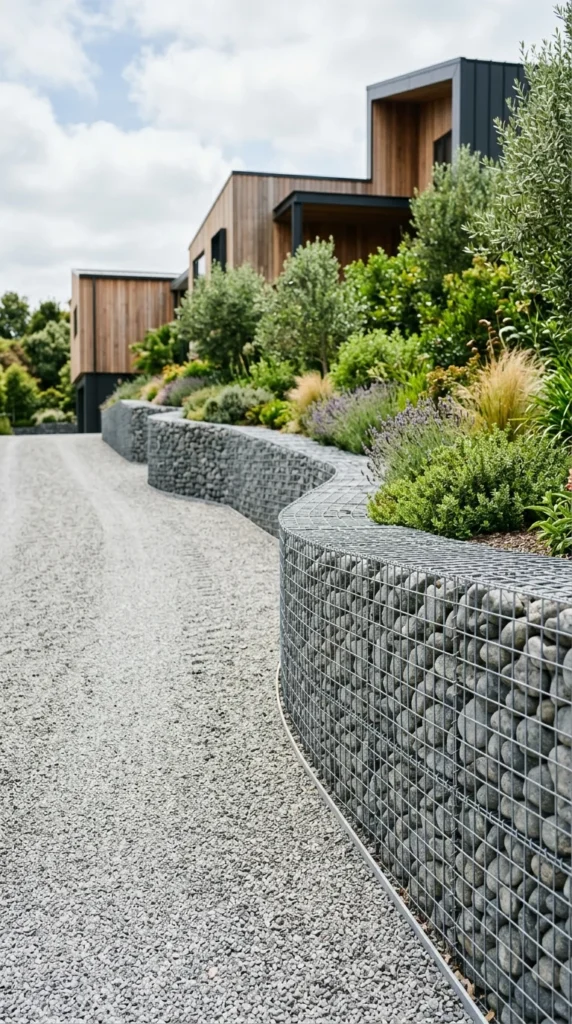
For homeowners with a modern or industrial aesthetic, gabion walls are a game-changer. These are essentially heavy-duty wire cages filled with rocks. While they were historically used for erosion control on hillsides, they have become a staple of contemporary landscape design. You can use them to create low property borders, retaining walls, or even built-in benches. They are incredibly durable, provide excellent drainage, and allow you to showcase beautiful stones that might otherwise be hidden.
5. Desert Xeriscape
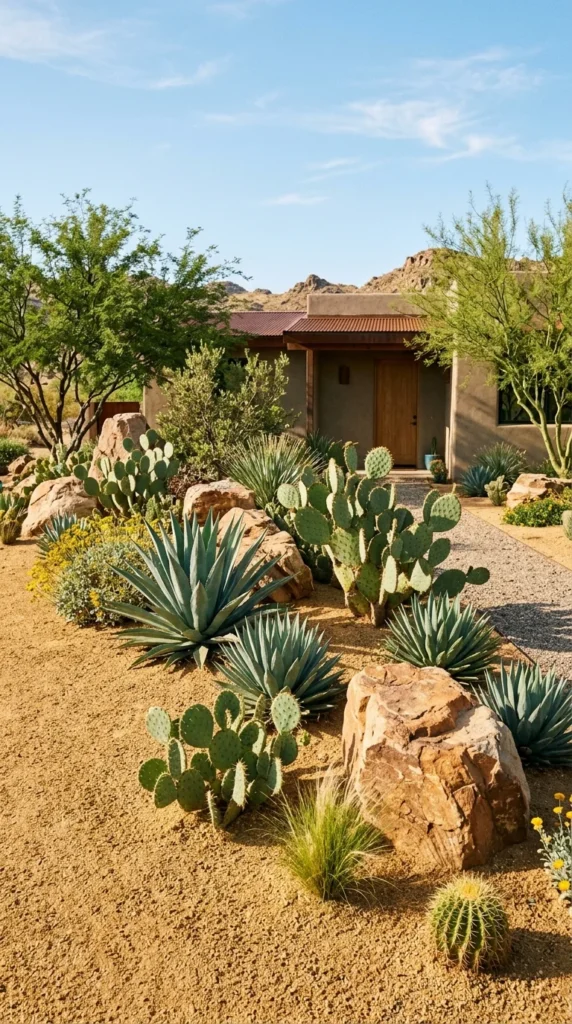
Xeriscaping is the practice of landscaping with slow-growing, drought-tolerant plants to conserve water. In a desert-style yard, rocks aren’t just an accent—they are the foundation. Use a base of crushed stone or decomposed granite in warm earth tones like gold, tan, or terracotta. Intersperse the area with succulents, yuccas, and cacti, then anchor the look with a few large, weather-worn boulders. This look is particularly striking in sunny climates and eliminates the need for a thirsty lawn.
6. Rock Edging
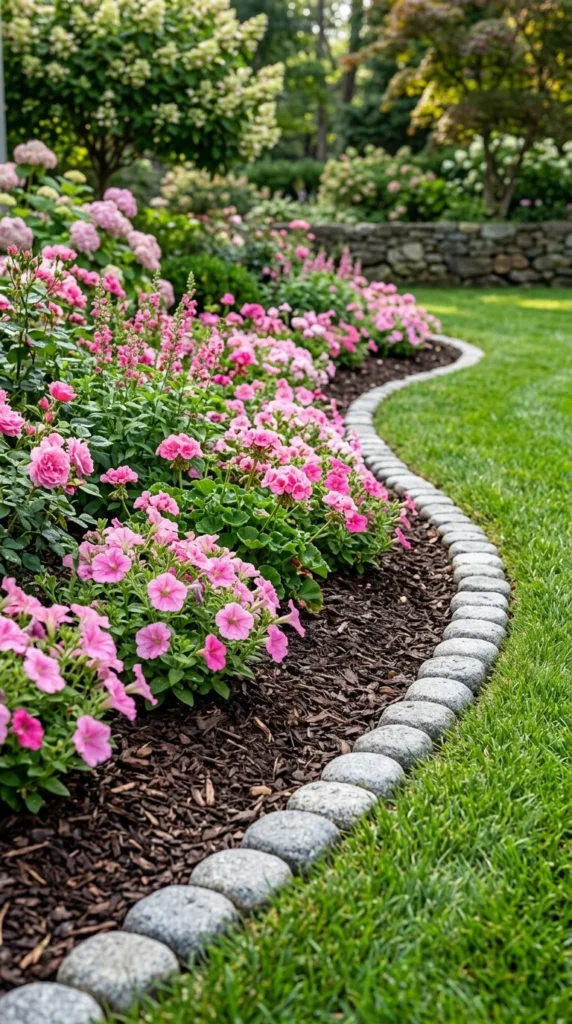
One of the simplest ways to upgrade your yard is by replacing plastic or metal garden edging with natural stone. Using river rocks, cobbles, or even small limestone blocks to define your flower beds creates a crisp, permanent border. It prevents mulch from washing away onto the grass and gives your garden a “finished” look. For a more rustic vibe, use stones of slightly different shapes and sizes; for a formal look, opt for uniform, machine-cut stones.
7. Boulder Accents
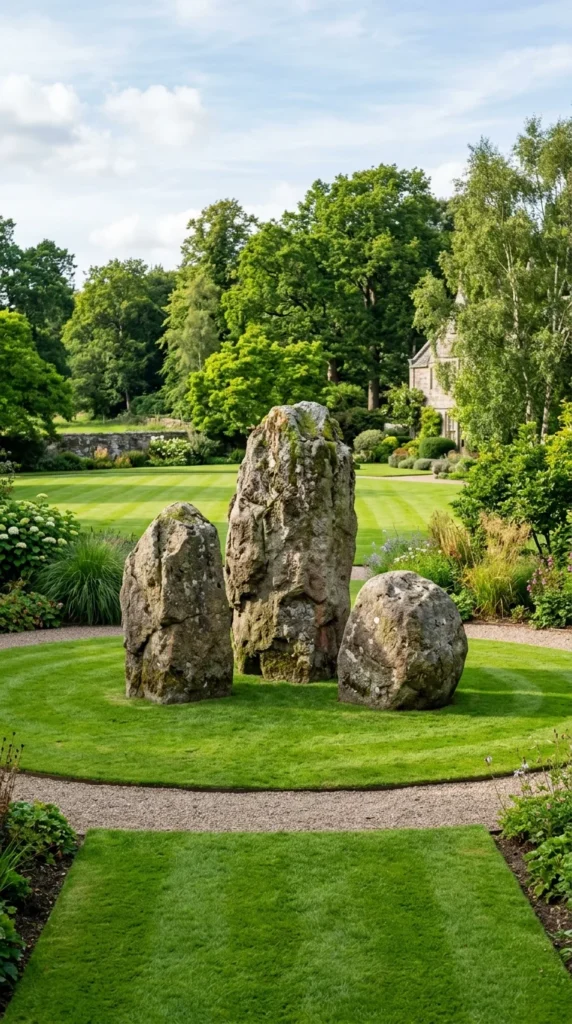
Sometimes, less is more. You don’t need a whole field of stones to make an impact. Incorporating “specimen boulders” can act as natural sculptures in your front yard. The key to making boulders look like they belong is to “plant” them. Rather than sitting them on top of the grass, dig a shallow hole and bury the bottom third of the rock. This makes it look like a natural outcropping that has been there for centuries. Grouping them in odd numbers (like threes or fives) usually creates the most pleasing visual balance.
8. Stepping Stones
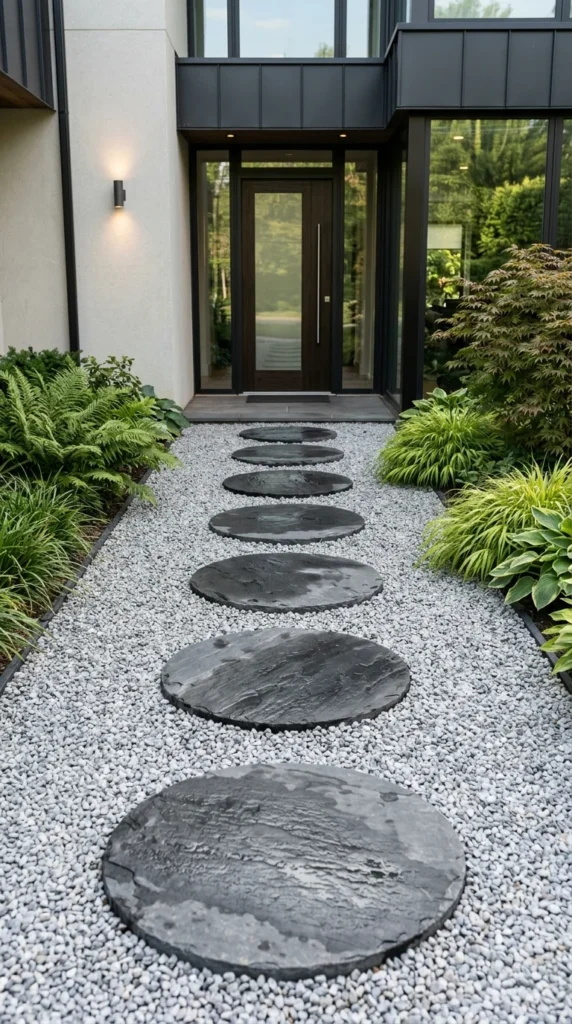
Stepping stones offer a more playful and minimalist alternative to a solid path. Large, flat rocks—whether they are circular slate discs or organic-shaped fieldstones—can be used to create a “floating” path through a bed of gravel or mulch. This is an excellent way to guide guests to your front door or around the side of the house while maintaining a high-contrast, graphic look.
9. Water Features
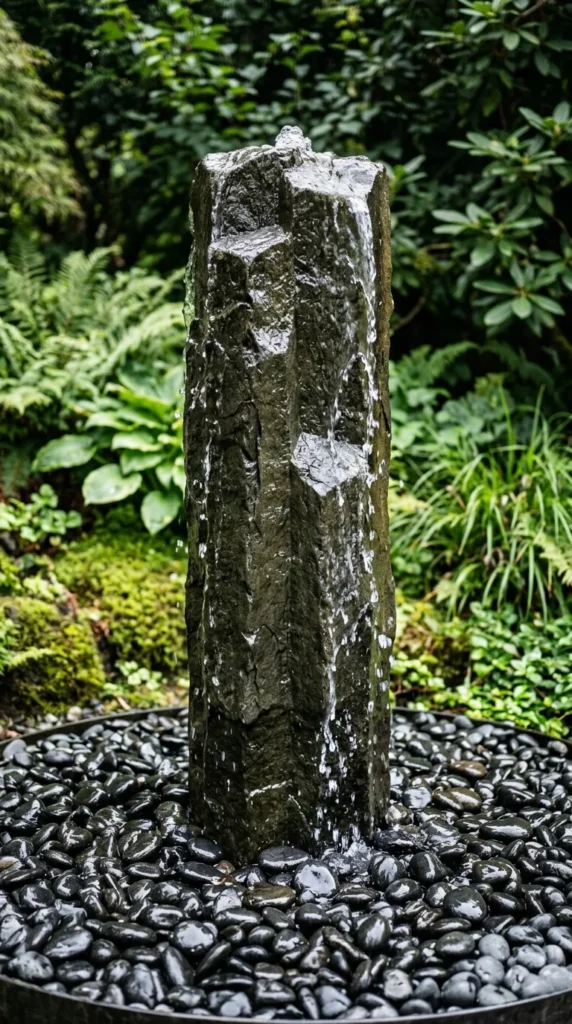
The sound of trickling water is the ultimate way to boost the “serenity factor” of your home. A rock-based water feature, such as a bubbling basalt column or a tiered stone fountain, adds texture and sound without the maintenance of a full-scale pond. The water disappears into a hidden reservoir beneath a bed of decorative pebbles, making it safe for families with small children and easy to maintain.
10. Retaining Walls
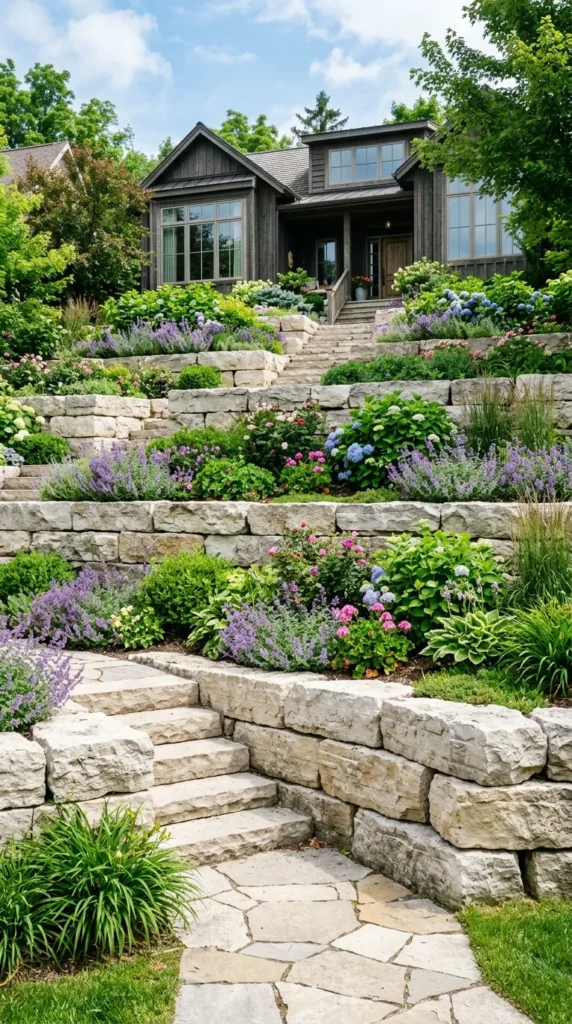
If your front yard is on a hill, rocks are your best friend. Building a retaining wall out of stacked stone allows you to “terrace” the land, creating flat areas for planting. Natural stone walls feel much more integrated into the landscape than concrete blocks. You can use large, heavy blocks for a sense of permanence or smaller, “dry-stack” stones for a charming, Old-World look.
11. Pea Gravel
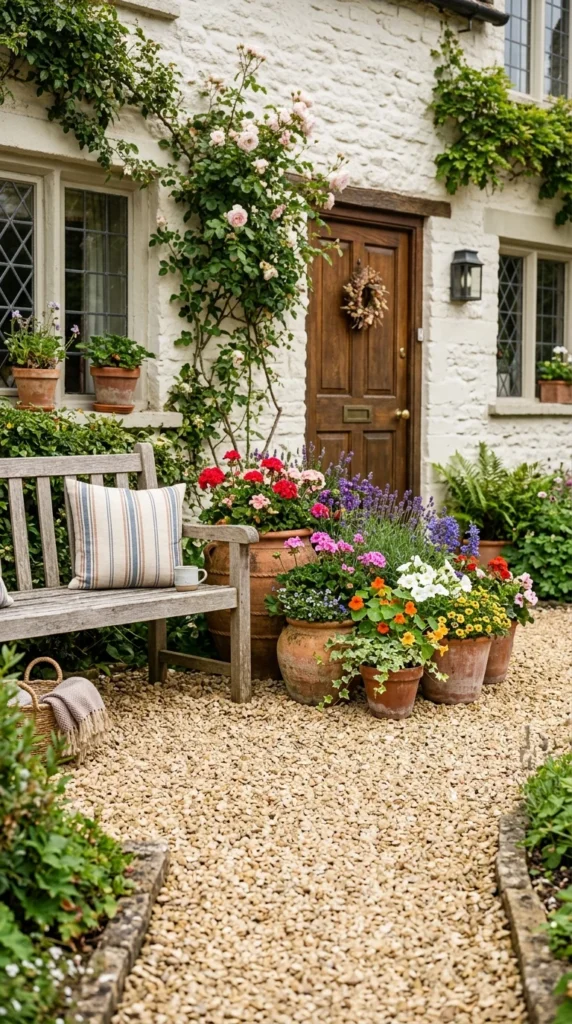
Pea gravel is a versatile and affordable material that can replace a traditional porch or lawn area. It’s soft underfoot, crunchy to walk on (which provides added security as you can hear people approaching), and incredibly easy to install. Use it to create a small “seating nook” in your front yard or as a clean, permeable surface around a focal tree. It provides a Mediterranean or European courtyard feel that is both casual and elegant.
12. Lava Rocks
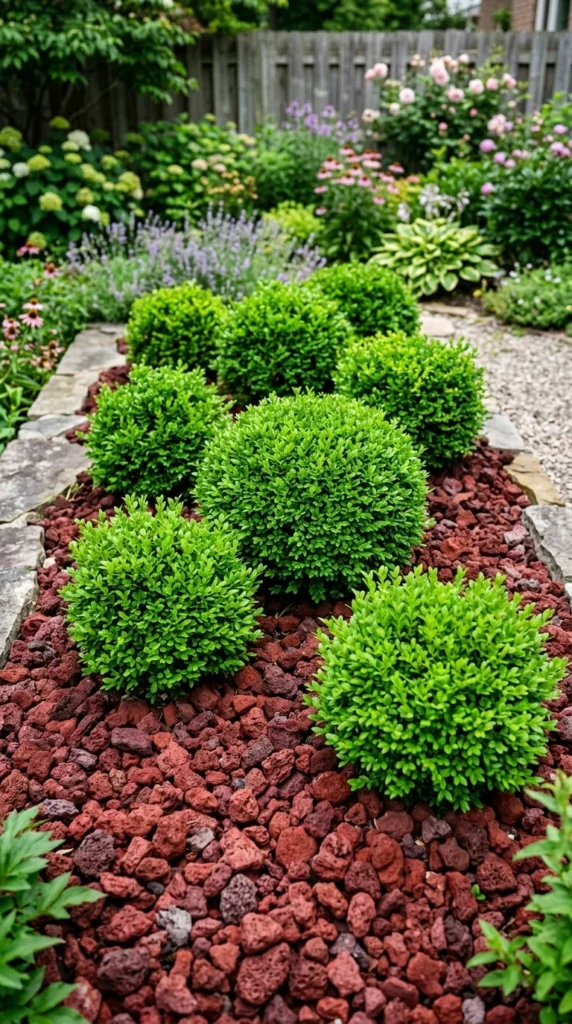
Lava rocks are lightweight, porous, and come in striking colors like deep red and charcoal black. Because they are volcanic, they retain heat and don’t decompose like wood mulch. They are perfect for homeowners who want a high-contrast look that highlights their plants. Use red lava rocks to warm up a garden with lots of greenery, or black lava rocks for a sleek, ultra-modern look against white siding.
13. Alpine Gardens
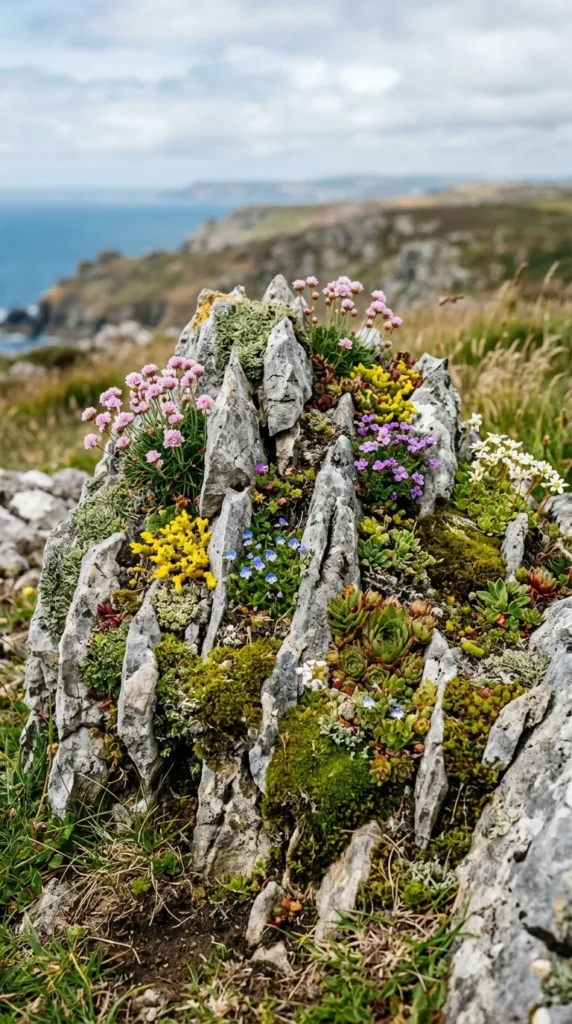
An alpine garden (or “rockery”) is designed to mimic the high-altitude environments where plants grow in the cracks of mountainsides. This is a great project for a small corner of the yard. By mounding soil and embedding jagged rocks at various angles, you create “pockets” where small, hardy plants like sedum, hens-and-chicks, and creeping phlox can thrive. It’s a miniature landscape that offers a lot of detail in a small footprint.
14. Spiral Designs
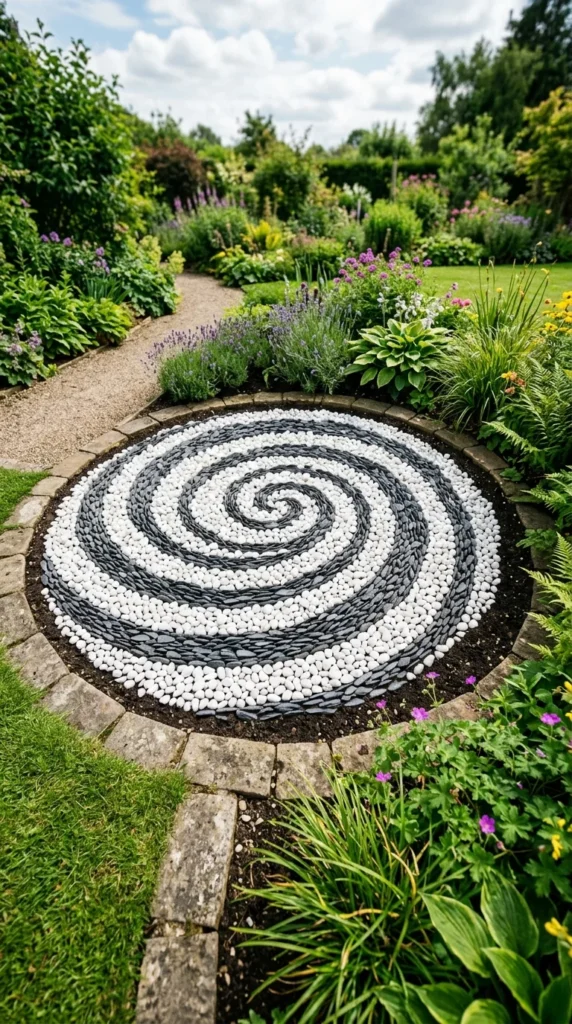
For the homeowner who wants something truly unique, rocks can be used to create geometric patterns or mosaics on the ground. A rock spiral is a meditative and artistic feature that can be built using different colored stones to create contrast. Whether it’s a simple spiral or a complex mandala pattern, using stones of varying textures and colors allows you to “paint” a permanent picture on your lawn that requires no water and never fades.