
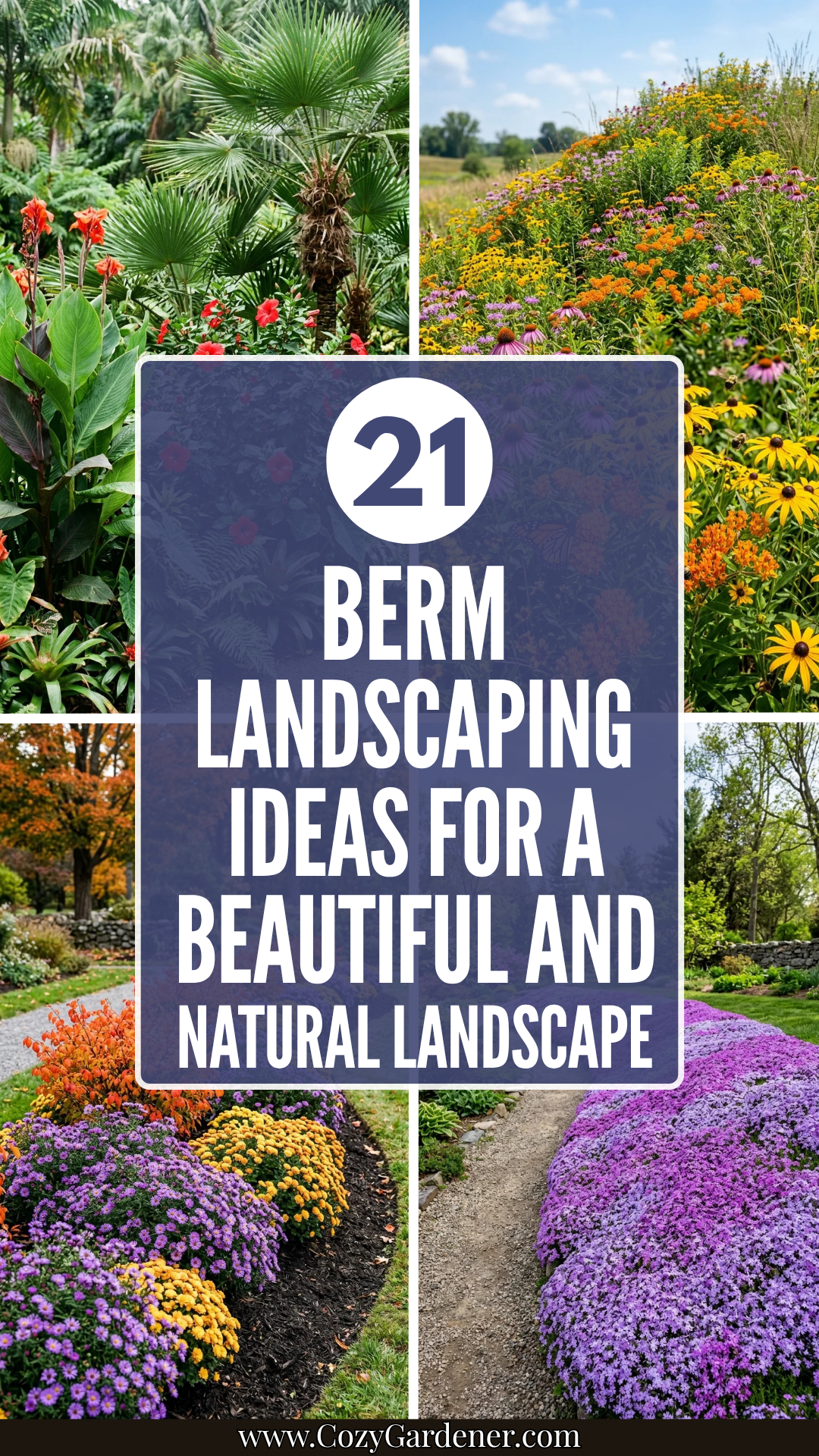
A berm is more than just a pile of dirt; it is a powerful tool in a landscape designer’s arsenal. These raised mounds of earth serve multiple purposes: they add vertical interest to a flat yard, improve drainage in swampy areas, create privacy from nosy neighbors, and even dampen street noise. When executed correctly, a berm looks like a natural extension of the terrain rather than an artificial addition.
Whether you are looking to create a focal point in your front yard or a secluded sanctuary in the back, here are 21 creative and practical berm landscaping ideas to transform your outdoor space.
1. Rock Gardens
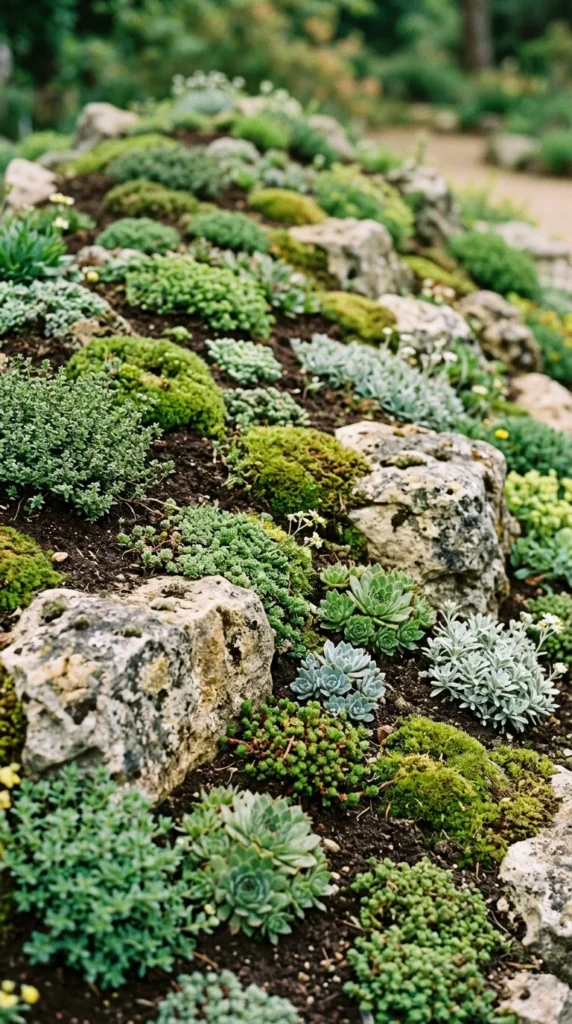
Incorporating rocks into a berm is the most effective way to make the structure look natural. By nesting large boulders and smaller river stones into the slope, you mimic the appearance of a rocky outcropping. The key is to bury the boulders at least one-third of the way into the soil to ensure they look “sunken” and permanent rather than just sitting on top. Complement the stone with drought-tolerant succulents or alpine plants that thrive in the well-drained soil typical of elevated mounds.
2. Ornamental Grasses
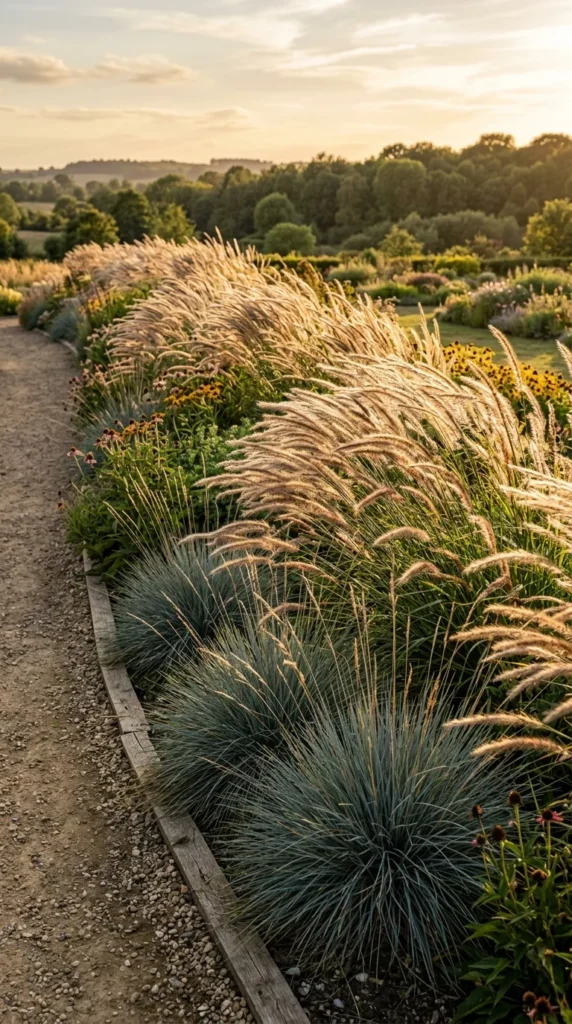
Ornamental grasses are a berm’s best friend. Because berms are elevated, they catch the wind more easily than flat ground. Planting varieties like Miscanthus, Pennisetum, or Switchgrass adds dynamic movement and a soothing rustling sound to your garden. These grasses also provide multi-seasonal interest, standing tall through the winter and providing texture even when the rest of the garden has gone dormant.
3. Privacy Screens
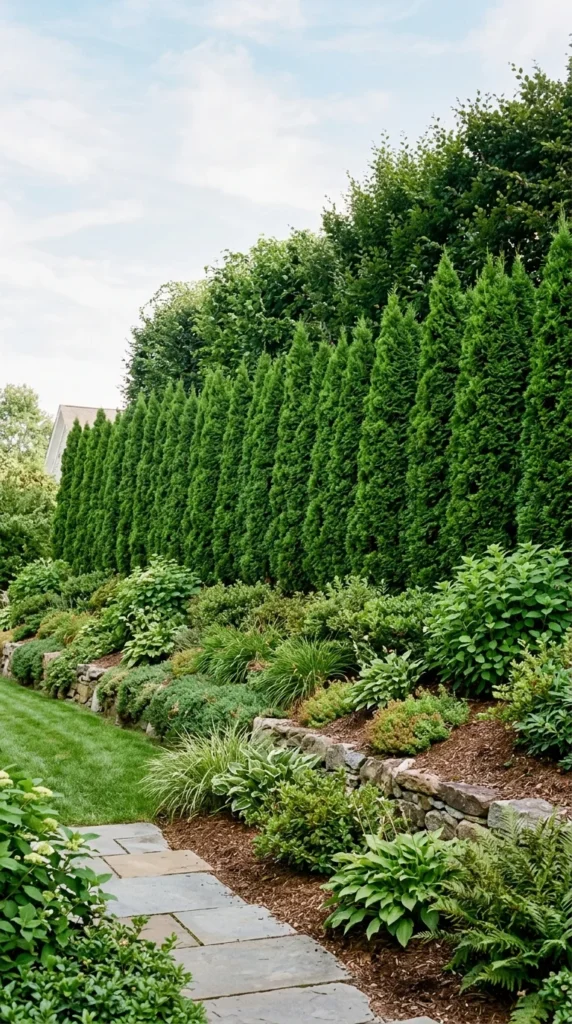
If you need a fence but want something more organic, a berm is the perfect solution. By building a mound two to three feet high and planting it with upright evergreens or dense shrubs, you gain immediate height without needing a tall, expensive fence. This “living wall” effectively blocks sightlines and provides a lush, green backdrop for the rest of your landscape.
4. Waterfall Features
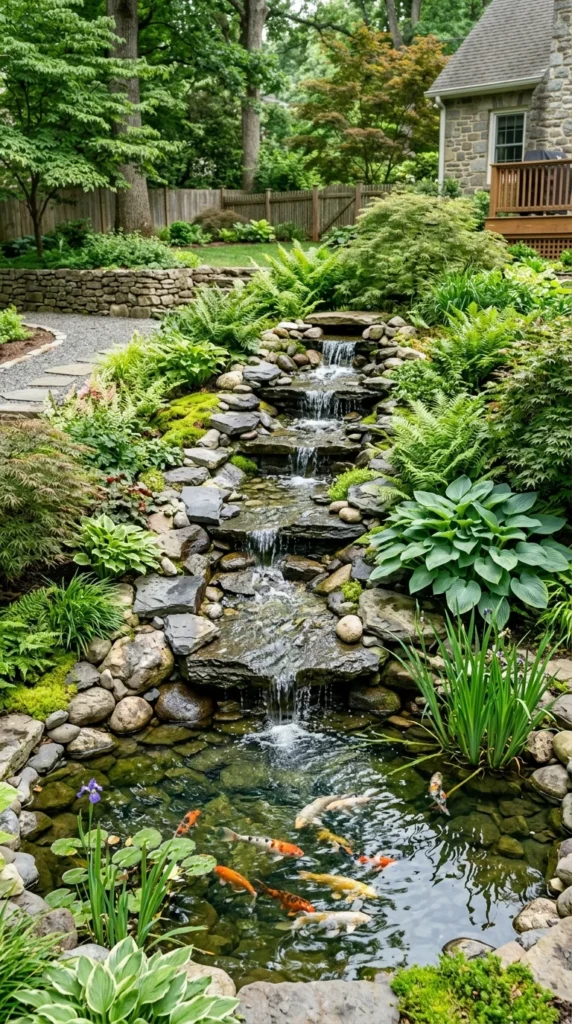
One of the biggest challenges of installing a backyard waterfall is creating the necessary elevation. A berm provides the perfect natural incline. By building a waterfall into the side of a berm, you can create a dramatic water feature that looks like it’s flowing directly out of the earth. The elevation allows the water to tumble over stones, creating that sought-after splashing sound that masks urban noise.
5. Native Wildflowers
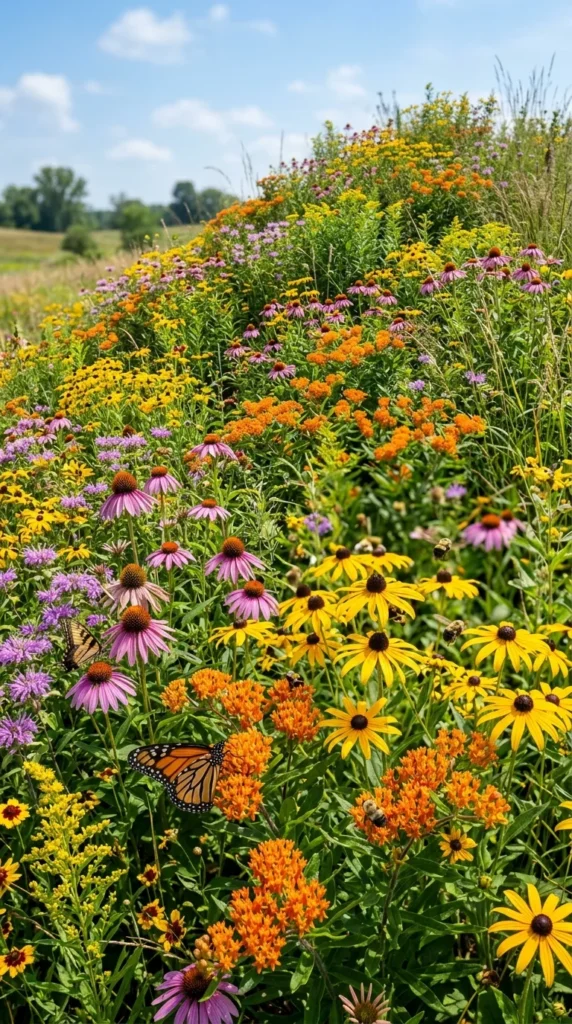
For a low-maintenance and eco-friendly approach, turn your berm into a pollinator paradise. Native wildflowers are adapted to your local climate and soil conditions, meaning they require less water and fertilizer once established. The raised nature of the berm provides the excellent drainage that many wildflowers crave, preventing “wet feet” during rainy seasons while showcasing a colorful, meadow-like aesthetic.
6. Tiered Retaining
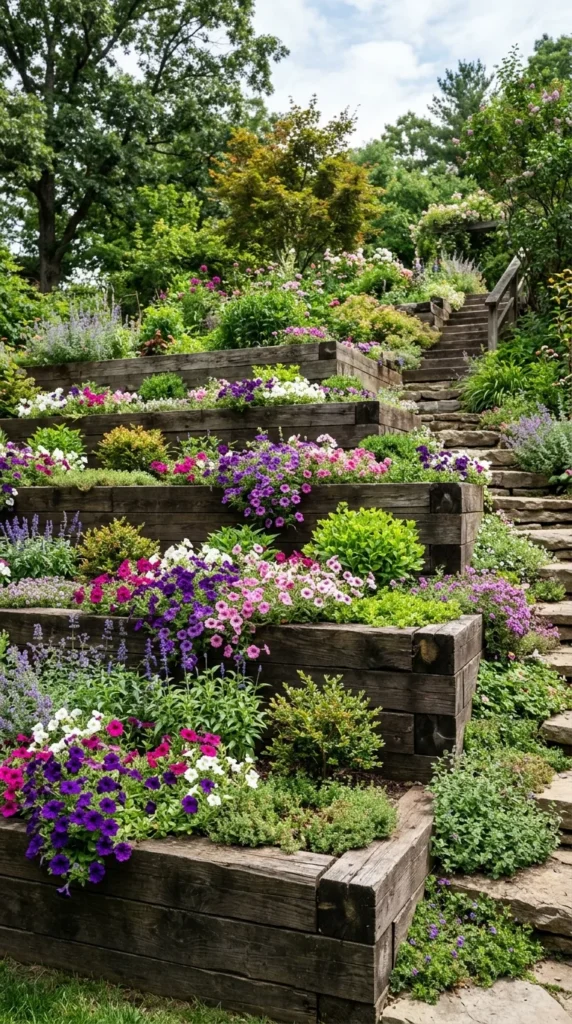
On steeper berms where erosion might be a concern, tiered retaining walls are a functional and stylish choice. You can use timber, stacked stone, or concrete blocks to create “steps” up the mound. This not only prevents soil runoff during heavy rain but also creates distinct planting pockets, allowing you to organize your garden by height, color, or plant type.
7. Evergreen Backdrops
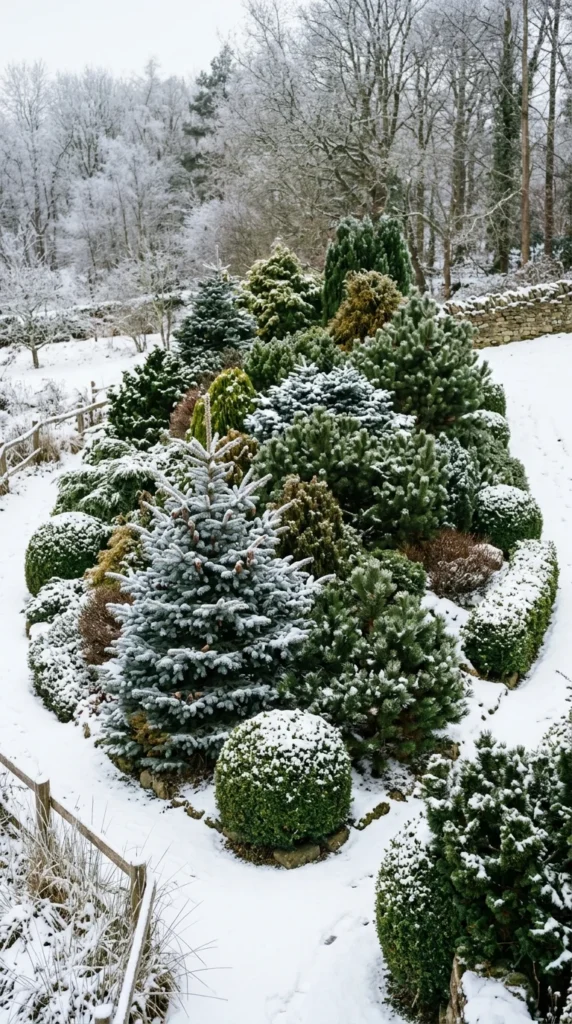
To ensure your berm looks good 365 days a year, prioritize evergreens. While deciduous plants lose their leaves in autumn, evergreens like Junipers, Mugo Pines, and Yews maintain their structure and color. Mixing different shades of green, blue-gray, and gold-tipped evergreens creates a rich tapestry that anchors the landscape regardless of the season.
8. Xeriscape Design
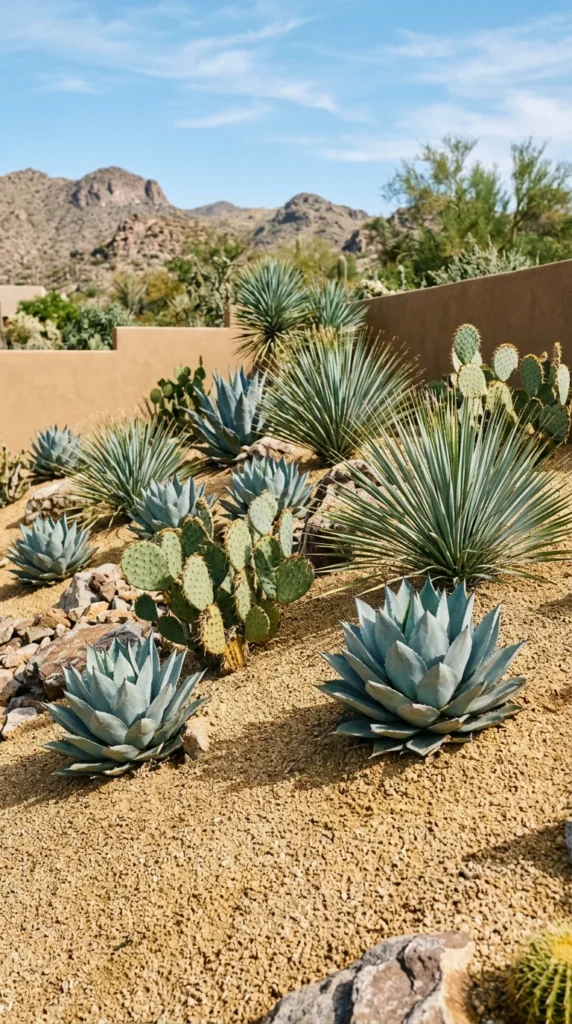
In arid climates or for homeowners looking to conserve water, a xeriscaped berm is an excellent choice. Since berms drain water away quickly, they are the ideal environment for cacti, yuccas, and agaves. Use gravel or crushed stone as mulch instead of wood chips to reflect heat and provide a clean, modern look that requires almost zero irrigation.
9. Cottage Garden
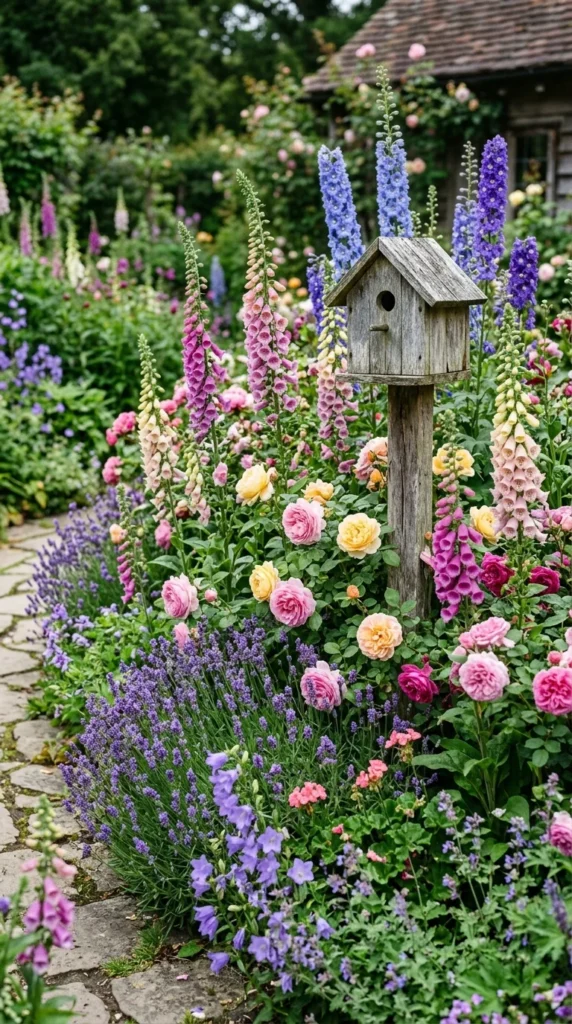
The elevation of a berm allows you to display “layers” of flowers more effectively than a flat bed. In a cottage-style berm, you can plant taller hollyhocks and foxgloves at the peak, with medium-height roses in the middle and low-growing lavender or pinks at the base. This creates a wall of color and fragrance that feels romantic and traditional.
10. Shade Plants
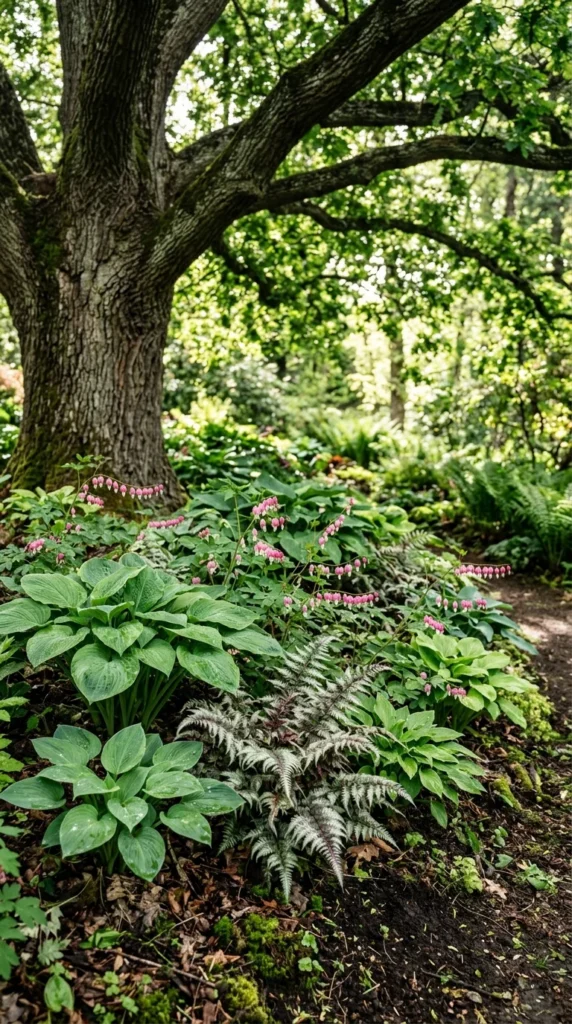
If your berm is situated under large trees, embrace the shade. Use the mound to lift shade-loving plants closer to eye level. Hostas, with their wide variety of leaf patterns and sizes, are the stars here. Add ferns for texture and Heuchera (Coral Bells) for pops of deep purple or lime green foliage. The berm’s drainage is particularly beneficial here, as it prevents the roots of these plants from rotting in heavy shade.
11. Statement Boulders
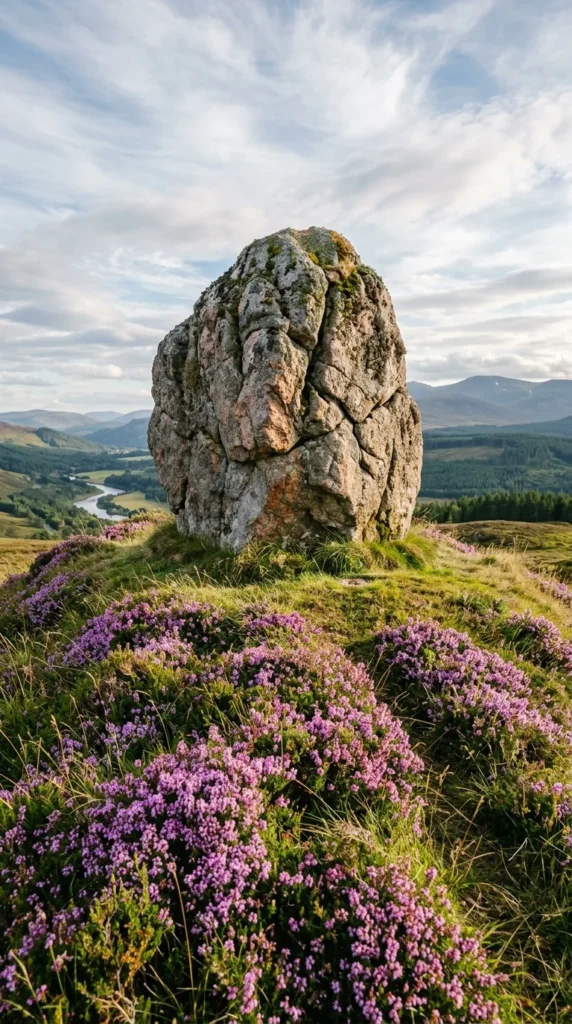
Sometimes, less is more. Instead of many small rocks, choose one or two massive “statement” boulders as the focal point of your berm. These large stones provide a sense of permanence and grandeur. Surround the base of the boulder with a single type of groundcover to let the natural texture and shape of the stone take center stage.
12. Meandering Paths
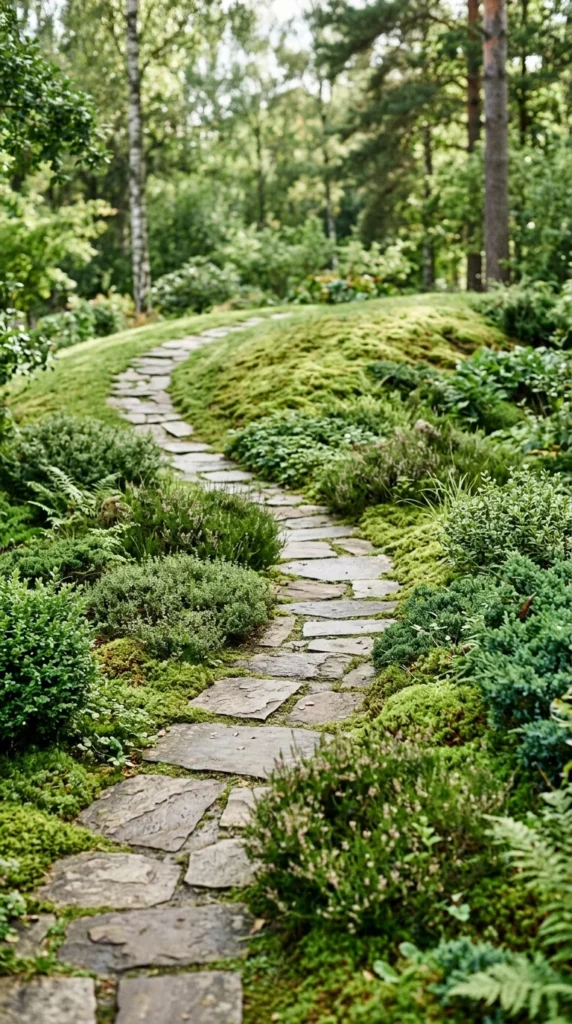
A berm doesn’t have to be something you only look at; it can be something you walk through. Incorporating a winding stone or mulch path that leads over the crest of the berm adds a sense of mystery to the garden. It invites visitors to explore the space and see the plants from different angles and elevations.
13. Tropical Oasis
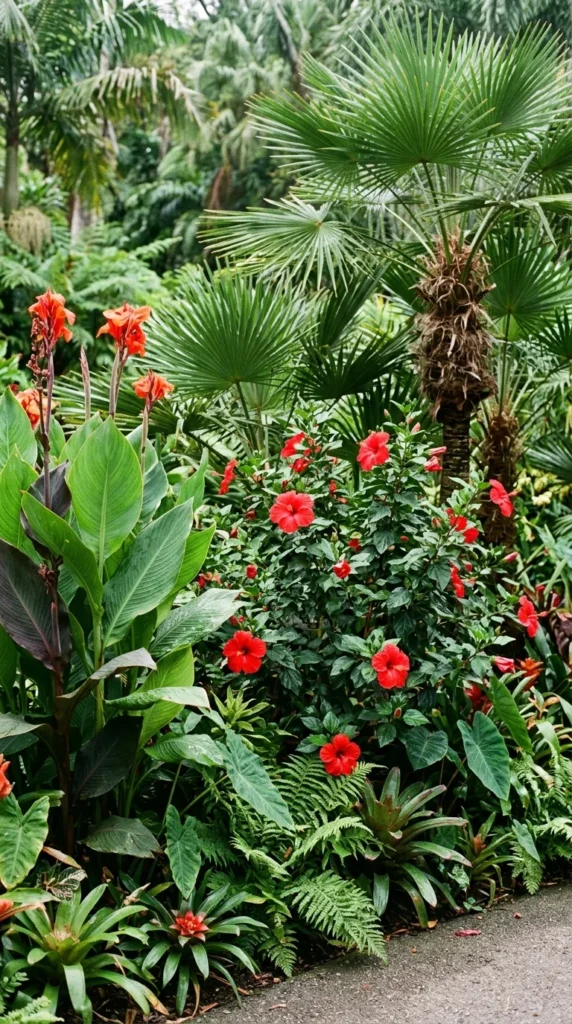
If you live in a warmer climate (or want to fake it during the summer), a tropical-themed berm can make your backyard feel like a resort. The height of the berm helps to showcase the dramatic foliage of elephant ears and the vibrant blooms of bird of paradise. Use dark, rich wood mulch to contrast with the bright greens and neon florals.
14. Seasonal Color
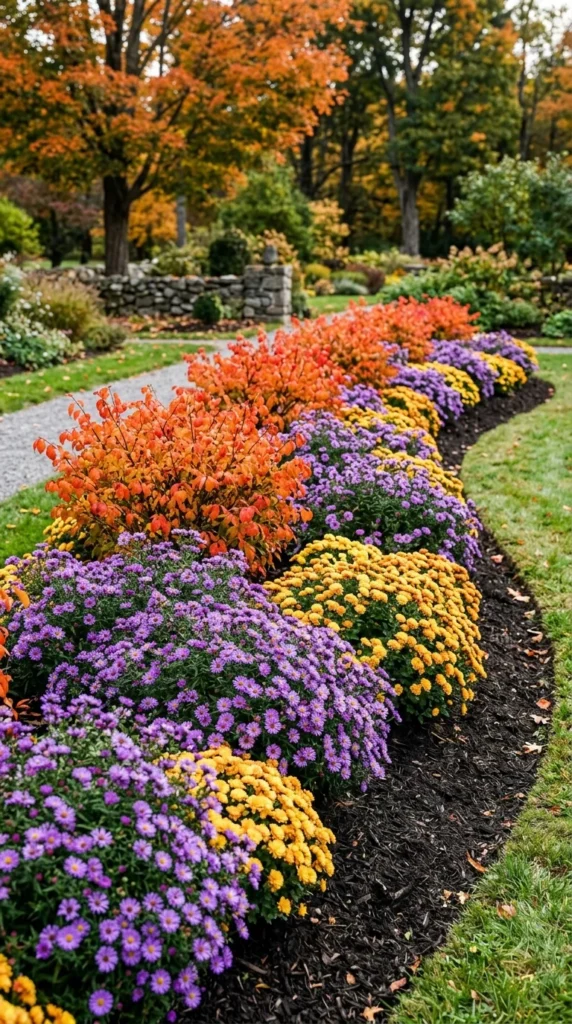
Plan your berm with a “relay race” of color in mind. Start with spring bulbs like tulips and daffodils at the base, move to summer lilies and salvias, and finish with fall-blooming sedum and ornamental kale. By selecting plants that bloom at different times, the berm remains a focal point for the majority of the year.
15. Specimen Trees
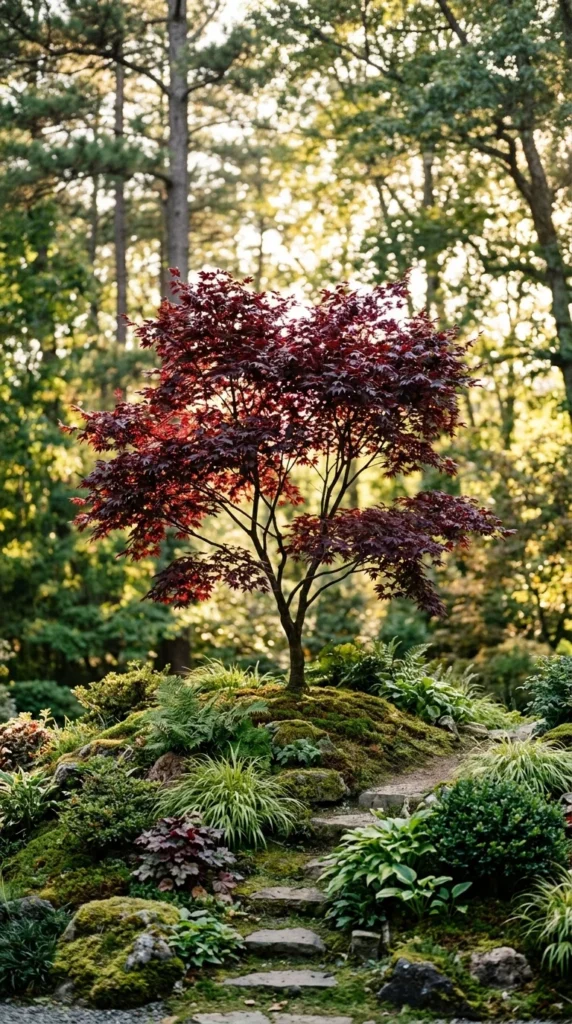
A berm is the perfect “pedestal” for a high-value specimen tree. Placing a slow-growing, ornamental tree like a Japanese Maple, a Weeping Cherry, or a Harry Lauder’s Walking Stick on the peak of the mound gives it the prominence it deserves. The elevation ensures the tree stands out against the rest of the landscape.
16. Groundcover Carpets
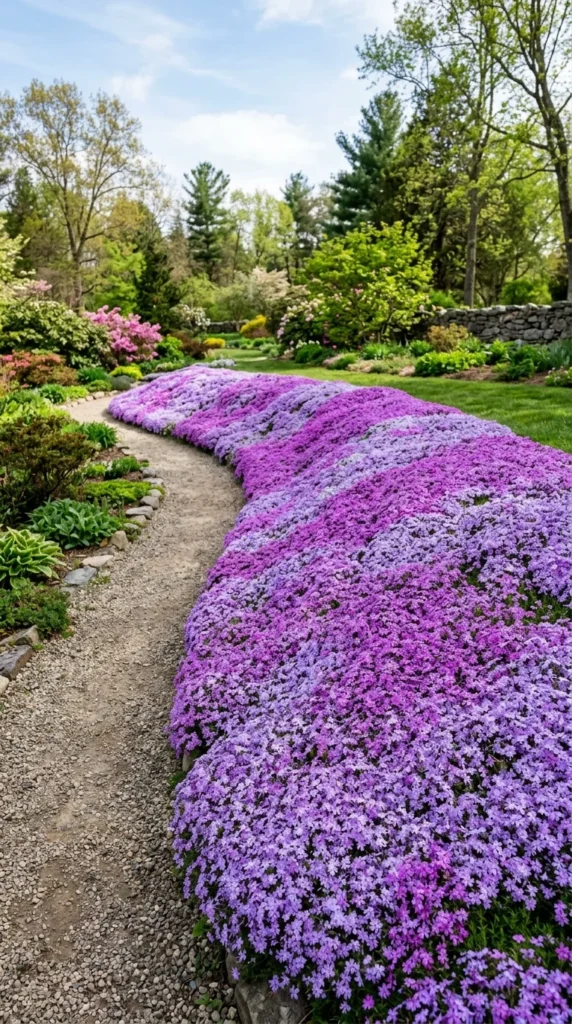
For a low-profile berm that requires very little maintenance, use creeping groundcovers. Plants like Creeping Phlox, Vinca Minor, or Stonecrop will spread across the mound, knitting the soil together and preventing weeds from taking hold. When in bloom, these plants create a stunning “carpet” effect that follows the contours of the earth.
17. Edible Berms
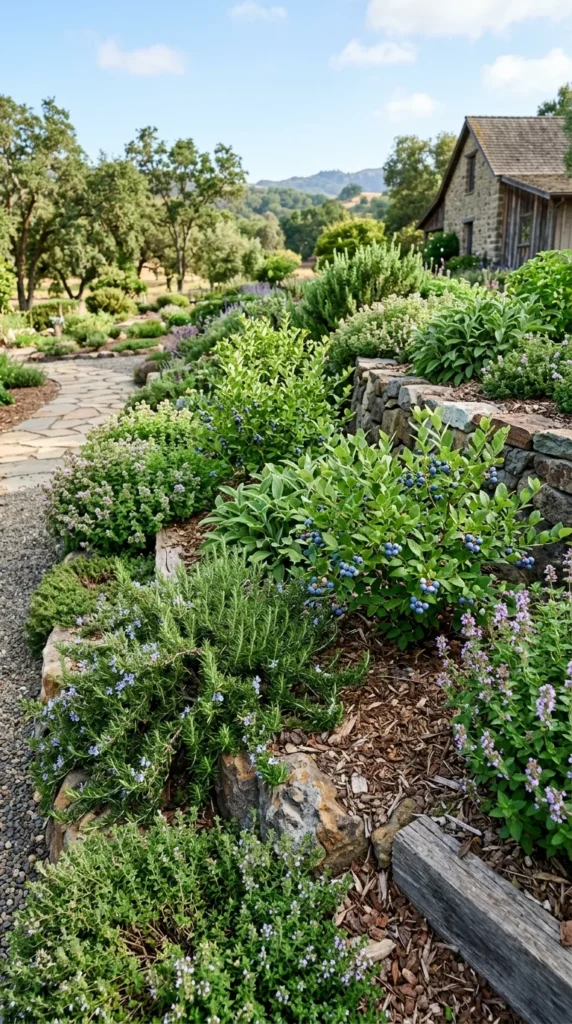
Who says landscaping can’t be delicious? A berm can serve as a stylish raised garden bed. Use the top for herbs that love drainage (like rosemary and lavender) and the sides for berry bushes or even sprawling strawberry plants. This integrates your food production directly into your ornamental landscape.
18. Zen Minimalist
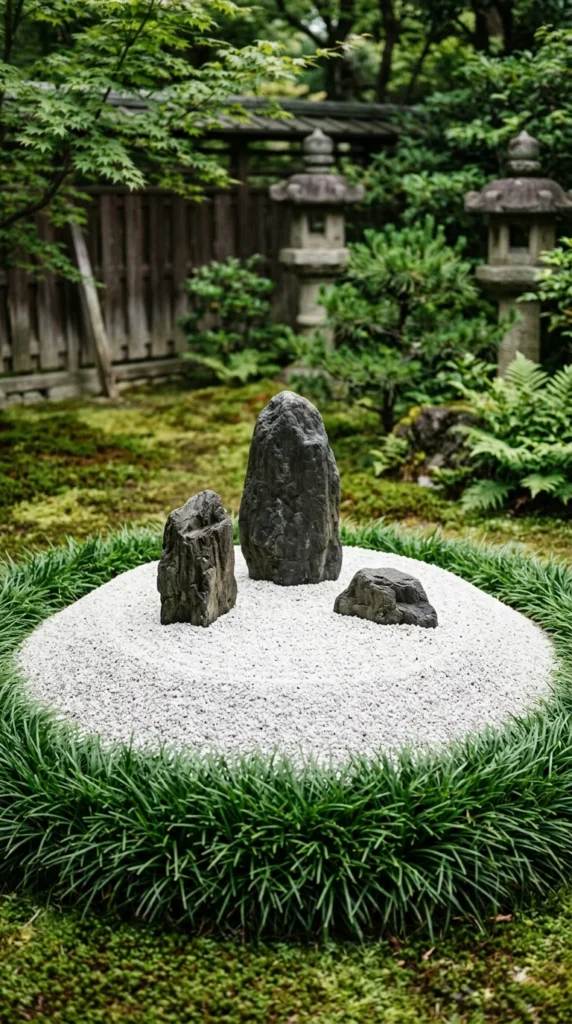
Inspired by Japanese dry gardens (Karesansui), a Zen berm focuses on shape, texture, and negative space. Use a singular type of stone or a very limited palette of plants to create a sense of calm. The simplicity of the mound highlights the precision of the design and creates a meditative spot in the yard.
19. Rain Gardens
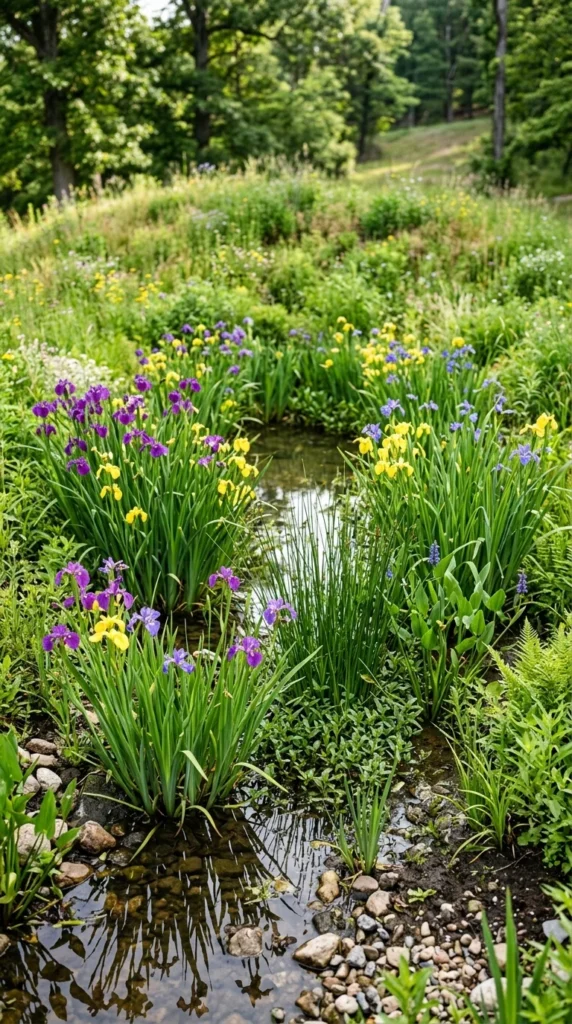
While most berms are designed to shed water, they can be paired with a rain garden at the base. The berm acts as a barrier or a guide to direct runoff into a shallow basin planted with species that don’t mind “wet feet,” such as Blue Flag Iris or Swamp Milkweed. This is a functional way to manage stormwater on your property while looking beautiful.
20. Night Lighting
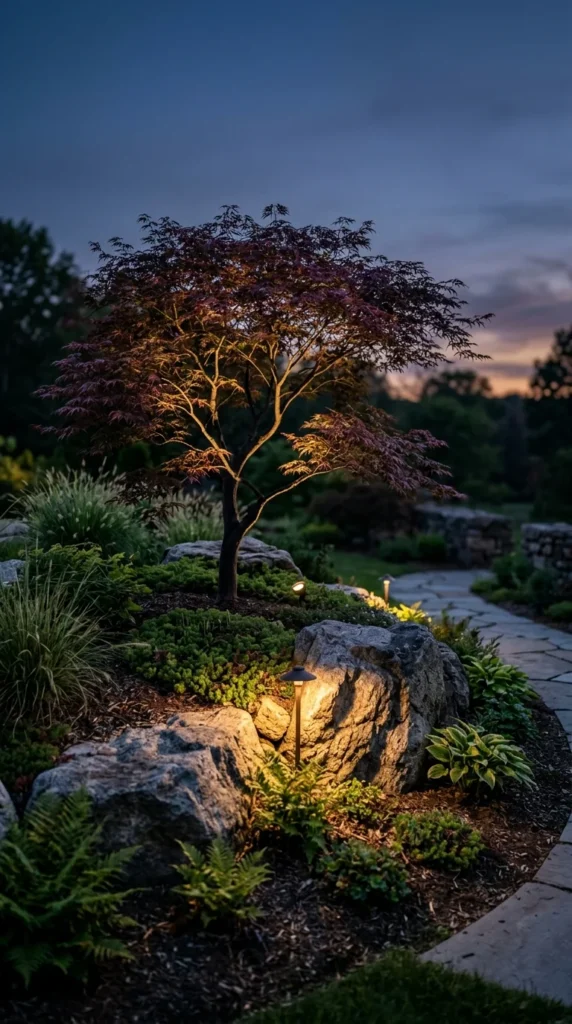
To enjoy your berm after the sun goes down, incorporate low-voltage landscape lighting. Uplights placed at the base of trees or boulders create dramatic shadows and highlight the three-dimensional nature of the mound. Path lights can guide the way along the berm’s edge, making the garden feel safe and magical at night.
21. Wildlife Habitats
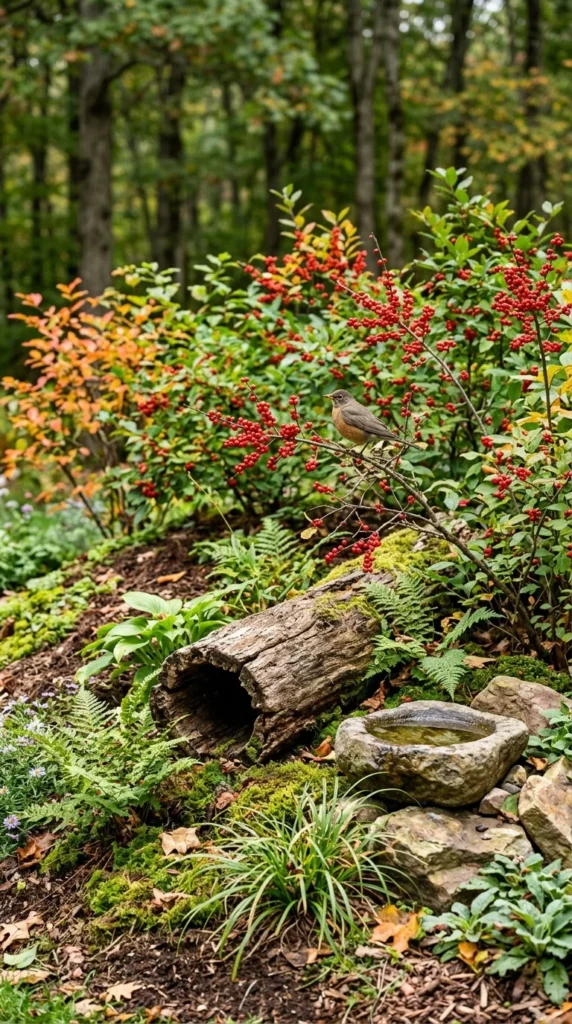
Design your berm to be a sanctuary for local wildlife. Include shrubs that provide berries for birds, hollow logs or brush piles tucked behind the mound for small mammals, and a variety of nectar-rich flowers for bees. The elevation provides a sense of security for animals, making your berm a bustling hub of natural activity.