Succulents have taken the world of interior design and gardening by storm. Their geometric shapes, striking colors, and reputation for being “indestructible” make them a favorite for both novice plant parents and seasoned horticulturists. However, while succulents are hardy, they are not plastic. They have specific biological needs that differ significantly from your average tropical houseplant. To move beyond mere survival and help your plants truly thrive, you need a nuanced approach to their care.
Whether you are struggling with a leggy Echeveria or trying to keep a String of Pearls from shriveling, these 14 essential tips will provide the roadmap to a lush, vibrant succulent garden.
1. Sunlight
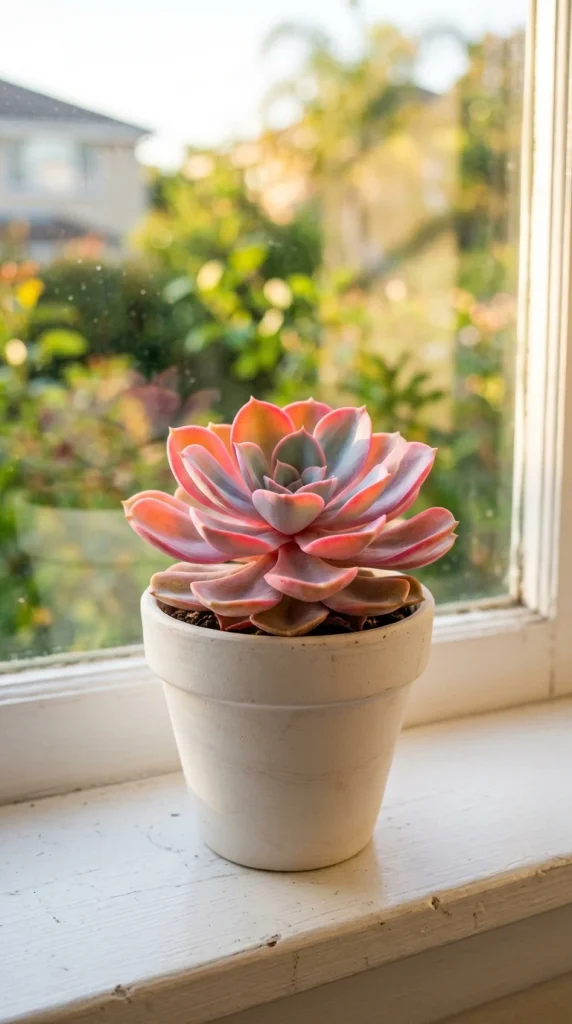
Succulents love light, but they don’t always love being scorched. Most species require about six hours of sun per day, depending on the variety. However, newly planted succulents can scorch if they are placed in direct sunlight immediately.
- Bright Indirect Light: Aim for a spot that receives plenty of bright, filtered light.
- Morning Sun: The morning sun is generally cooler and less likely to burn the leaves than the intense afternoon heat.
- Signs of Trouble: If your plant is stretching out (etiolation) and the gaps between leaves are getting wider, it’s “stretching” for more light. Conversely, if you see brown or white bleached spots on the leaves, it’s getting too much direct sun.
2. Watering
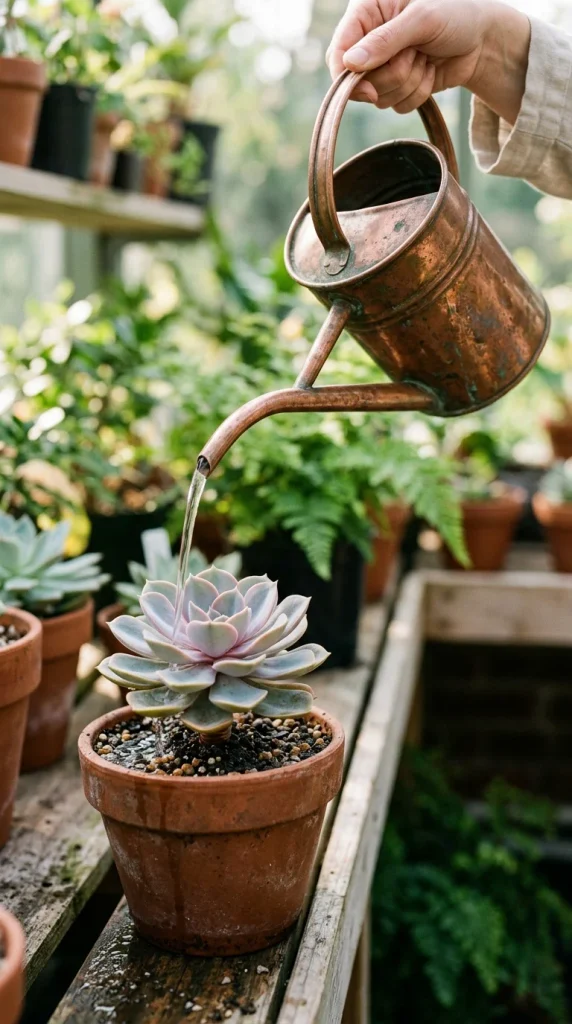
The most common way to kill a succulent is by overwatering. These plants are designed to store water in their thick leaves and stems, allowing them to survive in arid conditions.
- The “Soak and Dry” Method: This is the golden rule of succulent care. Soak the soil until water runs out of the drainage holes, then wait until the soil is completely bone-dry before watering again.
- Check the Soil: Don’t just look at the surface. Stick your finger an inch into the soil or use a wooden skewer. If it comes up damp, wait.
- Seasonal Adjustments: Succulents need more water during their growing season (spring and summer) and very little during their dormant period (fall and winter).
3. Soil
Regular potting soil is a death sentence for succulents. It retains too much moisture, which leads to root rot. Succulents need a medium that drains quickly and allows the roots to breathe.
- Cactus and Succulent Mix: Purchase a specialized mix or make your own.
- DIY Mix: A simple recipe is three parts potting soil, two parts poultry grit or coarse sand, and one part perlite or pumice.
- Porosity is Key: The goal is to have a “gritty” texture that allows water to pass through almost immediately.
4. Containers
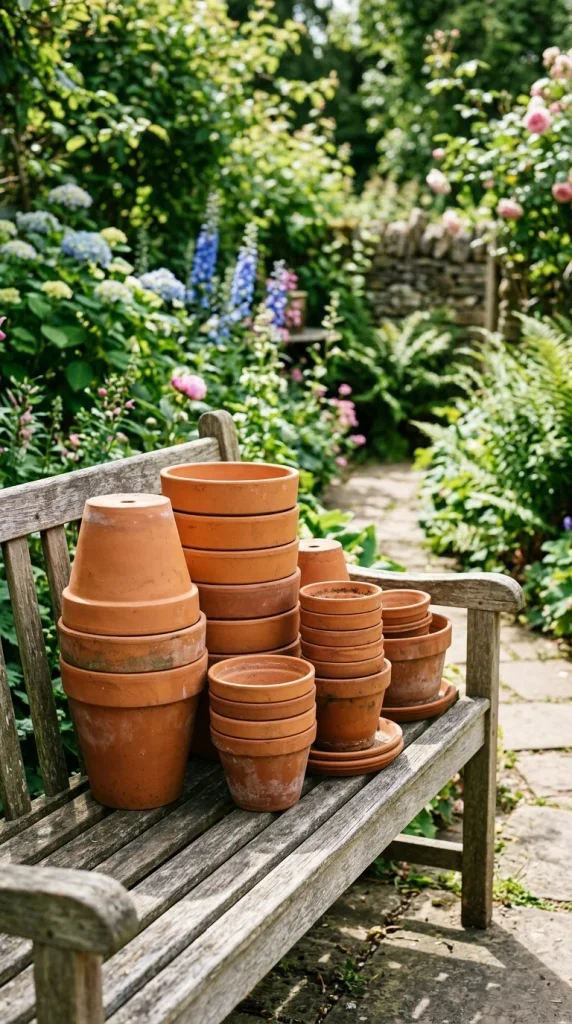
The container you choose is just as important as the soil. While glass terrariums and cute teacups look great on social media, they often lack the one thing a succulent needs most: drainage.
- Drainage Holes: Always choose a pot with at least one drainage hole. If you find a decorative pot without one, use it as a “cachepot” (place the plant in a plastic nursery liner inside the decorative pot).
- Terracotta vs. Plastic: Terracotta is porous and helps the soil dry out faster, making it the ideal choice for beginners. Plastic or glazed ceramic pots retain moisture longer.
5. Rotation
Succulents tend to grow toward the light source. If you leave your plant in the same position for months, it will begin to lean or grow lopsided, a phenomenon known as phototropism.
- Even Growth: Rotate your pots a quarter-turn every week or two.
- Health Check: Rotating also gives you a chance to inspect all sides of the plant for pests or dust accumulation.
6. Cleaning
In their natural habitats, rain and wind keep succulent leaves clean. Indoors, dust accumulates on the leaves, which can inhibit photosynthesis and provide a hiding spot for pests.
- Wiping: Use a damp cloth to gently wipe large, smooth leaves.
- Brushing: For plants with crevices or delicate structures (like some cacti), use a soft-bristled paintbrush to whisk away dust.
- Avoid the “Farina”: Many succulents have a powdery, waxy coating called farina. This is a natural sunscreen. Try not to wipe this off, as it does not grow back.
7. Fertilizer
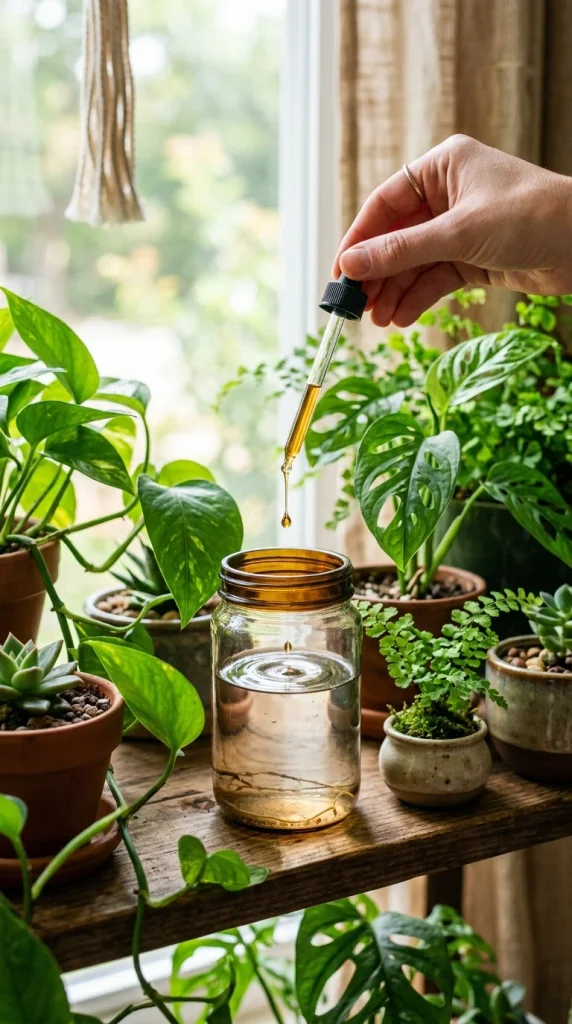
While succulents aren’t “heavy feeders,” they do benefit from occasional nutrients to support growth and flowering.
- Timing: Fertilize only during the active growing season (spring and summer). Do not fertilize in winter when the plant is resting.
- Concentration: Use a balanced, water-soluble fertilizer diluted to half-strength. Succulents are sensitive to “chemical burns” from over-fertilization.
8. Pests
Even the best-cared-for succulents can fall victim to pests. The most common culprit is the mealybug—small, white, cottony insects that suck the sap out of the plant.
- Inspection: Check the “nooks and crannies” of your plants regularly.
- Treatment: For mealybugs or aphids, dab them with a Q-tip dipped in 70% isopropyl alcohol.
- Gnats: Fungus gnats are a sign that your soil is staying too wet. Allow the soil to dry out completely to kill the larvae.
9. Airflow
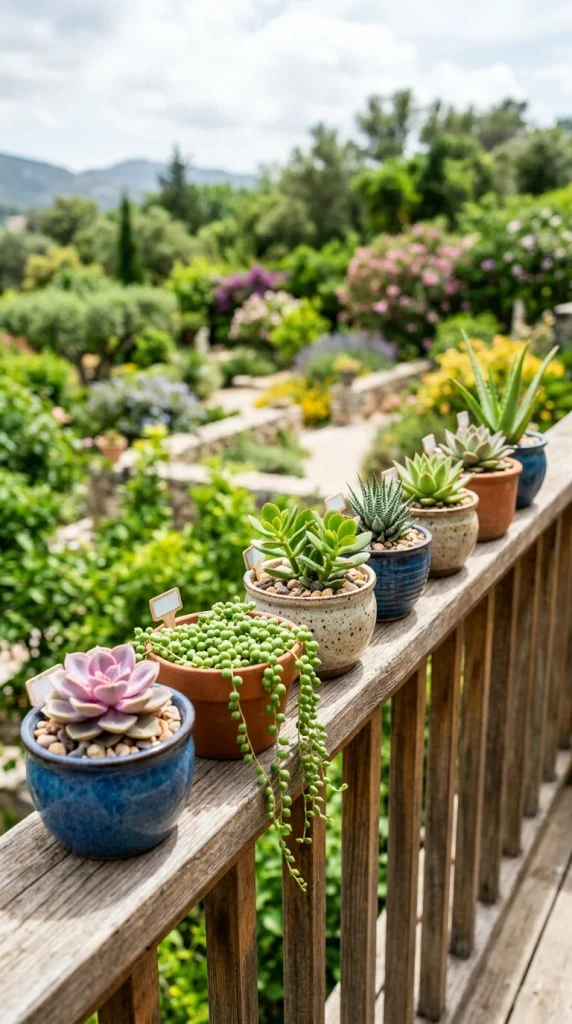
Succulents evolved in open, windy environments. Stagnant air is a recipe for fungal infections and rot, especially if the humidity is high.
- Circulation: Keep your plants in a room with good air circulation. In the summer, a nearby fan or an open window can work wonders.
- Spacing: Don’t crowd your succulents too closely together. Give them room to “breathe” so moisture doesn’t get trapped between the leaves of neighboring plants.
10. Propagation
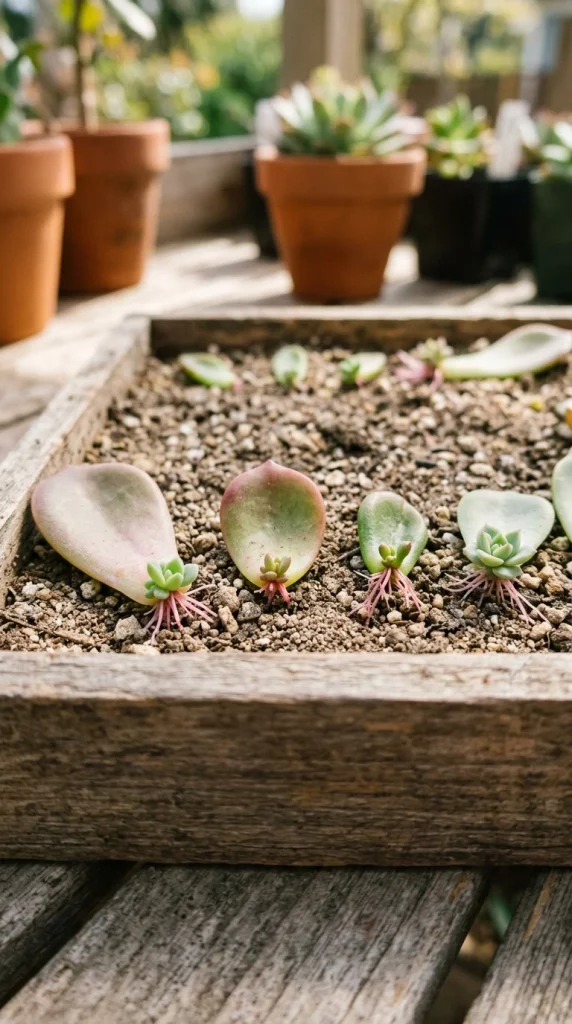
One of the most rewarding parts of succulent care is how easily they multiply. Most succulents can be grown from a single leaf or a stem cutting.
- Leaf Cuttings: Gently twist a leaf off the stem, ensuring it’s a clean break. Let it “callus” over for a few days in a dry spot, then place it on top of succulent soil. Mist occasionally until roots appear.
- Beheading: If a plant becomes too leggy, you can cut the top off, let it dry, and replant it as a new, compact plant.
11. Dormancy
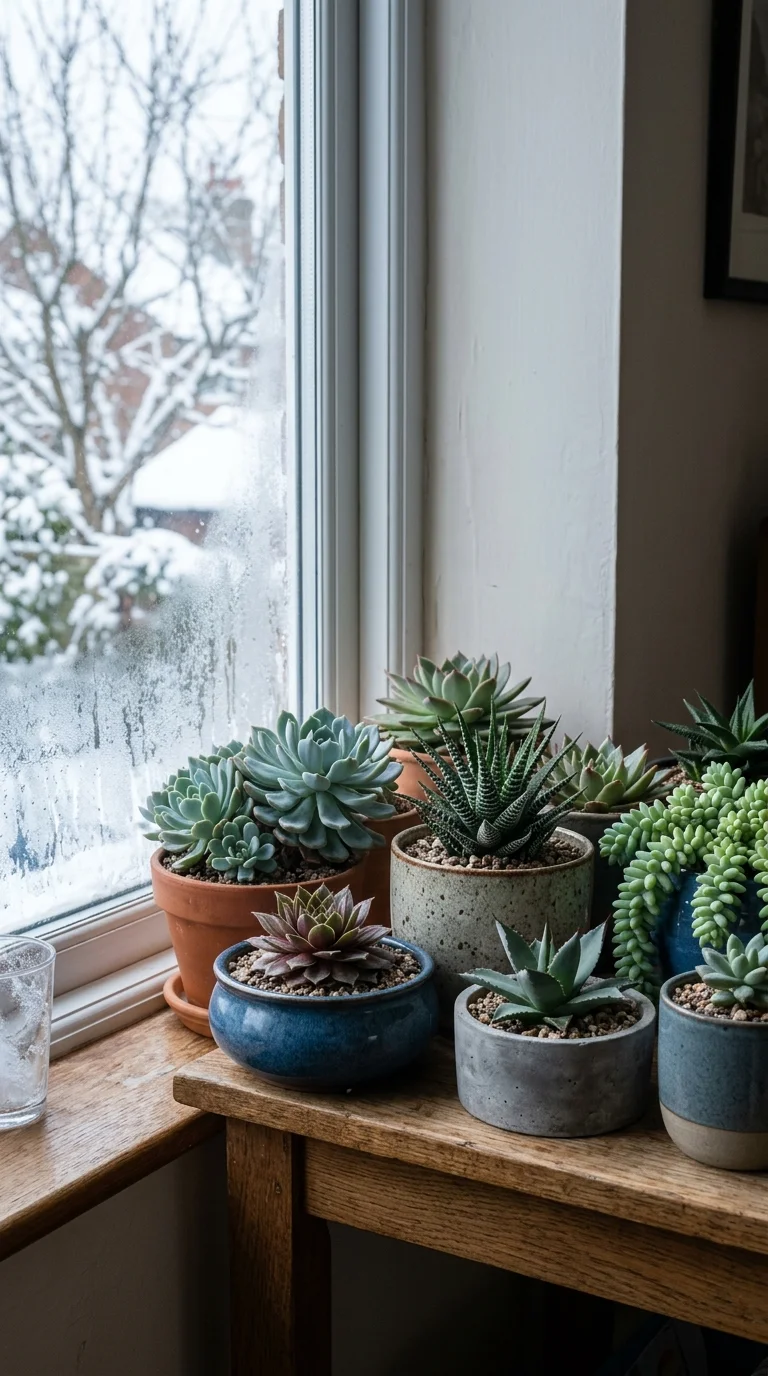
Almost all succulents go through a period of dormancy where their growth slows or stops entirely. This usually happens during the coldest months of the year.
- Less is More: During dormancy, reduce watering to once a month or less.
- Temperature: While they like it cool in the winter, most household succulents are not frost-hardy. Keep them away from drafty windows or doors where temperatures might drop below 40°F (4°C).
12. Pot Size
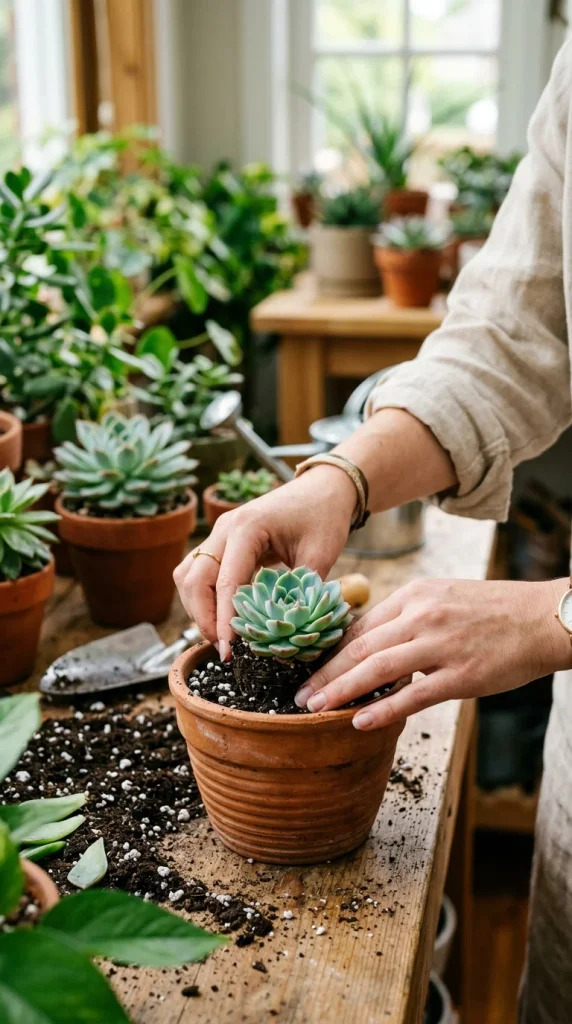
It is tempting to put a small plant in a large pot to give it room to grow, but this is a mistake for succulents.
- Moisture Control: A pot that is too large holds more soil, which in turn holds more water. A small root system cannot drink up all that moisture, leading to rot.
- The Golden Rule: Choose a pot that is only about 10% wider than the plant itself.
13. Handling
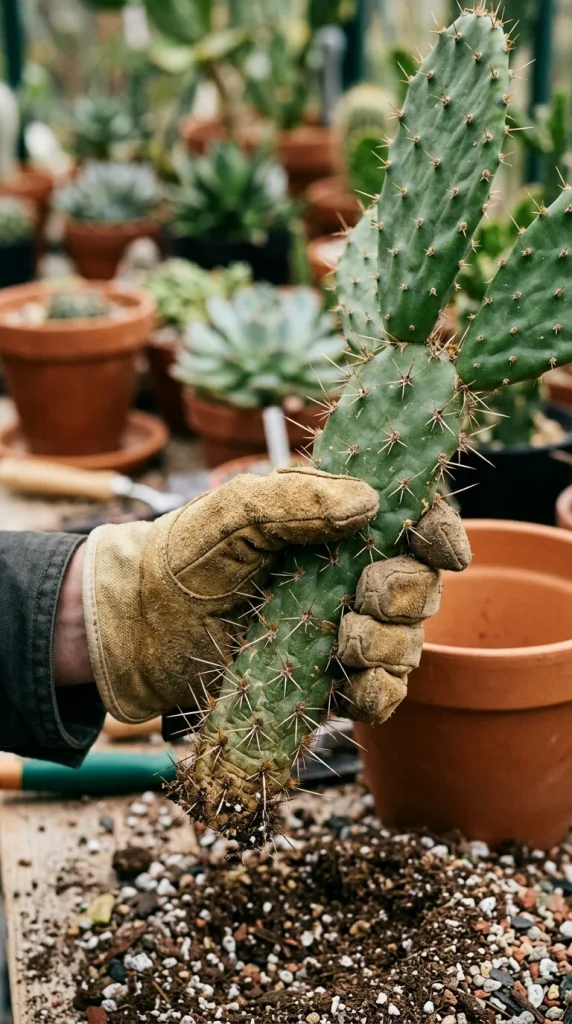
Succulents can be surprisingly delicate. Physical damage to the leaves often leaves permanent scars that won’t go away until the leaf eventually dies off.
- Grip the Base: When repotting, try to handle the plant by the root ball or the very base of the stem rather than the leaves.
- Cactus Safety: For spiky varieties, use kitchen tongs or a folded piece of newspaper to move the plant without hurting yourself or the specimen.
14. Acclimation
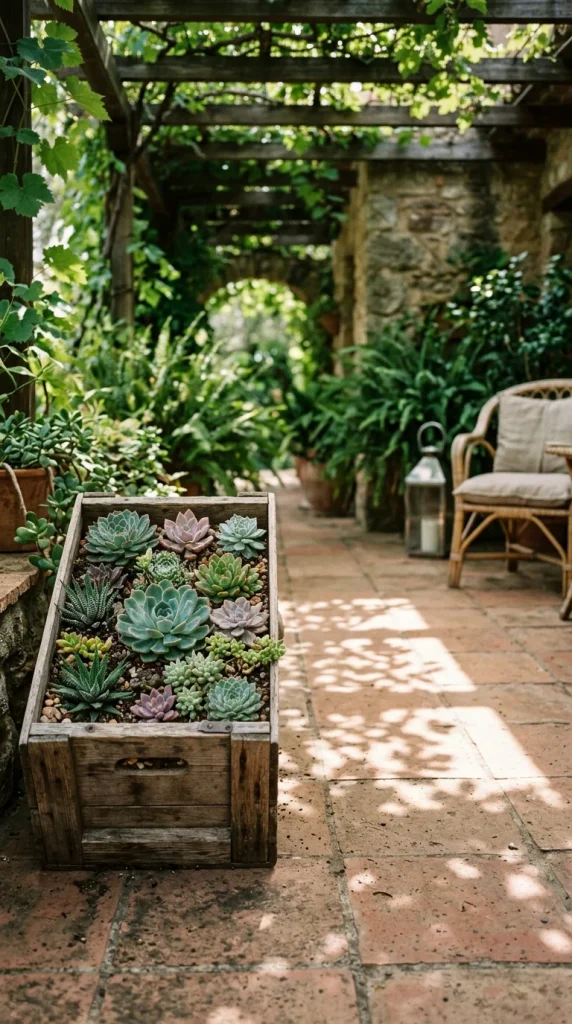
If you move a succulent from a dark corner of a nursery to a bright outdoor patio, it will likely suffer from sunburn. Plants need time to adjust to new environmental conditions.
- The Transition: When moving plants outdoors for the summer or to a much brighter window, do it gradually. Start with an hour of direct light a day and increase it over the course of two weeks.
- Watch the Colors: Many succulents change color (stress colors) when exposed to more light or cool temperatures. Vibrant reds, purples, and oranges are often a sign of a “happy” stress, but look out for physical damage like shriveling or burning.