

Succulents have captured the hearts of plant lovers everywhere, offering a stunning array of geometric shapes, vibrant hues, and an architectural beauty that fits perfectly into any home decor. Often marketed as the “unkillable” plant, succulents are indeed hardy, but they have specific needs that differ significantly from your average tropical houseplant. If you’ve ever watched a beautiful rosette turn to mush or seen a vibrant Echeveria stretch into a thin, pale shadow of its former self, you know that succulent care requires a specialized touch.
This comprehensive guide breaks down the essential rules of succulent parenting. From mastering the “soak and dry” method to understanding the hidden signals your plants are sending you, here are 25 tips every beginner needs to master.
1. Sunlight
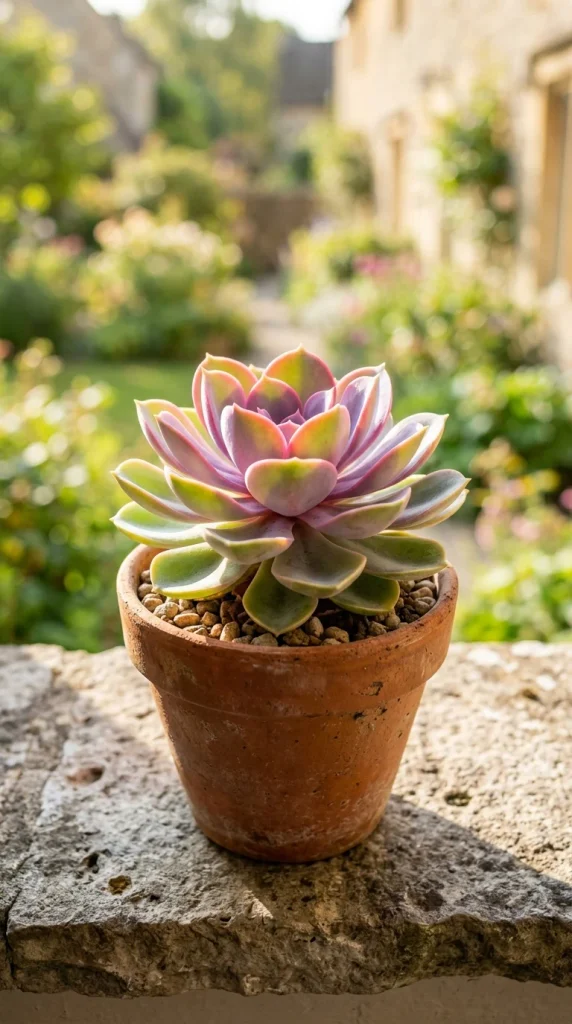
Succulents thrive in bright, indirect light. Most species require at least six hours of sun per day to maintain their compact shape and vibrant colors. While they love the sun, brand-new plants or those recently moved from a dark corner can get “sunburned” if exposed to harsh, midday rays too quickly. Look for south-facing windows for the best light quality in the Northern Hemisphere.
2. Soil Mix
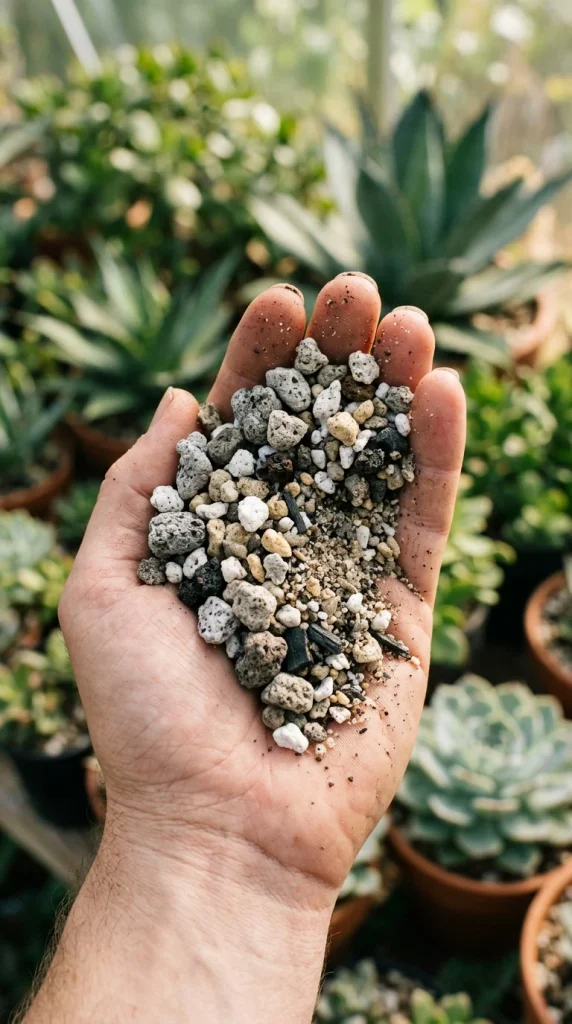
Standard potting soil is the enemy of the succulent. These plants need a medium that drains almost instantly. Use a specialized cactus and succulent mix, or create your own by mixing regular potting soil with equal parts inorganic material like perlite, pumice, or coarse sand. This ensures that the roots never sit in stagnant water, which is the primary cause of root rot.
3. Terracotta Pots
If you are a beginner, terracotta is your best friend. Because clay is porous, it allows moisture to evaporate through the walls of the pot, helping the soil dry out faster. While plastic or glazed ceramic pots are beautiful, they trap moisture, making it much easier to accidentally overwater your plant.
4. Drainage Holes
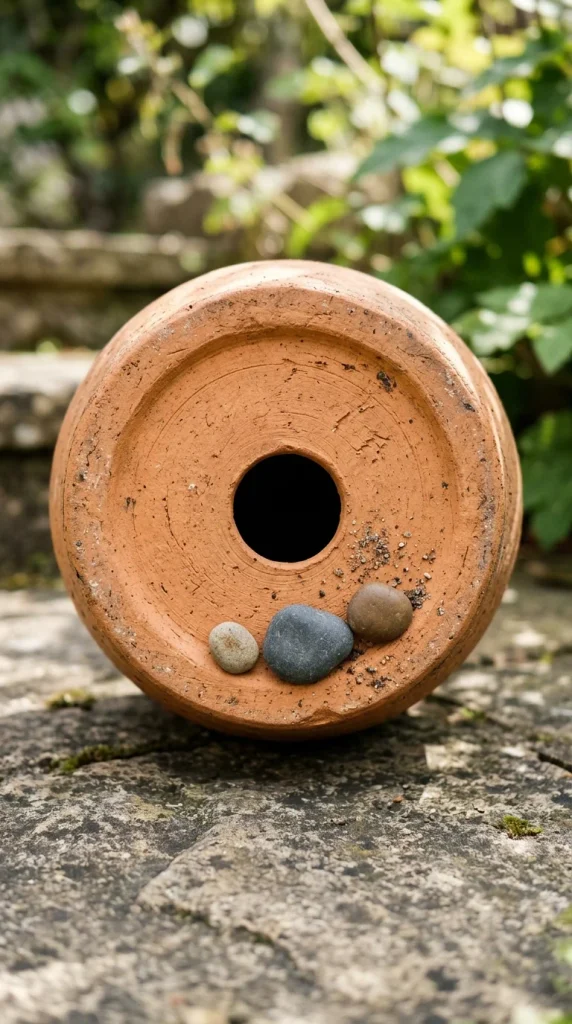
Never plant a succulent in a container without a drainage hole. No matter how much gravel you put at the bottom of a hole-less jar, the water has nowhere to go. It will eventually pool at the bottom, creating a swampy environment that breeds bacteria and rots the delicate root system. Always prioritize function over fashion when it comes to drainage.
5. Watering Technique
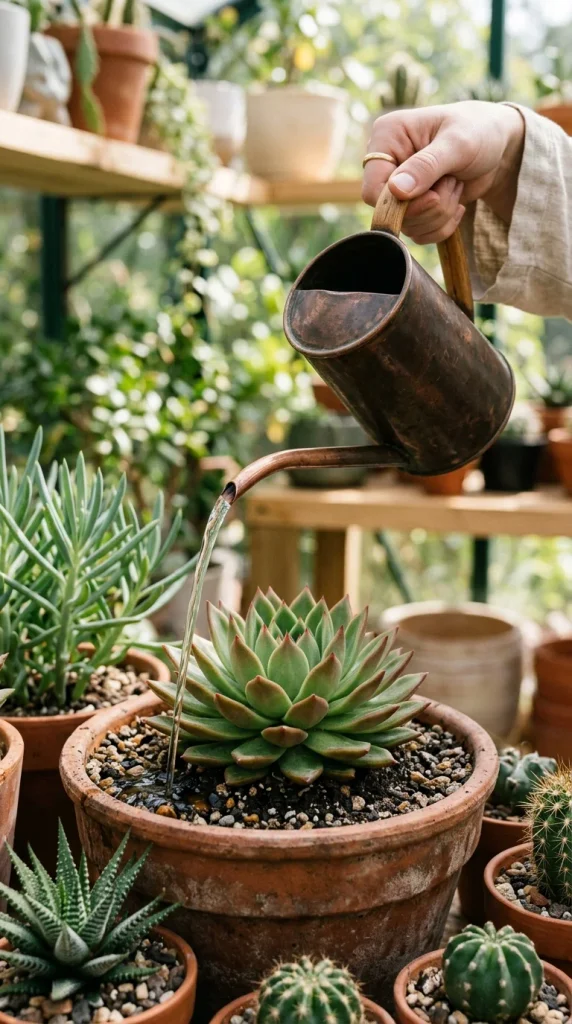
The “soak and dry” method is the golden rule. Instead of giving your plant small sips of water every few days, wait until the soil is bone dry from top to bottom. Then, soak the soil thoroughly until water runs out of the drainage hole. This mimics the natural desert environment where heavy rainfalls are followed by long periods of drought.
6. Seasonal Changes
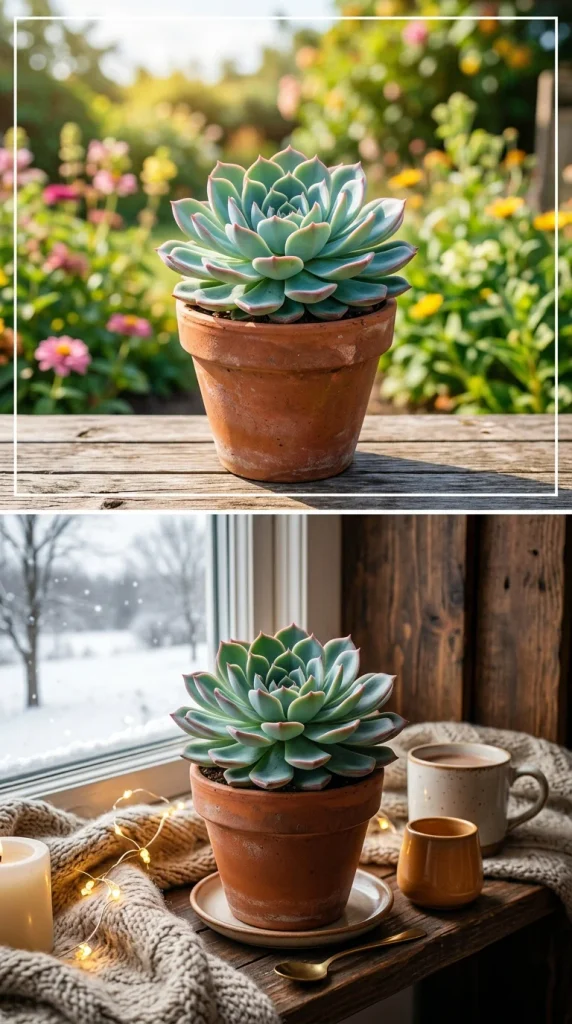
Succulents have different needs depending on the season. During the spring and summer (the growing season), they require more frequent watering and light. In the winter, many succulents go dormant. Their metabolic rate slows down, meaning they need significantly less water—sometimes only once a month or even less depending on the humidity of your home.
7. Leaf Cleaning
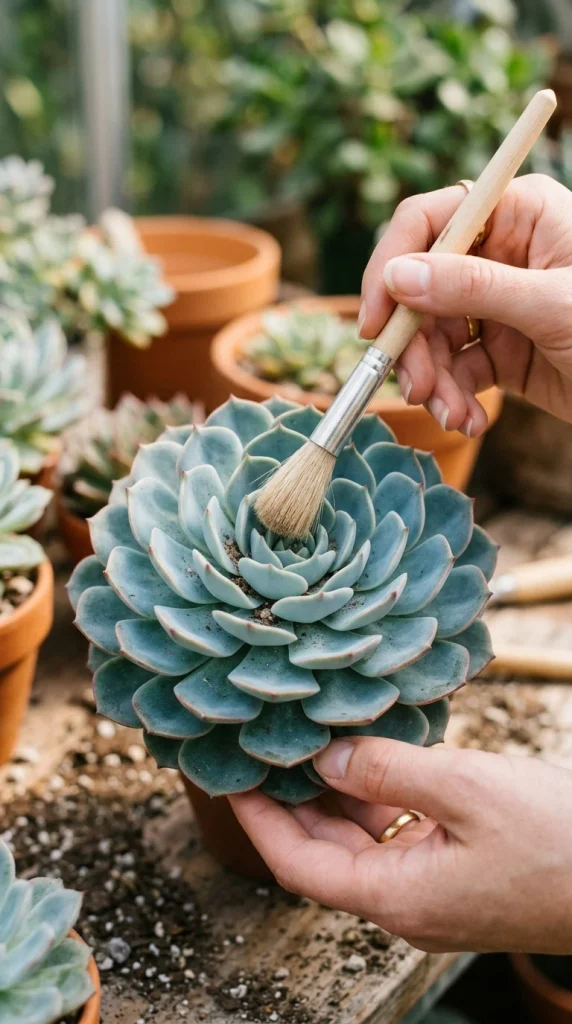
Dust can settle on the leaves of your succulents, blocking sunlight and inhibiting photosynthesis. Periodically wipe the leaves with a damp cloth or use a soft paintbrush to clean the hard-to-reach nooks. Keeping the leaves clean not only makes them look better but also helps the plant breathe and grow more efficiently.
8. Rotation
Succulents love the sun, and they will literally lean toward it if the light is coming from only one side. To keep your plant growing straight and symmetrical, rotate the pot about 90 degrees every week or two. This ensures that every side of the plant receives equal energy and prevents it from becoming “etiolated” or stretched out.
9. Avoid Misting
While tropical ferns love humidity, succulents do not. Misting succulents can lead to rot and fungal diseases because the water sits in the center of the rosette or on the fleshy leaves. Furthermore, misting doesn’t provide the deep hydration the roots need. Stick to watering the soil, not the leaves.
10. Air Circulation
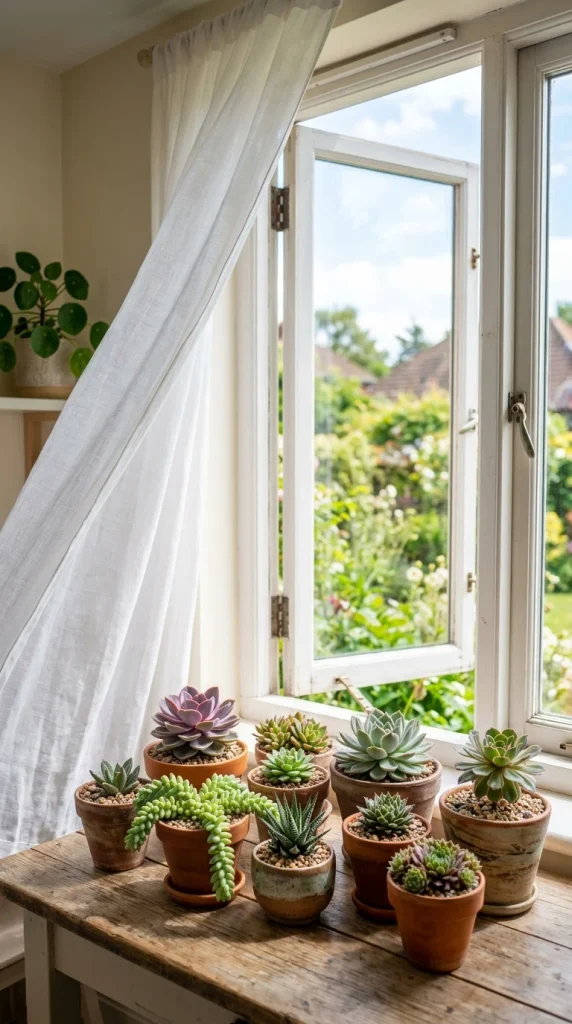
Succulents despise stagnant air. Good airflow helps the soil dry out after watering and prevents pests like mealybugs from taking hold. If you have your plants in a crowded corner, consider moving them to a spot with a gentle breeze or using a small fan to keep the air moving, especially in humid climates.
11. Pot Size
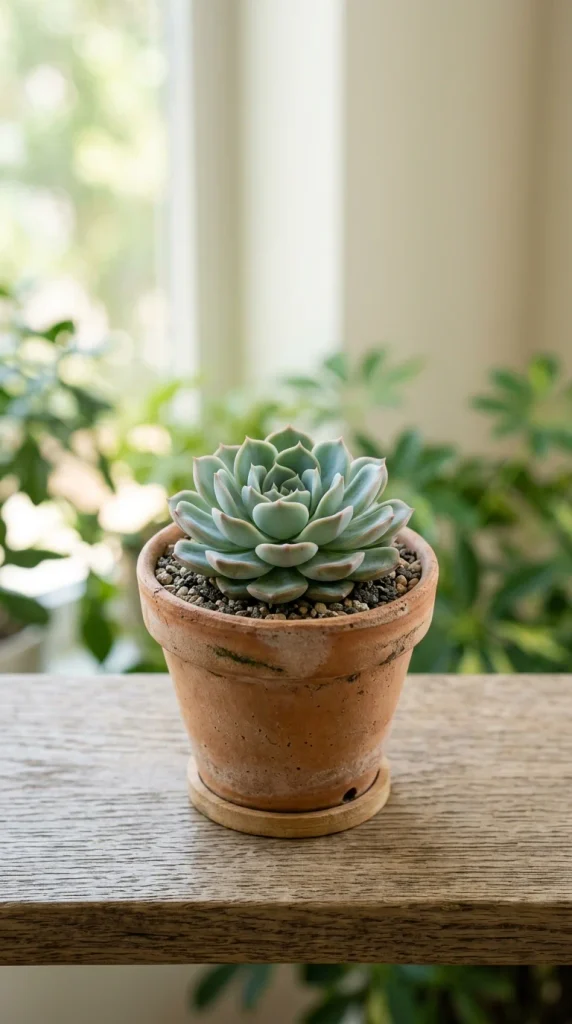
It might be tempting to put a tiny succulent in a giant pot so it has “room to grow,” but this is a mistake. A pot that is too large holds way more soil than the plant can use. This excess soil stays wet for too long, increasing the risk of rot. Aim for a pot that provides about an inch of space around the plant.
12. Bottom Watering
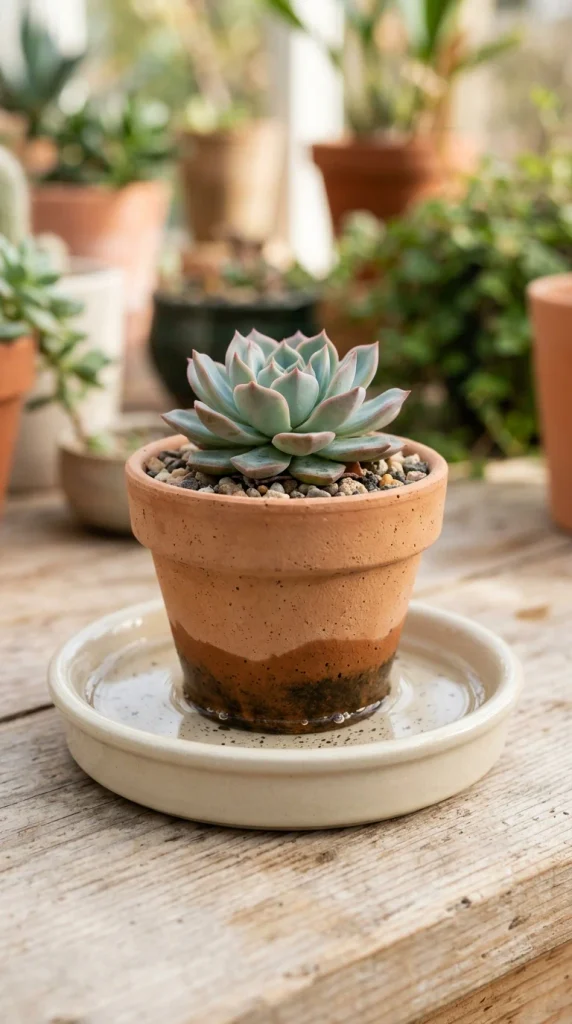
If your soil has become so dry that it’s pulling away from the sides of the pot (hydrophobic), top watering might just run down the sides without soaking in. Try bottom watering: place the pot in a tray of water for 30 minutes, allowing the soil to wick up moisture through the drainage hole.
13. Pest Detection
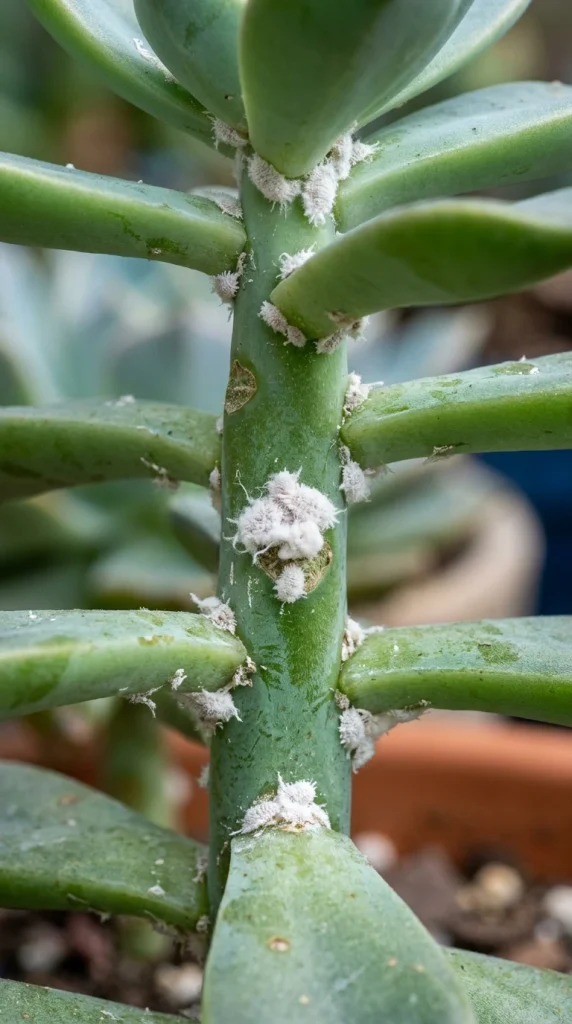
Keep a close eye on your plants for pests, specifically mealybugs. These tiny, white, cottony insects hide in the crevices of the leaves and suck the sap out of the plant. If you spot them, isolate the plant immediately and treat the area with a cotton swab dipped in 70% isopropyl alcohol.
14. Propagation
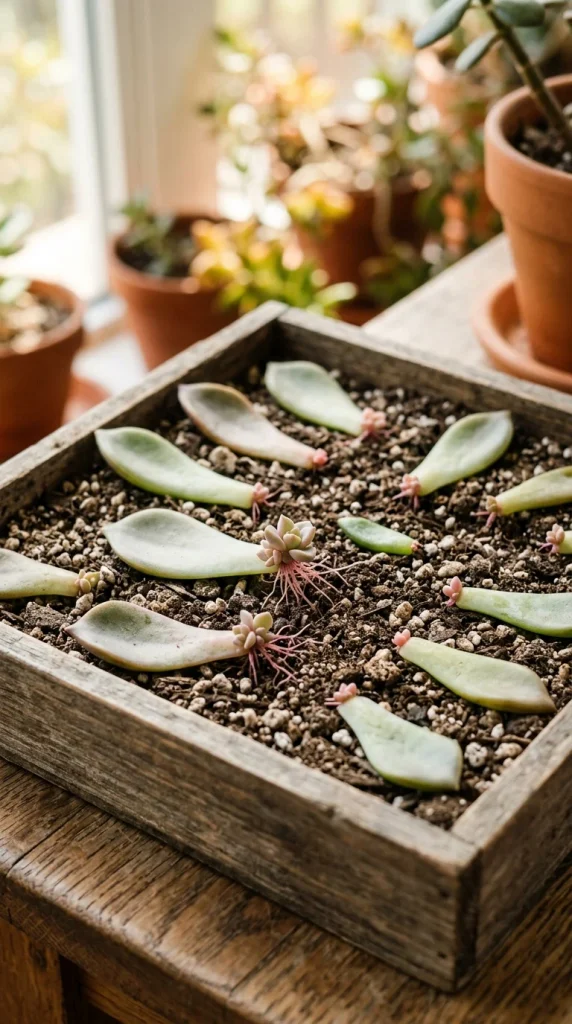
One of the best things about succulents is how easily they multiply. If a leaf falls off, don’t throw it away! Lay it on top of some dry soil, and in a few weeks, it may grow tiny roots and a brand-new baby plant. It’s a rewarding way to expand your collection for free.
15. Fertilizer
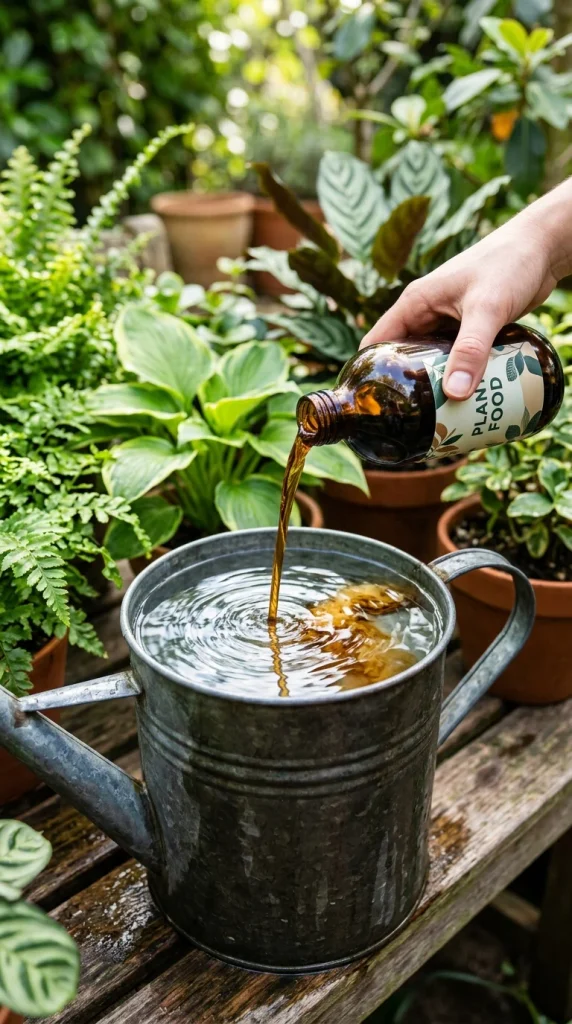
Succulents aren’t heavy feeders, but they do benefit from a bit of nutrition during the growing season. Use a balanced, water-soluble fertilizer diluted to half or quarter strength. Fertilize once in the spring and once in mid-summer. Avoid fertilizing in the winter when the plant is resting.
16. Farina
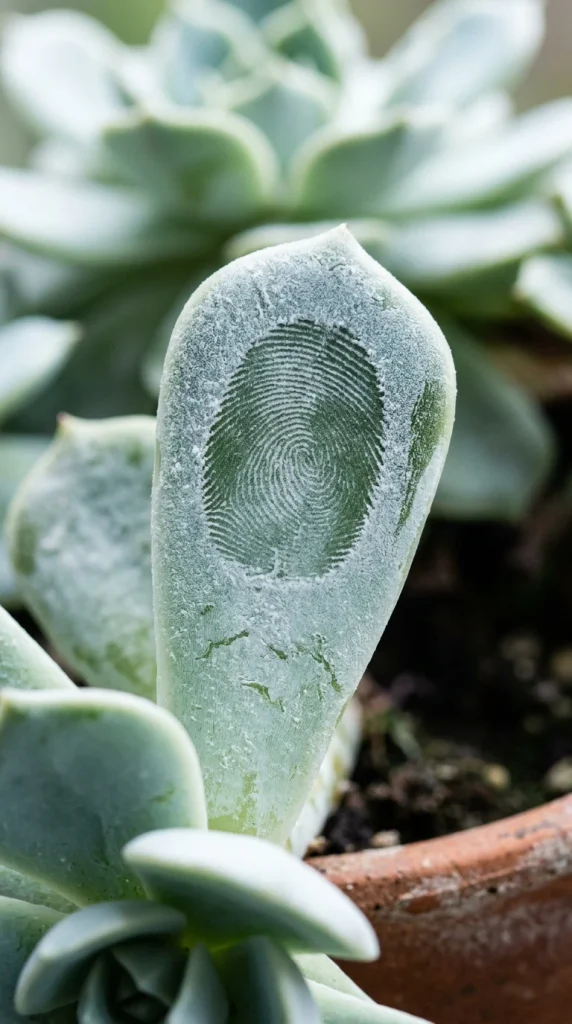
Many succulents have a powdery, waxy coating on their leaves called farina (or epicuticular wax). This acts as a natural sunscreen and water repellent. Try to avoid touching the leaves, as the oils from your fingers will rub the farina off, and it usually does not grow back, leaving the plant patchy and vulnerable to sun.
17. Identifying Rot
The biggest killer of succulents is overwatering. If the leaves at the bottom of your plant start looking yellow, translucent, and feel mushy, you are likely dealing with rot. If the stem turns black, you must act fast—cut the healthy top off, let it callow, and try to re-root it in fresh, dry soil.
18. Underwatering Signs
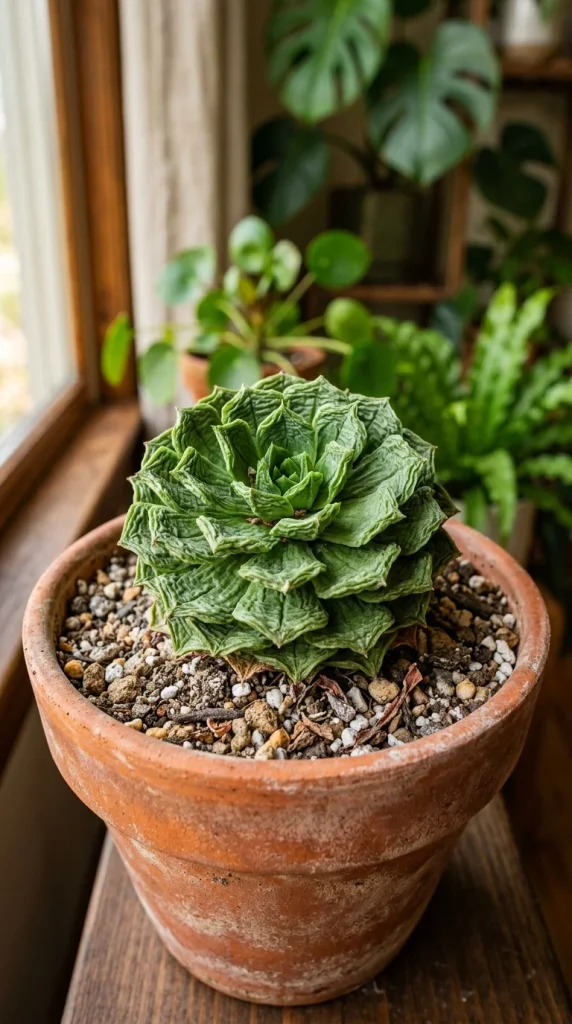
While overwatering is common, underwatering also happens. If the leaves look wrinkled, puckered, or thin, your plant is thirsty. Unlike rot, underwatering is very easy to fix: just give the plant a good soak, and the leaves should plump back up within a day or two.
19. Temperature
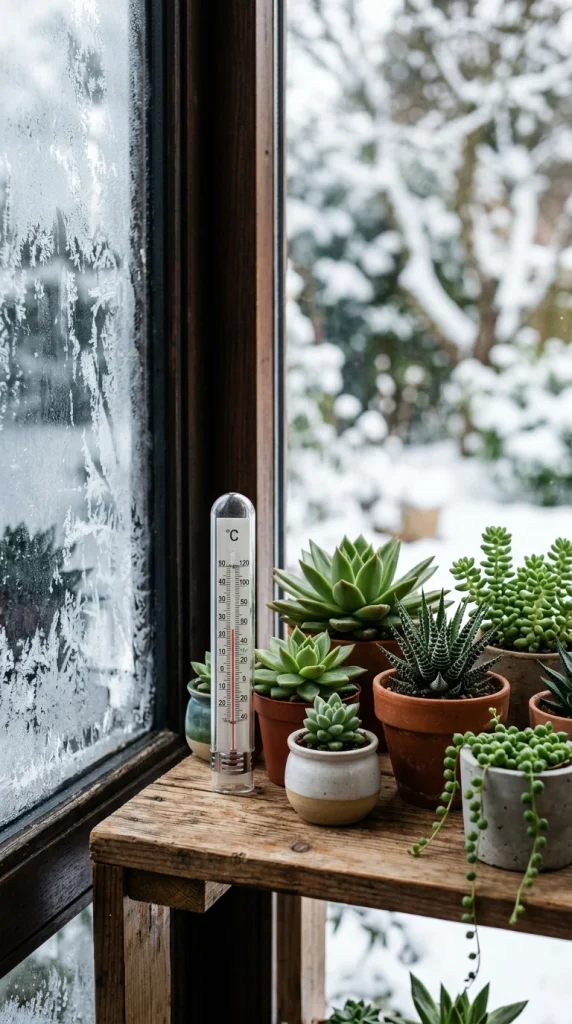
Most succulents prefer temperatures between 60°F and 80°F (15°C–27°C). While some varieties are “hardy” and can survive freezing temperatures, most common indoor succulents are “soft” and will die if exposed to frost. Keep them away from drafty windows in the winter and air conditioning vents in the summer.
20. Top Dressing
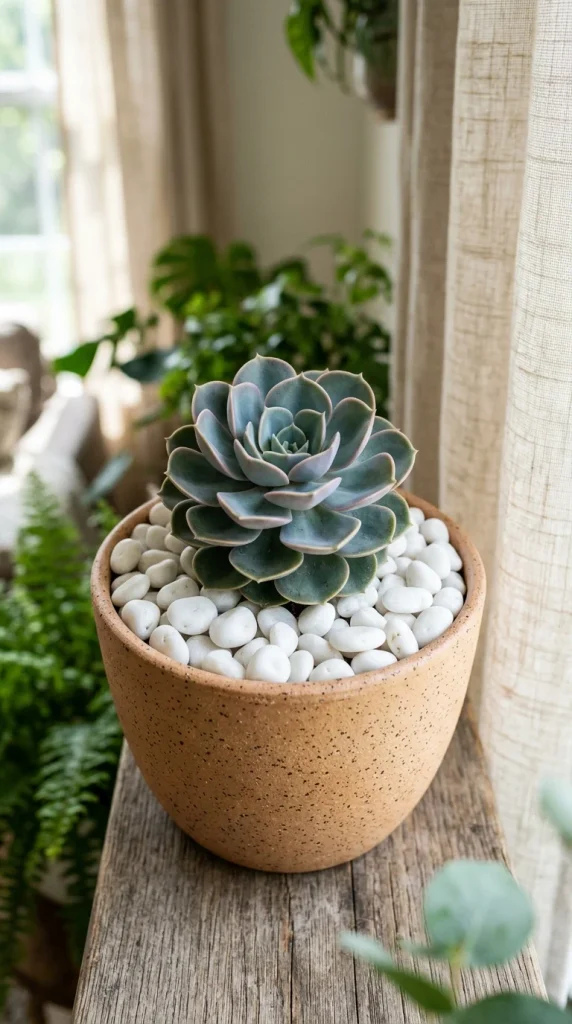
Adding a layer of pebbles or gravel (top dressing) over the soil serves two purposes: it looks aesthetically pleasing and it keeps the leaves of the succulent from resting directly on damp soil, which can prevent leaf rot. Just ensure the top dressing doesn’t prevent you from checking the soil moisture.
21. Removing Dead Leaves
It is perfectly normal for the bottom leaves of a succulent to wither and die as the plant grows new leaves from the center. Remove these crispy, brown leaves regularly. If left in the pot, they can trap moisture and provide a hiding spot for pests.
22. Grouping Plants
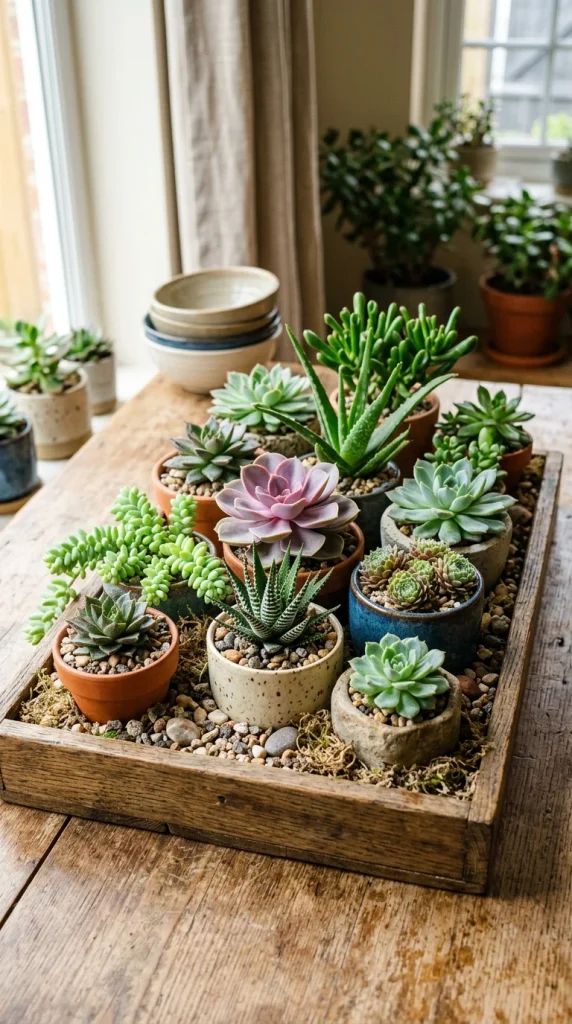
Grouping your succulents together can make care easier, as they generally share the same light and water requirements. However, make sure they aren’t so crowded that air can’t circulate between the pots. Grouping also creates a beautiful, miniature landscape in your home.
23. Acclimation
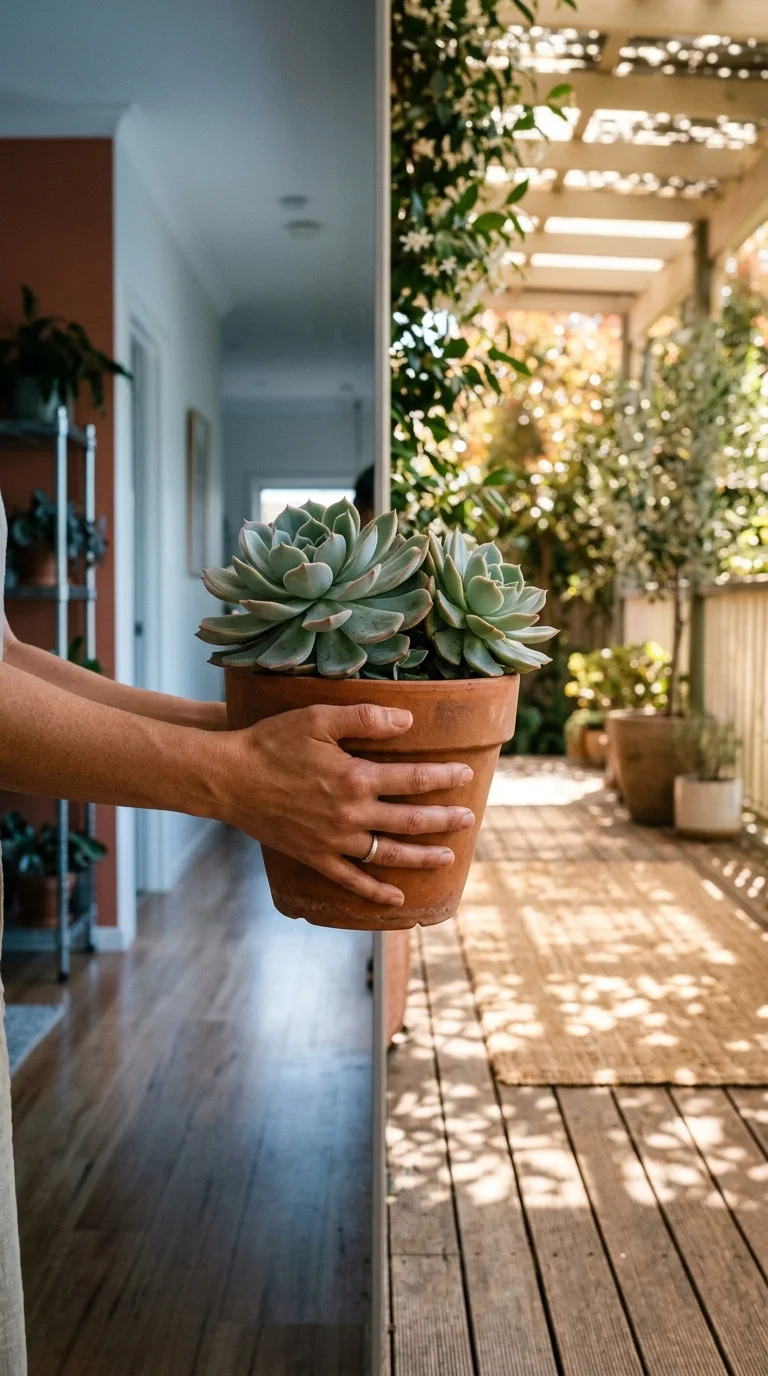
If you buy a succulent from a dark grocery store and put it immediately into 100-degree direct sun, it will burn. Gradually introduce your plants to more light over the course of a week. Start with an hour of morning sun and increase the duration each day until they are fully adjusted.
24. Be Patient
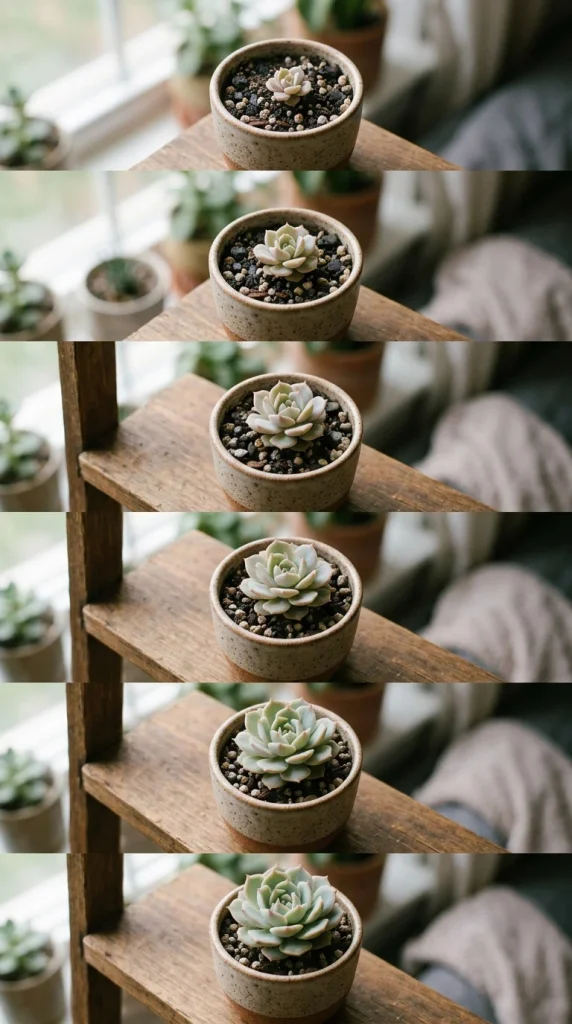
Succulents are slow growers. Don’t expect them to double in size in a month. Their slow metabolism is what makes them so hardy. Enjoy the slow process and the subtle changes in color and form that happen over the seasons.
25. Learn the Names
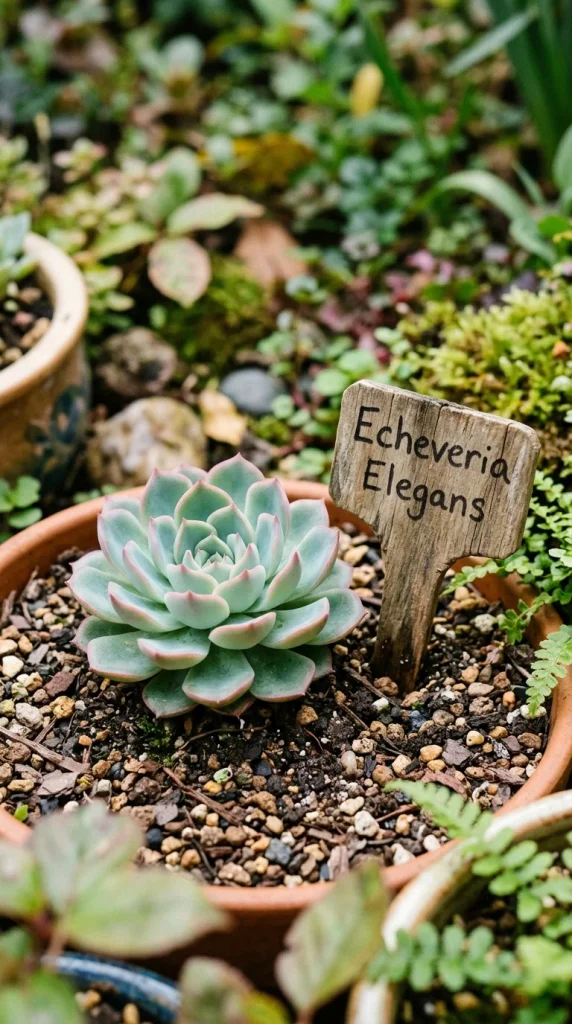
Each succulent species has slightly different needs. Some, like Haworthia, prefer lower light, while others, like Echeveria, crave full sun. By learning the names of your plants, you can look up their specific care requirements and ensure they have the perfect environment to thrive.