

The Christmas Cactus (Schlumbergera) is a holiday staple, known for its stunning, tubular flowers that burst into color just as the winter chill sets in. Unlike their desert-dwelling cousins, these are tropical epiphytes native to the coastal mountains of Brazil. Because they thrive in humid, shaded environments rather than arid plains, their care requirements are unique. If you want to transform your plant from a collection of green segments into a floral masterpiece this December, follow these fifteen essential care tips.
1. Bright Light
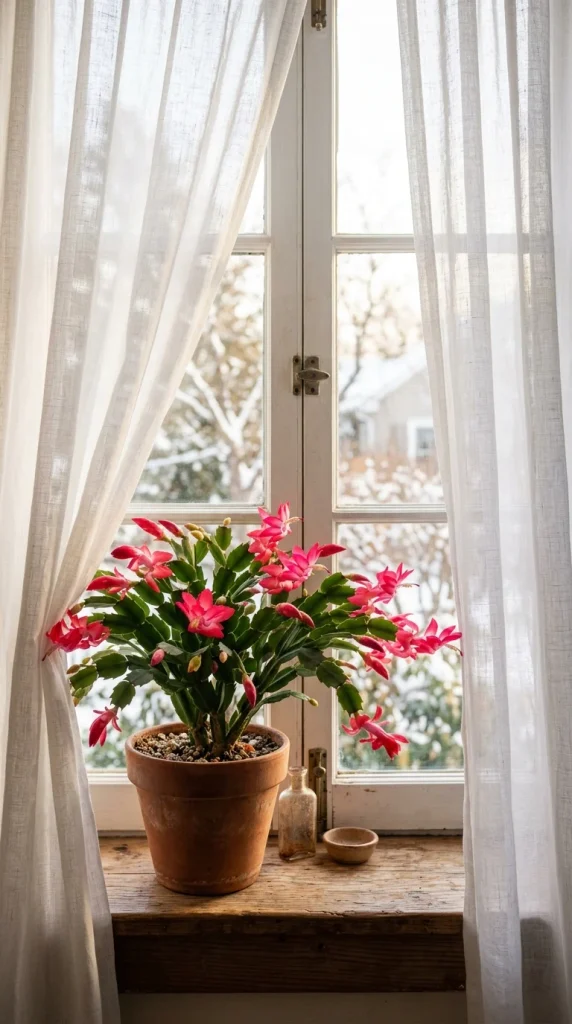
While the Christmas Cactus loves light, direct afternoon sun can be its undoing. In its natural habitat, it grows under the canopy of trees, receiving dappled sunlight. For your home, place it in a location that receives bright, indirect light. An east-facing window is ideal. If the leaves start to turn a reddish or purple hue, it is likely getting too much sun and needs to be moved back a few feet.
2. Strategic Watering
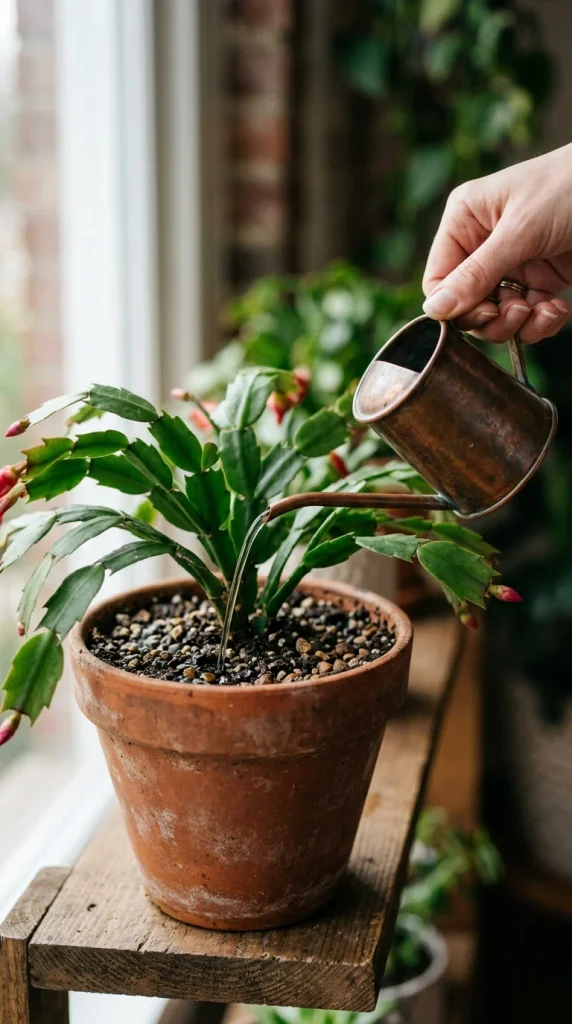
The most common mistake with this plant is treating it like a desert cactus. It needs consistent moisture, but it hates “wet feet.” The best rule of thumb is to water when the top inch of soil feels dry to the touch. During the growing season (spring and summer), keep the soil slightly moist. When the plant is in bloom, be extra diligent, as dehydration can cause the delicate flower buds to drop before they ever open.
3. High Humidity
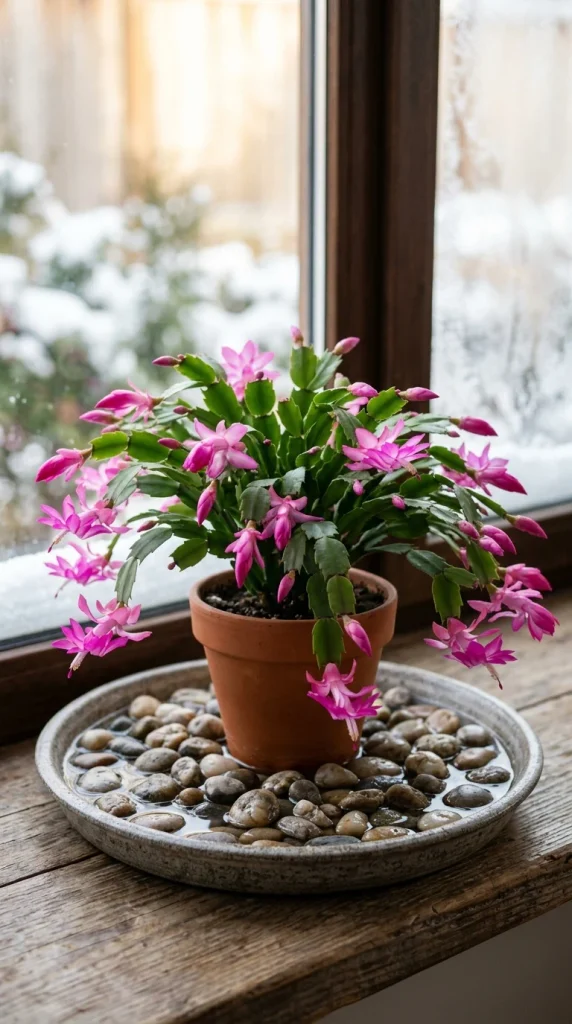
Coming from the Brazilian rainforests, these plants crave humidity. Modern heating systems can make indoor air very dry during the winter. To compensate, place your pot on a pebble tray filled with water (ensuring the pot sits on the stones, not in the water). Alternatively, a quick misting with a spray bottle a few times a week or placing a humidifier nearby will keep the foliage plump and healthy.
4. Cool Temperatures
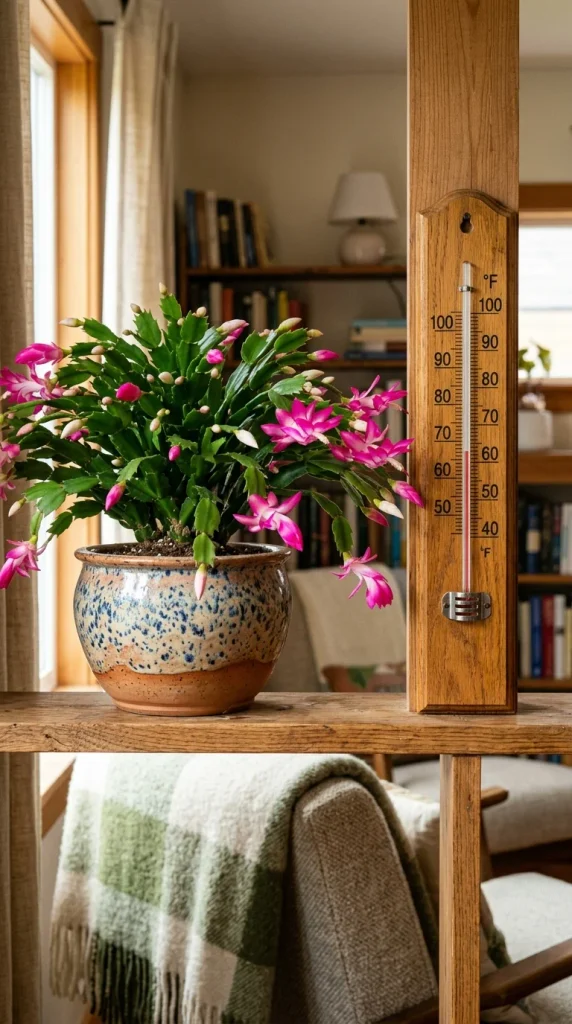
To trigger those iconic holiday blooms, the Christmas Cactus needs a dip in temperature. During the day, they prefer temperatures between 65°F and 70°F. However, at night, they thrive in cooler environments around 55°F to 60°F. Avoid placing your plant near drafty doors, heat vents, or fireplaces, as sudden temperature fluctuations are the primary cause of bud drop.
5. Well-Draining Soil
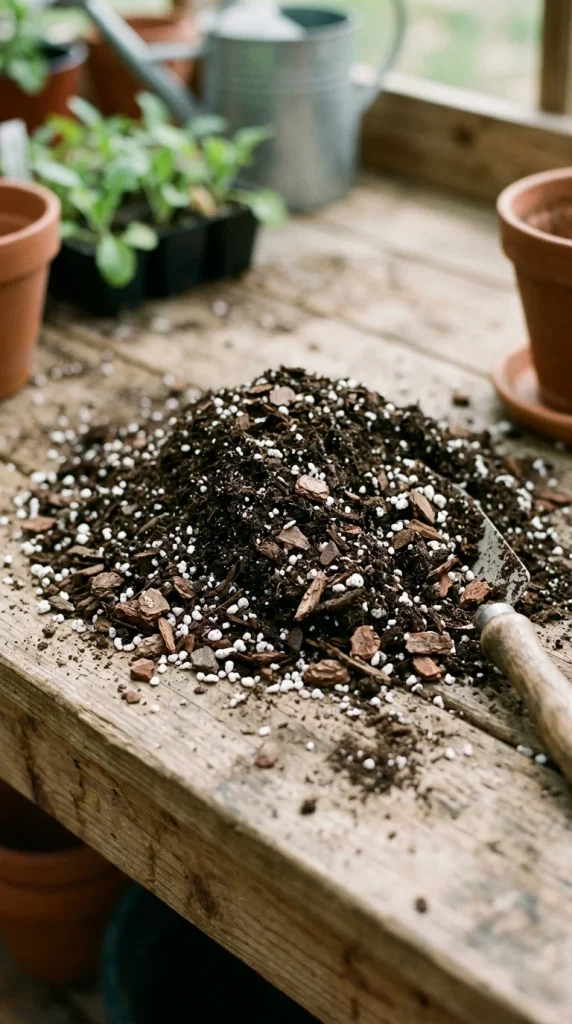
Standard garden soil is too heavy for a Christmas Cactus. It needs a medium that allows for excellent aeration and drainage. A high-quality commercial potting mix blended with perlite or orchid bark works wonders. This ensures that oxygen can reach the roots and that excess water can escape quickly, preventing the dreaded root rot that kills many holiday plants.
6. Proper Drainage
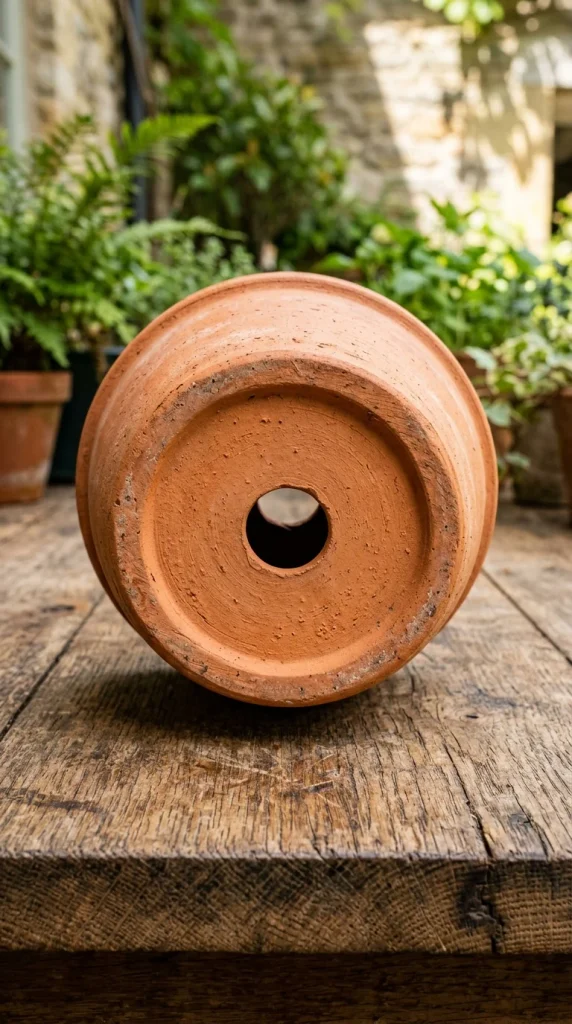
The pot you choose is just as important as the soil. Never plant a Christmas Cactus in a container without drainage holes. If you have a beautiful decorative “cachepot” that doesn’t have holes, keep the cactus in a plastic nursery pot inside the decorative one. After watering, always check the bottom of the outer pot and dump out any standing water.
7. Monthly Fertilizing
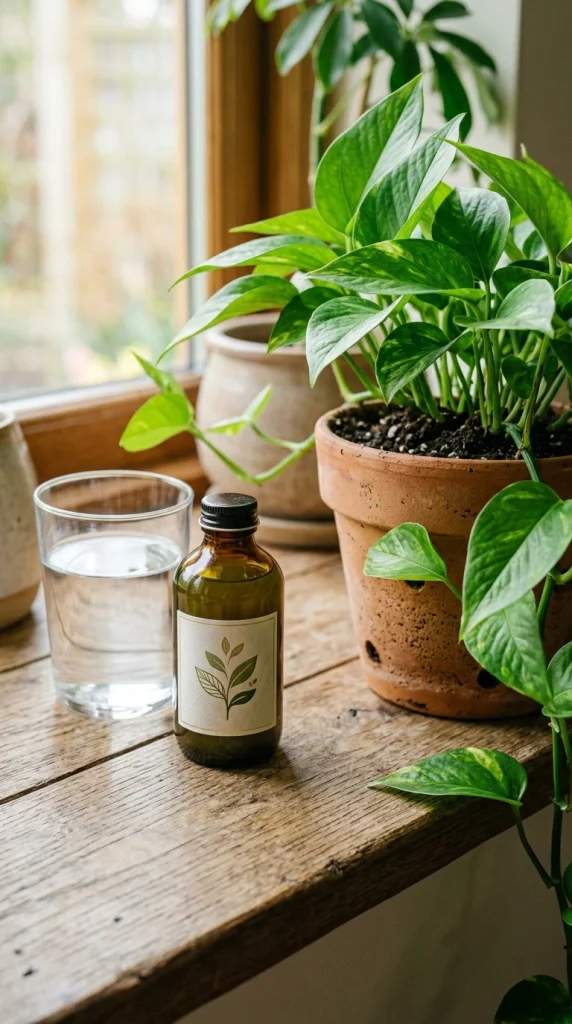
During the active growing season—from early spring through early autumn—feed your plant every two to four weeks with a balanced, water-soluble fertilizer (such as a 20-20-20 mix). This provides the nutrients necessary for segment growth. Stop fertilizing in late October; once the buds have set, the plant focuses its energy on blooming rather than nutrient absorption.
8. Regular Pruning
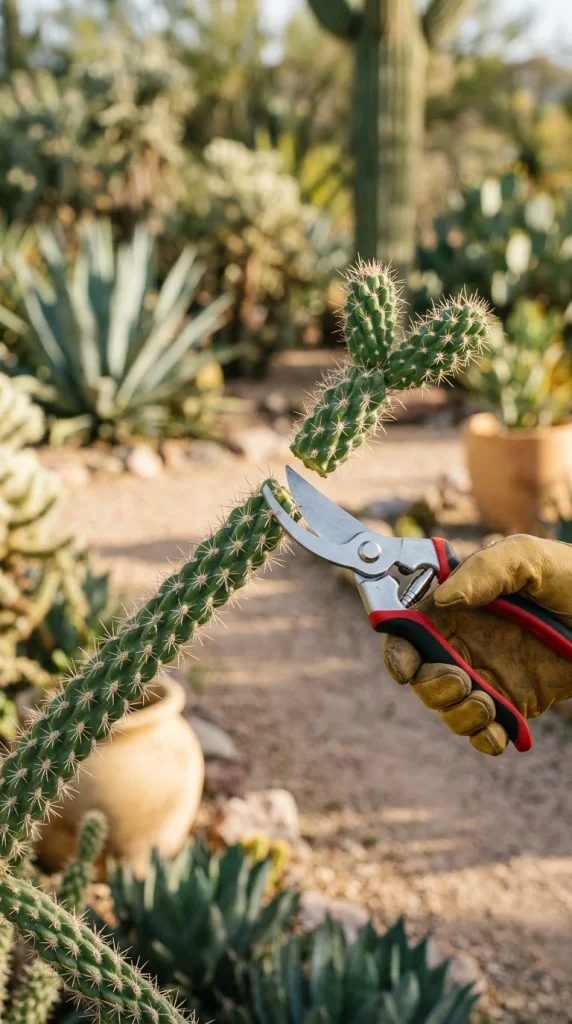
To encourage a fuller, bushier plant with more flowers, you should prune your Christmas Cactus in the late spring. Simply “twist” off one or two segments at the joint. This stimulates the plant to branch out from the point of the cut. More branches mean more tips, and more tips mean a more spectacular floral display come December.
9. Total Darkness
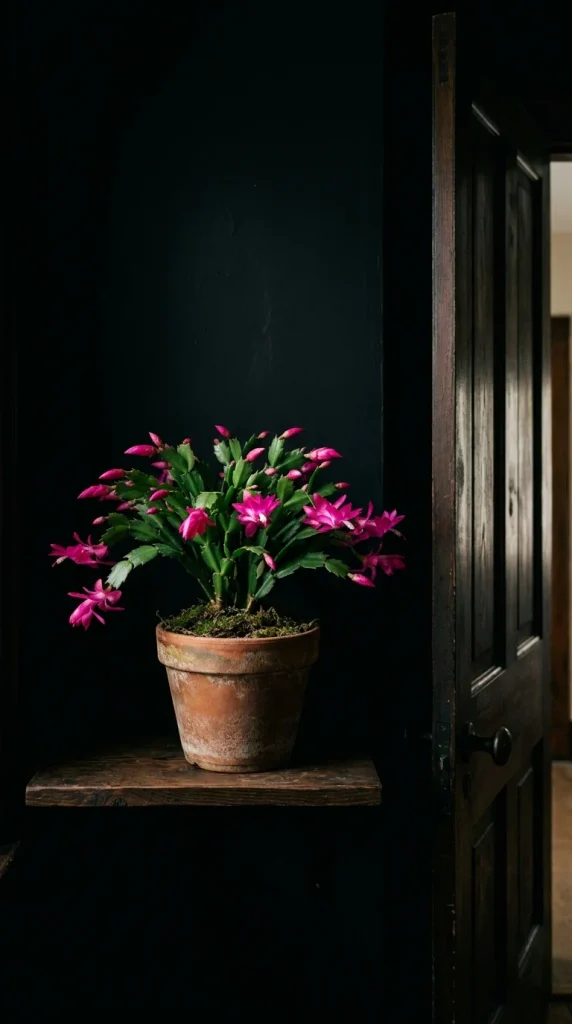
The secret to getting a Christmas Cactus to bloom on cue is “Short Day” treatment. Starting in September or October, the plant needs at least 12 to 14 hours of total, uninterrupted darkness every night. Even a hallway light or a street lamp through a window can disrupt this cycle. You can achieve this by placing the plant in a dark closet or covering it with a box from 6:00 PM to 8:00 AM for six to eight weeks.
10. Minimal Repotting
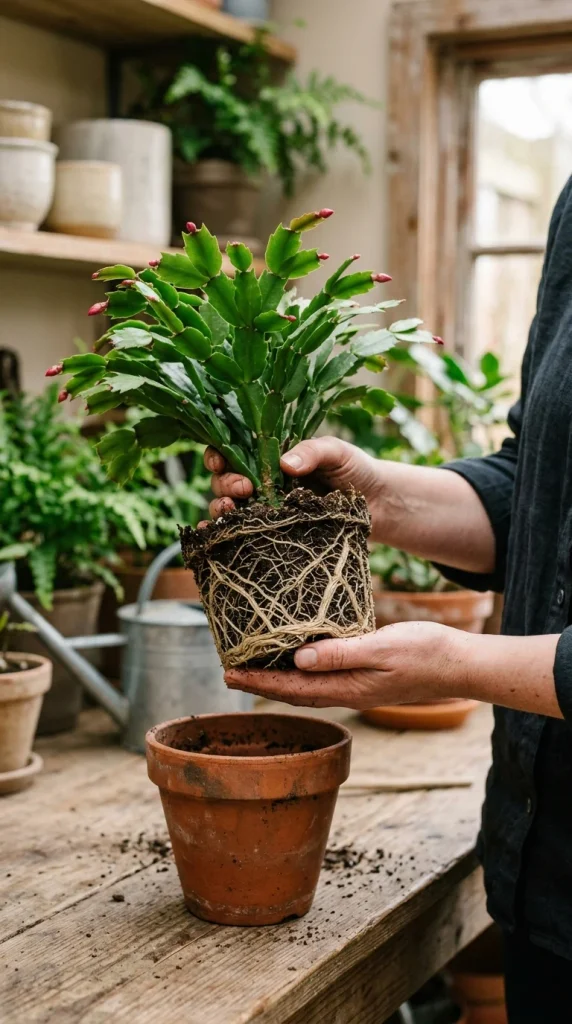
Unlike many houseplants that need more space every year, the Christmas Cactus actually prefers to be slightly root-bound. Being “snug” in its pot encourages blooming. You should only repot every three to four years, and only after the blooming season has completely finished. When you do repot, only go up one pot size to avoid excess soil holding onto too much moisture.
11. Pest Management
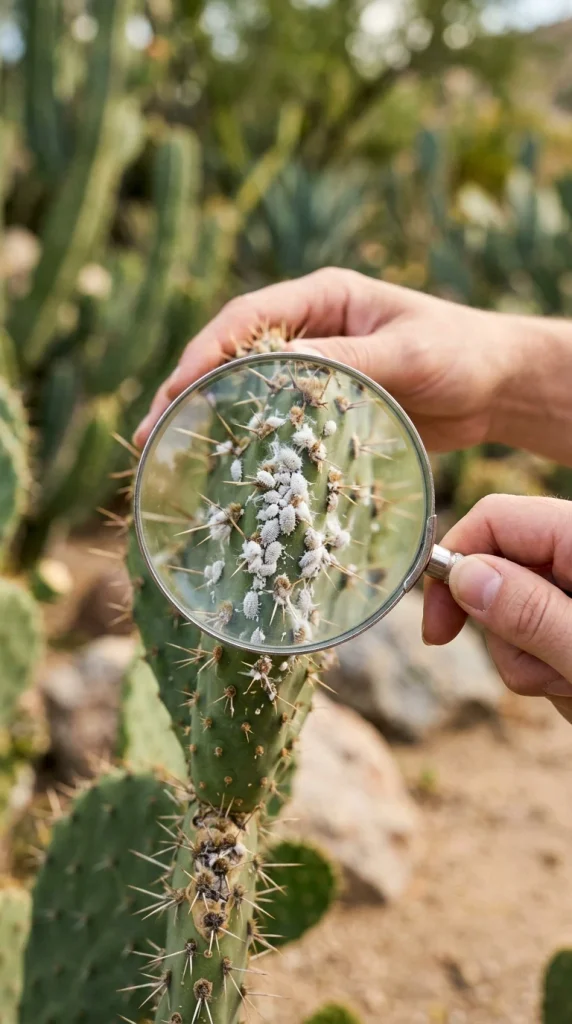
Keep an eye out for common pests like mealybugs, fungus gnats, and spider mites. Mealybugs look like tiny bits of white cotton in the joints of the plant. If you spot them, dab them with a cotton swab dipped in rubbing alcohol. For fungus gnats, ensure you aren’t overwatering, as they thrive in soggy soil.
12. Gentle Airflow

While they hate cold drafts, Christmas Cacti do appreciate gentle air circulation. Stagnant air can lead to fungal issues and mold on the soil surface. Ensure there is enough space between your plants for air to move freely. A ceiling fan on a low setting or a room with an open door is usually sufficient to keep the environment fresh.
13. Prevent Bud Drop
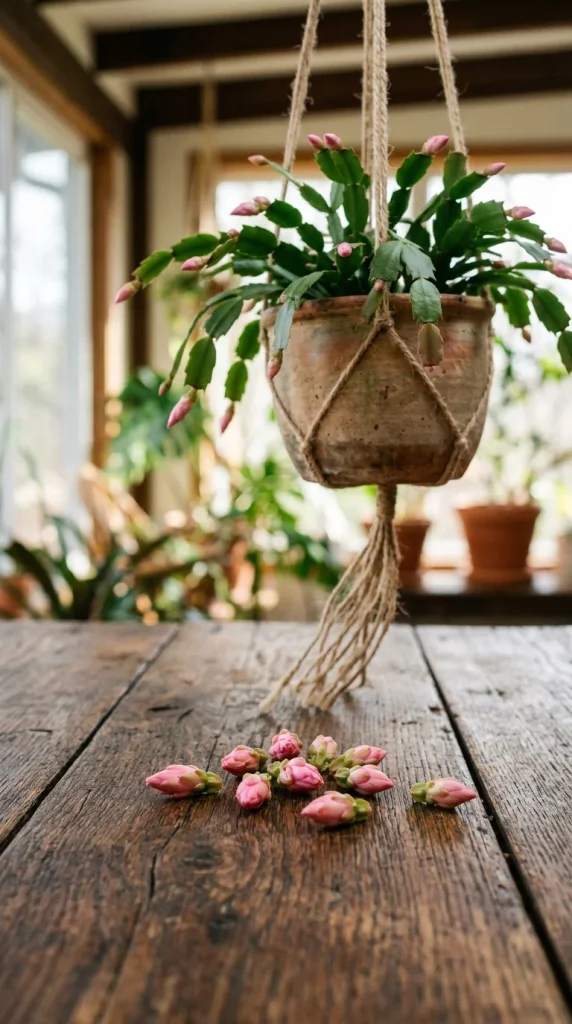
It is heartbreaking to see your cactus covered in buds only to have them fall off before opening. Bud drop is almost always caused by stress. This could be a sudden change in temperature, a move to a different room with different light, or a lapse in watering. Once the buds have formed, keep the plant’s environment as stable as possible—don’t move it!
14. Simple Propagation
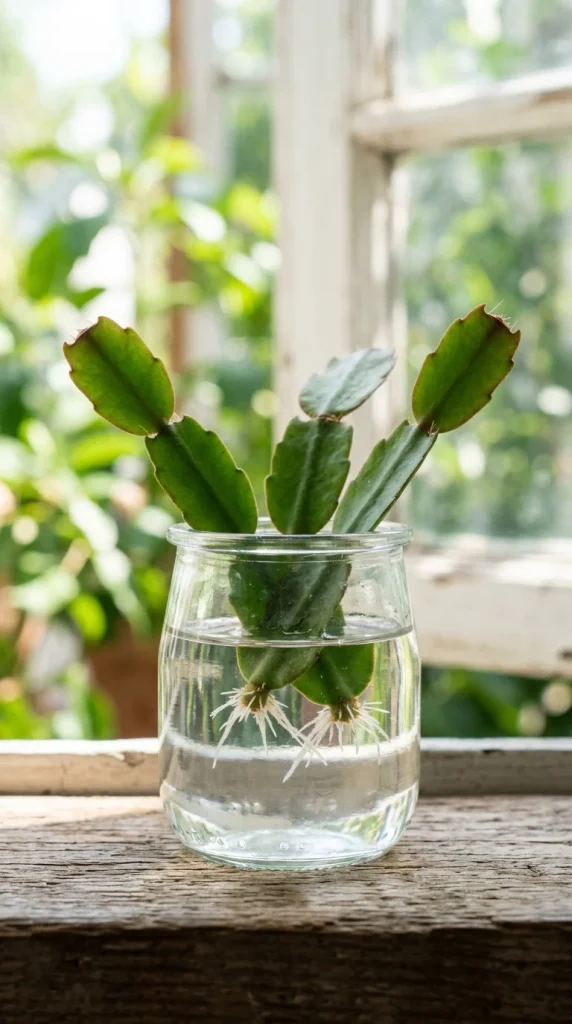
Don’t throw away those segments you pruned! Christmas Cacti are incredibly easy to propagate. Take a cutting of two to three segments and let the broken end dry out (callous) for two days. Then, simply stick it into a pot of moist sand or perlite. Within a few weeks, roots will form, and you’ll have a brand-new plant to give as a holiday gift next year.
15. Post-Bloom Rest
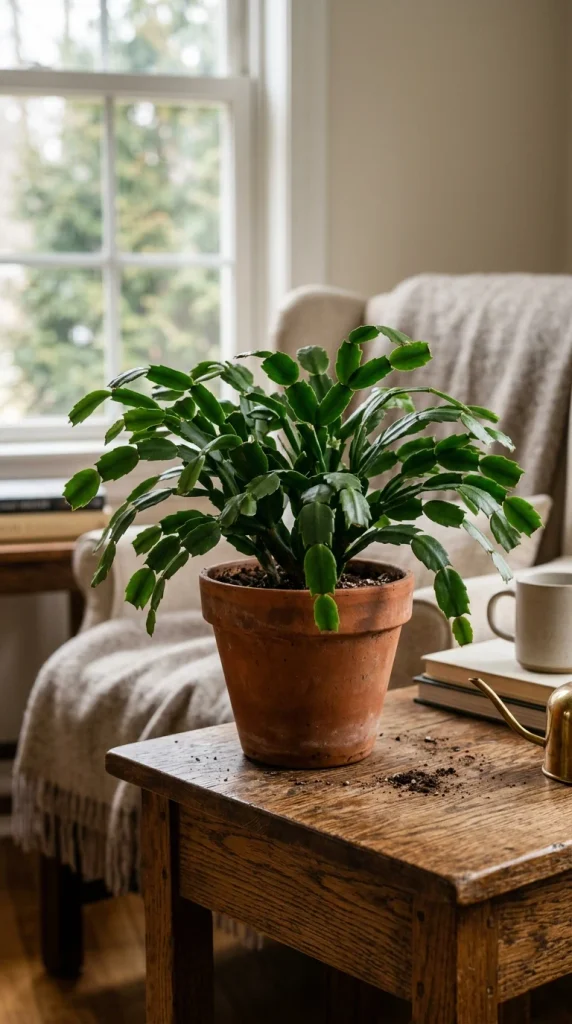
After the holiday flowering season ends, your plant will enter a period of dormancy. During this time, which usually lasts about six weeks in late winter, reduce watering and stop fertilizing. The plant is recharging its energy. Once you see new green growth appearing at the tips of the segments in the spring, you can resume your regular watering and feeding schedule.