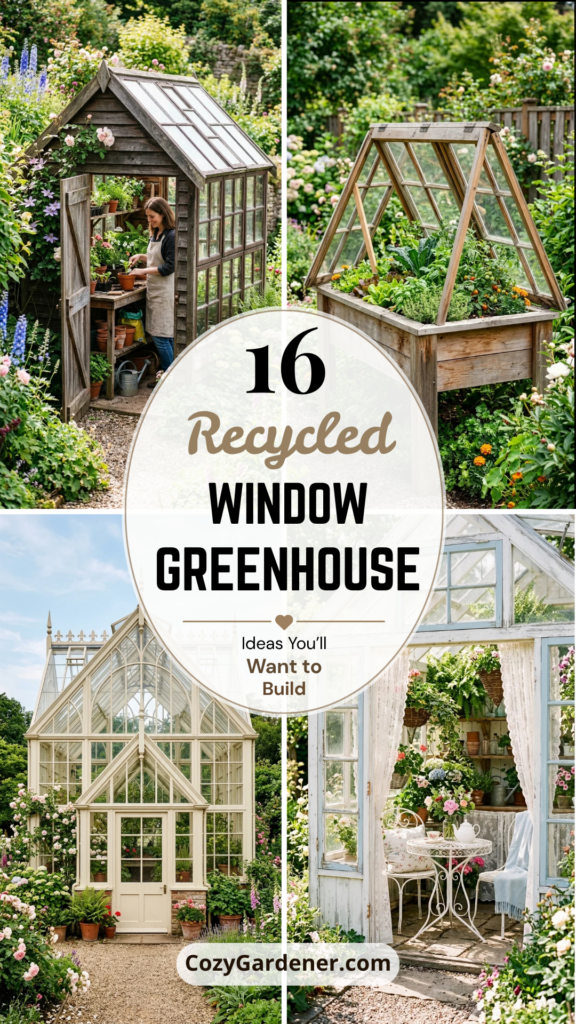
There is something inherently magical about a structure built from history. When you take discarded windows—each having looked out over different landscapes for decades—and piece them together to create a sanctuary for new life, you aren’t just building a greenhouse; you are creating a living piece of art. Recycled window greenhouses are the ultimate weekend project for the eco-conscious gardener, combining sustainability with a whimsical, “shabby-chic” aesthetic that no store-bought kit can replicate.
Beyond the undeniable charm, using salvaged windows is a brilliant way to save hundreds, if not thousands, of dollars. Old windows, particularly those from the mid-20th century, often feature sturdy old-growth wood and thick glass that offers excellent insulation for your delicate seedlings. Whether you have a sprawling backyard or a tiny urban patio, there is a recycled window design that will fit your space and skill level.
1. Classic Lean-To
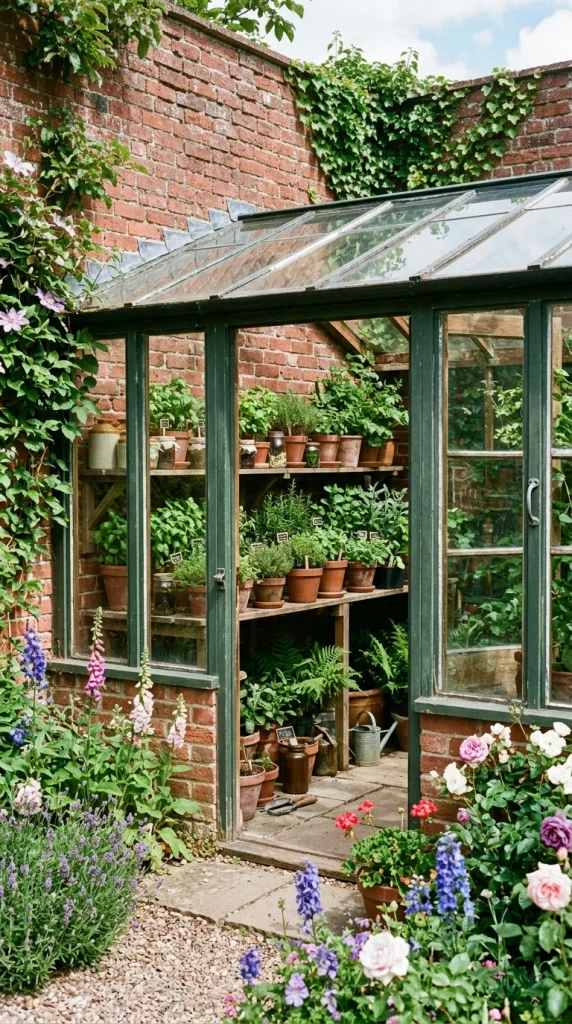
The lean-to is the perfect solution for gardeners with limited space. By utilizing an existing wall—whether it’s your house, a garage, or a sturdy fence—you significantly reduce the amount of material needed. This design is exceptionally efficient at retaining heat, as the back wall acts as a thermal mass, soaking up sunlight during the day and radiating warmth back to the plants at night. It’s an ideal starter project for those new to DIY construction.
2. Cold Frames
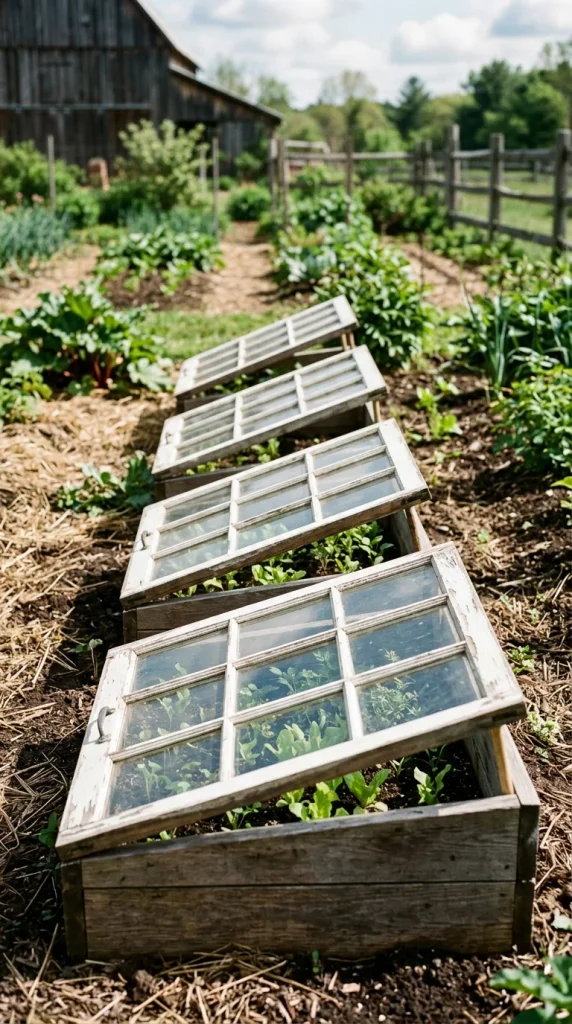
If you aren’t ready to commit to a full-standing structure, cold frames are your best friend. These “mini-greenhouses” are essentially bottomless boxes with a window for a lid. They are perfect for hardening off seedlings in the early spring or extending your harvest into the late autumn. Because they are low to the ground, they are incredibly easy to build and can be moved around your garden as the seasons change.
3. Victorian Glasshouse
For those who want a showstopper, the Victorian-inspired glasshouse is the way to go. This design uses tall, narrow windows to create height and a sense of grandeur. By mixing and matching different window shapes but painting them a uniform color, you can achieve a sophisticated, historical look. This style often includes a “knee wall”—a short base made of brick or stone—which adds stability and architectural interest.
4. Geometric Sphere
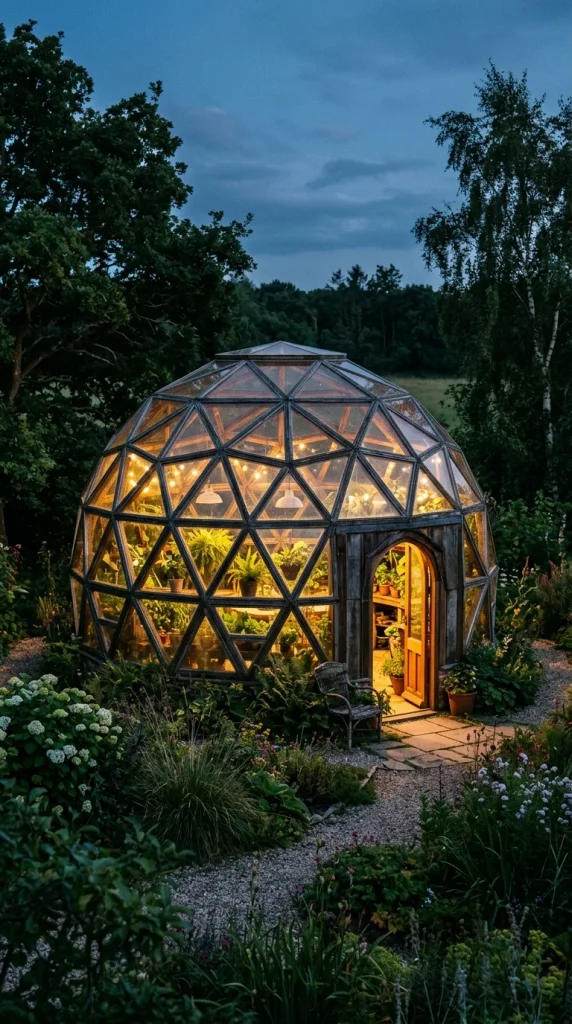
While more complex to engineer, a geometric or geodesic dome made from recycled windows is a true conversation piece. This design maximizes interior space and provides excellent airflow. Because the angles are varied, the glass catches the sun at different points throughout the day, ensuring your plants get consistent light regardless of the sun’s position. It’s a challenging build that rewards you with a futuristic, organic aesthetic.
5. Farmhouse Rustic
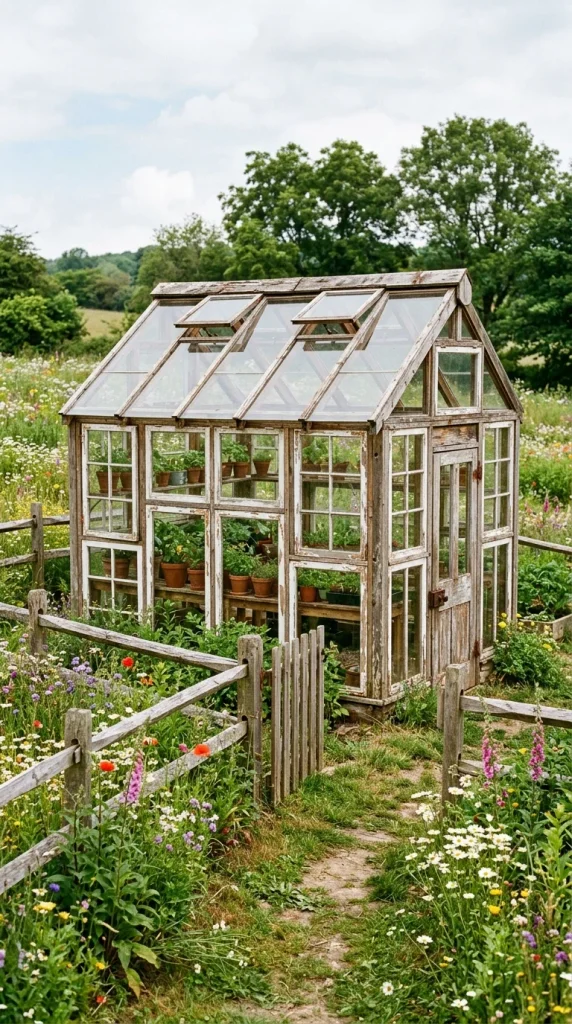
Embrace the imperfections with a farmhouse rustic design. Instead of sanding and painting your salvaged windows to look new, leave the chipped paint and weathered wood as they are (after a clear sealant coat to prevent further decay). This style looks at home in country gardens and homesteads. Using a mix of different sized panes creates a patchwork quilt effect that feels cozy and lived-in.
6. Rolling Greenhouse
Do you have a deck or a patio that gets sun at different times of the day? A portable rolling greenhouse is a game-changer. By building a small-to-medium-sized frame on heavy-duty wheels, you can chase the sun or move your plants into the shade during the scorching heat of July. This is a fantastic option for apartment dwellers with large balconies or those who want to bring their “greenhouse” into the garage during extreme winter storms.
7. Greenhouse Cabinet
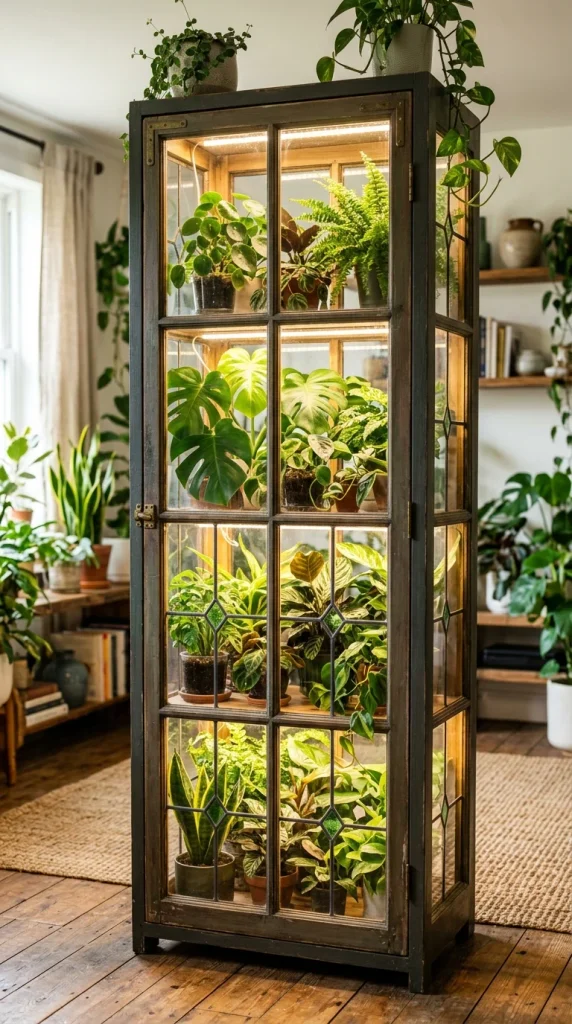
Not all greenhouses need to be outdoors. A recycled window cabinet brings the botanical vibe inside your home. By repurposing old window sashes as the doors and sides of a shelving unit, you create a controlled environment for tropical houseplants like orchids or monsteras. Add some waterproof LED strip lights and a small humidifier, and you have a year-round indoor jungle that doubles as high-end furniture.
8. Window Wall
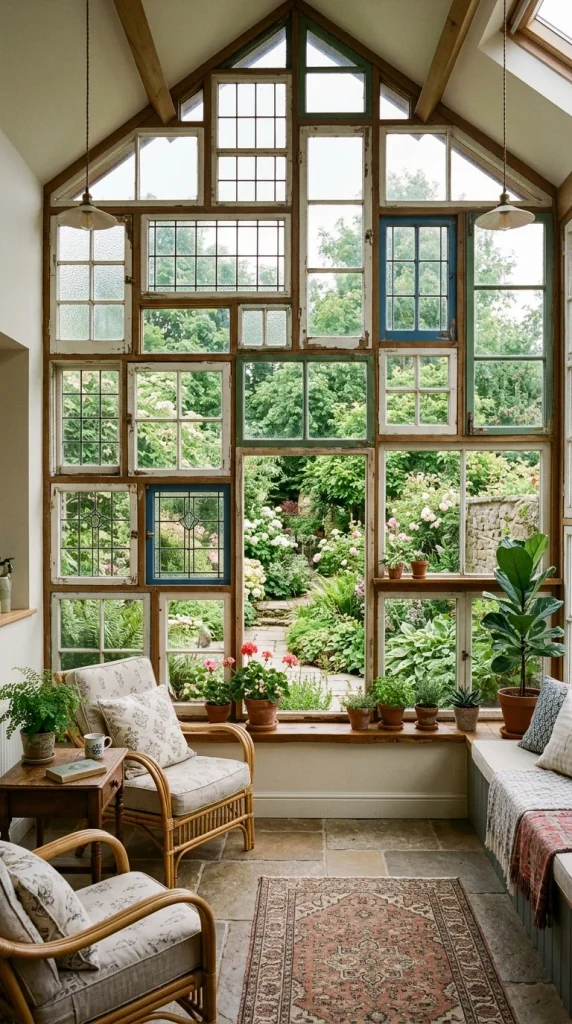
If you are looking to expand your living space, consider a “window wall” sunroom. This is a more permanent architectural addition where one side of a shed or a home extension is crafted from a collection of recycled windows. It blurs the line between indoors and outdoors, providing a bright, airy space for both people and plants to thrive. It’s the ultimate reading nook for any nature lover.
9. A-Frame Style
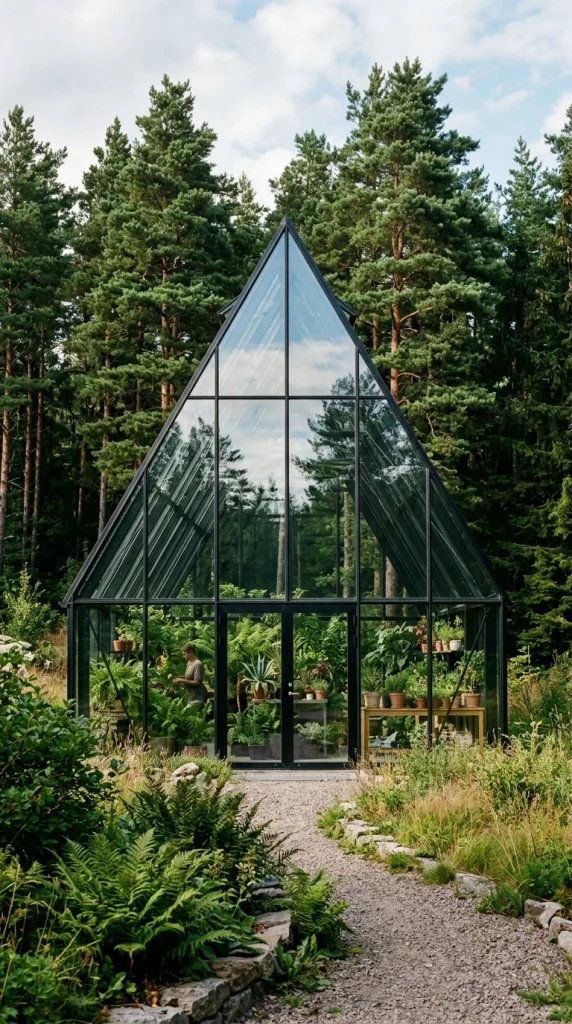
The A-frame is iconic for a reason: it’s structurally sound and handles snow loads beautifully. By using long, rectangular windows for the sloped sides, you create a dramatic interior with soaring ceilings. This design is particularly effective in northern climates where shedding snow is a priority. The interior feels incredibly spacious, allowing for vertical gardening or tall fruit trees like lemons or figs.
10. Colorful Stained Glass

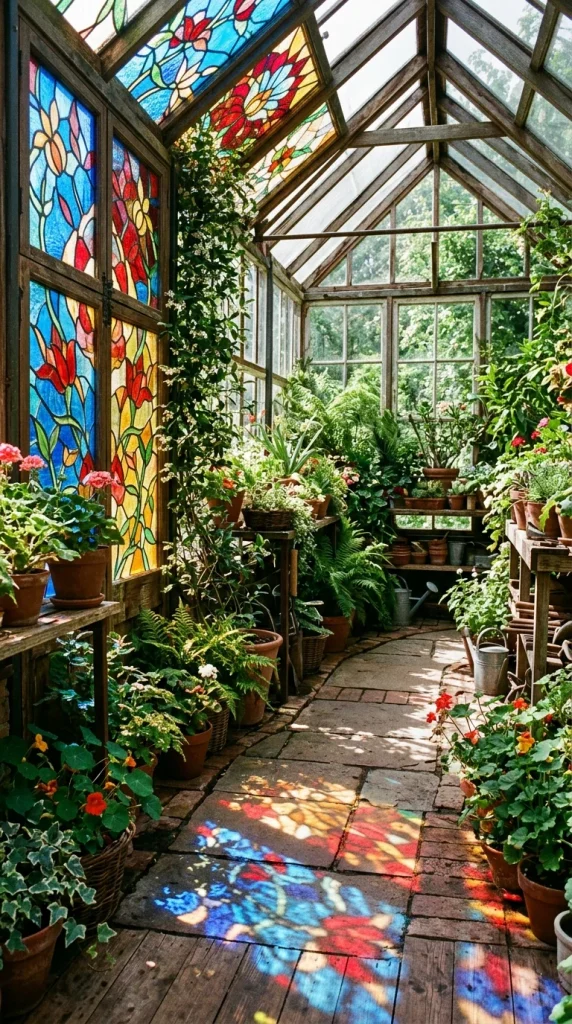
Who says a greenhouse has to be clear? Integrating a few pieces of stained glass or painting some of the panes with translucent glass paint can transform the atmosphere of your structure. As the sun moves across the sky, your greenhouse will be filled with shifting patterns of colored light. It’s a fantastic way to hide a less-than-perfect view or simply add a touch of bohemian flair to your garden.
11. Modern Industrial
You can achieve a modern, industrial look by painting your wooden window frames a matte black or charcoal gray. This mimics the look of expensive steel-framed “Crittall” windows. Pair the dark frames with a base of corrugated metal or smooth concrete for a look that is sophisticated, edgy, and contemporary. It’s the perfect design for a modern minimalist landscape.
12. Raised Bed Topper
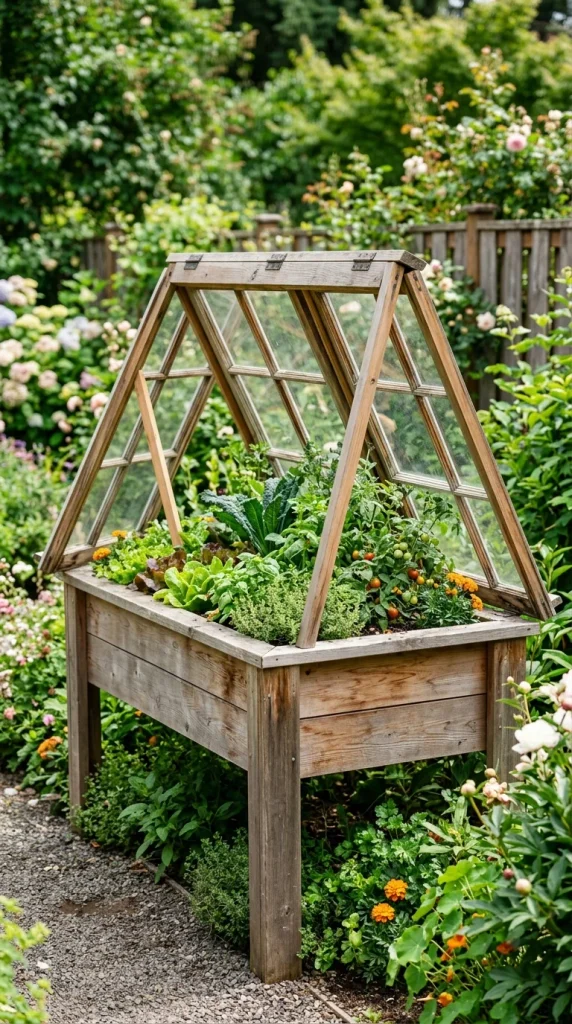
Combine your gardening infrastructure by building a “topper” for your raised beds. This allows you to plant directly into the soil while providing the protection of a greenhouse. The windows can be hinged so they can be propped open for ventilation on hot days. This “top-hat” approach is excellent for growing heat-loving crops like tomatoes and peppers in cooler regions.
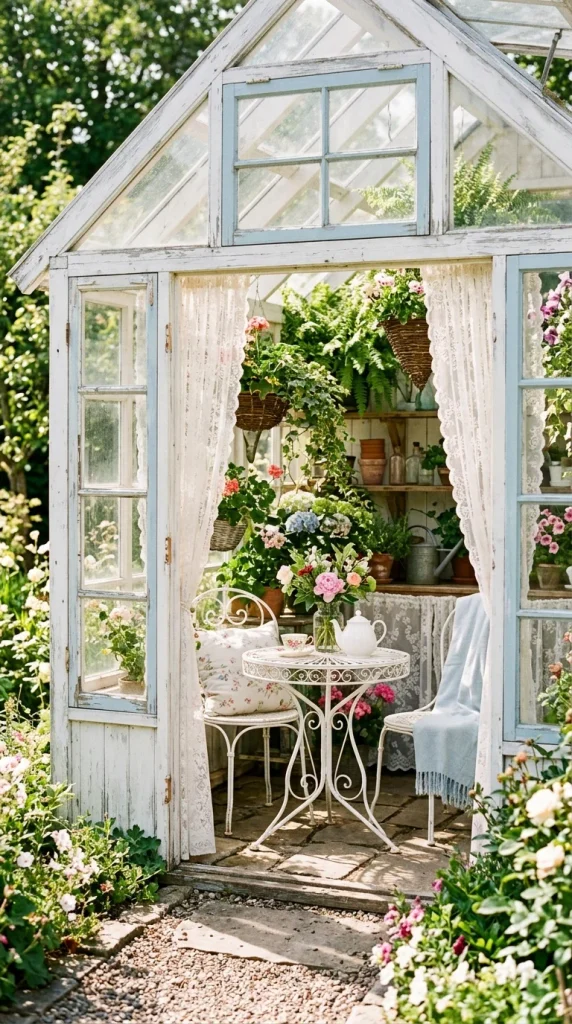
13. Shabby Chic Conservatory
The shabby chic style is all about romance and nostalgia. Use windows with intricate muntin patterns and paint them in soft pastels or distressed whites. Decorate the interior with vintage rugs, wicker chairs, and hanging baskets. This isn’t just a place for plants; it’s a sanctuary for tea, meditation, and enjoying the beauty of your garden while staying protected from the wind.
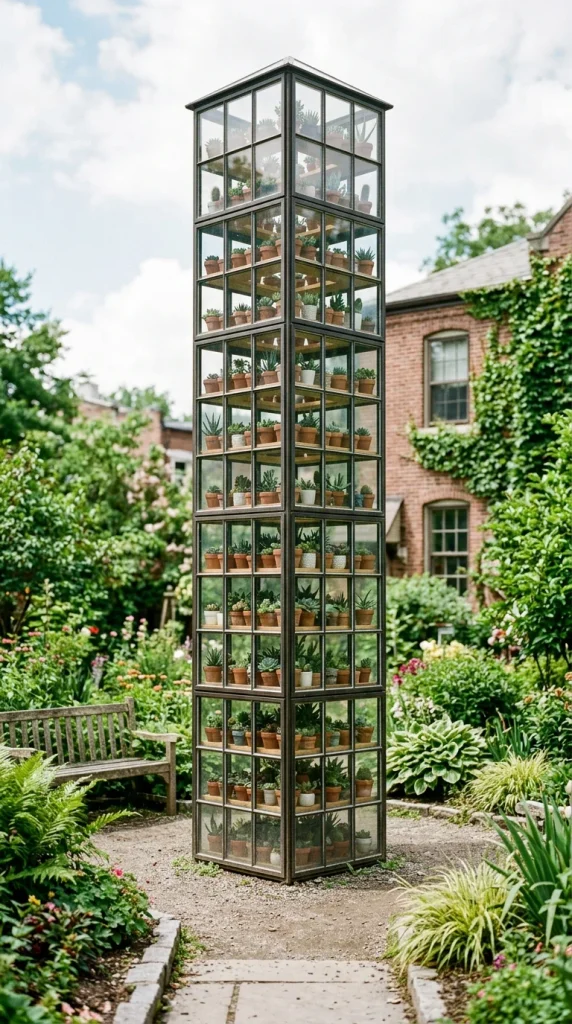
14. Vertical Tower
When you have zero floor space, go vertical. A window tower is essentially a tall, narrow box made of four windows (or more, stacked). It takes up very little square footage but offers multiple levels of shelving. This is the ultimate solution for succulent collectors or herb gardeners living in urban environments with small patios or balconies.
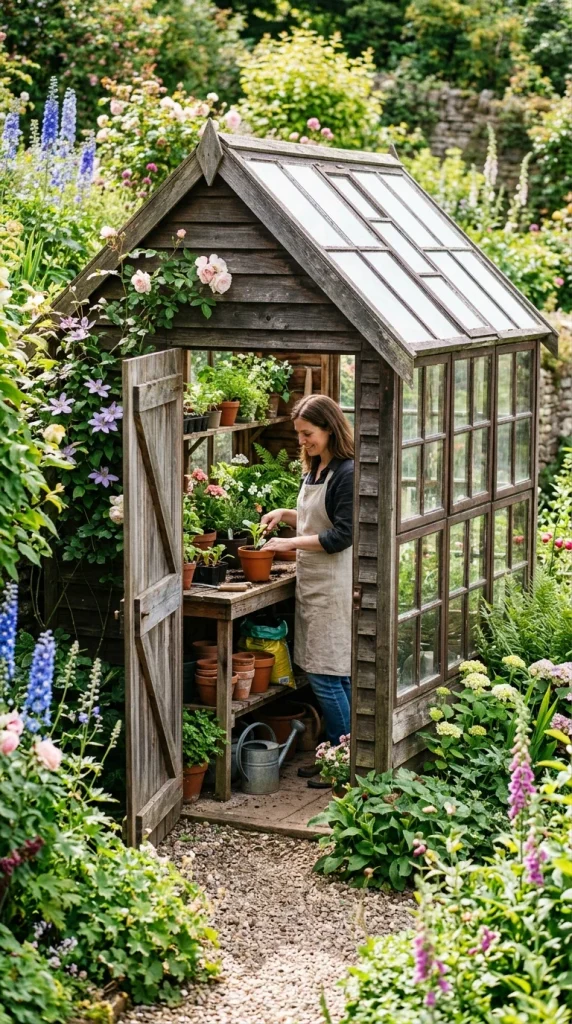
15. Greenhouse Shed Hybrid

Why choose between a tool shed and a greenhouse when you can have both? By replacing the roof or one side of a standard wooden shed with recycled windows, you create a hybrid space. Use the dark side for storing tools and the glass side for starting seeds and potting plants. It’s a functional, space-saving design that keeps all your gardening tasks in one beautiful location.
Tips for Success
- Lead Paint Safety: Many old windows (pre-1978) were painted with lead-based paint. Always test the frames and use proper encapsulation or stripping methods before using them in a space where you’ll grow food.
- The Foundation: A greenhouse is only as good as its base. Ensure you have a level foundation of gravel, concrete, or pressure-treated wood to prevent the glass from cracking as the ground shifts.
- Sealing: Use high-quality exterior caulk to seal the gaps between the windows. This prevents drafts and keeps the heat where it belongs—inside with your plants.
- Ventilation: This is the most forgotten step. Ensure at least two of your windows (ideally one low and one high) can be opened to create a cross-breeze, preventing your plants from “cooking” on mid-summer days.