
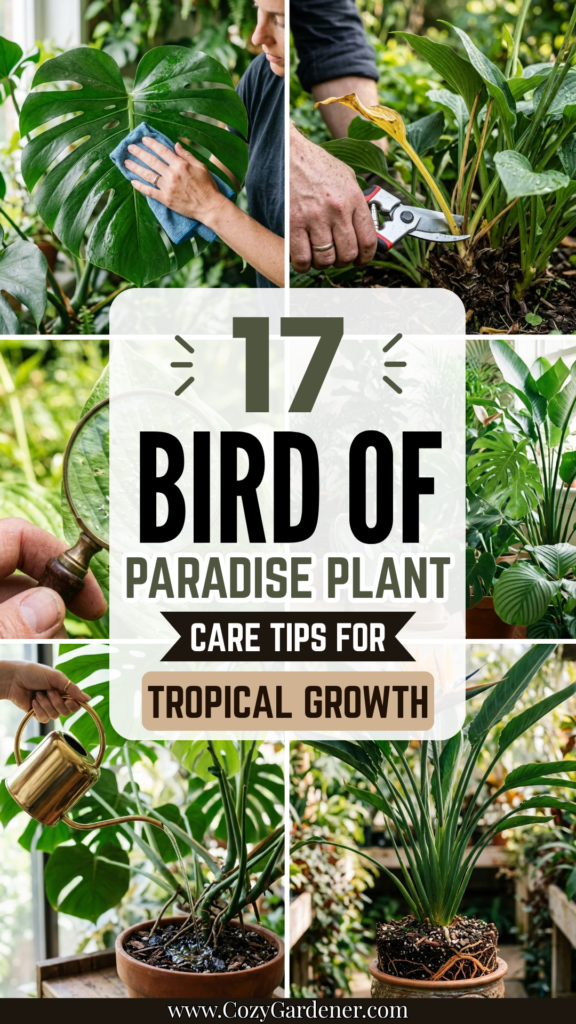
The Bird of Paradise (Strelitzia) is the undisputed royalty of the indoor plant world. With its architectural silhouette and flowers that mimic the plumage of a celestial crane, it brings an instant tropical vibe to any space. Whether you are nurturing the classic orange Strelitzia reginae or the towering Giant White Strelitzia nicolai, achieving that “botanical garden” look requires more than just luck. It requires an understanding of their South African heritage and a commitment to mimicking their natural habitat.
1. Sunlight
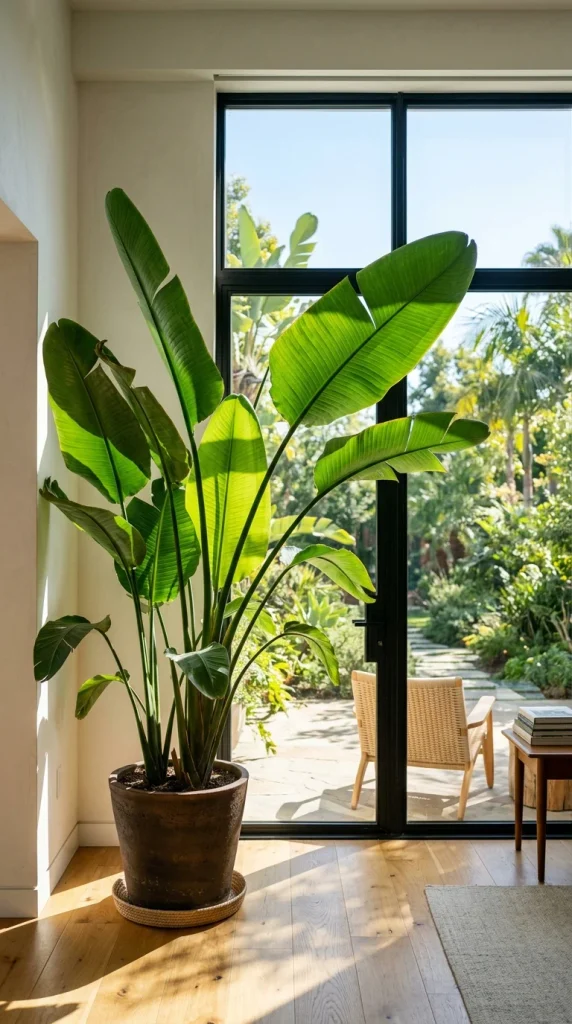
To thrive, the Bird of Paradise craves light—and lots of it. These plants are sun-worshippers by nature. For the best growth and the highest chance of seeing those spectacular blooms, place your plant in a spot where it receives at least four to six hours of bright, direct sunlight daily. An east or south-facing window is ideal. If the light is too dim, the plant will become “leggy,” its stems stretching toward the light, and it will likely never produce flowers.
2. Soil
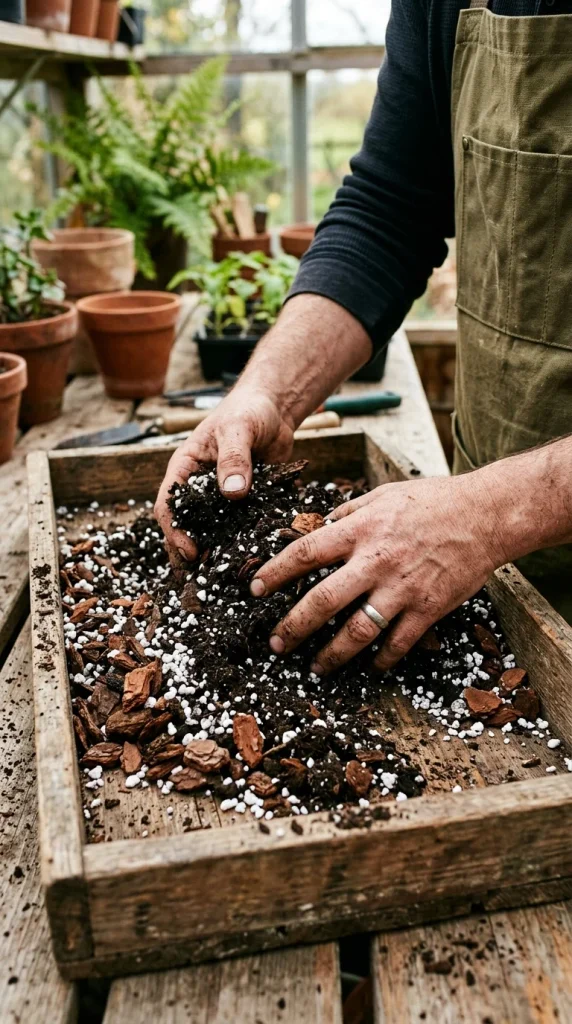
The foundation of a healthy Bird of Paradise is the medium it grows in. You need a rich, well-draining potting mix. A standard high-quality indoor potting soil works well, but it is highly recommended to amend it with perlite or orchid bark to ensure aeration. These plants hate “wet feet,” and a heavy, clay-like soil will trap water around the roots, leading to the dreaded root rot. Aim for a slightly acidic to neutral pH for optimal nutrient uptake.
3. Watering
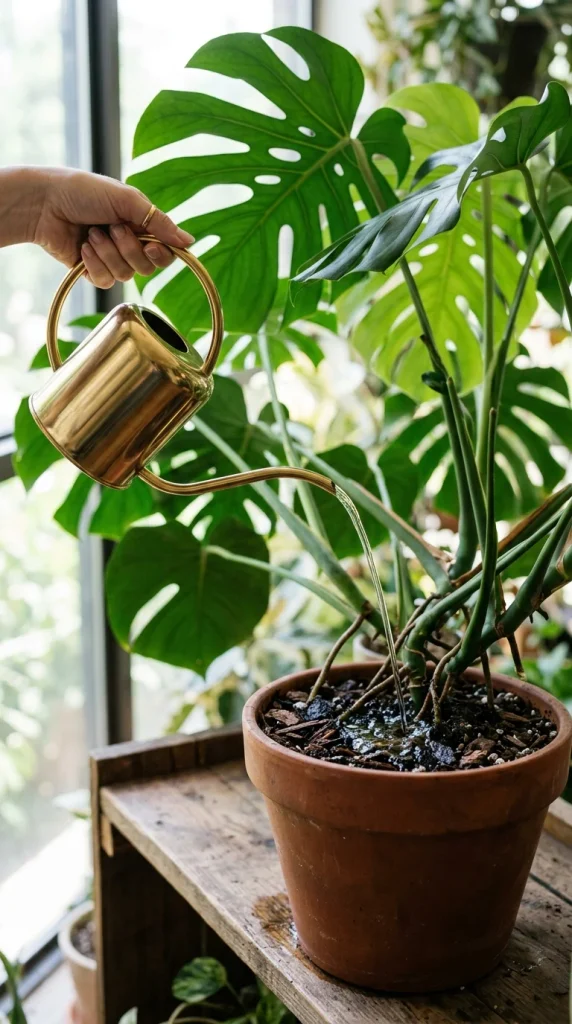
Watering is a balancing act. During the active growing season (spring and summer), the soil should be kept consistently moist but never soggy. A good rule of thumb is to water when the top two inches of soil feel dry to the touch. In the dormant winter months, you can allow the soil to dry out more significantly between waterings. Always use room-temperature water to avoid shocking the tropical root system.
4. Humidity
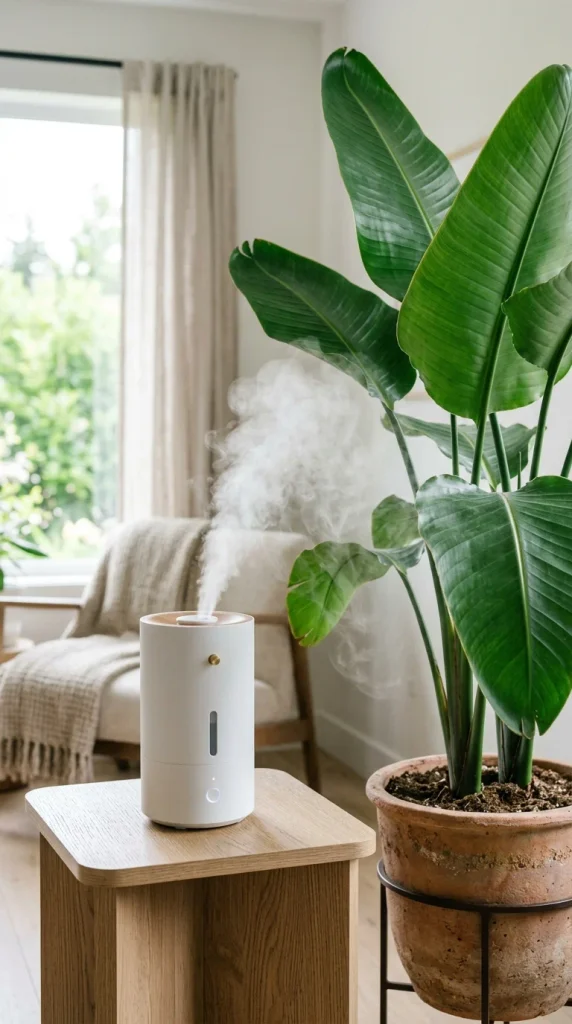
Coming from coastal South Africa, these plants adore humidity. While they can tolerate average household humidity, they will truly flourish if the air is moist. If your home is dry—especially during the winter when heaters are running—consider using a humidifier, placing the pot on a pebble tray filled with water, or grouping plants together to create a humid microclimate. This prevents the leaf edges from turning brown and crispy.
5. Temperature
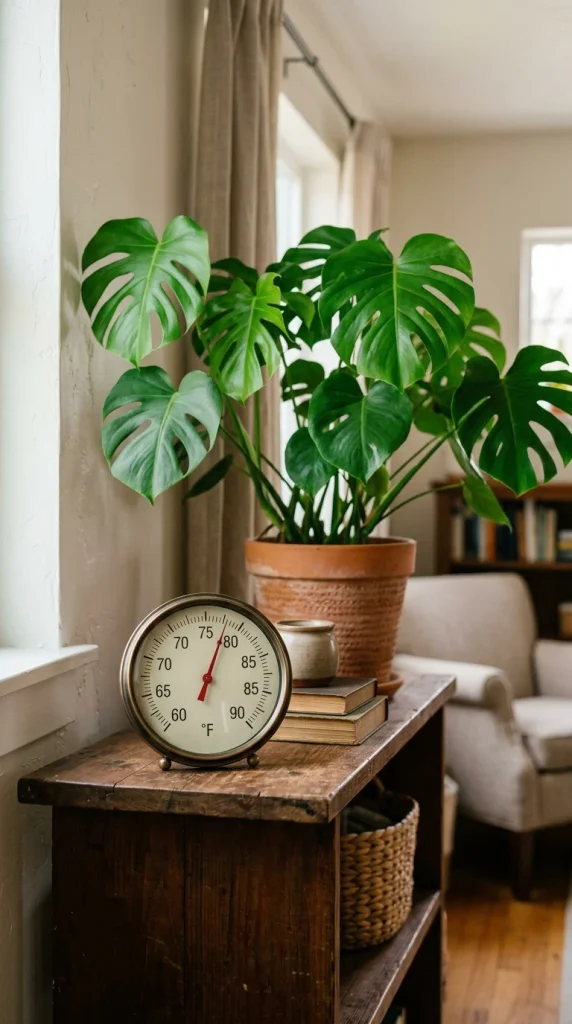
The Bird of Paradise thrives in temperatures between 65°F and 80°F (18°C–27°C). They are sensitive to cold and can suffer damage if temperatures drop below 50°F (10°C). Keep your plant away from drafty doors, windows, or air conditioning vents. If you move your plant outdoors for the summer, be sure to bring it back inside well before the first frost of autumn.
6. Fertilizer

Think of fertilizer as fuel for those massive leaves. During the spring and summer, feed your Bird of Paradise every two weeks with a balanced, water-soluble fertilizer diluted to half strength. Look for a formula with an N-P-K ratio like 10-10-10. Stop fertilizing in the winter when the plant’s growth slows down. Over-fertilizing can lead to salt buildup in the soil, which can burn the roots and the tips of the leaves.
7. Potting
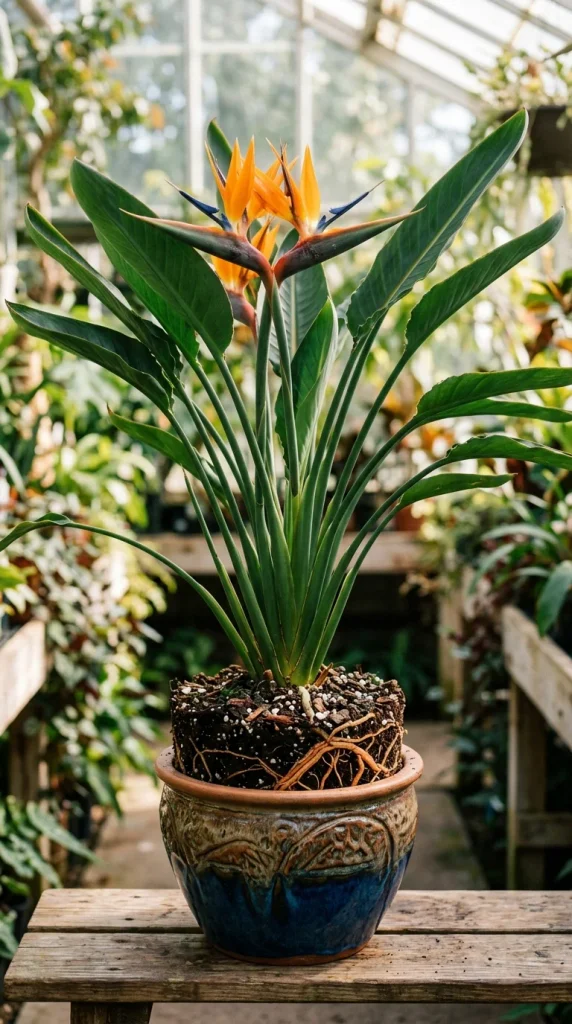
Interestingly, the Bird of Paradise enjoys being slightly root-bound. This “tightness” in the pot actually encourages blooming. However, if the roots start pushing the plant out of the pot or cracking the container, it’s time to move up. Only choose a pot that is 2-3 inches wider than the current one. Ensure the new pot has ample drainage holes to allow excess water to escape freely.
8. Cleaning
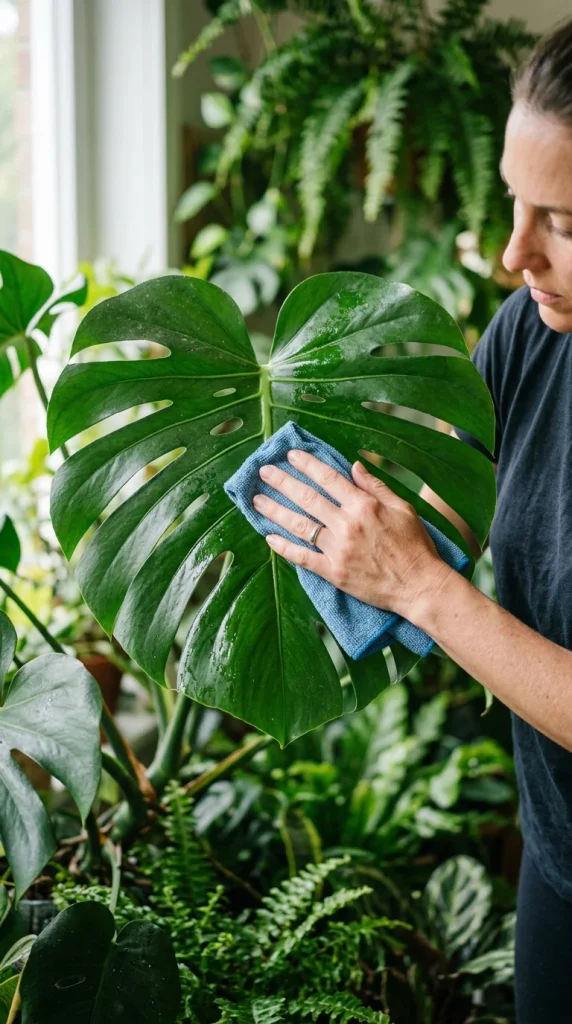
The giant leaves of the Bird of Paradise are magnificent, but they are also dust magnets. A layer of dust blocks sunlight and reduces the plant’s ability to photosynthesize effectively. Once a month, use a damp cloth to gently wipe down both the tops and bottoms of the leaves. This not only keeps the plant healthy but also keeps it looking glossy and camera-ready.
9. Drainage
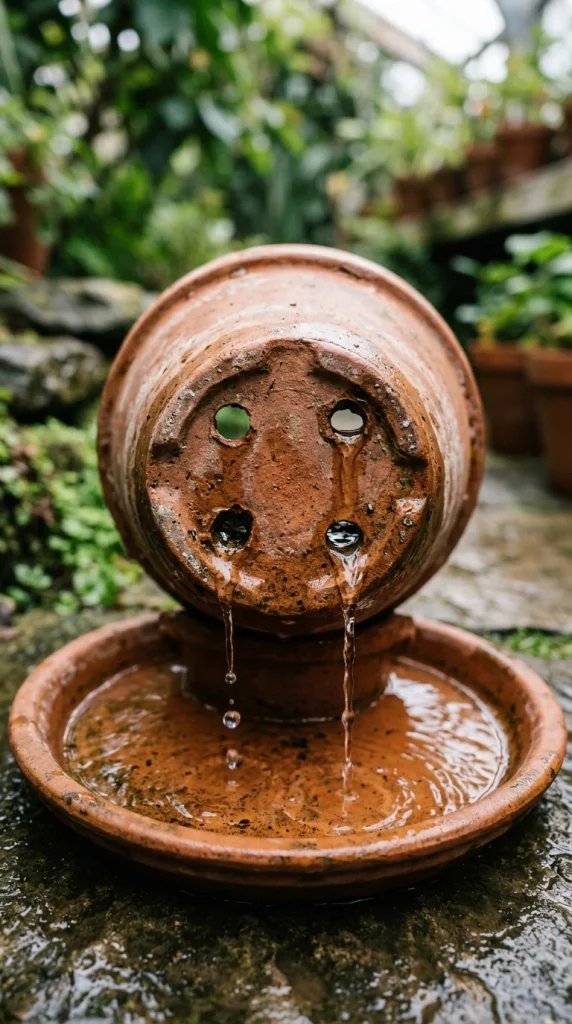
Never underestimate the importance of drainage. While these plants love moisture, sitting in stagnant water is a death sentence. Always ensure your decorative cachepot has a nursery pot inside it with holes, or that the main pot has a large exit point for water. After watering, wait 15 minutes and then empty any excess water that has collected in the saucer or the bottom of the outer pot.
10. Pruning
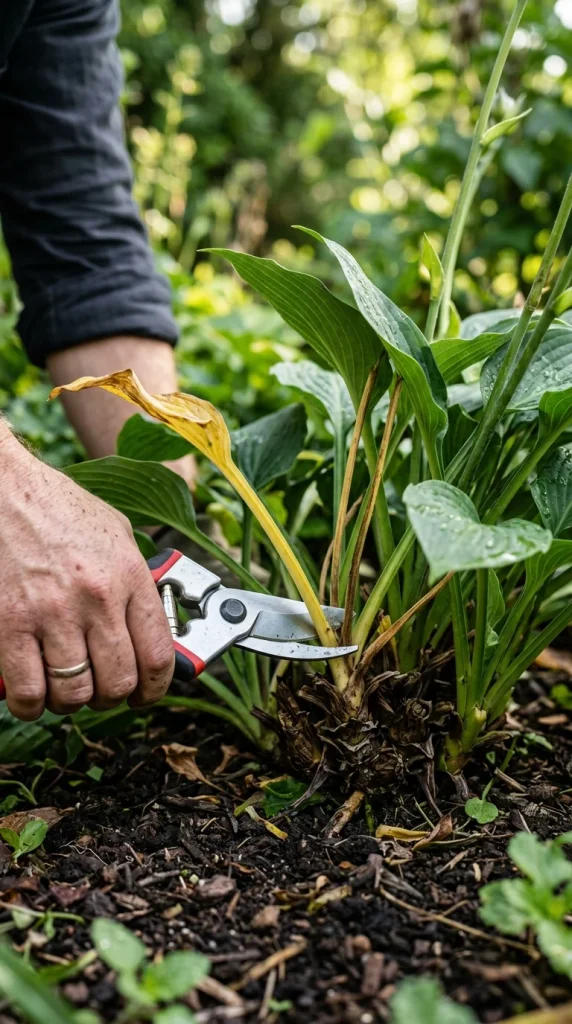
Grooming your plant is essential for maintaining its energy. As the plant grows, older leaves at the bottom will naturally turn brown or yellow and die off. This is a normal part of its life cycle. Use sterilized pruning shears to cut these dead or damaged leaves off at the base of the stem. This redirects the plant’s energy toward producing new, healthy foliage rather than trying to sustain a dying leaf.
11. Pests
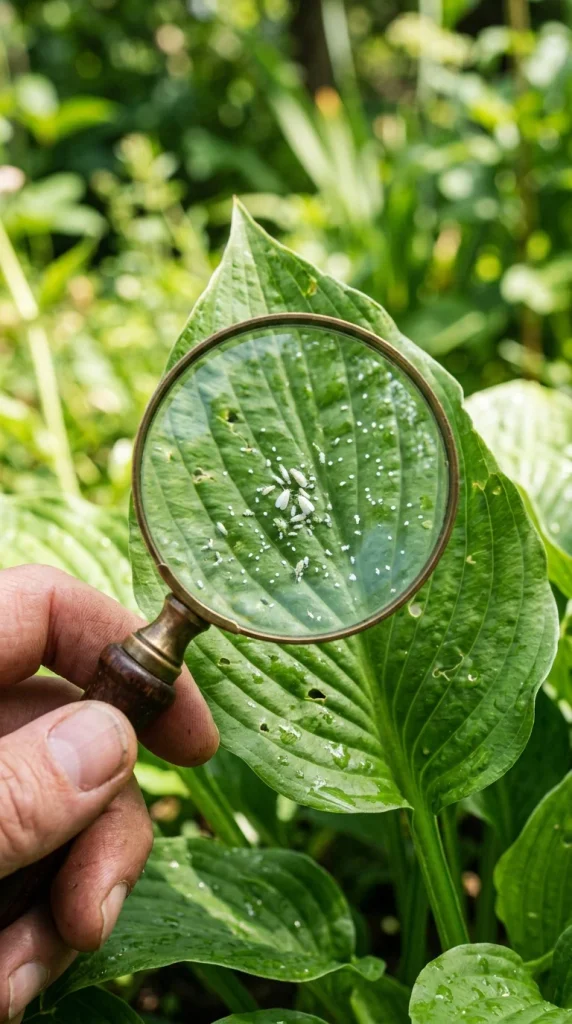
Even the sturdiest plants can fall victim to pests. Keep an eye out for mealybugs, scale, and spider mites. These tiny invaders often hide in the crevices where the leaves meet the stems or on the undersides of the leaves. If you spot an infestation, treat it immediately with insecticidal soap or neem oil. Regular leaf cleaning (as mentioned in Tip 8) is your best preventative measure against these unwanted guests.
12. Propagation
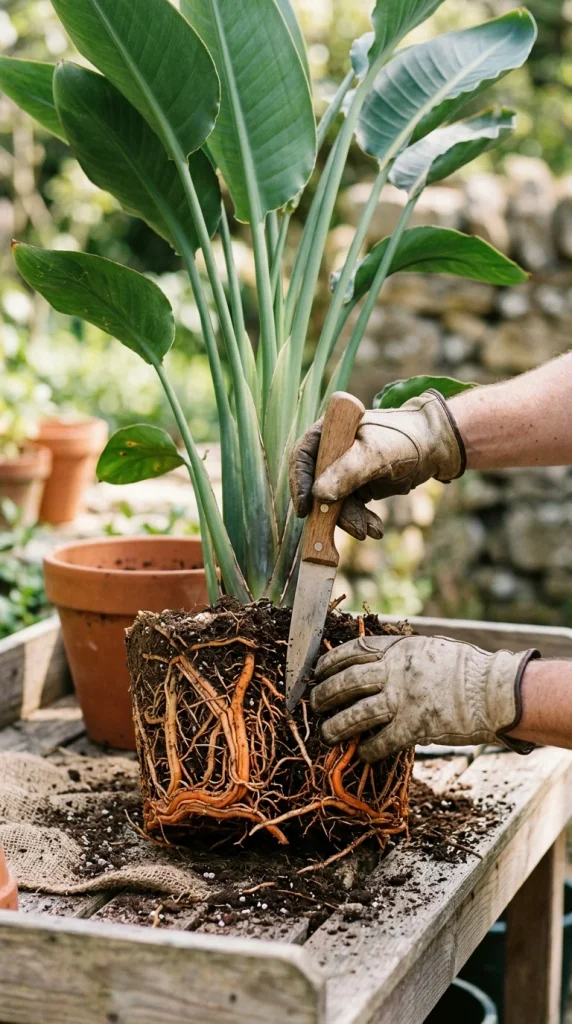
If your plant has grown too large or you want to share the love, you can propagate it through division. This is best done in the spring during repotting. Gently separate the underground rhizomes (thick roots), ensuring each new section has at least one healthy fan of leaves and a good set of roots. Pot the new divisions in fresh soil and keep them in a warm, humid spot until they establish themselves.
13. Leaf Splitting
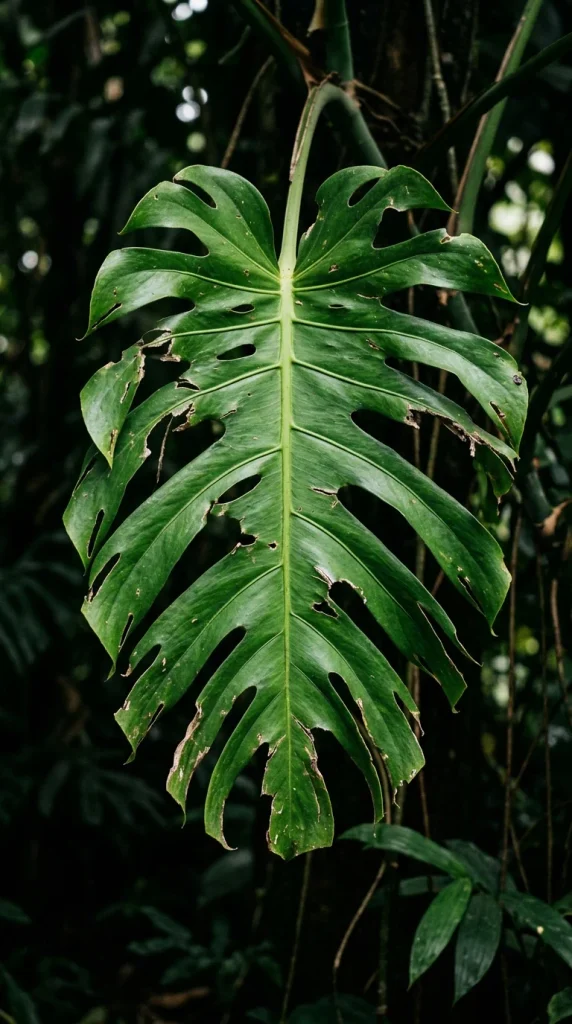
New owners often panic when they see the leaves of their Bird of Paradise splitting. Don’t worry! This is a natural evolutionary adaptation. In the wild, these splits allow wind to pass through the giant leaves without catching them like a sail and uprooting the plant. While you can minimize splitting by keeping humidity high and protecting the plant from strong breezes, some splitting is inevitable and adds to its authentic tropical charm.
14. Species Choice
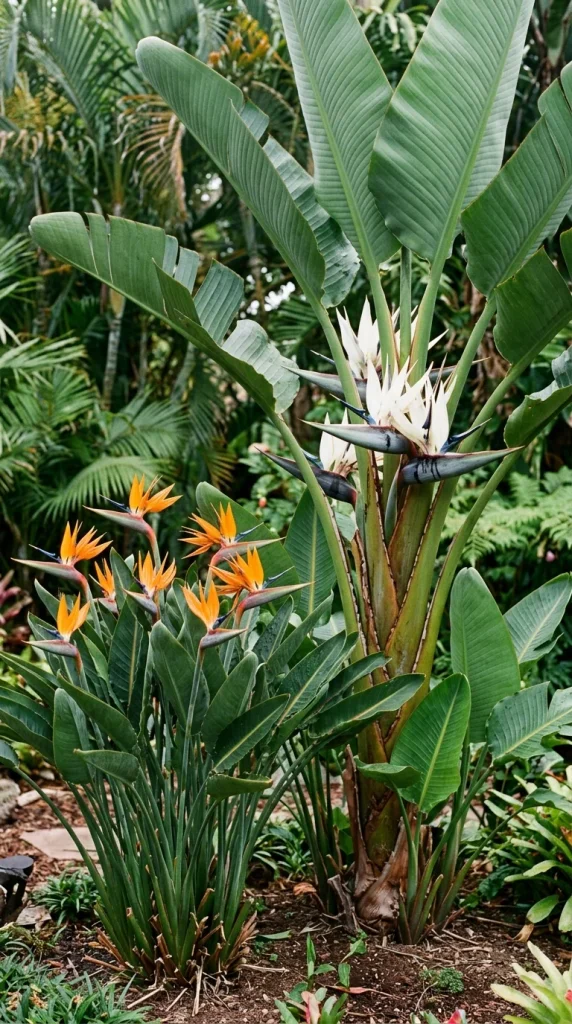
Before you commit, know your species. Strelitzia reginae (Orange Bird of Paradise) stays relatively compact, reaching about 5-6 feet, and is much more likely to bloom indoors. Strelitzia nicolai (Giant White Bird of Paradise) can reach heights of 20 feet or more and functions more as a “tree.” The White variety rarely blooms indoors but is prized for its massive, banana-like foliage. Choose the one that fits your ceiling height!
15. Winter Care
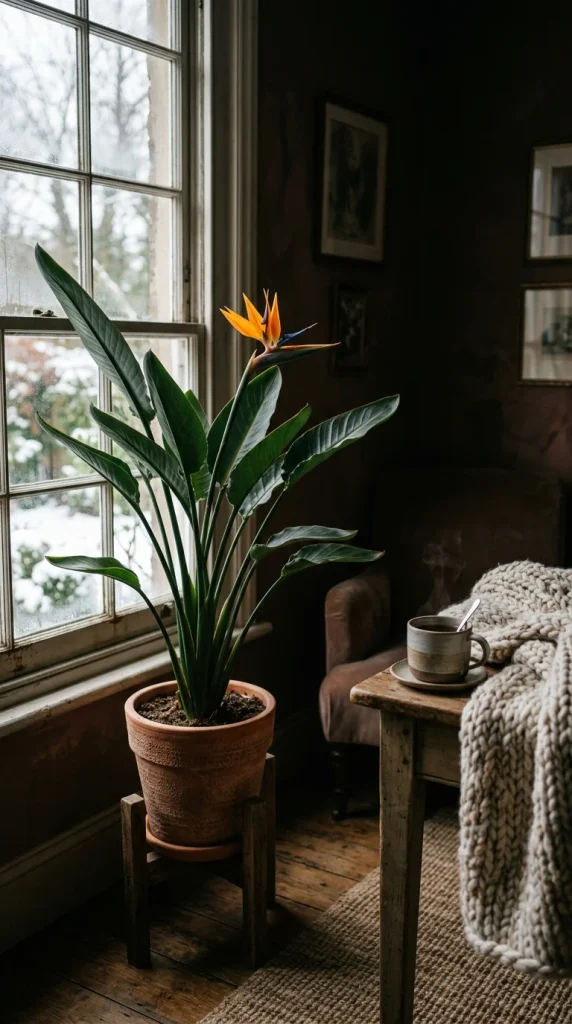
In the winter, the Bird of Paradise enters a period of rest. Its growth will slow down significantly. During this time, you should reduce watering and stop fertilizing entirely. The plant still needs light, so keep it in its sunny spot, but be extra careful about cold drafts. Increasing the humidity during this time is crucial, as indoor heating systems can make the air extremely dry.
16. Air Circulation
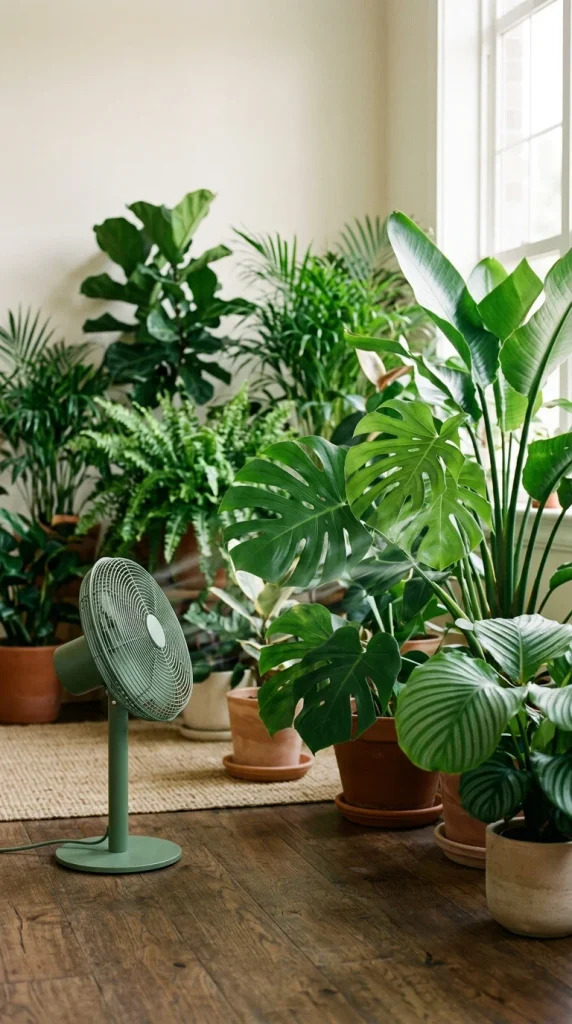
While they love humidity, they also need fresh air. Stagnant, moist air can lead to fungal issues like powdery mildew or leaf spot. Ensure there is some air movement in the room where your plant lives. A ceiling fan on a low setting or an open window on a warm day provides enough circulation to keep the leaves dry and the fungal spores at bay.
17. Patience
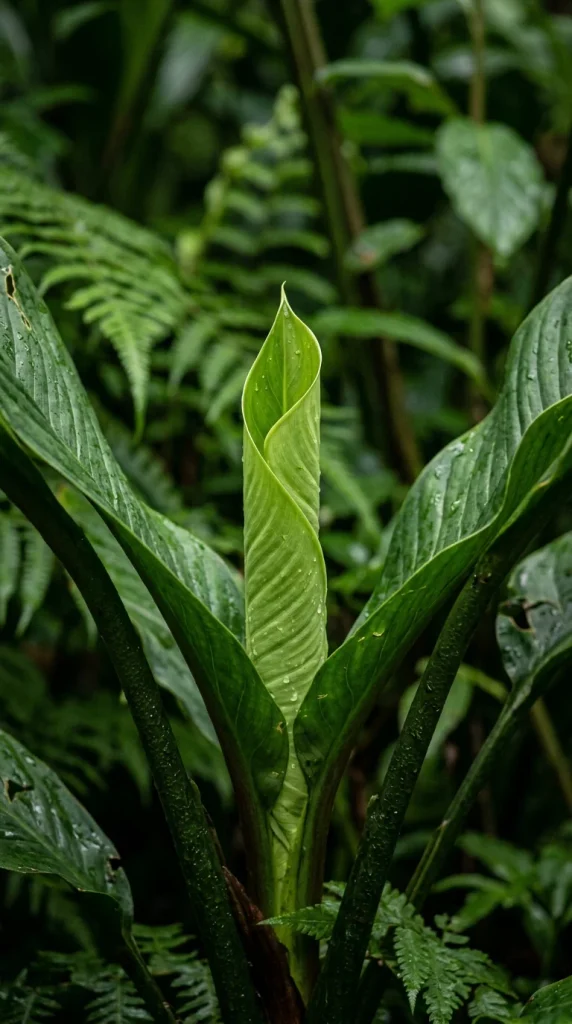
Finally, have patience. A Bird of Paradise is a slow-growing plant, especially when it comes to flowering. It can take three to five years for a young plant to reach maturity and produce its first bloom. Even then, it will only flower if its light, water, and nutrient needs are perfectly met. Enjoy the process of watching the massive leaves unfurl—each one is a masterpiece of nature in its own right.