
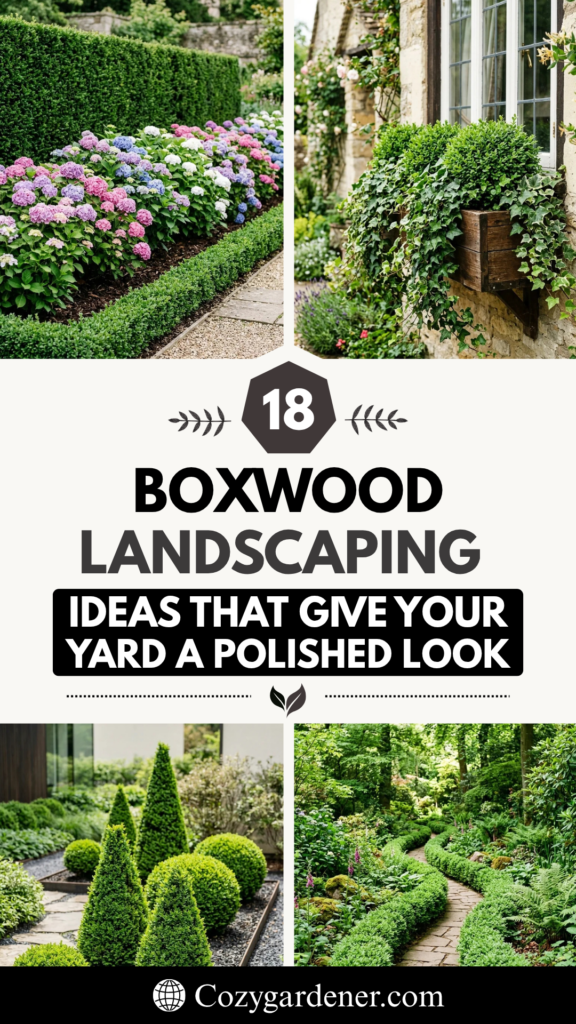
Boxwoods are the undisputed royalty of the landscaping world. Often referred to as “man’s oldest garden ornamental,” these versatile evergreens have been used for centuries to bring structure, elegance, and year-round color to outdoor spaces. Whether you are aiming for a regal English manor aesthetic or a sleek, contemporary vibe, boxwoods are the “little black dress” of your garden—they go with everything and never go out of style.
Their dense foliage and ability to withstand heavy shearing make them the perfect canvas for creative landscaping. From defining property lines to creating focal points in a sea of perennials, the possibilities are endless. If you’re looking to elevate your curb appeal and give your yard a professional, polished finish, here are 18 boxwood landscaping ideas to transform your outdoor sanctuary.
1. Low Hedges
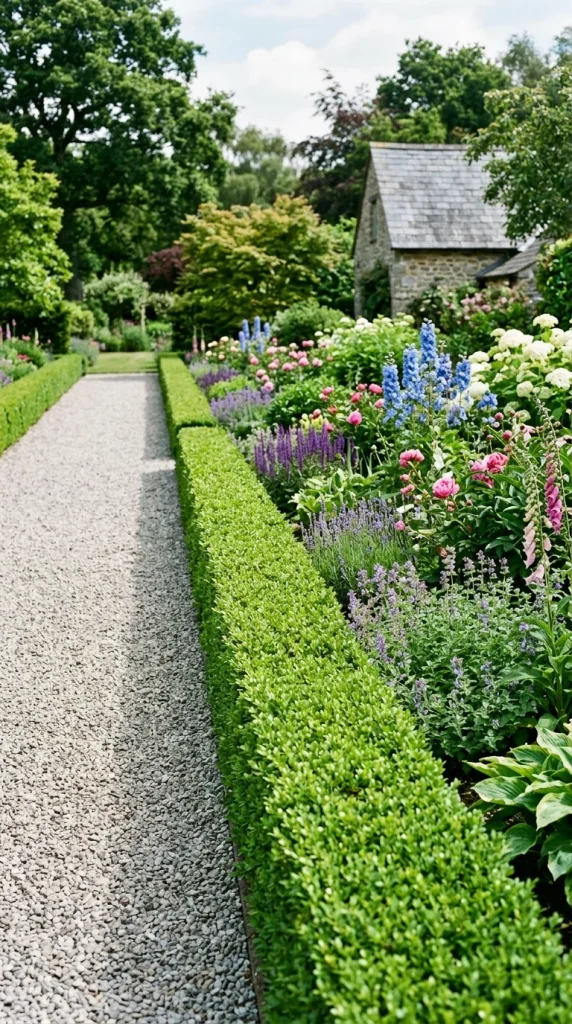
The classic low hedge is perhaps the most iconic use of boxwood. By planting dwarf varieties like ‘Little Missy’ or ‘English Boxwood’ in a tight row, you create a living “frame” for your flower beds. This technique keeps the garden looking organized even when the perennials within the bed are dormant or growing wildly. It provides a crisp architectural line that separates soft textures like mulch or flowers from hard surfaces like stone or grass.
2. Geometric Topiaries
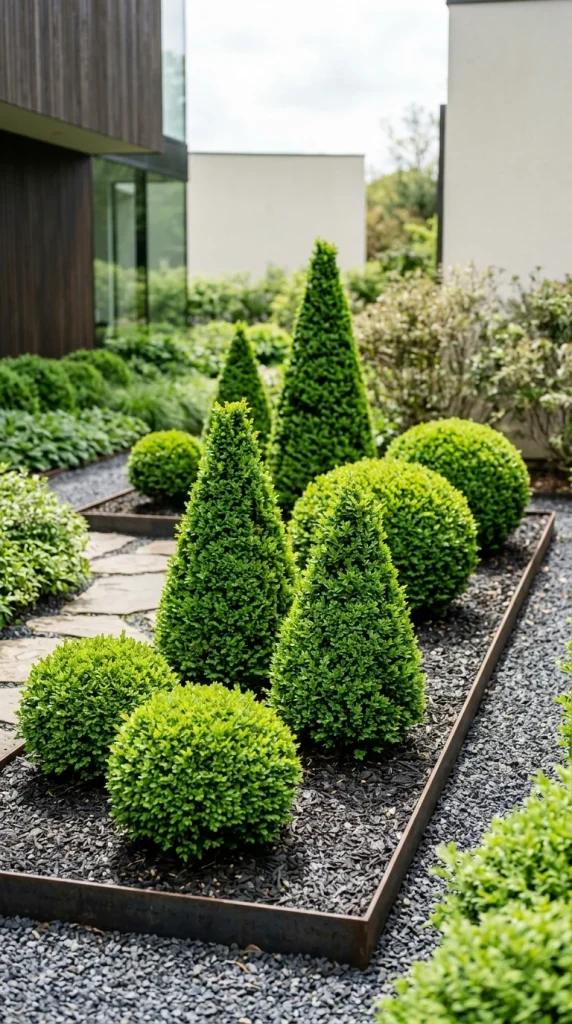
Topiary is the art of training plants into ornamental shapes, and boxwood is the premier choice for this craft. Creating geometric shapes—such as globes, cones, or cubes—adds an element of high-end design to your landscape. You can use these as individual focal points or group them in clusters of varying sizes to create a sculptural “boulder” effect made entirely of greenery.
3. Container Accents
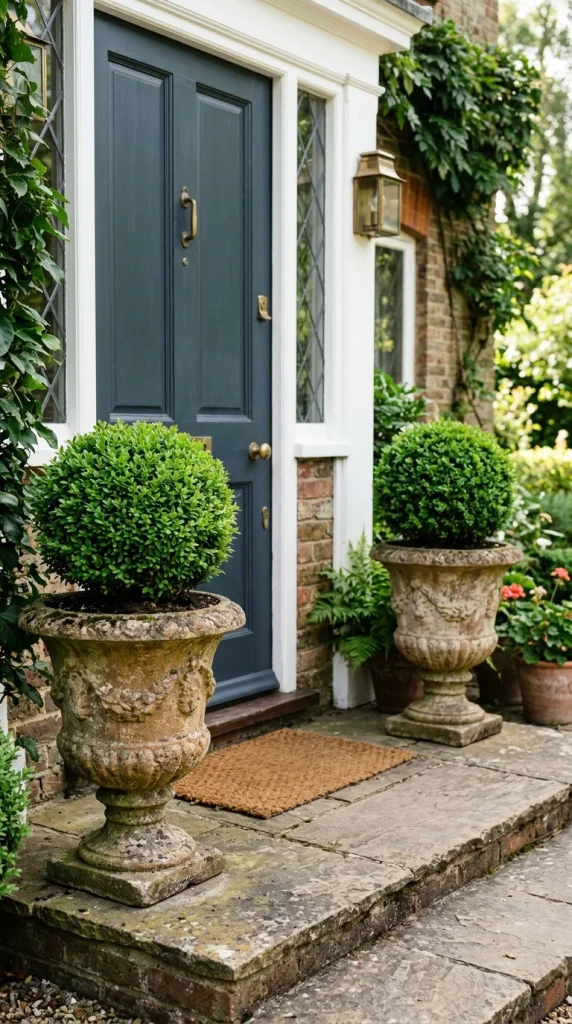
You don’t need a massive backyard to enjoy the polished look of boxwoods. They thrive in containers, making them ideal for porches, balconies, or patios. Potted boxwoods provide a portable touch of green that can be moved to frame a doorway or flank a staircase. Because they are evergreen, these containers will look just as stunning in the middle of January as they do in the height of summer.
4. Layered Borders
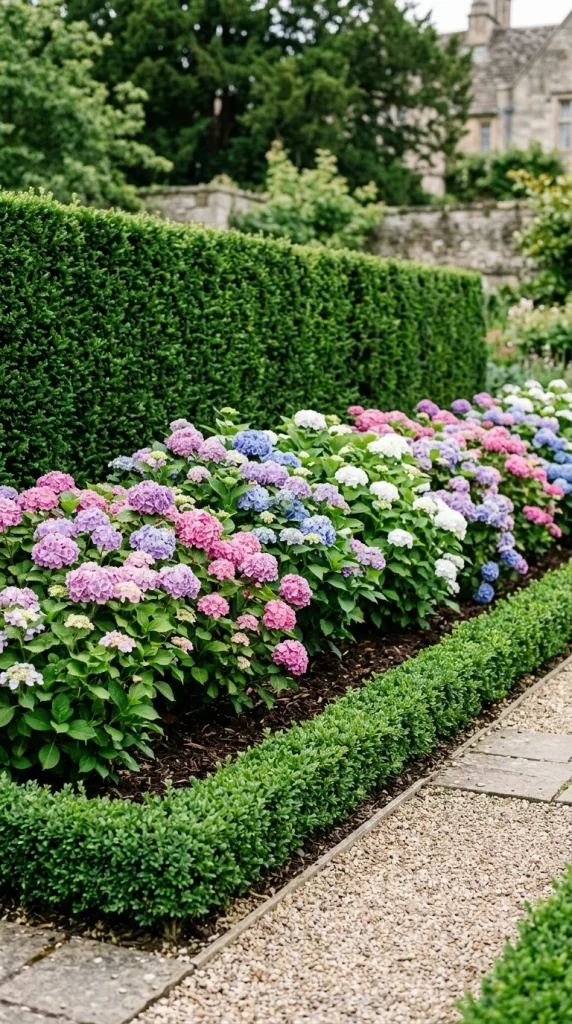
To add depth and dimension to your yard, try layering your boxwoods. By using different varieties with varying heights, you can create a tiered effect. Plant a taller variety like ‘Green Mountain’ against a fence or wall, then step down to a medium-sized shrub, and finish with a low-growing border. This staggered approach creates a lush, full look that feels intentional and expertly designed.
5. Pathway Lining
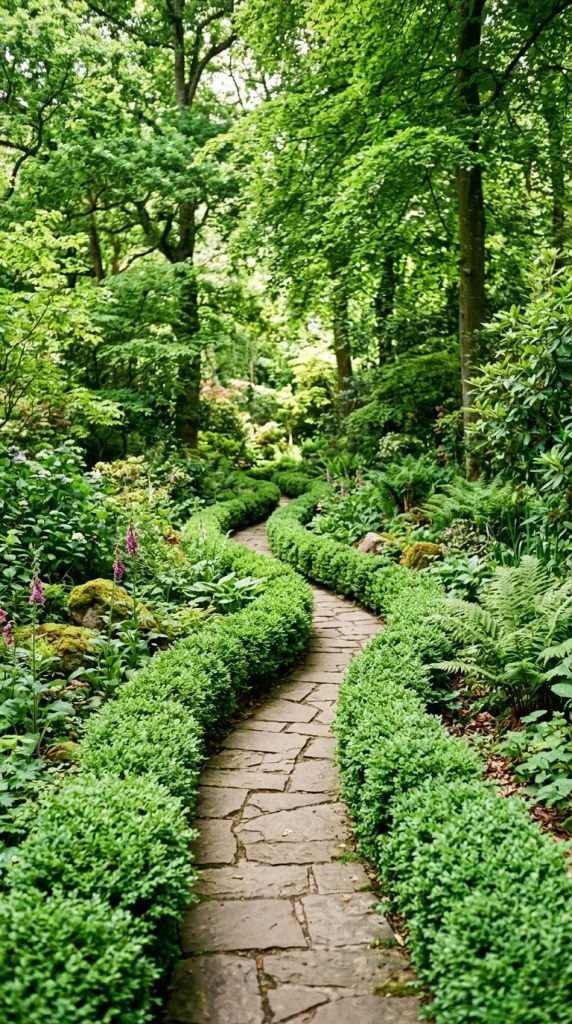
Lining a walkway with boxwoods does more than just look pretty; it guides the eye and the foot through your garden. It creates a sense of ceremony and movement. Whether you choose a tightly sheared, formal hedge or allow the shrubs to maintain a softer, cloud-like shape, lining your paths ensures your landscape feels cohesive and structured.
6. Privacy Screens
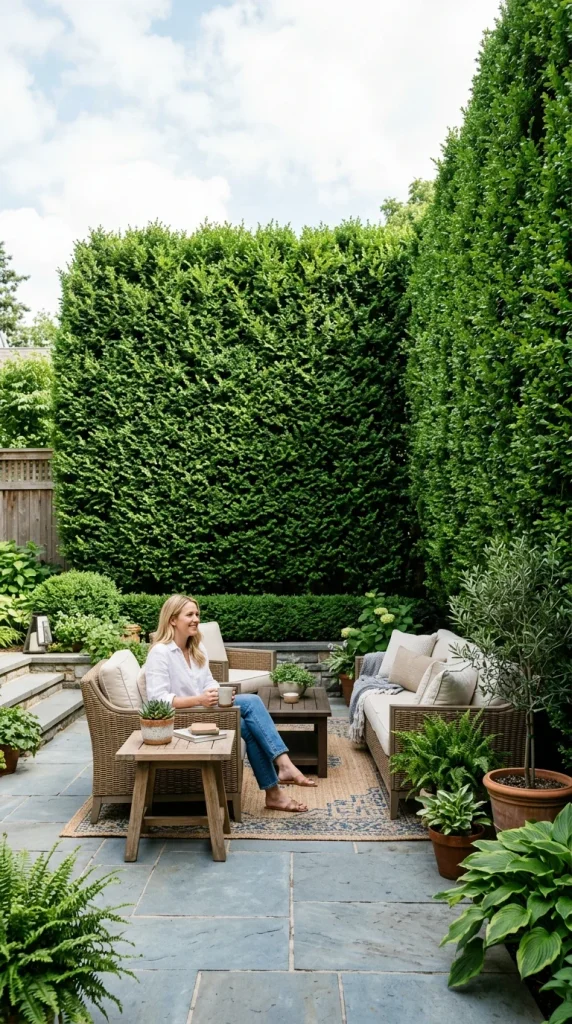
If you need a bit of seclusion but find wooden fences too harsh, a tall boxwood screen is a beautiful solution. Varieties like ‘Dee Runk’ or ‘Fastigiata’ grow upright and narrow, making them perfect for creating a living wall. These screens block unwanted views and dampen street noise while providing a rich, green backdrop for your outdoor living spaces.
7. Knot Gardens
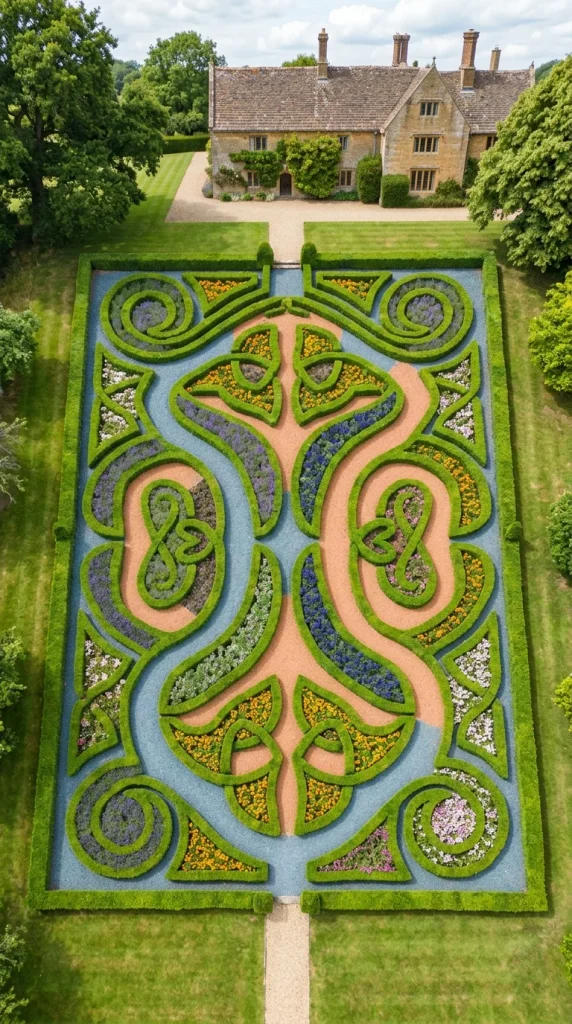
For those who love a touch of historical grandeur, the knot garden is the ultimate boxwood project. This involves planting low hedges in interlocking, geometric patterns that resemble a knot. Traditionally found in Renaissance gardens, this style requires precision and regular maintenance, but the result is a breathtaking masterpiece that serves as a permanent architectural feature in your yard.
8. Foundation Softening
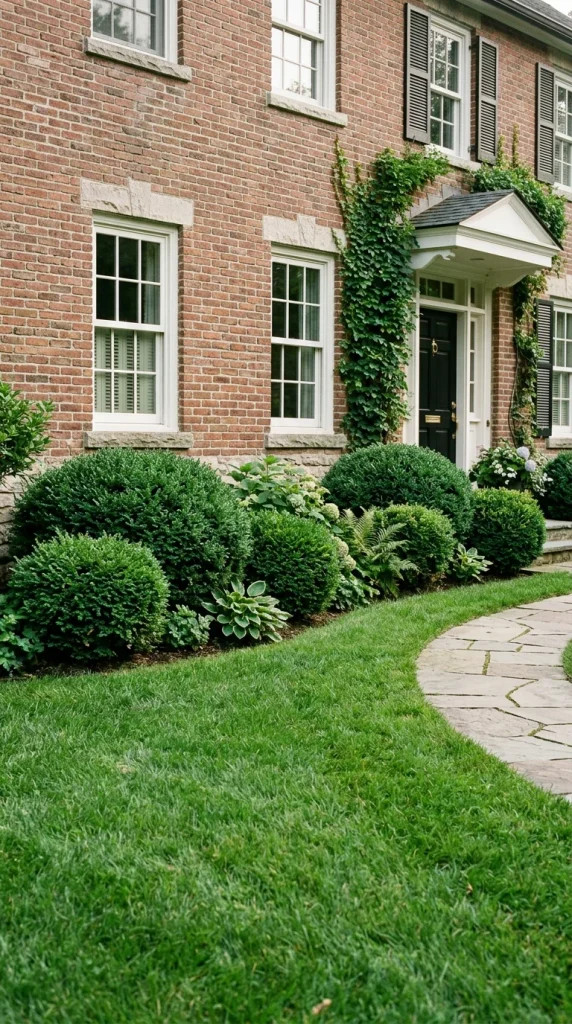
Many homes have unsightly concrete foundations or harsh angles where the house meets the ground. Boxwoods are the perfect “softeners.” By planting a row of boxwoods along the foundation of your home, you bridge the gap between the architecture and the natural world. Their consistent green color provides a steady base that grounds the house and makes it feel nestled into the landscape.
9. Poolside Elegance

Boxwoods are excellent choices for pool areas because they are tidy. Unlike many deciduous shrubs, they don’t drop large leaves or messy blossoms that can clog pool filters. Their structured look complements the clean lines of modern pool designs, creating a spa-like atmosphere that feels both private and upscale.
10. Garden Room Dividers
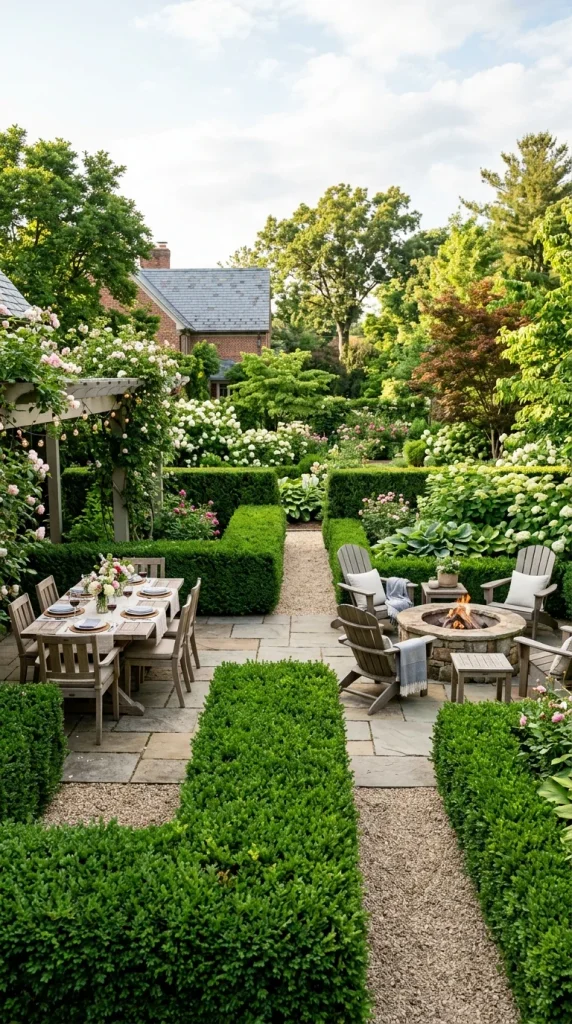
Large yards can often feel overwhelming or aimless. You can use boxwoods to divide your landscape into “rooms.” A medium-height hedge can separate a vegetable garden from a play area or create a secluded nook for a garden bench. This adds an element of mystery and discovery to your yard, as visitors must move through the “walls” to see what’s next.
11. Mixed Texture Beds
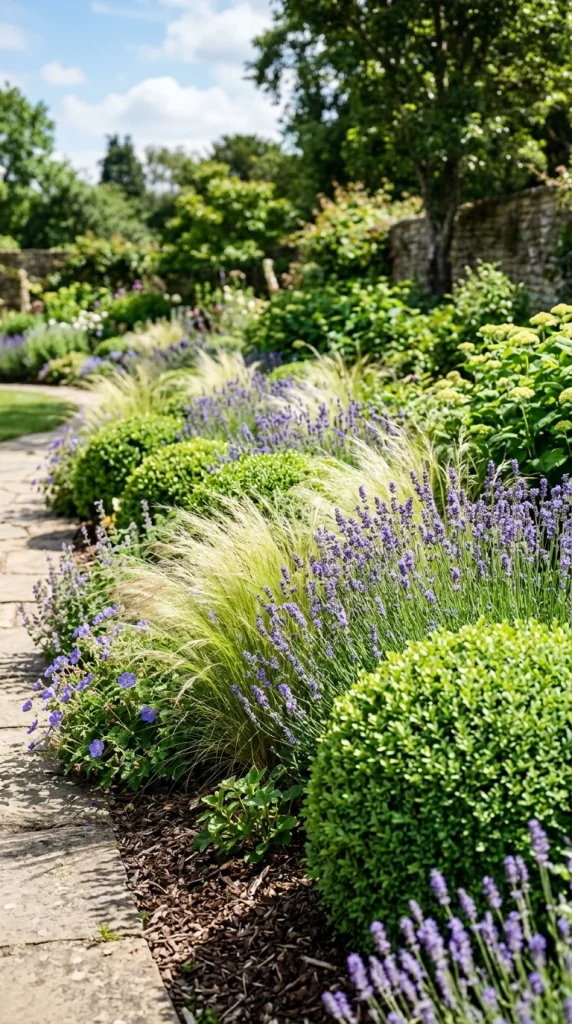
While boxwoods are stunning on their own, they truly shine when paired with plants of contrasting textures. The dense, small leaves of the boxwood provide a solid anchor for “wispy” plants like ornamental grasses, ferns, or flowering perennials like Russian Sage. This contrast makes the garden feel dynamic and prevents it from looking too rigid.
12. Entrance Sentinels
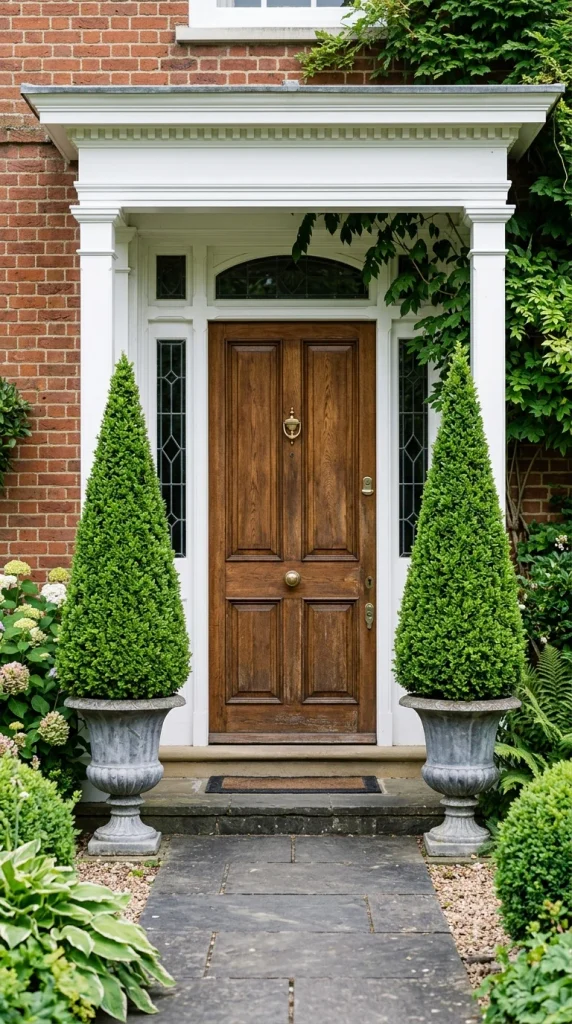
Symmetry is a hallmark of polished landscaping. Placing two identical boxwoods—whether in the ground or in pots—on either side of an entrance creates an immediate sense of balance and importance. This “sentinel” look signals to guests that they are entering a well-cared-for home and provides a classic, timeless welcome.
13. Terraced Slopes
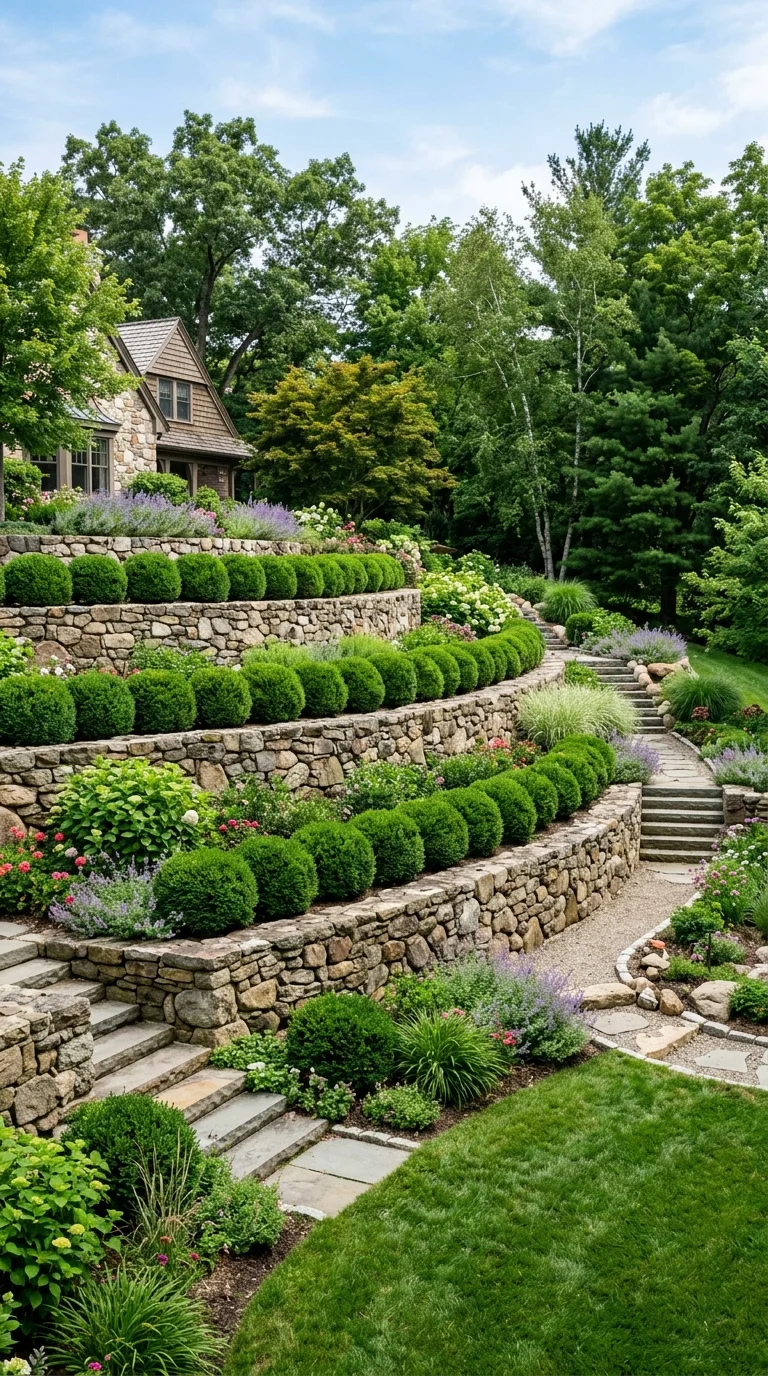
Landscaping a hill can be a challenge, but boxwoods are up to the task. Use them to line the edges of terraces or retaining walls. Their root systems help with soil stability, and their uniform appearance helps to tame the chaotic look of a steep slope. The horizontal lines of the hedges emphasize the levels of the terrace, turning a difficult landscape feature into a design asset.
14. Seasonal Interest
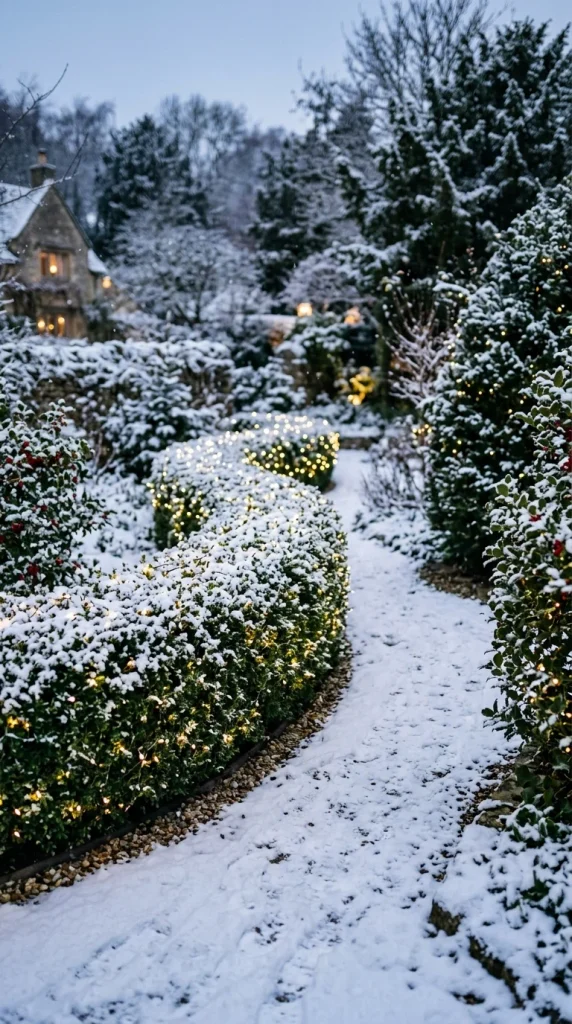
One of the greatest strengths of boxwood is its year-round presence. In the spring and summer, they are the backbone of the garden. In autumn, they provide a green contrast to falling leaves. In winter, they are the stars of the show, holding their shape under a blanket of snow. You can easily wrap them in lights during the holidays or use them to support seasonal decorations like pumpkins or spring ribbons.
15. Winter Color
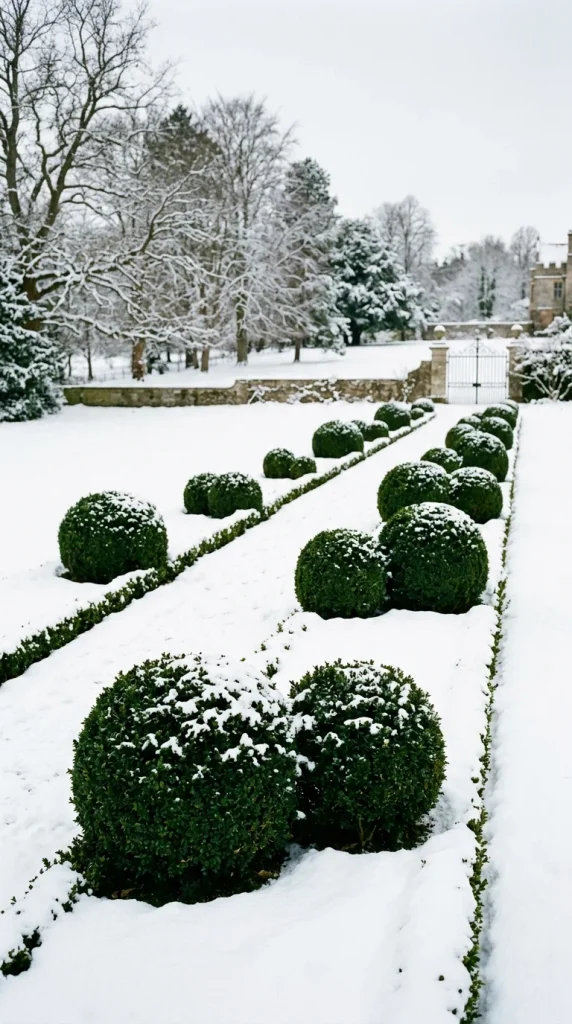
When the rest of the garden has turned brown and brittle, the boxwood remains a vibrant, deep green. This “evergreen insurance” ensures that your home never looks barren or neglected during the coldest months. By strategically placing boxwoods where they can be seen from your windows, you can enjoy a view of life and color all year long.
16. French Parterres
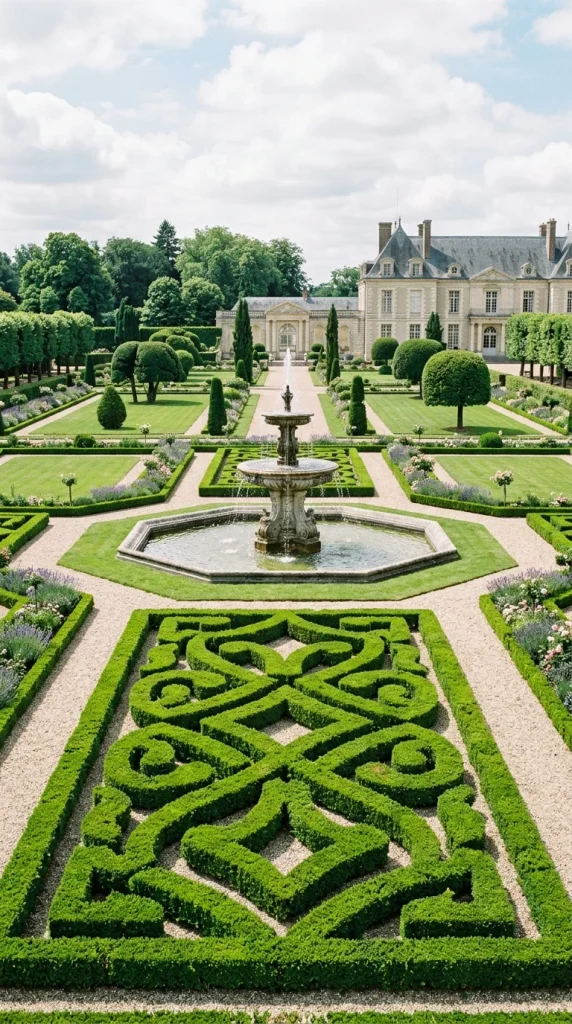
The parterre is a more formal version of the knot garden, usually featuring symmetrical patterns on a level surface. Often filled with flowers or decorative gravel, these gardens are designed to be viewed from above. If you have a deck or a second-story window overlooking your garden, a boxwood parterre creates a stunning visual tapestry that looks like a work of art.
17. Window Box Fillers

Boxwoods aren’t just for the ground. Smaller varieties are excellent for window boxes. They provide a permanent green structure that you can accent with seasonal annuals. In the summer, tuck in some petunias; in the fall, add some pansies. The boxwood stays as a constant, polished base that keeps your window boxes looking full and professional.
18. Spirals and Tiers

For the ultimate statement piece, consider a boxwood spiral or a tiered “poodle” cut. These shapes require a bit more skill with the shears (or a professional gardener), but they serve as incredible conversation starters. Placing a spiral boxwood in the center of a circular driveway or at the end of a long vista adds a whimsical yet sophisticated touch to the property.
Maintenance Tips for a Polished Look
To keep your boxwoods looking their best and maintaining that high-end “polished” look, keep these tips in mind:
- Proper Pruning: Prune in late spring or early summer after the first flush of new growth has hardened. Avoid pruning in late fall, as this can stimulate new growth that will be damaged by frost.
- Air Circulation: When thinning out your boxwoods, remove some of the inner branches to allow air to circulate. This helps prevent fungal diseases like boxwood blight.
- Watering: Boxwoods have shallow roots. They need consistent moisture, especially during the first two years after planting. Mulching helps retain moisture and keeps the roots cool.
- Fertilization: Apply a balanced, slow-release fertilizer in early spring to encourage lush, green foliage.
By incorporating these boxwood ideas into your landscaping, you’re not just planting shrubs; you’re investing in a timeless architectural framework that will continue to grow in beauty and value for years to come.