
Boxwoods are the aristocrats of the garden world. Known scientifically as Buxus, these evergreen shrubs have been a staple of landscape design for centuries, dating back to ancient Roman villas and the grand estates of the European Renaissance. Their dense, small-leaved foliage and ability to withstand heavy pruning make them the ultimate “living architecture.” Whether you are aiming for a formal French aesthetic or a relaxed English cottage vibe, boxwoods provide the structural backbone that keeps a garden looking lush and intentional year-round.
1. Path Edging
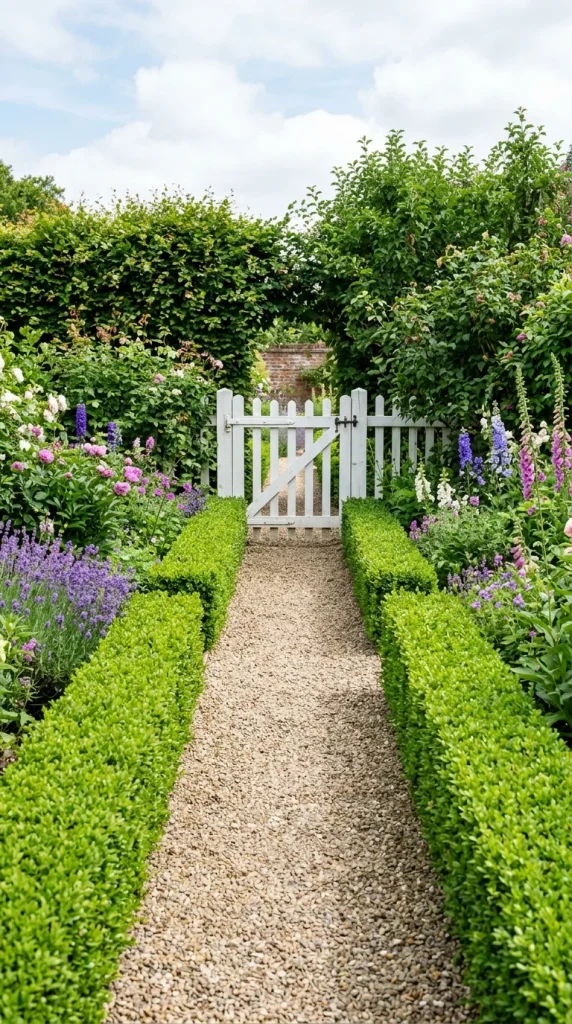
One of the most classic uses for boxwoods is defining pathways. Low, tightly clipped hedges act as a visual guide, leading the eye toward a focal point while keeping the garden looking tidy. This “low-border” approach prevents loose soil or mulch from spilling onto your stone or gravel paths, creating a clean transition between walking areas and flower beds.
2. Geometric Topiary
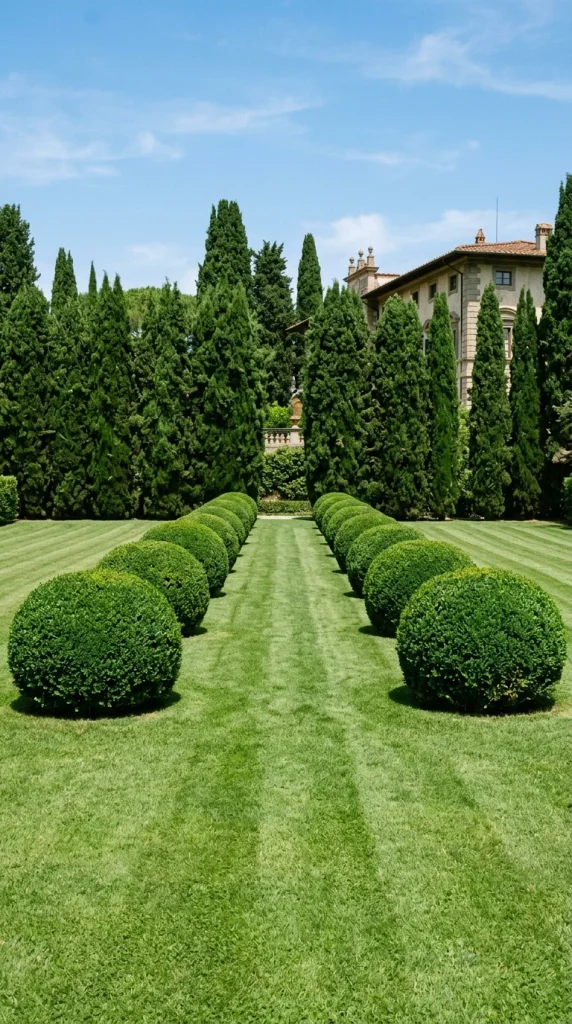
For those who love a modern or formal look, boxwood topiary is the gold standard. By pruning these shrubs into spheres, cubes, or pyramids, you introduce strong geometric shapes into the landscape. This creates a sense of order and high-end design, especially when placed in a rhythmic sequence across a lawn or garden bed.
3. Potted Accents
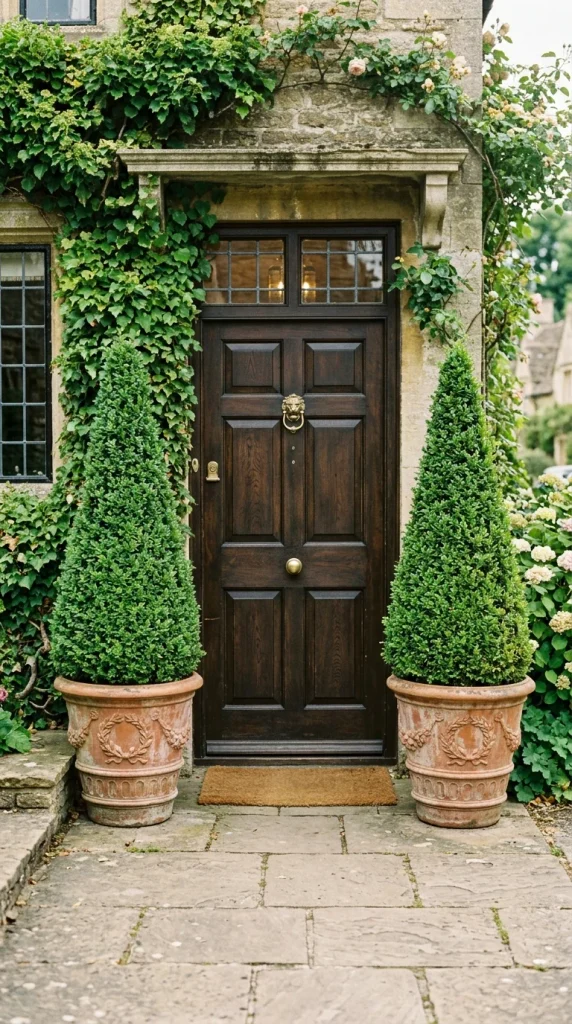
You don’t need a massive backyard to enjoy boxwoods. They thrive in containers, making them perfect for balconies, patios, or flanking an entryway. Potted boxwoods offer versatility; you can move them around to change your garden’s layout or bring them closer to the house to provide greenery during the winter months.
4. Layered Hedges
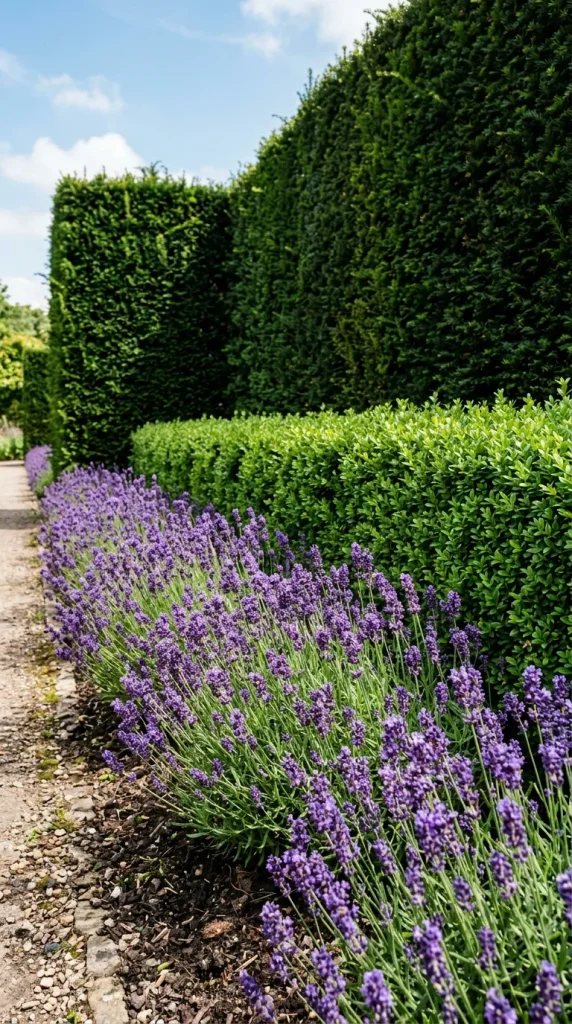
Creating depth is a secret of professional landscape designers. By planting boxwoods in “tiers”—perhaps a taller variety in the back and a dwarf variety in the front—you create a lush, green wall effect. This layering technique adds texture and prevents the garden from looking flat.
5. Knot Gardens
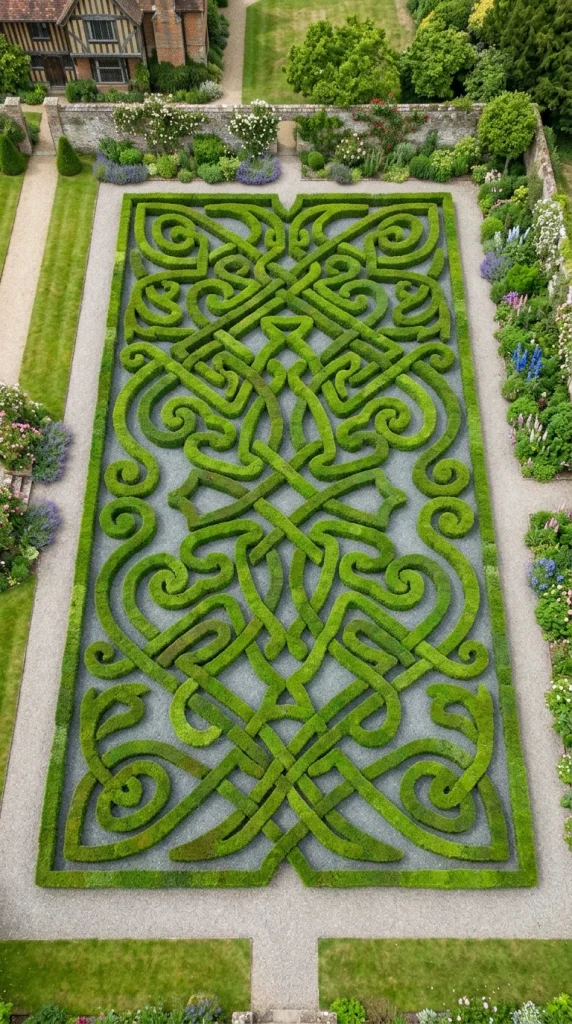
The knot garden is the ultimate expression of boxwood artistry. By using varieties with slightly different foliage colors—such as the deep green of ‘Green Velvet’ and the lighter hues of ‘Justin Brouwers’—you can “weave” hedges over and under one another in a tapestry-like design.
6. Privacy Screens
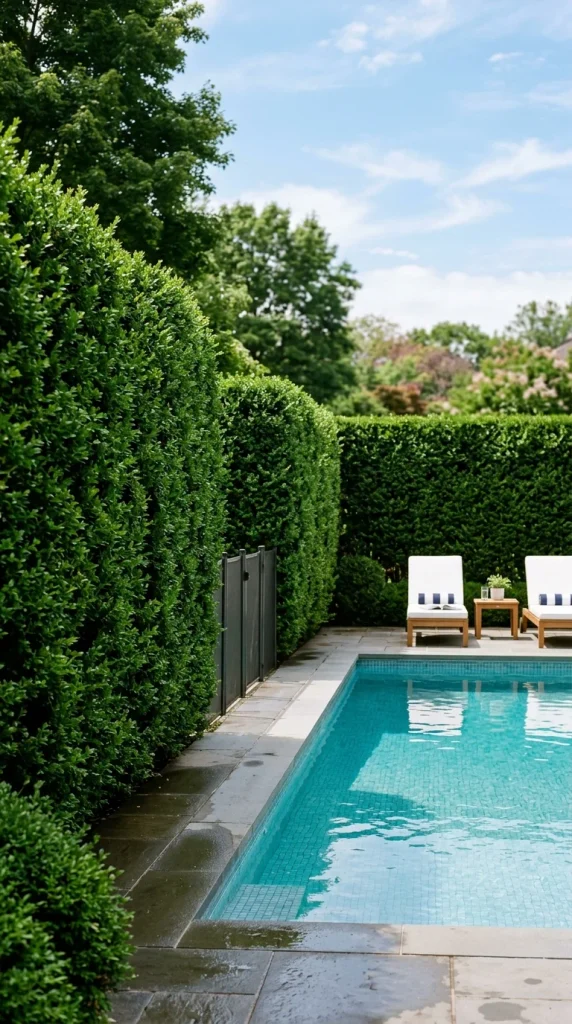
While many think of boxwoods as low borders, certain varieties like ‘Dee Runk’ or ‘Graham Blandy’ grow tall and narrow. These are ideal for creating “living walls.” They offer a softer, more organic alternative to wooden fences while providing excellent privacy and noise reduction.
7. Focal Points
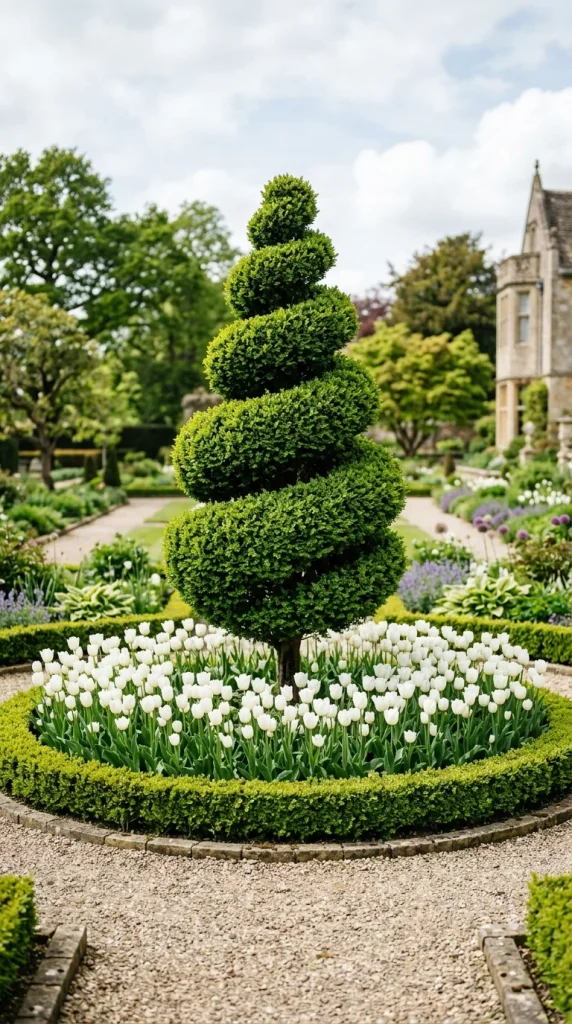
A single, expertly pruned boxwood can serve as a stunning focal point. Whether it’s a large spiral, a tiered “poodle” cut, or a massive orb, placing it in a central location draws the eye and gives the garden a sense of purpose and maturity.
8. Foundation Planting
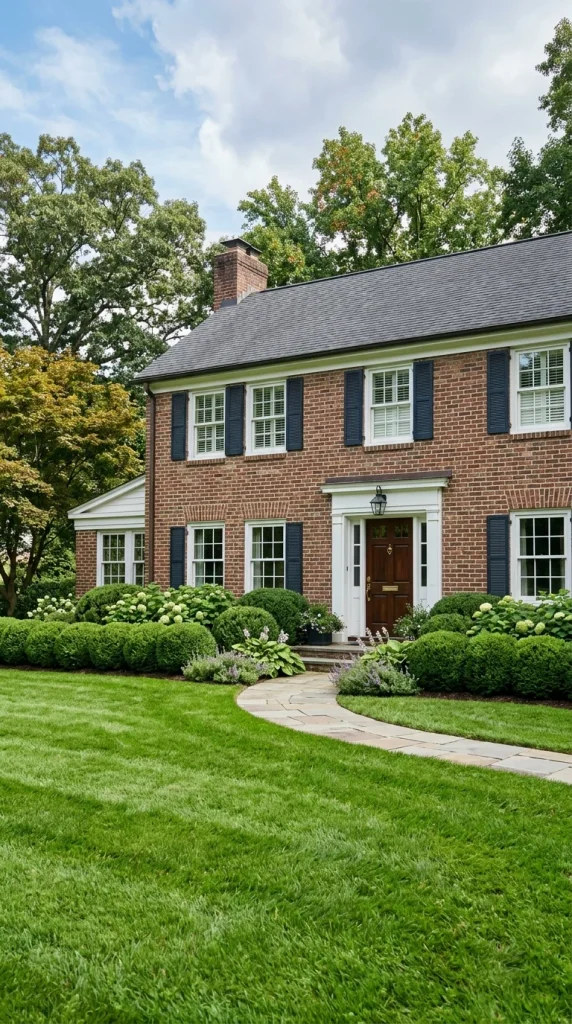
Boxwoods are the perfect choice for foundation plantings because they stay green all year. Unlike deciduous shrubs that leave your home’s foundation exposed in winter, boxwoods provide a constant, neat “skirt” that enhances curb appeal regardless of the season.
9. Cottage Style
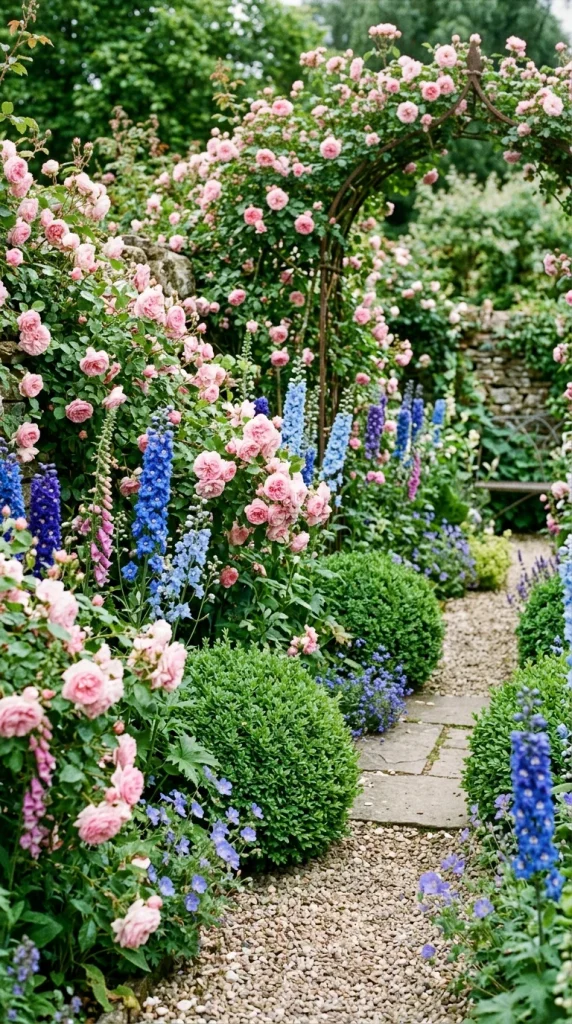
You might think boxwoods are too stiff for a cottage garden, but they are actually essential. In a space filled with sprawling perennials and wild “floppy” flowers, a few rounded boxwoods provide the necessary “punctuation marks” that prevent the garden from looking overgrown or messy.
10. Contemporary Minimalism
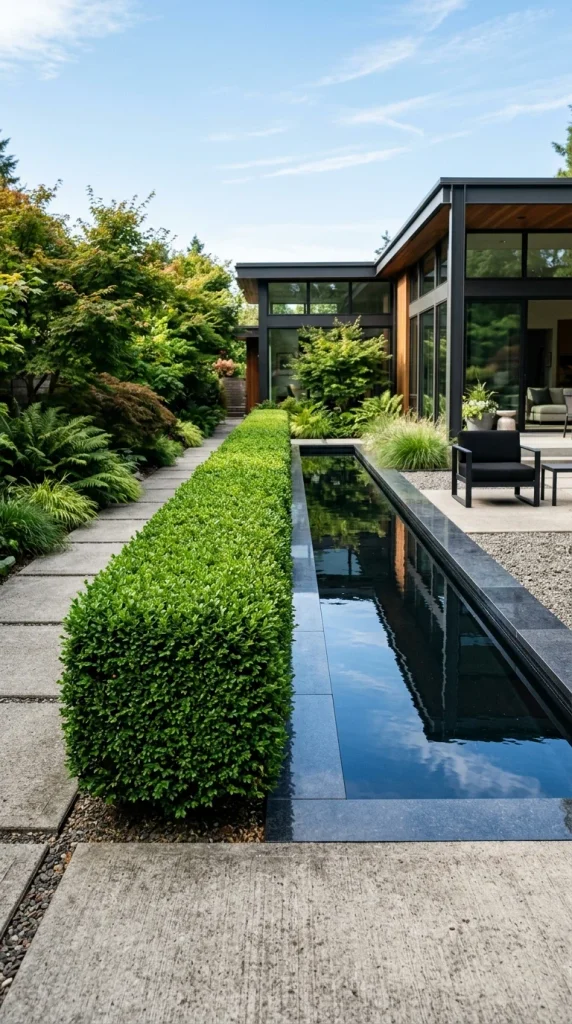
In modern landscape design, less is more. A single, long, perfectly rectangular boxwood hedge can define a space with architectural precision. Pair it with hardscaping materials like smooth concrete, steel, or dark slate for a high-contrast, sophisticated look.
11. Spirals
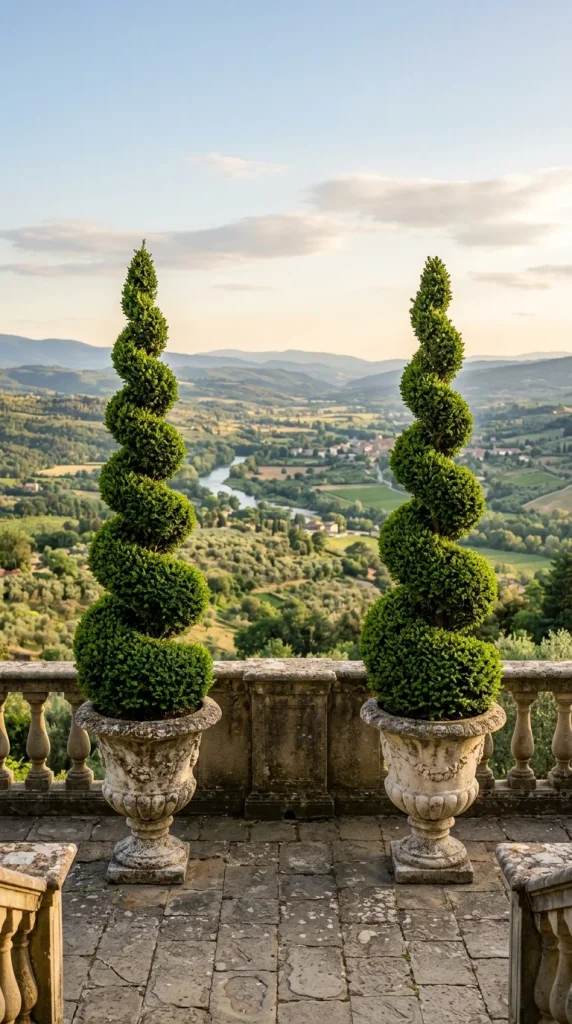
Spiral topiary adds a sense of movement and whimsy to the garden. It requires a bit more maintenance with the shears, but the payoff is a highly decorative element that looks like a piece of living sculpture.
12. Underplanting Trees
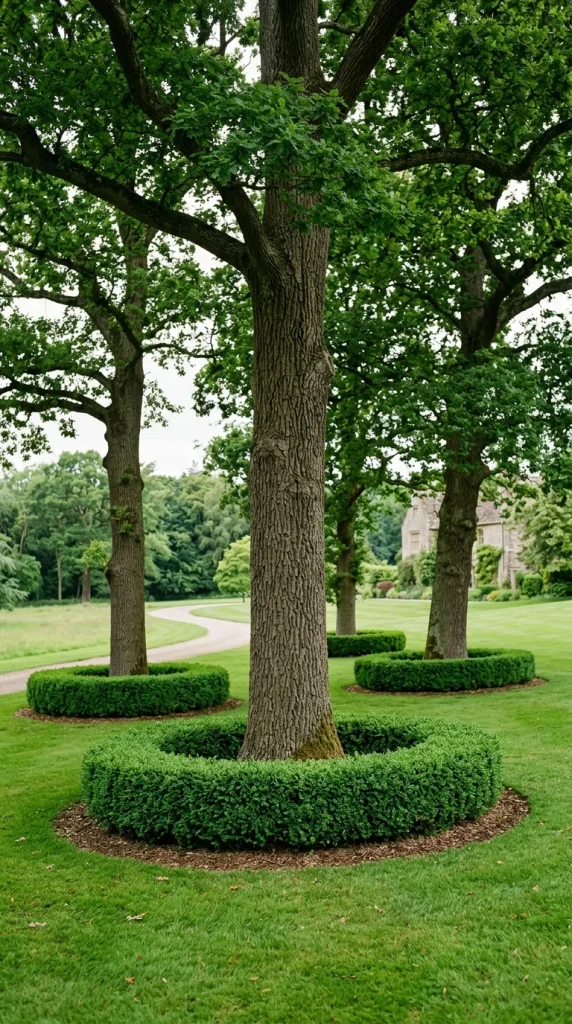
The area under large trees can be difficult to plant because of shade and root competition. Boxwoods are remarkably shade-tolerant, making them an excellent choice for creating “tree rings” that give the base of your trees a finished, polished look.
13. Mixed Borders
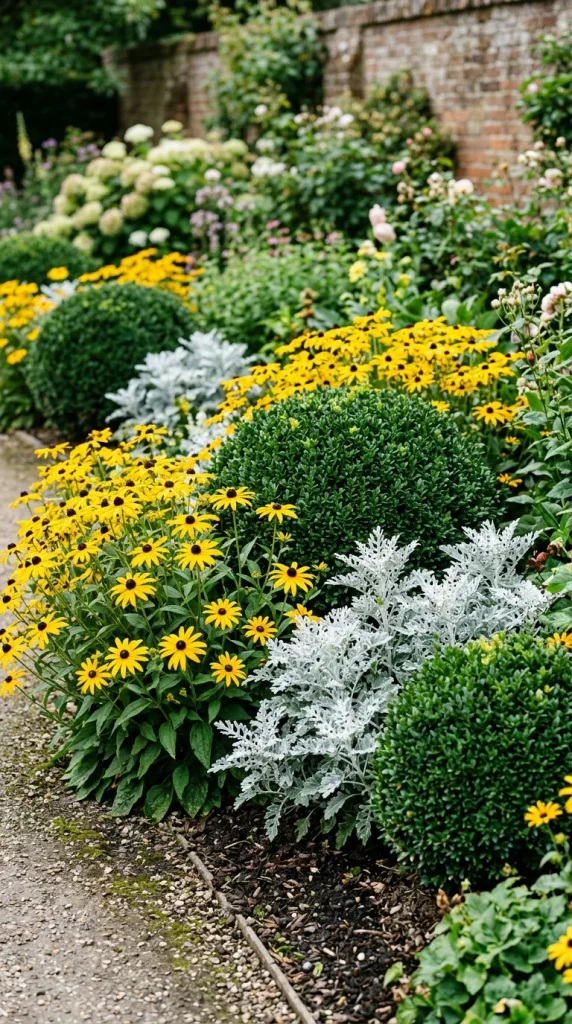
Don’t feel limited to using boxwoods alone. They serve as excellent “anchors” in a mixed border. Their consistent green color makes the bright blooms of hydrangeas, lilies, or salvia pop, while their structure holds the bed together once the flowers fade.
14. Tiered Hedges
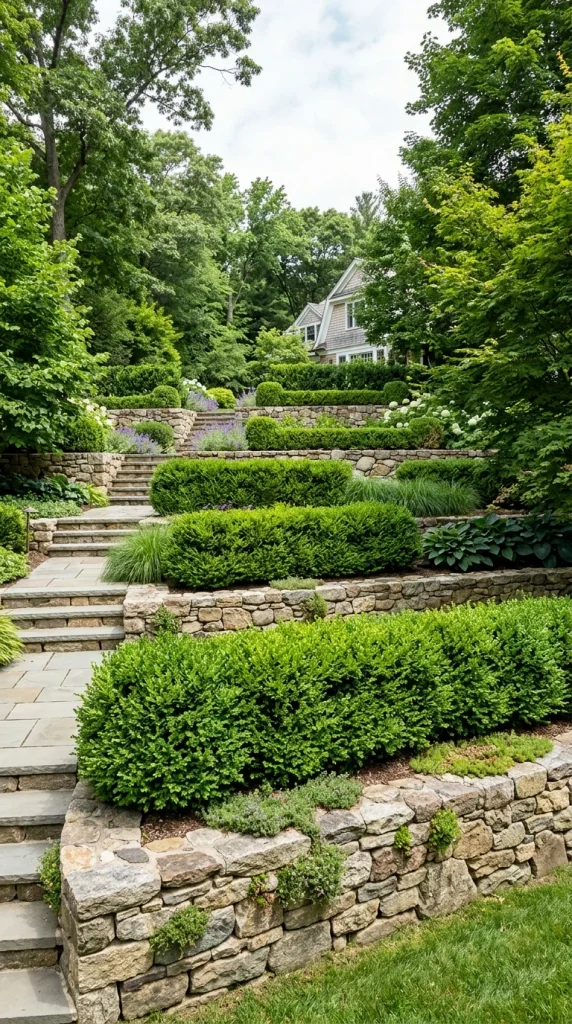
If your property has elevation changes, boxwoods can be used to emphasize the architecture of the land. Planting hedges along the edges of retaining walls or terraces creates a “stepped” effect that is both functional and visually stunning.
15. Winter Interest
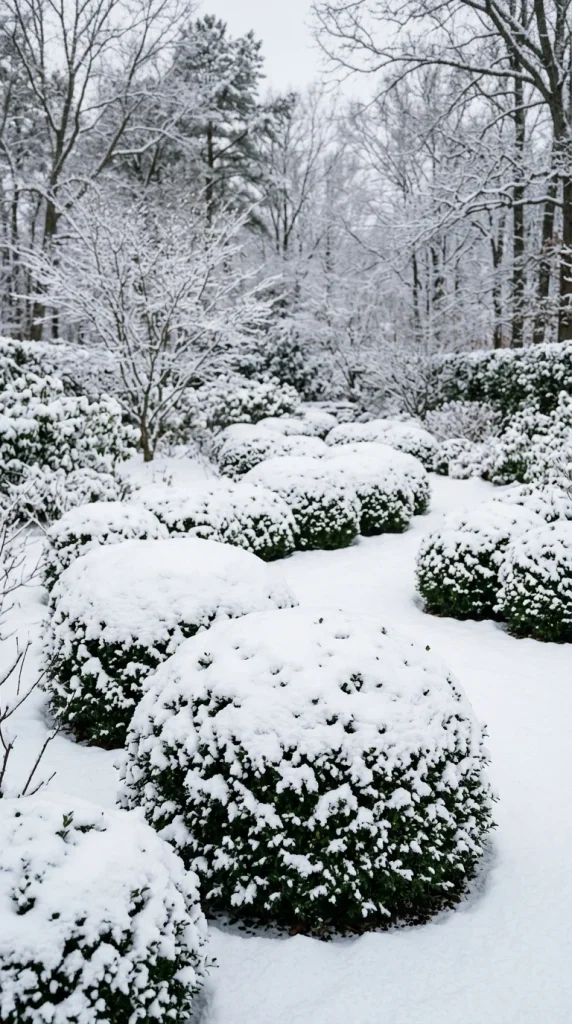
When the rest of the garden is dormant and brown, the boxwood remains steadfast. Designing with boxwoods ensures that your garden has a “skeleton” in the winter. They catch the snow beautifully and provide a much-needed splash of green during the coldest months.
16. Steps and Stairs
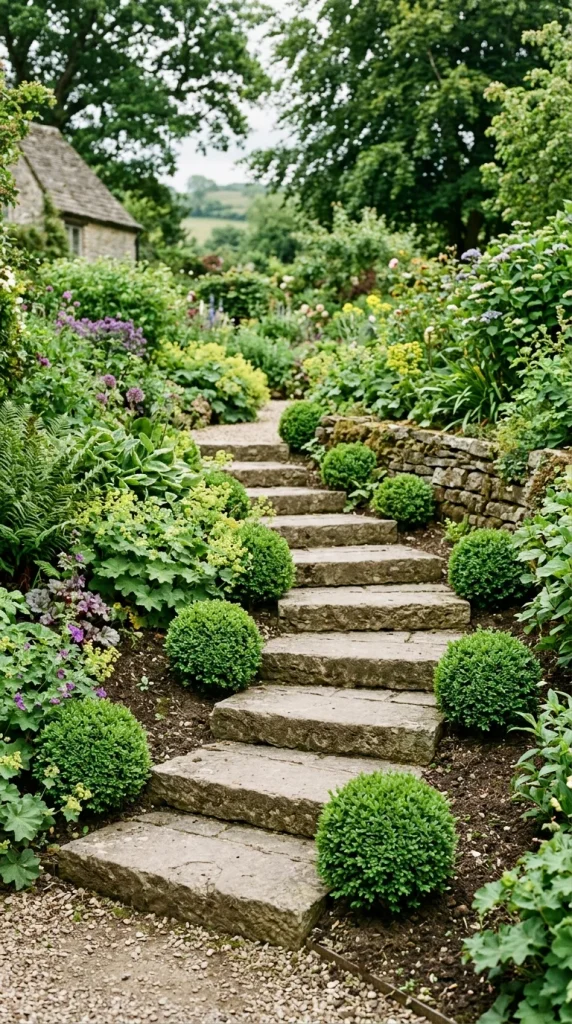
Softening the hard lines of outdoor stairs makes a garden feel more inviting. Small boxwood globes tucked into the corners of stone or timber steps add a touch of elegance and help the staircase blend into the surrounding landscape.
17. Window Boxes
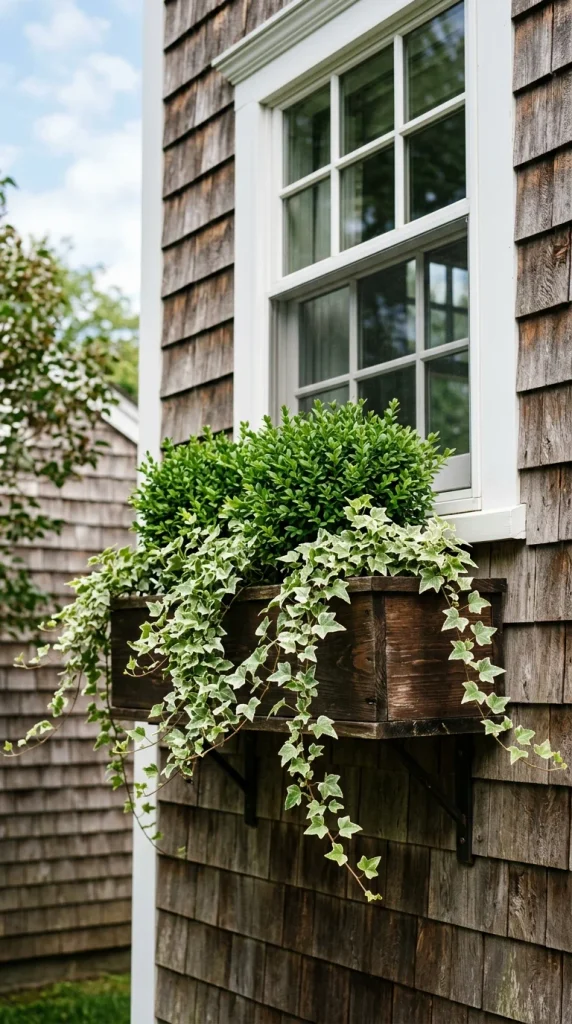
For a low-maintenance window box that looks good year-round, skip the annuals and go for dwarf boxwoods. Varieties like ‘Little Missy’ stay small and compact, providing a permanent green frame for your windows that requires very little water compared to flowering plants.
18. Garden Entrances
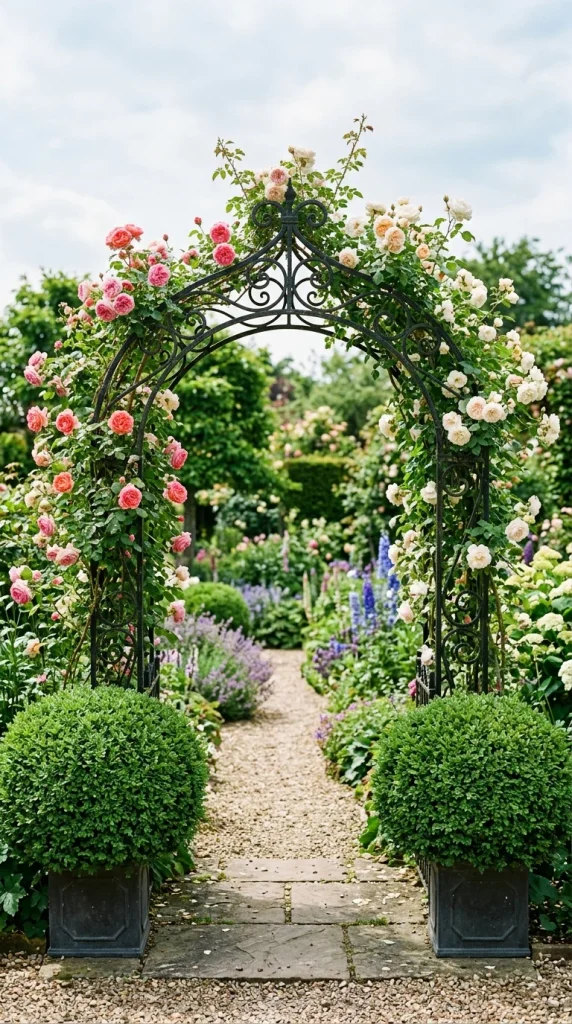
Marking the transition from one “room” of the garden to another is a classic design trick. Placing a pair of identical boxwoods at the start of a path or under an arbor creates a formal sense of entry, signaling that you are moving into a special part of the landscape.
19. Water Feature Framing
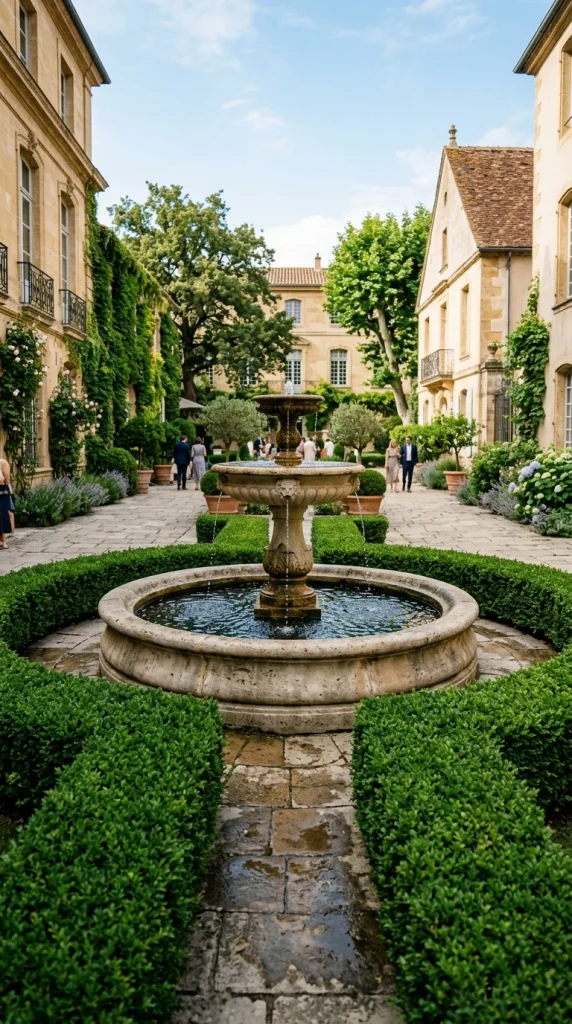
Water features often need a bit of grounding to look natural. A ring of boxwoods around a fountain or pond acts as a frame, drawing attention to the water while hiding the mechanical components or edges of the basin.
20. Sculpture Bases
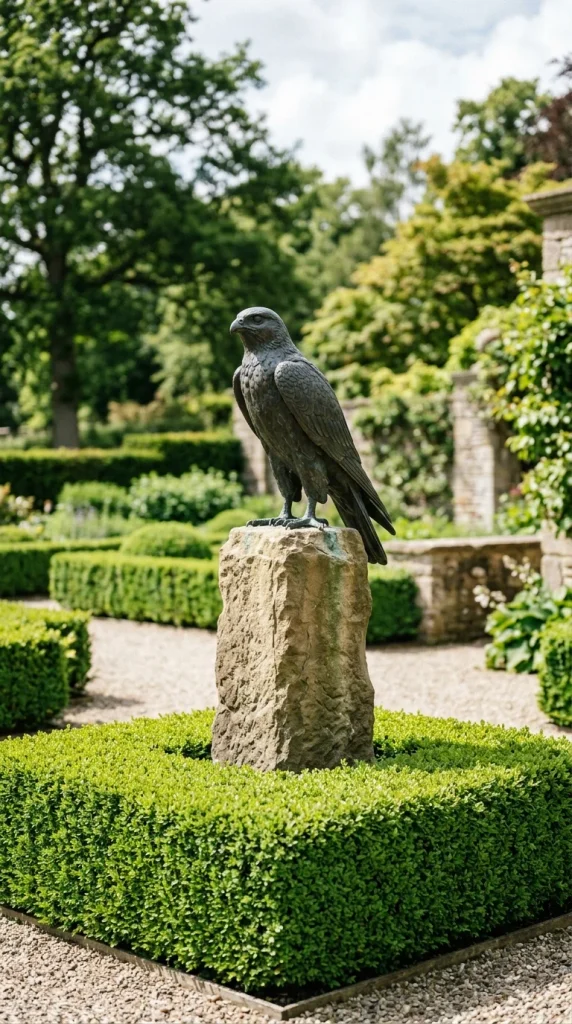
If you have garden art or sculptures, don’t just set them on the grass. Create a “pedestal” of boxwood around the base. This integrates the artwork into the living garden and makes it feel like a permanent, curated installation.
21. Low-Maintenance Clouds
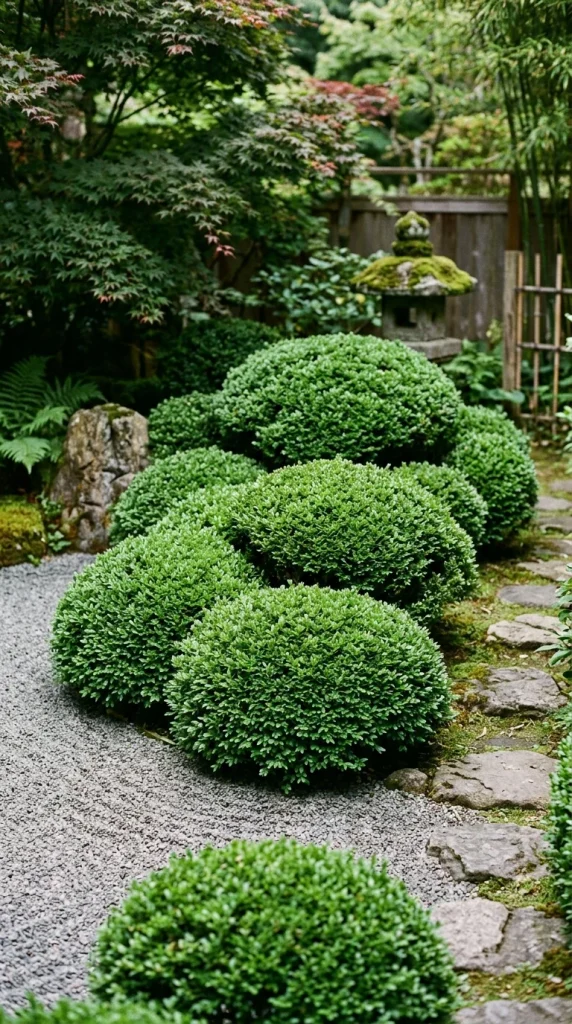
In contrast to the strict lines of formal hedging, “cloud pruning” (or karikomi) involves trimming boxwoods into soft, organic mounds. This style is popular in Zen gardens and contemporary landscapes, offering a more relaxed, artistic interpretation of the shrub.
22. Courtyard Accents
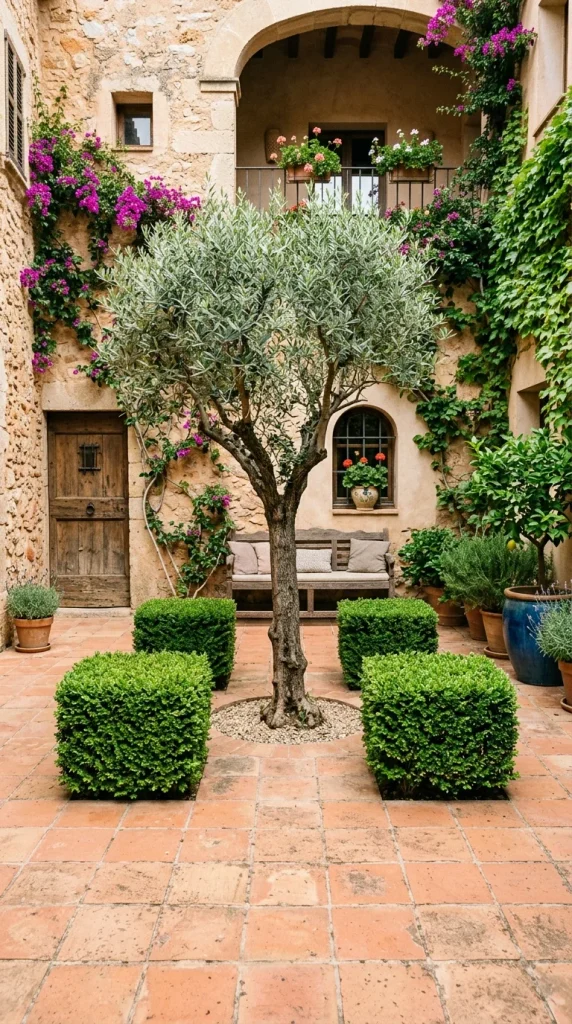
In small, enclosed courtyards, every plant must earn its keep. Boxwoods are ideal here because they are slow-growing and won’t overwhelm a confined space. Their neat habit keeps the courtyard feeling organized and spacious.
23. Patio Perimeters
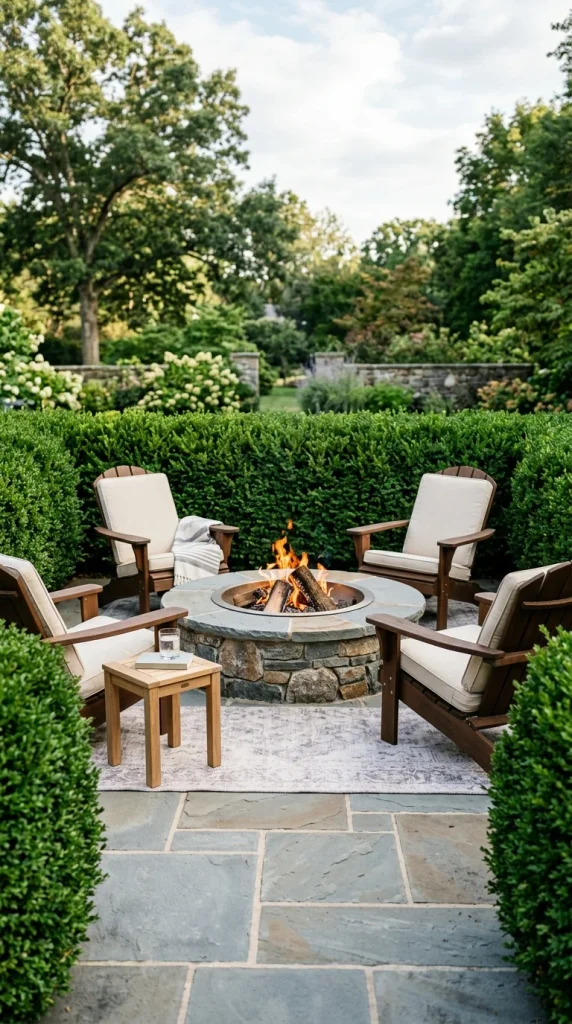
Use boxwoods to define your outdoor living spaces. A waist-high hedge around a patio creates a sense of enclosure and intimacy, making your outdoor dining or lounge area feel like a cozy, private room tucked into nature.
24. Shade Solutions
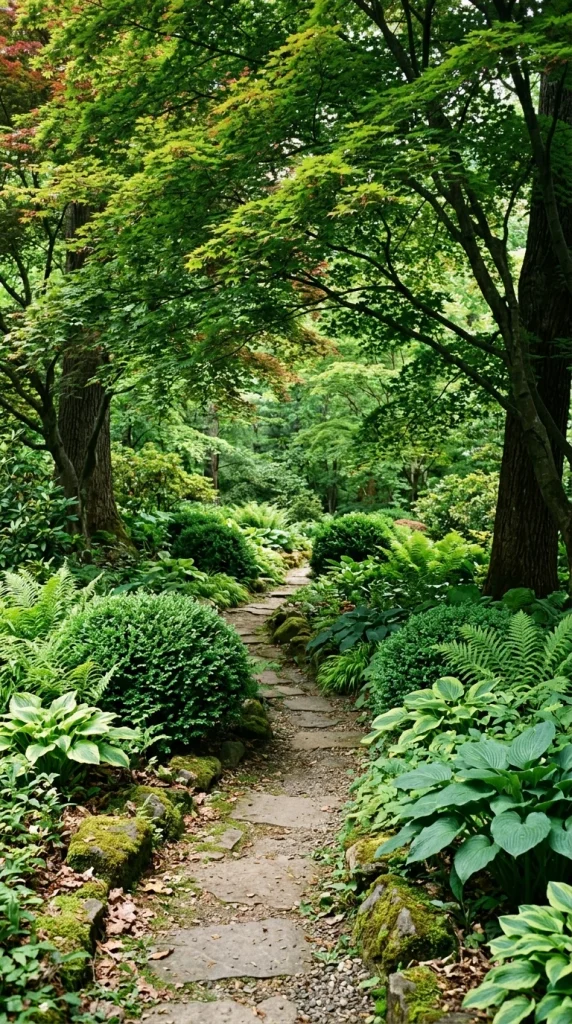
Many evergreen shrubs struggle in the shade, but boxwoods are surprisingly resilient. They are perfect for brightening up the dark corners of a yard where grass won’t grow. Pair them with hostas and ferns for a high-texture, shade-loving composition.
25. Urban Balconies
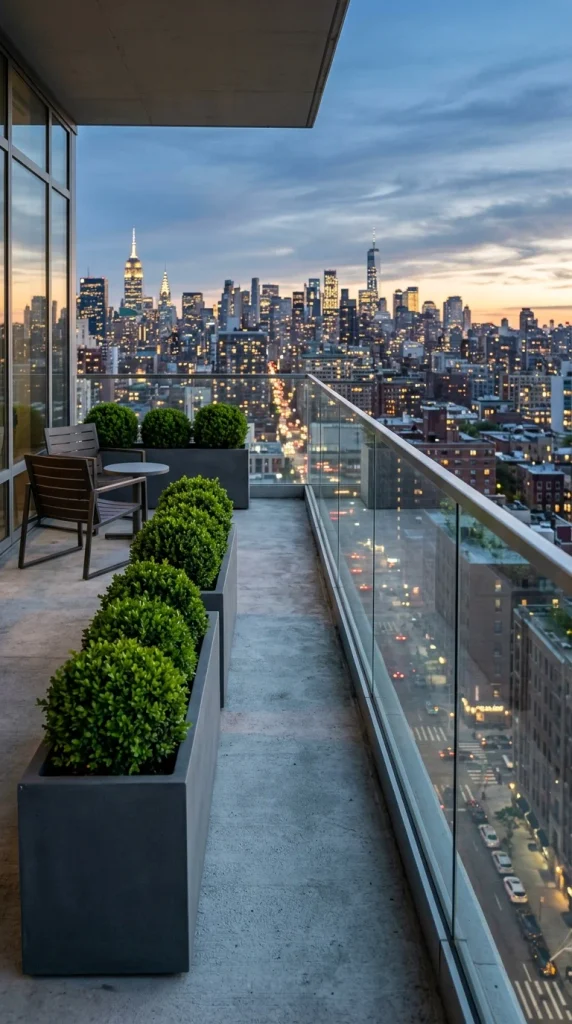
For the urban gardener, boxwoods are a lifesaver. They are tough enough to handle wind and the fluctuating temperatures of a high-rise balcony. Arranging them in linear planters creates a “green screen” that provides privacy from neighbors while adding a touch of nature to the concrete jungle.
26. Seasonal Decorations

Finally, boxwoods are the perfect canvas for seasonal decor. Because of their sturdy branches, they can easily support holiday lights, ribbons, or even ornaments. In the spring, you can tuck faux eggs into them for an egg hunt, making the boxwood a truly multi-functional star of your garden.