
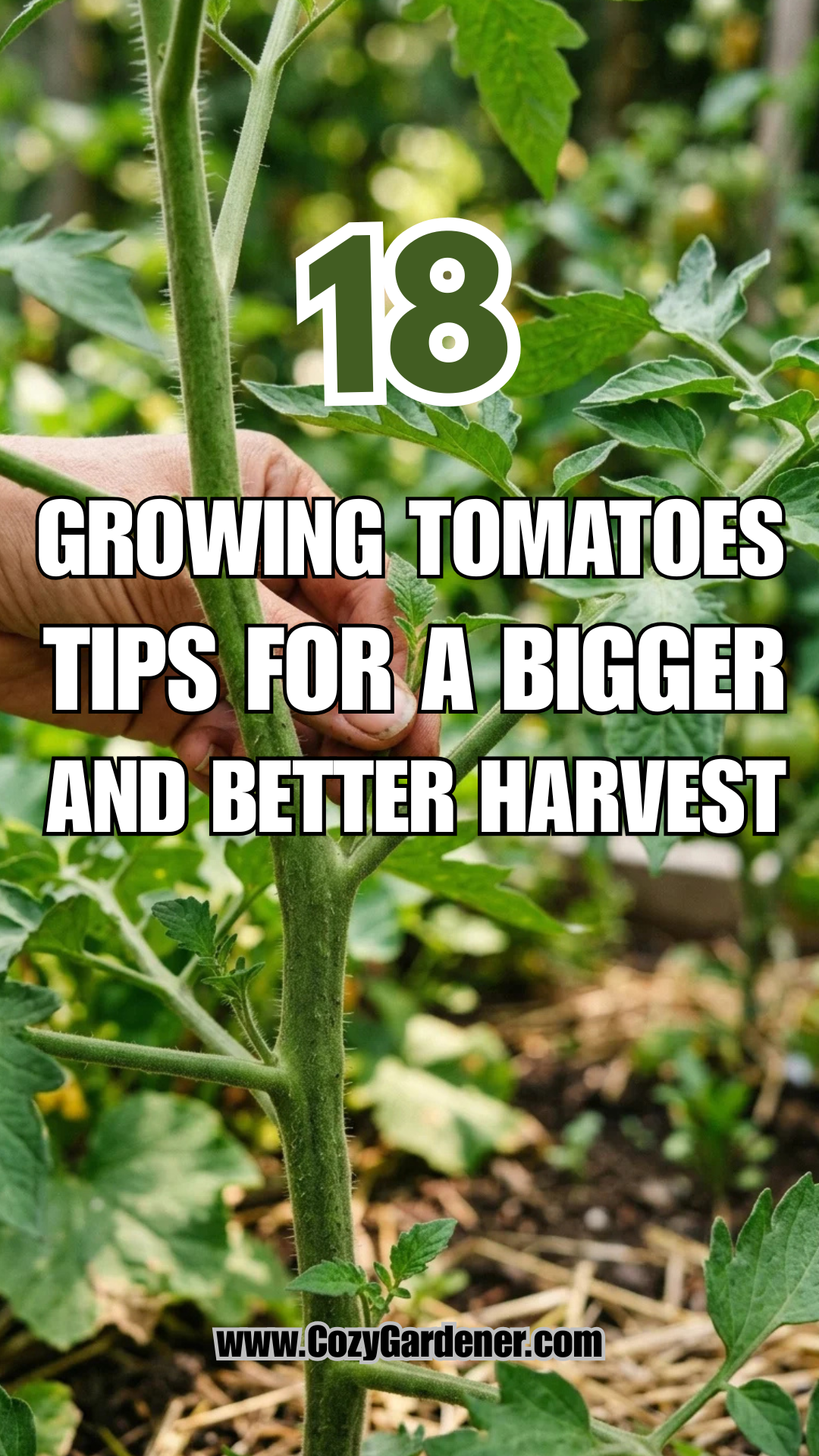
There is nothing quite like the taste of a sun-warmed tomato plucked straight from the vine. For many gardeners, the tomato is the crown jewel of the summer garden, but achieving that perfect, heavy harvest requires more than just luck. It requires a combination of timing, technique, and a little bit of plant psychology. Whether you are a beginner or a seasoned green thumb, these 18 proven tips will help you maximize your yield and grow the most flavorful tomatoes of your life.
1. Selection
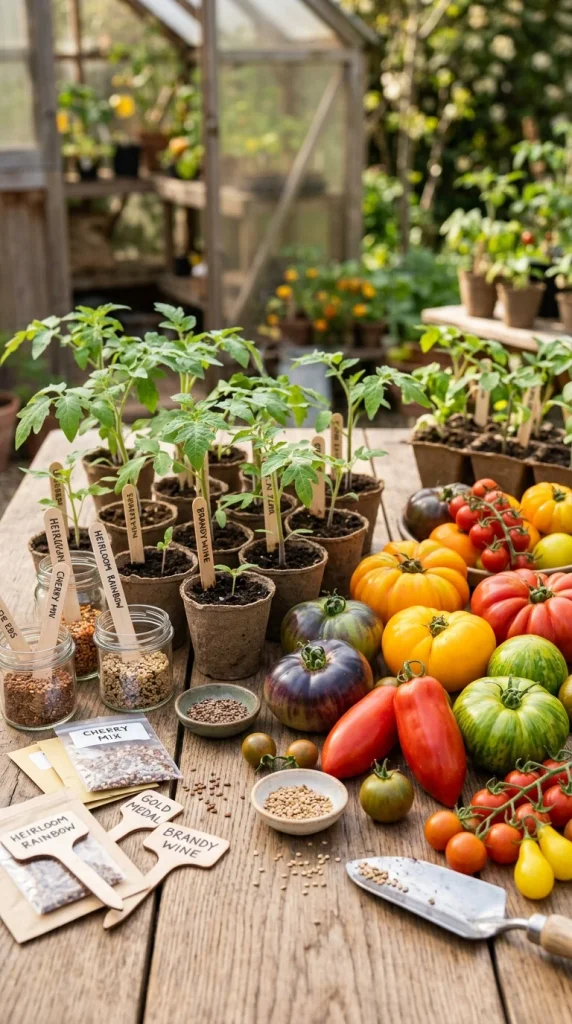
Choosing the right variety is the foundation of success. Before buying seeds or starts, determine if you want “Determinate” or “Indeterminate” plants. Determinate varieties grow to a fixed size and ripen all at once, making them perfect for canning and small spaces. Indeterminate varieties continue to grow and produce fruit until the first frost, ideal for fresh eating all summer. Additionally, check for disease resistance codes like V (Verticillium wilt) or F (Fusarium wilt) to ensure your plants survive local soil-borne issues.
2. Sunlight
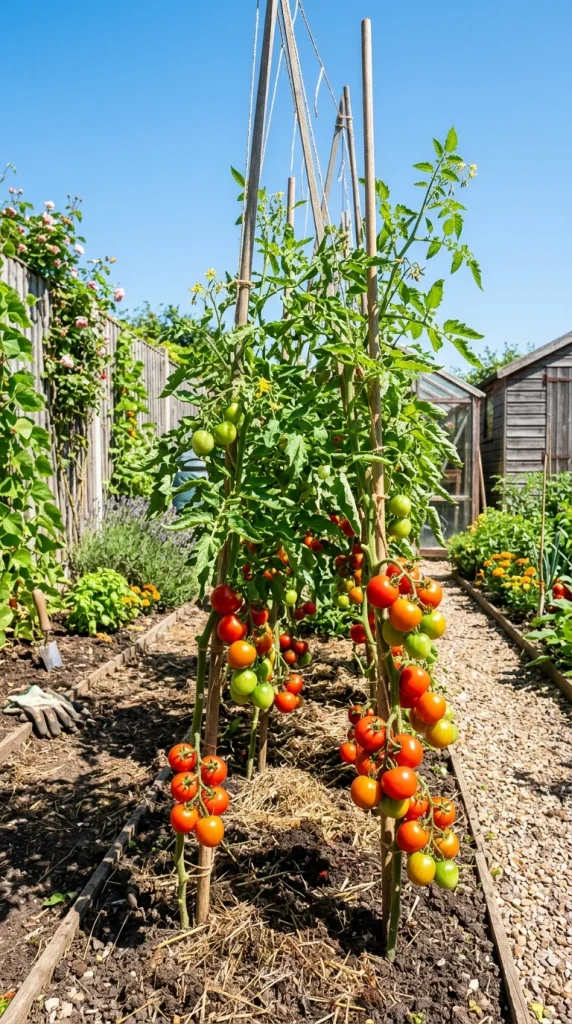
Tomatoes are sun-worshippers. To produce the sugars necessary for that classic sweet flavor, they need at least 6 to 8 hours of direct sunlight daily. If they are shaded, the plants will become “leggy”—stretching toward the light with weak stems—and produce fewer fruits. Position your garden in the sunniest spot available, away from the shadows of tall trees or buildings.
3. Soil
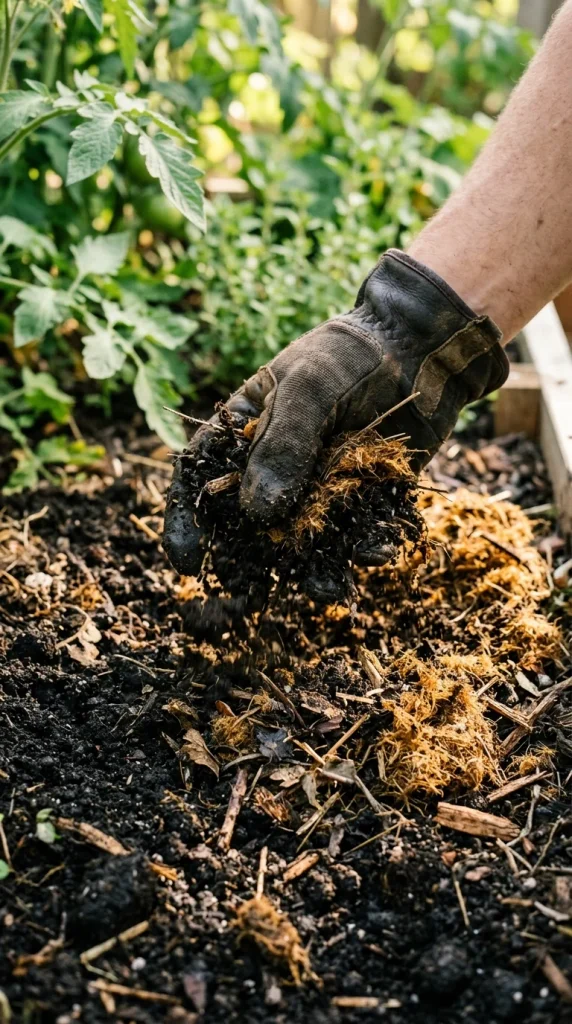
Tomatoes are heavy feeders that thrive in nutrient-dense, well-draining soil. Before planting, work in plenty of organic compost or well-rotted manure to provide a slow-release source of nutrients. Ideally, the soil pH should be slightly acidic, between 6.2 and 6.8. If your soil is too heavy with clay, add perlite or peat moss to improve drainage, as “wet feet” can lead to root rot.
4. Deep Planting
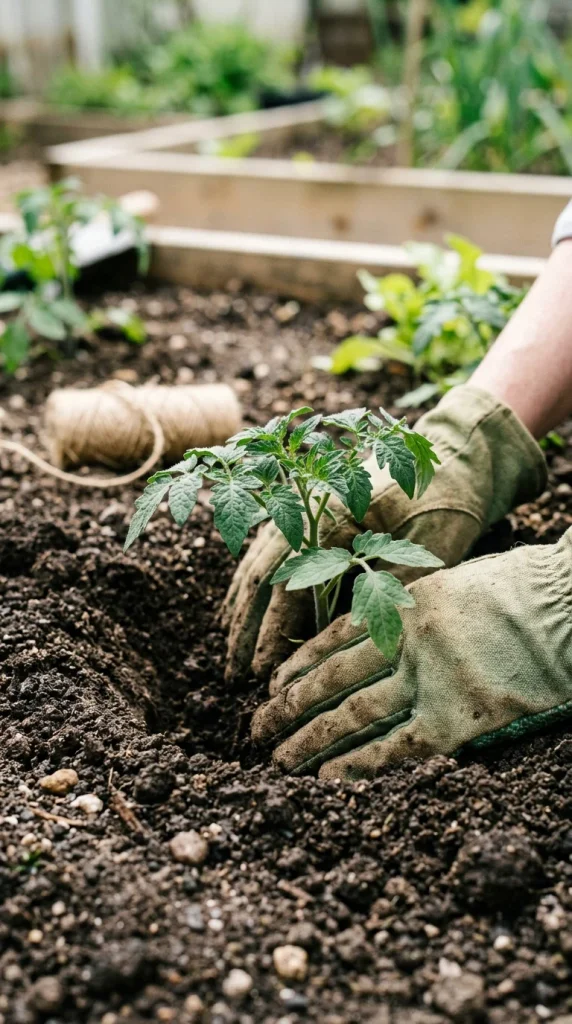
Unlike most plants, tomatoes should be planted deep. You can bury up to two-thirds of the stem. Why? Tomatoes have the unique ability to grow “adventitious roots” all along their buried stems. A deeper root system means a more stable plant that can reach deeper water reserves and absorb more nutrients from the soil, leading to a much stronger plant overall.
5. Spacing
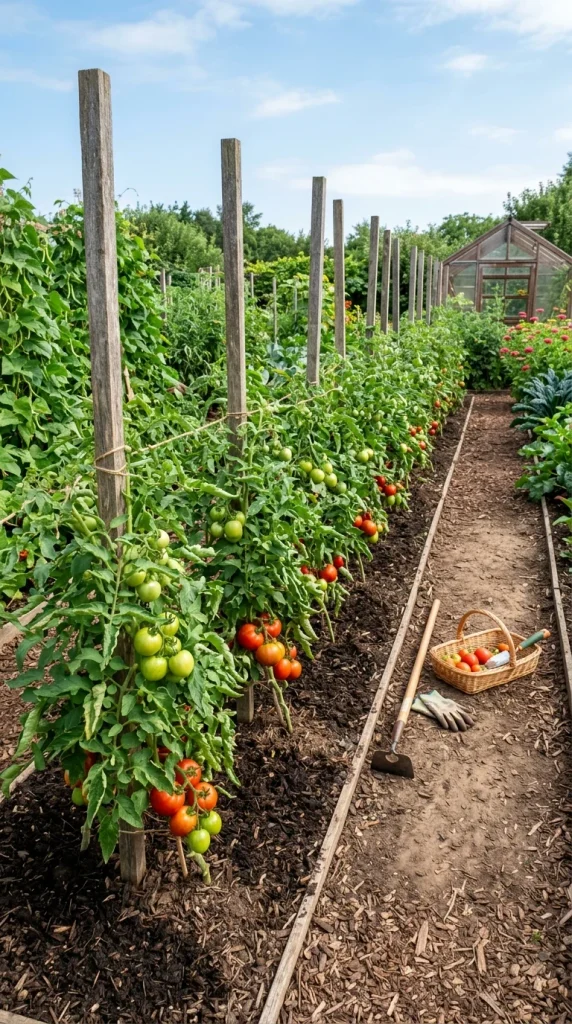
It is tempting to crowd plants to get more into a small space, but this often backfires. Tomato plants need room for air to circulate and for their roots to expand. Aim for at least 24 to 36 inches between plants. Proper spacing reduces the humidity around the foliage, which is the primary cause of fungal diseases like early blight.
6. Mulching
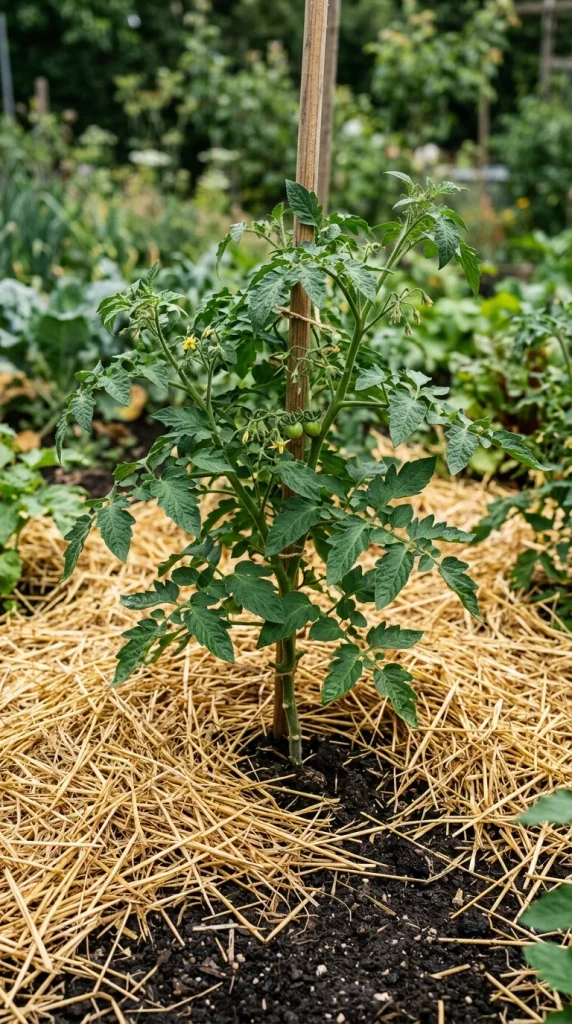
Once your plants are in the ground, apply a 2- to 3-inch layer of mulch. Organic mulch, such as straw, shredded bark, or pine needles, helps retain soil moisture, suppresses weeds, and prevents soil-borne diseases from splashing up onto the leaves during rain. Mulch also keeps the soil temperature consistent, preventing the stress that leads to fruit cracking.
7. Watering
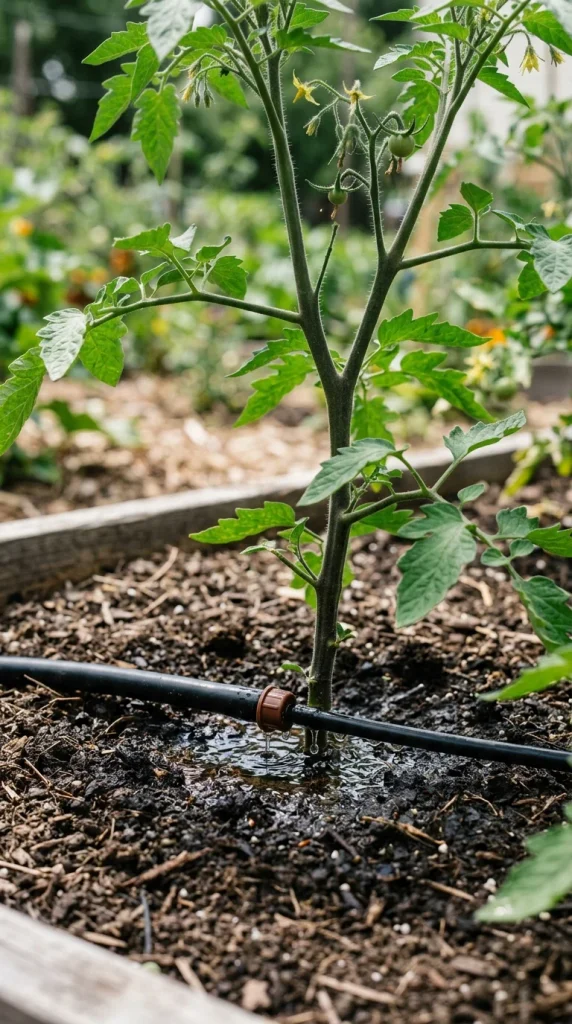
Consistency is key when it comes to watering. Irregular watering—letting the soil dry out completely and then soaking it—leads to blossom end rot and fruit cracking. Aim for about an inch of water per week. Always water at the base of the plant; wetting the foliage encourages blight and other fungal infections. Early morning is the best time to water, allowing the plant to hydrate before the heat of the day.
8. Support
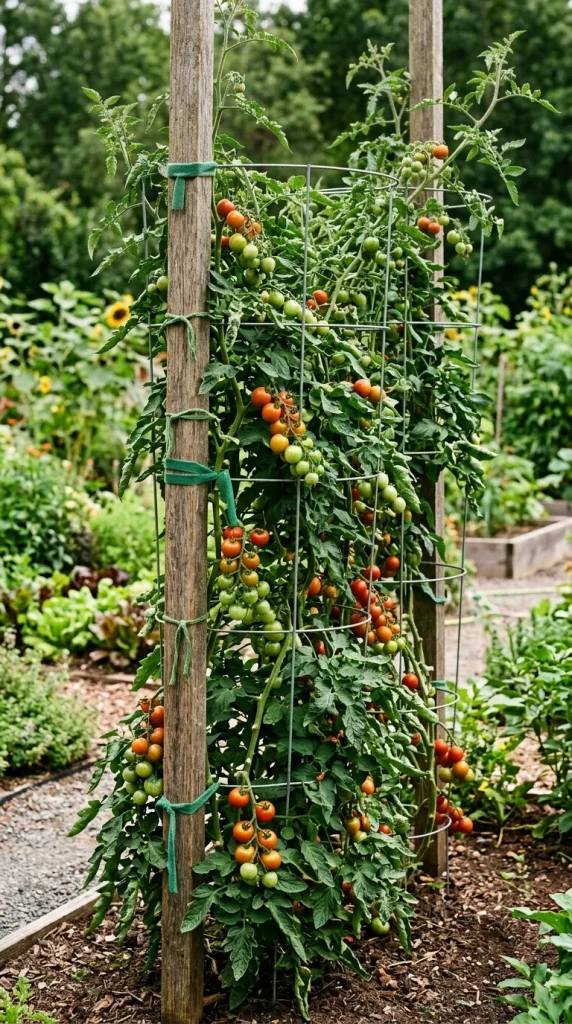
Tomato plants are vines, not bushes. Without support, they will sprawl on the ground, making the fruit susceptible to rot and pests. Install cages, stakes, or trellises at the time of planting to avoid damaging roots later. For indeterminate varieties, a tall, heavy-duty cattle panel or a “Florida weave” system is often more effective than standard store-bought circular cages.
9. Pruning
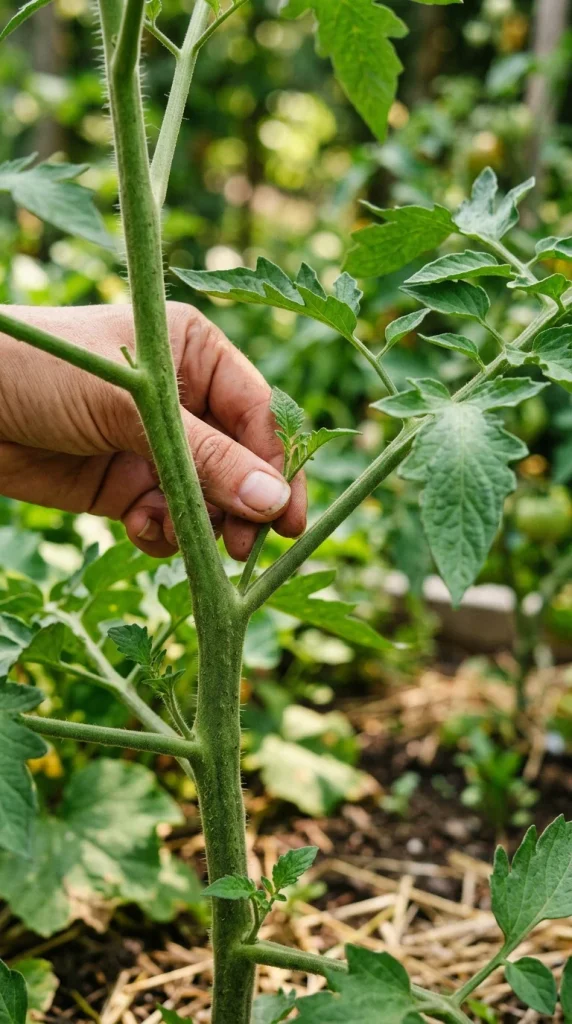
Pruning is essential for indeterminate tomatoes. Remove the “suckers”—the small shoots that grow in the “V” between the main stem and the branches. Removing these allows the plant to direct its energy toward fruit production rather than excessive foliage. However, be careful not to over-prune determinate varieties, as this can reduce your total yield.
10. Fertilizing
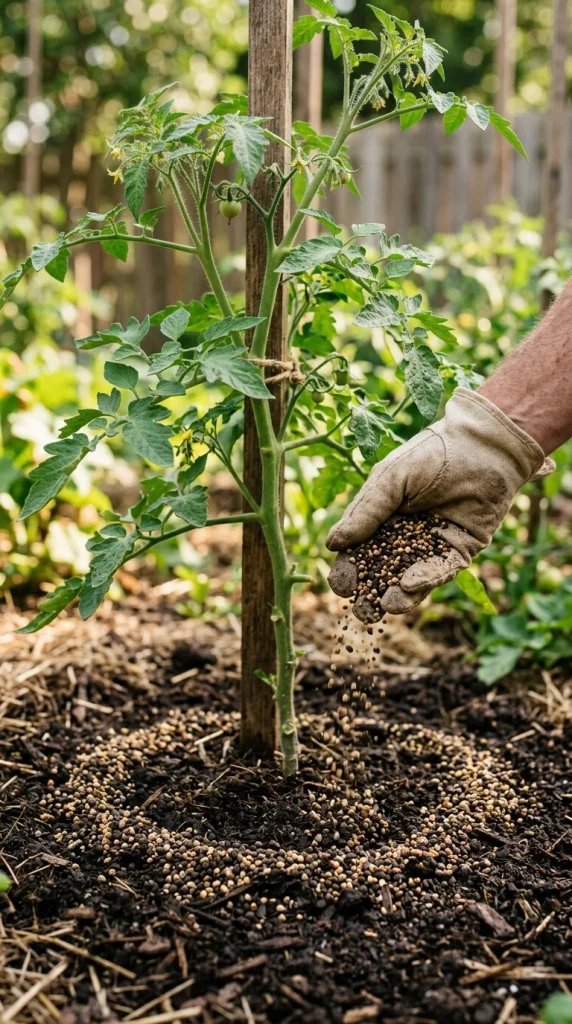
Tomatoes need a balanced start but a phosphorus-heavy finish. Use a balanced fertilizer (like 10-10-10) at planting time. Once the plant starts flowering, switch to a fertilizer higher in phosphorus and potassium (the second and third numbers on the bag) to encourage fruit development rather than just green leaves. Avoid excessive nitrogen late in the season, or you’ll end up with a giant green bush and no tomatoes.
11. Airflow
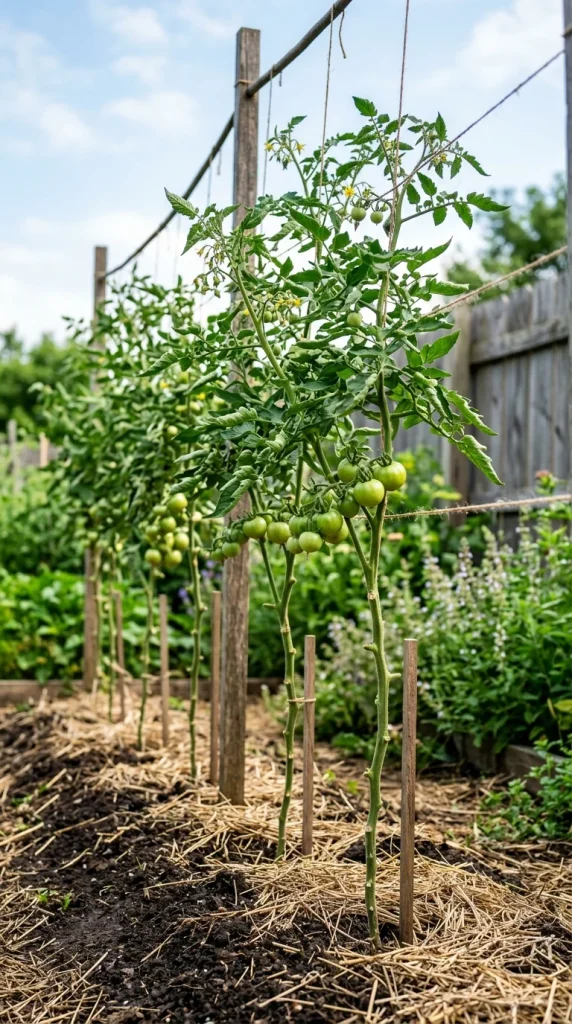
Good airflow is a natural fungicide. To improve circulation, prune away the bottom 6 to 12 inches of leaves once the plant is established. This “skirting” prevents soil pathogens from jumping onto the foliage and allows air to move freely through the bottom of the patch, drying out moisture quickly after a rainstorm.
12. Pollination
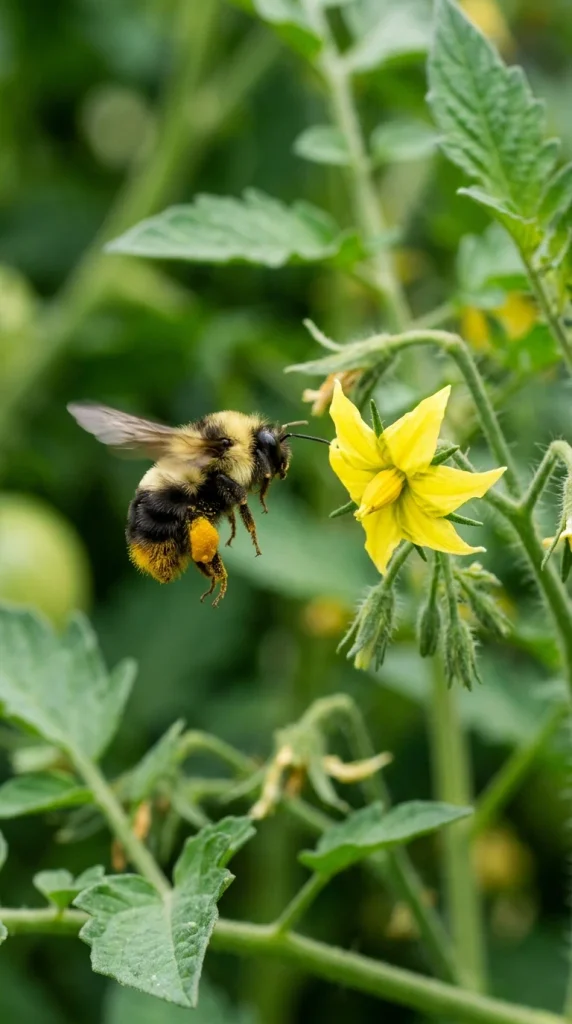
Tomatoes are self-pollinating, meaning each flower contains both male and female parts. However, they need a little vibration to release the pollen. Usually, the wind or bees handle this. If you are growing in a greenhouse or have very still air, give your plants a gentle shake every morning or use an electric toothbrush on the flower stems to ensure high fruit set.
13. Temperature
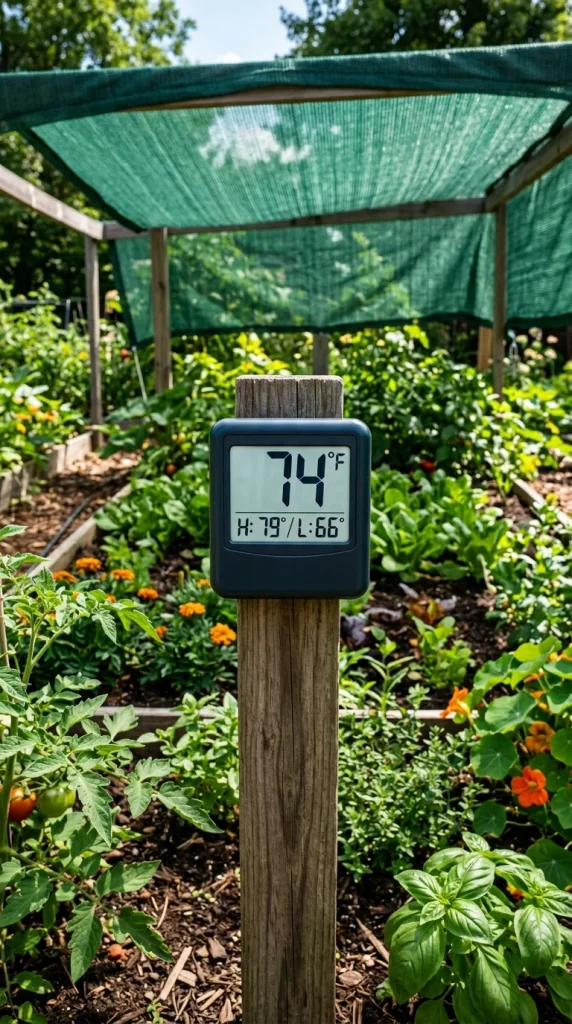
Tomatoes are sensitive to extreme temperatures. If daytime temperatures exceed 90°F (32°C) or nighttime temperatures stay above 75°F (24°C), the pollen can become sterile, causing the flowers to drop without producing fruit. In extreme heat, use 40% shade cloth to protect the plants and keep them cool enough to continue set fruit.
14. Pests
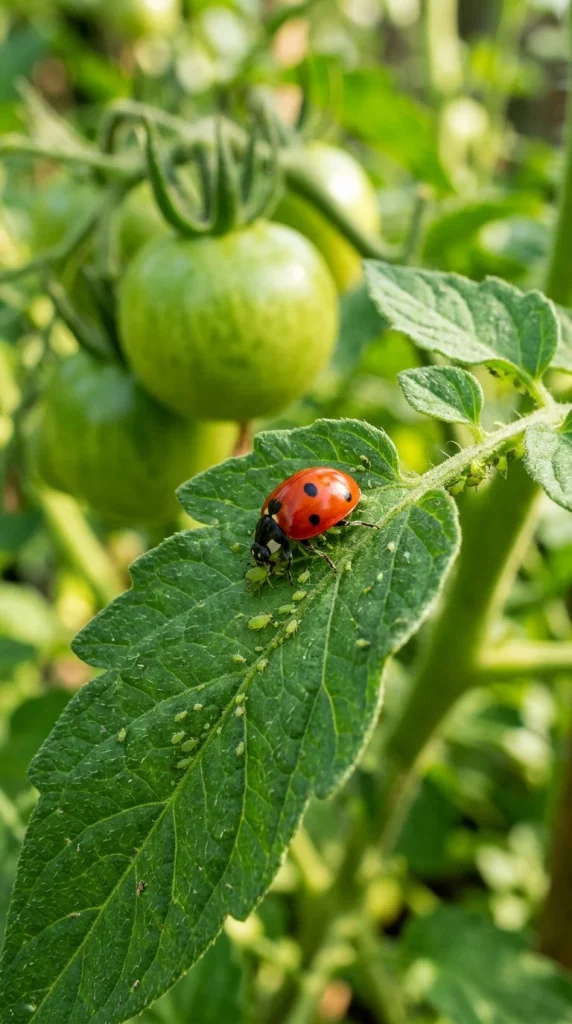
Keep a close eye out for the dreaded tomato hornworm—a large green caterpillar that can strip a plant in a single night. Check for dark droppings on the leaves. Additionally, watch for aphids and whiteflies. Encouraging beneficial insects like ladybugs and lacewings, or using organic Neem oil, can keep pest populations under control without damaging your harvest.
15. Disease
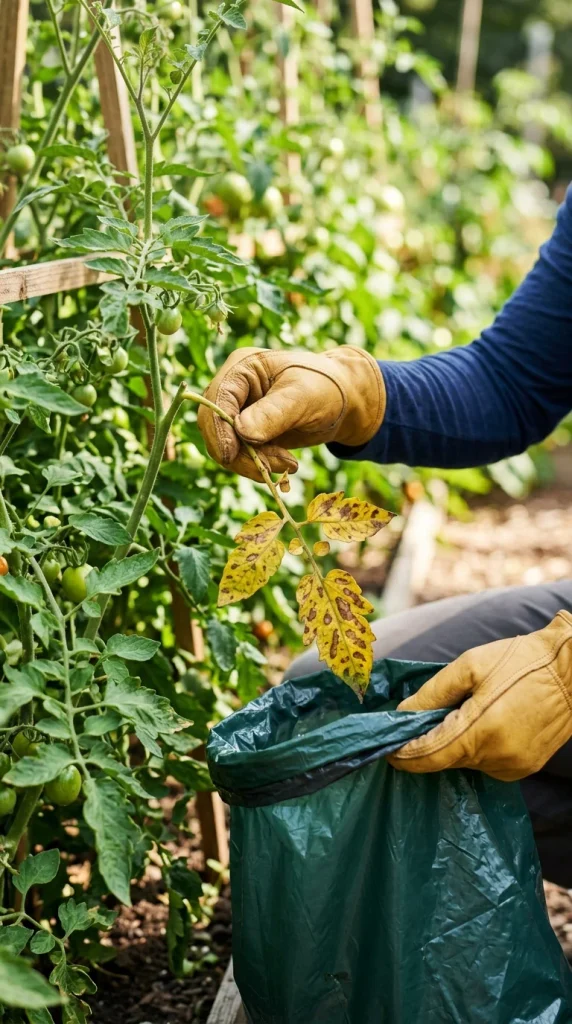
Vigilance is the best defense against disease. If you see leaves with yellowing, brown spots, or a “bullseye” pattern, remove them immediately and dispose of them in the trash—never the compost pile. Early detection of Early Blight or Septoria Leaf Spot can save the entire plant. Always sanitize your pruning shears with rubbing alcohol between plants to prevent spreading pathogens.
16. Rotation
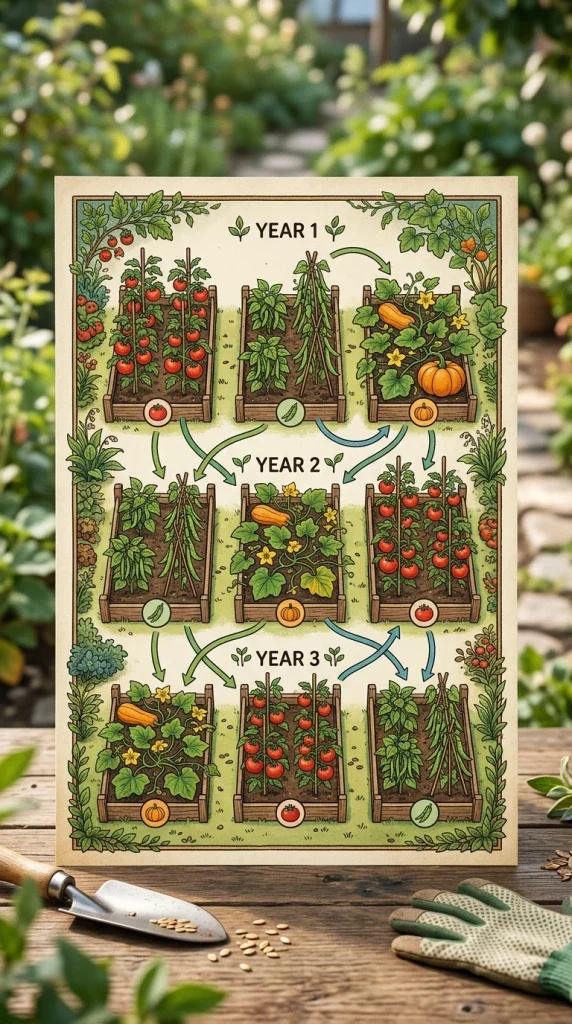
Never plant tomatoes in the same spot two years in a row. Soil-borne diseases and pests that target the nightshade family (tomatoes, peppers, eggplant, potatoes) can overwinter in the soil. Practice a 3- to 4-year rotation cycle to break the life cycle of these pathogens and ensure the soil nutrients aren’t completely depleted of specific minerals.
17. Companions
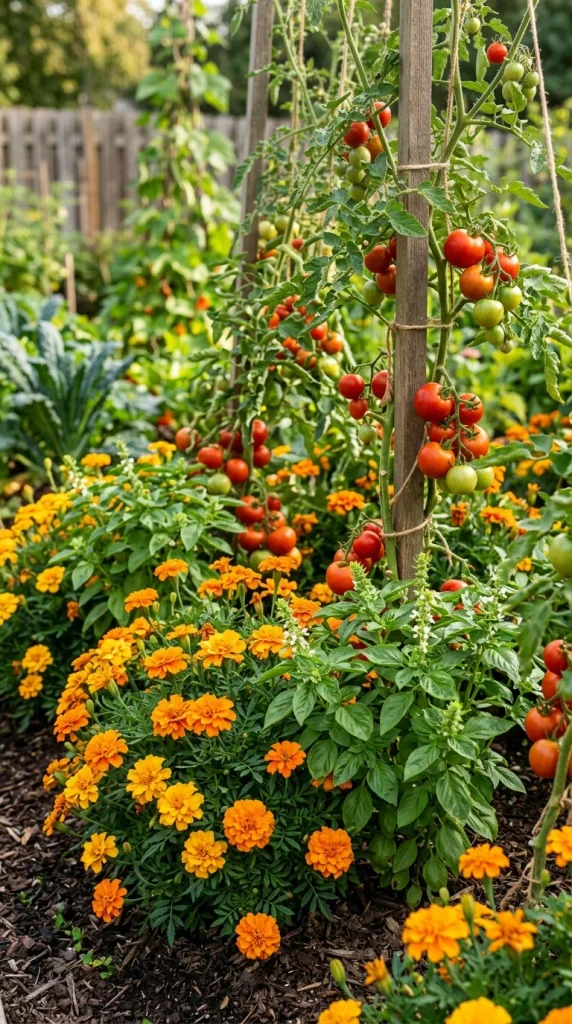
Companion planting can naturally boost your harvest. Planting marigolds around your tomatoes helps repel nematodes and other pests. Basil is a classic companion that many gardeners swear improves the flavor of the tomatoes while also deterring flies and mosquitoes. Avoid planting tomatoes near fennel or cabbage, as these can inhibit growth.
18. Harvesting
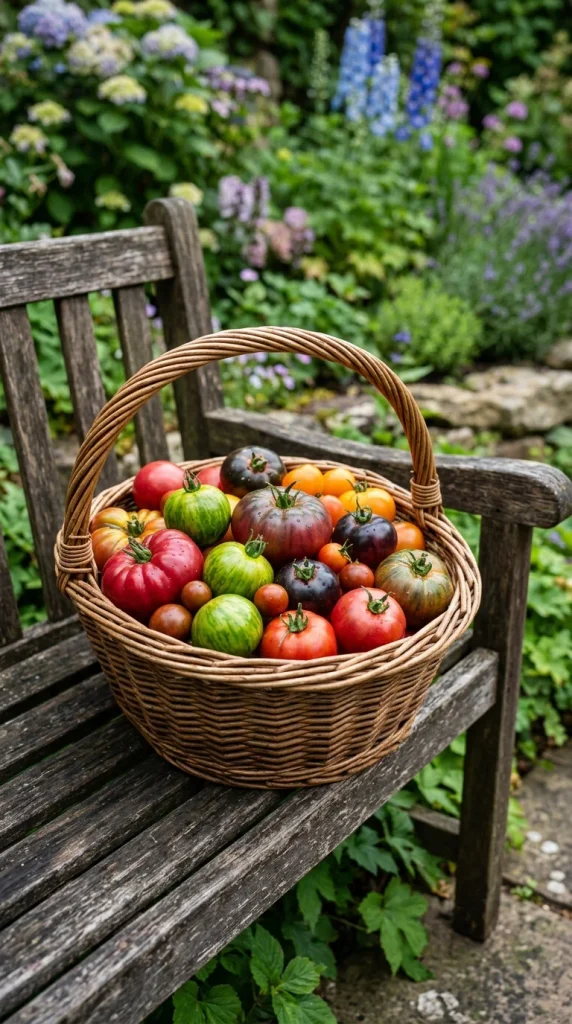
For the best flavor, let tomatoes ripen on the vine until they are fully colored and slightly soft to the touch. However, if you have a pest problem or a storm coming, you can harvest them at the “breaker stage”—when they are about half-colored. They will finish ripening on your kitchen counter with no loss in flavor. Once harvested, never put tomatoes in the refrigerator; the cold destroys the cellular structure and kills the flavor, leaving you with a mealy texture. Keep them at room temperature and enjoy the fruits of your labor!