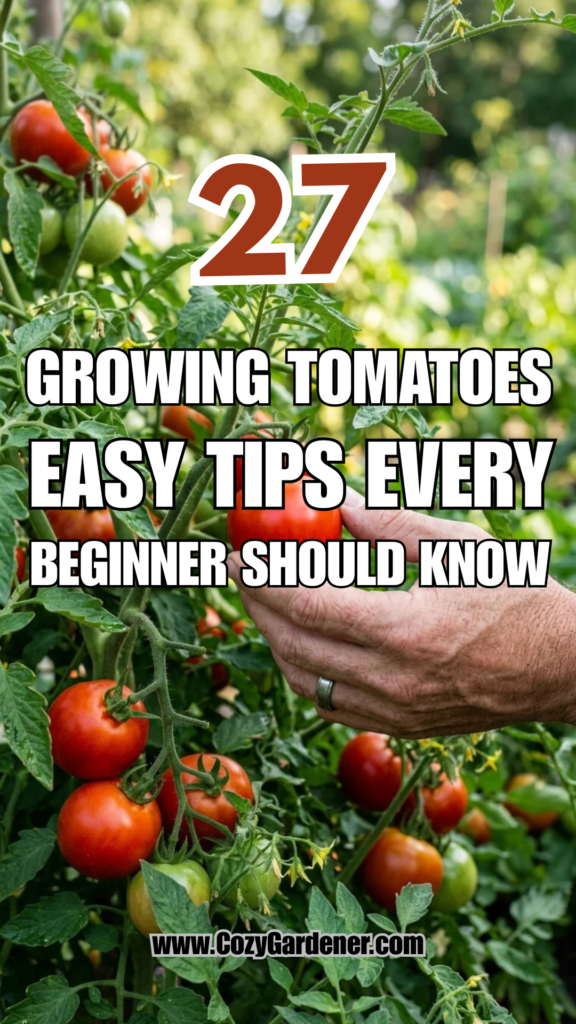
There is nothing quite like the taste of a sun-ripened tomato plucked straight from the vine. For the beginner gardener, the prospect of growing these juicy globes can be both exciting and slightly intimidating. However, tomatoes are incredibly rewarding plants that, with a little bit of knowledge and care, can thrive in almost any sunny spot. Whether you have a sprawling backyard or a small balcony, these twenty-seven tips will guide you from a tiny seed to a bountiful harvest.
1. Full Sunlight
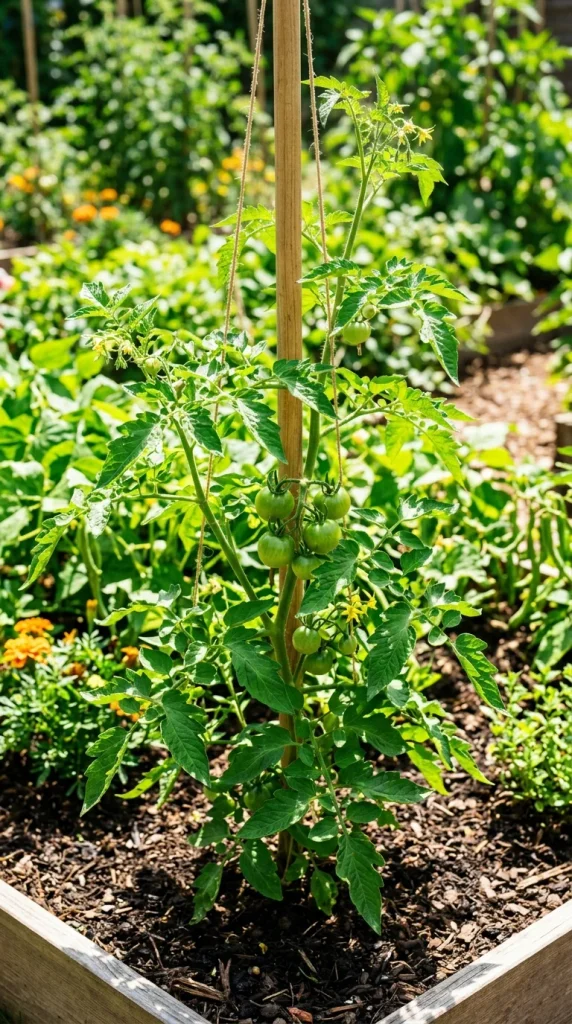
Tomatoes are solar-powered. To produce the sugars necessary for those sweet, complex flavors, they require a minimum of six to eight hours of direct sunlight every day. When choosing a spot in your garden, track the sun’s movement to ensure your plants won’t be shaded by trees, fences, or your house during the peak hours of the day.
2. Soil Quality
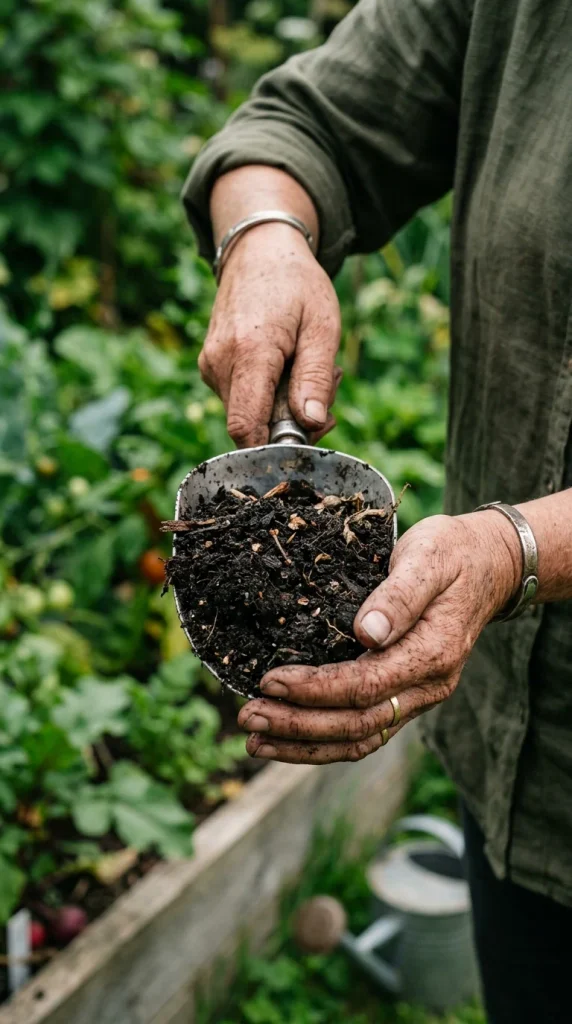
The foundation of a healthy tomato plant is the soil. Tomatoes prefer well-draining soil rich in organic matter. Before planting, mix in a generous amount of aged compost or well-rotted manure. This improves the soil structure and provides a slow-release source of nutrients that will sustain the plants throughout the growing season.
3. Deep Planting
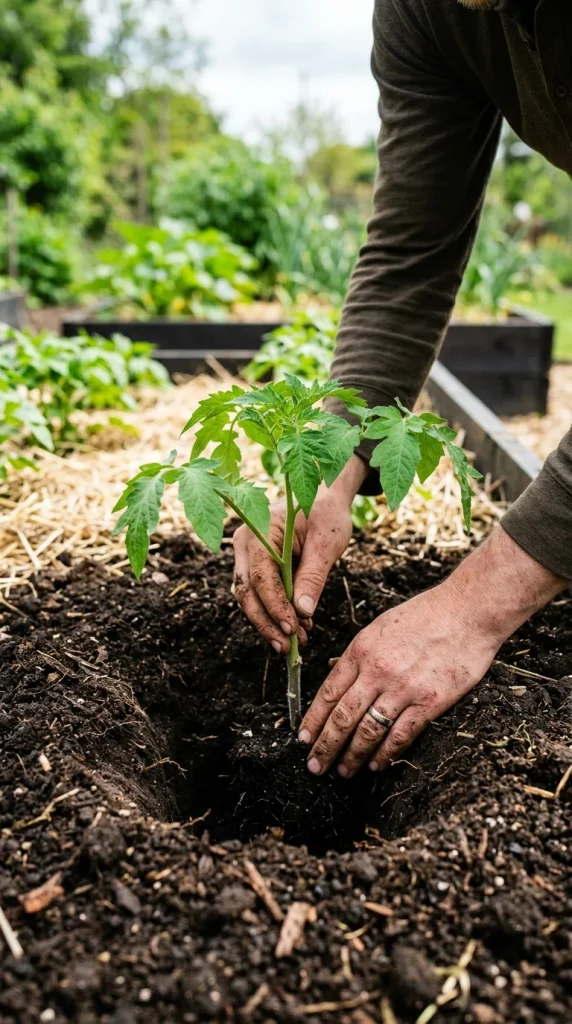
Unlike most plants, tomatoes have the unique ability to grow “adventitious roots” along their stems. When you transplant your seedlings, bury them deep—up to the first set of true leaves. This encourages a massive, sturdy root system that can better access water and nutrients deep in the ground.
4. Proper Spacing
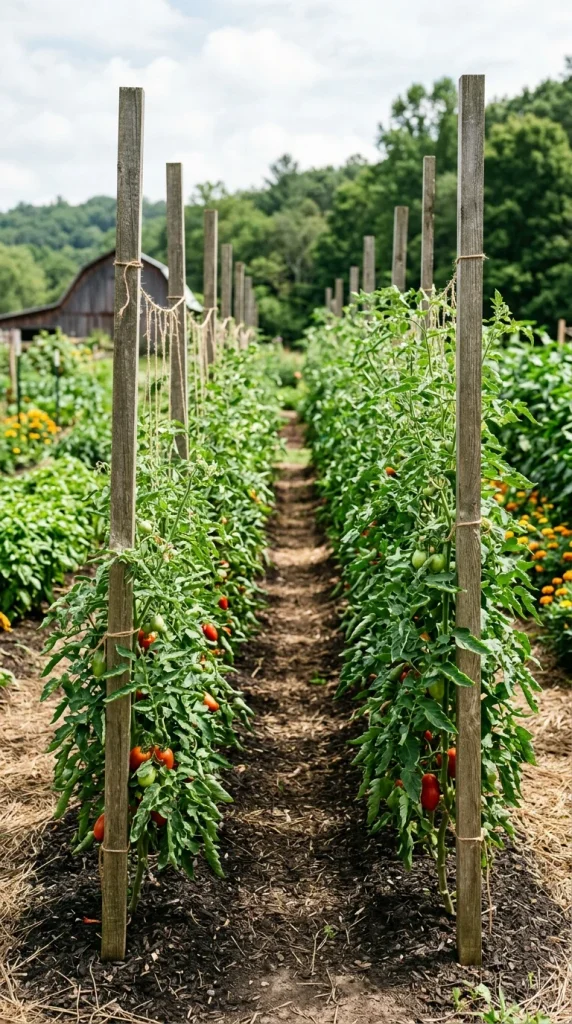
It is tempting to crowd plants to maximize your harvest, but tomatoes need room to breathe. Proper spacing—usually 24 to 36 inches apart—prevents the spread of fungal diseases by allowing air to circulate freely around the foliage. It also ensures each plant gets its fair share of sunlight.
5. Sturdy Support
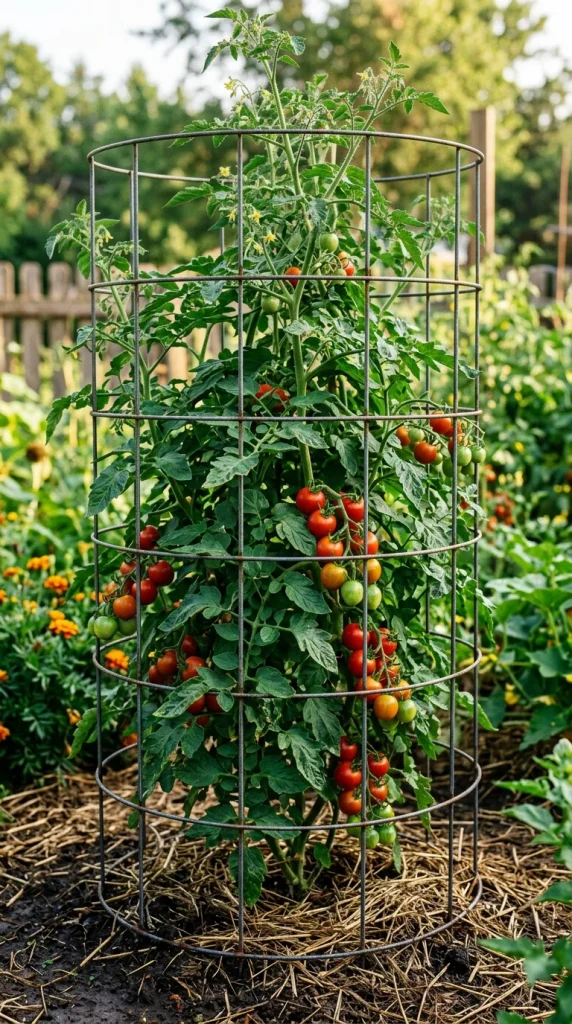
Most tomato varieties, especially indeterminate ones, grow into massive vines. Without support, the fruit will sit on the damp ground, inviting rot and pests. Install stakes, cages, or trellises at the time of planting to avoid damaging the roots later. Heavy-duty cages are often better than flimsy ones found at big-box stores.
6. Consistent Watering
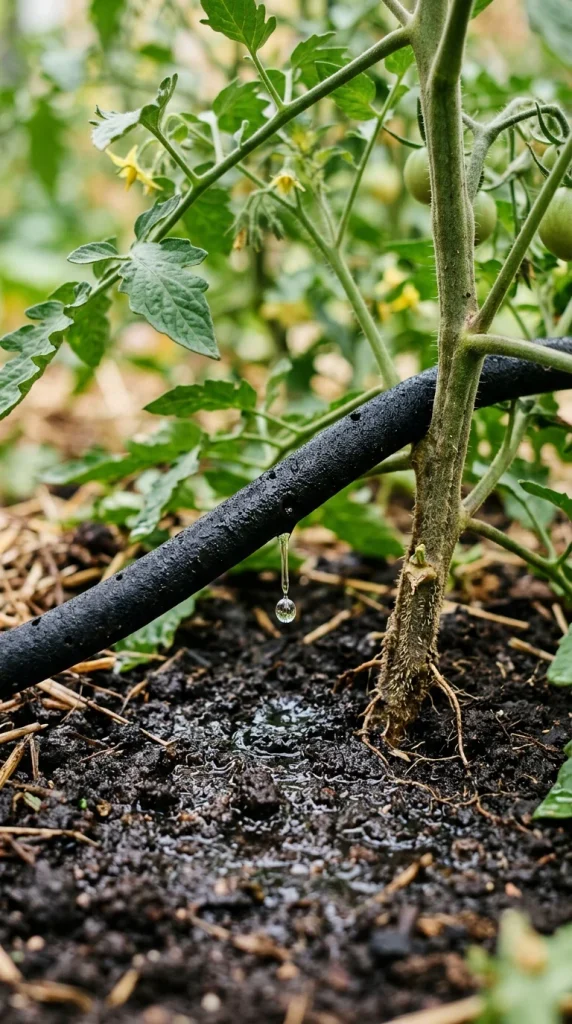
Tomatoes hate “wet feet” but despise being bone dry. Inconsistent watering leads to cracked fruit and blossom end rot. Aim for an inch of water per week, and always water at the base of the plant rather than over the leaves to prevent disease. Using a soaker hose or drip irrigation is the most efficient method.
7. Mulching Matters
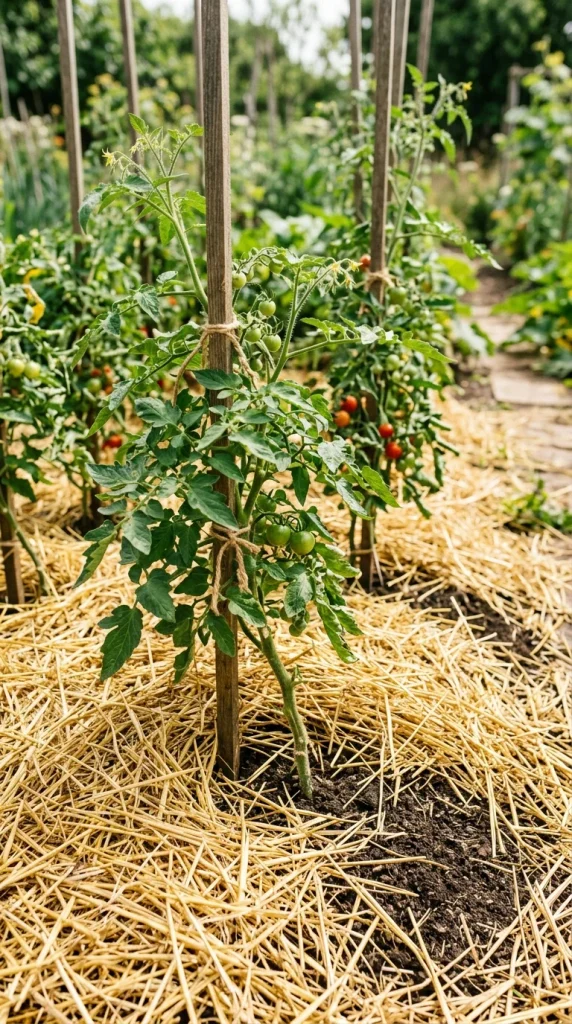
A thick layer of mulch (like straw, shredded leaves, or wood chips) is a tomato grower’s best friend. It helps retain moisture in the soil, suppresses weeds that compete for nutrients, and prevents soil-borne diseases from splashing up onto the leaves during rain or watering.
8. Variety Selection
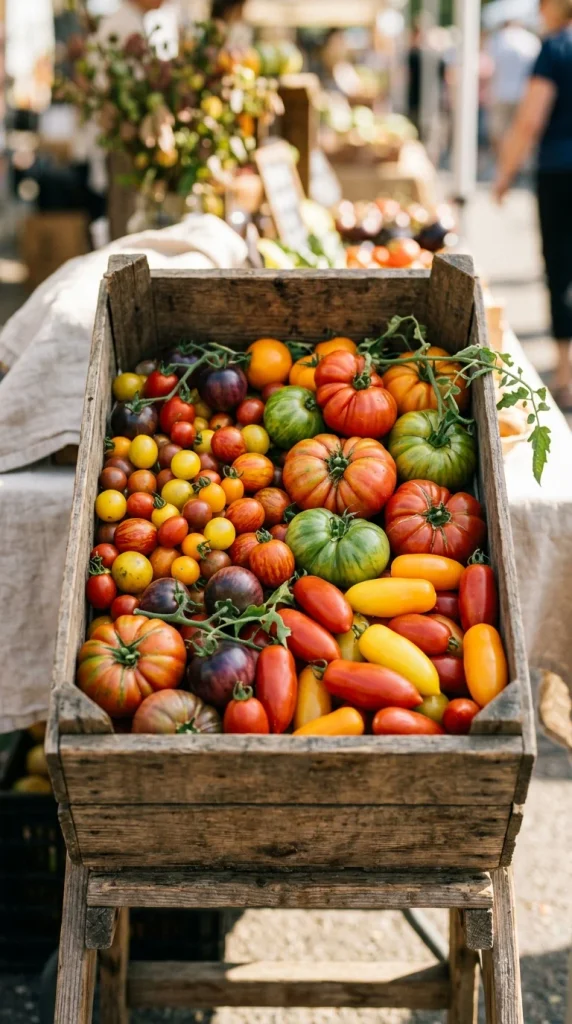
Not all tomatoes are created equal. For beginners, it’s important to choose varieties suited to your climate and space. “Determinate” types grow to a fixed size and are great for containers, while “Indeterminate” types keep growing and producing fruit until the first frost. Check the “days to maturity” on the label to ensure they fit your growing season.
9. Hardening Off
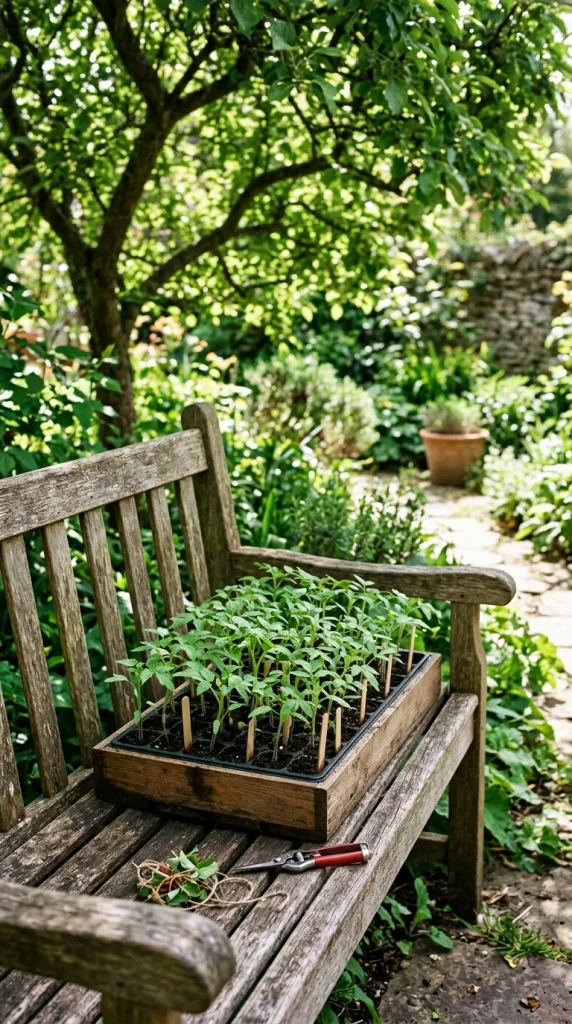
If you started your seeds indoors or bought them from a greenhouse, you cannot put them directly into the garden. They need to be “hardened off”—a process of gradually exposing them to outdoor wind, sun, and temperature fluctuations over 7 to 10 days to prevent transplant shock.
10. Warm Soil
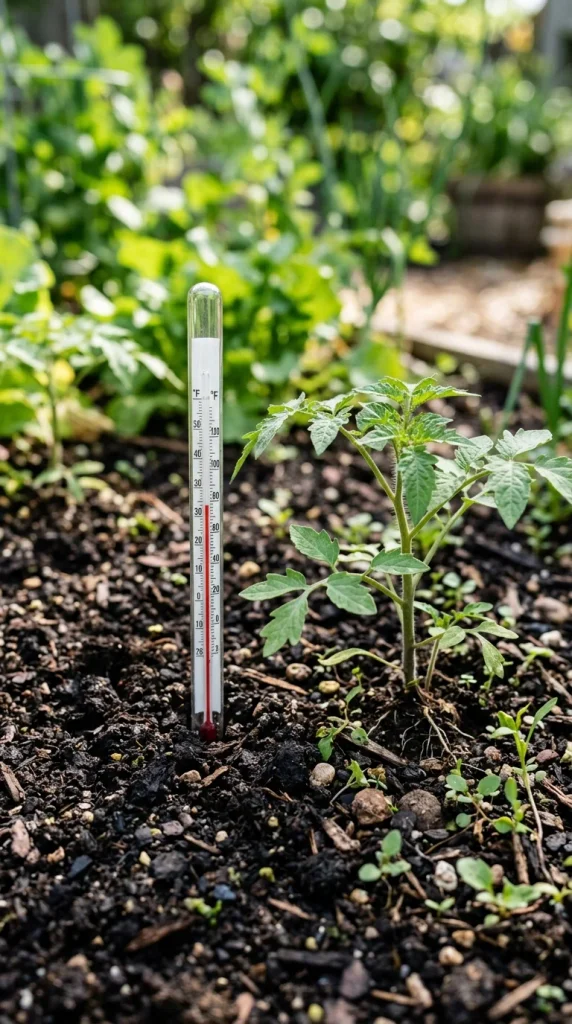
Tomatoes are heat-loving tropical plants. Don’t rush them into the ground too early in the spring. Wait until the soil temperature is consistently at least 60°F (15°C) and the threat of frost has completely passed. Planting in cold soil can stunt the plant’s growth for the entire season.
11. Fertilizing Schedule
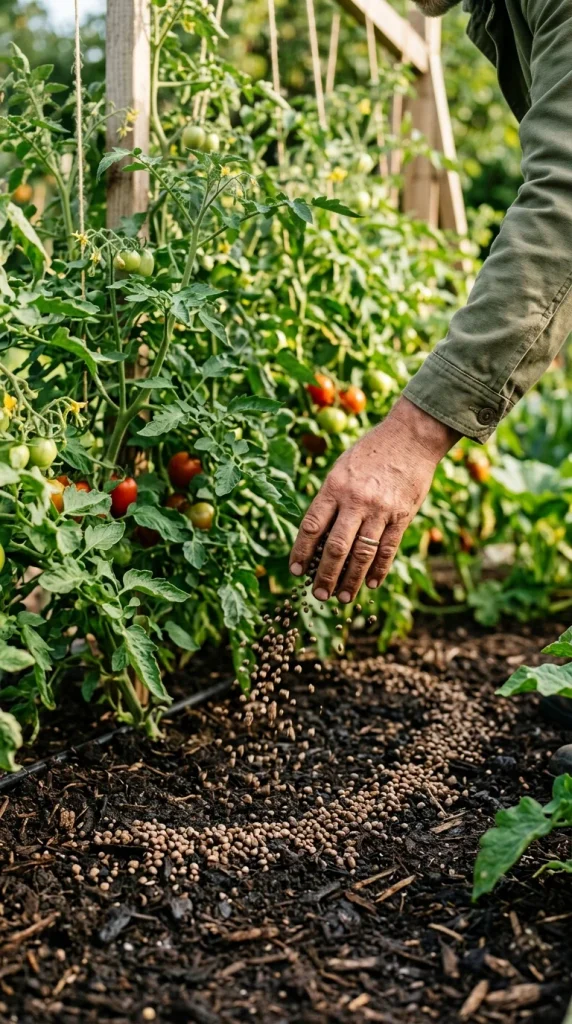
Tomatoes are heavy feeders. While compost provides a great start, they often benefit from a balanced organic fertilizer. Feed them at the time of planting, and then again once they start to set fruit. Avoid high-nitrogen fertilizers late in the season, as this will encourage lush green leaves but very little fruit.
12. Pruning Suckers
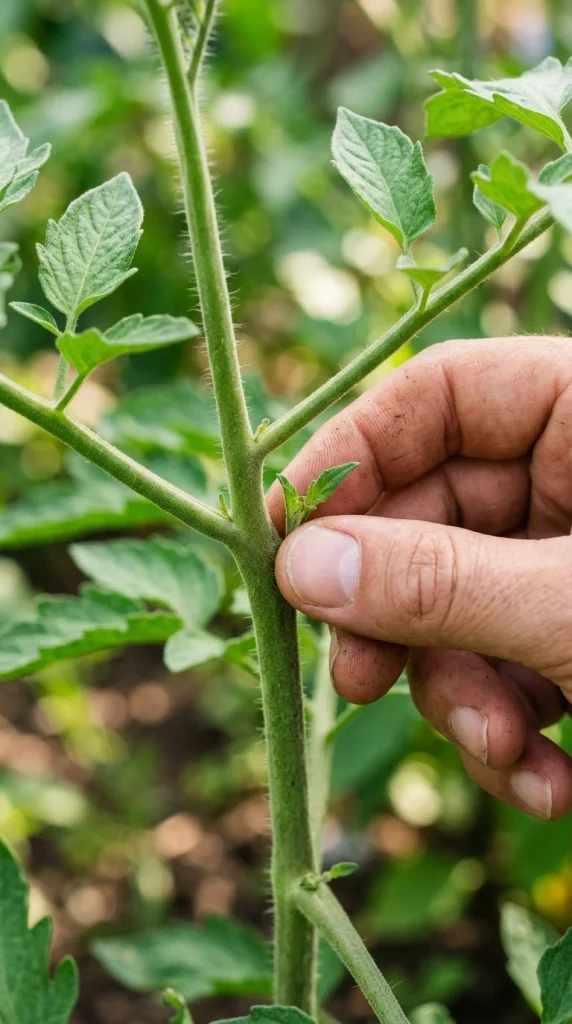
“Suckers” are the small shoots that grow in the crotch between the main stem and the leaf branches. On indeterminate varieties, pruning these allows the plant to focus its energy on producing high-quality fruit rather than excessive foliage. Use your fingers to snap off small suckers when they are 2-3 inches long.
13. Blossom End Rot
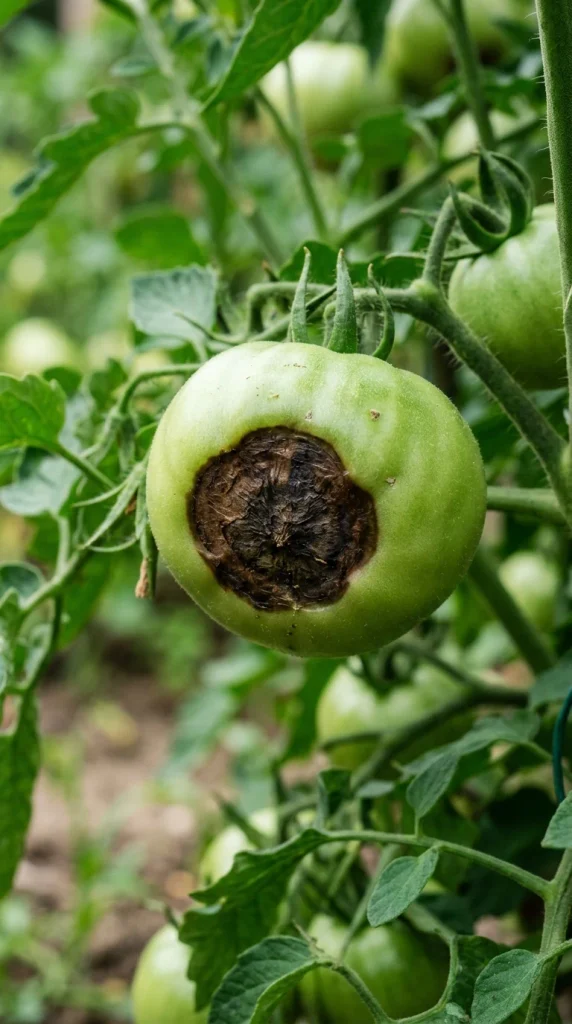
This common issue isn’t a disease but a calcium deficiency, often caused by uneven watering. To prevent it, ensure your soil has adequate calcium (crushed eggshells or lime can help) and maintain a consistent watering schedule so the plant can actually transport that calcium to the developing fruit.
14. Companion Planting
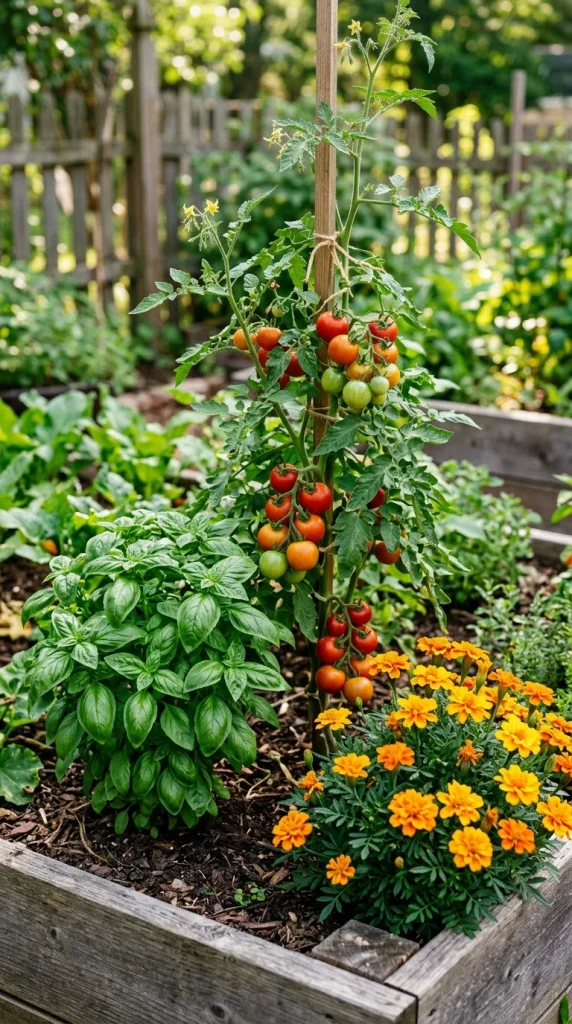
Some plants grow better together. Planting basil near your tomatoes is said to improve their flavor and repel certain pests. Marigolds are another excellent companion, as their scent can deter aphids and soil-borne nematodes that might otherwise attack your tomato roots.
15. Air Circulation
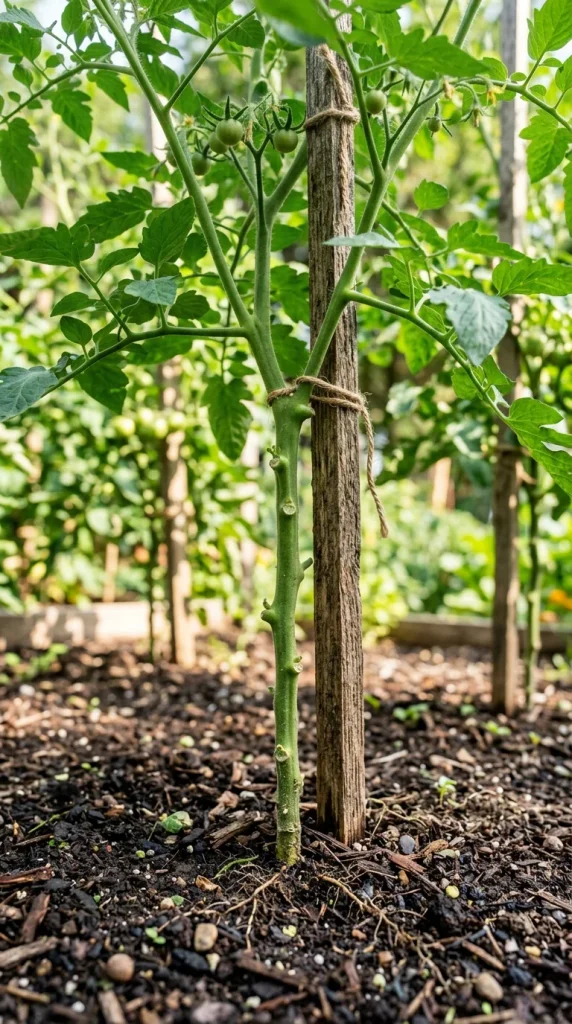
As your plants grow, prune away the leaves on the bottom 6 to 12 inches of the stem. This “clearing the floor” prevents soil pathogens from jumping onto the foliage and allows better air movement through the center of the plant, significantly reducing the risk of blight.
16. Hand Pollination
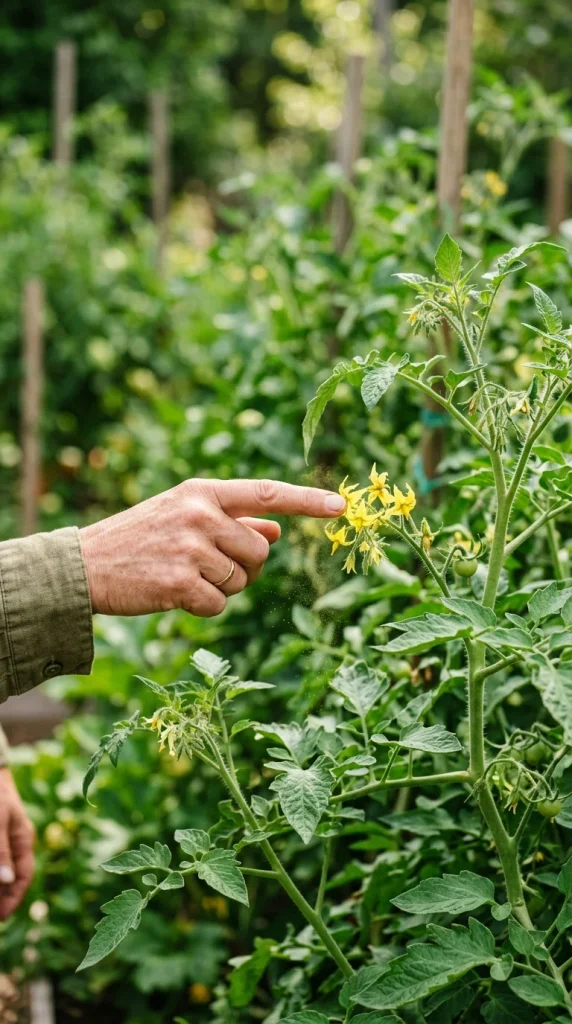
Tomatoes have “perfect” flowers, meaning they contain both male and female parts. While bees usually handle pollination, you can give nature a hand if you have a stagnant garden or grow in a greenhouse. Gently shake the plants or tap the flower clusters to ensure the pollen drops and fertilizes the fruit.
17. Pest Vigilance
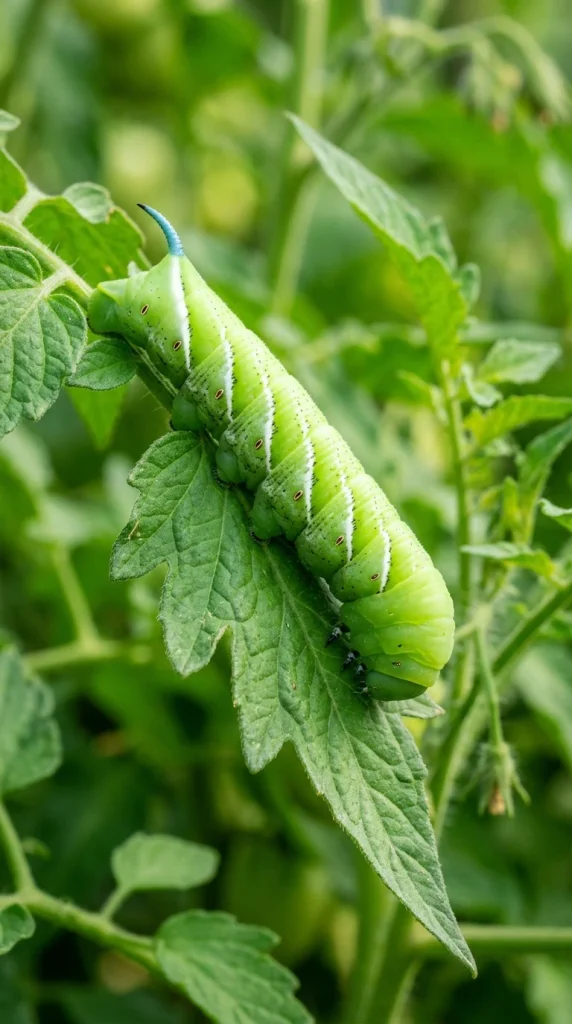
Keep a sharp eye out for pests like aphids, whiteflies, and the dreaded tomato hornworm. Check the undersides of leaves regularly. If you find a hornworm, simply pick it off and move it elsewhere (or feed it to your chickens!). Early intervention is key to preventing an infestation.
18. Disease Resistance
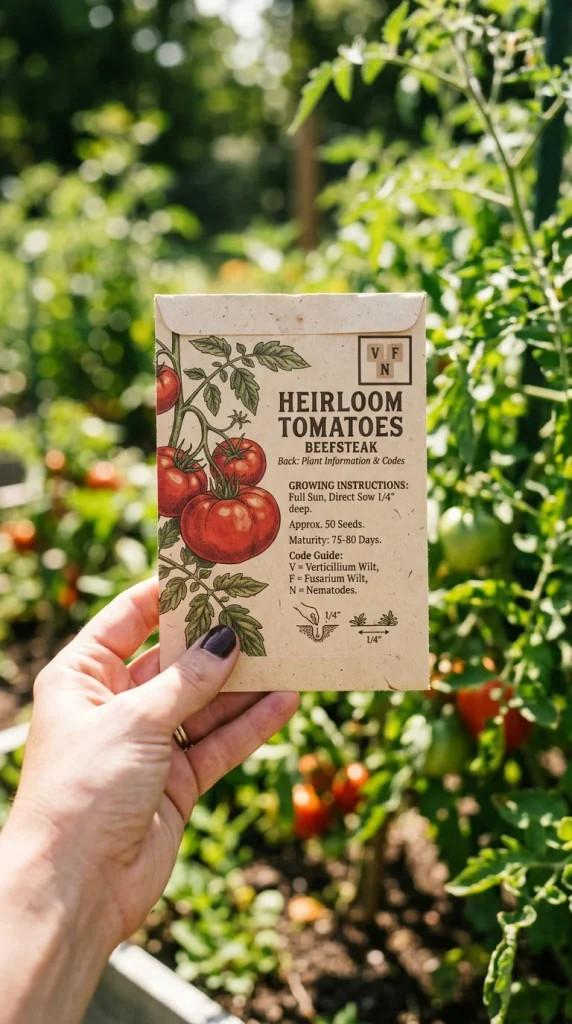
When buying seeds or starts, look for varieties labeled with letters like V, F, or N. These indicate resistance to Verticillium wilt, Fusarium wilt, and Nematodes. Choosing disease-resistant varieties is one of the easiest ways to ensure a successful harvest if you have had trouble in the past.
19. Epsom Salts
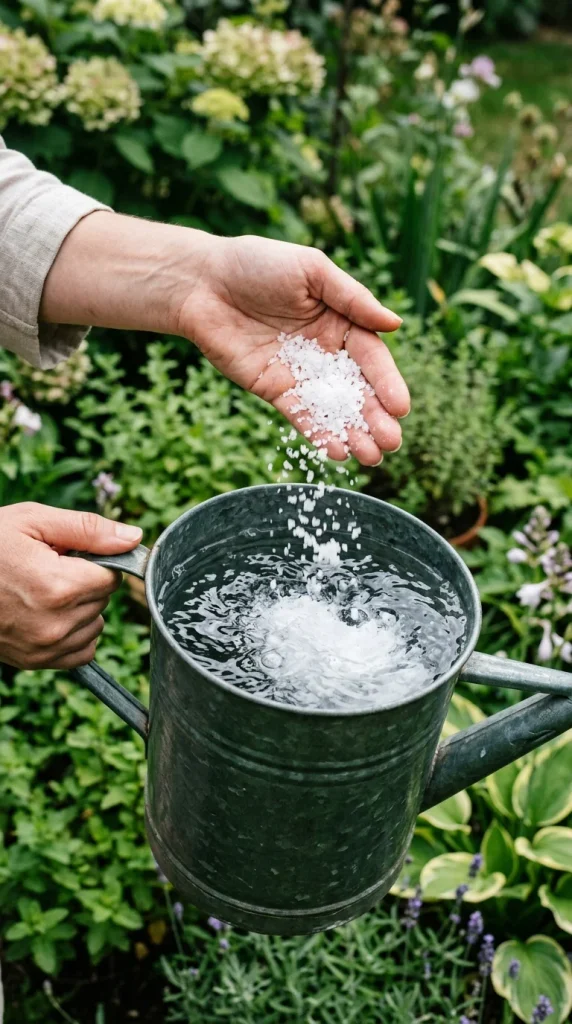
Many gardeners swear by Epsom salts (magnesium sulfate) for bushier plants and more fruit. Magnesium helps with chlorophyll production and phosphorus uptake. A tablespoon dissolved in a gallon of water applied once a month can give your tomatoes a noticeable boost, especially if your soil is magnesium-deficient.
20. Container Gardening
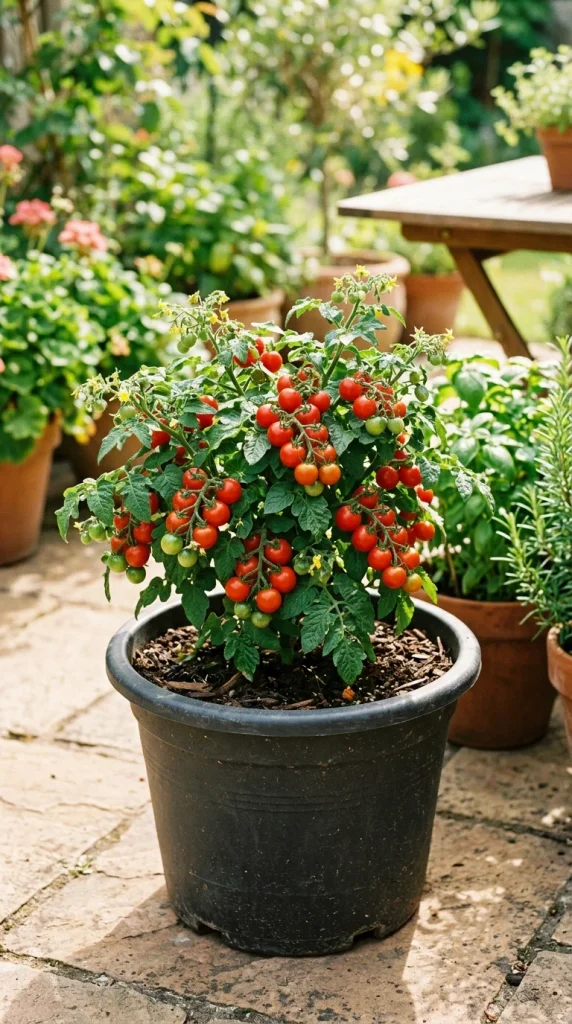
If you don’t have a yard, don’t worry! Many “dwarf” or “patio” varieties are bred specifically for containers. Ensure your pot is at least 5 gallons in size, has plenty of drainage holes, and use high-quality potting mix rather than garden soil, which is too heavy for containers.
21. Harvesting Time
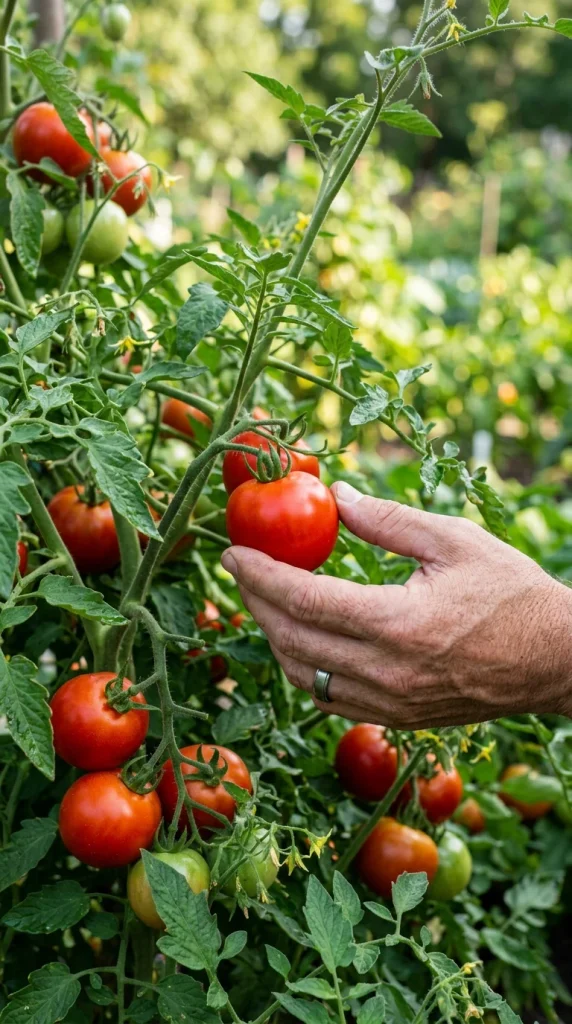
For the best flavor, harvest tomatoes when they are fully colored but still firm. Once they reach the “breaker stage”—when they just start to turn from green to pink—they will continue to ripen perfectly on your kitchen counter without losing any flavor or nutritional value.
22. Never Refrigerate
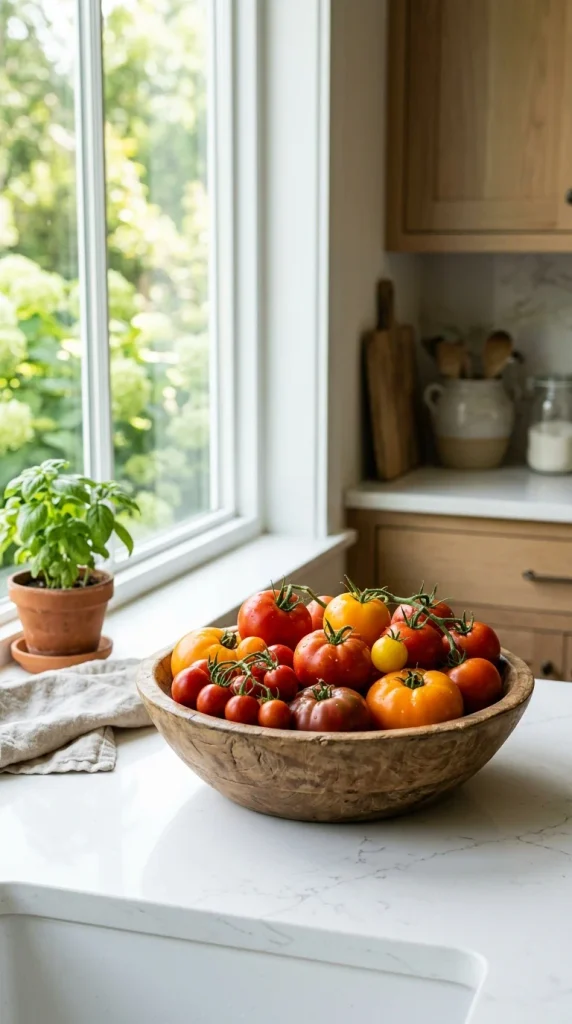
This is a cardinal rule for tomato lovers. Refrigeration kills the enzymes that give tomatoes their flavor and turns the texture mealy and soft. Always store your harvest at room temperature out of direct sunlight to maintain that vine-fresh taste.
23. Crop Rotation
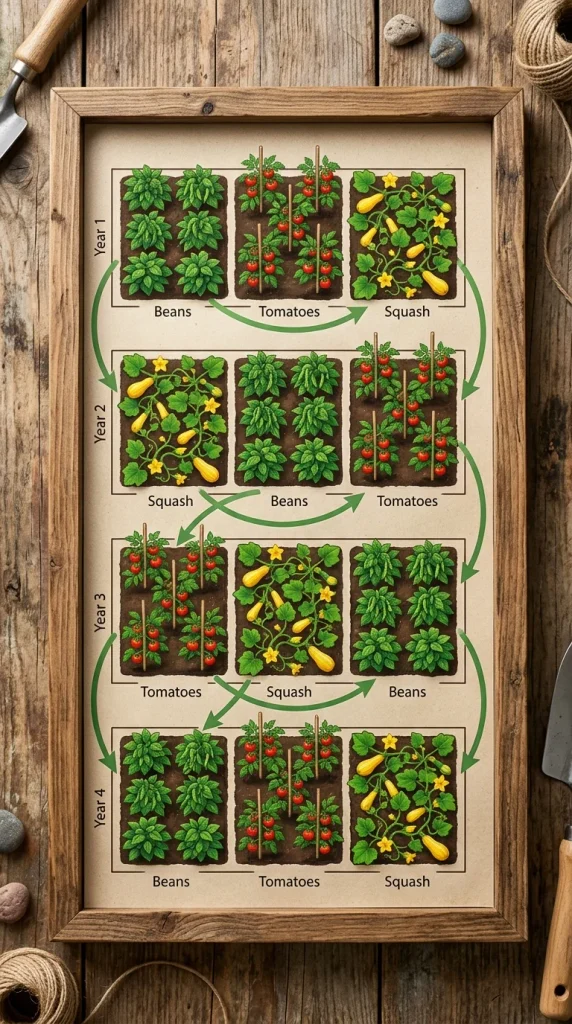
Try not to plant tomatoes in the same spot two years in a row. They are part of the Nightshade family (along with peppers, eggplants, and potatoes). Rotating your crops helps prevent the buildup of soil-borne diseases and ensures that the soil’s nutrient profile isn’t completely depleted of specific elements.
24. Pollinator Attraction
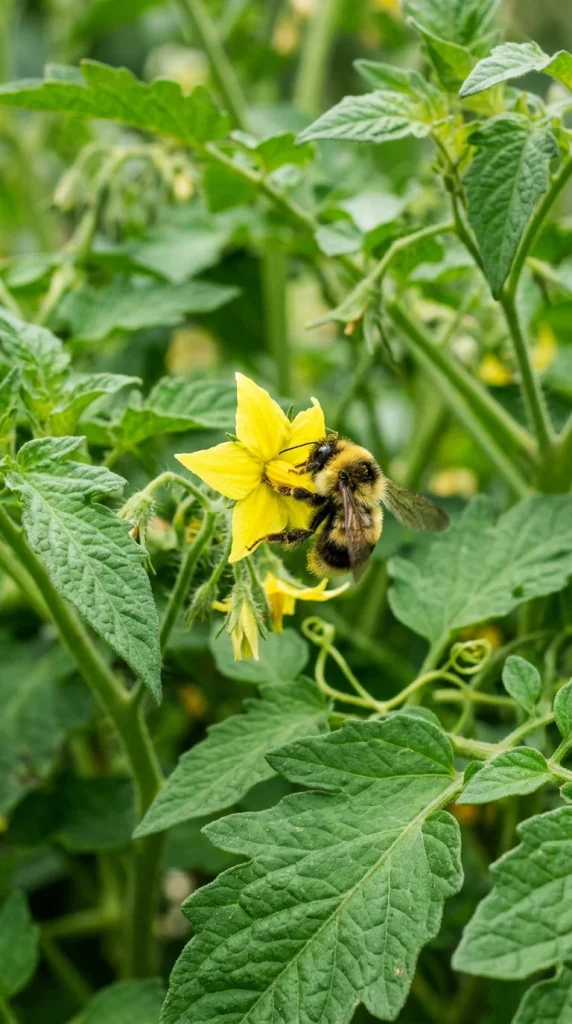
Even though tomatoes can self-pollinate, having a healthy population of bees and other insects will increase your yield. Plant a variety of flowers nearby, such as zinnias, sunflowers, and cosmos, to invite these “garden helpers” into your tomato patch.
25. High Phosphorus
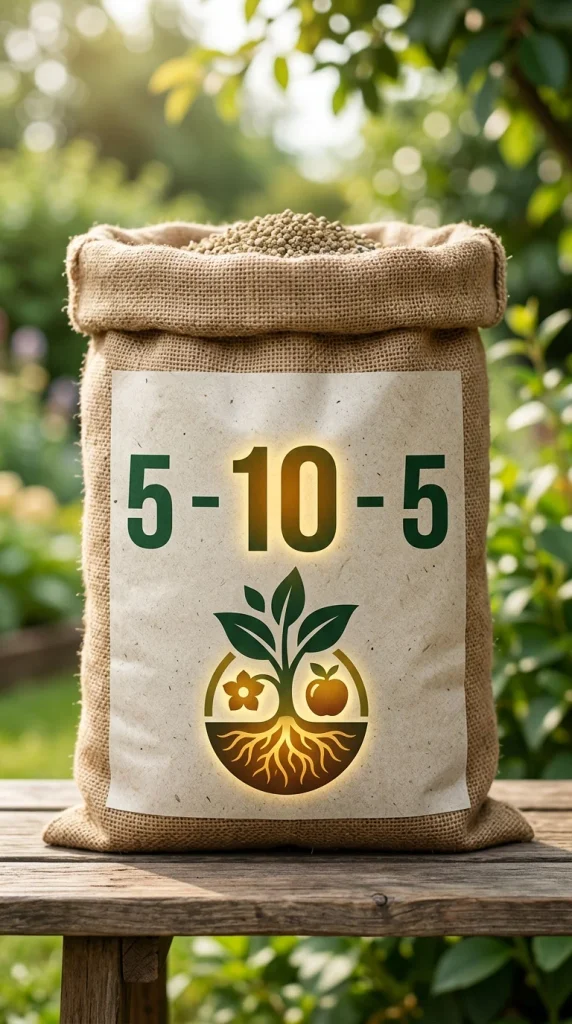
In the N-P-K (Nitrogen-Phosphorus-Potassium) ratio on fertilizer bags, the middle number is Phosphorus. This is the nutrient responsible for flower and fruit production. Once your plant is established, switching to a fertilizer slightly higher in phosphorus will encourage more “blossom power.”
26. Support Ties
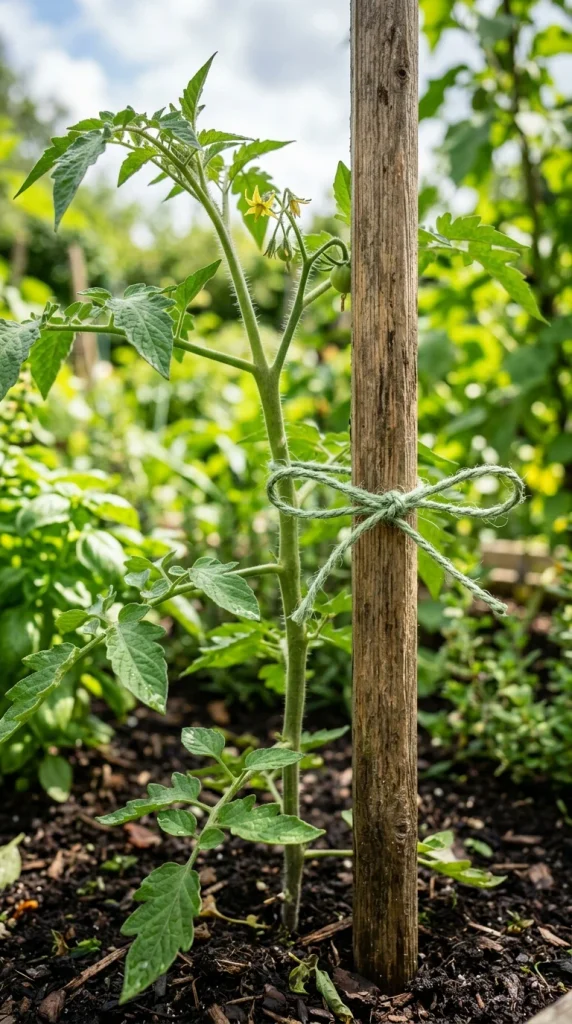
As you tie your plants to stakes, be careful not to tie them too tightly. The stems will thicken as the plant grows. Use soft materials like garden twine, strips of old t-shirts, or nylon stockings to create a loose figure-eight loop that supports the plant without cutting into the “skin.”
27. Record Keeping
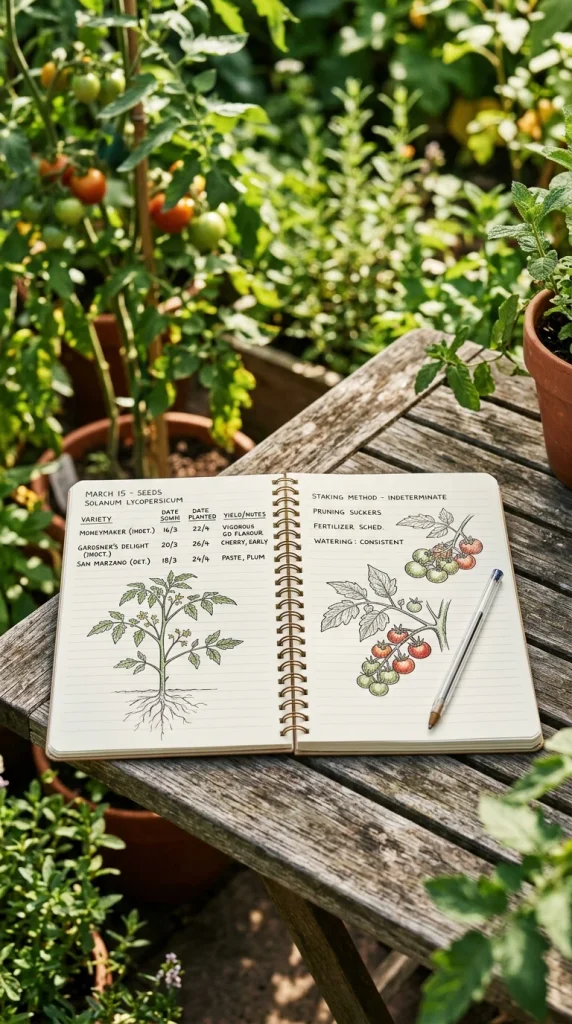
Every garden is a learning experience. Keep a simple journal of which varieties you planted, what the weather was like, and which plants performed the best. Over time, this record will become your most valuable tool, helping you fine-tune your process for the perfect tomato harvest year after year.