

Plush plants, most notably the Echeveria pulvinata and its cousins like the ‘Ruby’ or ‘Frosty’ varieties, are the softest additions to any indoor garden. Their distinctive “fur”—technically known as trichomes—serves a vital purpose in nature, protecting them from harsh sun and conserving moisture. However, these velvety beauties have specific needs that differ from their smooth-leaved counterparts. This comprehensive guide covers 21 essential aspects of care to ensure your plush plant thrives.
1. Sunlight
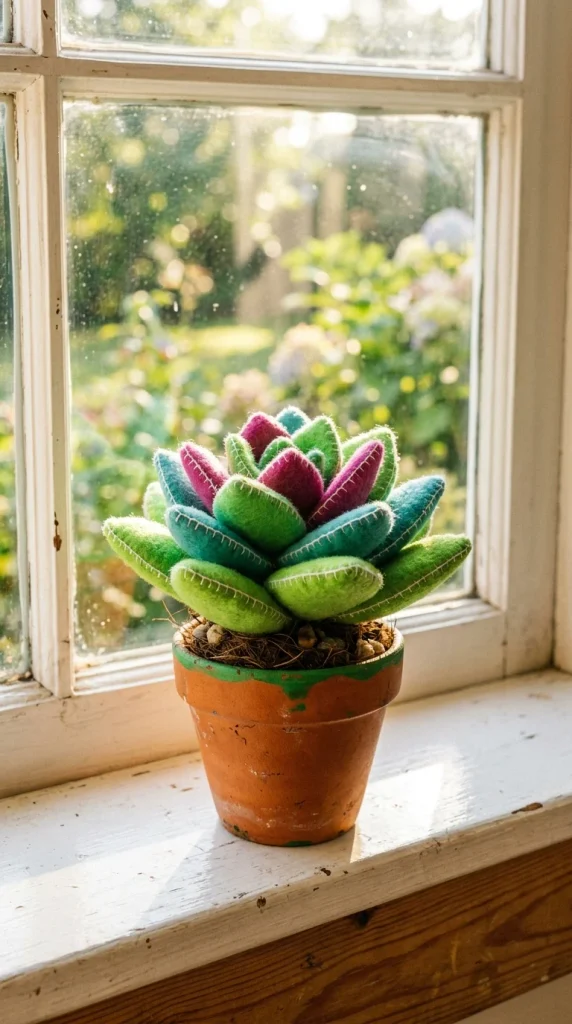
Plush plants are sun-worshippers. To maintain their compact rosette shape and vibrant colors, they require at least six hours of bright, indirect sunlight daily. If kept in low light, they will begin to “stretch” or etiolate, losing their plush charm. While they love the sun, extreme afternoon heat in summer can scorch the leaves, so a south-facing window with a sheer curtain is often the “sweet spot.”
2. Watering
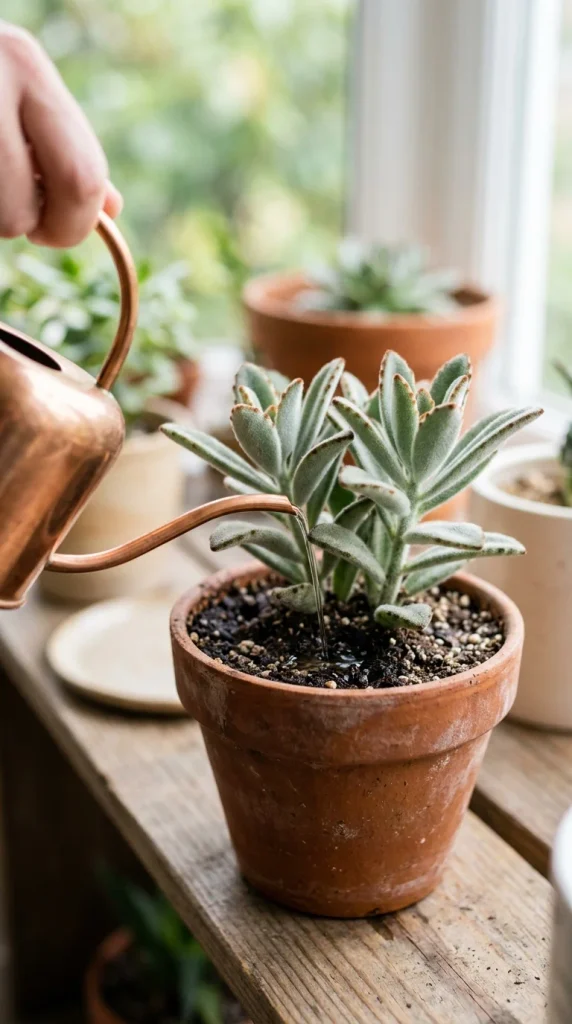
The golden rule for plush plants is “soak and dry.” You should water the soil deeply until water runs out of the drainage holes, then wait until the soil is completely dry before watering again. Because of their fuzzy leaves, these plants are particularly susceptible to rot if water sits on the foliage. Always aim for the soil, never the leaves.
3. Soil
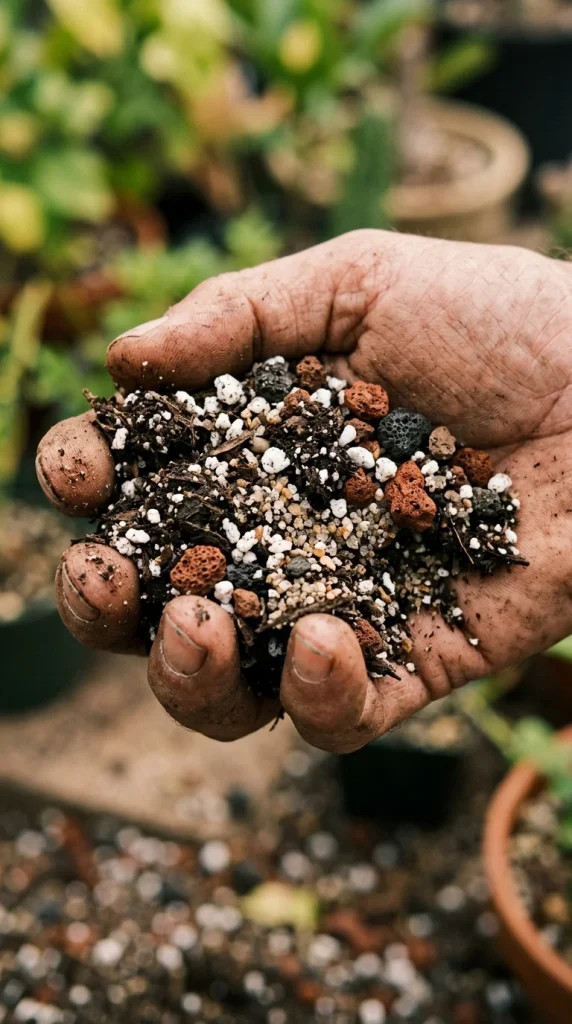
Standard potting soil is a death sentence for plush plants because it retains too much moisture. Use a specialized succulent or cactus mix. If you want to make your own, blend regular potting soil with 50% grit—such as perlite, pumice, or coarse sand. This ensures that oxygen reaches the roots and water drains away instantly.
4. Drainage
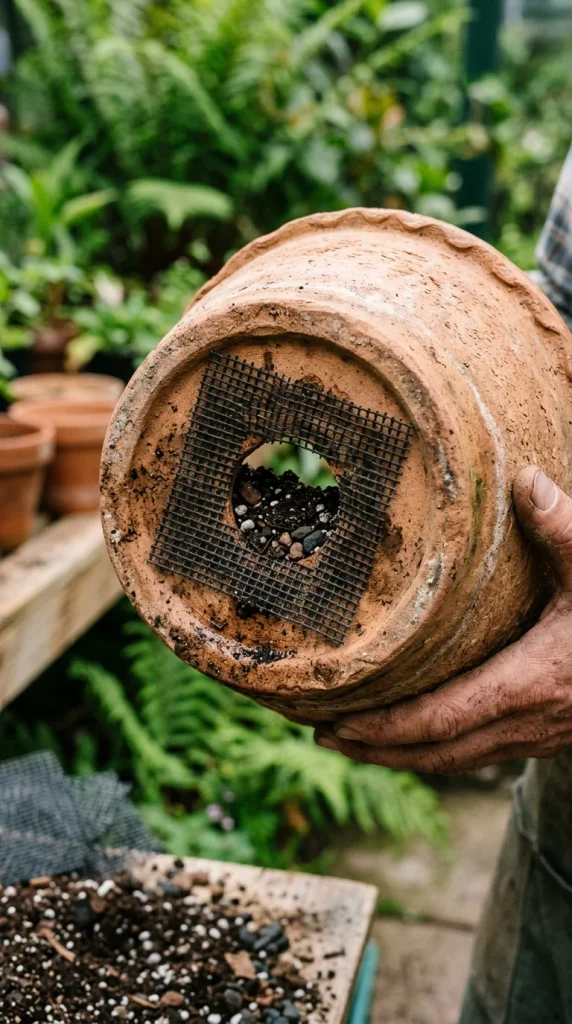
Never plant a plush succulent in a container without a drainage hole. Without a way for excess water to escape, the roots will sit in a “swamp,” leading to rapid root rot. If you find a decorative pot you love that lacks drainage, use it as a cachepot—keep the plant in a plastic nursery liner inside the decorative one.
5. Airflow
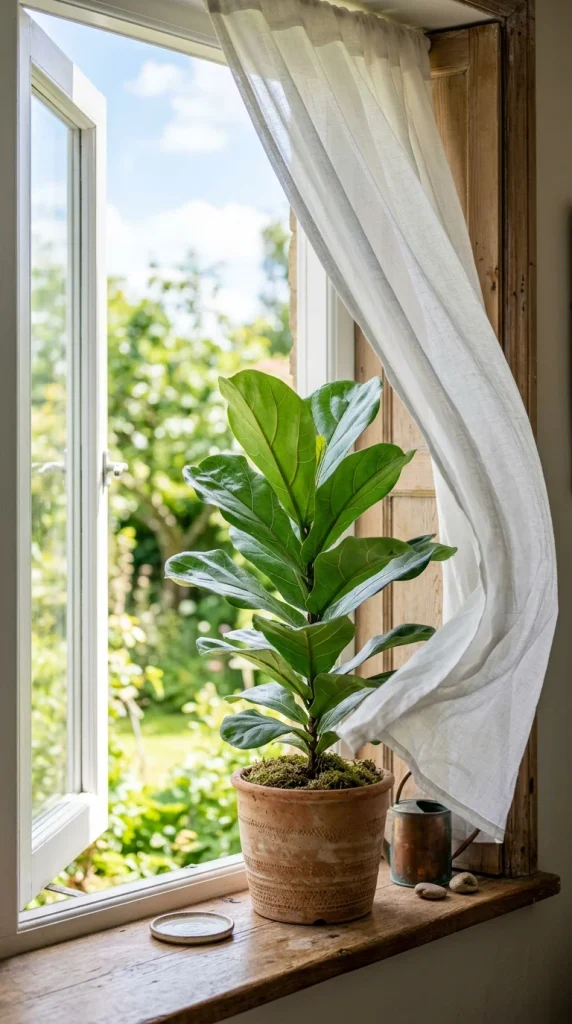
Good air circulation is the secret weapon for healthy plush plants. Moving air helps evaporate excess moisture from the soil and prevents fungal spores from settling on the fuzzy leaves. In the winter, if your home is stagnant, a small oscillating fan kept on low in the same room can make a world of difference.
6. Temperature
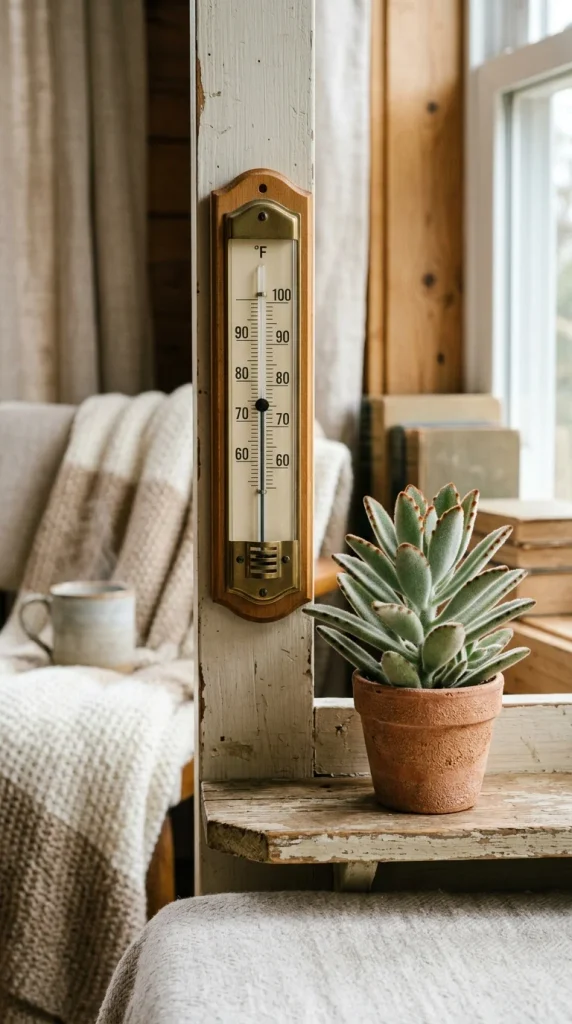
These plants prefer moderate temperatures between 65°F and 80°F (18°C–27°C). While they can handle brief dips in temperature, they are not frost-hardy. If you keep your plush plant outdoors during the summer, ensure you bring it inside before the first frost, as the water-filled leaves will freeze and turn to mush.
7. Humidity
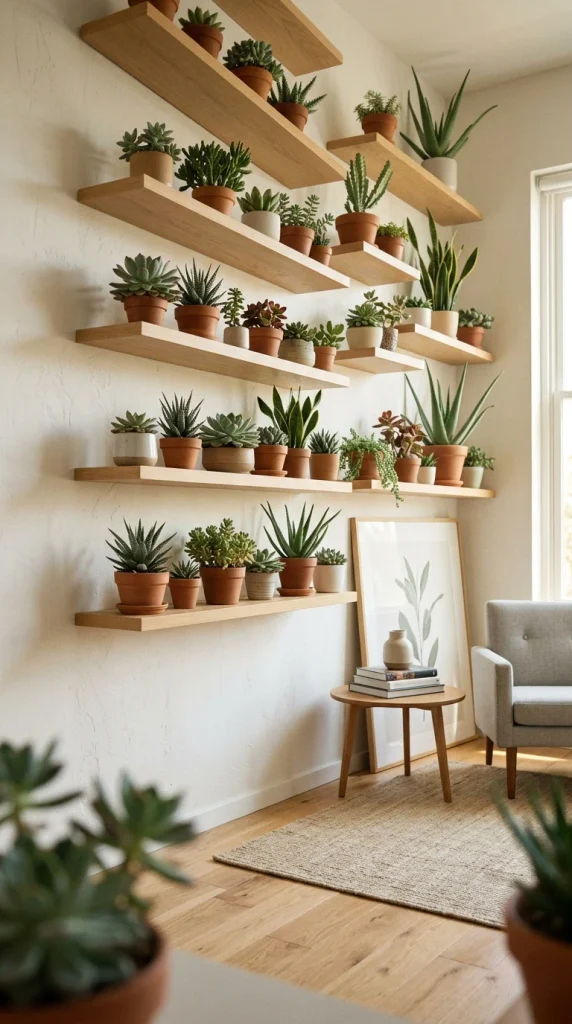
Unlike tropical houseplants, plush succulents despise high humidity. They are native to arid environments. High humidity can cause the “fur” on the leaves to trap moisture, leading to powdery mildew or fungal infections. Keep them in the driest rooms of your home—avoiding bathrooms or laundry rooms.
8. Potting
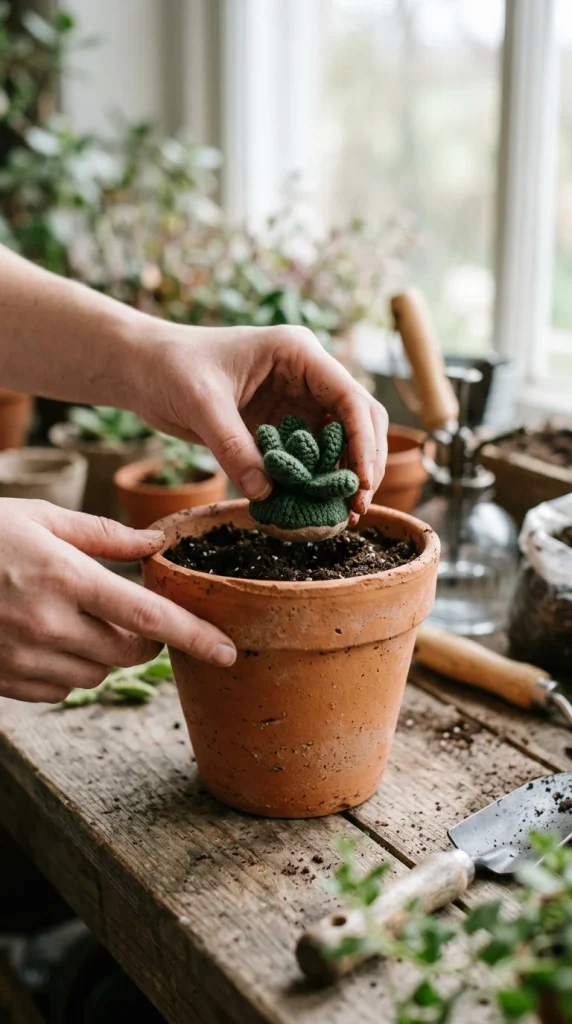
Terracotta is the best material for plush plants. The porous nature of the clay allows moisture to evaporate through the walls of the pot, which helps the soil dry out faster. If you use plastic or glazed ceramic, you must be even more careful with your watering frequency, as these materials trap moisture inside.
9. Fertilizer
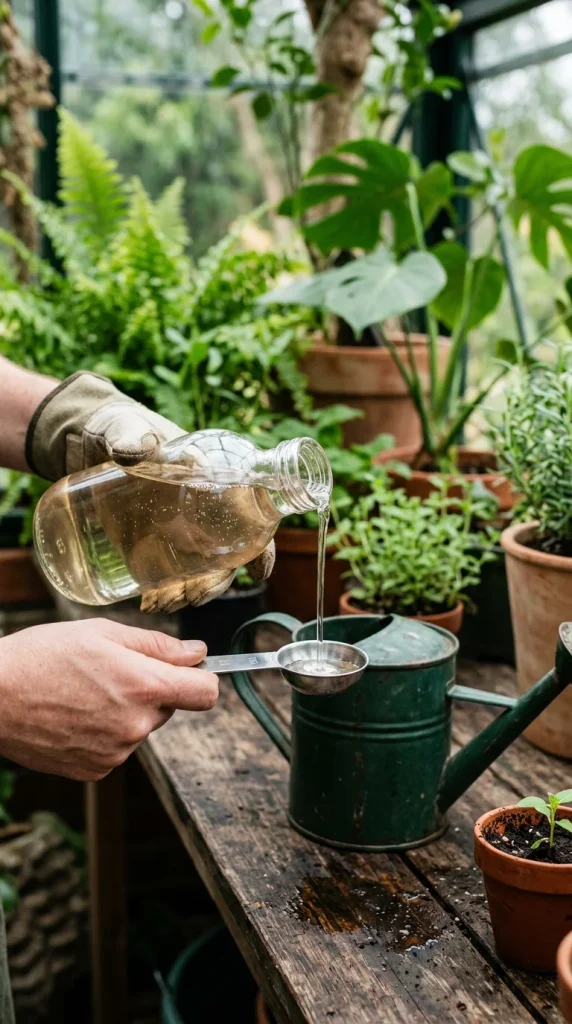
Plush plants are not heavy feeders. During the active growing season (spring and summer), you can apply a balanced, water-soluble fertilizer diluted to half-strength once a month. Avoid fertilizing in the winter when the plant is dormant, as the salts can build up in the soil and damage the roots.
10. Cleaning
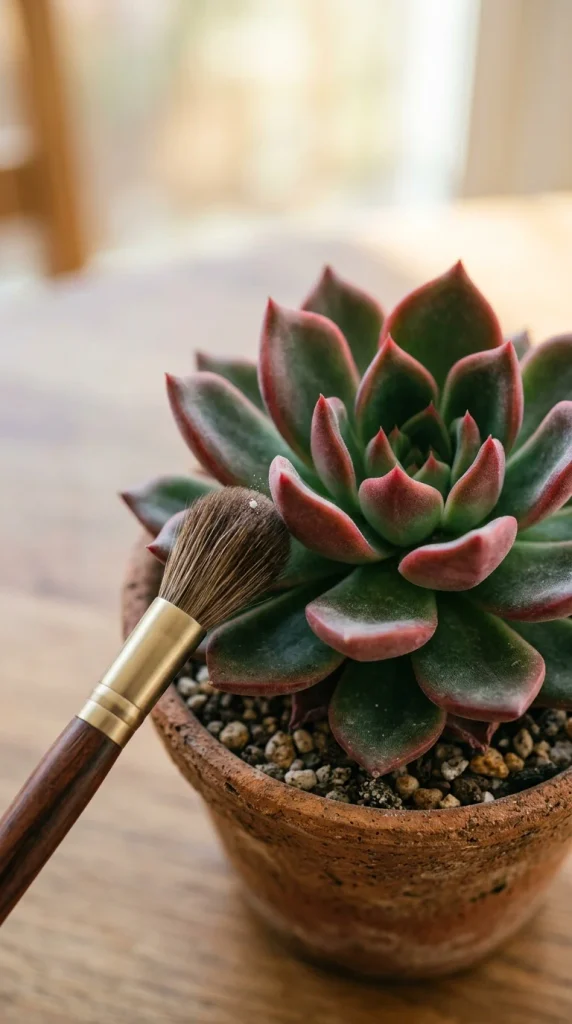
Dust is the enemy of the plush plant. Because the leaves are covered in tiny hairs, they act like a “Swiffer” for household dust. Never use a damp cloth to wipe them, as this can damage the trichomes. Instead, use a soft, dry paintbrush or a can of compressed air (held at a distance) to gently remove debris.
11. Mealybugs
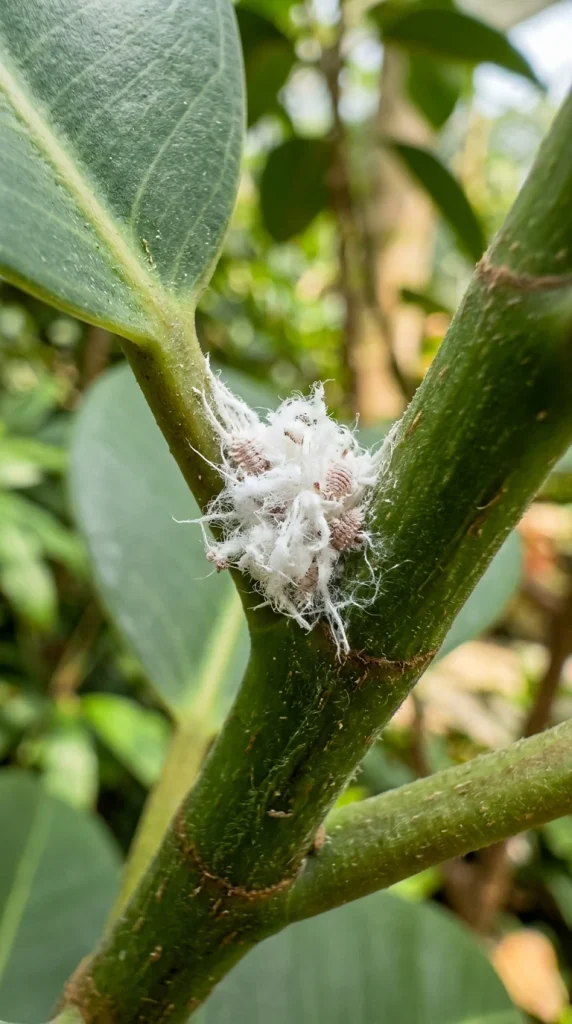
The fuzzy texture of these plants provides the perfect hiding spot for mealybugs. These pests look like tiny bits of white cotton fluff. If you spot them, treat the plant immediately by dabbing the insects with a cotton swab dipped in 70% isopropyl alcohol. Check the tight crevices of the rosette frequently.
12. Etiolation
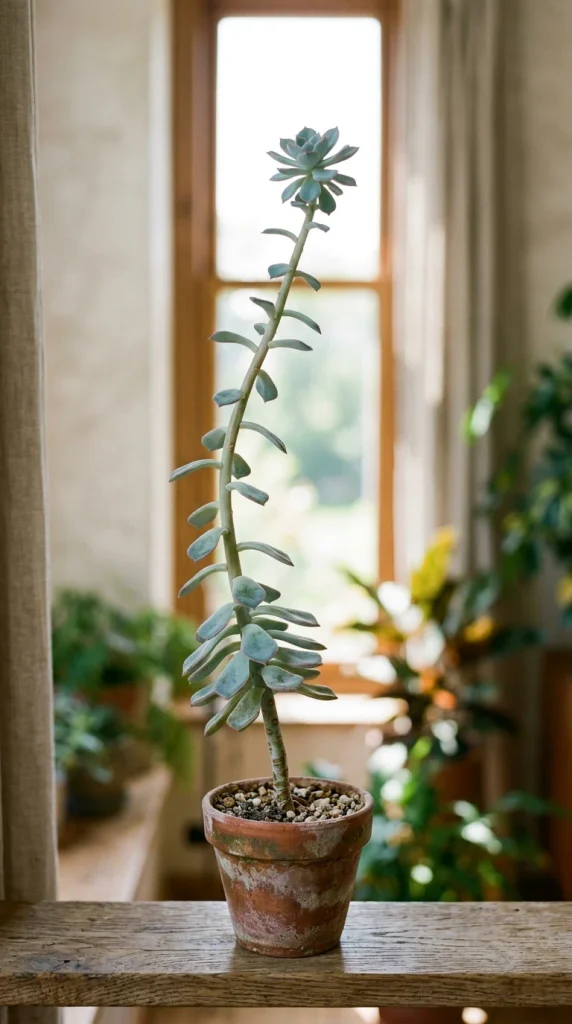
If your plush plant starts looking like a miniature palm tree with large gaps between the leaves, it is “etiolated.” This is the plant’s way of searching for more light. Once a plant stretches, it won’t shrink back. You’ll need to move it to a brighter spot and, eventually, “behead” it to restart a compact rosette.
13. Leaf Loss
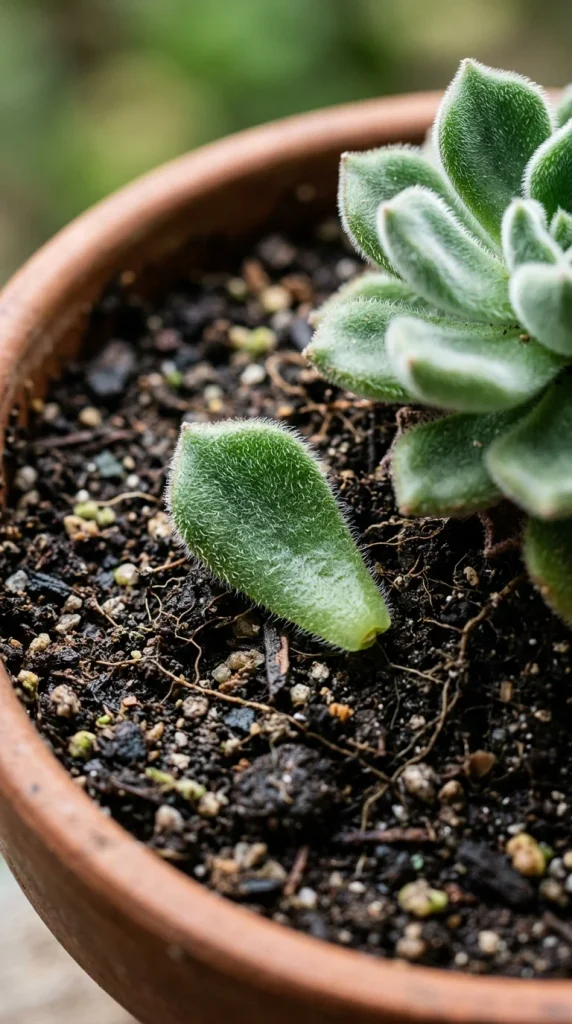
It is normal for plush plants to lose their oldest, bottom-most leaves as they grow. These leaves will shrivel and turn crispy. However, if healthy, plump leaves are falling off at the slightest touch, this is a major red flag for overwatering. Stop watering immediately and check the stem for signs of rot.
14. Rot
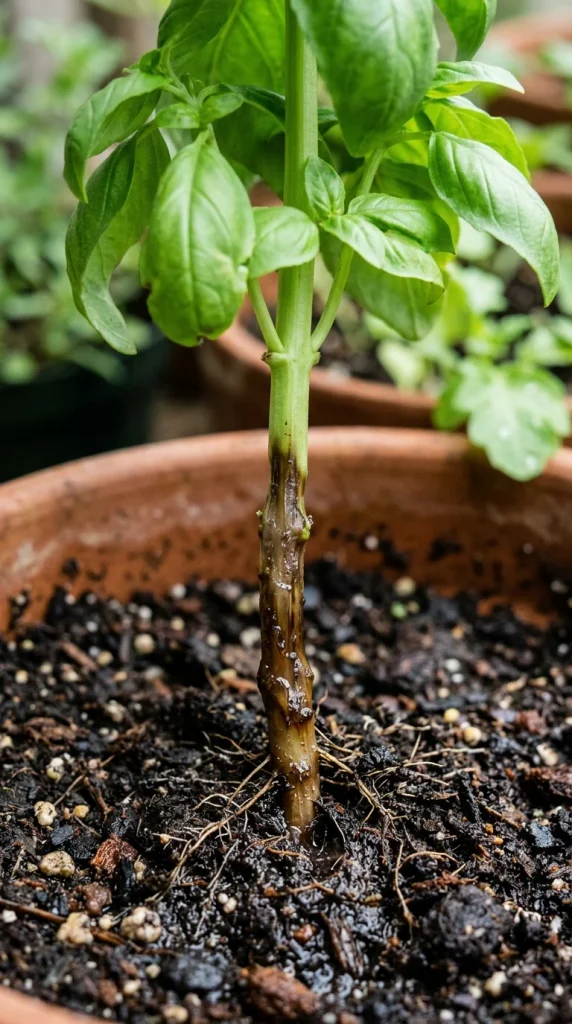
Root and stem rot are the most common killers of plush succulents. It usually manifests as a black or translucent stem. If you catch it early, you can cut the healthy top off, let it callus for a few days, and replant it in fresh soil. If the rot reaches the center of the rosette, the plant is likely unsalvageable.
15. Propagation
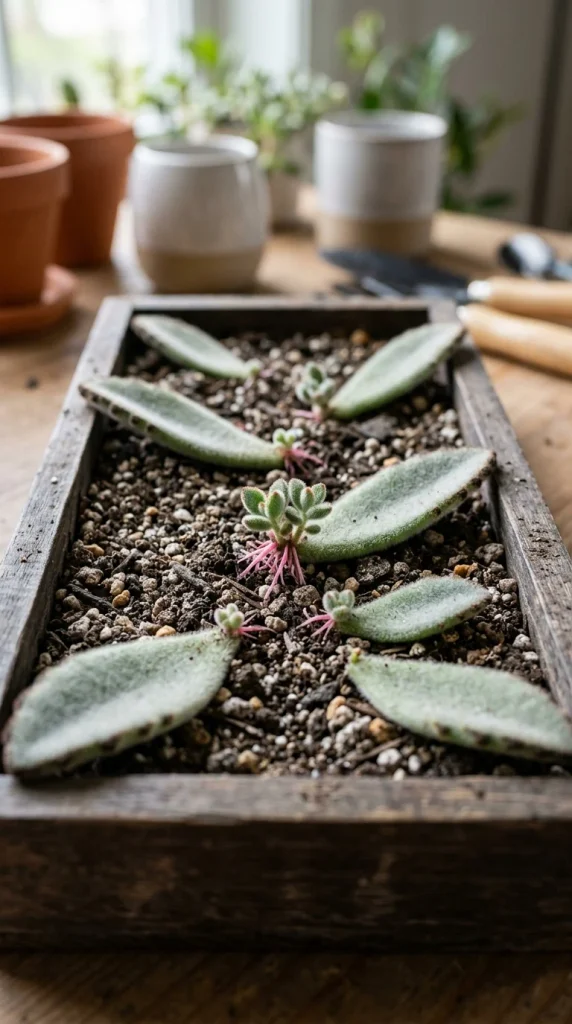
Plush plants are incredibly easy to propagate from leaves. Simply wiggle a leaf off the stem (ensure it’s a clean break), let it sit on a dry paper towel for three days to callus, and then place it on top of succulent soil. Within a few weeks, tiny pink roots and a miniature fuzzy rosette will appear.
16. Cuttings
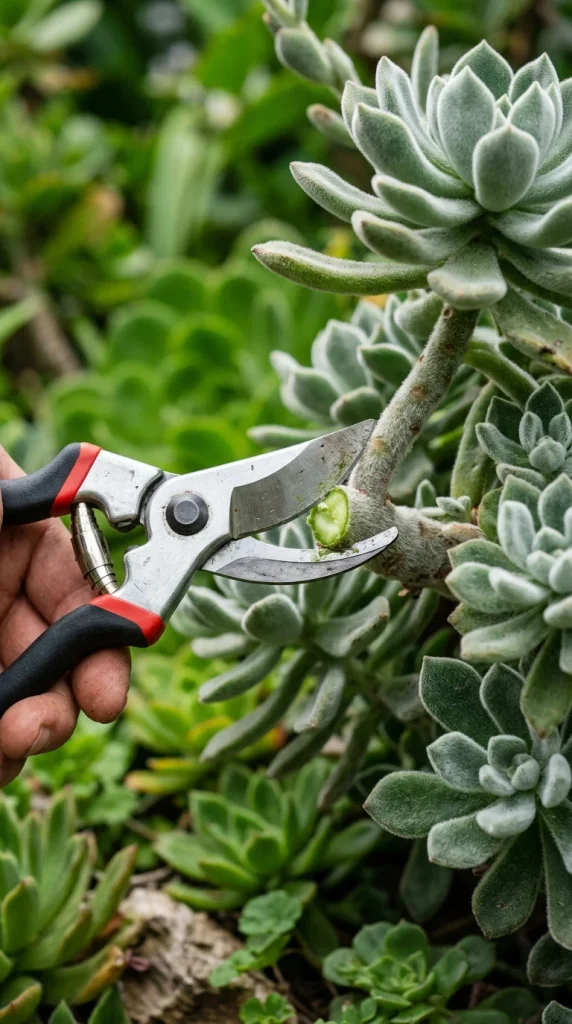
If your plant has become too tall, stem cuttings are the fastest way to get a new plant. Cut the head off with about an inch of stem, remove the bottom leaves, and let the cut end dry out for a week. Once callused, tuck the stem into dry soil. Do not water until roots have formed, which usually takes 2-4 weeks.
17. Repotting
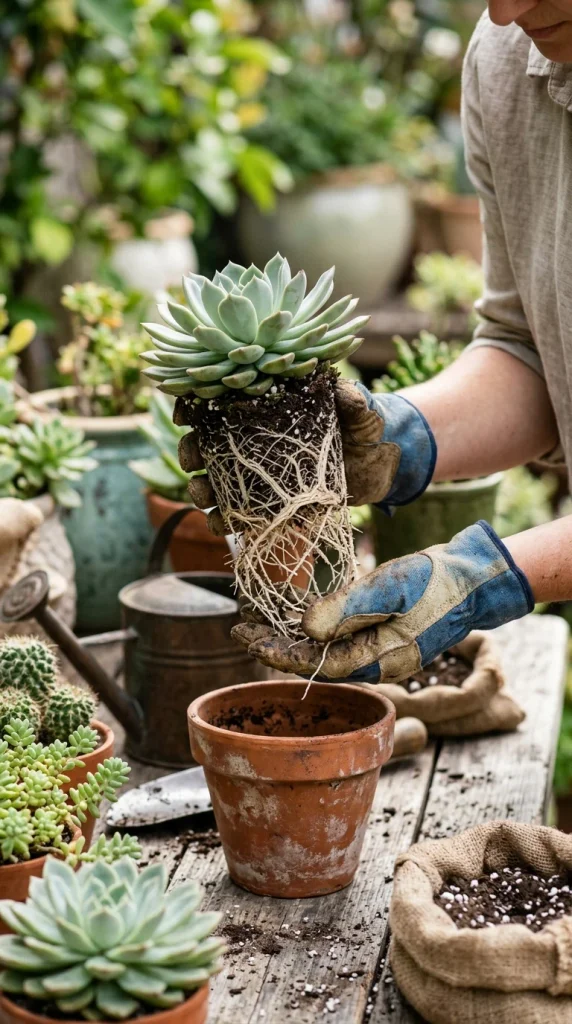
You should repot your plush plant every two years. This refreshes the soil and gives the roots more room to grow. When repotting, always wait a week before watering the plant in its new home. This gives any roots that were snapped during the move time to heal, preventing infection from the water.
18. Dormancy
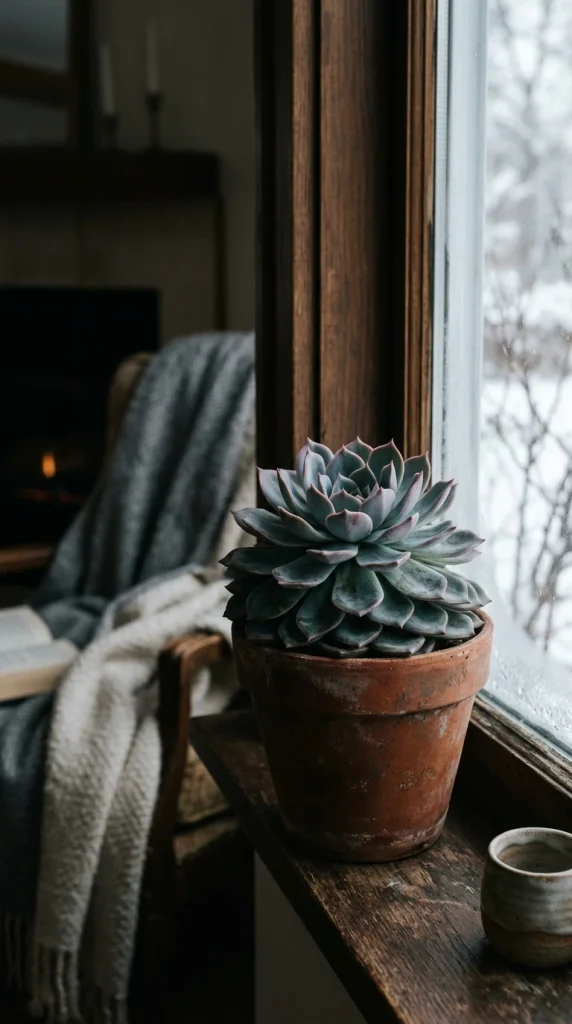
Most plush succulents go through a semi-dormancy period in the winter. During this time, their growth slows down significantly. You should reduce watering to once every 4-6 weeks and stop all fertilization. Overwatering during dormancy is the fastest way to cause rot, as the plant isn’t taking up much moisture.
19. Flowering
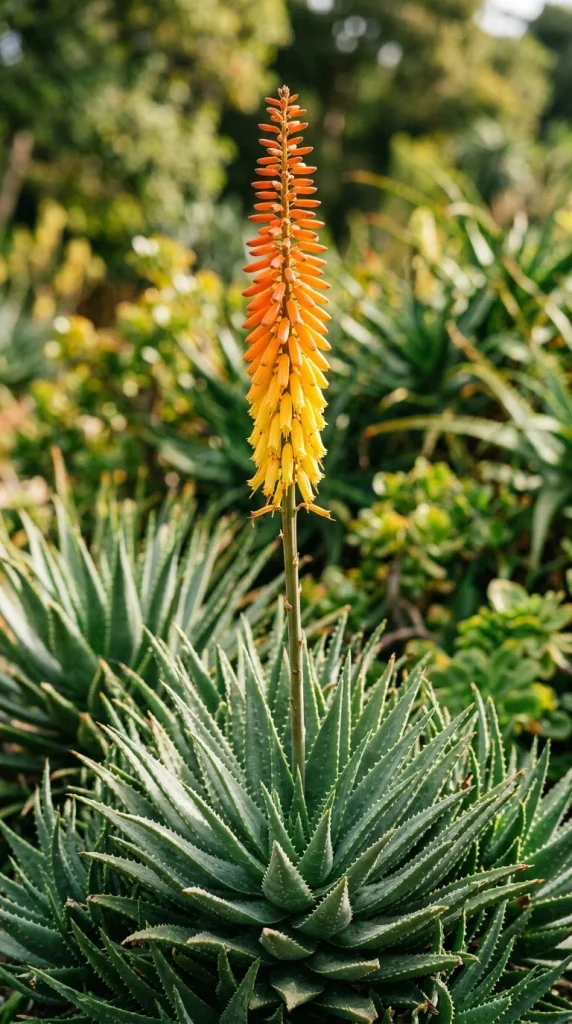
When happy, plush plants produce stunning stalks of bell-shaped flowers, usually in shades of orange, red, or yellow. Flowering takes a lot of energy. Once the blooms fade, cut the stalk off at the base to allow the plant to redirect its energy back into leaf growth and root health.
20. Toxicity
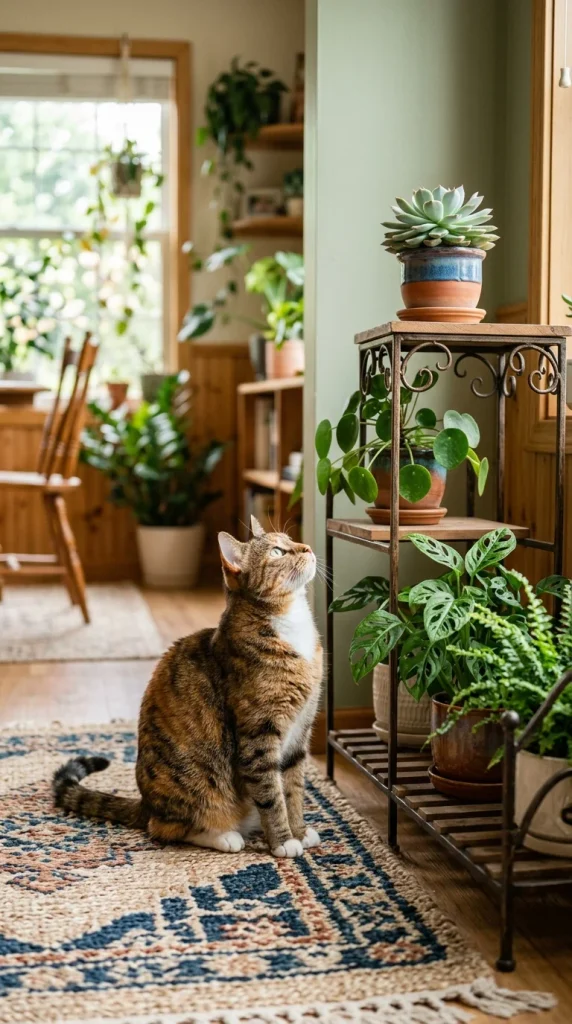
Good news for pet owners: most Echeveria and Pulvinata species are considered non-toxic to cats and dogs. However, the fuzzy texture can be an invitation for pets to chew. While not poisonous, ingesting the plant can still cause mild stomach upset. It’s always best to keep your “plushies” on a high shelf away from curious nibblers.
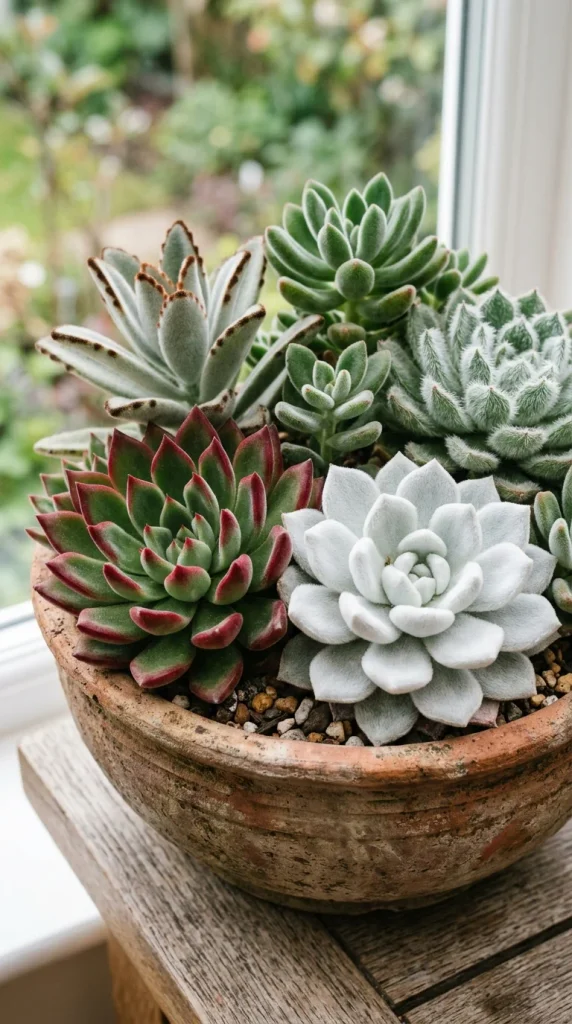
21. Varieties
There are many “plush” varieties to choose from. Echeveria pulvinata ‘Ruby’ develops brilliant red edges when “stressed” by sunlight and cool temperatures. Echeveria ‘Frosty’ is almost entirely white due to its thick coat of hairs. Explore different varieties to add a range of textures and colors to your fuzzy plant collection!