
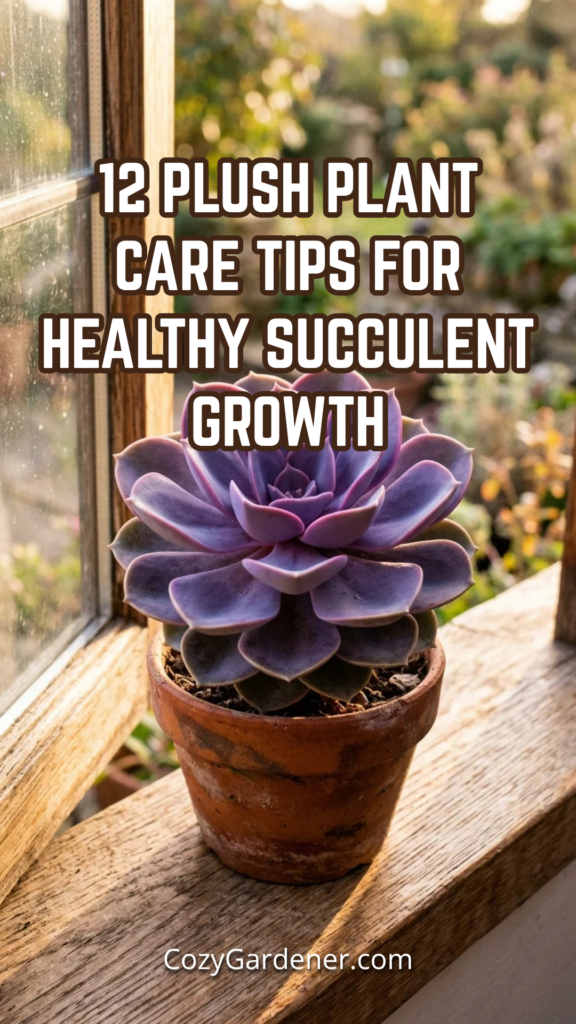
Succulents have captured the hearts of plant enthusiasts worldwide, and for good reason. Their architectural shapes, kaleidoscopic colors, and reputation for being “hard to kill” make them the darlings of the botanical world. However, there is a distinct difference between a succulent that is merely surviving and one that is truly thriving. To achieve that “plush,” full-bodied, and vibrant look, you need to go beyond basic neglect and move into the realm of specialized care. Whether you are a seasoned “succy” parent or a beginner looking to green up your thumb, these twelve comprehensive tips will transform your collection into a masterpiece of desert-inspired luxury.
1. Sunlight
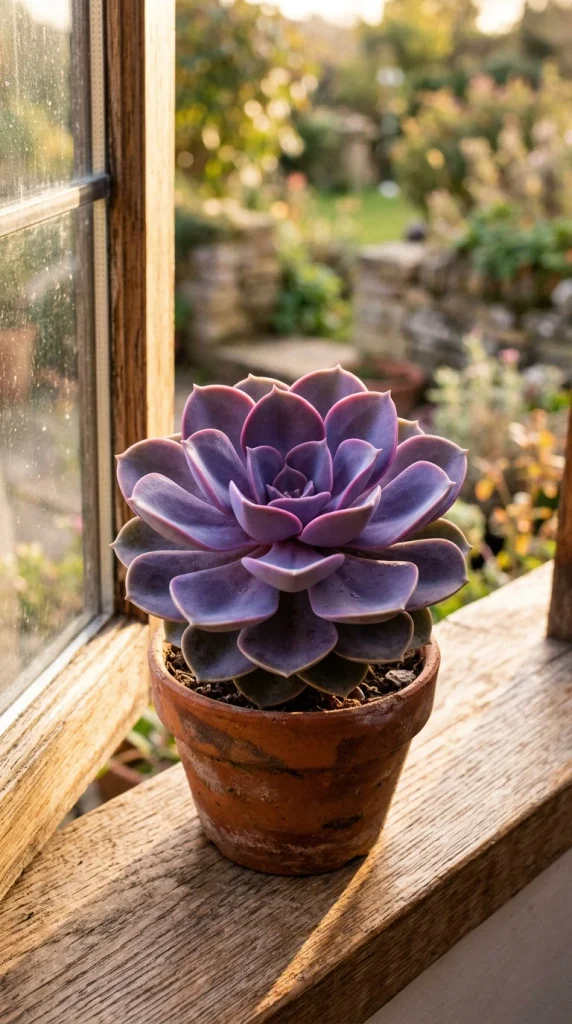
Succulents are sunlight worshippers, but they can be surprisingly particular about the quality of that light. Most varieties require at least six hours of bright, indirect sunlight every day. If you are growing them indoors, a south-facing window is usually your best bet. However, be cautious: while they love the sun, “sunburn” is a very real threat. If you notice dark, scorched patches on the leaves, your plant might be getting too much direct, afternoon heat.
On the flip side, if your succulent starts to stretch out and develop long gaps between its leaves, it is experiencing “etiolation.” This is the plant’s way of desperately reaching for more light. To maintain that tight, plush rosette shape, ensure they receive consistent, high-intensity light. If your home lacks natural light, investing in a full-spectrum LED grow light can provide the necessary rays to keep your plants compact and colorful.
2. Soil

The quickest way to kill a succulent is by using standard potting soil. Regular soil is designed to hold moisture, which is the mortal enemy of a succulent’s delicate root system. To provide plush care, you need a gritty, fast-draining medium. You can purchase specialized “cactus and succulent” mixes, but many enthusiasts prefer to create their own “super-mix.”
A winning formula usually involves one part organic material (like coco coir or peat moss) and two parts inorganic material (like perlite, pumice, or coarse sand). This structure allows water to flow through almost instantly, leaving just enough moisture for the roots to drink while ensuring they aren’t sitting in a damp swamp. Air pockets created by the grit are essential for root respiration, which leads to a much hardier and more resilient plant.
3. Watering

Forget the schedule. Watering your succulents every Monday regardless of the weather is a recipe for root rot. Instead, adopt the “soak and dry” method. This involves watering the plant thoroughly until water runs out of the drainage holes, and then waiting until the soil is completely bone-dry before watering again.
The easiest way to check is to stick your finger or a wooden skewer deep into the soil. If it comes out clean and dry, it’s time for a drink. During the summer, you might water once a week, but in the winter, your succulents may only need a sip once a month. Always remember: succulents store water in their fleshy leaves. It is much easier to revive a thirsty plant (which will look slightly wrinkled) than to save a drowned one (which will turn yellow, translucent, and mushy).
4. Drainage
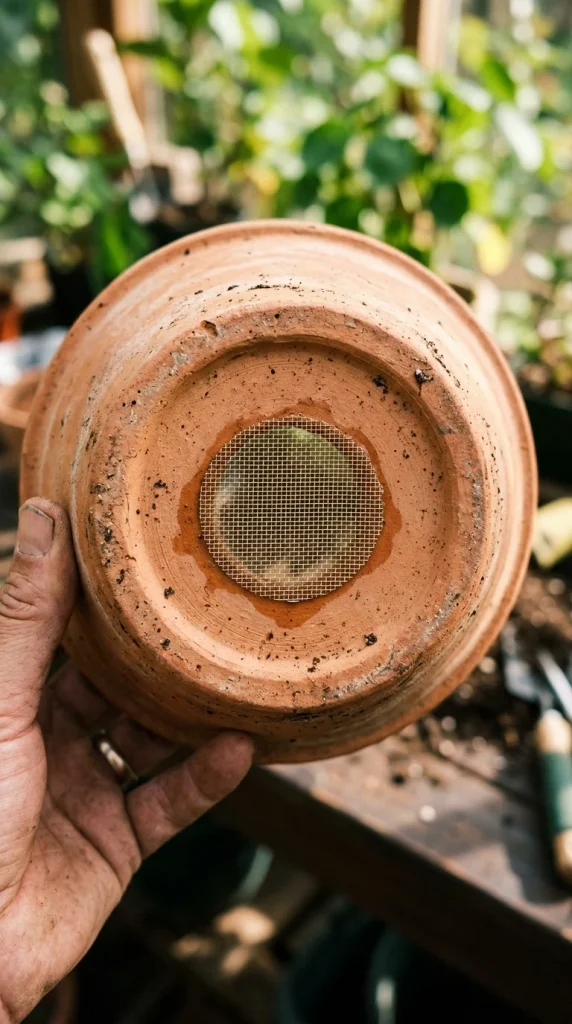
Plush succulent care is impossible without proper drainage. While those cute glass terrariums and vintage teacups look stunning on Instagram, they are often death traps for succulents because they lack drainage holes. Without a way for excess water to escape, moisture pools at the bottom, creating a breeding ground for bacteria and rot.
If you must use a container without a hole, you are playing a dangerous game. For the healthiest growth, always choose pots with at least one large drainage hole. Terracotta is a favorite among experts because the clay is porous, allowing moisture to evaporate through the walls of the pot, which helps the soil dry out faster. If you find a decorative pot you love that lacks drainage, use a masonry bit to carefully drill a hole in the bottom.
5. Temperature
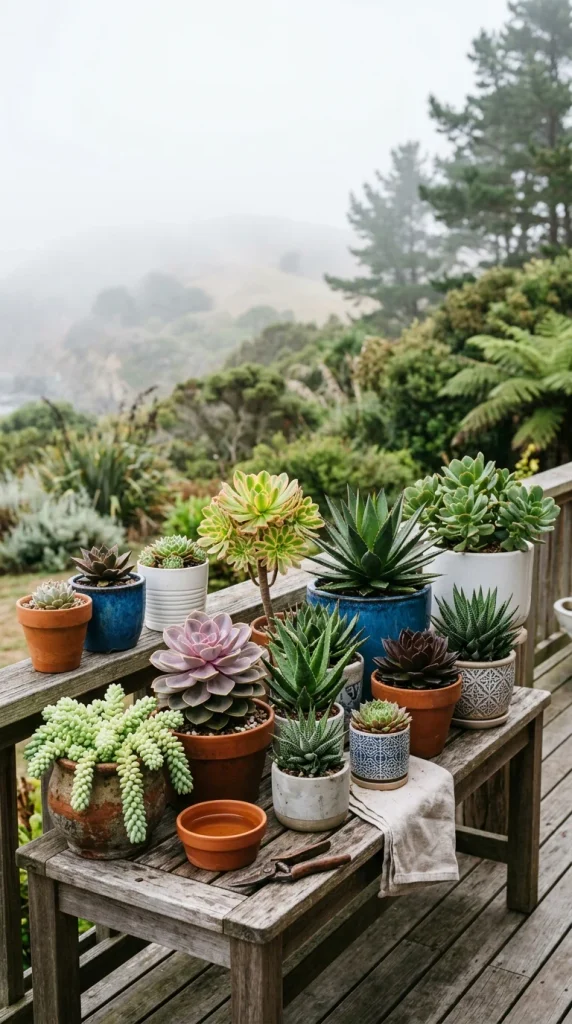
Succulents generally prefer the same temperatures that humans do—between 60°F and 80°F (15°C to 27°C). However, they can be quite sensitive to extreme fluctuations. While many succulents can handle a bit of a chill, very few can survive a hard frost. If you live in a climate where temperatures drop below freezing, you must bring your outdoor succulents inside or provide them with frost blankets.
Conversely, during intense heatwaves, even sun-loving succulents can benefit from some afternoon shade. High temperatures combined with direct sun can cause the water inside the leaves to literally boil, leading to permanent scarring. Finding that “sweet spot” of warmth without scorched heat is the key to maintaining those plush, unblemished leaves.
6. Fertilizer
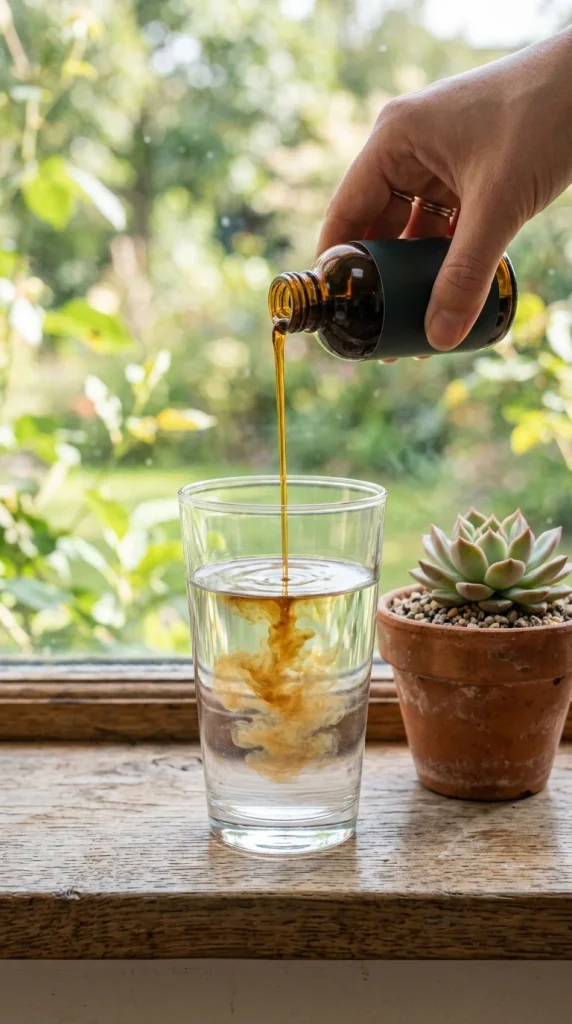
While succulents are adapted to nutrient-poor soils in the wild, a little boost can go a long way in a domestic setting. During their active growing season (usually spring and summer), succulents appreciate a light feeding. Use a balanced, water-soluble fertilizer diluted to half or even quarter strength.
Over-fertilizing can be just as harmful as over-watering. It can cause rapid, “leggy” growth that lacks the structural integrity of a healthy plant. Feed them once a month during the growing months and stop entirely during the winter when the plants go into their natural dormancy period. Think of fertilizer as a multivitamin rather than a meal; it should supplement their growth, not drive it.
7. Pests
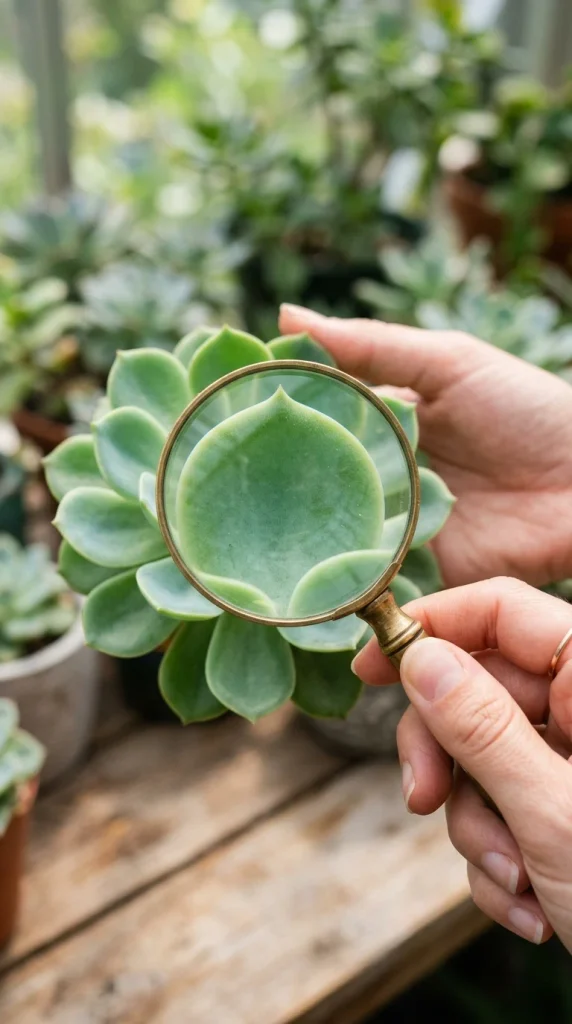
Even the best-cared-for succulents can fall prey to pests. The most common culprit is the mealybug—a tiny, white, cottony insect that hides in the nooks and crannies of the leaves and sucks the sap out of the plant. If left unchecked, an infestation can quickly kill a succulent.
Check your plants regularly for any signs of “white fluff” or sticky residue on the leaves. If you find pests, isolate the plant immediately to prevent them from spreading. A cotton swab dipped in 70% isopropyl alcohol is the most effective way to kill mealybugs on contact. For more persistent issues, horticultural neem oil can be used as a natural treatment. Keeping your plants clean and well-aerated is the best preventative measure against these unwanted guests.
8. Grooming
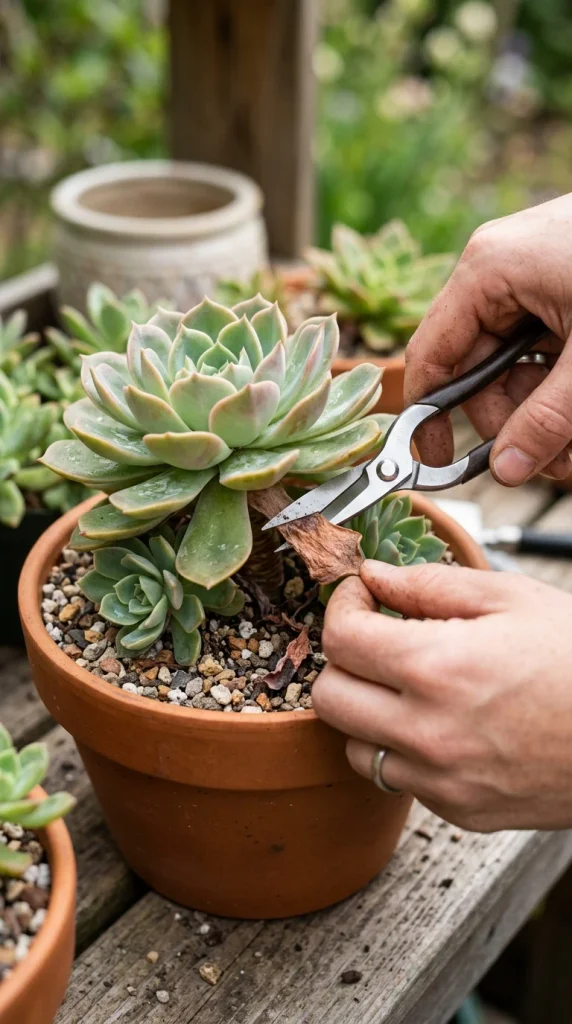
A plush succulent garden is a well-manicured one. As succulents grow, it is perfectly natural for the bottom leaves to shrivel and die; this is how the plant directs energy to new growth at the top. However, leaving these dead leaves attached can create a dark, moist environment where pests and fungus love to hide.
Once or twice a month, take some time to “groom” your plants. Gently tug away any completely dried leaves. If they don’t pop off easily, they may not be ready yet—wait a few days rather than forcing them and damaging the stem. Keeping the base of the plant clean ensures better airflow and gives your succulent a much tidier, professional appearance.
9. Airflow
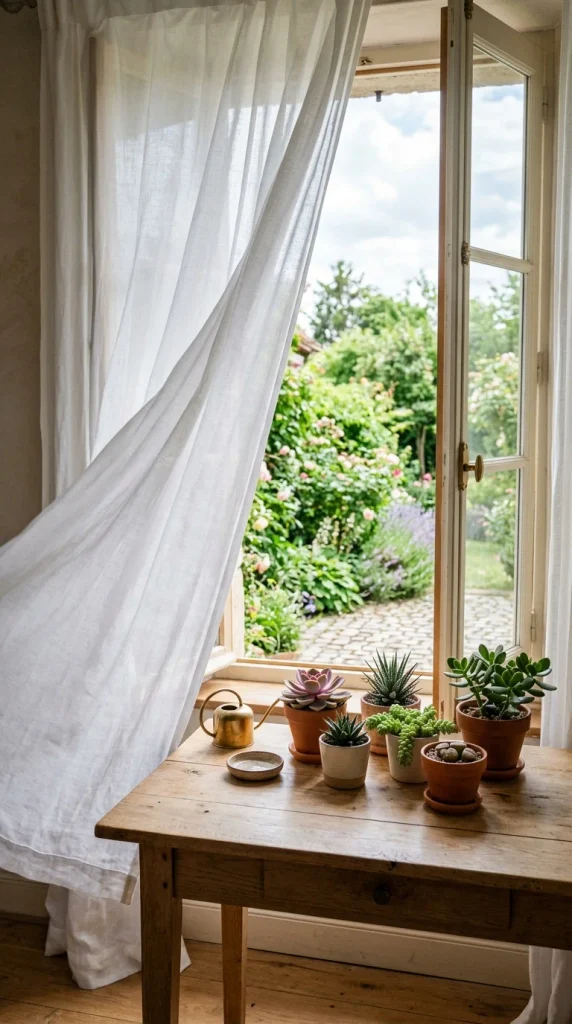
Fresh air is an often-overlooked component of succulent health. In their natural habitats, succulents are usually exposed to constant breezes that help dry out the soil and prevent fungal spores from settling on the leaves. Indoors, air can become stagnant, which increases the risk of rot and pest outbreaks.
Ensure your succulents aren’t packed too tightly together. Giving them a bit of “breathing room” allows air to circulate around the entire plant. If you have a large indoor collection, running a small fan on a low setting for a few hours a day can mimic natural breezes and significantly improve the overall vigor of your plants.
10. Dormancy
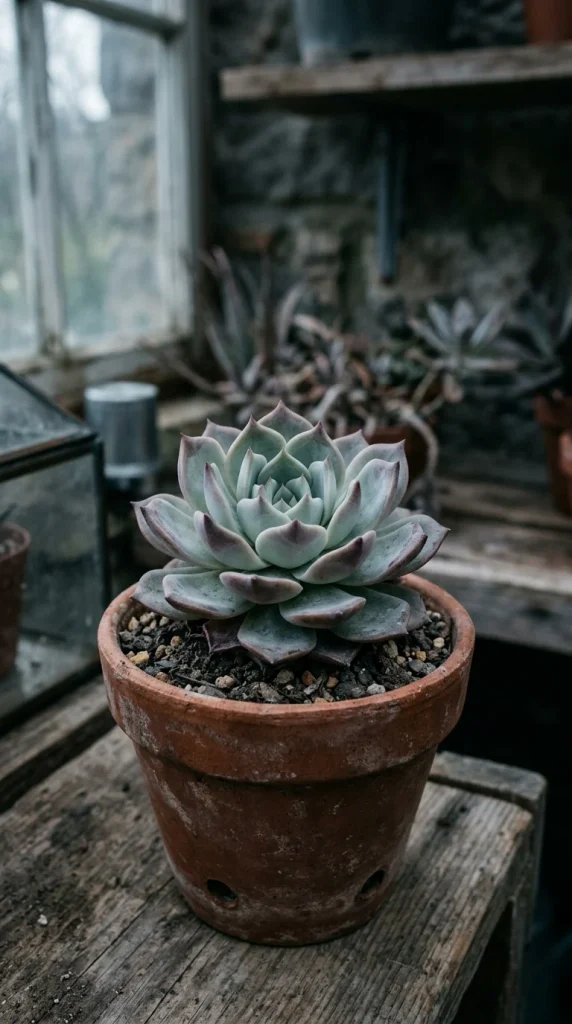
Most succulents have a period of dormancy, usually in the winter, when their growth slows down significantly. Understanding this cycle is vital for plush care. During dormancy, the plant’s metabolic needs drop; they require less water and no fertilizer.
If you continue to water a dormant succulent at the same rate you do in the summer, the roots won’t be able to process the moisture, and the plant will likely rot. Some succulents, like certain species of Aeonium, actually go dormant in the heat of summer. Research the specific types of succulents you own to understand their unique seasonal rhythms. Respecting their “sleep” cycle ensures they have the energy to explode with growth when their active season returns.
11. Propagation

One of the most rewarding aspects of succulent care is how easily they reproduce. Propagation is the process of growing new plants from leaves or cuttings. If a leaf accidentally knocks off, don’t throw it away! Place it on top of some dry soil in a bright spot (out of direct sun).
Within a few weeks, you will see tiny pink roots and a miniature baby succulent forming at the end of the leaf. This is a great way to fill out your collection or create gifts for friends. It also allows you to “reset” a plant that has become too tall or leggy. By cutting the top off and letting it callous over before replanting, you can create a brand new, compact, plush plant from an older, stretched-out one.
12. Rotation
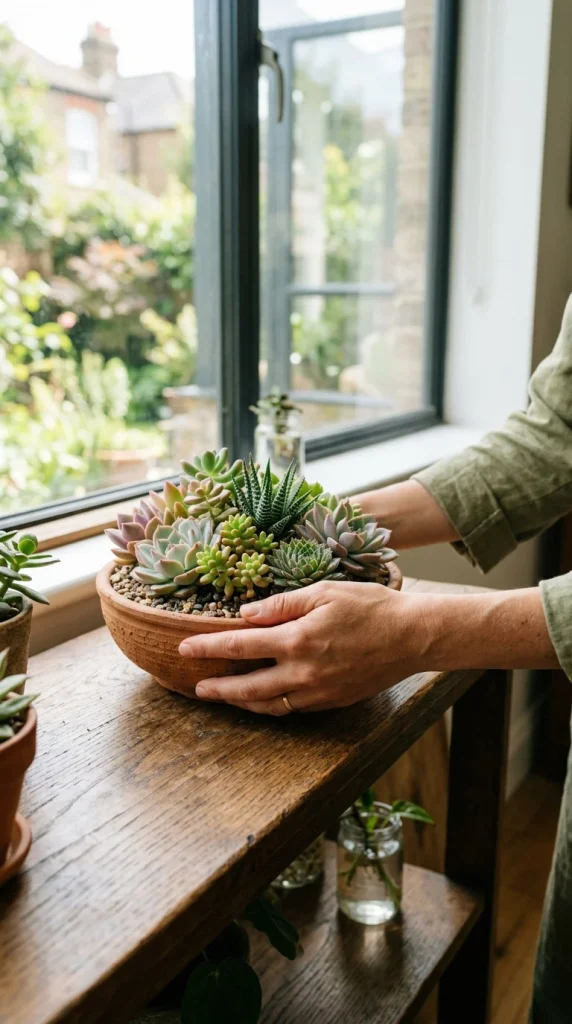
Succulents love the sun so much that they will lean toward it. If a plant sits in the same position for too long, it will become lopsided as it grows toward the light source. To maintain a perfectly symmetrical, plush appearance, you must rotate your pots regularly.
A simple quarter-turn every time you water is usually enough to keep the plant growing straight and even. This ensures that every side of the plant gets its fair share of photosynthesis, preventing one side from becoming weak or pale. Consistency is the secret to those Instagram-perfect rosettes that look beautiful from every single angle.