
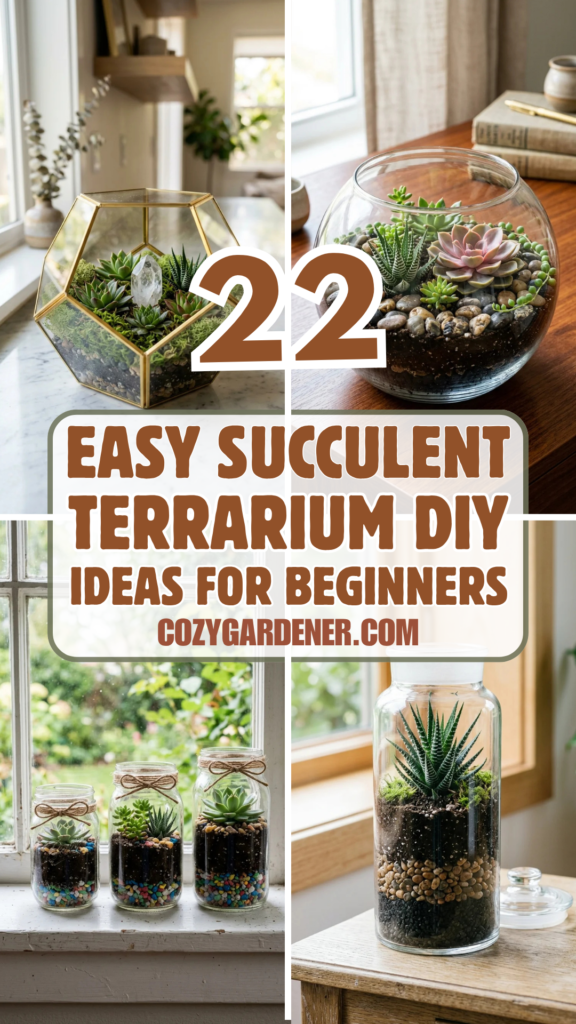
Succulent terrariums are the perfect entry point for anyone looking to bring a touch of nature indoors without the stress of high-maintenance gardening. These miniature ecosystems are not only stunning to look at but are also incredibly resilient, making them ideal for busy professionals, students, or anyone who lacks a “green thumb.” Succulents are nature’s little survivors, storing water in their thick leaves, which means they can thrive even if you forget to water them for a week or two.
Creating your own terrarium is a therapeutic process. It allows you to play with textures, colors, and layers, resulting in a personalized piece of living art. Whether you are looking for a sleek modern accent or a rustic centerpiece, there is a DIY succulent terrarium project for you. Here are 22 creative and easy ideas to get you started.
1. Fish Bowls
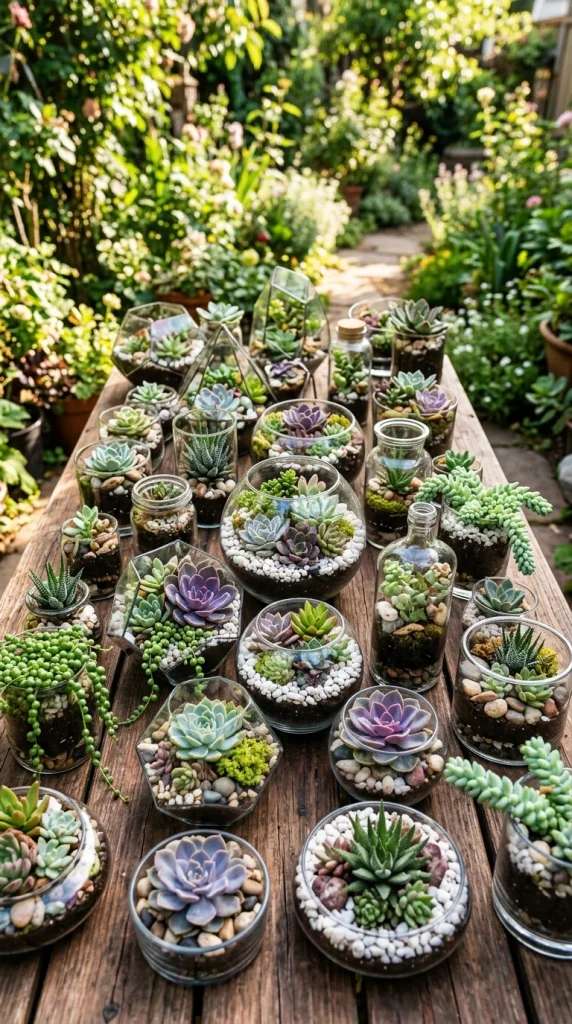
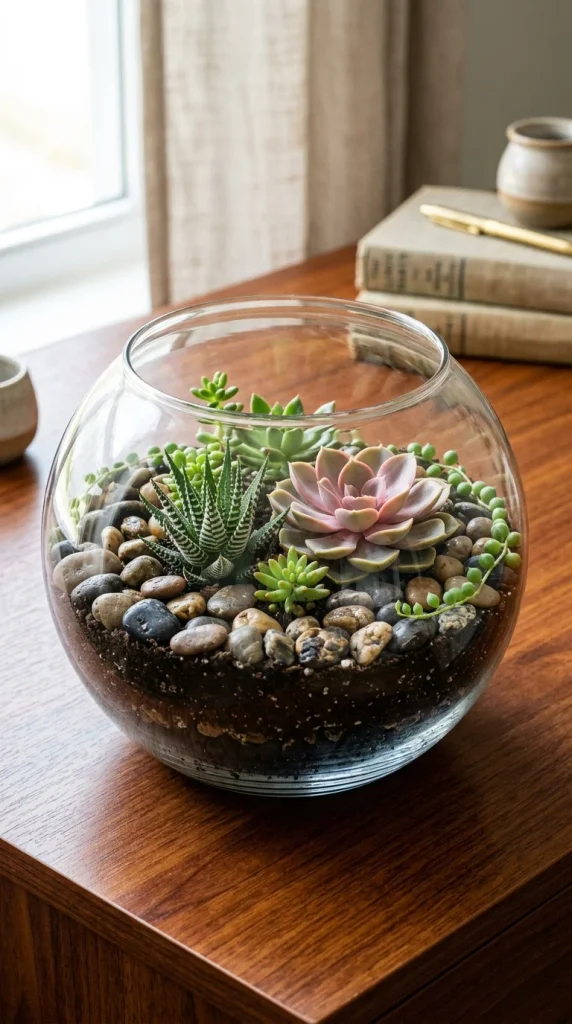
The classic fishbowl is perhaps the most accessible container for a beginner. Its wide opening allows for easy airflow, which is crucial for succulents to prevent rot. Because of the spherical shape, you can view your miniature garden from every angle. It provides ample space to mix and match different succulent heights and colors.
2. Hanging Globes
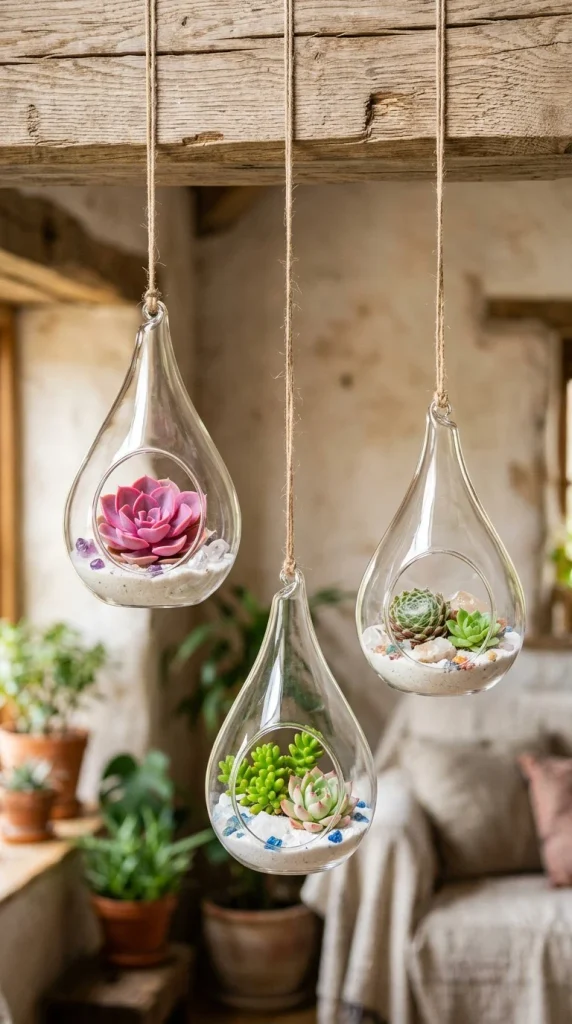
Hanging globes are perfect for those with limited counter space. These delicate glass orbs can be suspended near a window where they catch the sunlight beautifully. They create a “floating garden” effect that adds a whimsical, bohemian vibe to any room. Use lightweight succulents like air plants or small sedums to keep them secure.
3. Mason Jars
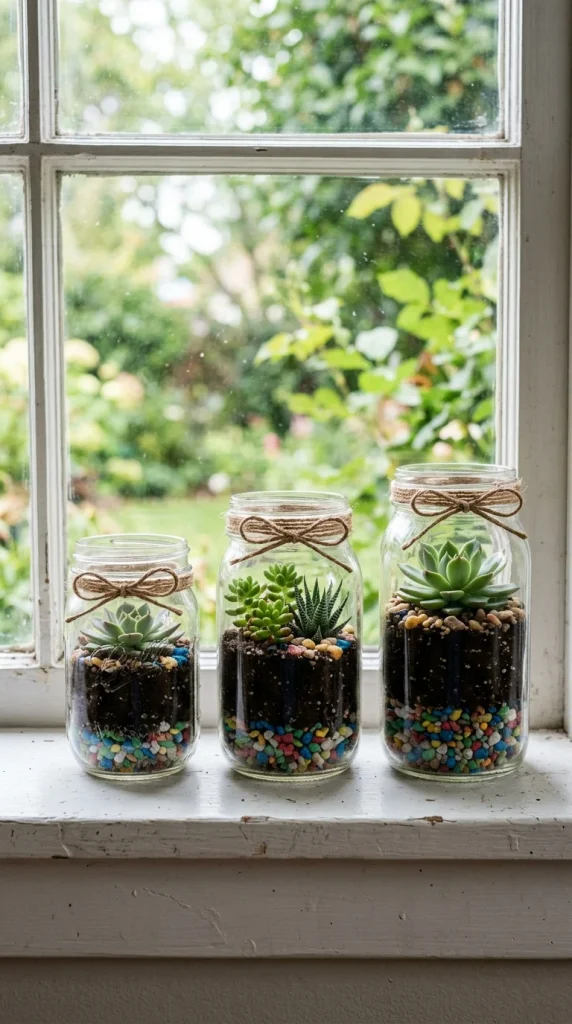
Mason jars are a staple of DIY decor. Their vertical shape makes them perfect for showing off the “strata” or layers of your terrarium. You can use different colors of sand or gravel at the bottom to create a striped effect. Since mason jars don’t have drainage holes, adding a thick layer of pebbles at the bottom is essential for water management.
4. Geometric Prisms
Geometric terrariums bring a modern, sophisticated edge to home decor. Usually made of glass panels held together by copper, gold, or black metal frames, these containers are statement pieces. They look best with a “less is more” approach—choose one or two striking succulents and use minimalist top-dressings like white sand or black lava rock.
5. Vintage Lanterns
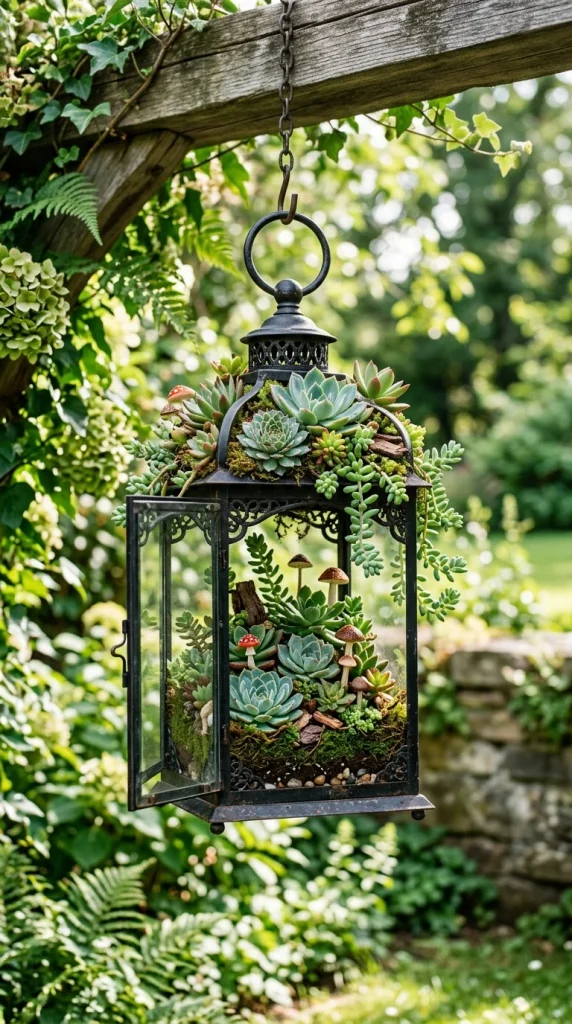
Repurposing an old lantern is a fantastic way to create a rustic or farmhouse-style terrarium. The door of the lantern makes it incredibly easy to access your plants for pruning or watering. These look particularly charming on a porch or as a dining table centerpiece.
6. Teacup Garden
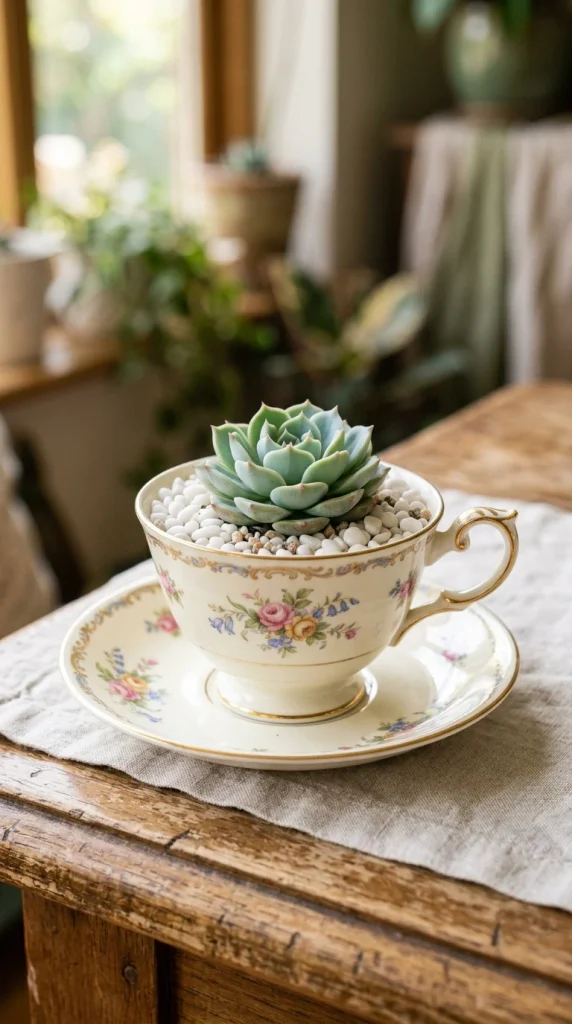
If you’re looking for something small and sweet, look no further than your kitchen cupboard. Vintage teacups make for adorable, “fairy-tale” style terrariums. Because they are small, they are perfect for baby succulents or “pups.” These make wonderful, inexpensive gifts for friends and coworkers.
7. Coffee Pots
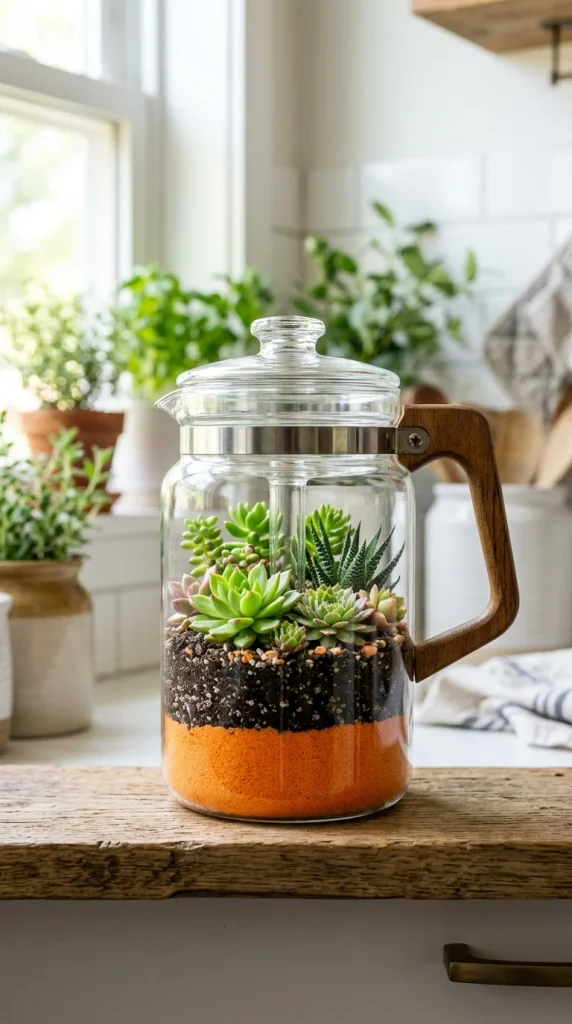
Give your old glass coffee carafe a second life. The wide base provides plenty of room for root growth, while the handle makes it easy to move around to follow the sunlight. The clear glass allows you to monitor the moisture levels in the soil easily, which is helpful for beginners.
8. Wine Glasses
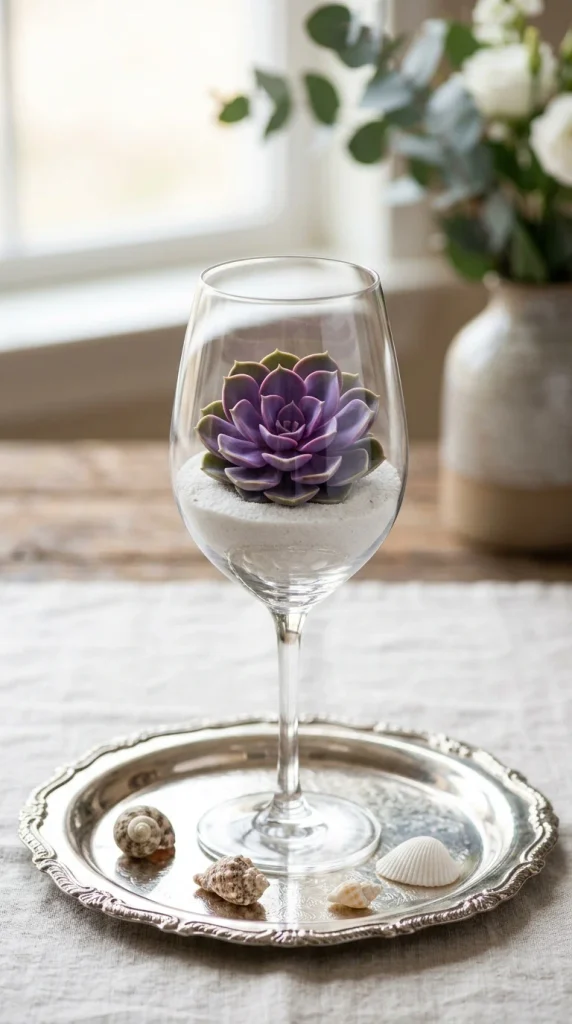
For a sophisticated and chic look, use long-stemmed wine glasses or oversized snifters. These are perfect for wedding centerpieces or formal dinner parties. Because of their narrow openings, they hold humidity a bit more than open bowls, so be sure to use very little water.
9. Wooden Boxes
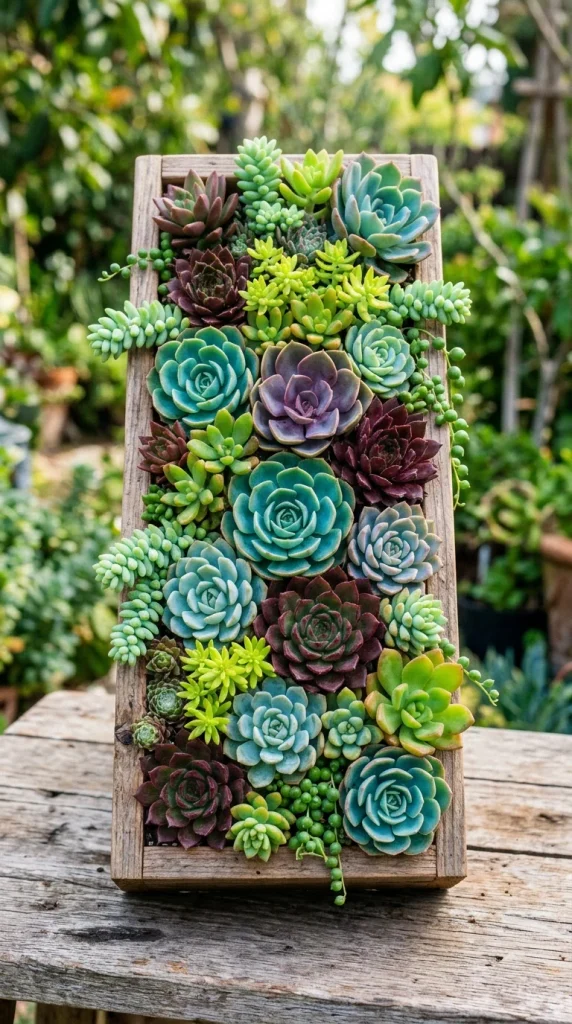
Wooden boxes or crates offer a natural, earthy aesthetic. Unlike glass, wood provides a matte texture that contrasts beautifully with the waxy leaves of succulents. You will need to line the wooden box with plastic to prevent the wood from rotting and to keep the moisture focused on the plants.
10. Birdcage Habitat

Antique birdcages are perfect for “creeping” or trailing succulents like String of Pearls or Burro’s Tail. As the plants grow, they will spill out between the bars, creating a lush, overgrown look. This is a great way to add vertical interest to your plant collection.
11. Terracotta Trays

Using a shallow terracotta tray creates a desert-landscape feel. Terracotta is porous, which helps wick away excess moisture—a huge plus for succulents. This “open-air” terrarium style is excellent for preventing the humidity buildup that can sometimes harm desert-dwelling plants.
12. Recycled Lightbulbs
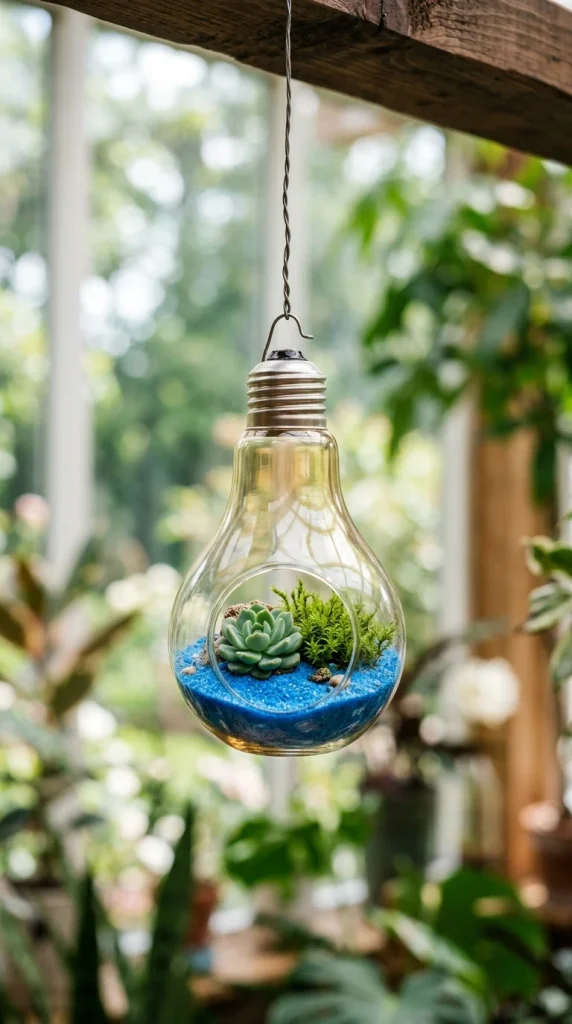
This is the ultimate upcycling project. Old lightbulbs can be turned into tiny, delicate terrariums. They require a bit of patience to assemble (using tweezers to place the plants), but the result is a unique, scientific-looking piece of art.
13. Book Planters
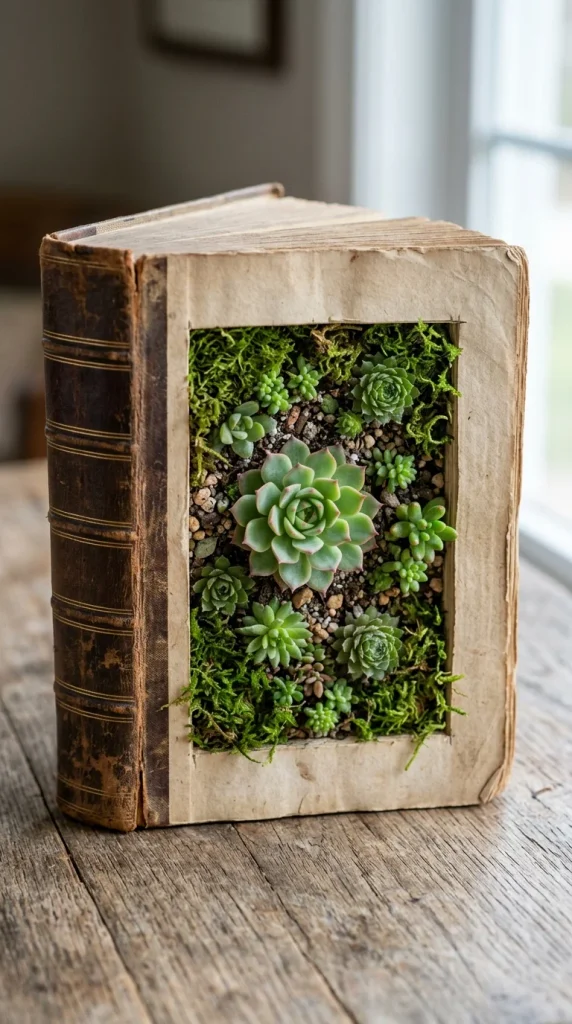
For the bibliophiles, a book terrarium is a dream come true. By hollowing out an old, damaged hardcover book and lining it with plastic, you create a secret garden within the pages. It’s a wonderful conversation piece for a bookshelf or coffee table.
14. Seashell Miniatures
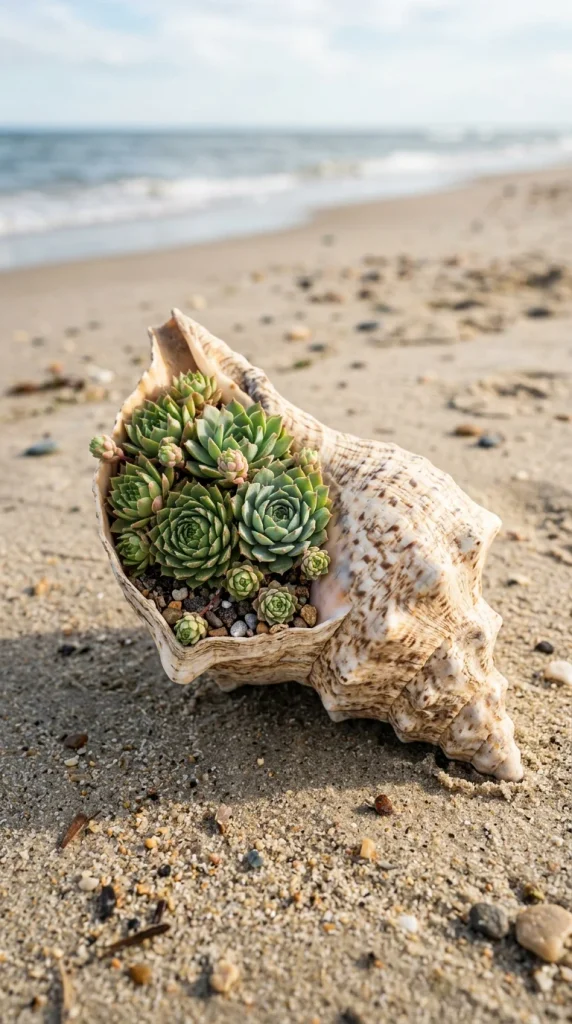
Bring the beach home by using large seashells as containers. Conch shells, large scallop shells, or even abalone shells provide natural, organic shapes that complement the architectural look of succulents. These work best with very small succulent varieties.
15. Apothecary Jars

Apothecary jars add a touch of “Victorian laboratory” to your decor. Their height allows you to experiment with taller succulent species or even add small decorative figurines to create a miniature scene. Keep the lid off most of the time to allow for air circulation.
16. Driftwood Base
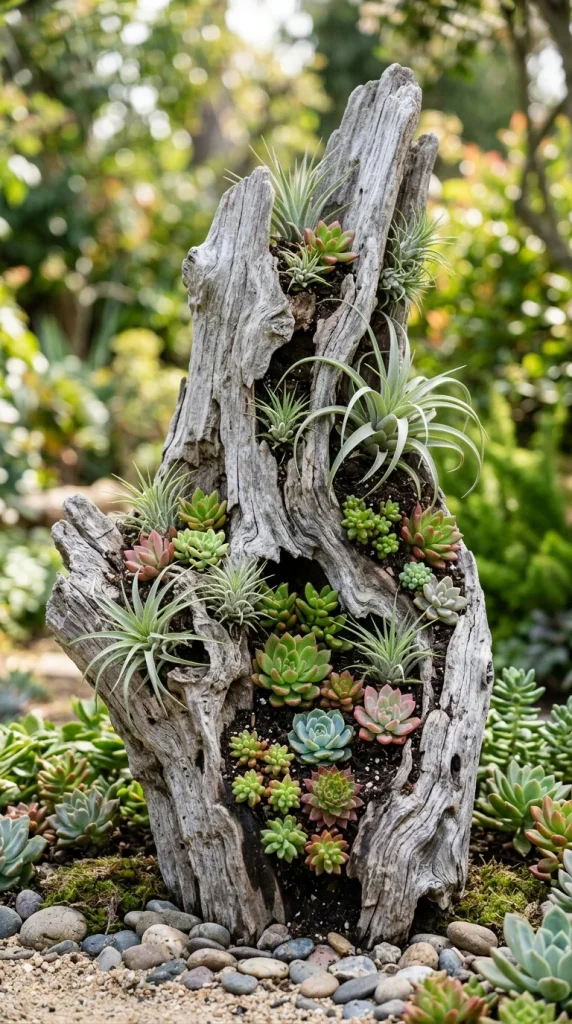
Succulents and driftwood are a match made in heaven. You can tuck small succulents into the natural nooks and crannies of the wood using a bit of moss to hold them in place. This creates a very organic, sculptural look that fits perfectly in coastal or rustic homes.
17. Wall-Mounted Sconce
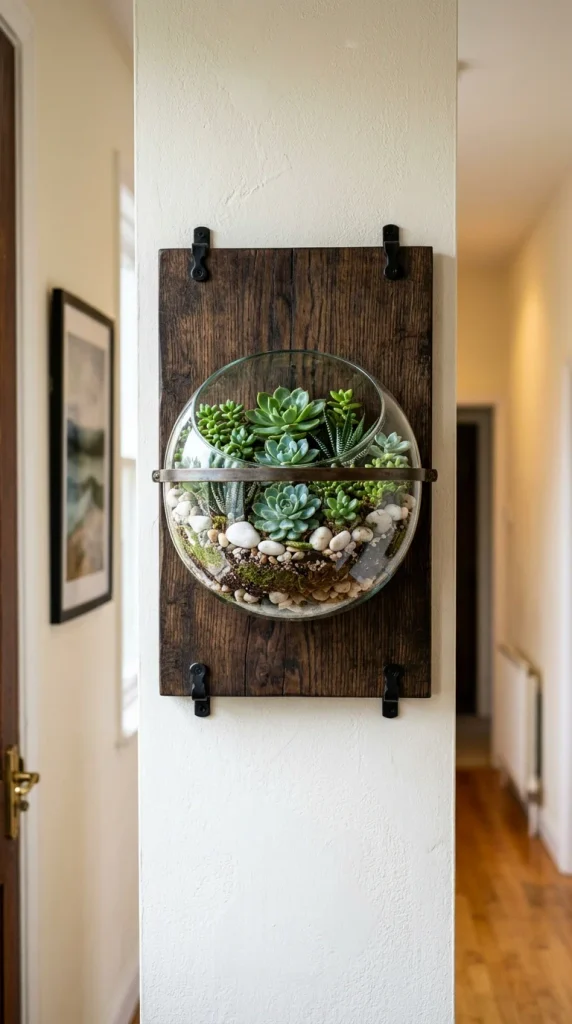
Wall-mounted terrariums are like living paintings. They save floor and table space while bringing life to your walls. Ensure they are mounted in a spot that receives bright, indirect light for at least six hours a day.
18. Tiered Trays
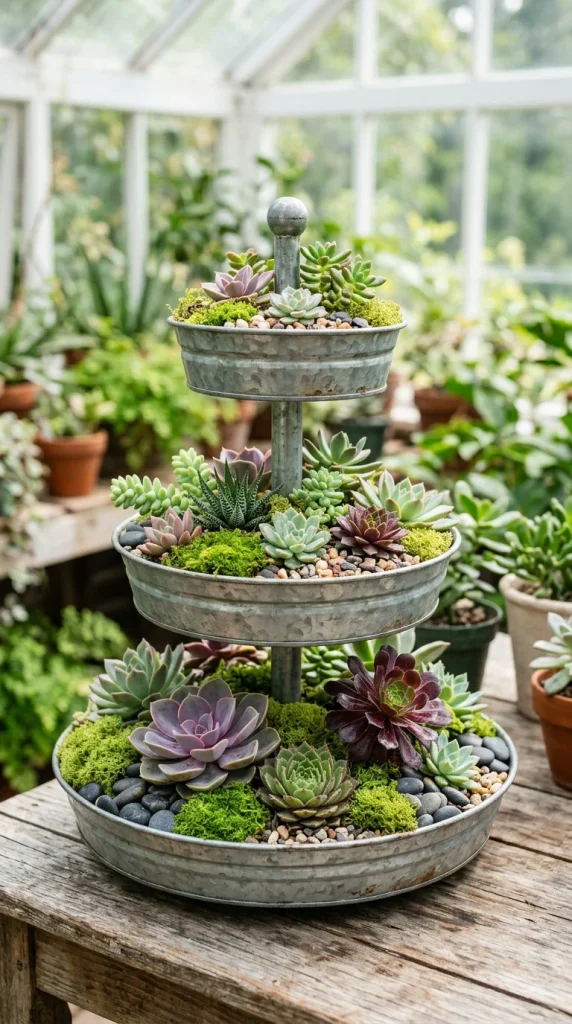
If you can’t decide on just one design, use a tiered tray. This allows you to create multiple “levels” of succulent gardens. You can categorize them by color, size, or species, creating a massive focal point for a room.
19. Layered Sand Art

Tap into your inner child by using colored sand to create patterns in a glass container. By tilting the glass as you pour the sand, you can create “hills” and “valleys” of color. The green of the succulent will pop beautifully against the vibrant sand.
20. Christmas Ornaments
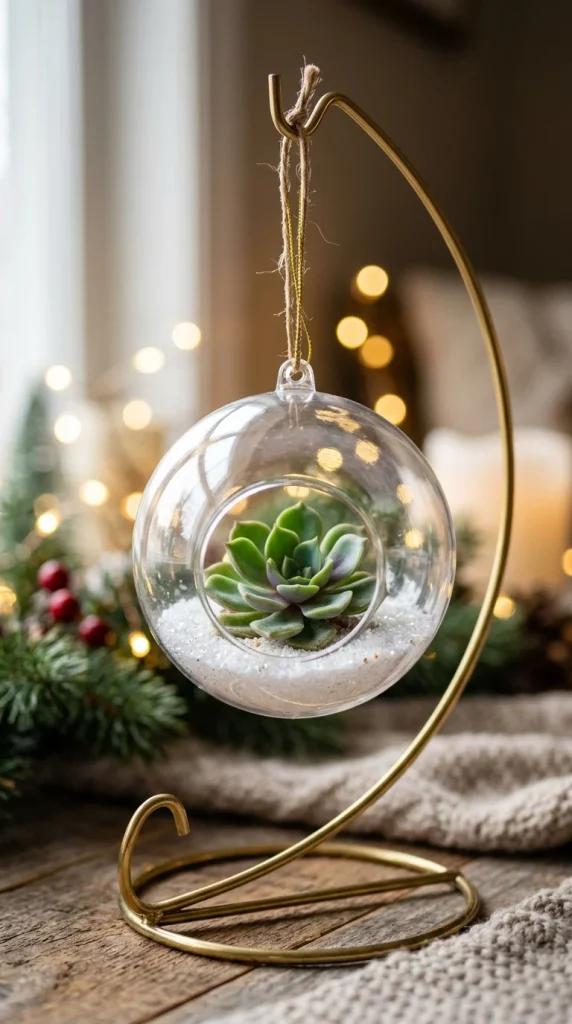
Terrarium ornaments are great seasonal decorations or year-round accents. You can use clear plastic or glass fillable ornaments. Since they are very small, they are best suited for air plants (Tillandsia), which don’t require soil at all.
21. Dessert Stands
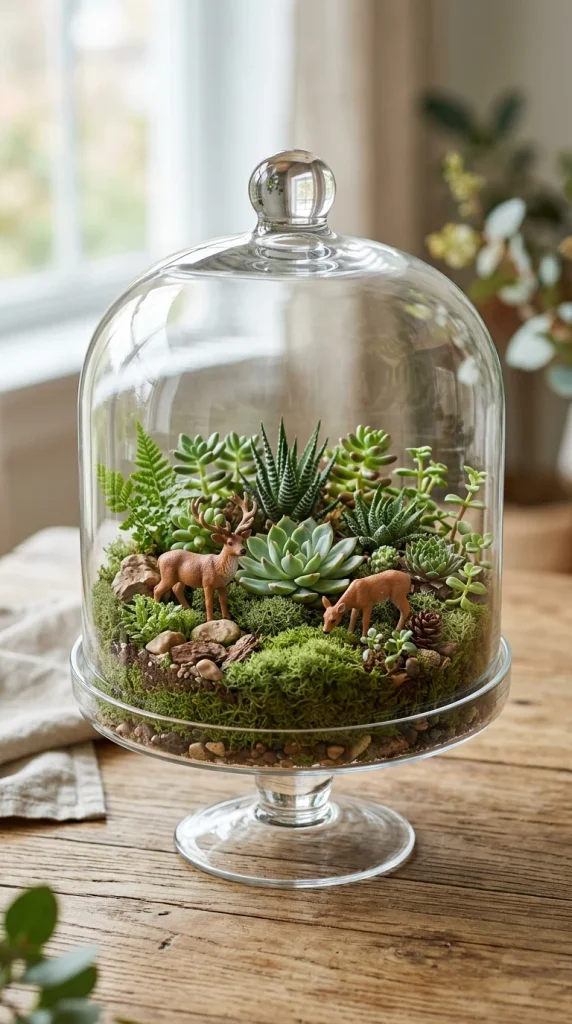
A cake stand with a glass cloche (dome) creates a dramatic and elegant display. It acts similarly to a traditional Wardian case, protecting the plants from dust. Just be sure to vent the dome regularly to prevent the succulents from getting too humid.
22. Log Slices
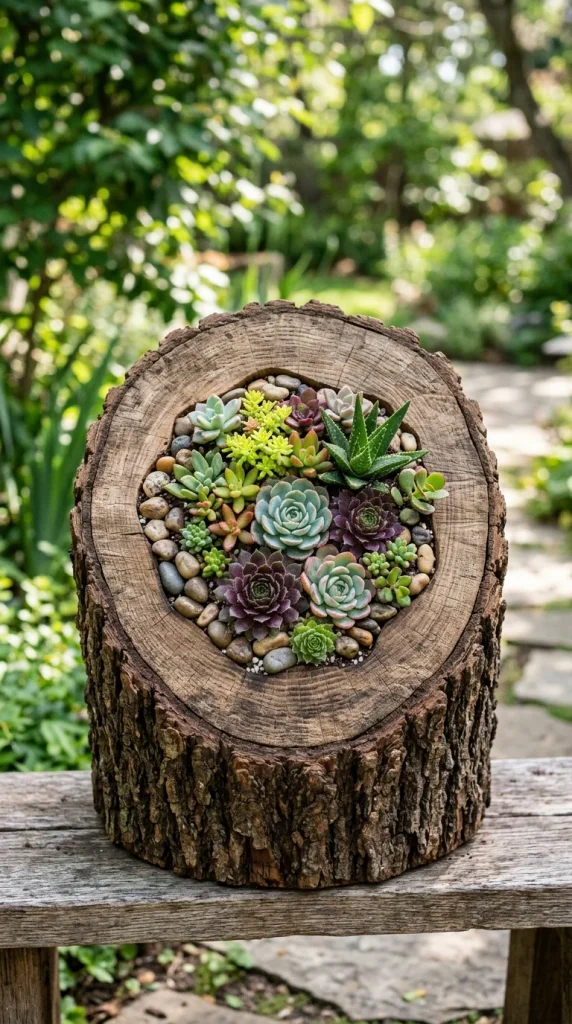
For a truly woodland feel, use a hollowed-out log slice. The contrast between the rough bark and the smooth, fleshy leaves of the succulents is visually striking. This works perfectly as a centerpiece for a rustic wedding or a cozy cabin.
How to Build Your Terrarium: A Quick Guide
Regardless of which idea you choose, the basic construction of a succulent terrarium remains the same. Since most of these containers do not have drainage holes, the order of layers is vital for the health of your plants:
- Drainage Layer: Place 1-2 inches of pebbles, sea glass, or gravel at the very bottom. This is where excess water will sit so it doesn’t rot the roots.
- Activated Charcoal: Add a thin layer of activated charcoal on top of the stones. This keeps the water fresh and prevents odors and bacteria from growing.
- Potting Soil: Use a soil specifically formulated for cacti and succulents. It should be sandy and well-draining.
- Plants: Dig small holes and nestle your succulents into the soil. Start with the largest plant first and fill in around it.
- Top Dressing: Add a final layer of sand, pebbles, or moss to cover the exposed soil and give it a finished look.
Maintenance Tips for Beginners
- Light: Succulents love bright, indirect light. A south-facing window is usually best. If your succulents start “stretching” (growing tall and thin with wide gaps between leaves), they need more light.
- Watering: The “soak and dry” method is best. Only water when the soil is completely bone-dry. Use a squeeze bottle or a long-necked watering can to apply water directly to the soil, avoiding the leaves.
- Airflow: Since succulents are desert plants, they dislike stagnant, humid air. If you use a closed container, make sure to leave it open for several hours every few days.
Building a succulent terrarium is a rewarding and creative way to bring the outdoors in. With these 22 ideas, you have plenty of inspiration to start your own miniature garden today. Happy planting!