
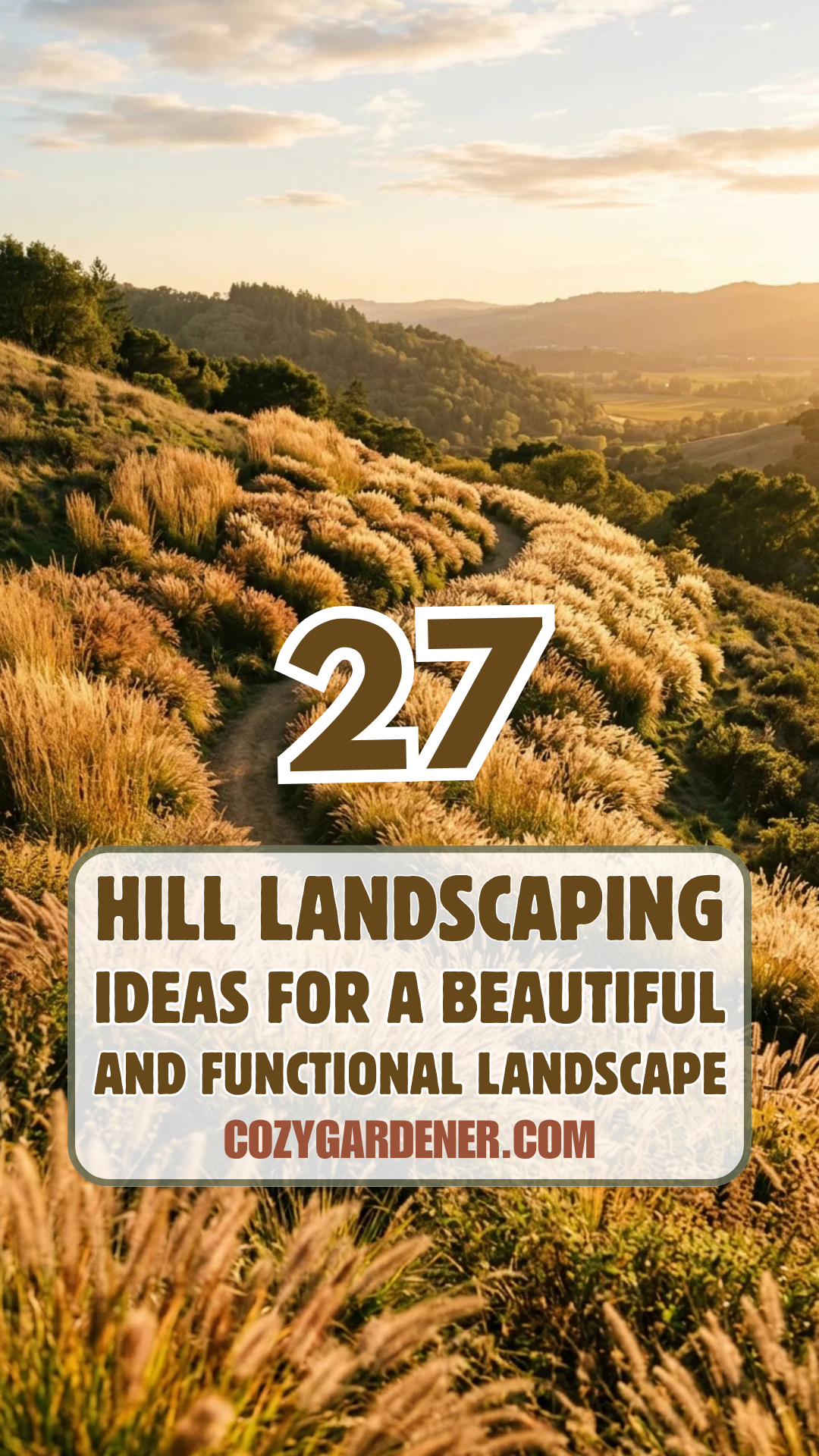
Landscaping a slope is often viewed as a daunting challenge, but for the visionary homeowner, it is an unparalleled opportunity. While flat yards can feel one-dimensional, a hilly terrain offers natural depth, dramatic views, and the chance to create distinct “rooms” at different elevations. From preventing erosion with structural retaining walls to creating a sensory experience with cascading waterfalls, the possibilities are vertical and vast.
Navigating the complexities of drainage and soil stability requires strategy, but the results are often the most breathtaking landscapes imaginable. Here are 27 hill landscaping ideas to turn your challenging incline into a functional masterpiece.
1. Stone Walls
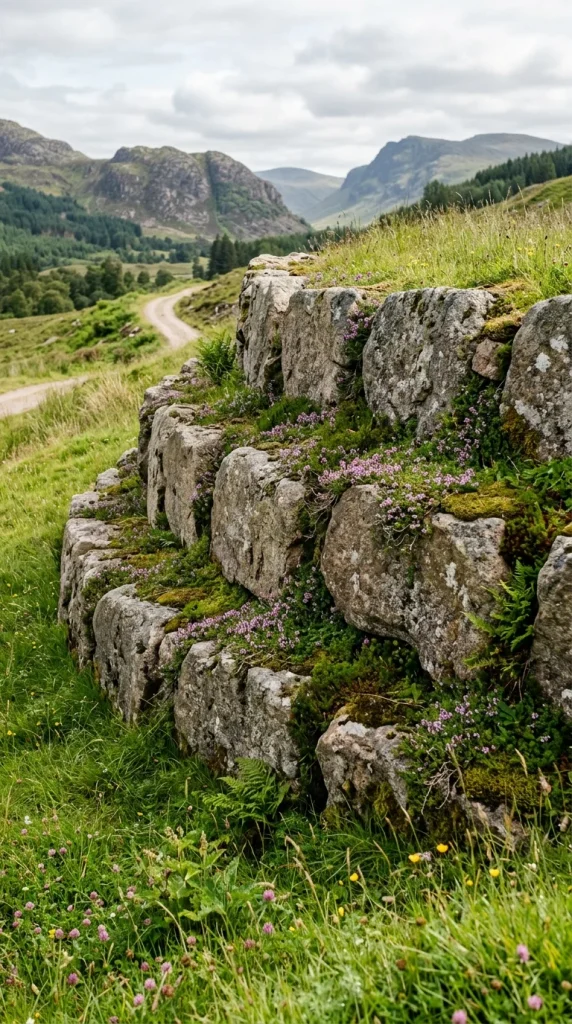
Stone retaining walls are the gold standard for hill landscaping. Not only do they provide the necessary structural support to prevent soil erosion, but they also add a timeless, organic aesthetic to the property. By using natural stone, you create a seamless transition between the man-made elements of your home and the raw beauty of the earth.
2. Tiered Gardens
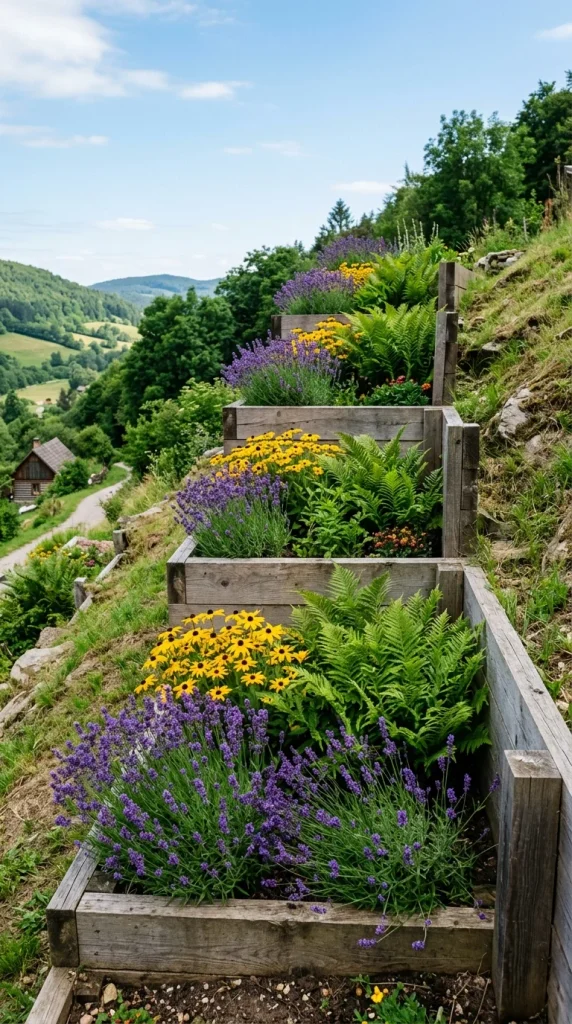
Tiering involves carving the hill into a series of flat platforms. This is one of the most effective ways to make a steep incline usable. Each level can serve a different purpose—one for a vegetable garden, another for a rose bed, and a third for ornamental grasses—creating a “staircase” of color and texture.
3. Meandering Stairs
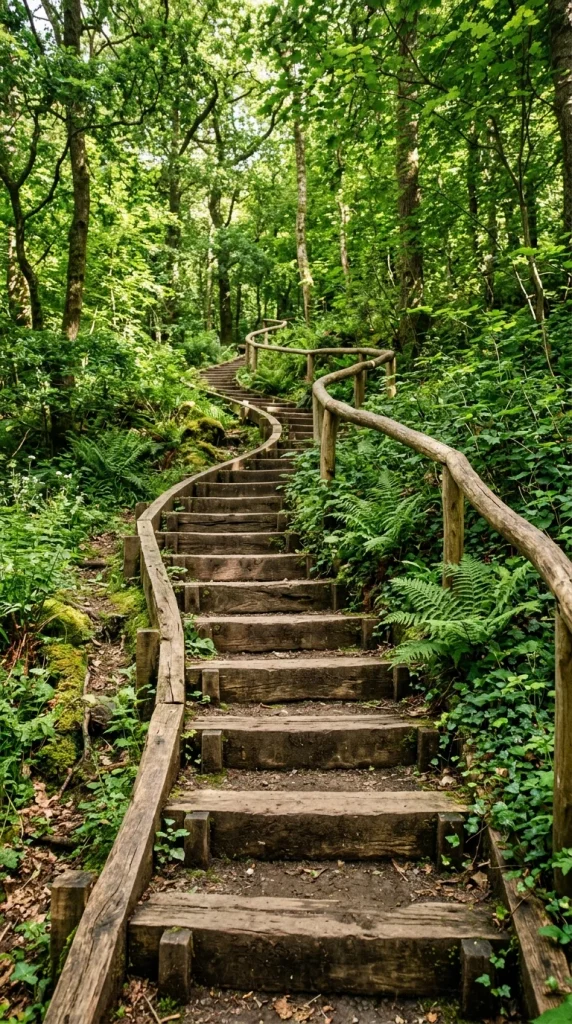
A straight staircase on a hill can feel steep and intimidating. Instead, design a winding path of stairs that follows the natural contour of the land. Using materials like reclaimed wood, flagstone, or concrete pavers allows the transit from the bottom to the top to feel like a journey through a private park.
4. Wildflower Meadow
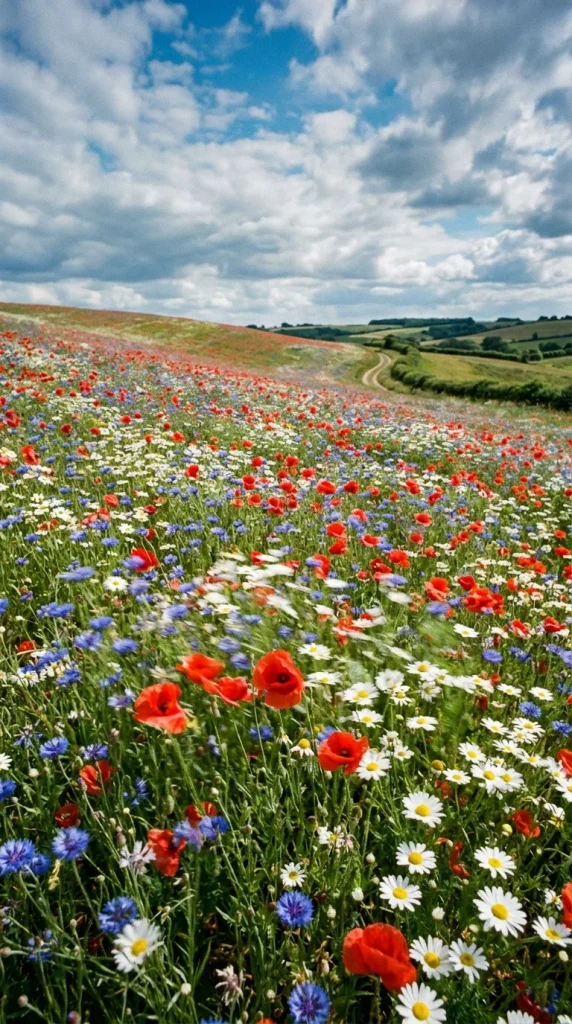
If you have a large hill that is difficult to mow, stop fighting it. Planting a wildflower meadow is a low-maintenance, eco-friendly solution. These hardy plants have deep root systems that stabilize the soil while providing a sanctuary for pollinators like bees and butterflies.
5. Rock Garden
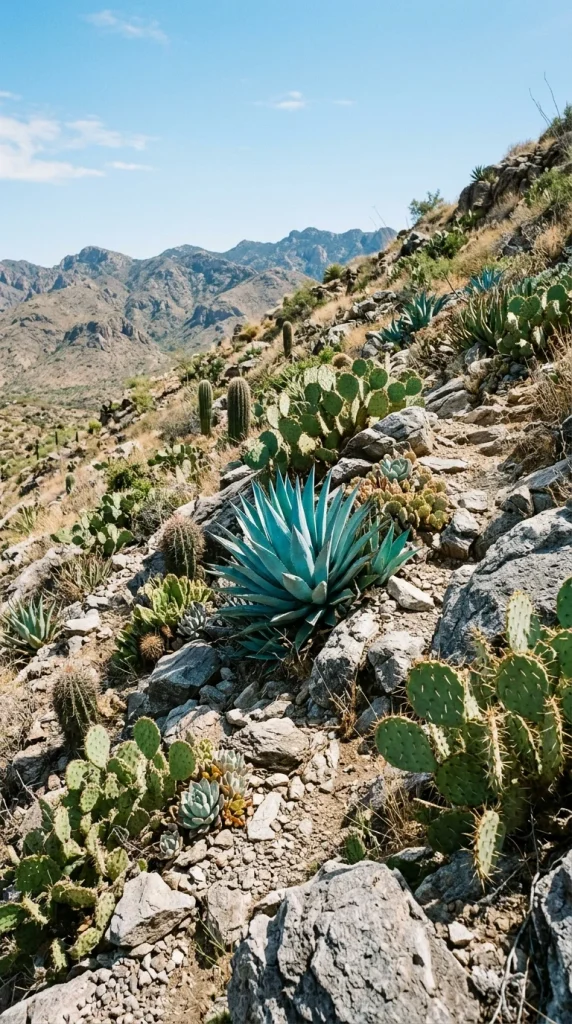
Rock gardens thrive on slopes because the natural incline provides the excellent drainage that many rock-dwelling plants crave. Focus on a variety of rock sizes—from large “anchor” boulders to small river pebbles—and tuck alpines or succulents into the gaps for a rugged, mountainous look.
6. Cascading Waterfalls
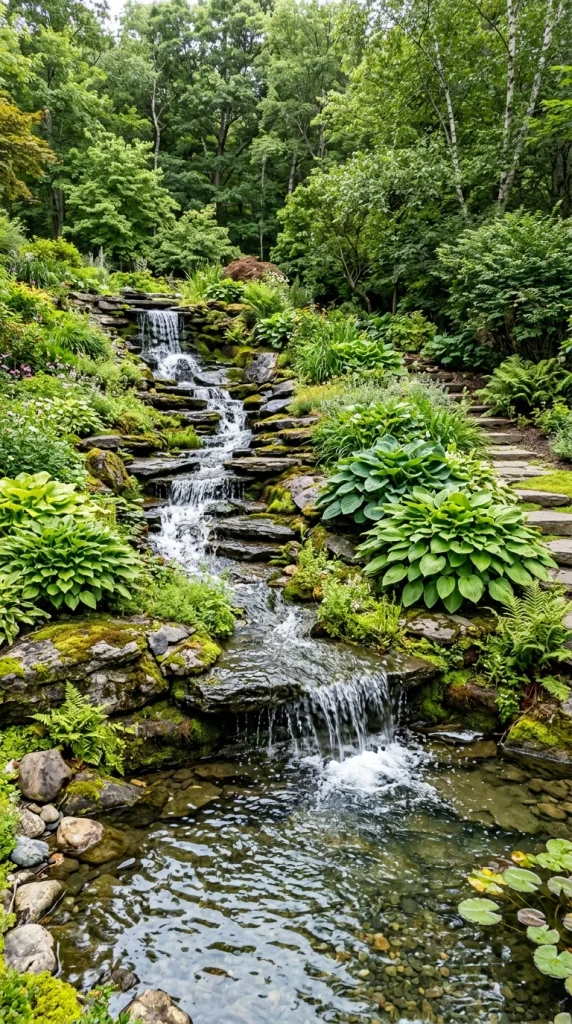
Gravity is your best friend when you have a hill. Use the natural elevation to create a stunning water feature. A recirculating stream or a series of drops creates a soothing soundscape that masks neighborhood noise and adds a luxurious, high-end feel to your outdoor space.
7. Ground Covers
For slopes that are too steep for safe foot traffic, ground covers are the ultimate “set it and forget it” solution. Plants like creeping juniper, periwinkle, or ivy create a dense mat of foliage that protects the soil from heavy rain and eliminates the need for weeding or mulching.
8. Gabion Walls
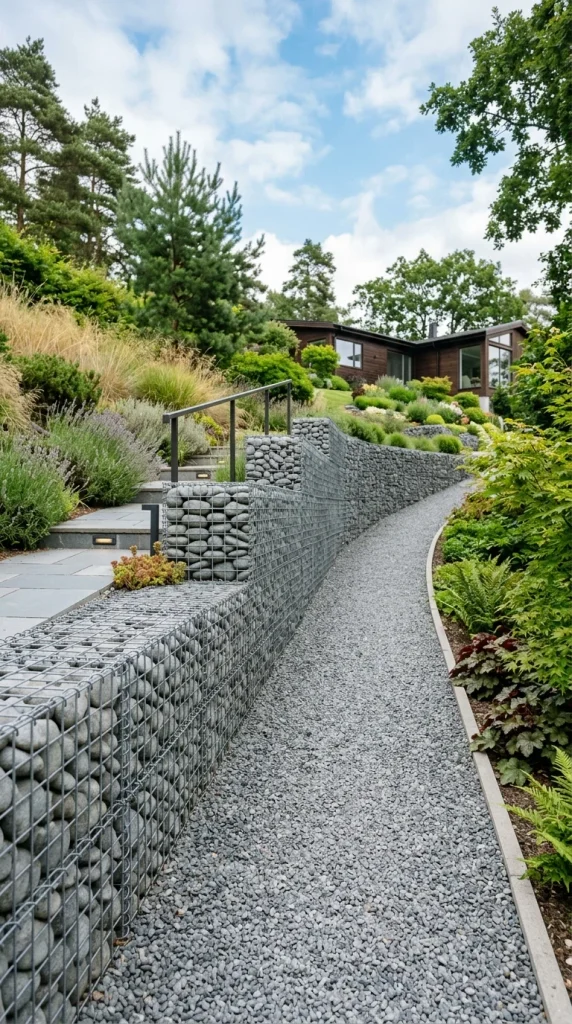
Gabion walls offer an industrial-chic look while being incredibly functional. These wire cages filled with rock are heavy, durable, and highly permeable, allowing water to flow through freely, which prevents the hydrostatic pressure buildup that often causes solid walls to fail.
9. Deck Overlook
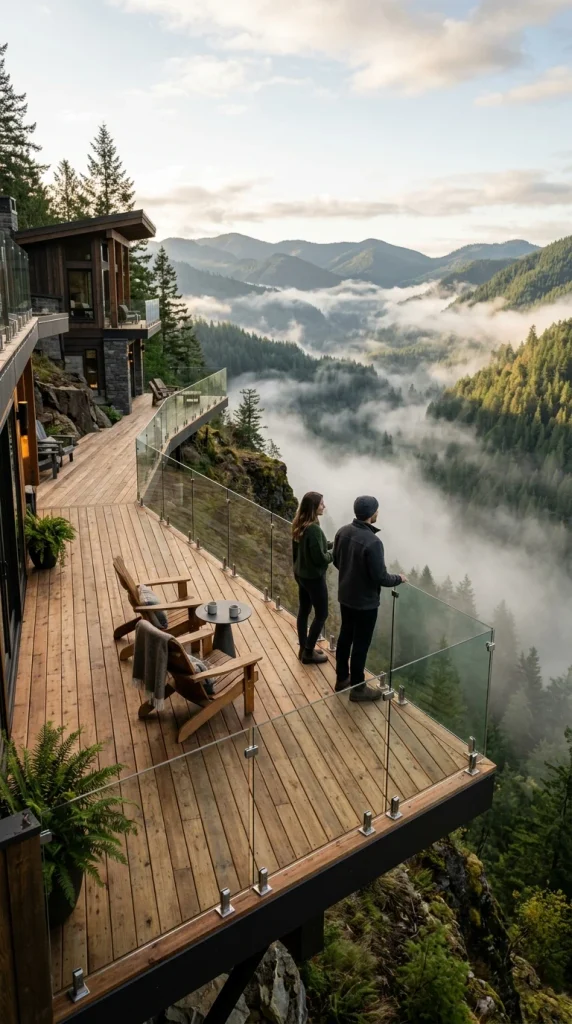
When your yard drops away sharply, don’t try to fill it in. Instead, build out. A cantilevered deck provides a flat entertaining space that feels like a treehouse. It’s the perfect spot for a dining table or a pair of lounge chairs to soak in the elevated views.
10. Native Grasses
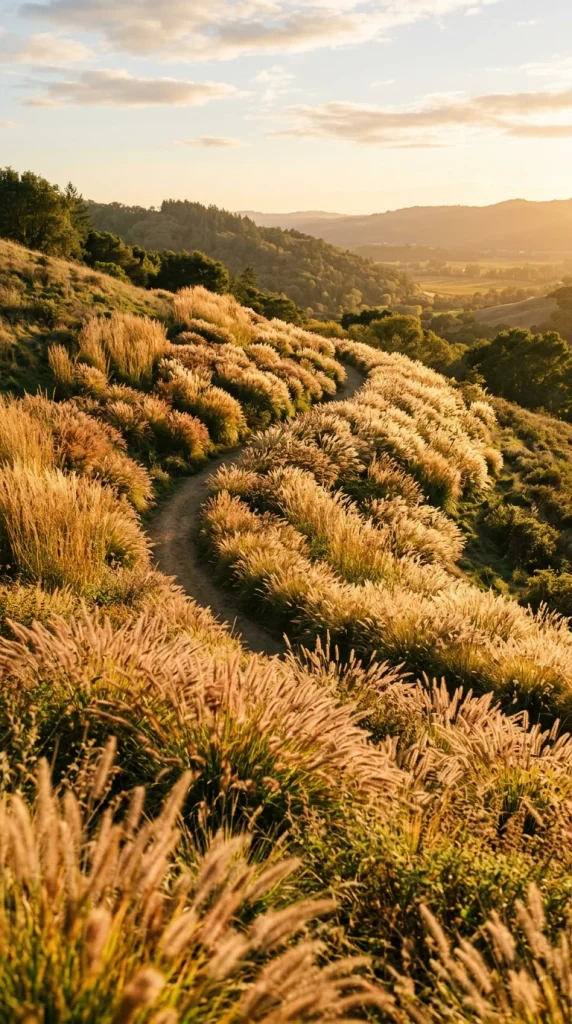
Native grasses are unsung heroes of slope management. Their extensive root systems act like underground netting, holding the hillside together. Aesthetically, they provide movement; even a light breeze will create a rippling wave effect across your landscape.
11. Fire Pit Terrace
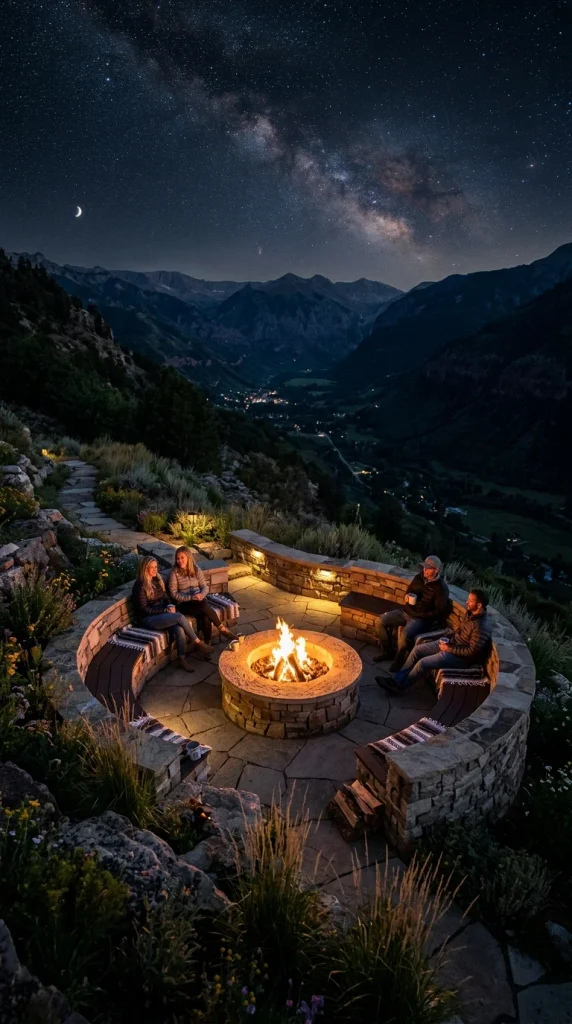
Carving out a dedicated space for a fire pit halfway up a hill creates a cozy, secluded destination. The surrounding slope acts as a natural amphitheater, providing privacy and wind protection while you enjoy the warmth of the flames.
12. Timber Retaining
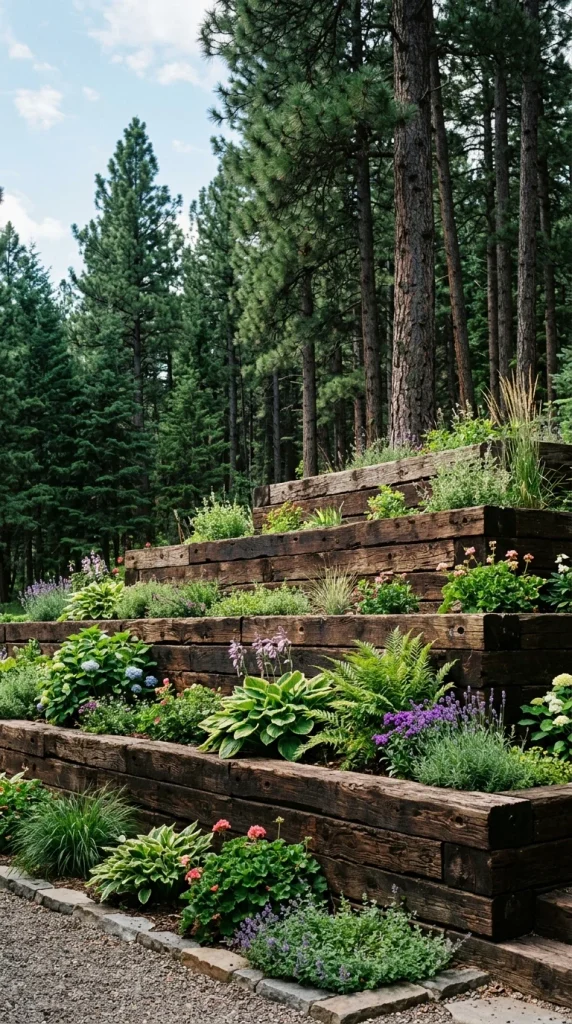
Timber is often more affordable than stone and offers a warm, rustic appeal. Pressure-treated beams or reclaimed railway ties can be used to create sharp, clean lines that define different levels of your landscape, working particularly well in woodland or farmhouse-style settings.
13. Xeriscaping
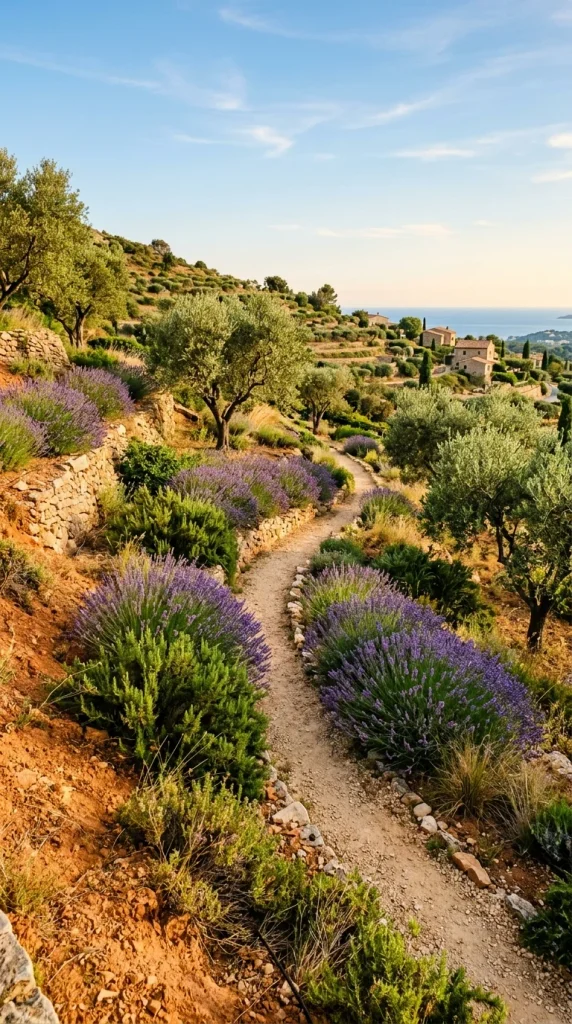
Hills often suffer from rapid water runoff, leaving the soil dry. Xeriscaping—a landscaping method that requires little to no irrigation—is perfect for these conditions. Use drought-resistant plants and decorative gravel mulch to create a beautiful, water-wise environment.
14. Winding Pathways
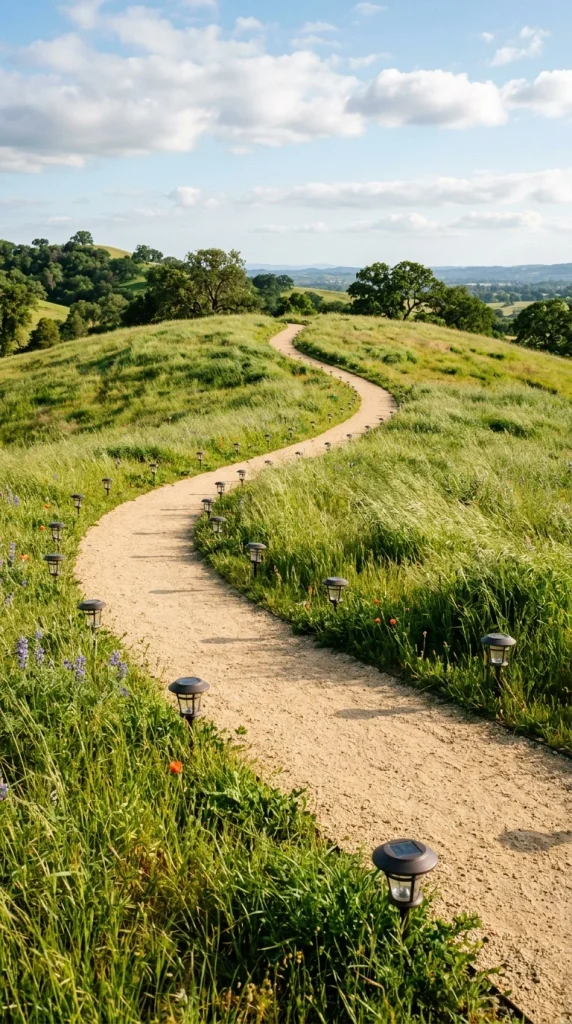
Rather than tackling a hill head-on, a winding path creates a more leisurely ascent. This “switchback” design is easier on the legs and allows you to experience different angles of your garden as you move through it.
15. Herb Garden
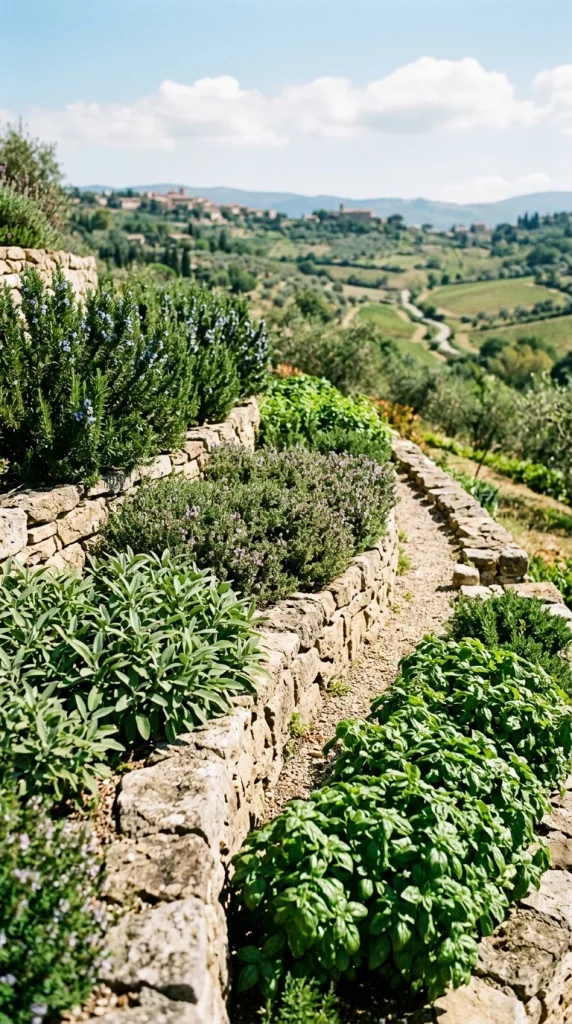
A sunny slope is the ideal location for a Mediterranean herb garden. The elevation ensures the “wet feet” problem is avoided, as drainage is naturally superior. Plus, placing herbs on a tiered system makes harvesting much easier on your back.
16. Shrub Anchors
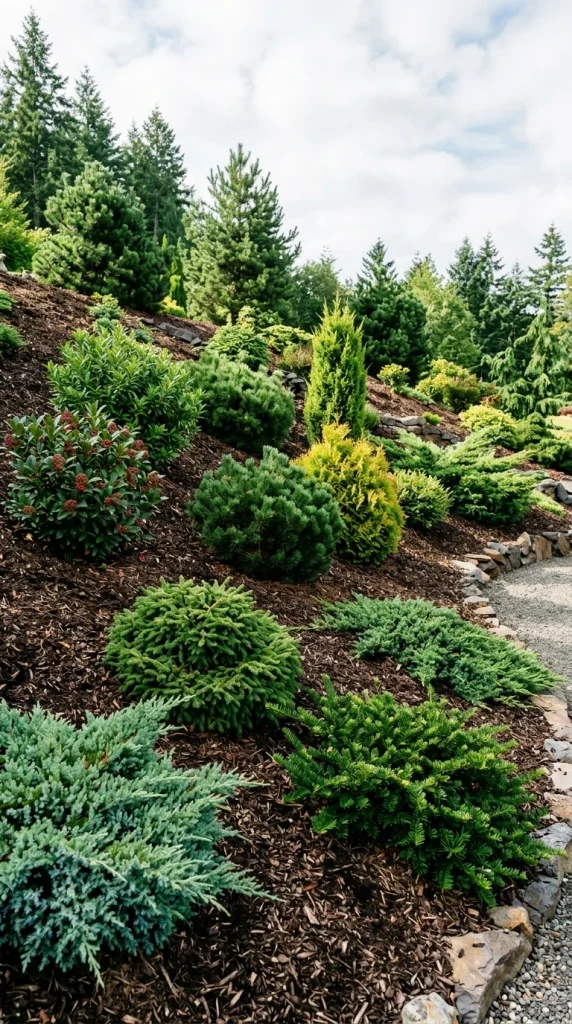
Deep-rooted shrubs like forsythia, lilac, or hydrangeas act as anchors for a hillside. By planting a mix of deciduous and evergreen varieties, you ensure that the hill remains visually interesting and structurally sound throughout the changing seasons.
17. Lighting Highlights
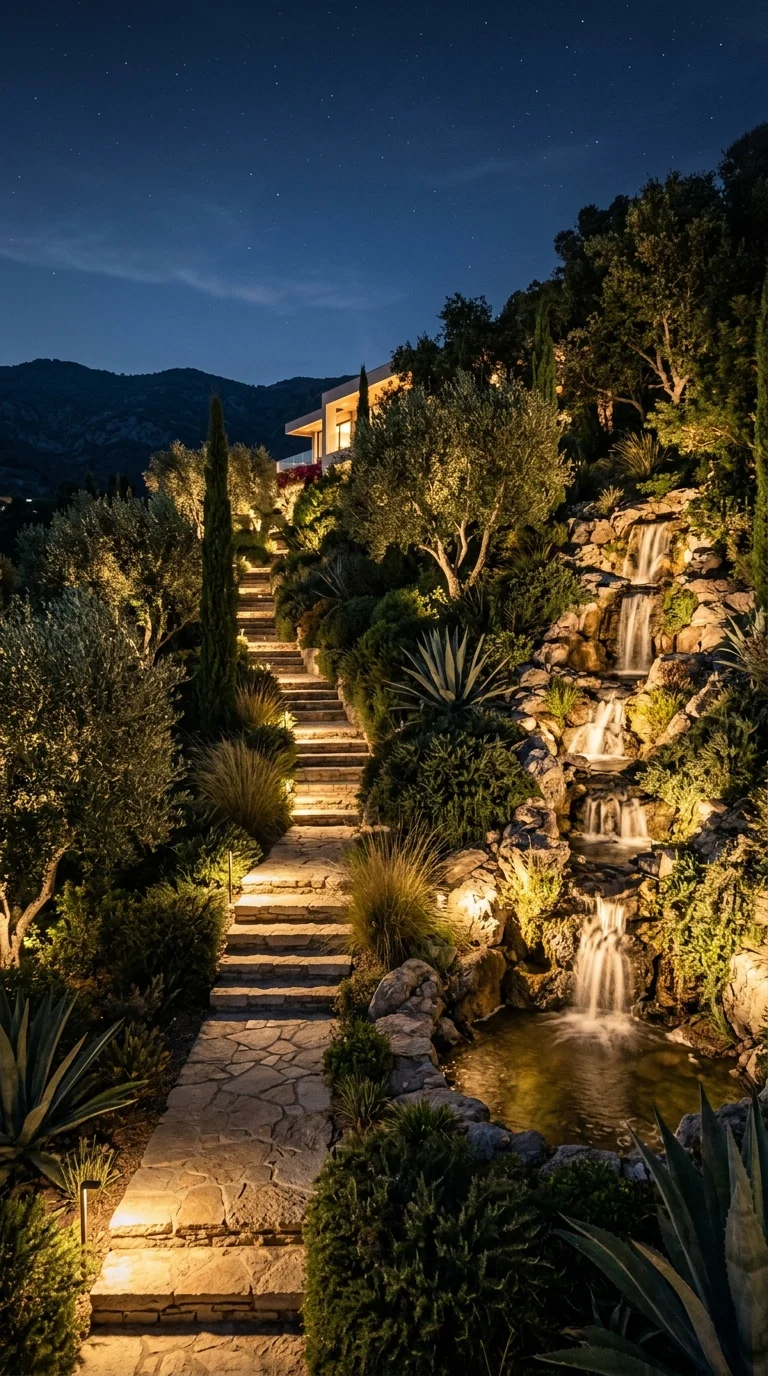
Don’t let your hill disappear when the sun goes down. Landscape lighting can emphasize the dramatic height of your terrain. Use uplights on trees to create silhouettes and path lights to ensure safety along stairs and walkways.
18. Slope Slide
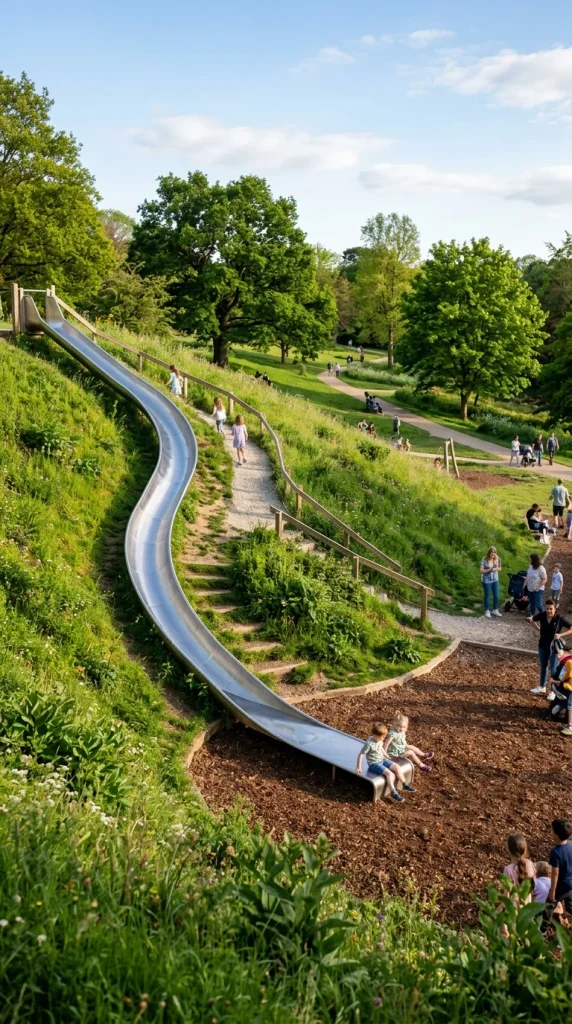
If you have children, a hill is a natural playground. Instead of a bulky plastic play structure, install a slide directly onto the slope. It integrates perfectly into the landscape and provides endless entertainment without occupying the flat areas of the yard.
19. Ornamental Grasses
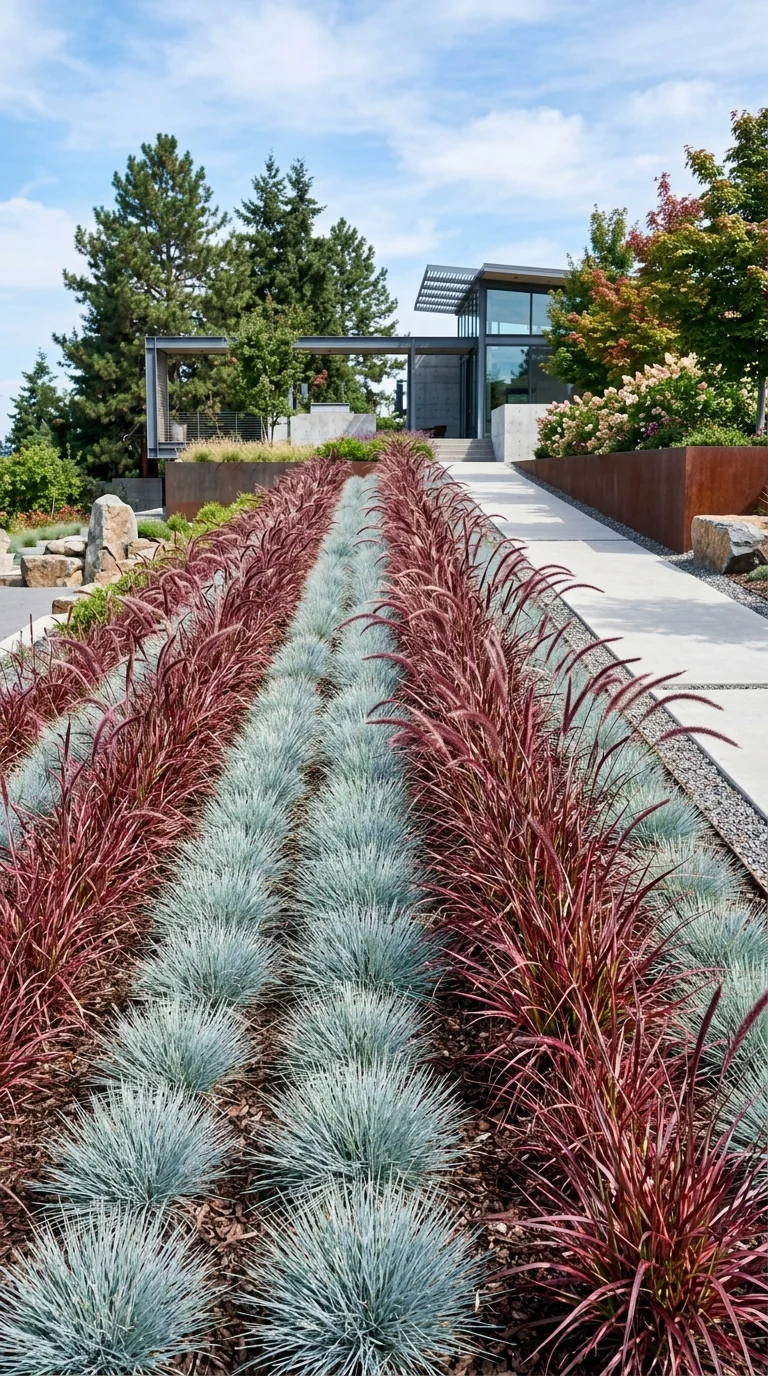
Ornamental grasses provide texture that few other plants can match. On a hill, they catch the light beautifully. Varieties like “Karl Foerster” feather reed grass add verticality, while shorter “Blue Fescue” provides pops of cool color against the earth.
20. Dry Creek Bed
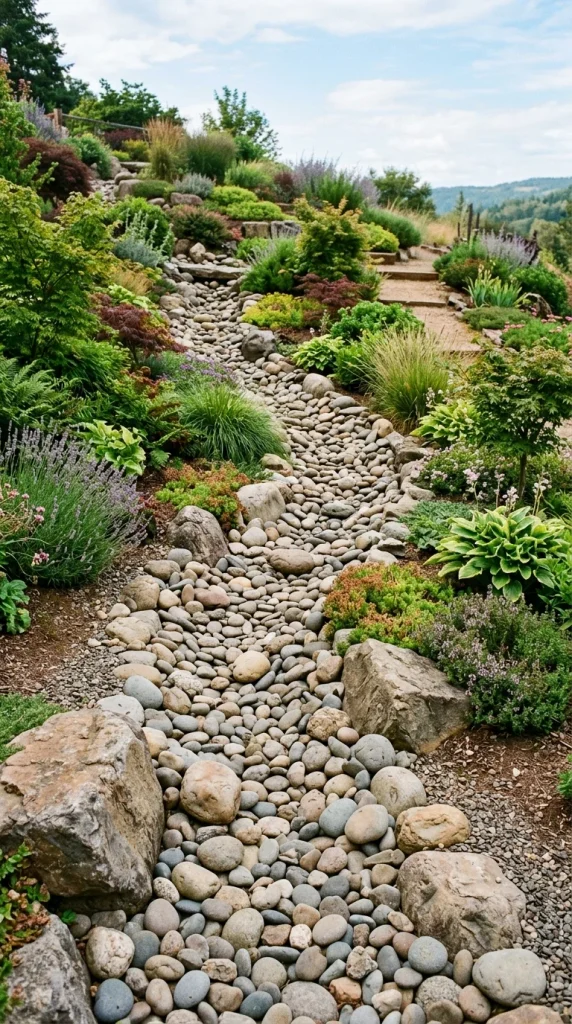
A dry creek bed is a brilliant functional-meets-aesthetic solution. During heavy rain, it acts as a drainage channel, directing water away from your home’s foundation. In dry weather, the river rock adds a serene, rugged beauty to the slope.
21. Flagstone Patio
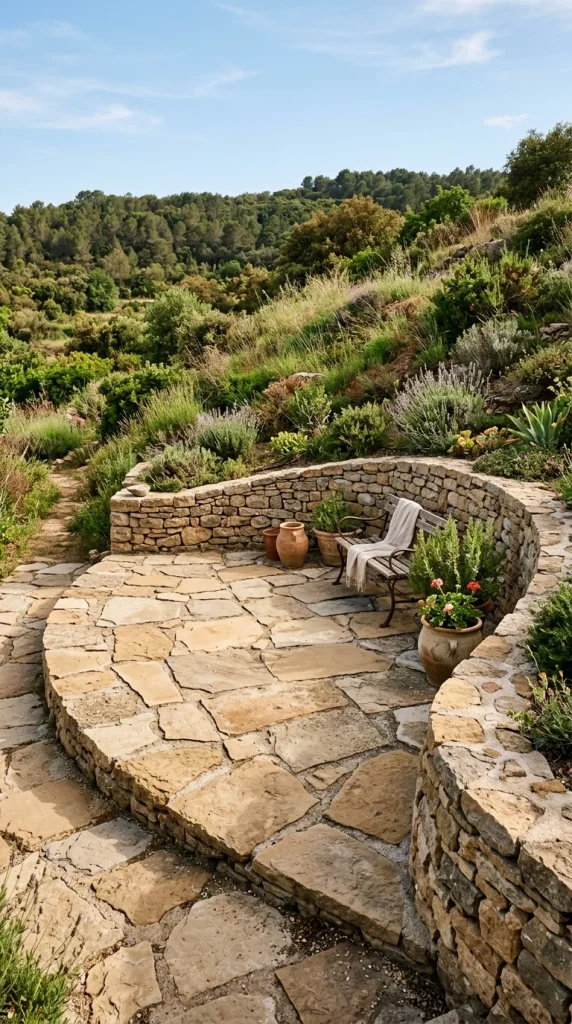
Creating a “perch” on your hill with a flagstone patio offers a unique vantage point. Unlike a deck, a flagstone patio feels grounded and permanent. It’s an excellent spot for a bistro set or a meditation corner hidden away from the main house.
22. Fruit Orchard
Fruit trees thrive on slopes because the elevation often protects them from the “frost pockets” that occur in low-lying areas. Terracing a hill for an orchard allows you to maximize sun exposure for each tree, leading to a better harvest.
23. Evergreens
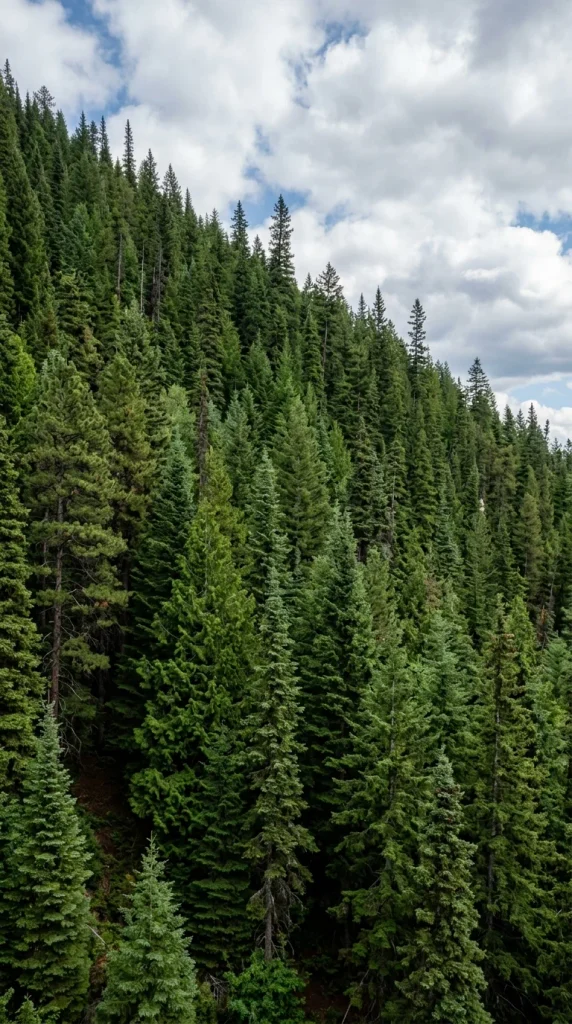
For year-round privacy and erosion control, nothing beats evergreens. A mix of upright conifers and spreading junipers creates a “living wall” that remains lush and vibrant even in the depths of winter when other plants have gone dormant.
24. Sculptural Elements
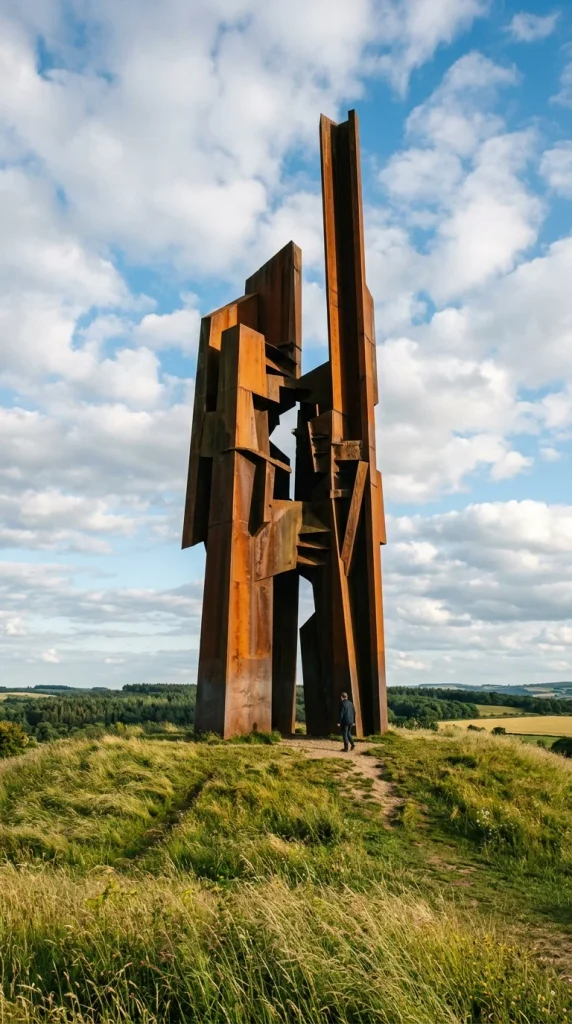
A hill provides a natural pedestal. Placing a piece of art or a large sculptural element at the highest point of your landscape creates a focal point that draws the eye upward, making the entire yard feel more expansive and designed.
25. Privacy Screen
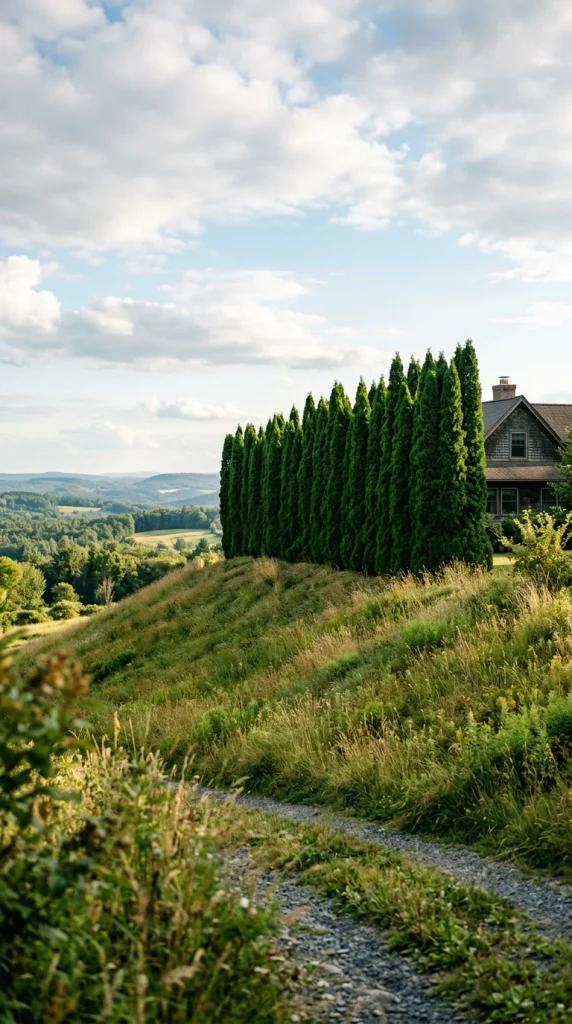
Use the hill’s height to your advantage for privacy. By planting tall trees or installing a fence at the top of a slope, you effectively double the height of your screen, completely blocking the view from neighbors or the street.
26. Perennial Border
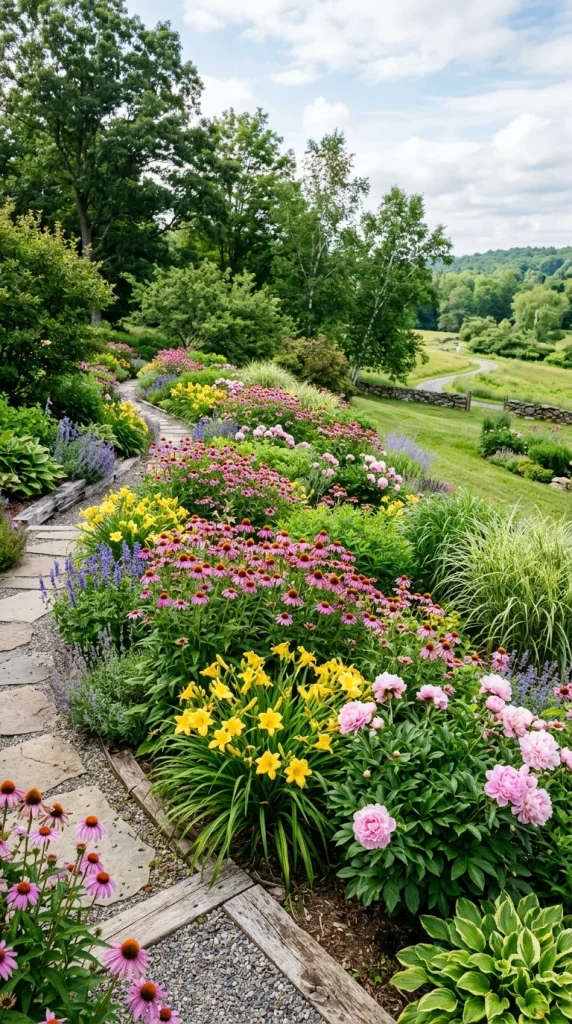
Perennials are the workhorses of the hillside garden. Because they come back year after year, you don’t have to worry about replanting on a difficult incline. Group them by bloom time to ensure there is always a “river of color” flowing down your hill.
27. Seating Nook
Sometimes, the best idea is the simplest one. Carve out a tiny, level spot just big enough for one or two chairs. This “secret” seating nook provides a place for quiet reflection, surrounded by the sights and sounds of your newly transformed vertical landscape.