

Creating a stunning backyard doesn’t have to mean spending every weekend with a mower in one hand and a weed-whacker in the other. For many homeowners, the dream is a “set it and forget it” landscape—a space that looks professionally designed but requires minimal effort to maintain. By shifting the focus toward hardy plants, durable hardscaping, and smart design choices, you can reclaim your leisure time while still enjoying a picturesque outdoor sanctuary.
Low-maintenance landscaping is about working with nature rather than fighting against it. It involves choosing materials that age gracefully and plants that thrive in your local climate with little intervention. Whether you have a sprawling estate or a compact urban lot, these 22 ideas will help you transform your yard into a stress-free haven.
1. Mulch Beds
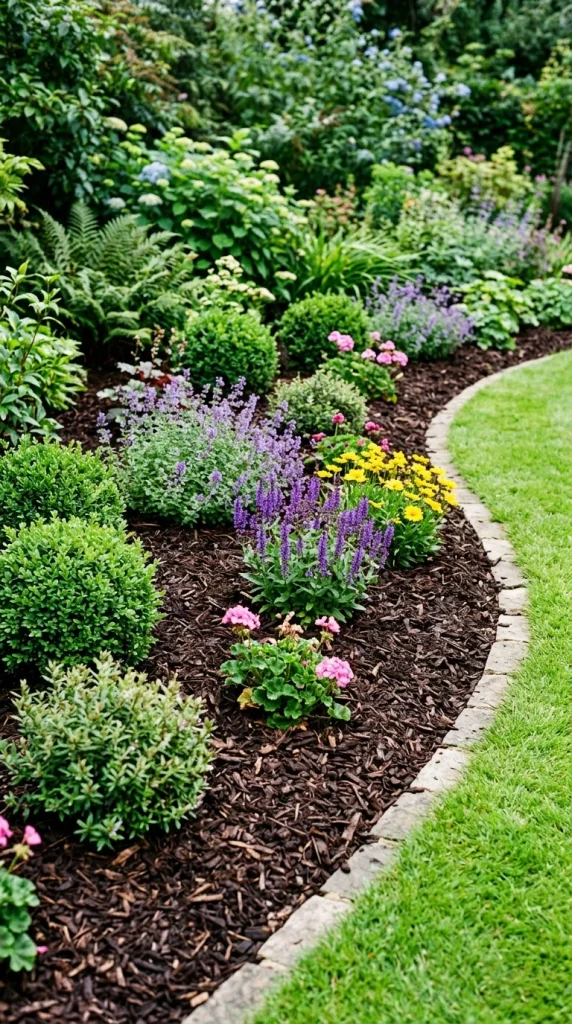
Mulching is the ultimate “cheat code” for a low-maintenance yard. By applying a thick layer of wood chips, bark, or pine needles, you create a barrier that suppresses weeds and retains soil moisture. This means less time spent weeding and watering. Beyond its functional benefits, mulch provides a clean, uniform look that instantly makes any garden bed appear professionally finished. Choose a color that complements your home’s exterior for maximum curb appeal.
2. Native Plants
Native plants are the rockstars of easy gardening. Because they evolved to thrive in your specific climate and soil conditions, they generally require less water, fewer fertilizers, and are more resistant to local pests. Once established, native species often take care of themselves, allowing you to enjoy a backyard that supports local pollinators like butterflies and bees without the constant fuss of “finicky” exotic species.
3. Artificial Turf
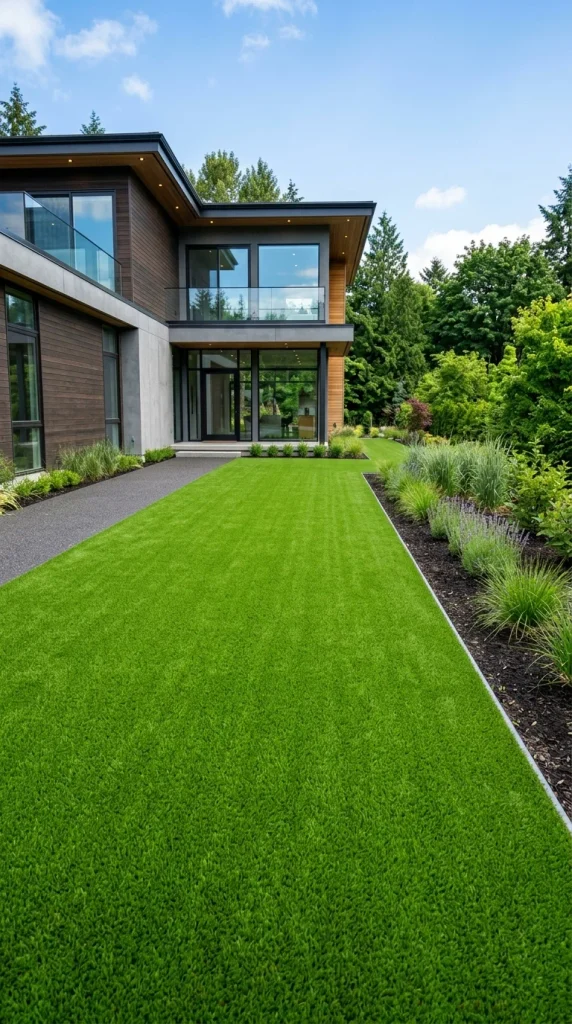
If you love the look of a green lawn but hate the mowing, fertilizing, and watering, artificial turf is a game-changer. Modern synthetic grass looks incredibly realistic and stays green year-round regardless of the weather. It’s particularly useful for high-traffic areas or spots where real grass refuses to grow. A quick spray with a hose occasionally is all it takes to keep it looking pristine for years.
4. Pea Gravel
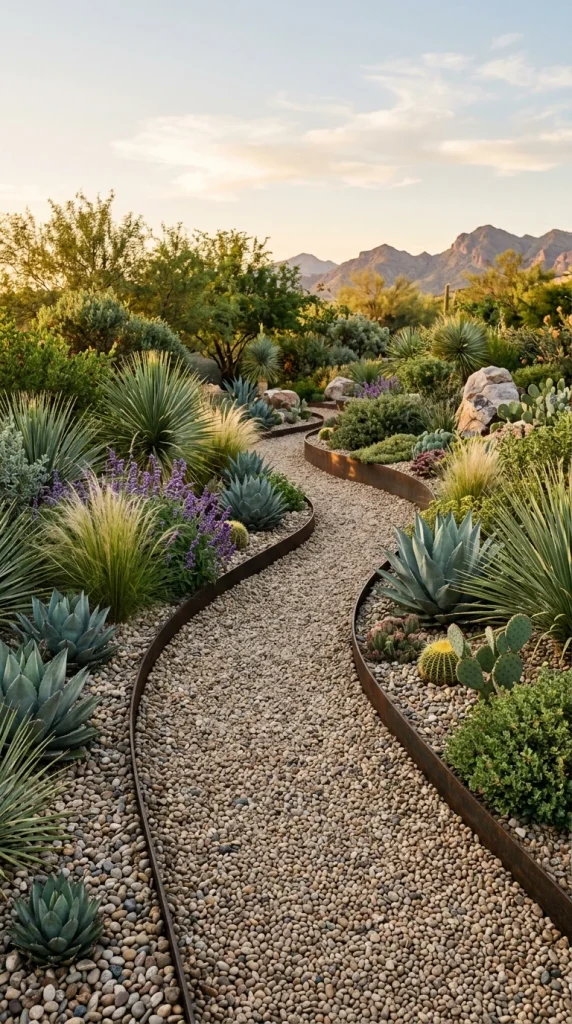
Pea gravel is an affordable, versatile, and stylish hardscaping material. It’s perfect for creating paths, seating areas, or even replacing entire sections of lawn. It provides excellent drainage and creates a satisfying crunch underfoot. Because it’s a “fluid” material, it can easily fit into any shape or corner of your yard, and it never needs to be painted, stained, or watered.
5. Perennial Borders

Perennials are the gifts that keep on giving. Unlike annuals, which must be replanted every year, perennials go dormant in the winter and return every spring. By planting a dense border of hardy perennials, you can create a lush, layered look that fills in over time, leaving very little room for weeds to take hold. Focus on varieties like Hostas, Peonies, or Lavender for high impact and low effort.
6. Stone Pavers
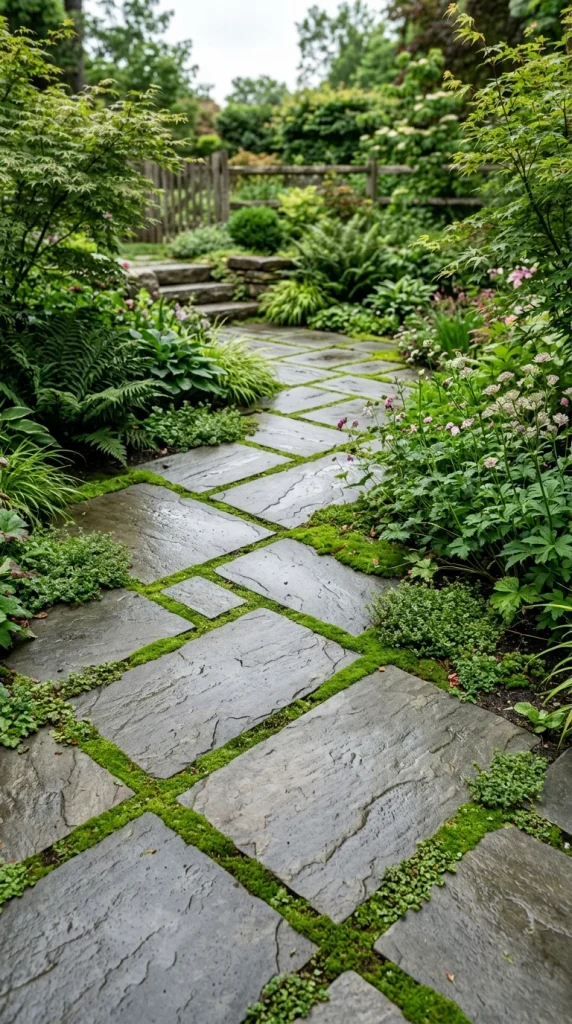
Creating a dedicated patio space with stone pavers reduces the amount of mowable grass in your yard. Large-format pavers provide a stable, level surface for dining sets or lounge chairs. They are incredibly durable and only require an occasional power wash to look brand new. For a more natural look, leave wide gaps between the stones and fill them with a low-growing groundcover.
7. Succulent Gardens

Succulents are the paragons of drought-tolerance. Their thick, fleshy leaves store water, making them perfect for homeowners in drier climates or those who simply forget to water their plants. A succulent garden arranged in a raised bed or a rockery provides architectural interest and a modern aesthetic with almost zero maintenance requirements.
8. River Rocks
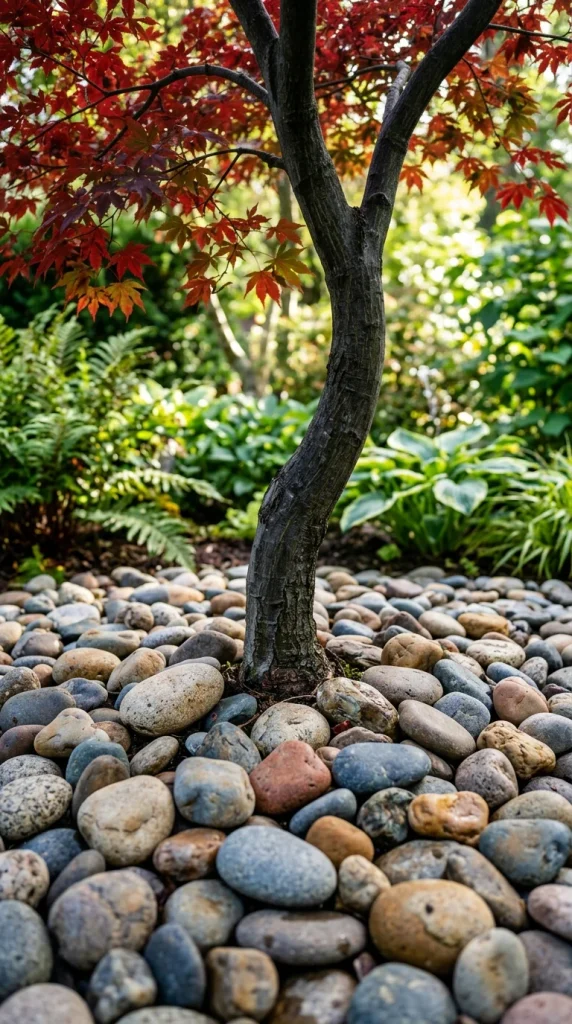
For a look that is both rugged and refined, river rocks are an excellent choice. They are larger and heavier than gravel, meaning they won’t blow away or get kicked out of place easily. River rocks are ideal for areas with heavy runoff, as they allow water to permeate the ground while preventing soil erosion. They add a beautiful, natural texture to any garden design.
9. Raised Beds
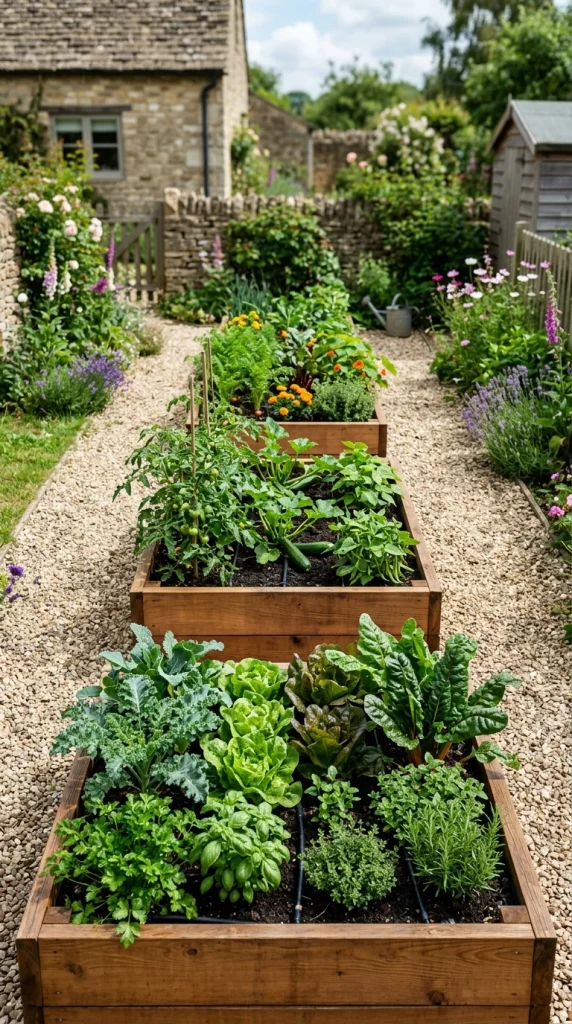
Raised beds are a brilliant way to control your gardening environment. Because they are elevated, they provide better drainage and keep soil from compacting. They also act as a physical barrier against many common garden weeds and pests. Perhaps most importantly, they save your back and knees from the strain of bending down to ground level, making the “work” of gardening much more comfortable.
10. Ornamental Grasses
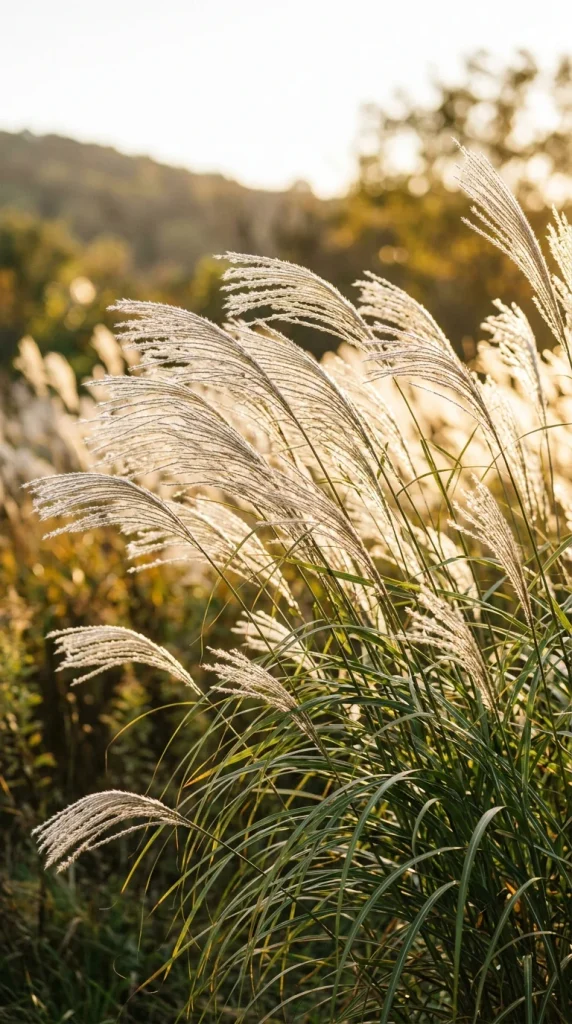
Ornamental grasses add movement, height, and texture to a landscape with almost no effort. They are typically very hardy and resistant to most pests and diseases. Varieties like Fountain Grass or Feather Reed Grass look beautiful through three seasons and only require a single “haircut” (cutting them back to the base) once a year in late winter.
11. Rock Gardens
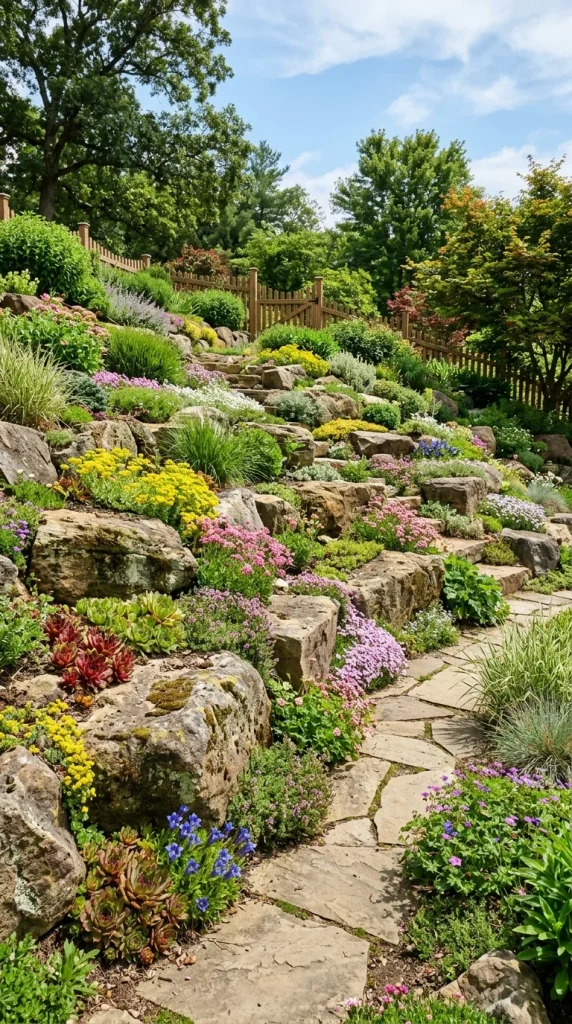
If you have a sloped area where grass is difficult to mow, a rock garden is the perfect solution. By nestling boulders and stones into the hillside and planting drought-tolerant species in between, you turn a problem area into a focal point. Rock gardens look better as they age, as moss and lichens naturally begin to grow on the stone surfaces.
12. Ground Covers
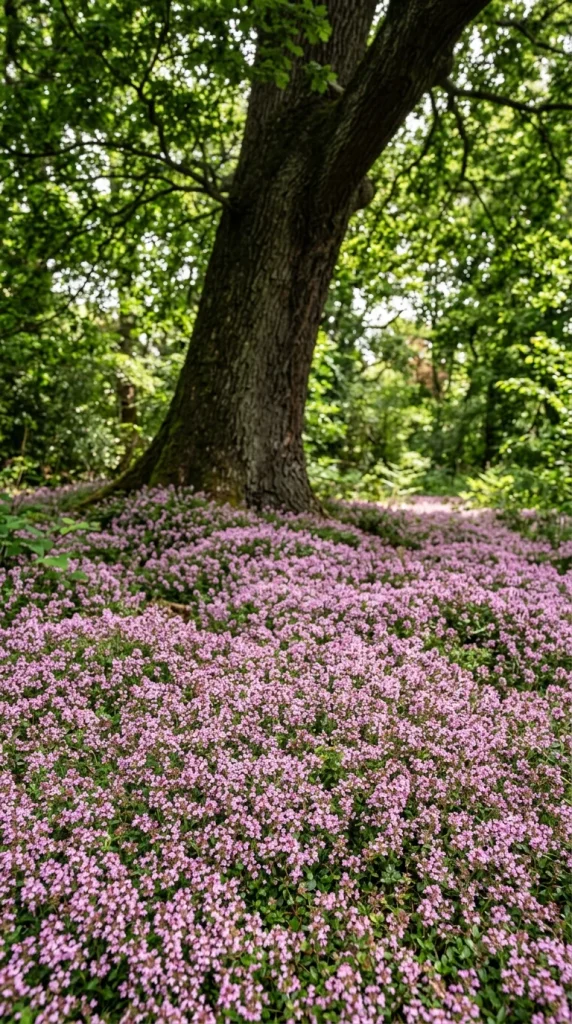
Ground covers are living carpets that can replace a traditional lawn. Plants like Creeping Thyme, Pachysandra, or Clover stay low to the ground and spread horizontally. Most ground covers require no mowing and can thrive in areas where grass struggles, such as deep shade or poor soil. They provide a lush, green look while effectively choking out weeds.
13. Automatic Irrigation
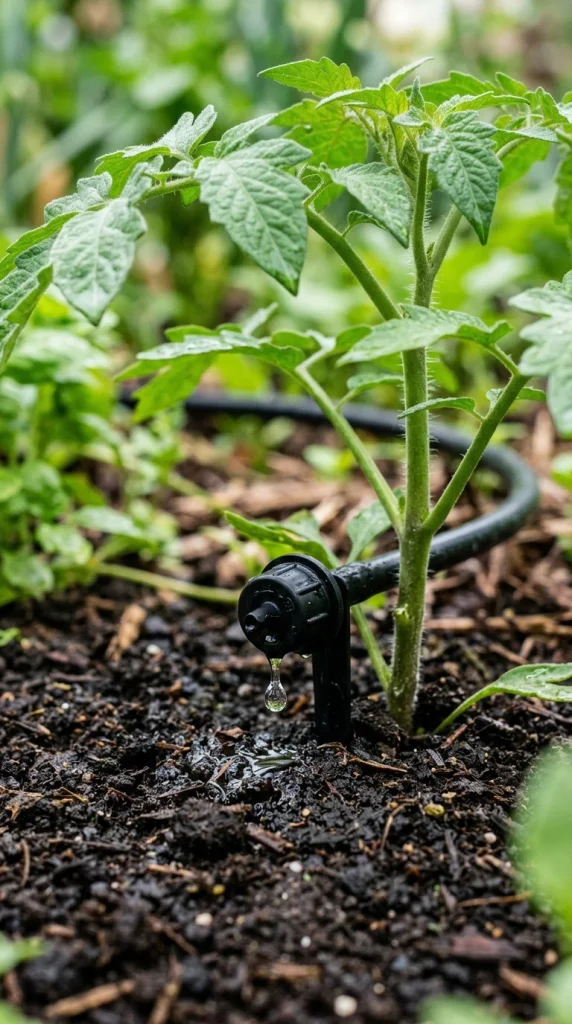
The most time-consuming part of yard maintenance is often watering. Installing an automatic drip irrigation system or a smart sprinkler controller removes this chore from your to-do list. Drip systems are particularly efficient because they deliver water directly to the roots of the plants, reducing evaporation and preventing the growth of weeds in unplanted areas.
14. Decking
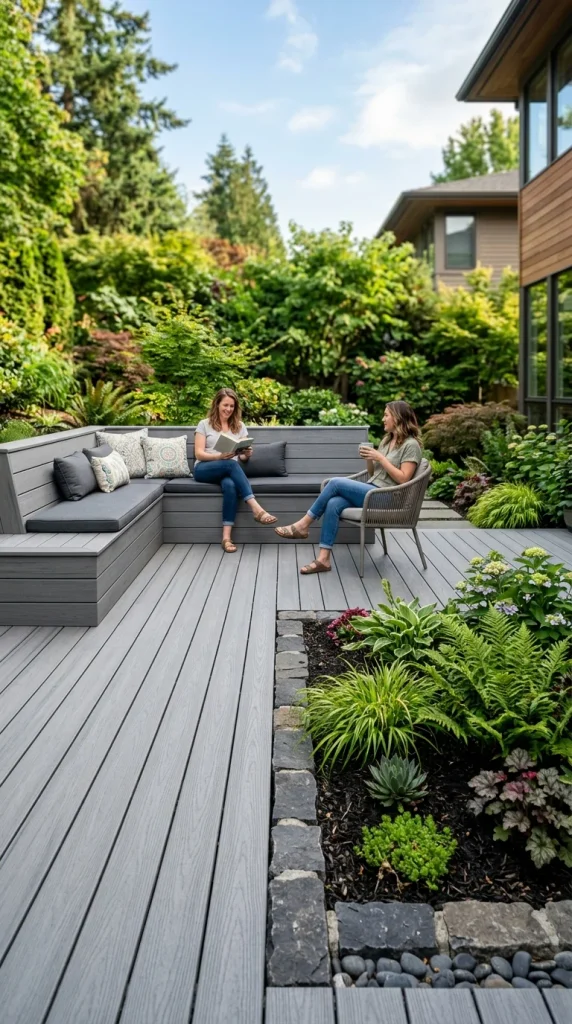
Adding a deck is one of the most effective ways to reduce lawn space and increase livable square footage. While traditional wood decks require staining every few years, modern composite decking is virtually maintenance-free. It won’t rot, warp, or splinter, and it only needs a simple soap-and-water cleaning to maintain its color and integrity.
15. Potted Plants
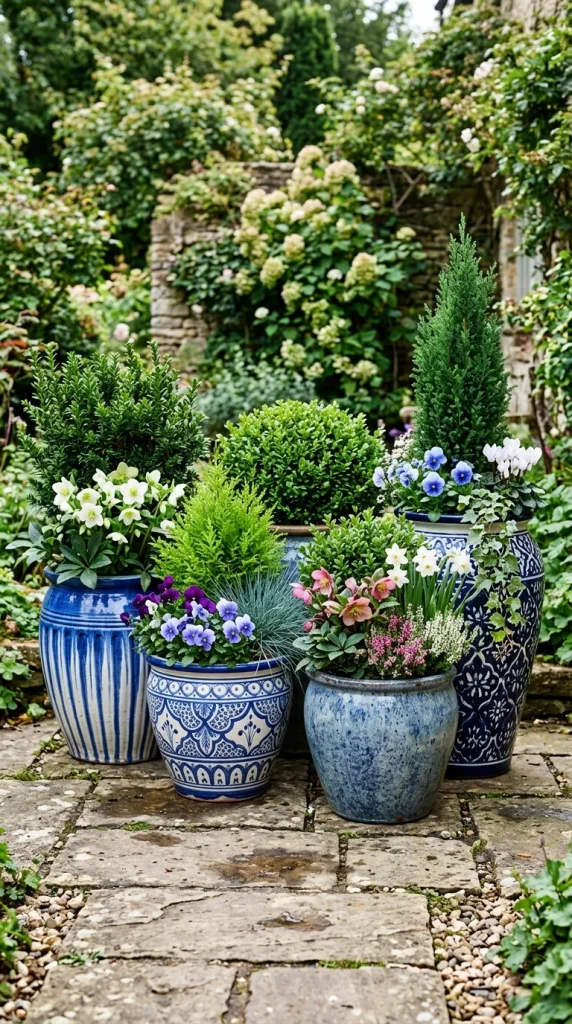
Container gardening allows you to have a vibrant “garden” on a patio or deck without ever touching a shovel. Potted plants are easy to manage because you can control the soil quality, moisture levels, and sunlight exposure by simply moving the pot. If a plant dies or goes out of season, it’s easy to swap it out for something new without disrupting the rest of your landscape.
16. Xeriscaping
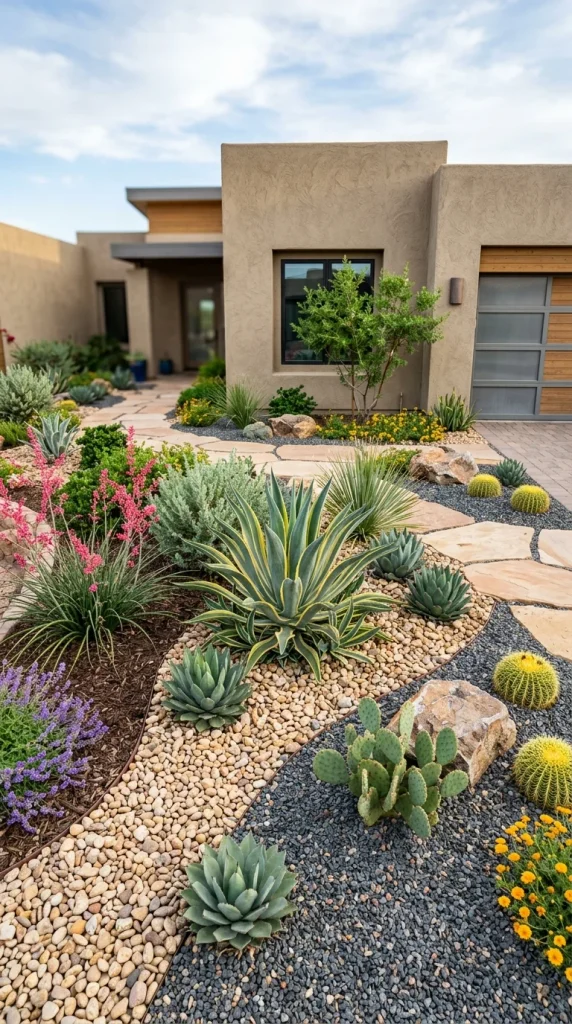
Xeriscaping is a landscaping philosophy centered around water conservation. It involves using slow-growing, drought-tolerant plants and a mix of inorganic mulches like rocks or gravel. While it originated in desert climates, xeriscaping principles can be applied anywhere to create a sophisticated, low-maintenance yard that survives even the hottest summers with ease.
17. Fire Pits
A fire pit serves as a natural gathering spot and a centerpiece for your backyard. By surrounding a fire pit with a gravel or stone “apron,” you create a functional zone that requires zero maintenance. It’s an easy way to fill a large portion of your yard with something useful and attractive that doesn’t require water, fertilizer, or pruning.
18. Dry Creek Beds
A dry creek bed is a beautiful landscape feature that also serves a practical purpose. It can be used to channel excess rainwater away from your home’s foundation, preventing puddles and erosion. Even when it’s dry, the mixture of stones and boulders adds a serene, Zen-like quality to the yard that looks great year-round without any upkeep.
19. Clover Lawns
Clover is making a massive comeback as a low-maintenance alternative to turf grass. It stays green even during droughts, doesn’t require fertilizer (it actually fixes nitrogen into the soil), and grows very slowly, meaning you rarely have to mow it. It’s also soft underfoot and resistant to “pet spots,” making it a perfect choice for families with dogs.
20. Evergreens
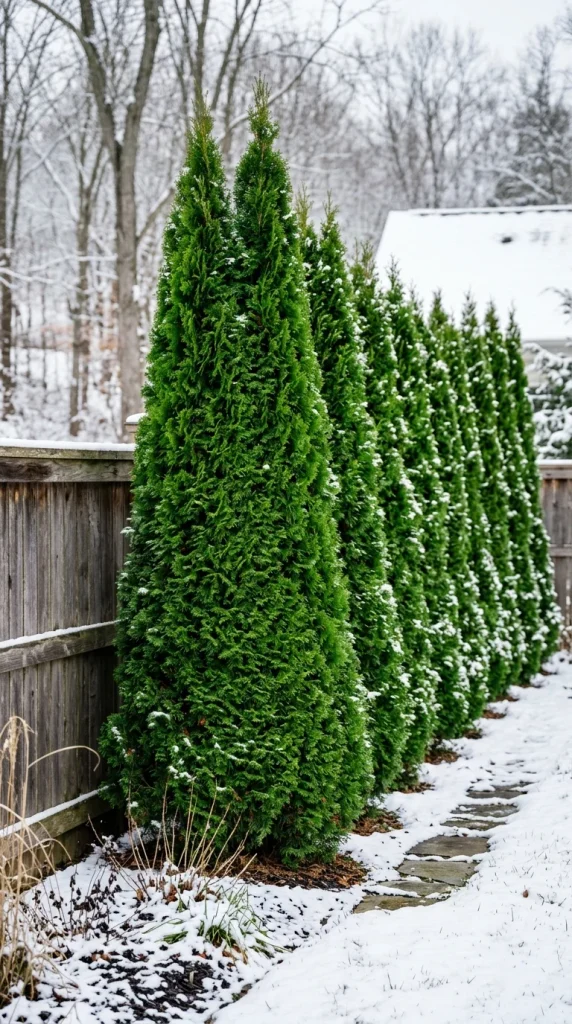
Evergreen shrubs and trees provide structure and color 365 days a year. Unlike deciduous trees, they don’t drop a carpet of leaves every autumn, saving you hours of raking. Whether you use them for privacy hedges or as focal points in your garden beds, evergreens are the “anchor” of a low-maintenance landscape, providing a consistent look with very little effort.
21. Composite Fencing
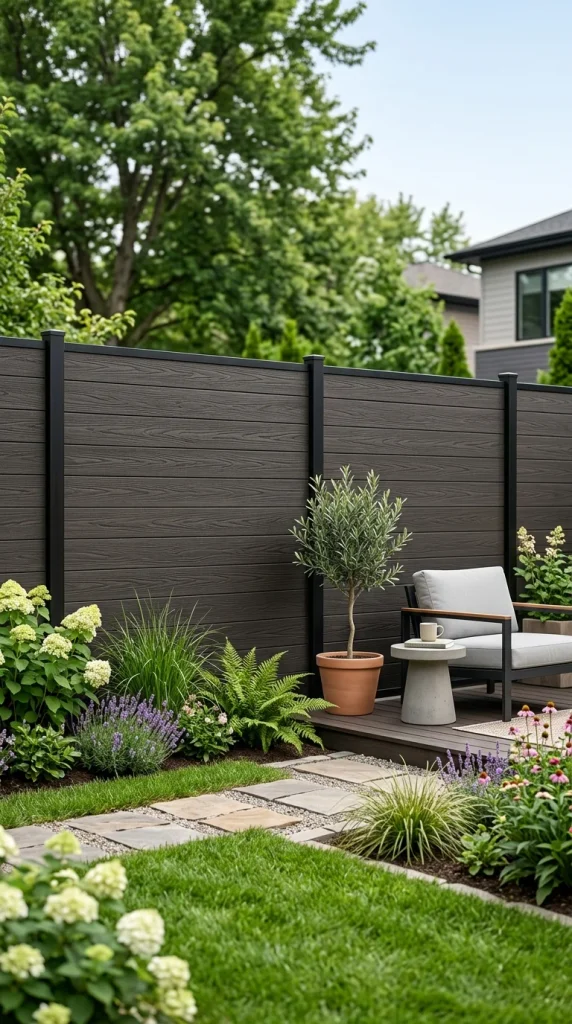
Fencing is often a source of maintenance headaches, requiring regular painting or staining. Composite fencing, made from a blend of wood fibers and plastic, offers the look of wood without the vulnerability to rot or insects. It stands up to the elements and retains its color for decades, ensuring your backyard perimeter always looks sharp without the need for a paintbrush.
22. Vertical Gardens

If you have a small yard, go vertical. Wall-mounted planters or trellises allow you to grow greenery without taking up precious floor space. Vertical gardens are easier to maintain because the plants are at eye level, making it simple to spot any issues. They also provide a stunning visual “green wall” that can hide an ugly fence or provide privacy from neighbors.
A low-maintenance backyard isn’t just about reducing work; it’s about creating a space where you can truly relax. By choosing the right materials—like stone, mulch, and hardy native plants—you can build an outdoor area that flourishes on its own. Start small by replacing one patch of high-maintenance lawn with a stone path or a mulch bed, and gradually transform your yard into the beautiful, easy-care sanctuary you deserve.