
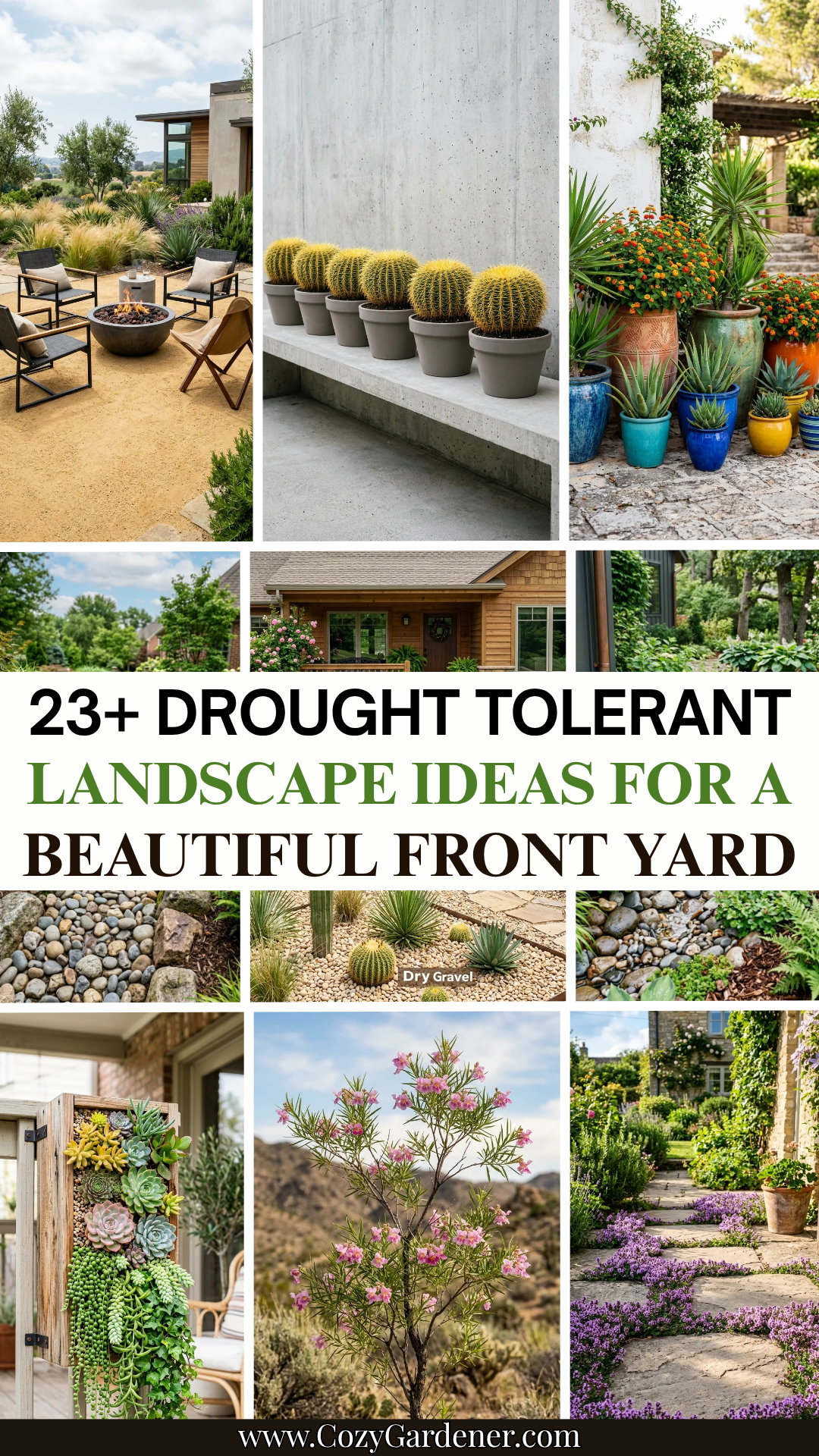
Transforming your front yard into a water-wise sanctuary doesn’t mean sacrificing beauty for utility. As water costs rise and climate patterns shift, homeowners are increasingly turning to xeriscaping—a landscaping method that reduces or eliminates the need for supplemental water. Beyond the environmental benefits, these landscapes offer a sophisticated, low-maintenance aesthetic that can significantly boost your home’s curb appeal. From the structural elegance of agaves to the soft, rhythmic swaying of ornamental grasses, here are 23 drought-tolerant landscape ideas to turn your front yard into a sustainable masterpiece.
1. Succulent Garden
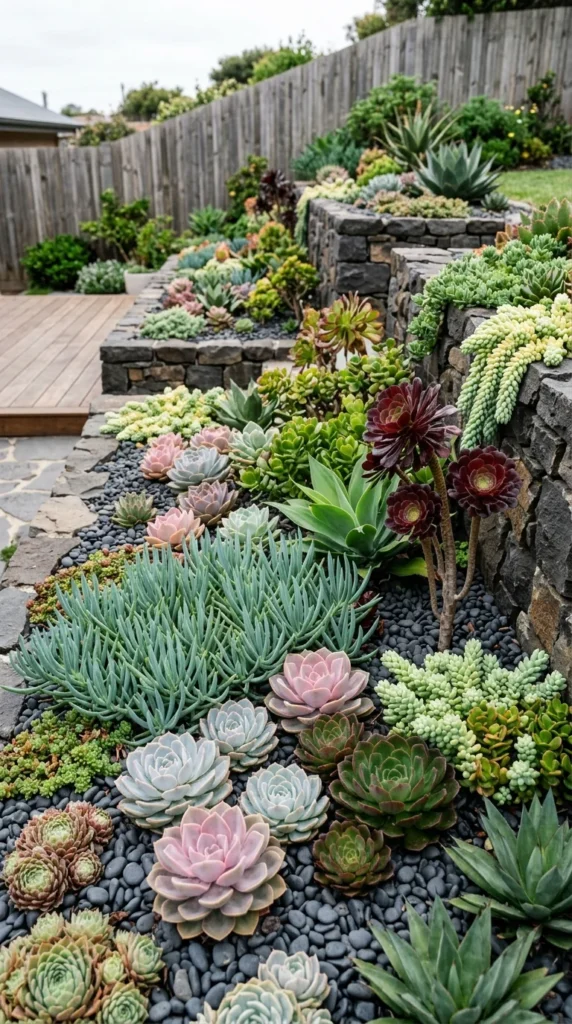
Succulents are the crown jewels of drought-tolerant design. These fleshy plants store water in their leaves, allowing them to thrive in arid conditions with minimal intervention. By mixing different heights, colors, and textures—such as the rose-like Echeveria paired with the trailing “String of Pearls”—you create a living tapestry that looks lush year-round. They work exceptionally well in containers or as a focal point in a raised garden bed near the entryway.
2. Ornamental Grasses
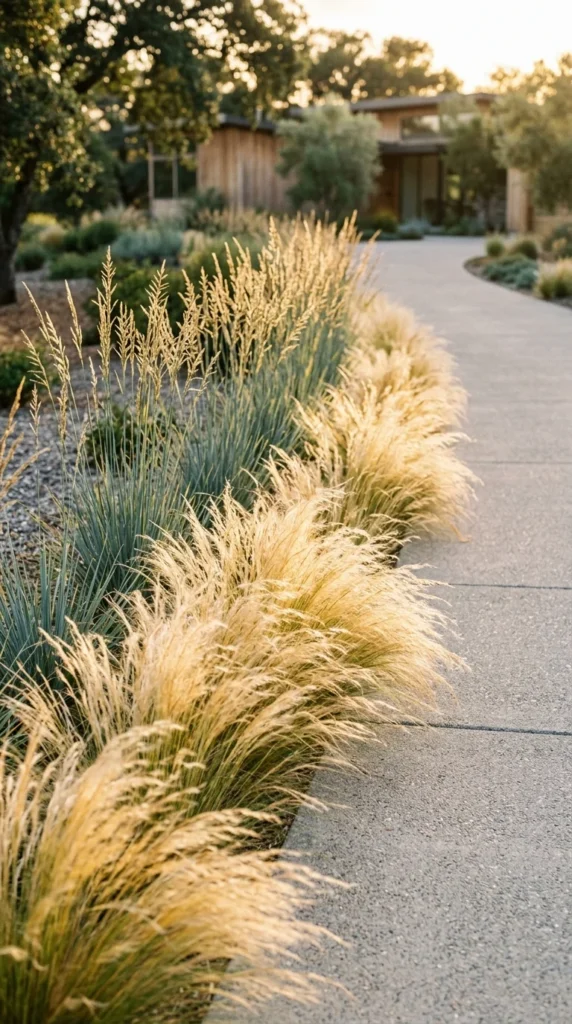
Ornamental grasses add movement and sound to a landscape, rustling gently in the breeze. Species like Blue Fescue, Mexican Feather Grass, and Pink Muhly Grass require very little water once established. They provide a soft, ethereal contrast to the hard edges of a house or driveway. Because they grow in clumps, they are excellent for filling large spaces without the need for high-maintenance groundcovers.
3. Native Wildflowers
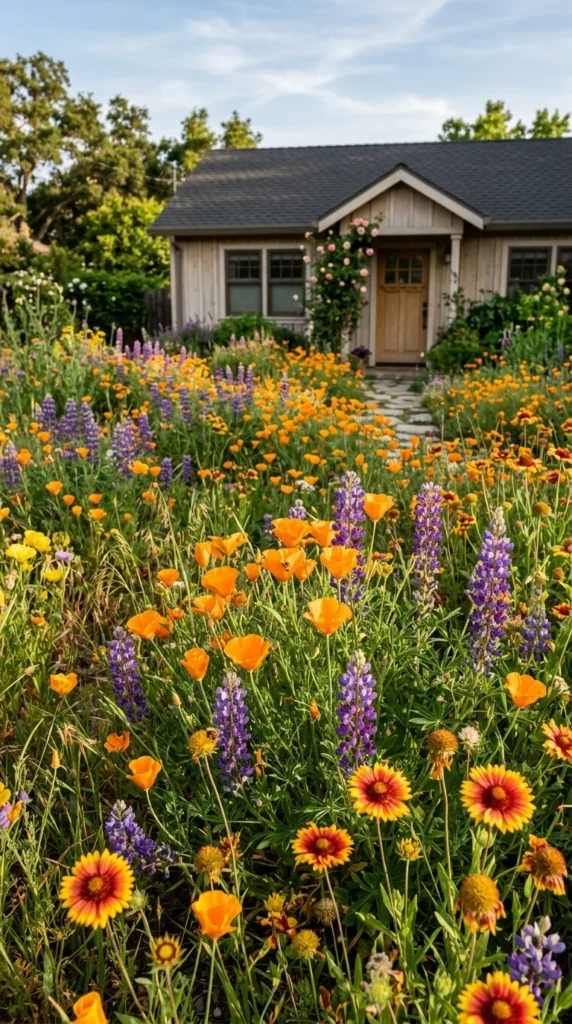
There is no better way to ensure plant survival than by choosing species that evolved in your specific climate. Native wildflowers support local pollinators like bees and butterflies while requiring almost no supplemental watering. A meadow-style front yard replaces the traditional, thirsty lawn with a riot of seasonal color that changes throughout the year, offering a naturalistic and charming look.
4. Gravel Paths
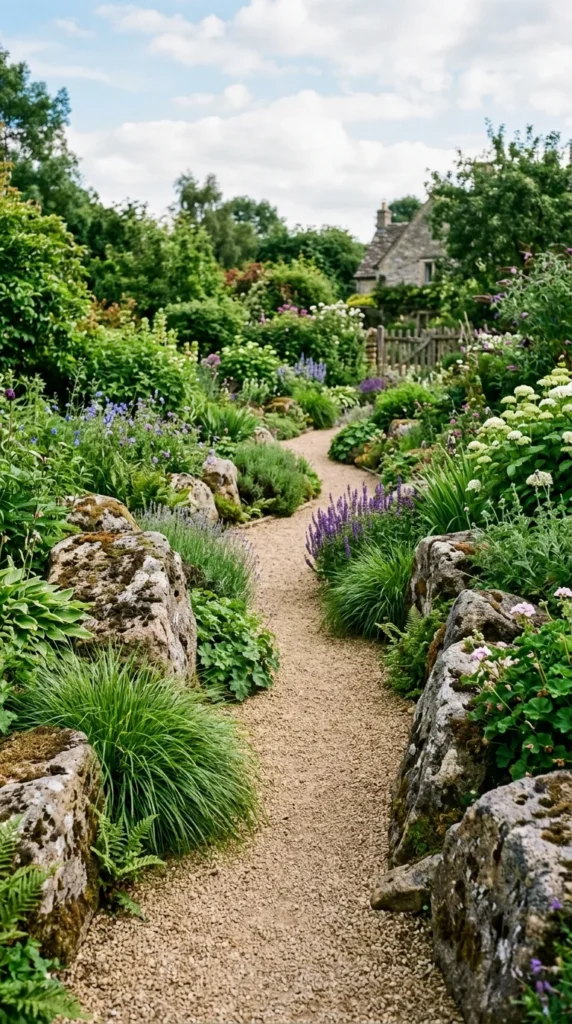
Hardscaping is a fundamental element of water-wise design. Replacing large sections of grass with gravel paths reduces the irrigable area of your yard while providing structure. Use different sizes and colors of gravel to create visual interest. Fine “pea gravel” is comfortable for walking, while larger river rocks can be used to edge the paths, creating a clean, organized appearance.
5. Mulch Beds
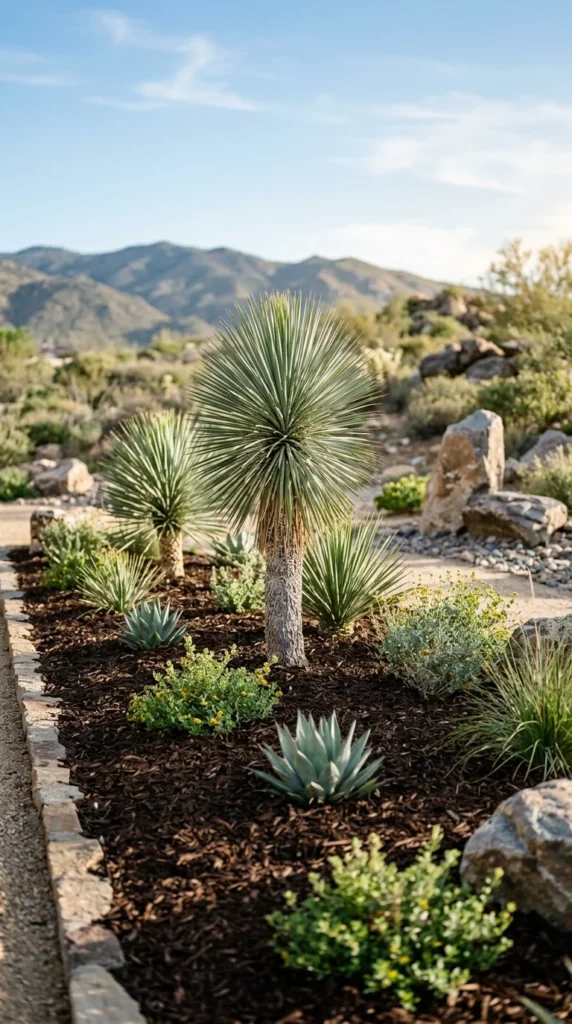
Mulch is a secret weapon for drought tolerance. A thick layer of organic mulch (like wood chips or bark) or inorganic mulch (like lava rock) helps retain soil moisture, suppresses weeds, and regulates soil temperature. By grouping plants into “islands” surrounded by attractive mulch, you create a manicured look that highlights the individual beauty of each plant while drastically reducing evaporation.
6. Lavender Borders
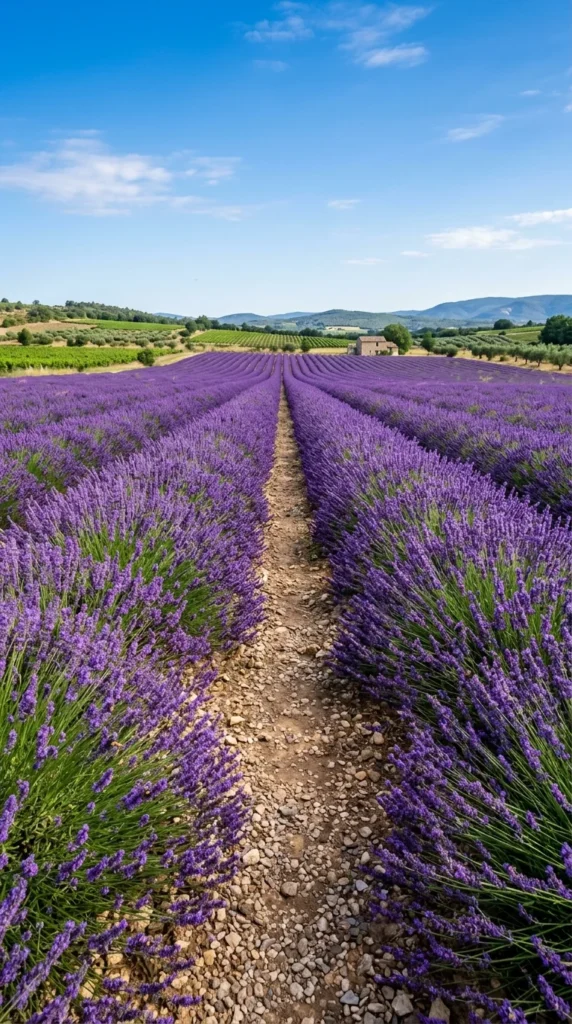
Lavender is a Mediterranean staple that thrives in poor soil and hot sun. Its silvery-green foliage and iconic purple spikes provide both visual beauty and a calming scent. Planting lavender along a front walkway creates an immersive experience for guests. It is exceptionally hardy and, once established, can survive on rainfall alone in many climates.
7. Rock Gardens
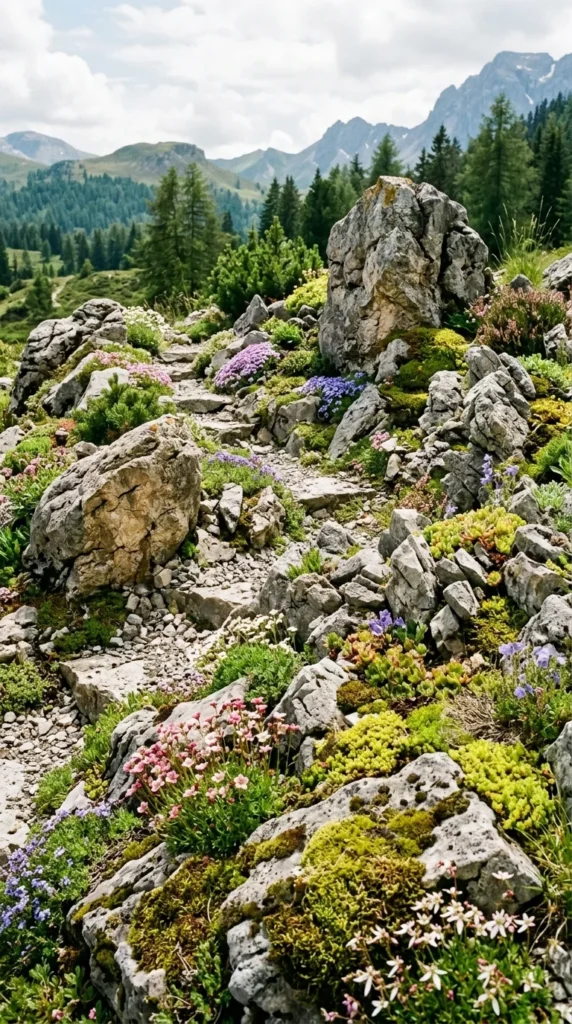
Rock gardens use geology as the primary design element. By strategically placing large boulders and varying sizes of stones, you can create a rugged, mountainous aesthetic. Tuck small, drought-resistant plants like Sedum or Hens and Chicks into the crevices between rocks. This approach mimics natural alpine or desert landscapes and requires virtually zero maintenance.
8. Permeable Pavers
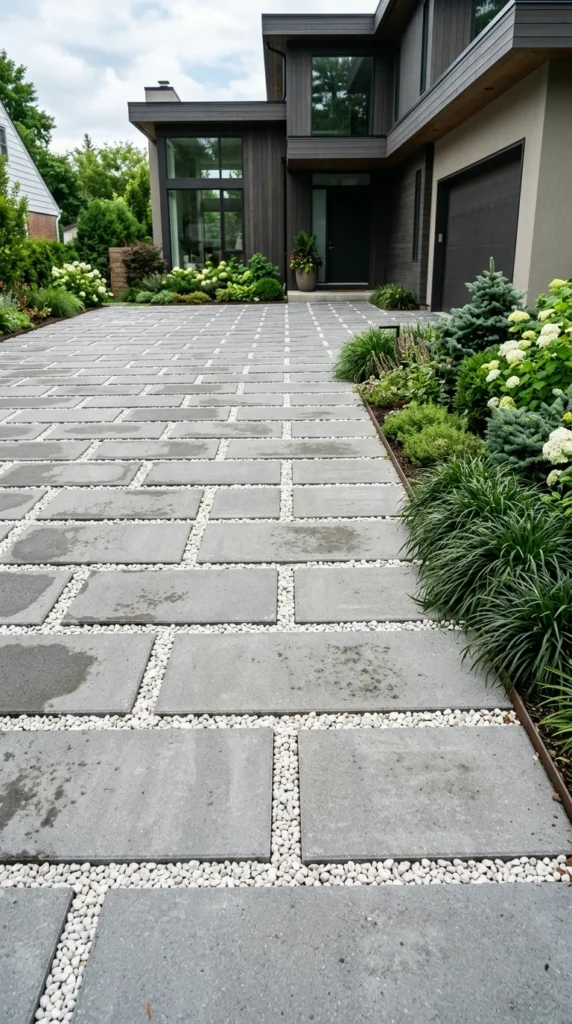
Traditional concrete or asphalt creates runoff, wasting precious rainwater. Permeable pavers allow water to seep back into the ground, nourishing the water table and any nearby plant roots. They come in various styles, from rustic flagstone to sleek, contemporary blocks, allowing you to match your home’s architectural style while practicing responsible water management.
9. Mediterranean Style
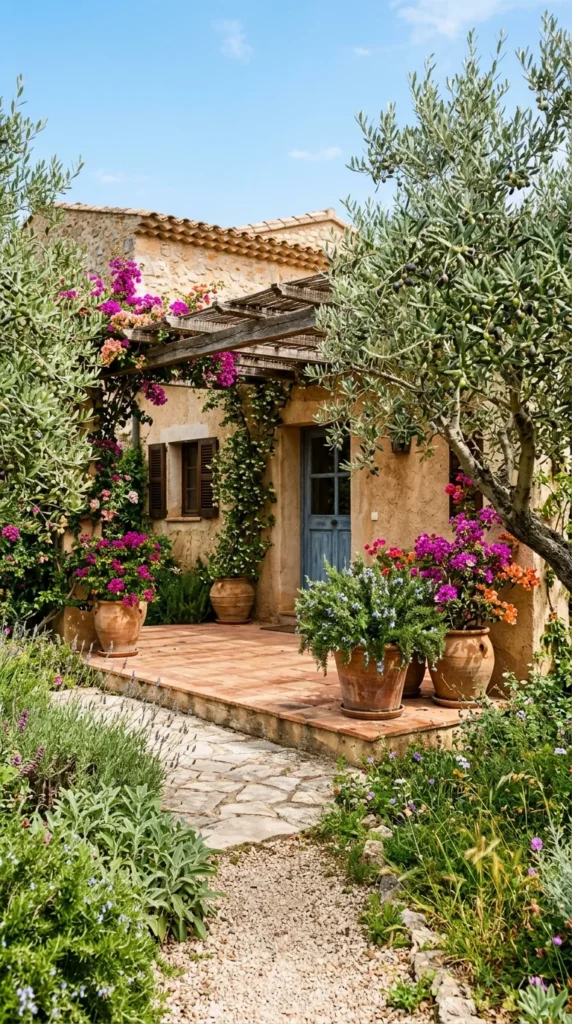
The Mediterranean aesthetic is built around drought tolerance. Incorporating elements like olive trees, rosemary, and terracotta accents evokes the dry, sunny hillsides of Italy or Greece. These plants are adapted to long, dry summers and provide a timeless, elegant look that feels both warm and inviting.
10. Artificial Turf
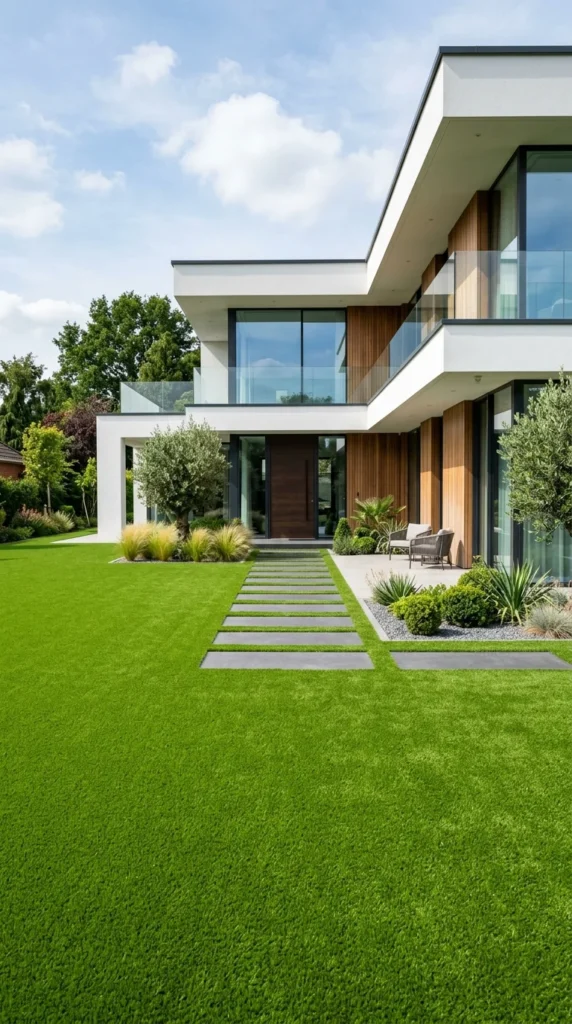
If you love the look of a green lawn but hate the water bill, high-quality artificial turf is a viable solution. Modern synthetic grass looks remarkably realistic and provides a soft surface for children or pets. It requires no mowing, no fertilizing, and most importantly, no watering, staying vibrant and green throughout the hottest summer months.
11. Rain Gardens
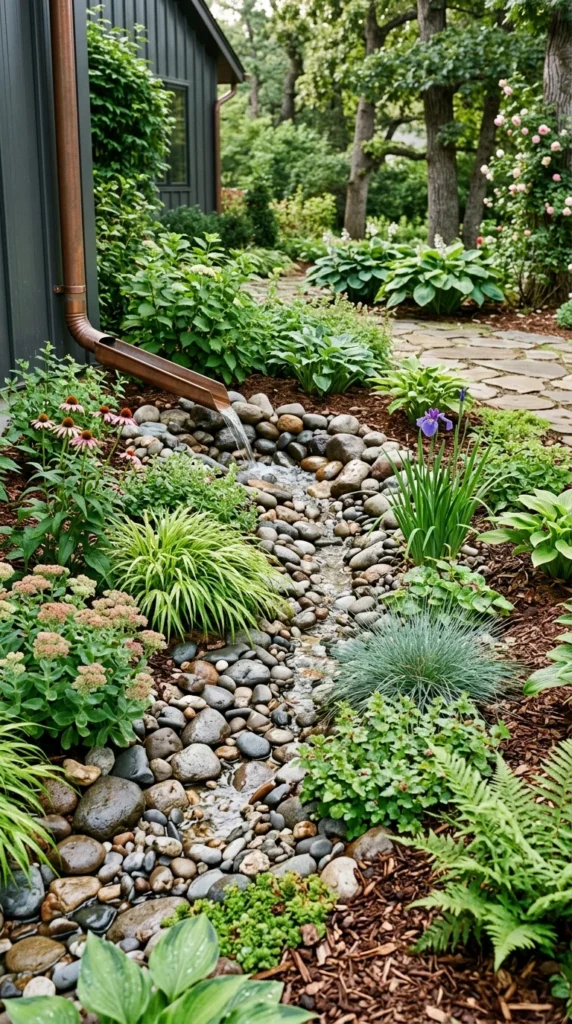
A rain garden is a functional landscape feature designed to capture and soak up rainwater runoff from roofs and driveways. By planting deep-rooted native plants in a slight depression, you create a self-watering ecosystem. While these areas handle occasional flooding, the plants chosen are typically hardy enough to withstand dry spells between rains.
12. Drip Irrigation
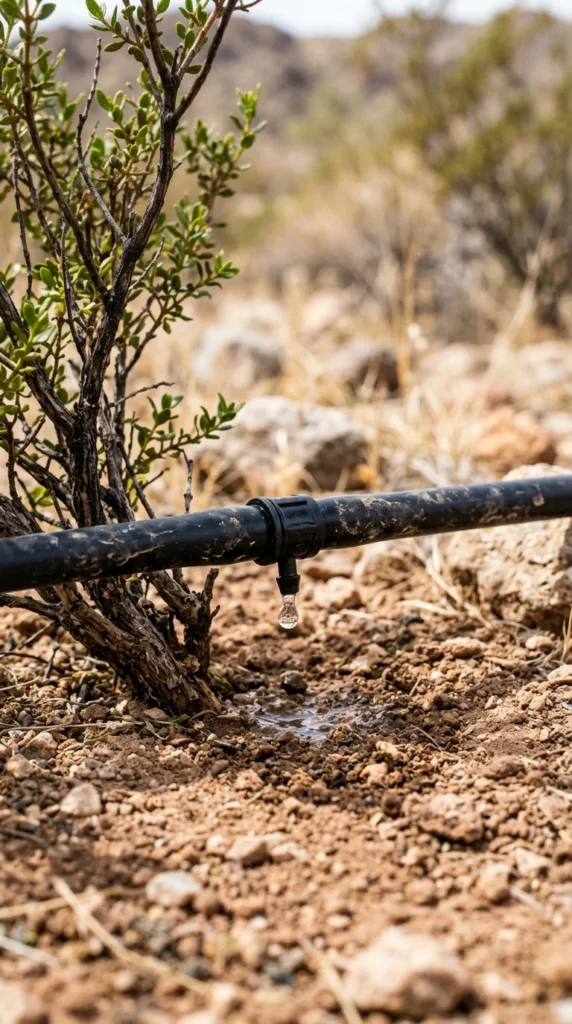
For the plants that do need a little help, drip irrigation is the most efficient method. Unlike overhead sprinklers that lose a large percentage of water to evaporation and wind, drip systems deliver water directly to the root zone. Hiding these lines under a layer of mulch keeps your landscape looking tidy while ensuring every drop of water is used effectively.
13. Xeriscaping Zones
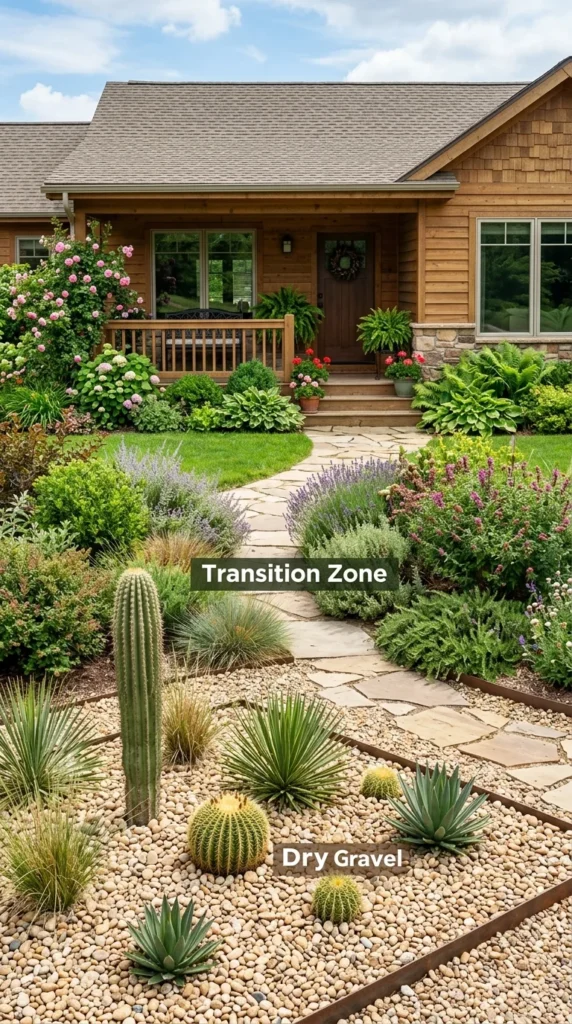
Effective drought-tolerant landscaping involves “hydro-zoning”—grouping plants with similar water needs together. By creating zones, you can focus your watering efforts on a small “oasis” near the front door while keeping the perimeter of the yard entirely dry-scape. This tiered approach creates a lush feel where it matters most without wasting resources on the entire lot.
14. Agave Accents
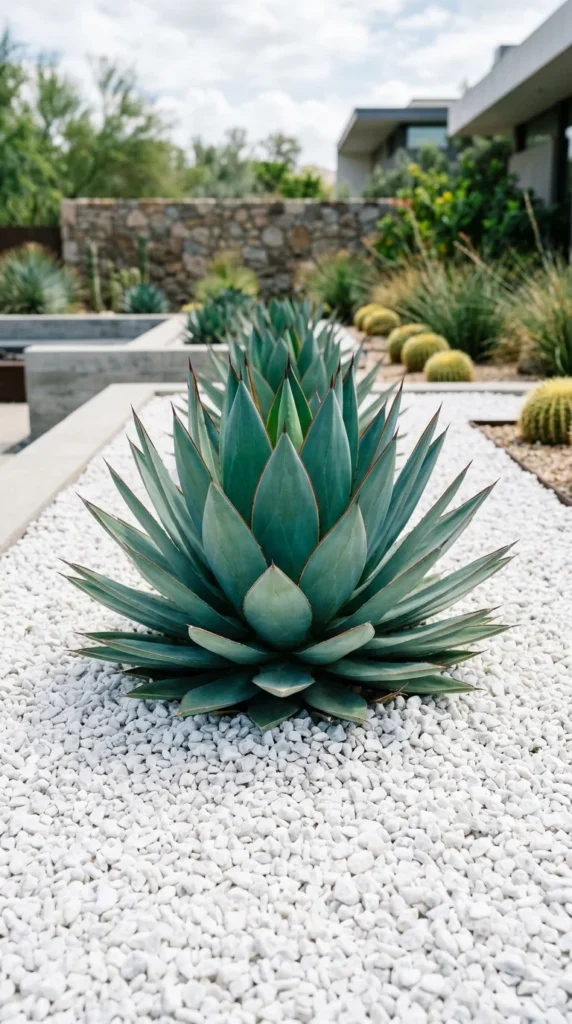
Agaves are the architects of the plant world. Their sharp, geometric forms and massive scale make them perfect focal points. Whether you choose the classic American Agave or the more compact “Queen Victoria” Agave, these plants demand attention. They are incredibly tough and can go months without a single drop of water.
15. Sage Shrubbery
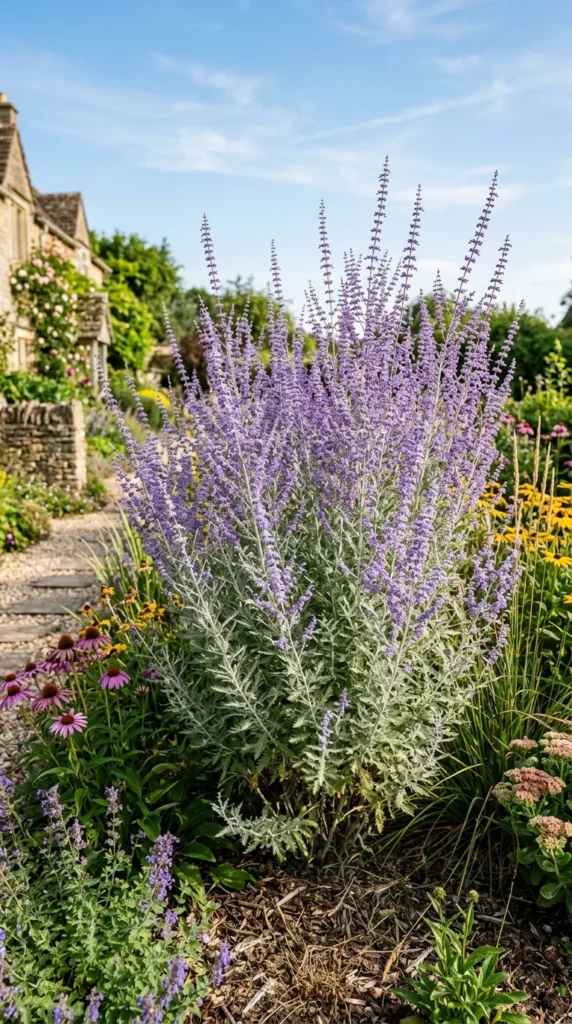
Sages, such as Russian Sage or Autumn Sage, are powerhouse plants for dry gardens. They offer long blooming seasons and fragrant foliage that deer and rabbits typically avoid. Their airy texture provides a nice filler between more structural plants like yuccas or boulders, adding a sense of fullness to the landscape.
16. Creeping Thyme
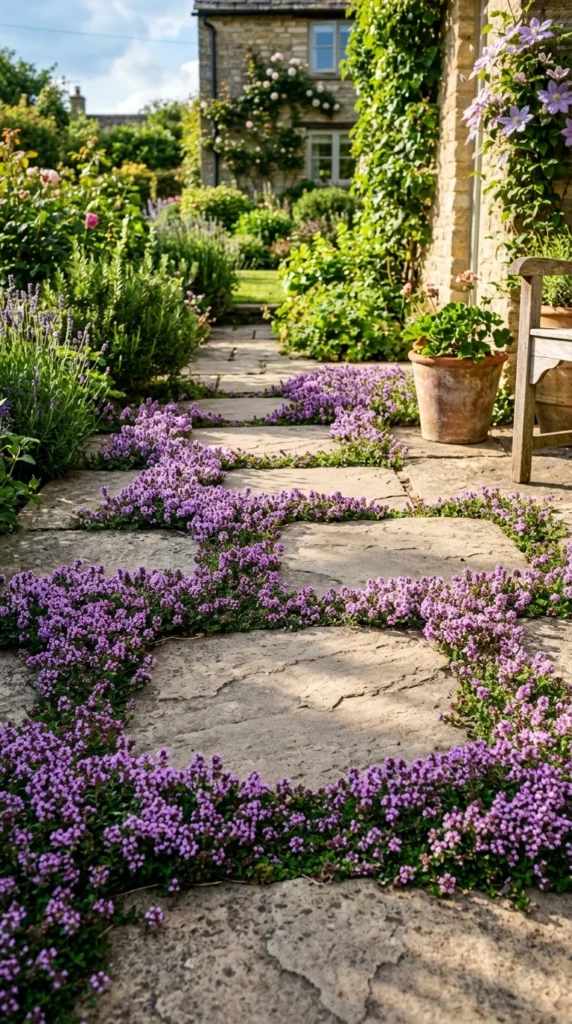
If you want a groundcover you can walk on, creeping thyme is an excellent alternative to grass. It creates a dense, fragrant mat that produces tiny flowers in the spring and summer. It requires significantly less water than a traditional lawn and thrives in full sun and well-drained soil.
17. Dry Creek Beds
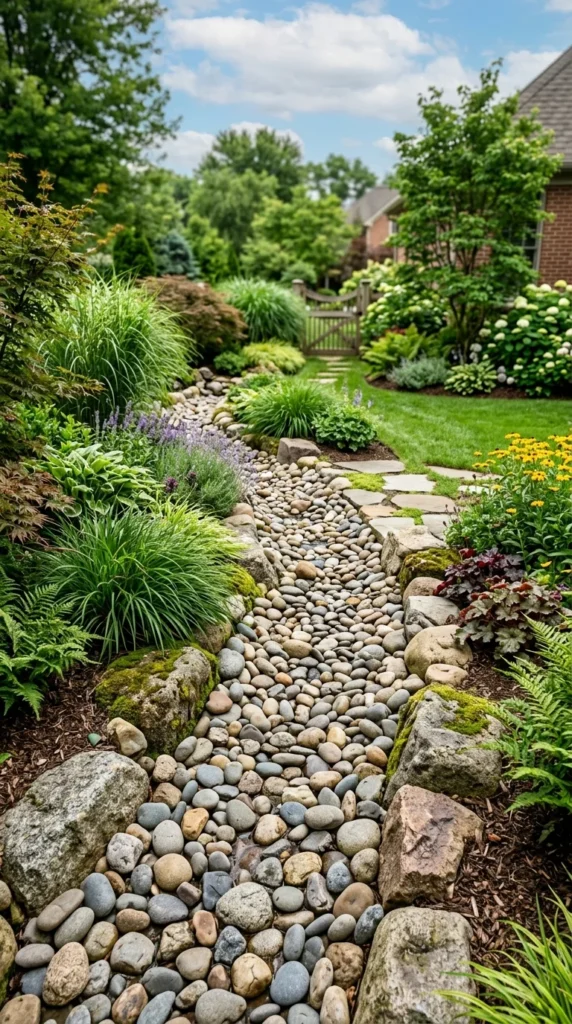
A dry creek bed serves both an aesthetic and functional purpose. Visually, it breaks up a flat yard and adds a sense of flow. Functionally, it can help direct heavy rainfall away from your home’s foundation. Surrounding the “banks” of your creek with drought-tolerant grasses makes the feature look like a natural part of the environment.
18. Desert Willow
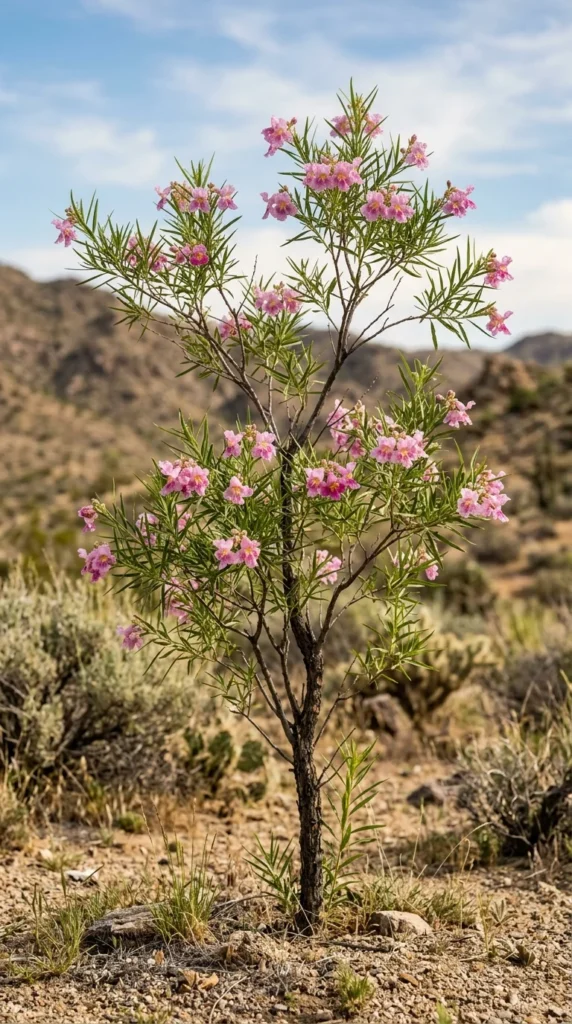
For those who need shade but live in an arid climate, the Desert Willow is an ideal choice. It is not a true willow, but its leaves give it a similar weeping appearance. It produces beautiful, trumpet-shaped flowers and is exceptionally drought-hardy, providing a vertical element to your front yard without the high water demands of traditional shade trees.
19. Vertical Planters
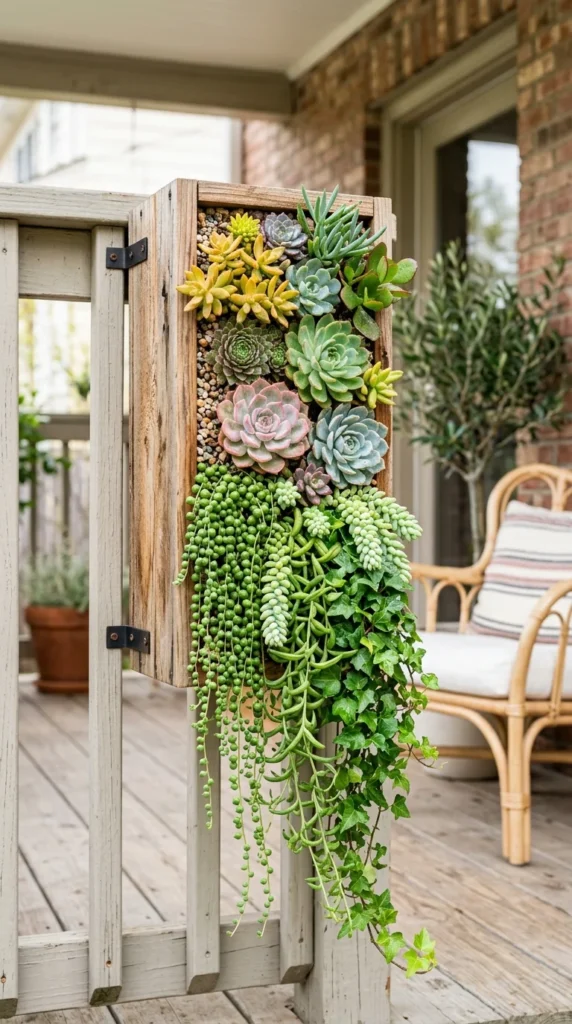
If you have a small front yard, go vertical. Vertical planters or “living walls” filled with succulents can add a massive amount of greenery without taking up precious floor space. This is a great way to hide an unattractive wall or add privacy to a front porch while maintaining a water-wise philosophy.
20. Barrel Cactus
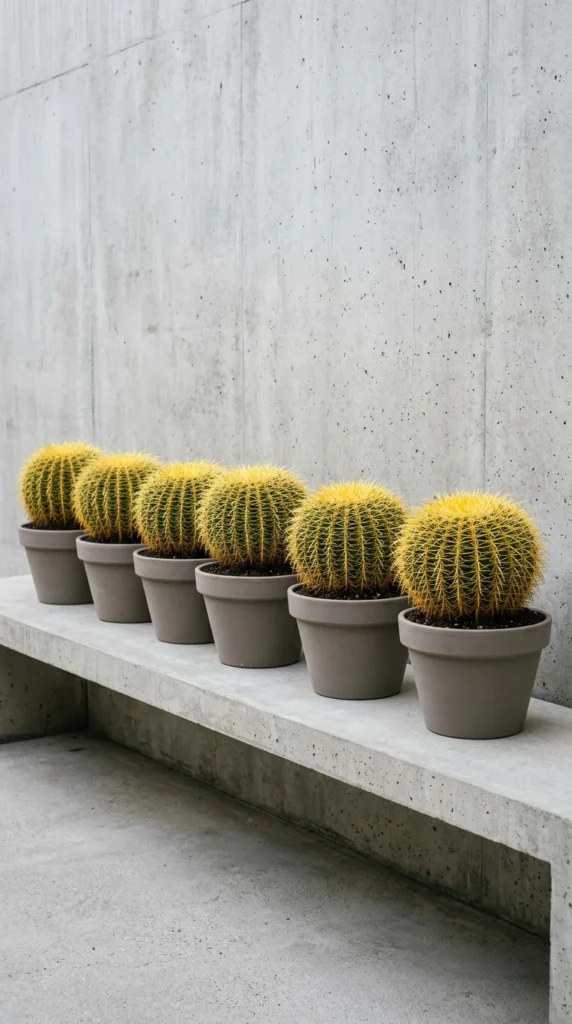
The Golden Barrel Cactus is a favorite for modern and desert landscapes. Its perfectly round shape and bright yellow spines provide a “pop” of color and a unique structural element. They look best when planted in groups or rows, creating a clean, contemporary look that requires almost zero attention from the homeowner.
21. Yucca Trees
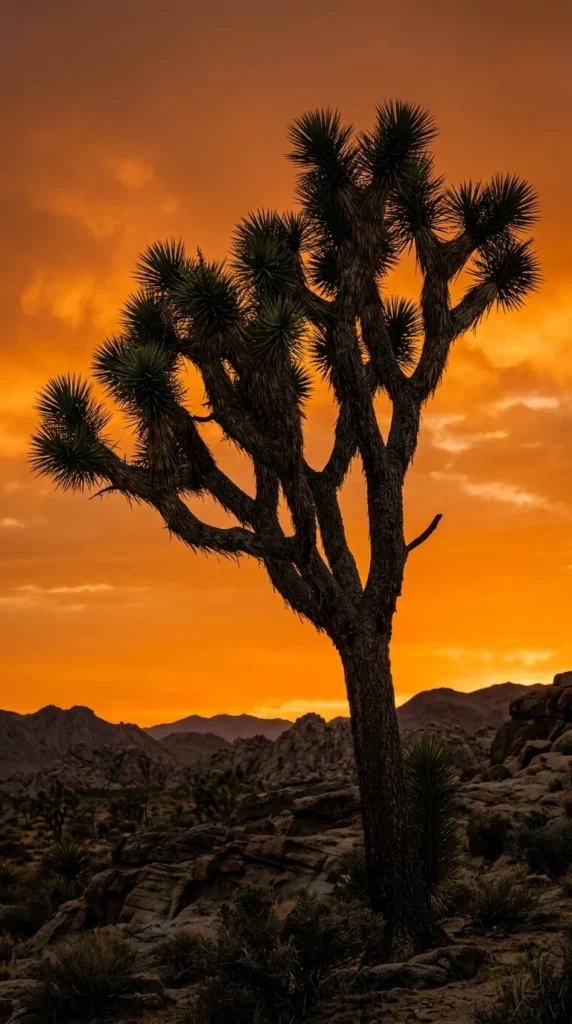
Yuccas offer a desert-chic vibe that works well with mid-century modern or southwestern architecture. Species like the “Beaked Yucca” (Yucca rostrata) have stunning blue-green shimmer and can grow into impressive focal trees over time. They are extremely cold-hardy as well as drought-tolerant, making them versatile for many climates.
22. Decomposed Granite
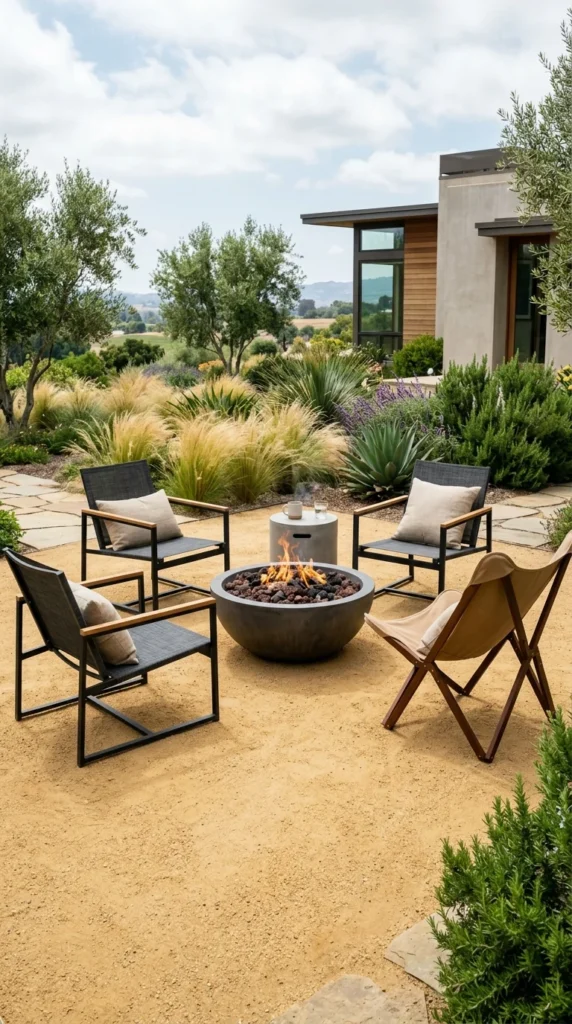
Decomposed granite (DG) is a versatile material that provides a natural, earthy look. It is more stable than gravel but still permeable. It’s perfect for creating “negative space” in a garden, allowing the plants you do have to stand out. Use it for seating areas, paths, or as a general groundcover to replace a thirsty lawn.
23. Potted Accents
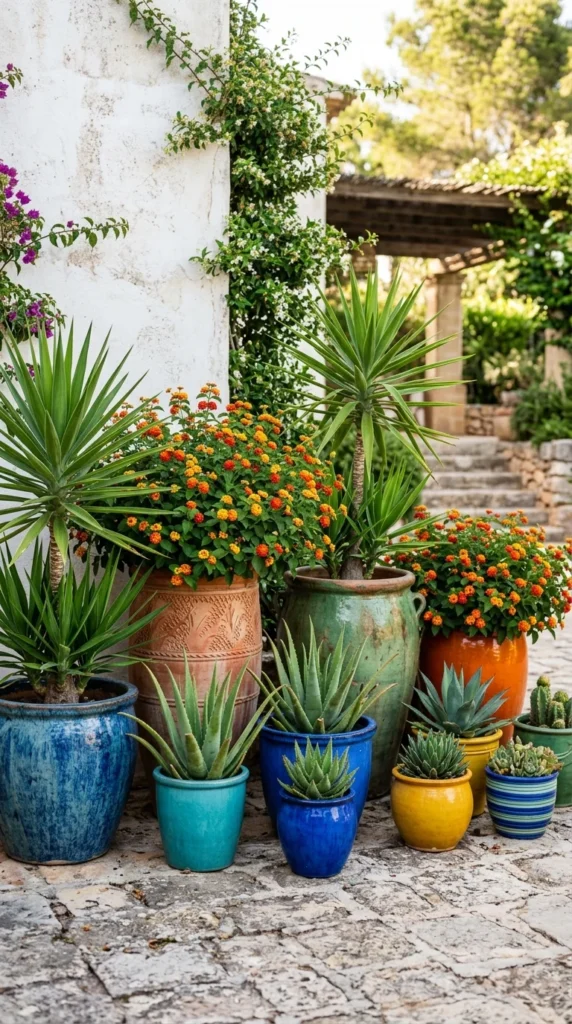
Using pots allows you to control the soil environment perfectly. Large, statement planters can be moved to chase the sun or shade as needed. They also allow you to bring in pops of color that match your home’s trim or front door. Filling these pots with hardy perennials ensures that your entryway always looks curated and vibrant, regardless of the rainfall.