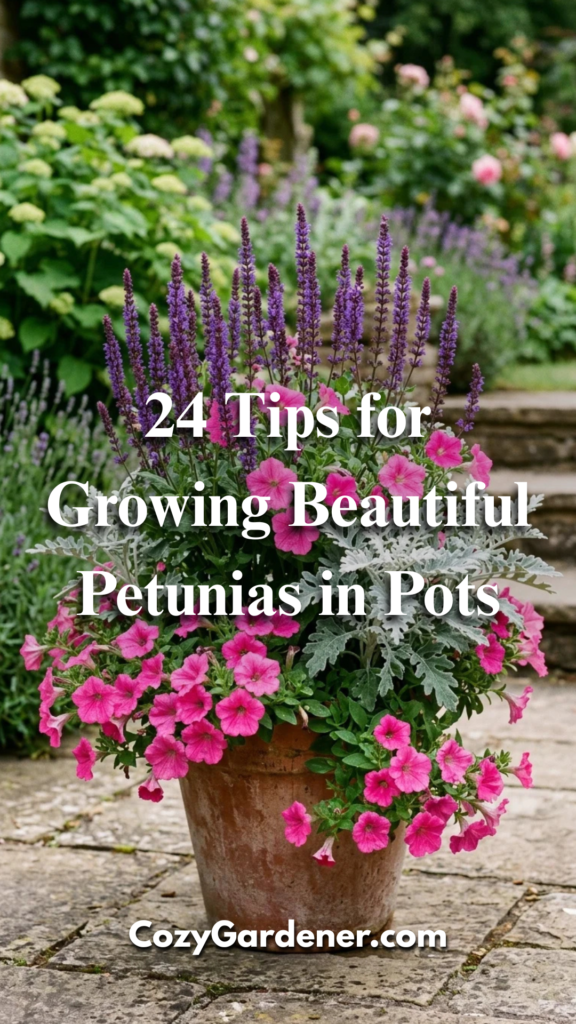
Petunias are the undisputed royalty of the container garden. With their trumpet-shaped blooms, intoxicating evening fragrance, and an almost endless palette of colors, they bring a sense of Mediterranean luxury to any porch, balcony, or patio. However, growing them in pots requires a bit more finesse than simply sticking them in the ground. To achieve those massive, cascading clouds of color you see in professional displays, you need a strategy. Here are 24 essential tips for growing breathtaking petunias in pots.
1. Variety Choice
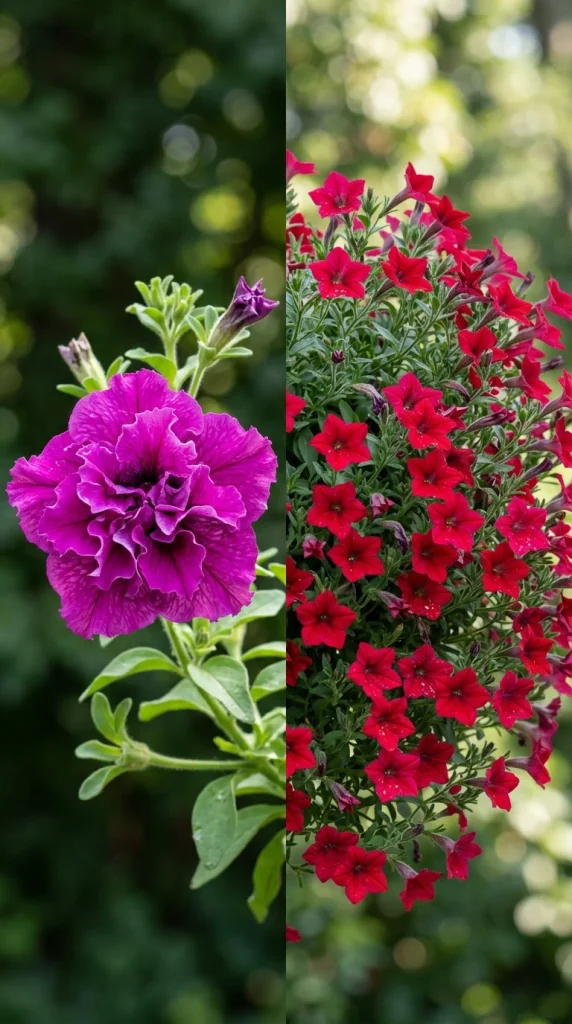
Not all petunias are created equal. For pots, you generally want to choose between Grandifloras (large, showy blooms) and Multifloras (smaller but more numerous blooms that handle rain better). If you want a cascading effect, look for “Wave” or “Trailing” varieties. Understanding the growth habit of your chosen variety ensures your pot looks exactly how you envisioned it.
2. Pot Size
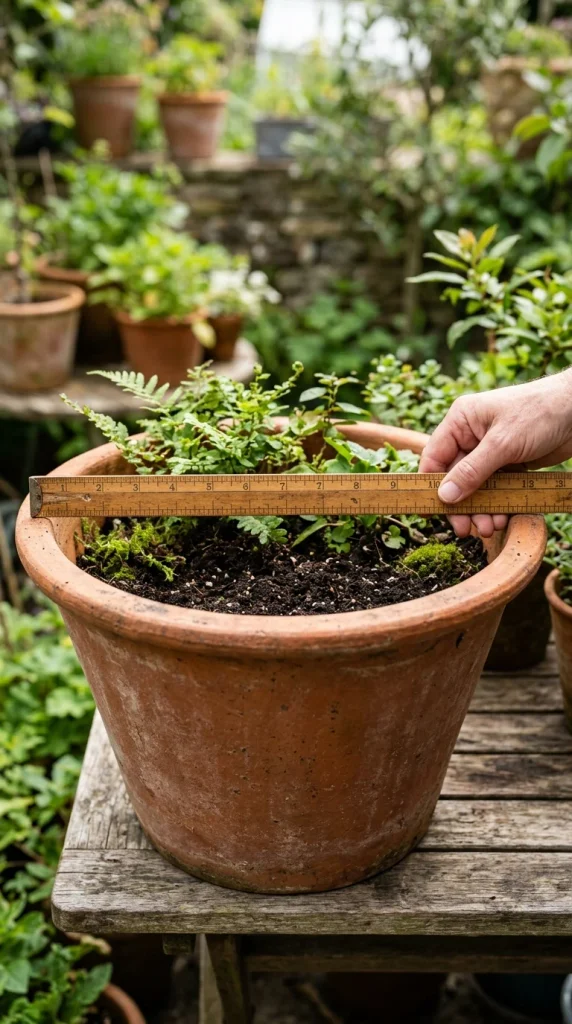
Size matters when it comes to root health. Petunias have extensive root systems that don’t like to be cramped. Aim for a pot that is at least 10–12 inches in diameter for a single plant. If you are grouping three plants together, a 16-to-20-inch container is ideal. Larger pots also hold moisture longer, which is a lifesaver during the heat of July.
3. Drainage Holes
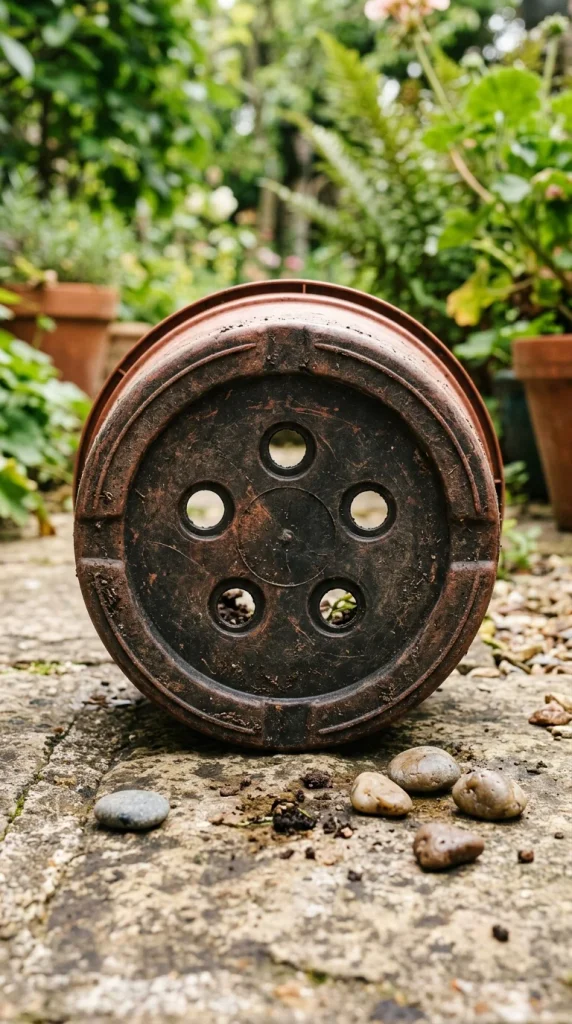
Petunias hate “wet feet.” If water sits at the bottom of the pot, the roots will rot, and the plant will wilt even if the soil feels wet. Ensure your container has multiple drainage holes. If you’ve fallen in love with a decorative pot that lacks them, use it as a “cachepot”—keep the petunia in a plastic nursery liner with holes and set that inside the pretty one.
4. Potting Mix
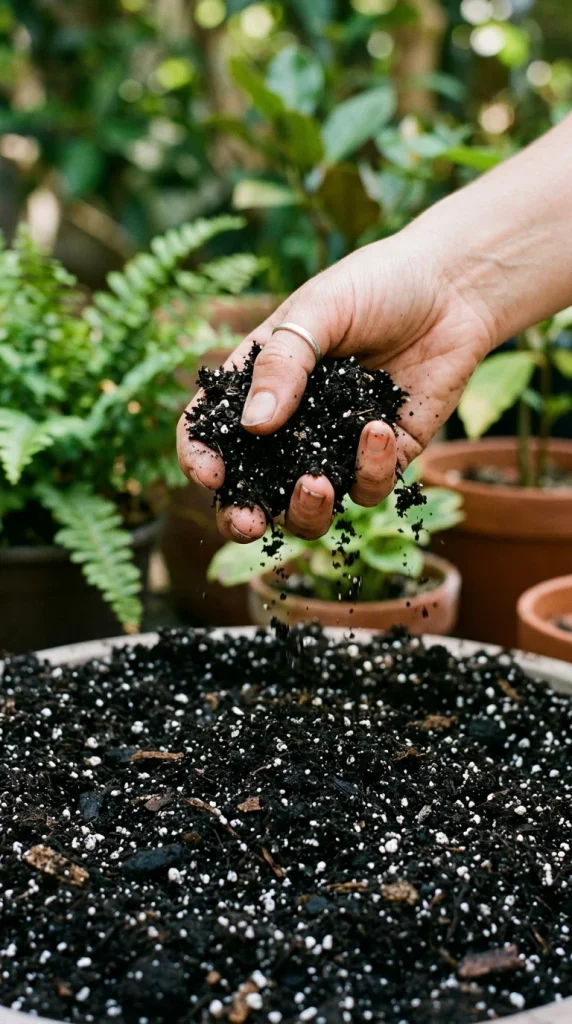
Never use garden soil in pots. It’s too heavy, it compacts easily, and it may harbor pests or diseases. Instead, invest in a high-quality, peat-based or coco-coir-based potting mix. Look for blends that include perlite or vermiculite to ensure the soil remains fluffy and well-aerated throughout the season.
5. Sunlight Needs
Petunias are sun-worshippers. To produce their characteristic abundance of flowers, they need at least six to eight hours of direct sunlight every day. If they are kept in the shade, they will become “leggy”—stretching out with long, thin stems and very few flowers. A south-facing location is usually the “sweet spot” for these bloomers.
6. Hydration Balance
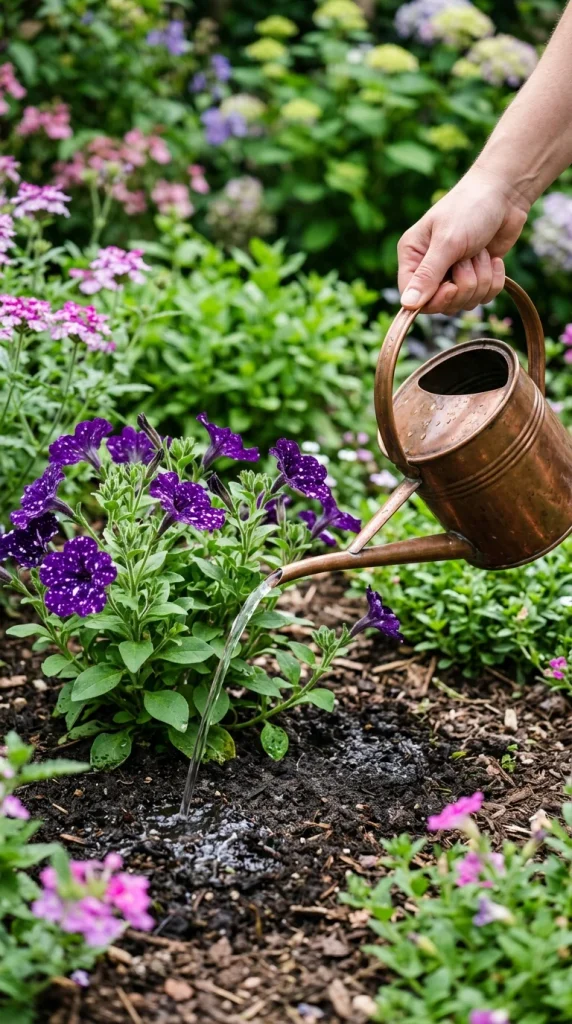
Potted petunias dry out much faster than those in the ground. In the peak of summer, you may need to water them every single morning. The rule of thumb is to touch the soil; if the top inch feels dry, it’s time to hydrate. Avoid getting water on the foliage or flowers, as this can encourage fungal issues; aim for the base of the plant.
7. Bottom Watering
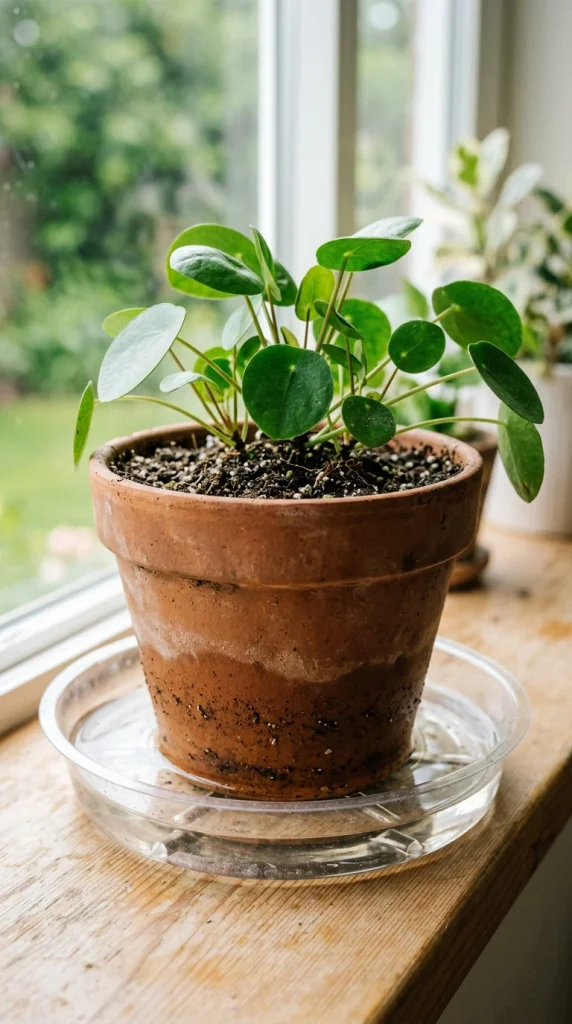
For smaller pots or hanging baskets that have become “hydrophobic” (where water runs straight down the sides without soaking in), try bottom watering. Set the pot in a tray of water for 30 minutes. The soil will wick up exactly what it needs, ensuring the entire root ball is saturated without compressing the topsoil.
8. Fertilizer Schedule
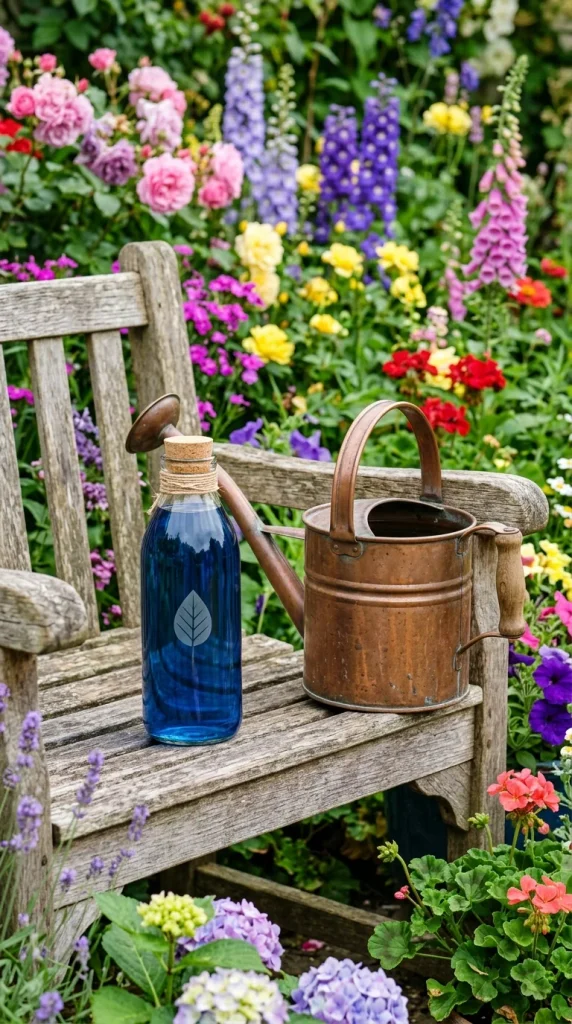
Petunias are “heavy feeders.” Because you are watering them frequently, nutrients leach out of the pot quickly. Start with a slow-release granular fertilizer mixed into the soil at planting, then follow up with a liquid, water-soluble fertilizer every two weeks. Look for a “bloom booster” formula with a high middle number (Phosphorus).
9. Deadheading Technique
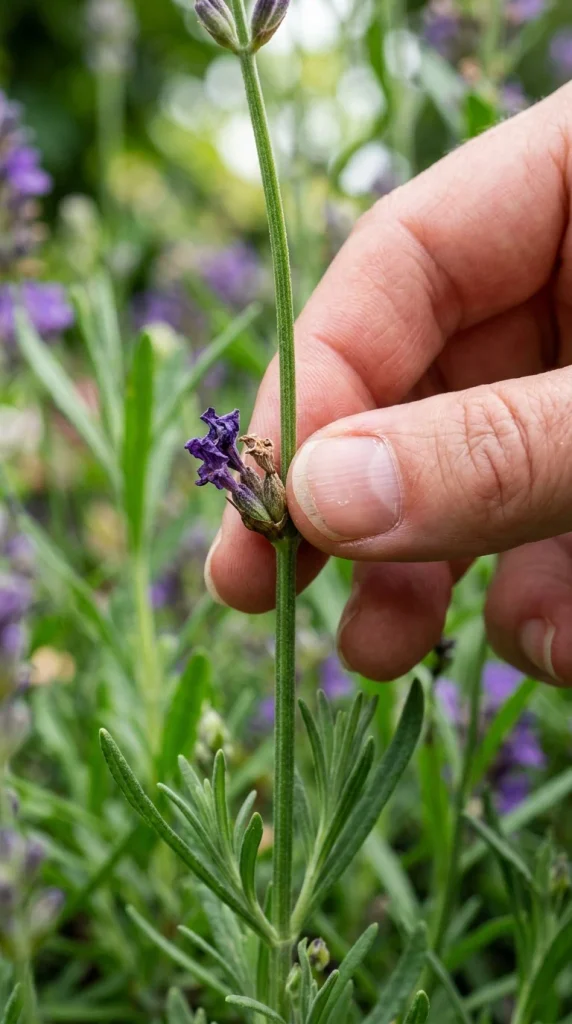
Deadheading is the process of removing spent blooms. If you leave the old flowers on the plant, it begins to produce seeds, which signals the plant to stop flowering. To deadhead properly, don’t just pull the petal; pinch off the green base (the calyx) where the seed pod forms. This keeps the plant’s energy focused on new buds.
10. Pinching Back
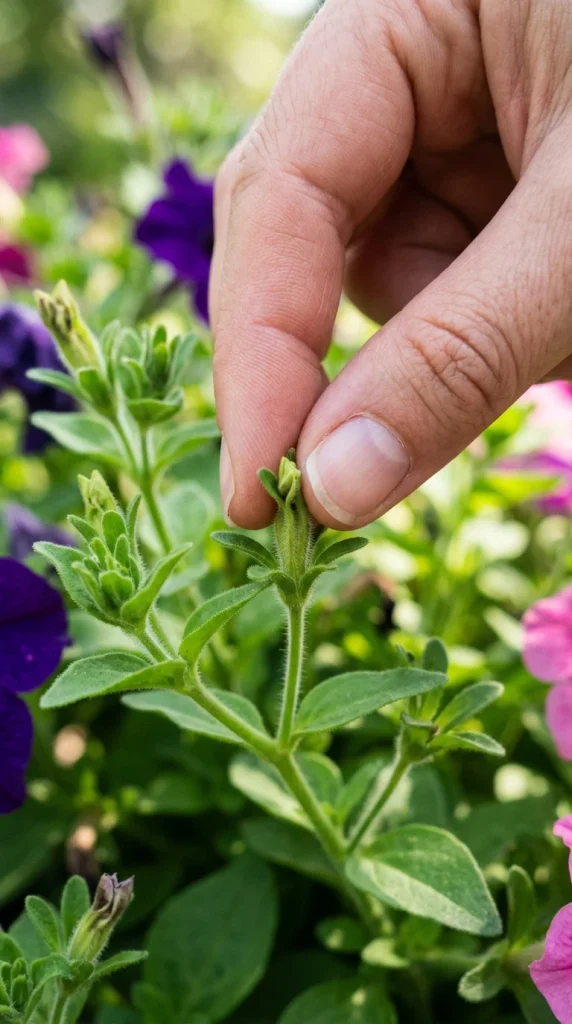
When your petunias are young (about 6 inches long), pinch off the top inch of the main stems. This might feel counterintuitive, but it encourages the plant to branch out from the base. Instead of one long, thin stem, you’ll get three or four stems, resulting in a much bushier, fuller appearance in the pot.
11. Mid-Summer Trim
By mid-July, many potted petunias start to look tired and “stringy.” Don’t be afraid to give them a “haircut.” Cut the stems back by about one-third. It will look a bit bare for a week, but with a fresh dose of fertilizer, the plant will rebound with a massive flush of new growth and flowers that will last until the first frost.
12. Airflow Spacing
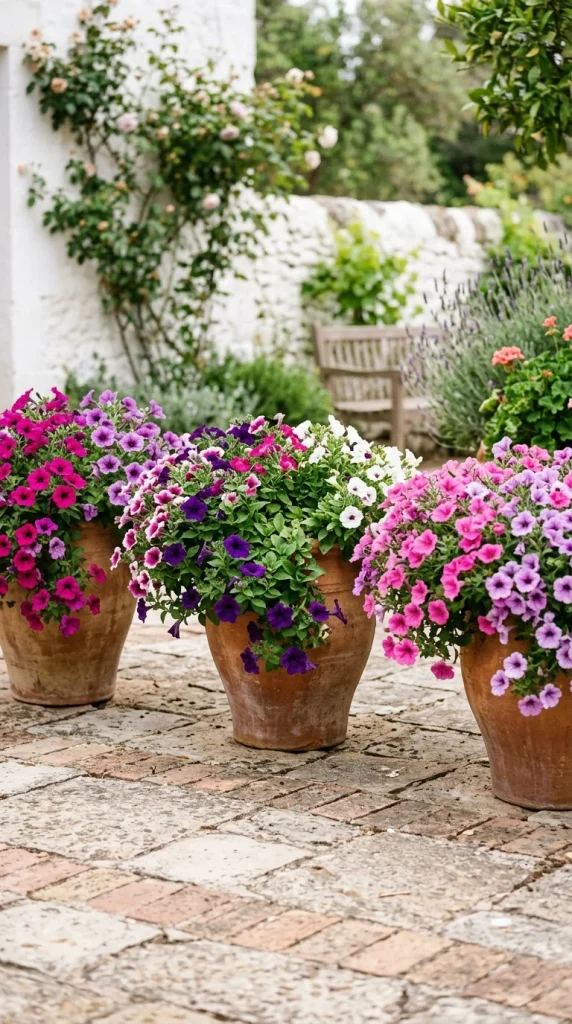
Crowding your pots too close together creates a humid environment that invites mildew and aphids. Ensure there is enough space between your containers for air to circulate freely. Good airflow helps the foliage dry out after rain or watering, which is the best defense against powdery mildew.
13. Heat Protection

While they love sun, extreme heat (above 90°F / 32°C) can cause petunias to go into a temporary dormancy where they stop blooming. On exceptionally hot days, providing a little afternoon shade can keep the plants from stressing. If you notice them wilting even when the soil is wet, they are likely suffering from heat stress, not thirst.
14. Soil Moisture
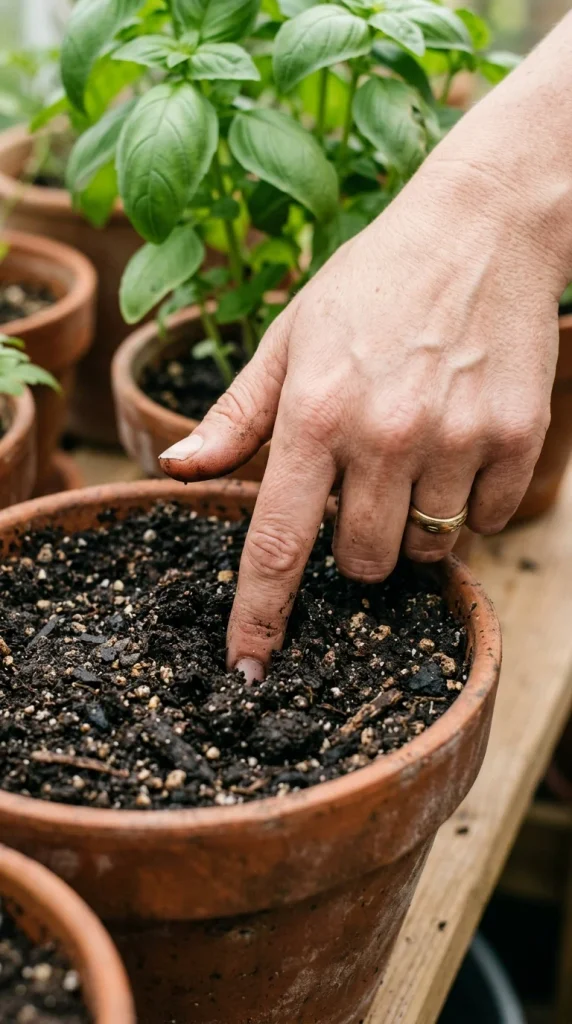
Consistency is the secret to petunia success. Radical swings between bone-dry soil and soaking-wet soil stress the plant, leading to yellowing leaves and dropped buds. Try to keep the soil consistently moist, like a wrung-out sponge. Moisture meters can be a helpful tool if you find it difficult to gauge by touch.
15. Pest Management
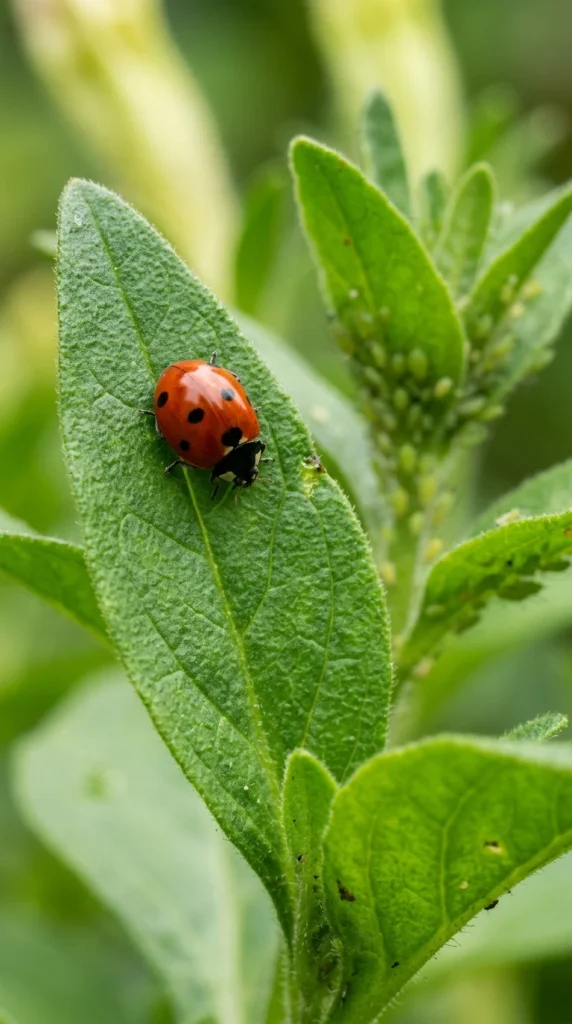
Keep a close eye out for aphids and budworms. Aphids love the sticky stems of petunias. If you see tiny green bugs or a sticky residue on the leaves, spray the plant with a sharp stream of water or use insecticidal soap. For budworms (which eat holes in the developing flowers), look for small black droppings on the leaves as a warning sign.
16. Fungal Prevention
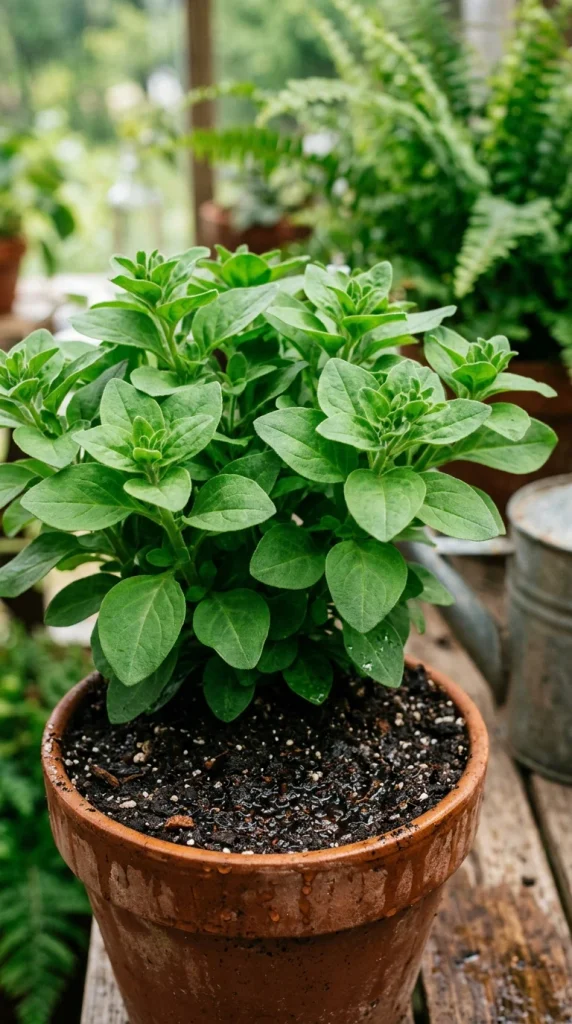
Botrytis (gray mold) can be an issue in humid climates. It usually starts on old, damp flowers that have fallen onto the leaves. Keeping your pots clean by removing fallen blooms and avoiding overhead watering are your two best defenses. If you see gray, fuzzy mold, remove the affected parts immediately and improve the airflow.
17. Companion Planting
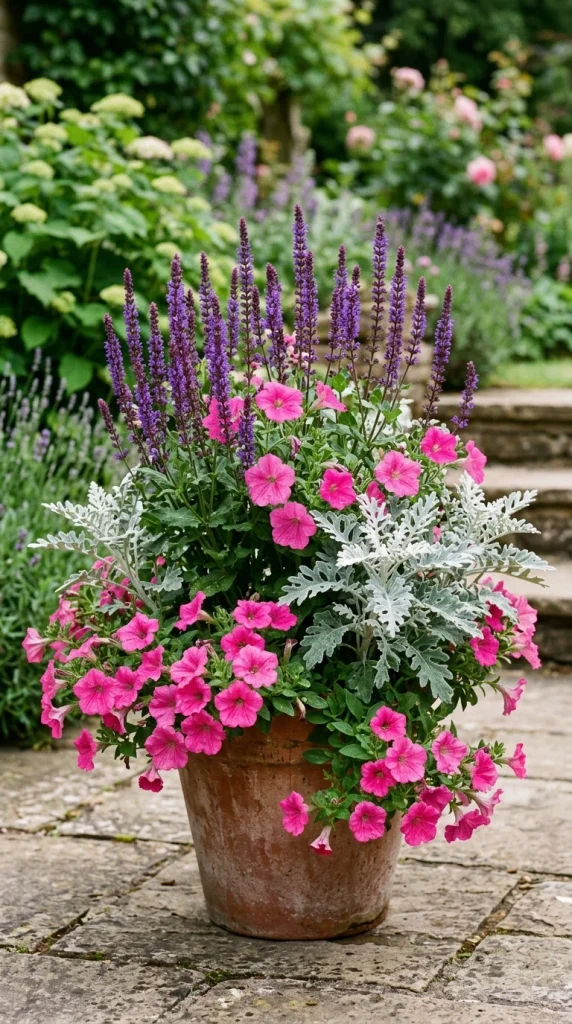
Petunias look stunning on their own, but they also play well with others. Use the “Thriller, Filler, Spiller” method. Use a tall plant like Salvia or Dracaena as the “thriller,” petunias as the “filler,” and trailing plants like Lobelia or Dichondra as the “spiller” to create a professional-grade arrangement.
18. Pot Material
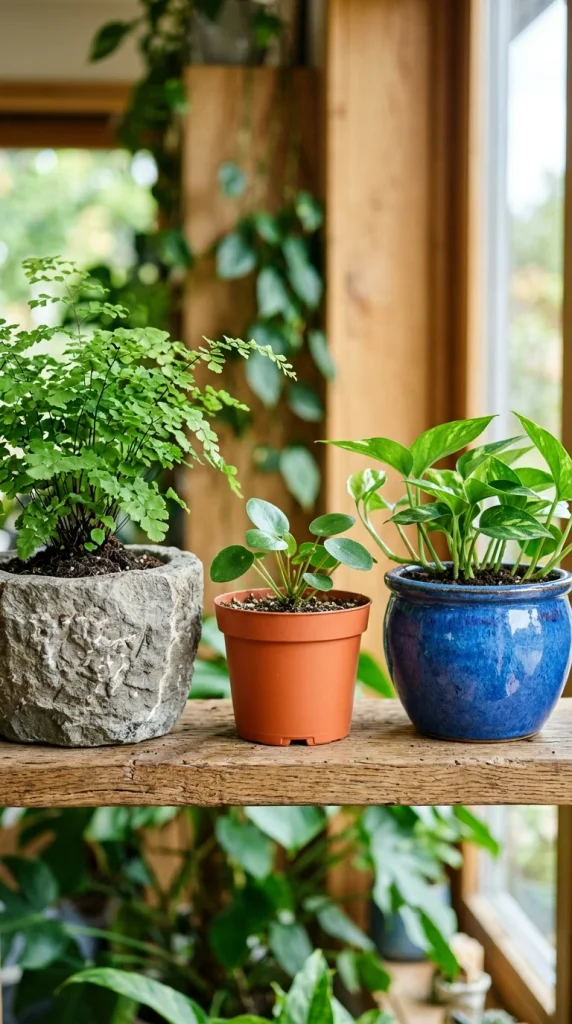
The material of your pot affects how you care for the plant. Terracotta is porous and breathes, but it dries out very quickly. Plastic and glazed ceramic hold moisture much longer but can trap heat. Choose your pot based on how often you are willing to water—plastic is often better for those with busy schedules.
19. Modern Hybrids
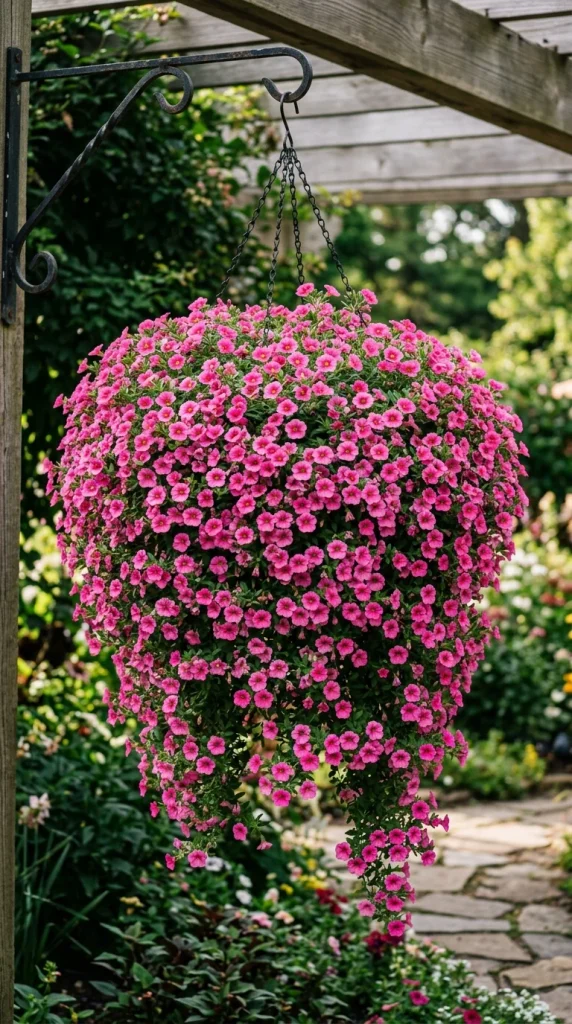
Consider “Self-Cleaning” varieties like the Supertunia or Calibrachoa (Million Bells). These modern hybrids have been bred to shed their spent blooms automatically, meaning you don’t have to spend hours deadheading. They are perfect for hanging baskets or high ledges where maintenance is difficult.
20. Rain Protection
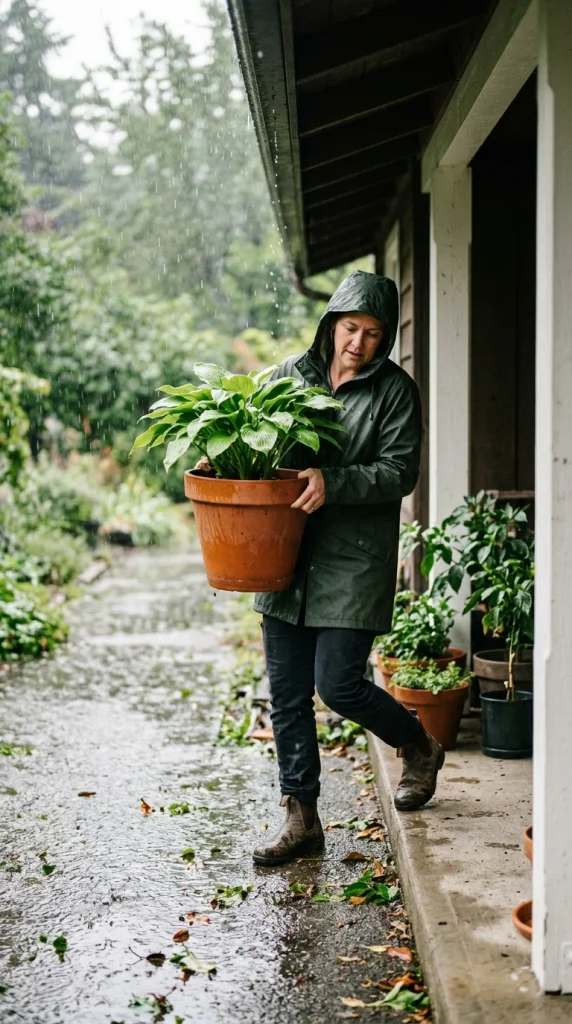
A heavy summer downpour can turn a beautiful Grandiflora petunia into a soggy, tattered mess. If a storm is forecasted, move your pots under a porch or patio cover. If they do get soaked, don’t worry—once they dry out in the sun, you can trim off the damaged flowers, and they will produce new ones quickly.
21. Propagation Cuttings
If you have a favorite color that you can’t find again at the nursery, you can easily take cuttings. Snip a 4-inch non-flowering stem, remove the lower leaves, and place it in water or moist potting soil. Within a few weeks, you’ll have a new plant that is a genetic clone of the original.
22. Color Schemes
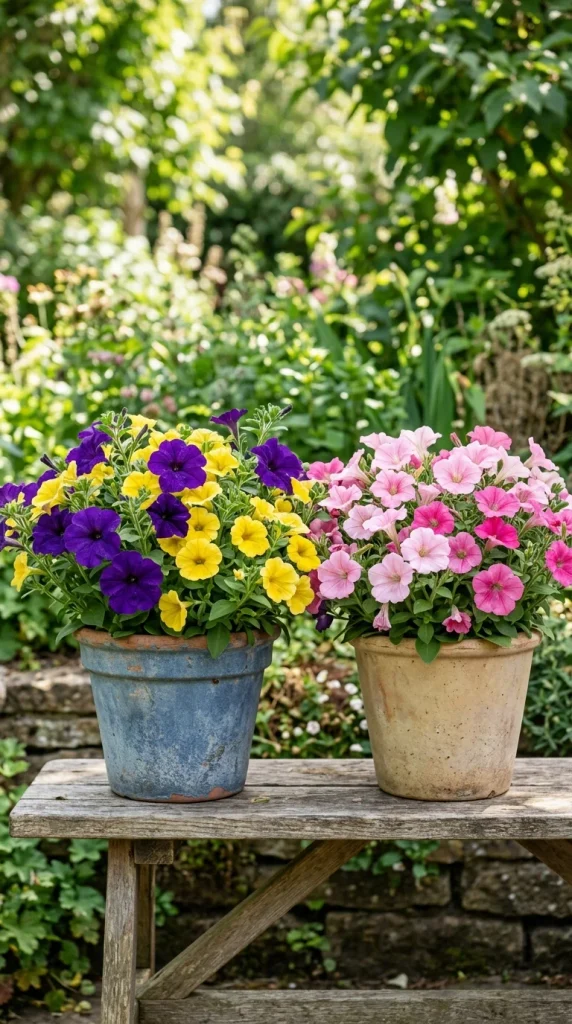
Think about the “vibe” of your space. For a high-energy look, use complementary colors like purple and yellow. For a calming, elegant look, go monochromatic with various shades of pink and white. Bicolor petunias (with stars or stripes) are great focal points but can look “busy” if mixed with too many other patterns.
23. Tiered Displays
Maximize your space by using plant stands or tiered displays. Since petunias have a naturally mounding and trailing habit, placing them at different heights creates a “wall of flowers” effect. This also helps with air circulation and ensures that the plants on the bottom aren’t being shaded out by those on the top.
24. Early Care
Don’t rush petunias outside too early. They are very sensitive to frost. Wait until the night temperatures are consistently above 50°F (10°C). If you buy them early in the spring, keep them in a sheltered area or bring them indoors at night to ensure they don’t get “shunted” by the cold, which can stunt their growth for the rest of the season.