

Lilacs are the quintessential heralds of spring. Their intoxicating fragrance and delicate, cone-shaped flower clusters have made them a staple in temperate gardens for centuries. However, getting those legendary blooms to appear in abundance requires more than just luck. Whether you are planting your first shrub or looking to revive an old, woody specimen, these 18 expert tips will ensure your garden is filled with the sweet scent of success.
1. Sunlight

Lilacs are sun-worshippers. To produce a heavy crop of flowers, they require at least six to eight hours of full, direct sunlight every day. If they are planted in too much shade, you will find the shrub becomes leggy, stretched out, and produces more leaves than blooms. Furthermore, shade keeps the foliage damp for longer periods, which invites fungal diseases like powdery mildew. If your garden has shifting shadows, choose the brightest spot available to ensure the wood ripens properly for the following year’s buds.
2. Soil pH

Unlike many flowering shrubs that prefer acidic soil, lilacs thrive in neutral to slightly alkaline conditions. A pH level between 6.5 and 7.0 is the “sweet spot.” If your soil is too acidic, the lilac will struggle to take up essential nutrients, leading to stunted growth. You can easily remedy acidic soil by adding garden lime. It is always best to perform a soil test before planting to understand exactly what amendments your ground requires to support these fragrant giants.
3. Drainage
Lilacs hate “wet feet.” Their roots are highly susceptible to rot if they sit in standing water or heavy, compacted clay that doesn’t drain. When choosing a planting site, avoid low-lying areas where puddles form after a rainstorm. If you have heavy clay soil, consider planting your lilacs in a raised bed or creating a mound to elevate the root ball above the water table. Incorporating organic matter like compost can also help improve the structure of the soil to facilitate better drainage.
4. Airflow

Good air circulation is the best defense against the most common lilac enemy: powdery mildew. When lilacs are crowded together or pushed up against a solid wall, the air becomes stagnant, trapping moisture against the leaves. When planting, ensure you leave enough space for the shrub to reach its full mature width without touching neighboring plants. This space allows the wind to dry the leaves quickly after rain or dew, keeping the foliage healthy and green throughout the summer.
5. Variety

Not all lilacs are created equal. The “Common Lilac” (Syringa vulgaris) is famous for its intense scent but requires a significant winter chill to bloom. If you live in a warmer climate (USDA Zone 8 or higher), you should look for “low-chill” varieties like ‘Angel White’ or ‘Lavender Lady.’ Conversely, if you have a small urban garden, a dwarf variety like ‘Miss Kim’ or ‘Palibin’ will give you the fragrance you crave without taking up ten feet of space. Always match the variety to your specific hardiness zone and spatial constraints.
6. Planting Time

The best time to plant a lilac is either in late autumn before the ground freezes or in early spring before the buds begin to break. Planting during these dormant or semi-dormant periods allows the plant to focus its energy on establishing a strong root system without the stress of summer heat. If you plant in the spring, try to get the shrub in the ground as soon as the soil is workable to give it a head start before the growing season kicks into high gear.
7. Watering

While established lilacs are somewhat drought-tolerant, they need consistent moisture to produce the best blooms. During the first two years of growth, water your lilac deeply once a week (more often in extreme heat). The key is “deep and infrequent.” Rather than a light daily sprinkle, give the plant a long soak that reaches deep into the root zone. This encourages the roots to grow downward, making the plant more resilient in the long run. Always water at the base of the plant to keep the foliage dry.
8. Mulching
A two-to-three-inch layer of organic mulch, such as wood chips or shredded bark, does wonders for lilacs. Mulch helps regulate soil temperature, keeping roots cool in the summer and insulated in the winter. It also suppresses weeds that would otherwise compete with the lilac for nutrients and moisture. When applying mulch, be sure to keep it a few inches away from the actual trunk of the shrub; piling mulch against the bark can cause rot and provide a hiding place for rodents that might chew on the wood.
9. Fertilizing
Lilacs are not heavy feeders, and over-fertilizing can actually be detrimental. If you use a fertilizer too high in nitrogen, you will end up with a massive, lush green bush with zero flowers. Nitrogen promotes leaf growth at the expense of blooms. Instead, if your soil test indicates a need for nutrients, apply a balanced 10-10-10 fertilizer in early spring as the new growth starts. Many gardeners find that a simple top-dressing of rich compost once a year is all the “food” a healthy lilac needs.
10. Pruning
The golden rule of lilac pruning is timing: you must prune immediately after the flowers have faded. Lilacs set their flower buds for the following year almost as soon as the current year’s blooms wither. If you wait until winter or early spring to prune, you will be cutting off all of next year’s flowers. Focus on “deadheading”—removing the spent flower clusters—to prevent the plant from wasting energy on seed production and to encourage more vigorous budding for the next season.
11. Rejuvenation

If you have an old, overgrown lilac that looks like a collection of bare sticks with a few leaves at the very top, it’s time for rejuvenation pruning. Use the “one-third rule”: every year, for three years, cut out the oldest one-third of the canes all the way to the ground. By the end of the third year, you will have a completely refreshed shrub with new, productive wood. This method prevents the shock of cutting the whole plant down at once while steadily improving the plant’s health and bloom capacity.
12. Suckers
Lilacs are known for producing “suckers”—small shoots that sprout from the root system around the base of the main plant. While it might be tempting to let them grow to create a thicker hedge, these suckers drain energy away from the main flowering stems. To keep your lilac looking tidy and blooming at its peak, use sharp shears to cut these suckers off at or just below the soil line as soon as they appear. This directs the plant’s resources into the primary structure.
13. Pests
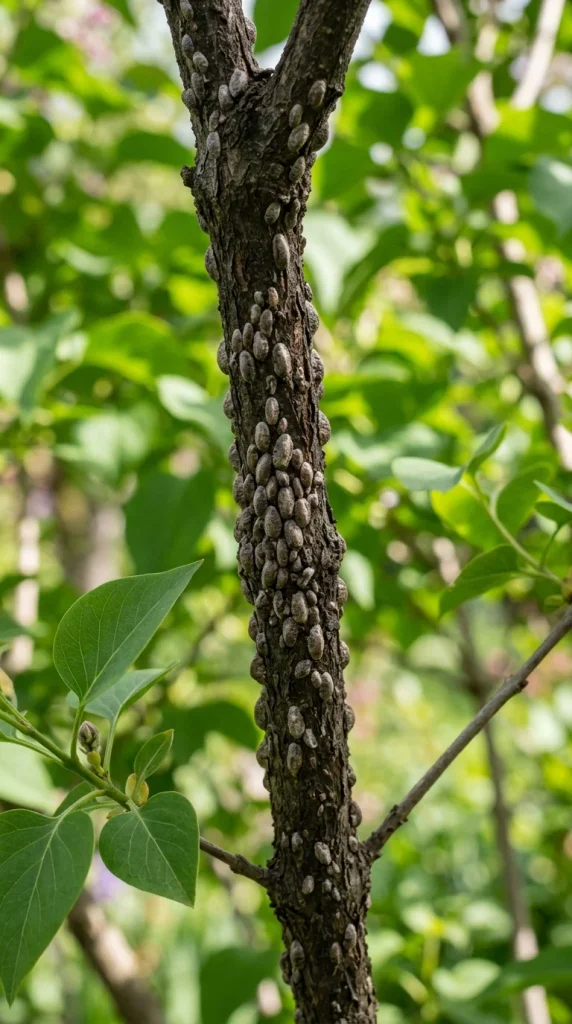
While generally hardy, lilacs can be targeted by certain pests like the lilac borer or scale insects. Borers are larvae that tunnel into the wood, causing wilting and dieback of entire branches. Look for small holes in the bark and “sawdust” at the base of the plant. Scale insects look like tiny bumps on the stems and suck the sap from the plant. Treating with horticultural oil in the late winter or early spring can help manage scale, while keeping the plant healthy and unstressed is the best defense against borers.
14. Powdery Mildew
Powdery mildew is a white, dusty fungal growth that often appears on lilac leaves in late summer when the humidity is high. While it is mostly aesthetic and rarely kills the plant, it can weaken the shrub over time. To minimize it, choose mildew-resistant varieties and ensure maximum airflow. If the mildew becomes severe, you can spray the foliage with a mixture of one tablespoon of baking soda and a half-teaspoon of liquid soap in a gallon of water, which alters the pH on the leaf surface and stops the fungus from spreading.
15. Chilling Hours
If you are wondering why your lilac isn’t blooming despite looking healthy, it might be a lack of winter cold. Common lilacs need a period of “chilling hours”—temperatures below 45°F (7°C)—to break dormancy and trigger flower production. This is why lilacs are iconic in the North but rare in the Deep South. If you live in a border zone, ensure you aren’t planting your lilac in a “microclimate” that stays too warm, such as against a heated brick wall that radiates warmth through the night.
16. Companion Planting
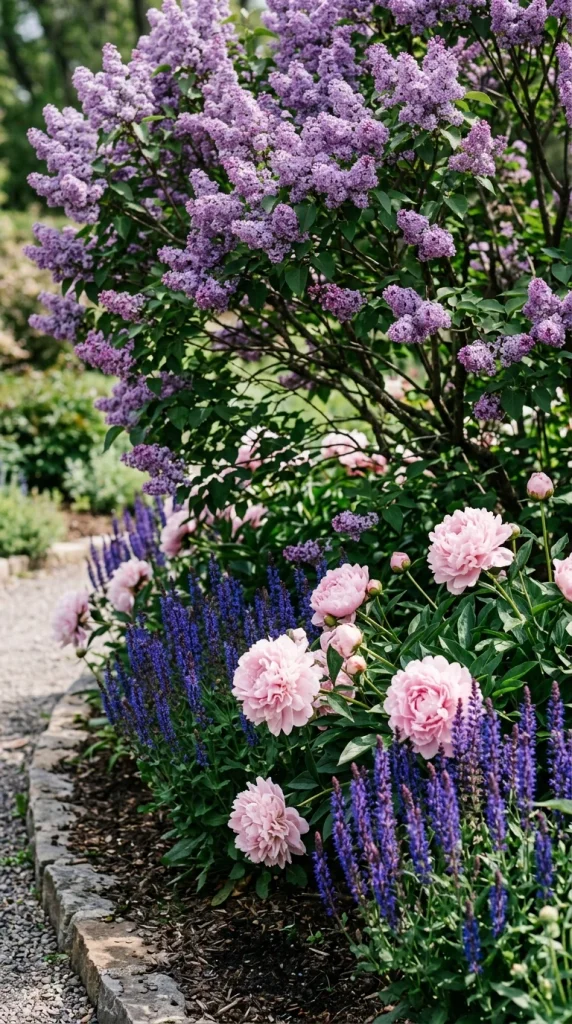
Lilacs look and perform better when paired with the right neighbors. Because lilacs can look a bit “leggy” at the bottom as they age, planting mid-sized perennials like peonies, hostas (in partial shade), or salvias around the base can hide the bare stems. Choose companions that enjoy the same neutral soil and full sun. Avoid planting aggressive, water-hungry trees too close to your lilacs, as they will compete for the same moisture and nutrients the lilac needs for its spring show.
17. Cuttings
Want more lilacs for free? You can propagate them through softwood cuttings taken in late spring or early summer. Look for new growth that is still flexible but “snaps” when bent. Dip the cut end in rooting hormone and place it in a well-draining potting mix. Keep the cutting humid and out of direct sun until roots establish. While lilacs can take a few years to bloom from a cutting, it is a rewarding way to multiply your favorite fragrant varieties or share them with friends.
18. Vase Care

To enjoy the fragrance of lilacs indoors, harvest the blooms when the flower cluster is about half to two-thirds open. If you wait until they are fully open, they will wilt much faster. Use a sharp knife or shears to cut the stems at an angle. A pro tip for lilac longevity in a vase is to use a hammer to gently “smash” the bottom inch of the woody stem or slit it vertically; this increases the surface area for water uptake. Change the water daily and keep the bouquet out of direct sunlight to keep the blooms fresh for up to a week.