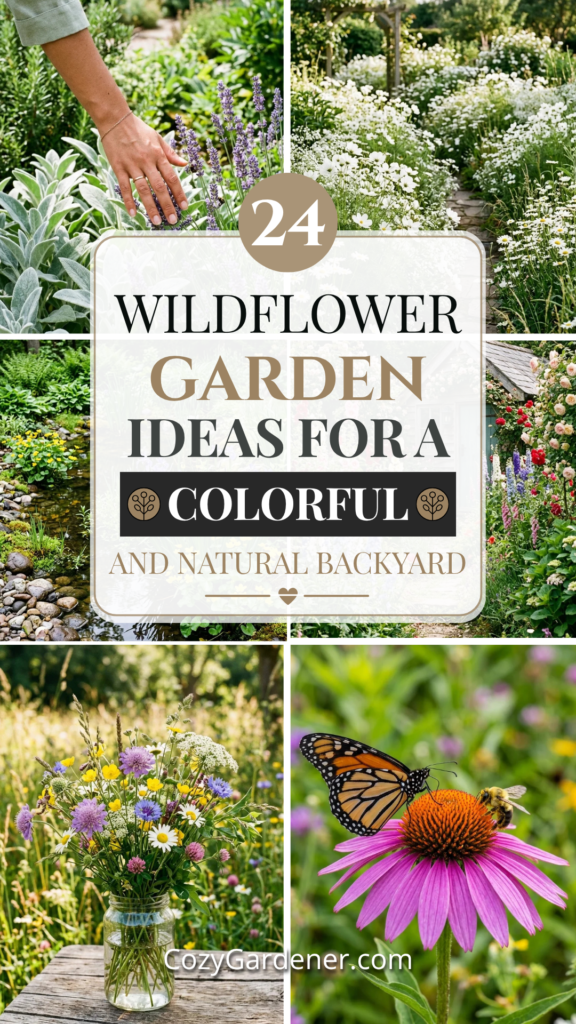
Wildflowers are the soul of a natural landscape. They offer a sense of untamed beauty, vibrant color, and ecological harmony that manicured lawns simply cannot match. Whether you have a sprawling estate or a small urban balcony, integrating wildflowers into your outdoor space can transform it into a sanctuary for both humans and local wildlife. From attracting essential pollinators like bees and butterflies to reducing the need for intensive maintenance, a wildflower garden is a gift to the environment and your senses.
Here are 24 creative and inspiring wildflower garden ideas to help you cultivate a stunning, natural backyard.
1. Rolling Meadows
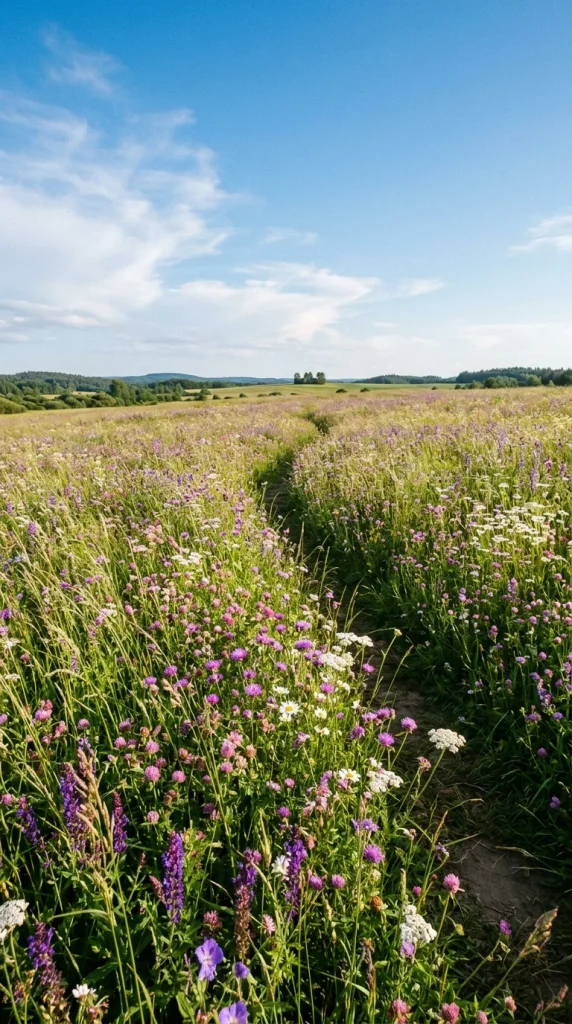
The classic meadow is the pinnacle of wildflower gardening. Instead of a flat green lawn, allow a portion of your yard to return to its wild roots. By sowing a diverse mix of native seeds, you create a dynamic ecosystem that changes throughout the seasons. This approach requires minimal mowing—usually only once a year in late fall—allowing the plants to drop their seeds and return even stronger the following spring.
2. Pollinator Hubs
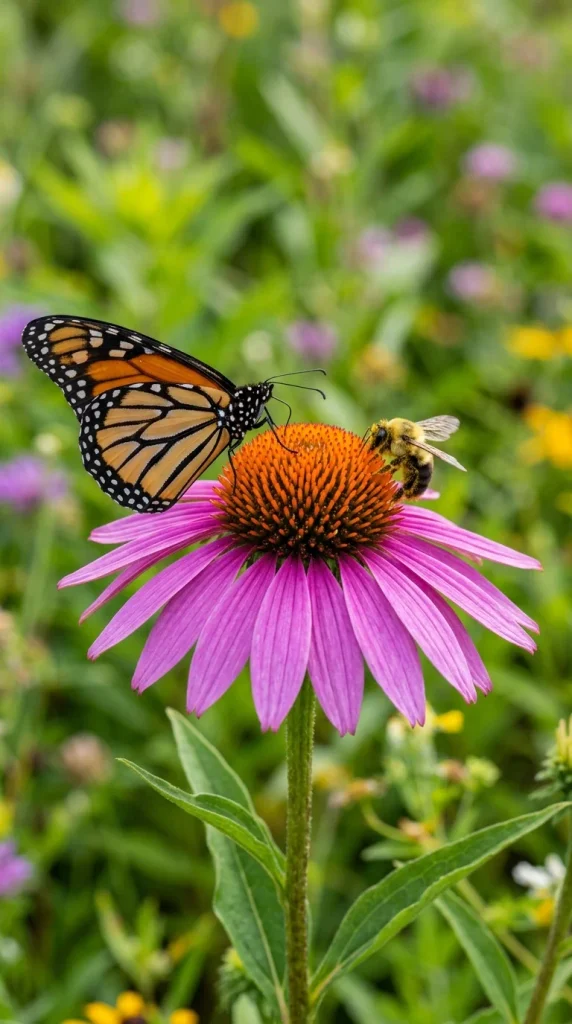
If you want to support local biodiversity, design your garden specifically for pollinators. Focus on “powerhouse” plants like milkweed, lavender, and asters. These clusters act as a buffet for bees, butterflies, and hummingbirds. By planting in large drifts rather than scattered individual flowers, you make it easier for pollinators to spot their target from the air, ensuring your garden is a buzzing center of activity.
3. Rock Crevices
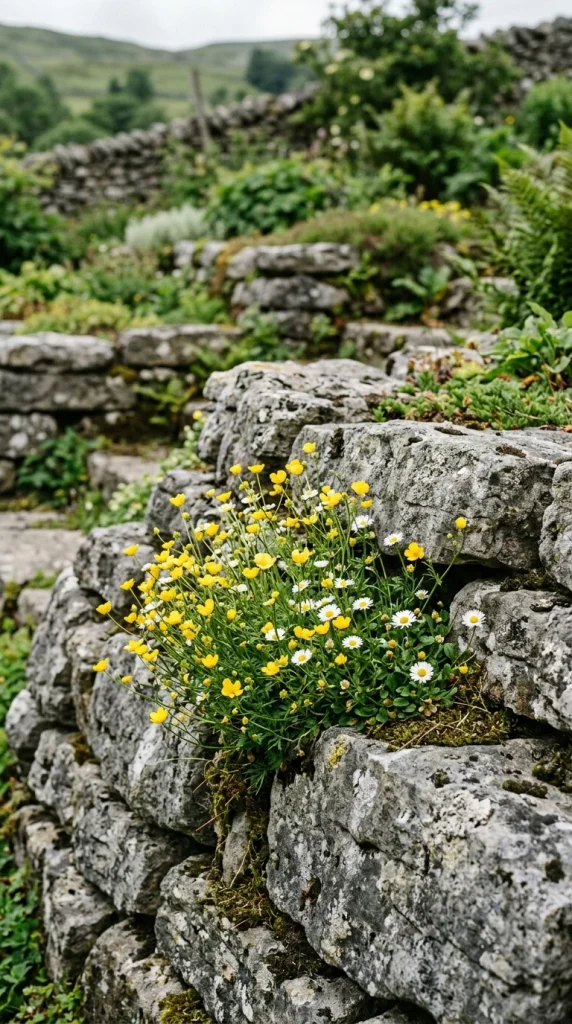
Wildflowers are incredibly resilient and often thrive in poor soil conditions where other plants might struggle. Utilizing a rock garden allows you to feature alpine species or drought-tolerant varieties that love the heat-retaining properties of stone. The contrast between the hard, static grey of the rocks and the soft, delicate petals of the flowers creates a visually striking landscape feature.
4. Potted Blooms
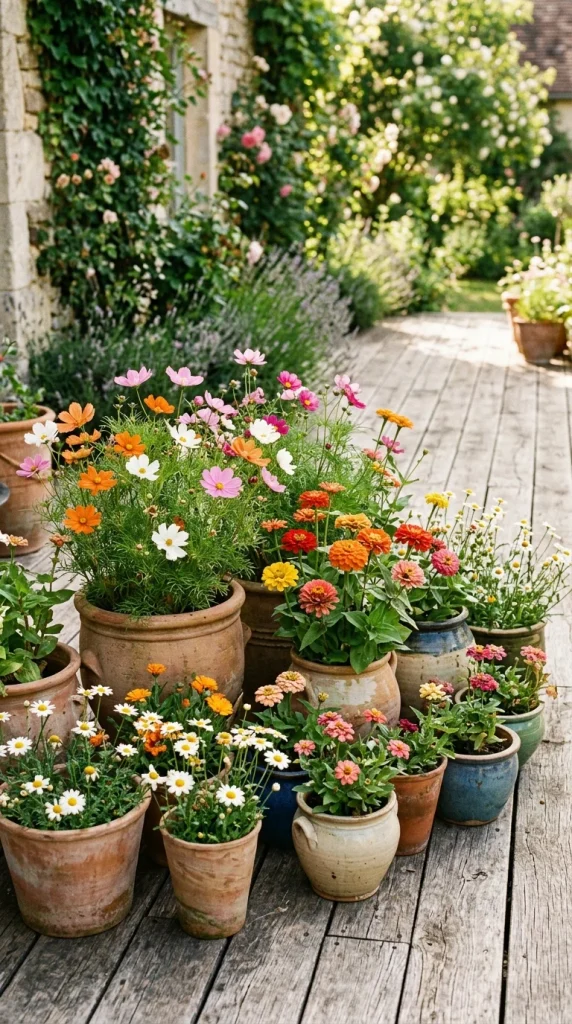
You don’t need a massive plot of land to enjoy wildflowers. Many species, particularly annuals like zinnias and cosmos, thrive in containers. This is an ideal solution for renters or those with limited space. Use various pot heights to create a “staircase” effect of color, and place them near seating areas so you can enjoy the fragrance and the sight of visiting butterflies up close.
5. Border Strips
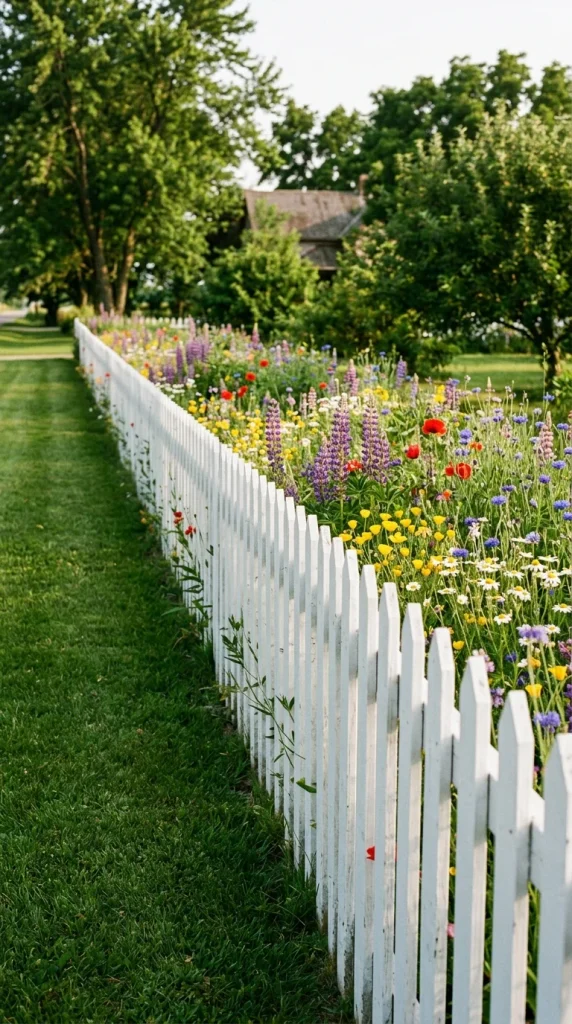
If you aren’t ready to commit your entire lawn to the wild, start with border strips. These narrow ribbons of color can run along fences, driveways, or the edges of your property. They provide a tidy, intentional look while still offering the ecological benefits of a wildflower patch. It’s a great way to “frame” your backyard with a burst of natural energy.
6. Woodland Shade
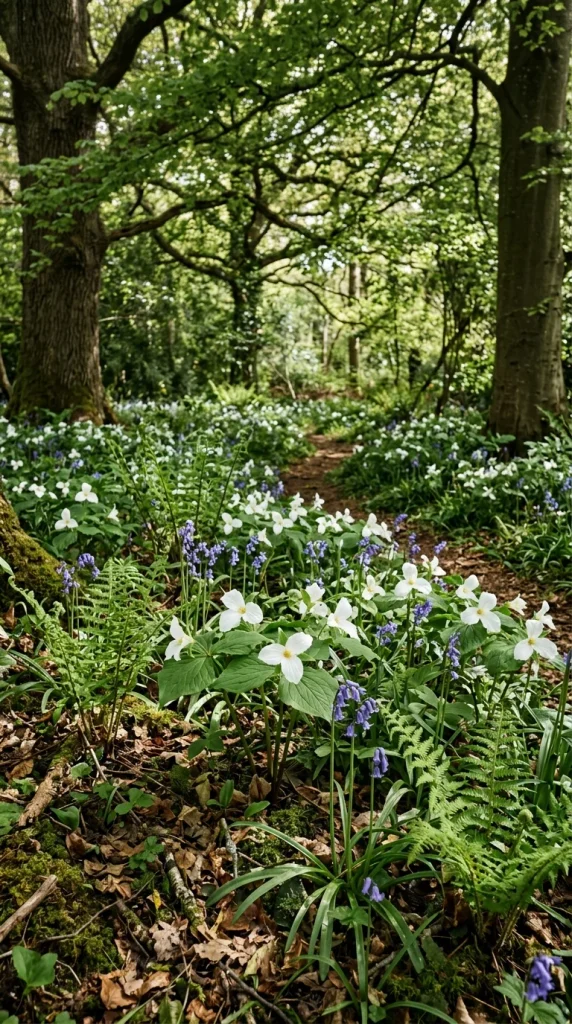
Wildflowers aren’t just for full sun. Many beautiful species are native to forest floors and thrive in the shade. Foxgloves, columbines, and bluebells are perfect for those cooler, darker corners of your yard. A woodland wildflower garden feels like a secret, enchanted forest and provides a cool retreat during the heat of summer.
7. Native Prairies
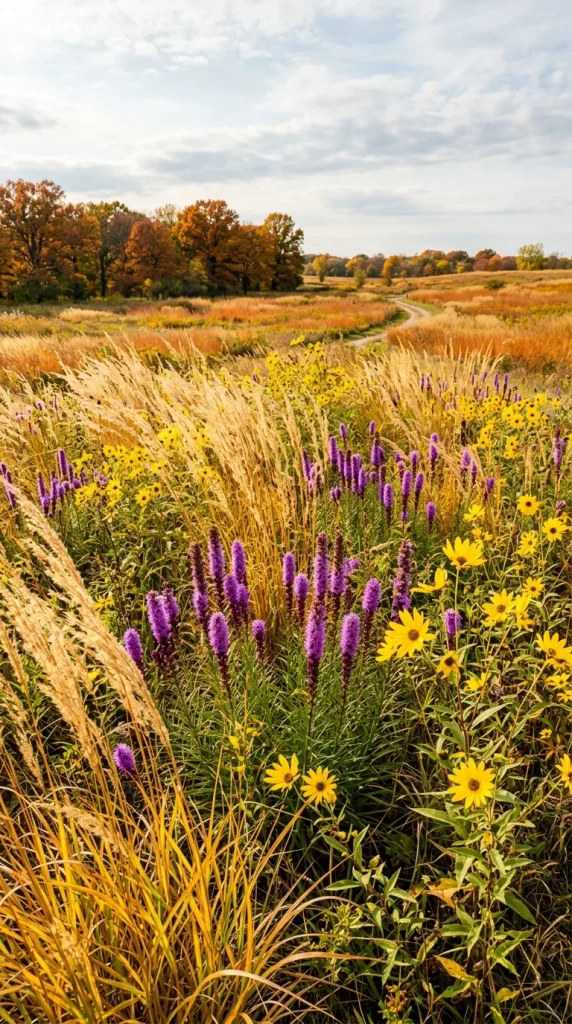
A native prairie garden focuses on species indigenous to your specific region. These plants are perfectly adapted to your local climate and soil, making them incredibly hardy and low-maintenance. Incorporating native grasses alongside the flowers provides structural support and visual interest during the winter months, as the dried seed heads catch the frost and snow.
8. Water Features
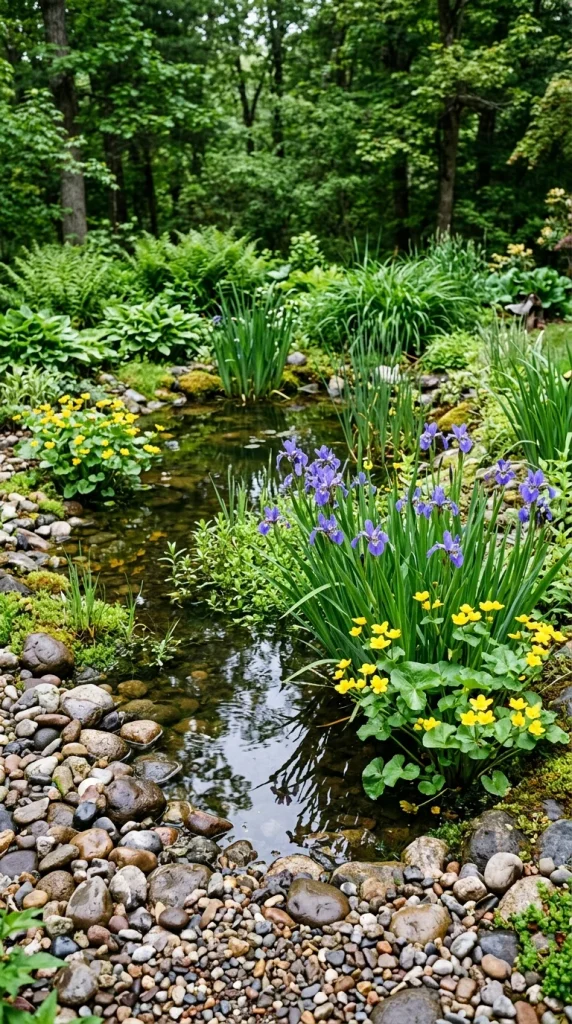
Wildflowers can enhance the beauty of a pond or stream. Moisture-loving species like Joe-Pye weed and cardinal flowers thrive in the damp soil near water. These plants help stabilize the banks and provide a habitat for dragonflies and frogs. The reflection of vibrant petals in the water adds a layer of serenity and depth to your garden design.
9. Cottage Style
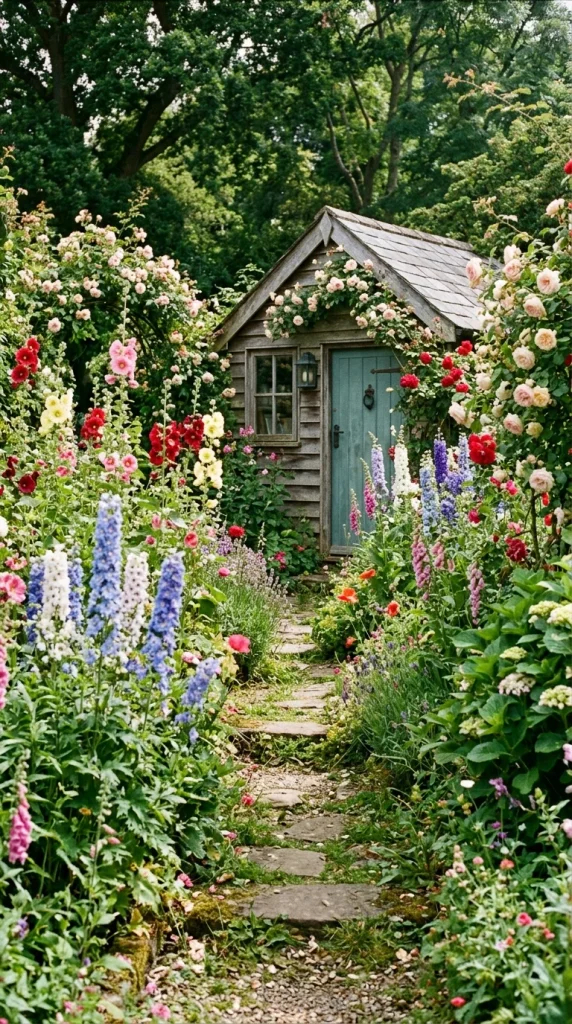
The cottage garden aesthetic is all about controlled chaos. It embraces the “more is more” philosophy, mixing wildflowers with traditional perennials and herbs. The result is a romantic, overflowing landscape that feels timeless. Aim for a variety of heights, with tall hollyhocks in the back and low-growing creeping thyme or violets in the front.
10. Winding Paths
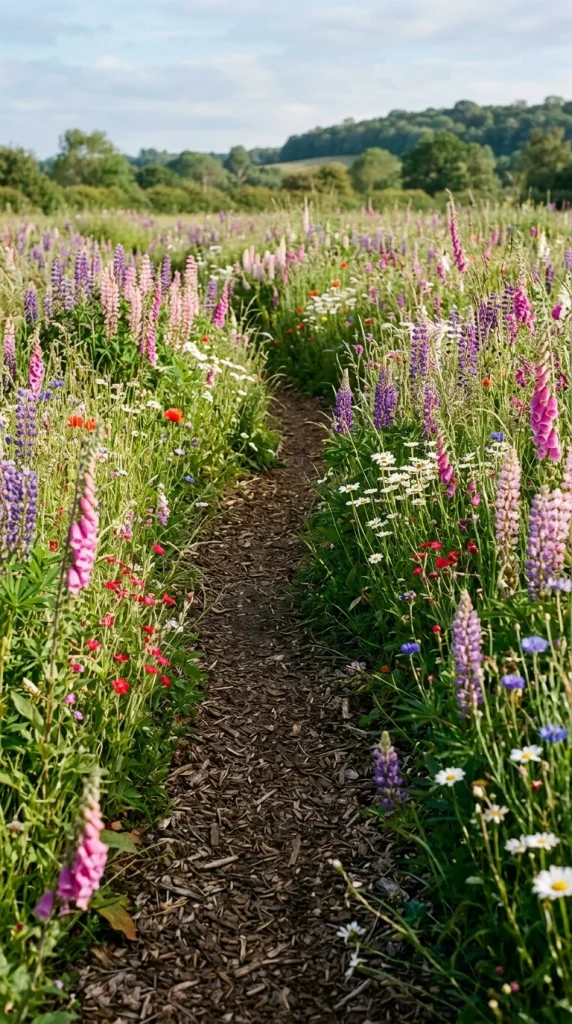
Integrating a path through your wildflower garden makes it interactive. Use natural materials like wood chips, gravel, or stepping stones to create a walkway. This allows you to “immerse” yourself in the garden without stepping on the delicate plants. Paths also give the garden a sense of purpose and design, signaling that the wild growth is intentional.
11. Raised Beds
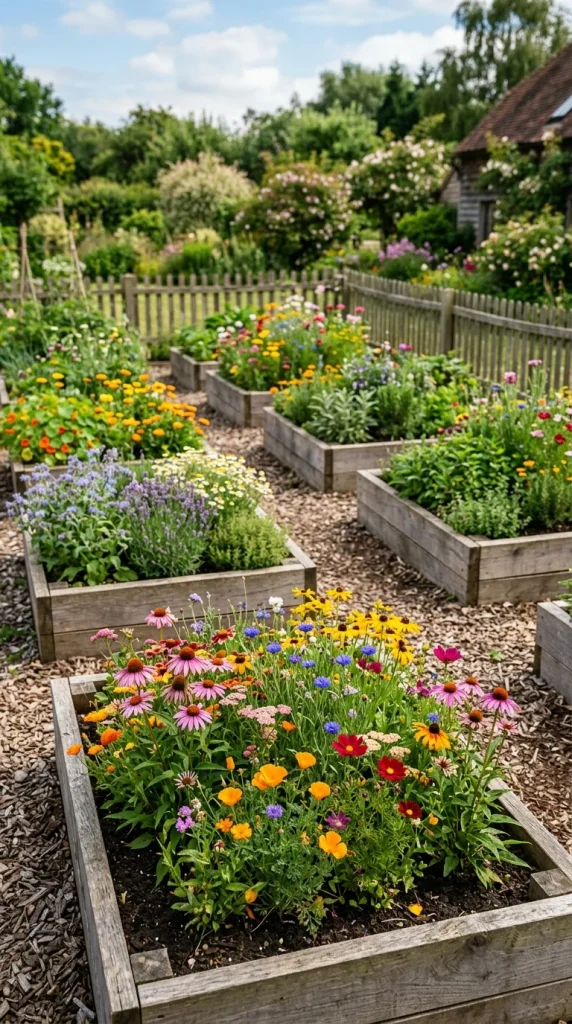
Raised beds are an excellent way to control the soil quality and prevent wildflowers from spreading into areas where they aren’t wanted. They also make gardening easier on your back. You can fill each bed with a different “theme” of wildflowers—perhaps one for cutting, one for bees, and one for medicinal herbs like echinacea.
12. Vertical Gardens
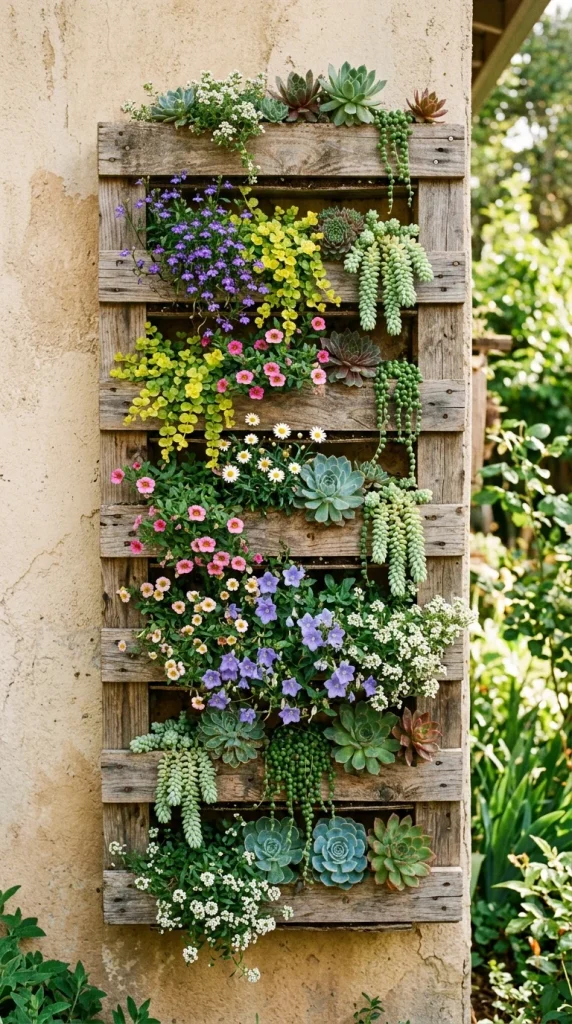
If horizontal space is at a premium, go vertical. Many smaller wildflower species and trailing vines can be grown in wall-mounted planters or trellises. This adds a lush, green-and-floral backdrop to a patio or balcony. It’s a creative way to mask an unattractive wall or fence while adding to the local ecosystem.
13. Monochromatic Themes
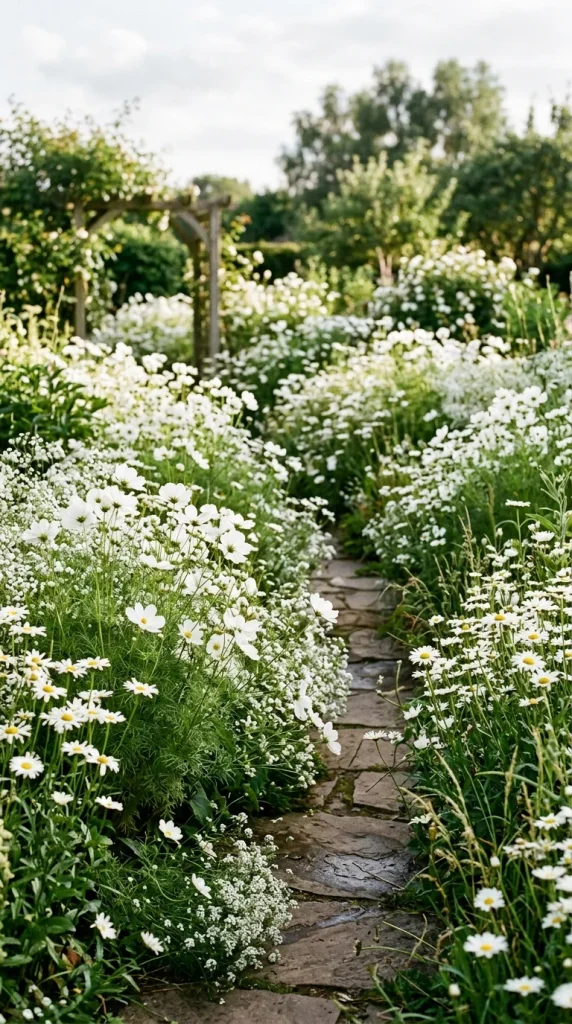
While wildflowers are known for their rainbow of colors, a monochromatic garden can be incredibly sophisticated. Imagine a “white garden” that glows in the moonlight, or a “sunshine garden” filled exclusively with yellows and oranges. This focused color palette creates a sense of harmony and can make a small space feel much larger and more cohesive.
14. Seasonal Succession

The best wildflower gardens are designed with the entire year in mind. Choose a mix of species that bloom at different times. Start with early spring ephemerals, move into the high-summer explosion of color, and finish with late-blooming asters and goldenrod. This ensures that your backyard remains a visual delight and a food source for wildlife from March through October.
15. Wildlife Habitats
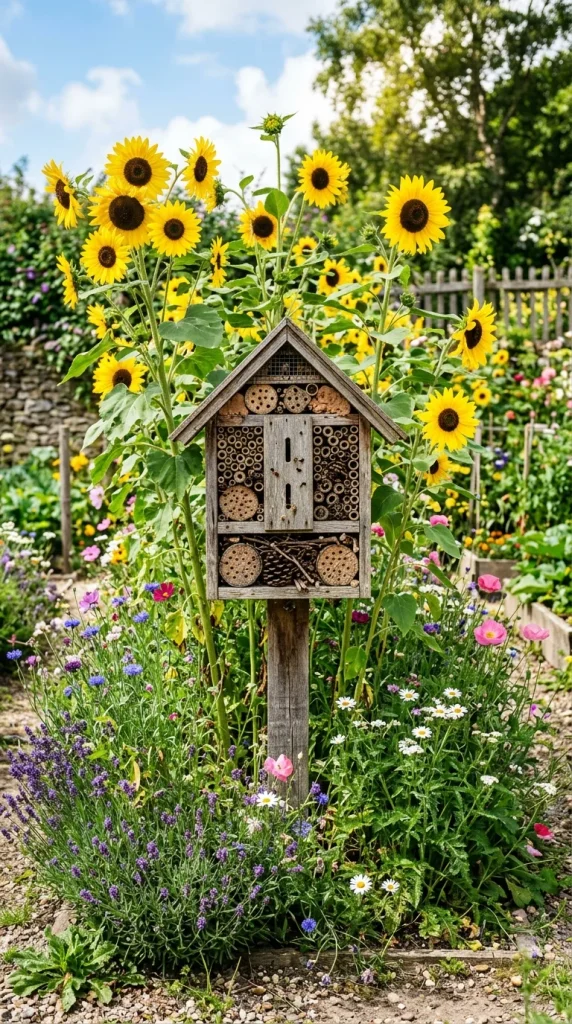
Beyond just flowers, think about the “homes” you can provide. Leave some dried stalks standing over winter to provide nesting sites for solitary bees. Include a “bug hotel” or a small brush pile near your wildflower patch. By providing food (flowers), water, and shelter, you turn your backyard into a true sanctuary for local fauna.
16. Drought-Tolerant
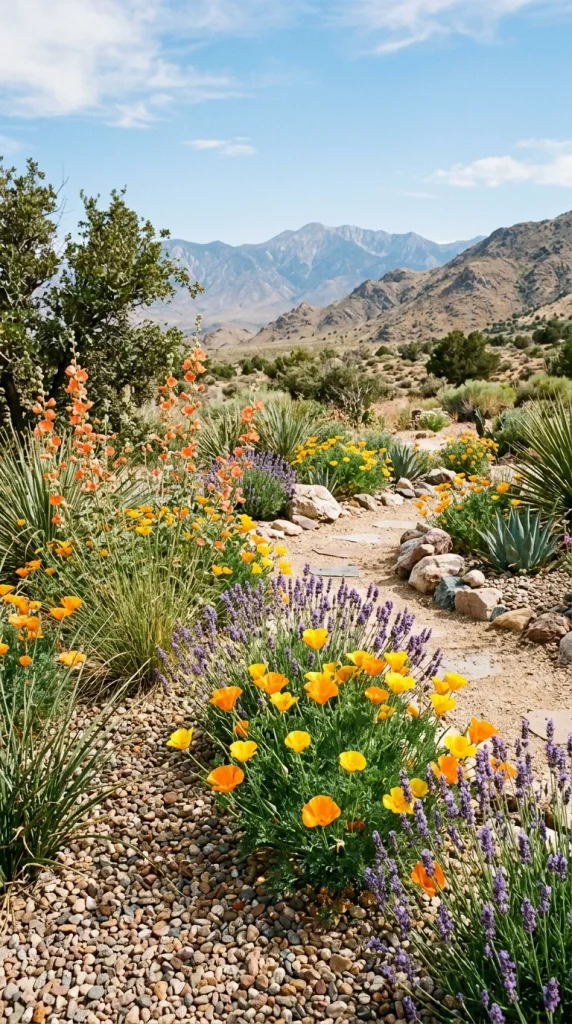
In arid climates or areas with water restrictions, a drought-tolerant wildflower garden is a smart and beautiful choice. Species like Gaillardia (blanket flower) and Coreopsis are incredibly tough and require very little supplemental watering once established. Using gravel or stone mulch helps retain what little moisture is in the soil while giving the garden a clean, modern look.
17. Meadow Strips
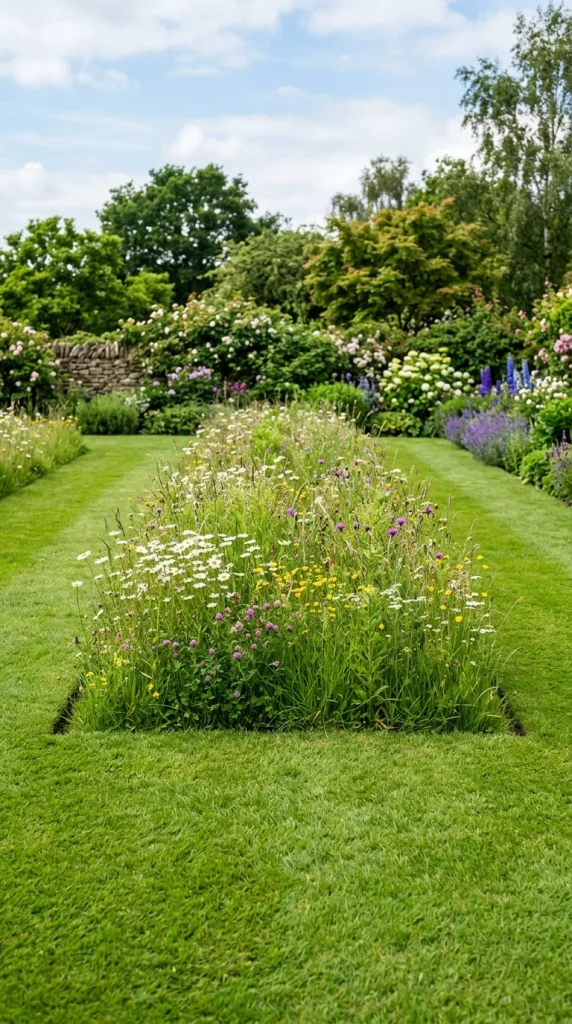
A “meadow strip” or “island” is a great way to experiment with rewilding. By leaving a specific section of your lawn un-mown, you allow the natural seed bank in the soil to emerge. It creates a striking visual contrast between the “ordered” lawn and the “wild” center, showing that biodiversity can coexist with traditional landscaping.
18. Tree Rings
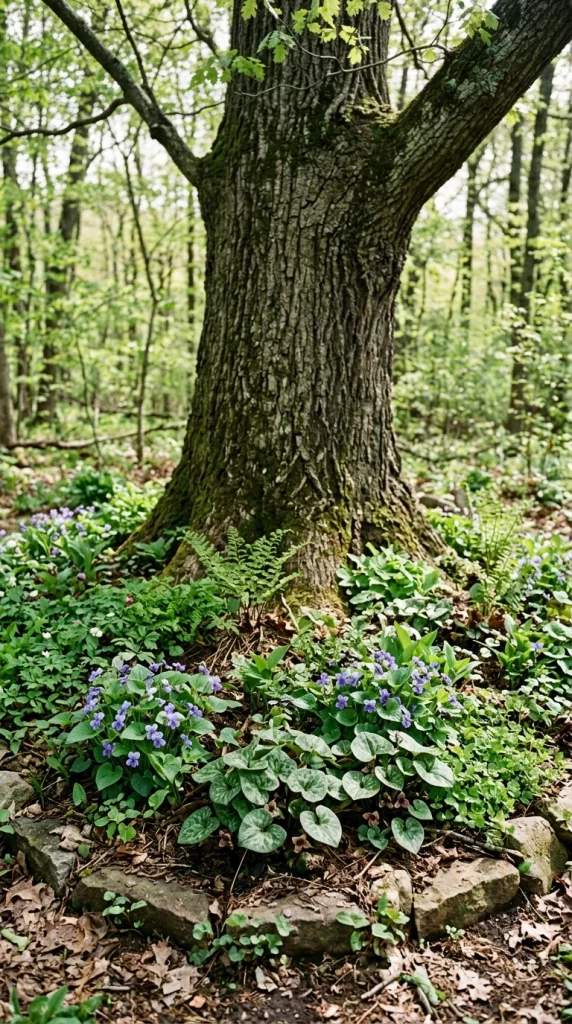
Often, the grass under large trees is patchy and thin because of the shade and root competition. Replace that struggling grass with a ring of wildflowers. Choose species that are adapted to “dry shade.” This not only looks much better but also protects the tree’s trunk from mower damage and improves the soil health around the root zone.
19. Slope Stabilization
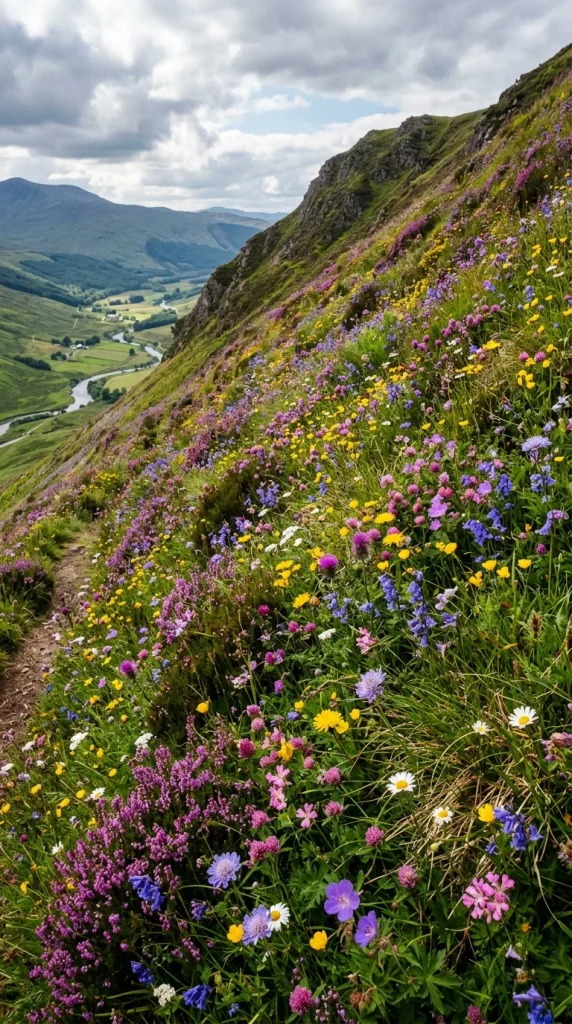
Wildflowers are excellent for erosion control on steep banks or hillsides. Their deep root systems hold the soil in place far better than standard turf grass. Instead of trying to mow a dangerous slope, seed it with a “slope mix” of wildflowers. It turns a difficult landscaping challenge into a low-maintenance, beautiful feature.
20. Sensory Gardens
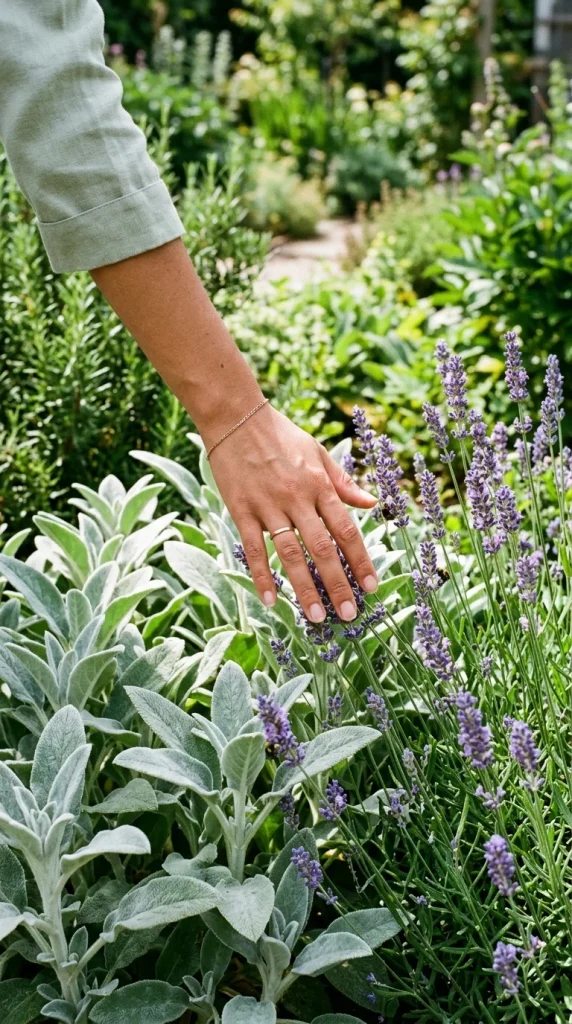
Design your wildflower garden to engage all the senses. Include soft textures like lamb’s ear, rustling grasses for sound, and fragrant blooms like wild roses or chocolate daisies for scent. A sensory garden is particularly wonderful for children and can be a therapeutic space for relaxation and mindfulness.
21. Cut Flower Garden
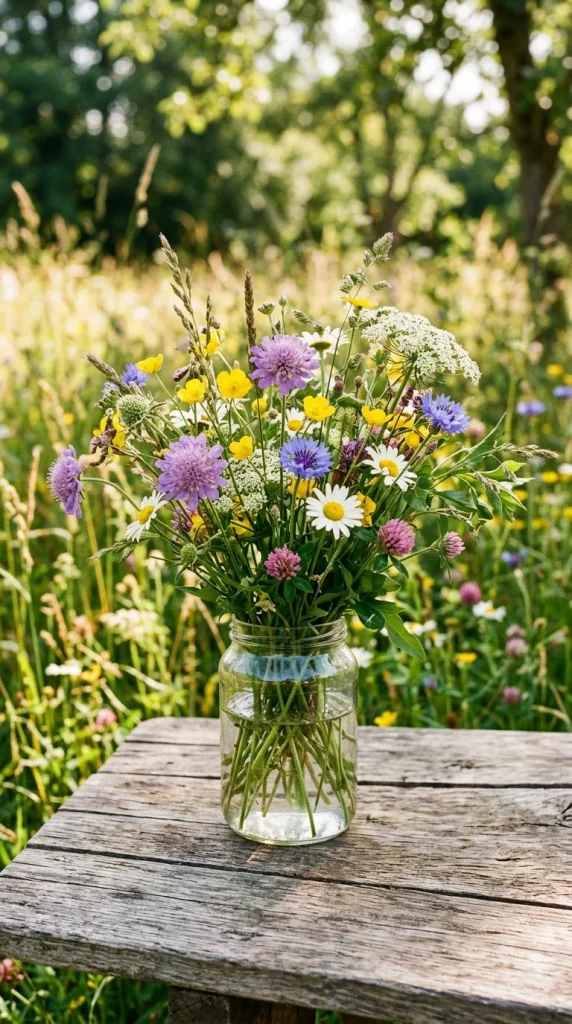
One of the greatest joys of a wildflower garden is bringing the beauty indoors. Dedicate a section of your garden to “cut-and-come-again” varieties. Zinnias, bachelor’s buttons, and sweet peas are perfect for this. The more you cut them, the more they bloom, providing you with fresh, organic bouquets all summer long without the high price tag of a florist.
22. Underplanting
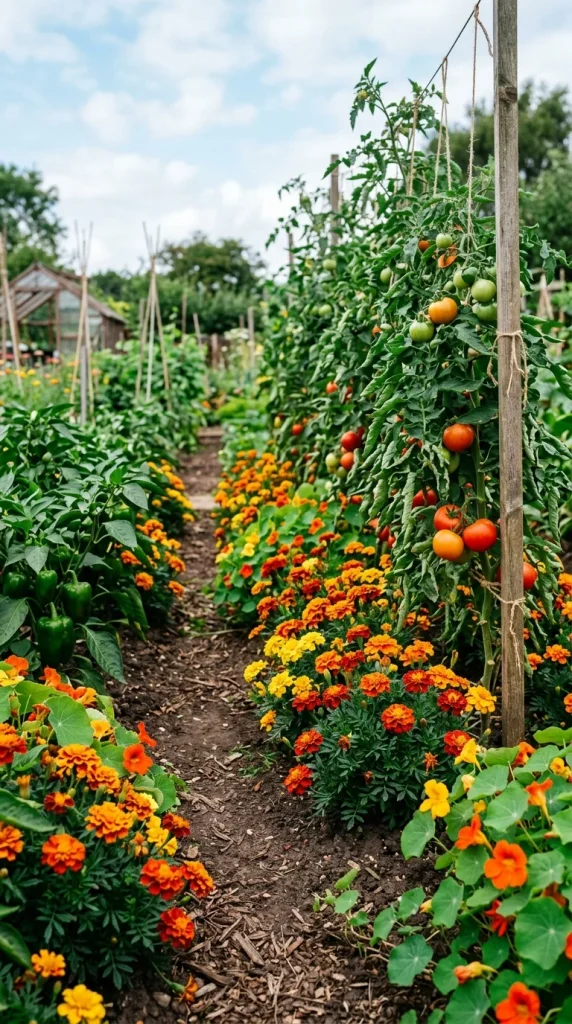
Wildflowers aren’t just for decorative beds; they are great companions in the vegetable garden. Underplanting your crops with flowers like marigolds or nasturtiums can help deter pests and attract beneficial insects that prey on garden villains like aphids. It’s a natural, chemical-free way to boost your harvest while adding beauty to your food plot.
23. Fairy Garden
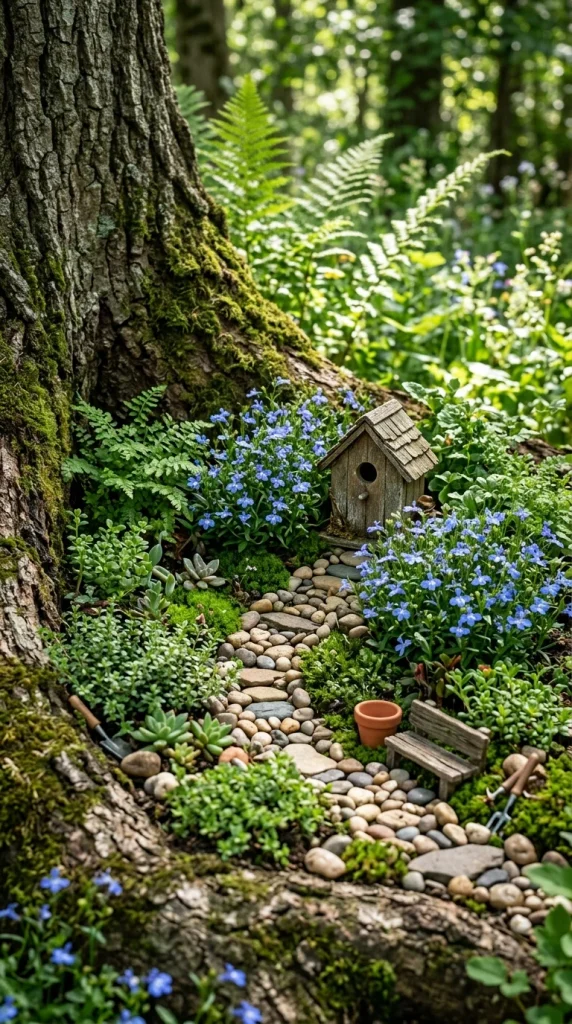
For a touch of whimsy, create a miniature wildflower “fairy garden.” Use small-scale flowers like forget-me-nots and creeping thyme. Add tiny accessories like pebble paths or miniature fences. This is a fantastic project for families and encourages children to look closely at the intricate details of the natural world.
24. Urban Balcony
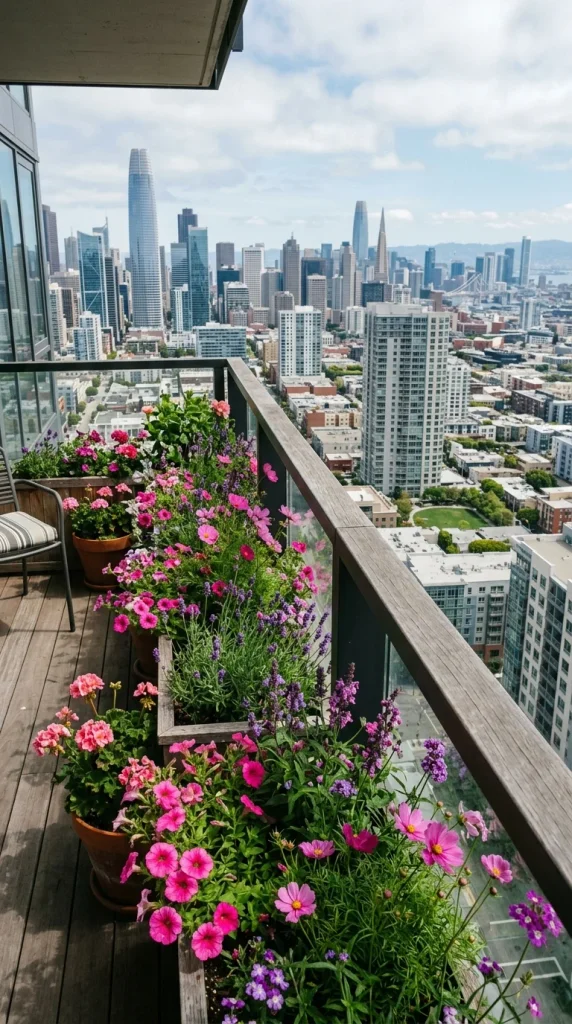
You don’t need a “backyard” to have a wildflower garden. Railing planters and hanging baskets can turn a concrete balcony into a vertical meadow. Focus on compact varieties and ensure they get enough sunlight. Even a few stories up, you’ll be surprised at how quickly bees and butterflies will find your elevated oasis in the middle of the city.
Creating a wildflower garden is about more than just aesthetics; it’s an act of stewardship. By choosing to grow these hardy, beautiful plants, you are reducing your environmental footprint, saving water, and providing a vital lifeline for the creatures we share our planet with. Start small, experiment with different species, and watch as your backyard transforms into a vibrant, living masterpiece.