Transforming your backyard into a sanctuary for pollinators is one of the most rewarding gardening projects you can undertake. Beyond the sheer aesthetic beauty of a wildflower meadow, you are providing a critical lifeline for bees, butterflies, and other beneficial insects whose habitats are increasingly under threat. A well-planned wildflower garden is more than just a collection of plants; it is a living, breathing ecosystem that changes with the seasons.
Whether you have a sprawling estate or a tiny urban balcony, there are endless ways to incorporate native blooms into your landscape. The key is to provide a variety of shapes, colors, and blooming periods to ensure that your local pollinators have a reliable food source from early spring through the first frost of autumn. Here are 14 wild and wonderful ideas to get you started on your pollinator-friendly journey.
1. Native Meadows
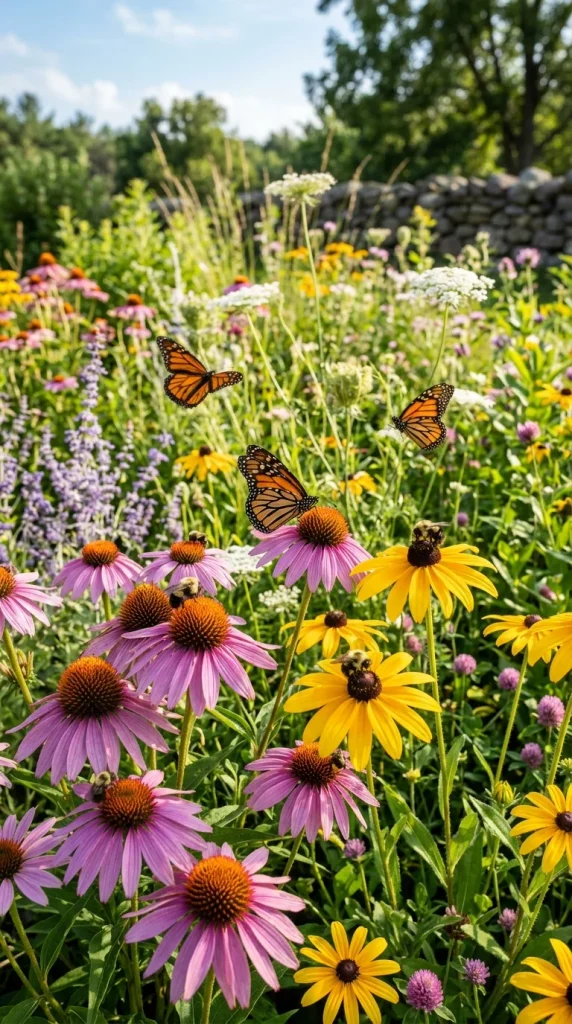
The most effective way to attract local bees and butterflies is to plant what they already know. Native plants have co-evolved with local insect populations for millennia, meaning their nectar and pollen are perfectly suited to the nutritional needs of the species in your area. To create a native meadow, research the wildflowers indigenous to your specific region. These plants are often hardier, more drought-resistant, and require less maintenance than exotic varieties. By recreating a slice of the natural landscape, you offer a “home base” for pollinators that might otherwise struggle to find familiar forage in a sea of manicured turf grass.
2. Color Blocks
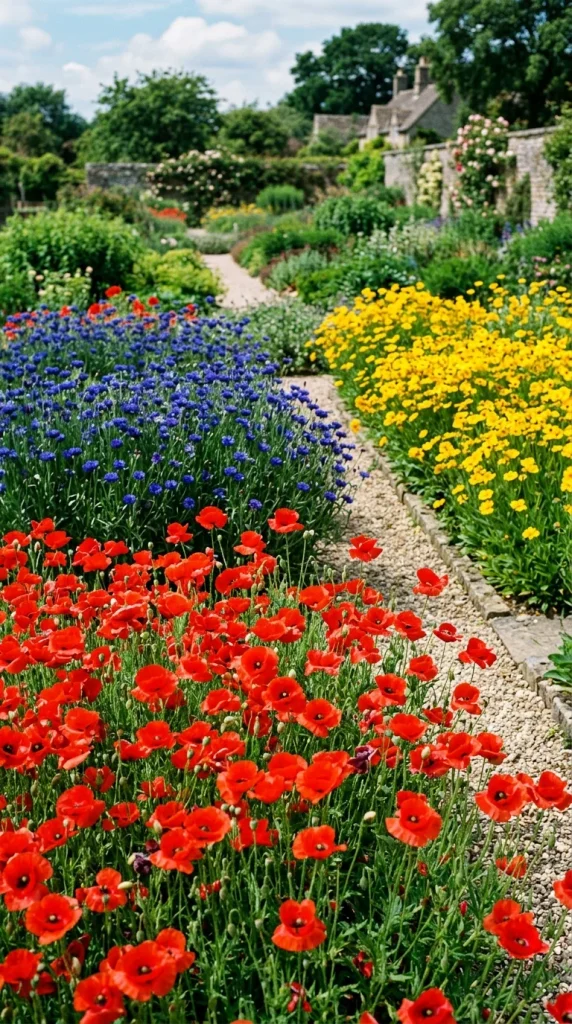
Bees and butterflies see the world differently than we do. Bees, for instance, are particularly attracted to shades of blue, purple, and yellow, while butterflies are often drawn to vibrant reds and oranges. By planting your wildflowers in large “color blocks” rather than scattering single plants, you make it much easier for pollinators to spot your garden from a distance. A large mass of blue salvia is like a giant neon sign for a passing bumblebee, signaling a high-efficiency food source where they can gather plenty of nectar without flying long distances between individual blooms.
3. Rock Gardens
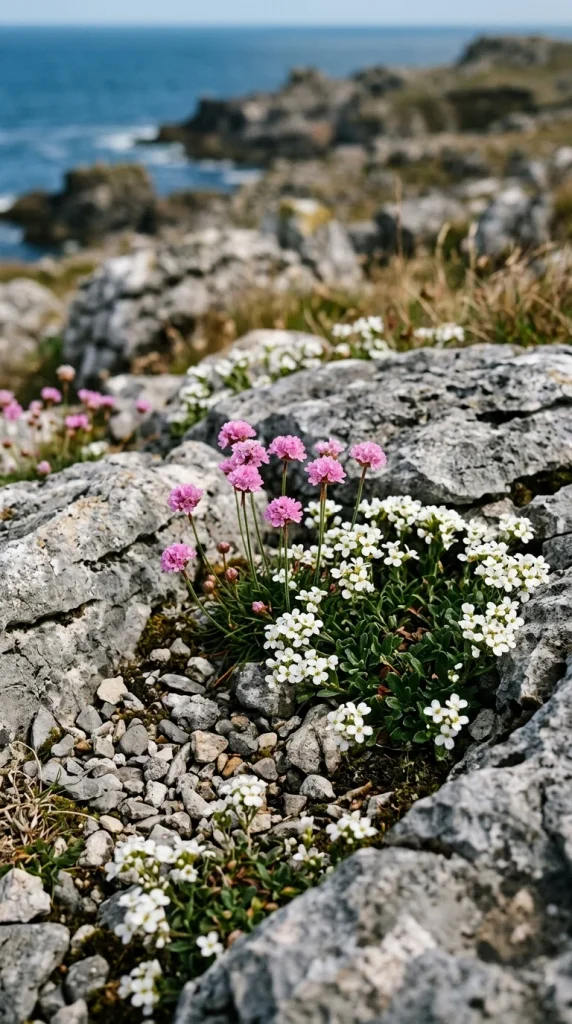
Wildflowers aren’t just for rolling hills; many species thrive in the rugged, well-drained environments of a rock garden. Using stones and gravel creates microclimates that retain heat—something that cold-blooded butterflies absolutely love. Species like creeping thyme, alpine forget-me-nots, and stonecrop are perfect for tucking into crevices. These low-growing plants provide a sturdy landing pad for insects while the stones offer a place for butterflies to bask in the sun and warm their wings before flight.
4. Vertical Trellises
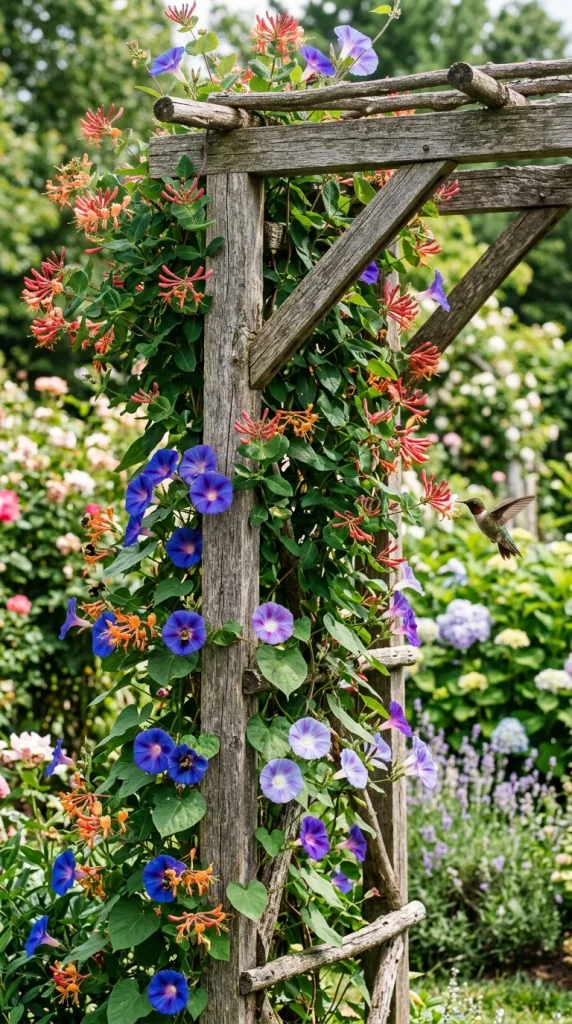
If you are short on ground space, look up! Many nectar-rich wildflowers are climbers or can be trained to grow vertically. Incorporating trellises, arbors, or even simple twine supports allows you to grow species like trumpet honeysuckle or passionflower. These vertical elements add a new dimension to your garden and provide “high-rise” feeding stations for butterflies and long-tongued bees. Vertical gardening also improves air circulation around your plants, reducing the risk of fungal diseases and keeping your pollinator cafe healthy and productive.
5. Butterfly Borders
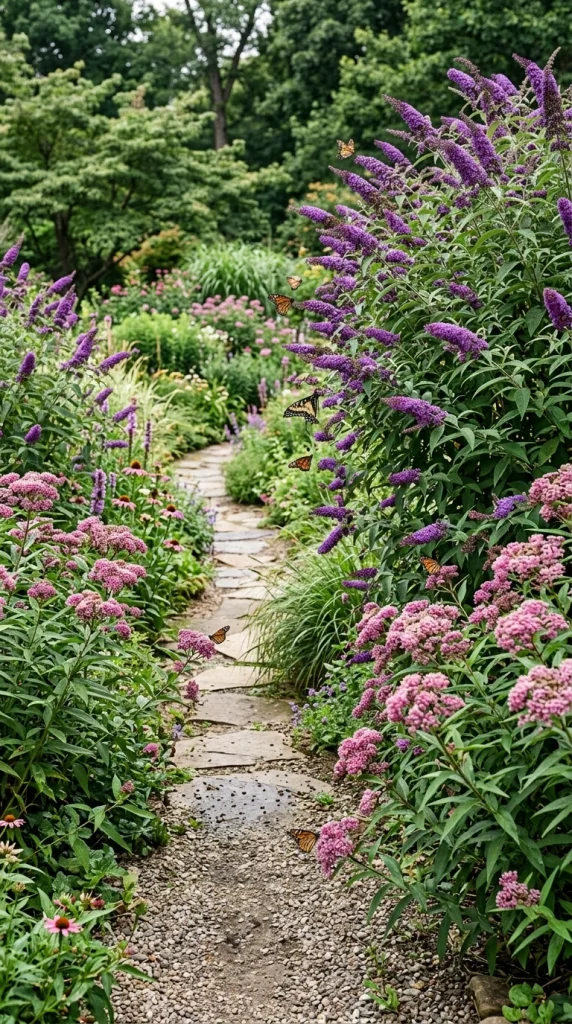
A border garden serves as a beautiful frame for your property while acting as a highway for traveling insects. To create an effective butterfly border, layer your plants by height. Place taller species like Joe Pye weed or sunflowers at the back, and shorter varieties like lantana or zinnias in the front. This layering creates a windbreak, protecting delicate butterflies from strong gusts while they feed. Including “host plants” like milkweed (for Monarchs) or dill and fennel (for Swallowtails) in these borders ensures that your garden isn’t just a snack bar, but a nursery where the next generation can grow.
6. Water Features
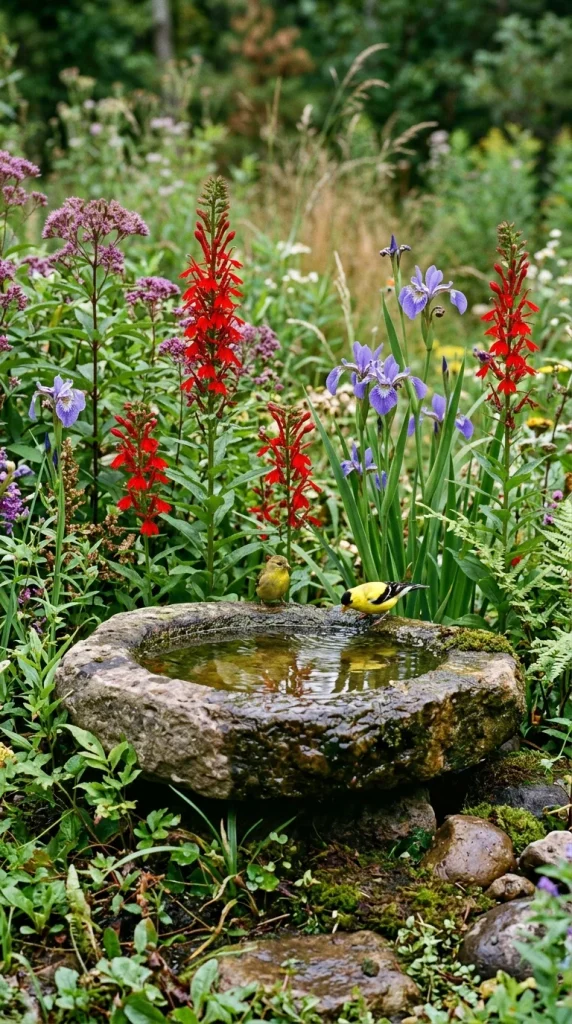
Bees and butterflies get thirsty too! A successful wildflower garden must include a source of hydration. However, insects can easily drown in deep water. Create a “pollinator watering hole” by filling a shallow dish with stones and water, allowing the tops of the stones to remain dry so insects have a place to land and sip safely. Surrounding this feature with moisture-loving wildflowers like marsh marigolds or swamp milkweed creates a lush, humid oasis that is irresistible to thirsty pollinators on hot summer days.
7. Window Boxes

You don’t need a backyard to participate in pollinator conservation. Window boxes filled with dwarf wildflower varieties can turn a balcony or a kitchen window into a vital pit stop for urban bees. Choose compact species like sweet alyssum, dwarf cosmos, or pansies. These small-scale gardens are excellent for bringing the beauty of nature right to your glass, allowing you to watch the intricate dance of bees and butterflies from the comfort of your home.
8. Shady Sanctuaries
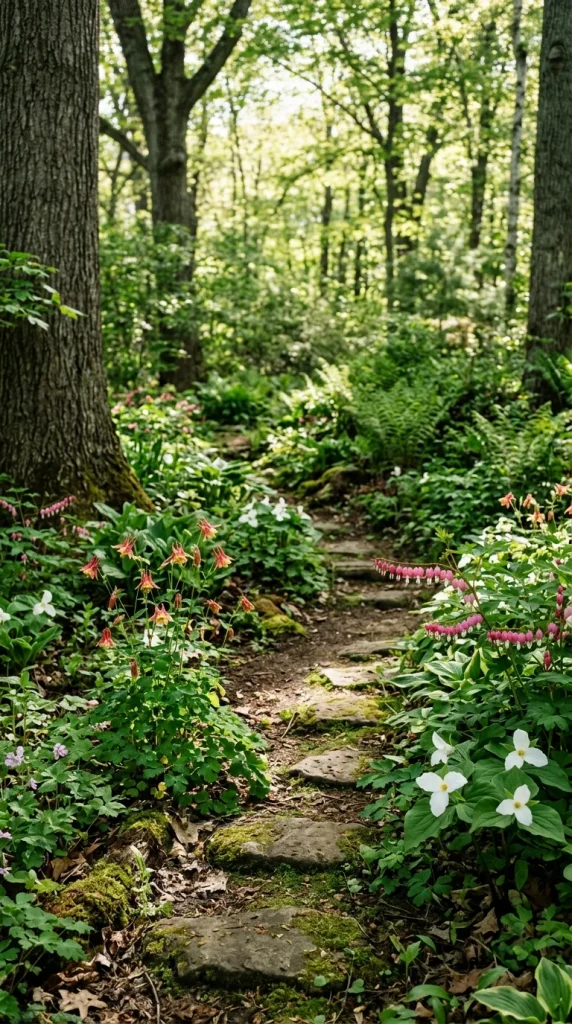
Many people assume wildflowers need full sun, but some of the most beautiful species thrive in the dappled light of a woodland edge. If your yard is dominated by trees, you can still attract pollinators by planting shade-tolerant wildflowers. Columbine, wild geranium, and foamflower are excellent choices that provide early spring nectar when sun-loving plants haven’t yet bloomed. These shady spots offer a cool retreat for insects during the peak heat of the afternoon.
9. Edible Mixes
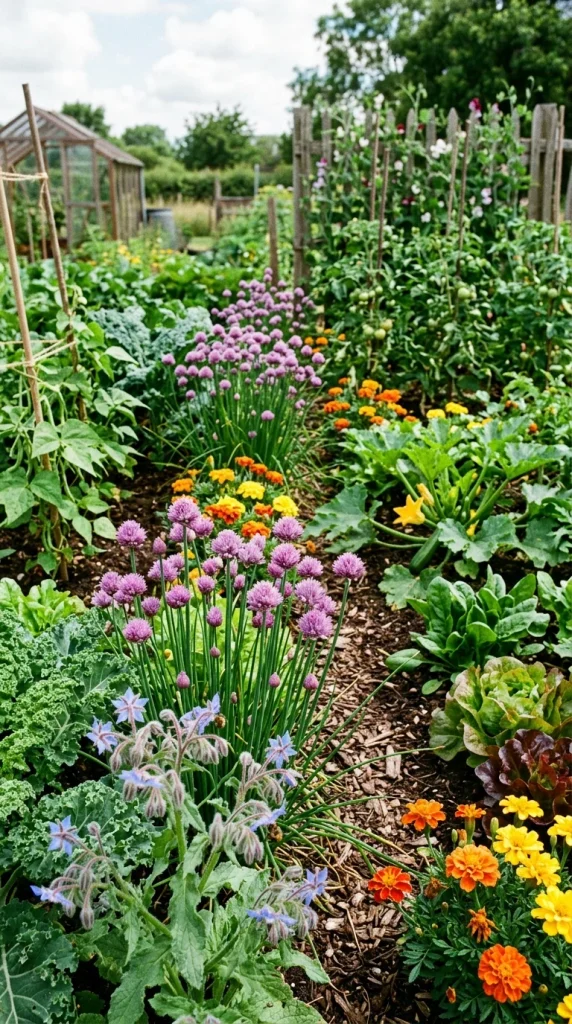
Why choose between a flower garden and a vegetable patch? Integrating wildflowers and flowering herbs into your food garden creates a symbiotic relationship. Herbs like borage, lavender, and chives produce flowers that are magnetizing for bees. By attracting more pollinators to your garden beds, you will significantly increase the yield of your fruiting crops like tomatoes, cucumbers, and squash. It’s a win-win: the bees get a feast, and you get a more bountiful harvest.
10. Late Bloomers

One of the biggest challenges for pollinators is finding food in late summer and early autumn. Most gardens peak in June or July and then fade away. To truly support bees and butterflies, include “late-season heroes” like goldenrod, New England asters, and sedum. These plants provide the essential energy reserves needed for bees to survive the winter or for butterflies like the Monarch to complete their incredible southward migrations.
11. Minimal Mowing
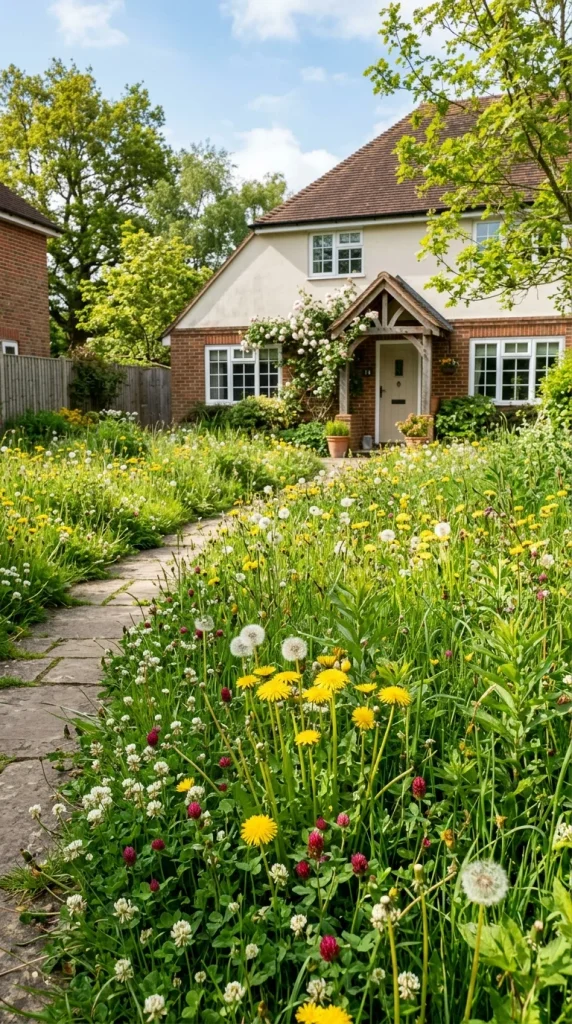
Sometimes, the best way to help pollinators is to do less work. The “No-Mow” movement encourages homeowners to let portions of their lawn return to a natural state. By reducing your mowing frequency, you allow low-growing wildflowers like clover, dandelions, and self-heal to bloom within the grass. These “weeds” are actually vital early-season food sources. Converting even a small corner of your lawn into a wild patch reduces chemical use and provides a much-needed habitat for ground-nesting bees.
12. Woodpile Shelters
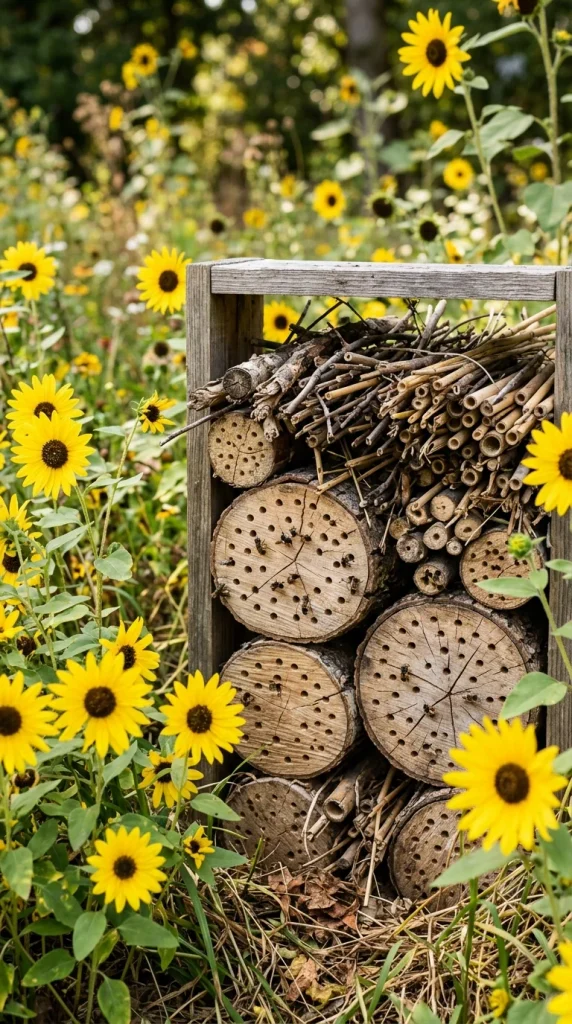
Bees and butterflies need more than just food; they need shelter from the rain and a place to sleep. Incorporating natural debris like a neatly stacked woodpile or a “bug hotel” made of hollow reeds and drilled logs provides essential nesting sites for solitary bees. When placed near your wildflower patches, these structures turn your garden into a full-service resort where pollinators can live out their entire life cycles.
13. Potted Pollinators
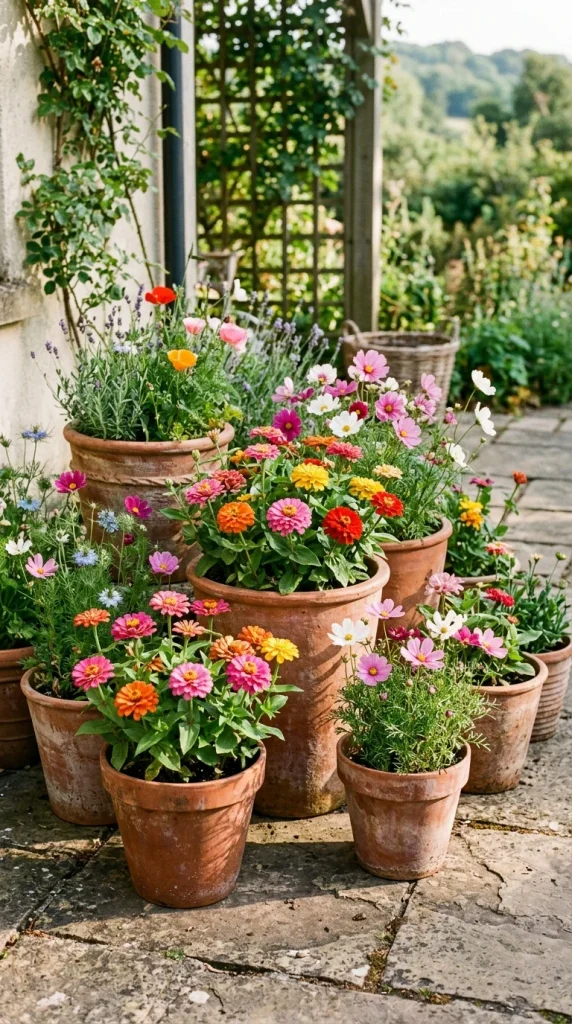
Container gardening allows for ultimate flexibility. You can move your pots to follow the sun or rearrange them to create a dense cluster of blooms. Using different sized pots creates a tiered effect that mimics a natural meadow’s structure. This is a perfect solution for renters or those with paved courtyards. Focus on high-nectar “annual” wildflowers that bloom continuously throughout the season, ensuring that your patio is a constant hub of activity.
14. Multi-Layered Canopies
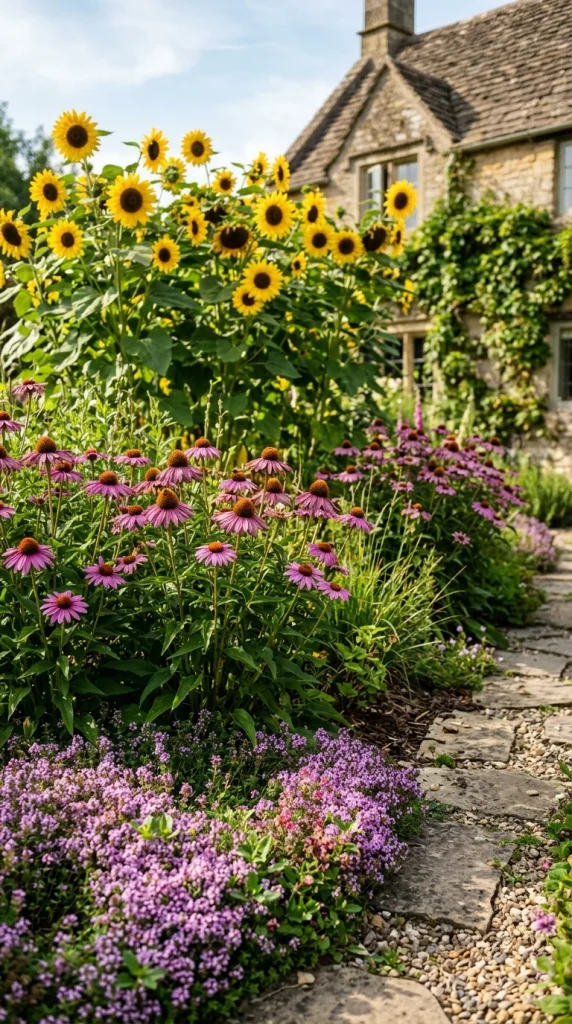
A truly wild garden embraces chaos and structure simultaneously. By planting in layers—from ground covers to shrubs to tall perennials—you create a complex environment that supports a wider variety of insect species. Some bees prefer to forage low to the ground, while certain butterflies enjoy the heights. This multi-layered approach also provides plenty of hiding spots for insects to escape predators like birds, making your garden a safe haven in every sense of the word.